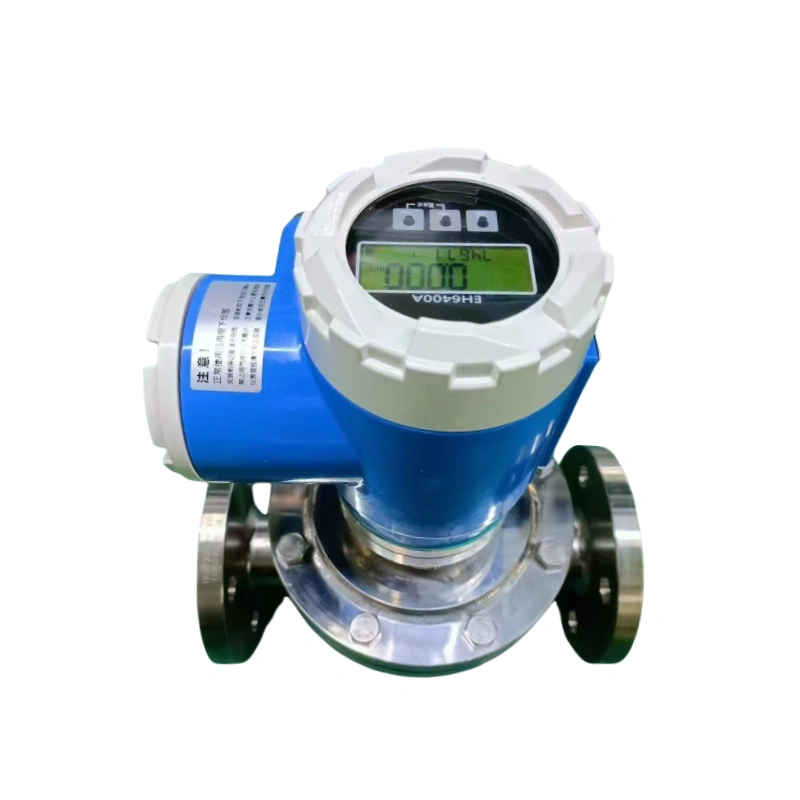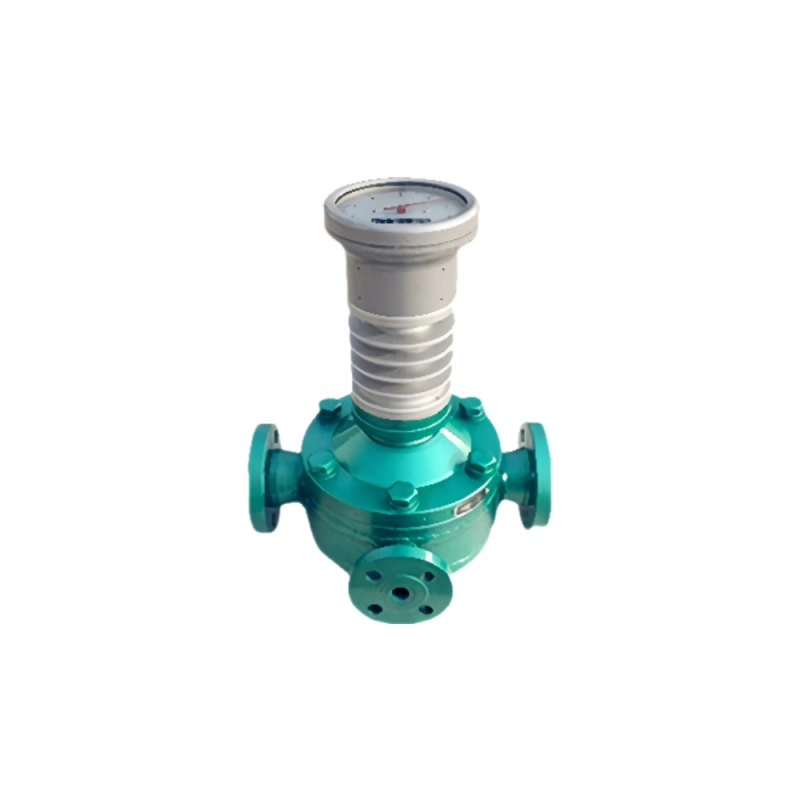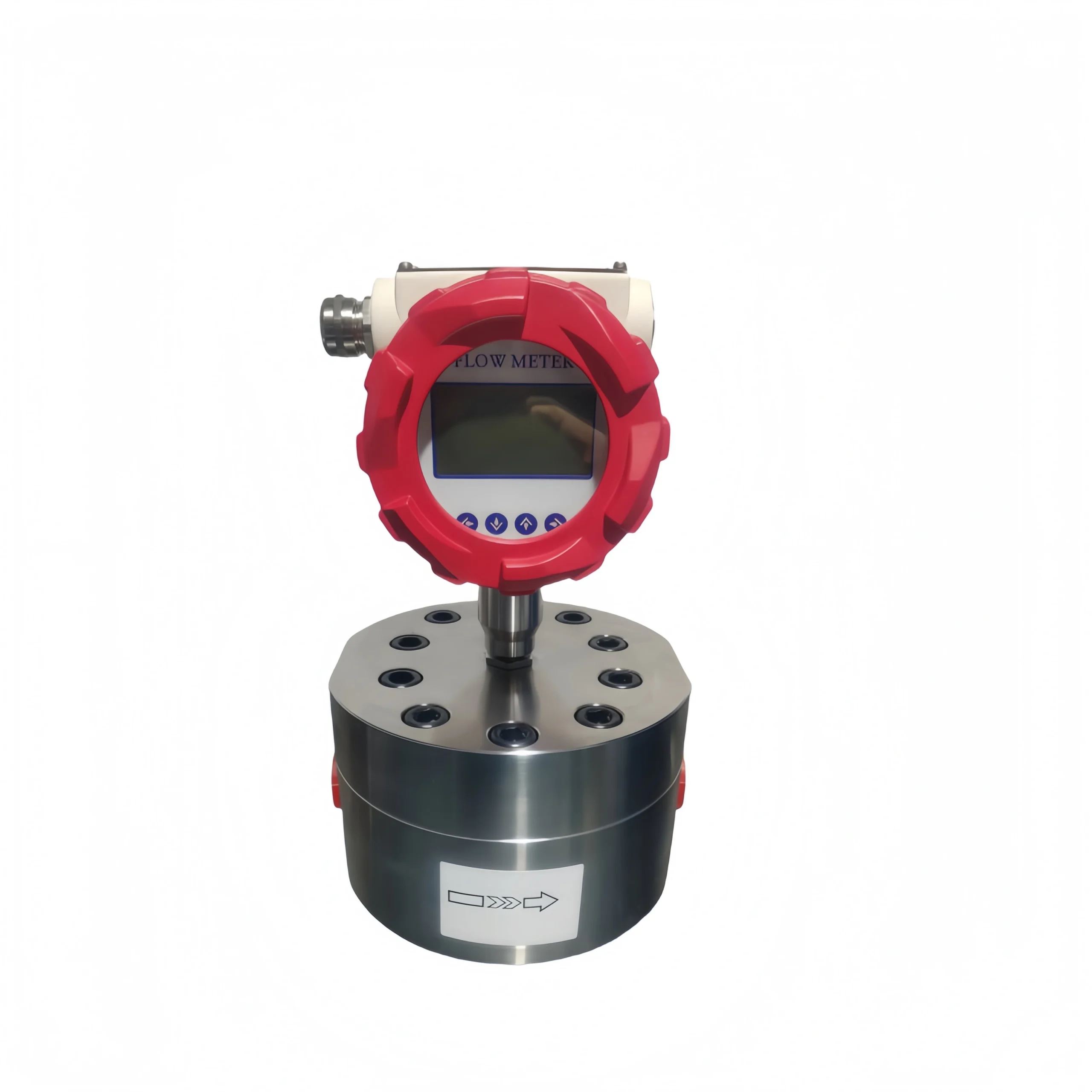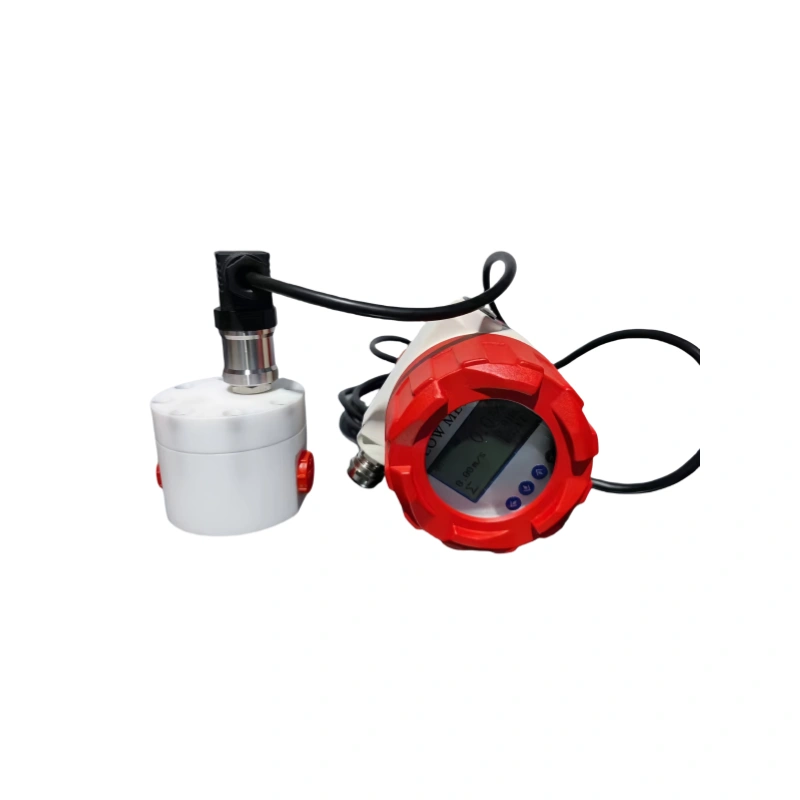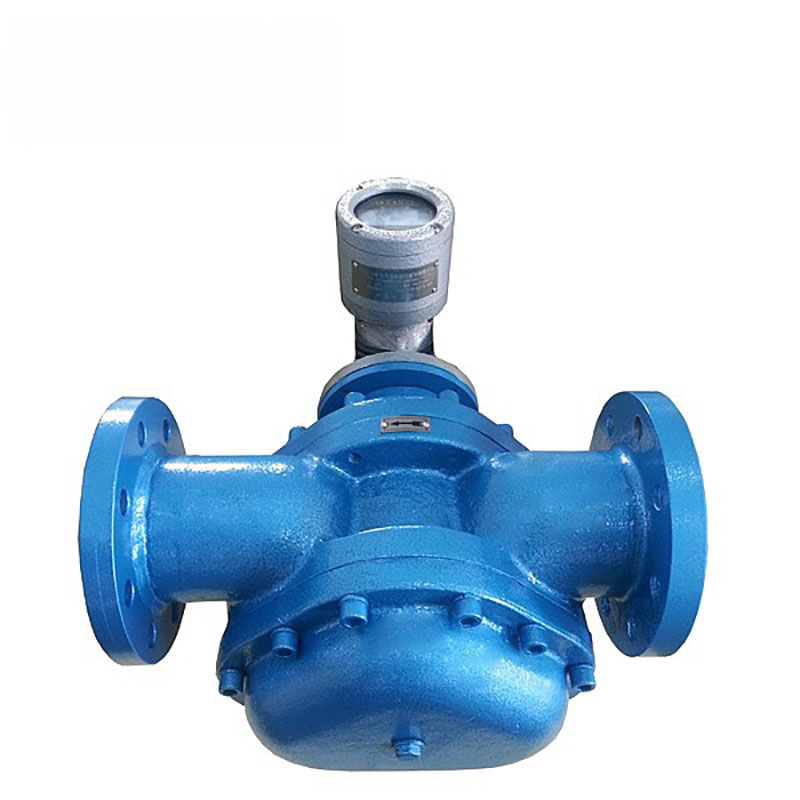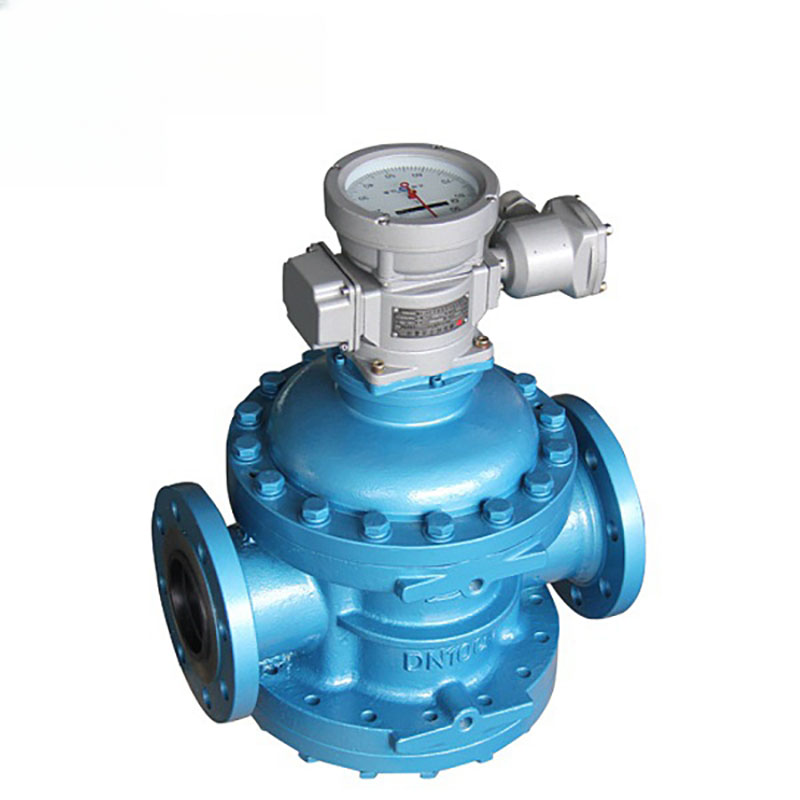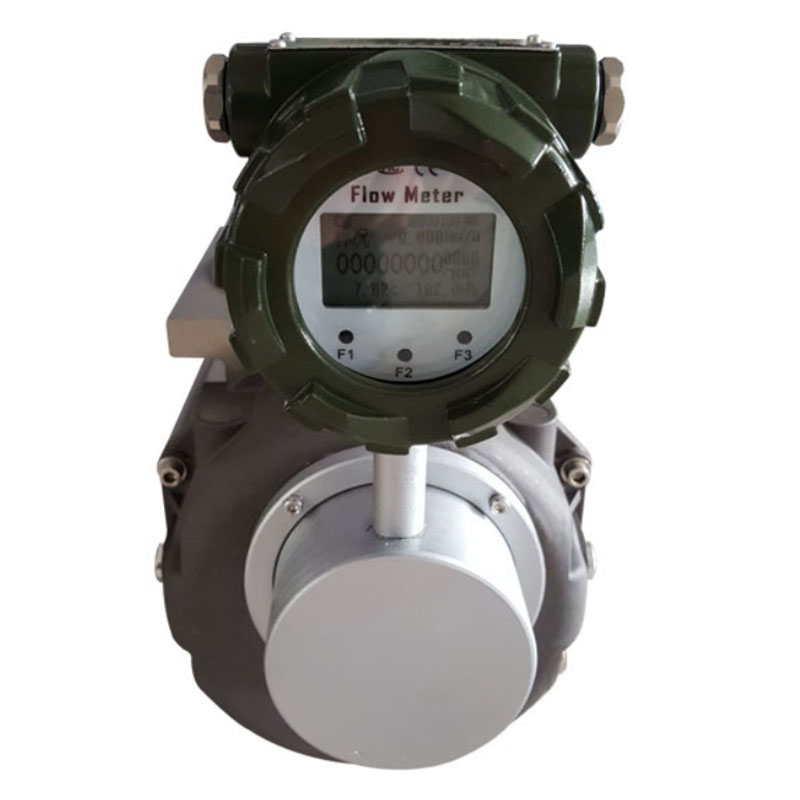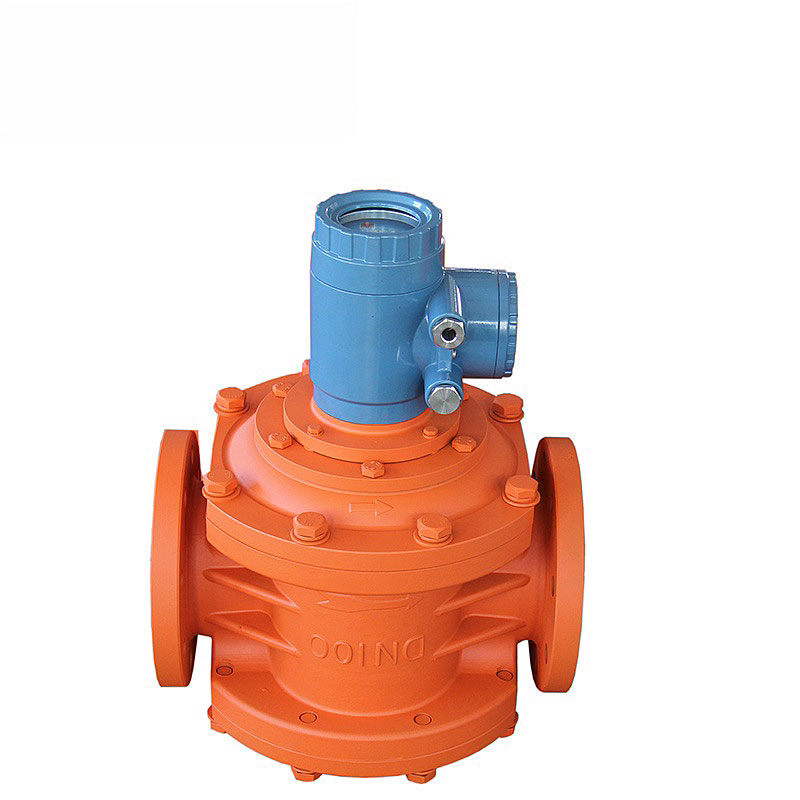
An oval gear flow meter is a high-precision flow instrument based on the positive displacement measurement principle.
Due to its significant advantages, such as high measurement accuracy, good repeatability and insensitivity to changes in fluid viscosity, this instrument is widely used in liquid flow measurement and control across industrial sectors including petroleum, chemicals, food and pharmaceuticals, and has become one of the leading examples of positive displacement flow meters.
Structure of the Oval Gear Flow Meter
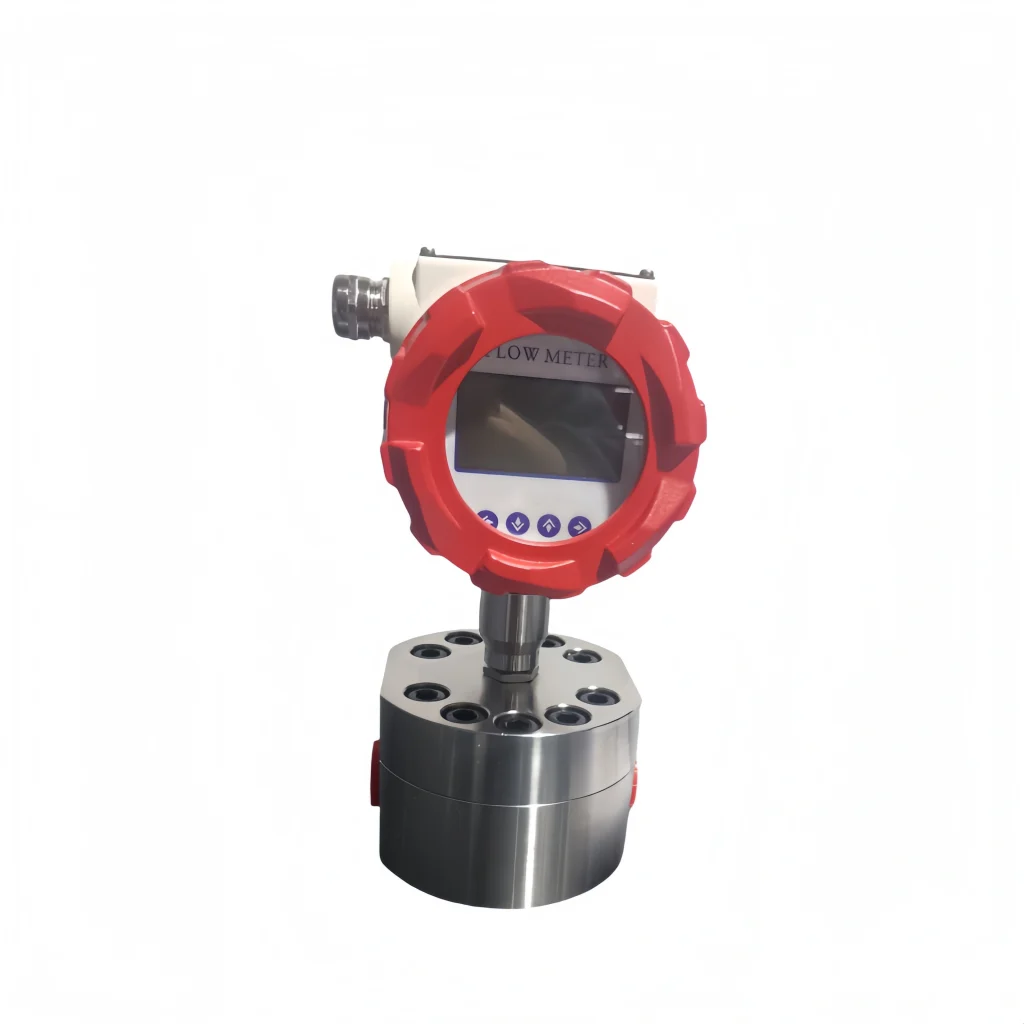
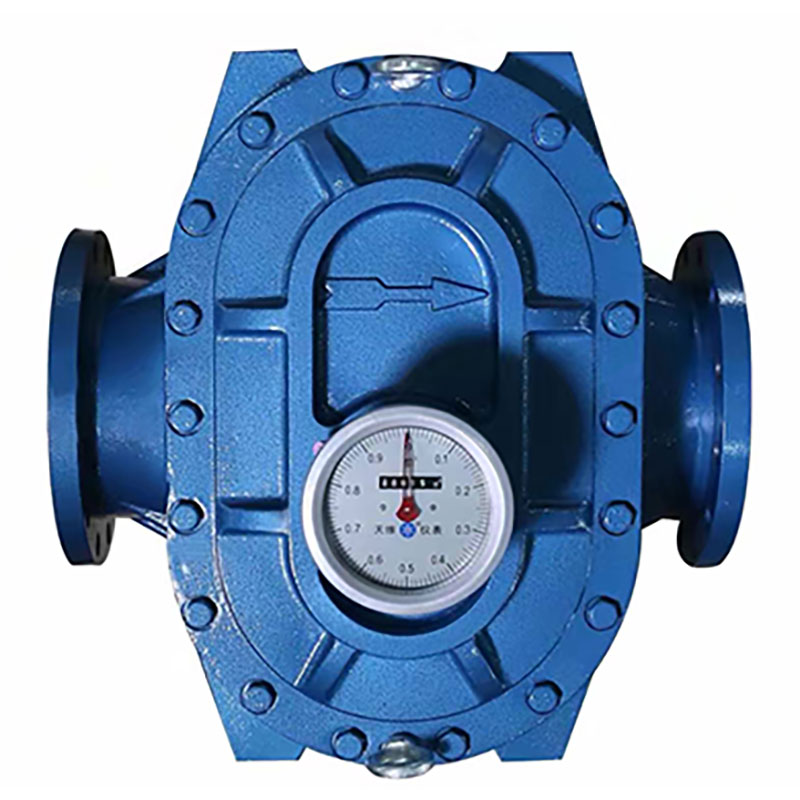
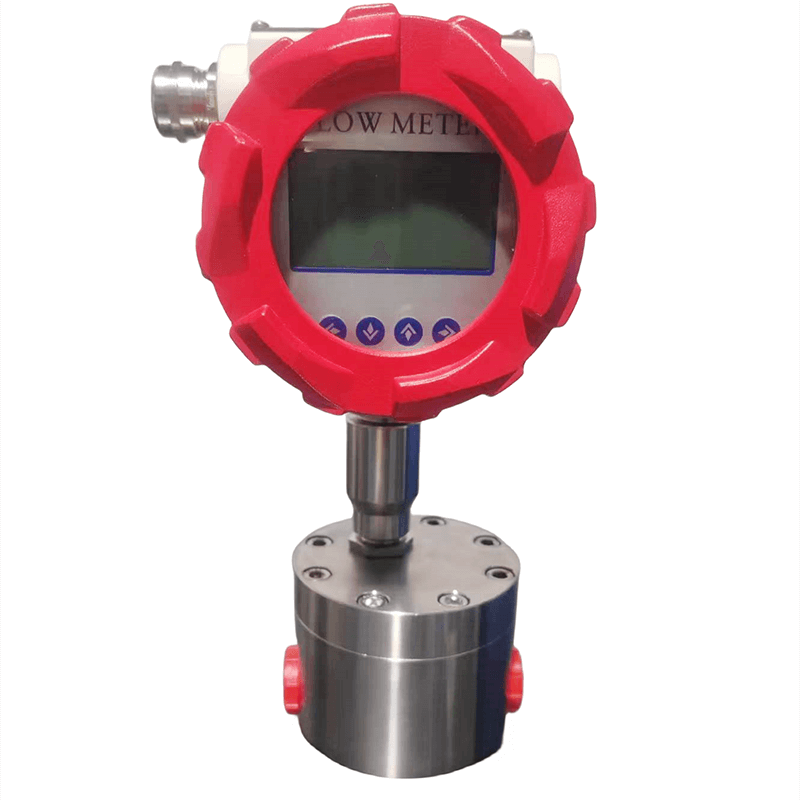
The oval gear flow meter primarily consists of a measuring chamber, a pair of meshing oval gears, a cover plate, sealing components, a drive mechanism, and a counting display unit, such as a pointer-type six-roller totaliser (A/A1), a reset-type (Z), or an LCD-type.
The interior of the measuring chamber forms a fixed-volume measuring space. The two elliptical gears are mounted eccentrically within the chamber and remain in constant, close mesh; driven by the pressure differential of the medium, the gears rotate continuously.
A sealing structure on the exterior of the chamber prevents medium leakage. The gear shafts are connected to the meter head via the transmission mechanism; mechanical transmission drives the pointer to count.
Some models are equipped with pulse signal transmitters, such as: GF-I/ II photoelectric pulse transmitter (accuracy ±1 pulse, transmission distance 0–1000 m, explosion-proof ExdⅡBT4) and the MF-type 4–20 mA transmitter (two-wire/three-wire), enabling remote transmission of electrical signals.
Working Principle of the Elliptical Gear Flowmeter
The fluid being measured enters the chamber through the flowmeter inlet. Under the pressure differential between the inlet and outlet, a pair of meshing elliptical gears are alternately driven by pressure to rotate.
The gears and the inner walls of the chamber enclose a sealed, fixed-volume chamber. With each revolution of the gears, four fixed volumes of fluid are successively discharged; the number of gear revolutions is directly proportional to the volume of medium flowing through the chamber.
The number of gear revolutions is recorded by a transmission mechanism; after conversion by the meter head, the cumulative flow rate is displayed clearly. When equipped with sensing elements, the rotational movement can be converted into an electrical signal, enabling remote collection of flow data.
The volume of the measured medium discharged per revolution of the elliptical gears is four times the volume of a crescent-shaped segment. Therefore, the volumetric flow rate Q through the elliptical gear flowmeter is:
Q = 4nV0
In the formula:
n — Rotational frequency of the elliptical gear (revolutions per second);
V₀ — Volume of the semicircular section
Thus, provided the volume V₀ of the semicircular section in the elliptical gear flowmeter remains constant, the flow rate of the measured medium can be determined simply by measuring the rotational speed n of the elliptical gear.
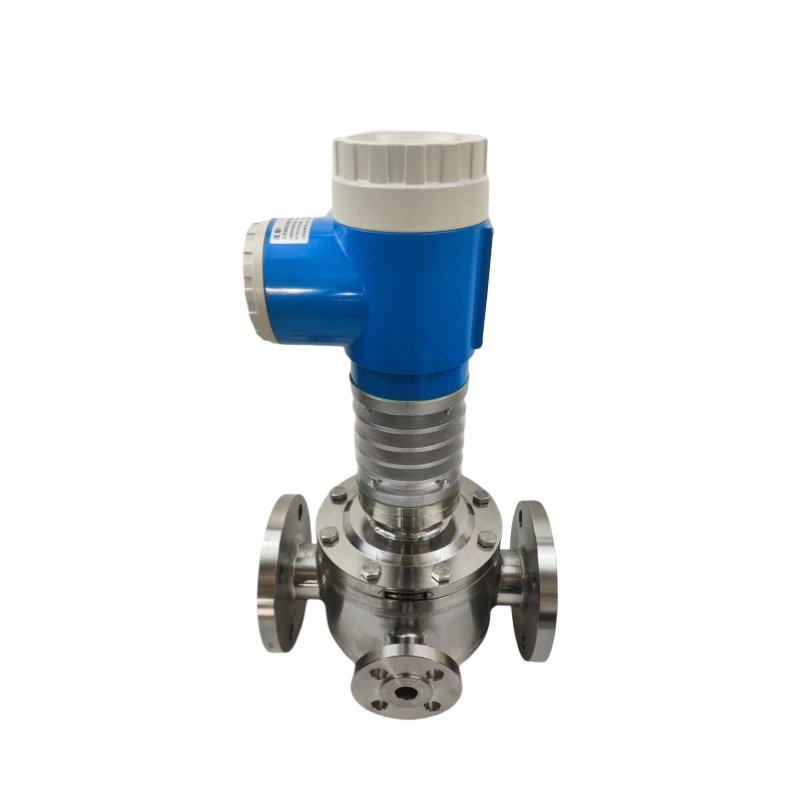
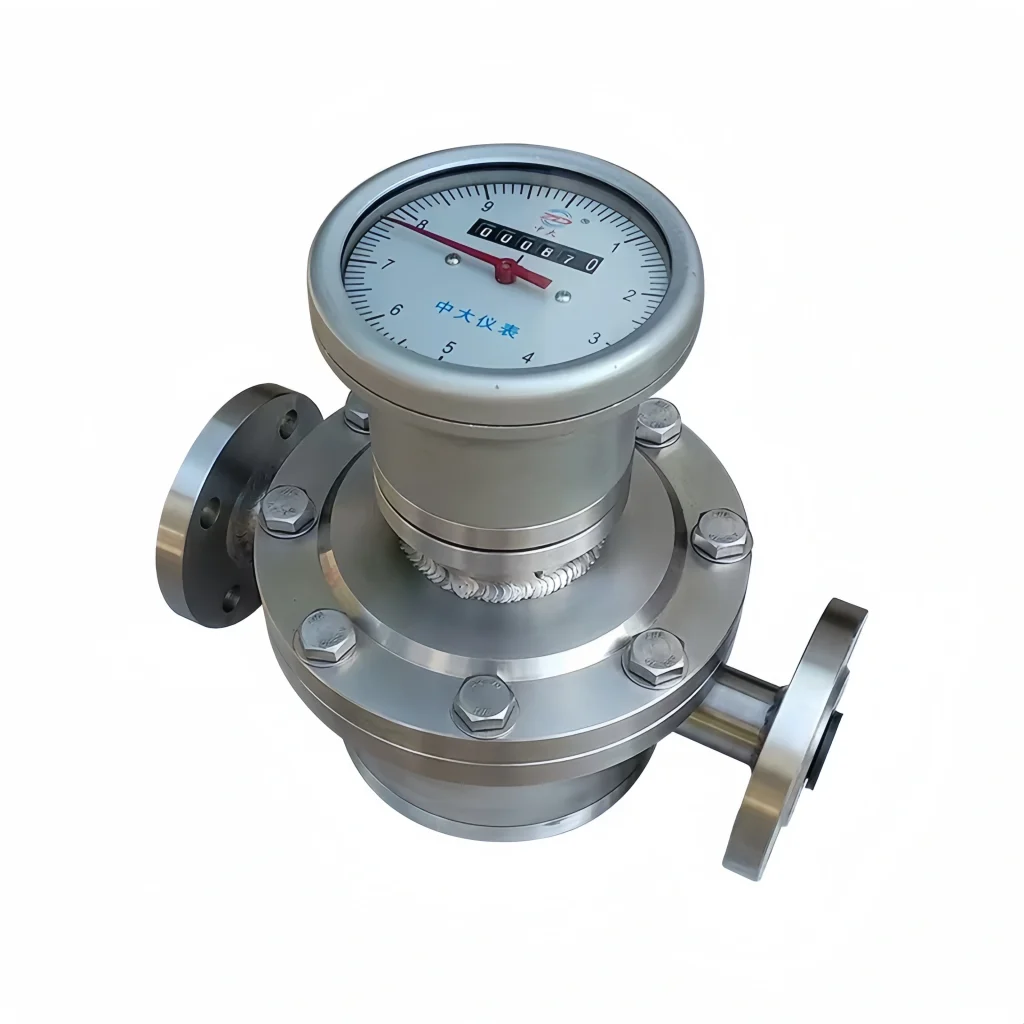
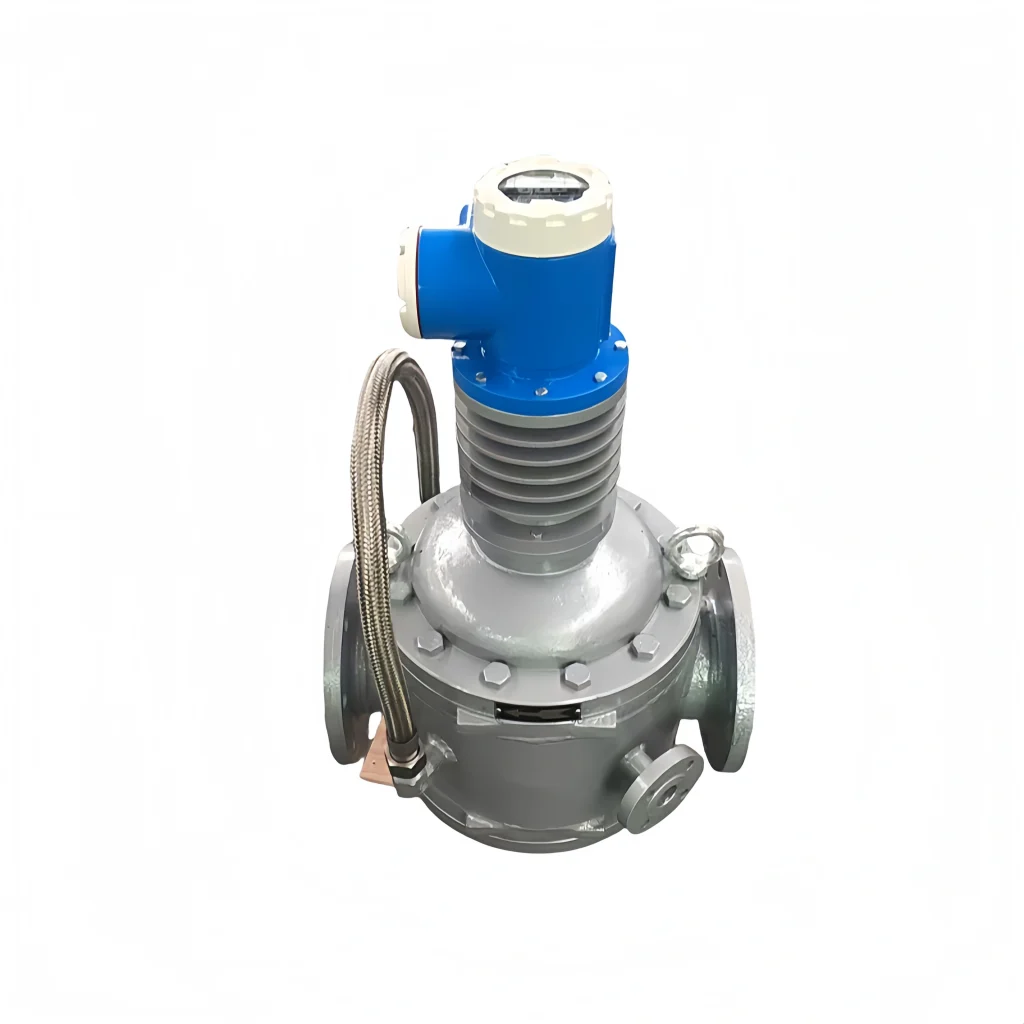
Advantages and Disadvantages of Elliptical Gear Flow Meters
Advantages
1. High measurement accuracy
Elliptical gear flowmeters work on a positive displacement principle—they count how many times a fixed volume of fluid fills and empties a chamber. The basic error typically falls within ±0.2% to ±0.5%, which ranks them among the more accurate industrial flowmeters available. That kind of precision makes them well-suited to trade settlement and blending control, where getting the numbers right is critical.
2. Excellent repeatability
The gear meshing mechanism is mechanically stable, so under the same operating conditions you get much the same reading every time. Repeatability error is generally held within ±0.05%, which gives production teams solid, dependable data when monitoring flow continuously over long runs.
3. Wide Viscosity Range
Elliptical gear flowmeters are insensitive to changes in fluid viscosity. The standard type is suitable for viscosities of 0.6–2 and 2–200 mPa·s; the high-viscosity type (LC-N series) is suitable for viscosities of 200–1000 and 1000–2000 mPa·s.
Whether measuring low-viscosity light oils or high-viscosity heavy oils, resins and other media, they maintain stable metering performance, effectively resolving the issue of measurement inaccuracy encountered by other types of flowmeters under high-viscosity conditions.
4. Wide turndown ratio
This instrument maintains high measurement accuracy within the specified flow range, with a typical turndown ratio of up to 10:1; some optimised models can achieve even higher ratios, such as the standard DN50 model (6–24 m³/h) and the DN100 model (30–100 m³/h); The high-accuracy Class 0.2 range is correspondingly narrower (12–24 m³/h for DN50), meeting the measurement requirements for flow fluctuations under various operating conditions.
5. Unaffected by fluid conditions
Density shifts, temperature swings, pressure changes—none of these directly throw off the reading. You don’t need to run compensation calculations every time conditions change, which makes day-to-day operation a lot simpler.
6. Low straight pipe run requirements
These flowmeters don’t care much about flow profile, so you can install them without long straight sections upstream or downstream. That’s a real advantage when pipe space is tight and rerouting isn’t an option.
7. Robust and durable construction
The moving parts are basically the two elliptical gears, built from materials chosen to resist wear. They’re mechanically strong, they last a long time, and maintenance intervals tend to stretch out—so the total cost of ownership drops over the years.
8. Suitable for a wide range of media
Lubricating oils, fuel oils, solvents, syrups, bitumen—these units handle a broad mix of liquids. They’ve been used successfully in petroleum, chemical, food, pharmaceutical and energy applications for years. The cast iron LC-A handles oils and non-corrosive media; the cast steel LC-E takes on high-pressure, mildly corrosive fluids; and the stainless steel LC-B/LC-C models are the go-to choice for acids, alkalis and salts.
Disadvantages
1. Prone to wear and short service life: Gears and bearings are in constant contact, so friction takes its toll over time. Wear opens up clearances, accuracy drifts off, and eventually you have to pull the unit apart for maintenance or replace parts. All of that adds up to a service life that tends to be on the shorter side.
2. Strict fluid requirements: Solid particles or grit in the fluid can jam the gears or grind them down faster. You need a strainer or filter upstream, which means extra hardware to buy and another item to keep clean.
3. High pressure drop and energy consumption: It takes force to turn those gears, and that force comes straight from the fluid pressure. The drop across the meter is noticeably higher than with an electromagnetic or ultrasonic unit. That makes these flowmeters a poor fit for systems running on low pressure.
4. Limited viscosity range: If the fluid is too thin, internal leakage goes up and the readings get sloppy. If it’s too thick, the gears struggle to start turning and the pressure loss spikes. There’s a workable band in the middle, but step outside it and performance falls off quickly.
5. Significant output pulsation: Fluid gets pushed out in bursts as the gears mesh and release, so the flow isn’t smooth. On top of that, the mechanical guts make for a bulky, heavy unit that demands more installation space than simpler designs.
6. High maintenance costs: You need to keep up with lubrication, periodic inspections, and swapping out worn components. The upkeep schedule is heavier than what you’d face with a solid-state meter. These units also don’t handle entrained gas or two-phase flow well—air or vapour getting in can throw the measurement way off or even wreck the mechanism.
Applications of Elliptical Gear Flow Meters
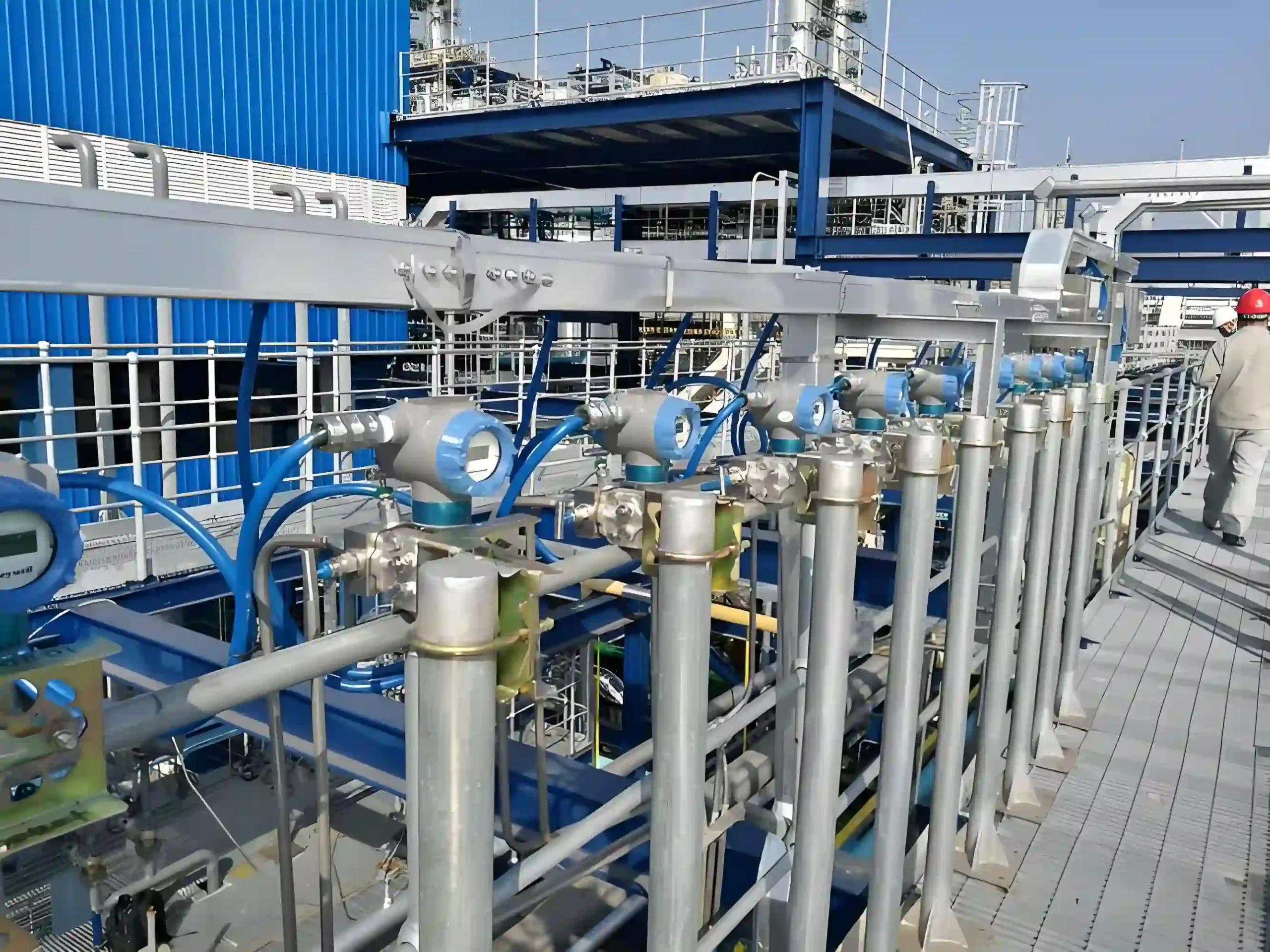
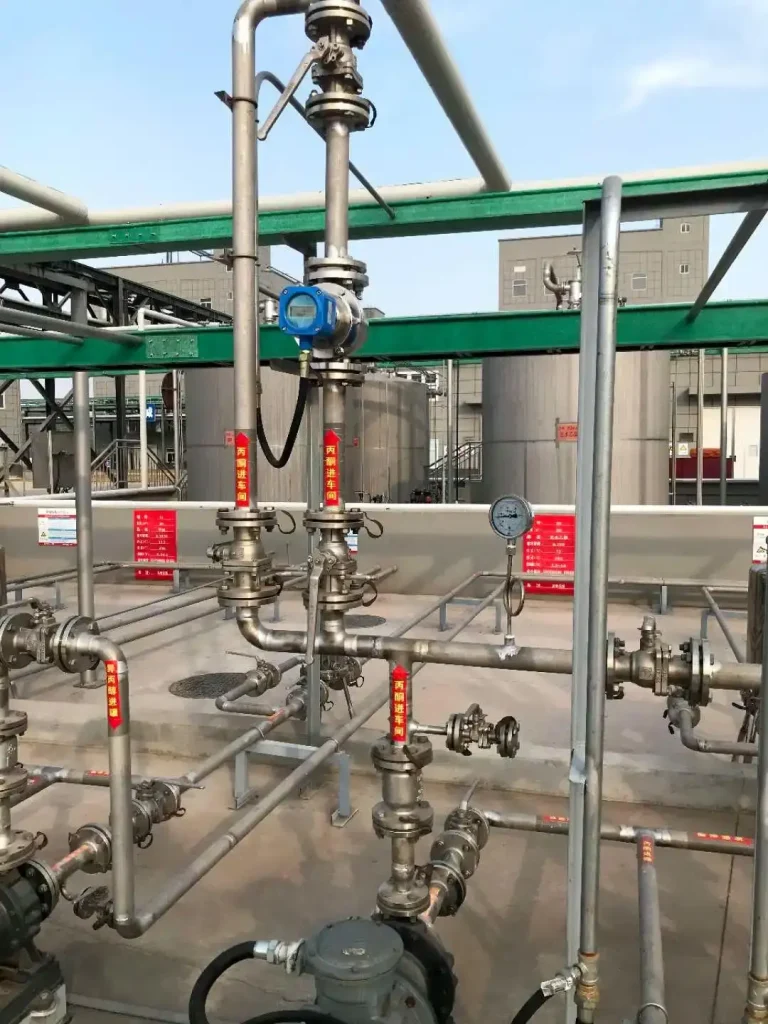
1. The primary application is the measurement of high-viscosity oils; these meters are suitable for media such as lubricating oil, diesel, heavy fuel oil and crude oil. They can accurately measure volumetric flow rates in viscous fluid conditions and are widely used in refineries, oil depots for receiving and dispatching materials, and for settlement in the refined oil trade.
2. They are commonly used in chemical processing environments involving viscous liquids, measuring non-corrosive, medium-to-high viscosity materials such as resins, syrups, adhesives, paints and chemical fibre solutions. They are used for cumulative flow control in reactor discharge and pipeline feeding processes.
3. In the food and pharmaceutical industries, they are used for the metered delivery of raw materials, measuring clean media such as honey, vegetable oils, syrups and pharmaceutical solutions, meeting the precise measurement requirements for ingredient dosing, filling and raw material warehousing.
4. Meters for industrial additives and solvents, suitable for media such as glycerine, bitumen and grease. These are used in paint production and rubber and plastics processing lines to achieve quantitative control of material feeding.
5. Suitable for high-precision metering applications involving small diameters and low to medium flow rates. Commonly used for batching in workshop pipelines, refuelling of vehicles, and discharge metering from small to medium-sized storage tanks; frequently employed as metering instruments for trade handover. Minimum diameter: DN10; minimum flow rate for high-viscosity applications as low as 0.03 m³/h (DN10, 1000–2000 mPa·s). Class 0.2 is recommended for trade settlement applications.
5. Not suitable for media containing solid particles or prone to vaporisation; typically installed in liquid pipelines operating at ambient temperature and pressure or low pressure, and paired with pulse transmission components to enable remote flow data collection and statistical analysis.
Differences between oval gear flowmeters and other flowmeters
Measuring principle:
Oval gear flowmeters employ a positive displacement measurement method, accumulating fluid volume via the gear chamber; in contrast, turbine, vortex, differential pressure and electromagnetic flowmeters rely on flow velocity, vortices, pressure differentials or electromagnetic induction to calculate flow rate, and do not have a fixed-volume chamber.
Suitable Media:
Elliptical gear meters are suitable for high-viscosity oils, resins, syrups, etc., and demonstrate strong adaptability to changes in viscosity; vortex, electromagnetic and orifice plate meters are more suitable for low-viscosity water and gases, as high-viscosity media can easily cause sticking or blockages.
Accuracy grades:
Elliptical gear meters can achieve accuracy grades of 0.2 to 0.5, with minimal fluctuation in error at low flow rates, and are frequently used for trade settlement; differential pressure and vortex meters experience a significant drop in accuracy at low flow rates, whilst electromagnetic meters are limited to grades 0.5 to 1.5 and are restricted to conductive media.
Installation requirements:
Elliptical gear meters do not require long straight pipe runs; elbows and valves immediately adjacent to the meter do not affect measurement; turbine, vortex and orifice plates require straight pipe runs several times the pipe diameter, as turbulence can compromise accuracy.
Pressure loss:
Elliptical gear meters have relatively high pressure loss due to mechanical resistance from the gears; electromagnetic meters have extremely low pressure loss as they contain no throttling elements, whilst vortex and orifice plates fall between the two.
Resistance to impurities:
Elliptical gear meters are susceptible to wear from particulates and require upstream filters; Electromagnetic flowmeters have no moving parts and are more resistant to contaminants; vortex and turbine impellers are prone to entanglement and jamming.
Turndown ratio:
Elliptical gear flowmeters can achieve 10:1 to 50:1, with stable performance at low flow rates; differential pressure flowmeters typically range from 3:1 to 5:1, whilst turbine flowmeters range from approximately 10:1 to 20:1.
FAQ
Types of Positive Displacement Flow Meters
Oval Gear Flow Meters: A pair of meshing oval gears gets turned by the pressure difference in the fluid, and the total volume is tallied up by counting how many times the gear cavities fill and empty. Accuracy is high—up to Class 0.2–0.5—and these meters handle thick liquids especially well, from heavy oils to resins to syrups. Viscosity can swing around and the readings still hold up.
Gear Flow Meters: These work on much the same idea as elliptical gear meters, but with circular gears instead. The build is simpler and the price tag lower. You’ll see them on lubricating oil and fuel lines in general industrial settings, though they don’t quite match the elliptical type for accuracy or resistance to wear.
Rotary Lobe Flowmeters (Roots Flowmeters): These use a pair of rotary lobes rather than gears. With no meshing teeth, there’s less wear and the motion is smoother. They’re commonly used for gases like natural gas and coal gas, and they also work on low- to medium-viscosity liquids.They offer a relatively wide measurement range, but still require the medium to be of a certain cleanliness.
Scraper flow meter: This utilises a telescopic scraper that slides within the measuring chamber to form a fixed-volume chamber. It has a wide adaptability to medium viscosity and is particularly suitable for high-viscosity liquids and those containing small amounts of impurities, such as crude oil and heavy oil. Although the structure is relatively complex, its wear resistance is superior to that of gear-type meters.
Twin-rotor flow meters: Two intermeshing helical rotors spin together in sync, which smooths out the flow and keeps noise down. They handle high flow rates well and run more steadily than oval-gear types. You’ll typically find them on pipeline metering in the petroleum and chemical sectors.
Rotary piston flow meters: An eccentric piston spins around inside the chamber, pushing out a fixed volume of fluid with each turn. The design is compact, so these meters fit nicely into small-diameter pipes. They’re the sort you see in domestic gas meters and small liquid dispensing setups.
Can oval gear meters be used for low-flow applications?
Oval gear meters are positive displacement devices with a turndown ratio anywhere from 10:1 up to 50:1, so they can handle low-flow situations without trouble. Even when the line is barely moving, the pressure difference across the meter is still enough to keep the gears turning at a steady rate. Because each chamber holds a fixed volume, the count stays accurate and doesn’t drift.
Vortex and differential pressure meters, by contrast, tend to lose their signal and fall apart on accuracy once flow velocity drops too low. That’s why oval gear meters are the go-to choice for trade settlement on small-bore lines carrying petroleum products and chemical feedstocks.
What are the requirements regarding straight pipe sections and orientation?
Elliptical gear flowmeters do not require upstream or downstream straight pipe sections. The proximity of pipe bends and pressure-regulating valves does not disrupt the flow field and does not affect measurement accuracy. Horizontal installation is preferred to ensure the gear drive shaft remains level.
When conveying highly viscous materials prone to solidification, vertical installation is permitted; however, regardless of whether the pipeline is vertical or horizontal, the elliptical gear must be installed horizontally (with the dial facing vertically); if reading is inconvenient, the counter may be rotated by 90° or 180°.
A flow control valve should be fitted at the inlet and a shut-off valve at the outlet, and valves should be opened slowly to prevent ‘water hammer’; utilising the medium’s own weight prevents material from accumulating and solidifying in the chamber, eliminating gear jamming faults, and making it suitable for installation in confined piping conditions.
Based on mature positive displacement metering technology, the Sino-Inst oval gear flowmeter is available in sizes DN10–DN200; pressures 1.0/1.6/2.5/4.0/6.3 MPa; accuracy classes 0.2/0.5; temperature range -20 to +200°C; materials including cast iron, cast steel, and 304/316 stainless steel; and output options including pointer, pulse (GF), 4–20 mA (MF), and RS485 (ELZ-3).
Optional configurations such as remote pulse transmission, insulation and trace heating, and anti-corrosion linings can be selected as required, making them suitable for high-precision trade settlement and process batching applications across multiple industries including petroleum, chemicals, food and pharmaceuticals. Should you require a quotation based on medium viscosity, pipe diameter and operating conditions, please contact our technical team at any time to discuss a bespoke solution.