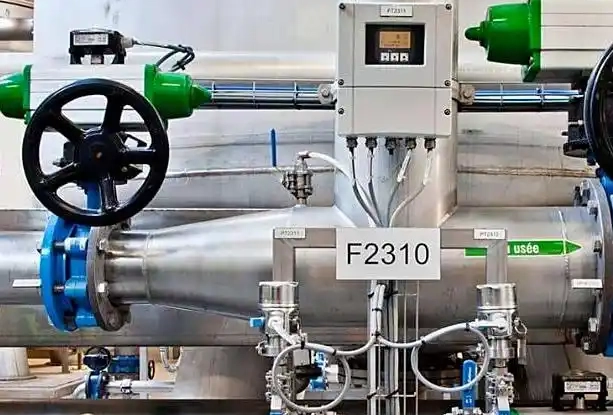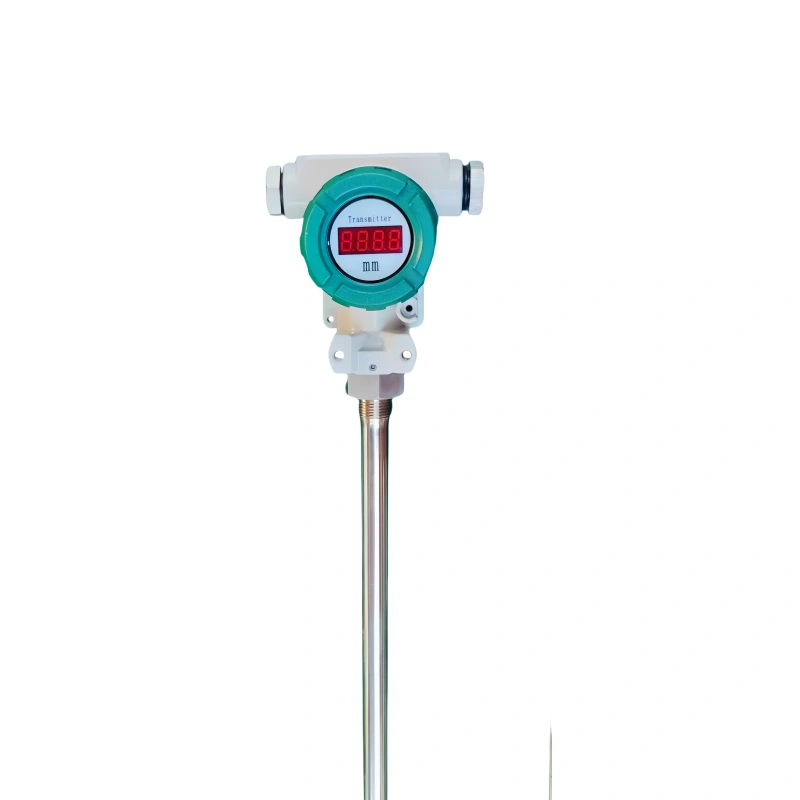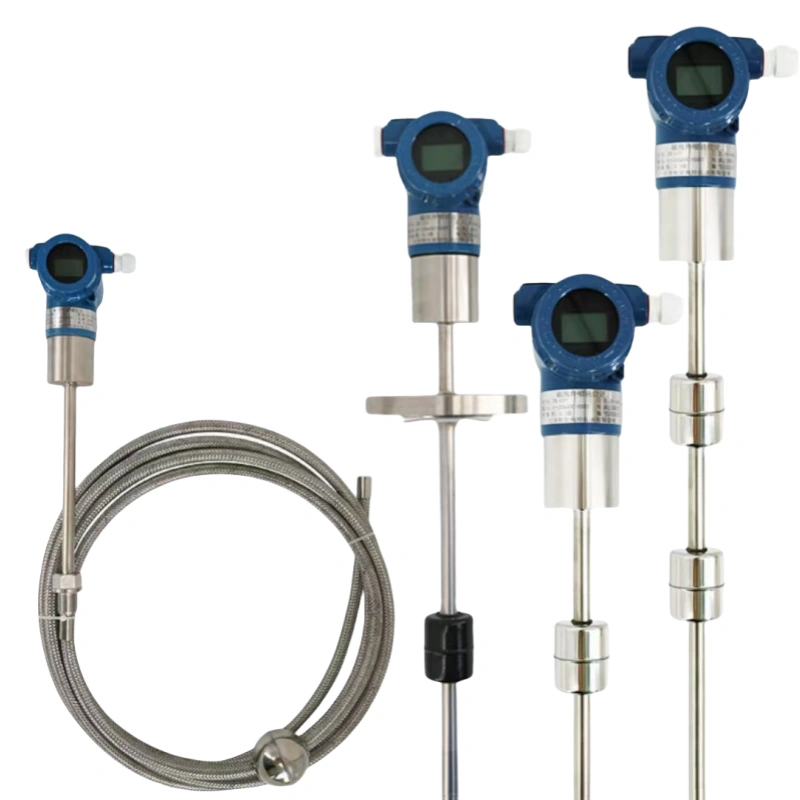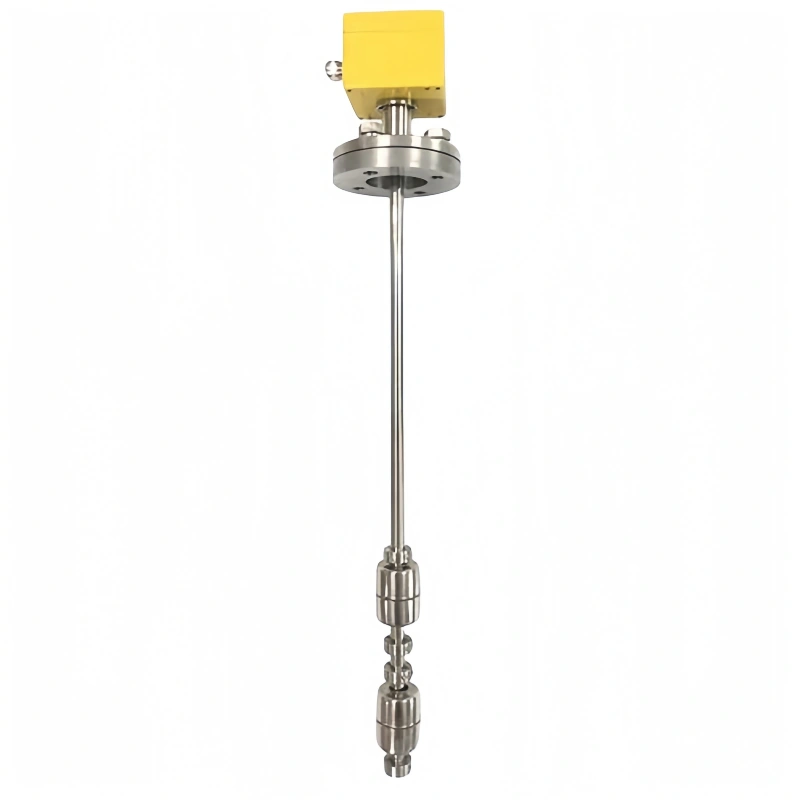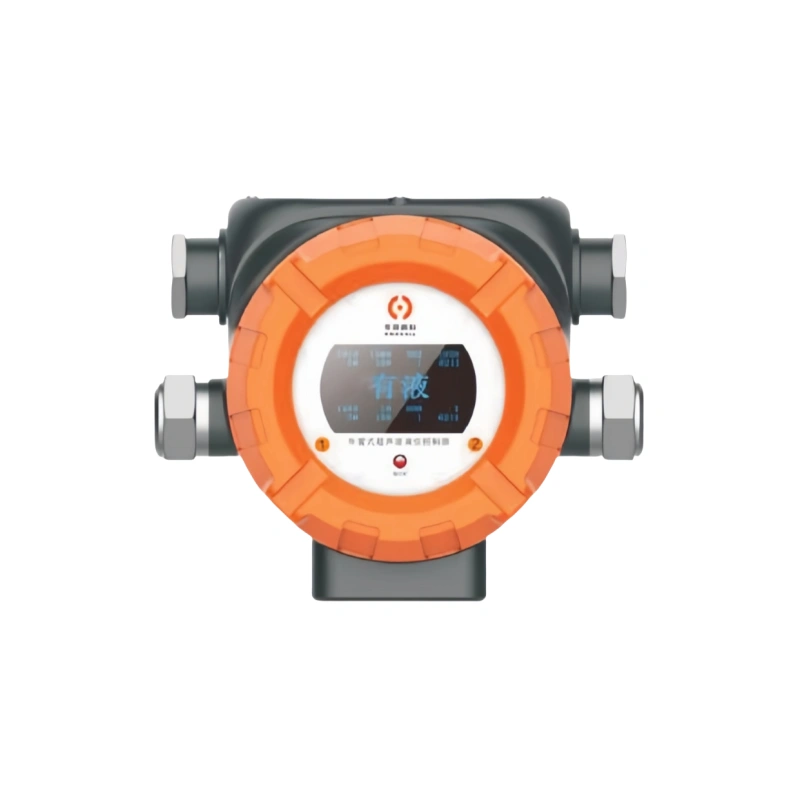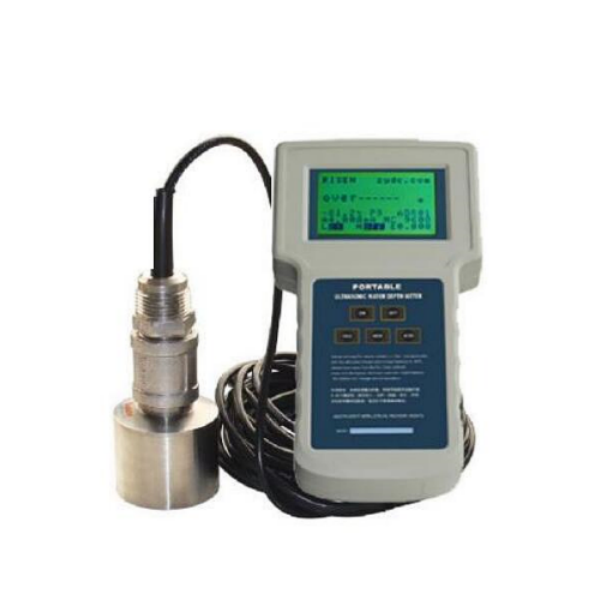
Capacitive fuel level sensors are a key part of keeping tabs on industrial processes, and they show up just about everywhere—aviation, shipping, heavy machinery, petrochemical storage and transport.
They measure accurately, hold up well in tough conditions, and keep running reliably year after year, which is why they have become one of the go-to options for fuel level monitoring. That combination of traits helps protect equipment from running into trouble and makes energy management more efficient.
Working Principle of Capacitive Level Sensors
Capacitive level sensors work on a straightforward idea: they track liquid level by picking up on capacitance shifts that happen as the liquid moves up or down. At its heart, the sensor is just a capacitor, usually built from two parallel metal plates (or one plate paired with the tank wall itself), with the gap between them taken up by whatever liquid and gas happen to be inside the container.
The basic capacitance equation C = εA/d tells us that capacitance scales directly with the dielectric constant ε of whatever sits between the plates.
Most liquids have a far higher dielectric constant than gases—water sits around 80, while air is roughly 1—so as the liquid climbs higher, it claims more of the inter-electrode space, the overall dielectric constant goes up, and the capacitance climbs with it. When the level drops, the reverse happens.
The sensor simply reads these capacitance changes and works backward to figure out where the liquid surface currently sits.
Basic Structure
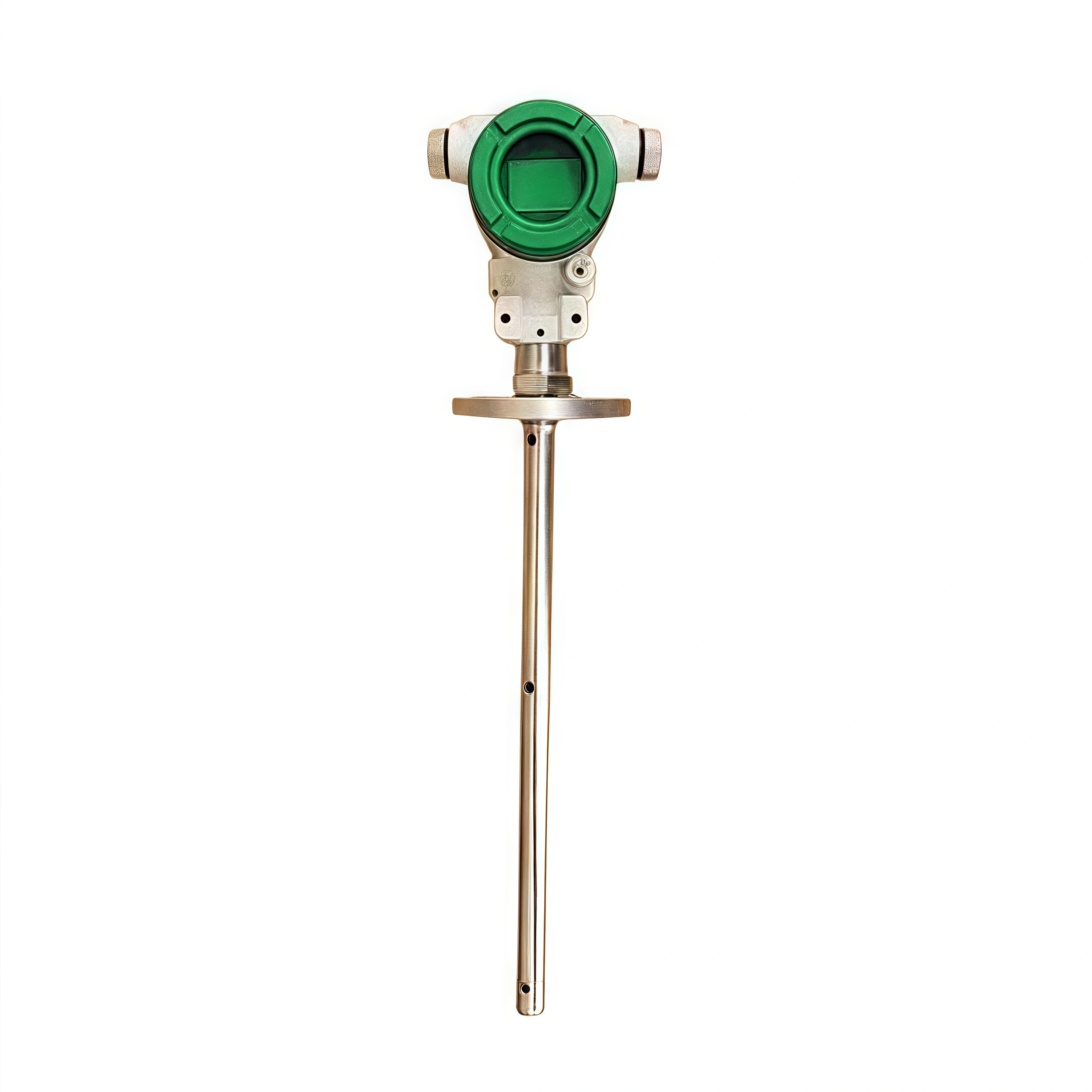
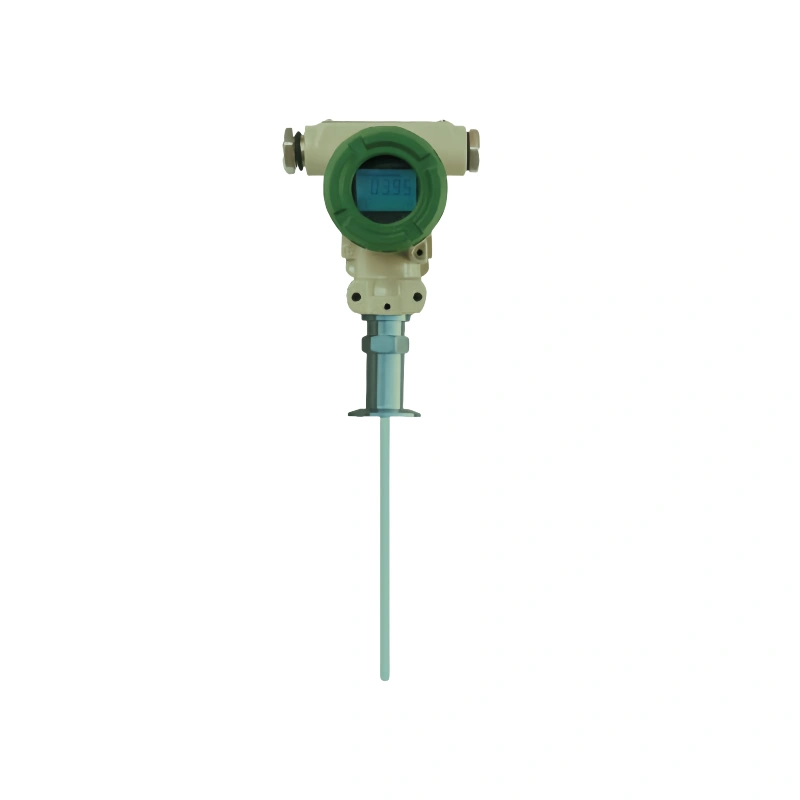
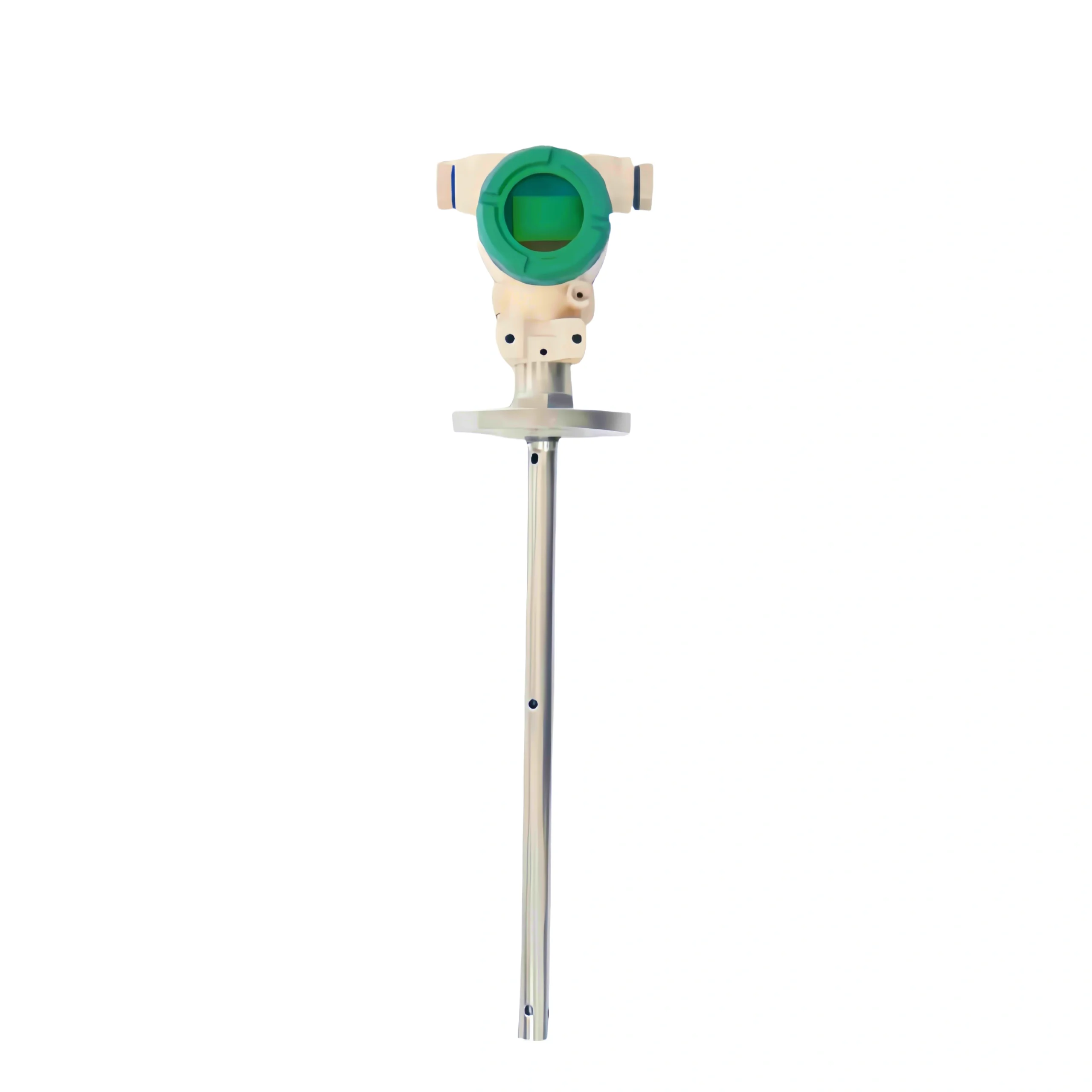
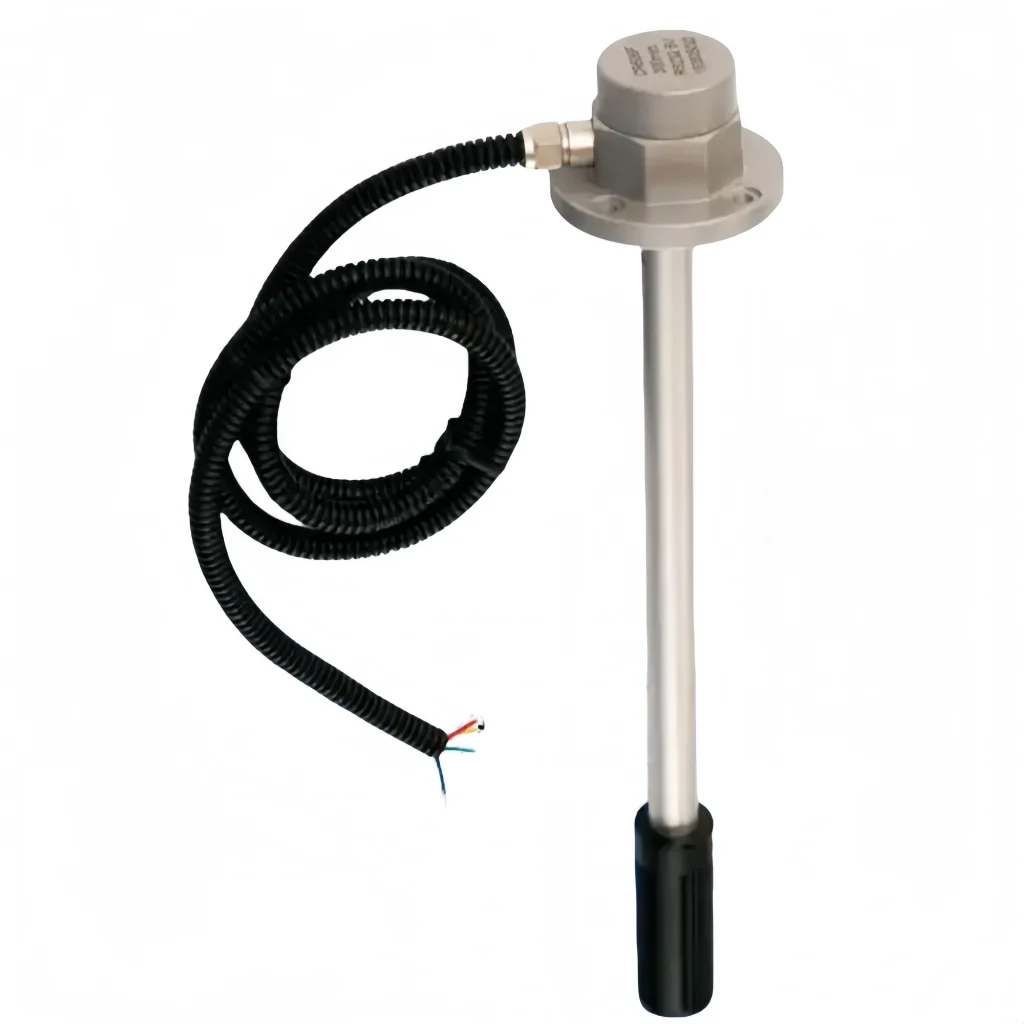
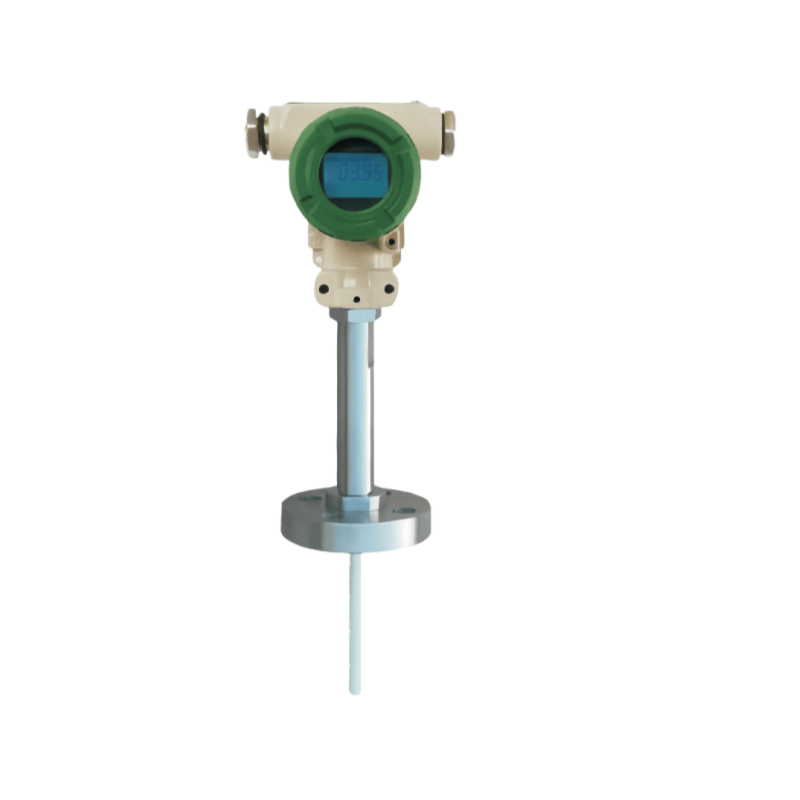
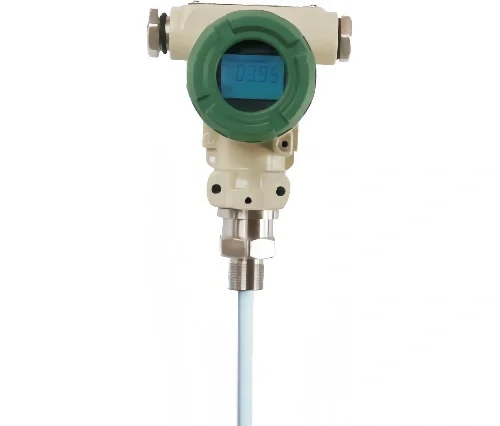
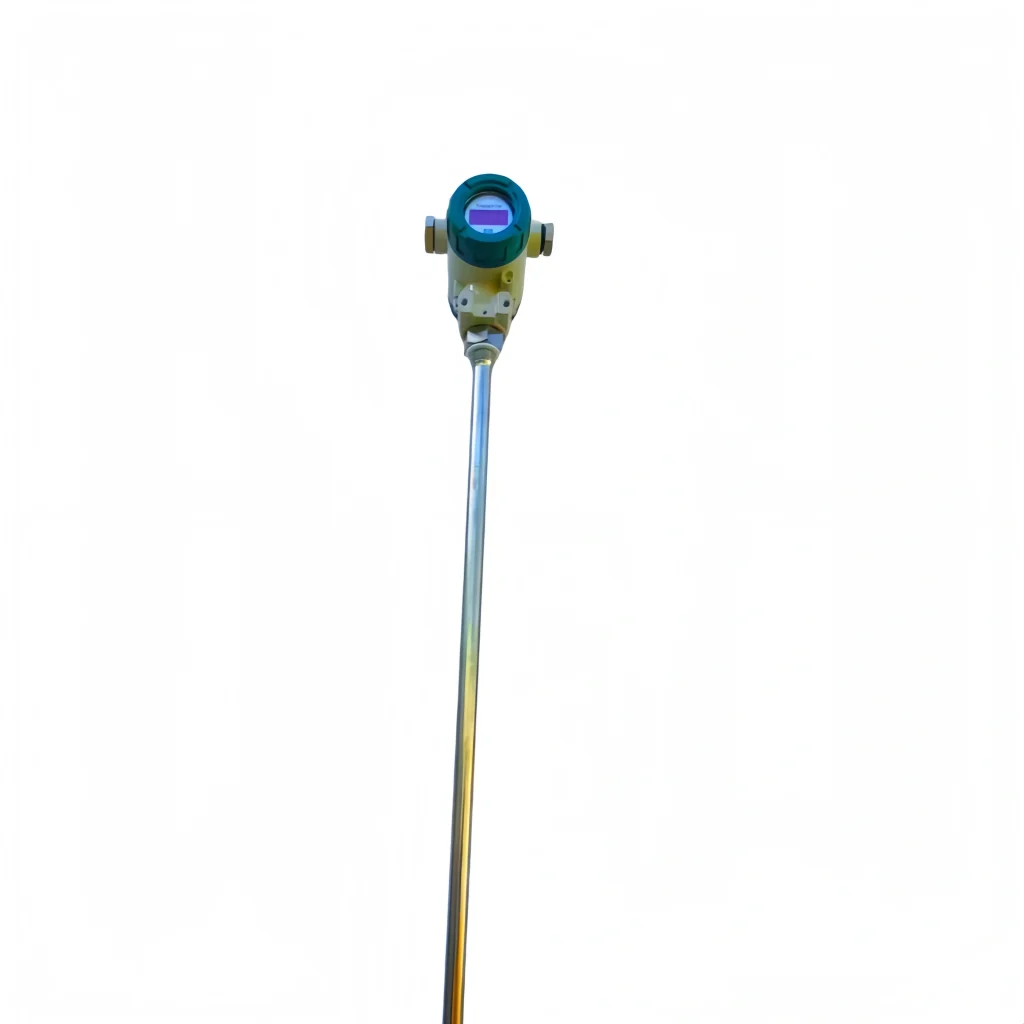
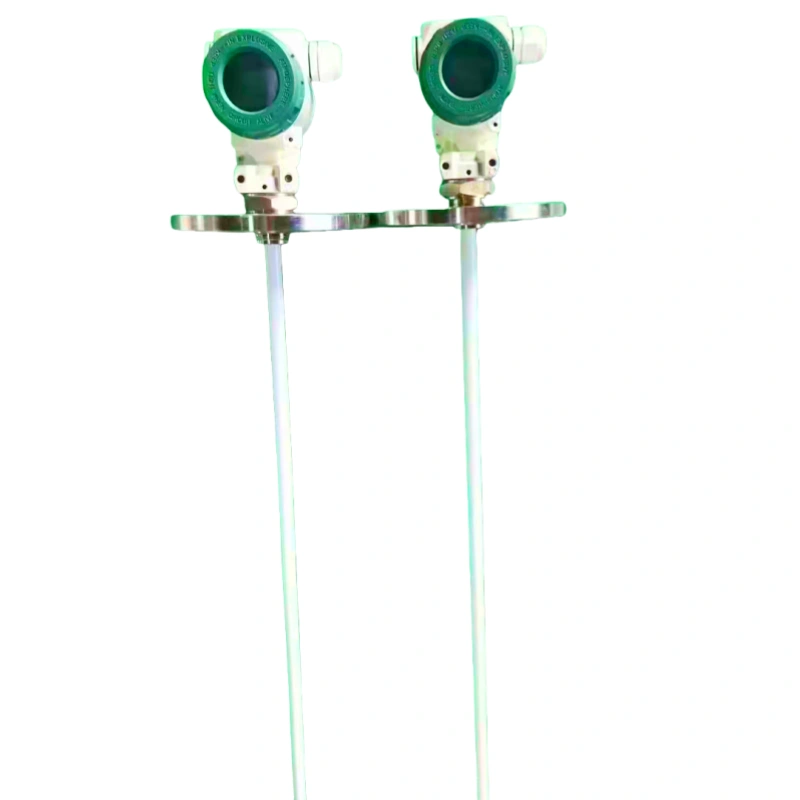
Sensing Electrodes: These take one of two shapes—single probe rods or coaxial dual-pole setups—and they form the heart of the capacitance mechanism. When dealing with conductive liquids, engineers usually go with a single metal rod as the inner electrode; the liquid itself, grounded, does the job of the outer electrode.
For non-conductive fluids, a coaxial sleeve design works better, with the inner rod and outer tube acting as the two electrodes and a channel left open in the middle for the medium to flow through.
Insulating Isolation Layer: This wraps around the outside of the electrodes and keeps them from touching the measured medium directly, which stops conductive liquids from shorting things out. It also locks the electrodes in place. The choice of insulating material depends on what the application demands in terms of corrosion resistance and how much heat it needs to handle.
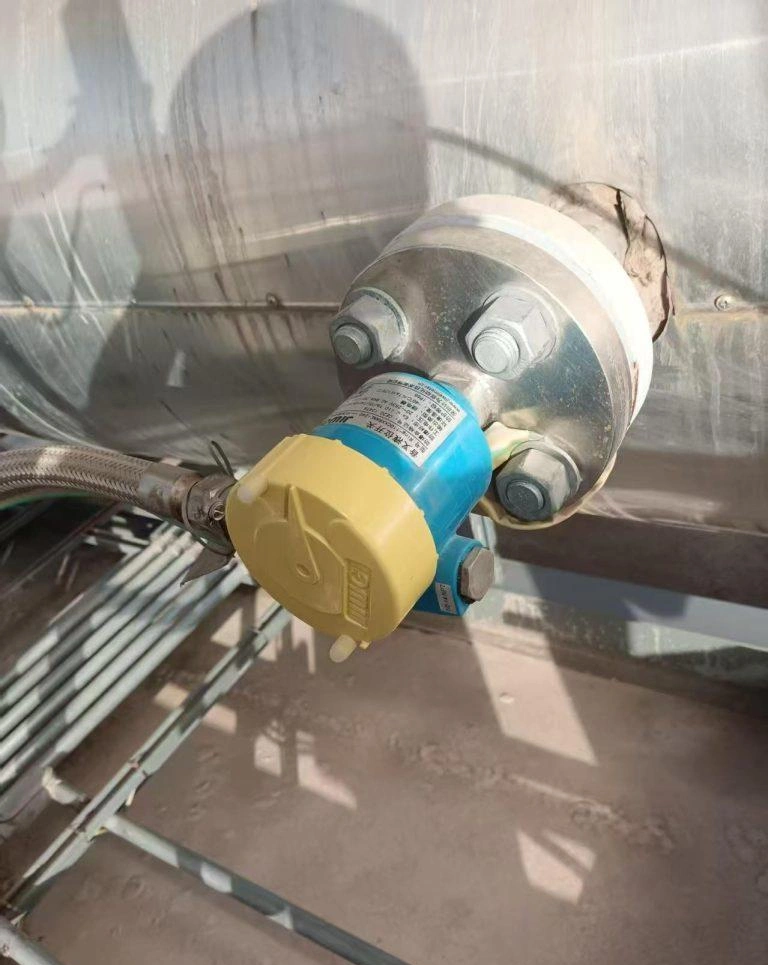
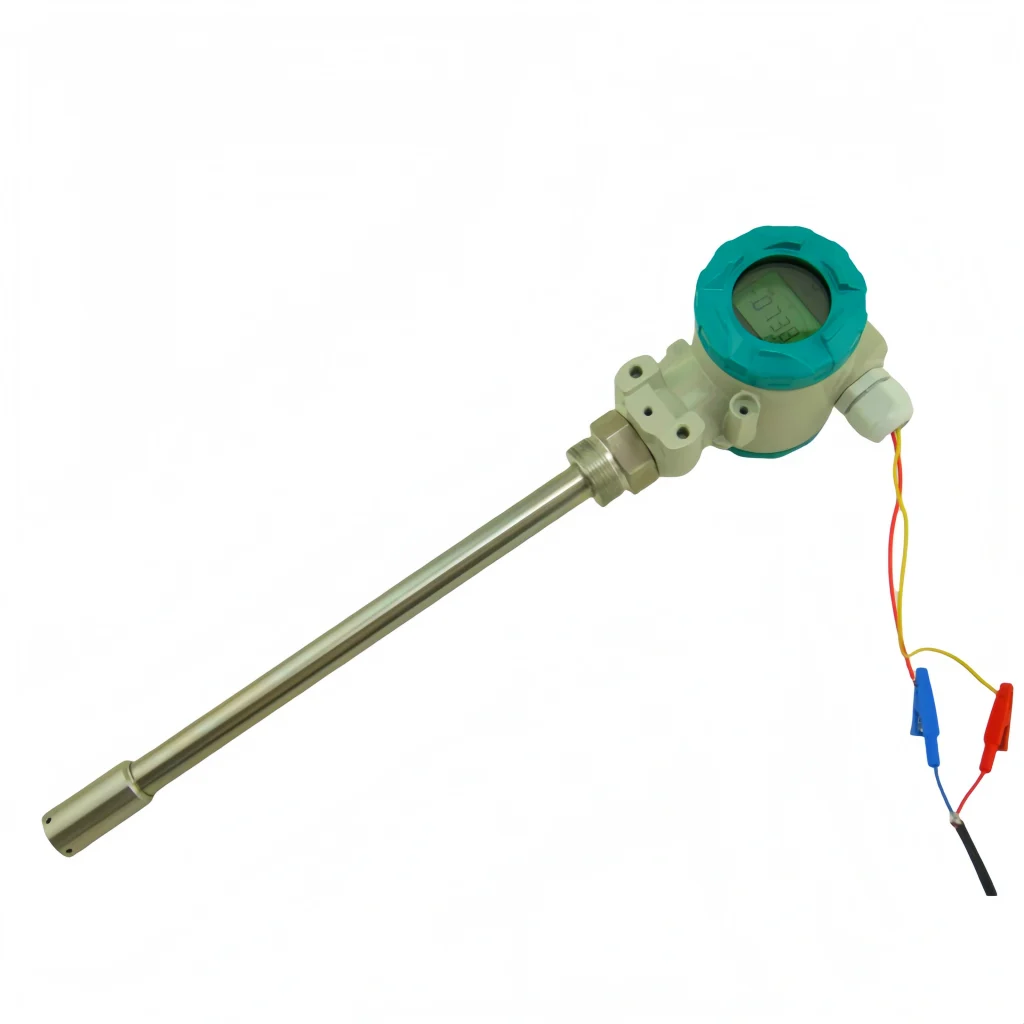
Housing and Protective Components: These cover the mounting flange and the outer casing. The flange bolts onto the tank through an opening, while the casing shields the circuit board at the back from dust, water, and chemical attack.
Signal Processing Circuit Board: This packs together the oscillation, sampling, computation, and transmission circuitry. It picks up the capacitance variation signals coming off the electrodes, boosts and conditions them, and turns the raw capacitance readings into standard current or voltage outputs.
Terminal Block: Sitting at the rear of the device, this is where the cable comes in, bridging the internal board to the external control system. Some models come with sealed, waterproof connectors to keep liquid and moisture from seeping into the housing.
Advantages of Capacitive Fuel Level Sensors
Capacitive fuel level sensors rely on a distinctive sensing principle and a relatively straightforward construction, making them well-suited to a broad range of fuel level detection tasks. When stacked against conventional alternatives like float-type, ultrasonic, and pressure-based sensors, they bring clear benefits to fuel measurement applications, as outlined below:
1. High Accuracy
These sensors determine fuel level by picking up on the dielectric constant gap between fuel and air, delivering sharp response characteristics, solid linearity, and tight measurement precision.
They feed back real-time, exact data on how fuel reserves are shifting, which supports fine-grained management tasks such as tracking vehicle fuel burn, metering warehouse stocks, and controlling equipment fuel supply. The payoff is fewer measurement errors and reliable numbers for energy accounting and fuel distribution.
2. No Mechanical Wear
Nothing inside this sensor moves—no floats, no linkages, no gears. The entire measurement process runs on static sensing, so friction, wear, and mechanical seizure simply do not come into play.
Leave it sitting in fuel for months on end and it keeps working without seizing up or drifting out of spec. That sidesteps the ageing and fragility problems that plague mechanical setups, stretches out equipment life considerably, and makes the sensor a good fit for non-stop operation in fuel-exposed settings.
3. High Versatility
It handles the common fuel grades—petrol, diesel, kerosene—without fussing over which one is in the tank.
The compact footprint and flexible mounting options, whether dropping in from the top or fitting in from the side, let it suit round tanks, odd-shaped tanks, and everything in between. Use cases stretch from vehicle-mounted setups and construction machinery through to industrial bulk storage.
4. Excellent Temperature Stability
A built-in temperature compensation circuit tracks how heat or cold shifts the fuel’s dielectric constant and density, then corrects for those changes on the fly.
That keeps readings steady from one temperature extreme to the other, avoiding the drift and mismatch problems that trip up less rugged designs. Whether it is scorching sun outside, freezing conditions, or rapid temperature swings, the sensor keeps performing.
5. Simple Calibration
Calibration is straightforward and does not call for specialised gear. Technicians can tweak parameters quickly to match different fuel grades and tank layouts.
That means fast setup on site, with the sensor slotting into varied equipment and operating conditions without hassle, keeping commissioning efficient and adaptation flexible across different fuel monitoring jobs.
6. Easy Maintenance
Because the sensor measures without physical contact, its core parts never wear from rubbing against fuel, so there are no consumables to swap out. It runs reliably with few breakdowns, sparing crews from repeated strip-downs and repairs.
That cuts back sharply on hands-on upkeep workload, drives down long-term maintenance, repair, and replacement bills, and delivers solid cost performance over the years.
7. Contamination Resistance and Stable Operation
Fuel that sits around tends to build up sludge, gum, and other grime. Since the capacitive sensor works through non-contact induction, a thin film of dirt or deposits on the probe face does not throw off the signal.
That sidesteps the blockages, sticking, and malfunctioning that mechanical devices often suffer, keeping the unit running steadily for the long haul even in conditions where fuel fouling is a real concern.
8. Safety and Explosion Protection
With no mechanical contacts, there is no chance of electrical sparks. The explosion-proof rating meets the safety requirements for flammable and explosive fuel atmospheres, keeping vapour ignition risk in check.
That makes it suitable for high-hazard settings such as vehicle fuel systems and sealed tanks. It also outputs a standard 4–20 mA industrial signal, plugging straight into plant control systems and vehicle networks to deliver steady, automated remote monitoring.
Common Fuel Dielectric Constants
Automotive petrol: Pure finished petrol carries a relative dielectric constant of 1.9–2.1, putting it in the low-dielectric, weakly polar hydrocarbon bracket. Gum and trace water in the fuel can nudge that value up slightly.
Mineral diesel: Clean mineral diesel sits at 2.0–2.3; push the water content to around 1% and the relative permittivity can climb to 3.5–4.2. That jump is what capacitive level sensors exploit for leak detection and water-in-fuel monitoring.
Aviation kerosene: Its dielectric constant runs 1.7–2.0, on the lower side for conventional fuels, with minor shifts depending on the exact cut from the refining process.
Liquefied petroleum gas (LPG): Liquid LPG measures 1.6–1.9, making it one of the lowest-dielectric industrial fuels around.
Biodiesel: The ester-based structure carries more polarity, so pure biodiesel lands at 3.0–3.8—well above mineral diesel. That dielectric gap is handy for figuring out blend ratios.
Blended fuels: Mix mineral oil with biodiesel and the dielectric constant rises in a straight line as more biodiesel goes in. That linear relationship supports real-time checking of fuel blend proportions online.
Applications of Capacitive Fuel Level Sensors
Automotive and Transport Sector:
Capacitive fuel level sensors sit at the heart of modern vehicle fuel tanks, keeping tabs on how much petrol or diesel is left and feeding that figure straight to the dashboard so drivers can gauge remaining range.
The same sensors handle level management in bulky fuel tanks on commercial vehicles, construction equipment, and ships, making sure fuel keeps flowing through long hauls and extended operations.
Aerospace Sector:
Aircraft fuel systems cannot afford slipshod measurements. Capacitive sensors fit the bill because they stay reliable under vibration, shrug off shifts in fuel density, and deliver the precision needed. That is why they are common in wing tanks and central fuel tanks, supplying the data pilots need to manage fuel loads mid-flight.
Industrial and Power Generation Sectors:
Power plants, large oil storage depots, and chemical raw material tanks all rely on capacitive sensors for round-the-clock level tracking of fuel or other liquids. Hooked up to control systems, they trigger automatic top-ups, sound high or low level alarms, and block overflows, keeping equipment running without interruption.
Agricultural Machinery and Specialised Equipment:
Tractors, combine harvesters, and military armoured vehicles take a beating in the field. Capacitive sensors suit these machines well—no moving parts to wear out, no fussy mechanics, and enough corrosion resistance to survive the rough conditions—so they are a natural pick for fuel monitoring here.
Environmental Protection and New Energy Sectors:
As biofuels and alternative energy sources gain ground, capacitive sensors are finding their way into new fuel storage setups. Because they measure without touching the liquid, they adapt readily to media whose dielectric constants vary, covering a wider range of fuel types without hardware changes.
Comparison with Other Level Sensors
Comparison with Float-Type Level Sensors
Structurally, capacitive sensors do away with moving parts like mechanical floats and linkages altogether. Float-type sensors, by contrast, depend on a float bobbing up and down with the liquid to trip contacts.
That float mechanism tends to gum up and seize over time as fuel impurities and sticky deposits build up, whereas the fully sealed probe on a capacitive sensor simply ignores whatever contaminants are in the liquid, which keeps failures to a minimum.
On accuracy, float-type sensors usually dish out stepped, discrete outputs that give only a rough idea of how much fuel is in the tank. Capacitive sensors keep gathering data continuously off the medium’s dielectric constant shifts, producing a smooth, highly linear level readout that fits the bill for precise fuel metering.
As for where they work, float-type sensors take a beating from internal tank baffles and fuel sloshing around, which sends readings all over the place on rough roads. Capacitive sensors handle liquid movement better and slot into small, oddly shaped tanks just as easily.
Comparison with Ultrasonic Fuel Level Sensors
Installation method: the capacitive probe drops straight into the fuel; its slim profile lets it sit close to the tank wall. Ultrasonic sensors need clear, open space above the liquid surface, which becomes a headache when headroom at the top of the tank is tight.
Operational adaptability: evaporating fuel throws up vapour and mist that can bounce ultrasonic signals off course and skew the data. Capacitive sensors do not care about fuel mist or vapour, so they stay rock-solid inside sealed tanks.
Cost and power consumption: capacitive circuits are simple and the overall power consumption is low, making them suitable for low-voltage vehicle power supplies; ultrasonic sensors require more expensive transceiver modules and consume more power in standby mode.
Whether addressing harsh outdoor temperature fluctuations and fuel contamination, or meeting the stringent requirements of aviation airworthiness and explosion-proof safety, capacitive solutions deliver stable and reliable long-term measurement performance, effectively reducing operational and maintenance costs whilst enhancing the accuracy of energy management.
If you are selecting equipment for a project or seeking a more cost-effective liquid level monitoring solution, please do not hesitate to contact us. Sino-Inst can provide customised sensor solutions and technical support tailored to your specific media, operating conditions and interface requirements.