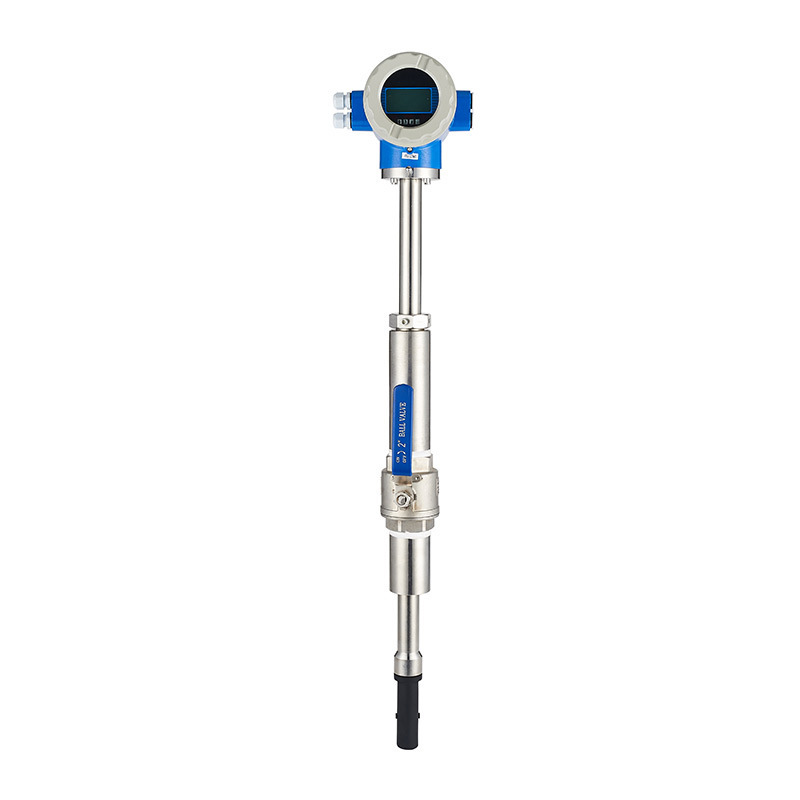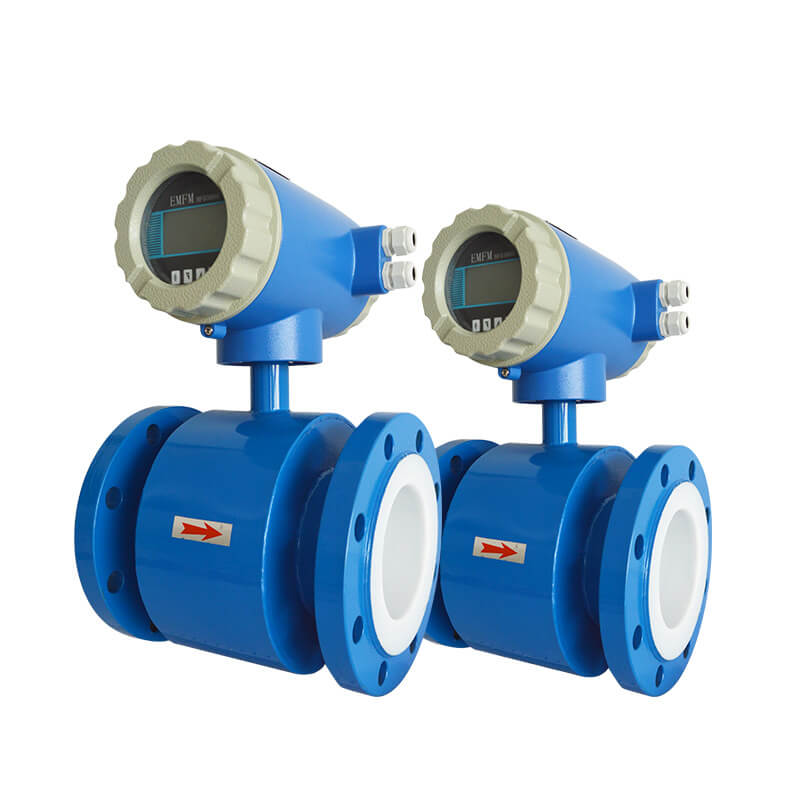
Flow measurement sits at the heart of industrial process control. Among the many devices available, electromagnetic flow meters and mechanical flow meters stand out as two widely adopted options; built on entirely different sensing principles, each fits a distinct range of operating conditions.
This article draws a comparison between the two in terms of structural design, measurement accuracy, and compatible media, with the aim of offering practical guidance for equipment selection.
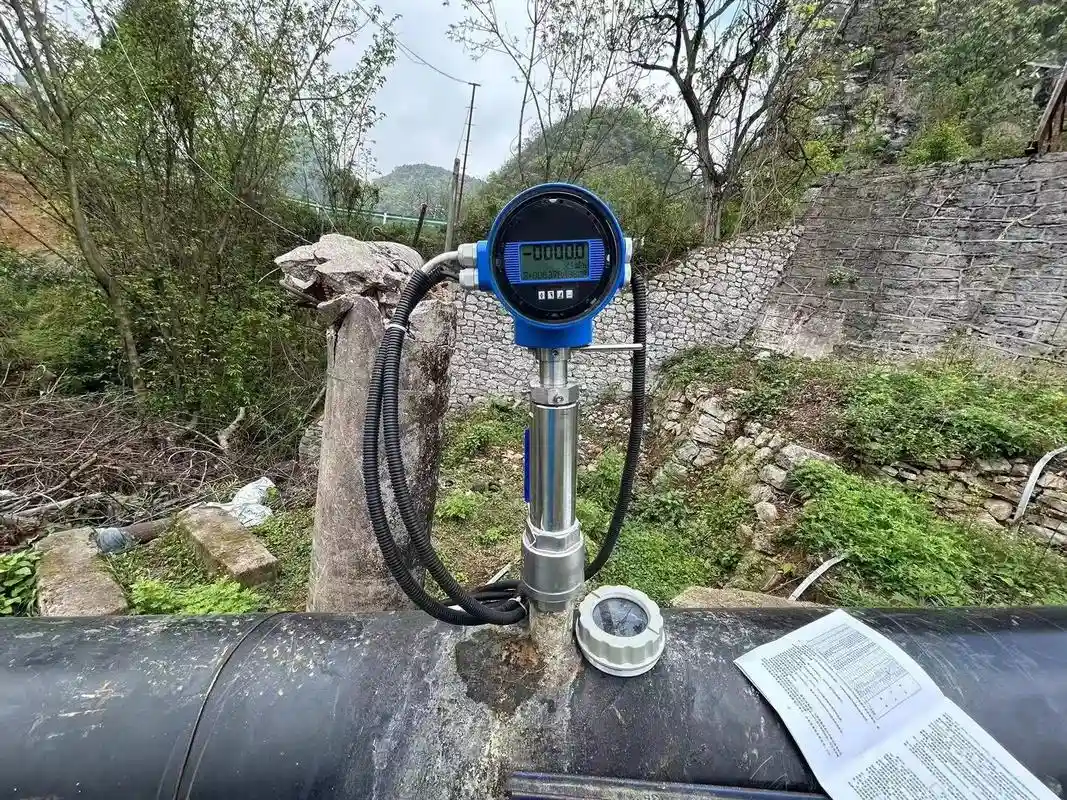
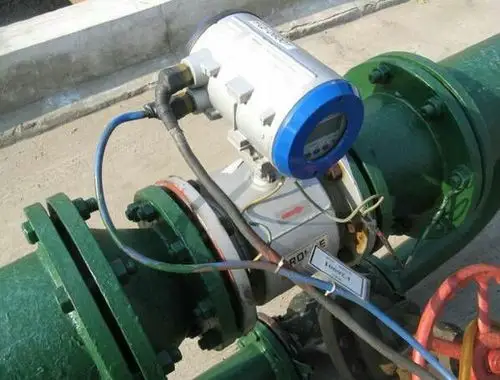
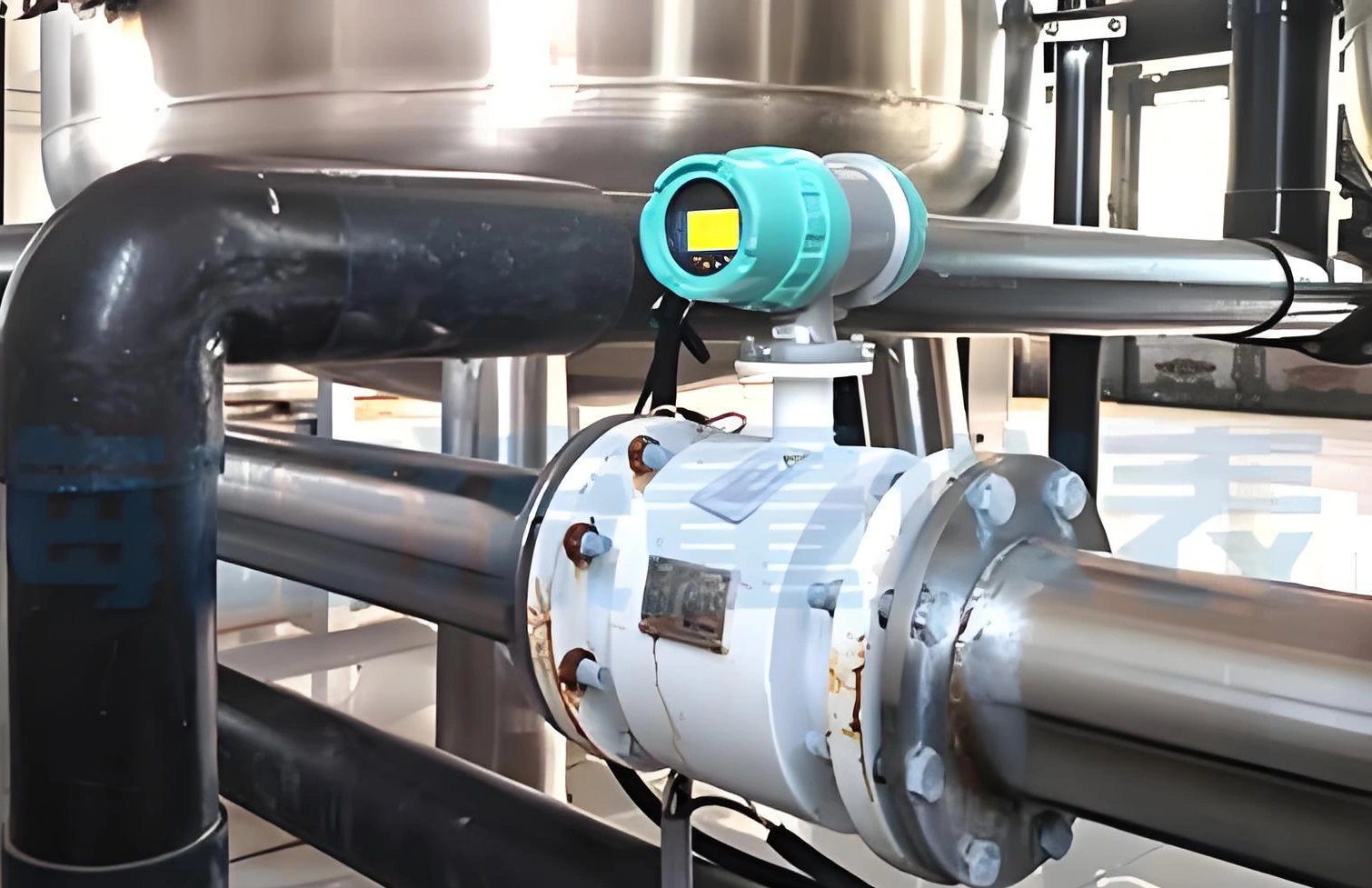
Electromagnetic Flow Meter
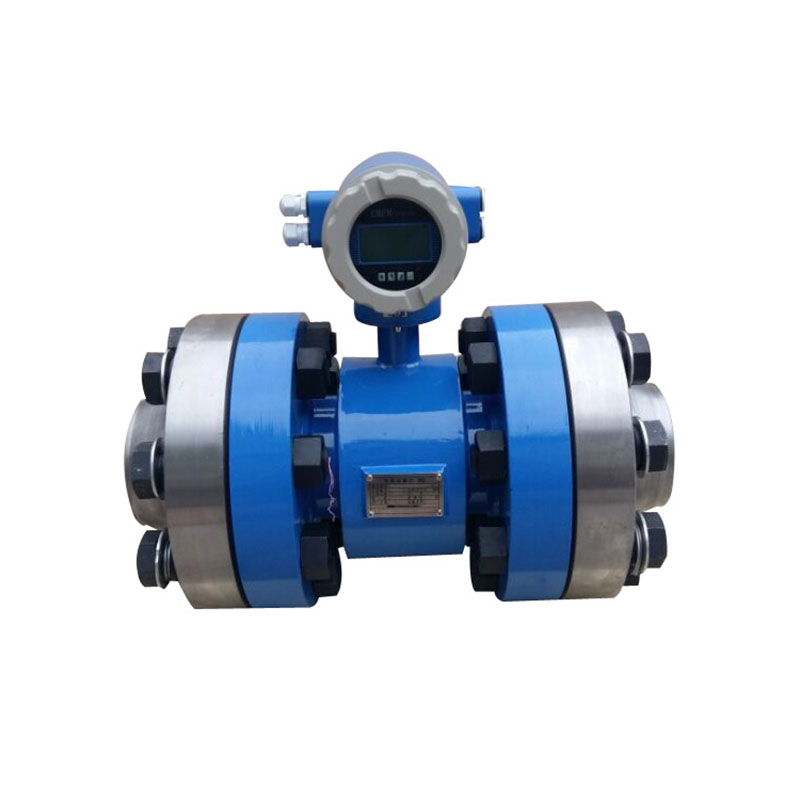
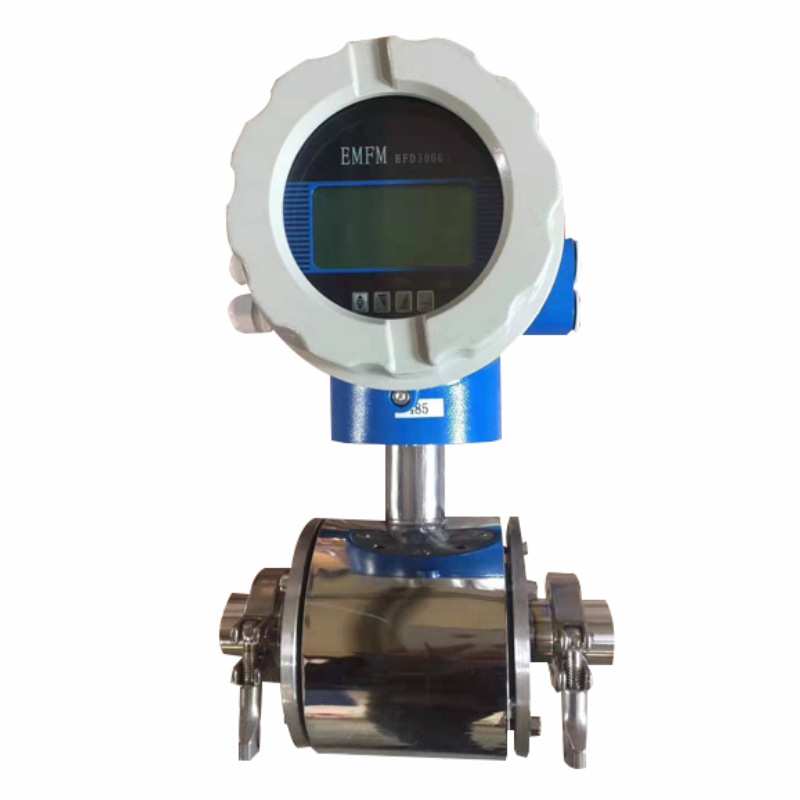
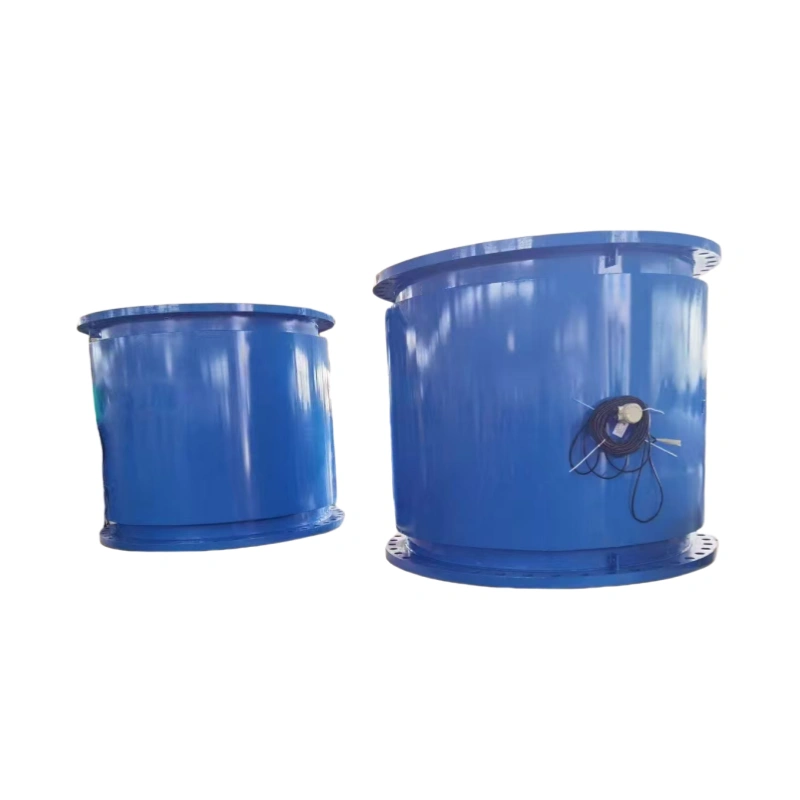
An electromagnetic flow meter serves as an industrial instrument designed to measure the volumetric flow rate of conductive liquids, and it finds frequent application in media ranging from wastewater and chemical slurries to acid-base solutions.
Its strengths include zero pressure loss, a broad measurement range, and an absence of clogging issues; on the downside, it simply does not work with gases, steam, or any liquid that fails to conduct electricity.
Working Principle
At its core, the operation of an electromagnetic flow meter rests on Faraday’s law of electromagnetic induction. As a conductive liquid travels through a magnetic field, it cuts across the field lines and gives rise to an induced electromotive force (EMF) within the liquid itself, which a pair of electrodes mounted on opposite sides of the pipe then picks up.
How large this induced EMF turns out depends on the average fluid velocity, the strength of the magnetic field, and the inner diameter of the pipe. Once the field strength and pipe diameter are fixed, the EMF scales linearly with fluid velocity.
The instrument picks up this signal, translates it into a velocity reading, and then—factoring in the pipe’s cross-sectional area—arrives at the volumetric flow rate of the fluid.
Mechanical Flow Meters
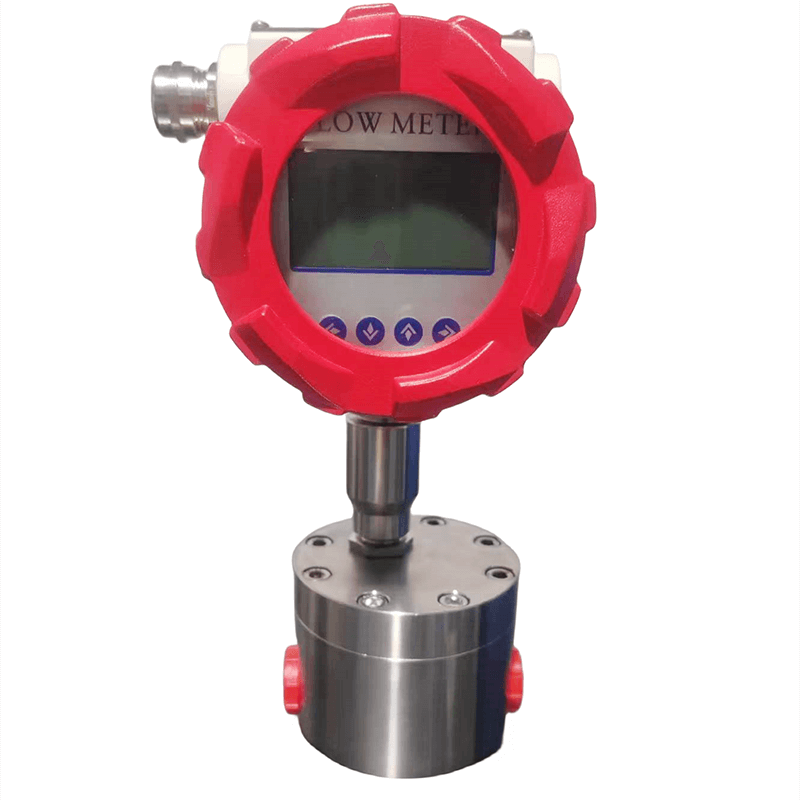
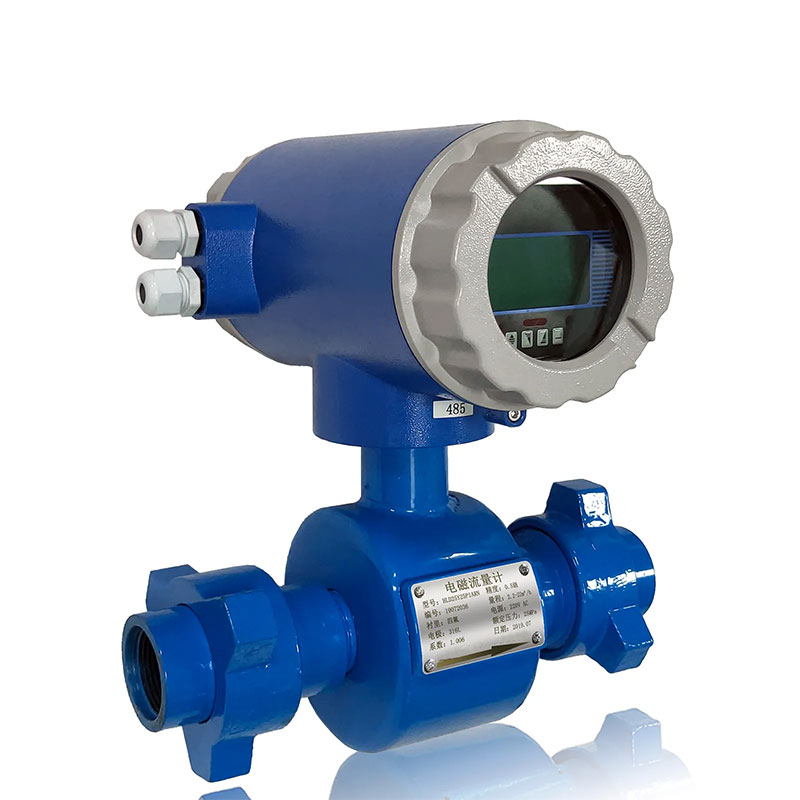
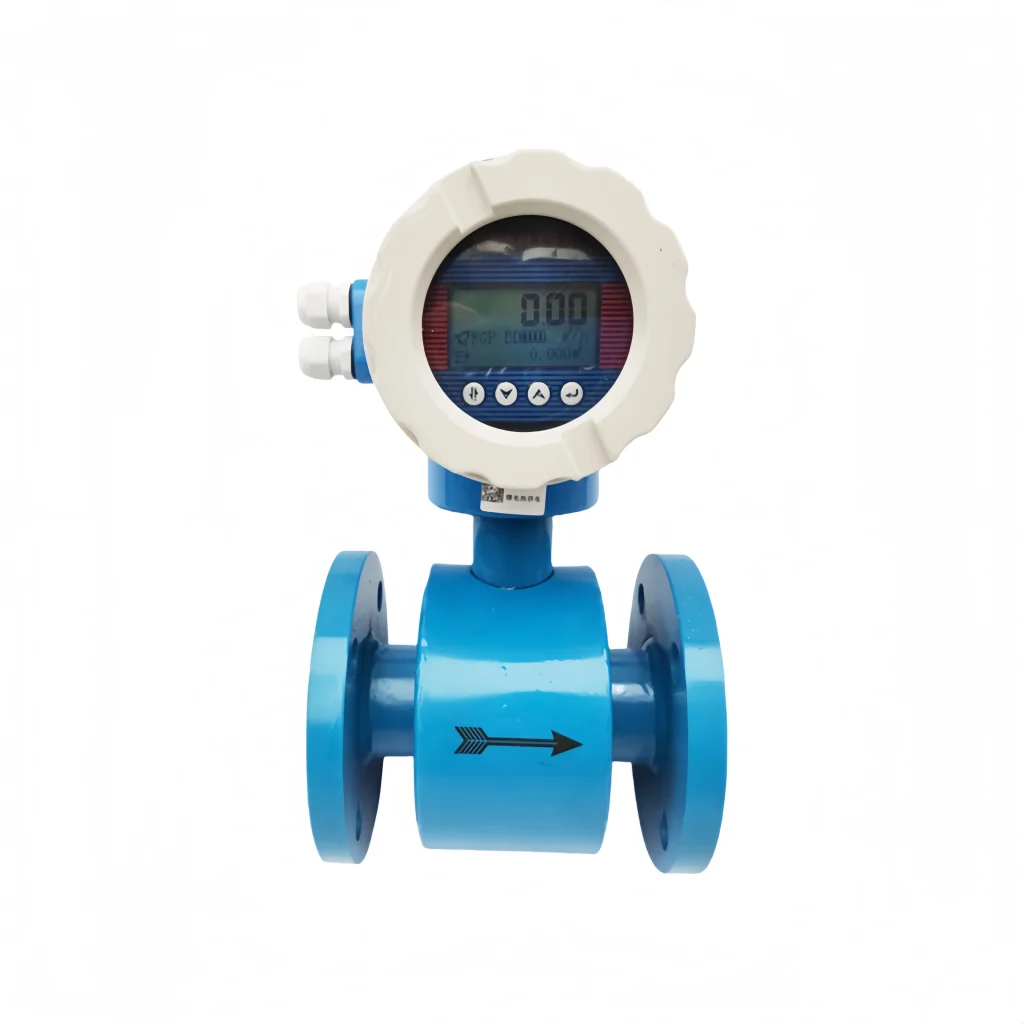
Mechanical flow meters are a type of flow measurement instrument that relies on the flow of fluid to drive internal mechanical rotating components, converting the fluid’s velocity and flow rate into mechanical motion, and then using a counting mechanism to obtain the flow rate value.
They are also commonly referred to as positive-displacement flow meters. These instruments do not require a power supply; they are driven by the medium’s own kinetic energy. With a simple and reliable structure, they are primarily used for measuring the volumetric flow rate of liquids and gases and are widely applied in industries such as water supply and drainage, petroleum, and chemicals.
Working Principle
Once the fluid flows into the meter chamber, it sets the internal mechanical parts—rotors, impellers, gears, and the like—in motion. Since the chamber holds a fixed volume, every full turn of these parts pushes through exactly that amount of medium, so as the flow continues, the rotation goes on and on, with the total number of revolutions tracking the volume that has passed in direct proportion.
That rotation is carried over to the counter through a gear train, which tallies up the revolutions and shows the cumulative volumetric flow on the dial. On certain models, a signal output device can be added to turn the mechanical rotation into electrical pulses, allowing the flow data to be sent to a remote location.
Types of Mechanical Flow Meters
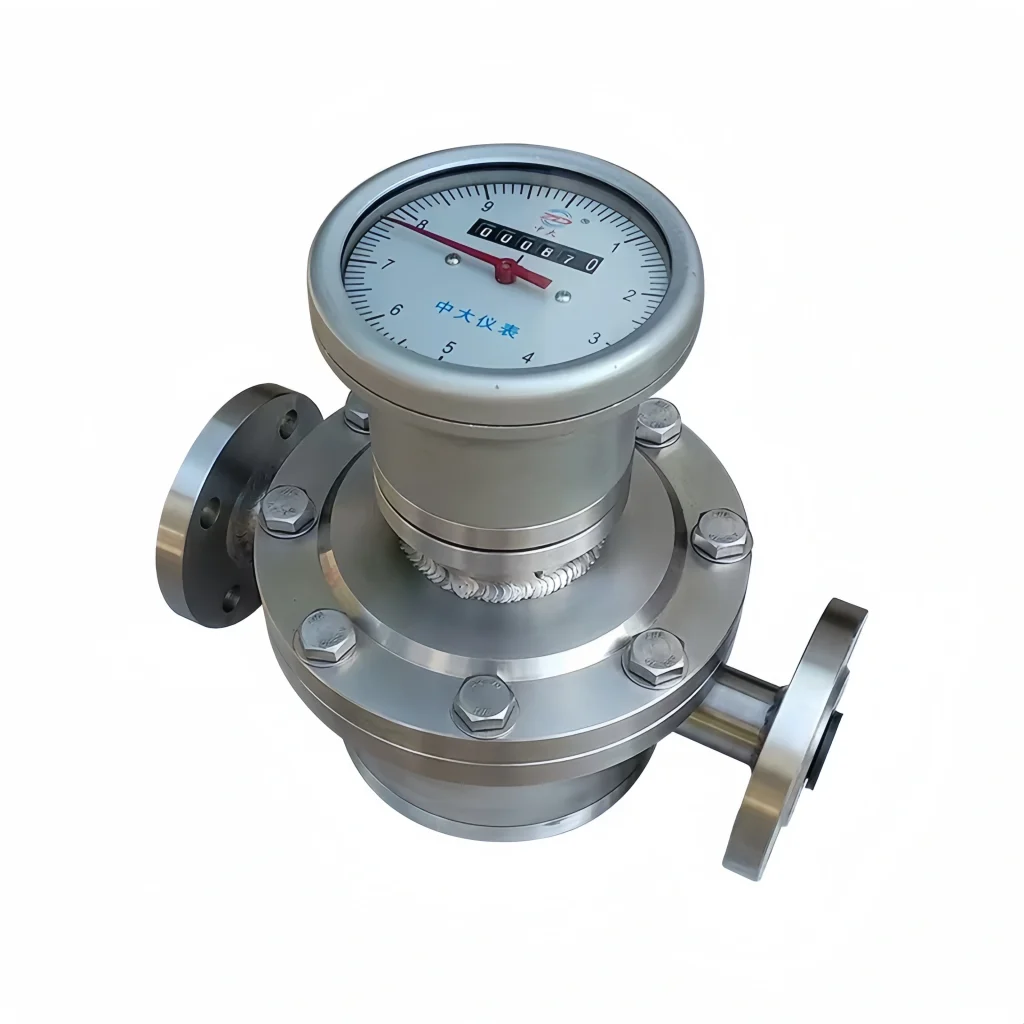
1. Positive-displacement flow meters:
Within this type, moving parts inside the meter alternately capture and release a fixed quantity of fluid as it passes through, and the accumulated flow is simply a count of how many times this filling-and-emptying cycle has occurred.
Oval gear, wafer, scraper, and piston designs all belong to this family. Clean, viscous liquids are where they shine, and the accuracy they deliver is notably high.
2. Impeller Flow Meters:
In these devices, the oncoming fluid pushes against an impeller and gets it turning—the rotation speed rises and falls with the flow, so converting that speed into a rate is all it takes.
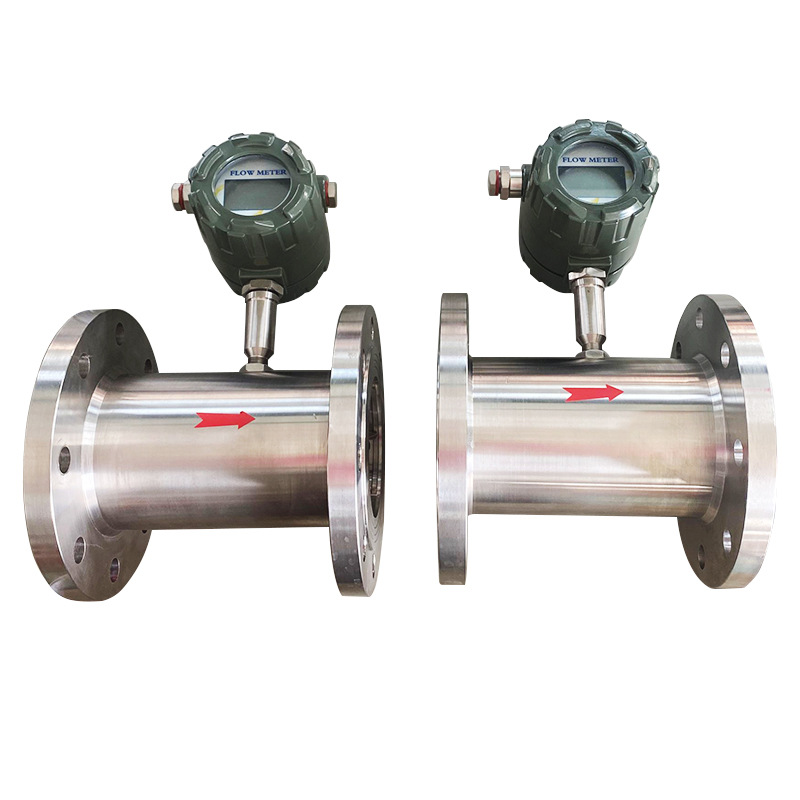
3. Turbine Flow Meters:
The passing fluid spins a turbine, and the turbine’s speed tracks the volumetric flow. Being velocity-type instruments, they cover liquids and gases alike and respond promptly to shifting flows, though they only perform properly when the medium stays clean.
4, Target-type flow meters:
A plate mounted across the flow inside the pipe bears the force of the moving fluid, and the harder the fluid pushes against it, the greater the flow. That force travels through a mechanical linkage to yield a reading. Meters of this kind put up with minor impurities in the medium and also cope with viscous fluids.
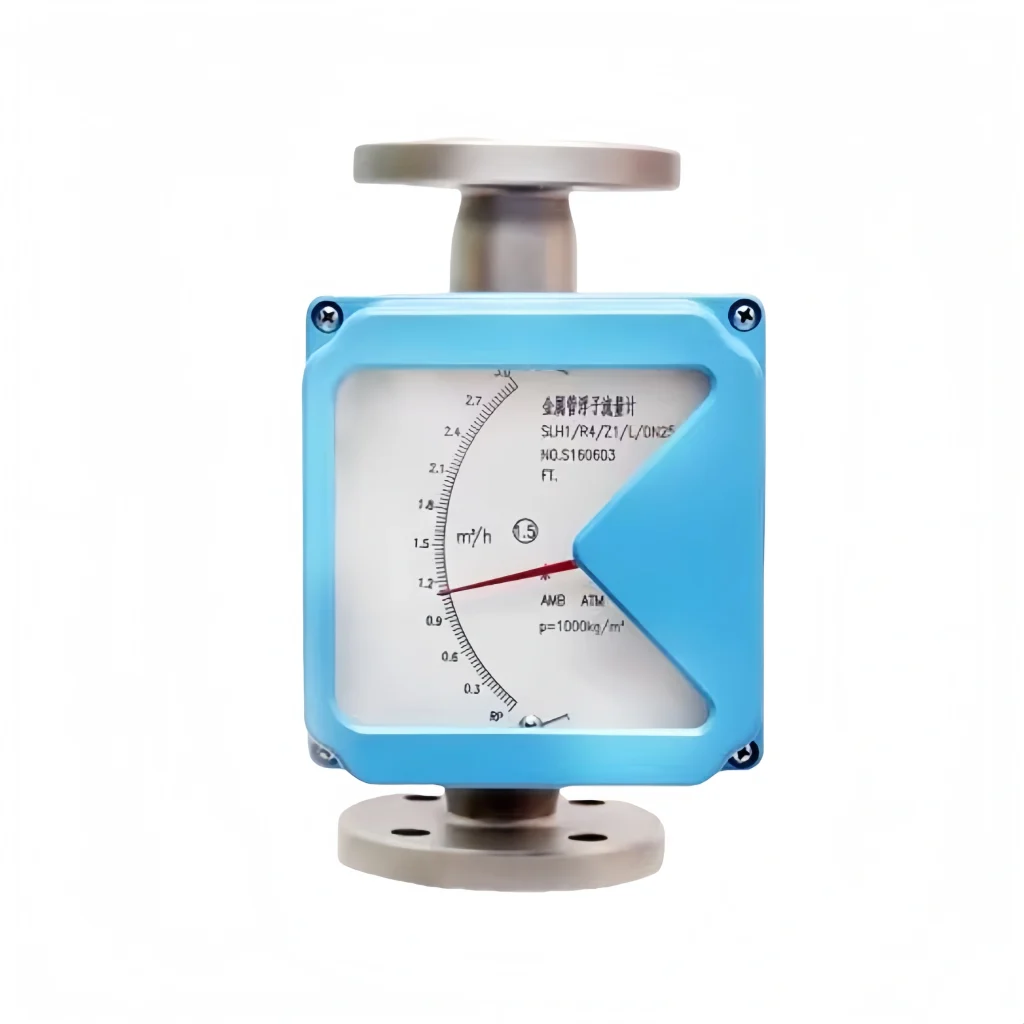
5. Rotor Flowmeter (Float Flowmeter):
Consists of a conical tube and a float. The fluid flows from bottom to top, causing the float to suspend; the suspension height indicates the flow rate.
This is a variable-area type and is commonly used for measuring low-flow liquids and gases.
Electromagnetic Flow Meters vs. Mechanical Flow Meters
1. Measurement Principles
Electromagnetic flow meters are based on Faraday’s law of electromagnetic induction. Conductive liquids cut through magnetic field lines to generate an induced electromotive force; electrodes collect the signal and convert it into flow rate. These meters have no internal moving parts.
Mechanical flowm eters depend on the flowing medium to drive rotating mechanical parts—impellers, gears, or pistons—and work out the fluid volume directly from how many turns these parts make.
2. Suitable Media
An electromagnetic flow meter is limited to conductive liquids—water, wastewater, and acid, alkali, or salt solutions all qualify—while gases, oils, and even pure water are beyond its reach.
Mechanical flow meters, by contrast, cover a much wider ground: they handle both conductive and non-conductive liquids, and certain models extend to gases as well. Oils and clean water are typical applications.
3. Pressure Loss
With smooth interiors and nothing in the way to obstruct the flow, electromagnetic flow meters cause very little pressure loss and add hardly any extra energy burden to the pipeline.
Mechanical meters are a different story: driving the impeller takes its toll on the fluid, and the resulting pressure drop can translate into higher pump energy costs over long periods at high flow rates.
4. Maintenance and Service Life
Since nothing inside an electromagnetic flow meter actually wears out, day-to-day upkeep is minimal; the weak points are the lining and electrodes, which corrosion or scaling from the medium can gradually degrade and throw off the readings.
Mechanical meters wear down as a matter of course—the bearings and gears deteriorate with prolonged use and need periodic servicing or replacement, a process that speeds up considerably when the medium carries impurities.
5. Measurement Accuracy
Electromagnetic flow meters hold their accuracy steady over a wide turndown ratio and repeat well at both high and low flow rates, which makes them a natural fit for continuous online monitoring.
Mechanical meters deliver accurate results within their rated range, but friction becomes a real problem at low flows and the error grows accordingly; as wear sets in, accuracy only drifts further downhill.
6. Installation Requirements
Installing an electromagnetic flow meter calls for proper straight runs of pipe upstream and downstream, a locati0n well clear of strong magnetic interference, and a pipe that stays completely full of medium.
Mechanical meters are more forgiving on straight pipe sections, and some compact models allow for flexible mounting; that said, the installation orientation and how clean the medium is both weigh heavily on how long the meter will last.
7. Output Methods
Electromagnetic flow meters can put out electrical signals—4–20 mA, pulses, or HART—directly, which makes hooking them into a control system for remote data collection straightforward.
Traditional mechanical meters usually rely on a mechanical dial read on site; converting that rotation into an electrical signal generally means fitting an extra sensor.
- Cost Considerations
The upfront price of an electromagnetic flow meter runs comparatively high, which tends to pay off in continuous measurement on large-diameter pipes carrying conductive media such as wastewater or chemical solutions.
Mechanical meters come at a friendlier cost and see frequent use in metering petroleum products and pure water on site, as well as in trade measurements on small-diameter lines.
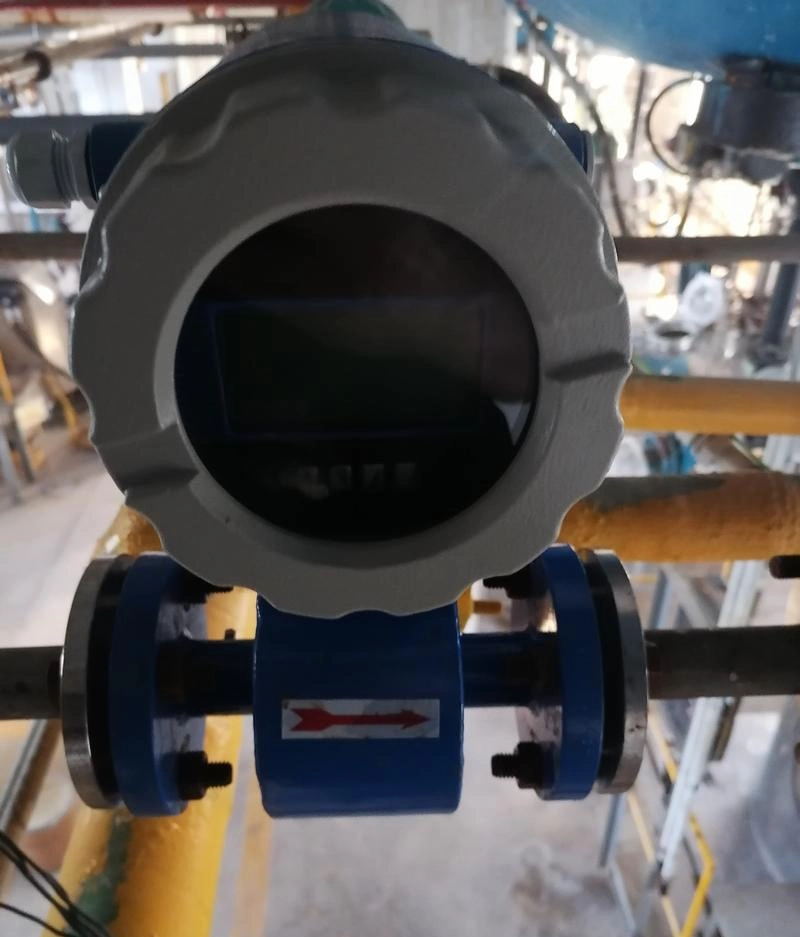
Advantages of Electromagnetic
1. High accuracy and wide measurement range. The readings stay accurate regardless of how the medium’s temperature, pressure, density, or viscosity shift, and with a turndown ratio of up to 100:1, the meter holds up reliably whether the flow runs low or high.
2. No throttling and no moving parts, which means barely any pressure loss. Nothing inside the pipe restricts the flow, so no extra pressure drop is introduced; this keeps pump energy consumption down and suits long-term, continuous duty on large-diameter pipelines.
3. Wide range of compatible media. They can measure conductive liquids such as clean water, wastewater, and corrosive acids and alkalis, as well as stably measure two-phase media containing solid particles, such as slurry and ore slurry.
4. Good linearity and rapid response. The measurement signal varies in direct proportion to flow velocity, and the instrument picks up flow fluctuations quickly, which makes flow accumulation, calculation, and automated control much easier to carry out.
5. Corrosion resistance and strong adaptability to operating conditions. Linings can be made from materials like rubber or PTFE, while the electrodes come in a choice of alloys, so the meter holds up well under a broad range of corrosive media.
6. Flexible installation and bidirectional measurement support. Flow can be measured in either direction, forward or reverse, and most models ask for little in the way of straight pipe runs—handy when retrofitting into existing sites or working around tight installation spaces.
7. Simple operation and maintenance, with a long service life. There are no moving parts to wear out, so the equipment stays highly stable over time; routine upkeep comes down to checking the electrodes and lining, with no need to take the meter apart on a regular basis.
Advantages of Mechanical Flow Meters
1. No external power supply is needed—the fluid itself drives the meter, and the reading can be taken right on the dial, which comes in handy for remote areas, sites short on power, or places where explosion hazards rule out electrical equipment.
2. The build is simple and rugged, with no delicate electronic parts inside. Electromagnetic interference, vibration, and temperature swings barely faze it, so it stays stable and keeps its failure rate low in harsh industrial settings.
3. The cost-performance ratio is hard to beat. Compared with ultrasonic or Coriolis meters, both the equipment and the costs that come with it are lower, which suits everyday metering tasks well.
4. Positive displacement measurement delivers high accuracy and repeatable results, enough to support trade settlement. It also copes with high-viscosity media such as oils and resins, and remains steady even at low flow rates.
5. Installation is fairly forgiving—most models get by without long straight runs of pipe upstream or downstream, so putting one in, commissioning it, and later taking it apart for maintenance are all quick and painless jobs.
6. Volumetric flow is measured directly. The principle is straightforward and easy to grasp, with no signal conversion involved, and the cumulative total shows up right on the dial for anyone doing routine on-site checks.
Add Your Heading Text Here
Distinction Based on Medium Conductivity:
An electromagnetic flow meter simply won’t work unless the medium conducts electricity—gases, steam, and oils are all off the table. A mechanical flow meter, by contrast, couldn’t care less about conductivity, so it handles oils, viscous liquids, and similar media without issue.
Medium Purity and Impurity Requirements:
Electromagnetic meters put up with a fair amount of fine particulate matter, which is why they’re the go-to choice for wastewater, slurries, and other solids-laden fluids; the catch is that large, hard objects can gouge the lining.
Mechanical meters are far less forgiving here—their rotating, interlocking parts wear down or seize up quickly when sand or hard impurities ride along, so they’re best kept to clean liquids.
Power Supply and On-Site Conditions:
Electromagnetic flow meters need external power to run, but in return they can send signals back to a control room, fitting naturally into automated systems.
A purely mechanical meter needs nothing but the fluid itself, gives a reading straight off the dial, and poses no explosion risk—ideal for spots with no power supply, remote locations, or classified hazardous areas.
Measurement Accuracy and Application Scenarios:
Positive-displacement mechanical meters deliver the accuracy and repeatability demanded for trade settlement, which is where they earn their keep.
Electromagnetic meters sit at a moderate accuracy level but compensate with high stability, serving mainly as process flow monitors; you’d rarely see one used for high-precision custody transfer.
Pressure Loss Comparison:
With nothing inside to block the way, an electromagnetic meter loses almost no pressure, a real advantage on large-diameter lines running at low static pressure.
Mechanical meters force the fluid through rotors and gears, and that passage doesn’t come free—the pressure drop is considerable. On low-pressure lines, it’s worth running the numbers on that drop before settling on a model.
Pipe Diameter and Flow Range Compatibility:
Electromagnetic meters scale up nicely, covering large pipe sizes and a broad span of flow rates. Mechanical meters are typically built for small to medium diameters, and the price climbs steeply once you ask for anything bigger.
Temperature and Viscosity Compatibility:
The lining material puts a ceiling on how hot the medium can get in an electromagnetic meter, and thick, high-viscosity fluids aren’t its forte either.
Mechanical meters take the opposite view: heavy, viscous oils are exactly what they’re good at, and the measurement actually steadies as viscosity climbs.
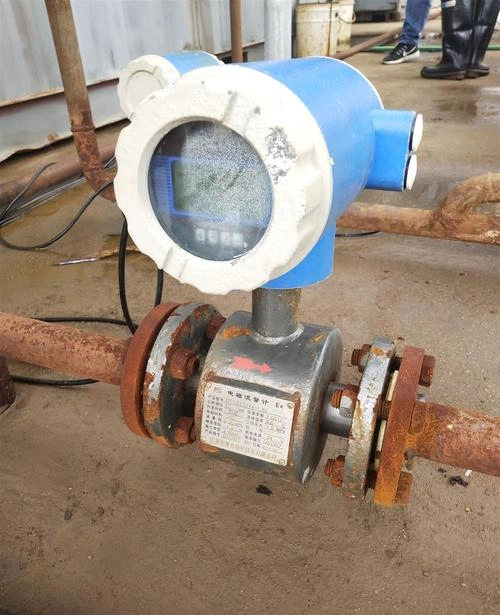
Sion-Inst supplies a full lineup of industrial measurement and control instruments—electromagnetic and mechanical flowmeters, level transmitters, density meters, and pressure sensors—that hold up across a wide range of operating conditions in industries from chemicals and wastewater treatment to oil and gas.
Whether the application is routine or unusually demanding, we put together selection solutions built around your actual requirements, with precision and stability as the starting point.
And we stay involved after the sale, with end-to-end support before and after purchase, so that your measurement and control systems contribute to automated, finely-tuned production—and to operations that run efficiently and without interruption.