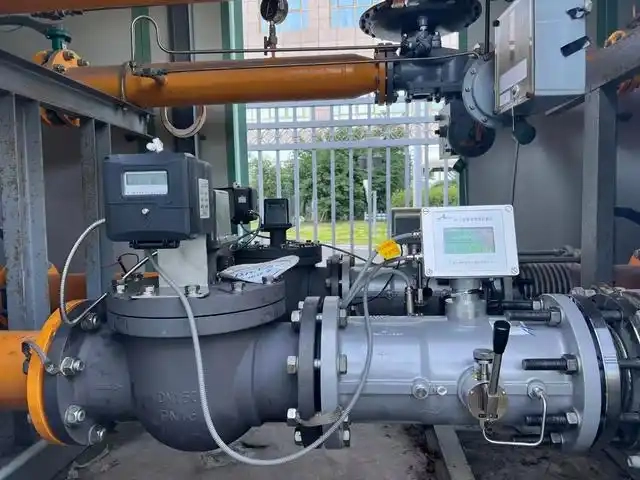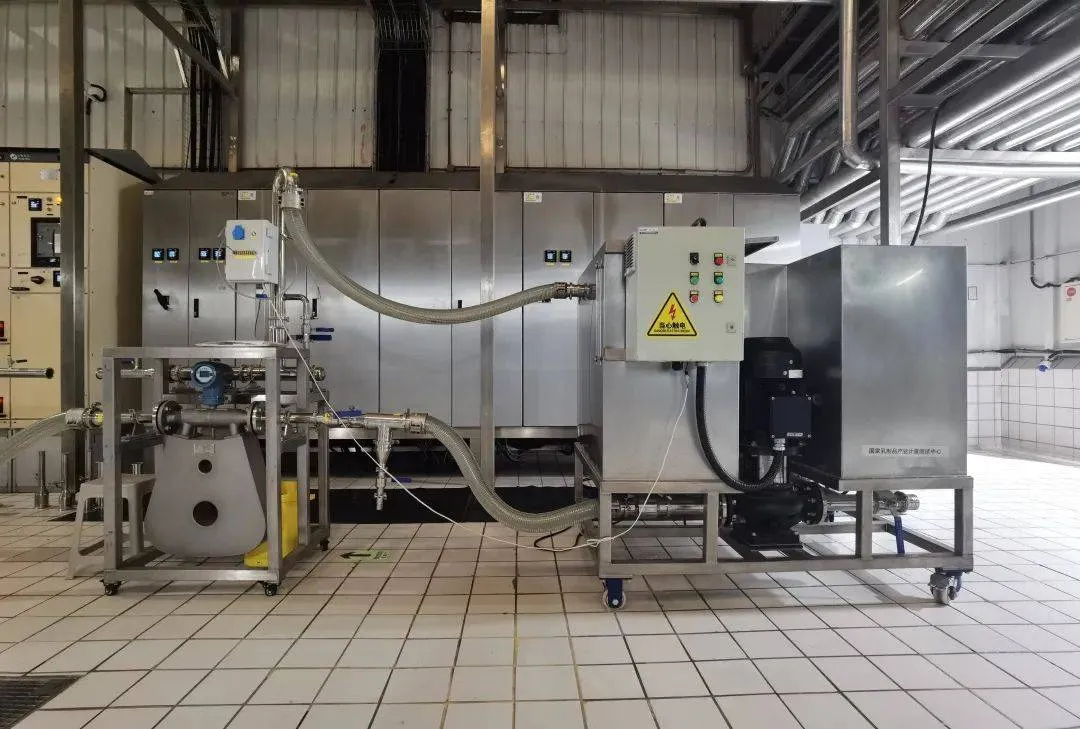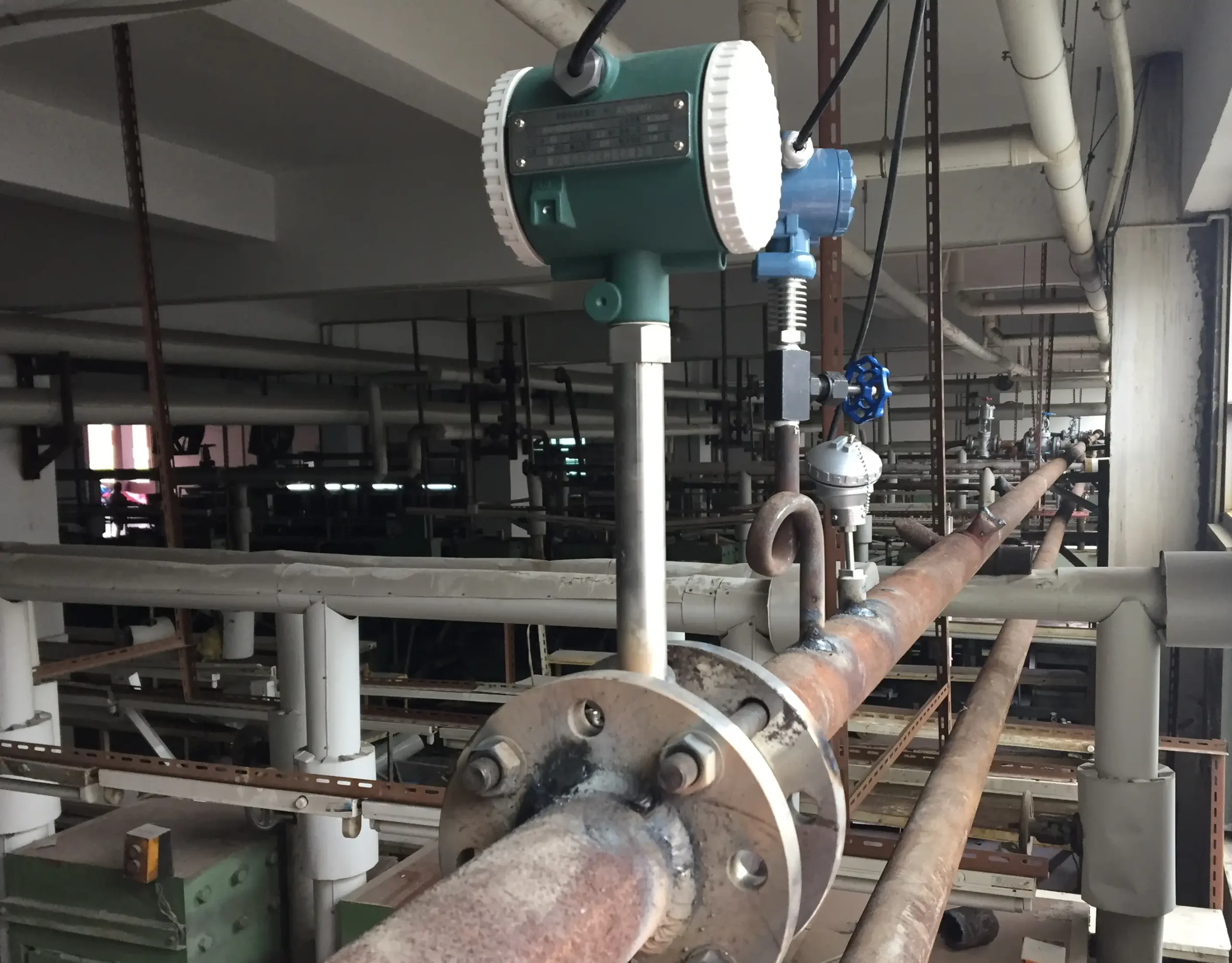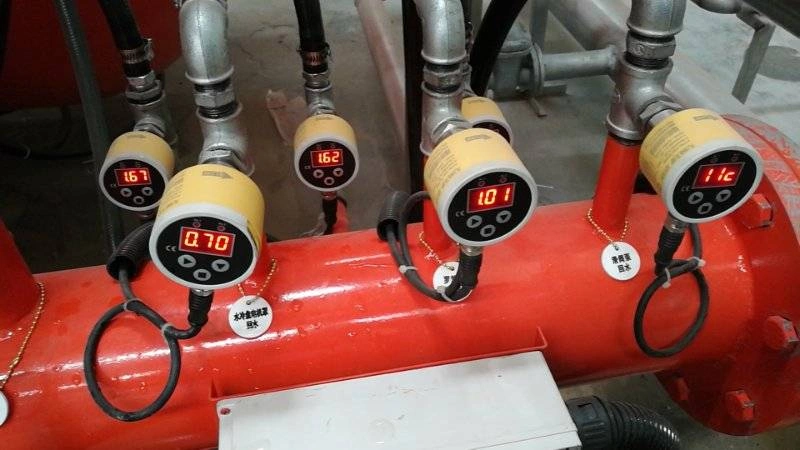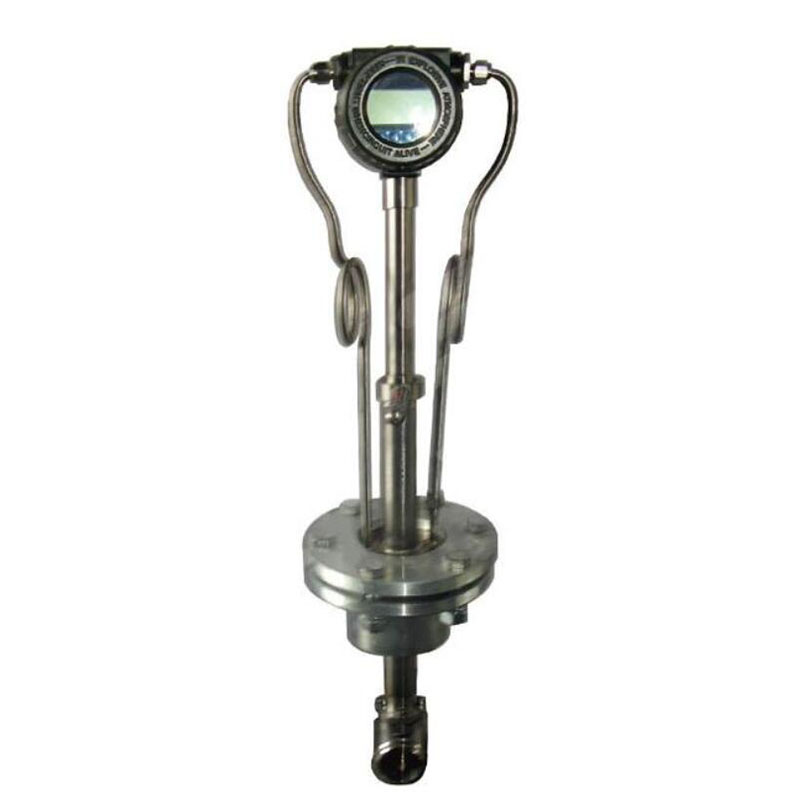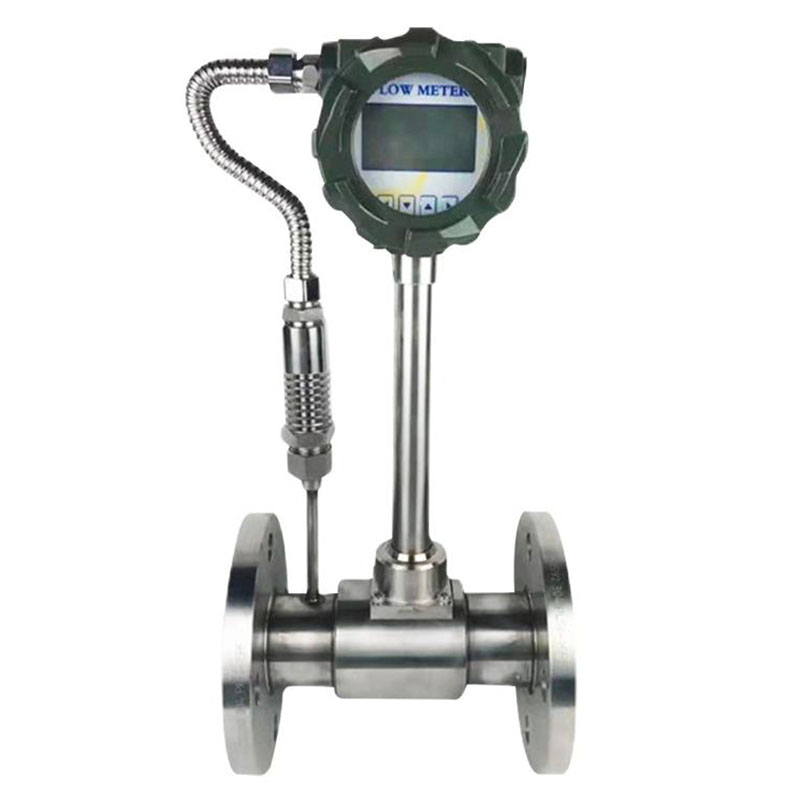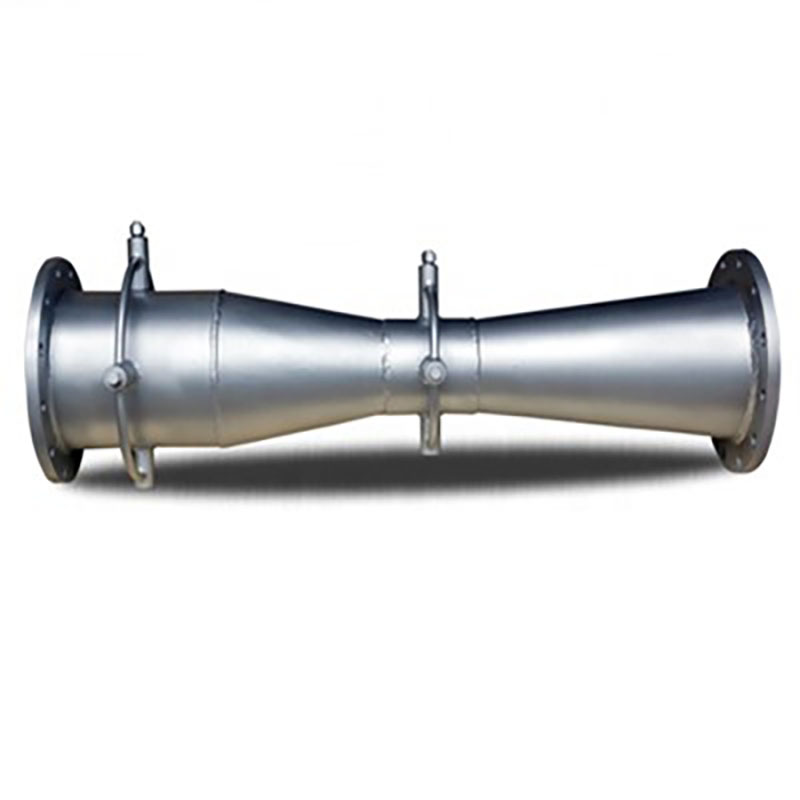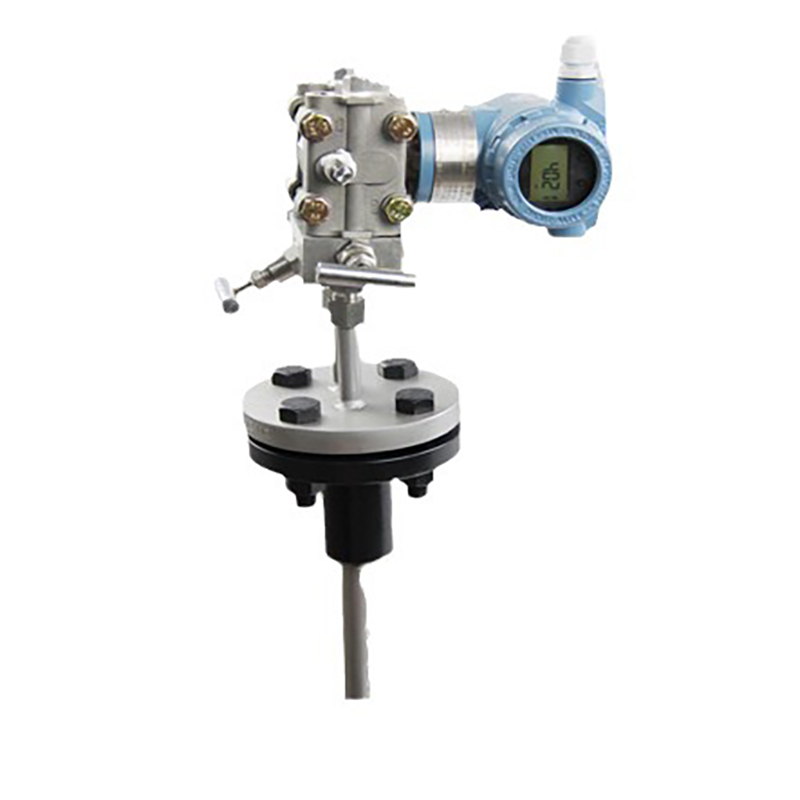
In fluid metering systems, flow totalizers receive signals from flowmeters to perform flow integration and total volume calculation. They are essential instruments for batch feeding, energy consumption accounting and material settlement, ensuring the traceability of process metering data.
What is a Flow Totalizer?
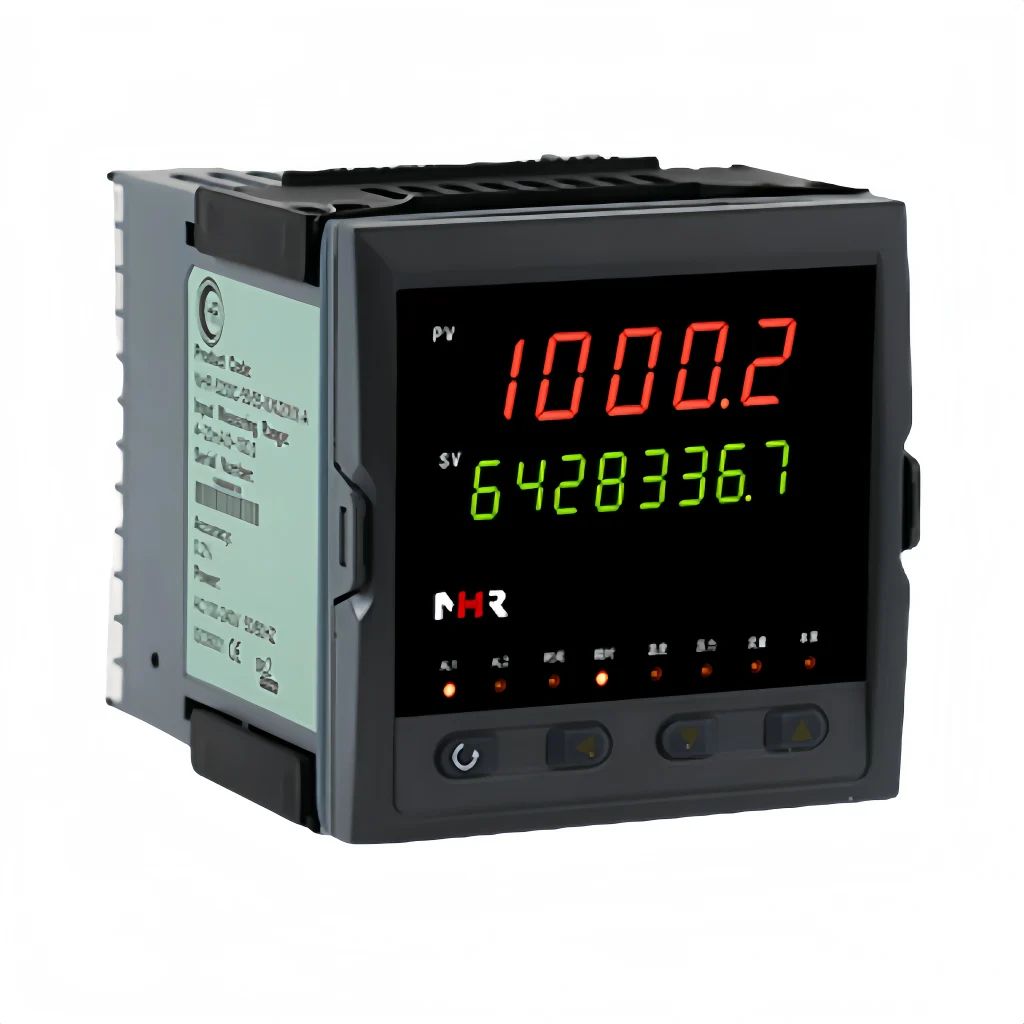
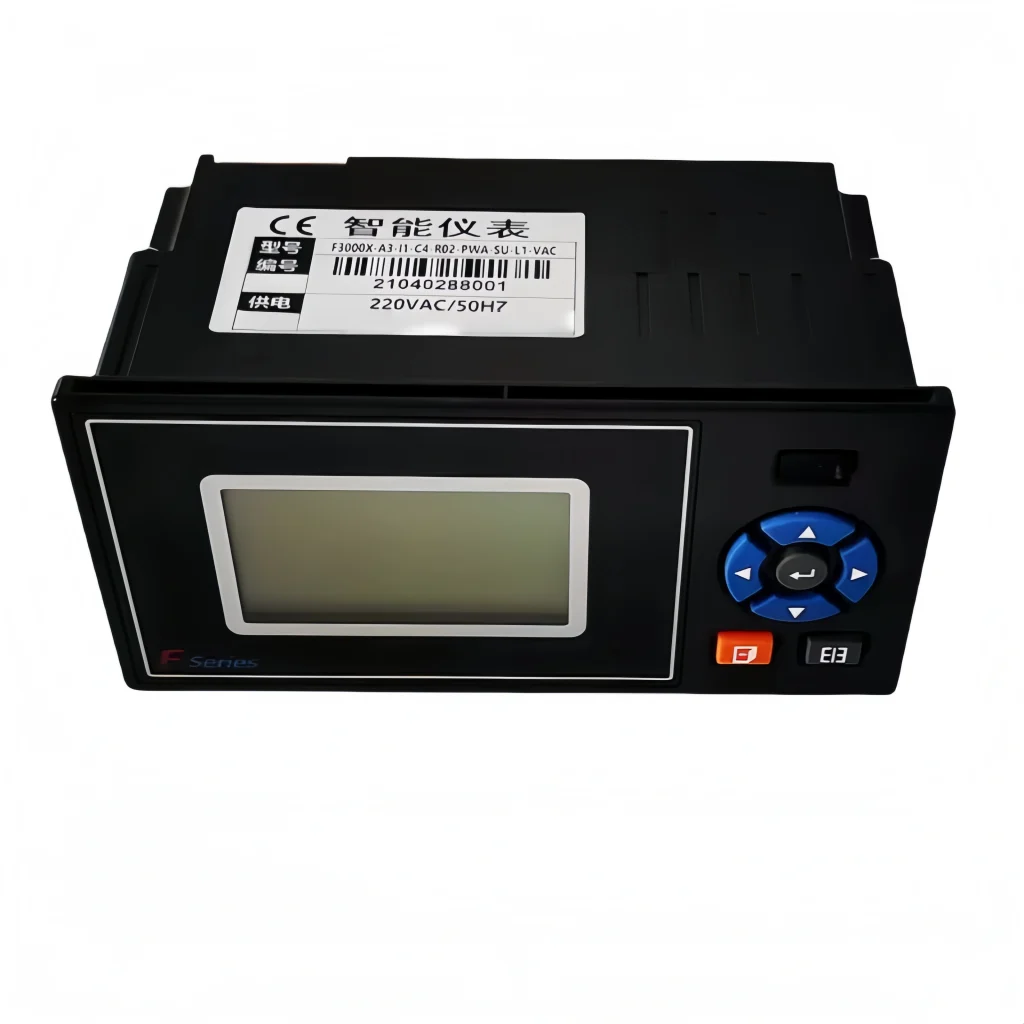
A flow totalizer is a metering accessory used to accumulate the total volume of fluid that has passed through a system; it is commonly used in conjunction with a flowmeter.
It can receive flow signals—such as pulses or 4–20 mA signals—output by the flowmeter, calculating and storing the cumulative flow of the fluid over a given period in real time.
It typically features functions such as instantaneous flow display, total volume reset and data retention in the event of a power failure, and is widely used in flow measurement applications involving media such as water, gases and oils.
How a Flow Totalizer Works
A flow meter detects the flow of fluid within a pipeline and outputs a signal proportional to the flow rate. The flow totalizer acquires this signal, first converting it to an instantaneous flow rate value, then continuously integrating this rate over time to progressively accumulate the total volume.
The device performs calculations, stores and displays the data internally; some models also support signal output to a host computer. In the event of a power failure, the accumulated values are retained by the storage unit to prevent loss of measurement data.
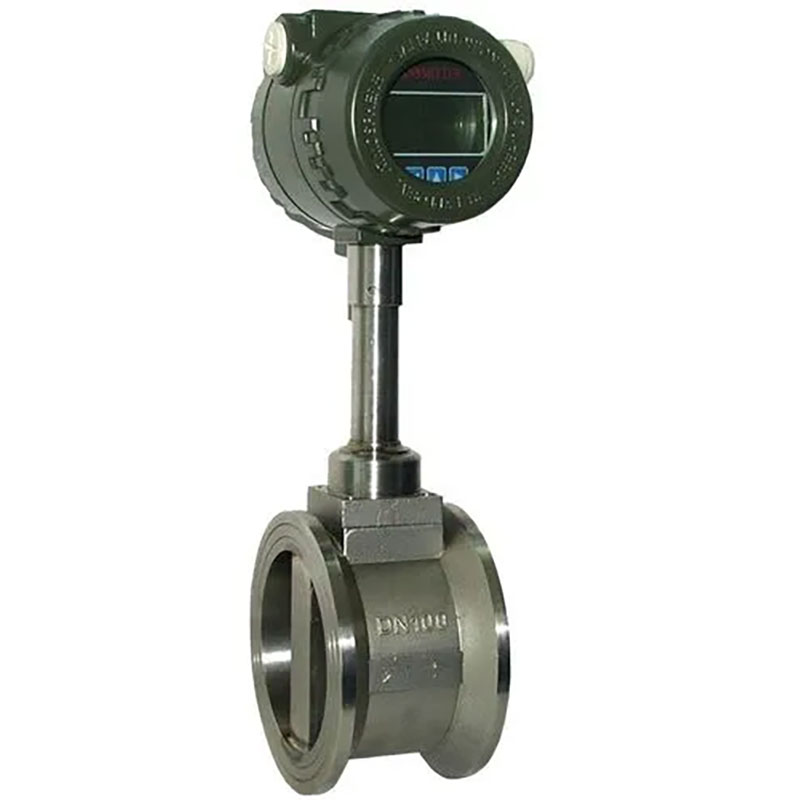
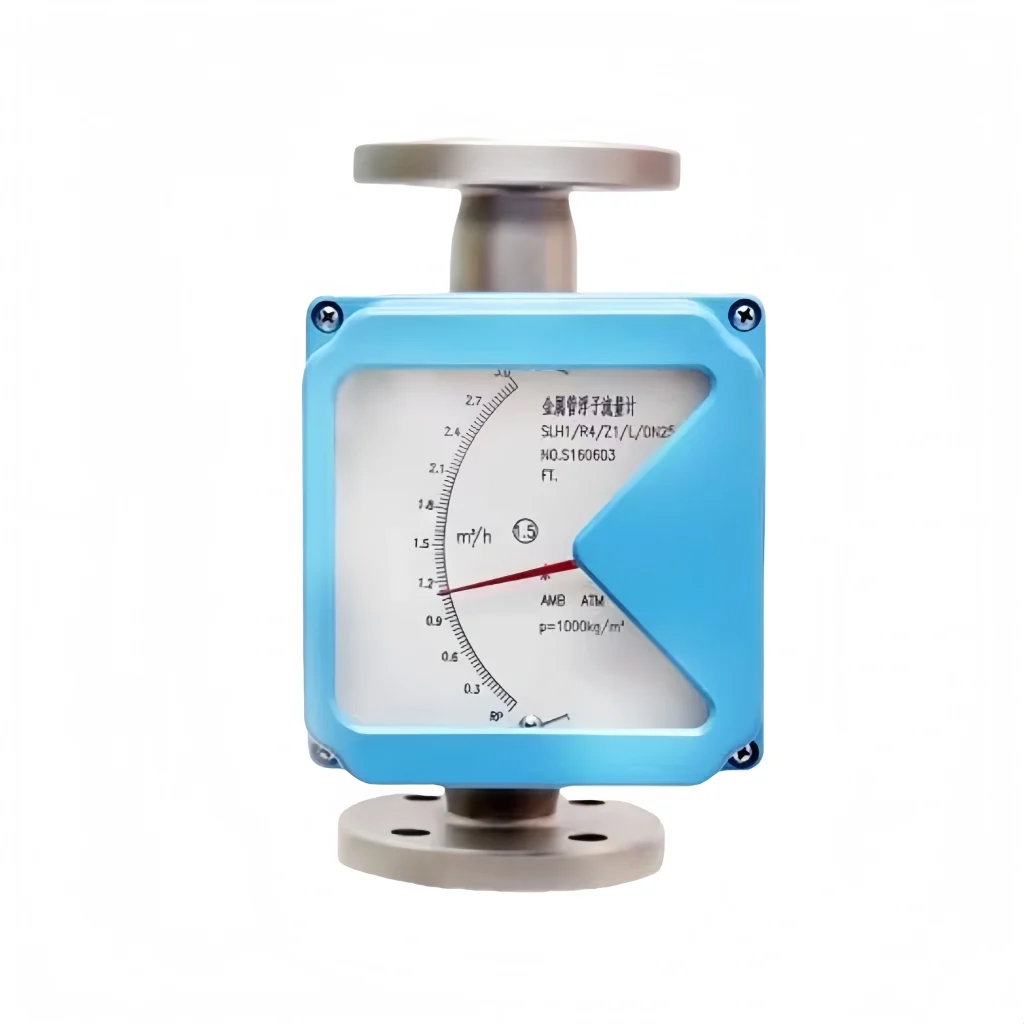
Why Use Flow Totalizers
A flow totalizer receives signals from a flow meter and integrates them to calculate the cumulative total volume of the fluid. When the flow meter’s built-in accumulation function is insufficient, it provides a reliable display of the total volume and data storage.
It is compatible with signals such as pulses and 4–20 mA, adapts to various types of flow meters, and supports the retention of cumulative values during power outages, ensuring continuous metering.
It can also implement quantitative control, out-of-limit alarms and remote data transmission, meeting the requirements for batching, energy consumption statistics and material settlement, whilst simultaneously alleviating the computational load on the PLC and facilitating the reconciliation of metering records.
Practical Applications of Flow Accumulators
Water Supply and Water Utilities Sector: Used for sub-metering within distribution networks and for calculating total water consumption in residential estates and factories. When paired with pulse water meters to collect flow signals, it records periodic water consumption, facilitating water bill calculations and the investigation of network leakage.
Systems for heating and hot water supply: It tracks the total hot water flow in heat exchange stations and heating branch pipes, to determine the overall heat transferred. It serves as the metrological foundation for heating billing and energy consumption analysis.
Oil, gas and chemical processing: Used in combination with liquid and gas flowmeters to measure the total volume of media such as petroleum products, compressed air and process gasses, allowing measurement of raw material inbound and outbound flows and control of production feedstock.
Wastewater Treatment: Monitor cumulative flow of influent and effluent pipes to determine volumes of wastewater discharged, meeting environmental data reporting requirements and discharge quota management.
Food and Pharmaceutical Cleanroom Applications: Used in conjunction with sanitary flow meters, the device monitors cumulative use of purified water, cleaning solutions and pharmaceutical solutions for adherence to production batching records and data traceability for CIP cleaning processes.
Industrial Energy Consumption Management: integrates flow signals of various media, collects cumulative data to a central point, and uploads it to the PLC or SCADA system, for workshop energy consumption statistics and production process analysis.
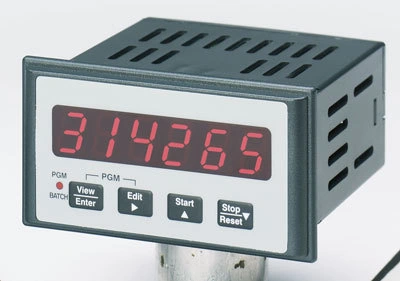
Flow Totalizer vs Flow Meter
Differences in Core Function:
A flow meter is a primary measurement instrument responsible for directly sensing the fluid within a pipeline and outputting a signal proportional to the instantaneous flow rate;
A flow totalizer is a secondary signal processing instrument; it is not installed directly on the pipeline and cannot measure flow independently, but only receives pulses or 4–20 mA signals from a flow meter to perform integration calculations.
Different measurement goals:
Flow meters are mainly used to measure the instantaneous flow rate, that is, the volume of flow per unit time, usually in m³/h or L/min;
Flow totalizers are interested in the total cumulative flow, that is the total volume of fluid that has passed through over a period of time, usually measured in m³ or t; some totalizers can also show instantaneous flow rate at the same time.
Differences in operating logic:
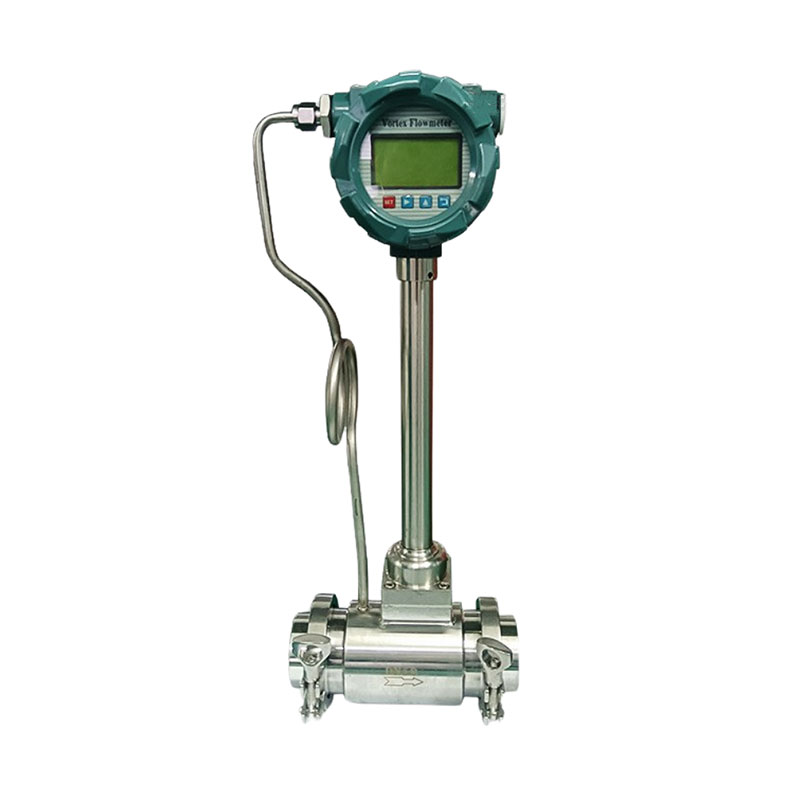
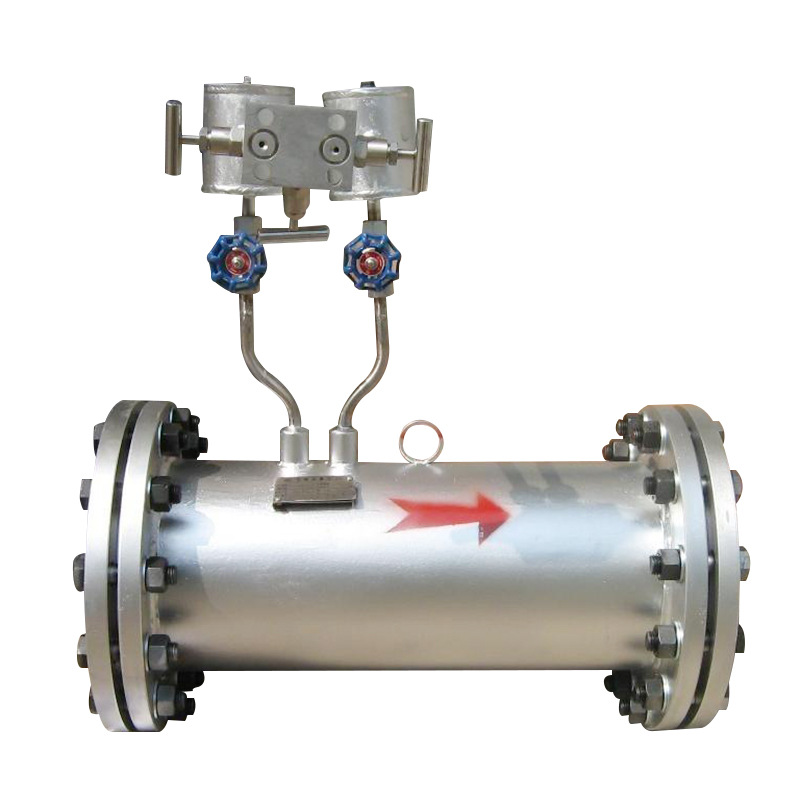
Flow meters measure using the physical principles of sensors, including electromagnetic, vortex, turbine, and differential pressure principles.
A flow totalizer is essentially a device that continues to accumulate the flow rate at each instant, thereby integrating instantaneous flow in relation to time. In the event of a power outage, they are inclined to retain the accumulated value and continue to accumulate it upon its restoration.
Differences in configuration:
Flow meters can be used independently; many integrated flow meters feature a built-in totalisation function;
Standalone flow totalisers must be used in conjunction with a flow sensor or flow meter as a complete system; a single totaliser can be compatible with multiple types of flow meters.
Different application scenarios:
Flowmeters are primarily used for process control and interlock control in real time where changes in flow need to be detected quickly;
Flow totalizers are mainly used for material accounting, statistics of energy consumption, trade metering and batch feeding. The main purpose is to keep track of the total consumption or throughput during a certain time period.
Differences in accuracy:
The fundamental measurement accuracy of the entire metering system is determined by the front-end flowmeter;
The flow totaliser is solely responsible for signal processing and accumulation; it does not enhance the original measurement accuracy. When selecting a model, it is essential to ensure that the totaliser’s signal sampling rate matches the flow meter’s output frequency.
How to Select a Suitable Flow Totalizer
Match the input signal type: First, confirm the output signal of the upstream flow meter. Common types include pulse signals and 4–20 mA analogue signals, whilst some operating conditions utilise RS485; the totalizer’s input type must correspond to this.
Check flow range and sampling rate: Choose a suitable sampling frequency depending on the maximum instantaneous flow rate of the flow meter. High frequency pulse flow meters need a totalizer with a high sample rate to prevent under accumulation due to lost pulses
Confirm metering functional requirements: Select such functions as batch control, relay output, alarms, reset and subtotalisation as required. For trade metering applications, prefer models with latch reset capability.
Data storage capacity: Select totalizers that store the cumulative values in the event of a power failure. Check the number of storage bits so that you do not overflow when the total reaches the upper limit, which could have an impact on long term metering statistics.
Adapt to the environment and the power supply on site: distinguish between indoor/outdoor, explosion-proof, temperature/humidity conditions; determine whether the power supply is 24 V DC or 220 V AC; select products with the corresponding explosion-proof rating in explosion-hazard areas.
Consider the data communication requirements: If the cumulative data has to be uploaded to a PLC or higher level system, choose models with RS485 communication to simplify cabling and enable centralized collection of ledger data.
Verify accuracy: Whilst the totaliser itself does not alter the flow meter’s fundamental accuracy, it is necessary to confirm its computational accuracy specifications; in trade settlement scenarios, the entire system must comply with relevant metrology standards.
FAQ
What is the difference between instantaneous flow and cumulative flow?
Different definitions: Instantaneous flow is the volume of fluid passing through a pipeline in a unit of time. It is the rate of flow at the present. Cumulative flow is the total volume of fluid that has passed through a pipeline over a period of time. It is the result of continuous accumulation.
Different units: Instantaneous flow is commonly expressed in m³/h, t/h or L/min; cumulative flow is commonly expressed in m³, t or L.
Different applications: Instantaneous flow is used to monitor operating condition fluctuations, regulate flow and for interlock control; cumulative flow is used for material accounting, energy consumption statistics, trade settlement and metered feeding.
Different behaviour: Instantaneous flow fluctuates in real time with changes in valves and pressure; cumulative flow only increases and never decreases (except when reset to zero).
What are the main components of a flow accumulator?
Signal input module: Receives pulse or analogue signals from the flowmeter and performs signal shaping and conversion.
Main Control and Computation Unit: The main part that performs signal integration calculations, accumulates the total volume continuously and converts it simultaneously to instantaneous flow rate.
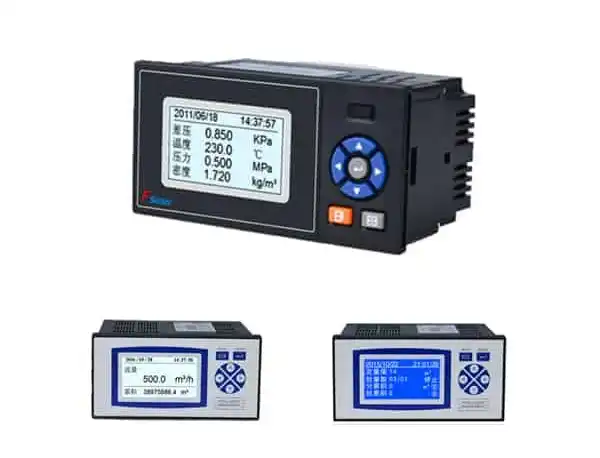
Display Unit: The parameters like instantaneous flow rate, cumulative volume, K-factor and alarm status are shown in the screen.
Storage Unit: Stores cumulative values and parameter settings; data is retained even after a power failure.
Output Module: Relay outputs, analog outputs or communication interfaces for quantitative control, alarms and data upload.
Power Supply Module: Powers the whole unit. Compatible with power specs such as DC 24 V or AC 220 V.
What are the flow totalizer input signals?
Common input signals for flow totalisers include pulse signals and 4–20 mA analogue signals; pulse signals are further categorised into active and passive pulses. Some models also support RS485 communication signals, allowing direct reading of flow data uploaded by the flowmeter.
What is the K-factor in a flow totalizer?
The K-factor refers to the volume or mass of fluid corresponding to each pulse output by the flow meter; the units are typically L/pulse or m³/pulse. The totaliser relies on the K-factor to convert the number of pulses collected into actual flow rate; an incorrect K-factor setting will directly result in cumulative measurement errors.
What input signals can a flow totalizer accept?
A flow totaliser can accept signals such as flow rate, temperature and pressure. Flow signals include pulse/frequency signals and 4–20 mA analogue signals; some models can directly acquire differential pressure signals.
Temperature signals are supported via Pt100, thermocouples or 4–20 mA signals, whilst pressure signals are predominantly 4–20 mA. Certain models also feature digital inputs and RS485 communication for functions such as zeroing, batch control or parameter retrieval, working in conjunction with internal configuration parameters to perform calculations.
Flow totalizers can be used to achieve stable and dependable flow measurement solutions that will meet the fluid measurement and batch control requirements of a wide range of industries.
Sion-Inst offers a wide range of flow meters and related totalizing instruments to help companies achieve accurate measurements, monitor energy consumption and ensure data traceability. This guaranties efficient and compliant production