Propane Flow Meter: Accurately Monitor Propane Flow

Table of Contents

Propane is a common fuel used in numerous industries, including manufacturing, agriculture, and transportation. In industries such as gas energy, chemical synthesis, and cold chain transportation, propane is both an efficient and clean energy source and a key chemical feedstock. Accurate flow measurement is crucial for production safety and process optimization.

The post helps you make an informed choice of a propane flow meter based on your needs.

What is Propane?

Propane is a component of natural gas and petroleum. It is primarily produced through natural gas liquefaction or petroleum cracking. It has a low boiling point (-42.1°C) and a high calorific value. So, propane can also be liquefied. So it is easier to store and transport.

Propane is also an important clean energy source, with its primary combustion products being carbon dioxide and water. Compared to traditional fuels, it produces fewer pollutants.

Propane’s primary applications include the petrochemical industry, environmental protection, and scientific research. Propane is usually used as a refrigerant, internal combustion engine fuel and raw material for organic synthesis. It can also be used as a cracking feedstock to produce ethylene, propylene, acrylonitrile, nitropropane, and tetrachloroethylene. In refineries, propane is also used as a solvent for deasphalting and desulfurization, as well as a coolant for other petrochemical products.

Read More about: Industrial Propane Flow Meters for Liquid/Gas Propane Measurement

Physical and Chemical Properties of Propane

Physical Properties of Propane

1. Propane is a colourless, odourless, transparent gaseous hydrocarbon at standard temperature and pressure. It appears pure and free from impurities; odourisers are deliberately added to domestic gas supplies to enable the prompt detection of gas leaks.

2. It exhibits distinct low-temperature characteristics, with a melting point of –187.7 °C and a boiling point of –42.1 °C. Due to its relatively high boiling point, it is a key component of liquefied petroleum gas (LPG) and can be liquefied at room temperature under slight pressure, facilitating storage and transport.

3. Gaseous propane has a density slightly greater than that of air; in the event of a leak, it tends to accumulate in low-lying or enclosed spaces and does not disperse rapidly, posing a potential safety hazard.

4. It has poor solubility: it is slightly soluble in water but soluble in most organic solvents such as ethanol and diethyl ether; under normal conditions, it does not react with water.

5. Liquid propane exhibits a pronounced endothermic vapourisation effect; during the process of liquefaction, it rapidly absorbs heat from its surroundings, and contact with the human body can easily cause frostbite.

Chemical Properties of Propane

1. At standard temperature and pressure, propane is highly stable and relatively inert; it does not react with strong acids, strong alkalis or common oxidising agents, and is unlikely to deteriorate or undergo chemical reactions when stored at room temperature.

2. It possesses excellent flammability and is a commonly used clean fuel; upon complete combustion, it produces only carbon dioxide and water. It has a high calorific value, a stable flame and leaves no dust residue; however, in the absence of sufficient oxygen, incomplete combustion may occur, producing the toxic gas carbon monoxide.

3. It is a flammable and explosive gas; when thoroughly mixed with air and reaching a specific concentration within the explosive limits, it may ignite or even explode upon exposure to an open flame, static electricity or high-temperature sparks.

4. It exhibits the typical substitution reaction characteristics of alkanes; under conditions of light or ultraviolet irradiation, it can undergo radical substitution reactions with elemental halogens to form various halogenated propane compounds.

5. It is capable of undergoing thermal cracking reactions at high temperatures; when heated to high temperatures, its molecular structure breaks down, decomposing into small-molecule hydrocarbons such as methane, ethylene and propylene, which can be further processed as chemical raw materials.

Gas Propane vs. Liquid Propane

Propane has a boiling point of approximately -42.1°C. When it is below this temperature or pressure is applied, it changes from a gas to a liquid. The liquefaction process is typically carried out in storage tanks or transport containers to increase its energy density. Direct contact with liquid propane can also cause frostbite.

Gaseous propane is denser than air and, if leaked, will settle in low-lying areas on the ground.
Liquid propane has a density of approximately 0.5 g/cm³ and a much smaller volume than gaseous propane. This makes liquid propane easier to store and transport.

Gaseous propane is highly diffusive and poses a higher fire risk. Leaked liquid propane vaporizes rapidly, which causes a sudden increase in localized concentration. This increased concentration can cause an explosion or fire.
Propane gas flow meter

Challenges of Propane Flow Measurement:

When exposed to open flames or high temperatures, propane can cause fire and explode. Propane is insoluble in water. But it can form explosive mixtures when in contact with air.

So, when using a propane flow meter, appropriate safety measures must be taken can ensure the safety of industrial processes. Common safety measures include using explosion-proof flow meters and reasonable ventilation.

Propane is a colorless, slightly odorous component of liquefied petroleum gas. Several of its characteristics influence the selection of a propane flow meter.

Flammability and Explosiveness:

The explosive limits of propane range from 2.1% to 9.5%. Propane is highly explosive when exposed to open flames, high temperatures, or sparks. Due to propane’s high calorific value and explosive potential, we should consider stricter requirements for the flow meter’s explosion-proof performance.

Liquefaction:

Propane has a key temperature of 96.67°C and a key pressure of 4.25 MPa. At a normal temperature, when the pressure reaches 0.8–1.5 MPa, propane will liquefy.
In the industry, propane is usually transported in liquid or gaseous form. And its state is susceptible to temperature and pressure fluctuations. So, it is vital to select a flow meter that can withstand the temperature and pressure conditions encountered by propane. Some flow meters have temperature and pressure compensation, which can provide more accurate measurement data.

Density:

Under standard conditions (0°C, 101.325 kPa), the density of gaseous propane is approximately 2.01 kg/m³, heavier than air (approximately 1.293 kg/m³). Leaks often accumulate in low-lying areas and are difficult to disperse, posing a serious safety hazard. Therefore, it is crucial to properly address propane measurement issues during measurement.

Chemical Stability and Corrosiveness:

Propane is chemically stable at room temperature. But liquid propane can dissolve plastics and rubber. So, propane flow meters need to use some appropriate seals. If propane contains trace impurities, such as hydrogen sulfide, it may corrode metals such as copper and zinc.
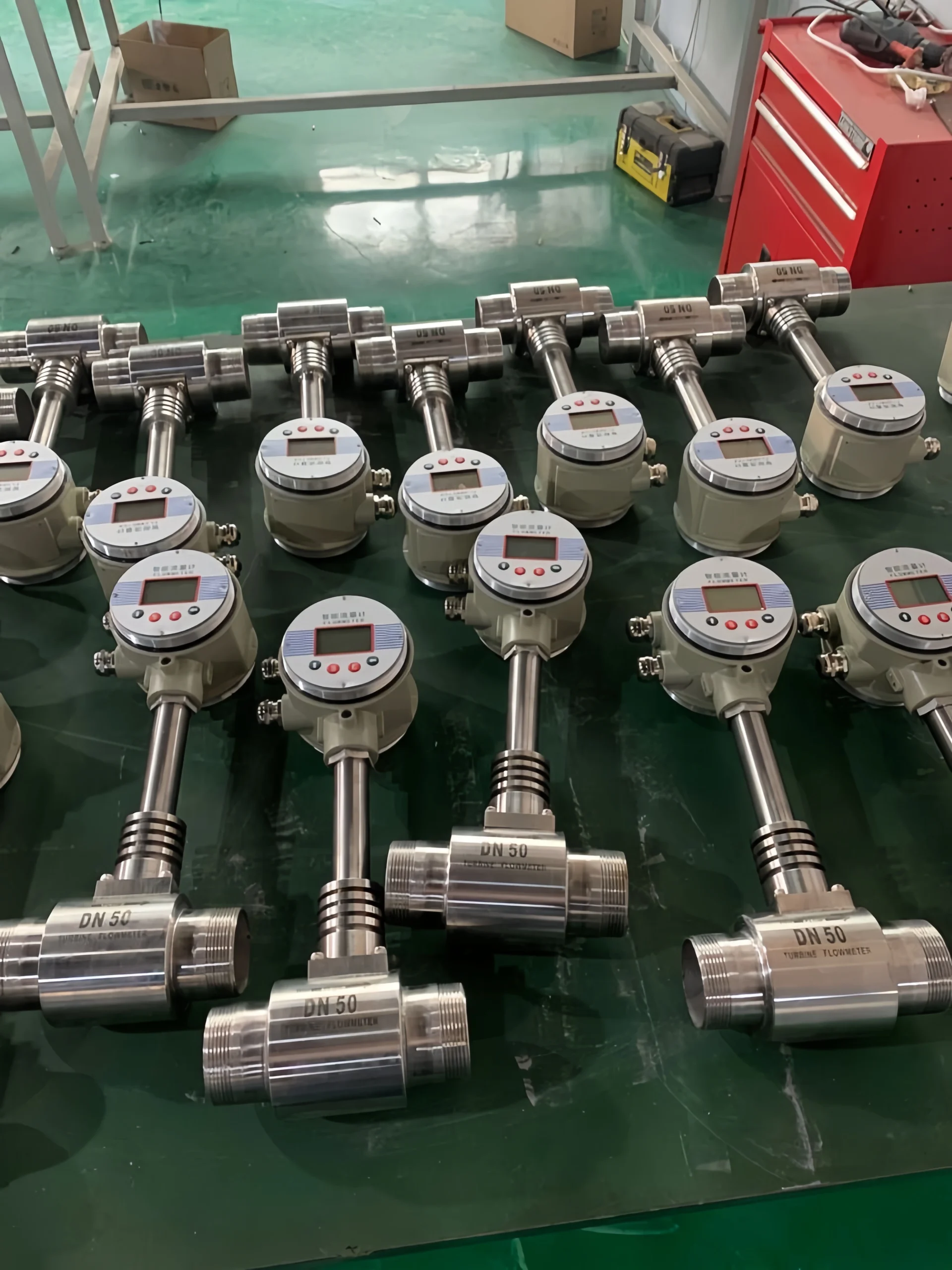
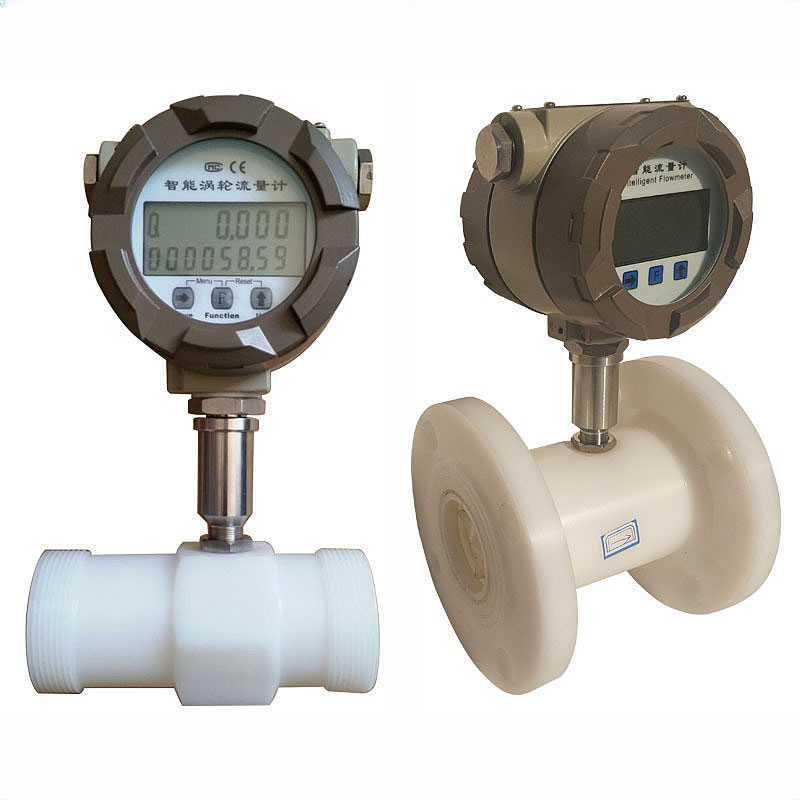
Inline propane flow meter

Propane Flow Meter Types

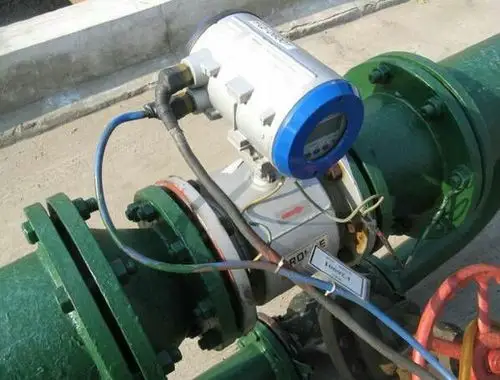
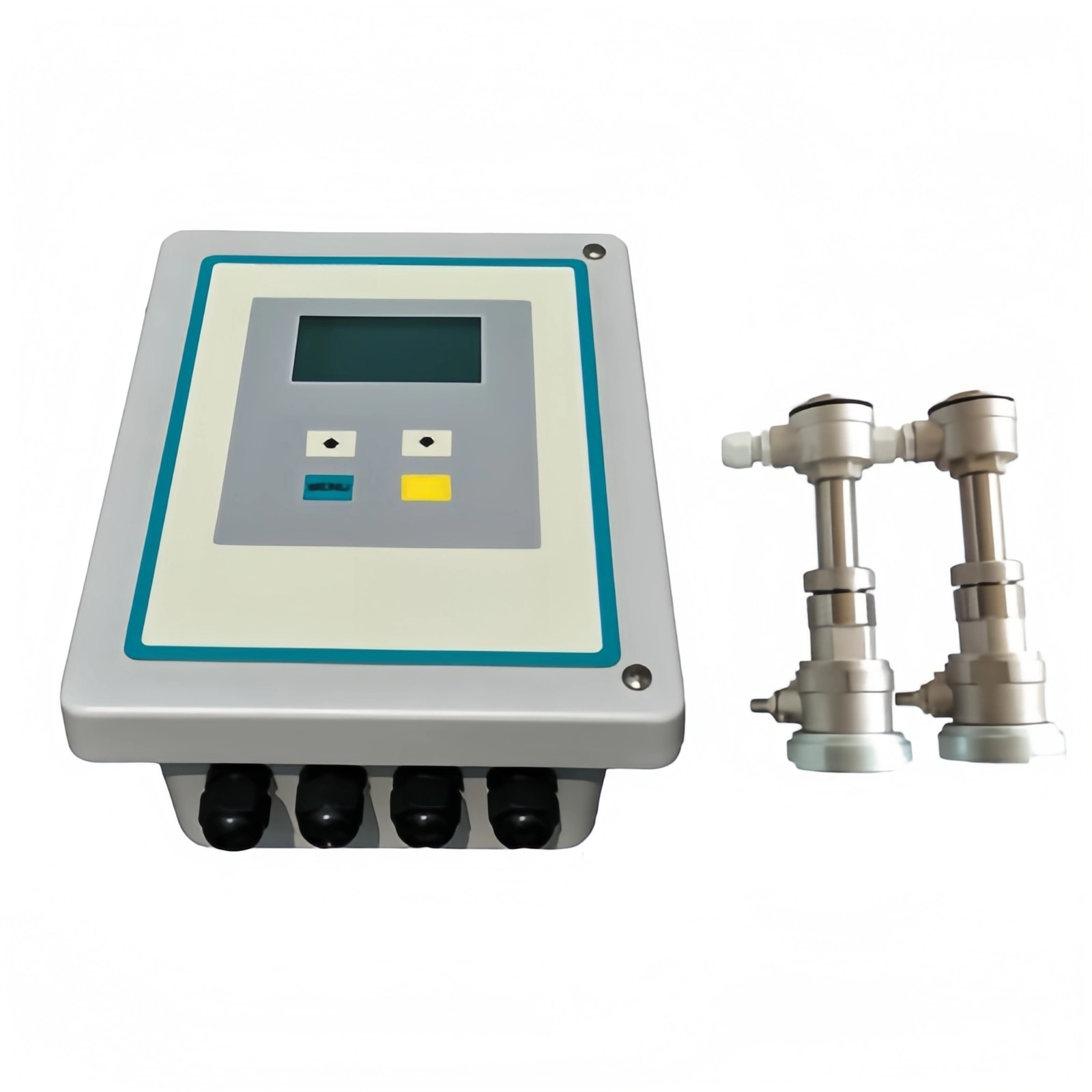
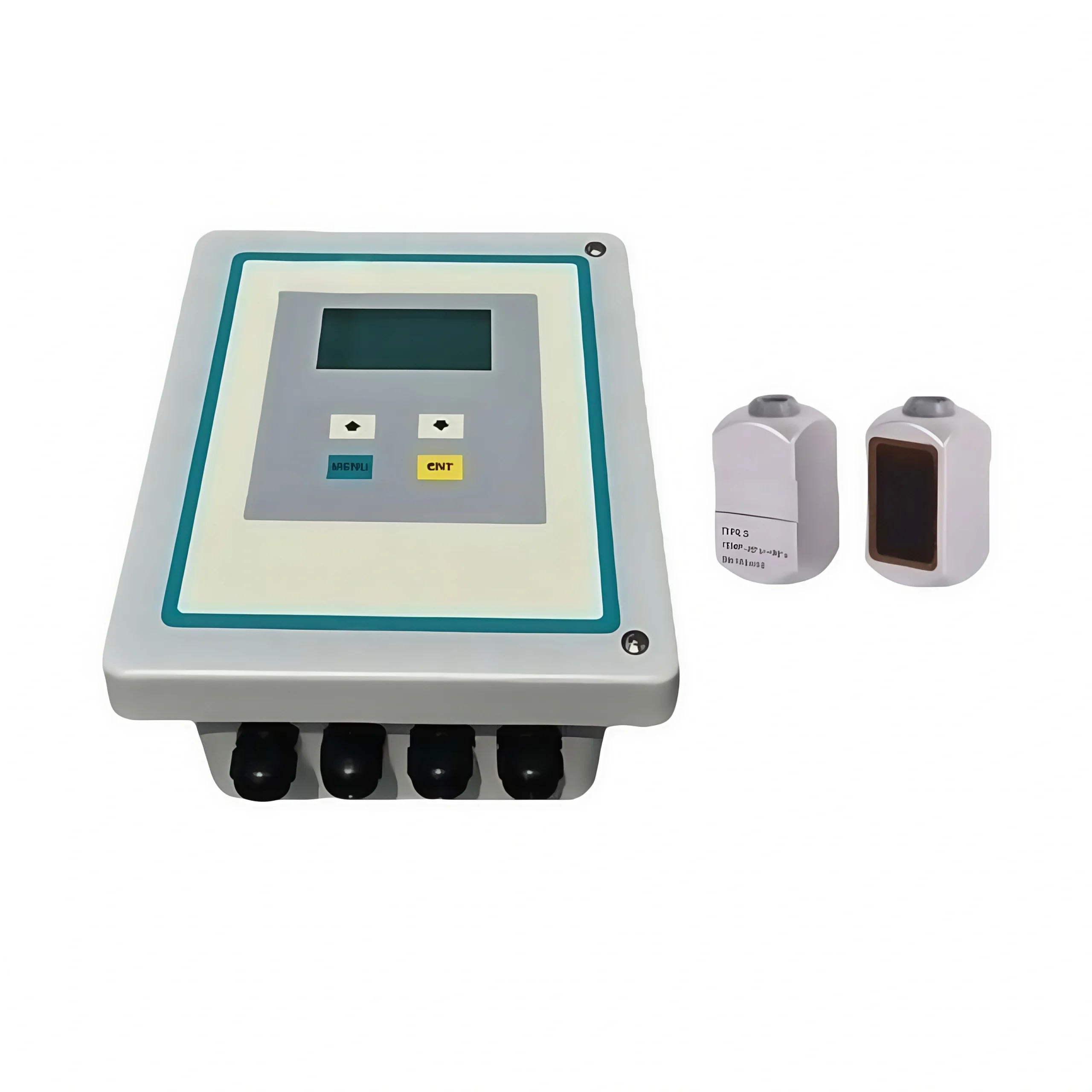
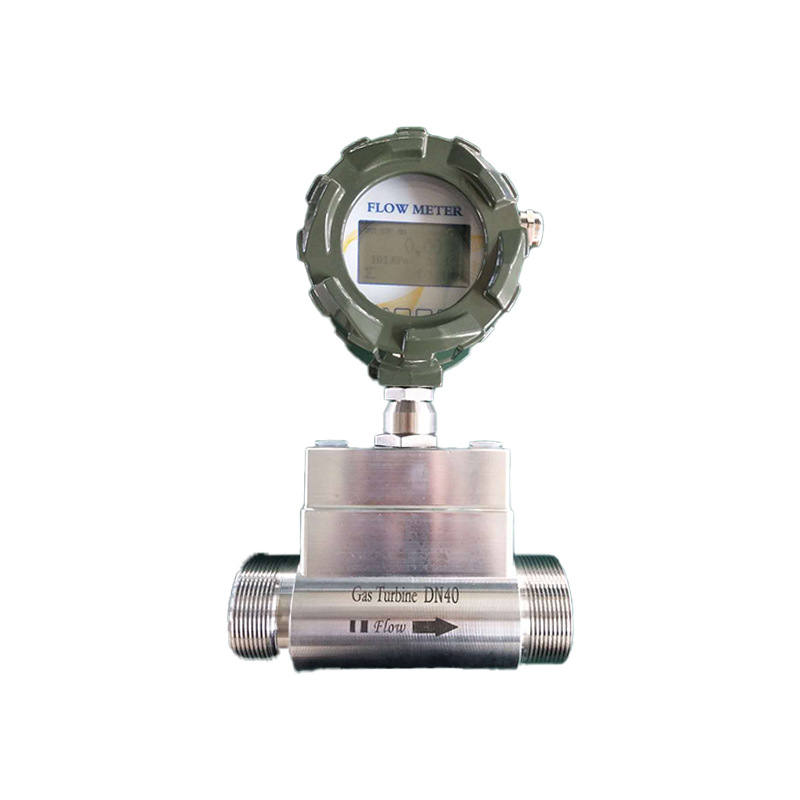
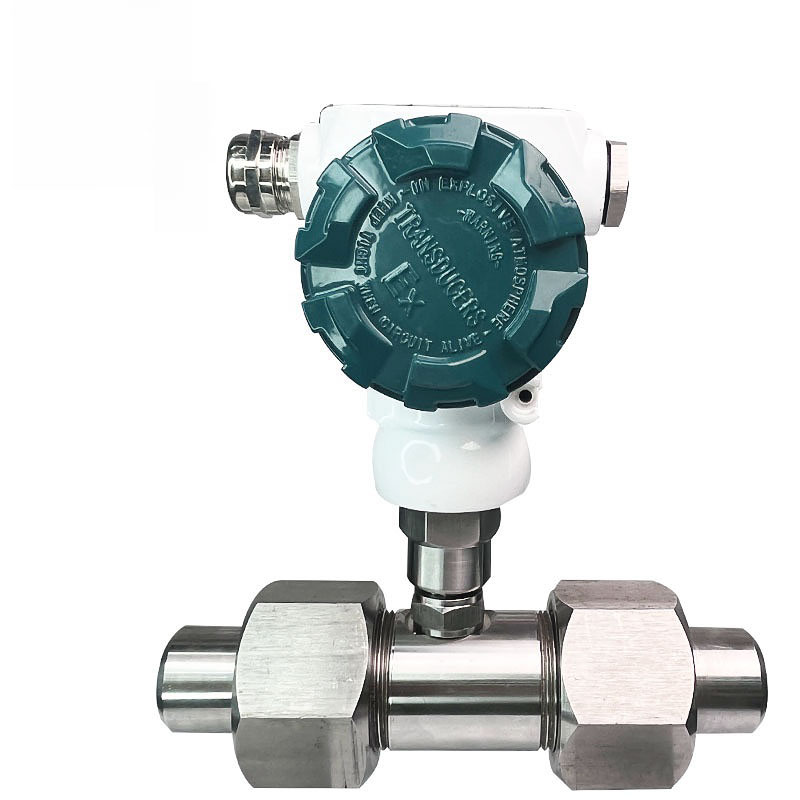
A propane flow meter is a propane flow meter used to measure the flow of propane in a pipeline. The following are common propane flow meter types.

Propane Gas Flow Meter

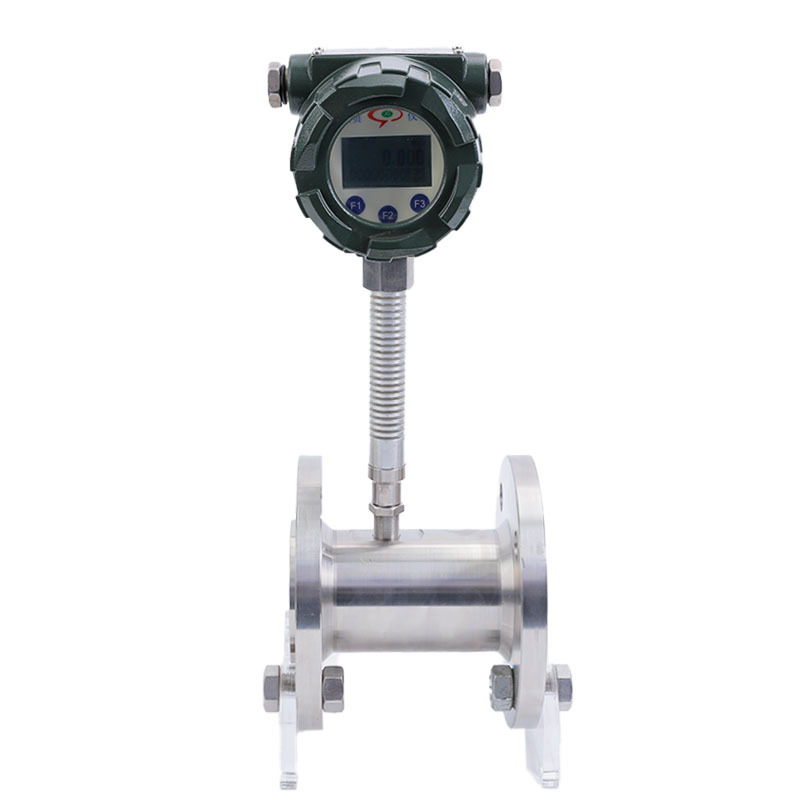
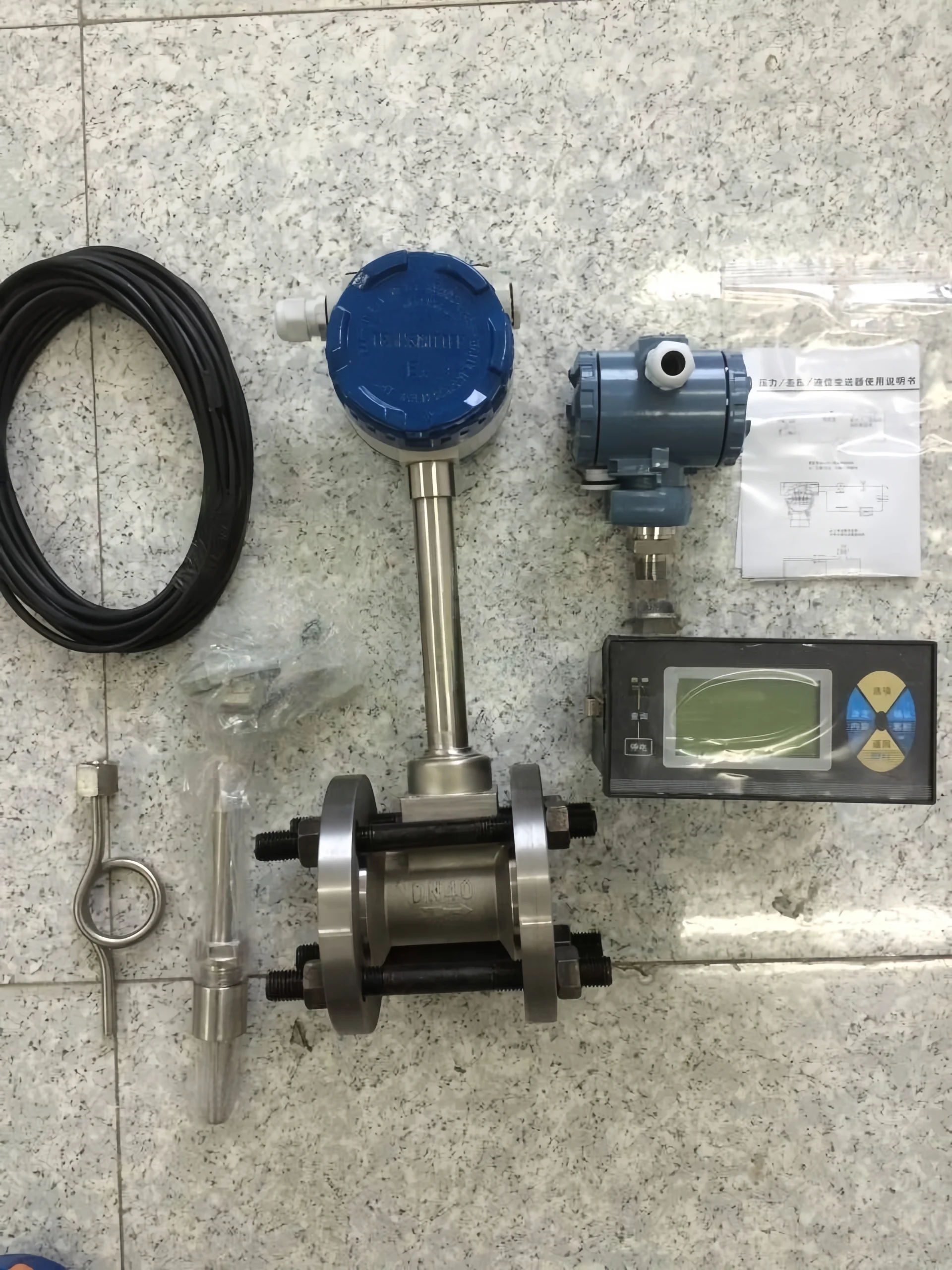
Vortex Flow meter:

Principle of Operation

When the fluid flows past the vortex generator within the pipe, vortices are generated alternately on both sides; the frequency at which these vortices are released is directly proportional to the flow velocity of the medium.

By detecting the vortex frequency signal and converting it to fluid velocity, and combining this with the pipe cross-sectional area, the volumetric flow rate of propane gas can be calculated, without being directly affected by minor fluctuations in the medium’s temperature or pressure.

Advantages

1. No moving parts; simple structure; high reliability; long service life

2. Wide measurement range; high turndown ratio; relatively moderate pressure loss

3. Outputs a pulse signal; strong resistance to interference; low maintenance requirements

4. Suitable for a variety of gas media, including propane, offering good versatility

Read More about: Industrial Steam Vortex Flow Meters-Multivariate Measurement

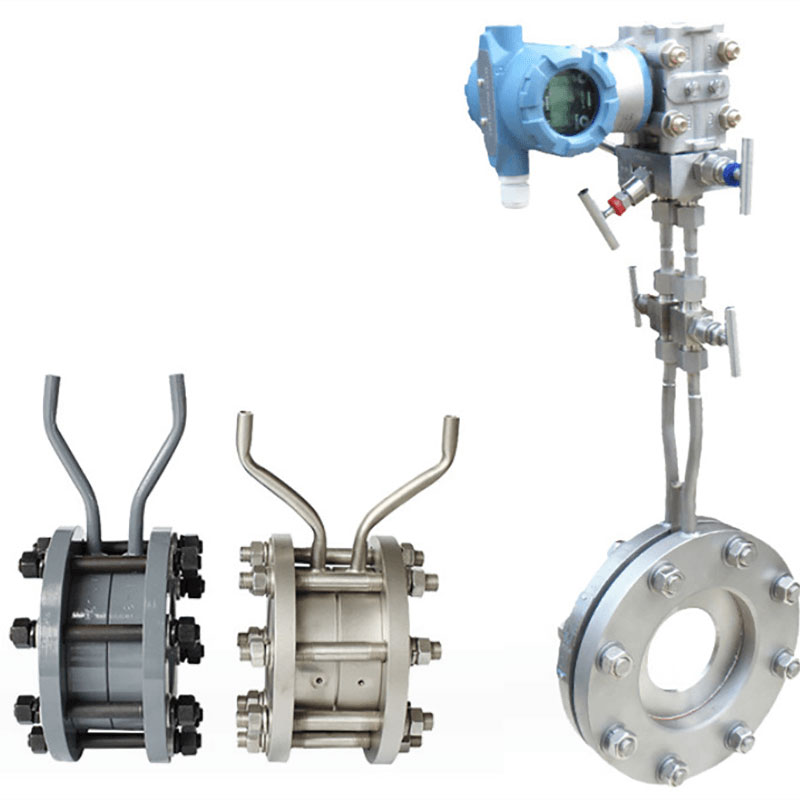
Orifice Flow meter:

Principle of Operation

As propane gas flows through the throttling orifice plate within the pipeline, the flow cross-section constricts, causing the flow velocity to increase and the pressure to decrease, thereby creating a differential pressure across the orifice plate.

The magnitude of this differential pressure corresponds to the gas flow rate; by capturing the differential pressure signal and applying temperature and pressure compensation, the flow rate of the propane gas can be measured.

Advantages

1. Mature design, comprehensive supporting standards and widespread application

2. Low cost, facilitating on-site selection and procurement

3. sistant to high temperatures and pressures, suitable for all types of propane operating conditions

4. Can be paired with a differential pressure transmitter to enable remote signal output

5. Read More about: Differential Pressure Flow Meter Technical Guide

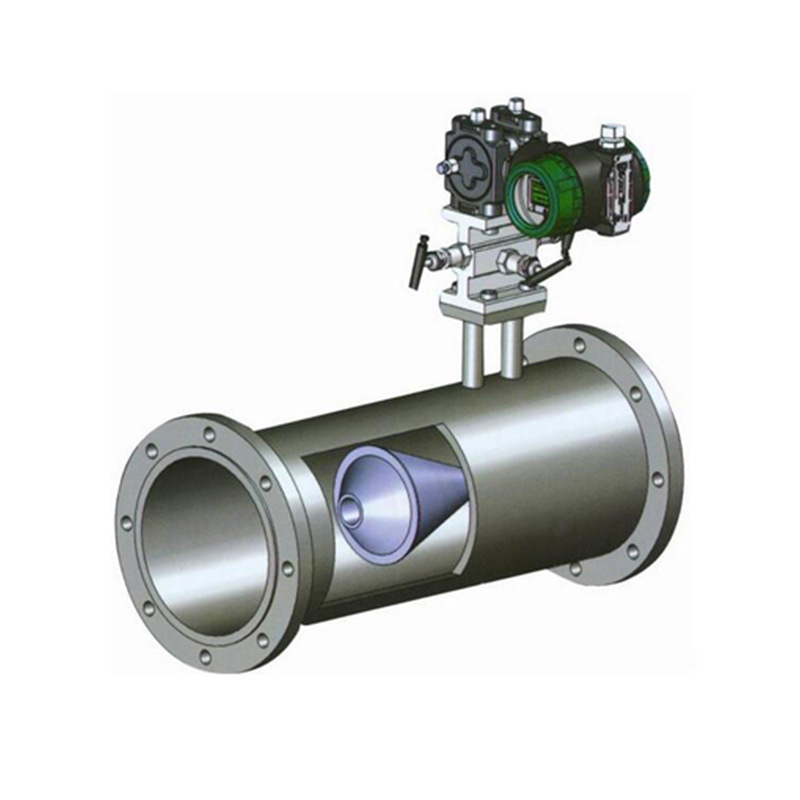
V-Cone Flow meter:

Principle of Operation

A V-shaped cone is suspended at the centre of the pipeline; as propane gas flows through the annular gap surrounding the cone, throttling occurs, creating a stable differential pressure across the cone.

The differential pressure signal is proportional to the square of the flow rate; after temperature and pressure compensation to account for gas conditions, propane gas flow measurement is completed.

Advantages

1. High resistance to fouling; not prone to accumulation of deposits or blockages

2. Low requirements for straight pipe runs; suitable for sites with limited installation space

3. High measurement accuracy; pressure loss is lower than that of standard orifice plates

4. Capable of measuring low-pressure, low-velocity propane gas with good stability

Read More about: V-Cone Flow Meter VS. Venturi Flow Meter

Liquid propane flow meter

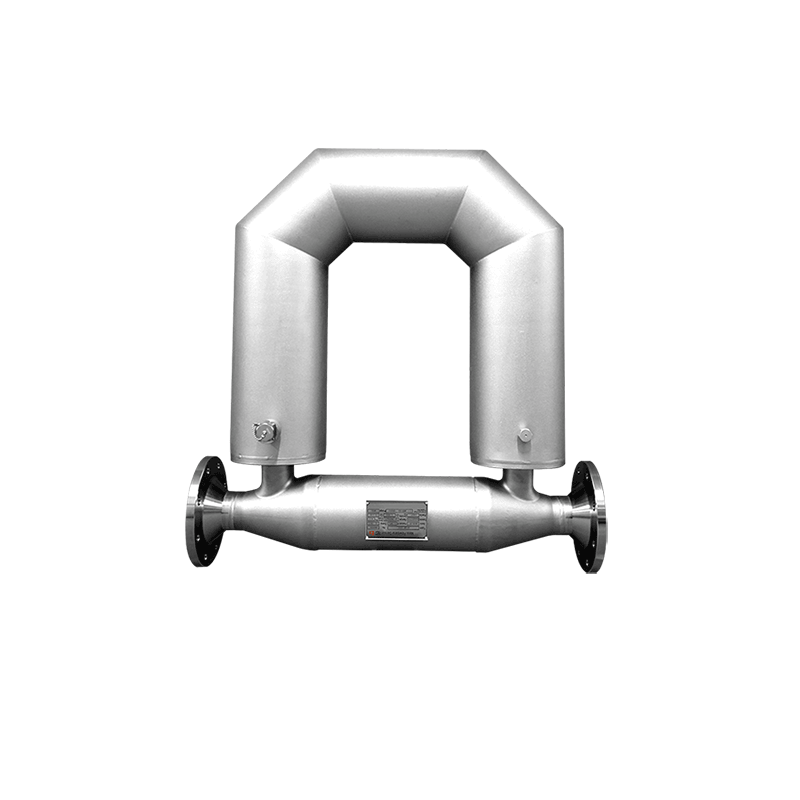
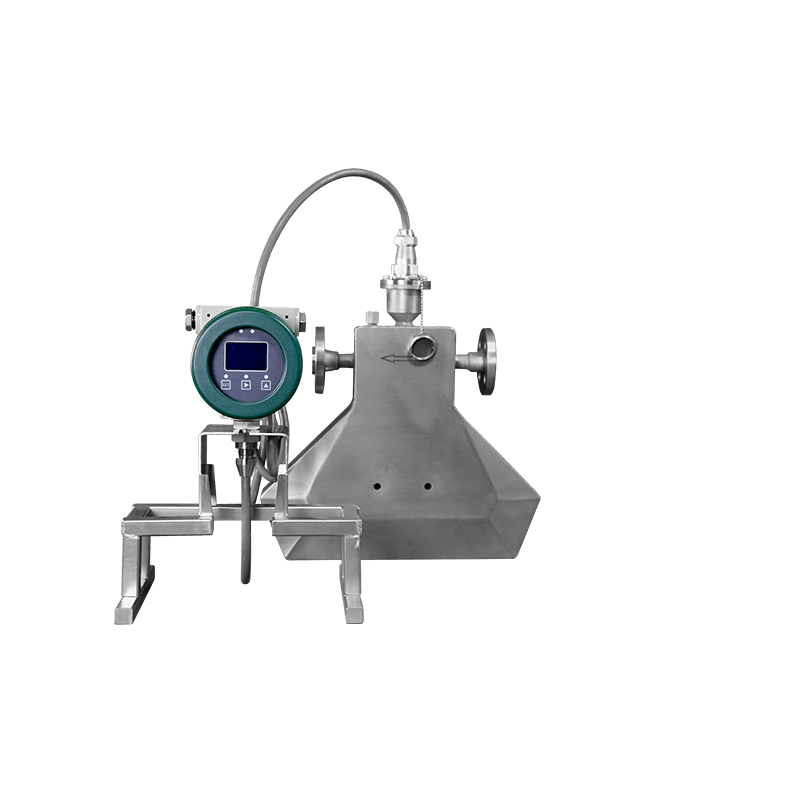
Coriolis mass flow meter

Principle of Operation

Liquid propane flows into a vibrating measuring tube; the fluid flow generates a Coriolis force that causes the measuring tube to undergo minute torsional deformation.

The sensor detects the phase difference signal between the two ends; this phase difference is directly related to the mass flow rate of the medium. No temperature or pressure compensation is required, and the mass flow rate of propane can be output directly, whilst process parameters such as density and temperature can also be obtained.

Advantages

1. Direct measurement of mass flow rate, unaffected by changes in temperature, pressure or medium density

2. High measurement accuracy, with simultaneous output of multiple parameters including mass flow rate, density and temperature

3. No moving parts, few potential points of failure, and excellent long-term operational stability

4. Suitable for highly volatile media such as liquid propane, with high metering reliability

Read More about: Turbine Flow Meter and Coriolis Mass Flow Meter-Difference and Selection

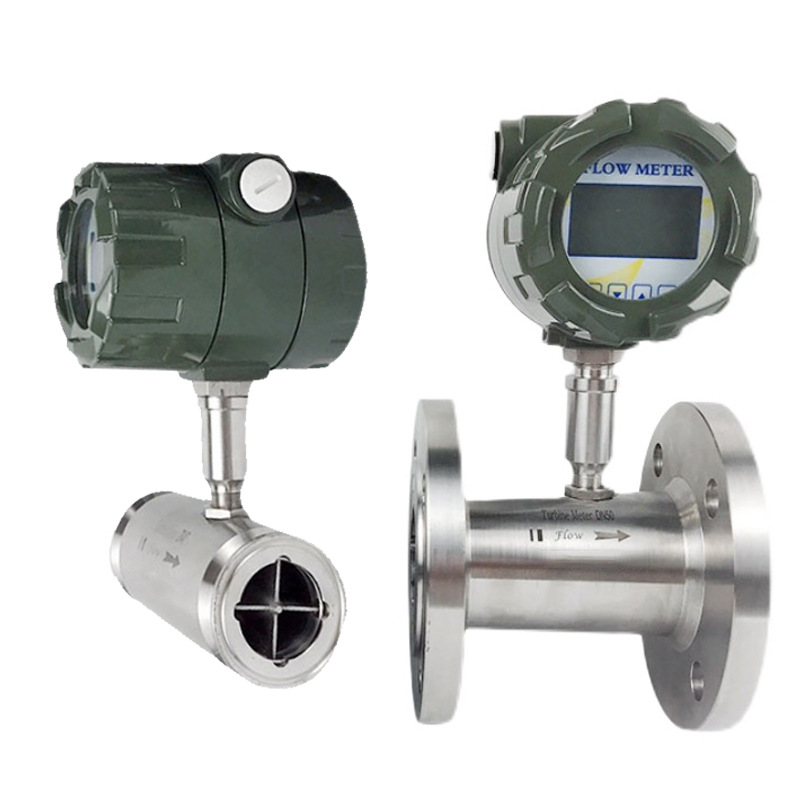
Turbine flow meter

Principle of Operation

Liquid propane flowing through the flow meter housing drives the internal impeller to rotate; the impeller’s rotational speed is directly proportional to the medium’s flow velocity.

A magnetoelectric sensor converts the impeller’s rotation into a pulsed electrical signal, with the pulse frequency corresponding to the flow rate. Through signal processing, this is converted into a volumetric flow rate; for liquid propane applications, temperature compensation can be integrated to achieve measurement correction.

Advantages

1. Fast measurement response and high flow measurement accuracy

2. Compact design, small footprint, and easy installation and maintenance

3. tputs pulse signals, facilitating remote data acquisition and secondary display

4. Wide measurement range, suitable for flow measurement of clean liquid propane

Read More about: An Overview of Turbine Flow Meters

Sino-Inst Featured Propane Flow Meter

PE-Material-Liquid-Turbine-Flow-Meter-Chemical-Resistant-Threaded-and-Flanged-Types-with-Display
PE Material Liquid Turbine Flow Meter
Cryogenic Turbine Flow Meter for Low Temperature Fluid
Coriolis-Mass-Flow-Sensor1
Digital Coriolis Flow Meter U Series for Mass, Volume, & Density
T Series Mass Flow Meter for Liquids and Gases split type
v cone flow meter structure
V Cone Flow Meter-New Type DP Flow Meter
Differential-pressure-natural gas-flow-meter
Orifice Flow Meter for Liquid, Gas, Steam DP Flow Measurement

Propane Flow Meter Applications

Propane gas flow meters are used in various fields. There is a detailed introduction.

  • Natural Gas Production and Transportation: Propane, as the primary component of natural gas, is used to measure its production, transportation, and distribution.
  • Industrial Process Control: In some industrial fields, propane flow meters are usually used to monitor and control gas flow.
  • Environmental Monitoring: In environmental protection, propane flow meters can be used to monitor propane emissions from emission sources. It can help to reduce greenhouse gas emissions.
  • Gas Supply: A Propane flow meter is used to monitor propane supply for domestic, commercial, and industrial use.
  • Laboratory Research: In laboratory experiments, propane flow meters are used to measure propane flow during experiments. In some universities, research institutions, and R&D centers of listed companies have chosen Sino-Inst flow meters for their accurate experiments.
  • Energy Management: In energy management, propane flow meters are used to monitor energy consumption. It can optimize energy use.
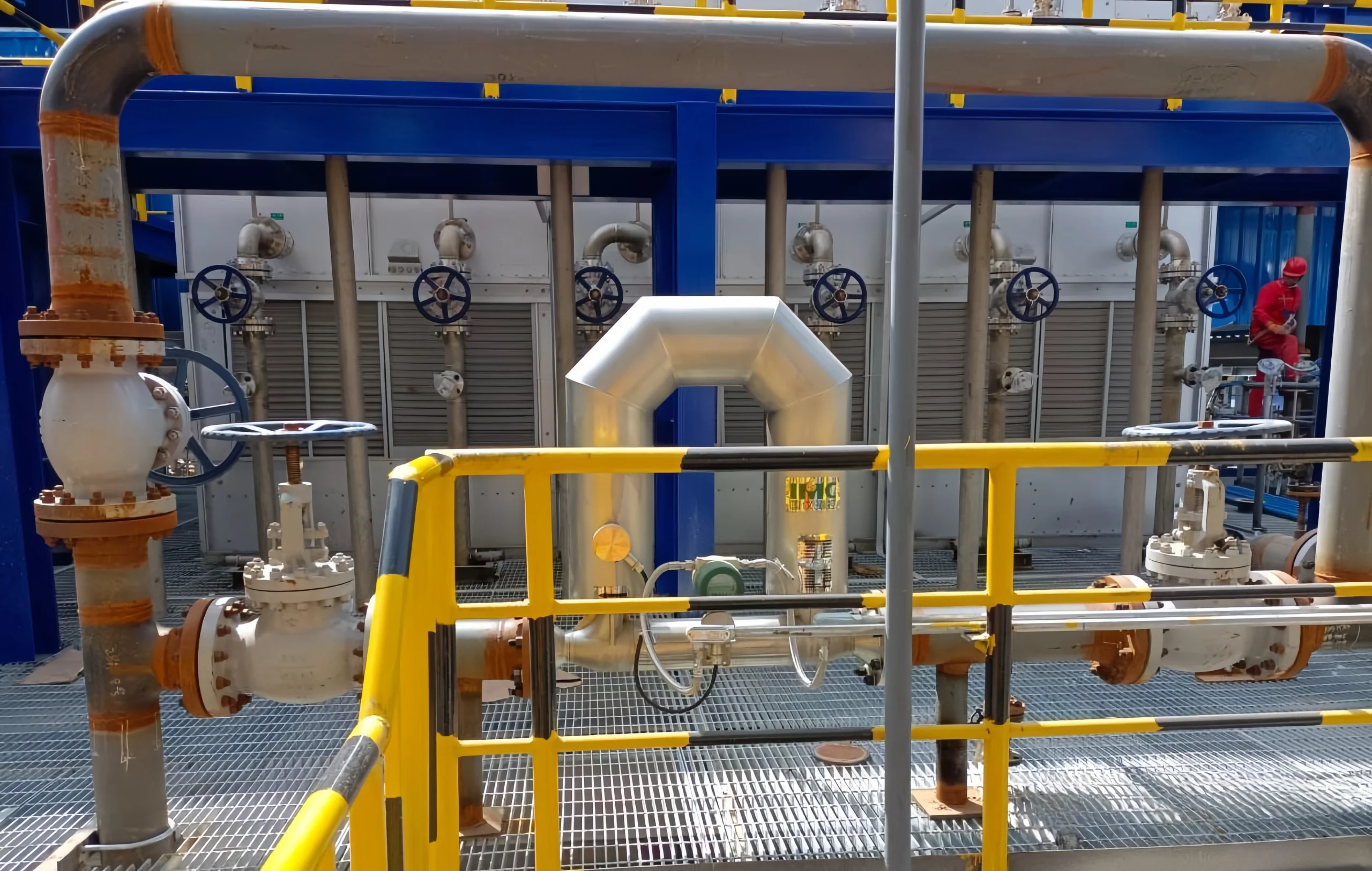
Application of Mass Flow Meter in Propane Dehydrogenation Project

Understand the Importance of Choosing the Right Propane Flow Meter

The fundamental function of a flow meter is to provide accurate flow measurement. Choosing the wrong flow meter can lead to measurement errors, compromising efficiency and safety.

Wrong flow meters are often made of inferior materials and are prone to failure in extreme temperatures, pressures, or corrosive environments. Such failures not only cause downtime but also damage equipment, increasing maintenance costs.

Poor-quality flow meters often require frequent maintenance and calibration, increasing operating costs. High-quality flow meters, on the other hand, are generally designed to be more durable and require less maintenance, saving significant time and money in the long run.

Particularly in industries with flammable and explosive materials like propane, flow meter failure can pose a safety hazard. A malfunctioning flow meter could lead to propane leaks or explosions. So, selecting a high-quality flow meter is necessary to ensure operational safety.

Every industry has strict regulations and standards requiring flow meters that meet specific accuracy and performance standards. Using inferior flow meters can lead to non-compliance, which results in fines or legal liability.

Flow meters provide accurate data for data-driven decision-making. Inaccurate data can lead to wrong decisions and cause production inefficiencies and endanger industrial safety.
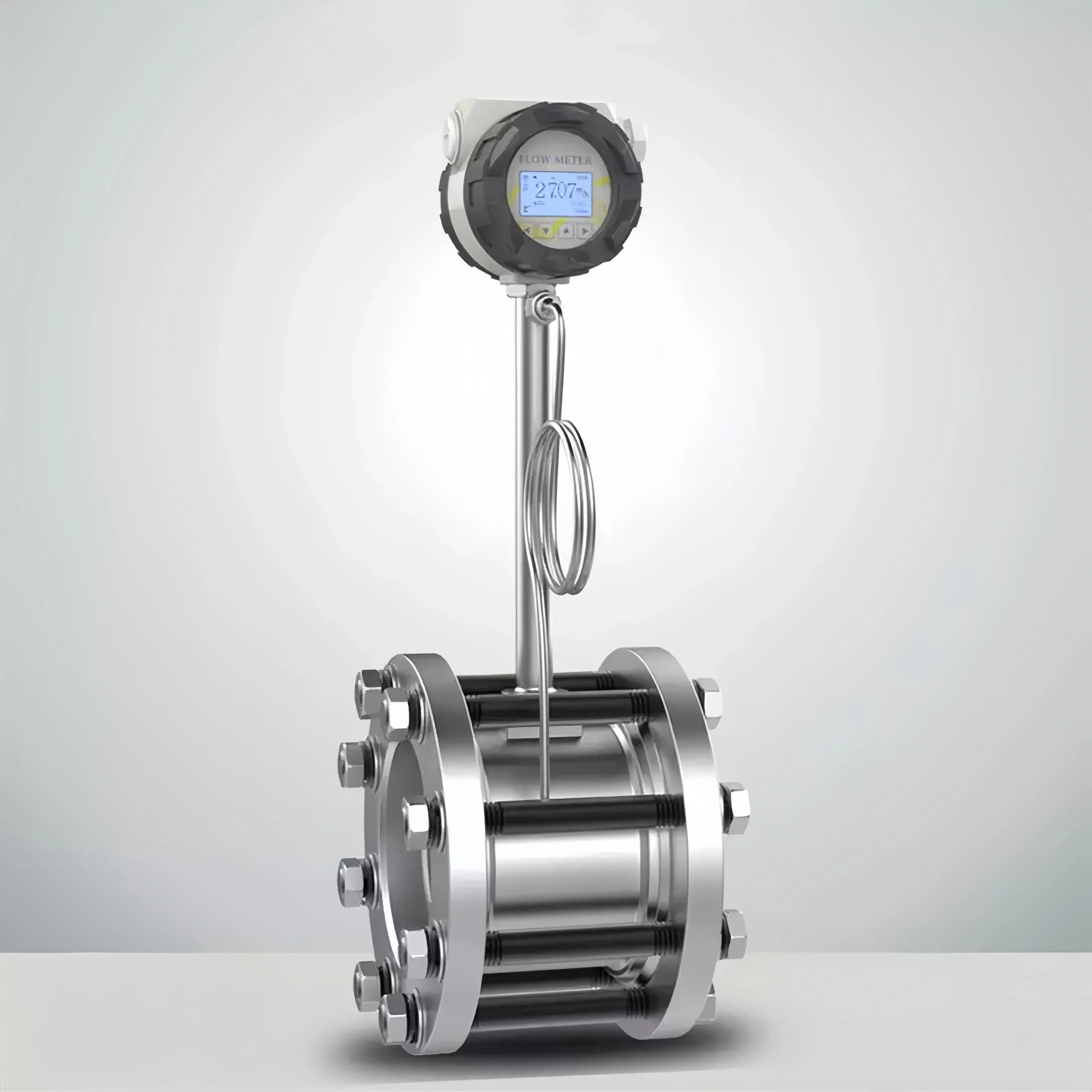

High temperature vortex flowmeter for measuring propane

How to Choose the Right Propane Flow Meter?

There are some specific considerations.

  • Flow Range: The flow meter’s range should be larger than the actual operating flow range.
  • Pressure: The flow meter must withstand a pressure range, and when using the flow meter, the operating pressure must be controlled within the appropriate range.
  • Diameter (DN): Select the appropriate flow meter model based on the pipe size. A diameter that is too large or too small will not properly connect to the measuring pipe and may even cause leakage and explosion.
  • Connecting Method: Choose a flange connection, threaded connection, or other connection method based on site conditions.
  • Temperature Range: Consider the actual operating temperature range of the propane flow meter. The temperature range that the flow meter can withstand should be greater than the temperature of its actual working conditions. Since propane is easy to liquefy, in actual operation, we need to control the propane tank in a reasonable temperature range.
  • Output Signal: Select the right pulse or current signal based on real system requirements.
  • Media compatibility: We should ensure the flow meter is compatible with propane.

The liquefaction pressure of propane depends on temperature. The liquefaction pressure varies at different temperatures. It is approximately 123 psi at 20°C and 36 psi at -20°C.

At its key temperature of 96.8°C, it requires approximately 616 psi to liquefy.

In practice, propane typically liquefies at a pressure of 72-87 psi (0.5-0.6 MPa) for easier storage and transportation.

The gas valve is not open. Every propane tank always has a gas valve. If this valve is not open, gas cannot flow from the tank smoothly. Please check the valve to confirm that it is open.

The connection Issue is wrong. The propane tank cap is not properly connected, which prevents gas from being released from the tank. So, Check the connection to ensure they are tight and leak-tight.

Pressure is abnormal. After filling the propane tank, the gas may not be released properly due to low pressure. So, we should check the gas pressure. The aim is to meet the required standards and adjust it if necessary.

We provide two ways to determine if a propane tank is overfilled.

Weigh the tank. Then, place your propane tank on a scale and write down its current weight. Subtract the weight of the empty tank from the actual weight. Since 1 gallon (3.8 liters) of propane weighs approximately 4.2 pounds, simply divide the remaining weight by 4.2 to determine how much propane you have left.

Install a pressure gauge on the tank. A pressure gauge is a small dial that screws onto the propane tank. It measures the pressure inside the tank to determine how full it is. Close the propane tank's supply valve and remove the gas line. Thread one end of the pressure gauge onto the tank and connect the gas line to the other end. Open the gas supply valve on the gas tank and check the pressure gauge.

All in all, measuring propane flow is a dangerous process. Choosing the right flow meter is necessary to ensure safety. If you are confused about flow meter selection, please feel free to contact us. We are professional flow measurement engineers and can serve as your technical advisor free of charge.

Welcome To Share This Page:
Product Categories
Latest News
Get A Free Quote Now !
Contact Form Demo (#3)

Related Products

Related News

A compressed air flow meter is a device used to measure the flow rate of compressed air. It monitors the

Precise fluid measurement underpins both industrial process control and energy billing. The turbine flowmeter is a well-established velocity-type device: fluid

An air flow meter is an instrument used to measure gas flow. It is widely used in various industries. It

There are many things to note when installing flow switches and flow sensors. Proper installation of flow switches and flow

Propane is prone to gas-liquid phase transitions in response to changes in temperature and pressure, presenting significant challenges for measurement

Flow switches and flow meters are commonly used in industrial measurement. Many people are not clear about their differences. A

Liquefied petroleum gas (LPG) flow measurement is a critical component of energy trade settlement and process control. However, its two-phase

As a non-intrusive flow measurement technology, clamp-on ultrasonic flowmeters enable online monitoring of fluid flow by clamping transducers onto the

What is a Gas Mass Flow Meter? A gas mass flow meter is a device that measures gas flow by

Scroll to Top

Get A Free Quote Now !

Contact Form Demo (#3)