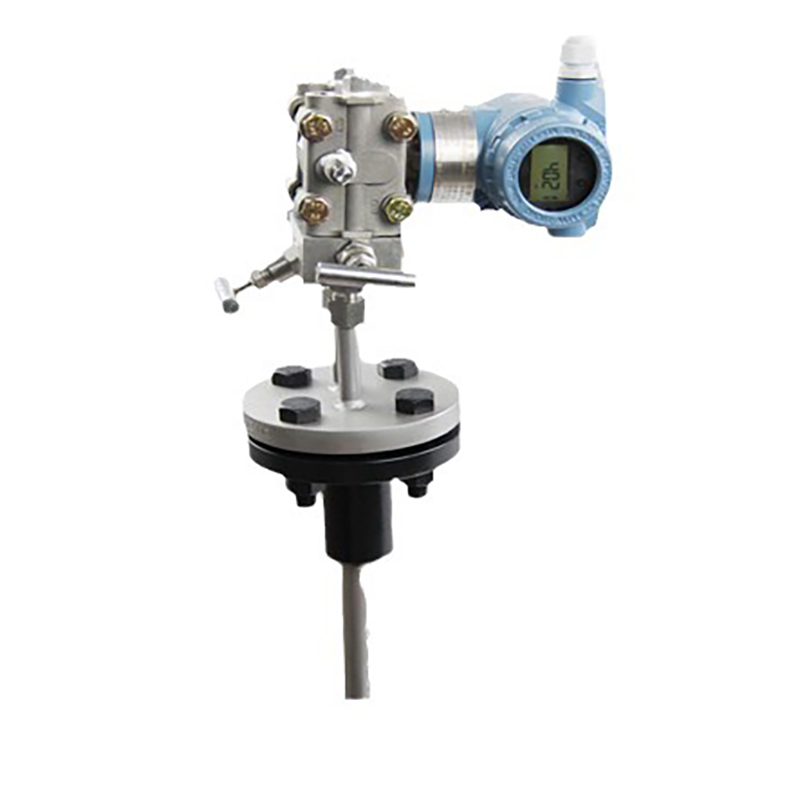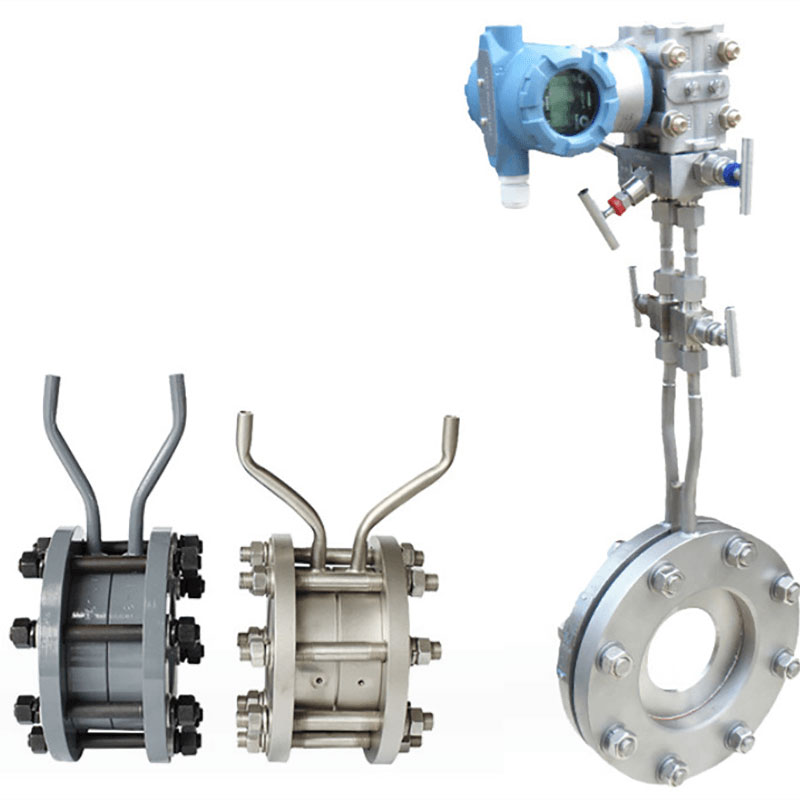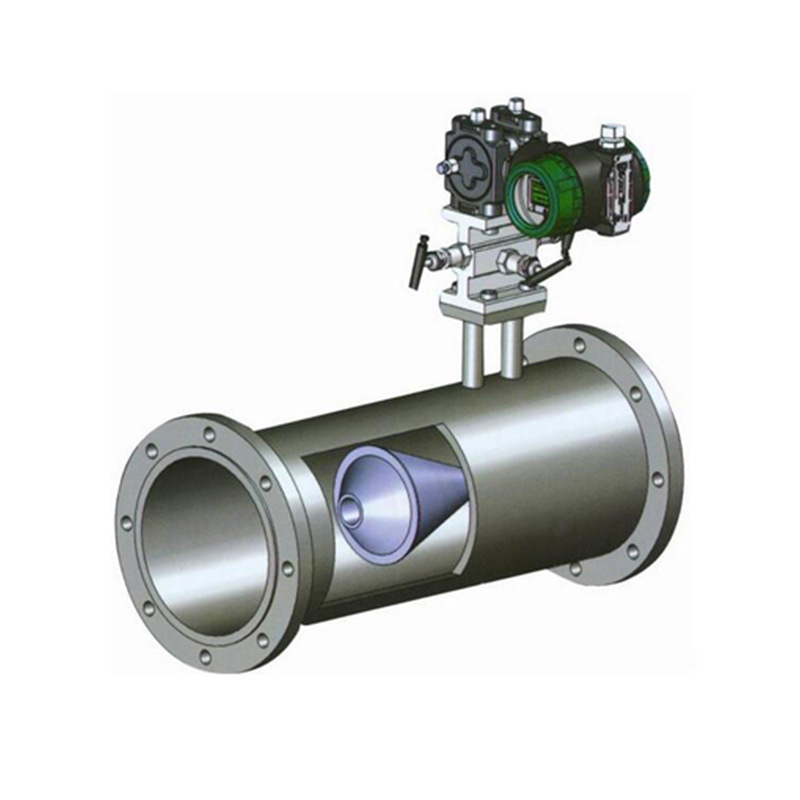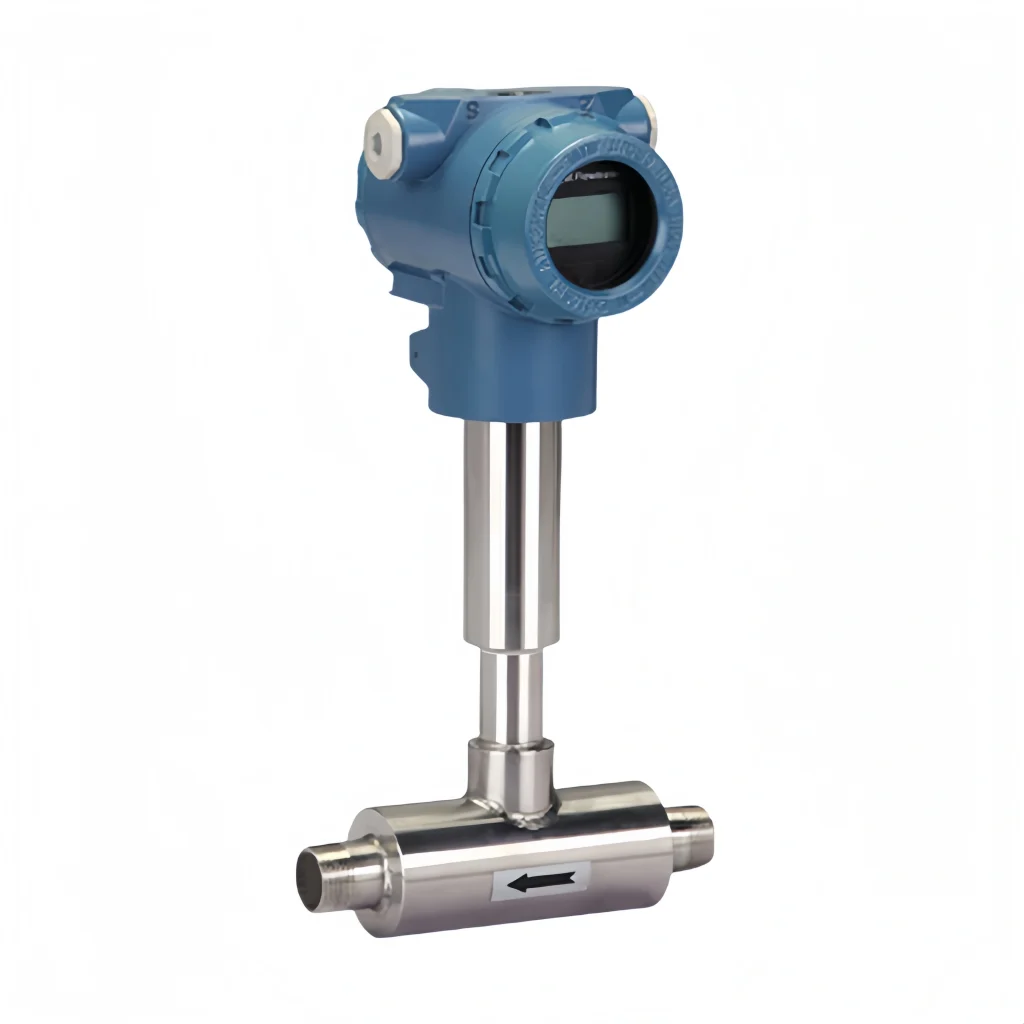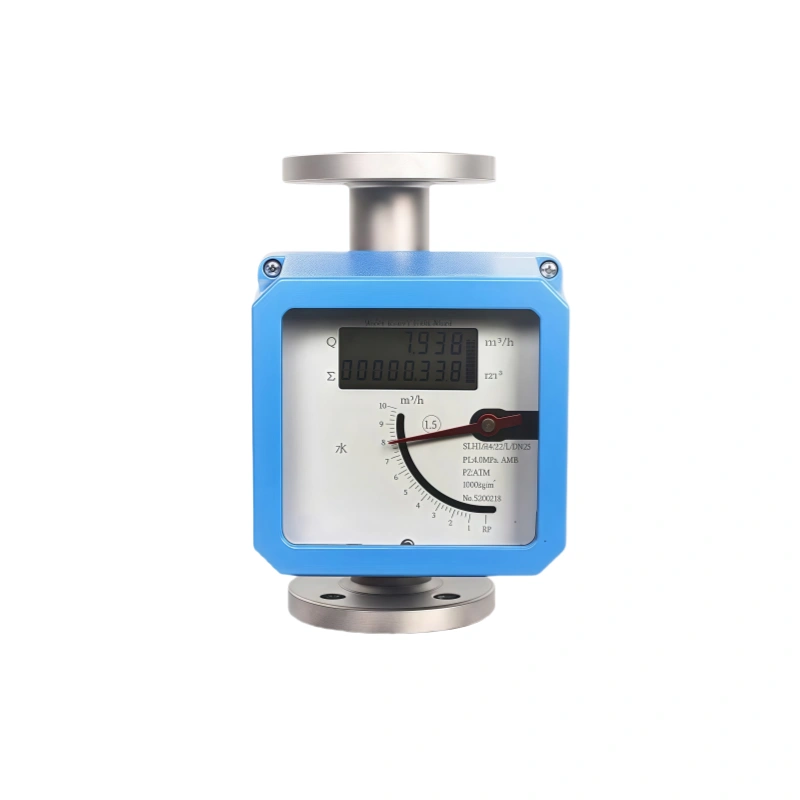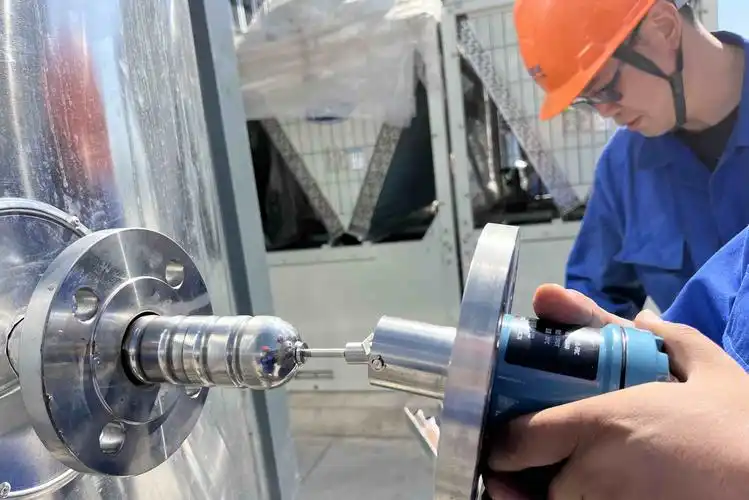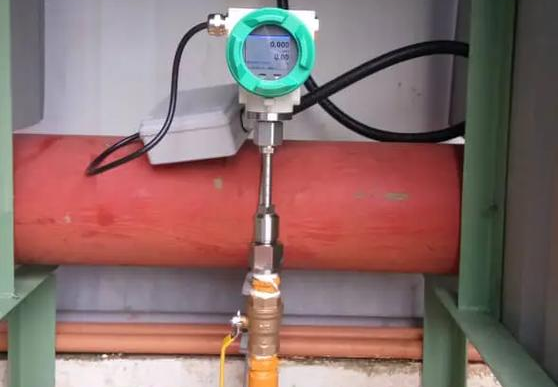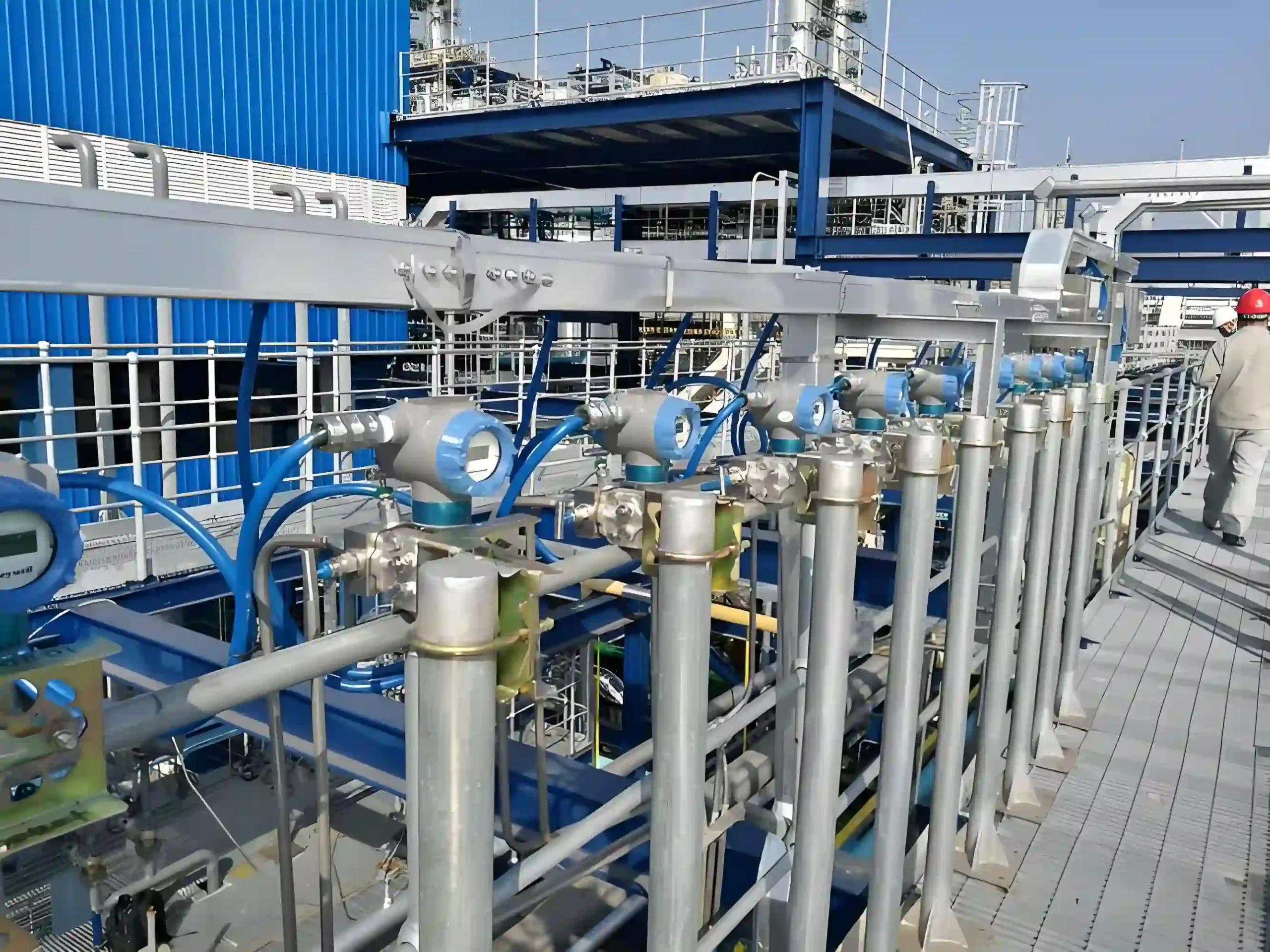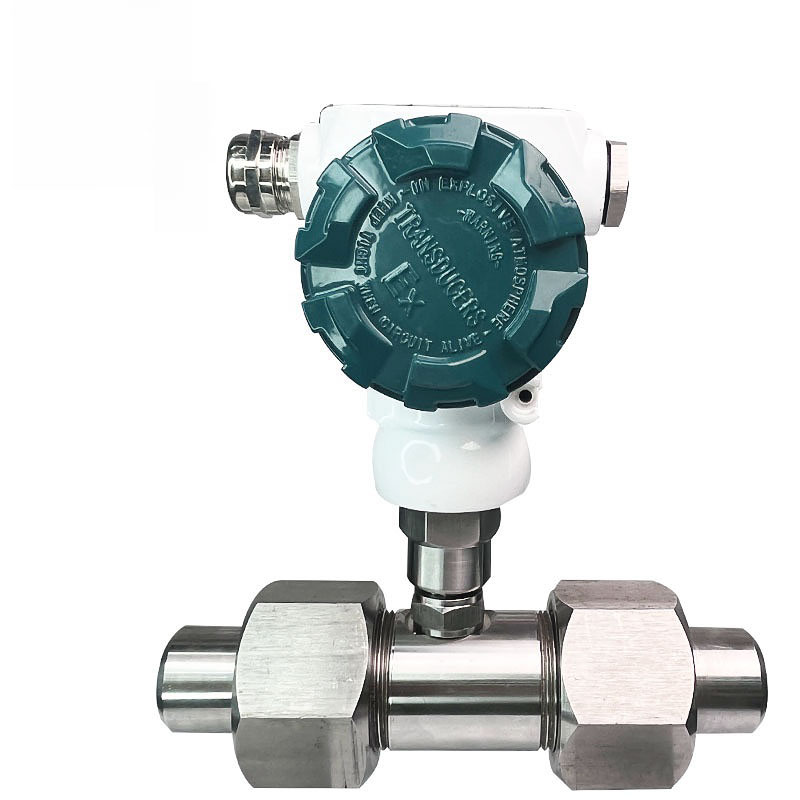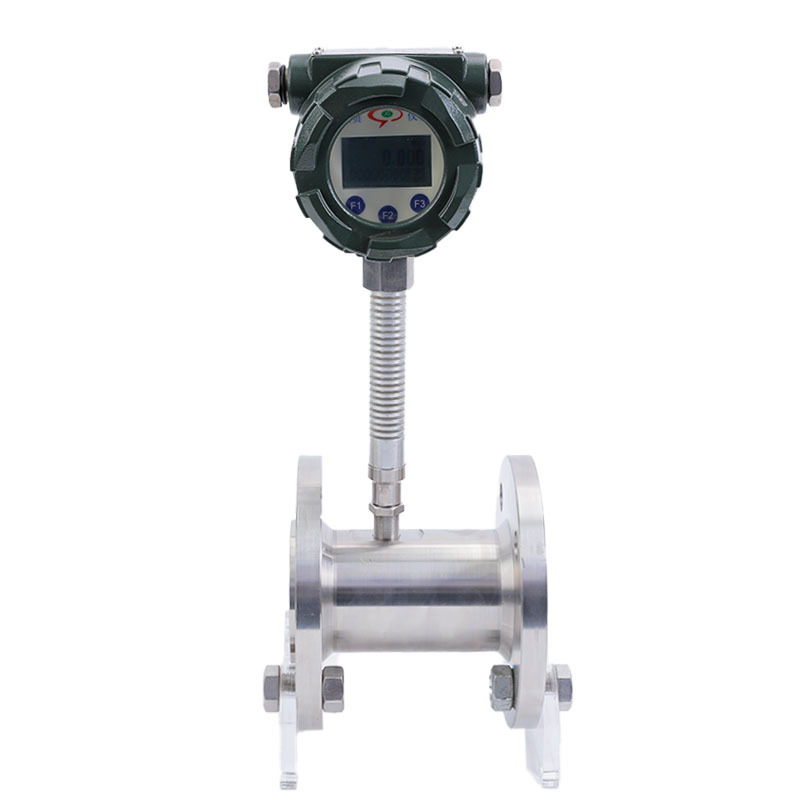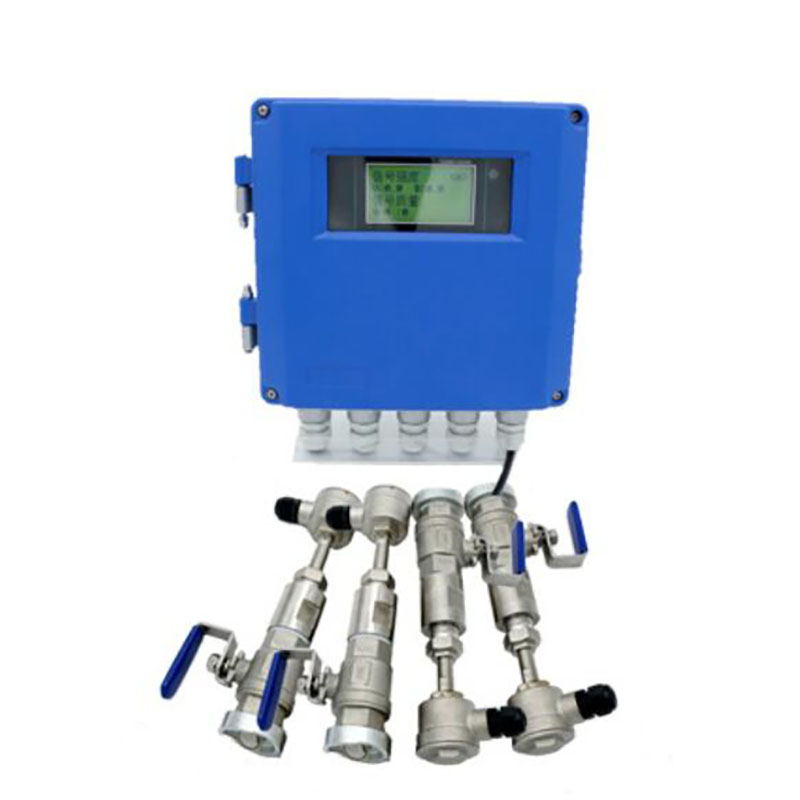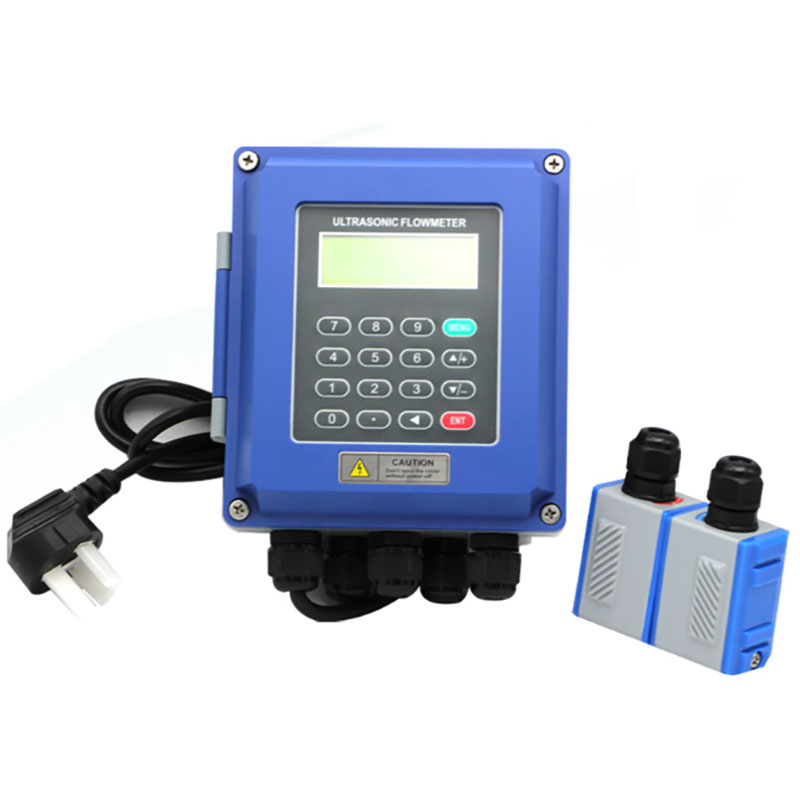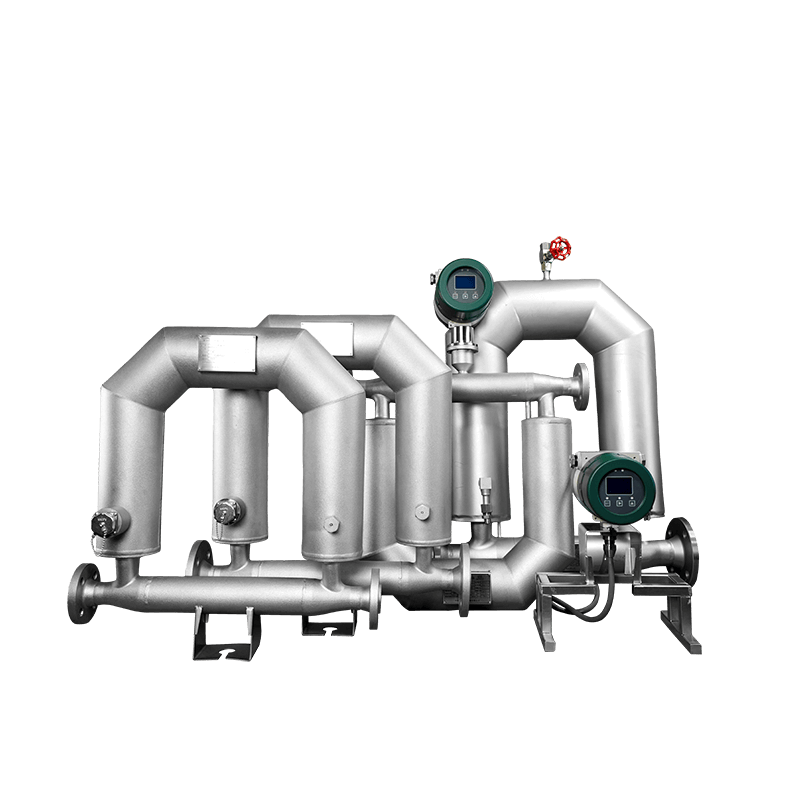
A V-cone flow meter combines a V-cone sensor with a differential pressure transmitter. It is a type of differential pressure flow. Its measurement principle is based on Bernoulli’s theorem, which states that energy conversion in a closed pipe is proportional to the square root of the differential pressure.
It usually consists of an inlet, a tapered section, and an outlet. The tapered section is its key feature. It measures flow by generating a differential pressure. It can accurately measure flow of various media over a wide Reynolds number range.
Advantages
1. Requires a short straight pipe section: It provides built-in flow straightening and offers strong resistance to flow field distortion. It is compatible with complex piping systems, such as elbows and valves, and requires significantly fewer straight pipe sections than conventional orifice flow meters, making it suitable for confined installation spaces.
2. Excellent anti-clogging performance: Features a ring-shaped flow channel with no dead corners where debris can accumulate, making it resistant to sediment buildup. Suitable for contaminated media such as wastewater, dust-laden gases, particulate-laden fluids, and high-viscosity fluids.
3. Wide turndown ratio: Generates a stable differential pressure signal even at low flow rates, with a broad flow measurement range capable of handling applications with significant flow fluctuations.
4. Wear-Resistant and Easy to Maintain: Since the fluid does not concentrate on the pipe walls, wear is limited to the central cone. The cone can be treated for wear resistance, and some models support individual cone replacement, resulting in low maintenance costs.
5. Excellent Measurement Stability: The flow field is uniform and minimally affected by flow disturbances, ensuring minimal accuracy degradation over long-term operation and making it suitable for continuous and stable industrial monitoring.
6. Compact and Easy to Install: The overall structure is compact and short in length, making pipeline modifications straightforward and allowing for installation in a wide range of new and existing pipeline scenarios.
7. Broad Media Compatibility: It can measure liquids, gases, and steam. For mixed media containing small amounts of solids or liquid phases, its measurement tolerance is superior to that of conventional orifice devices.
8. Pressure taps are resistant to clogging: The pressure taps are located in the stable flow region of the pipe wall, where particulate matter is less likely to accumulate, significantly reducing the probability of blockages in the differential pressure lines.
Disadvantages:
1. If the medium contains particulate matter, it can easily clog;
2. Some pipeline valves opened too quickly, resulting in a sudden surge of pressure, can break the cone probe or even damage the pipe;
3. Because it is a differential pressure flow meter, it requires pressure and temperature compensation;
4. If multiple V-cone flow meters are used on a single pipeline, the pressure drop is even greater.
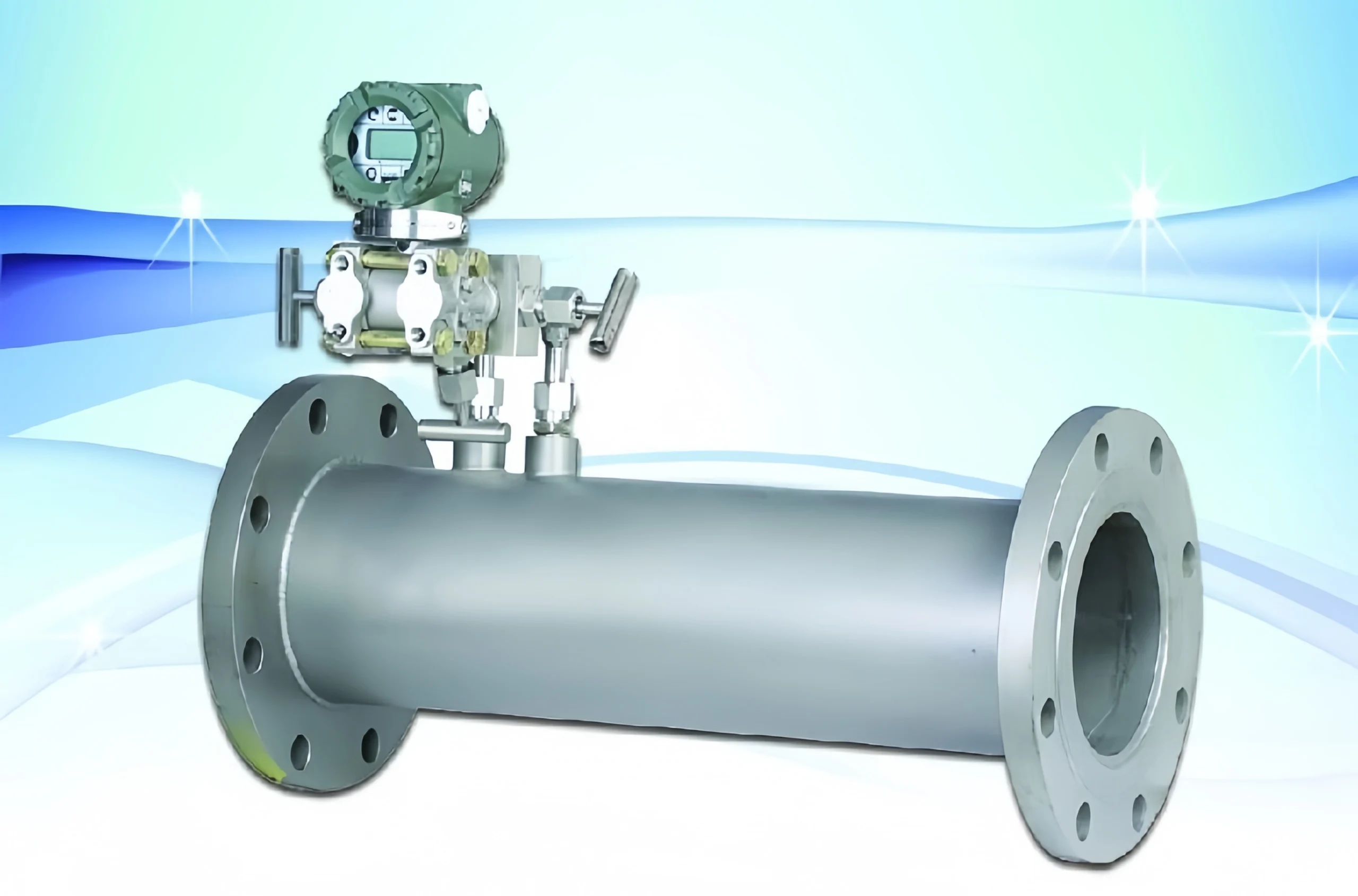
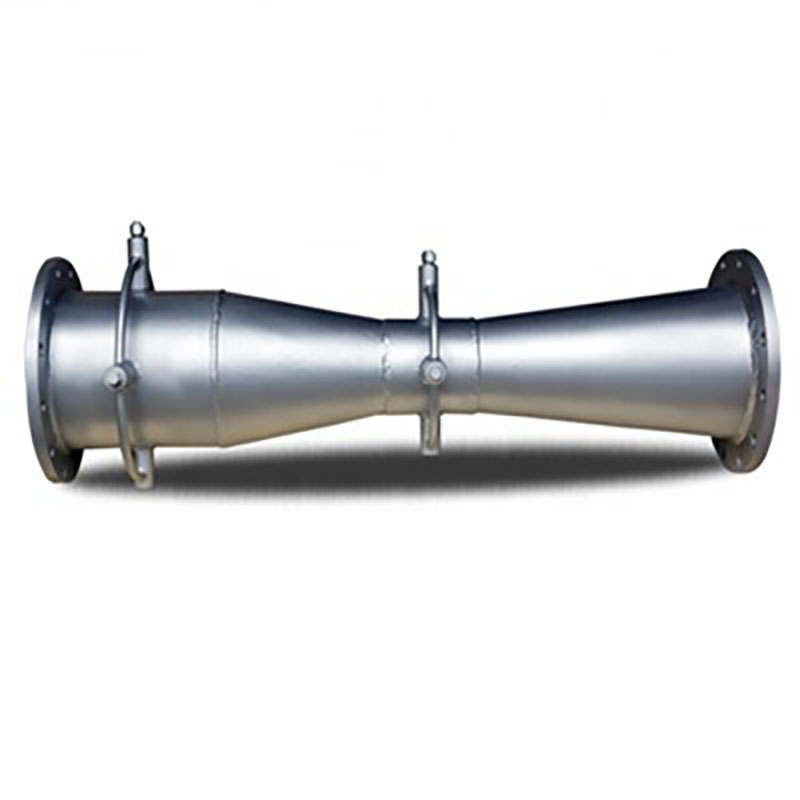
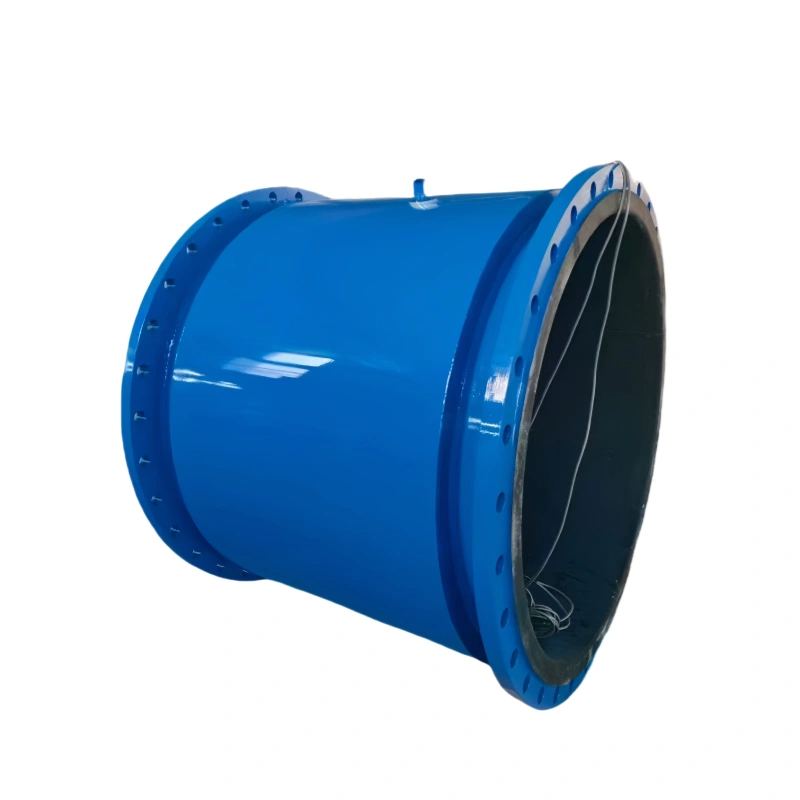
A Venturi flow meter is a fluid measurement instrument based on Bernoulli’s equation. It is designed by British engineer Venturi in the late 18th century. And it is widely used in fluid dynamics, it utilizes a sudden expansion and contraction structure in a pipe to accurately measure fluid flow rate.
Advantages:
1. Low pressure loss: Equipped with a dedicated diffusion section, it effectively converts fluid kinetic energy back into static pressure. Compared to V-cone and orifice plate flowmeters, it has lower permanent pressure loss and lower operational energy consumption.
2. High measurement accuracy and good repeatability: With a proven standard design and stable flow field, it delivers excellent measurement accuracy, making it suitable for process conditions requiring precise measurement.
3. Stable operation and low noise: The fluid flows smoothly without violent vortices, resulting in minimal vibration and fluid noise.
4. Comprehensive standardization system: Featuring a mature, standardized design that enables calibration with actual flow, ensuring credible measurement results; it is widely used in trade metering applications.
5. No protruding components to disturb the flow field: There are no central obstructions inside the pipeline, allowing the medium to flow smoothly; under clean single-phase fluid conditions, there are no issues with component erosion or flow disturbance.
6. Suitable for long-term measurement of clean fluids: It delivers stable long-term performance for single-phase media such as clean water, clean gases, and saturated steam.
7. Stable signal: Differential pressure output fluctuations are minimal, making it easier to achieve stable data acquisition with differential pressure instruments.
Disadvantages:
1. Requires larger installation space;
2. Sensitive to fluid properties;
3. High installation requirements.
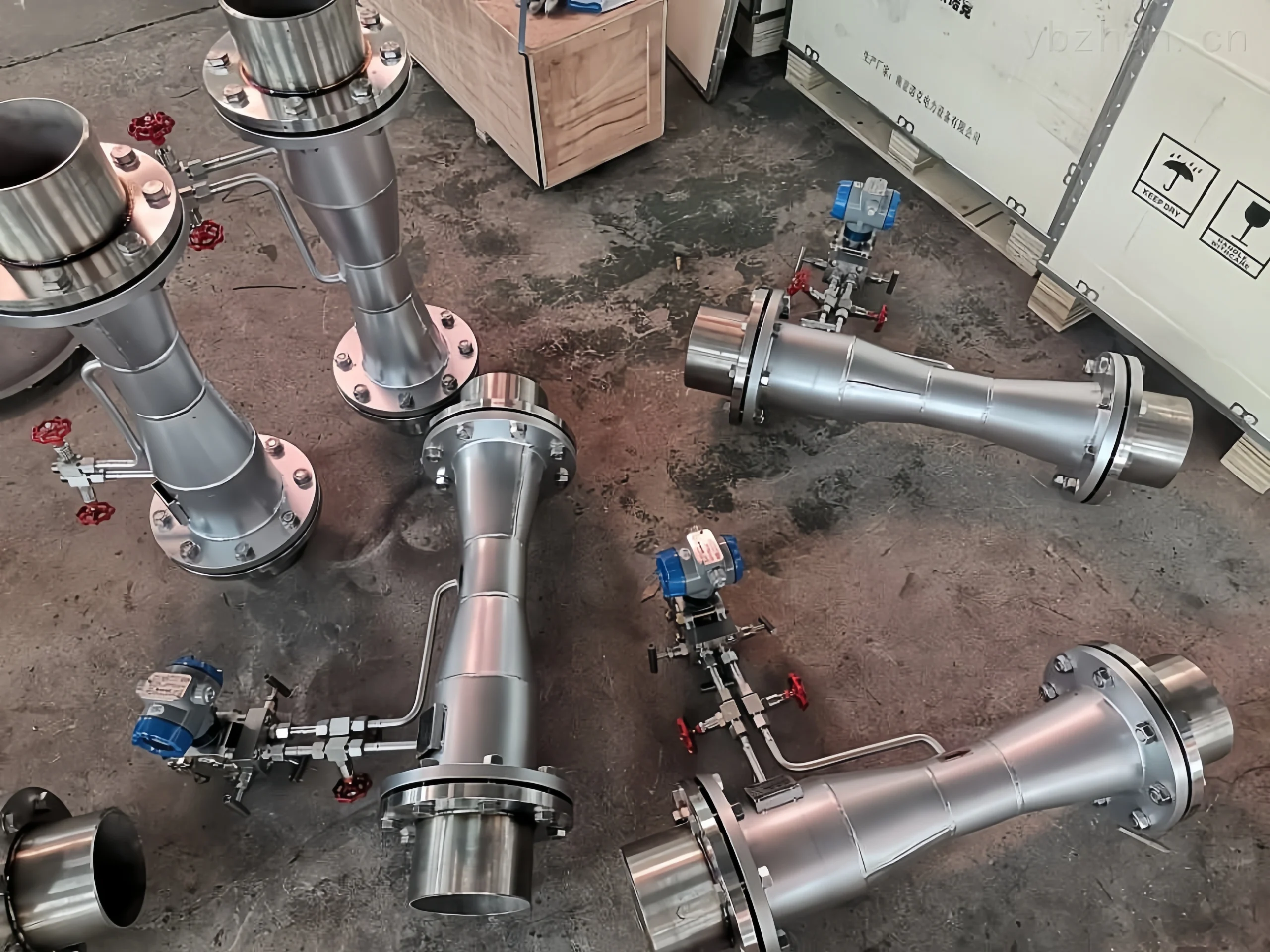
V-Cone flow meters and Venturi flow meters differ in many ways. Based on Sino-Inst’s many years of experience in flow meter supply, we will explain the differences between the two in the following aspects.
Different Working Principle:
V-Cone flow meter working principle:
Because real fluids are viscous and not ideal fluids, when flowing in a pipe, there are two flow regimes: laminar flow and turbulent flow, provided the flow is fully developed. According to the principle of conservation of energy in continuous flow and Bernoulli’s equation: For a fluid flowing in a laminar state, the velocity distribution is a parabola centered on the pipe centerline, and the pressure drop across the pipe is proportional to the flow rate. For a fluid flowing in a turbulent state, the velocity distribution is an exponential surface symmetrically centered on the pipe centerline, and the pressure drop across the pipe is proportional to the square of the flow rate.
Working Principle of a Venturi Flow Meter:
According to the Venturi effect, when a restricted flow passes through a constricted flow area, the fluid velocity increases. The velocity is inversely proportional to the flow area. When a fluid filling a pipe passes through a restrictive device, a localized constriction forms at the throat of the Venturi tube.
This increases the fluid velocity and reduces the static pressure. Then,it creates a differential pressure across the venturi tube. The greater the fluid velocity, the greater the pressure differential. This differential pressure can be used to calculate the fluid velocity and, therefore, the flow rate.
The Venturi effect is a physical phenomenon in which a fluid (liquid or gas) increases its velocity while simultaneously reducing its static pressure when passing through a constricted pipe. Its name comes from its discoverer, Italian physicist Giovanni Battista Venturi. This effect is used to create a Venturi tube. A classic Venturi tube is typically divided into three sections: a smoothly converging inlet section, a circular throat with the smallest diameter, and a gradually expanding outlet section.
Different Measurement Media:
V-Cone Flow Meters:
1. Applicable for measuring the flow of various gases, liquids, and steam;
2. Coke oven gas, steam, flue gas, crude oil, propylene gas, liquefied petroleum gas;
3. Natural gas, ammonia, hydrogen, slurry, nitrogen, hydrogen peroxide;
4. Organic gases, two-phase liquids, air, circulating water, and other media;
5. Fluids containing fixed particles, low-pressure fluids, high-humidity gases, and various dirty fluids.
Venturi flow meter
Venturi flow meters are particularly suitable for measuring non-corrosive, low-viscosity liquids or gases. They can also be used for measuring complex flow conditions such as two-way flow, mixed-phase flow, low flow rates, large pipe diameters, and irregular-shaped pipes. Their internal structure and materials are resistant to corrosion and wear while ensuring measurement accuracy.
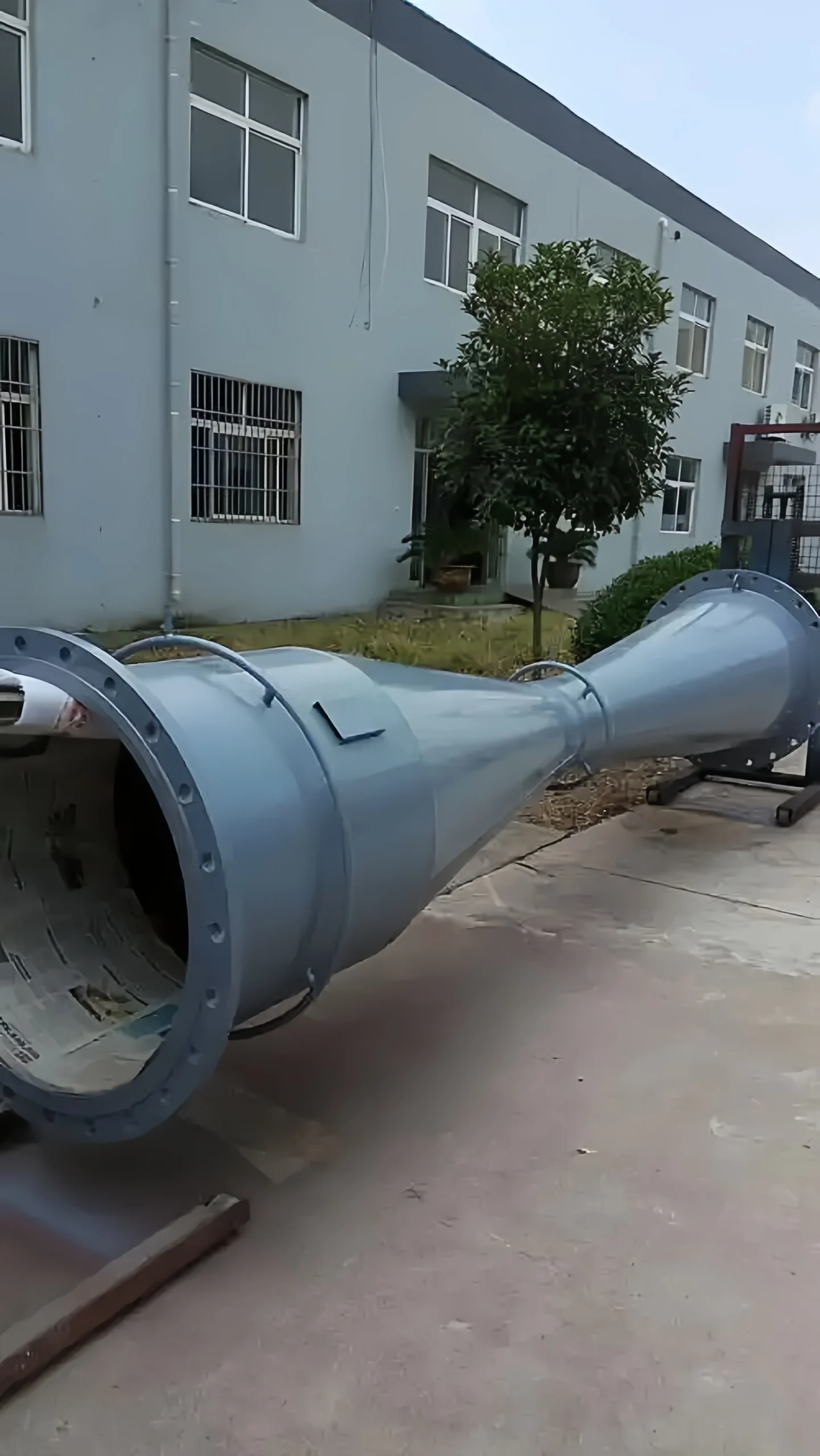
Differences in Throttling Mechanisms
A Venturi flowmeter relies on a tubular cavity within the pipe that first constricts and then expands to achieve throttling. The fluid enters the constriction section from the main pipe, where its velocity increases and pressure decreases; it then passes through the expansion section, where pressure is restored.
The V cone flowmeter uses a conical throttling element suspended at the center of the pipe. The fluid flows through an annular channel around the exterior of the cone, and the throttling zone is formed by the cone’s obstruction, with the flow cross-section consisting of an annular gap.
Differences in Pressure Loss and Energy Recovery Capability
The standard Venturi meter features a dedicated expansion recovery section, allowing the fluid’s kinetic energy to be effectively converted into static pressure, resulting in a lower permanent pressure loss.
The V cone flowmeter lacks an expansion recovery structure; the fluid flows directly out after passing through the cone, resulting in a higher permanent pressure loss than the classic Venturi meter under equivalent operating conditions.
Different Requirements for Upstream and Downstream Straight Pipe Sections
The throttling element of the V cone flowmeter is located at the center of the pipe, providing a flow-straightening effect and strong resistance to flow field distortion. It requires shorter upstream and downstream straight pipe sections, making it suitable for sites with limited installation space or dense concentrations of pipe elbows and valves.
Traditional Venturi meters have higher requirements for uniformity in flow velocity distribution and require longer upstream straight pipe sections; measurement errors are more likely to increase if the flow field is turbulent.
Differences in Applicable Media and Operating Conditions
The annular flow passage of the V-cone flowmeter is less prone to impurity buildup, making it more suitable for contaminated media containing dust, sludge, and particulates, as well as high-viscosity fluids.
The Venturi’s constricted passage is relatively narrow, making it prone to impurity retention and accumulation; it is therefore better suited for clean, single-phase media such as clean gases and clear water.
Differences in Differential Pressure Measurement Locations and Measurement Characteristics
The pressure taps on a Venturi tube are located at the front end of the contraction section and at the throat; for the V-cone, the upstream pressure tap is on the pipe wall in front of the cone, while the downstream pressure tap is taken from the tail end of the cone.
The V cone can still generate a stable differential pressure at low flow rates, and its turndown ratio is typically superior to that of a standard Venturi tube, making it more suitable for applications with large flow fluctuations and low-flow measurement scenarios.
Differences in Manufacturing, Dimensions, and Cost
Standard Venturi tubes are relatively long, and the machining precision requirements for the contraction and expansion surfaces are high. Large-diameter units are bulky, resulting in higher manufacturing costs.
The V cone has a compact structure with a shorter overall length; the machining process for its conical components is relatively simple. For the same diameter, it occupies less space, and the equipment cost is typically lower than that of a classic Venturi.
Differences in Wear Resistance
In a Venturi, the fluid concentrates and erodes the inner wall of the throat; when transporting particulate media over long periods, the throat is prone to wear, leading to a continuous decline in measurement accuracy.
In a V cone, the medium flows in a circular pattern along the pipe wall; high-speed fluid does not concentrate and erode the inner wall of the pipe, and wear is primarily concentrated on the surface of the cone. In some designs, the cone can be replaced for maintenance.
Read More about: