Wastewater generally refers to water that cannot be recycled after certain technical treatment or that cannot meet certain standards for purification after primary pollution. The wastewater referred to in this article primarily refers to industrial wastewater.
Industrial wastewater refers to wastewater and sewage generated during industrial production. It contains industrial materials, intermediate products, and pollutants that are lost with the water.
Hazards of Wastewater:
1. Highly toxic wastewater can cause the death or even extinction of aquatic plants and animals.
2. If nearby residents use contaminated surface water or groundwater for domestic use, it causes a health risk, even to death.
3. Industrial wastewater slowly flows into the soil over time. This causes soil pollution and affects the survival of plants and soil microorganisms.
4. Some industrial wastewater also carries an unpleasant odor. It pollutes the air.
5. Toxic and harmful substances in industrial wastewater can be ingested and absorbed by plants and animals. It remains in their bodies and then reaches humans through the food chain, causing harm or death.
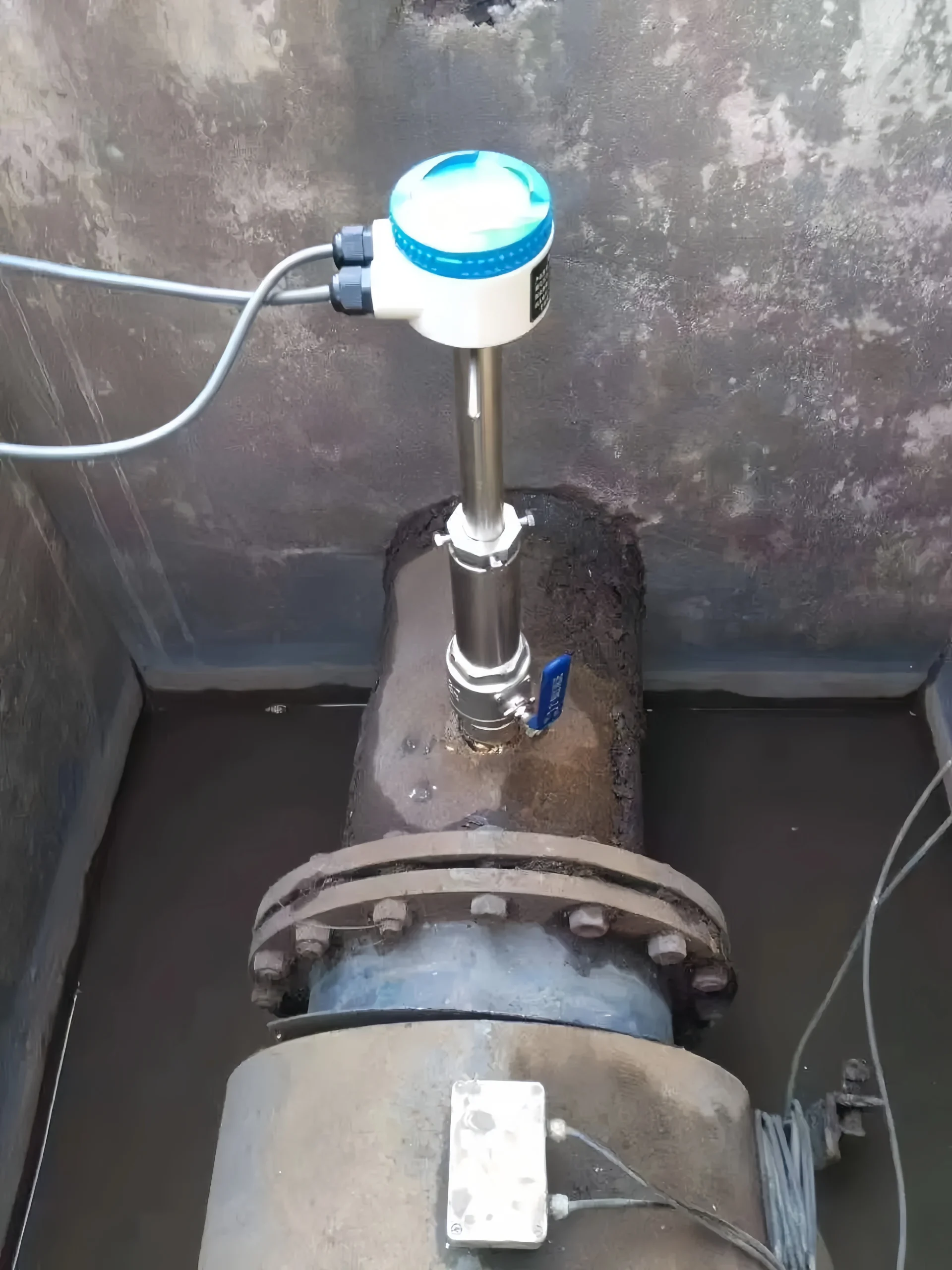
Read More about: Sewage Flow Meters for Sewage Monitoring
1. Wastewater has a complex composition, containing sediment, oil, and corrosive substances, which can easily clog probes and corrode components, leading to signal drift and measurement inaccuracies.
2. Drainage flow rates fluctuate significantly; there are insufficient straight pipe sections, resulting in numerous turbulent vortices. The absence of full-pipe free-flow conditions further reduces measurement accuracy.
3. Monitoring points are often located in manholes or ditches, where damp conditions, standing water, and silt accumulation make maintenance difficult and pose high safety risks.
4. Illegal discharges in concealed pipes at low flow rates are difficult to measure accurately; standard meters lack data transmission capabilities and do not meet environmental protection network connectivity requirements.
5. Pipeline networks vary widely; there are limited instrument options for open channels and old, irregularly shaped pipes, and weirs and flumes are prone to clogging, requiring production shutdowns and flow interception for retrofitting.
6. Frequent fluctuations in water temperature and pH, along with changes in water viscosity and conductivity, continuously generate measurement errors that are difficult to compensate for.
7. Media erosion can easily damage instruments; underground wiring is prone to failure; on-site calibration procedures are cumbersome; and instruments quickly lose accuracy again after cleaning.
Therefore, a flow meter with temperature compensation should be selected.
Wastewater is corrosive, contains a lot of impurities, and is highly hazardous. So, when measuring wastewater flow, it is necessary to select the right flow meter material.
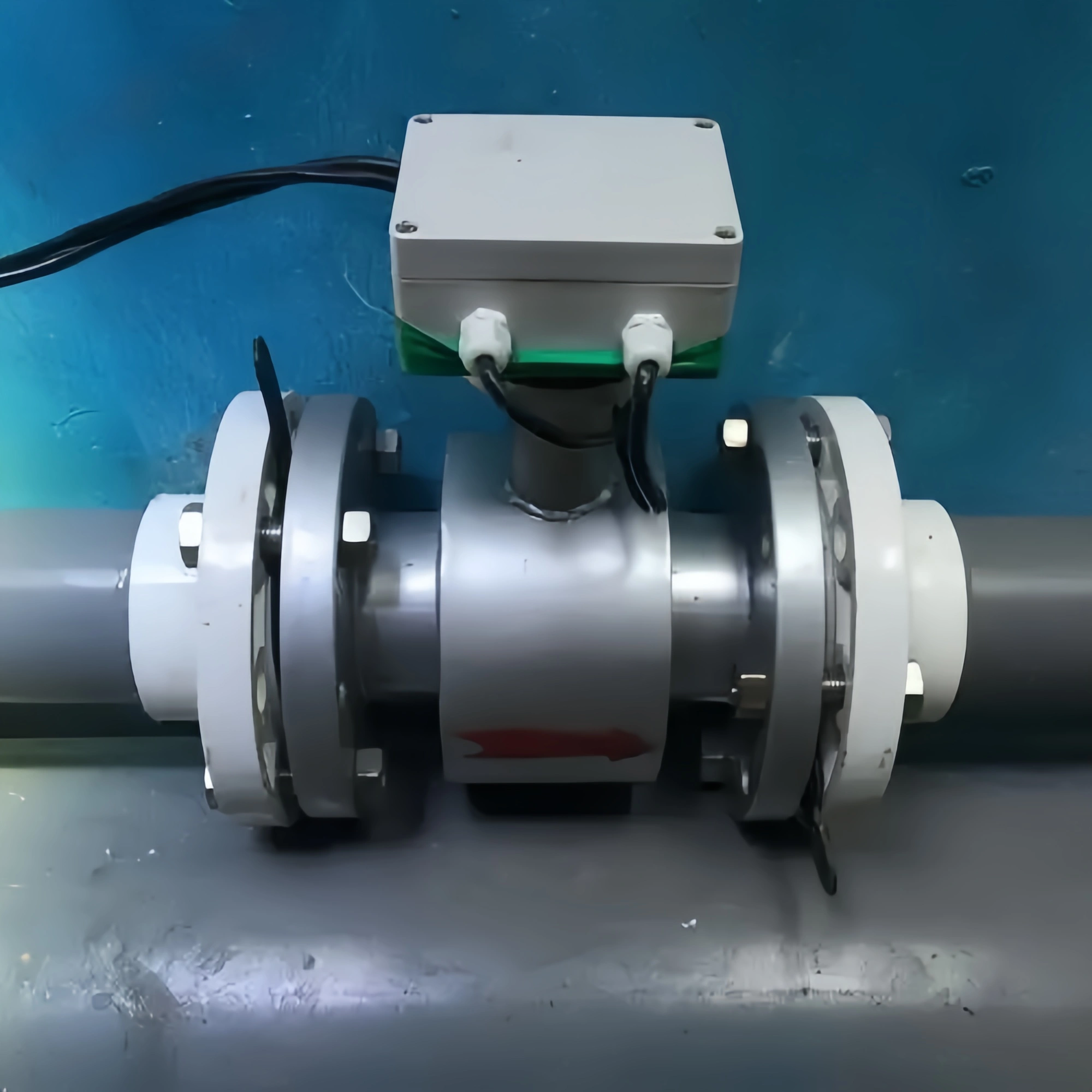
Generally speaking, the following types of flow meters can be used to measure wastewater flow. The following is a detailed introduction:
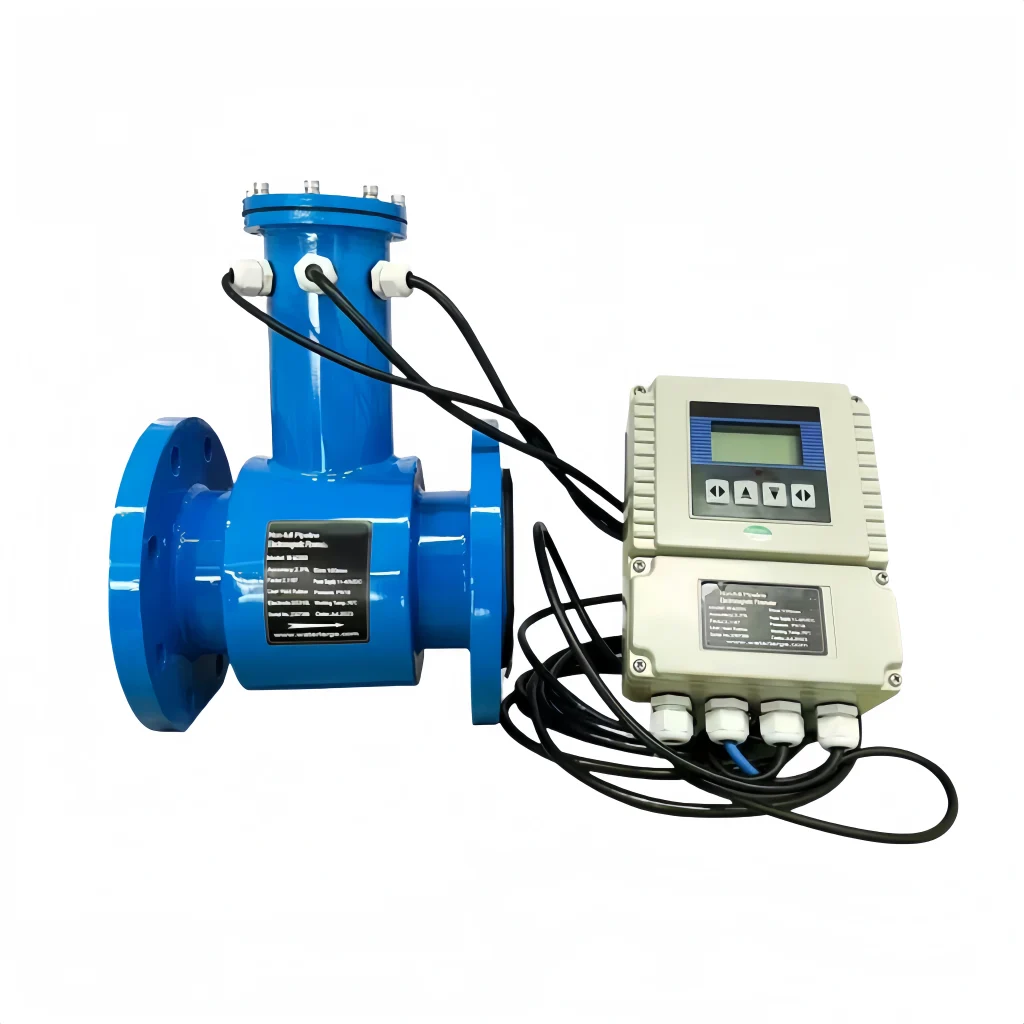
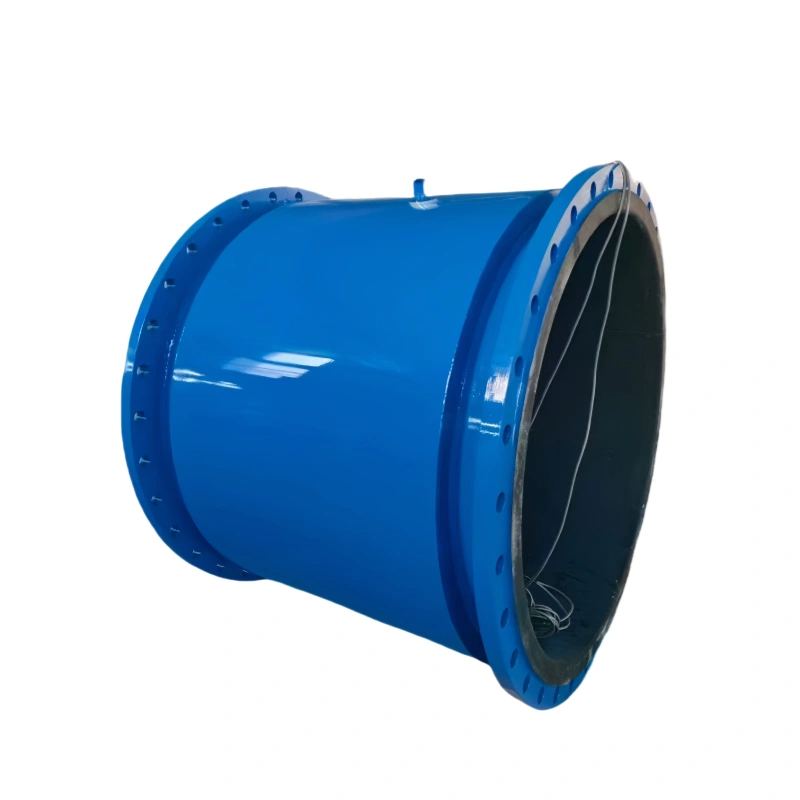
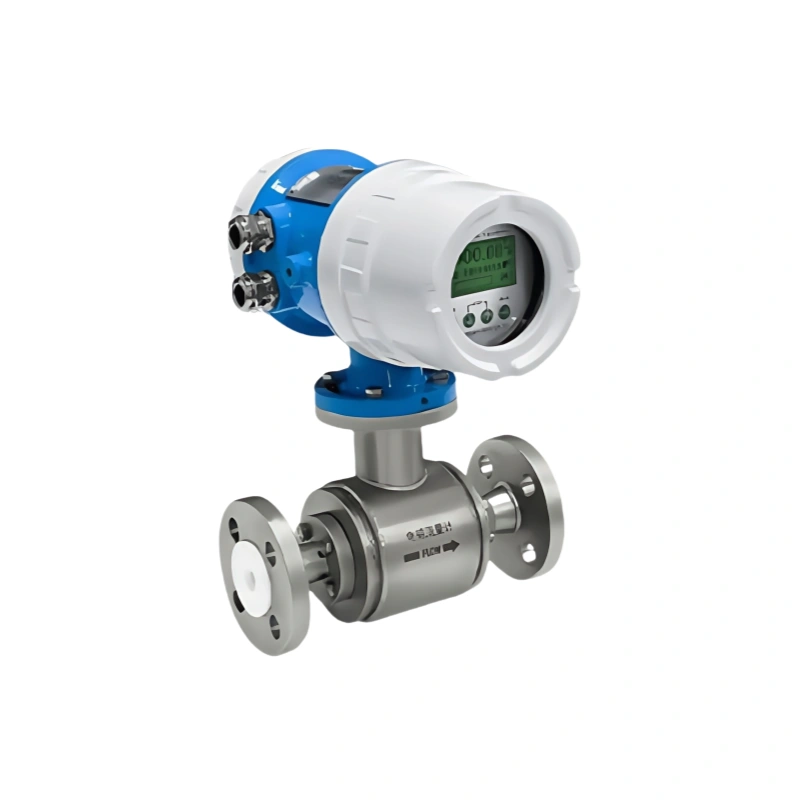
Electromagnetic Wastewater Flow Meter:
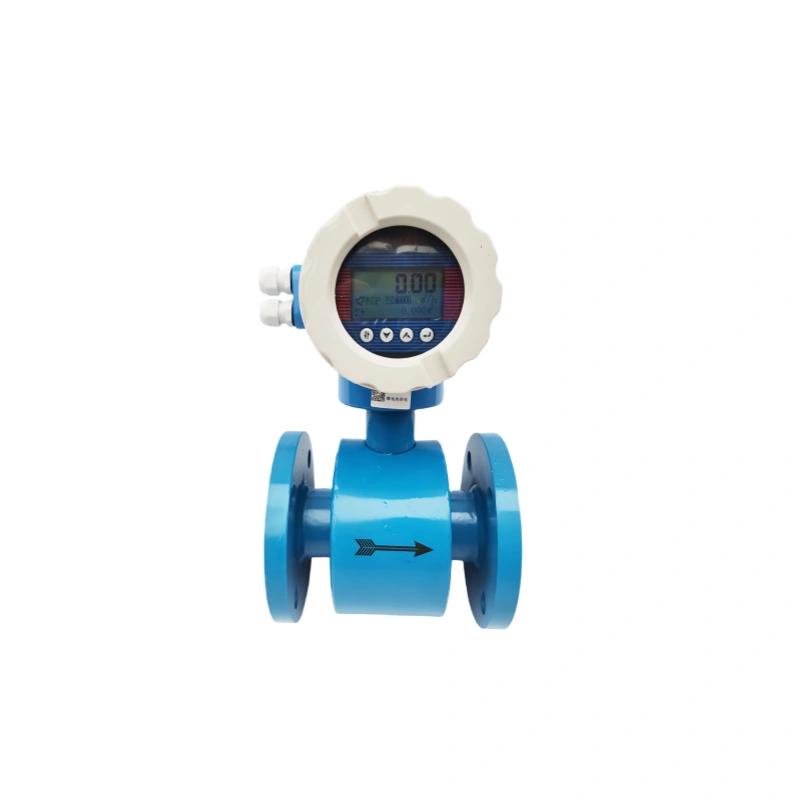
An electromagnetic wastewater flow meter is an industrial instrument designed based on Faraday’s law of electromagnetic induction.
Operating Principle
Electromagnetic flow meters measure flow based on Faraday’s law of electromagnetic induction. When a conductive wastewater medium cuts perpendicularly through a uniform, alternating magnetic field inside the pipe, an induced electromotive force proportional to the average flow velocity of the medium is generated within the medium.
Electrodes installed in pairs on both sides of the pipe collect the induced voltage signal; the transmitter amplifies and converts this signal, combines it with the cross-sectional area of the flow passage, and ultimately outputs data on instantaneous and cumulative wastewater flow rates.
Non-full-bore electromagnetic flowmeters, designed for half-pipe and low-level wastewater conditions, are equipped with an additional level detection module that continuously monitors the liquid level inside the pipe in real time and automatically corrects the effective flow cross-sectional area, making them suitable for wastewater pipelines with partial flow or intermittent drainage.
Key Advantages
1. The measurement channel has no mechanical obstructions or throttling elements, making it resistant to clogging by impurities such as sand, fibers, and suspended sludge in the wastewater.
It is suitable for highly contaminated wastewater conditions—including industrial wastewater, domestic sewage, and chemical wastewater containing solids—and requires infrequent maintenance and cleaning.
2. Measurements are not affected by changes in wastewater temperature, pressure, density, or viscosity; the medium only needs to possess minimal electrical conductivity. Stable measurements can be achieved for the vast majority of industrial and municipal wastewater, with consistent measurement linearity and accuracy.
3. Available in split-type or integrated-type installations, with corrosion-resistant lining and electrode materials that can withstand long-term erosion from acidic, alkaline, saline, and corrosive wastewater.
4. Specialized non-full-bore models feature a level compensation algorithm, addressing the limitation of conventional electromagnetic flowmeters that can only measure at full bore.
They are suitable for underground sewage channels, gravity-fed discharge pipes, and intermittent drainage pipelines, maintaining accurate measurement even under low-level or half-bore flow conditions.
5. Pressure loss is near zero, so it does not increase energy consumption in wastewater pipeline networks, making it suitable for large-diameter, long-distance sewage pipelines.
6. It outputs 4–20 mA and Modbus digital signals, allowing direct integration with wastewater treatment plant PLCs and online monitoring platforms, and supports flow accumulation, exceedance alarms, and remote data transmission.
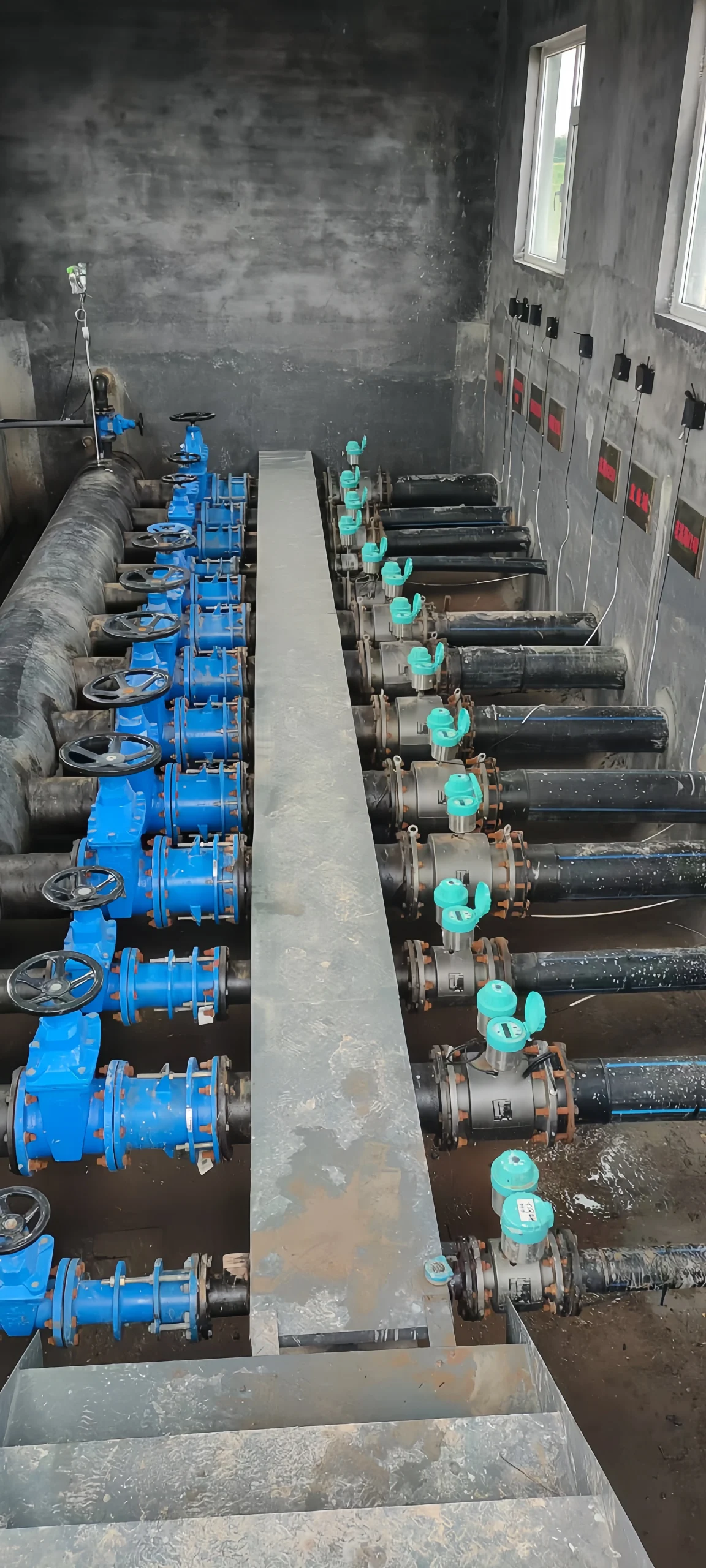
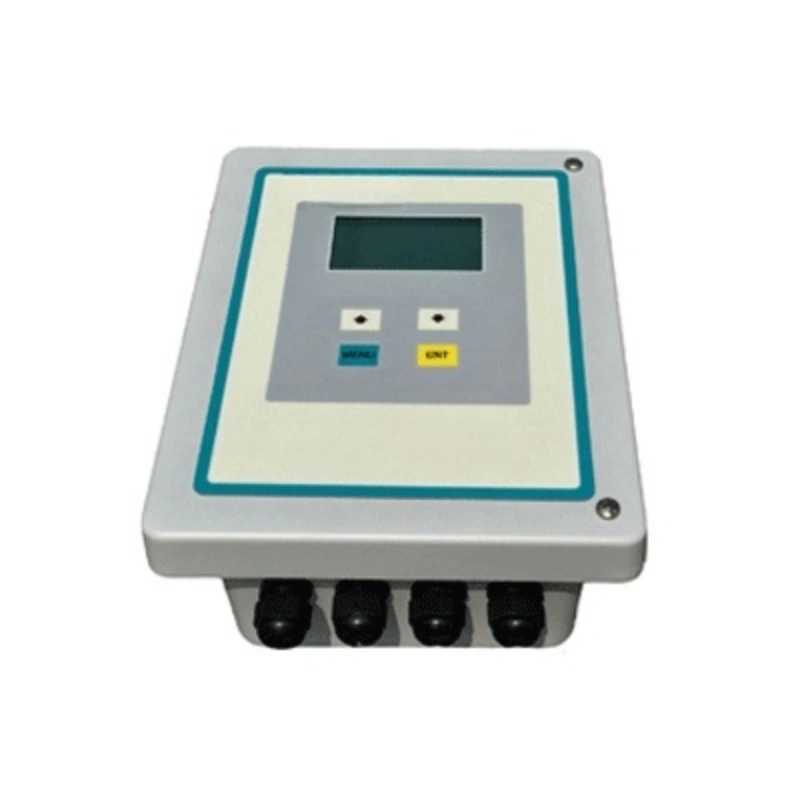
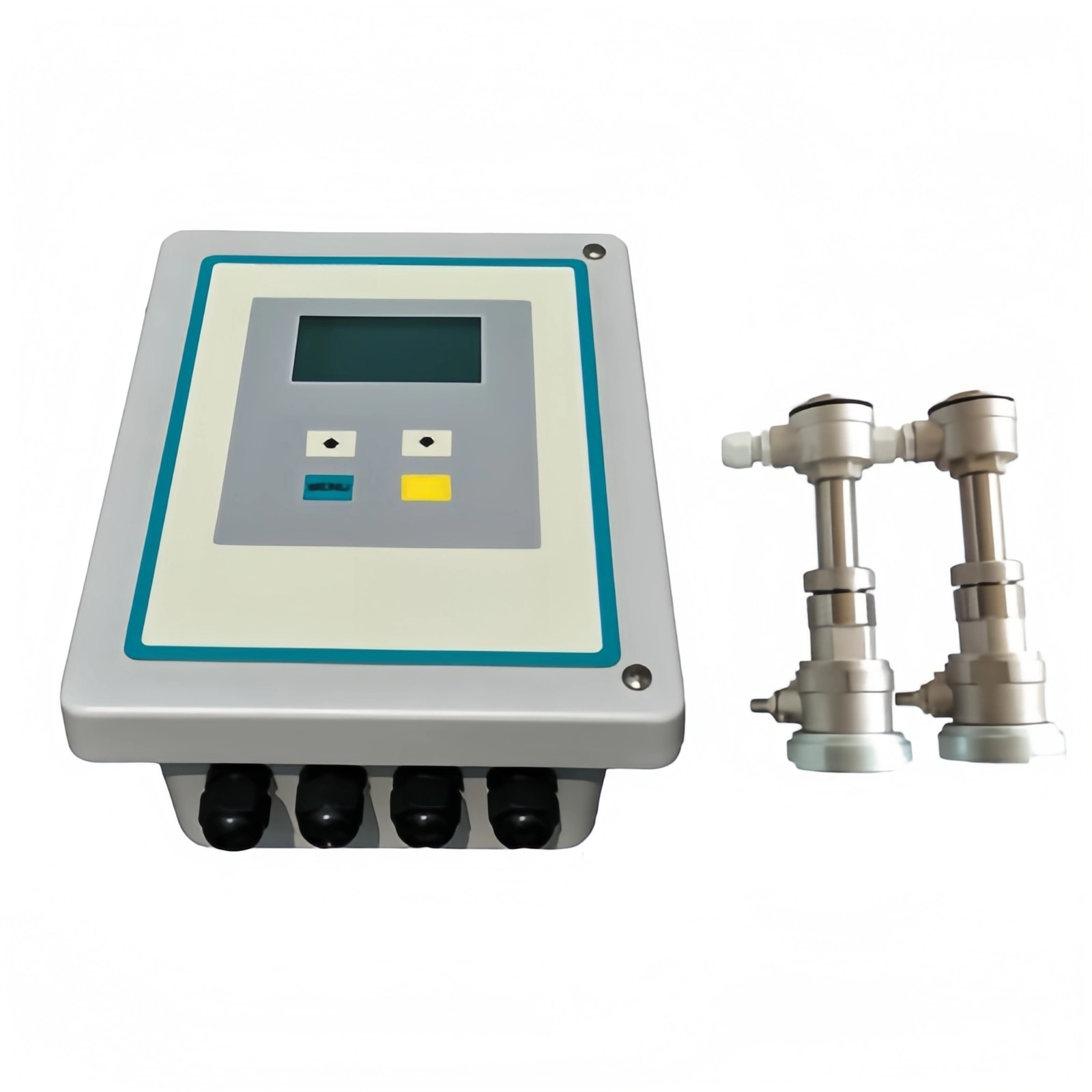
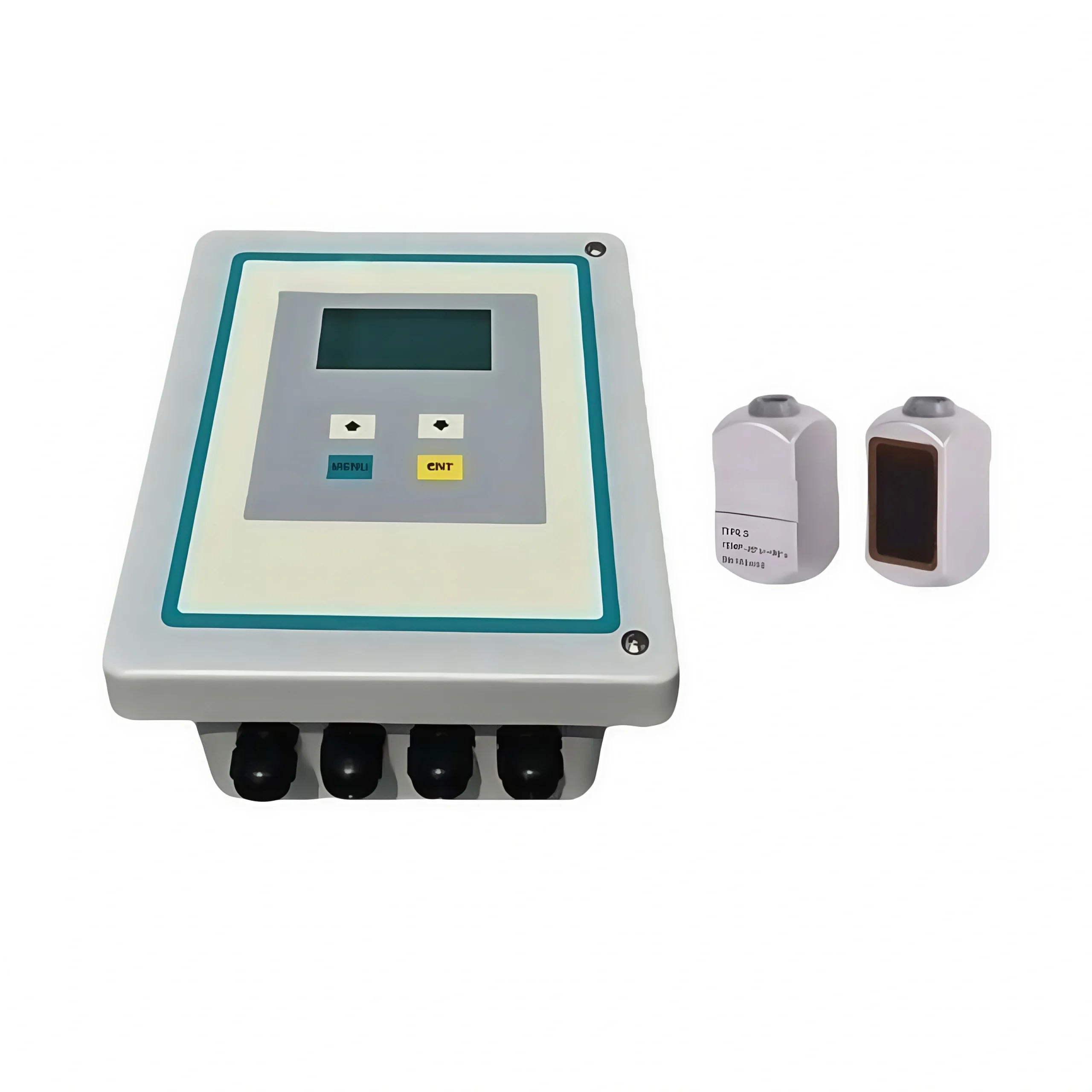
Ultrasonic Wastewater Flow Meter
Operating Principle
Doppler Ultrasonic Flow Meter
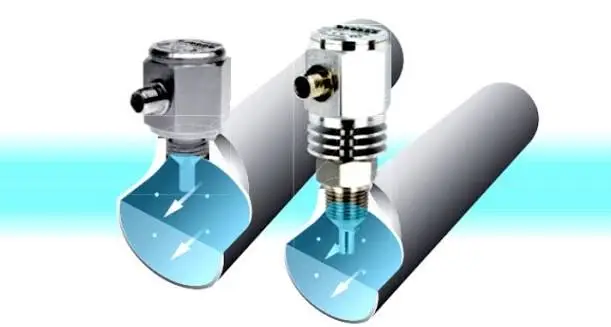
The meter emits ultrasonic waves at a fixed frequency into the wastewater pipeline. When these waves strike solid particles in the wastewater—such as suspended sediment, bubbles, and flocs—they are reflected, and the receiver captures the reflected echoes.
As the fluid particles flow with the wastewater, they cause a Doppler shift. The device calculates the frequency difference between the transmitted and received sound waves, converts this into the flow velocity of the medium, and determines the wastewater flow rate based on the pipe cross-sectional area.
This method is only suitable for turbid wastewater containing suspended impurities and bubbles; pure water, which lacks reflective media, cannot be measured.
Time-of-Flight Ultrasonic Flowmeter
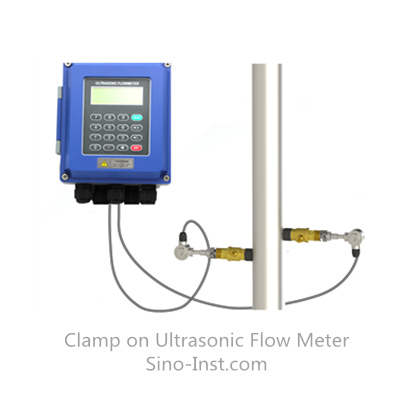
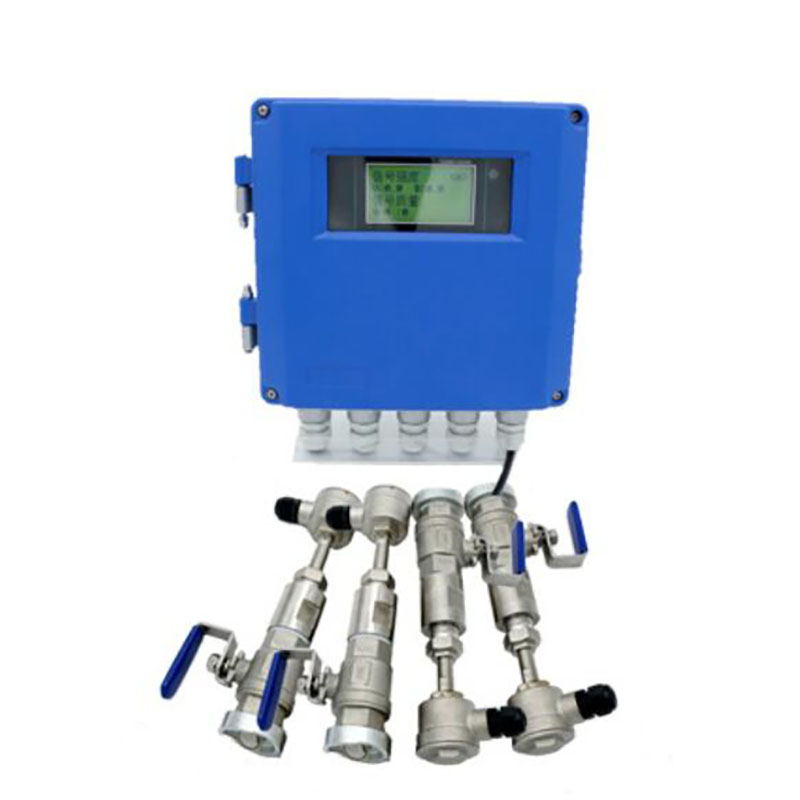
A pair of ultrasonic transducers is installed upstream and downstream of the pipeline, with the two sets of probes alternately transmitting and receiving ultrasonic waves. Sound waves travel faster with the flow; when traveling against the flow, their speed is offset by the current, resulting in a longer transit time.
The device precisely calculates the time difference between the downstream and upstream sound wave propagation. By calculating this time difference, it determines the average flow velocity of the wastewater and, using pipe diameter parameters, converts this to instantaneous and cumulative flow rates. There are no mandatory requirements regarding water quality purity.
Read More about: Ultrasonic Flow Meter Technical Guide
Key Advantages
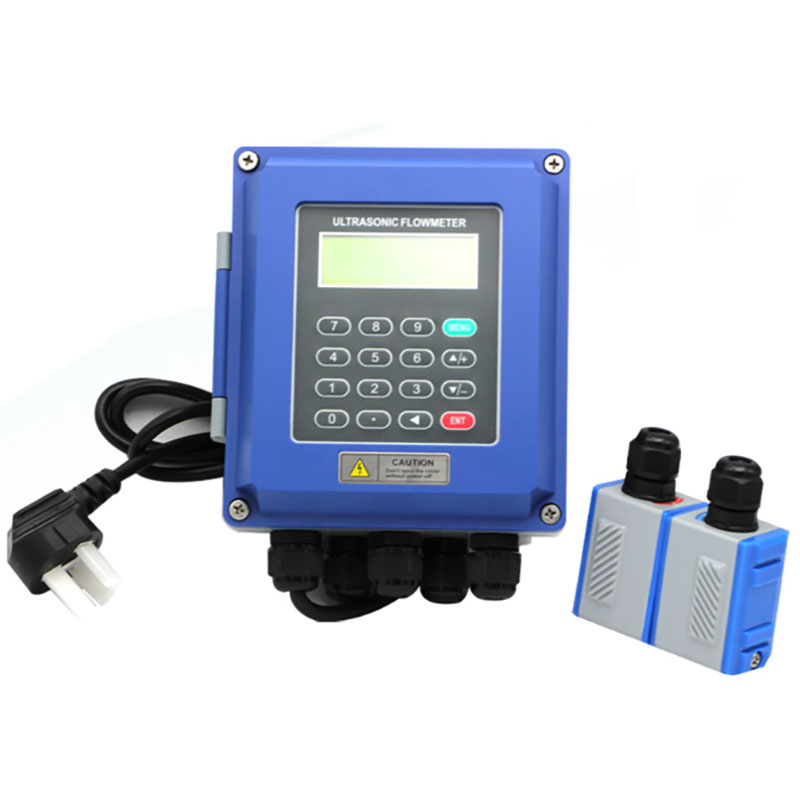
1. Available in two configurations: clamp-on external probes and pipe-insertion probes. The clamp-on design requires no pipe cutting or drilling, causing no damage to the existing sewage pipeline. Installation is convenient and can be completed online without interrupting operations, eliminating the risk of medium leakage.
2. There are no invasive measuring components inside the pipe, eliminating issues with wear and clogging. Even with wastewater containing high levels of sludge or fiber, components will not become jammed during long-term use, making it suitable for highly polluted wastewater.
3. Measurement causes no pressure loss and does not alter the original hydraulic conditions of the wastewater network, making it highly suitable for large-diameter municipal sewer mains and large-scale industrial wastewater pipelines.
4. The time-of-flight model can measure clear water and wastewater with low impurity levels; the Doppler model is specifically designed for turbid industrial wastewater containing large amounts of suspended solids and bubbles. Together, these two models cover the vast majority of wastewater quality scenarios.
5. Excellent corrosion resistance: Since the probe does not come into direct contact with the wastewater, acidic, alkaline, or corrosive effluents will not damage the core measurement components, offering superior corrosion resistance compared to most contact-type flow meters.
6. Wide turndown ratio, covering measurements from extremely low wastewater flow rates to full-pipe high flow rates; supports bidirectional flow monitoring, making it suitable for pipeline backflow and intermittent discharge conditions; complete digital signal output facilitates integration with online wastewater monitoring systems.
7. Universal compatibility across multiple pipe diameters: A single main unit paired with probes of different specifications can accommodate various wastewater pipelines ranging from DN50 to DN2000, offering high equipment reusability and reducing procurement costs.
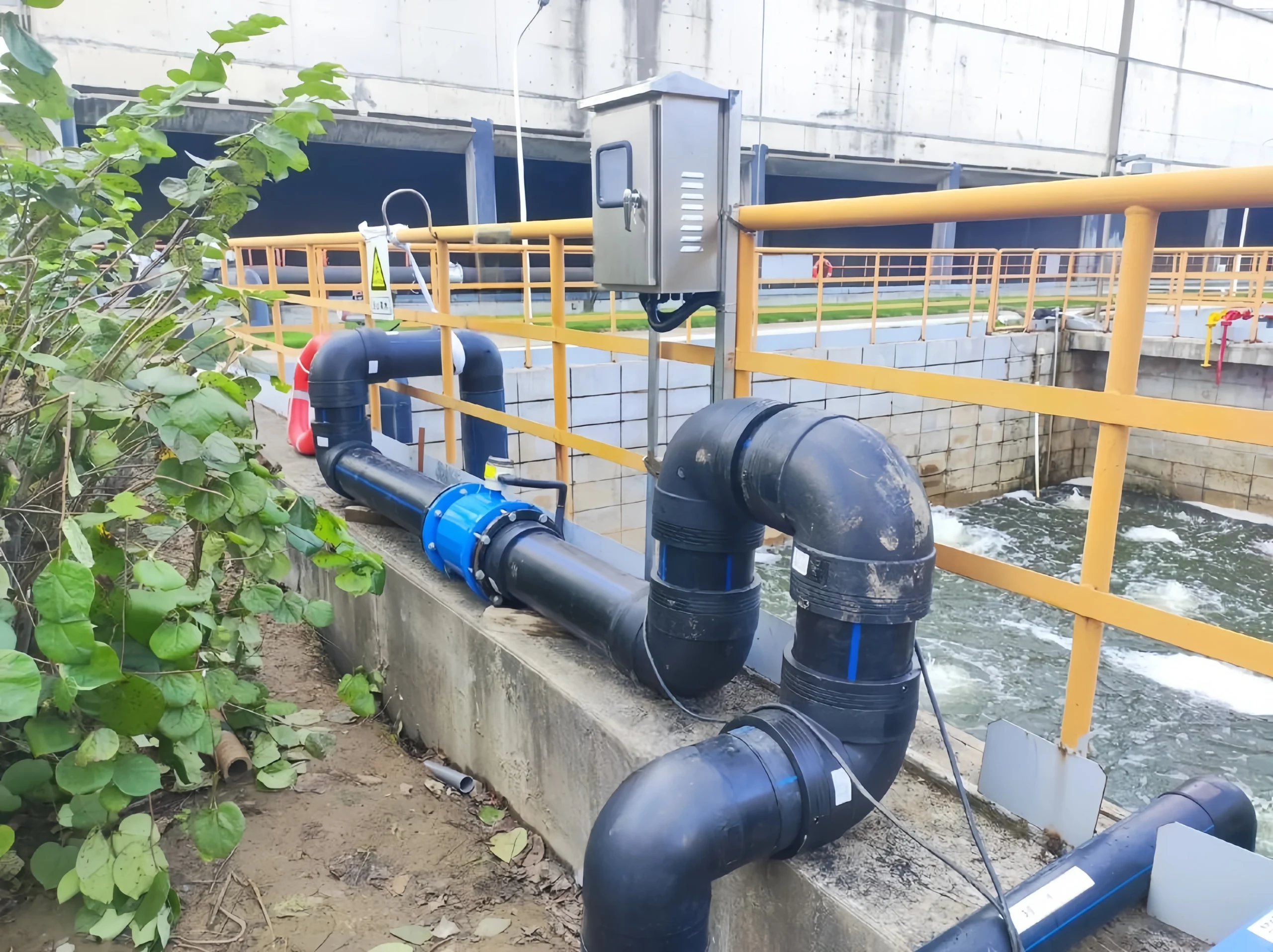
More Waste Flow Meter
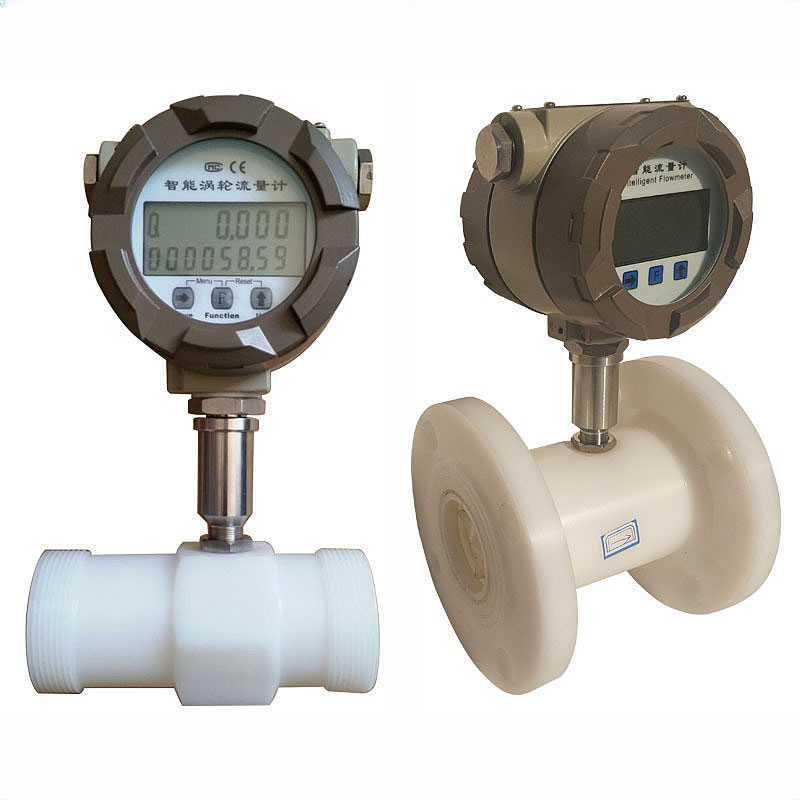
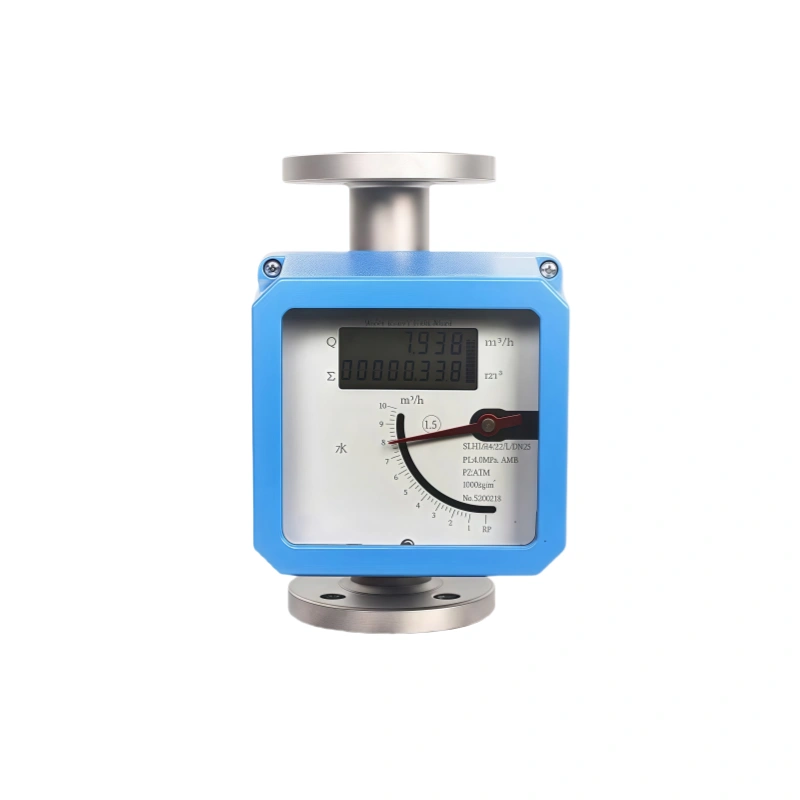
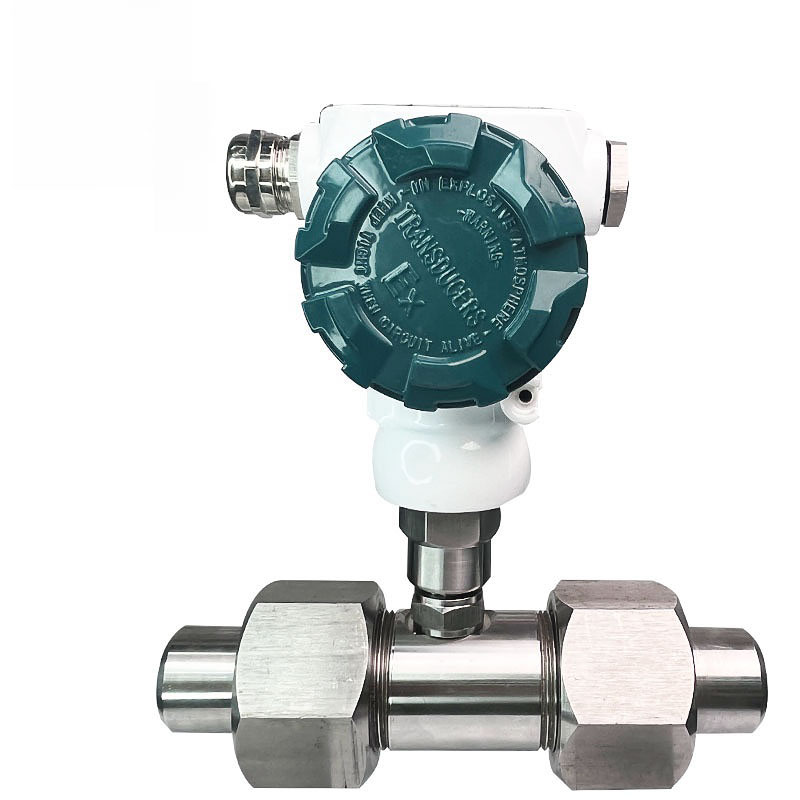
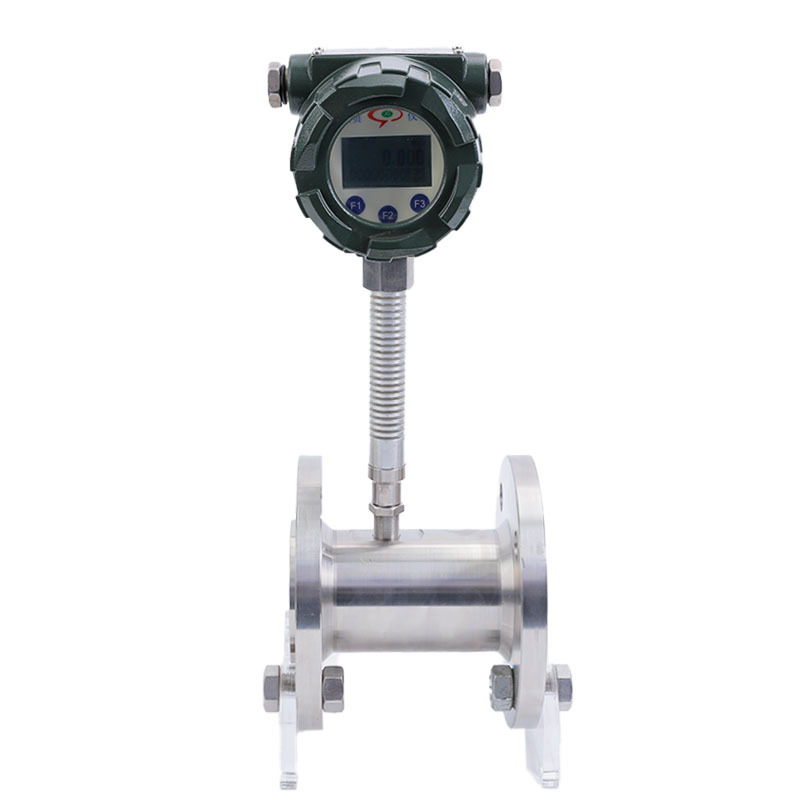
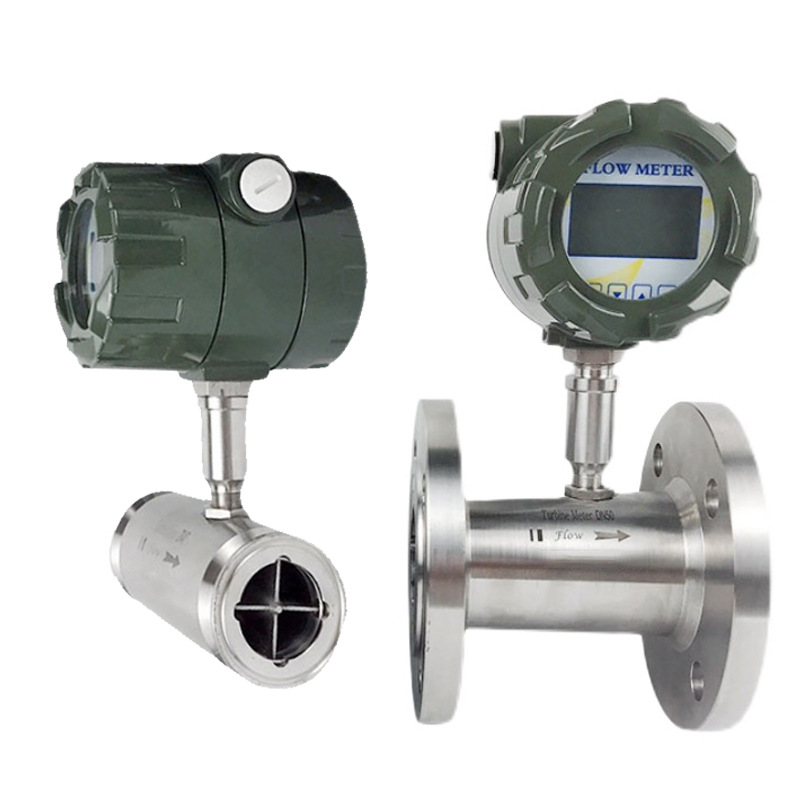
In addition to the above flow meters for sewage flow measurement, we also offer turbine flowmeters, rotor flowmeters, and target flowmeters. The specific model you choose will depend on your specific scenario. You can also contact us for a free measurement solution.