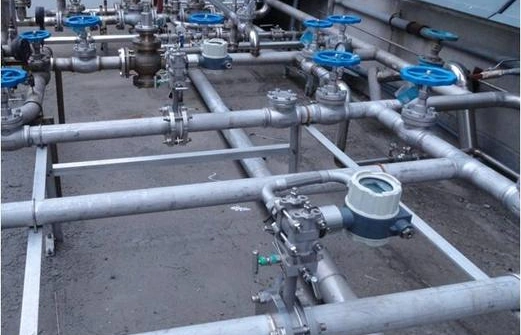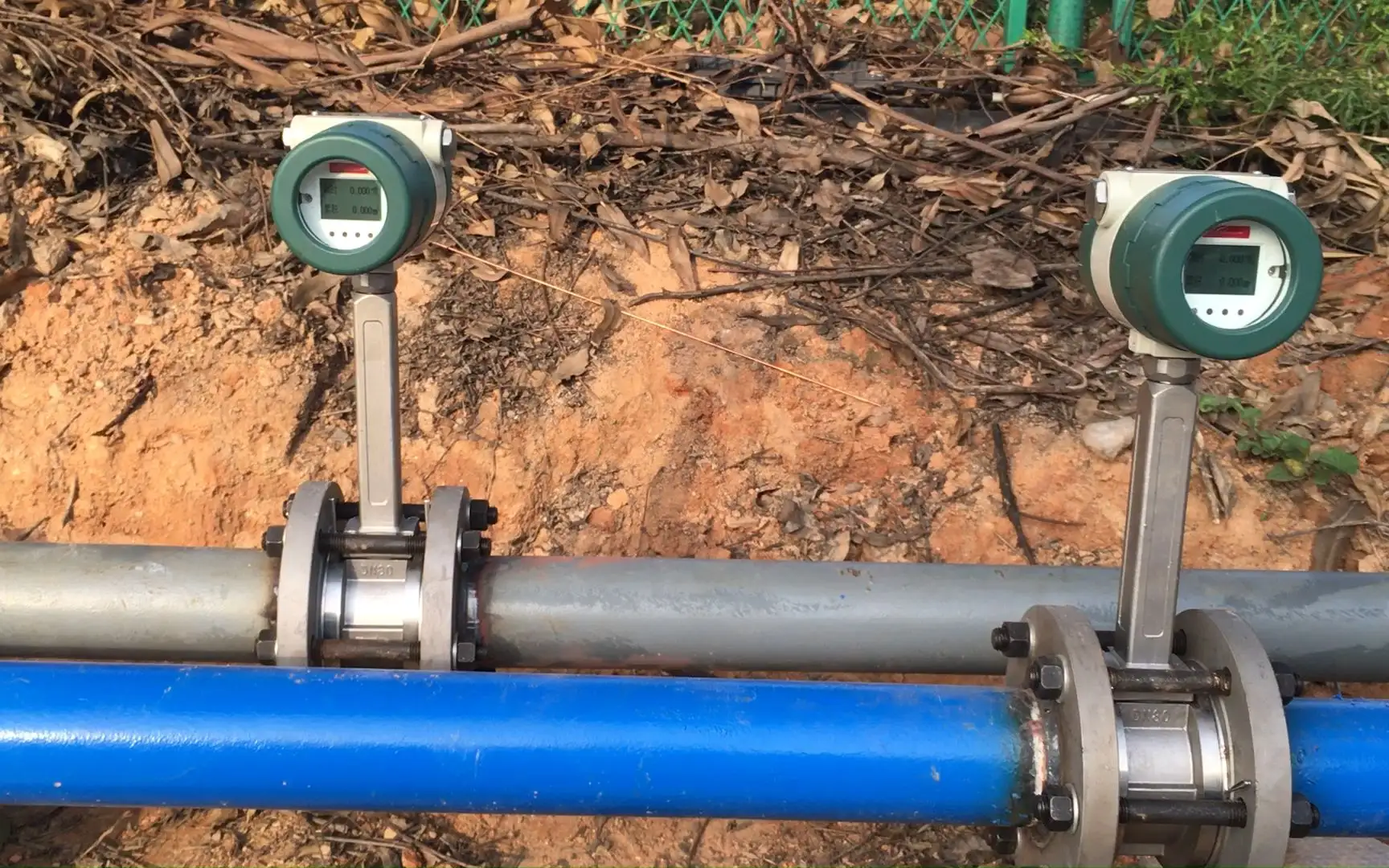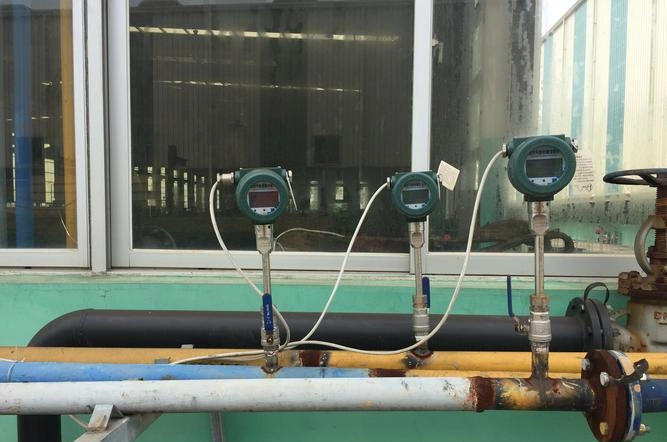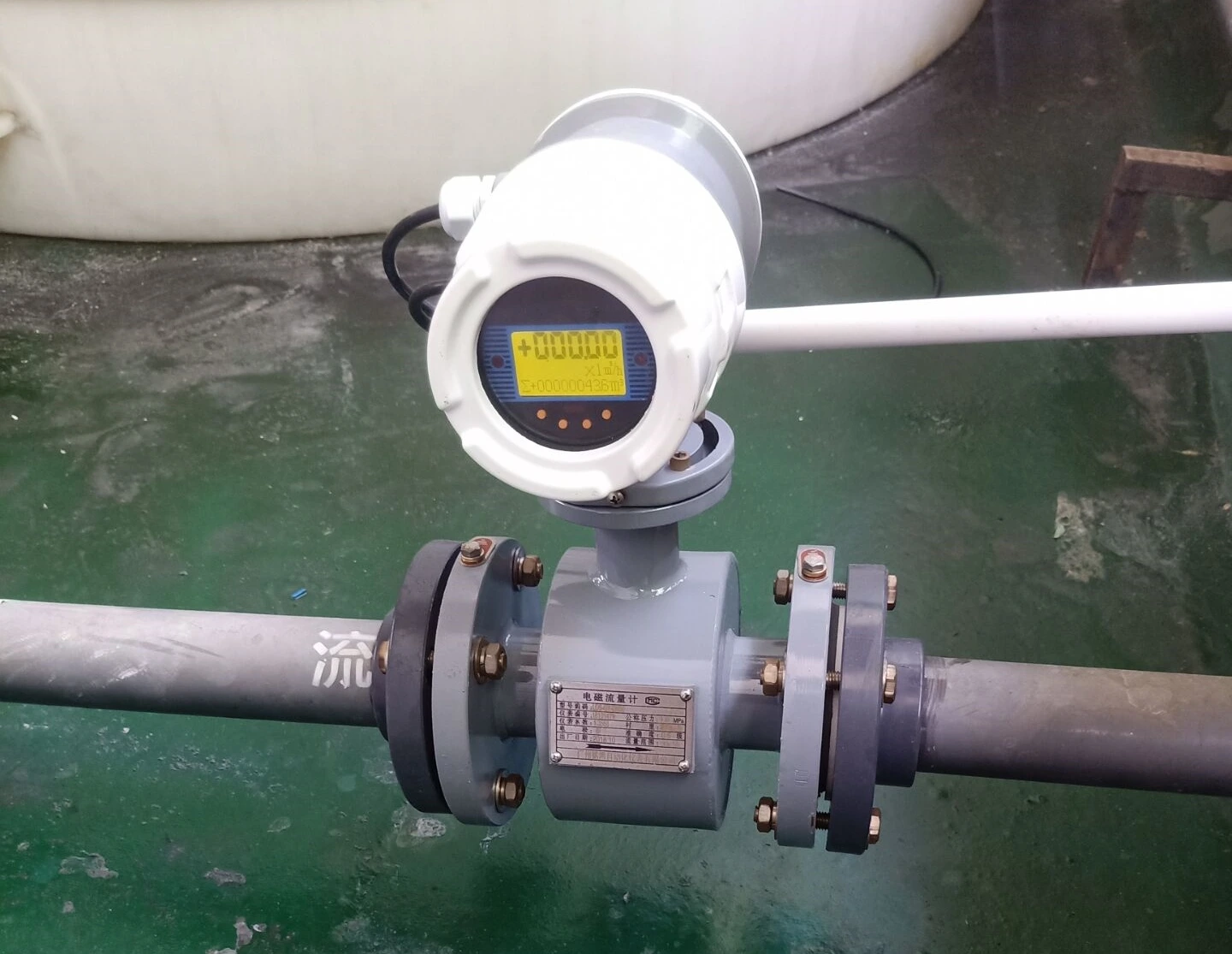
Concept of marine fuel flow meter
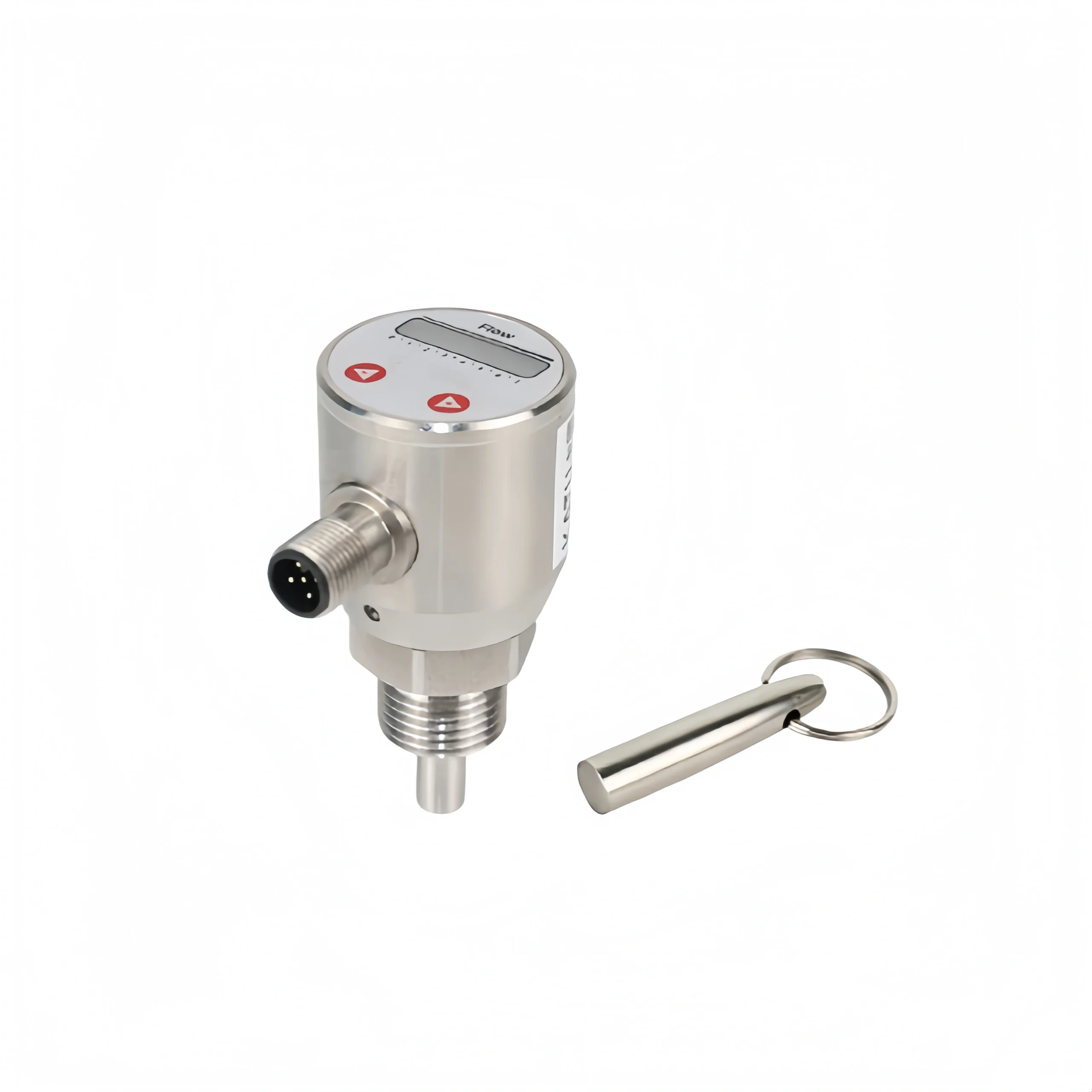
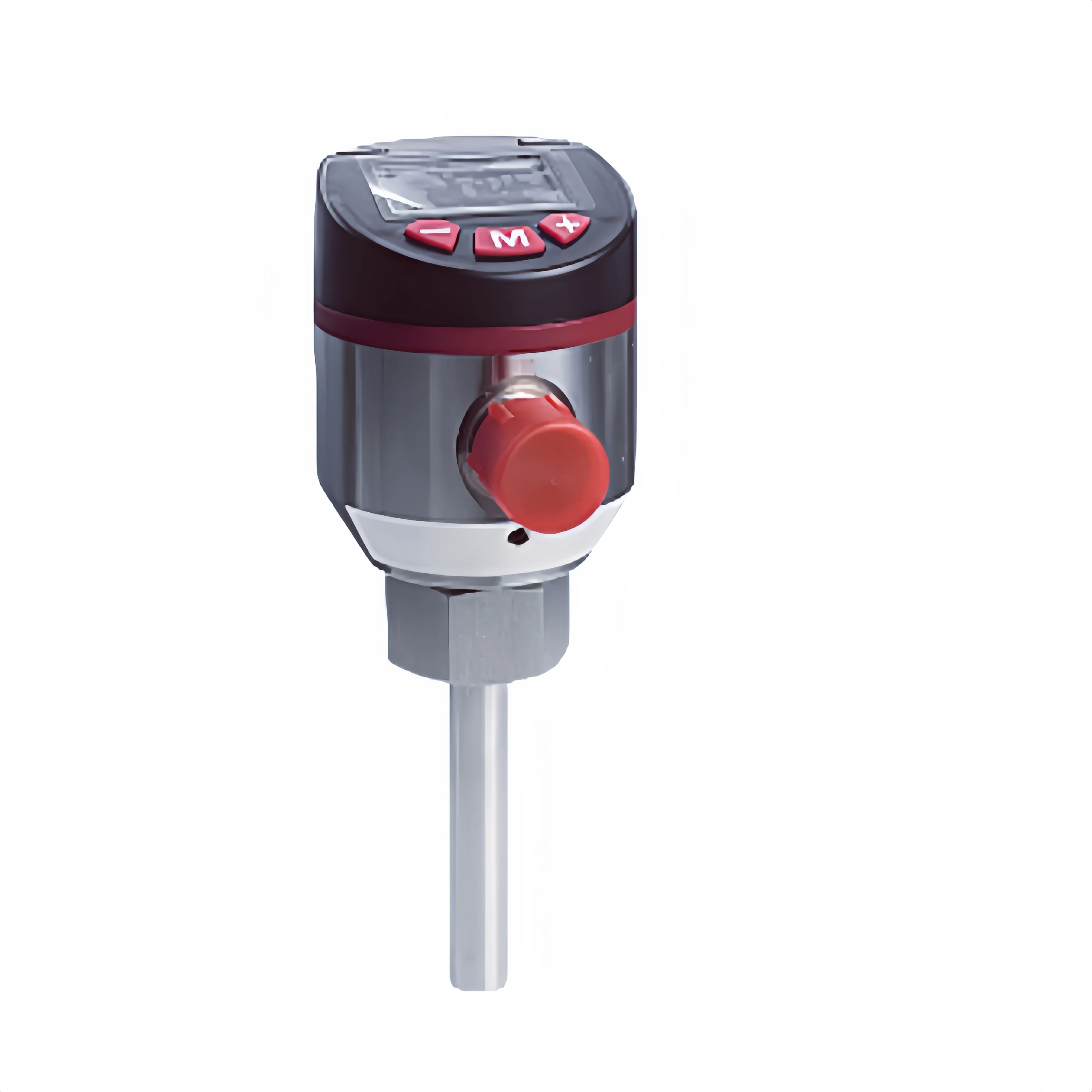
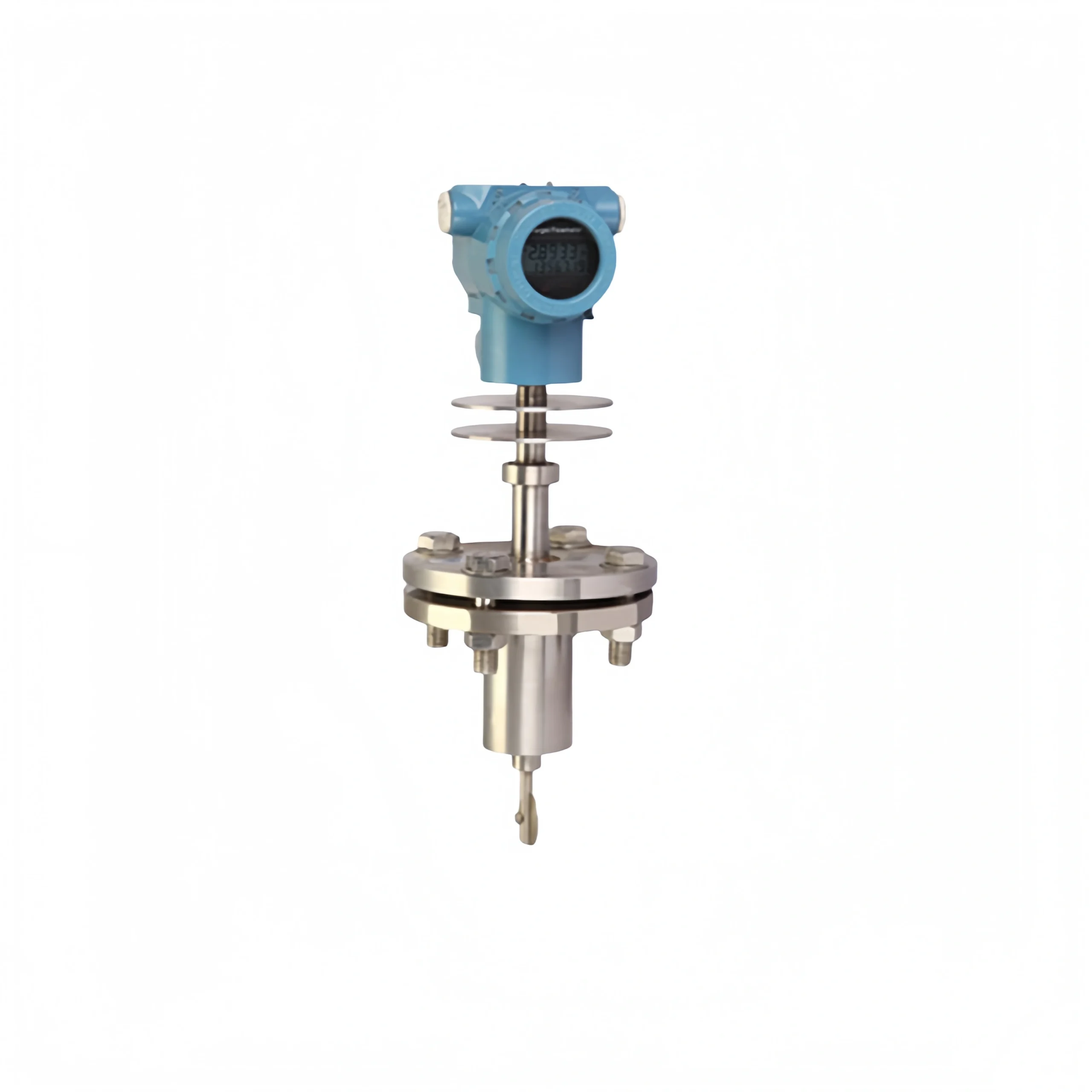
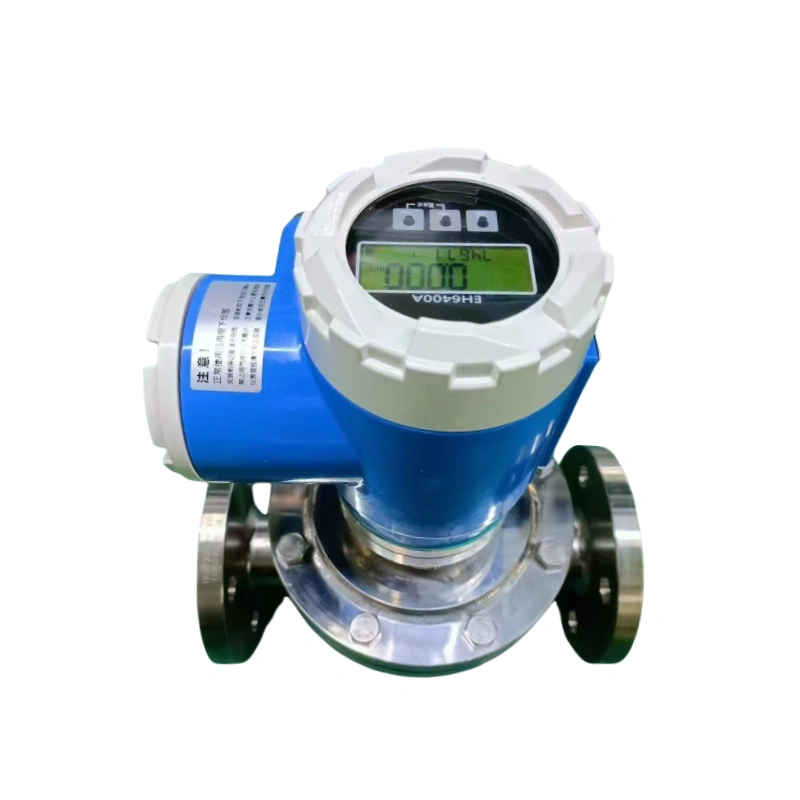
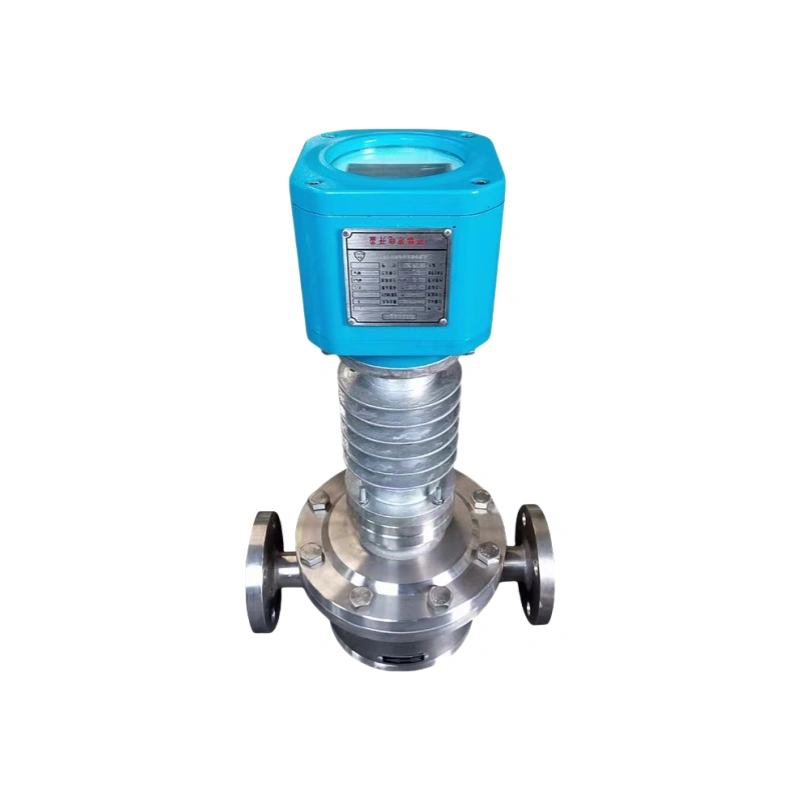
Marine fuel flow meter is an instrument used to measure the fuel consumption of ships. It is mainly used to monitor the fuel consumption of ships during operation.
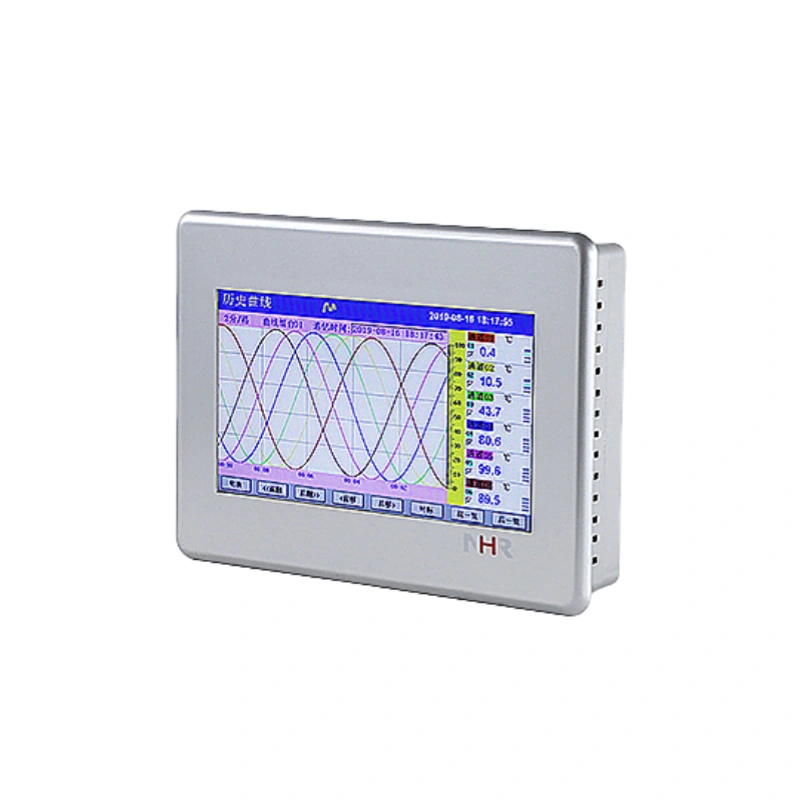
Marine fuel flow meter can accurately measure and reflect the flow of fuel through the display device. Help the crew to understand the fuel usage of the ship in real time. So as to carry out effective management and dispatch.
The design of the ship fuel flow meter needs to consider the special requirements of the ship environment. It usually has the characteristics of explosion-proof, pressure-resistant, and adaptable to a wide temperature range. Ensure long-term and stable operation in the special environment of the ship.
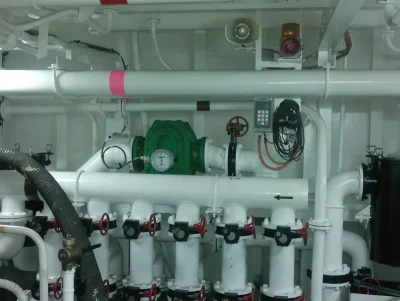
Types of marine fuel flow meters
Fuel flow meters can be divided into many types according to different working principles and application methods.
Including positive displacement flow meters, turbine flow meters, mass flow meters, etc.
Positive Displacement Flow Meters
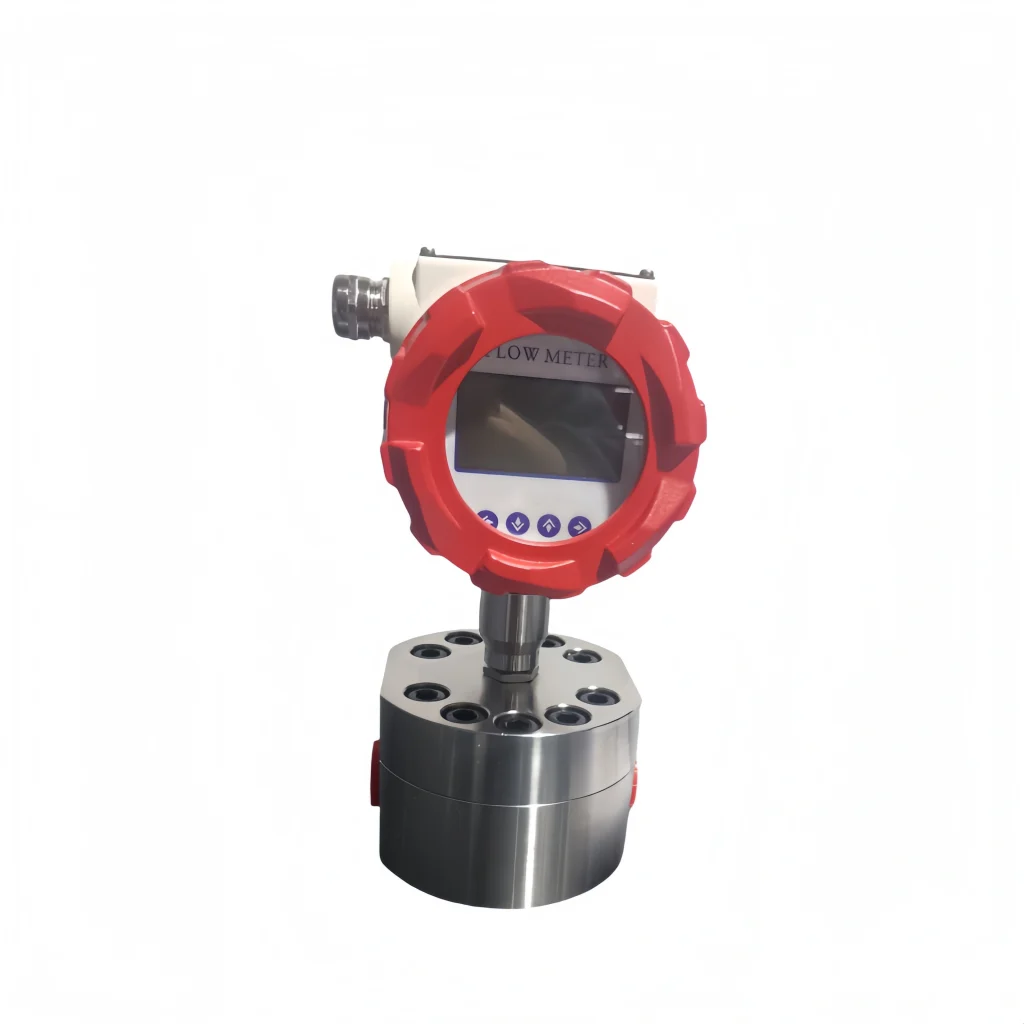
The rotation of two gears is used to measure the volume of the fluid passing through. It is a positive displacement flow meter that uses fluid to drive gears for measurement.
- Designed for accurate measurement of thicker fluids. Such as resins, polyurethanes, adhesives, paints and various petrochemical products.
- Easier installation, no straight pipe required.
- High measurement accuracy. Generally, the measurement accuracy of PD flowmeter can reach 0.5% and 0.2%.
- Optional power supply No power supply required. Or connect external power supply to support signal output.
- Customizable for high temperature, extremely low temperature, high pressure and other measurements.
- There are many optional materials. Such as cast iron, cast aluminum, stainless steel, etc. The application range is wider.
No straight pipe section is required for installation.
Common Positive Displacement Flowmeters
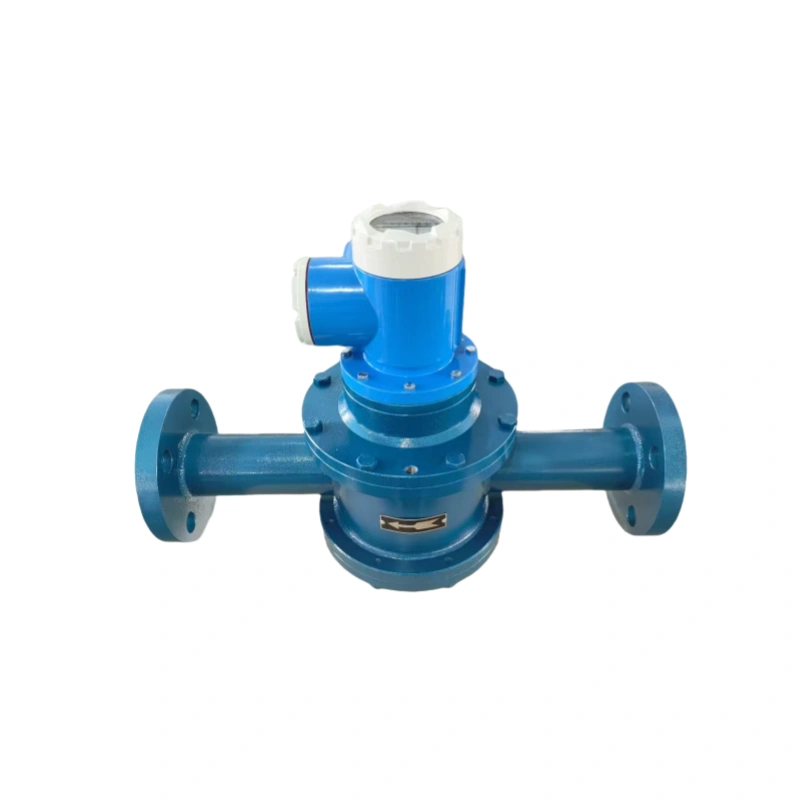
Positive displacement flowmeters measure flow by continuously dividing a fixed measuring chamber into volumes. Depending on how they’re set up inside and how the meshing is arranged, there are a few main types, like oval gear flowmeters, helical gear flowmeters, spur gear flowmeters and spiral gear flowmeters.
Elliptical gear flowmeters use a pair of elliptical gears that mesh and rotate under fluid pressure. This means they fill and discharge the cavity between the teeth at regular intervals to measure the volume of fluid that’s flowing through them.
Helical gear flowmeters have an inclined meshing gear structure, which makes them smoother and more efficient, and they can measure the flow of fluid through a sealed chamber formed by the rotating gears.
Spur gear flowmeters use a pair of standard cylindrical gears that mesh and rotate. The fluid drives the gears, conveying a fixed volume of medium with each revolution. This makes them simple to understand and reliable.
Helical gear flowmeters use gears with helical tooth profiles, which provide greater operational continuity and reduced pulsation. This makes them suitable for precision measurement scenarios requiring high flow stability.
Sino-Inst mainly produces and supplies volumetric flow meters: oval gear flow meters, spur gear flow meters, etc.
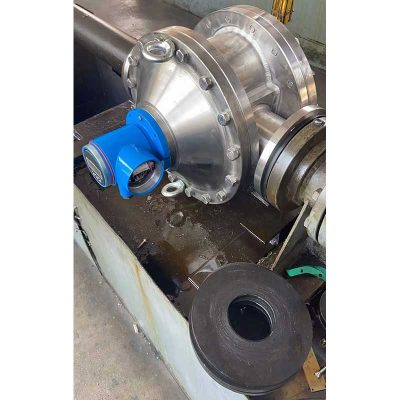
Turbine flowmeters
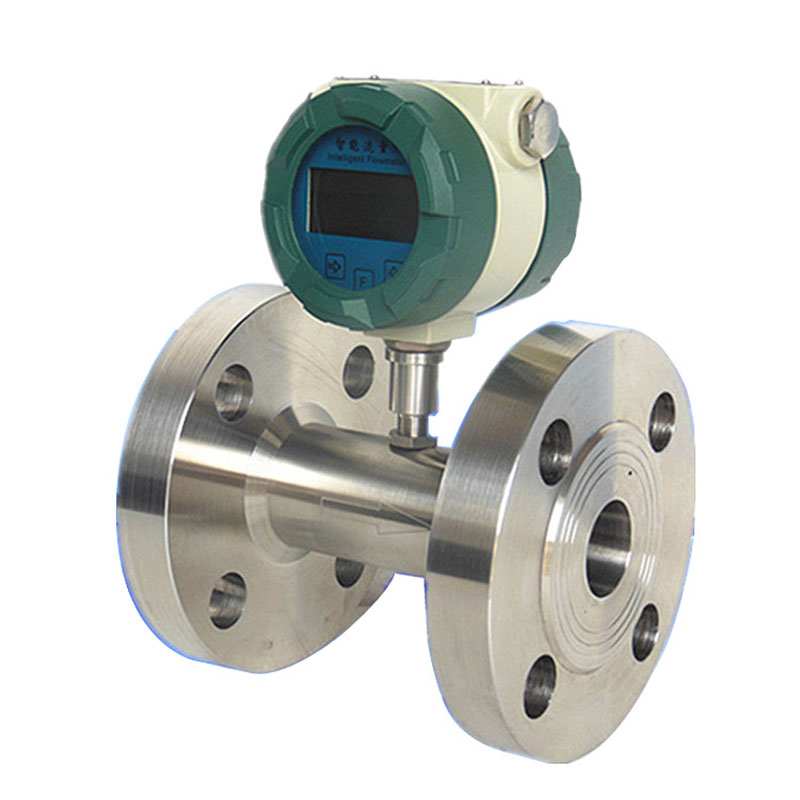
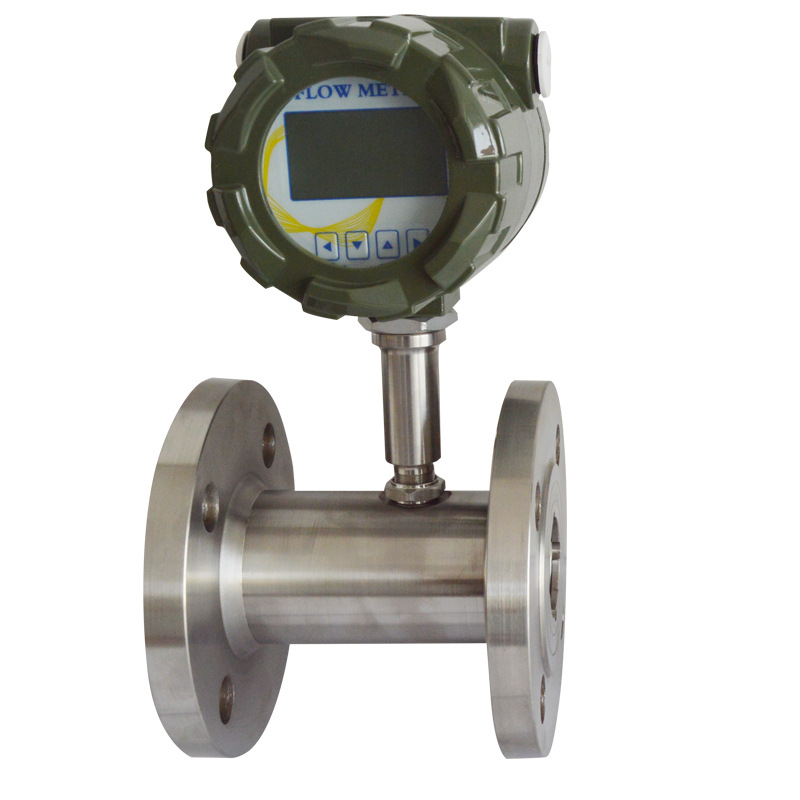
Turbine flow meter is suitable for liquid or gas flow measurement.
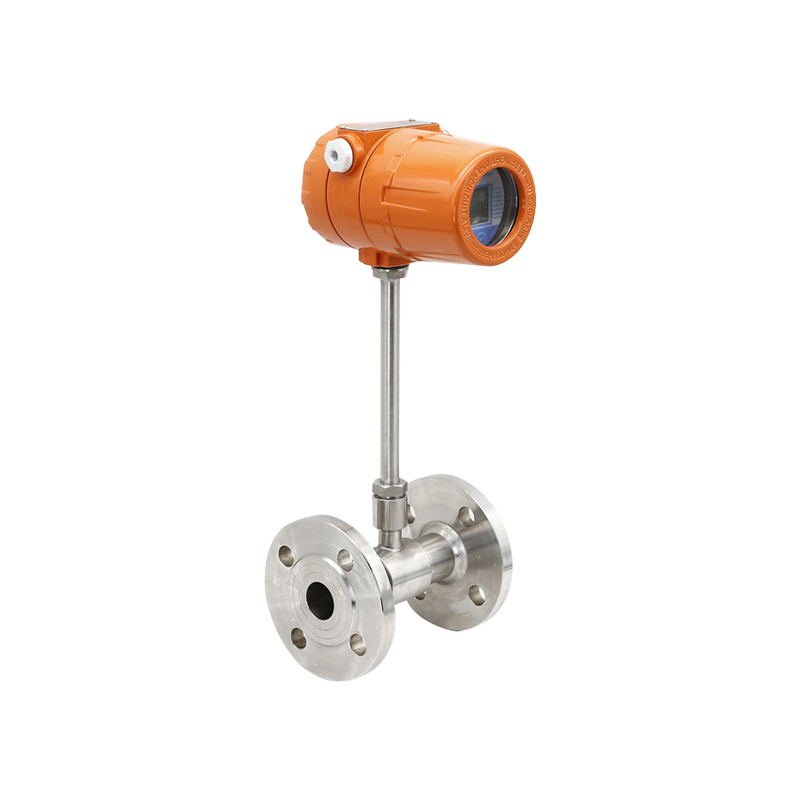
In a turbine flow meter, the fluid flowing through the sensor housing makes an internal turbine rotor with blades rotate. The rotational speed is directly related to the average speed of the fluid. The rotor then cuts through a magnetic field, generating regular electrical signals. After being processed by a transmitter, these signals show both the instantaneous and cumulative flow rates. This means that clean, low-viscosity liquids (such as fuel) can be measured exactly.
Obtain accurate, cost-effective and reliable flow measurement!
- High accuracy. The measurement accuracy of liquid turbine flowmeters can generally reach ±1%R, ±0.5%R; the accuracy of gas turbine flowmeters can generally reach ±1%R, ±1.5%R;
- Wide range ratio, 10:1~20:1;
- Compact and lightweight structure, easy installation and maintenance, large flow capacity;
- Suitable for high voltage measurement;
- There are many types of special sensors, which can be designed according to the special needs of users. For example, low-temperature type, two-way type, underground type, sand mixing special type, etc.;
- Can be made into an insert type, suitable for large-caliber measurement. Small pressure loss and low price. Can be taken out continuously, easy to install and maintain.
Sino-Inst provides turbine flowmeters including liquid turbine flowmeters and gas turbine flowmeters.
Liquid turbine flowmeter made of all stainless steel, can be used for clean, low viscosity liquids;
Turbine flowmeters made of all PTFE can be used to measure all corrosive liquids such as acids, alkalis, and salt solutions.
Other parameters such as pressure, temperature, connection size, etc. can be customized.
Gas turbine flowmeters are mainly used to measure the instantaneous flow and cumulative flow of general clean gases.
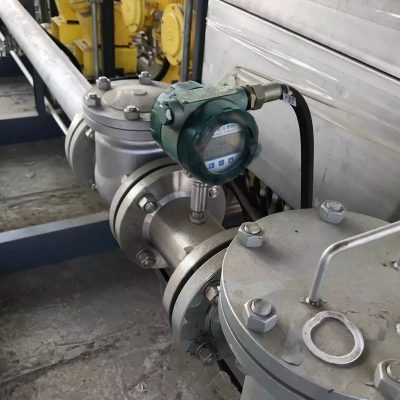
Top Coriolis Mass Flow Meters
For liquids and gases, it can accurately measure the mass flow of fluids flowing through pipes.
We Sino-Inst mainly produce and supply two types: Coriolis mass flow meter and thermal mass flow meter.
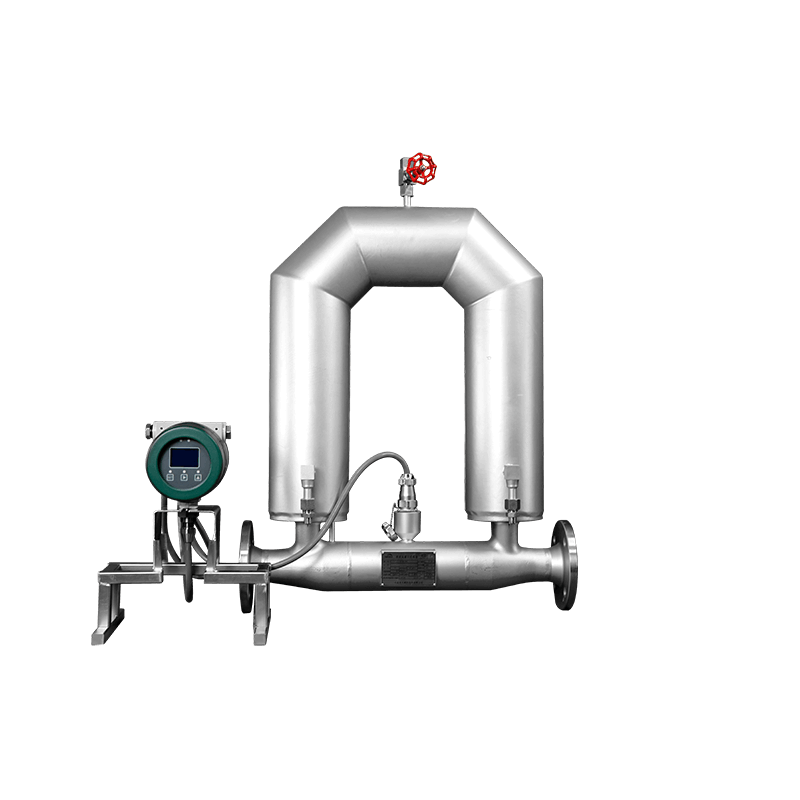
Coriolis mass flowmeters work by getting a fluid to flow through a vibrating measuring tube. This makes the tube twist or shift phase, which is how the Coriolis effect works. By detecting this vibrational phase shift, we can calculate the mass flow rate of the fluid directly. Also, you can measure the fluid’s density and temperature at the same time, which makes the measurements really accurate without needing to adjust for the temperature or pressure.
Thermal mass flow meters operate on the principle of heat transfer. They heat the fluid via a sensor and measure the temperature difference or change resulting from the heat carried away by the flowing fluid. Based on the relationship between heat loss and the mass flow rate of the medium, the mass flow rate of the fluid is calculated directly. The measurement is unaffected by fluctuations in temperature or pressure, making it particularly suitable for monitoring the flow of gases and media with low flow rates.
- Direct mass flow measurement;
Coriolis mass flowmeter can directly measure mass flow, density and temperature; - No pressure or temperature correction required;
- Large measurement range: Coriolis meter can measure DN3~DN250;
- Can measure conventional fluids, various slurries, high-viscosity fluids, suspensions, etc.
- Coriolis mass flowmeters include conventional type, heating jacket type, high temperature type, etc.
- Low installation requirements. No requirements for upstream and downstream straight pipe sections.
Sino-Inst’s Coriolis mass flowmeter is reliable and stable in operation, easy to install and requires little maintenance.
It can measure mass flow, temperature, density and other parameters.
It can display instantaneous flow, cumulative flow, temperature, density locally, and also supports model output.
Optional output: 4~20mA, pulse signal, RS485; Optional communication: MODBUS, HART.
Supports customization of various parameters such as temperature, pressure, interface size, etc.!
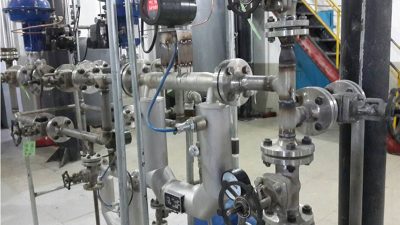
How to select a marine diesel fuel flow meter for boat
Diesel flow meters are a must for ship propulsion systems and fuel management, making sure you’ve got accurate fuel measurement and reliable fuel consumption accounting. When picking a diesel flow meter for a vessel, you’ve got to do a full check, thinking about how it’ll be used, what the liquid is like, where it’ll be installed and what needs to be done.
Accuracy
Accuracy is the core indicator for assessing the performance of a flow meter, directly determining the reliability of fuel consumption and bunkering measurements. The higher the accuracy, the smaller the measurement error, and the greater the reference value of the data.
For everyday stuff like checking how much fuel you’re using each day and moving fuel around in the hold, you’re fine with flow meters that are accurate to within 1.0 or 1.5. But if you need to be really precise, like when you’re switching fuels or measuring trade, it’s better to go for meters with higher accuracy classes. That way, you can avoid arguments about money or how the work was done.
Pressure and Temperature Ranges
When they’re in use, marine fuel pipelines can be subject to pressure and temperature fluctuations, so flow meters need to be able to adapt to these conditions. When picking a model, you’ve got to think about the pipeline’s rated working pressure, the peaks in pressure it can handle, and how diesel fuel’s temperature changes in different areas and conditions.
Just make sure the flow meter can handle the pressure and temperature ranges you need. If the instrument can’t measure accurately or if it doesn’t meet temperature resistance standards, you’ll get inaccurate readings and you might even cause safety problems like equipment damage or leaks.
Materials
The materials used in the flow meter directly affect its service life, measurement stability, and resistance to corrosion and contamination. As ships are constantly exposed to a marine environment characterised by high humidity and high salt spray, and given the oily nature and chemical properties of diesel fuel itself, material selection must balance requirements for oil resistance, corrosion resistance and resistance to ageing.
Typically, the parts of the instrument in contact with the medium should be made of corrosion-resistant materials such as stainless steel, whilst sealing components should utilise oil-resistant rubber or fluororubber to withstand diesel erosion and marine corrosion. Furthermore, depending on the cleanliness of the medium and the presence of impurities, materials with wear-resistant and non-clogging properties should be selected to ensure long-term stable operation.
Price and Performance
Marine diesel flow meters based on different measurement principles can differ a lot in terms of performance and price. When picking a model, you should make sure it can do the basics, like being accurate, pressure resistant, not rusting and being explosion-proof.
But you should also check the measurement range, how fast it is, how long it will last and how much it will cost to maintain. When it comes to choosing products, it’s best to go for ones that are right for the job, stable and reliable, and offer better value for money. Steer clear of low-quality, low-cost options or ones with too much functionality.
Other Considerations
In addition, selection should involve a comprehensive assessment of instrument performance, fluid characteristics, installation conditions, environmental factors and economic costs. Particular attention should be paid to vibration resistance, immunity to interference and whether the signal output is compatible with the vessel’s systems.
Select an appropriate structure based on the diesel’s viscosity and impurity levels, whilst taking into account on-board installation space, vibration, salt spray and other operating conditions, and balancing procurement, installation and subsequent maintenance costs.
In summary, the selection of a ship fuel flow meter is a process of comprehensive consideration of multiple factors, the purpose of which is to select the flow meter that best suits actual needs and the use environment.
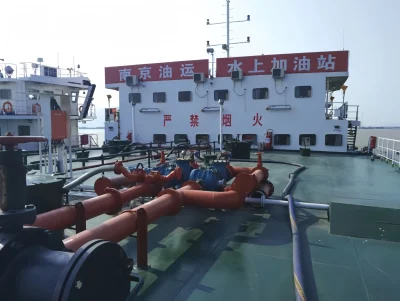
Sino-Inst is all about marine fuel flowmeters. We do the research, development, manufacturing and supply of a bunch of different ones, like oval gear flowmeters, turbine flowmeters and Coriolis mass flowmeters, and a bunch of others too.
These products are designed to meet the requirements of various applications, including monitoring main engine fuel consumption and measuring fuel bunkering and in-tank transfers. They are built to withstand tough marine conditions, including high vibration, salt fog, explosion-proof requirements and wide temperature ranges.
Should you require assistance with flow meter selection, technical specification confirmation, customised solutions or procurement, please do not hesitate to contact us. We are committed to providing professional technical support and a comprehensive, one-stop service.