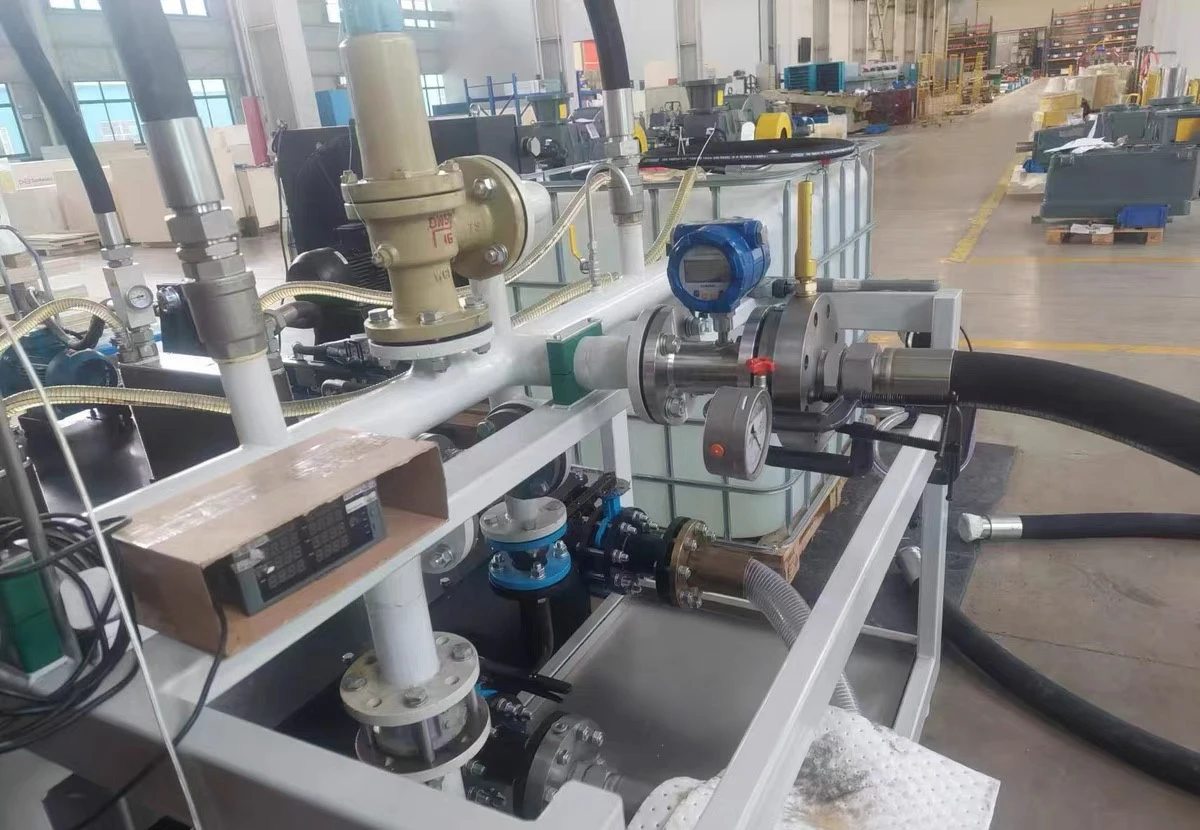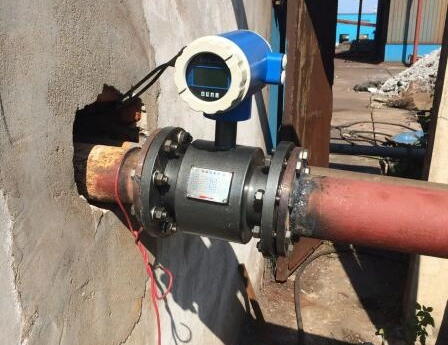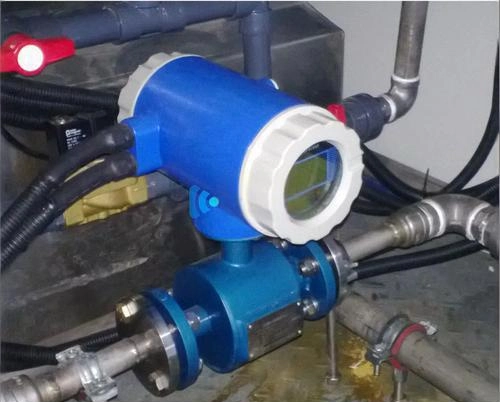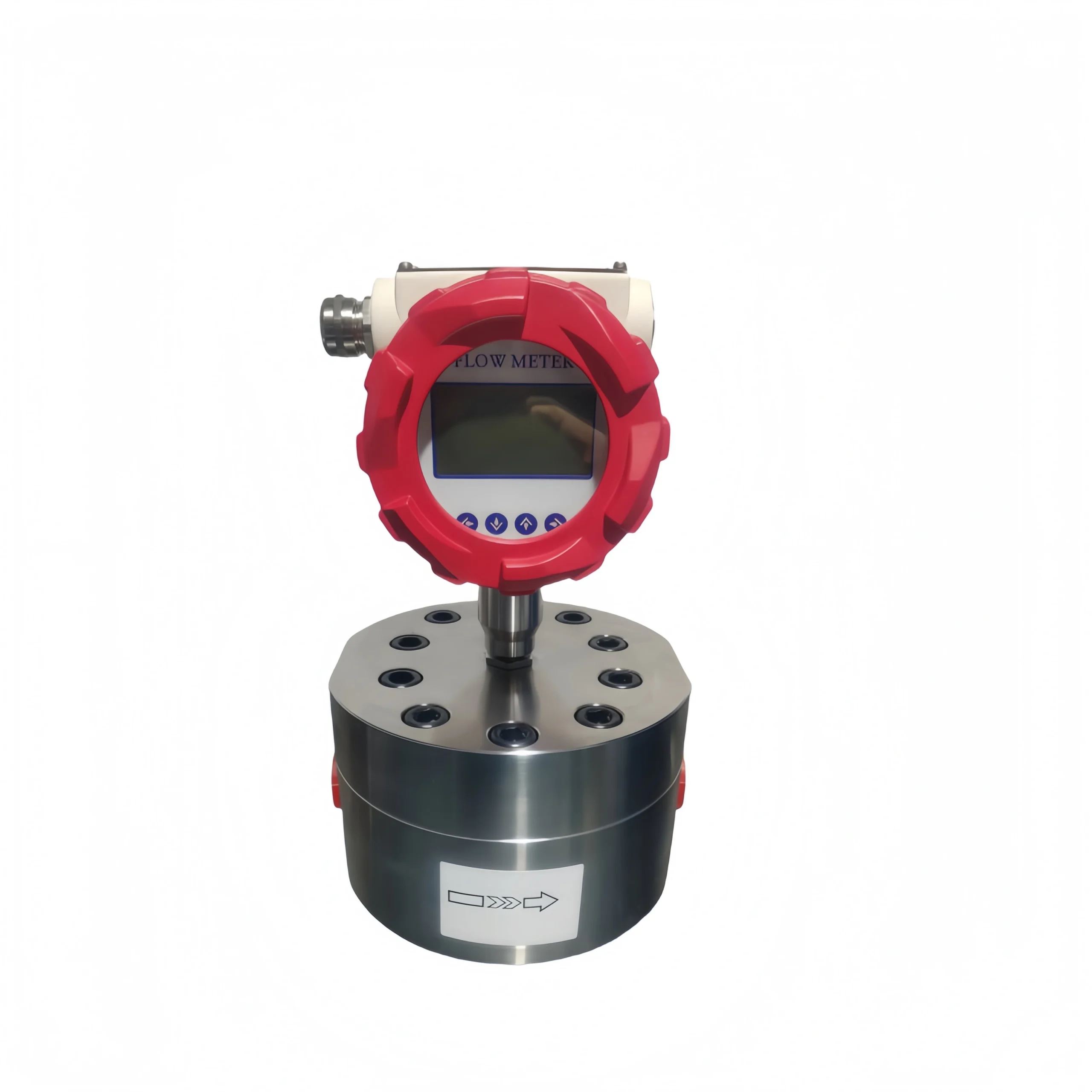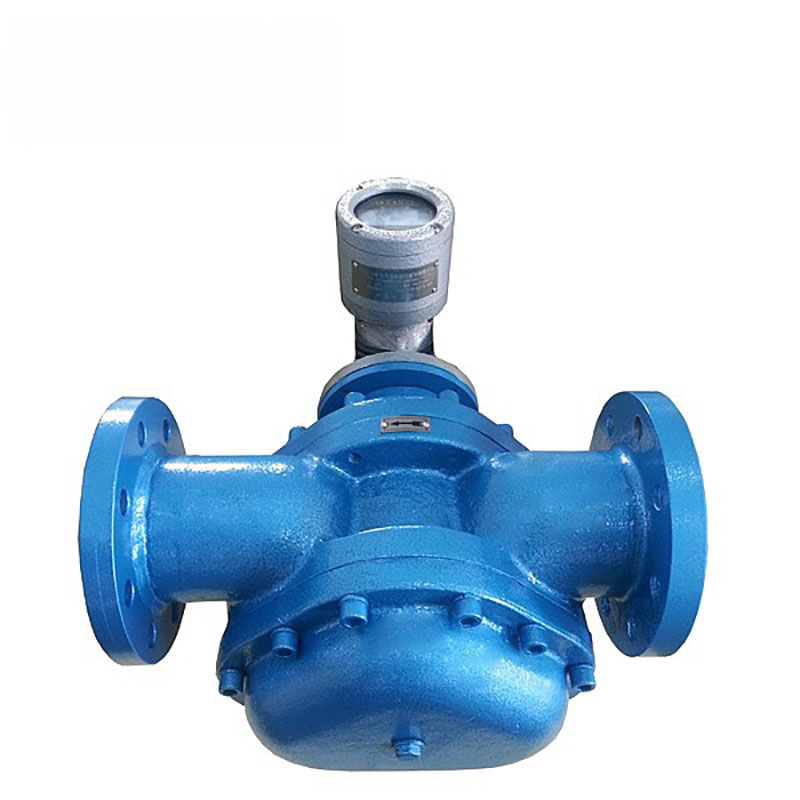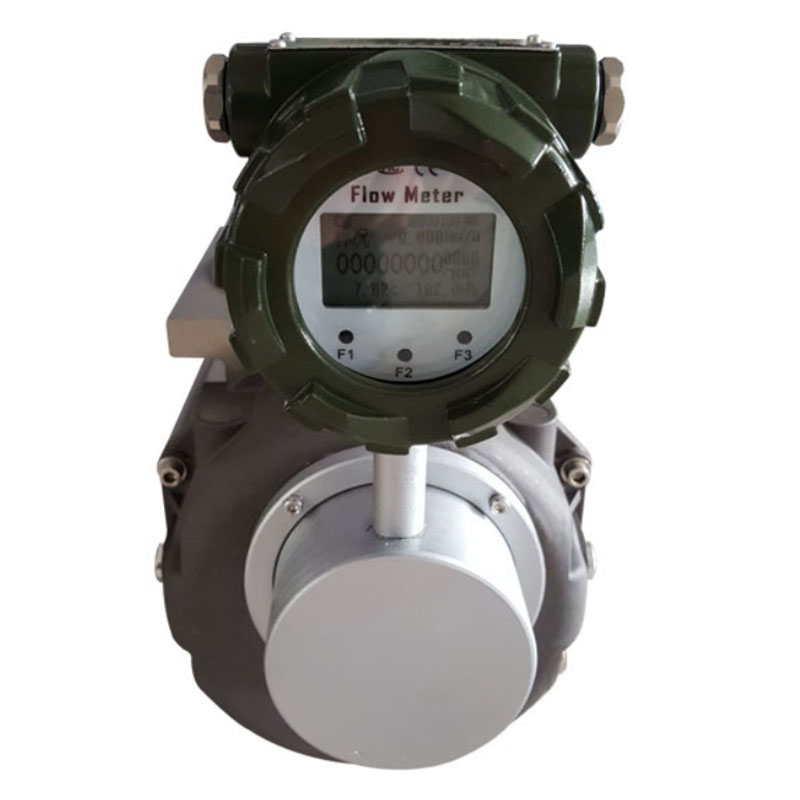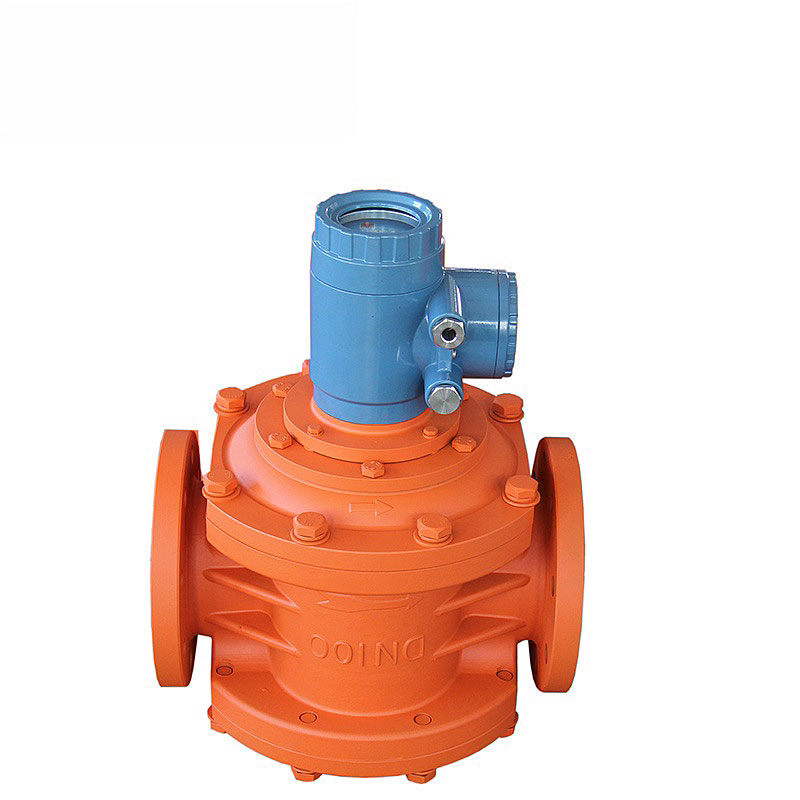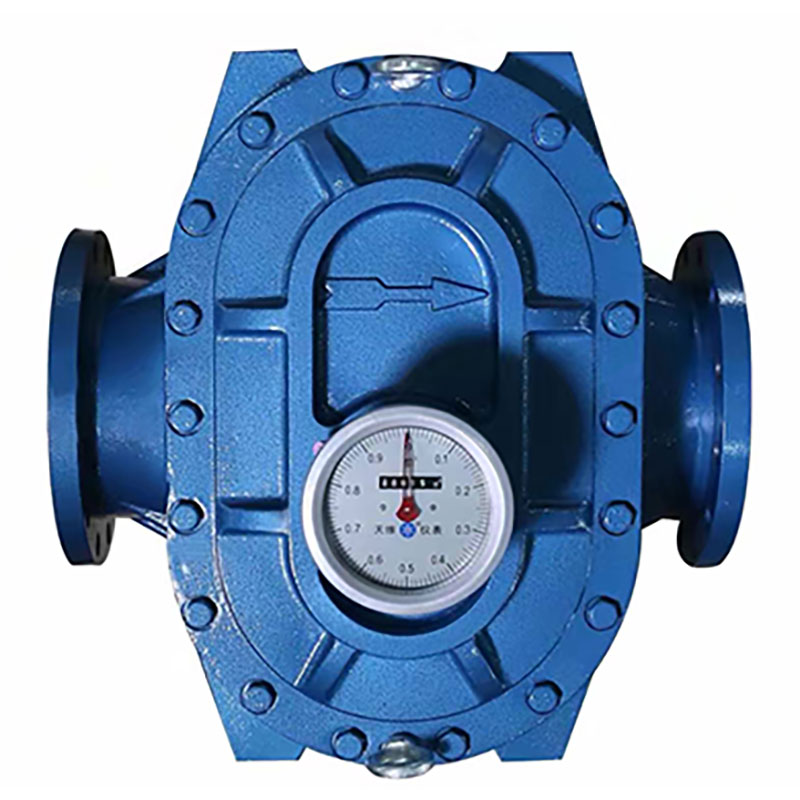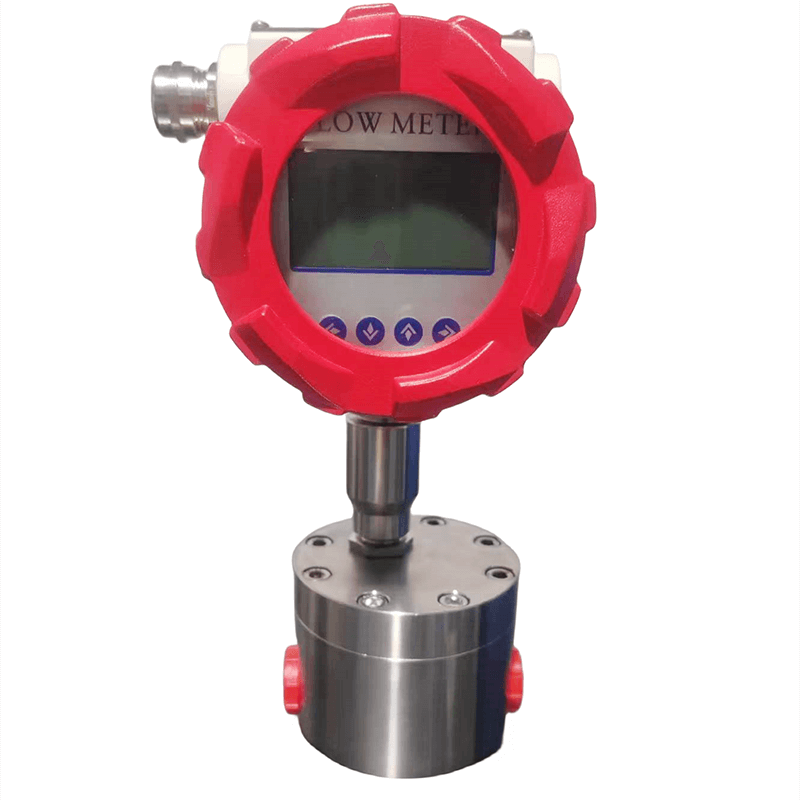
In industrial oil transfer and metering applications, mechanical oil flow meters operate reliably thanks to their purely mechanical transmission structure; they require no power supply and offer high explosion-proof performance.
Based on the positive displacement principle, they accurately measure the flow rate of various types of oil and are suitable for a wide range of industrial operating conditions, making them a core piece of equipment for industrial oil metering.
What is a Mechanical Flow Meter?
A mechanical flow meter is an instrument that measures flow rate by utilising the kinetic energy of the fluid to drive the movement of internal mechanical components. As the fluid flows through the meter, it drives components such as impellers or gears to rotate; the frequency of this movement is in a fixed ratio to the volumetric flow rate of the fluid.
This signal is transmitted via a drive mechanism to the meter head, where the cumulative flow rate can be read directly; some models can convert this signal into an electrical signal for remote transmission.
This type of flow meter requires no external power supply, has a simple structure and is easy to maintain; it is commonly used to measure clean media such as water and oils.
However, as it contains moving parts subject to friction, it is susceptible to wear and jamming caused by impurities, which can affect measurement accuracy. Consequently, it is not suitable for fluids with high viscosity, high flow rates, high corrosion levels or those containing impurities.
Mechanical Oil Flow Meters
Mechanical oil flow meters are mechanical flow meters specifically designed for measuring oil. They rely on the flow of oil to drive the operation of internal mechanical components such as gears and pistons; the number of movements of these components is directly proportional to the volume of oil flowing through.
The cumulative oil volume is read directly via a mechanical dial, and some models can output signals for remote transmission. They require no power supply, have a simple structure, and are suitable for clean oils such as diesel and petrol.
Advantages of Mechanical Flow Meters for Oil Measurement
1. Built for oil measurement, these meters rely on rotating mechanical parts to get the job done. No external power is needed, so they keep running on their own in the field—ideal for remote sites or hazardous areas where power cuts would knock out electronic units.
2. These meters handle viscous fluids like oil well, staying accurate in medium-to-high viscosity ranges. Since they don’t depend on the fluid’s electrical properties, the oil doesn’t have to be conductive to get a reliable reading.
3. The design is straightforward. Internal parts come apart easily for servicing, so troubleshooting is quick and routine upkeep stays cheap. You won’t need complicated setup or calibration routines.
4. Accuracy holds steady with solid repeatability, which is why they work well for custody transfer and oil loading where precise tallying matters. A mechanical counter gives you the total flow right off the dial—no extra signal converters required downstream.
5. They’re tough against interference. Small EM disturbances and pipeline vibrations won’t throw off the readings. And if the oil carries some particulate matter, these mechanical units hold up better than electronic alternatives.
6. They run across a broad temperature and pressure span, handling hot, high-pressure oil lines without issue. That makes them fit for demanding jobs like industrial fuel delivery and refined product pipelines.
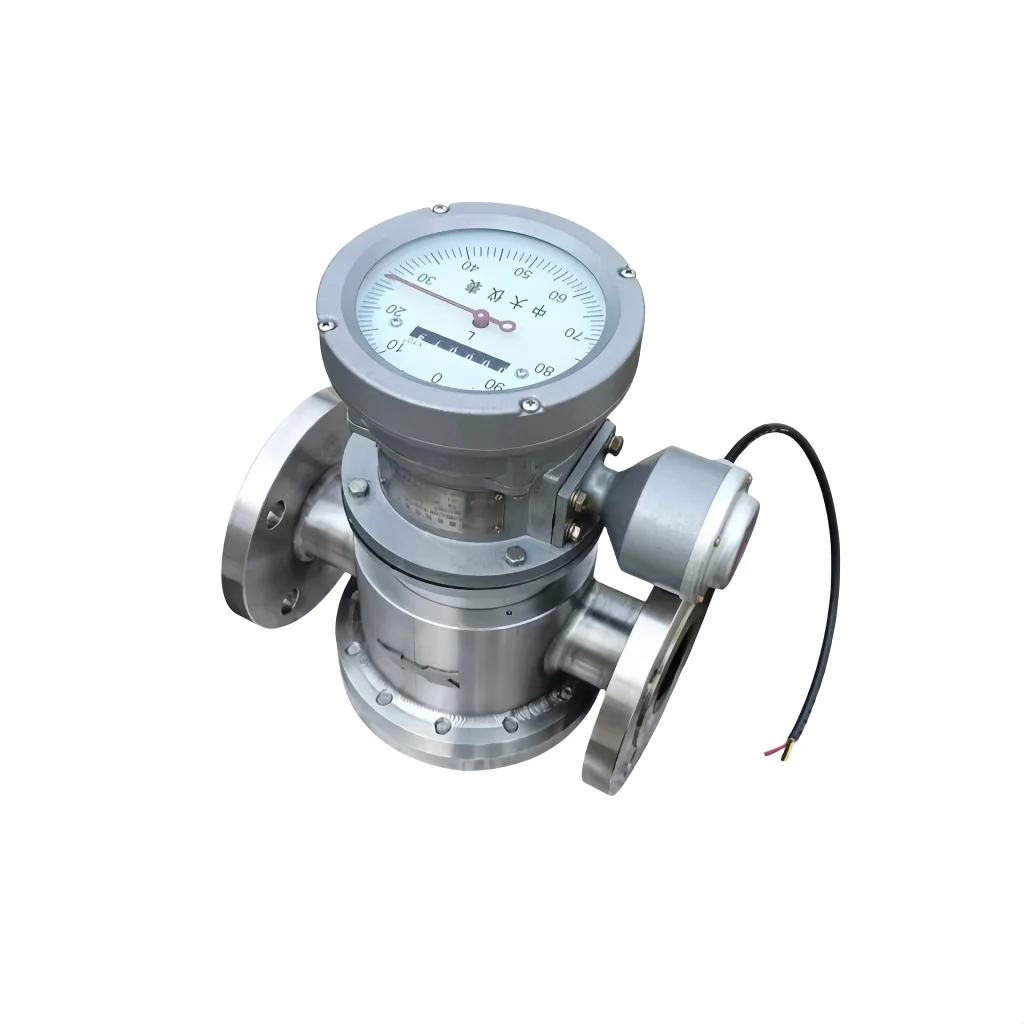
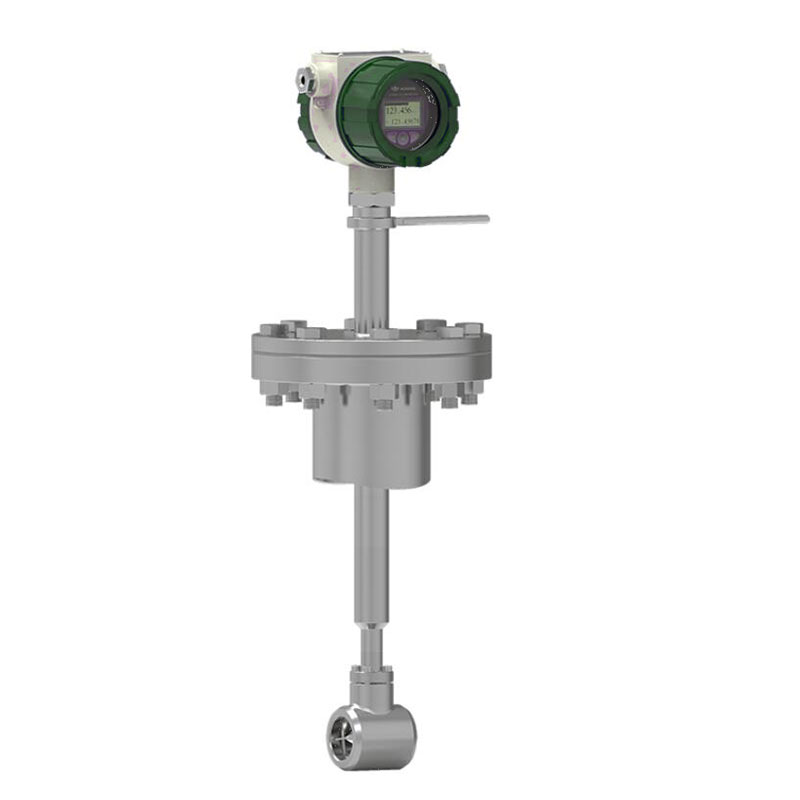
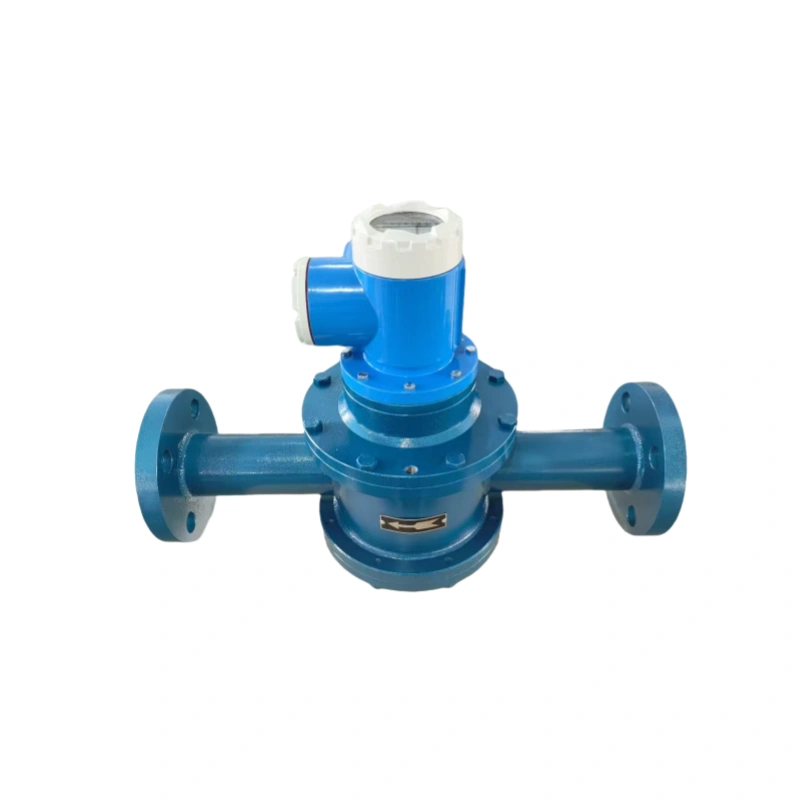
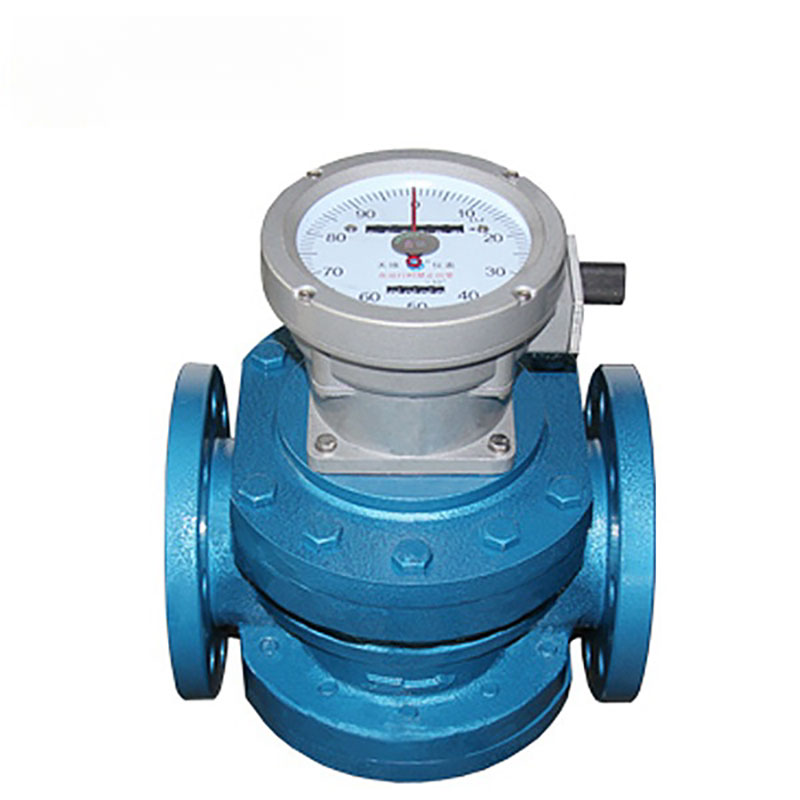
Common mechanical oil Flow Meter
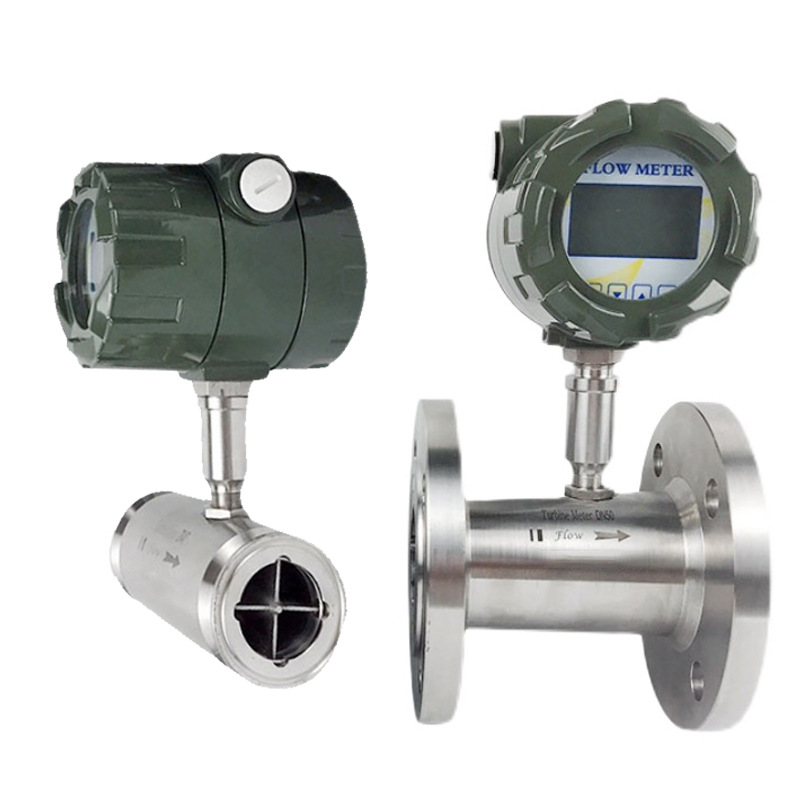
Turbine Flow Meter
Principle of operation:
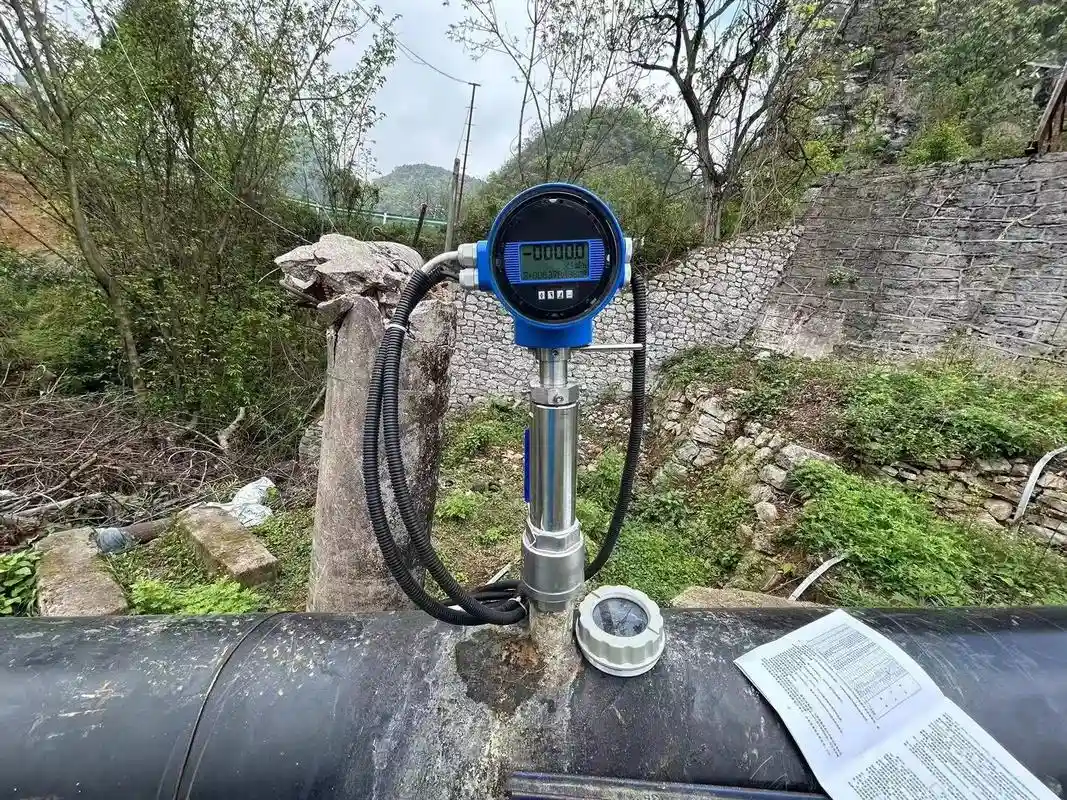
As fluid passes through the meter’s internal pipe, the stream strikes the turbine blades and drives the rotor. Within the calibrated range, the turbine spins at a speed that tracks directly with the actual volume moving through.
Pickup sensors read that rotation frequency, and once the signal is conditioned, you have both the live flow rate and running total—available right on the local display or sent out as an electrical signal to remote systems.
Advantages
1. Extremely fast response time and high sensitivity to instantaneous flow rate changes, making it suitable for continuous oil transfer and dynamic flow monitoring applications.
2. Low pressure loss, causing no significant impact on the overall pressure conditions of the oil pipeline, and offering good energy efficiency.
3. Wide measurement range, accommodating both low and high rated flow rates, and suitable for most light petroleum product transfer applications.
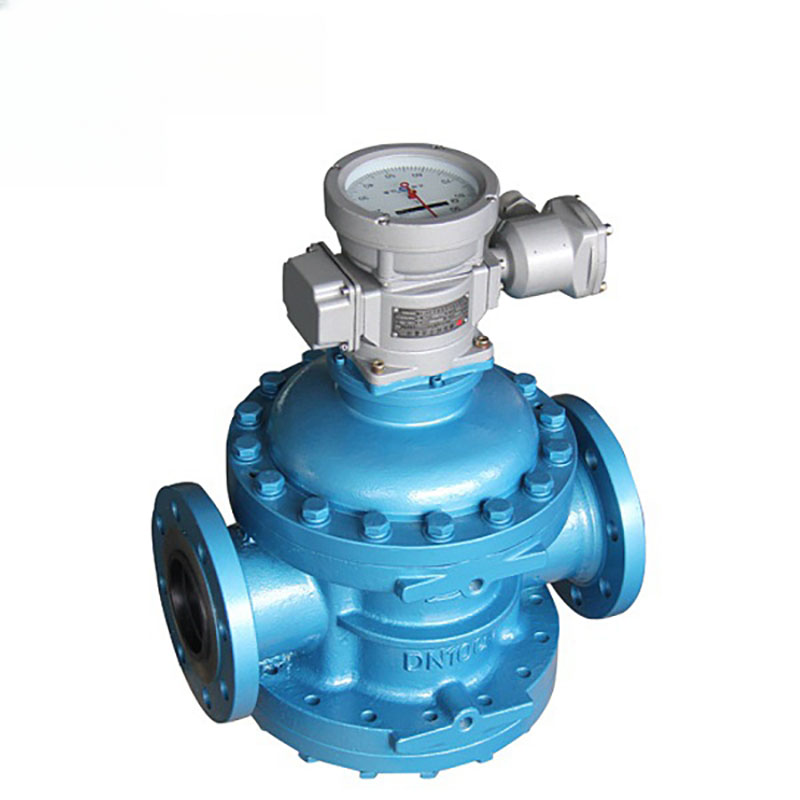
Rotary Lobe (Roots) Flow Meter
Principle of Operation:
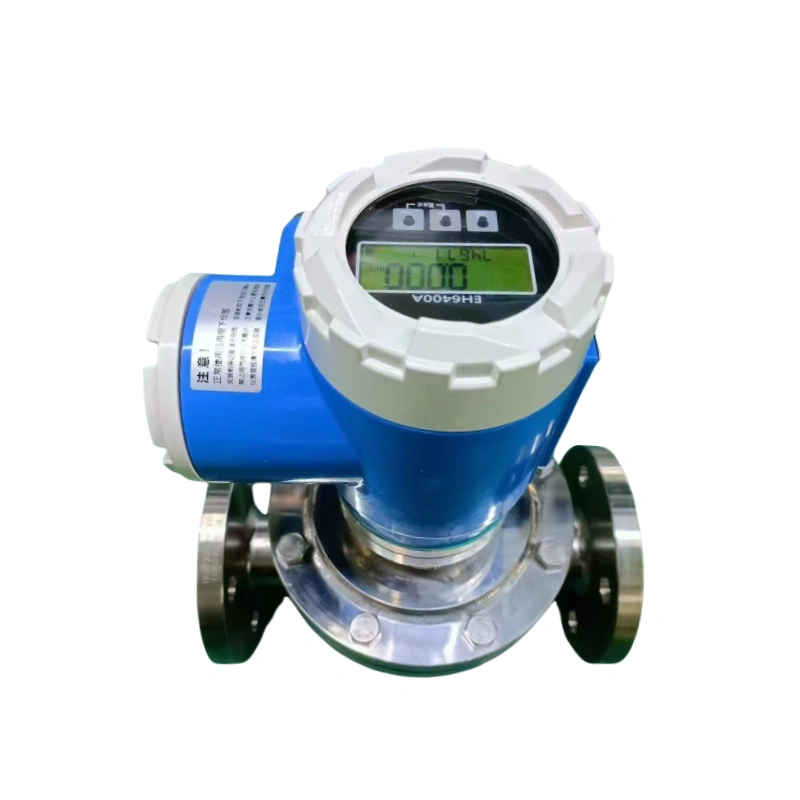
Utilising the pressure differential between the inlet and outlet of the medium pipeline as the driving force, a pair of precisely meshed lobe rotors within the housing are driven to rotate continuously in alternation.
The rotors, together with the flow meter housing and end caps, form multiple sealed metering chambers of fixed volume. With each revolution of the rotors, a fixed volume of medium is discharged; the counting mechanism records the number of revolutions to accurately calculate the cumulative volume of medium transported.
Advantages
1. Exceptionally adaptable to operating conditions, with no strict requirements for upstream or downstream straight pipe sections, resulting in low costs for on-site pipeline modification and installation.
2. Excellent measurement stability for high-viscosity oils; measurement errors are minimal for media such as diesel, lubricating oil and heavy fuel oil, making it the mainstream choice for oil trade handover.
3. Its purely mechanical design lets it run on its own with no external power needed; it is intrinsically explosion-proof and fits high-risk, hazardous environments such as oilfields and chemical plants.
4. It handles flow fluctuations well, keeping measurement accuracy tight even when the flow shifts slightly, and delivers solid repeatability.
Elliptical Gear Flow Meter
Principle of Operation:
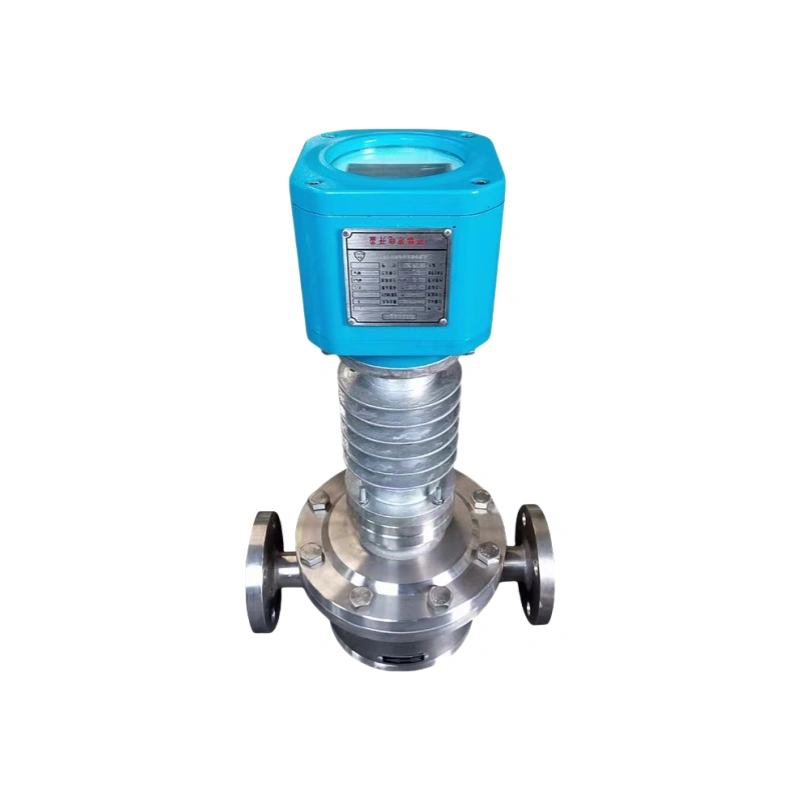
The flow meter chamber houses a pair of meshing elliptical gears, which are driven by the pressure differential between the medium’s inlet and outlet to rotate continuously. As the gears rotate, they form a periodically varying, enclosed metering chamber with the inner wall of the housing.
Each complete meshing rotation discharges a fixed volume of medium; the number of gear rotations is recorded via a transmission mechanism, and this is ultimately converted to the total volumetric flow rate of the medium.
Advantages
1. Exceptional suitability for high-viscosity oils; measurement error actually decreases as viscosity increases, making it suitable for crude oil, lubricating oil and heavy fuel oil.
2. It delivers high accuracy and is not influenced by the fluid’s electrical conductivity.
3. The mostly mechanical construction means you can read it directly on site without electricity.
4. It measures accurately even at low flow rates, holding its precision when throughput is down.
5. Minimal installation requirements; does not require long upstream or downstream straight pipe sections.
Piston Flow Meter
Principle of Operation:
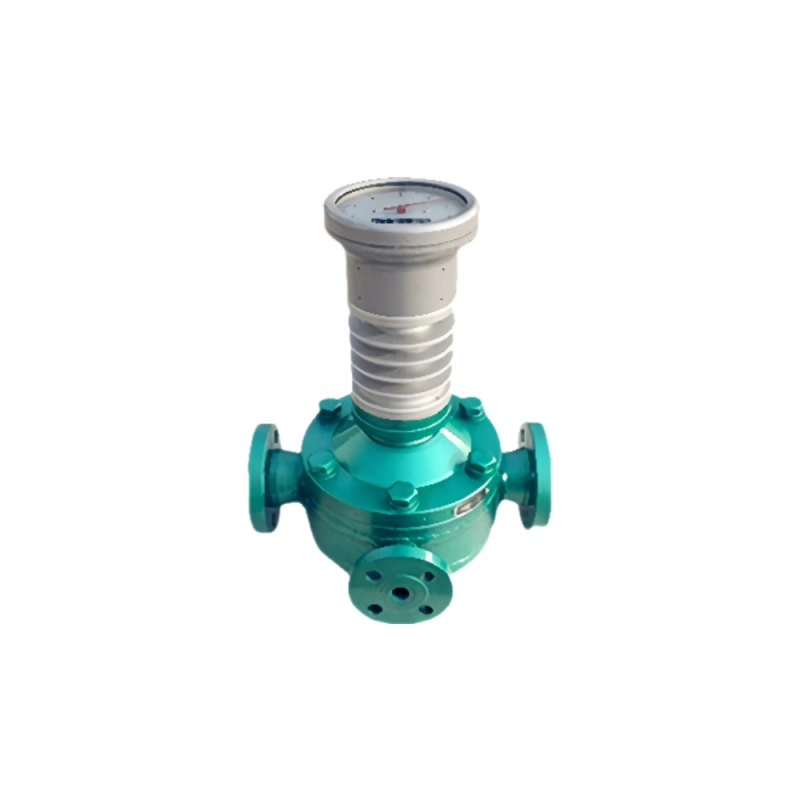
Utilising the medium’s own pressure as the driving force, the piston within the measuring chamber is driven to perform a regular, reciprocating linear motion. Each time the piston completes a full reciprocating stroke, a fixed volume of the medium is discharged.
A mechanical transmission mechanism precisely records the number of reciprocating movements of the piston, and the total volume of oil passing through the flow meter is calculated by accumulation.
Advantages
1. This is the type of mechanical flowmeter with the highest measurement accuracy; it has an extremely low measurement error and is suitable for the precise measurement and filling settlement of high-end oils, fine chemical oils and valuable oils.
2. It is highly resistant to fluctuations in pipeline pressure and interference from impurities in the medium, offering stable adaptability to operating conditions and minimal loss of accuracy over long-term operation.
3. It is suitable for non-continuous flow conditions such as intermittent oil supply, fixed-point filling and intermittent oil transfer, with accurate start-stop measurement free from error.
4. It has a wide viscosity compatibility range, enabling stable measurement of everything from light petrol and kerosene to medium- and high-viscosity lubricating oils.
5. Features a purely mechanical counting mechanism; requires no power supply or signal conversion, resulting in a low failure rate and simple, low-cost maintenance.
Practical Applications
1. Petroleum product trade metering: Handles handover measurement for petrol, diesel and similar products—common at petrol station deliveries and tanker load/unload points. No power needed, and the readout is straightforward, so it works fine off-grid. Buyers and sellers get an accurate volume figure they can both agree on.
2. Industrial lubricant dispensing and control:Used across factory floors for topping up machine tools, heavy plant and construction gear with hydraulic oil, gear oil or engine oil. It keeps tabs on exactly how much each machine takes, stops over- or under-filling, and brings some consistency to workshop oil management.
3. Storage and handling operations in petroleum tank farms:Fits the transfer and measurement of thicker products like fuel oil and heavy oil at small-to-medium depots. It tolerates contaminants well, gives a reliable running total during tank-to-tank moves, and covers the basic metering needs of most tank farms.
4. Vehicle and construction machinery maintenance: A workshop staple for draining and refilling engine oil and hydraulic fluid in lorries, excavators and the like. You get exact control over how much goes in, the unit is simple to work with, and it suits the maintenance schedules of most heavy equipment.
5. Agricultural and farm machinery refuelling: Mobile refuelling rigs in the field rely on these to top up tractors, combine harvesters and similar gear. Running without electricity makes them practical for remote sites with no mains power, and they keep an accurate tally of what the machinery actually burns.
6. Marine fuel measurement:Installed in the fuel lines of smaller vessels to track marine diesel and fuel oil consumption. Onboard electromagnetic noise doesn’t bother it, so it logs usage steadily throughout the voyage, helps you keep an eye on how the plant is running, and doesn’t demand much maintenance.
7. Fuel supply and metering in industrial and mining outdoor environments: Suitable for mobile fuel supply equipment in mines and outdoor construction sites, supplying fuel to construction machinery. Thanks to its lack of electronic components, dust resistance and ability to withstand harsh environments, it enables fuel metering and control in outdoor operating conditions.
How to Select a Suitable Mechanical Fuel Flow Meter
Viscosity of the Fuel Being Measured:
Different mechanical flow meters have varying viscosity ranges. For low-viscosity fuels such as petrol and diesel, standard models with oval gears or wafer gears may be selected; for heavy fuel oil and high-viscosity lubricating oils, versions suitable for high viscosity must be chosen, as excessively high viscosity will increase measurement errors.
Flow Range:
Select a model based on the actual operating flow rate of the pipeline. The actual flow rate must fall within the flow meter’s rated flow range; avoid prolonged operation at the maximum flow rate, and do not allow the flow to remain consistently below the minimum flow rate for extended periods, to prevent measurement inaccuracies or accelerated wear.
Condition of medium impurities:
Where the oil contains particles or impurities, models with an anti-contamination design should be prioritised, and a pre-filter should be fitted. In conditions with a high level of impurities, avoid selecting mechanical designs with tight clearances to prevent the gears from seizing and damaging the instrument.
Nominal bore and pressure rating:
Select the appropriate bore size based on the pipe diameter; do not simply match it directly to the pipe diameter, but take flow rate calculations into account. Furthermore, the instrument’s rated pressure must exceed the pipeline’s maximum working pressure to meet the system’s pressure requirements.
Temperature conditions:
The temperature of the oil affects the viscosity of the medium; for high-temperature oils, high-temperature-resistant sealing materials must be selected. Temperatures exceeding the instrument’s operating range may cause seal ageing and drift in measurement accuracy.
Measurement accuracy requirements:
For trade handover and settlement scenarios, a higher metrological accuracy class is required; for internal workshop refuelling and fuel consumption statistics, standard-accuracy models may be selected to balance cost and operational requirements.
Installation and Operating Conditions:
Confirm the installation space and flow direction requirements; some mechanical flowmeters have restrictions on installation orientation. For outdoor, dusty or damp environments, check the enclosure’s protection rating; in situations without a power supply, give priority to purely mechanical readouts, as pulse output functionality is not required.
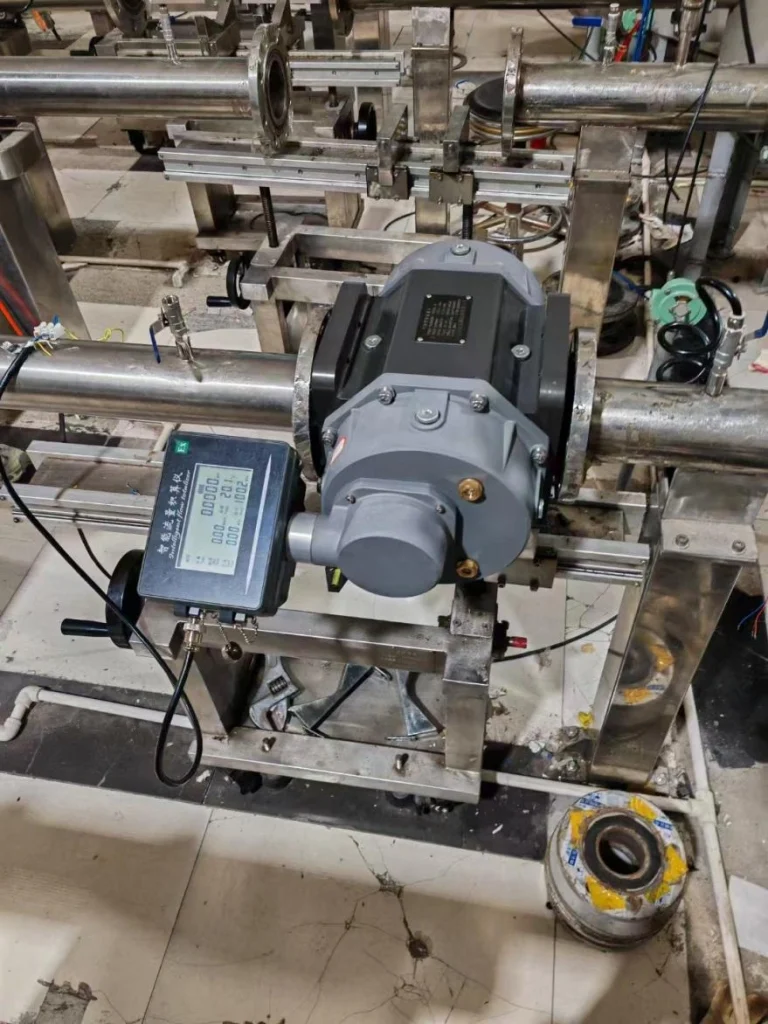
Mechanical oil flowmeters are widely used in various oil metering scenarios due to their advantages of being power-free, explosion-proof and reliable, and suitable for oils of multiple viscosities.
Selecting the appropriate model based on the medium’s viscosity, flow rate, accuracy requirements and operating conditions can effectively ensure measurement accuracy and reduce operational and maintenance costs.
Sino-Inst offers a full range of mechanical oil flow meters, including turbine, wafer, oval gear and piston types, with customisation options available to provide stable and reliable measurement solutions for your oil transfer and metering needs.