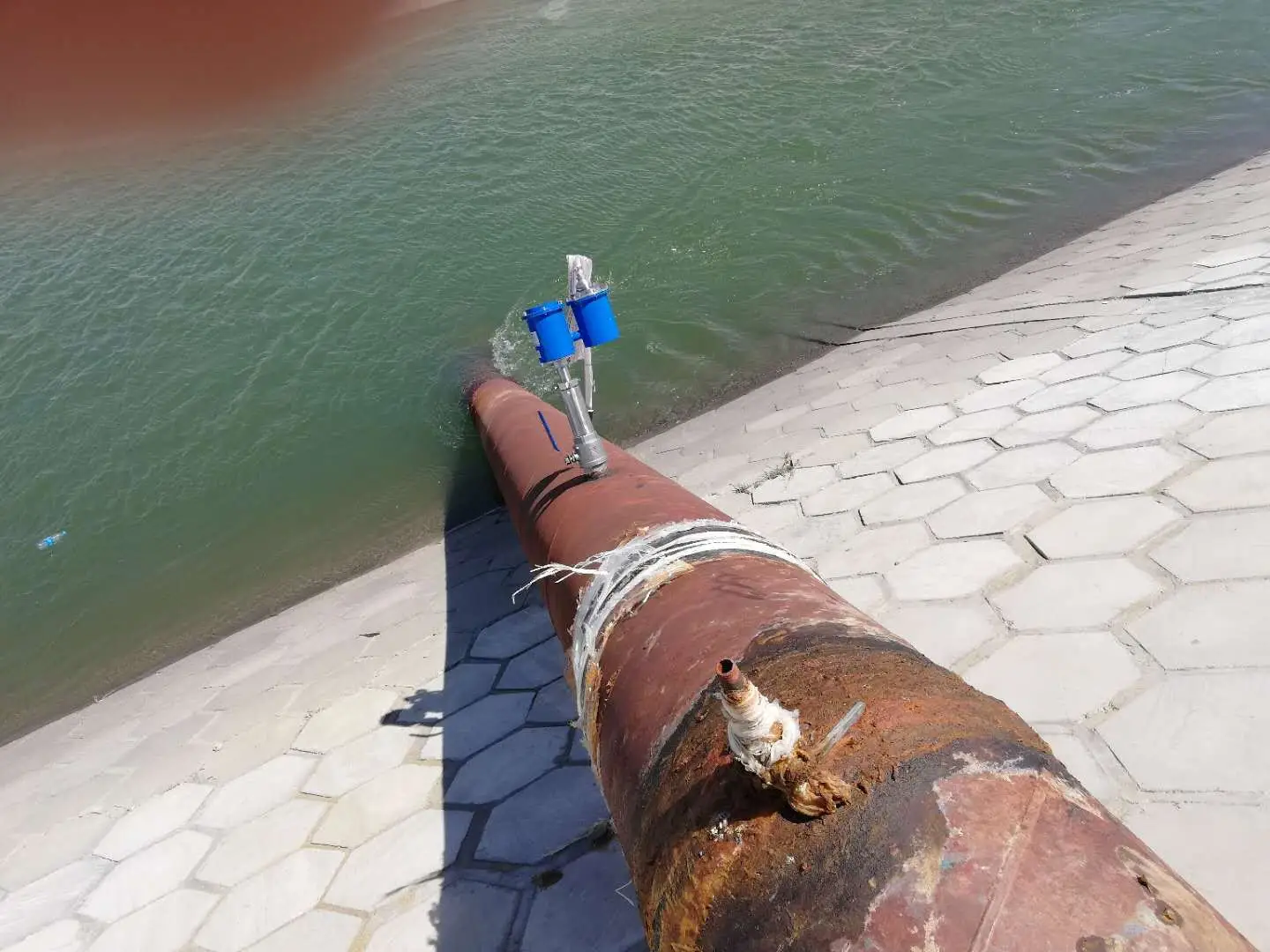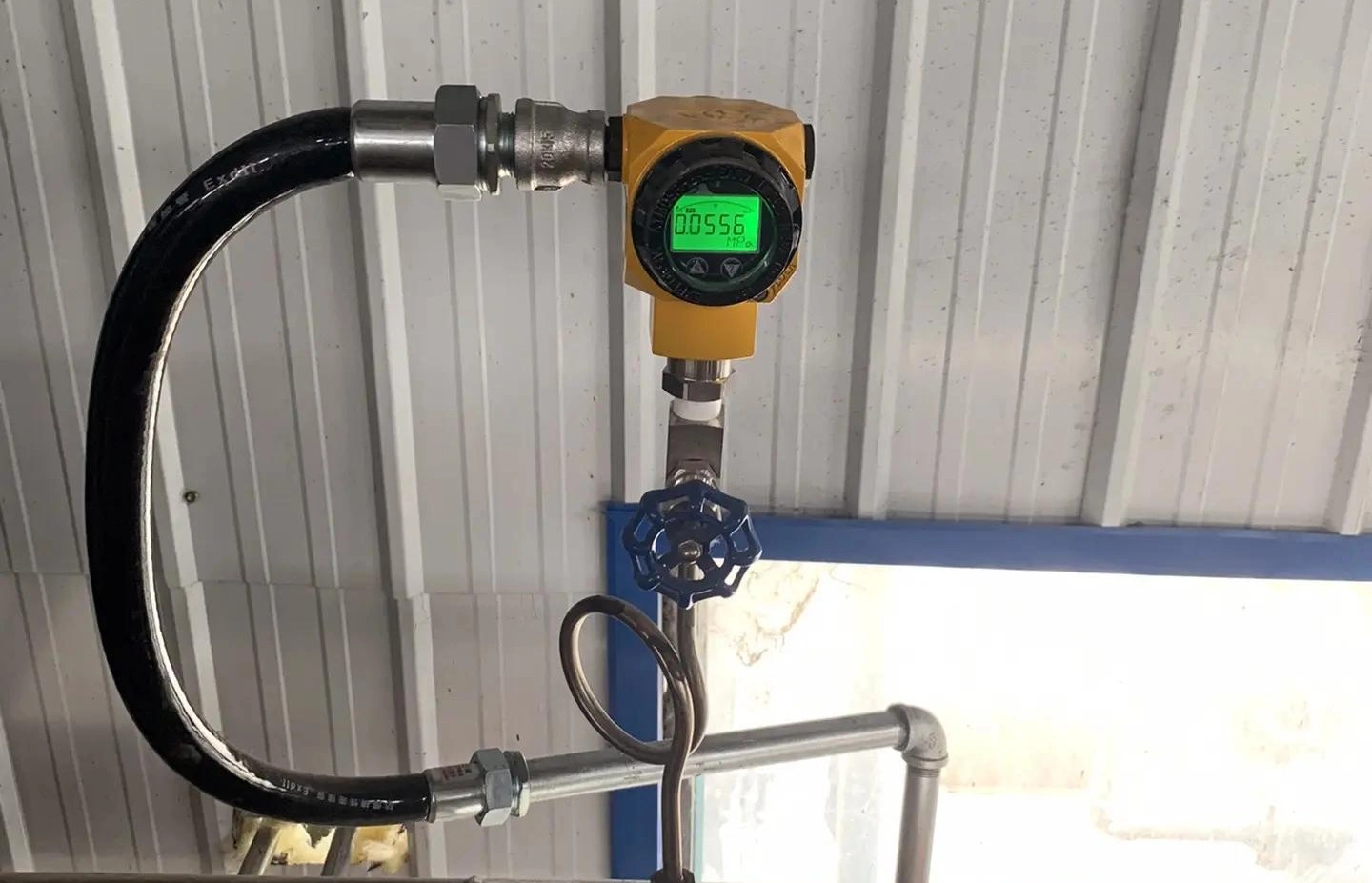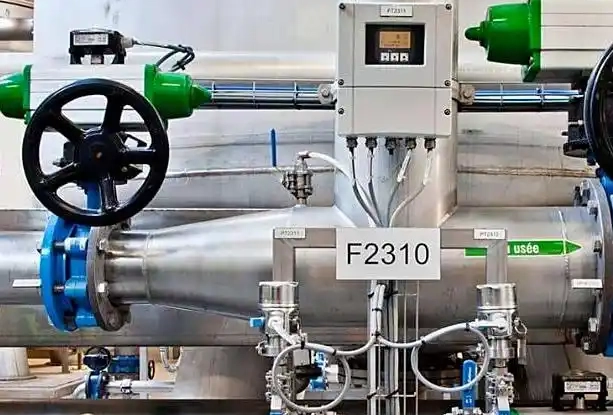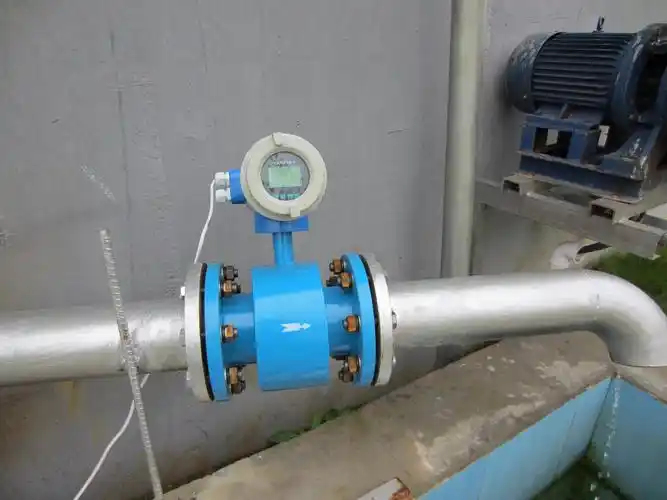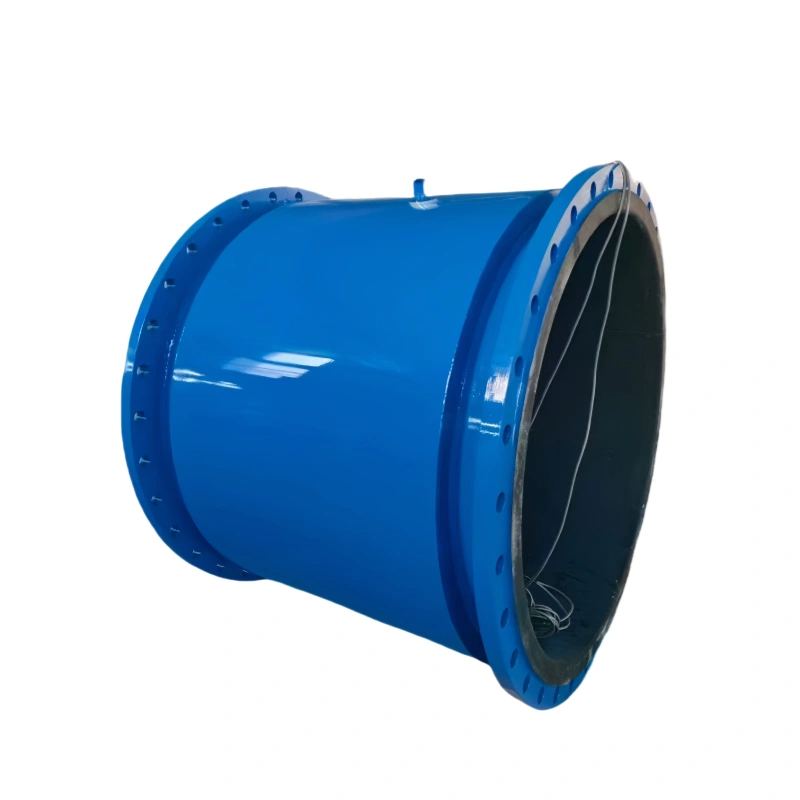
Flow monitoring in large-diameter water systems often faces challenges related to retrofitting and cost constraints. Thanks to their probe-insertion design, insertion flow meter waters can capture flow velocity signals without interrupting the pipeline, making them a key solution for metering in industrial recirculating water systems and water supply networks.
What Is an Insertion Flow Meter?
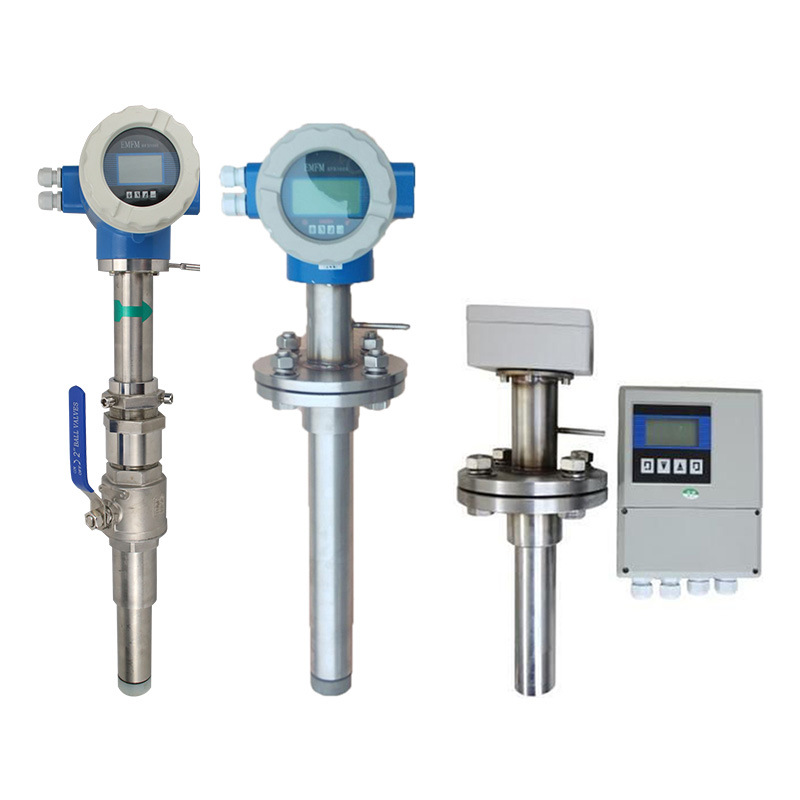
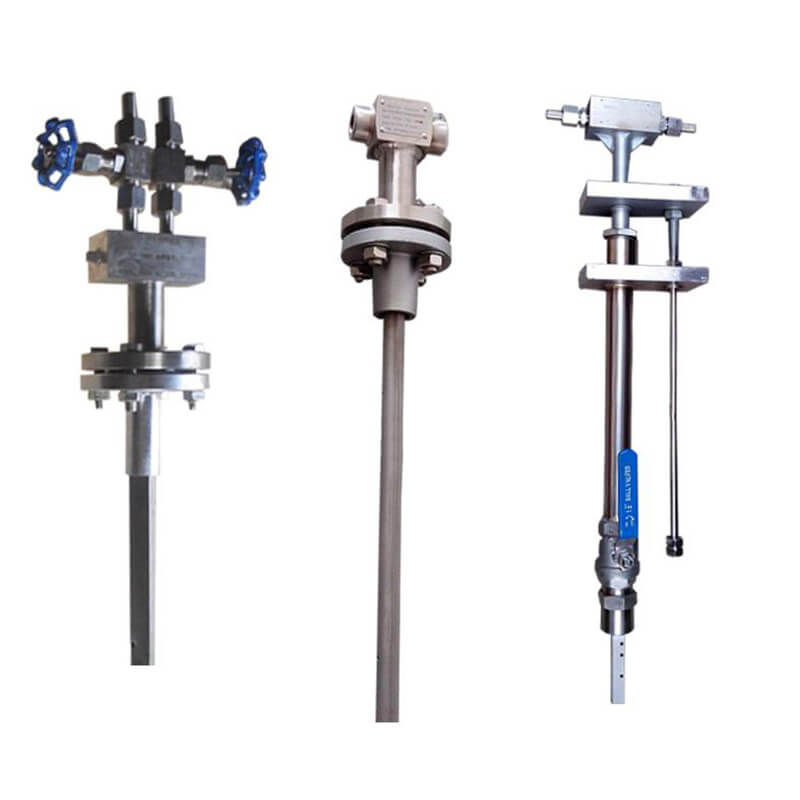
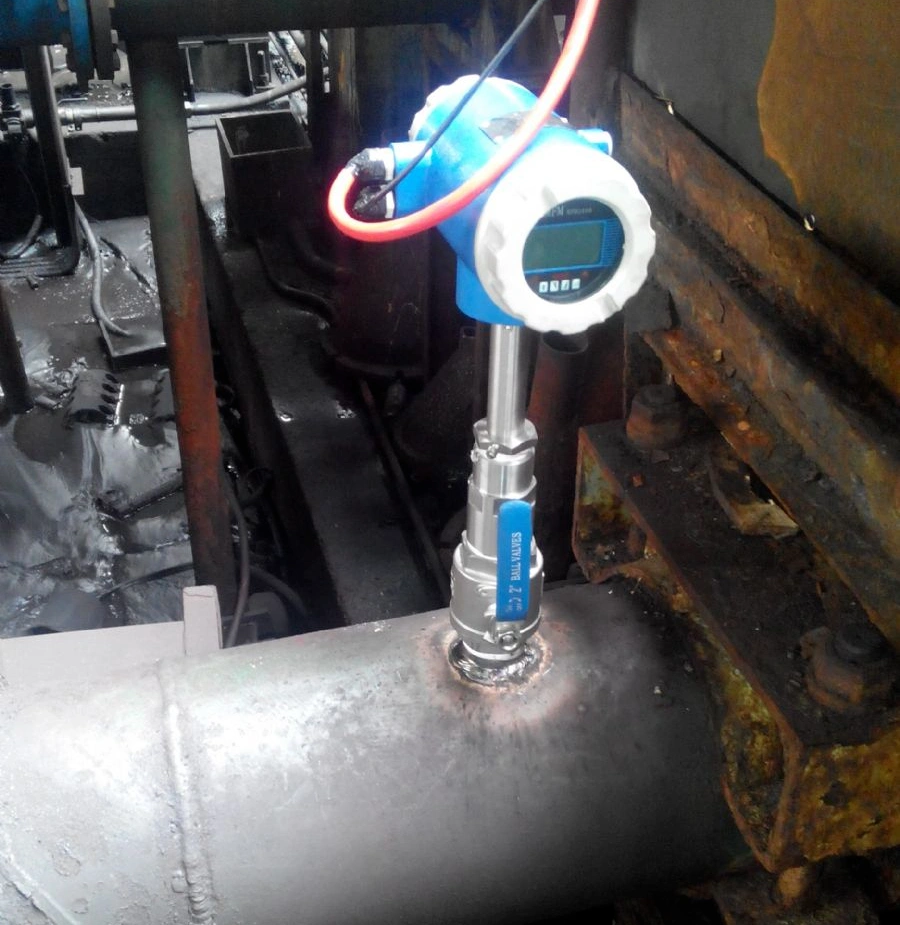
An insertion flow meter works by placing a sensor probe through the pipe wall to measure fluid flow, so it is a common choice for monitoring large-diameter pipelines.
Since there is no need to shut down the line or replace long pipe sections, installation usually involves drilling one opening, fitting the probe, and tightening the seal; the work is cheaper and causes little downtime.
These meters can handle water, air, and other fluids, and they are used in water and wastewater systems, HVAC plants, and chemical plants. Even so, they are generally less accurate than full-bore in-line meters, and the readings depend heavily on having a reasonably developed, stable flow profile.
Common Water Applications
Municipal tap and drinking water: little suspended matter, low turbidity, and steady flow.
Industrial recirculating cooling water: some suspended solids, large temperature swings, a tendency to scale, and flow that rises and falls with the cooling cycle.
Process and softened water: low hardness, little scale risk, clean fluid, and stable flow.
Reclaimed and reused water: some suspended solids, mildly corrosive, quality that changes noticeably over time, and probe surfaces that foul easily.
Pre-treated wastewater: no coarse particles, but fine suspended solids that can settle and support biofilm growth.
Boiler feedwater: Pure water quality; high temperature and high pressure; free of impurities; stable flow.
Central Air Conditioning Chilled Water and Cooling Water: Contains rust inhibitors; flow is stable; pipe walls are prone to slime buildup.
Fire Protection System Water: Remains stationary for long periods; subject to intermittent high-flow surges; prone to sediment and silt deposition.
Surface Water (river water, lake water, after filtration): Contains fine silt and algae; water quality varies seasonally; sensors are prone to scaling and wear.
Clear Mine Water: Contains trace mineral ions; mildly corrosive; carries fine rock powder, causing gradual wear on the probe.
Common Water Applications
Municipal tap and drinking water: little suspended matter, low turbidity, and steady flow.
Industrial recirculating cooling water: some suspended solids, large temperature swings, a tendency to scale, and flow that rises and falls with the cooling cycle.
Process and softened water: low hardness, little scale risk, clean fluid, and stable flow.
Reclaimed and reused water: some suspended solids, mildly corrosive, quality that changes noticeably over time, and probe surfaces that foul easily.
Pre-treated wastewater: no coarse particles, but fine suspended solids that can settle and support biofilm growth.
Boiler feedwater: Pure water quality; high temperature and high pressure; free of impurities; stable flow.
Central Air Conditioning Chilled Water and Cooling Water: Contains rust inhibitors; flow is stable; pipe walls are prone to slime buildup.
Fire Protection System Water: Remains stationary for long periods; subject to intermittent high-flow surges; prone to sediment and silt deposition.
Surface Water (river water, lake water, after filtration): Contains fine silt and algae; water quality varies seasonally; sensors are prone to scaling and wear.
Clear Mine Water: Contains trace mineral ions; mildly corrosive; carries fine rock powder, causing gradual wear on the probe.
Precautions for Water Flow Measurement
Uneven Flow Velocity Distribution: Not enough straight run, plus elbows, valves and similar fittings nearby, distorts the velocity profile and throws off insertion-meter readings.
Fouling and Deposits: Sediment, sludge and microbial growth can build up on the probe, weakening the signal and making readings drift as time passes.
Probe Wear: Fine solids carried in the water keep scouring the probe, slowly changing its shape or size and biasing the measurement.
Operating condition fluctuations: Some lines run intermittically or spend long periods at low flow. Where the flow is weak, the signal is weak too, so the meter loses resolution near the bottom of its range.
Temperature and pressure changes: Shifts in temperature and pressure change water density and make the probe and pipe expand or contract, adding error to the result.
Bubble interference: Gas coming out of solution forms bubbles that hit the probe and disturb the flow signal, so the output becomes jumpy and unstable.
Pipeline Sedimentation: In low-velocity pipes, silt and sand collect along the bottom, reducing the real flow area and making the indicated flow differ from the actual one.
Insertion Flow Meter Water
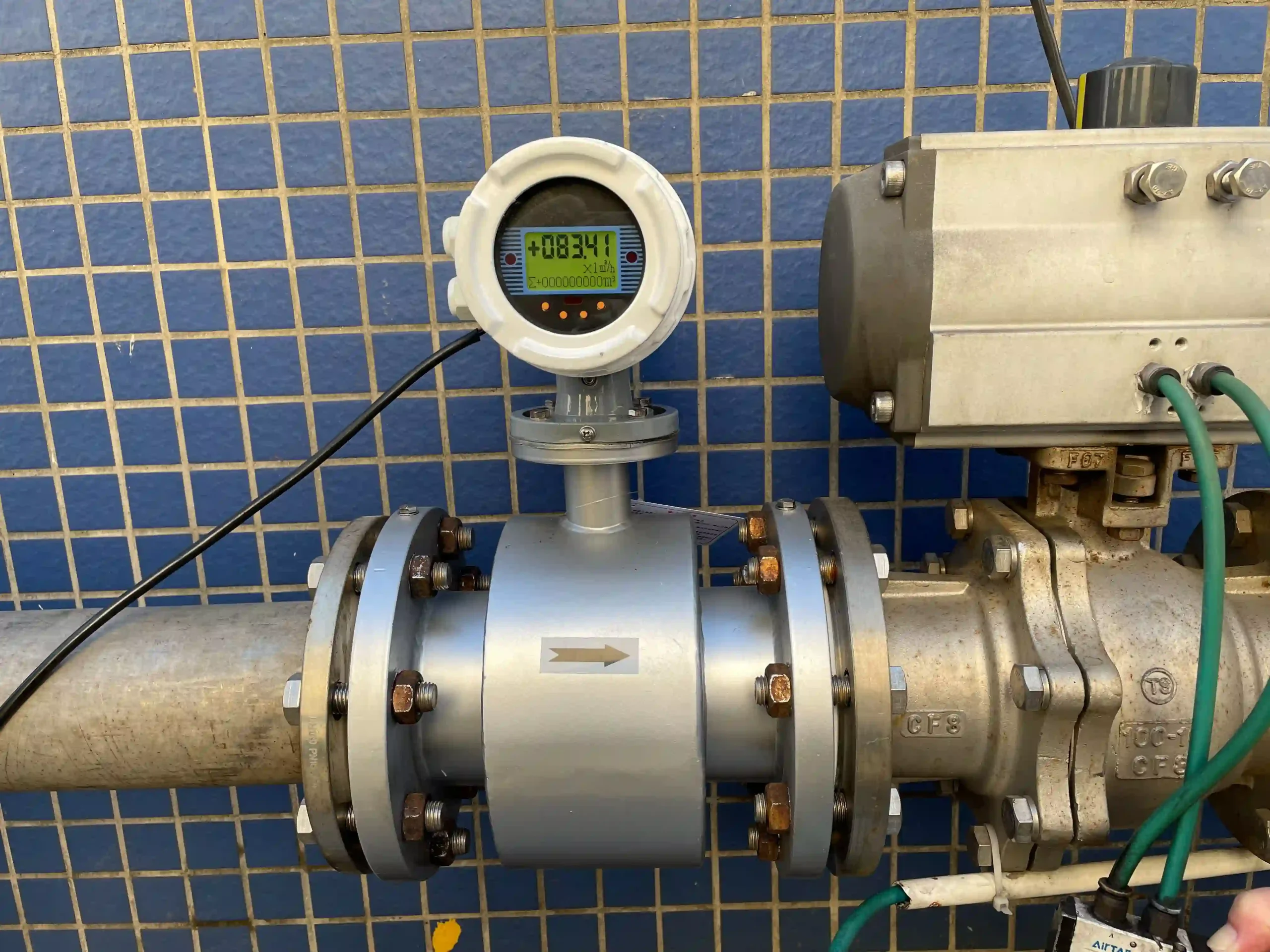
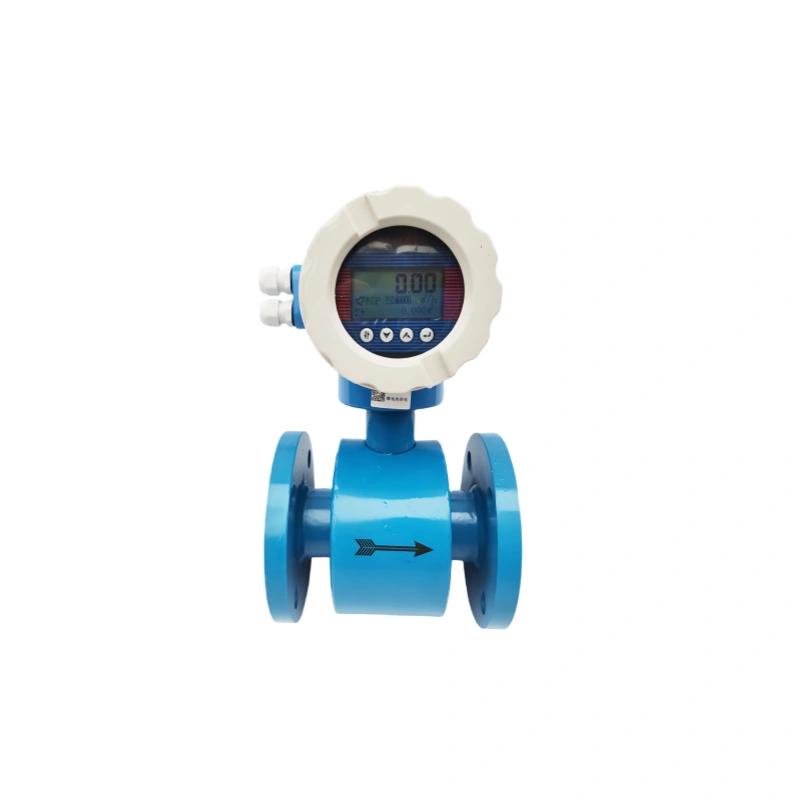
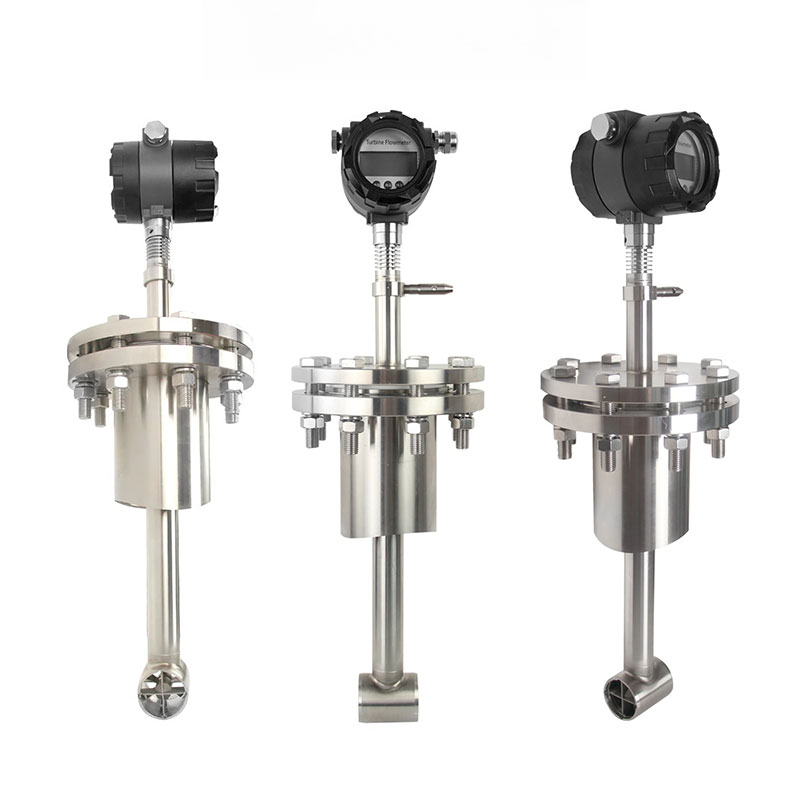
Insertion Electromagnetic Flow Meter
Working Principle
An insertion electromagnetic flowmeter works on Faraday’s law: as conductive water moves through the probe’s alternating magnetic field, it induces a voltage that rises with flow velocity. The transmitter then turns that signal into instantaneous velocity and totalized flow using the pipe dimensions.
Advantages
No pressure loss, better energy efficiency: Because the probe barely narrows the flow path, it causes little pressure drop and needs no pressure compensation. For water supply and recirculation loops that run nonstop, this keeps energy use steady over the long term.
Accurate readings, resistant to interference: Water temperature, pressure and viscosity do not move the measurement much, so results stay repeatable. The electronics are shielded against electromagnetic noise, which is useful on crowded industrial sites and for billing-grade metering.
Fast to install, easy to retrofit: The meter can be mounted and serviced while the line stays pressurized—no shutdown, no draining—so production is not lost. It works well for upgrading older, large-diameter mains and keeps construction cost down.
Corrosion resistant, low maintenance: Corrosion-resistant probe materials cope with conductive water that carries trace impurities or mild corrosive content. With no moving parts to wear, service life is long and routine upkeep stays light.
Suitable Water Types
Suitable for conductive water with a conductivity of ≥5 μS/cm, including tap water, recirculating water, reclaimed water, and mildly contaminated wastewater. Not suitable for low-conductivity media such as pure water or distilled water; tolerates only trace amounts of suspended impurities.
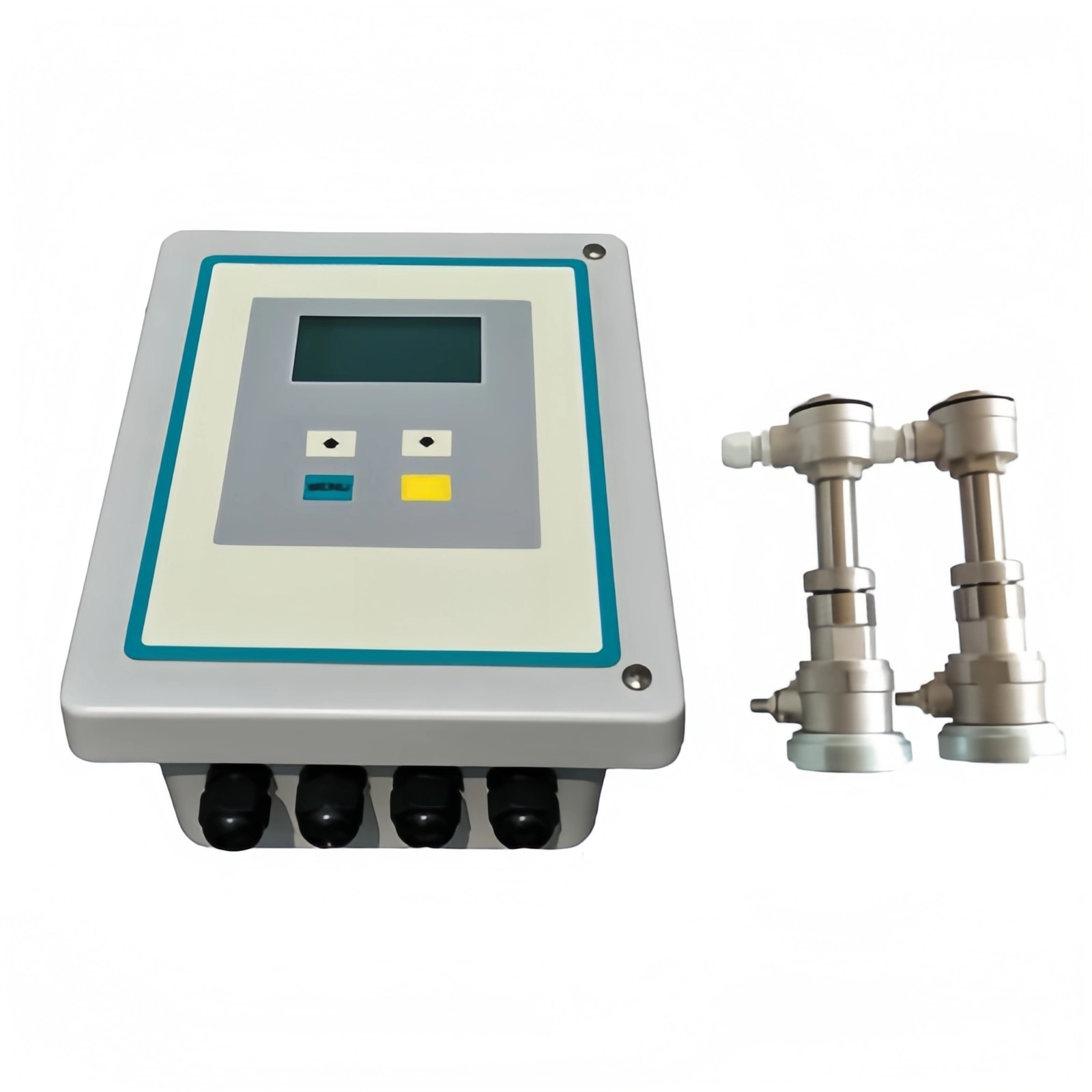
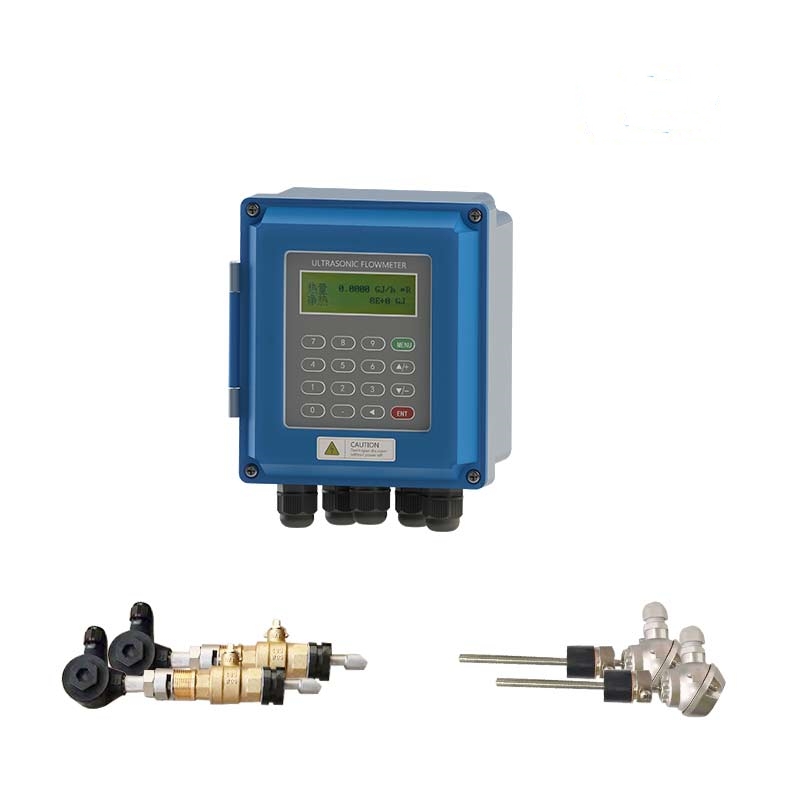
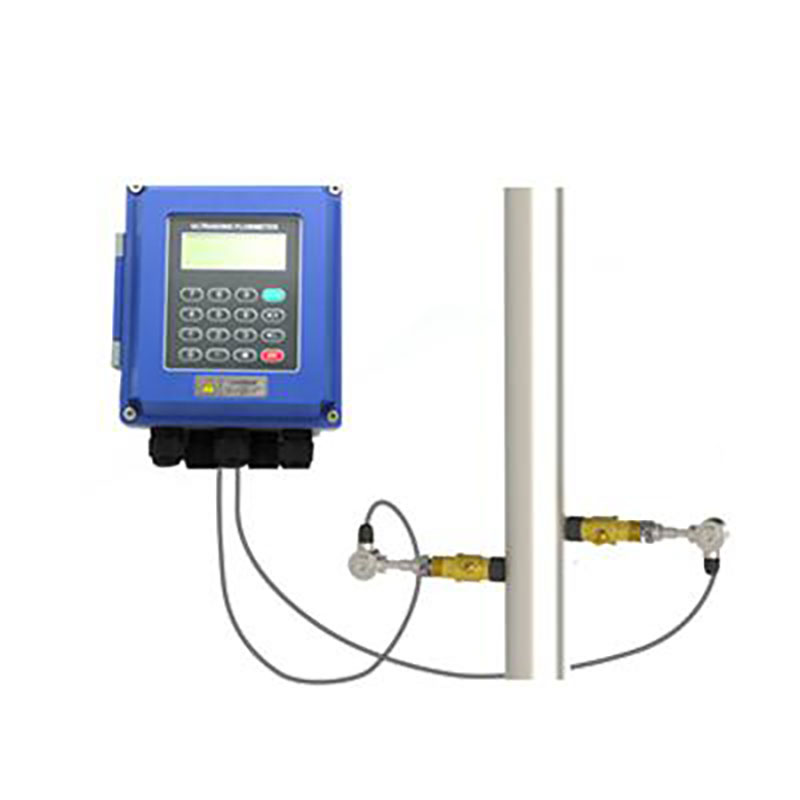
Insertion Ultrasonic Flow Meter
Working Principle
The insertion-type ultrasonic flowmeter employs the time-of-flight principle. It uses bidirectional probes to detect the time difference in ultrasonic wave propagation caused by water flow and, based on algorithms combined with pipeline parameters, rapidly calculates the flow velocity and flow rate of the water.
Advantages
Wide range of compatible media: No conductivity requirements; capable of measuring both conductive and non-conductive water bodies; compatible with various water types, including pure water, tap water, and wastewater; extremely versatile.
Zero flow resistance, suitable for large pipeline networks: The probe occupies a small area in the flow field, causing no pressure loss and having no impact on the water delivery efficiency of large-diameter main pipelines.
Flexible installation, good value for money: It can be fitted online while the line stays pressurized and needs no changes to the piping. For large diameters, the cost is well below that of a full-bore meter.
No mechanical wear, minimal upkeep: Measurement is non-contact ultrasonic, with no moving parts to wear or stick. The materials stand up to aging and corrosion, so the unit can run unattended for long periods.
Handles flow in both directions: Forward and reverse flow can both be measured, which covers cases like backflow and recirculation in distribution networks.
Suitable Water Types
Suitable for clean and slightly turbid water bodies such as pure water, tap water, and cooling water. Turbid water containing large amounts of bubbles, oil, or silt may interfere with ultrasonic signals, leading to measurement inaccuracies, and is therefore not suitable.
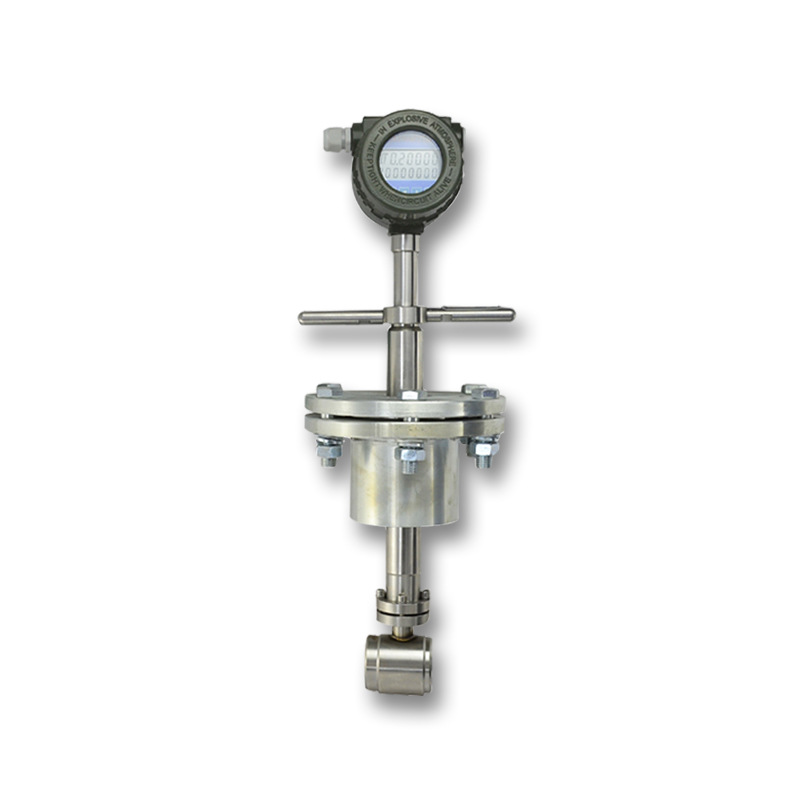
Insertion Turbine Flow Meter
Working Principle
The impact of the water flow causes the insertion-type turbine impeller to rotate; the impeller’s rotational speed is directly proportional to the flow velocity, generating corresponding pulse signals.
After the device analyzes the signals, it calculates the instantaneous and cumulative flow rates based on pipeline parameters.
Advantages
Sensitive response: The mechanical sensing part reacts quickly to changes in flow velocity, so start-up and shut-off are fast. It handles processes where the flow rate keeps changing.
Accurate measurement: Within its range, the signal tracks the flow rate closely, with good linearity and small error. That is enough for process control and energy metering that need decent accuracy.
Easy installation: The unit is small and simple, needs little calibration, and can be taken apart, reassembled and commissioned on site without much trouble. It fits small and medium water supply lines.
Works well with automation: It outputs standard pulse and 4–20 mA signals, so it can tie straight into PLC or IoT systems for live monitoring and remote data.
Fits tight spaces: The slim probe can go into cramped spots such as pipe shafts and the inside of equipment.
Reliable in the cold: The mechanical parts tolerate low temperatures without losing signal, so it suits chilled water loops and outdoor mains.
Suitable Water Types
Suitable only for clean, impurity-free water such as tap water and purified water. Water containing silt, rust, fibers, or oil can cause wear and jamming of the impeller, damaging the equipment and affecting accuracy; such water must not be used.
Insertion Vortex Flow Meter
Working Principle
Based on the Karman vortex street principle, water flowing past the probe’s vortex generator produces regular vortices. The vortex frequency is linearly related to flow velocity; the device accurately calculates water flow rate by detecting this frequency.
Advantages
Durable and highly stable: There are no moving parts to wear out or jam. The body stands up to flow impact and vibration, so it keeps working reliably for years.
Wide range, strong adaptability: With a high turndown ratio, it covers everything from low standby flow to full operating flow. That suits distribution systems where demand swings a lot through the day.
Handles changing conditions: Water temperature, pressure, viscosity and density do not affect the reading. It works on various water types, whether at ambient temperature or near freezing.
Resists interference, steady data: The signal detection is precise enough to ignore small vibrations and environmental noise. Readings stay stable over long runs in plants and outdoor networks.
Suitable Water Types
It works best on fairly clean water—tap water, recirculating water, treated process water—with only trace dust. Water loaded with silt, air bubbles, fibers, or high viscosity can break up the vortices and throw the reading off.
Application Scenarios
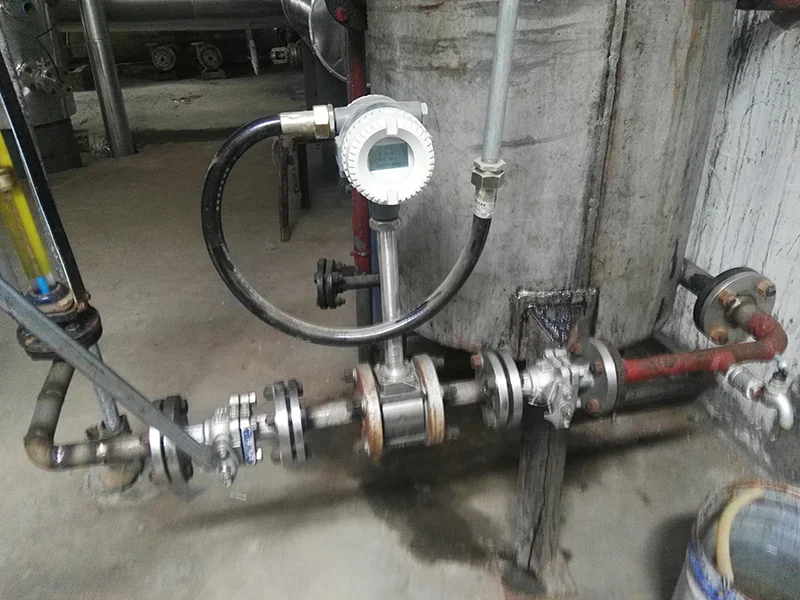
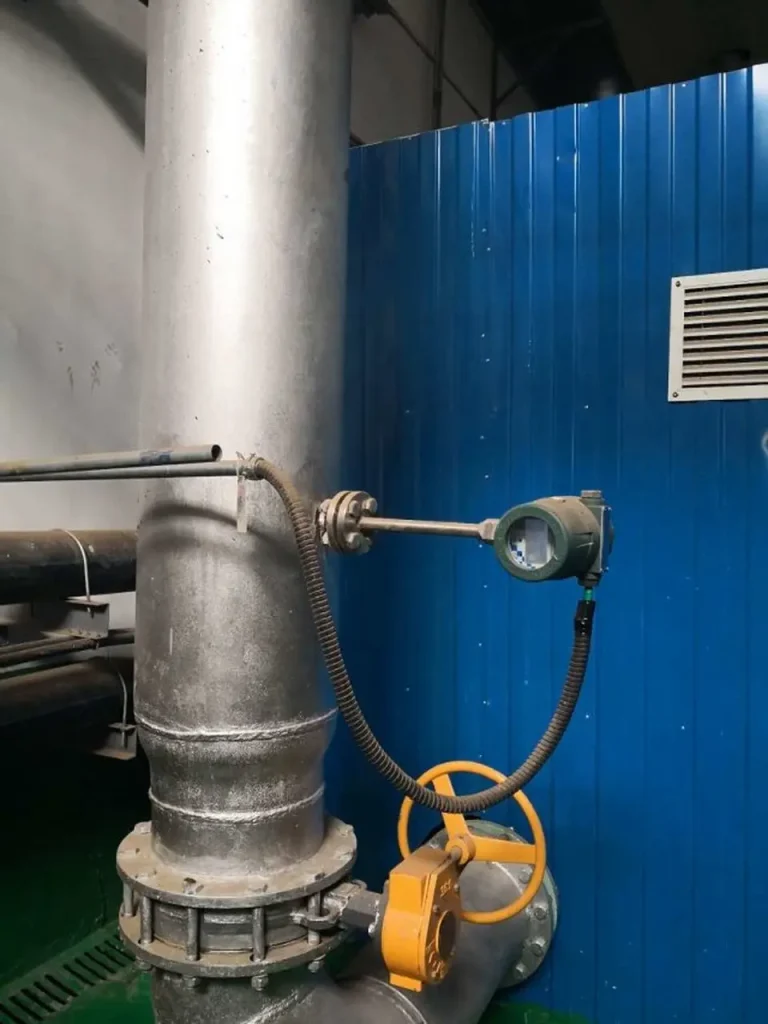
1. Municipal trunk mains: Day-to-day flow tracking in large water mains, district metered area accounting, and leak hunting.
2. Industrial cooling loops: Continuous recirculation flow checks so heat exchangers do not drift out of spec.
3. Reclaimed-water lines in plants: Recording how much reused water is drawn off, for conservation accounting and process control.
4. Plant influent and effluent lines: Watching wastewater coming in and reclaimed water going out, to guide operation tweaks and environmental reporting.
5. Fire-protection mains: Flow checks during routine tests to confirm the system stays in serviceable condition.
6. Process water in chemical and pharma plants: Flow measurement for clean process water as well as conductive waste streams.
7. Mine and surface-water diversion schemes: Totalling diverted volumes for water resource statistics.
8. Main supply lines for buildings and industrial parks: Master metering for utility cost allocation and site water management.
Selection Guide
1. Confirm the pipe diameter, material, working pressure, medium temperature and available installation space. Check that hot-tapping and installation under pressure are feasible, and make sure an insertion-style meter actually fits the site before committing, so you do not run into installation problems later.
2. Determine the electrical conductivity, purity, impurities, bubbles, corrosion, and oil contamination of the water. Select equipment preliminarily based on the characteristics of the medium. Electrically conductive water is suitable for electromagnetic flowmeters; ultrasonic, turbine, and vortex flowmeters can be selected for pure water and clean water; turbine flowmeters are not suitable for turbid water containing many impurities.
3. Work out the minimum, typical and peak flow rates in the line, then check them against the meter’s turndown ratio. The range should comfortably cover normal swings, otherwise you risk dead zones at low flow or readings that top out.
4. Match accuracy to the job. Billing and energy metering call for high-accuracy models; routine process monitoring can get by with standard accuracy. Pick what the application actually needs and keep an eye on cost.
5. Look at site conditions—electromagnetic interference, vibration, temperature, humidity and dust. In areas with strong electrical noise, ultrasonic or vortex meters are the safer bet; if the pipe vibrates a lot, steer clear of turbine types, and choose probe material and ingress protection to suit.
6. Check straight-run lengths upstream and downstream, and stay clear of elbows, valves and other fittings that disturb the flow. If there is not enough straight pipe, move the mounting point or fit a flow conditioner. Set the probe depth properly so it sits in a stable flow field.
7. Match the output to whatever comes after it—PLC, data logger or both. 4–20 mA, pulse or a digital protocol will all do the job; just make sure the signal can be carried back for remote monitoring and records.
8. Weigh up purchase price, how hard it is to install, and what it takes to keep running. For large mains, ultrasonic and electromagnetic meters usually come first; for clean, low-flow duty, turbine or vortex types make more sense. In the end, choose something that fits the actual conditions, does not break the budget and will last.
Sino-Inst makes and sells flow meters of all kinds—not just insertion probes but also in-line and clamp-on models—so we can handle anything from clean tap water to messy wastewater and reclaimed water.
Tell us your pipe size, water quality, flow range and how you plan to install it, and our engineers will help you pick the right meter. Get in touch if you need technical documents or a quote; we will help you get flow measurement in your water system running reliably.