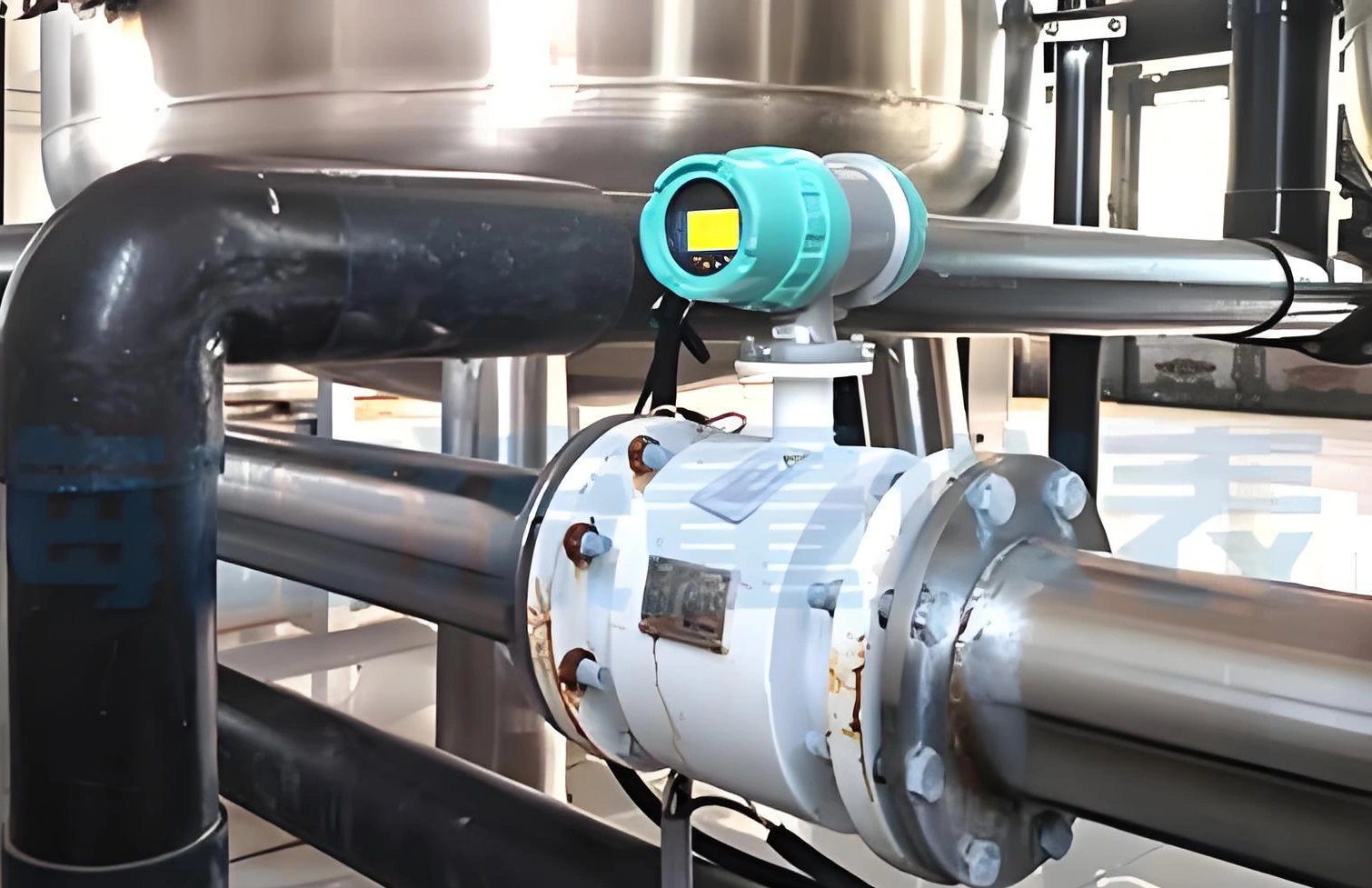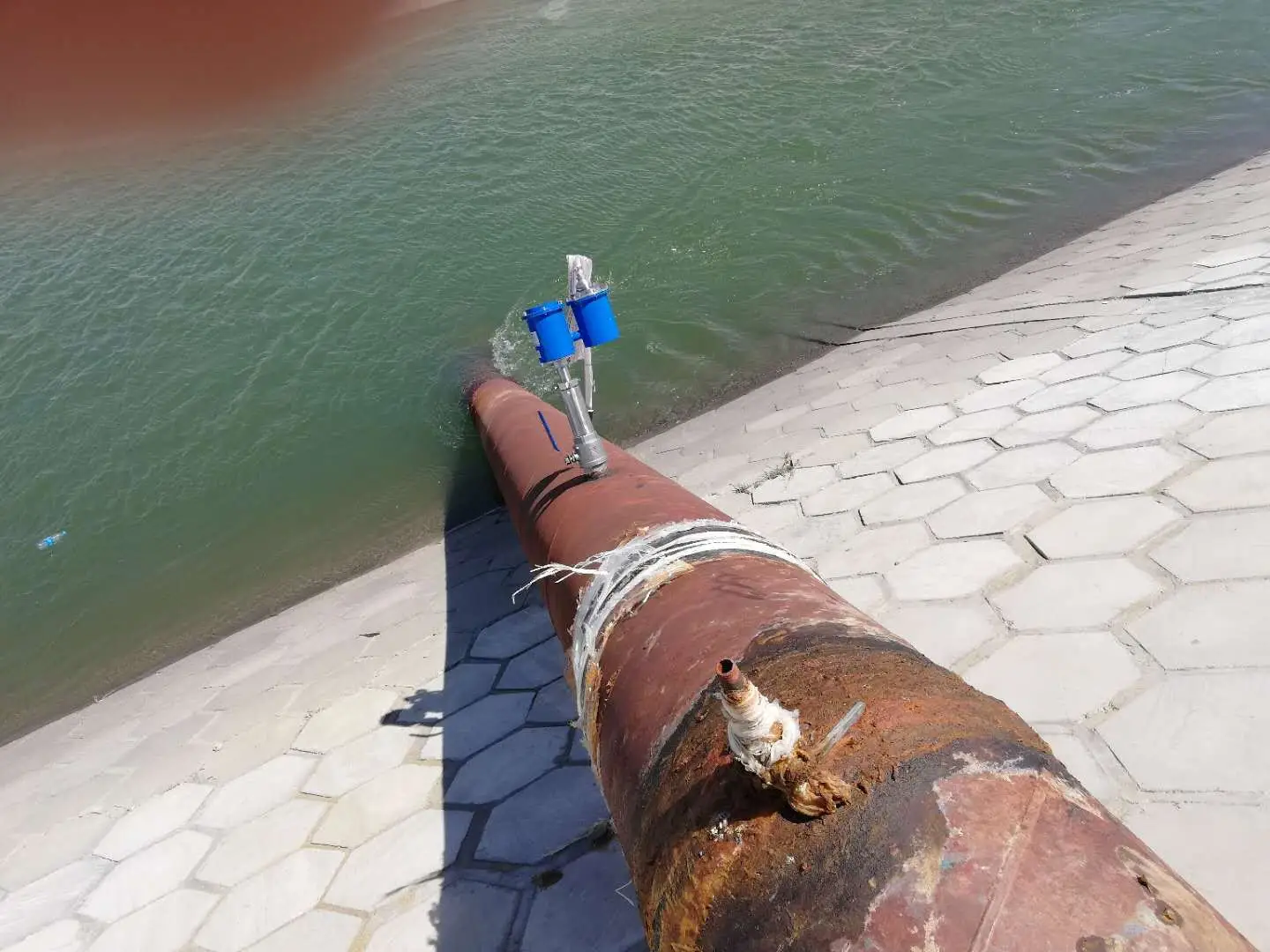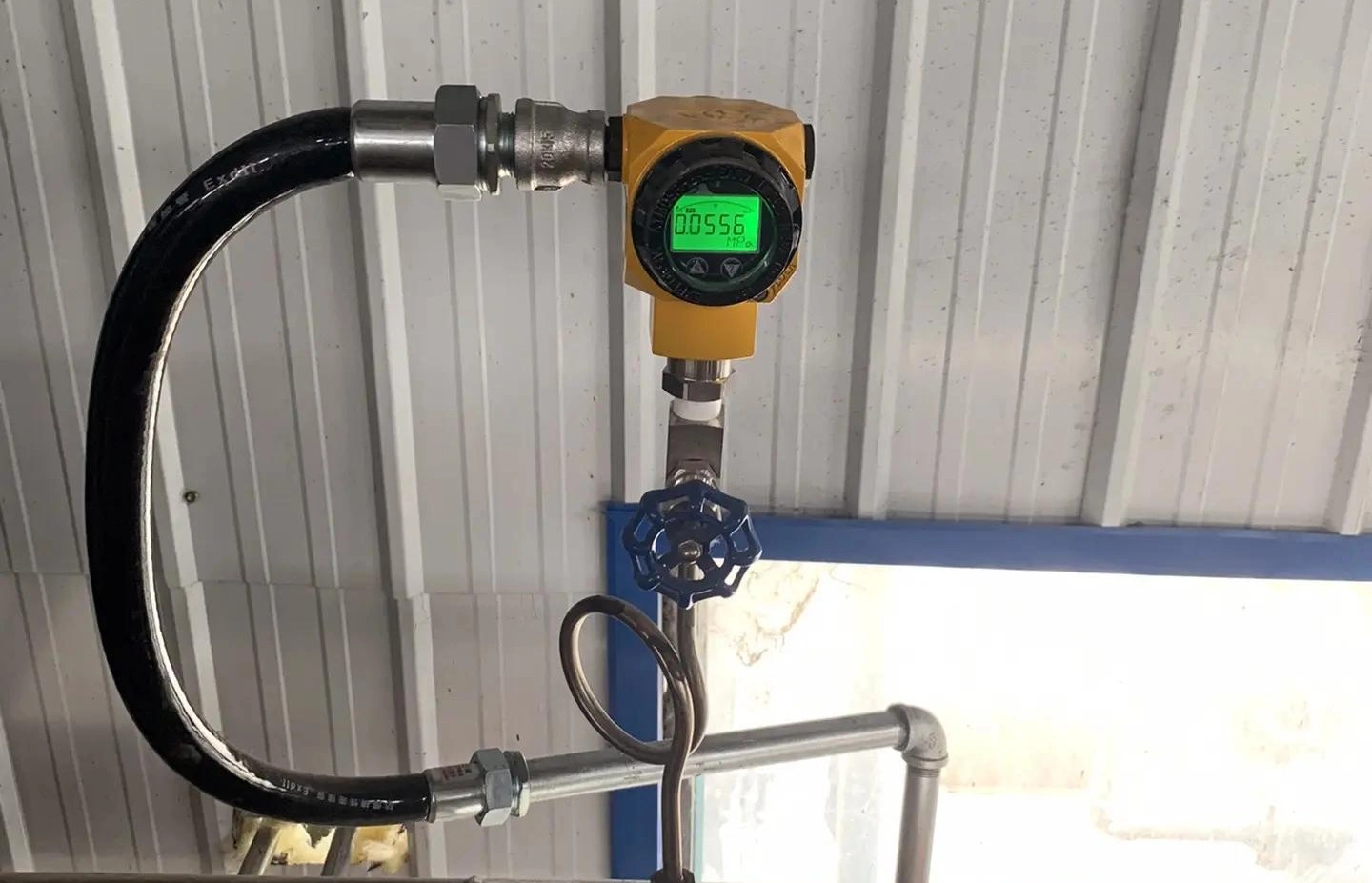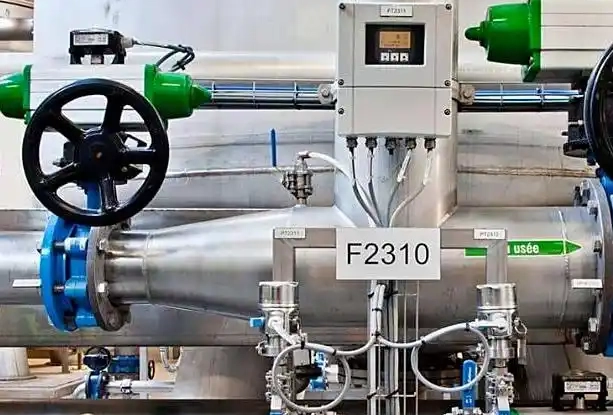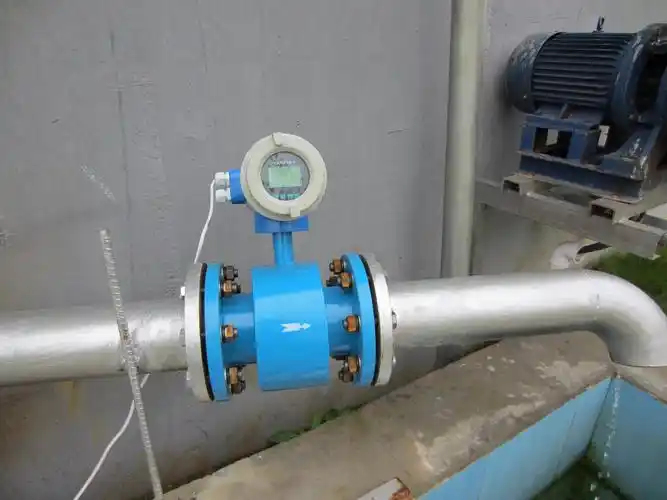
Magnetic water flow meters utilize Faraday’s law of electromagnetic induction to measure the volumetric flow rate of conductive water and serve as core metering instruments in the water utilities and process industries.
These meters have no flow-restricting components and feature low pressure loss, enabling continuous and stable flow monitoring under complex water quality conditions to support process control and water consumption accounting.
Principle of Electromagnetic Flowmeters
Electromagnetic flowmeters use Faraday’s law of electromagnetic induction to measure flow rates.They offer a wide range of measurable flows. The maximum-to-minimum flow ratio typically exceeds 20:1.They are suitable for industrial pipes with diameters of up to 3 metres and the output signal is linear with the measured flow rate, offering high accuracy.
They can measure the flow of conductive fluids such as water and sewage with a conductivity of at least 5 μS/cm.However, they cannot measure the flow of pure water.
Generation of Induced Electromotive Force:
In the context of a conductive fluid moving through a magnetic field, the generation of an electromotive force proportional to the flow speed is observed.The magnitude of this force is found to be contingent upon the magnetic flux density, the internal diameter of the pipe, and the average velocity of the fluid.
Calculation of Flow Data:
The fluid’s average flow velocity can be calculated by measuring the magnitude of the induced electromotive force. Volume flow rate is the product of velocity and pipe cross-sectional area, so it can be calculated from velocity and pipe diameter.During fluid flow, the induced electromotive force E follows the formula:
E = k × B × V × D
where B is magnetic flux density, V is average fluid velocity, D is pipe diameter, and k is a constant.
Measurement Accuracy:
The accuracy of electromagnetic flowmeter measurements is influenced by several factors, including the stability of the magnetic field, the sensitivity of the electrodes, and the conductivity of the fluid.
To maintain accuracy, electromagnetic flowmeters require regular calibration and maintenance.
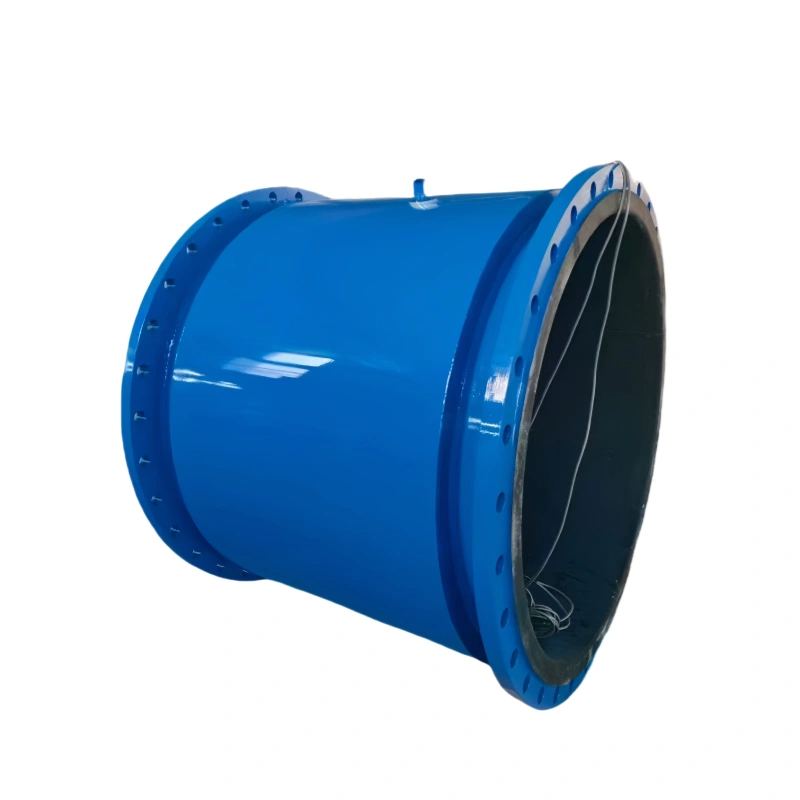
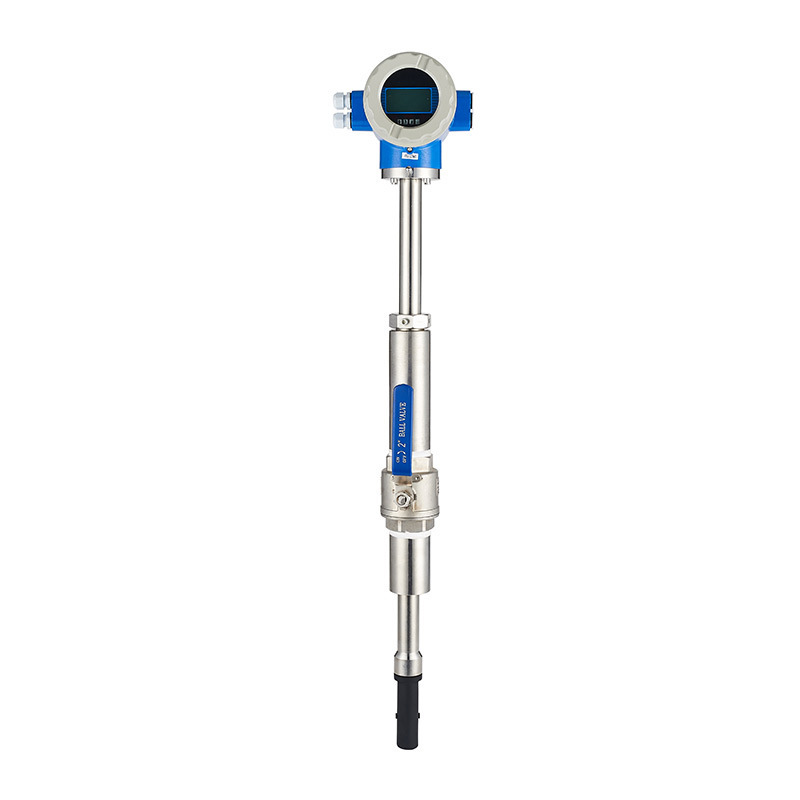
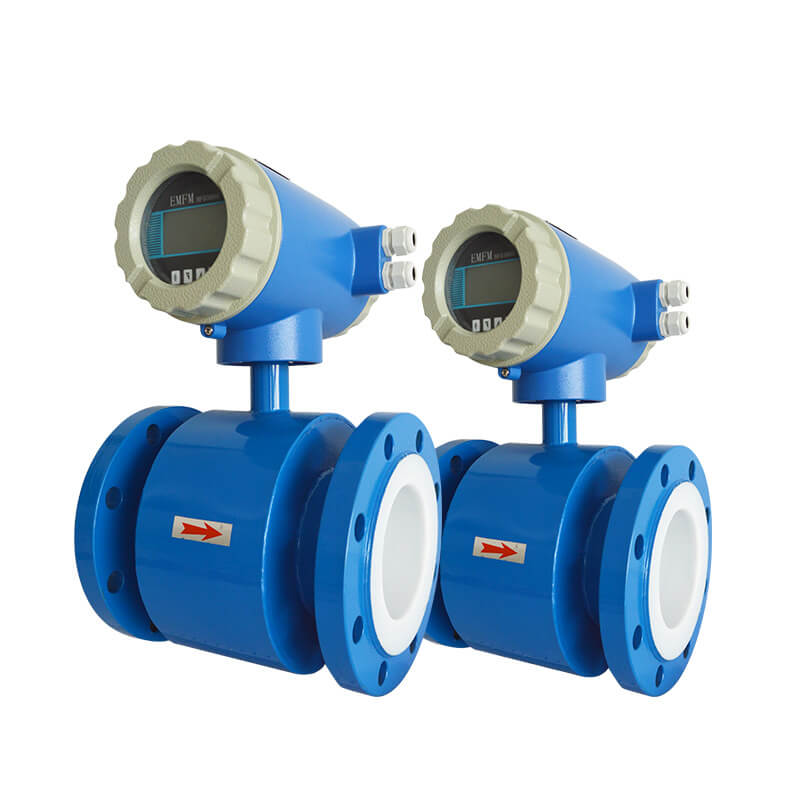
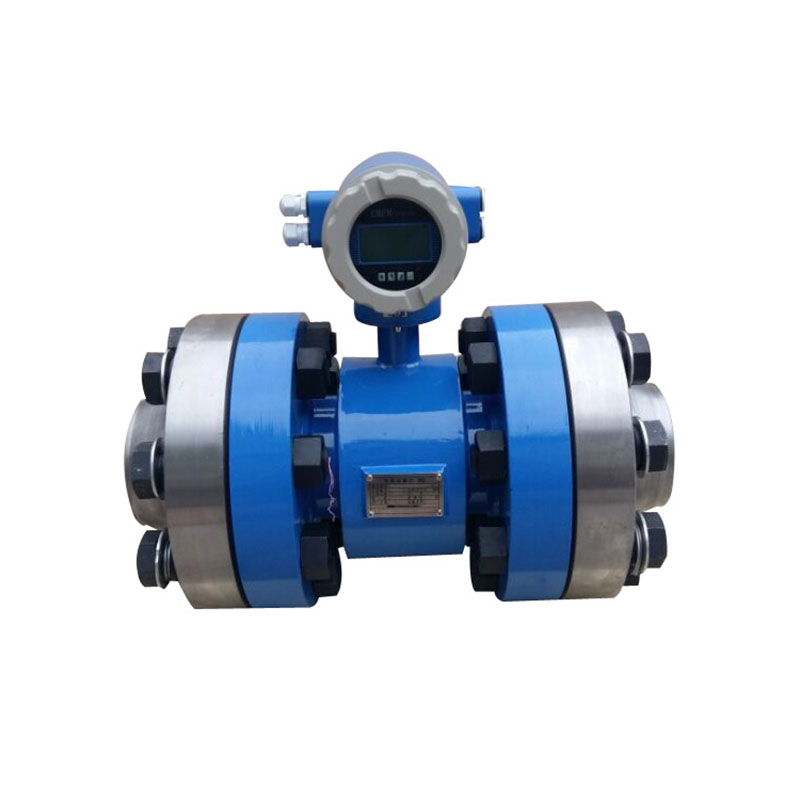
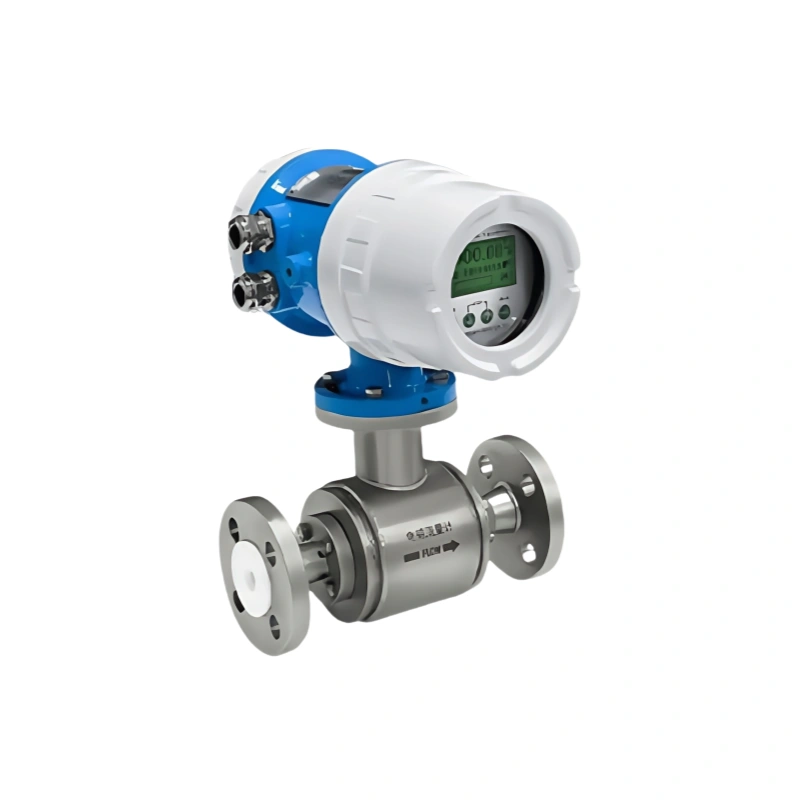
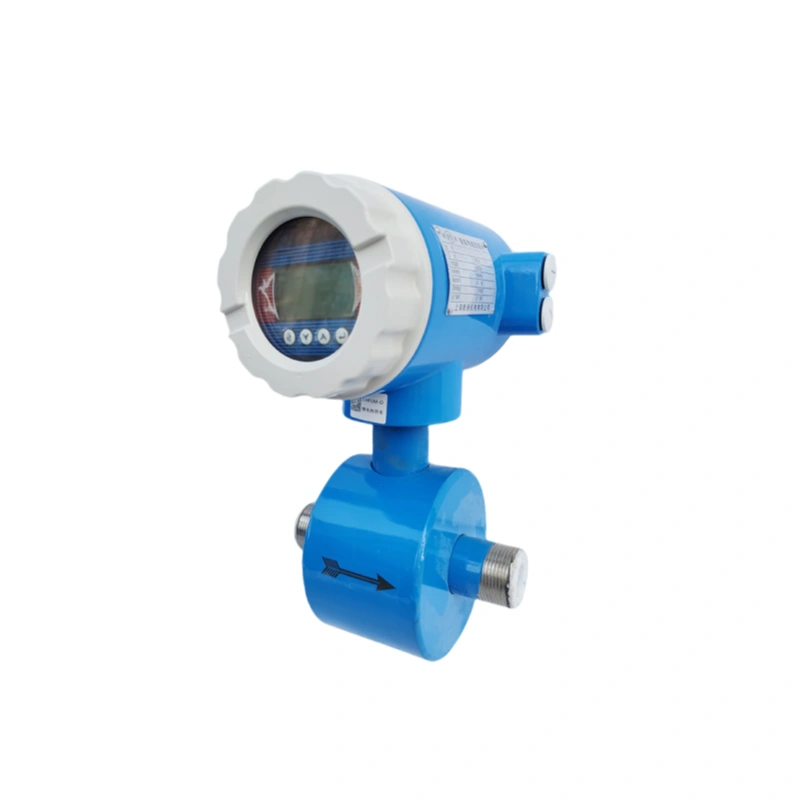
Advantages and Disadvantages of Electromagnetic Flowmeters
1. With no throttling or moving parts inside the pipeline, fluid pressure loss is extremely low. The meter imposes no additional energy consumption on water supply pipelines, making it suitable for long-distance water transmission and high-flow water metering applications.
2. Measurements are unaffected by changes in water temperature, pressure, or density. As long as the water possesses a certain level of electrical conductivity, volumetric flow can be measured reliably, making it suitable for a variety of water types, including clean water and wastewater.
3. It features a wide measurement range, covering conditions from low to high flow rates, with a high turndown ratio, ensuring good measurement accuracy even under water supply conditions with significant flow fluctuations.
4. The sensor lining and electrodes are available in corrosion-resistant materials, making them resistant to erosion from wastewater and water containing trace amounts of corrosive substances. This ensures a long service life and minimal maintenance requirements.
5. With a fast response time, it can capture dynamic changes in flow in real time, supporting continuous online monitoring. This facilitates data collection by automated systems for water volume statistics and process control.
Conductivity of Different Types of Water
Electromagnetic flowmeters measure flow based on Faraday’s law of electromagnetic induction, with the core prerequisite being that the measured water medium possesses sufficient conductivity.Conventional industry models require a minimum conductivity of ≥5μS/cm for water media.
When conductivity falls below this threshold, issues such as signal attenuation, measurement accuracy drift, or even failure to collect data normally may arise.
Different water types exhibit significant hierarchical variations in conductivity due to differences in ionic concentration, impurity composition, and treatment processes.
These variations directly impact electromagnetic flowmeter selection and measurement stability. Specific categories are detailed below.
High-purity water exhibits extremely low conductivity, far exceeding the measurement threshold of conventional electromagnetic flowmeters, rendering them highly unsuitable.
Ultra-pure water, with a conductivity range of 0.05–1.0 μS/cm, undergoes deep deionisation treatment, leaving virtually no freely mobile ions present.Consequently, it cannot be measured by electromagnetic flowmeters and typically requires alternative measurement methods.
Distilled water is slightly more conductive than ultrapure water, with a conductivity range of 1.0 to 10 μS/cm.The way it conducts electricity can be affected by other substances that are left behind when it is made.
Some batches are close to the limit of 5 μS/cm.This can lead to signal fluctuations and unstable data during measurement. Distilled water is only suitable for use with high-precision, specialised electromagnetic flowmeters, and requires effective grounding protection to minimise interference.
Pure water and bottled drinking water exhibit conductivity ranges of 10–500 μS/cm.Pure water contains extremely low mineral content, typically falling within the lower end of this range.
However, if mineral content approaches the lower limit of 10 μS/cm, it may still impact the measurement accuracy of conventional electromagnetic flowmeters.
Mineral water, rich in natural minerals such as calcium and magnesium, typically exhibits higher conductivity values, making it relatively more suitable.
Conventional natural water and municipal water sources have medium conductivity levels, which are usually fine for standard electromagnetic flowmeters, with only minor fluctuations observed.
Municipal tap water has a stable conductivity of between 100–1500 μS/cm, which makes it one of the most commonly measured media for electromagnetic flowmeters.
The conductivity of water is affected by the type of water source and how it’s treated in a given region.Tap water in the north, which is mostly groundwater, is more mineral-rich and usually more conductive than the southern tap water, which is surface water.
Surface water such as river and lake water exhibits conductivity ranging from 200 to 3000 μS/cm.
While conductivity fluctuations are significant due to silt, plankton, natural minerals, and surrounding pollutants, the ionic composition commonly present in natural water bodies generally ensures conductivity meets the measurement requirements of conventional electromagnetic flowmeters.
Practical application necessitates attention to water quality effects on sensor lining and electrode wear and contamination.
Well water and groundwater exhibit conductivity ranges of 500–5000 μS/cm. Due to the dissolution of calcium, magnesium, potassium, and other mineral ions from geological strata during permeation, groundwater typically possesses higher conductivity than surface water with greater stability.
This makes it easy to measure the flow rate using normal electromagnetic flowmeters, so you don’t need any special equipment.
Industrial circulating water exhibits conductivity between 500 and 8000 μS/cm.Due to the addition of corrosion inhibitors and scale inhibitors during use, coupled with concentration effects from water evaporation, ionic concentrations continuously rise, resulting in conductivity significantly higher than tap water.
Standard electromagnetic flowmeters can be stably adapted, though attention must be paid to water quality’s impact on electrode corrosion.
Domestic sewage exhibits conductivity ranging from 800 to 5000 μS/cm. Containing substantial organic matter, inorganic salts, and domestic impurities, its conductivity remains stable and meets measurement requirements.
This makes it the primary measurement target for electromagnetic flowmeters in municipal sewage monitoring and treatment systems.When selecting models, priority should be given to electrode materials that are resistant to contamination and easy to clean.
Industrial wastewater may exhibit conductivity levels exceeding 1000–10000 μS/cm.Wastewater from chemical, metallurgical, and electroplating industries exhibits extremely high conductivity due to abundant acids, alkalis, and ionic salts.
Certain high-concentration effluents may exceed 10,000 μS/cm.Such applications necessitate highly corrosion-resistant electromagnetic flowmeters equipped with corrosion-resistant electrodes (e.g., titanium, Hastelloy) and PTFE linings to prevent media corrosion.
Seawater is conductive, which means it can carry electricity, and the amount of electricity it can carry is between 30,000 and 50,000 μS/cm.The salt content is very high, which makes it highly conductive.
To measure the water level, we need special measuring devices called electromagnetic flowmeters.These are made to be used in the sea and are made of materials that do not rust easily.These must also be able to deal with everyday problems, like seawater pressure and tides.
Boiler softened water constitutes a special intermediate water quality with a conductivity of 5–100 μS/cm.Having undergone softening treatment to remove most calcium and magnesium ions, its conductivity is significantly reduced and may approach the minimum threshold of 5 μS/cm in certain scenarios.
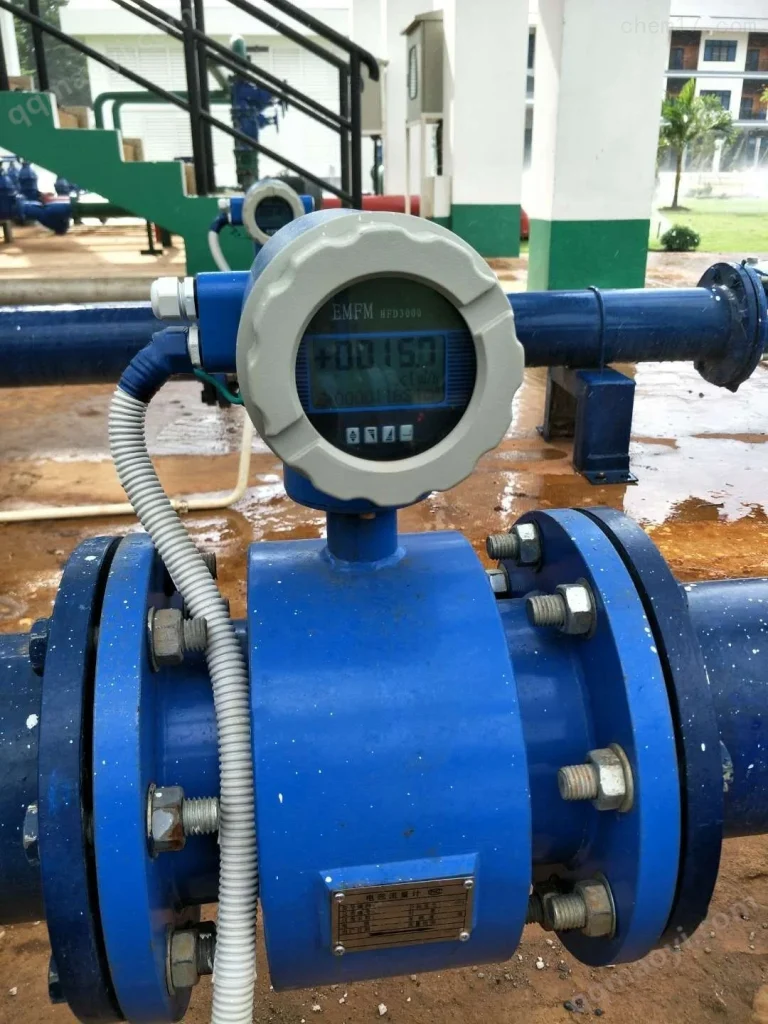
Applications of Electromagnetic Water Flow Meters
Water Supply and Drainage Industry:
Municipal water supply, pipeline water transmission, secondary water supply, and inflow/outflow metering at wastewater treatment plants, used for water volume statistics, water bill calculation, process control, and wastewater discharge monitoring.
Chemical Industry:
Monitors the flow of process water, recirculating cooling water, and chemical wastewater to facilitate production balancing, water usage control, and wastewater discharge measurement.
Metallurgical Industry:
Monitors the flow of recirculating cooling water in blast furnaces and rolling mill equipment to ensure stable equipment cooling and track water consumption.
Power Generation Industry:
Measurement of cooling water, makeup water, and industrial wastewater flow in power plants to support unit operation and maintenance as well as on-site water balance calculations.
Food and Beverage Industry:
Sanitary-grade equipment adapted for measuring process water and wash water to meet the statistical requirements for clean production water.
Paper Industry:
Monitoring of process water, white water, and wastewater flow to support white water recovery, water conservation management, and wastewater metering.
Agricultural Water Management:
Flow measurement for irrigation water distribution in irrigation districts and pumping stations, supporting agricultural water allocation and water-saving irrigation management.
Building HVAC:
Flow detection of circulating water in building central air conditioning systems, supporting energy consumption tracking, system commissioning, and billing.
Environmental Monitoring:
Online flow monitoring at industrial discharge outlets, integrated with water quality monitoring equipment, to meet environmental protection requirements for discharge statistics and regulatory compliance.
Steps for Electromagnetic Flowmeter Selection
1.Analysis of Measured Medium
Conductivity Requirements: The conductivity of the measured liquid must exceed 5μS/cm (e.g., tap water, sewage).If conductivity is below 5μS/cm (e.g., pure water), alternative flowmeter principles must be employed (e.g., ultrasonic, Coriolis).
2.Matching Nominal Diameter and Flow Range
Flow Calculation: Determine required pipe size based on pipeline dimensions and anticipated flow rate.Flow Velocity Control: Optimal flow velocity range for electromagnetic flowmeters is 0.5–10 m/s. It has been established that velocities which are excessively low have the potential to induce instability in measurements. Conversely, velocities which are excessively high have been shown to accelerate electrode wear.
3. Accuracy and Response Time Selection
Accuracy Class:
For trade settlement or precision control applications (e.g., chemical feedstock blending): Select models with 0.5% accuracy.For general process monitoring (e.g., cooling water flow surveillance): 1% accuracy models may be used to reduce costs.
Response Time:
To capture transient flow changes (e.g., pump start/stop impacts): Select models with response times <50ms.
Stable flow monitoring (e.g., reservoir replenishment): Response time may be extended to 200ms.
4. Environmental Parameter Adaptation
High-temperature scenarios: Select high-temperature linings and heat-resistant electrodes, confirming the sensor’s temperature tolerance range.High-pressure scenarios: Select thickened casings with high-pressure sealing structures.
Outdoor or humid scenarios: Select IP68-rated models with waterproof connectors.
5.Output Signals and Communication Protocols
Output Signals:
Field display only: Select models with 4-20mA analogue output.Remote monitoring or DCS integration required: Select models with RS485, HART, or Modbus protocols.
Power Supply Methods:
Fixed installation scenarios: Select models powered by 220V AC.
Mobile or off-grid scenarios: Select models powered by 24V DC and equipped with backup batteries.
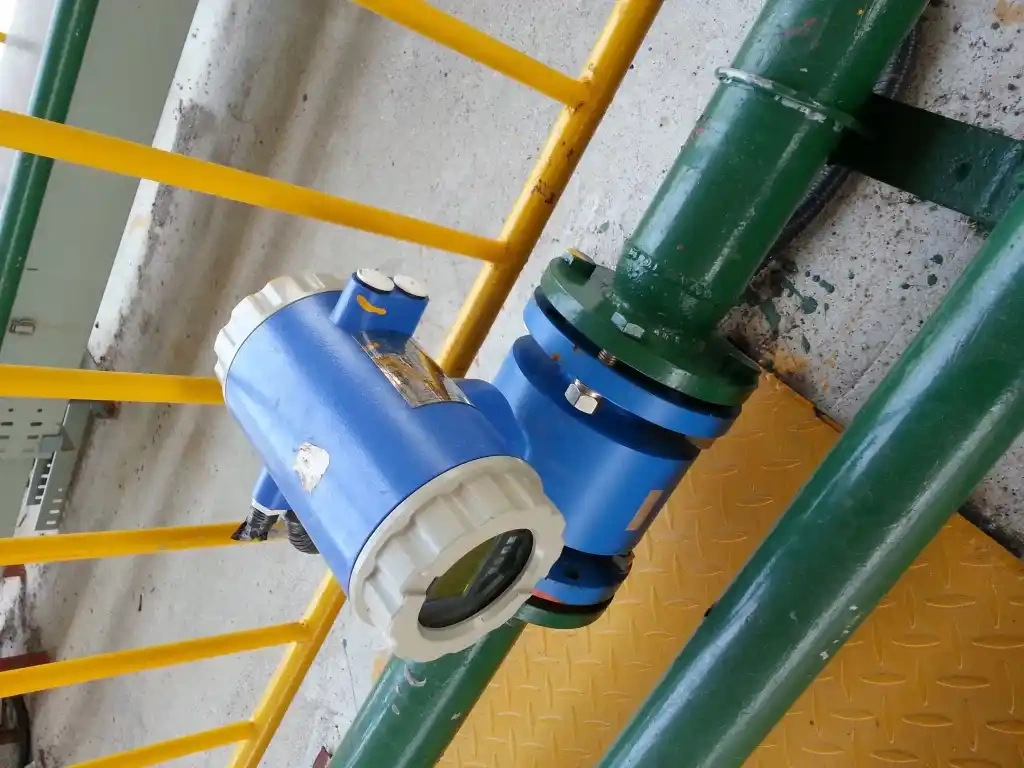
Leveraging years of expertise in fluid measurement technology and rigorous field validation, Sino-Inst’s flowmeter product range encompasses electromagnetic, vortex, turbine, and ultrasonic types.
These instruments are engineered to handle complex media conditions including corrosive substances, high temperatures and pressures, and high viscosities.
They’re great for measuring stuff to a high precision, can resist interference really well, and keep going for a long time, so they’re perfect for all sorts of industries like chemicals, oil and gas, water utilities, and green energy.
We’re dedicated to delivering top-notch products and offering our customers comprehensive lifecycle services, from helping them choose the right product to after-sales maintenance.This makes sure every flowmeter optimises production processes.