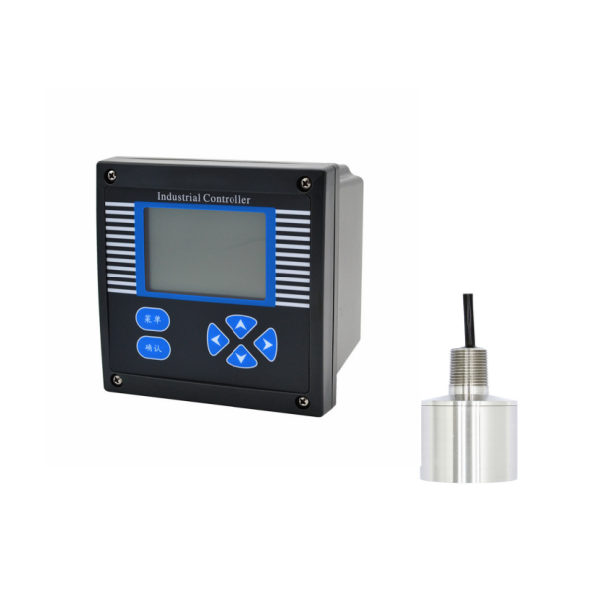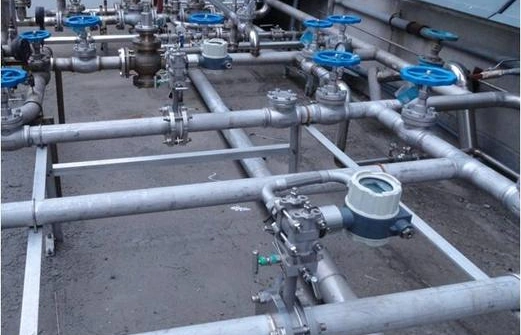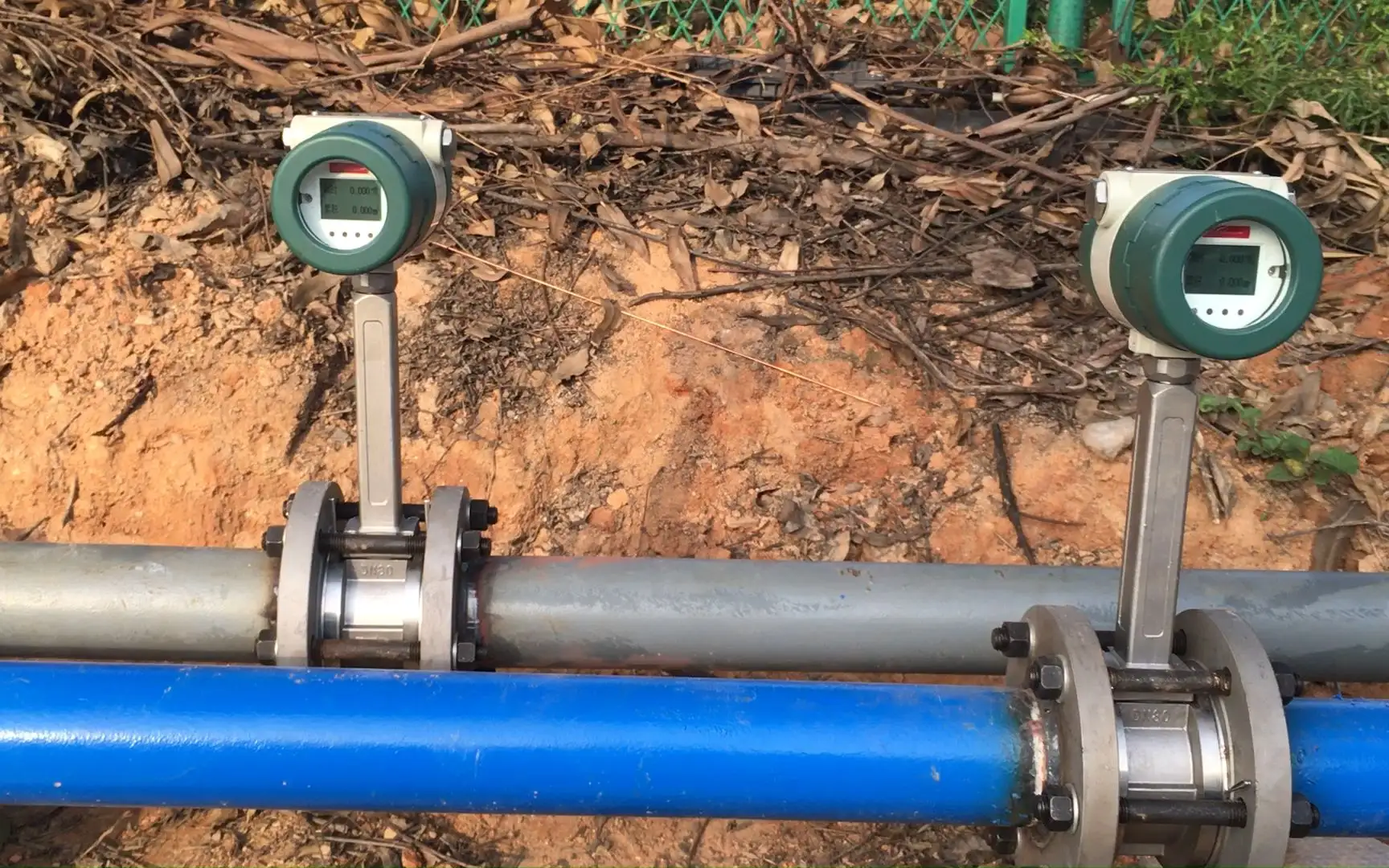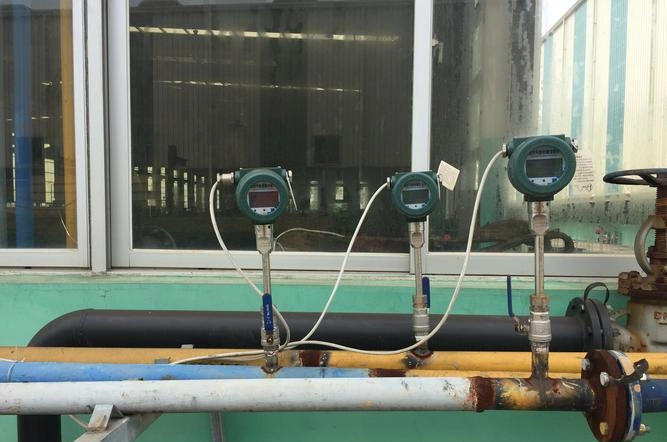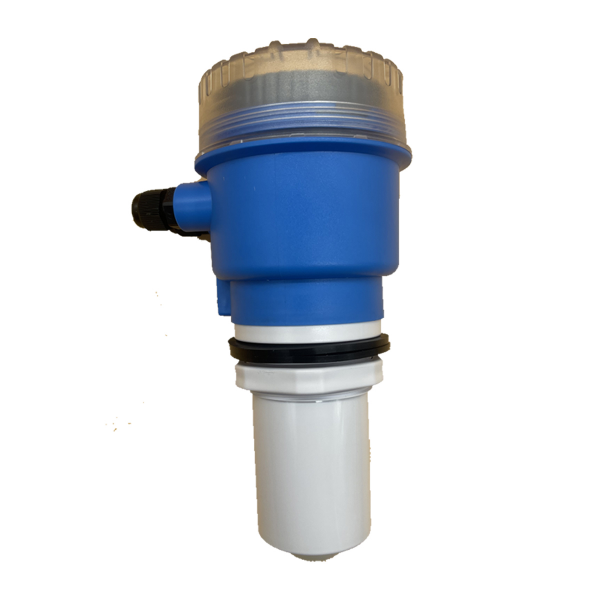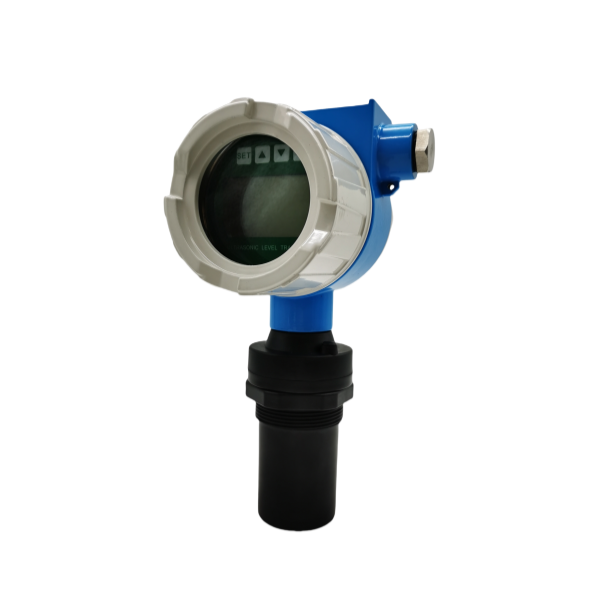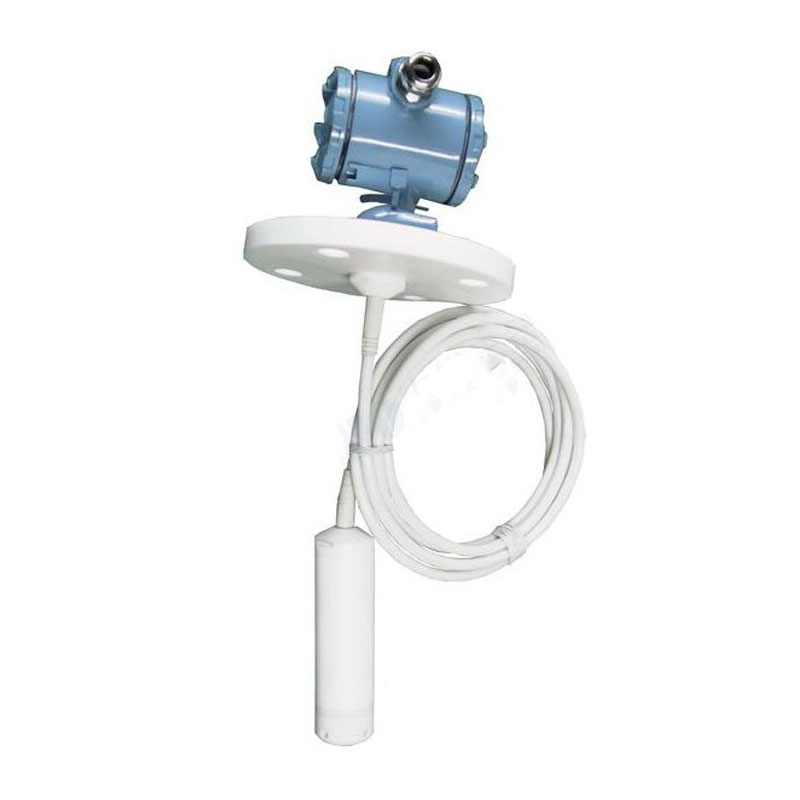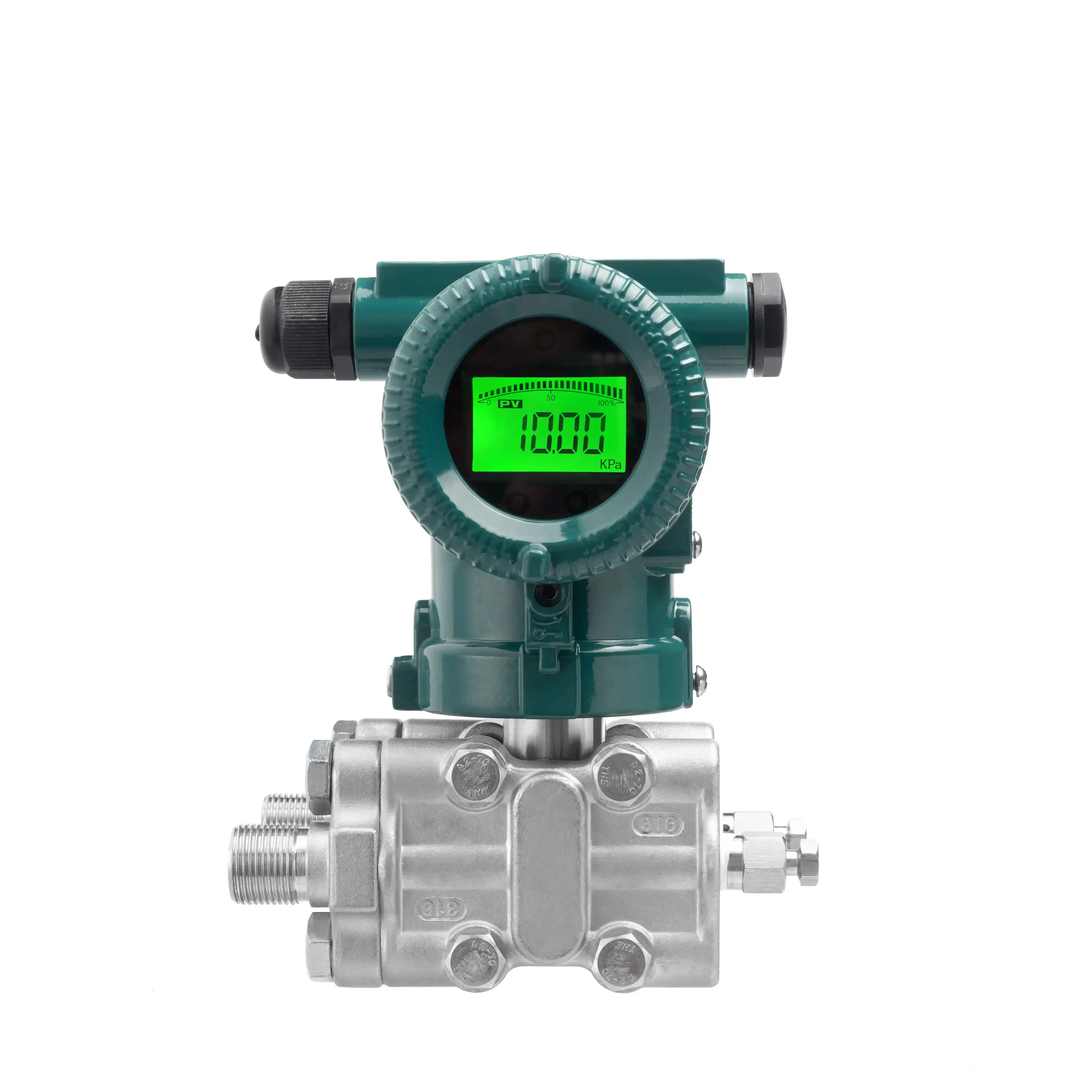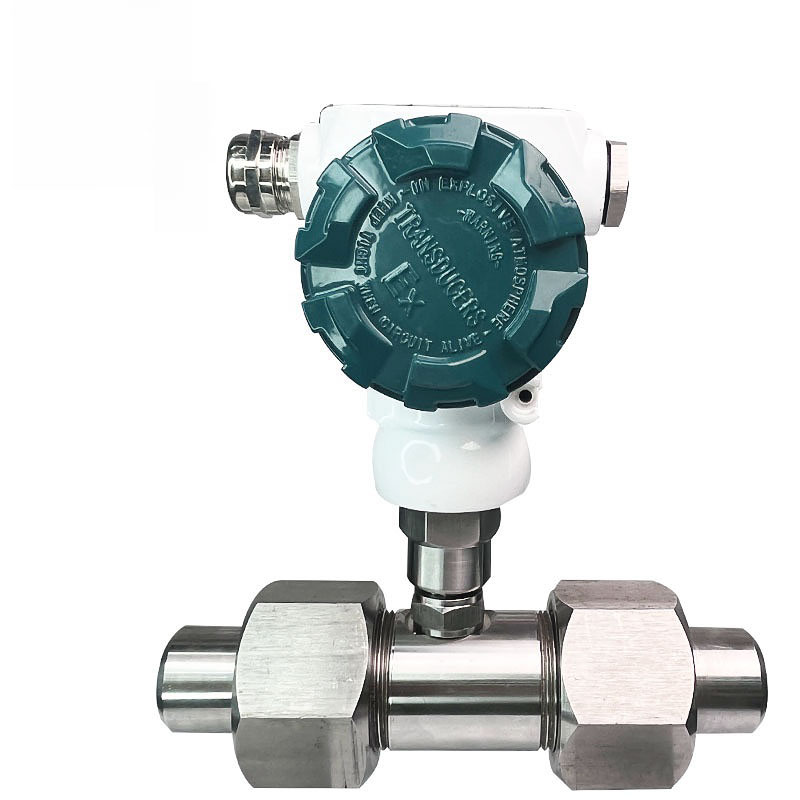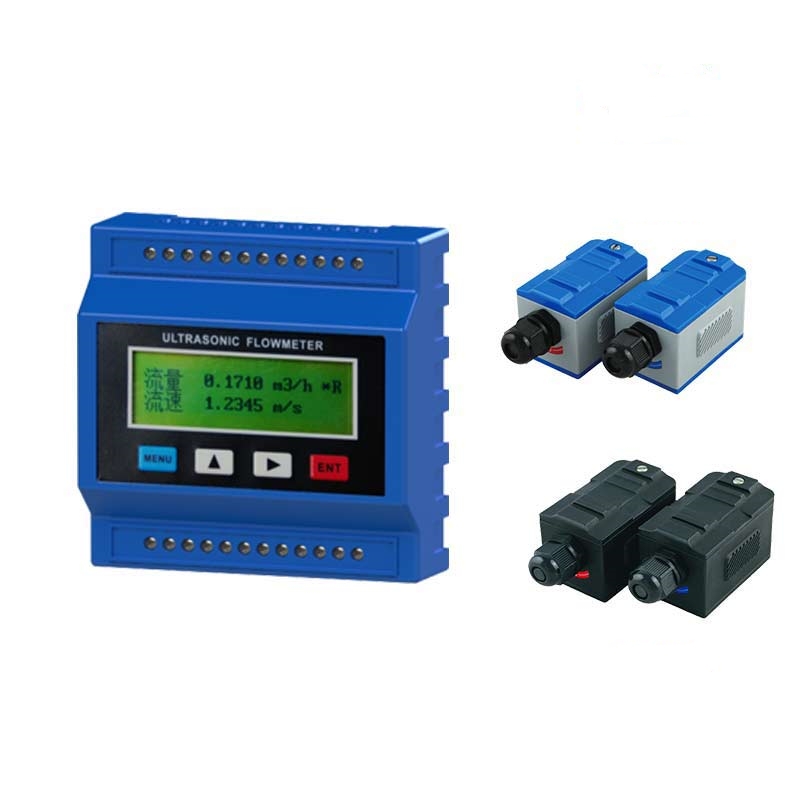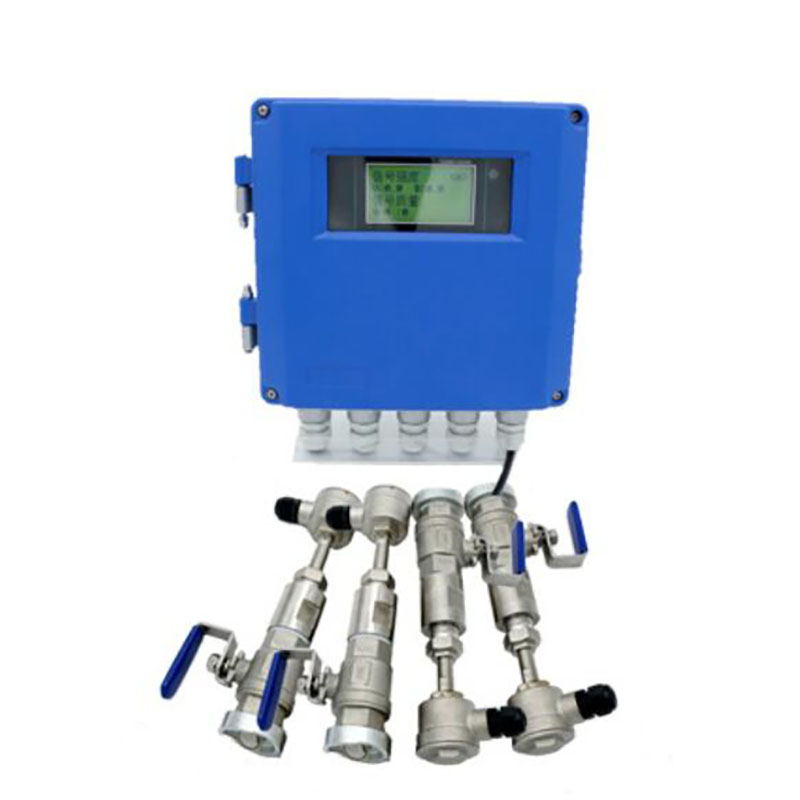
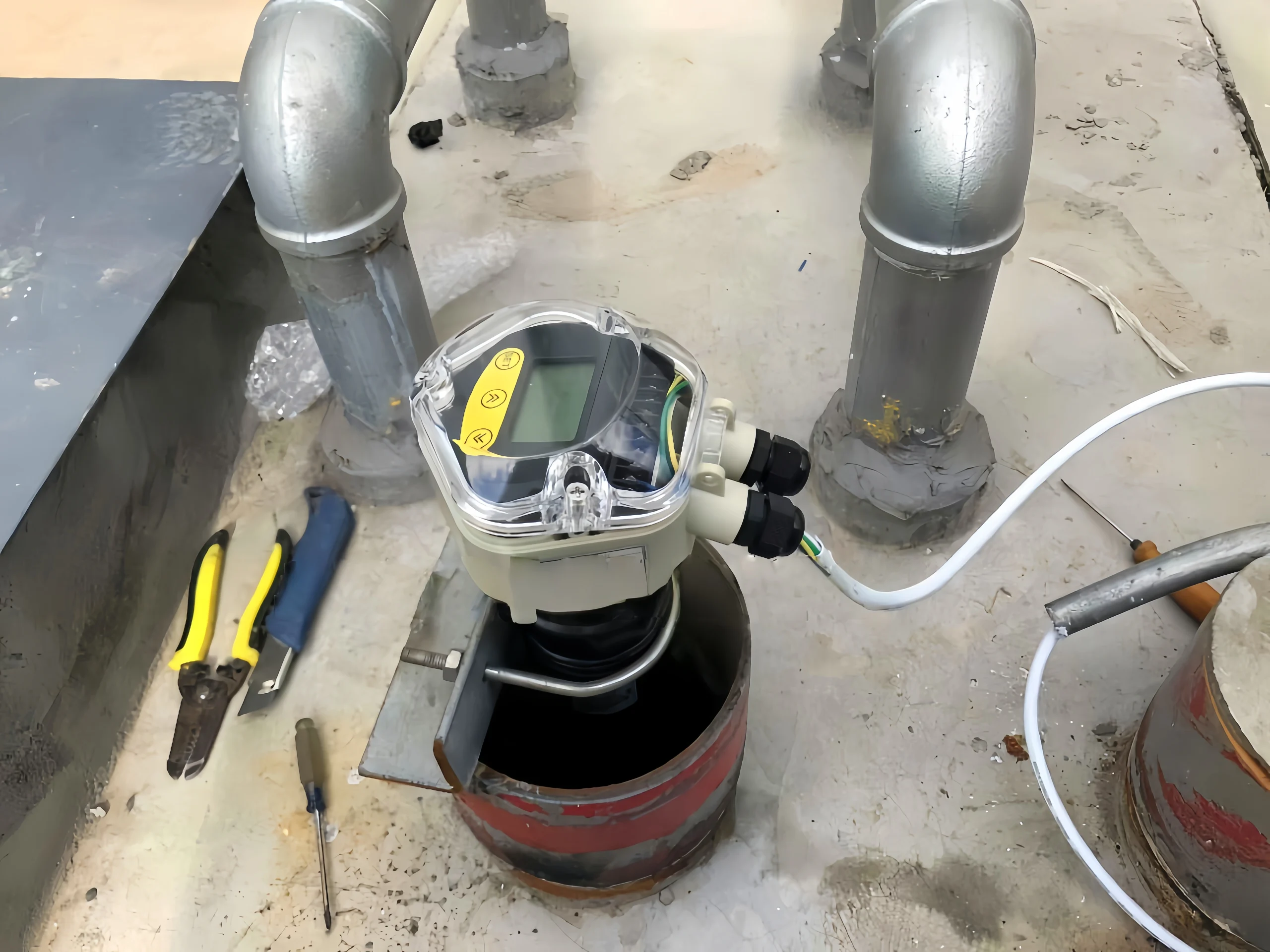
As a non-contact liquid level measuring device, the ultrasonic level transmitter applies ultrasonic wave propagation properties for level detection. It suits tanks, pipelines and water tanks with customizable designs, supporting multiple output signals including RS-485, RS-232, HART and 5-10V.
Featuring high precision and flexible installation, this widely adopted industrial high-tech equipment delivers reliable non-contact measurement for process monitoring across diverse industrial sites.
This article provides an in-depth introduction to the relevant knowledge of an ultrasonic level transmitter.
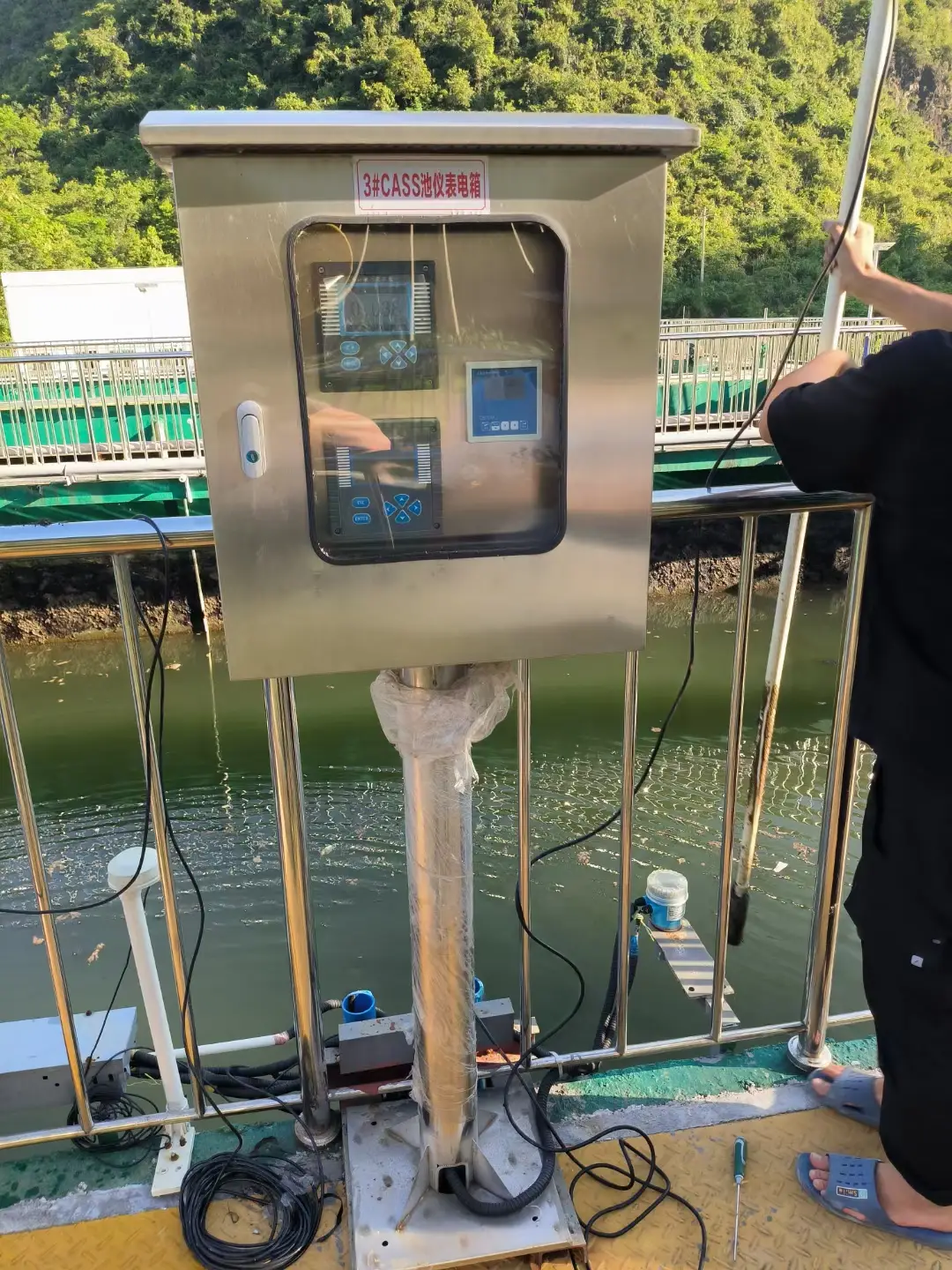
What is an Ultrasonic Level Transmitter?
An ultrasonic level transmitter is a measuring instrument. It can measure the liquid level or material level height inside containers such as storage tanks, water tanks, and tanks. It transmits ultrasonic pulses and receives the reflected signal. Thus measuring the liquid level height.
Because it uses non-contact and non-invasive technology. It is widely used in the measurement of tank liquid levels of various shapes and sizes.
Ultrasonic Level Transmitter Features:
- Non-contact measurement
- No wear and rust problems
- Integrated design
- Small and beautiful appearance
- Easy to install
- Microprocessor control
- Intelligent signal processing technology
- Transmitter with LCD
- Multiple output modes
- Anti-RF interference
- With temperature and pressure compensation
- Can measure various corrosive media
- Not affected by the shape of the tank
Ultrasonic Level Transmitter Applications
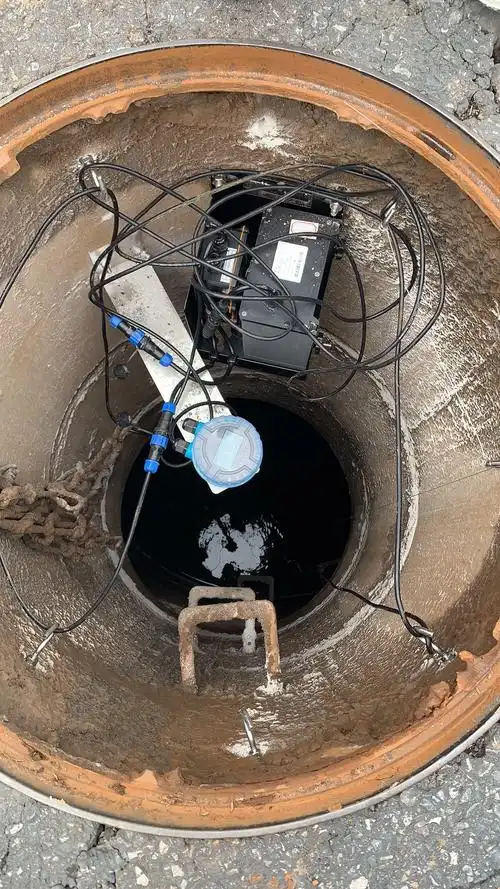
Ultrasonic level transmitters can be widely used in various tanks. such as atmospheric pressure storage tanks, process tanks, small tanks and small containers, pump lifting stations, wastewater storage tanks, etc.
Due to its design flexibility, ultrasonic level transmitters can also be used in integrated systems or replace float switches, conductivity switches and static pressure sensors. And it can also be seen in the comprehensive application of fluid control and chemical supply systems.
1. Sewage level measurement
Because the sewage composition is complex and corrosive, floating objects are easily formed on the surface of the liquid. Therefore, the required level meter is sensitive and reliable. Ultrasonic waves have the characteristics of strong signal penetration and sensitive response. and they are the recommended choice for sewage level measurement.
2. River level measurement
At present, ultrasonic level transmitters are widely used in water level measurement in rivers, lakes and road areas. The level of data must not only be reliable, but also be able to upload data online for real-time monitoring. Ultrasonic waves can output RS485 signals to effectively meet project requirements.
3. Corrosive level measurement
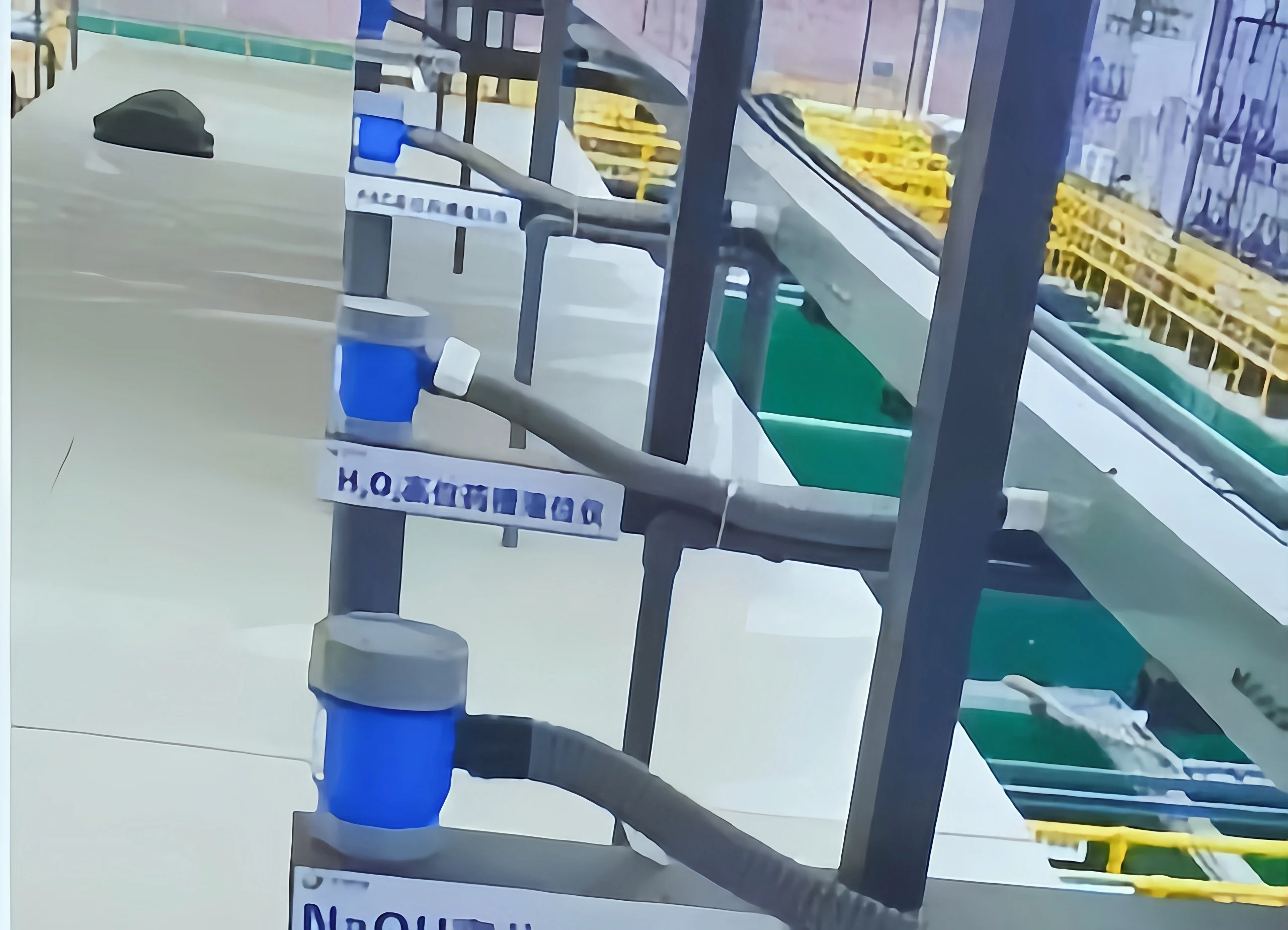
In acid and alkali level measurements, not only is the liquid corroded. but also, the chemical reaction will generate heat, interfering with the level measurement. Ultrasonic waves can be customized for corrosion protection and automatic dosing ratio.
4. Particle level measurement
Particle level measurement is prone to false signals. It requires the level meter to filter clutter. The ultrasonic level meter has an intelligent algorithm to automatically remove false echoes. It is used for level measurement of materials such as tanks. The data is accurate and reliable.
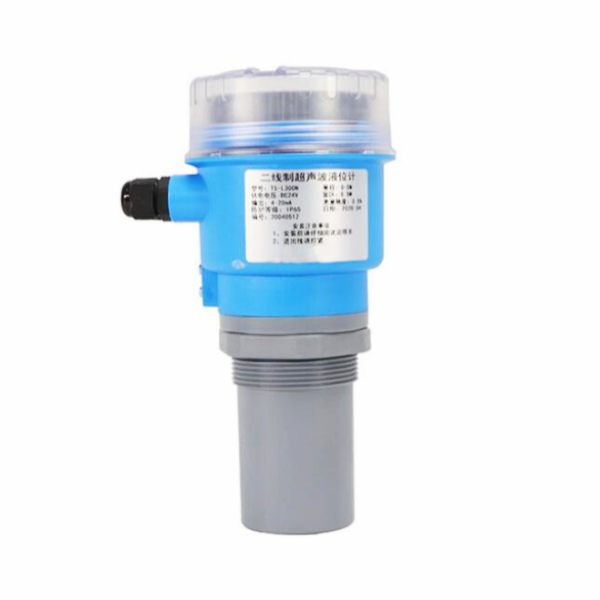
Sino-Inst Featured Product
Ultrasonic Level Transmitter Types
Types of ultrasonic level transmitters supplied by Sino-Inst:
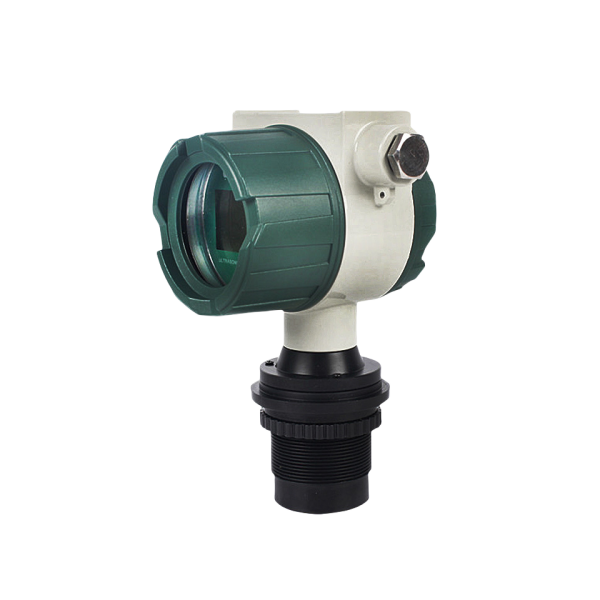
General type: It is suitable for most level measurements. Ordinary level measurement can be applied.
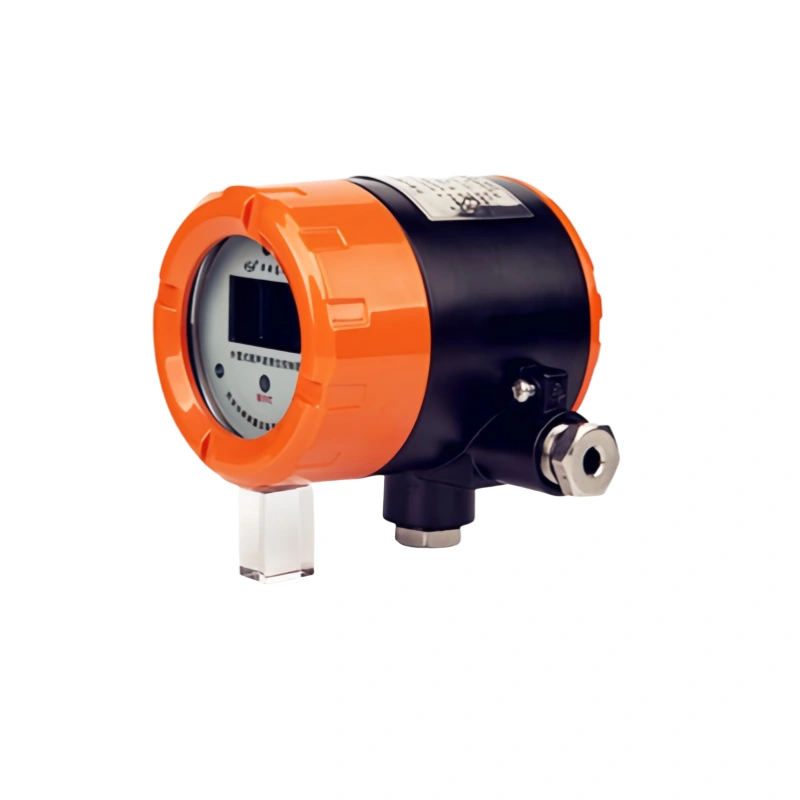
Explosion-proof ultrasonic level transmitter: It is suitable for flammable and explosive media such as oil.
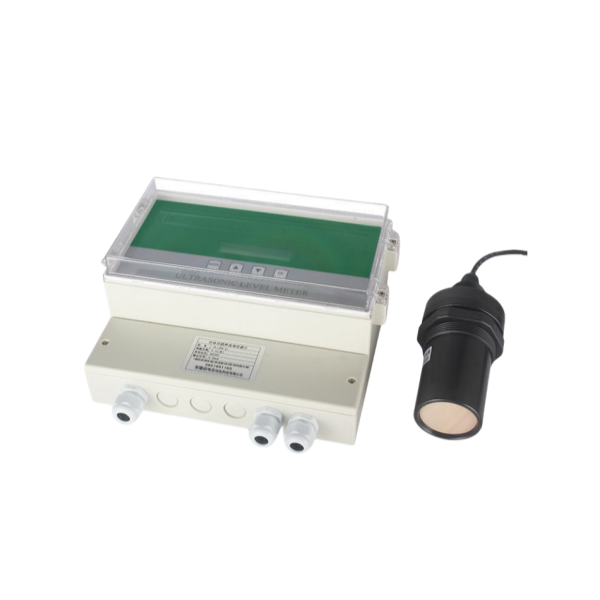
Split ultrasonic level transmitter: It is a transducer and a transmitter head installed separately, and the two are connected with a cable.
External ultrasonic level transmitter: It is suitable for sealed tanks. It is suitable when the tank cannot be opened.
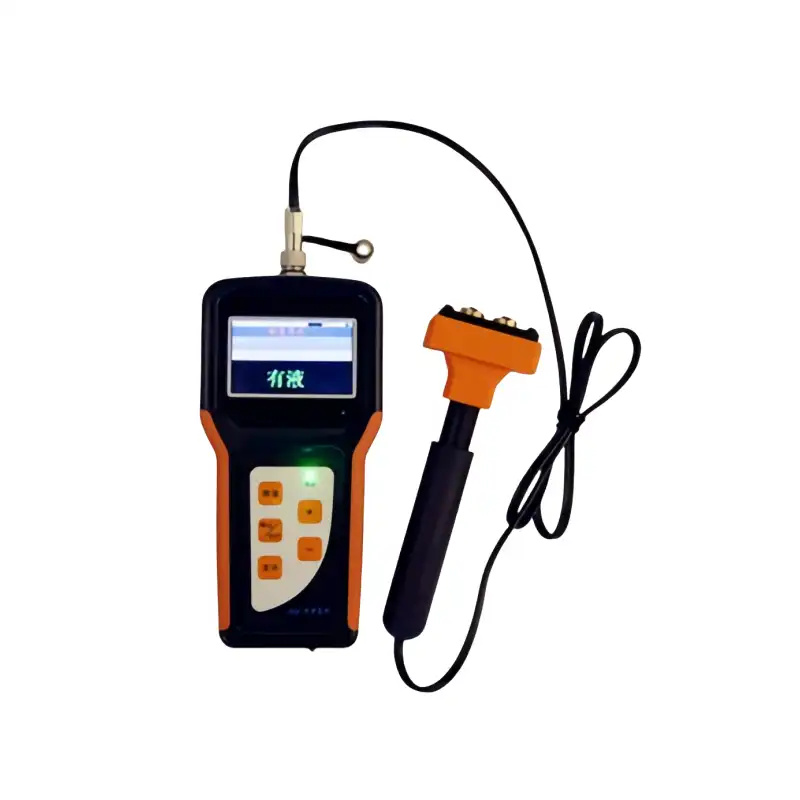
Handheld portable: It is suitable for river water, river water, and lake depth measurements. The length can be customized. The display can be held in the hand, which is convenient for real-time observation of data.
What is the Principle of the Ultrasonic Level Transmitter?
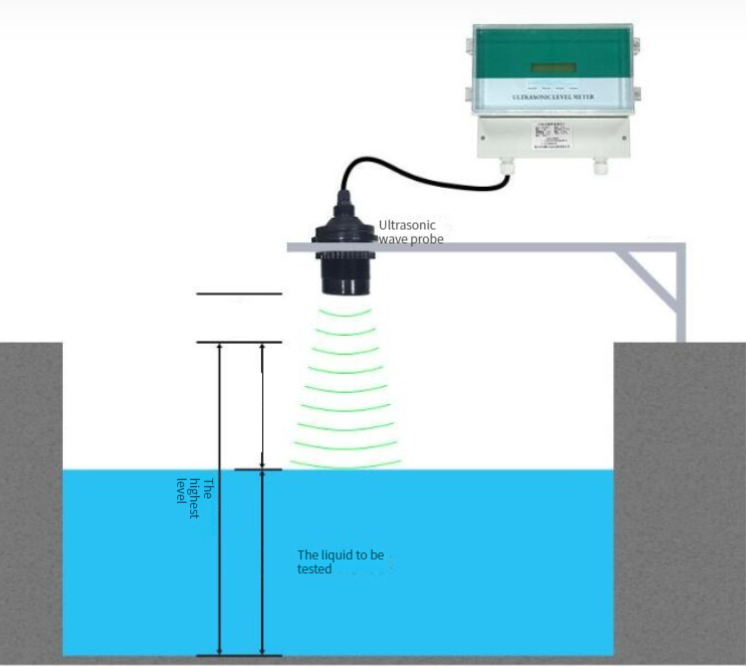
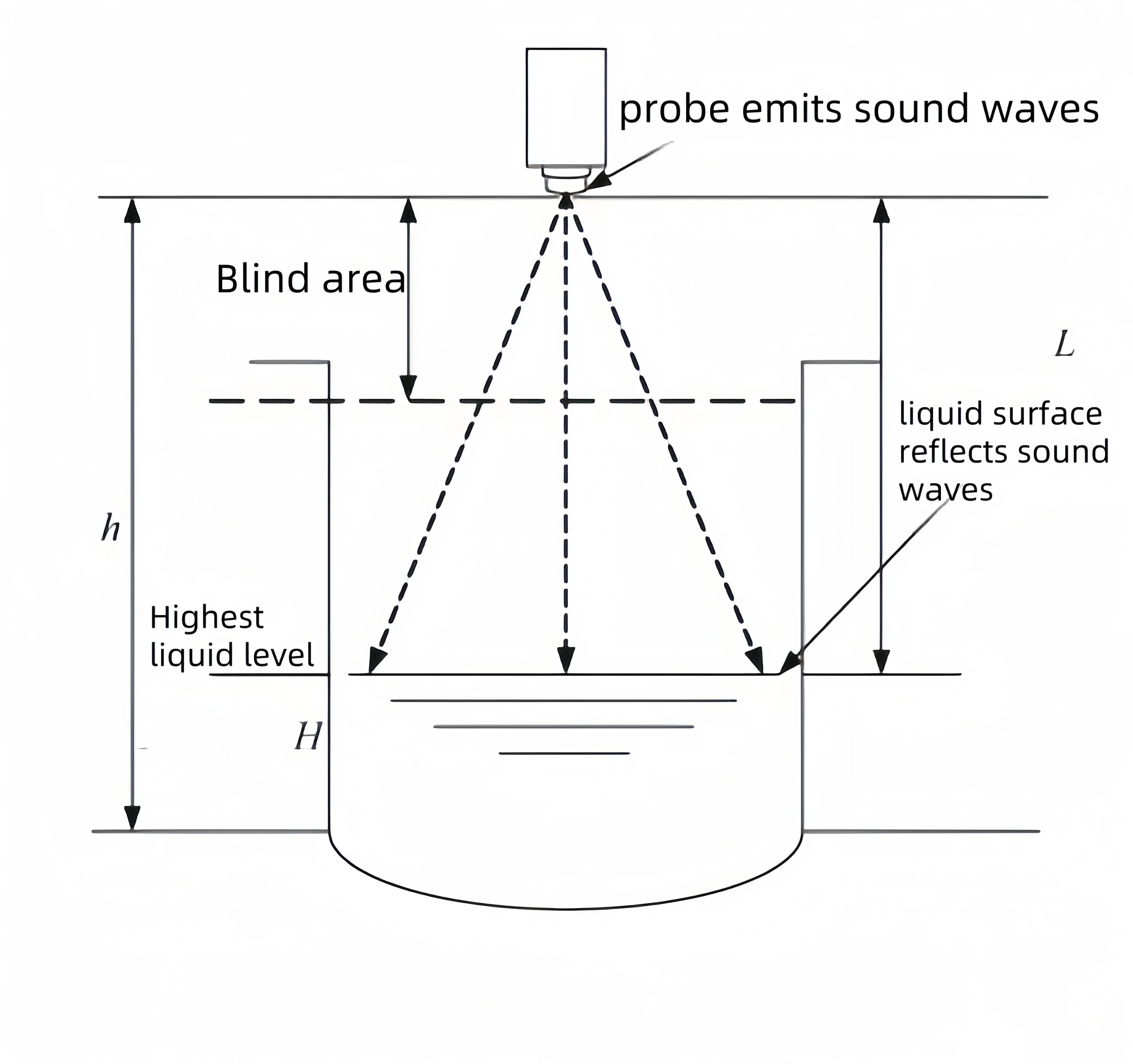
The principle is based on the propagation characteristics of ultrasonic waves in the medium. And the liquid level height is measured by transmitting and receiving ultrasonic signals. Specifically, its working principle can be summarized as follows:
The ultrasonic level meter consists of an ultrasonic transducer (probe) and a transmitter. When the instrument is working, the ultrasonic transducer will emit ultrasonic pulses of a certain frequency. These high-frequency ultrasonic pulses propagate at the speed of sound, reflect after encountering the surface of the measured medium (such as the liquid surface). and they are received by the same transducer and converted into electrical signals.
The time required for ultrasonic waves to be transmitted. And received (i.e., transit time) is proportional to the distance from the transducer to the surface of the measured medium. According to the relationship between the sound speed C and the transmission time t, the following formula can be obtained:
S=C×t2S=2C×t
Wherein,
S is the distance from the transducer to the liquid surface
C is the propagation speed of the ultrasonic wave in the medium
t is the time from the transmission to the reception of the ultrasonic wave.
According to the different sound transmission media, ultrasonic level meters can be divided into three types: solid medium, gas medium, and liquid medium.
According to the working mode of the probe, they can be divided into a self-transmitting and self-receiving single probe mode and a dual probe mode with separate transmission and reception.
In actual measurement, the propagation speed of an ultrasonic wave in the medium will be affected by various factors. such as temperature, so temperature compensation is required. The ambient sound velocity can usually be expressed by the following formula:
Ambient sound velocity = 331.5 + 0.6 × temperatureAmbient sound velocity = 331.5 + 0.6 × temperature
This can reduce the measurement error caused by temperature changes.
How to Calibrate an Ultrasonic Level Transmitter?
Zero calibration
Zero calibration is the first step in the calibration of ultrasonic level meters. Its purpose is to ensure that the level meter can accurately display the value of 0 when the liquid level is empty.
The specific operation method can be carried out according to the instructions provided. It usually includes placing the probe in a liquid-free state. And adjusting the instrument settings to return the displayed value to zero.
Span calibration
Span calibration is performed after the zero calibration is completed. Ensure that the level meter can accurately display the full liquid level height when the liquid level is full. Again, the specific operation method can refer to the instructions provided.
Span calibration usually includes placing the probe in a liquid with a known liquid level height. Adjust the instrument settings. So, the displayed value is consistent with the actual liquid level height.
Repeat calibration
In order to ensure the accuracy and stability of the level meter, the debugging results need to be verified and calibrated multiple times.
Calibration can be performed under different liquid level conditions. such as empty level, 1/2 range, full level, etc. to check the accuracy and response speed of the level meter at different liquid level points.
By repeating the calibration, the measurement error can be discovered and corrected in time.
Special calibration method
Special calibration methods can be used for the transit time error and sound velocity accuracy error. They may occur in the ultrasonic level meter during the measurement process. For example, the time control circuit (TGC) is used to compensate for the attenuation of the sound wave during propagation. Reduce the transit time error.
By installing a temperature sensor and a real-time sound velocity compensation device, the accuracy of the sound velocity value is improved. Thereby improving the measurement accuracy.
These methods need to be selected and implemented according to specific application scenarios and measurement requirements.

Differences between Ultrasonic Level Transmitters and Radar Level Transmitters
Different Measurement Principles
Ultrasonic level transmitters rely on the transmission and reception of ultrasonic waves through the air; they calculate distance based on the time taken for the sound waves to travel to and from the liquid surface, with air serving as the transmission medium.
Radar level transmitters emit high-frequency electromagnetic waves, which can penetrate gases and vapours; they measure liquid level by detecting the echo reflected from the liquid surface, and their transmission is not restricted by the presence of air.
Differences in Suitable Operating Conditions and Media
Ultrasonic transmitters are sensitive to ambient gases, dust and foam. Thick foam on the liquid surface, large amounts of vapour or high dust levels can significantly absorb the sound waves, causing signal loss. They are therefore more suitable for clear water and liquids at normal temperature and pressure that are non-volatile and free of foam;
Radar electromagnetic waves have strong penetration capabilities and can still provide stable measurements in environments with foam, light vapour or dust. They can be used for sewage, crude oil, slurries and volatile media.
Temperature and Pressure Range
Ultrasonic measurement is affected by changes in ambient air temperature, which alter the speed of sound; excessively high temperatures cause sound wave attenuation.
The temperature tolerance is generally low, making it unsuitable for high-temperature, high-pressure sealed vessels; radar is unaffected by ambient air temperature, withstanding high temperatures and pressures, and is suitable for steam tanks, high-temperature reactors, and pressurised sealed storage tanks.
Installation and Space Requirements
There must be no obstructions beneath the ultrasonic probe; internal tank components such as agitators, pipes and supports are highly prone to generating false echoes that interfere with measurements.
Radar offers superior resistance to interference from obstacles, providing more stable measurements in narrow tanks and vessels with numerous internal components; certain guided-wave radars are also suitable for confined and deep tank applications.
Corrosion and Condensation Effects
Condensation or frost on the probe surface directly blocks ultrasonic wave propagation, causing measurement errors to increase dramatically.
Radar electromagnetic waves are less affected by probe condensation or light frost; only heavy, thick deposits will slightly affect accuracy. In corrosive environments, antennas made of corrosion-resistant materials can be used.
Measurement Range Differences
Standard ultrasonic ranges are typically within 0–10 metres, with significant signal attenuation at longer distances.
Non-contact radar typically has a range of 30–70 metres, whilst guided-wave radar can achieve measurements at depths of up to 100 metres, making it suitable for large storage silos and deep-water tanks.
Accuracy and Cost Comparison
At equivalent ranges, radar offers higher measurement accuracy, with stable error levels even under fluctuating temperature, humidity and operating conditions; ultrasonic measurement has moderate accuracy, with significant variations in error due to environmental changes.
Ultrasonic systems have lower initial procurement costs, whilst radar transmitters are more expensive; however, their subsequent maintenance costs are similar.
Suitability for Explosion-Proof and Flammable/Explosive Environments
Ultrasonic waves pose a slight risk of energy accumulation in enclosed flammable or explosive spaces, limiting their use in high-risk chemical storage tanks;
Radar systems emit extremely low-energy electromagnetic signals and are available in a full range of explosion-proof models, making them widely used for level monitoring in petrol, chemical solvent and flammable liquid storage tanks.
FAQ
How Far Can Ultrasonic Wave Detect?
The ultrasonic transmitter transmits ultrasonic waves in a certain direction. And starts timing at the same time as the emission moment. The ultrasonic wave propagates in the air and returns immediately when it encounters an obstacle on the way. The ultrasonic receiver stops timing immediately when it receives the reflected wave.
The propagation speed of ultrasound in the air is 340m/s. According to the time t recorded by the timer, the distance (s) from the emission point to the obstacle can be calculated, that is: s=340t/2. This is the so-called time difference ranging method.
The ranging formula is expressed as:
L=C×T
where:
L is the measured distance length
C is the propagation speed of ultrasound in the air
T is the time difference of the measured distance propagation
(T is half of the time value from emission to reception).
Ultrasonic ranging is mainly used for distance measurement of reversing reminders, construction sites, industrial sites, etc. Although the current range can reach 100 meters. The measurement accuracy can often only reach the order of centimeters.
It is an ideal means for liquid height measurement. In precise level measurement, it is necessary to achieve millimeter-level measurement accuracy. But the current domestic ultrasonic ranging special integrated circuits have only centimeter-level measurement accuracy.
Do Magnets Affect Ultrasonic Sensors?
Magnets will affect the propagation path of ultrasound, thereby changing the propagation speed and direction of ultrasound.
This will cause the propagation path of ultrasound in the fluid to change, thereby affecting the measurement accuracy of the flow meter. In addition, magnets will also interfere with the ultrasonic signal, thereby affecting the stability and accuracy of the signal.
Advantages and disadvantages of ultrasonic level sensors
Advantages
1. Non-contact measurement: the probe does not come into contact with the medium, making it suitable for corrosive, viscous and impure liquids; it is resistant to blockages and damage, requiring low maintenance frequency.
2. Simple installation and commissioning: no need to access the interior of the tank, no excavation or production shutdowns required for retrofitting; suitable for most atmospheric storage tanks and sewage tanks.
3. Wide measurement range, suitable for applications ranging from short-distance shallow tanks to large-capacity storage tanks; stable dead-zone control, suitable for monitoring both high and low liquid levels
4. Strong medium compatibility; unaffected by the liquid’s conductive or insulating properties; capable of accurately detecting water, chemical solvents and slurries
5. No moving mechanical parts; no risk of jamming or wear-related failures; longer service life, stable operation and low failure rate
6. Standardised output signals, supporting common protocols such as 4–20 mA and RS485, allowing direct integration into PLC and DCS control systems
7. Features high and low level alarms, as well as empty and full tank warnings; includes built-in temperature compensation to minimise measurement errors caused by temperature fluctuations
8. Moderate cost; offers better value for money compared to radar level transmitters, making it an economical and practical choice for small to medium-sized sewage, water treatment and general storage applications
Disadvantages
1. Significant limitations regarding process conditions; dust, foam, vapour and dense mist can reflect sound waves, causing measurement distortion, making it unsuitable for highly volatile or foaming storage tanks.
2. Measurement blind spots exist; the area immediately below the probe cannot be detected, resulting in poor suitability for small tanks and shallow liquid level scenarios.
3. Temperature affects the accuracy of the sound velocity; frequent temperature compensation is required when there are significant fluctuations in ambient temperature, and errors are prone to drift in low-temperature environments.
4. When there are obstacles or agitators on the surface of the liquid being measured, the sound waves are blocked or interfered with, resulting in unstable and fluctuating readings.
5. Not suitable for high-pressure sealed vessels; high pressure alters the density of the air medium, significantly weakening the ultrasonic transmission signal.
6. Installation space is restricted; an unobstructed clearance must be maintained above the probe, making installation difficult in confined tank tops or within pipes.
7. Corrosion resistance is limited; highly corrosive volatile gases can erode the probe housing, shortening the service life of the equipment.
Ultrasonic level transmitters have unique advantages in measuring liquid levels. It is not affected by the properties of the medium, the size of the pipe, and the shape.
Sino-Inst’s ultrasonic level transmitter supports customization. We can provide you with free level measurement solutions. If you have questions about level measurement. Please contact us immediately. We can also provide you with other level measurement tools.