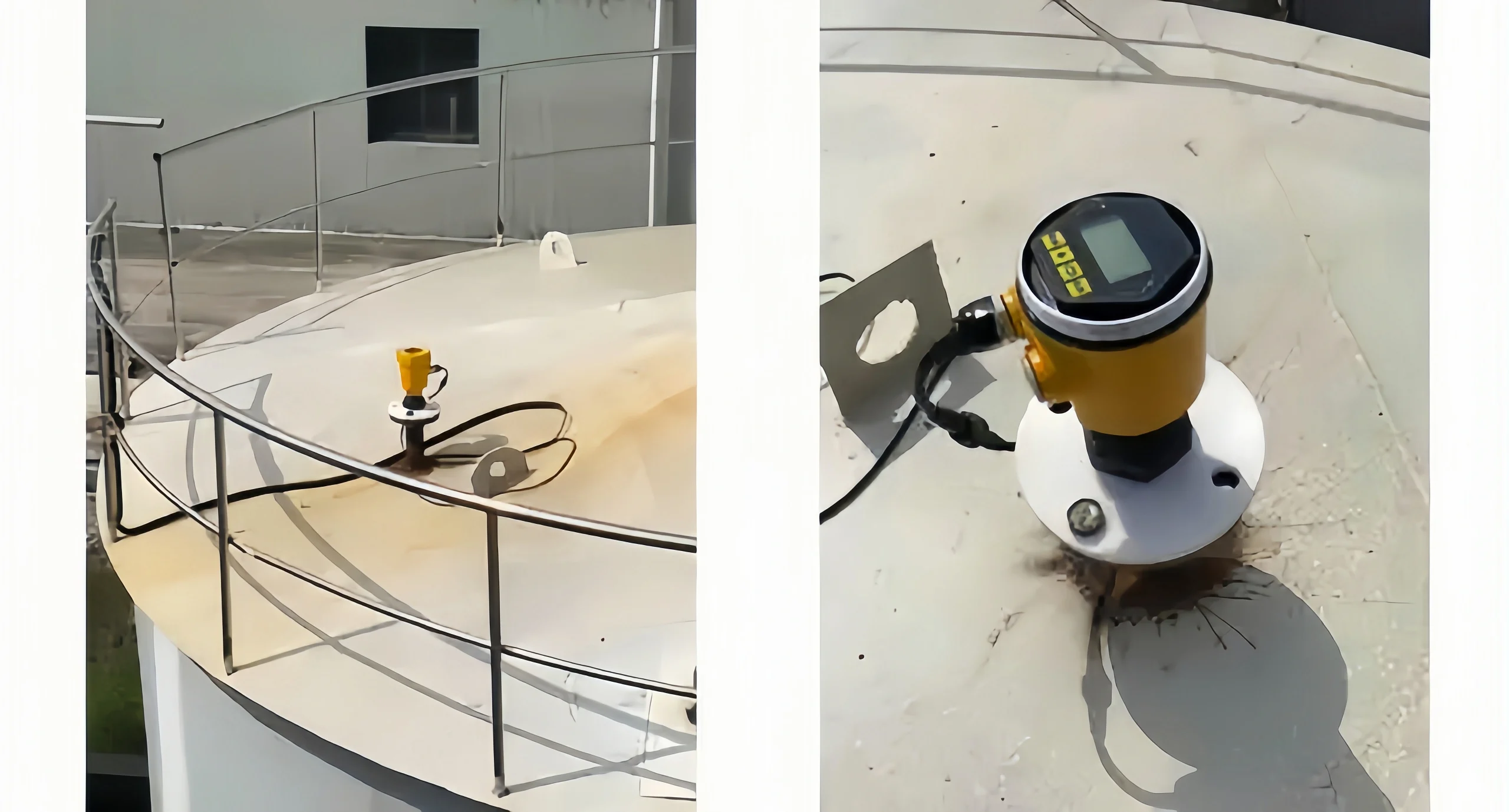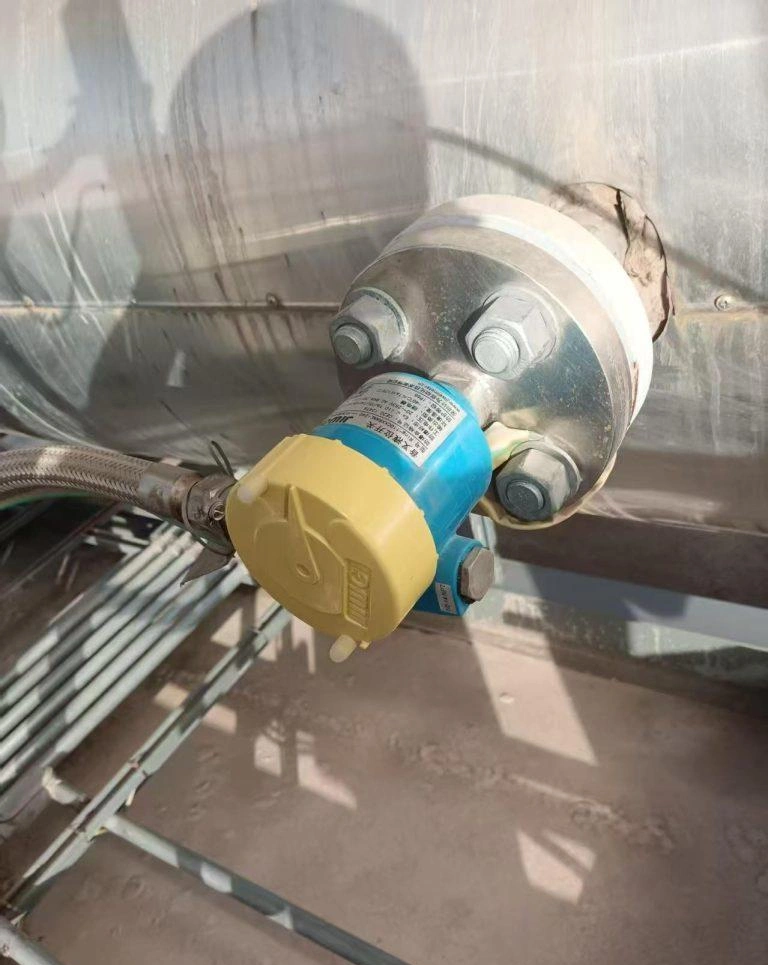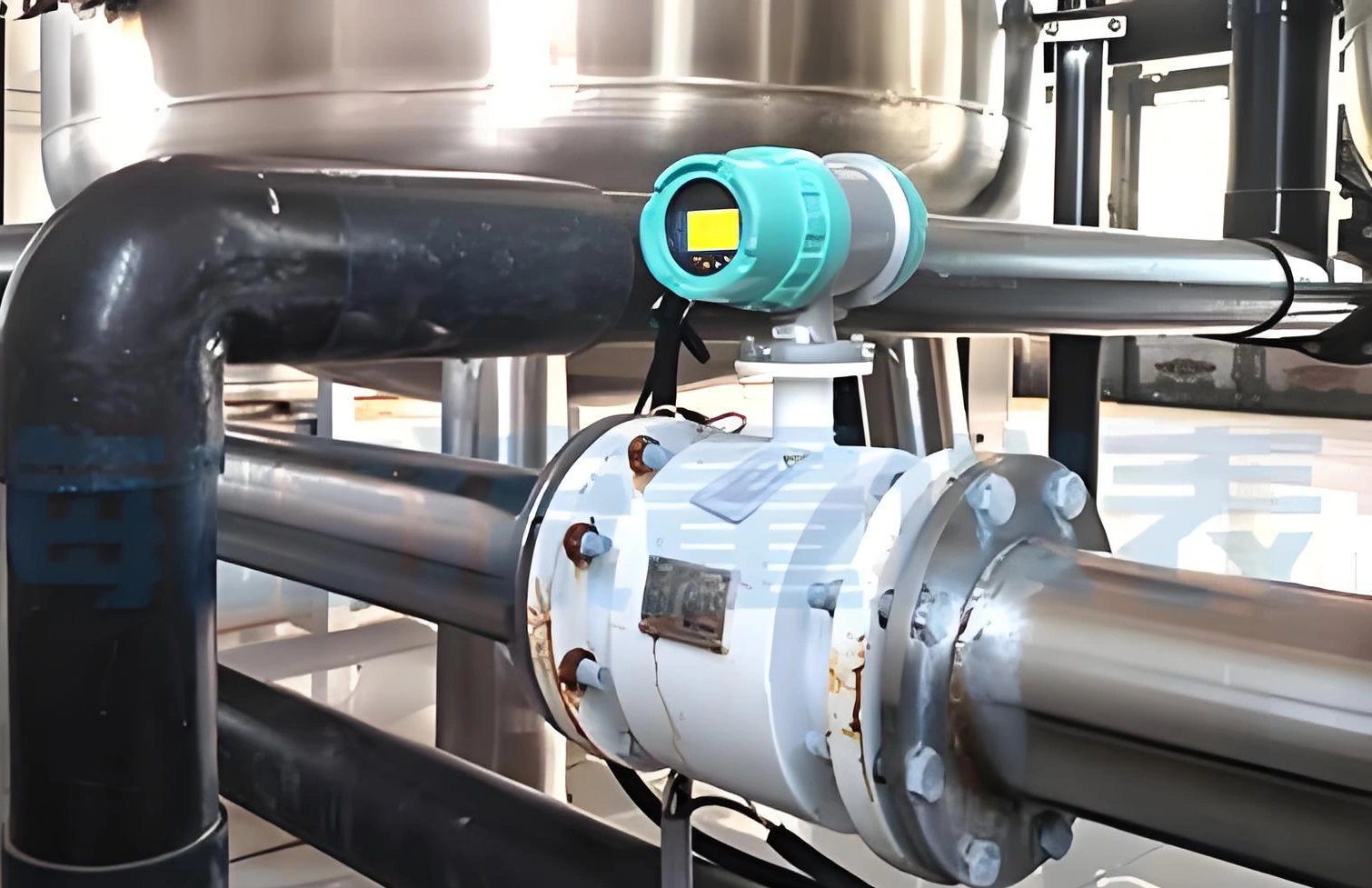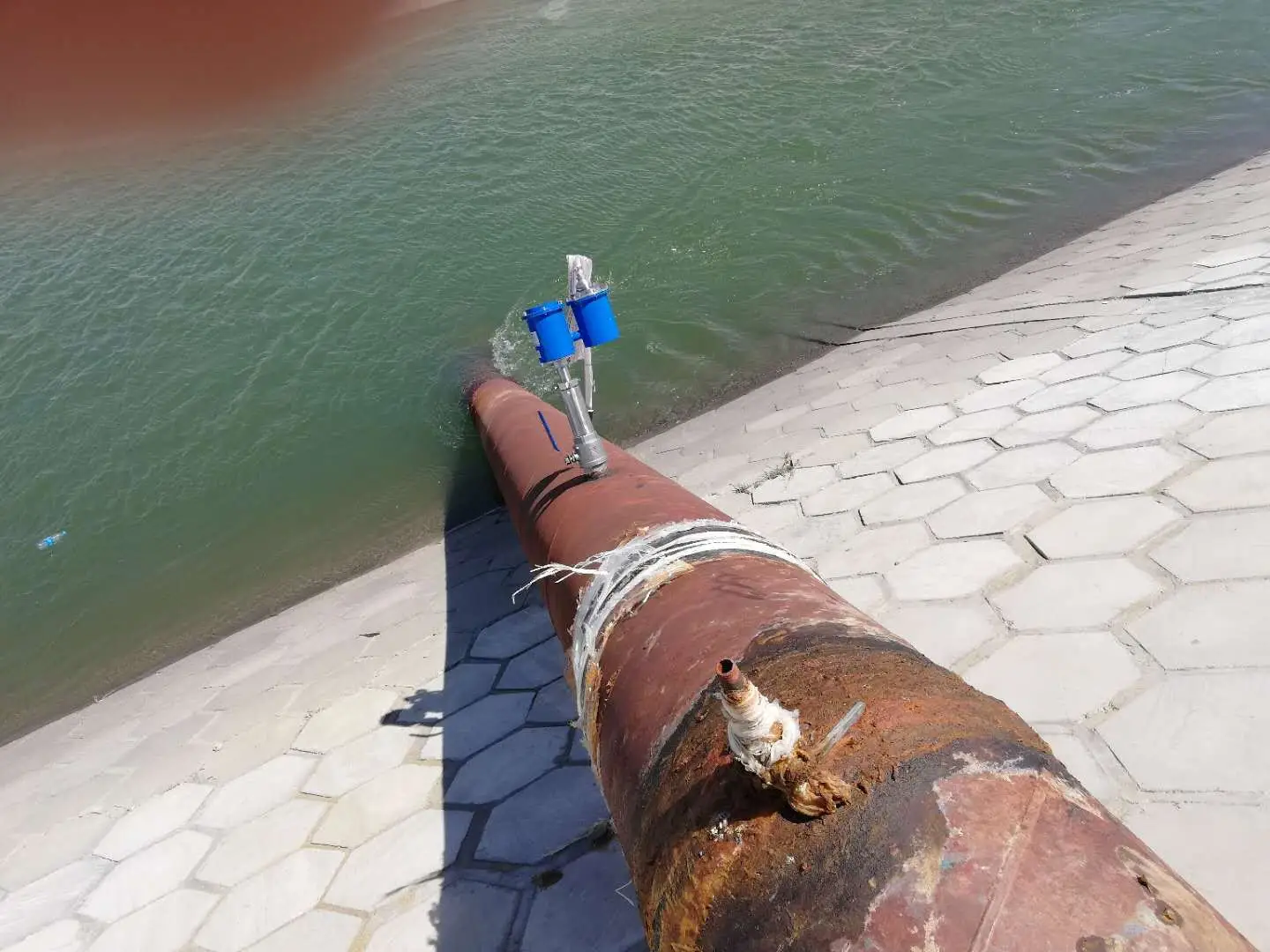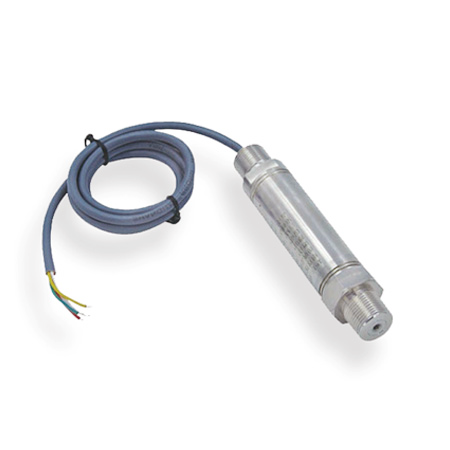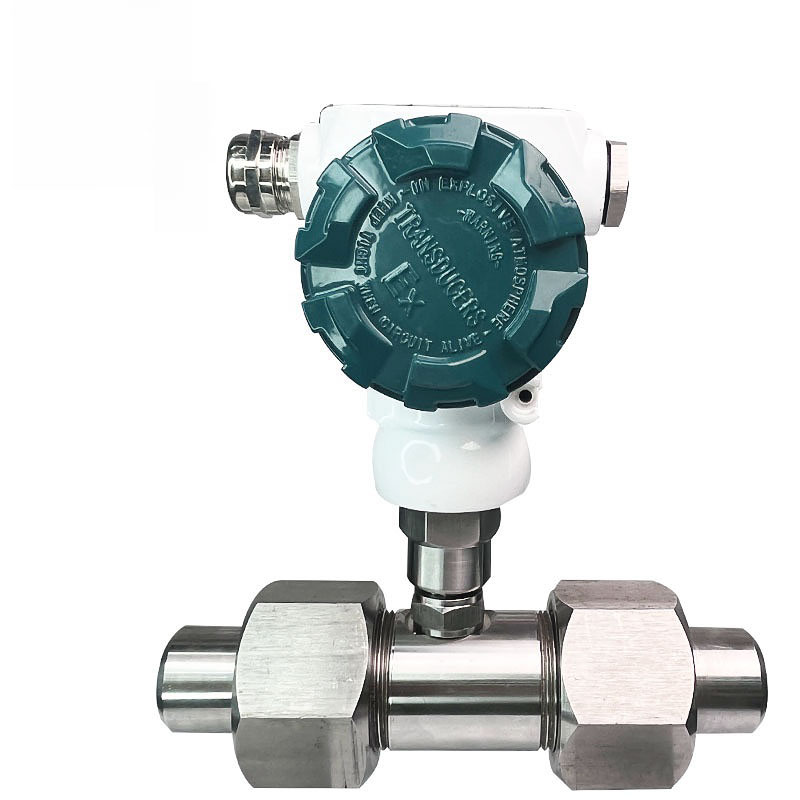
The stable operation of a thermal management system relies on the precise control of coolant levels. As a core sensing component, the coolant level sensor collects real-time signals regarding the liquid level in the reservoir and transmits them to the control unit.
Among them, the coolant level sensor plays an irreplaceable role in industrial manufacturing. The coolant level sensor can control the coolant level, thereby increasing the service life of industrial equipment.
This article will introduce the relevant knowledge of the coolant level sensor.
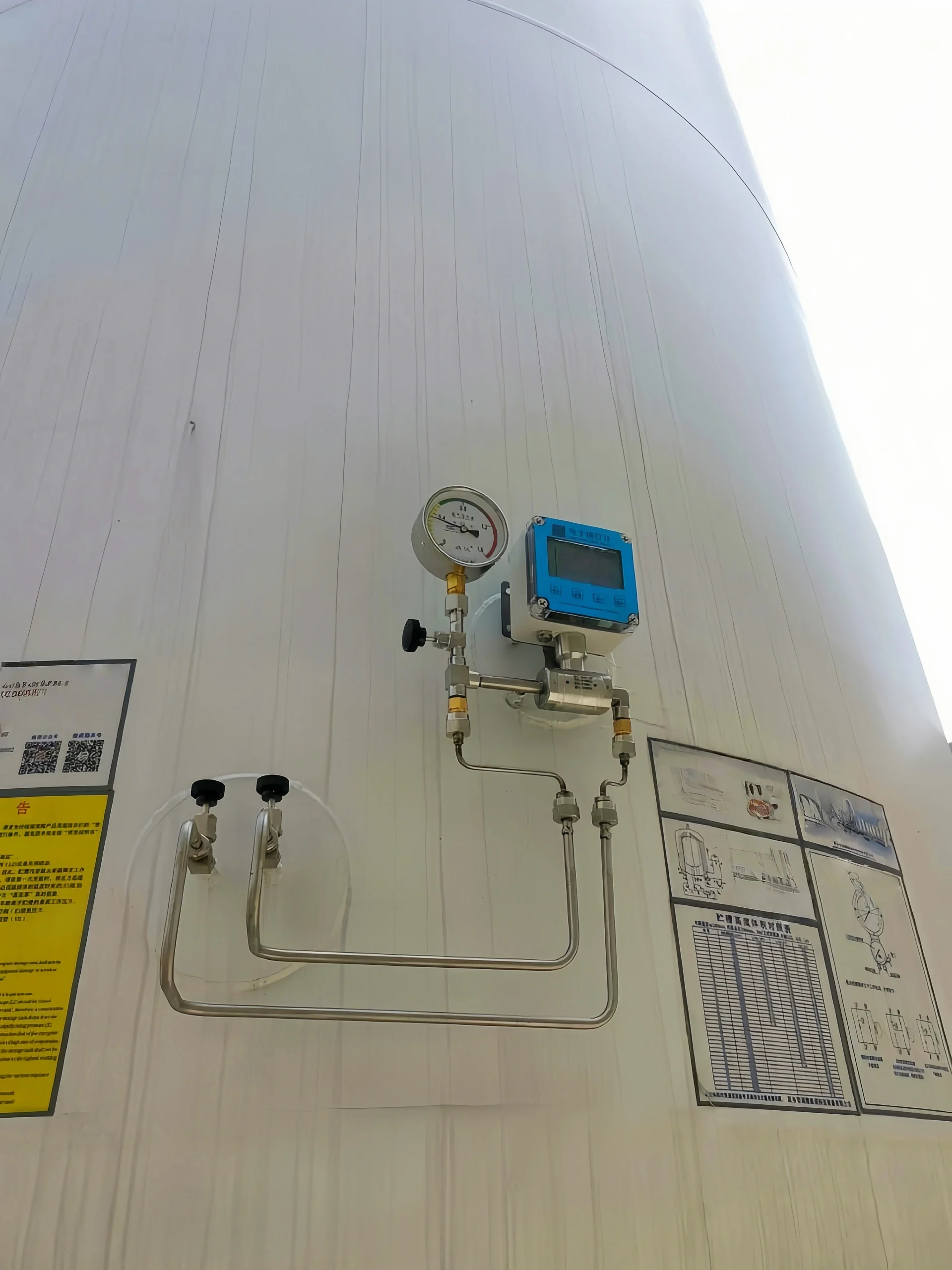
Coolant is a liquid used to control and regulate the temperature of machinery, equipment or engines.
Features:
High specific heat capacity: The Coolant has a high specific heat capacity and can absorb and release a large amount of heat.
Corrosion resistance: The coolant needs to have good corrosion resistance. Prevent corrosion of metal parts inside machinery and equipment.
Antifreeze resistance: The coolant needs to have a certain degree of antifreeze. Ensure that it does not freeze in low-temperature environments.
Uses:
Automobile cooling system: Coolant is used in the cooling system of automobile engines. Control the temperature of the engine and prevent overheating.
Industrial equipment: Coolant is widely used in the cooling and heat exchange process of industrial equipment. Maintain the normal operating temperature of the equipment.
Electronics: Coolant is used in high-power components or heat sinks in electronic devices. Prevent overheating damage.
Measuring the level of coolant is a complicated matter. There are many ways to measure coolant. The most commonly used is a coolant level sensor.
Measurement Challenges
1. Temperature throws off level measurement accuracy. When industrial equipment runs hot or cold, the coolant expands and contracts, and bubbles can form too — so the liquid level reading you get at one temperature might be way off from what you see at another.
2. Circulating flow keeps the surface moving. The coolant is always moving through the cooling system, and the fluid hitting the pipework doesn’t let the surface settle down — so getting a precise level reading is tough when the surface won’t stay still.
3. The coolant and the tank itself can easily cause obstruction and interference. Prolonged use of the coolant leads to cloudiness and scaling, whilst oil and impurities adhering to the inner walls of the storage tank obscure the observation scales.
4. Sealed, pressurised tanks cannot be observed directly. Most industrial cooling systems are pressurised and sealed, meaning the lid cannot be opened for measurement; detection can only be carried out indirectly using external sensors.
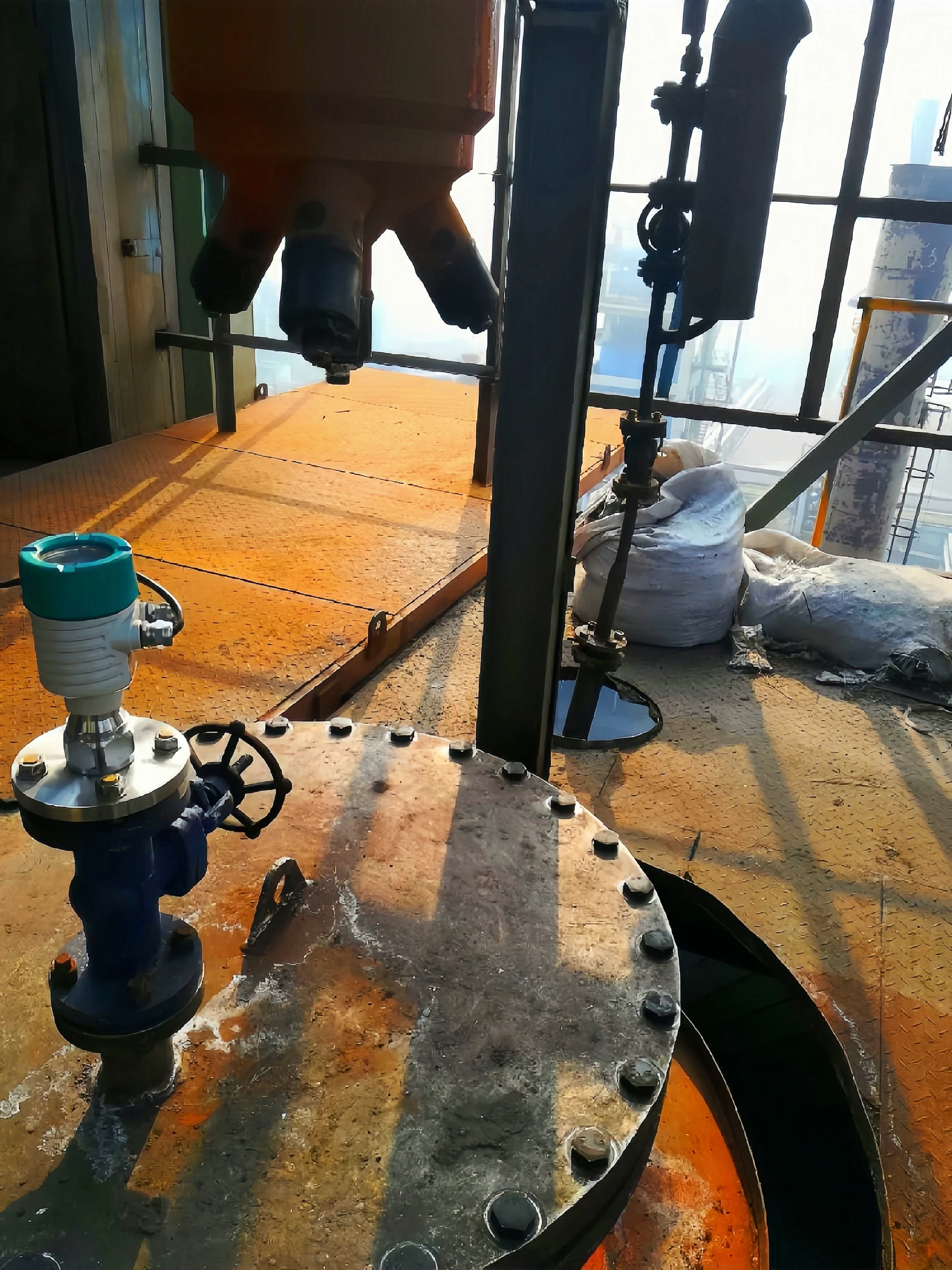

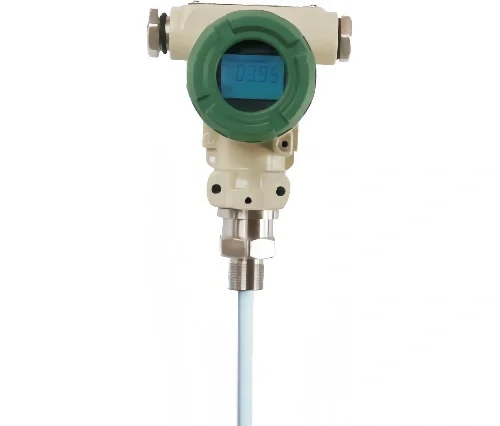
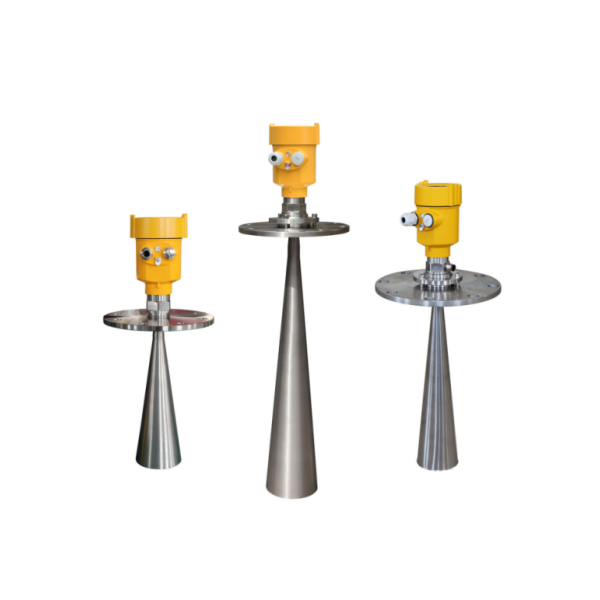
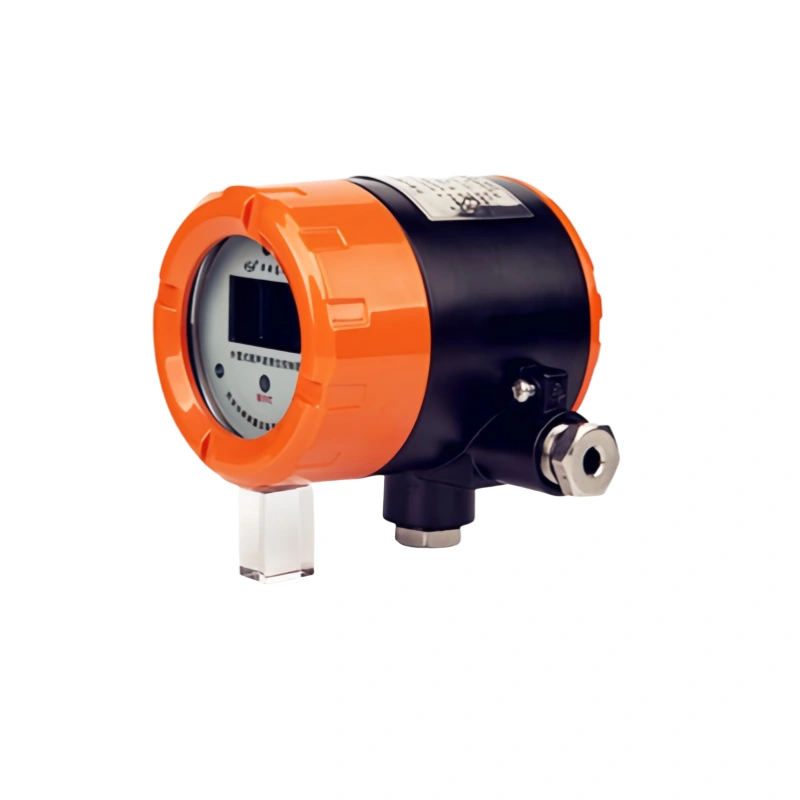
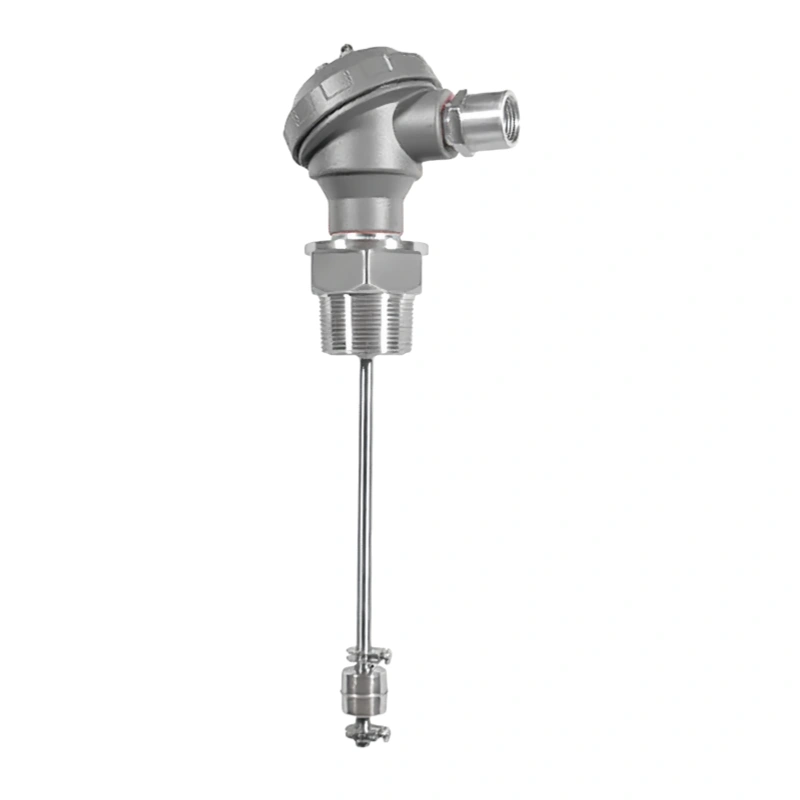
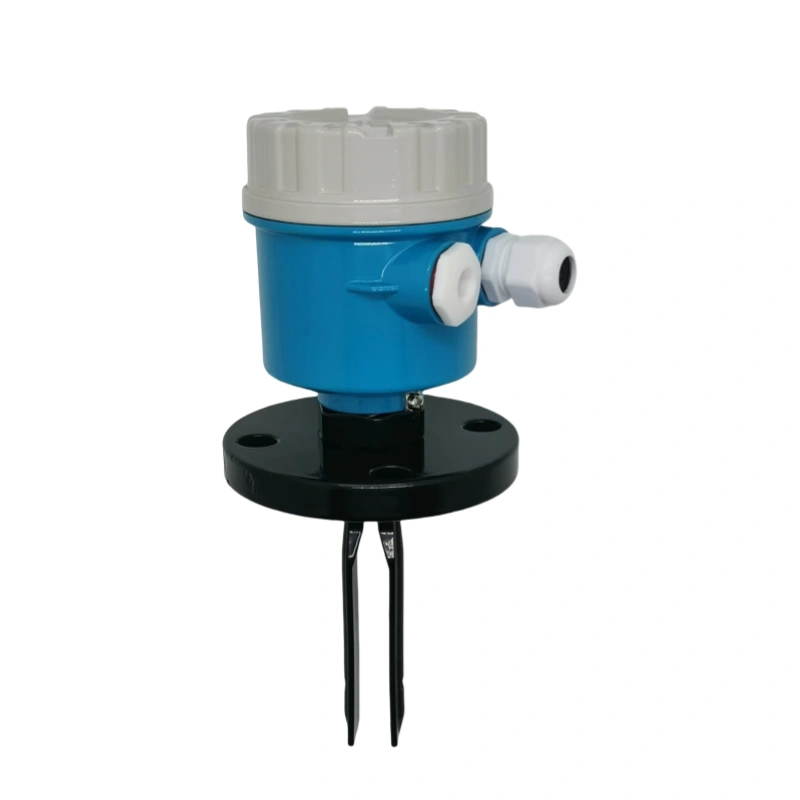
The level of coolant can be measured with a variety of instruments. This article will introduce 7 sensors that can measure the level of coolant.
Capacitive Level Sensor
Working principle of the capacitive level sensor:
The process fluid has a dielectric constant that is significantly different from air. They measure the change in capacitance between two plates produced by the change in level. There are two versions. One is suitable for fluids with high dielectric constants. The other is suitable for fluids with low dielectric constants.
Capacitive level sensors are suitable for a variety of solids, liquids and mixed materials. They also have contact and non-contact configurations. It means that some of them can be connected outside the container.
Advantages: solid-state, can be non-invasive, compact, and accurate
Disadvantages: may require calibration, can only be used in certain liquids
Applications: tank level monitoring in the chemical, food, water treatment, power and brewing industries
Ultrasonic Level Sensor
Working Principle of Ultrasonic Level Sensor:
The level is measured by calculating the duration and intensity of high-frequency sound waves reflected from the surface of the liquid back to the sensor. The time required is relative to the distance between the sensor and the liquid.
The length of time required for the sensor to react is affected by various elements in the atmosphere above the medium, such as turbulence, foam, temperature, etc. Therefore, the mounting position is critical in these devices.
Advantages: No moving parts. Compact. High accuracy. Unaffected by the characteristics of the medium
Disadvantages: Expensive. Intrusive. Performance may be affected by various elements in the environment
Applications: Non-contact applications with high viscosity and solid particles. For systems requiring remote monitoring
Radar Level Sensor
Radar level sensors and ultrasonic level sensors work on similar principles.
A radar level sensor is an application of microwave (radar) positioning technology in level measurement instrumentation. It transmits energy waves through a device that can transmit energy waves (usually pulse signals). The energy waves are reflected when they encounter obstacles. And a receiving device receives the reflected signal. The level change can be determined by measuring the time difference of the energy wave movement process. The microwave signal is processed by an electronic device. And finally converted into an electrical signal related to the level.
Advantages: The measurement results are very accurate. No calibration is required. Multiple output signal options
Disadvantages: Expensive. Affected by the environment. Limited detection range.
Application: Humid, odorous and dusty environments. They are also used in systems with temperature changes
Hydrostatic level sensor (submersible level sensor)
Working principle of the hydrostatic level sensor:
First, its level sensor consists of a pipe and a probe, which is used to measure the pressure of the liquid. Then, the level sensor converts the measured pressure signal into a measurable electrical signal. And inputs the electrical signal into the control system. The control system converts the electrical signal into a liquid level value. Finally, the display instrument displays the liquid level value.
Advantages: It has a simple structure. Simple installation. It can meet most liquid level measurement requirements. The price of the level meter is relatively low.
Disadvantages: Not suitable for occasions containing impurities and high viscosity. Not suitable for slurry and sedimentation media environments.
Application: Suitable for sewage treatment, liquid level measurement of various pools, etc. And water level monitoring in other industries.
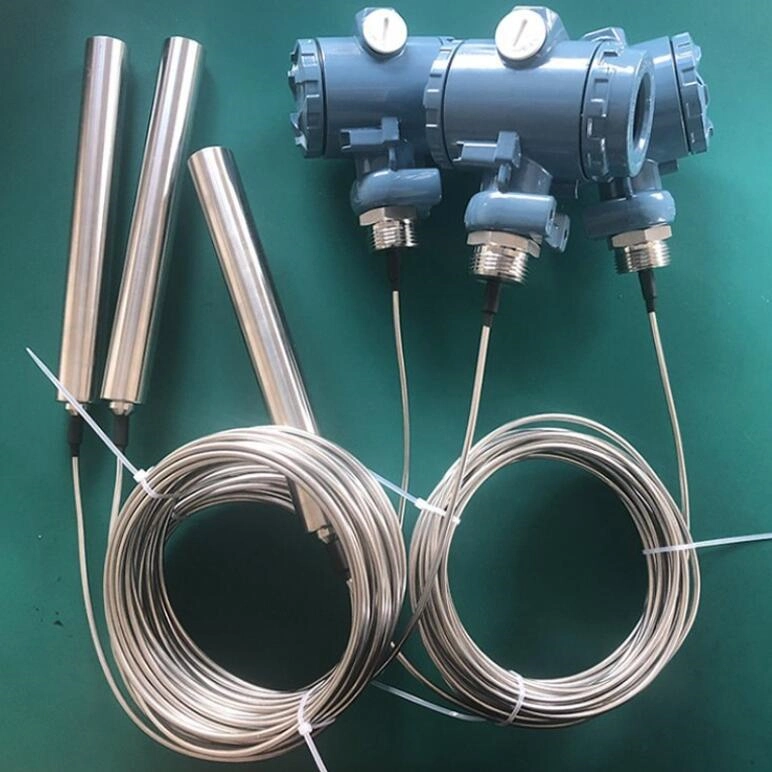
Tuning fork level switch
Working principle of the tuning fork level switch:
The tuning fork level switch uses piezoelectric devices to realize the vibration drive and detection of the fork body. Driven by piezoelectric ceramics, the tuning fork fork body vibrates at a certain mechanical resonant frequency.
When it comes into contact with the measured liquid, the resonant frequency of the fork body will be significantly reduced, and a change in vibration frequency will occur. It is directly reflected in the output signal of the piezoelectric detection device. And then the detection circuit judges the change in the vibration frequency and outputs a switch signal.
Advantages: compact and economical
Disadvantages: invasive, limited number of uses. Does not provide continuous process measurement
Applications: Level control of liquids, powders and fine solids in mining, chemical processing and food and beverage industries.
Float level sensor
A float level sensor is also called a float level switch. A float switch is one of the most cost-effective but well-proven technologies in liquid level sensing. The float switch includes a magnet inside a float and a magnetic reed switch contained in a safety housing. The float moves with the change of liquid and will cause the reed switch to open or close, depending on whether it is in air or liquid. Although the design is simple, the technology provides long-term reliability at an attractive price.
Advantages: No power, direct indication, relatively cheap, various outputs
Disadvantages: Intrusive, moving parts, large size, a large amount of liquid must be present before the float contacts.
Application: Tank level applications using water, oil, hydraulic oil and chemicals.
1. Unable to detect water level: It will output a wrong signal. This will cause the control system not to work properly.
2. Inaccurate detection results: When the coolant level sensor is damaged, it may output wrong detection data.
3. System crash or freeze: If the coolant level sensor is seriously damaged, it may cause the entire control system to crash or freeze.
4. Alarm prompt: In some cases, the control system will be designed with an alarm function. When the coolant level sensor is damaged or abnormal, a corresponding alarm prompt will be issued.