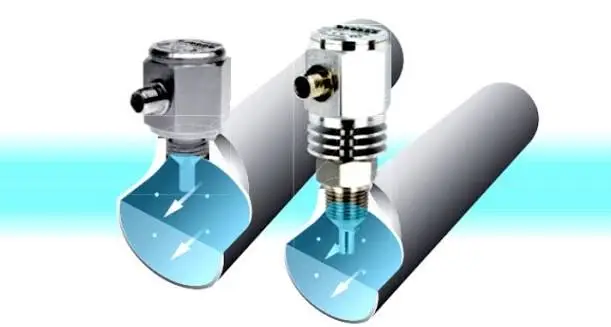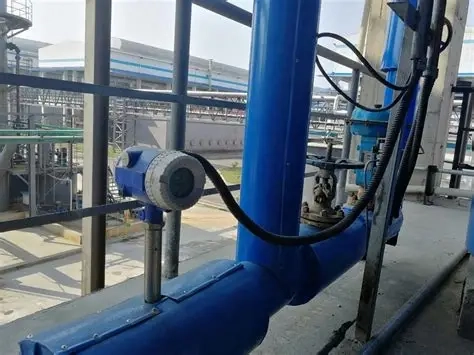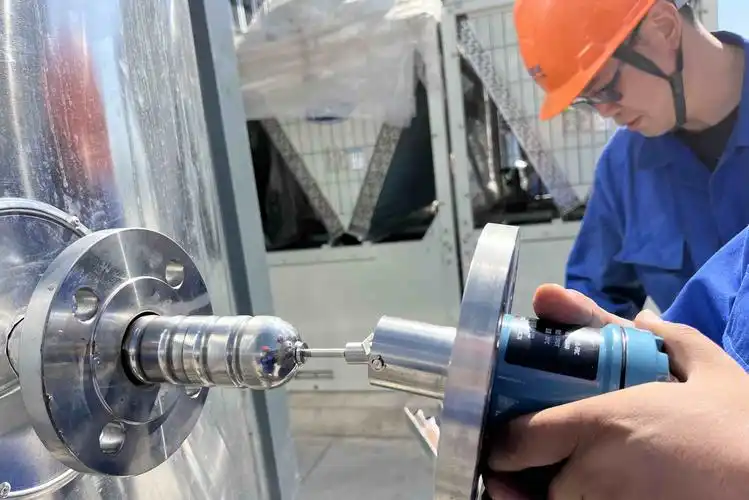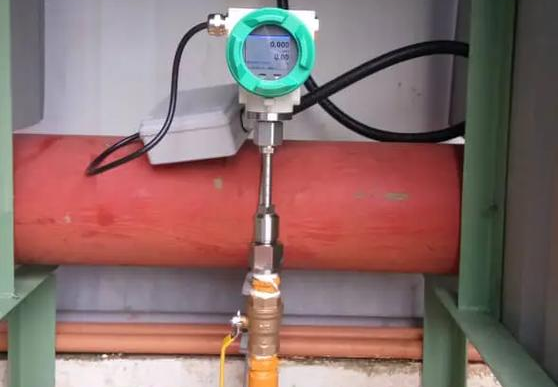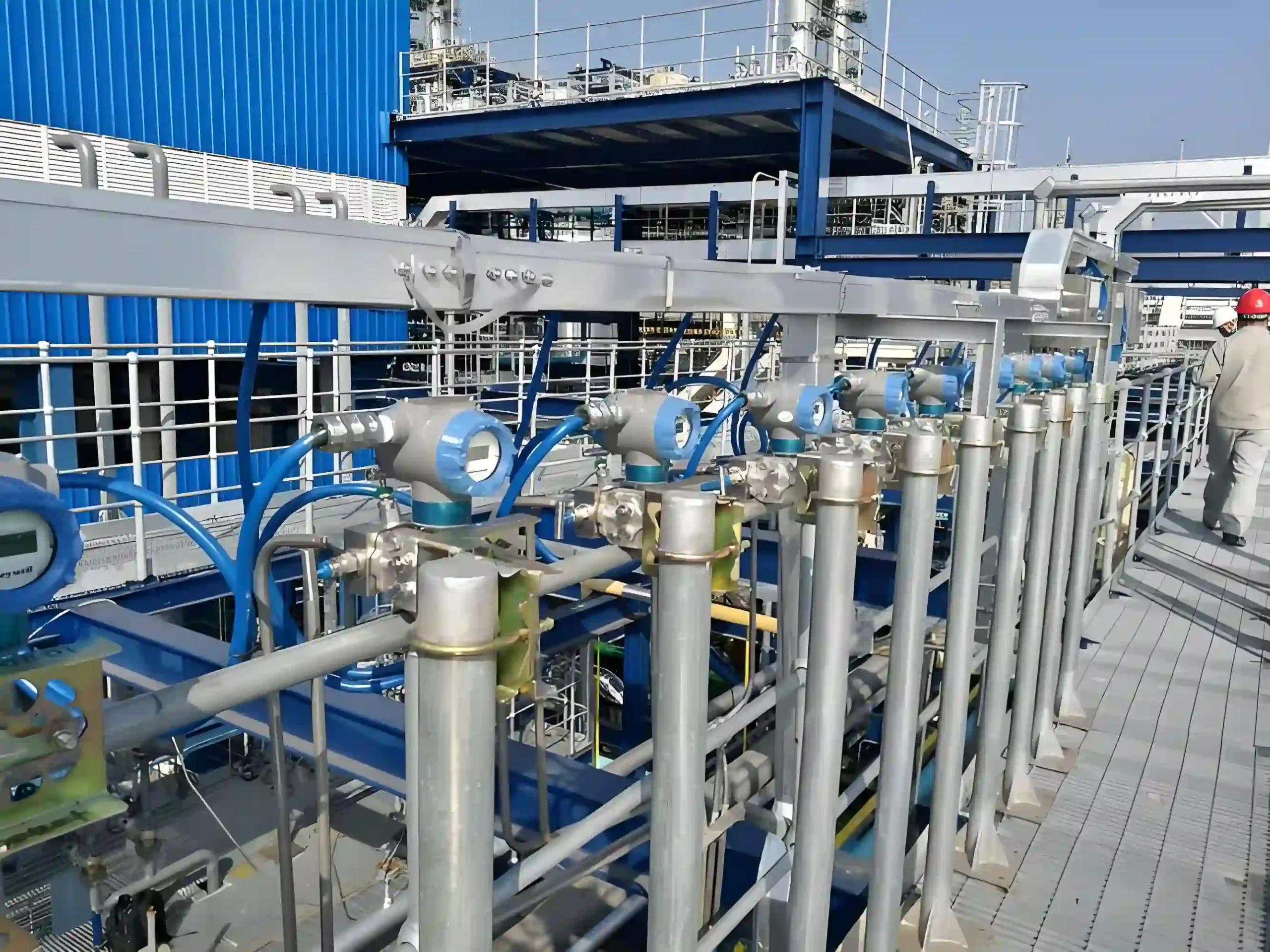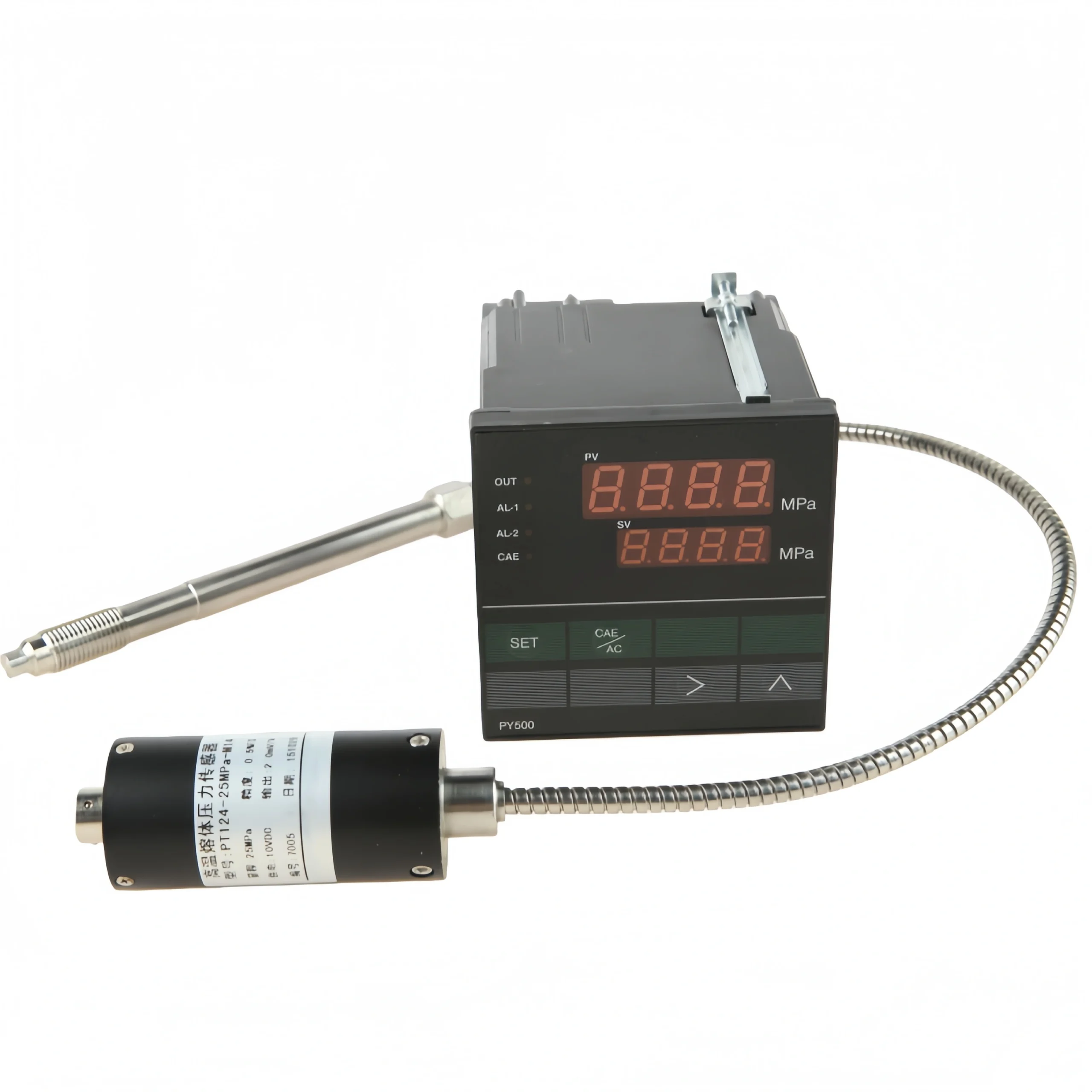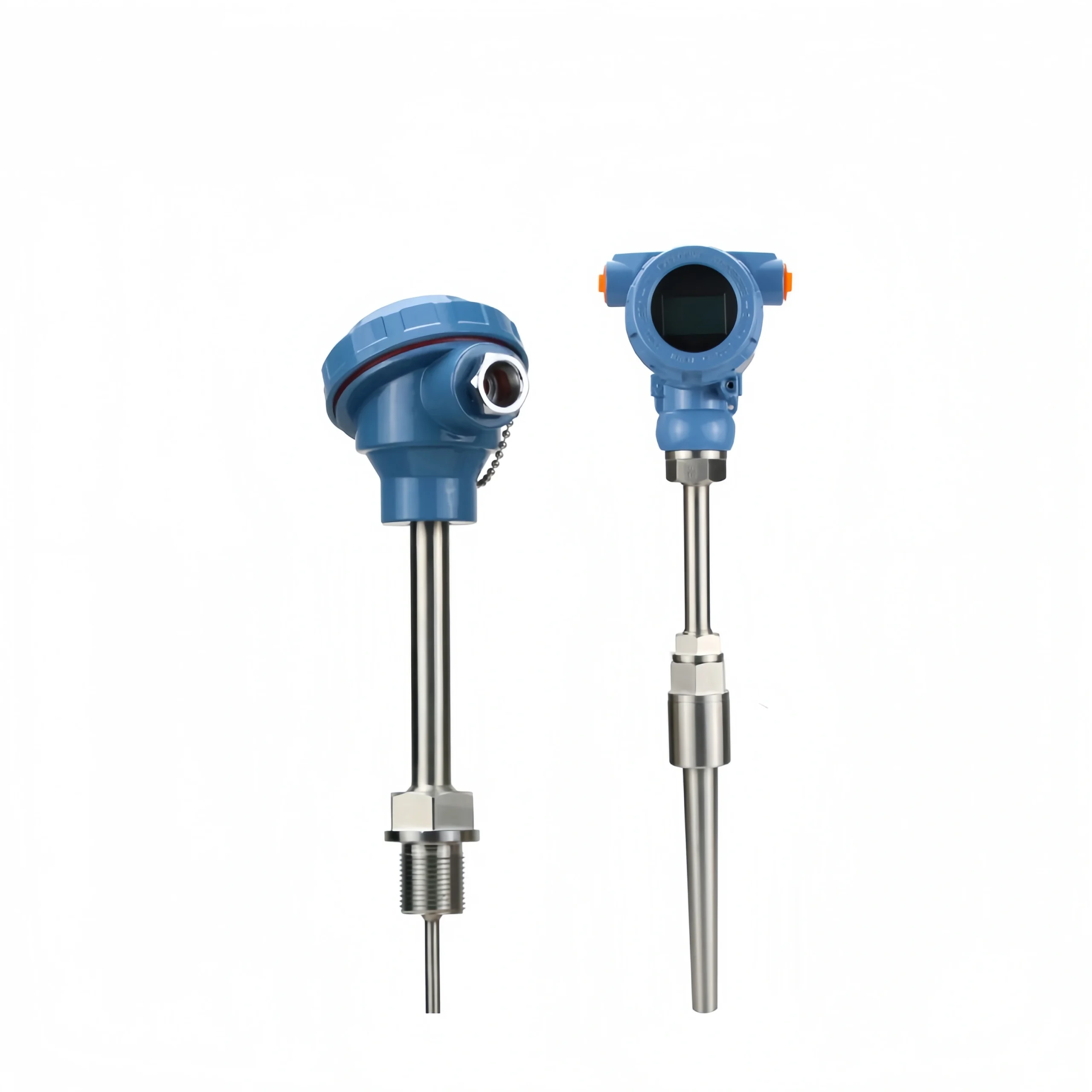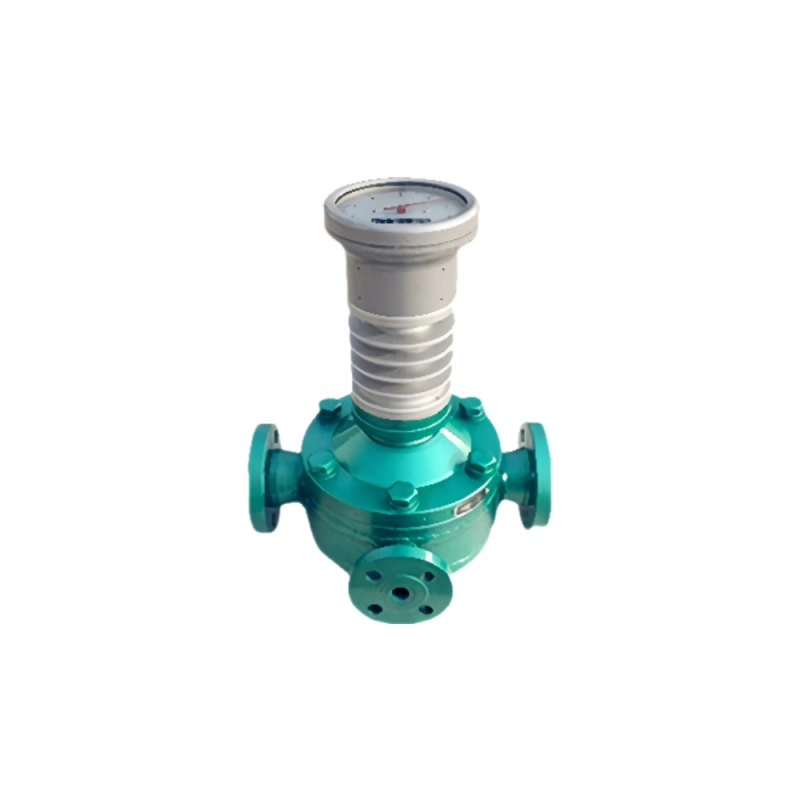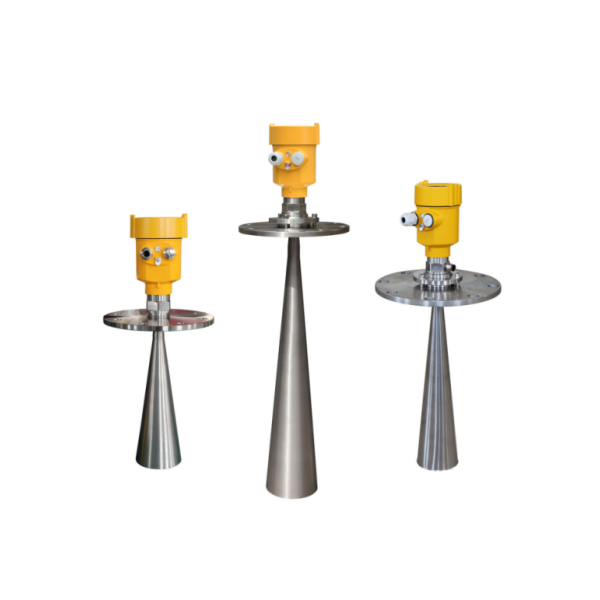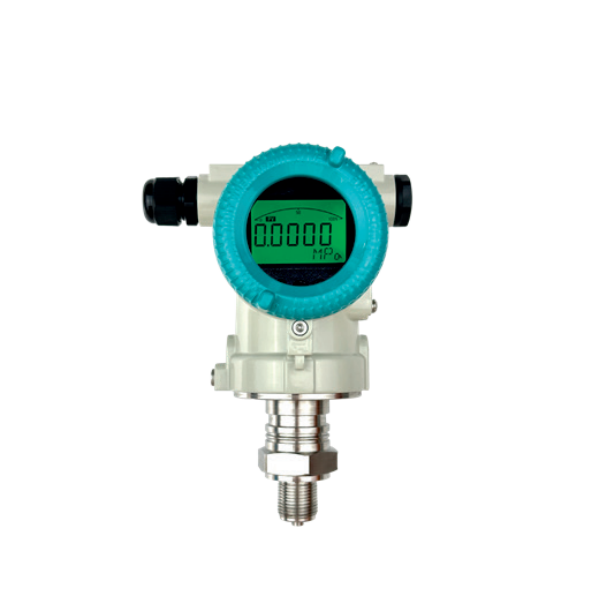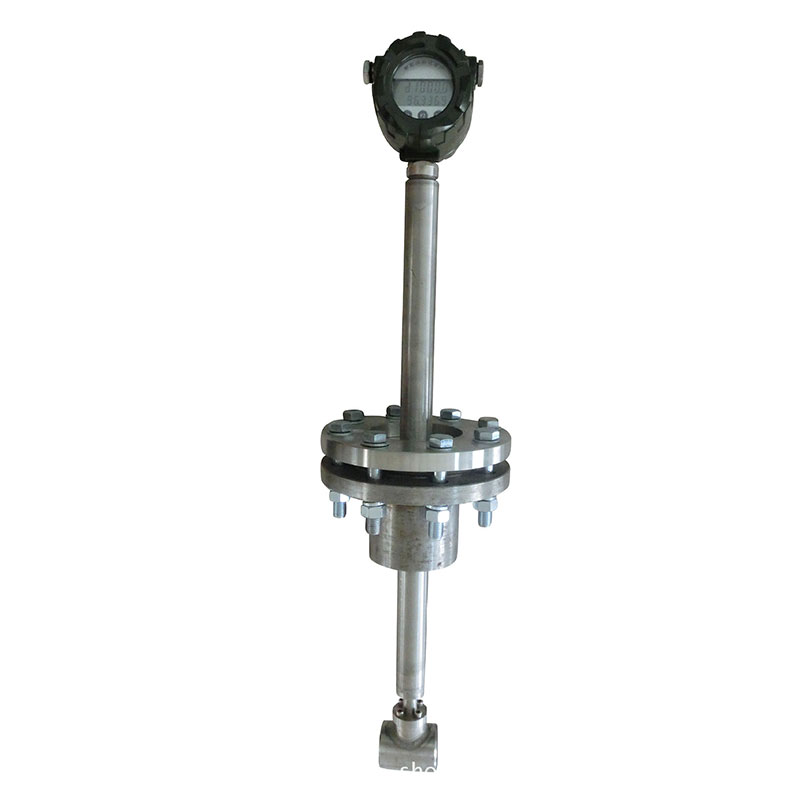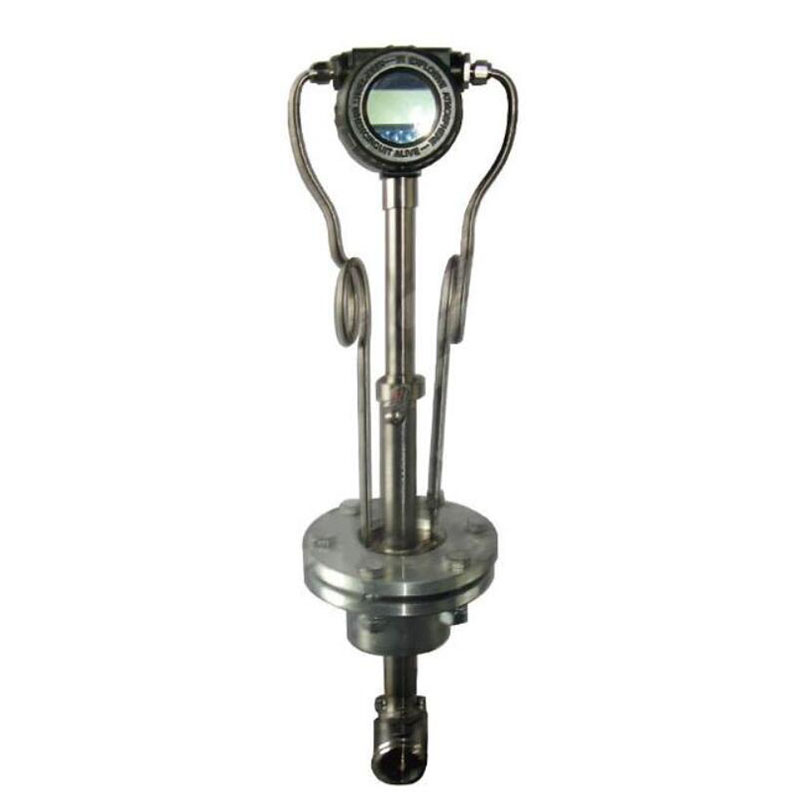
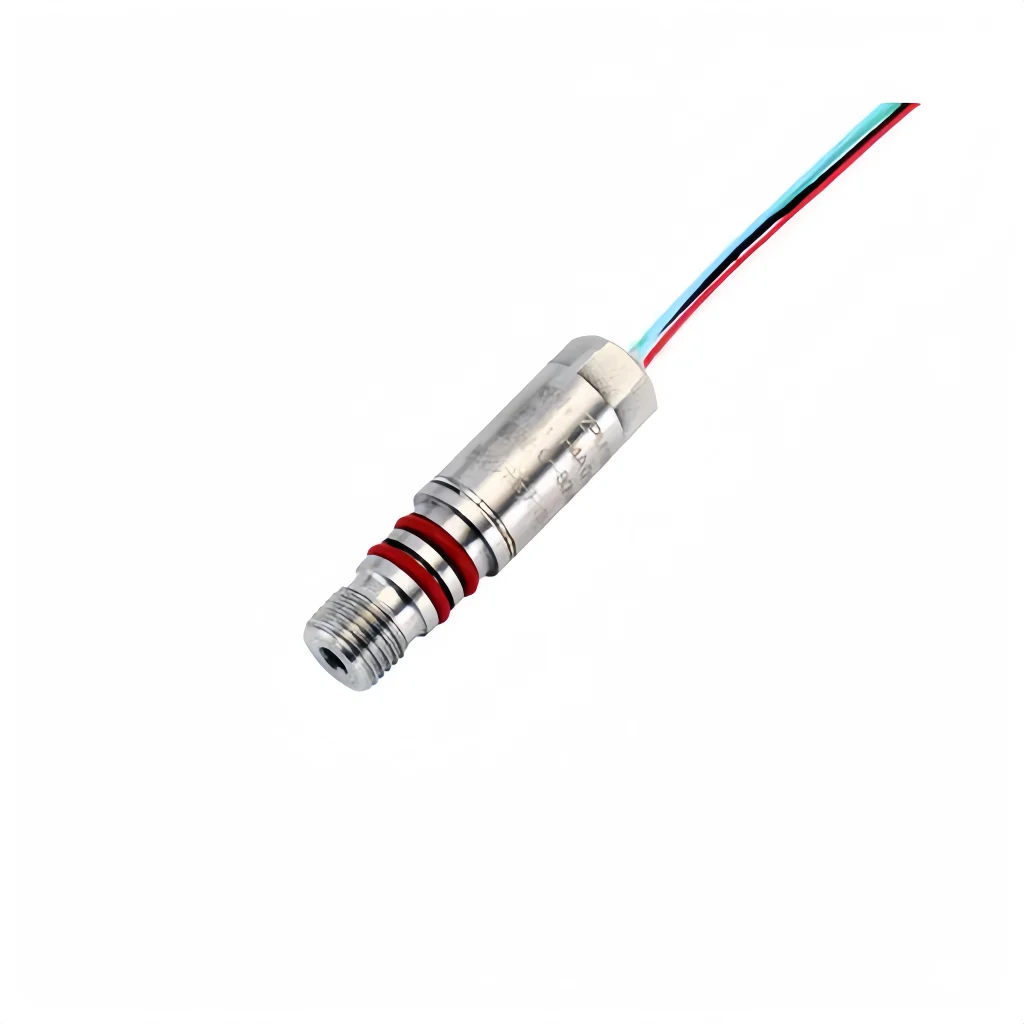
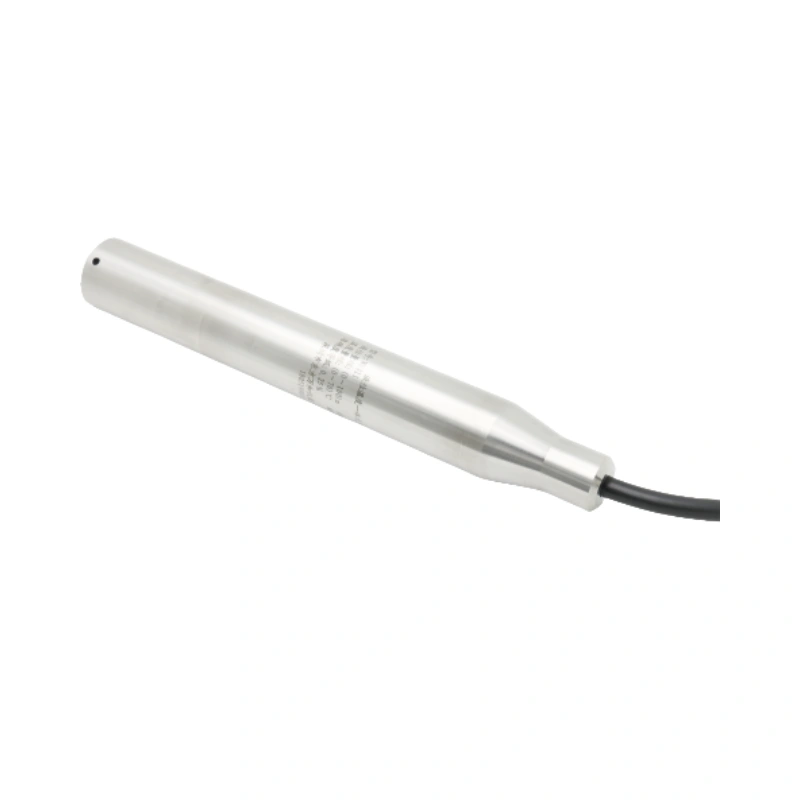
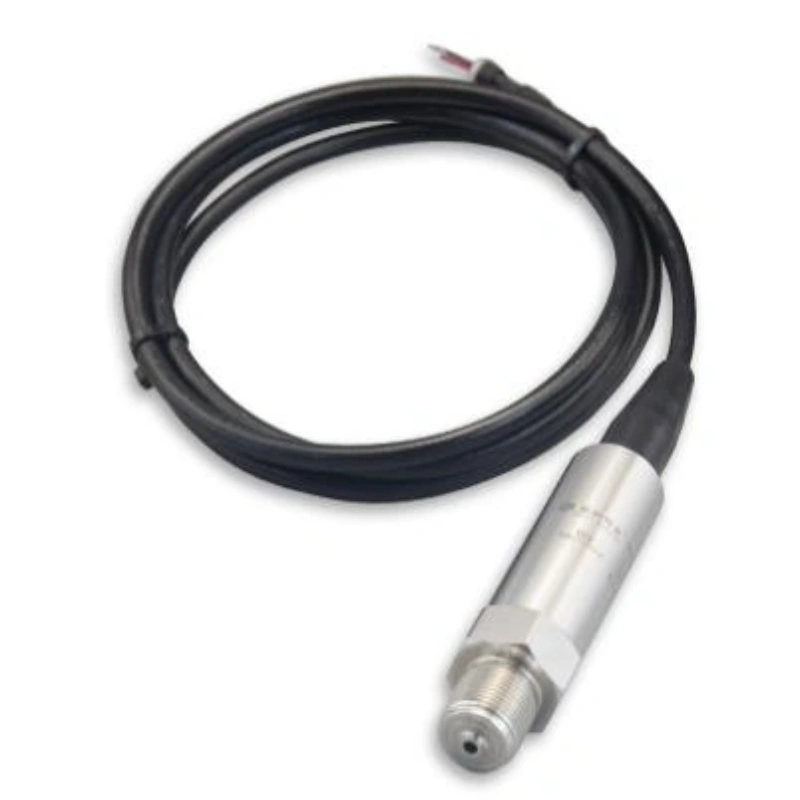
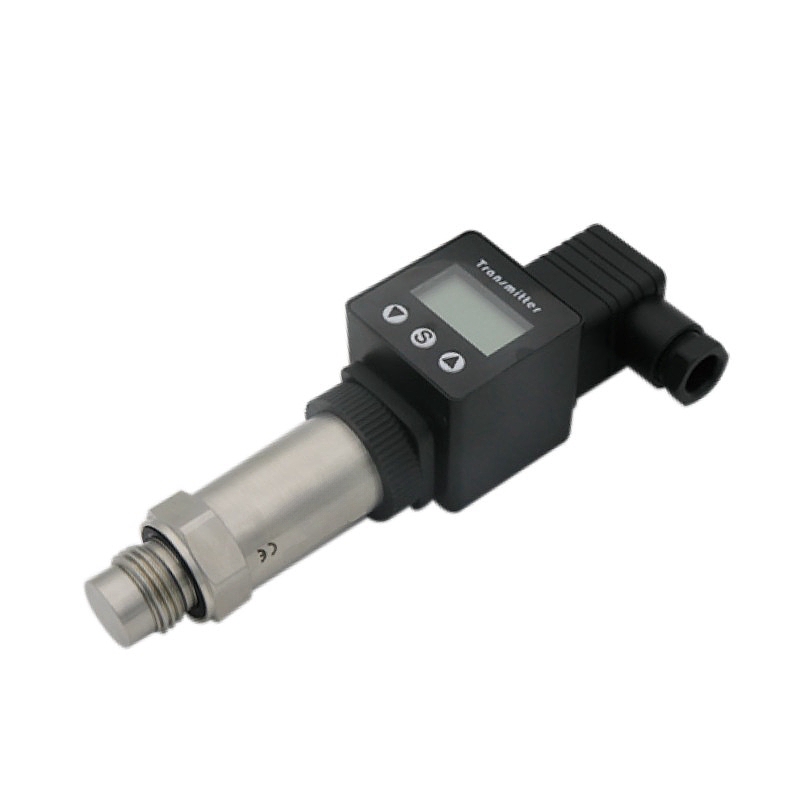
High accuracy pressure transducers are a type of pressure monitoring equipment frequently used in industrial production.Their function is to convert pressure signals into analog or digital signals at a specific ratio. These transducers are widely applied in various pressure process operations requiring precise control and monitoring.
Sion-Inst offers high accuracy pressure transducers with accuracy ranging from 0.05 to 0.075 to meet the needs of a broad user base.
Working Principle of High Accuracy Pressure Transducers - Mono-crystalline Silicon.
Pressure transducers operate use various principles, high-accuracy pressure transducers are primarily manufactured using monocrystalline silicon.The way monocrystalline silicon pressure transducers work is all about the piezoresistive effect of monocrystalline silicon, which is pretty cool! When you put pressure on it, the crystal lattice structure changes a little, which makes the crystal more or less resistive.This variation in resistance is converted into a change in the electrical signal via a Wheatstone bridge circuit, ultimately producing a standard electrical signal that is proportional to the applied pressure. Monocrystalline silicon pressure transducers offer high accuracy, high reliability, and excellent temperature characteristics, making them suitable for various industrial applications.
Accuracy Classes of Pressure Sensors
The accuracy class of a pressure transducer refers to the permissible error range between the pressure value output by the transducer and the reference value under specified conditions. So according to international standards, pressure transducers are usually put into groups based on how accurate they are. These groups are called accuracy classes.Pressure transducers are generally classified into accuracy classes of 0.1, 0.2, 0.5, 1.0, 1.5, 2.5, and 4. The corresponding measurement error ranges for each class are as follows:
Class 0.1 Accuracy Grade: Permissible error range is ±0.05%. It is suitable for high accuracy pressure measurement in critical applications, such as chemical processing, laboratories, accuracy instruments, and high-accuracy control systems.
Class 0.2 Accuracy Grade: Permissible error range is ±0.1%. Suitable for industrial applications with generally higher requirements,such as those involving compressors, pumps and certain types of mechanical equipment.
Class 0.5 Accuracy Grade: The permissible error range is ±0.25%.Suitable for general industrial pressure measurement and parameters like flow and liquid level.
Class 1.0 Accuracy Grade: Permissible error range is ±0.5%. Suitable for general industrial control and measurement of pressure, liquid level, flow rate, and other measurement parameters.
Class 1.5 Accuracy Grade: Permissible error range is ±0.75%. Suitable for general industrial applications such as atmospheric pressure, air flow rate, furnaces, and fans.
Class 2.5 Accuracy Class: Permissible error range is ±1.25%.Suitable for coarse industrial control and measurement of atmospheric pressure, liquid level, and flow rate.
Class 4 Accuracy Class: Permissible error range is ±2%.Suitable for large equipment, pipelines, and basic instruments with low requirements.
When selecting a pressure transducer, balance the accuracy class with cost based on the actual application in order to choose an appropriately accurate transducer.
8 Key Factors Affecting Pressure Transducers Accuracy
The accuracy of pressure transducers is influenced by multiple factors, including but not limited to:
1.Temperature Variations
It’s important to remember that temperature changes can have a big effect on how accurate pressure transducers are.On one hand, temperature fluctuations alter the physical properties of transducer materials.
On the other hand, temperature variations may also affect the performance of internal electronic components, such as amplifier gain and filter frequency characteristics.
2.Humidity Changes
High levels of humidity can cause moisture to enter the transducer’s electronic components, leading to reduced insulation performance, short circuits, or corrosion.In damp conditions, if the transducer’s circuit board lacks adequate moisture protection, water may penetrate the board, lowering insulation resistance between components. This disrupts the normal operation of signal processing circuits, resulting in measurement errors.
3.Installation Position (Orientation)
Changing the installation orientation is an excellent way to adjust the pressure transducer’s zero point, and the full-scale measurement accuracy remains unaffected.In practice, the transducer’s orientation remains fixed during normal operation.
However, this factor must be considered when installing a calibrated transducer into an industrial process or when removing it for recalibration.
4. Characteristics of Fluid in Piping
You know how it is, the way things move through the pipes – how fast or slow, how thick or thin – all of these things can have an effect on the pressure measurement.
High accuracy fluids may generate dynamic pressure, causing the transducer to measure total pressure that includes dynamic pressure components, whereas static pressure may be required.For highly viscous fluids, changes in flow state during pressure variations may occur slowly, resulting in delayed pressure response.
5. Improper Range Selection
If the selected pressure transducer’s measurement range does not match the actual pressure range is so precise that it’s almost perfect! If the range is too large, measurement resolution will decrease, making it difficult to accurately detect small pressure changes.
If the range is too small, it may cause pressure overload and damage the transducer. Furthermore, measurement accuracy typically declines when approaching the upper limit of the range.
6. Calibration and Maintenance
It’s also really important to make sure that pressure transducers are properly calibrated and maintained for accurate measurements. If you don’t calibrate it properly or don’t calibrate it for a long time, then it can drift a bit, which can mess up the measurements.
It’s also a good idea to keep up with regular maintenance, like cleaning the transducer surfaces, checking the connection parts, and replacing desiccants (for transducers that are sensitive to moisture). This helps to keep your measurements accurate and avoid any problems caused by dust, grime, or liquid corrosion.
7. Linearity
The linearity of a pressure transducer refers to the degree of linear relationship between the pressure input and the electrical signal output. Poor linearity causes the output electrical signal to vary incorrectly with pressure during measurement, resulting in inaccurate results.
Linearity error is typically measured as nonlinear error, usually expressed as a percentage of the full-scale output.
8. Vibration and Shock
A pressure transducer’s internal mechanical structure will deform, shift or become loose when subjected to vibration or shock.For example, in pressure transducers based on elastic elements (such as diaphragms or bellows), vibration can induce additional deformation in these elements.
This deformation combines with pressure-induced deformation, leading to distorted output signals.Additionally, vibration can loosen transducer connections—such as causing solder joints to detach or connectors to become loose—impeding signal transmission and consequently reducing measurement accuracy.
Advantages of High- Accuracy Pressure Transducers
1.High Accuracy Measurement
High-accuracy pressure transducers are the absolute best for delivering exceptionally precise pressure measurement results!
2.High Stability
Highly accurate pressure transducers are really stable, so they keep performing consistently even after they’ve been used for a while.
3.Rapid Response
These transducers are pretty accurate, and they’re really fast too – meaning they’ll spot pressure changes in no time at all.
4.High Reliability
High-accuracy pressure transducers are really reliable and will keep on working smoothly even after they’ve been switched on for a long time.
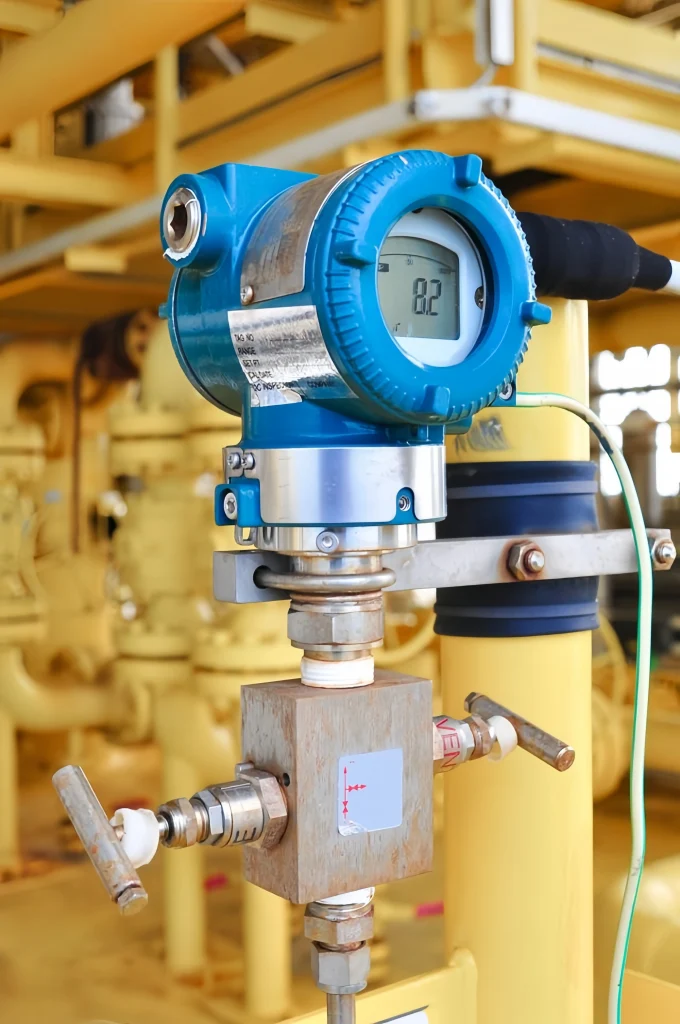
How to Select - Procurement Selection Recommendations
When selecting pressure transducers, focus on three core parameters: accuracy, measurement range, and environmental adaptability.Prioritize Accuracy: A friendly reminder to make sure your transducer ticks all the boxes when it comes to accuracy for your specific application.
This is especially important in areas like aerospace and laboratory research, where accuracy is key.
High Resolution: Select high-resolution transducers or transducers to detect minute pressure variations, This is so important for maintaining measurement accuracy.
Long-Term Stability: Choose transducers that are very stable and will give you the same reliable results every time.Temperature Compensation: Opt for transducers with built-in temperature compensation to guarantee measurement accuracy across temperature ranges.
Range Matching: Ensure the transducer’s pressure range aligns with application requirements, balancing expected pressure levels with accuracy needs.
Over pressure Protection: Select transducers or transducers with over pressure protection to prevent accidental damage and maintain measurement integrity.
Digital/Analog Output: Choose the appropriate output type based on system integration needs (digital outputs offer superior noise immunity).
Integration Ease: Ensure seamless integration into existing equipment and control systems.By focusing on these critical factors, you can precisely select ultra-high accuracy pressure transducers for your application, achieving the highest levels of measurement accuracy and reliability.
Of course, feel free to contact us anytime.Sino-Inst has an incredible technical team that is totally devoted to providing customised, accuracy transducer solutions that are perfect for your needs!
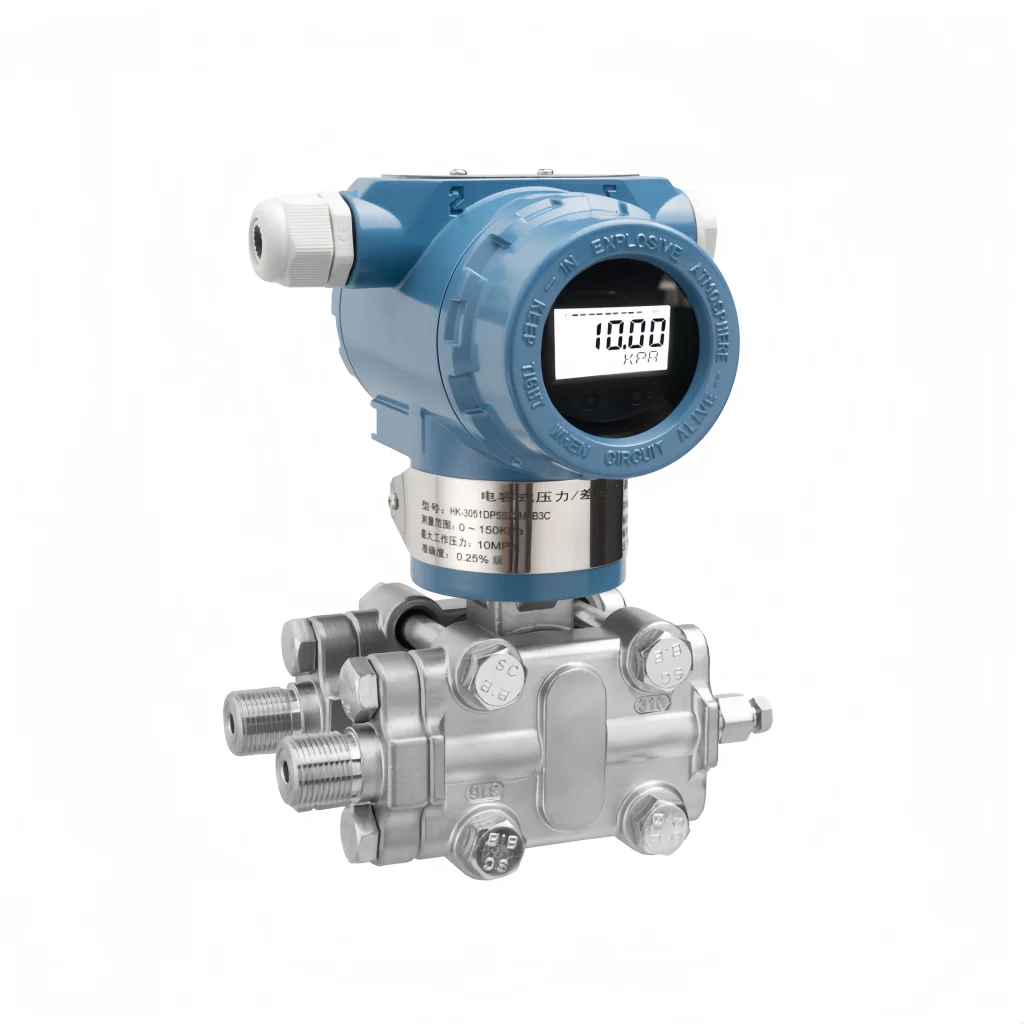
High-Accuracy Differential Pressure Transmitters
High-accuracy differential pressure sensors are used to accurately measure the pressure difference between two points, converting minute pressure differentials into standard electrical signals.
They are commonly employed in high-accuracy applications such as industrial pressure control, flow measurement, liquid level monitoring and cleanroom air pressure.
Compared to standard sensors, they offer higher accuracy and lower temperature drift, and feature built-in temperature compensation and zero-point calibration. They provide excellent measurement stability in complex environments and are suitable for detecting minute pressure differentials.
These sensors typically utilise precision silicon piezoresistive or capacitive sensing elements, undergo multiple calibration stages to minimise measurement errors, and support 4–20 mA analogue output as well as RS485 and HART digital communication. They allow for remote parameter transmission and commissioning, making them well-suited to smart industrial control applications.
These devices are commonly used in applications such as fluid flow measurement, tank level monitoring and filter differential pressure monitoring. When selecting a model, attention should be paid to accuracy, measurement range, pressure rating and compatibility with the medium.
Installation specifications must be followed when laying pressure-sensing lines to avoid leaks, blockages and vibration interference, thereby ensuring measurement accuracy.
FAQ
How do pressure transducers work?
Pressure transducers convert perceived pressure into analog or digital signals. These accuracy pressure transducers monitor and control pressure processes, serving both as high-accuracy transfer standards and factory working standards for calibrating various pressure instruments.
How is absolute zero calibration performed on pressure transducers?
Two methods achieve this. One employs piston-type or weight-type pressure transducers as reference standards.The other employs an accuracy barometer as the reference benchmark to establish zero point. This technique significantly reduces setup time and cost by directly using the accuracy barometer as the reference standard for zero calibration of absolute pressure transducers.
What are the primary application areas for accuracy pressure transducers?
- Industrial pipeline pressure monitoring: real-time collection of process pipeline pressure data to ensure stable production processes
- Hydraulic and pneumatic system measurement and control: detection of oil and air pressure to enable closed-loop control and overload protection
- Fluid flow measurement: in conjunction with orifice devices, converting pressure signals to determine medium flow rate
- Tank and storage vessel monitoring: monitoring internal tank pressure to mitigate safety risks associated with overpressure
- Construction machinery sector: monitoring pressure in hydraulic cylinders and oil circuits to provide feedback on equipment load status
- Energy sector: used for pressure detection in boilers and oil and gas equipment to implement safety interlock alarms
- Laboratory and equipment calibration: providing high-precision pressure data acquisition for testing and verification
- Water treatment sector: monitoring pressure in pipelines and filters to determine filter element blockage status
What output signals do high accuracy pressure transducers provide?
Pressure transducers primarily offer two output signal types: analog and digital.Detailed descriptions follow:
Analog Signals: Analog signals represent one of the most common output formats for pressure transducers, providing voltage or current signals corresponding to pressure values. Generally, analog signals come in two forms: voltage signals and current signals. Voltage-type transducers output voltage signals, such as 0 to 5V or 0 to 10V; current-type transducers output current signals, typically within the 4 to 20mA range.
Digital Signals: Digital signals refer to pressure values output by pressure transducers after converting analog signals into digital form. They are typically transmitted via serial or parallel communication methods. Specifically, digital signals can be categorized into two types: digital level output signals and serial digital output signals. High accuracy pressure transducers typically output digital signals using communication protocols such as SPI, I2C, or UART. These signals connect the transducer to microcontrollers, computers, or other digital devices via data cables or communication interfaces.
Here at Sino-Inst, we are thrilled to share our passion for transducer technology! We’ve put our heart and soul into developing a whole range of transducer products over the years, including pressure transducers, level transducers and displacement transducers, and more. Our products are used in all sorts of different industries, like engineering, machinery, automation, and petrochemical. Our products are used in all sorts of different industries, like engineering, machinery, automation, and petrochemical. We care deeply about making sure you get the best possible service, and we do that by offering top-notch products and using our advanced technical know-how.
Here at Sino-Inst, we are thrilled to share our passion for transducer technology! We’ve put our heart and soul into developing a whole range of transducer products over the years, including pressure transducers, level transducers and displacement transducers, and more.
Our products are used in all sorts of different industries, like engineering, machinery, automation, and petrochemical. Our products are used in all sorts of different industries, like engineering, machinery, automation, and petrochemical.
We care deeply about making sure you get the best possible service, and we do that by offering top-notch products and using our advanced technical know-how.