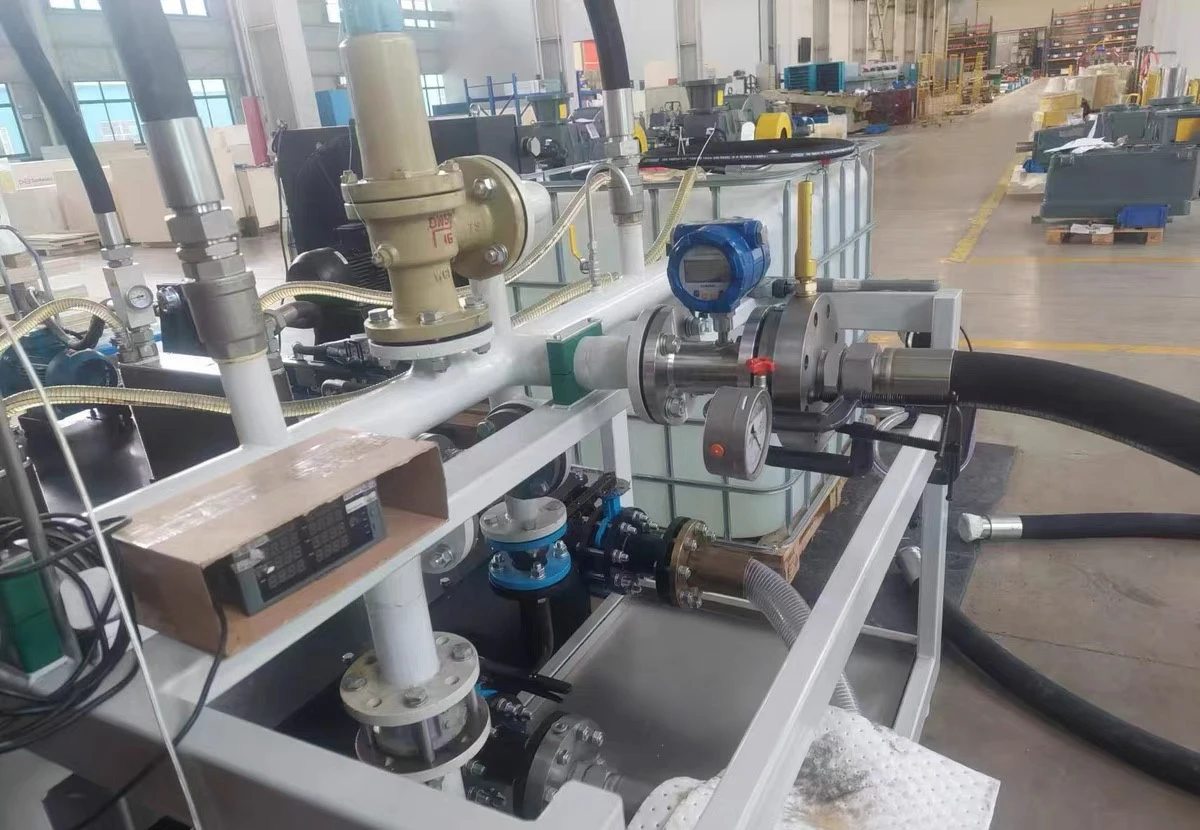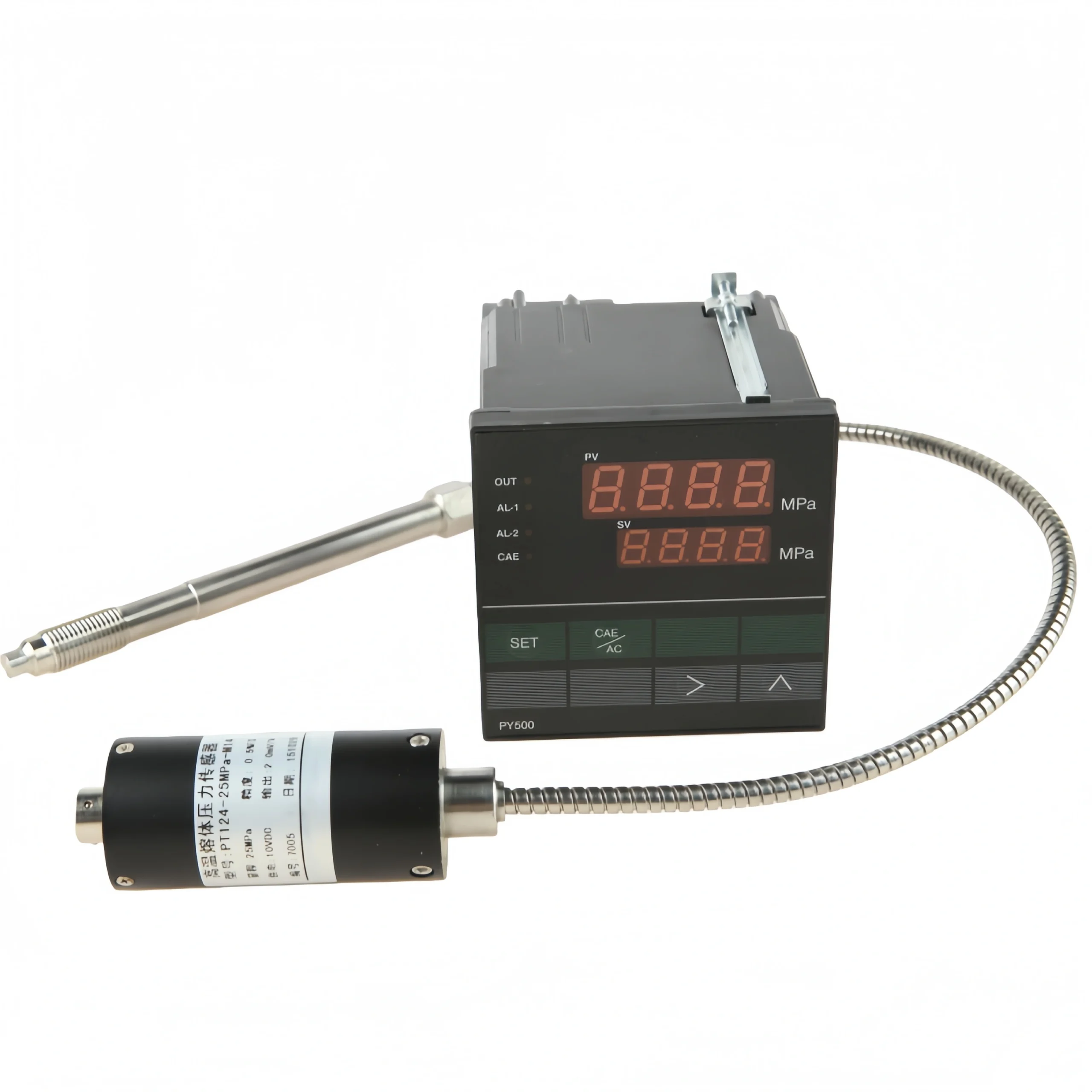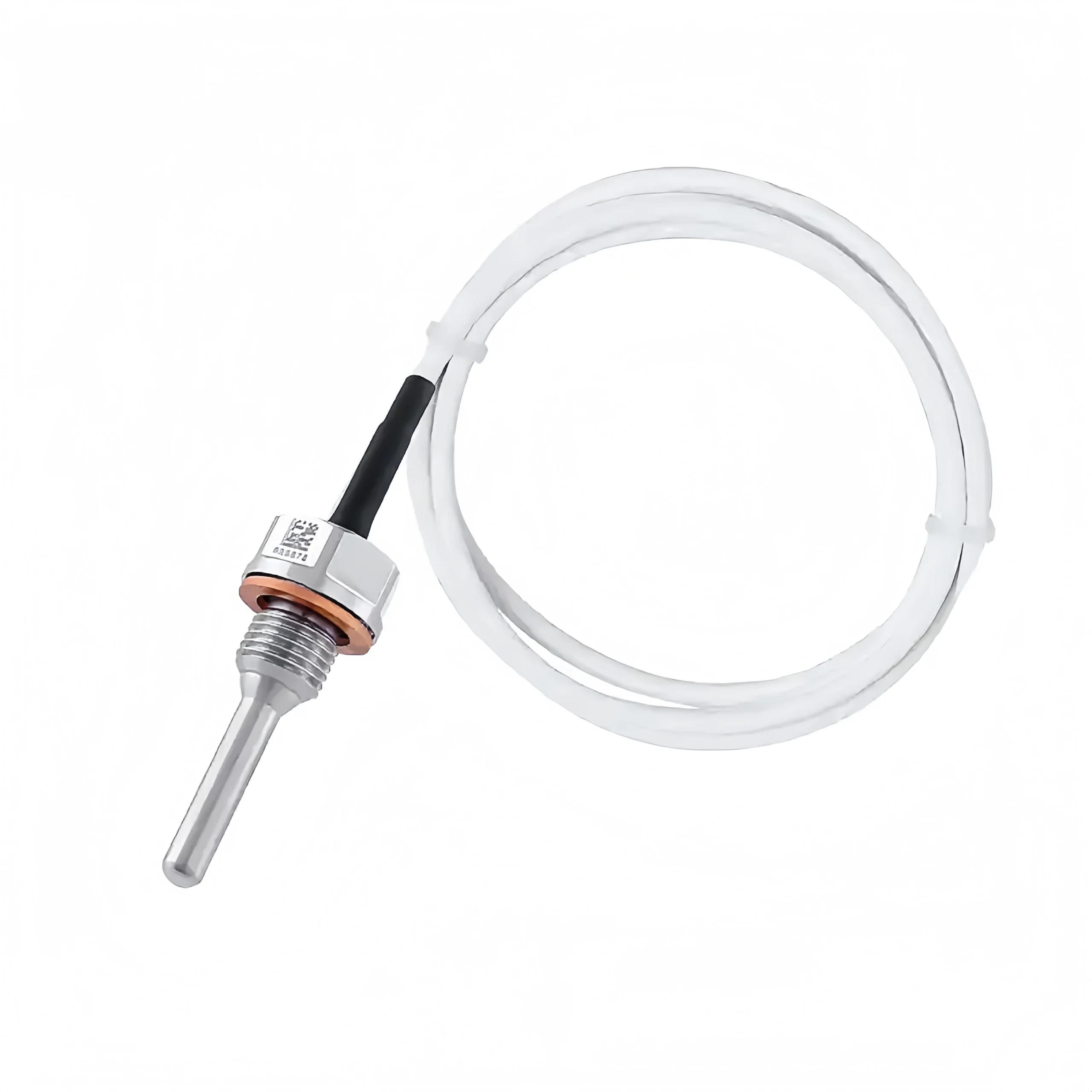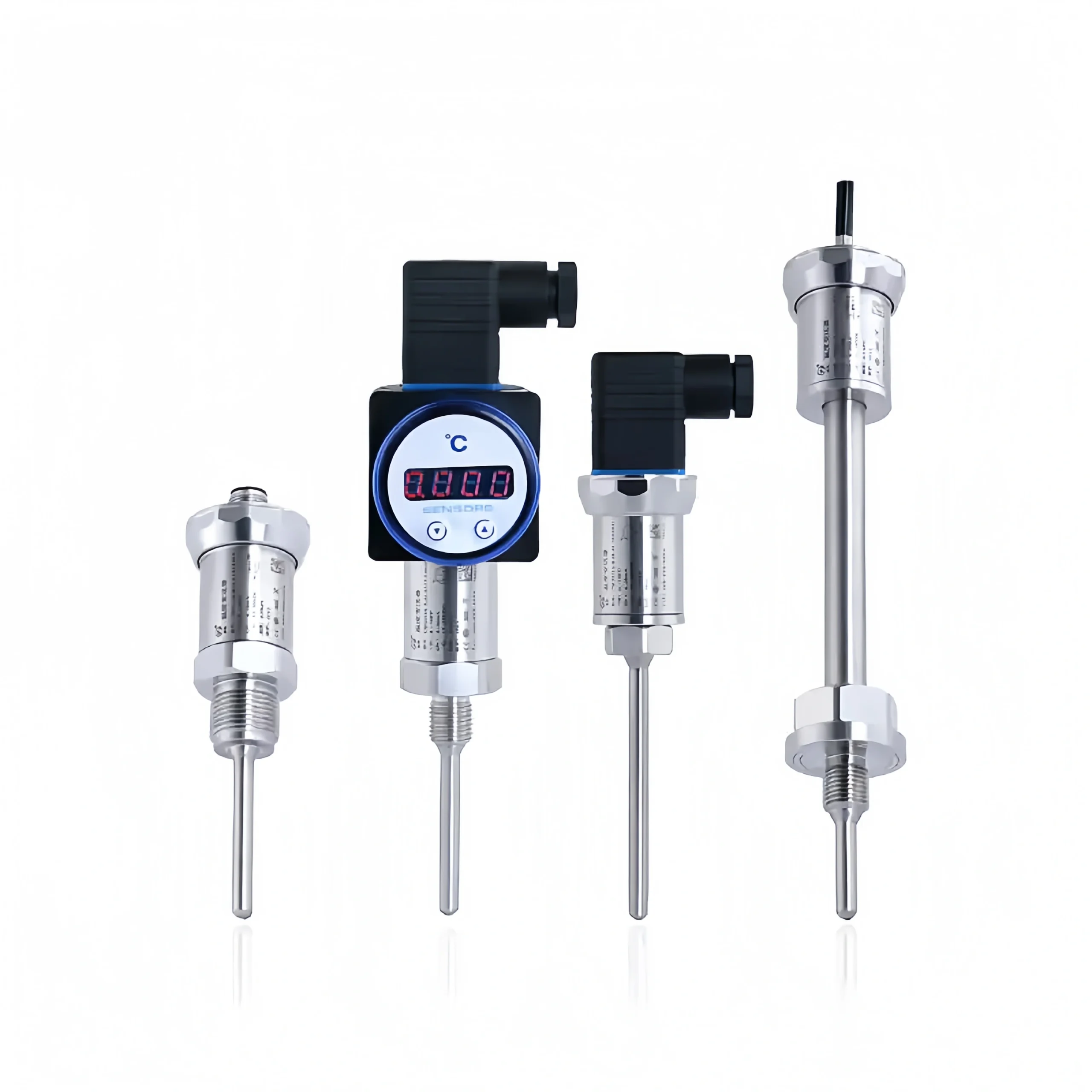
There are many ways to measure water level: water level meter, stainless steel ruler, etc. If you don’t know how to choose a suitable water level meter. You can refer to this article.
There are many types of water level meters. A water level meter can measure tank water level, vessel water level and groundwater level, etc. This article mainly introduces the relevant knowledge of the water level meter.
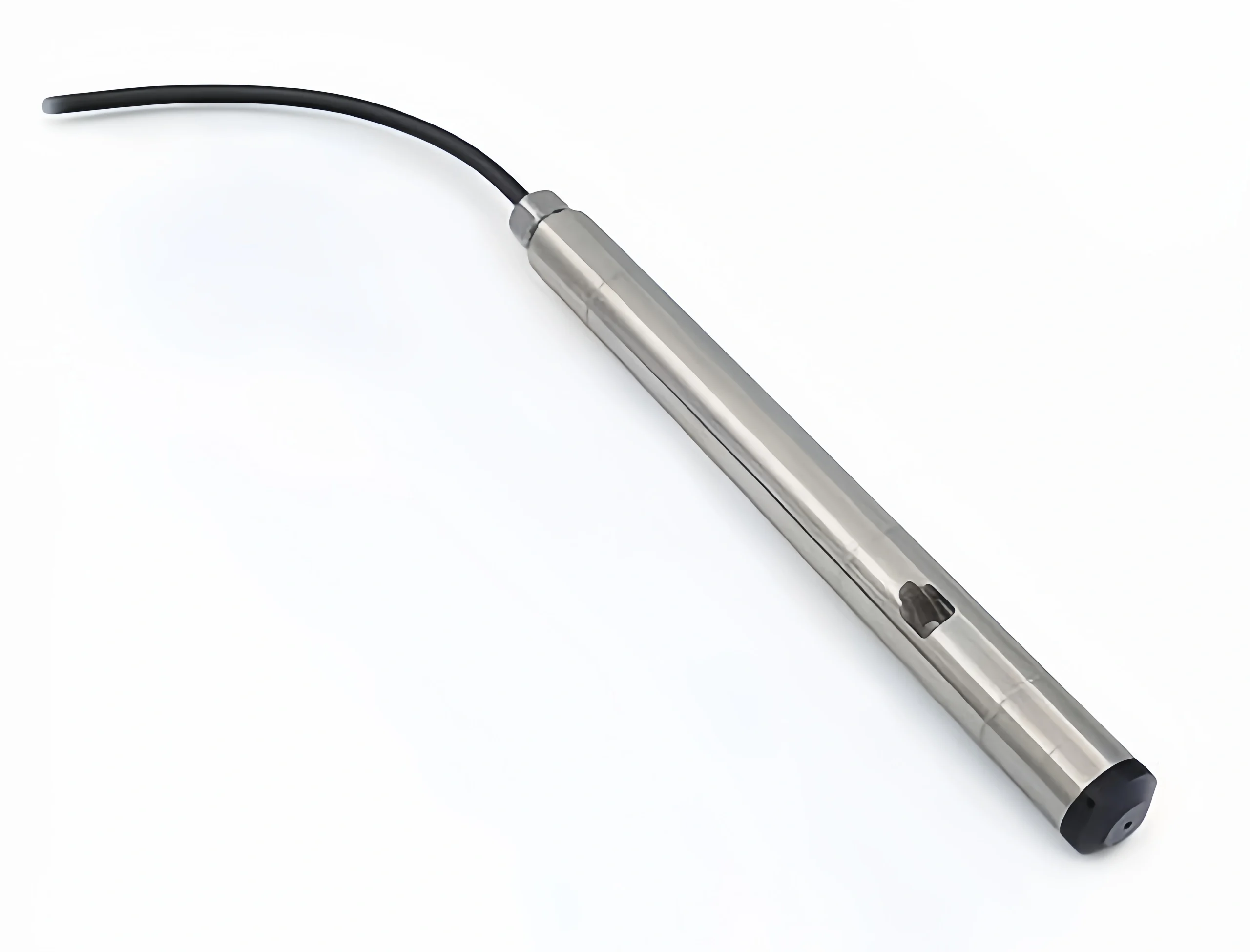
A water level meter is a device used to measure the horizontal position of a liquid in a container. The main function is to determine the depth of the liquid by measuring the distance between the liquid and the bottom of the container.
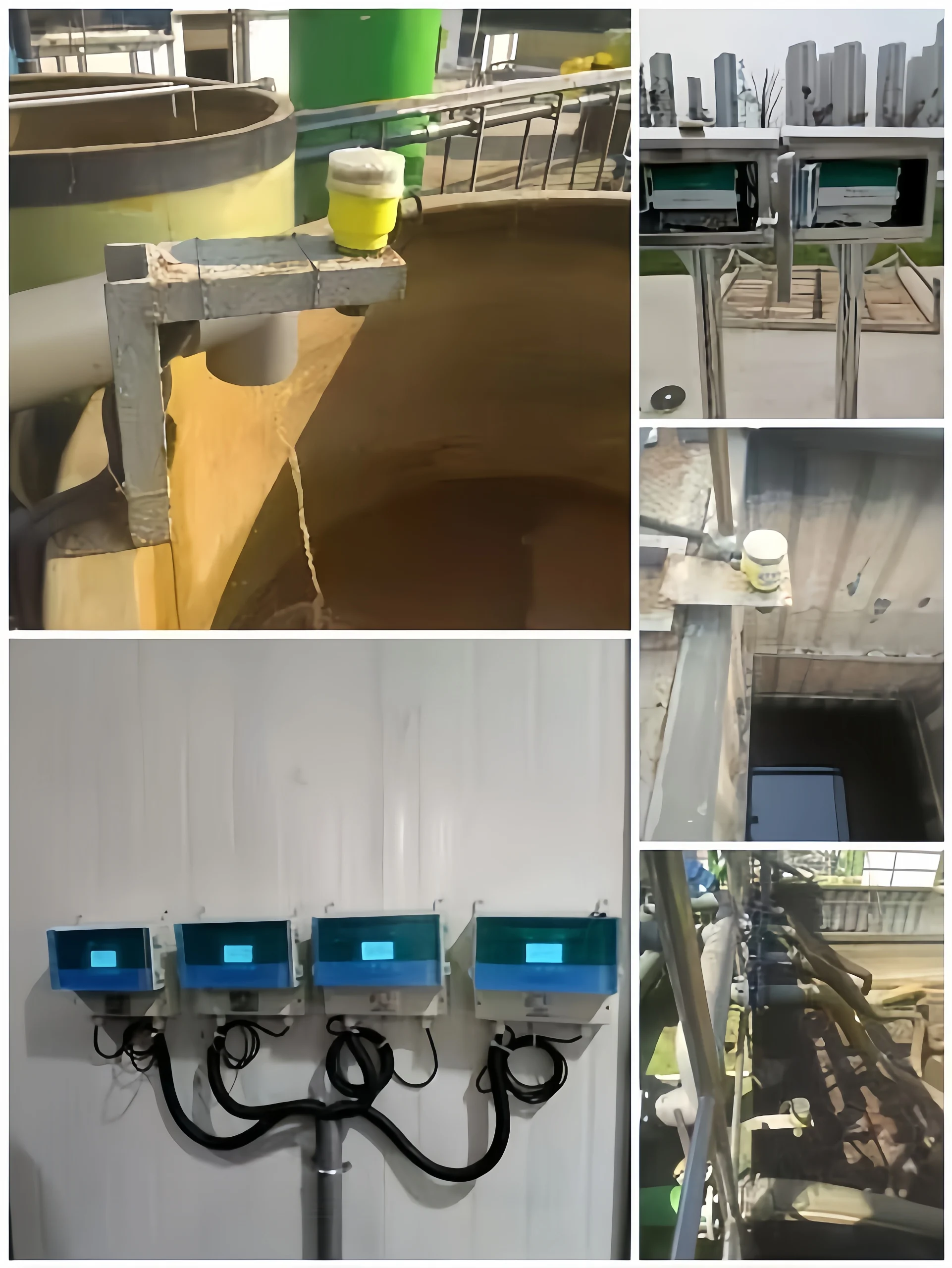
Level meters are widely used in many fields, including water treatment, chemical industry, food processing, oil and gas and other industries. Water level meters are mostly used to measure the liquid level monitoring of water tanks. For example, fire water tanks. Water level meters are also used in industrial production processes. It can measure the water level in storage tanks, reactors, boilers and other equipment.
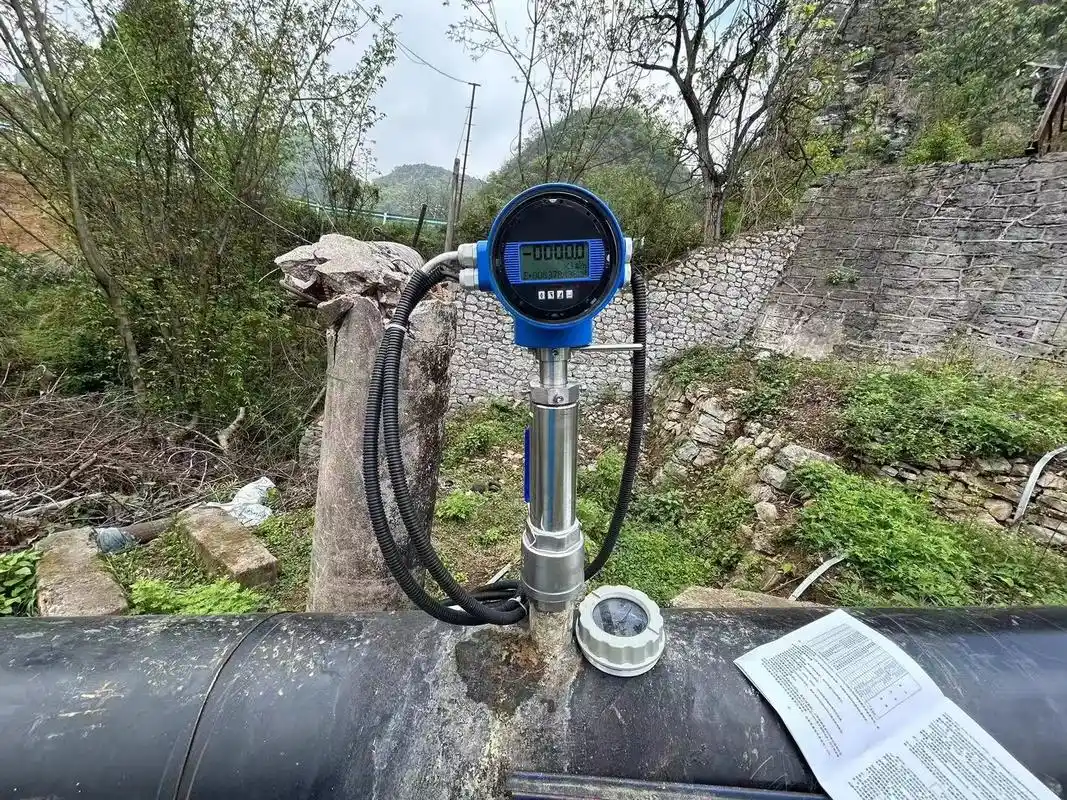
Water level meters can measure the water level of reservoirs, rivers, lakes, etc. It facilitates water resource management and flood warning. It can also measure the underground water level. For example, it can detect the water level in real time when drilling. Placing a water level meter under the water well can detect the water level height in the well, etc.

Water Level Meter Features
A water level meter, also known as a water level sensor or water level transducer.
A water level gauge is a purpose-built instrument for tracking liquid levels in reservoirs, rivers, tanks, and other water-holding structures. It gathers water level readings continuously, translating fluctuations in liquid height into clear visual displays or electrical outputs.
The device allows operators to check readings directly on site, while also enabling data to be sent remotely and logged for later review. It can trigger alerts when water levels climb too high or drop too low, and it offers protective cutoffs to guard against dangerous conditions.
By catching risks like overflow, dry-running, and pressure buildup before they escalate, the gauge supplies dependable data for water management, manufacturing, and utility operations — keeping pumps, pipelines, and treatment systems running without interruption.
The following are some of the main features of the water level meter:
1. High monitoring stability enables 24-hour unattended operation with no interruptions. It works just as well at night as during the day, and standard weather won’t throw it off—subtle water level shifts get picked up reliably, so you don’t have to worry about the delays, mistakes, or missed readings that come with having someone check manually.
2. The product line covers a broad spectrum of uses. Whether you’re dealing with atmospheric pressure tanks, high-pressure boilers, rivers, reservoirs, chemical storage, or deep sewage wells, there’s a fit. Residential, industrial, water management, municipal—whatever the sector, the monitoring needs are met.
3. curacy scales to what you actually need. Basic visual readings are there if that’s sufficient, but you can also get down to millimetre-level precision when it matters. Standard units handle day-to-day monitoring fine; the higher-end gear is built for demanding contexts like precision industrial control and hydrological research.
4. Getting it up and running doesn’t take much effort. The units split into contact and non-contact types, and the straightforward design means installation and commissioning go quickly without having to rework existing setups. Certain models come with wireless data transmission and plug into intelligent management systems without hassle.
5. Highly safe and reliable, the physical design ensures low energy consumption and minimal failure rates. The intelligent devices are resistant to interference and corrosion, and are not prone to blockages, making them suitable for harsh environments involving water vapour and dust, whilst keeping operational and maintenance costs low.
6. Extensive expandable functions: in addition to basic water level detection, the devices can be integrated with systems to enable automatic start/stop, high/low water level alarms, and data storage and upload, meeting the requirements of smart water management and automated production control.
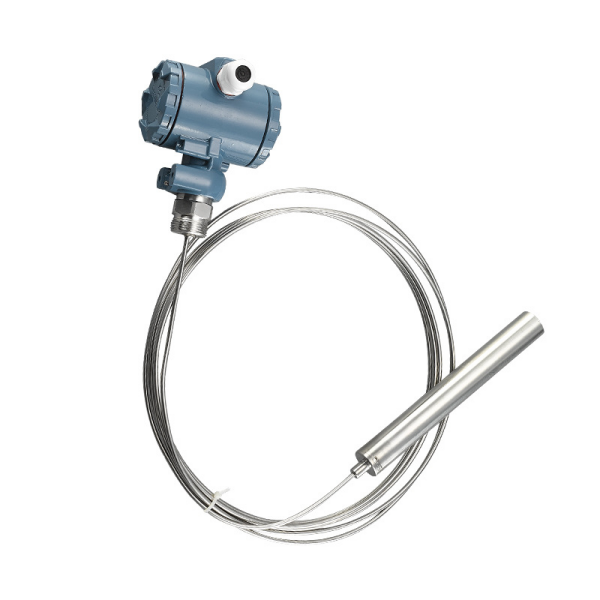
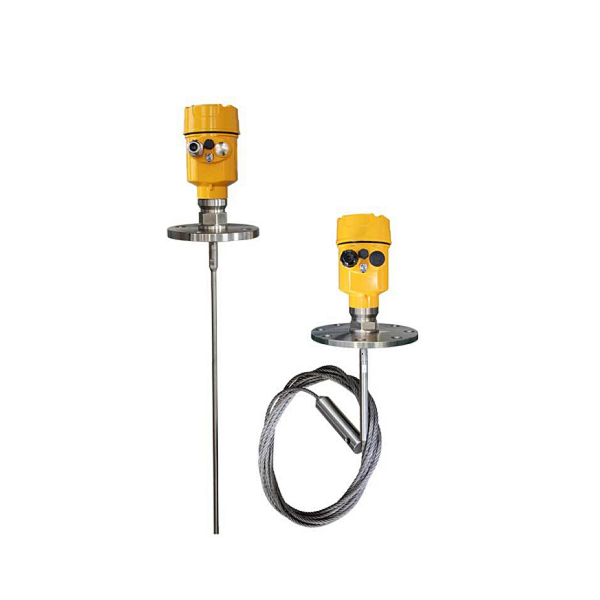
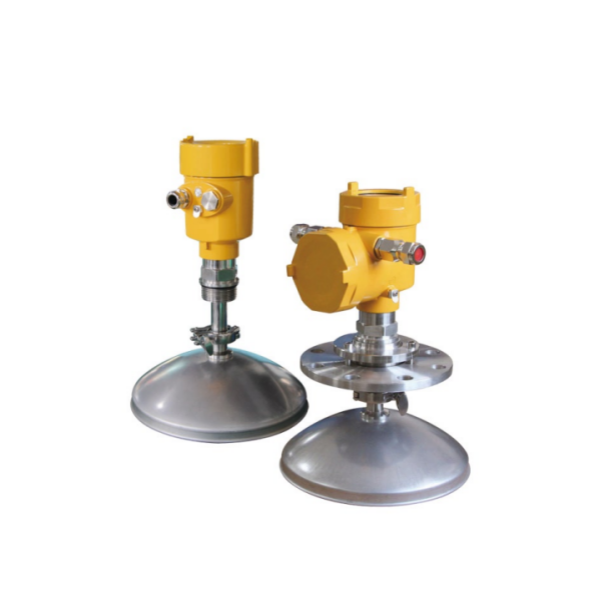
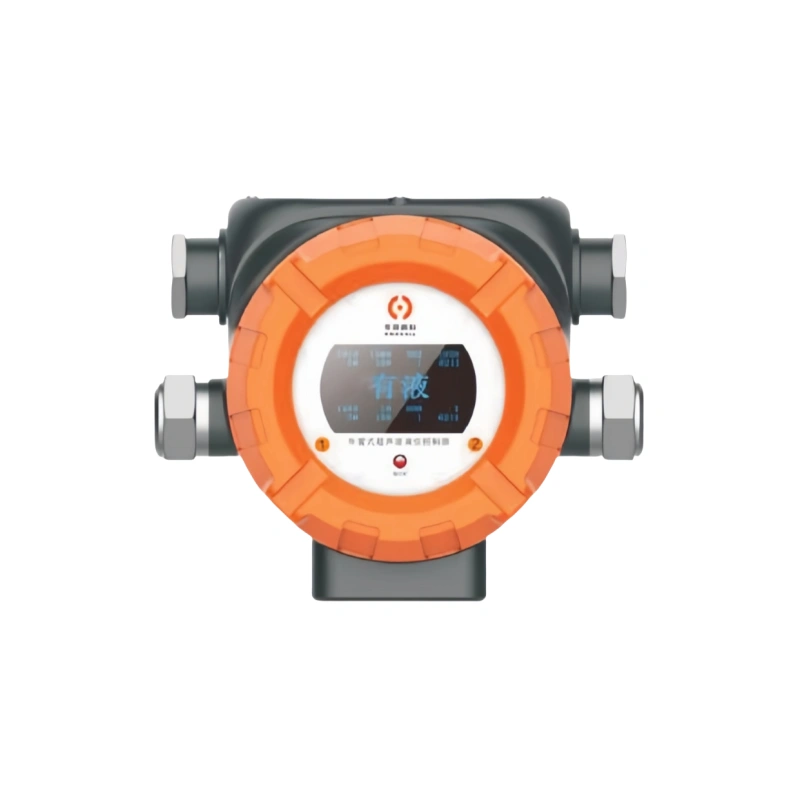
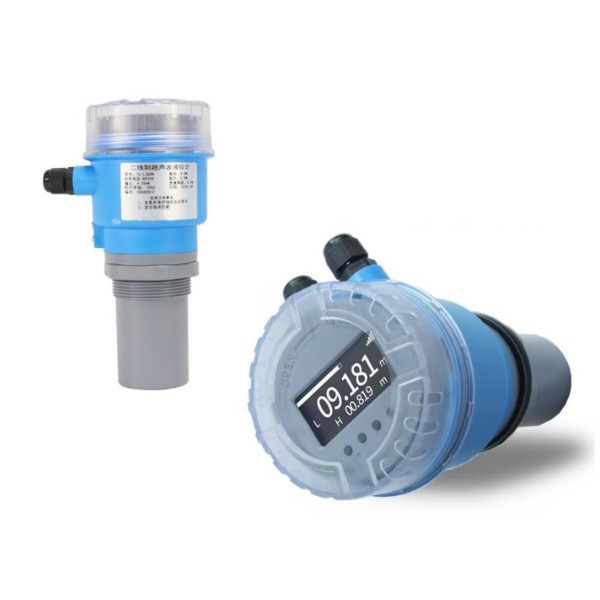
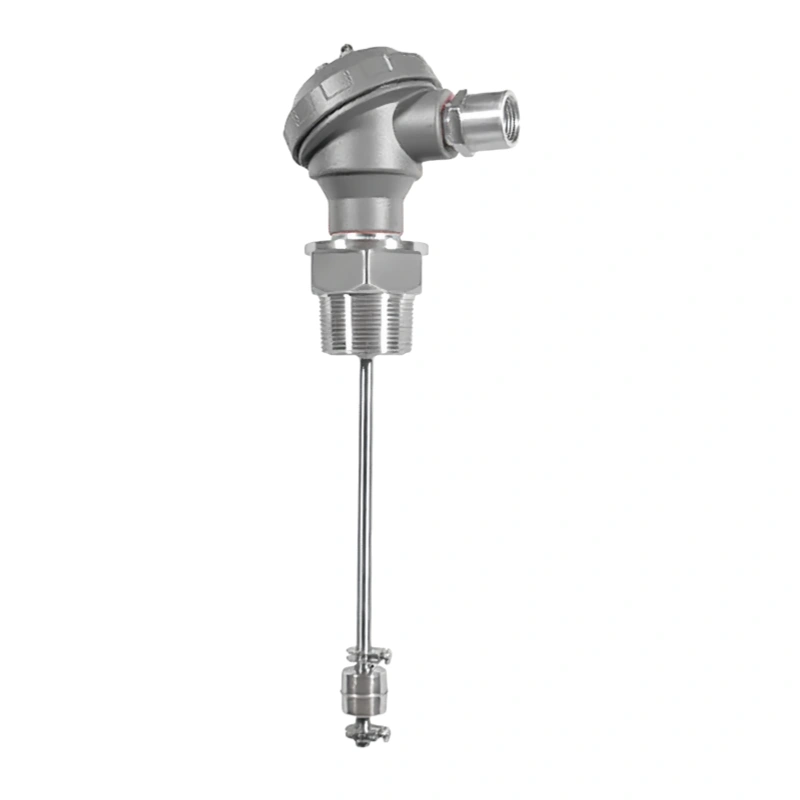
Radar water level meter
Principle of Operation
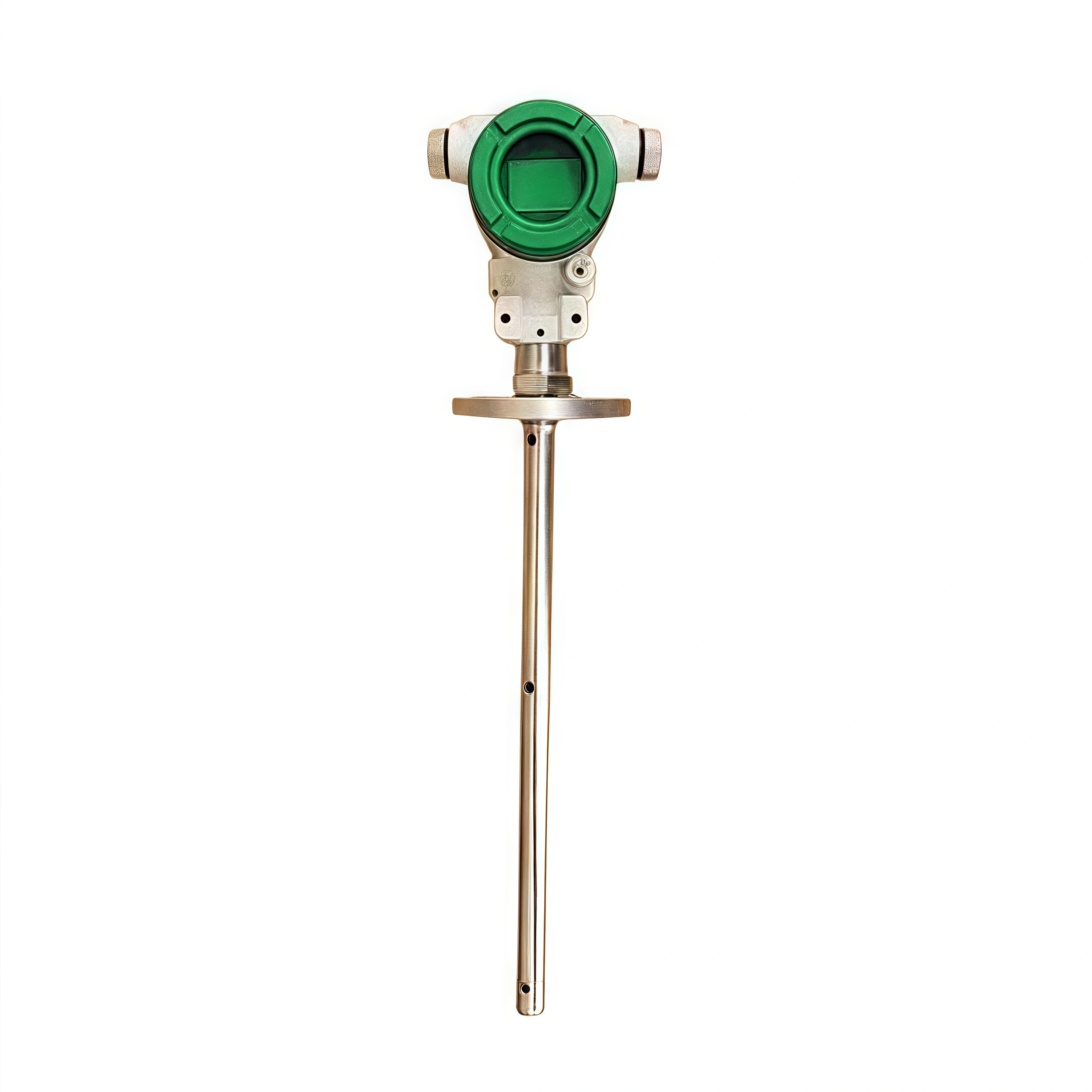
The radar water level meter is a non-contact measuring device. The probe emits high-frequency radar electromagnetic waves, which are reflected back upon contact with the liquid surface.
After receiving the signal, the device calculates the wave velocity, the time of flight, and frequency changes, and uses algorithms to precisely determine the distance between the probe and the liquid surface, thereby providing a real-time water level reading. The measurement process is unaffected by temperature, water vapour or atmospheric conditions, ensuring extremely high monitoring stability.
Advantages
Measurement accuracy hits the millimetre mark, keeps data error to a minimum and stays highly stable, so it works well for high-precision monitoring.
Strong resistance to interference; it holds up against mist, dust, surface foam and wind pressure, so it can handle harsh operating conditions.
Non-contact measurement means the probe never touches the liquid, so corrosion, blockages and wear are not a problem. The failure rate stays low and the service life is long.
Works in high-temperature, high-pressure and corrosive media environments, so it has plenty of operational applications.
Supports continuous, round-the-clock monitoring and remote signal transmission, and can be tied into automation and smart monitoring platforms.
It can be applied in scenarios ranging from rivers, lakes, and urban drainage systems. For example, in large-scale water conservancy projects, radar water level gauges can provide accurate water level data for the safe operation of dams. And help managers to reasonably regulate water volume.
Pressure water level meter
Working Principle
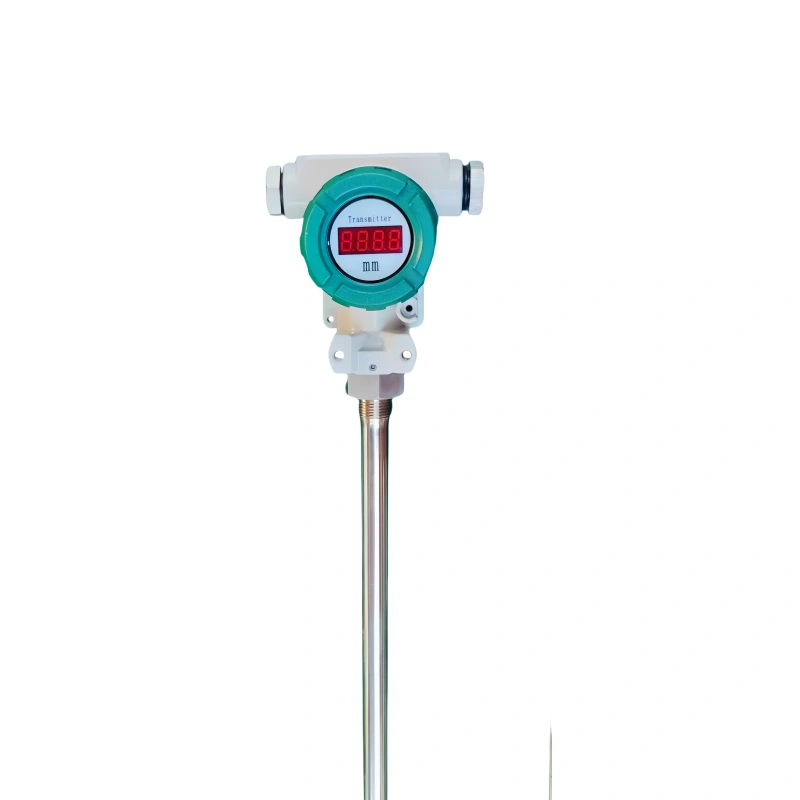
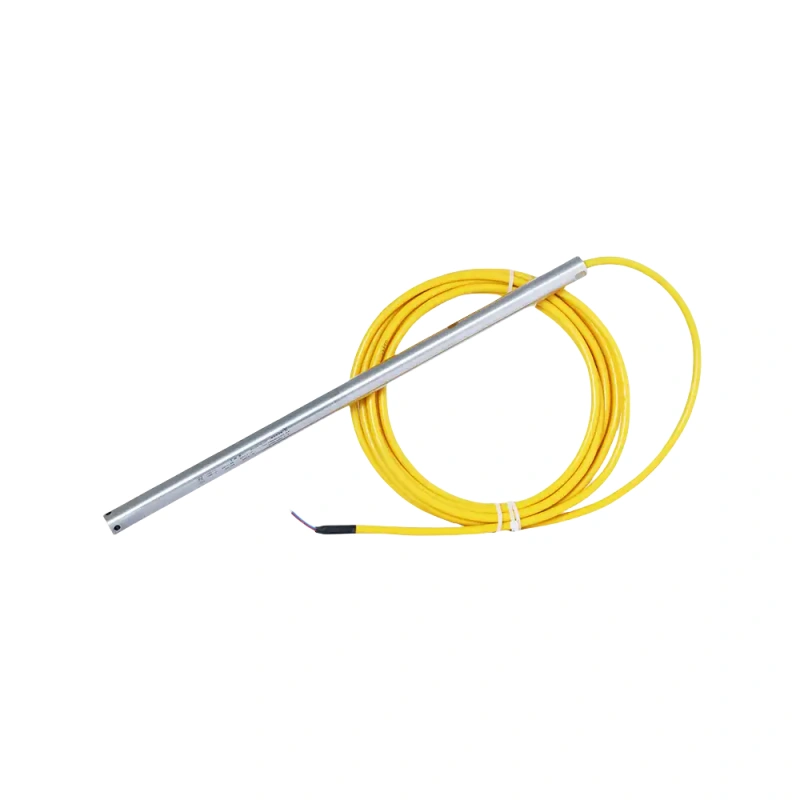
The pressure water level meter, also known as a submersible hydrostatic water level gauge, works on the principle of hydrostatic pressure. Water depth is directly proportional to the hydrostatic pressure at the bottom.
Once the probe is submerged, it senses the water pressure in real time and converts the pressure signal into a standard electrical signal. The device then uses built-in algorithms to accurately calculate the real-time water level depth.
Advantages
Simple structure, excellent value for money, and easy to install and commission; it begins functioning immediately upon immersion in water.
Wide measurement range, suitable for various scenarios including shallow water basins, deep wells, watercourses and all types of water storage tanks.
Outputs a standard 4–20 mA signal, allowing direct integration with PLC industrial control systems and supporting automated management.
Compact size, suitable for installation in confined spaces such as sealed tanks, deep wells and underground reservoirs.
The technology is mature and stable, highly versatile, and simple to maintain, requiring no complex commissioning.
However, pressure water level gauges are easily disturbed by factors such as changes in water density and bubbles, and are slightly inferior to radar water level gauges in terms of accuracy.
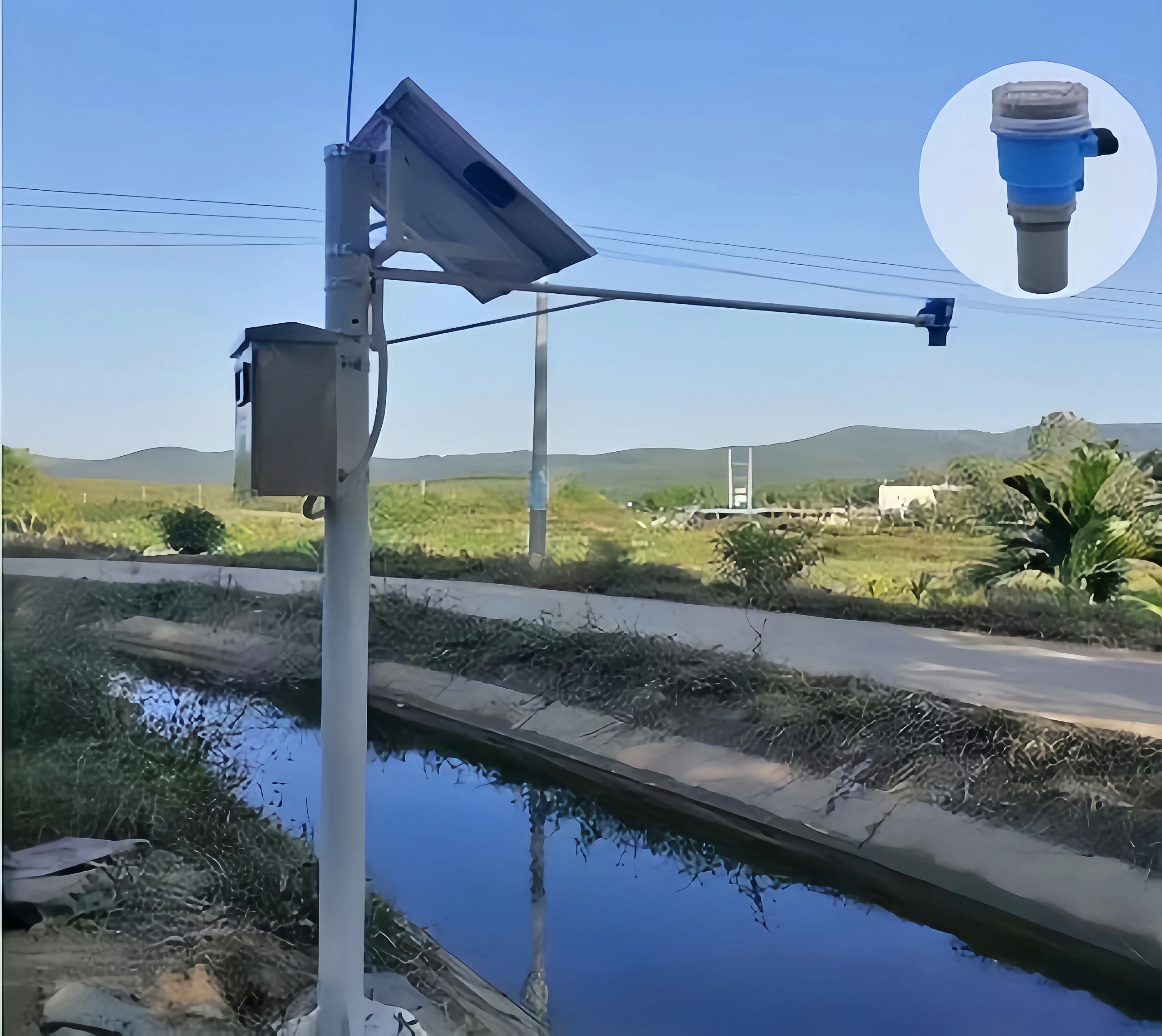
Ultrasonic water level meter
Working Principle
The ultrasonic water level meter is a non-contact monitoring device installed above the liquid surface. It emits ultrasonic pulses via a probe; when the sound waves encounter the water surface, they reflect back as an echo.
The device calculates the time difference of the sound wave’s round trip and, combined with temperature and sound velocity compensation algorithms, accurately measures the liquid level, enabling continuous, non-contact monitoring around the clock.
Advantages
Non-contact design: the transducer does not come into contact with the liquid, eliminating issues such as corrosion, blockages and damage, and resulting in extremely low maintenance costs.
Flexible installation: no modifications to tanks or reservoirs are required; easy to install and remove, making it suitable for retrofitting.
Fast response: supports real-time continuous data collection, remote transmission and out-of-limit alarm functions.
Lower cost than radar level transmitters, offering excellent value for money and making it suitable for large-scale routine monitoring.
No moving mechanical parts: stable operation, high safety and long service life.
However, the ultrasonic water level gauge is greatly affected by the ambient temperature and humidity, and the measurement accuracy may decrease under extreme weather conditions.
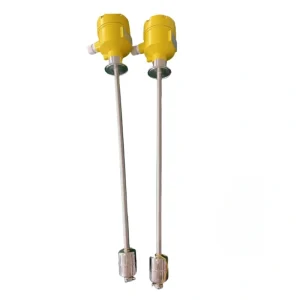
Float water level meter
Working Principle
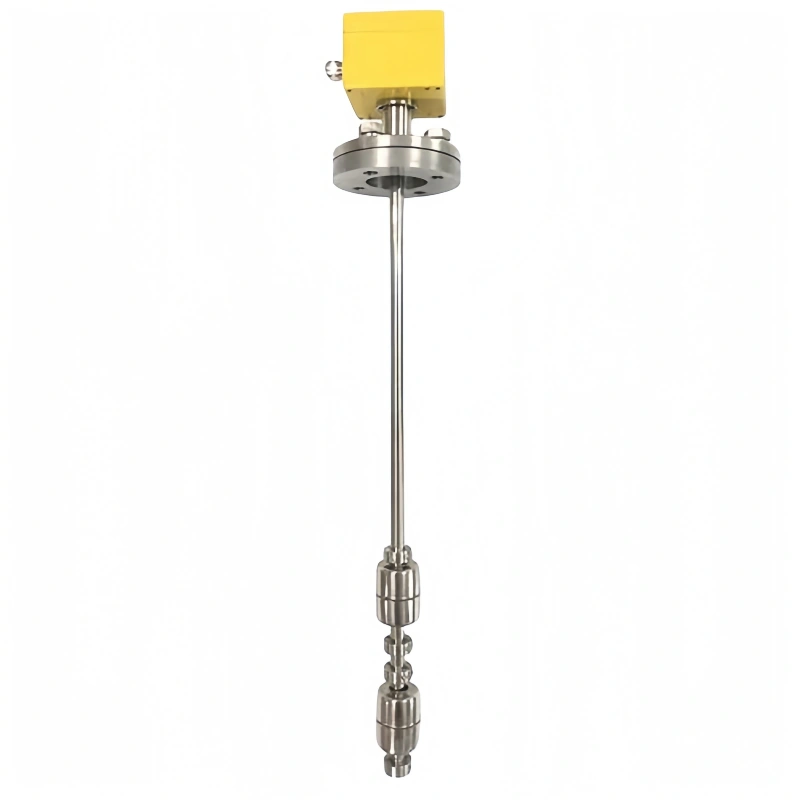
The float level meter operates on the principle of liquid buoyancy. A float with a density lower than that of water floats on the liquid surface and rises and falls in tandem with the water level.
The device uses transmission mechanisms such as linkages and magnetic couplings to convert the mechanical displacement of the float into switch or level signals, providing real-time water level feedback whilst enabling point-level start/stop control.
Advantages
Simple structure with no complex electronic components; highly resistant to interference and unaffected by slight turbidity in the water.
It is cost-effective, easy to install, requires virtually no routine maintenance, and has extremely low operating costs.
The mechanical and magnetic control structures are stable, with a low failure rate, making it suitable for long-term unattended operation.
It enables precise high and low level control, supporting automated control logic such as automatic tank refilling and dry-run protection.
It offers good temperature resistance and is suitable for both ambient temperature and standard hot water storage applications.
But its measurement accuracy is limited. And regular maintenance is required. Prevent the float from being entangled by debris and affecting the measurement accuracy.
1. Water Conservancy Project
Water level meters play a vital role in water conservancy projects.
They are used to monitor water level changes in rivers, lakes and reservoirs. Help water conservancy engineers better manage and regulate water resources. By monitoring the water level in real time. Timely warning of floods, droughts and other flood events.
2. Construction Project
In construction projects, water level meters are used to monitor groundwater levels, foundation stability and water tightness testing.
They can provide critical data. Ensure the structural safety and reliability of the building.
For example, in basement construction, water level meters can help control groundwater levels. Prevent water from entering the construction area.
3. Geological Exploration
Water level meters in geological exploration are used to measure well depth, groundwater level and groundwater pressure.
These data are crucial for geological engineers. They can help them understand the distribution and flow of groundwater resources. So as to make scientific decisions.