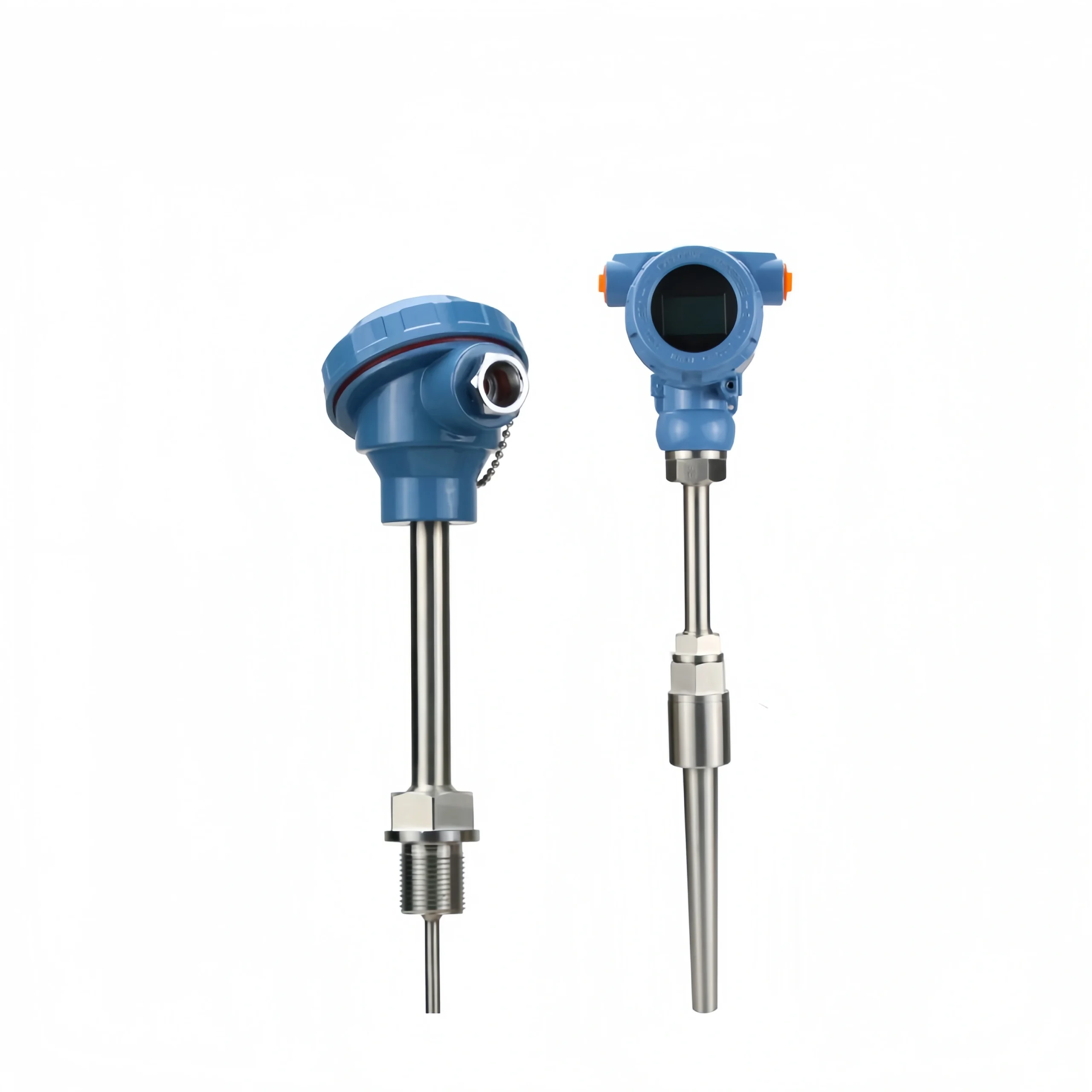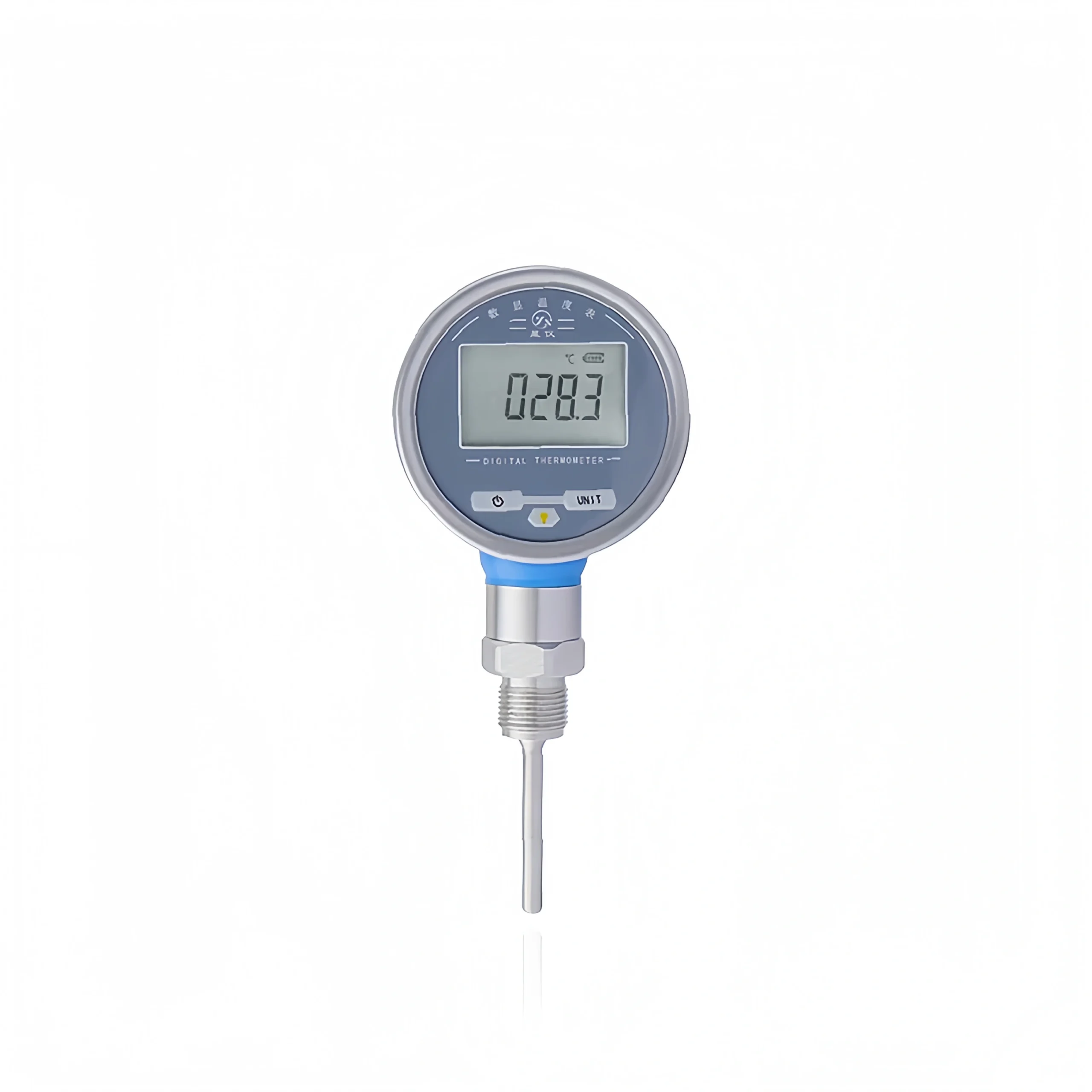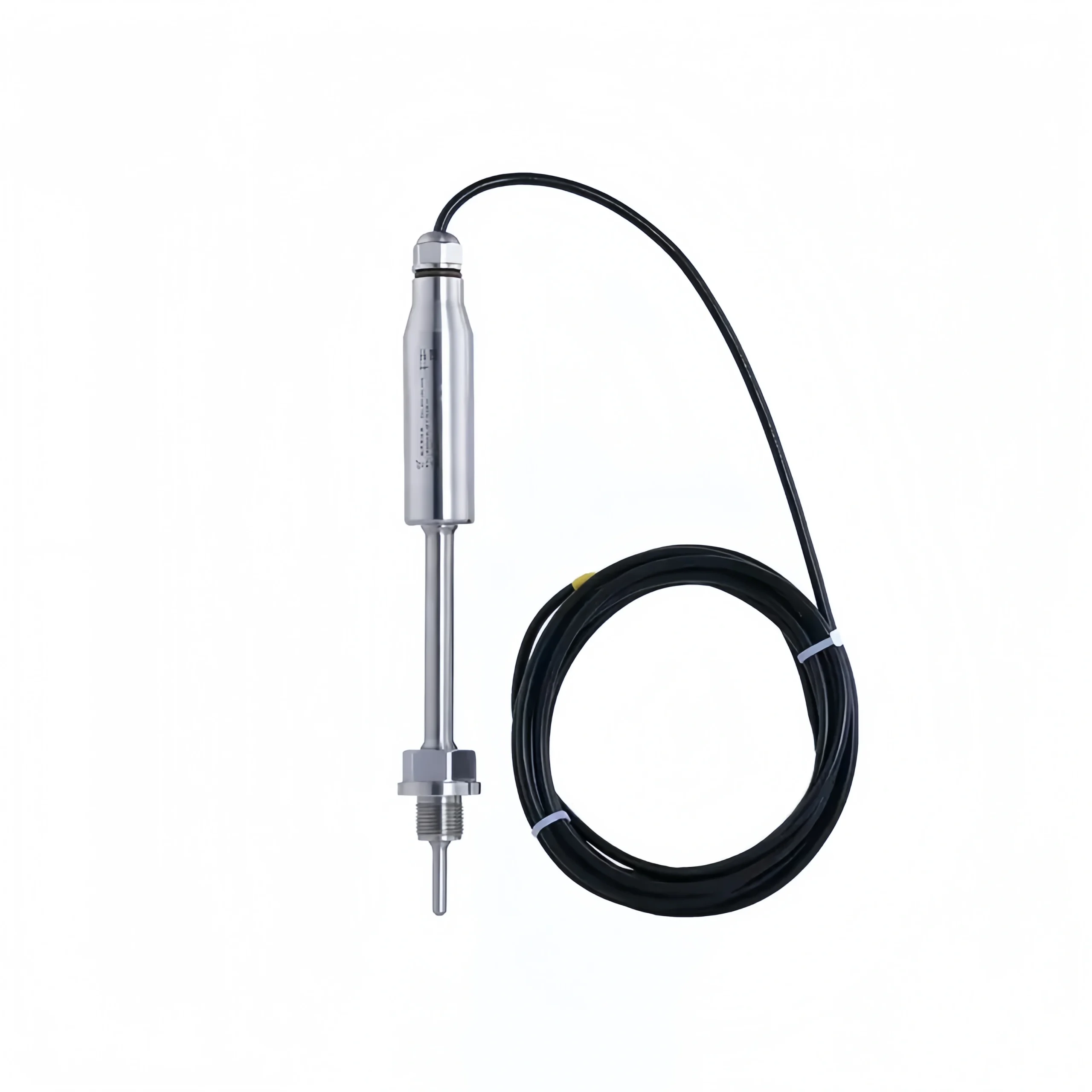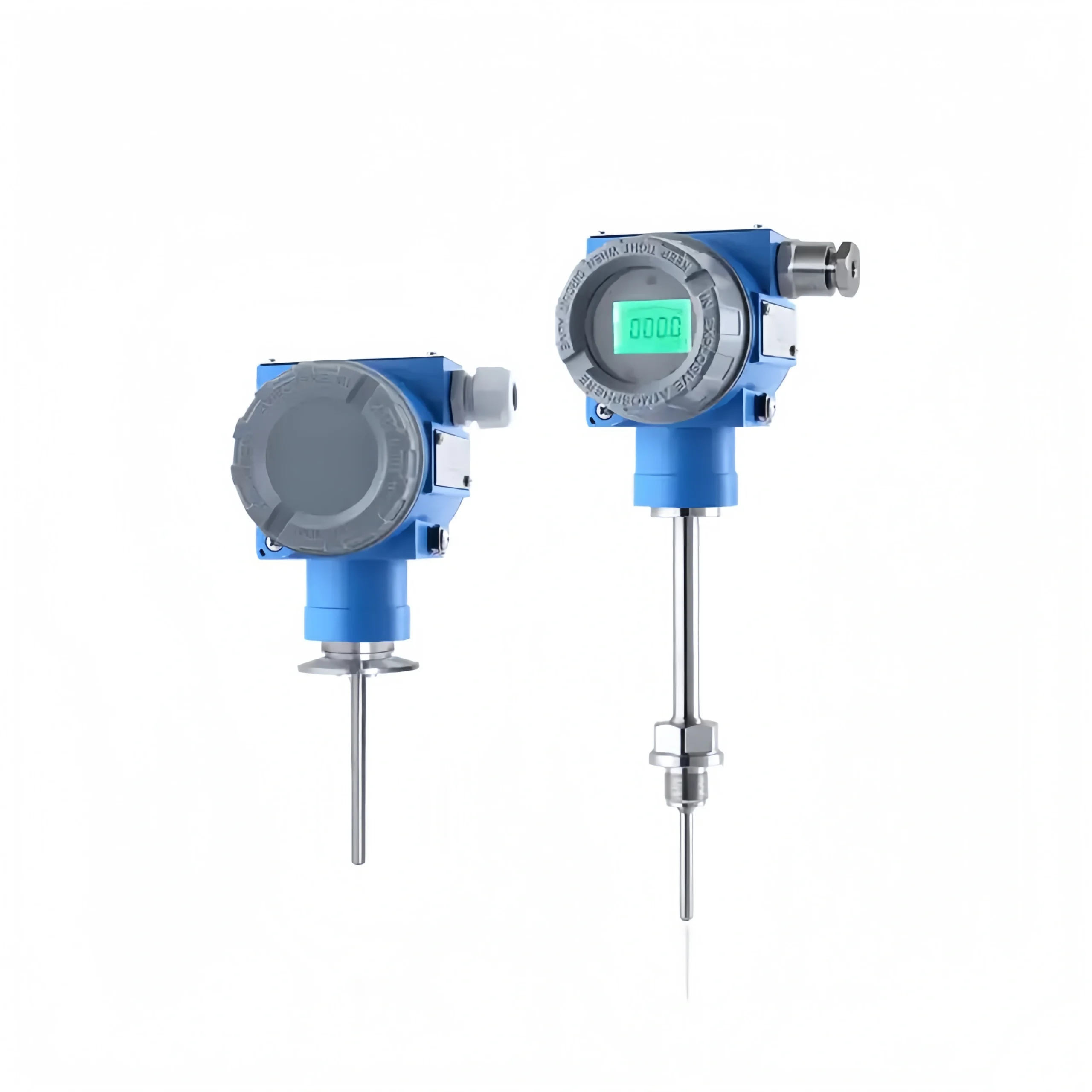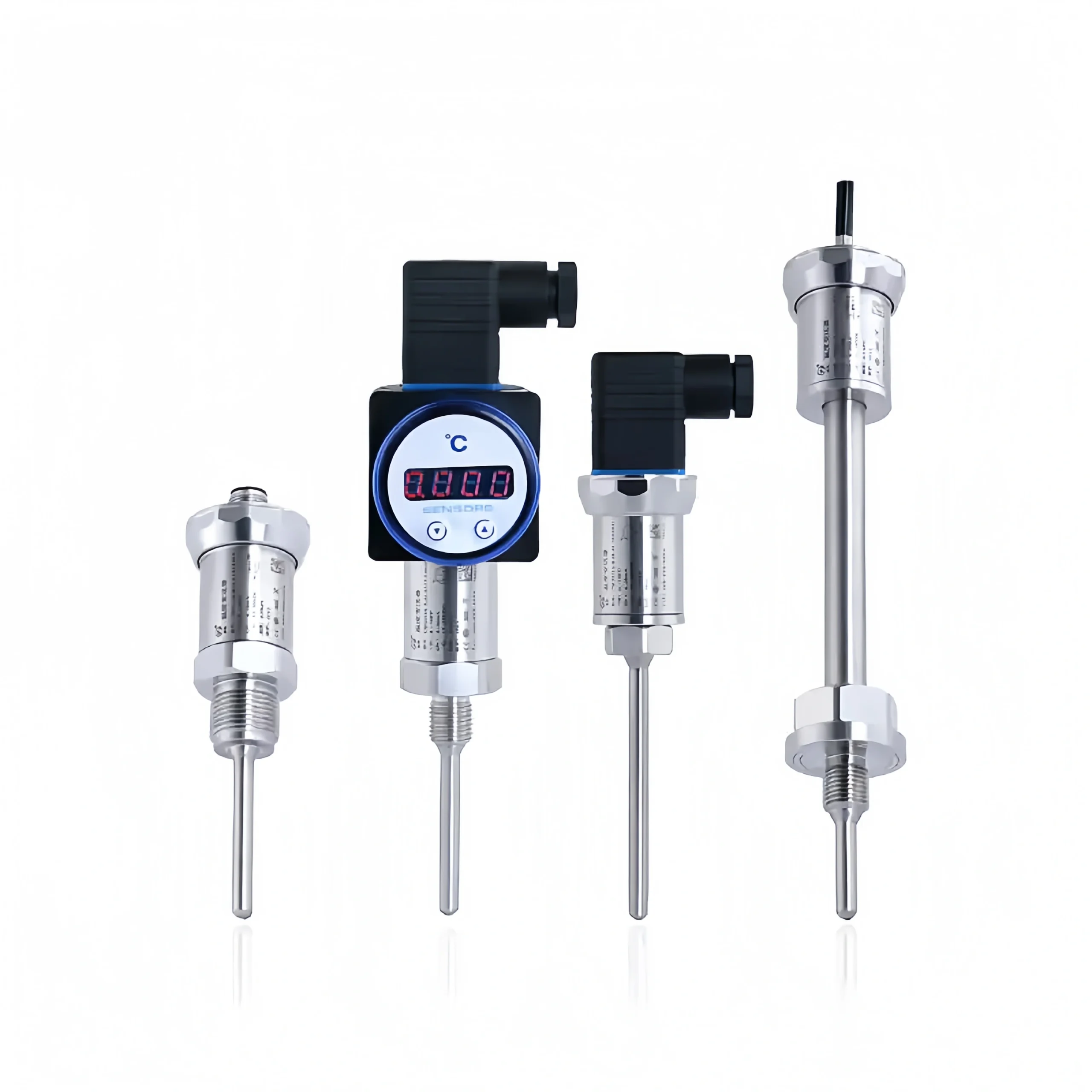
Cryogenic conditions are tough on temperature sensing; conventional thermocouples tend to suffer from thermoelectric drift, brittle insulation, and distorted readings.
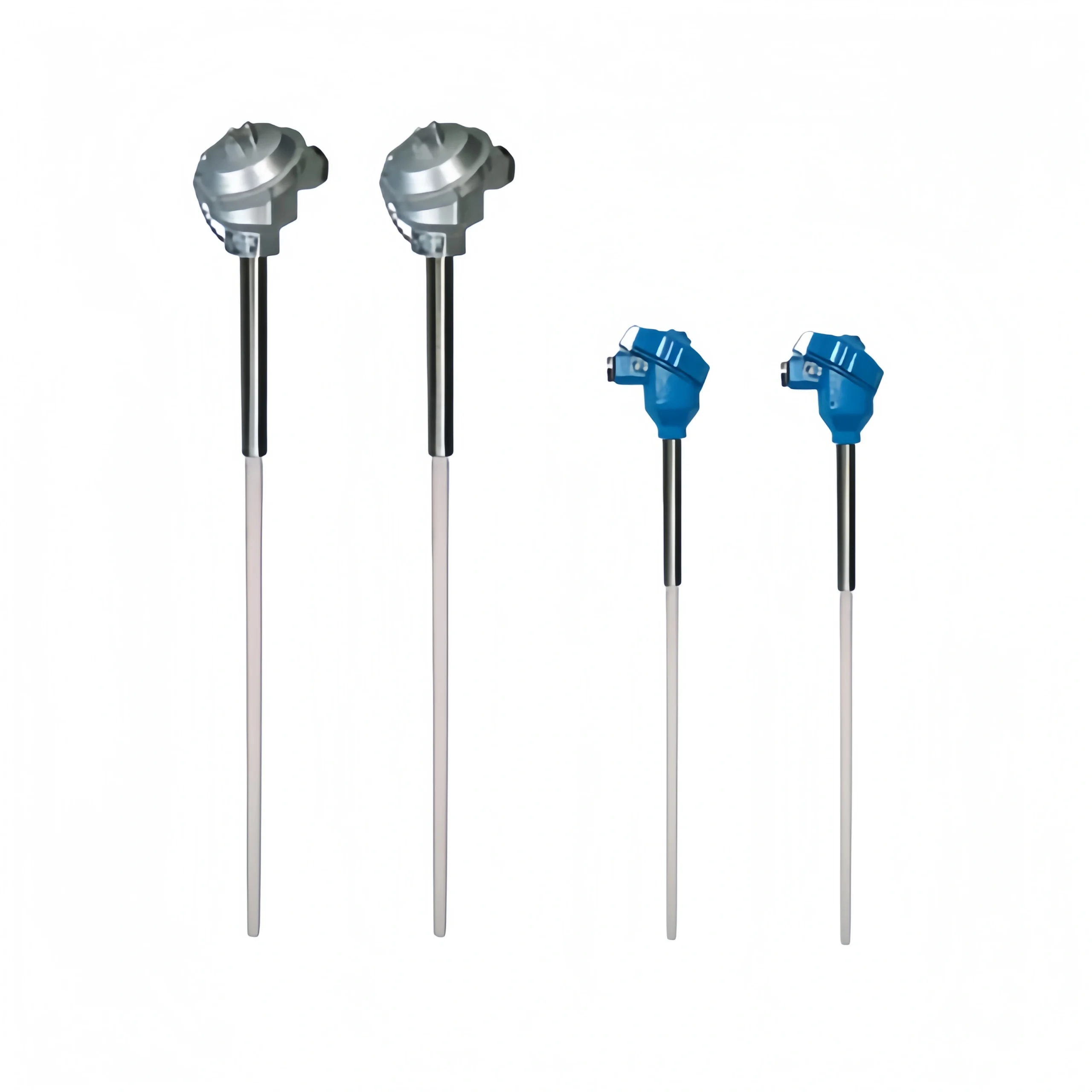
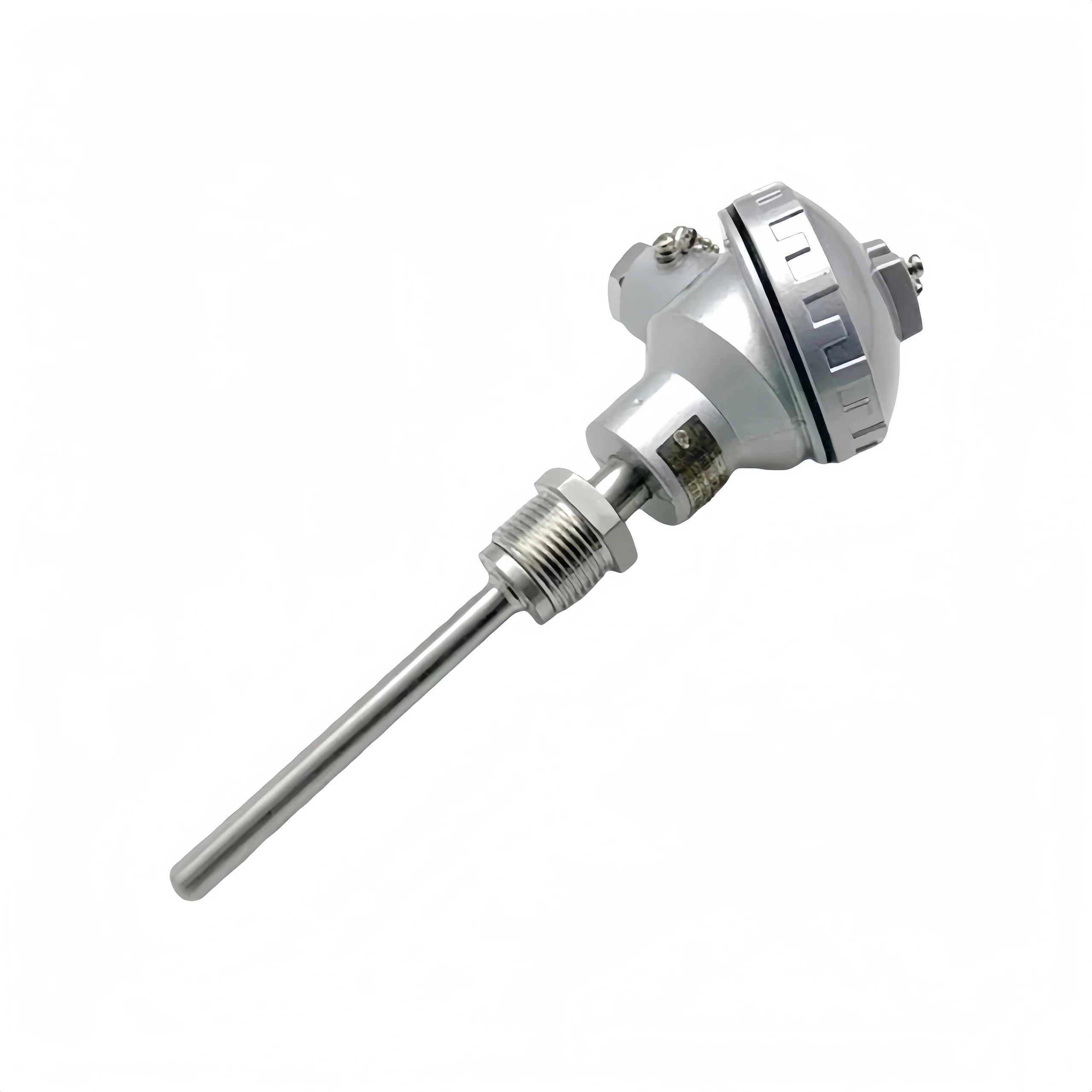
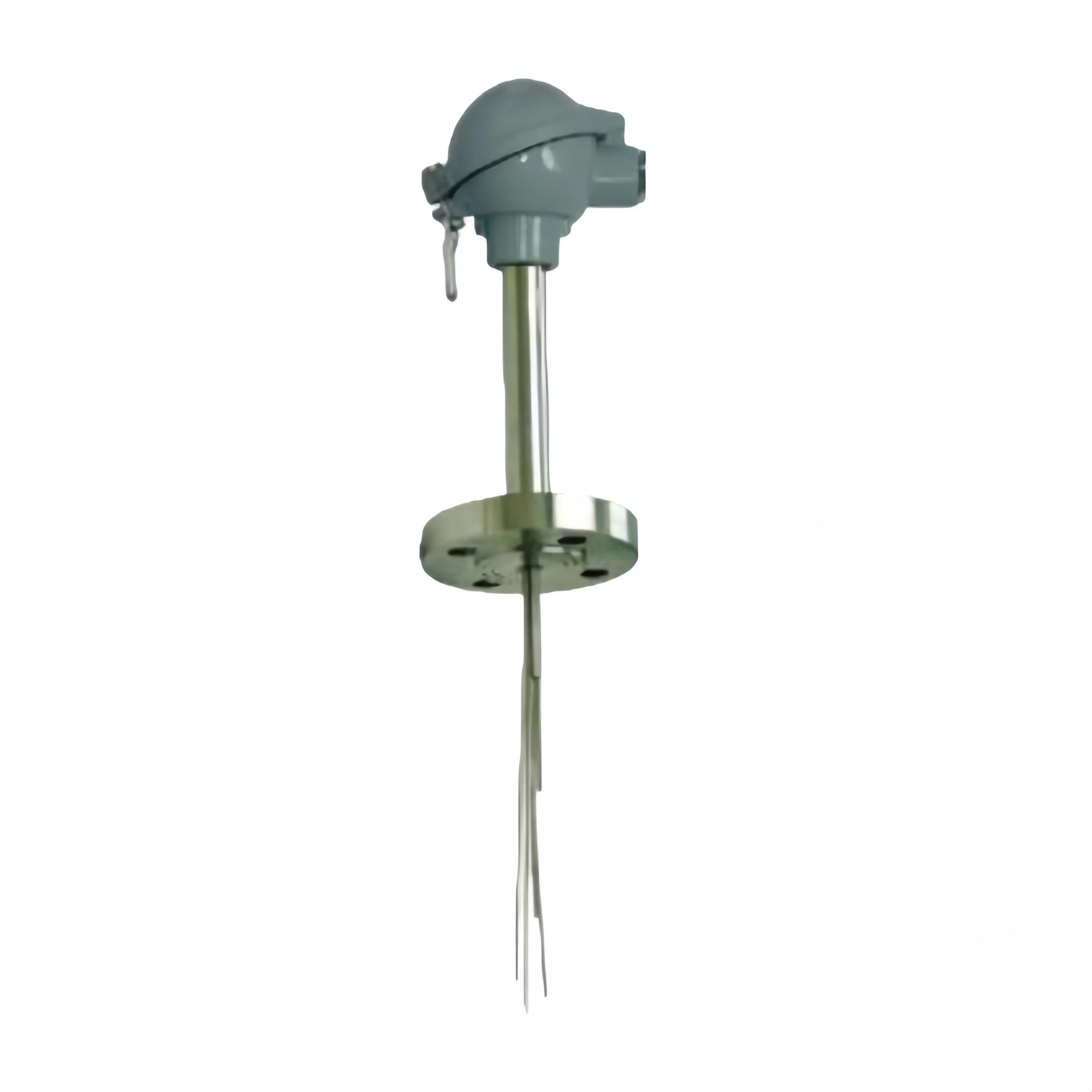
Low-temperature thermocouples, built with specialized electrode compositions and encapsulation processes that hold up in extreme cold, work well in LNG, cryogenic testing, and cold-chain chemical processing.
They address the temperature measurement problems found in extremely cold environments and keep data steady and reliable through long-term cyclic operation.
What Is a Low-Temperature Thermocouple?
A low-temperature thermocouple is meant for cold-environment measurement work. It doesn’t use the same alloys you’d find in standard high-temperature units; instead, the conductors are picked because they behave well when things get seriously cold. That means the sensor stays reliable anywhere from a few tens of degrees below zero right down past -200°C.
Out at those extremes, it still gives you fairly linear thermoelectric conversion, low contact resistance, and a steady signal. Ordinary thermocouples tend to lose sensitivity, drift, and throw off bigger errors once temperatures plunge—this type avoids most of that trouble.
Low-Temperature Media
1. Liquid nitrogen (LN₂), standard boiling point: -195.8°C; a clear, colorless liquid that’s chemically inert and stable; people use it widely as a cryogenic coolant, and it won’t catch fire.
2. Liquid oxygen (LOX), standard boiling point: -183.0°C; a pale blue liquid and a strong oxidizer; never let it near flammable materials—fire or explosion can follow.
3. Liquid argon (LAr), standard boiling point: -185.9°C; a colorless, inert liquid that’s chemically stable and insulates very well.
4. Liquid hydrogen (LH₂), standard boiling point -252.9°C; an extremely low-temperature, lightweight liquid with a wide flammability range; highly prone to explosion; requires stringent storage and transportation conditions.
5. Liquid helium (LHe, ⁴He); currently the liquid medium with the lowest boiling point at atmospheric pressure; inert.
6. Liquid neon (LNe), standard boiling point -246.1°C; an inert cryogenic liquid, with a temperature range between liquid hydrogen and liquid nitrogen, and high latent heat of vaporization.
7. Cryogenic ethanol (cooled to -80°C to -120°C); a liquid organic solvent with good fluidity, suitable for closed-loop cryogenic baths, with a higher upper temperature limit than cryogenic liquefied gases, and a significant increase in viscosity at low temperatures.
8. Fluorocarbon secondary coolants (e.g., HFE, Galden); can be stably maintained in a liquid state at around -100°C, exhibit good chemical inertness, and are non-conductive.
9. Liquid carbon dioxide (LCO₂), sublimation temperature at atmospheric pressure: -78.5°C; does not exist in a liquid state at atmospheric pressure; depressurization causes it to directly convert into dry ice and gas.
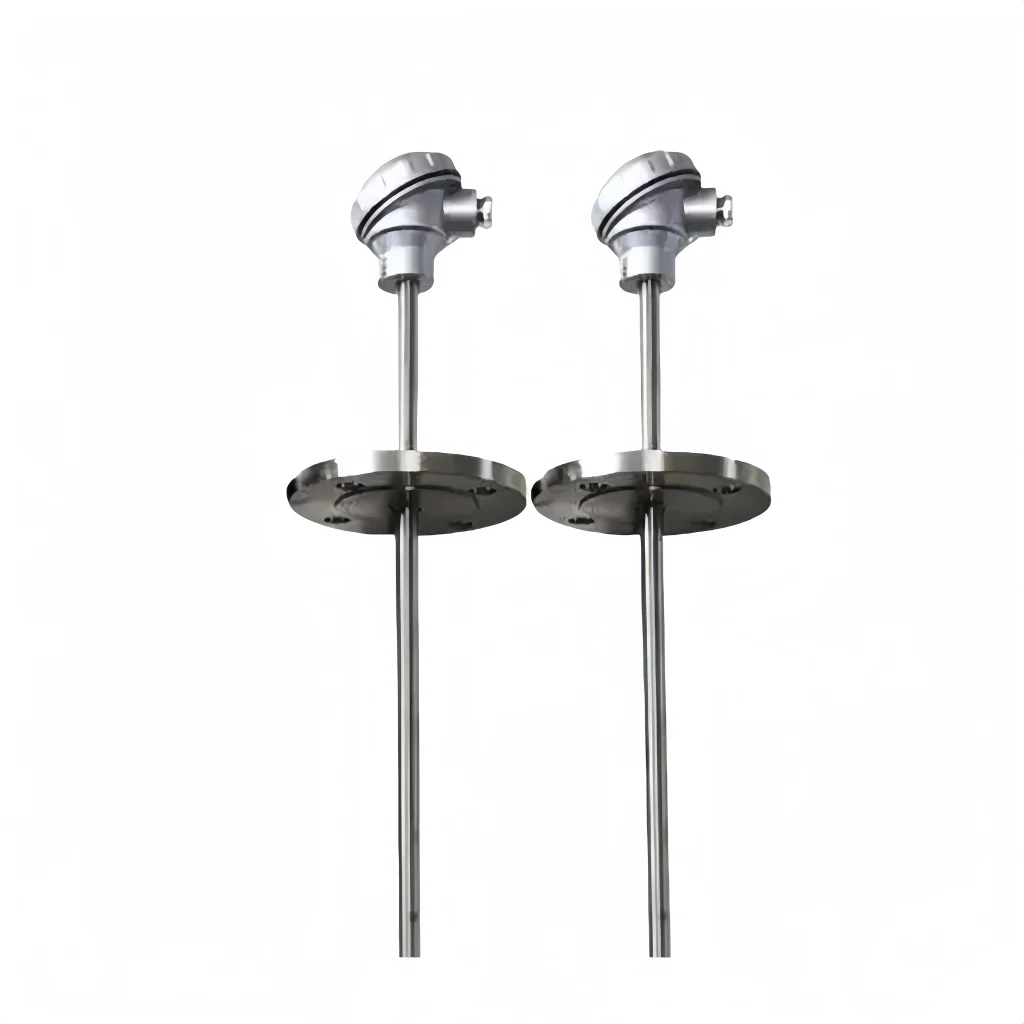
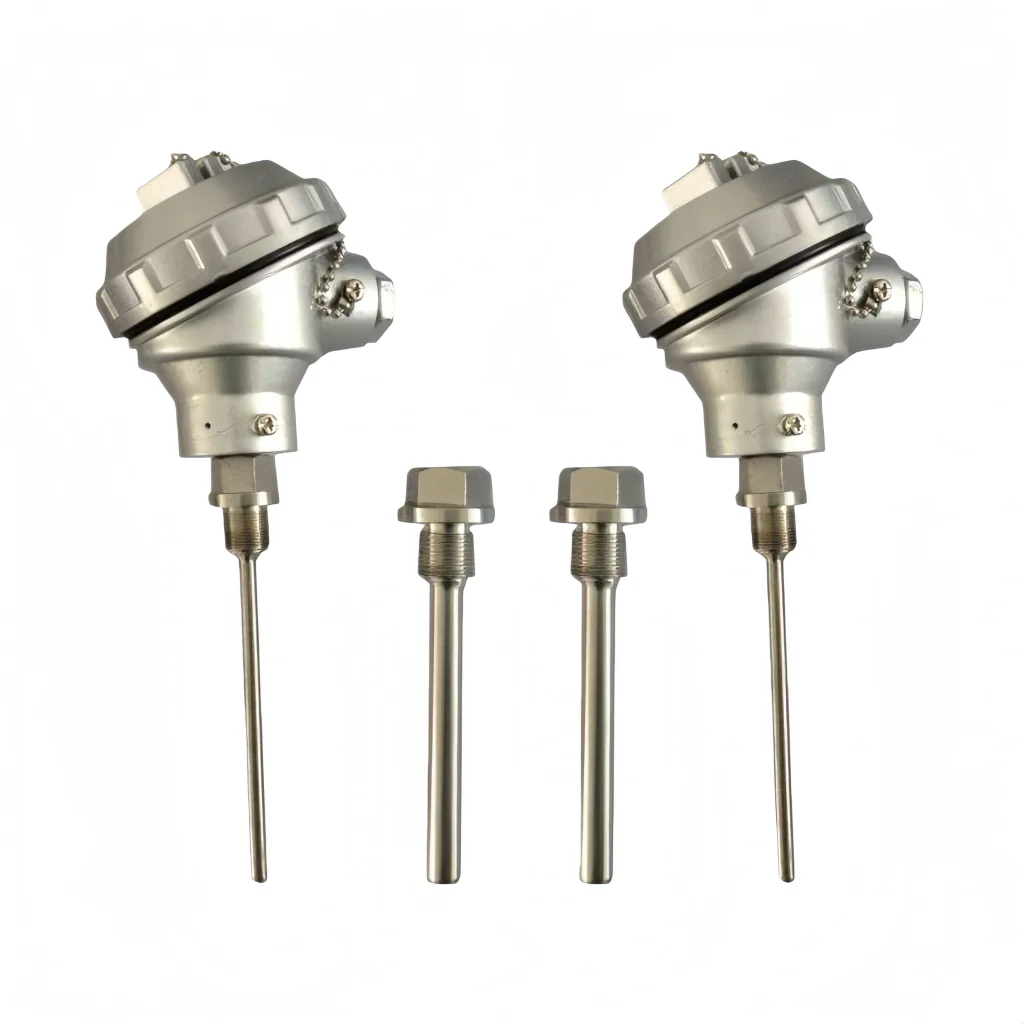
Cryogenic Thermocouples
Type K Thermocouple
Working Principle
A Type K thermocouple consists of a closed circuit formed by connecting the ends of two different conductors: a nickel-chromium alloy and a nickel-silicon alloy.
When there is a temperature difference between the two junctions, a thermoelectric potential is generated within the circuit; the magnitude of this potential has a stable relationship with the temperature difference between the two ends.
By measuring the thermoelectric potential of the circuit and converting it using a calibration table, the temperature of the medium being measured can be determined.
Advantages
1. Wide temperature coverage; the typical range runs from -270°C up to 1370°C, so it handles both cryogenic and medium-to-high-temperature work
2. Output linearity is solid, sensitivity sits in the moderate range, and it interfaces cleanly with standard acquisition hardware
3. Strong oxidation resistance; you can run it continuously in oxidizing or neutral atmospheres without heavy degradation
4. Material costs are moderate, suppliers stock a full range of sizes, and finding what you need is rarely a hassle
5. Mechanically tough; manufacturers can sheath it in armor, it survives vibration, and you can route it through tight bends
Disadvantages
1. Avoid reducing or sulfur-laden atmospheres; over time the alloy corrodes and the temperature reading starts to drift
2. Once temperatures drop below 0°C, accuracy lags behind that of a Type T thermocouple
3. Exhibits some thermal lag; long-term service in high-temperature environments can cause aging of the alloy components, leading to reduced stability
4. Cannot be used directly for long-term operation in vacuum environments
Type T Thermocouple (Copper-Constantan, Low-Temperature Thermocouple)
Working Principle
The Type T thermocouple uses copper and constantan conductors to form a thermoelectric circuit. The contact between the two metal conductors forms two junctions.
When the temperatures at the measuring end and the reference end differ, a thermoelectric effect generates a thermoelectric potential in the circuit.
This thermoelectric potential is solely dependent on the temperature difference between the two ends; by measuring the potential signal and referencing a calibration table, temperature measurement is achieved.
Advantages
1. Handles low temperatures exceptionally well; usable from -270°C up to 350°C, and it’s the go-to choice for cryogenic work
2. Stays accurate and stable well below freezing, with very little drift creeping in as things get colder
3. The voltage output tracks temperature in a nearly straight line, and the sensitivity is high enough to pick up tiny shifts
4. Resists oxidation well; in damp conditions it holds up better at low temperatures than a Type K would
5. Inexpensive, the alloy mix stays consistent batch to batch, and readings repeat reliably
Disadvantages
1. Temperature ceiling is low; copper starts oxidizing aggressively once you push past 350°C, so forget about high-heat jobs
2. The copper side is fairly soft and will stretch or deform if you’re not careful, so you need to protect the leads during installation
3. Avoid oxidizing hot environments, and keep it away from ammonia or strongly acidic media
4. Unlike a Type K, it won’t handle mid-range or high temperatures, so your usable window is fairly narrow
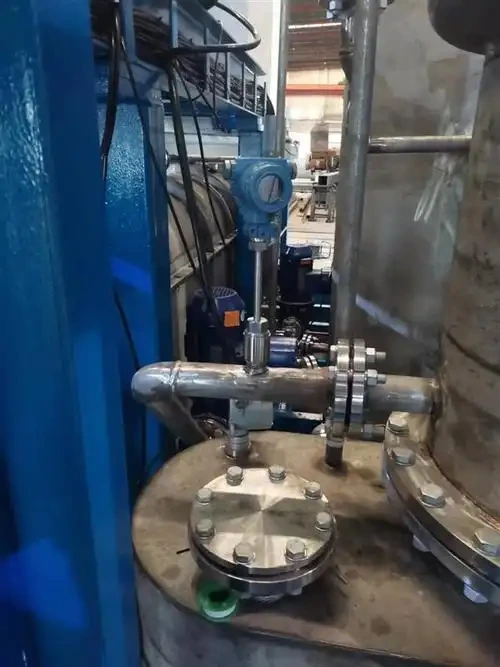
Application Scenarios
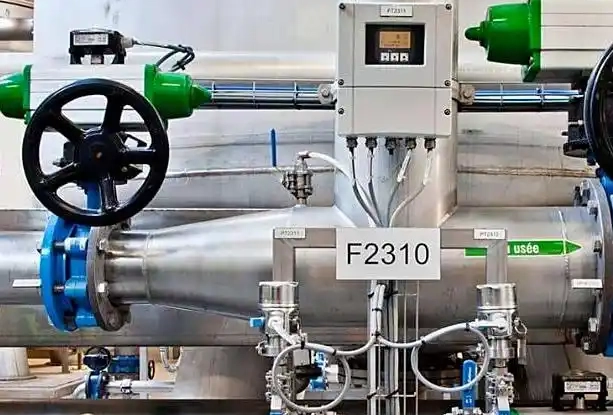
1. Low-temperature industrial process monitoring:LNG, liquid oxygen, liquid nitrogen—any medium that has to stay cold through storage, transport, or processing. The thermocouples sit in tanks, pipelines, and heat exchangers to read media temperatures and flag insulation breakdown before you get vaporization, external frost, or overheating.
2. Refrigeration equipment industry:Ultra-low freezers, cold-chain warehouses, industrial chillers, and low-temperature test chambers. They keep a continuous read on internal temperatures so the control loop can maintain stable conditions for biological samples and reagents.
3. Aerospace Sector:Spacecraft environment-simulation chambers, rocket cryogenic propellant tanks, and high-altitude cold-component testing for aircraft. Engineers use them to log component temperatures in high-vacuum and deep-cold conditions.
4. Cryogenic Material Performance Testing:Impact and tensile test rigs for metals and polymers below zero. They follow temperature changes as materials cool, letting researchers observe cryogenic embrittlement.
5. Biomedical Field: Cryopreservation units for biological agents, cells, and stem cells; temperature checks on freeze-dryers. They give operators the precise cooling-rate control they need to protect bioactive substances from damage caused by sudden temperature swings.
6. Research Laboratories:Cryostats, liquid helium test platforms, and quantum experiment setups. They deliver the accurate temperature readings that precision physics and chemistry experiments demand in ultra-low-temperature environments.
7. New Energy Industry:Hydrogen storage and transport gear, liquid hydrogen pipelines, and low-temperature performance test chambers for power batteries. They track how storage media and batteries perform in the cold, giving engineers the data they need to judge low-temperature reliability.
8. Meteorology and Polar Exploration: Polar scientific research instruments and upper-air meteorological observation equipment—measuring temperatures in low-temperature environments on the polar surface and in the upper atmosphere, while withstanding complex, humid, and low-temperature field conditions.
Selection Guide
1. Differences in Low-Temperature Measurement Accuracy:
When you drop below freezing, Type T copper-constantan couples give you tighter uniformity, steadier thermoelectric behavior, and smaller errors—so labs and precision setups usually reach for them first.
Type K nickel-chromium-nickel-silicon couples, on the other hand, start getting noticeably nonlinear once you go past -100°C, and the error grows fast; they simply aren’t cut out for high-precision cold-zone work.
2. Material Oxidation and Corrosion Resistance:
Type T’s positive leg is pure copper, and that oxidizes fast in damp, oxygen-rich air—so you can’t run it in humid, acidic, or oxygen-heavy conditions. Type K alloys hold up better against oxidation and cope fine in dry air.
That said, neither type likes low-temperature reducing atmospheres; you’ll need a protective sheath to keep the measuring junction away from the process medium either way.
3. Effects of Magnetization and Magnetic Field Interference:
Type K can undergo magnetic phase transitions in the cold, so if you put it near alternating or strong magnetic fields, the readings can drift.
Type T’s copper and constantan legs are basically non-magnetic, so they stay steadier than Type K when there’s magnetic interference around. That’s why people tend to use Type T for cold-zone measurements on electromagnetic gear.
4. Comparison of Thermocouple Emf Sensitivity:
Below -100°C, Type T keeps its voltage output fairly linear, which makes the signal easy to pick up and process. Type K’s slope keeps shifting as it gets colder, so your transmitters and data-acquisition cards have to work harder on linear compensation.
5. Wire Cost and Mechanical Properties:
Type T copper wire is on the soft side and doesn’t take much tension, so don’t yank it hard during installation. Type K alloy wire is stronger, stands up better to abrasion, and survives repeated bending. If you compare the same gauge, Type T usually costs a bit less to buy.
6. Recommended Typical Applications:
Type T shows up mainly in low-temperature lab testing, liquid nitrogen dewars, cold-chain precision work, cryogenic calibration rigs, and high-accuracy vacuum cryostats.
Type K fits better when temperatures swing between low and medium ranges, or for industrial cold pipelines and general plant measurements in dry air where you don’t need extreme precision.
7. Key Points for Cold-Junction Compensation:
Whichever type you’re running, you need to follow the standards for cold-junction compensation when measuring in the cold. One practical point: extend the sheath as far as you can so the terminals don’t sit right in the cryogenic medium. With Type T, never leave bare copper exposed to moisture—it’ll oxidize and snap before long.
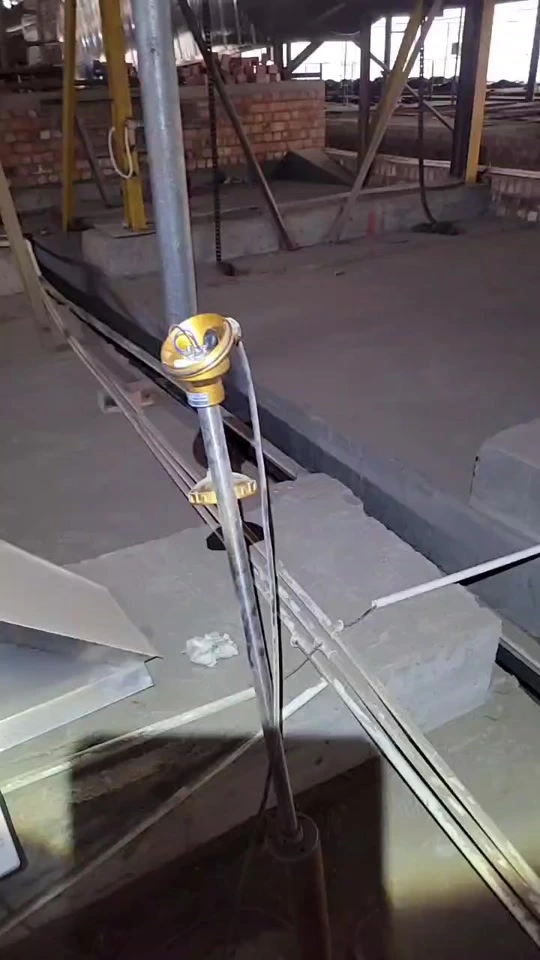
Designed for tough cryogenic and ultra-low-temperature measurement work, Sion-Inst’s Type K and Type T cryogenic thermocouples use specially selected alloys and industrial-grade encapsulation that holds up in the cold.
That fixes the drift, insulation breakdown, and accuracy loss that standard sensors run into once temperatures plunge. Standard sizes ship from stock, and we can build custom configurations for non-standard jobs—mounting structure, temperature range, and data-acquisition compatibility are all adjustable to match your setup.
Sion-Inst is a temperature measurement specialist; we keep quality control strict and help customers choose the right sensor for their exact extreme-temperature conditions, so you get safer equipment and data you can trust.