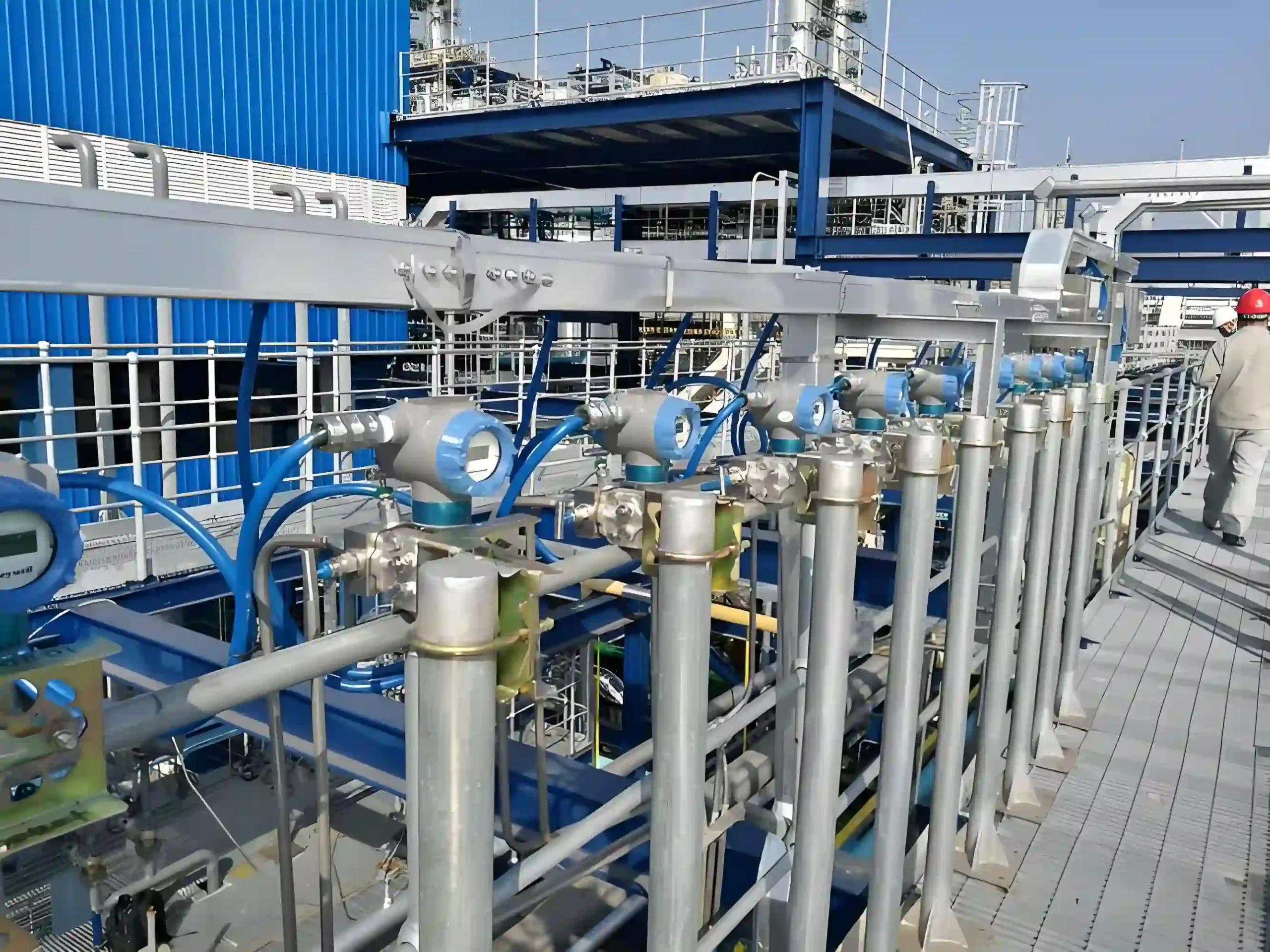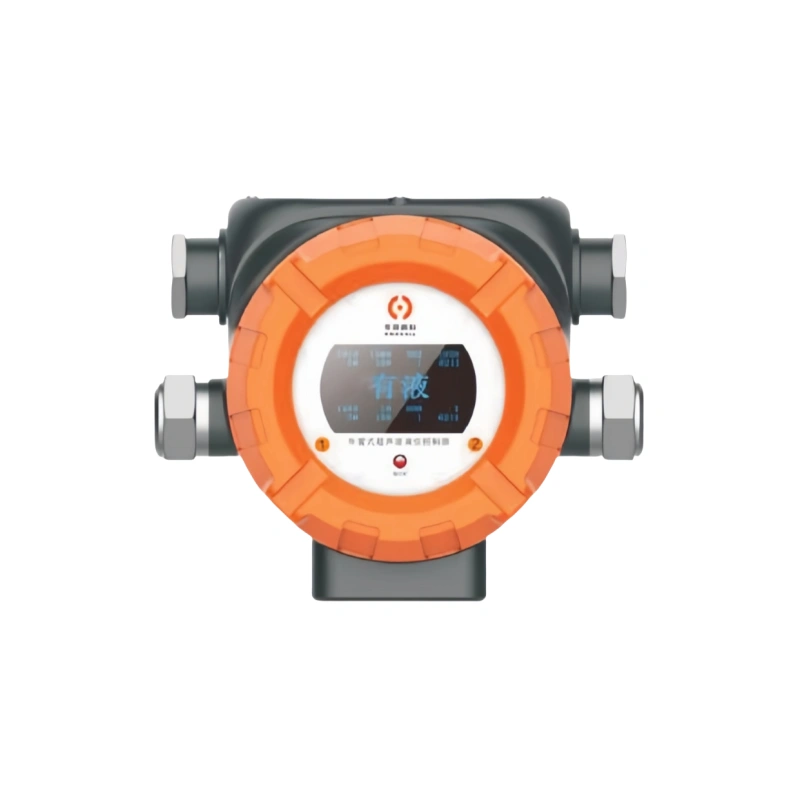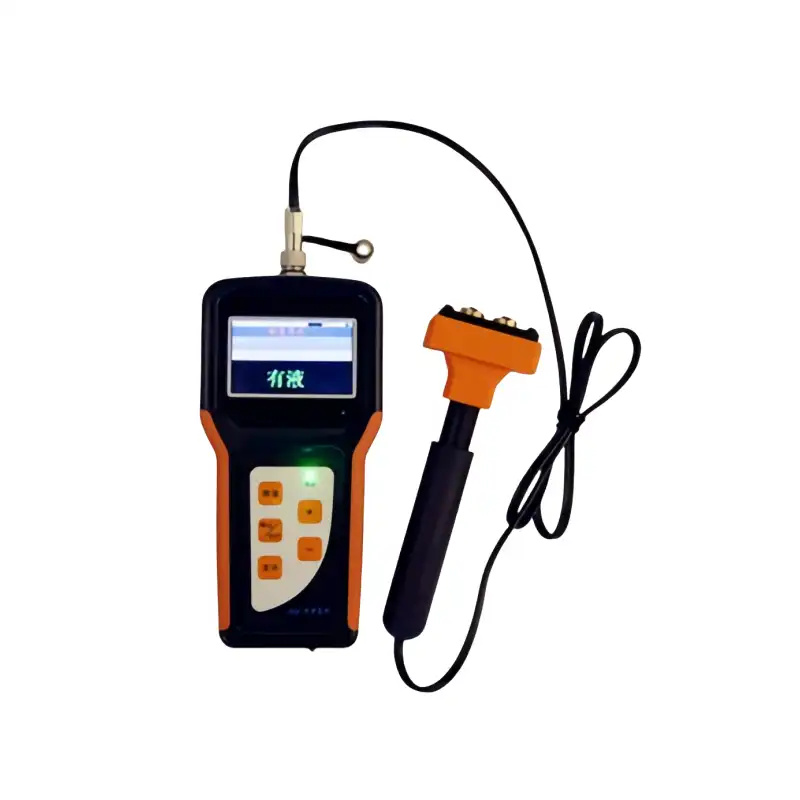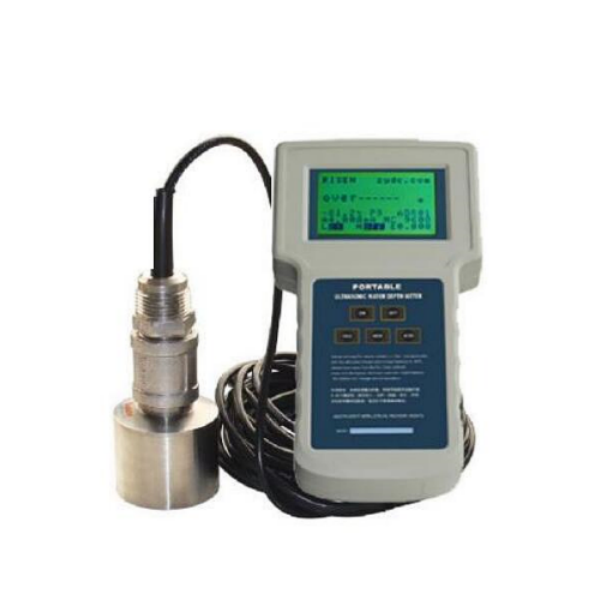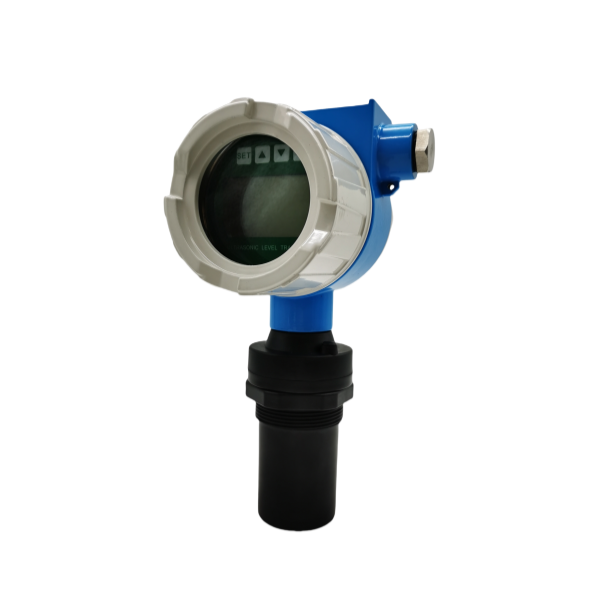
Level monitoring in high-risk storage tanks within the process industry imposes stringent dual requirements on instrument explosion protection and measurement stability.
Explosion-proof ultrasonic level sensors, which rely on the time-of-flight ultrasonic pulse method and explosion proof protective structures to eliminate the risk of electrical sparks caused by contact with the medium, are core equipment for level measurement and control in hazardous environments. This article outlines their technical characteristics and key points for engineering applications.
Working Principle
The measurement logic of explosion-proof ultrasonic level sensors is consistent with that of standard ultrasonic level sensors, but additional explosion-proof measures have been incorporated into the circuit design and housing protection.
Level detection is achieved based on the principle of ultrasonic ranging. the piezoelectric transducer inside the device periodically emits high-frequency ultrasonic pulses. Sound waves head straight down; when they hit the liquid surface, they bounce back as an echo that the same transducer picks up.
Inside the sensor, the circuitry notes how long the pulse took to go out and come back. It then factors in the standard speed of ultrasonic waves through air to get the actual distance from the probe to the liquid surface. Take that distance away from the total installation height, and what’s left is the real-time liquid level.
The device is explosion-proof by design. The housing meets either flameproof or intrinsically safe requirements, while the circuitry inside uses current limiting, voltage limiting, and isolation to keep sparks or high temperatures from igniting surrounding flammable gases, vapors, or dust.
It is also sealed against dust and water, so it can measure level continuously in hazardous locations such as sealed storage tanks and chemical silos, and it delivers standard 4–20 mA or RS-485 signals straight to the central control system for remote level monitoring and control.
Explosion Proof Ratings and Types
Explosion Proof Types
1. Flameproof Type (Ex d):
The housing is essentially a tough, sealed shell. If something goes wrong inside and sparks or heat appear, the resulting blast stays locked within the enclosure. Any hot gases that do leak out through the housing joints get cooled down before they reach the outside atmosphere, so they can’t set off flammable or explosive mixtures nearby.
This type is common on higher-power ultrasonic level sensors and is the standard choice for tough applications like oil and gas storage tanks or chemical storage vessels.
2. Intrinsically Safe Type (Ex i):
Two classes fall under this: ia and ib. Safety barriers wired into the circuit keep current, voltage, and power capped. Under normal operation or during a fault, the circuit never builds up enough energy to ignite hazardous gases—so there’s no risk of explosion or fire.
You’ll typically find this approach on low-power explosion-proof ultrasonic level sensor probes, paired with intrinsically safe data acquisition circuits at the central control end.
3. Increased Safety (Ex e):
This design seals spark-proof components and adds thermal protection. By keeping surface temperatures down, it stops the device from heating up enough to ignite any flammable material in the surrounding area.
It is generally not used as the primary explosion-proof structure for level sensors but is often combined with flameproof or intrinsically safe structures.
Explosion-Proof Classification
1. Gas Explosion-Proof Zone Classification:
Explosion-proof ratings fall into two broad groups. Class I applies to underground coal mines; Class II covers industrial gas hazards. In practice, explosion-proof ultrasonic level sensors almost always land in Class II.
That group is further divided into IIA, IIB, and IIC. IIC is the toughest of the three—it handles the most volatile gases such as hydrogen and acetylene. IIB covers typical chemical gases like methanol and ethylene. IIA is restricted to lower-risk fuels such as propane and ethane.
2. Temperature Class Classification:
Equipment gets a temperature rating from T1 through T6 depending on how hot its surface gets. T6 runs the coolest and therefore gives you the biggest safety buffer; most explosion-proof ultrasonic level sensors carry either a T4 or T6 rating.
If you are dealing with high-temperature storage tanks, T6 is the way to go—it keeps surface temperatures low enough that vapors from volatile chemicals with low flash points won’t ignite.
3. Standards for Explosion-Proof Zone Classification:
Hazardous gas environments fall into three zones: Zone 0, Zone 1, and Zone 2. Zone 0 is the most restrictive—only ia intrinsically safe equipment is permitted there. Zone 1 opens up a bit, allowing either ib intrinsically safe or flameproof designs.
Zone 2 gives you the most flexibility, accepting increased safety or flameproof construction. In practice, you need to match the sensor’s explosion-proof structure to whatever zone the storage tank or silo happens to be in.
Basic Structure
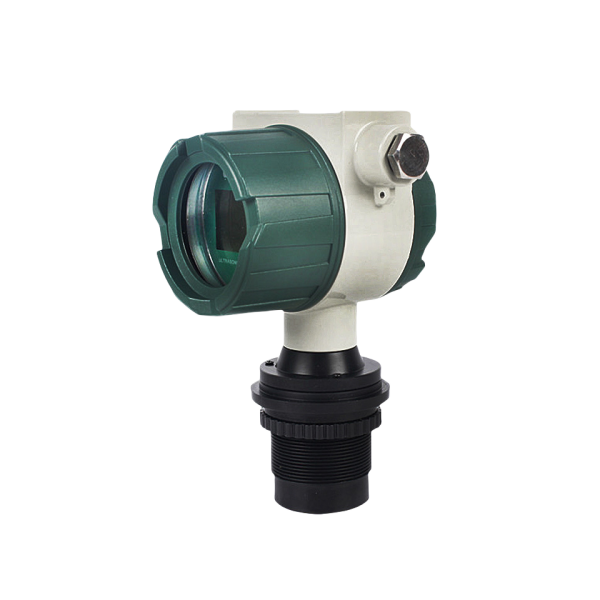
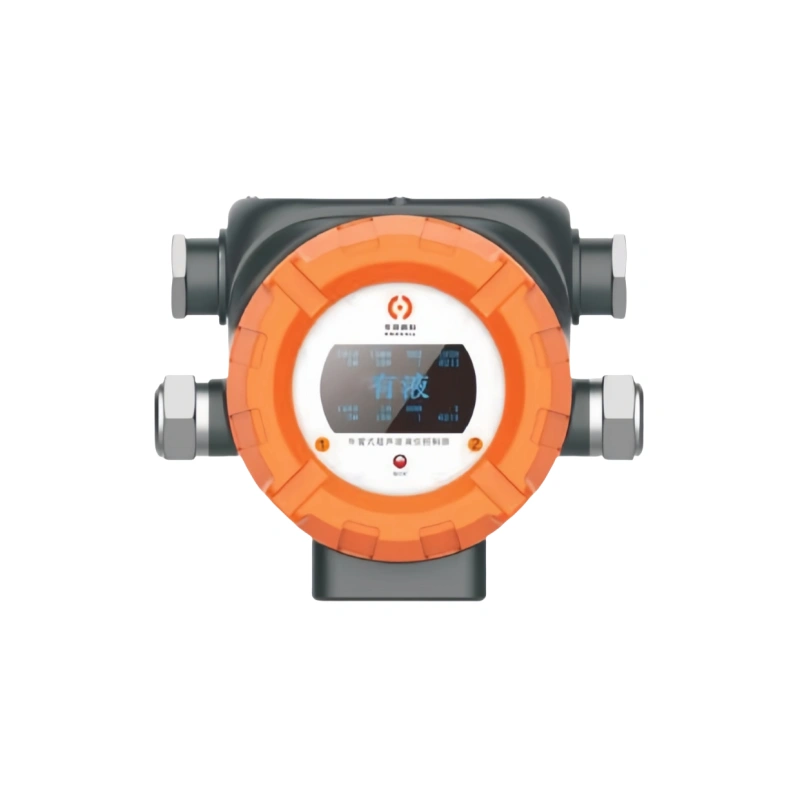
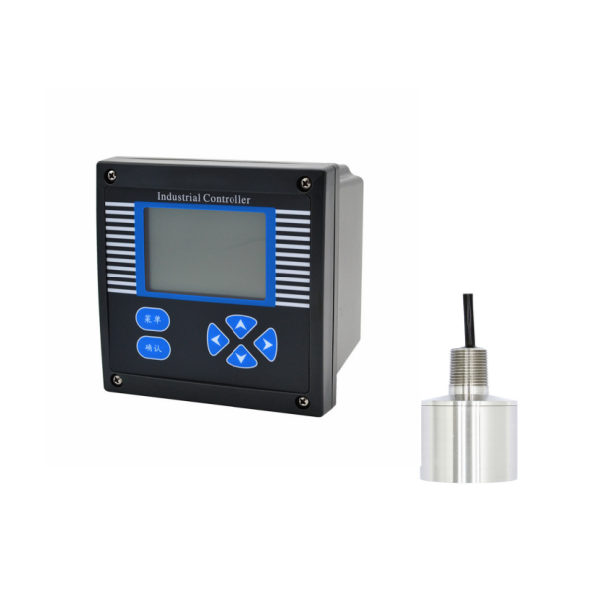
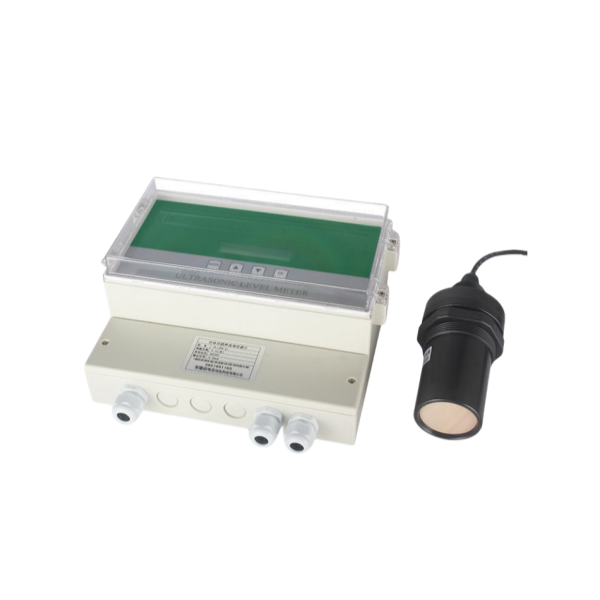
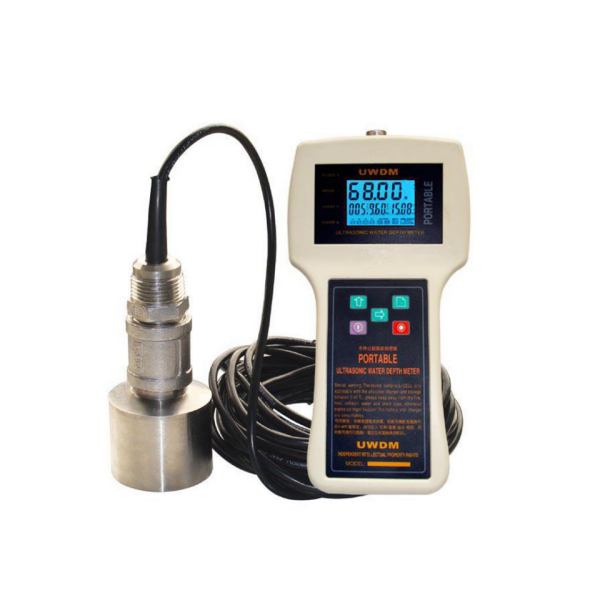
1. Explosion-Proof Enclosure Assembly: The housing is cast aluminum or stainless steel, sealed with explosion-proof flanges, gaskets, and cable glands that trap any internal sparks. A built-in heat sink keeps the outer surface temperature down.
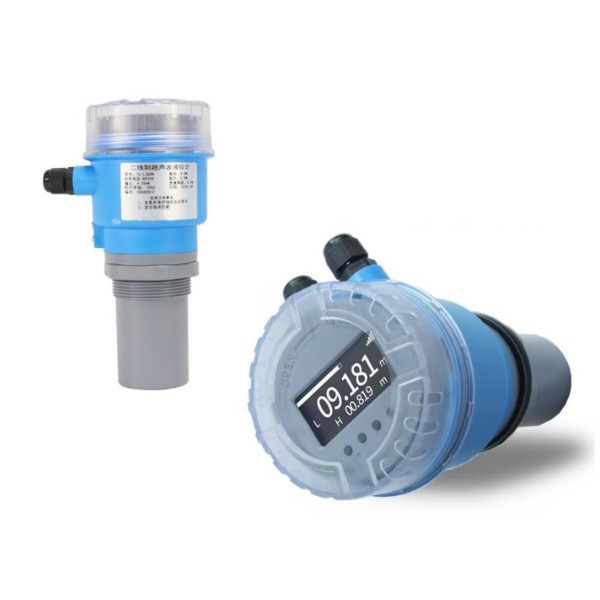
2. Ultrasonic Transducer Probe: A piezoelectric ceramic wafer sits behind a corrosion-resistant diaphragm, sealed off from the housing. It comes either as a single integrated unit or as a split-type with an extended cable, depending on what the tank setup calls for.
3. Signal Processing Circuit Board: This board sits inside the explosion-proof chamber and handles driving, temperature compensation, and signal conversion—so temperature swings don’t throw off the distance reading. If you go with an intrinsically safe version, it adds current-limiting, voltage-clamping, and isolation circuitry on top.
4. Independent Explosion-Proof Wiring Compartment:The wiring chamber is completely isolated from the electronics housing. It runs its own terminal blocks and explosion-proof cable glands for power, 4–20 mA, and RS-485. Field wiring won’t disturb the main seal or compromise the enclosure rating.
5. Mounting and Fastening Components: The flange and threaded base are machined as one solid piece, with a built-in lock that keeps the fitting from backing off after years of thermal cycling and vibration. That seal stays tight, so gas can’t leak past it, and the assembly bolts straight onto standard industrial tank nozzles.
6. Auxiliary Accessories: The display window uses explosion-rated glass, and the setup buttons are spark-proof. Lightning protection and calibration parts are built right into the unit, and there are no exposed live terminals anywhere on the outside.
Application Scenarios
1. Petroleum Refining and Storage Tanks
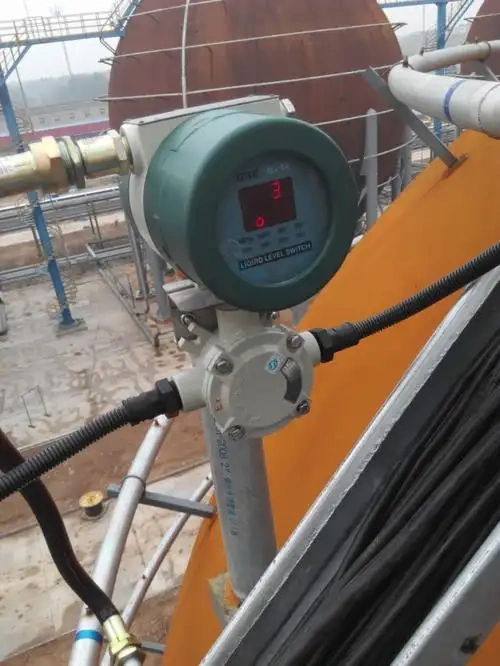
Gasoline and crude oil storage tanks sit in explosion-proof zones. The sensor measures liquid level without ever touching the fluid, so there’s no chance of electrostatic sparks.
The control room gets live level data, and high/low-level interlocks automatically start or shut down the pumps as needed. Works on vertical and horizontal tanks alike.
2. Chemical and Hazardous Chemical Storage Equipment
You’ll find these on methanol and acetone tanks, plus waste liquid ponds. The explosion-proof circuits rule out electrical sparks entirely. It keeps an eye on material levels around the clock, so you catch spills before they turn into fires or blasts. Built to handle corrosive and volatile media without extra fuss.
3. Underground Storage Tanks at Gas Stations
Underground tanks at gas stations are packed with vapor, so the probe stays clear of the fuel—no contact means no ignition risk from leaks. It tracks fuel inventory automatically and cuts off the unloading line if the level goes past the set point, stopping spills and potential explosions in their tracks.
4. Coal Chemical and Coking Plants
Built specifically for coal tar and crude benzene tanks, plus wastewater ponds that carry flammable gases. The sensor pushes through viscous liquids and foam without issue. It works with the drainage pumps to hold water levels in check, keeping flammable waste from spreading anywhere it shouldn’t.
5. Alcohol and Grain & Oil Processing Plants
Dual gas and dust explosion protection for ethanol fermentation tanks and solvent storage. It handles fermentation foam without trouble. Keeps tabs on ethanol and extraction solvent levels to stop vapor deflagration before it starts.
6. Underground Mining Operations
Suitable for underground coal mine water collection wells and chemical storage tanks; designed for methane and dust explosion-hazard environments; automatically controls drainage pumps; eliminates static sparks; adapted to damp, dusty underground conditions.
7. Hazardous Waste Treatment Waste Liquid Tanks
Waste oil and organic waste liquid collection tanks are installed outdoors. The explosion-proof housings are rainproof and anti-static. When the liquid hits the high-level setpoint, the explosion-proof alarm trips, so operators can pump out flammable hazardous waste before it overflows.
8. Lithium-Ion Battery Electrolyte Workshops
Built for Class A explosion-proof zones in NMP and electrolyte storage tanks. The sensors run cool with no sparking parts, so they won’t contaminate the raw material or heat it up. They handle automated, metered dosing to keep solvent vapors from reaching explosive concentrations.
Advantages and Disadvantages of Explosion-Proof Ultrasonic Level Sensors
Advantages
1. Full explosion-proof protection comes in both intrinsically safe and flameproof versions. You can deploy it in hazardous zones across chemical plants, oil refineries, and gas facilities—anywhere a stray electrical spark could set off a fire or blast.
2. It measures without contact, so the probe never touches the liquid. That means no corrosion on the sensor, no contamination of high-purity or reactive chemicals, and far less static buildup.
3. There are no mechanical transmission parts inside, so nothing sticks or wears out. The unit fails far less often, which means fewer trips into hazardous areas for repairs.
4. It handles gasoline, alcohol, tar, chemical waste—pretty much whatever you throw at it. The readings stay steady even when there’s some foam or dust in the mix.
5. Installation is simple: the probe only needs to be secured to the top of the container. There is no need to drill holes into the tank, thus preserving the tank’s original sealed explosion-proof structure.
6. Ships with both 4–20 mA and Modbus outputs as standard. You can wire it straight into your DCS or PLC for remote monitoring and set up high/low-level safety interlocks without extra converters.
7. The housing is sealed against water and dust. It’ll run for years in open tank farms, underground pits, or humid, dusty shop floors without giving you trouble.
8. Multiple span options cover everything from small reactors to large storage tanks and waste sumps. Low-pressure swings in the process don’t throw off the reading, so the accuracy holds up.
Disadvantages
1. Foam, dust, and anything protruding inside the tank can throw off the reading. It also won’t work under vacuum or with thick, sticky fluids, so you can’t just drop it into any setup.
2. There’s always a dead zone directly beneath the probe. Temperature and pressure swings drift the accuracy, so you need to keep calibrating it.
3. The explosion-proof enclosure is heavy and made up of a lot of pieces. That makes on-site installation more of a headache and drives up labor costs.
4. The probe face tends to foul up. Once it’s bolted onto a sealed, explosion-proof tank, getting in there to clean it is a real pain.
5. It can’t shoot very far. Vibration will wreck the probe over time, and deep tanks are basically out of the question.
Installation and Maintenance Precautions
Installation Precautions
1. Explosion-Proof Certification Compliance:Pick probes and junction boxes that carry the right explosion-proof rating for your zone. Seal every wire entry properly—loose seals break the explosion-proof barrier. Cinch down the cable glands tight. Don’t drill, cut, or alter the housing; any modification voids the protection.
2. Installation Location Requirements: Keep the probe away from feed nozzles, agitators, and internal bracing—those surfaces bounce false echoes back at it. Remember the dead zone right under the face; if the tank is shallow, mount the probe higher up to stay clear of it.
3. Environmental and Medium Compatibility:If you’re running hot or negative pressure, set up temperature compensation. Skip this sensor for vacuum service or tanks that foam heavily. The probe needs to point straight down at the liquid with nothing in the beam path.
4. Hardware Mounting:The whole explosion-proof assembly weighs a lot, so beef up the mounting brackets. If the equipment vibrates, add isolation pads. Keep it well away from motors or other heavy EMI sources.
5. Wiring Standards: Pull signal cables in their own explosion-proof steel conduit—never bundle them with power wiring. Make sure every connector is sealed tight against water and dust.
Maintenance Precautions
1. Regular Probe Cleaning:Dust or sticky buildup on the face weakens the echo. Lock out the system, bleed off any pressure, pop the cover, and wipe the probe clean. Put the seal back exactly as it was when you’re done.
2. Periodic Calibration:Tank pressure and seasonal temperature swings drift the zero and span. Get out there and calibrate the level reading every three months.
3. Explosion-Proof Structure Inspection:When you’re doing your rounds, go over the housing, O-rings, and cable glands for cracks or hardening. If you spot a leak or suspect the explosion-proof seal is compromised, shut down immediately and replace the damaged parts.
4. Operational Monitoring:Watch for erratic jumps in the level display. If the reading starts bouncing around, check for foam or falling product throwing off the signal, and move the probe if needed.
5. Maintenance Guidelines: Kill the power before you touch anything in an explosion-proof area. Never crack open the housing while it’s live. When something breaks, replace it with an identical explosion-proof part—same rating, same specs, no shortcuts.
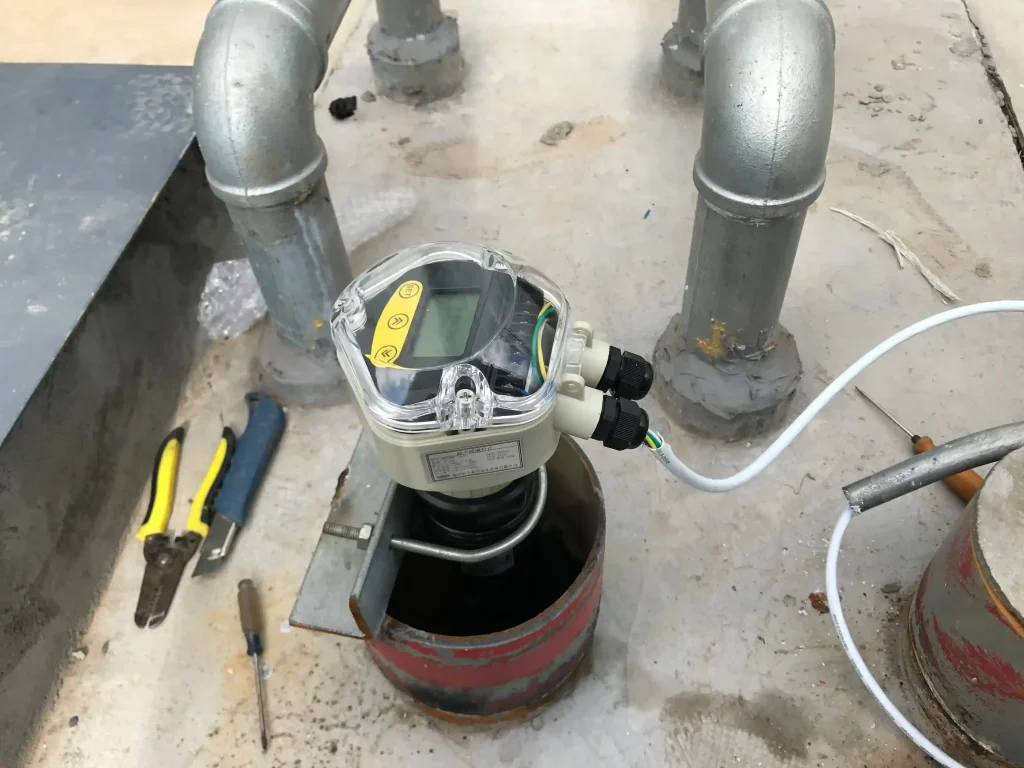
In high-risk settings—think hazardous chemical storage, fine chemical plants, or new energy production lines—keeping tabs on liquid level isn’t just about automation; it’s what keeps the operation safe.
Beyond explosion-proof ultrasonic sensors, Sion-Inst builds a full range of hazardous-area instruments: radar level transmitters, magnetic flip-plate gauges, thermal flowmeters, and pressure transmitters.
You can mix and match them depending on what you’re dealing with—deep tanks, thick or sticky fluids, heavy foam, dust clouds, or even vacuum service. Rather than piecing together gear from different vendors, customers get level, flow, and pressure monitoring from one source.
That simplifies compliance with safety codes, tightens up central control interlocks, cuts down on maintenance headaches, and ultimately puts a stronger safety net under the whole production process.