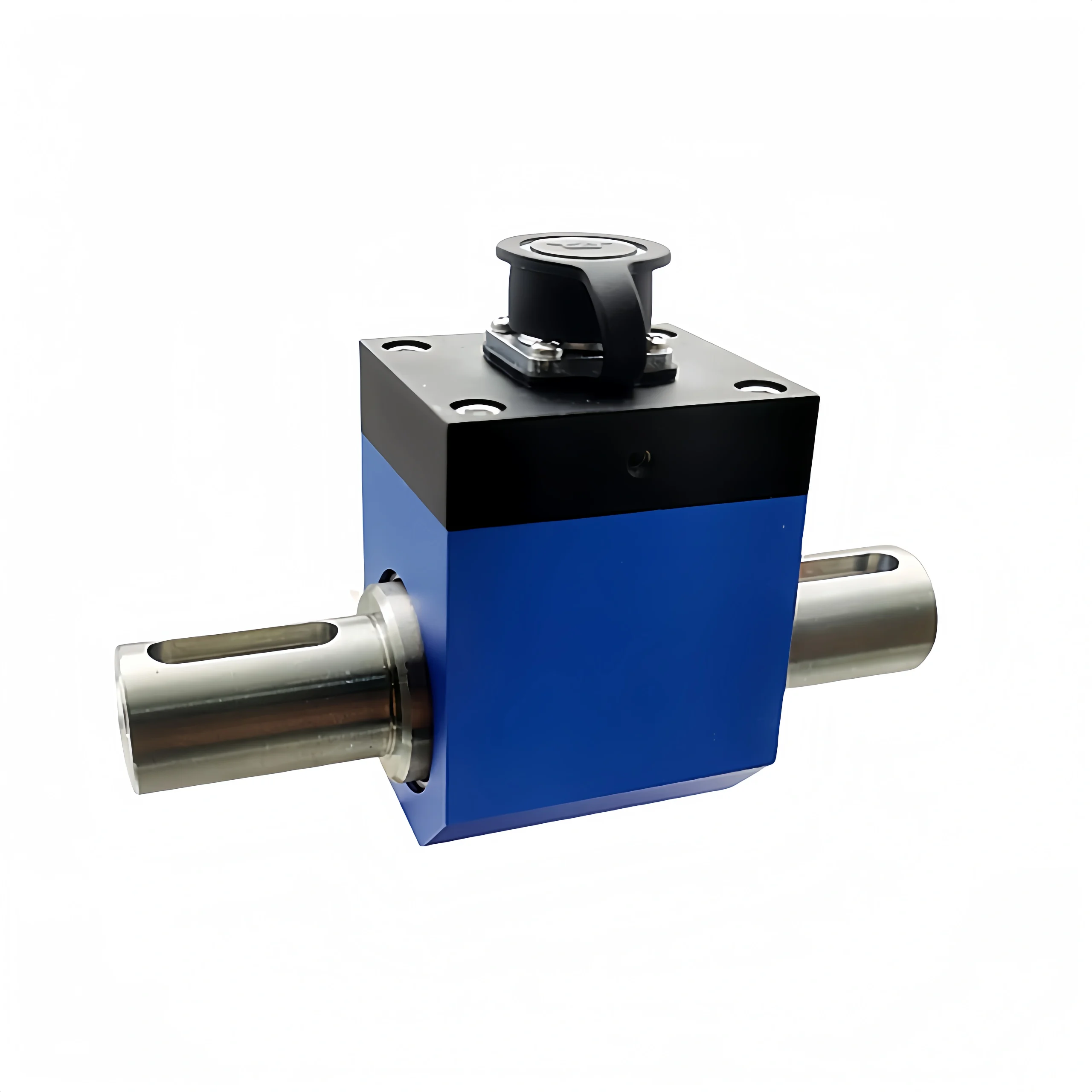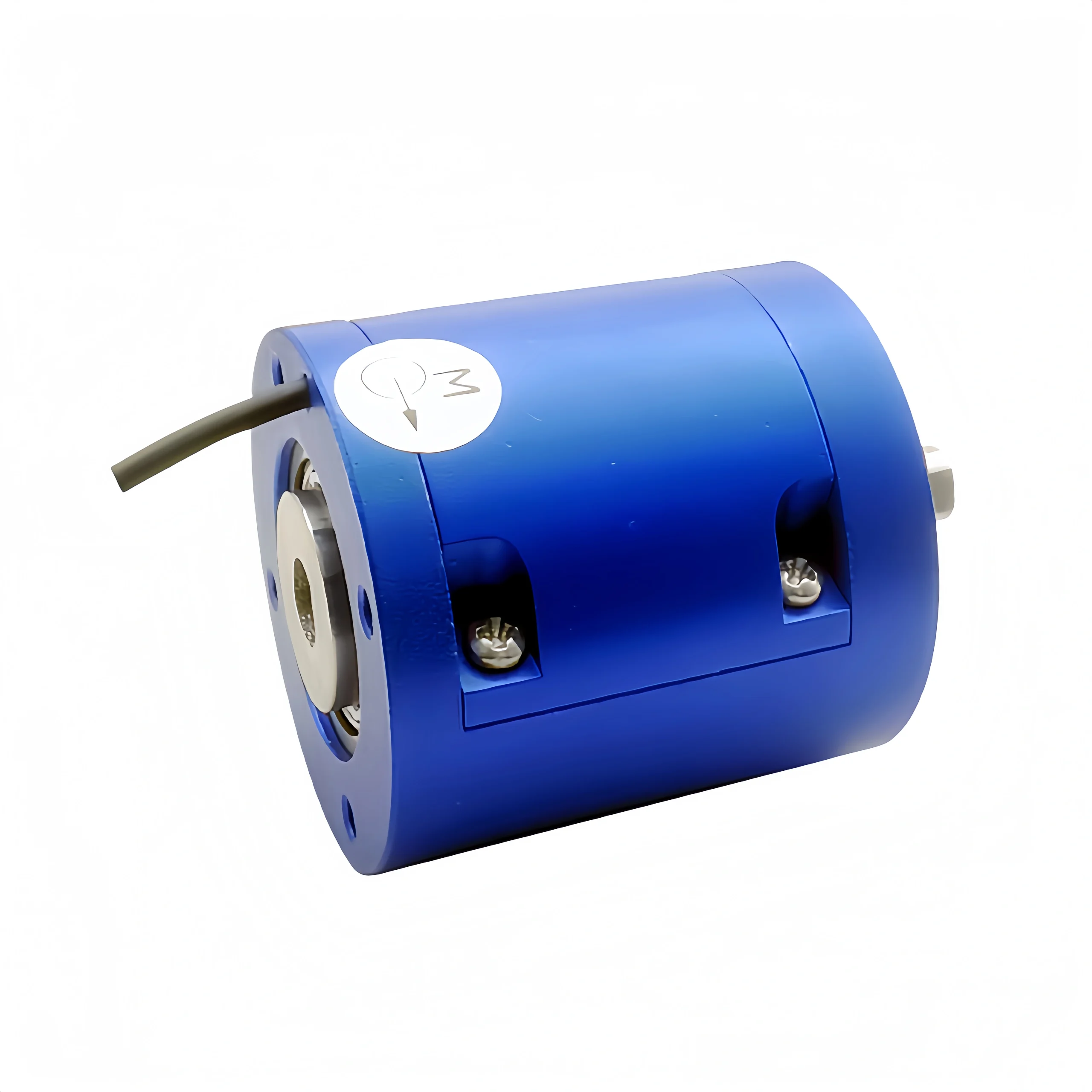
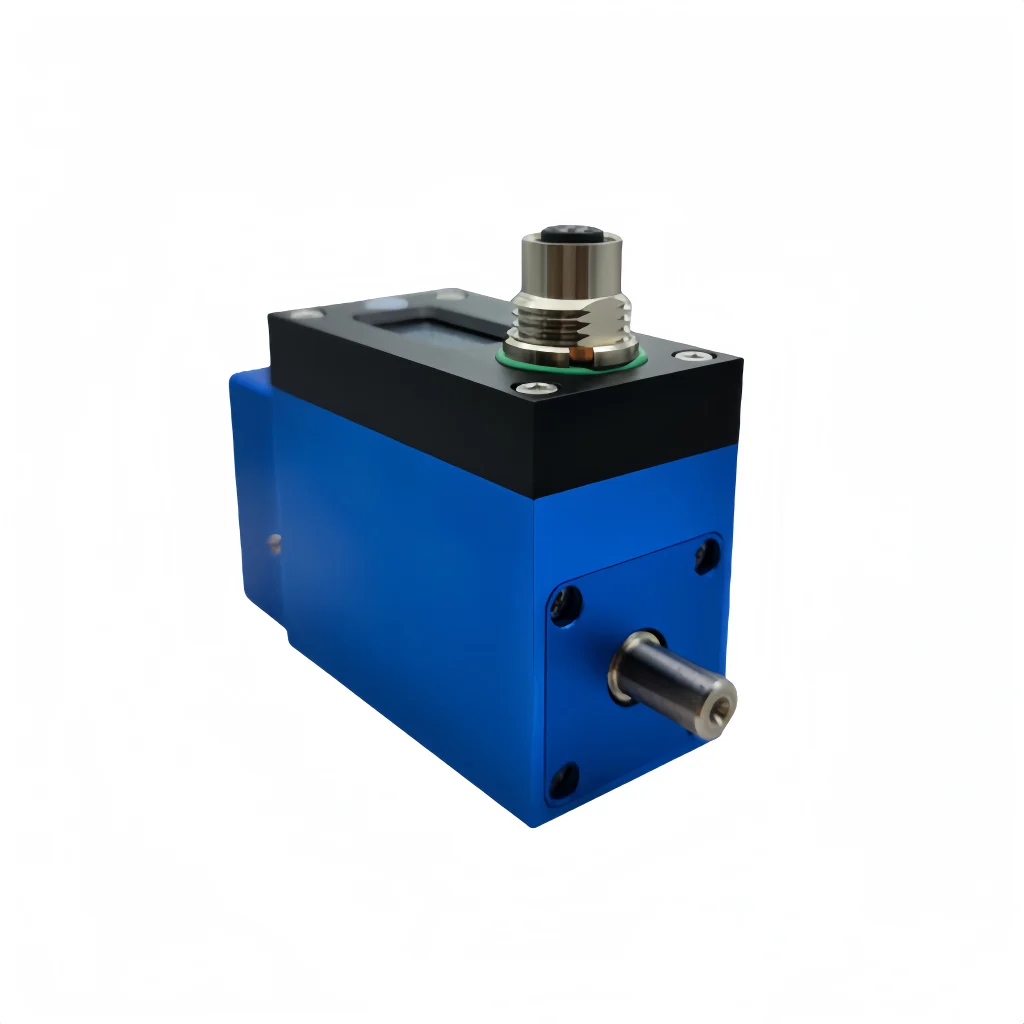
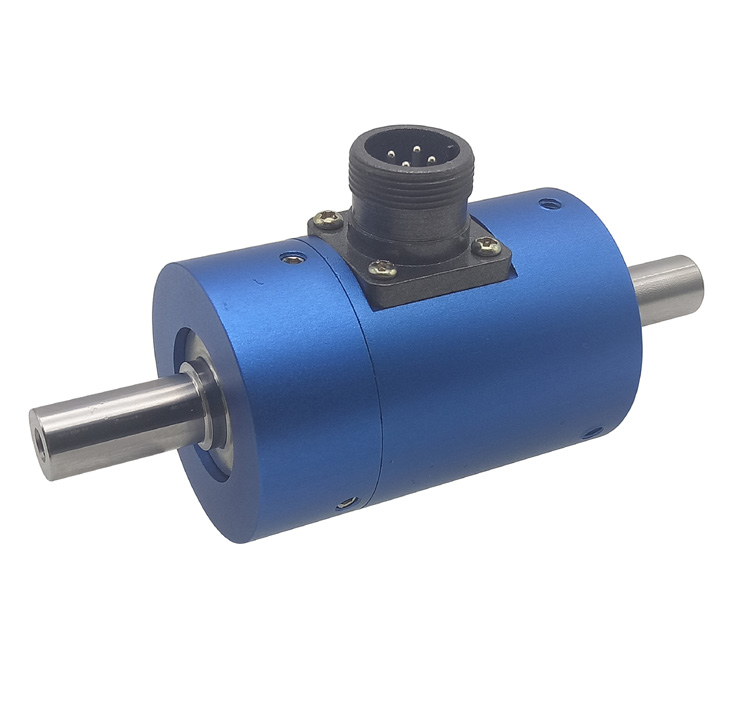
Dynamic Torque Sensor vs. Static Torque Sensor

Table of Contents

Torque measurement is categorized as dynamic torque measurement and static torque measurement. Torque Sensors are typically classified as static torque sensors and dynamic torque sensors. When measuring torque, we need to distinguish between dynamic and static torque sensors. Torque sensors are also divided into reaction torque sensors and rotational torque sensors.

The main difference between them lies in the different measurement targets. Dynamic torque sensors are widely used in various applications requiring the measurement of dynamic torque on rotating shafts. Static torque sensors are more commonly used for measuring static or steady-state torque. Dynamic torque sensors can also simultaneously measure rotational speed, torque, and angle.

This article will specifically explain the differences between dynamic and static torque sensors.

Sino-Inst Featured Product

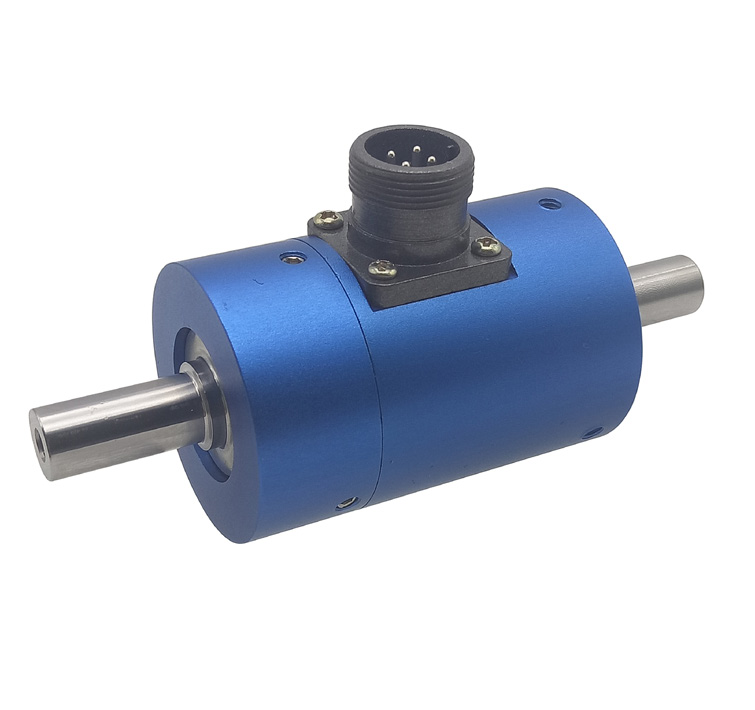
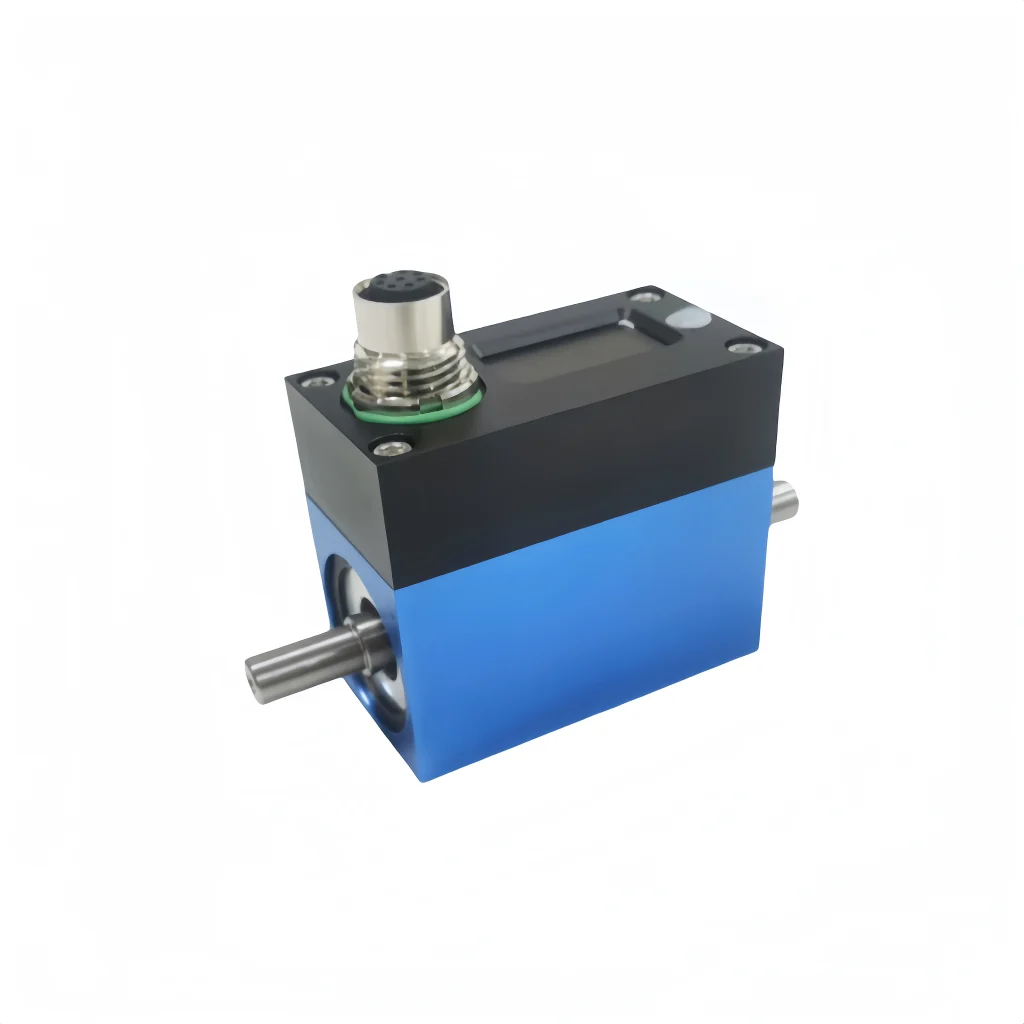
dynamic torque sensor
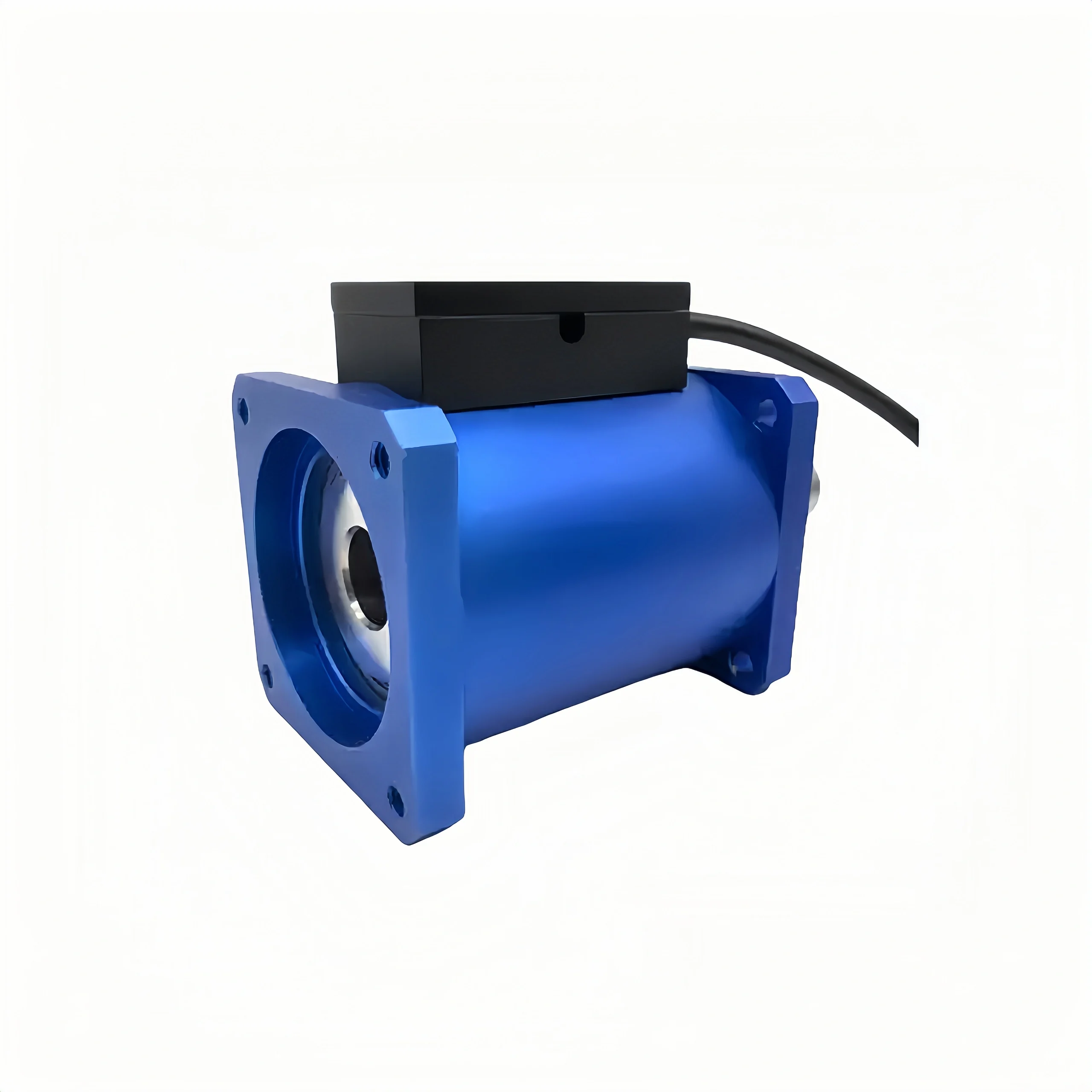
reaction torque transducer
Micro SS Shaft Reaction Torque Transducer
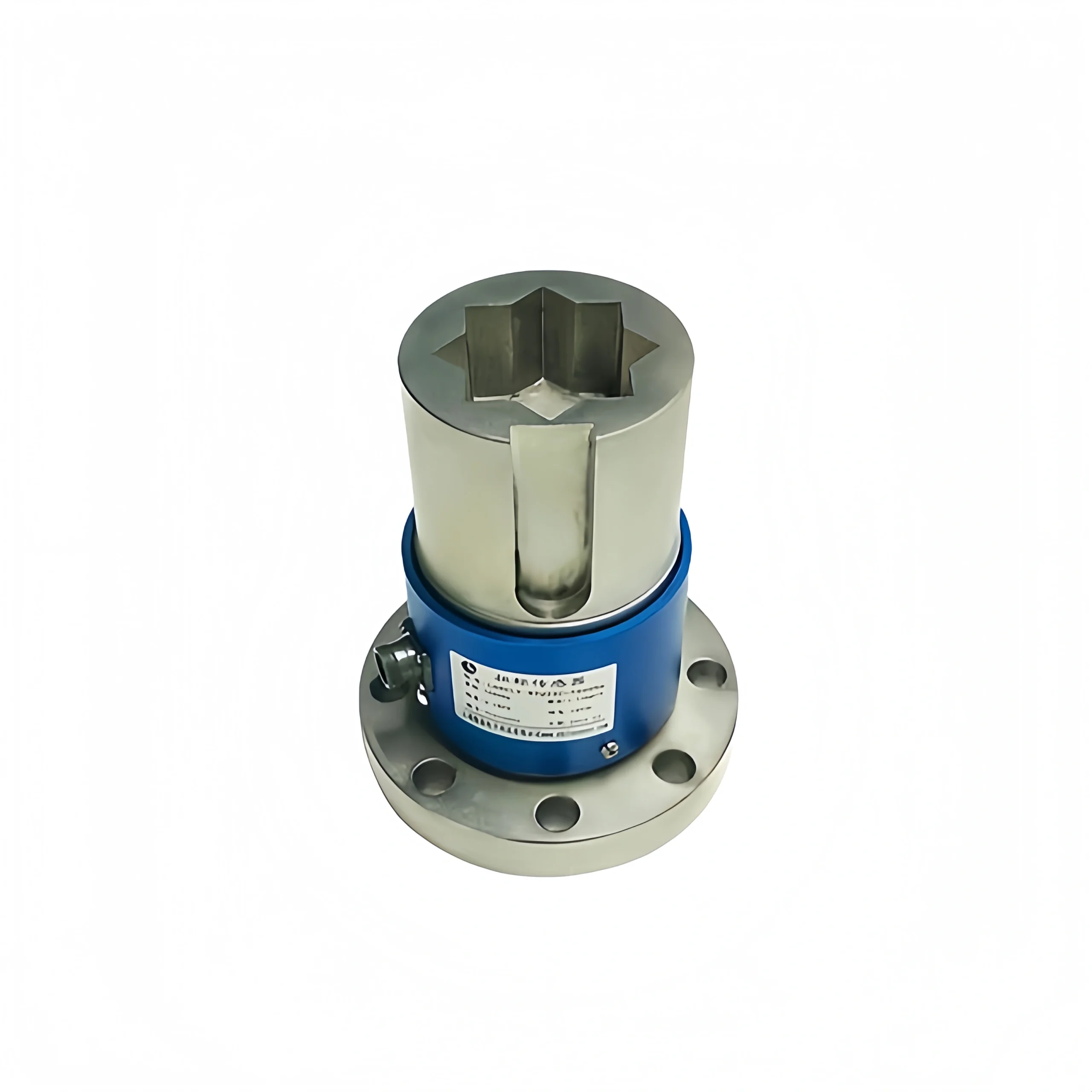
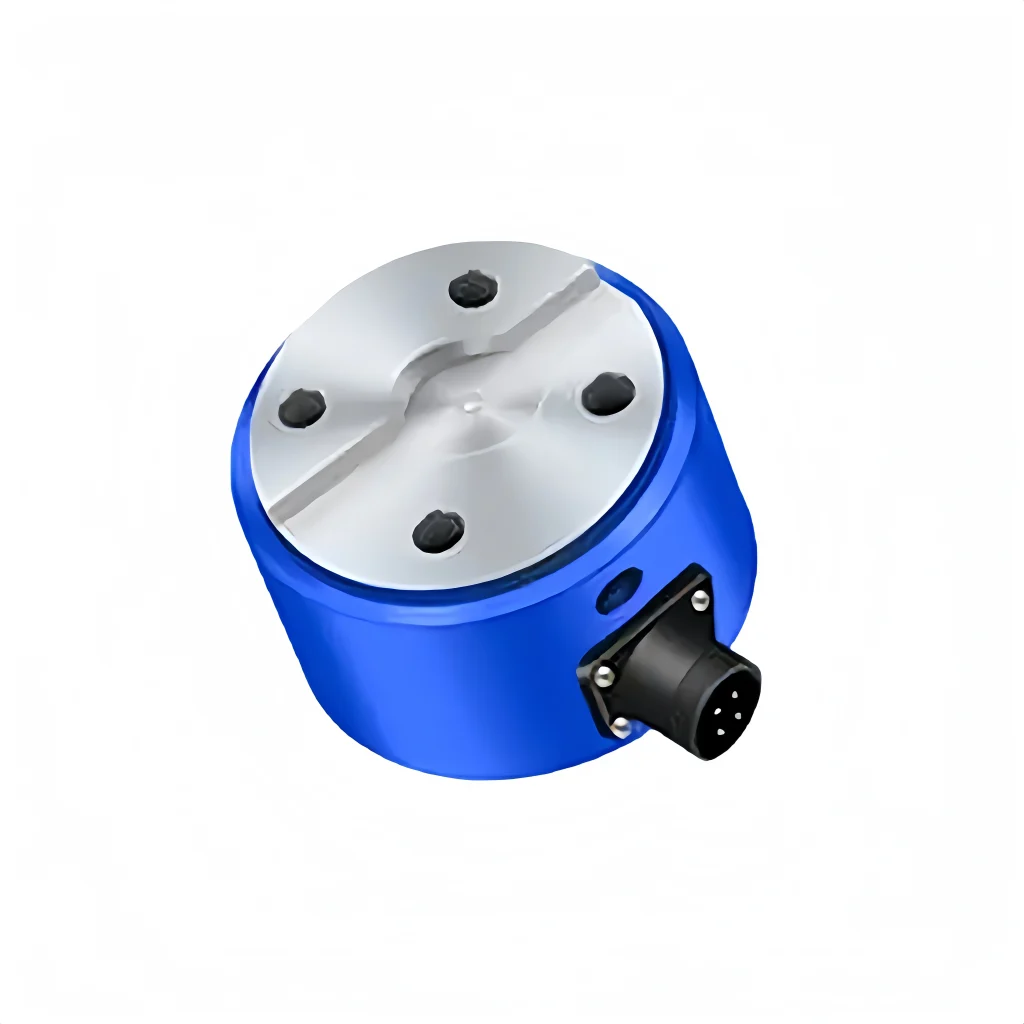
Static Torque Sensor
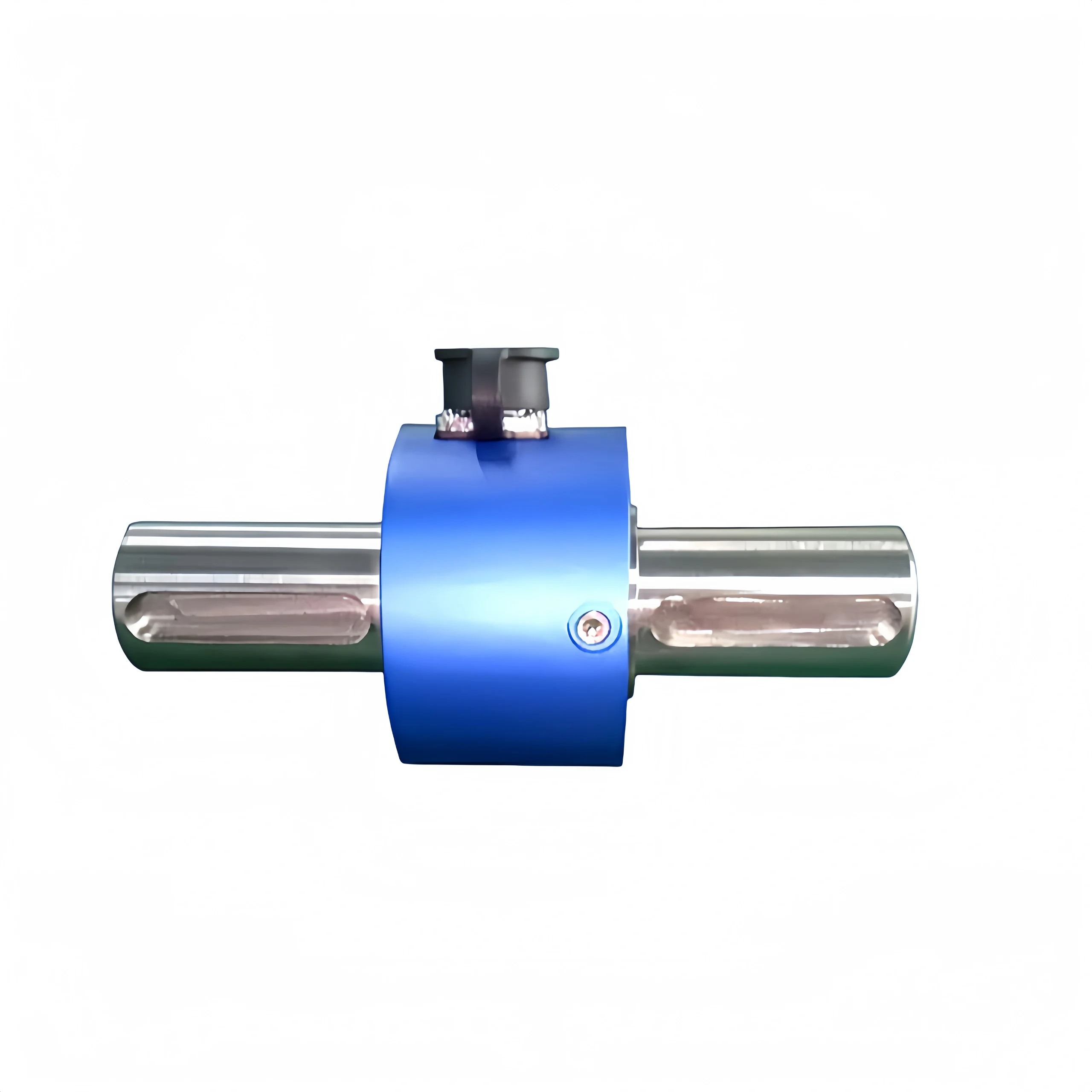
keyway static torque sensor
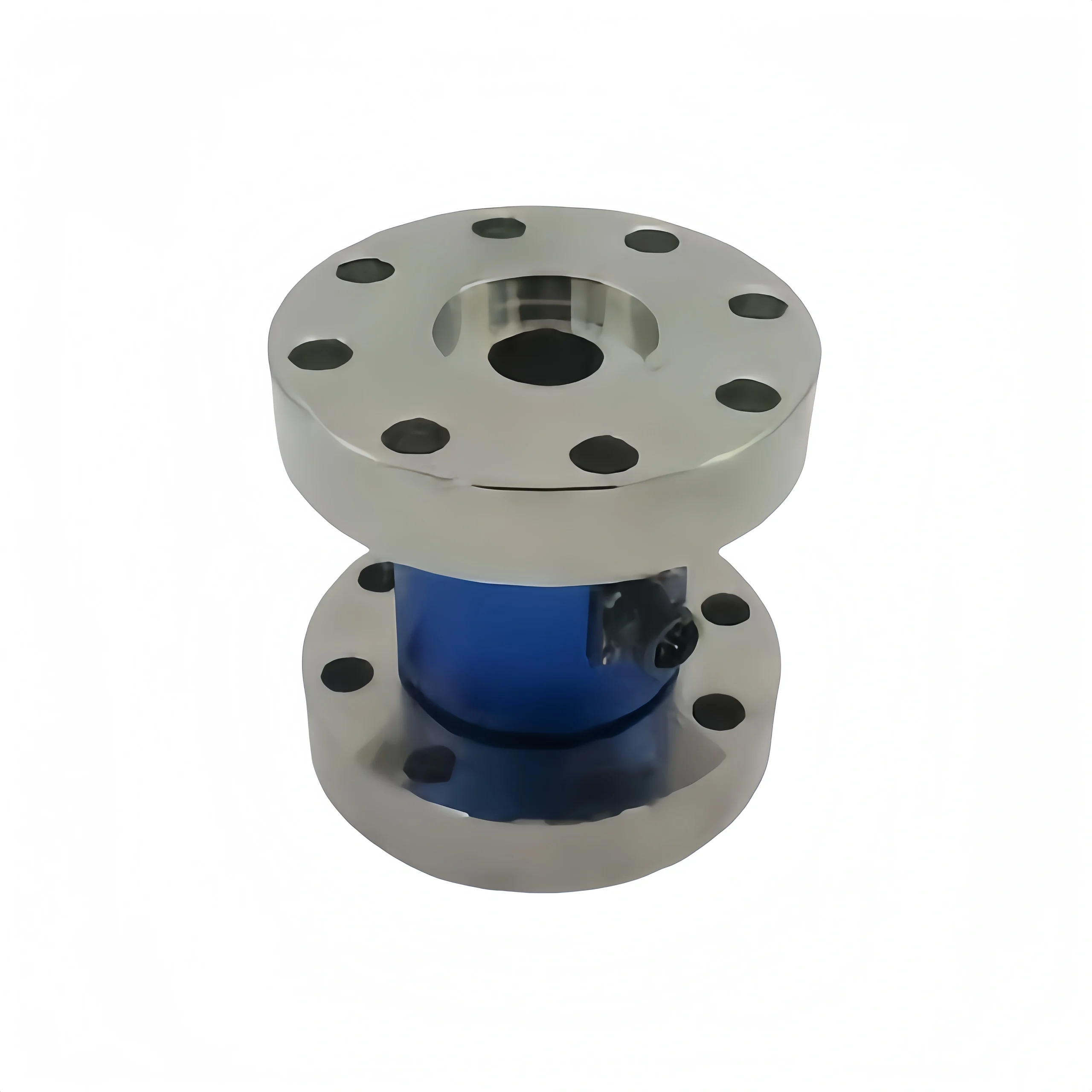
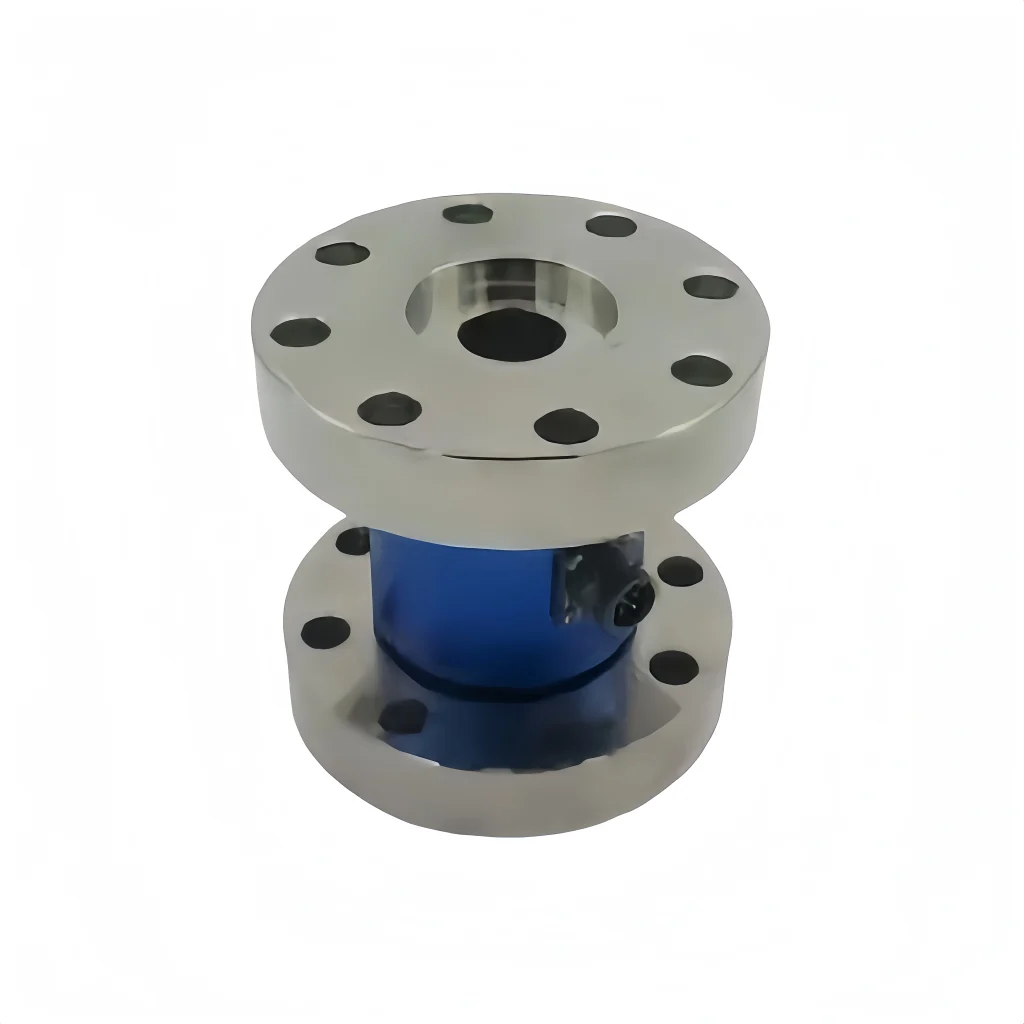
dual flange static torque transducer
static torque sensor
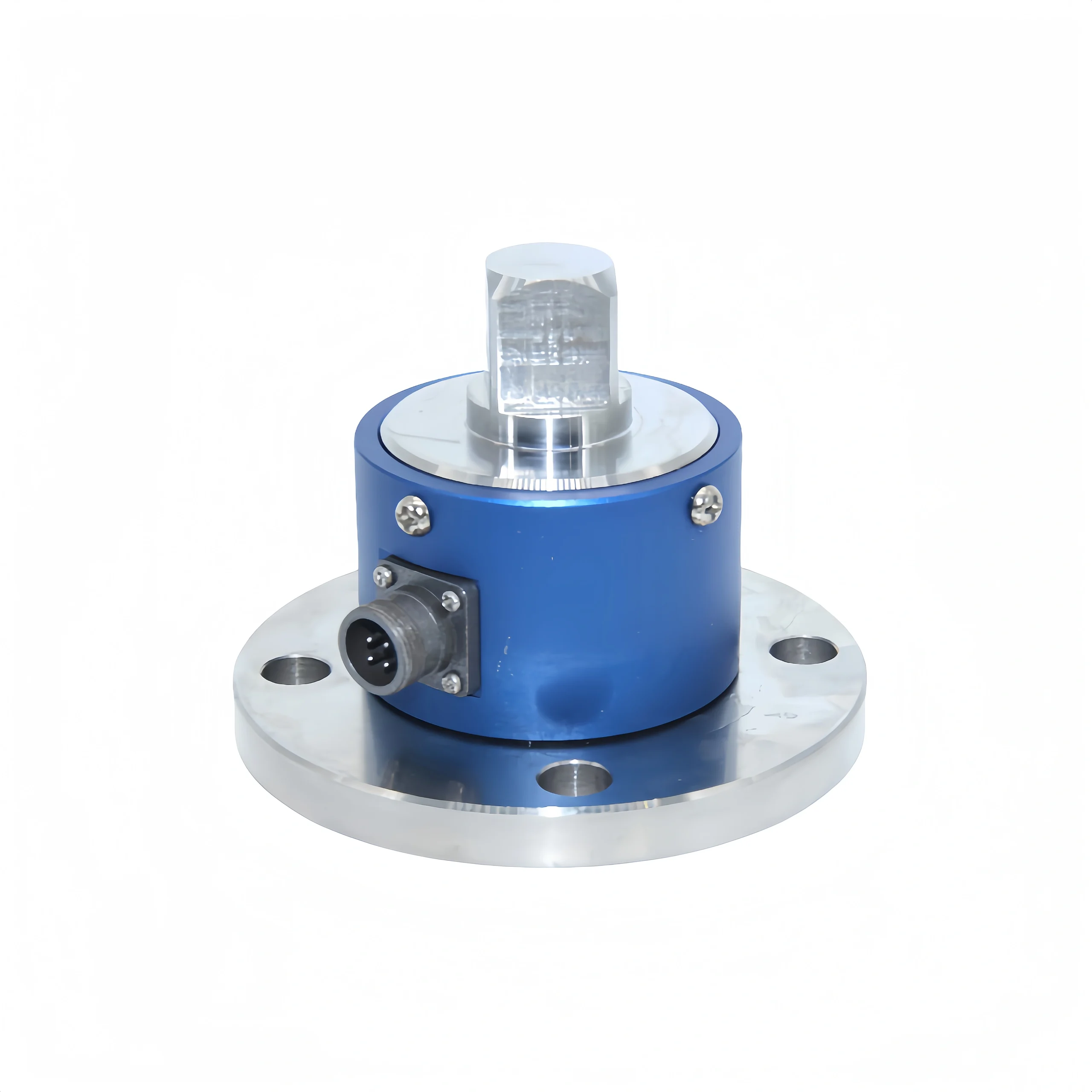
Flange to Square Drive Static Torque Sensor
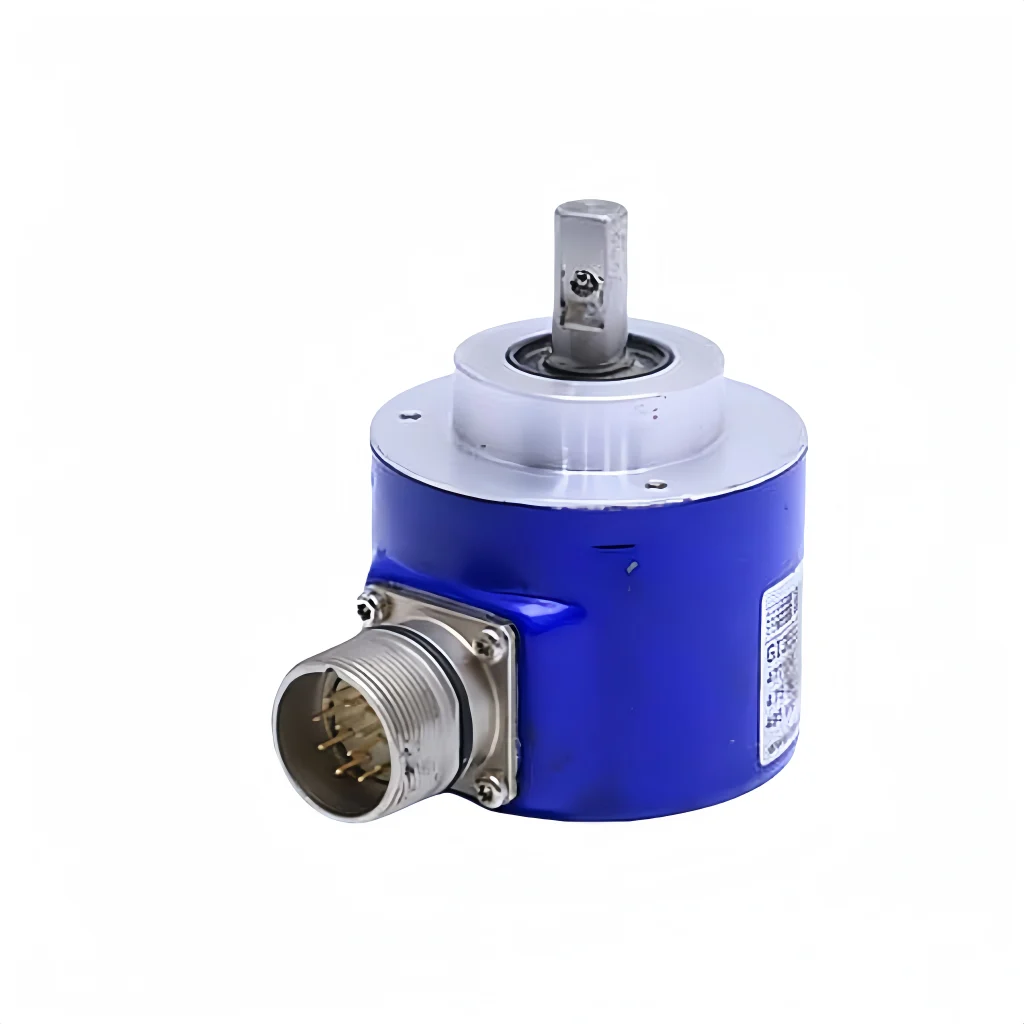
inline rotary torque sensor

The Difference Between Dynamic and Static Torque

Dynamic torque:

Dynamic torque refers to the real-time variations in torsional force generated during an object’s rotation under non-steady-state conditions—such as starting, stopping, acceleration, deceleration, and sudden changes in load—and is distinguished from static torque, which occurs during uniform operation with a constant load.

When equipment is in operation, torque values fluctuate continuously due to impacts and alternating loads, and instantaneous peak torques may occur, which can easily subject transmission structures—such as drive shafts and gears—to alternating stresses.

Static torque:

The maximum torque achieved by a bolt after stopping. And then continuing to tighten in the tightening direction. To overcome static friction is the static torque. Static torque is generally measured using a pointer-type manual wrench as the peak torque. In actual assembly, it’s crucial to distinguish between dynamic torque and static torque. This affects the final assembly quality of the product. Many factories list dynamic torque and static torque separately when considering assembly processes. Allow for verification of final torque for different tools and departments.

Typically, in assembly plants, dynamic torque is used when assembling using power tools. The torque set on torque-controlled tools and tightening machines is dynamic. The torque measured using an index wrench is static torque. Static torque is generally used by quality inspection departments to verify assembly quality.dynamic and static torque sensor
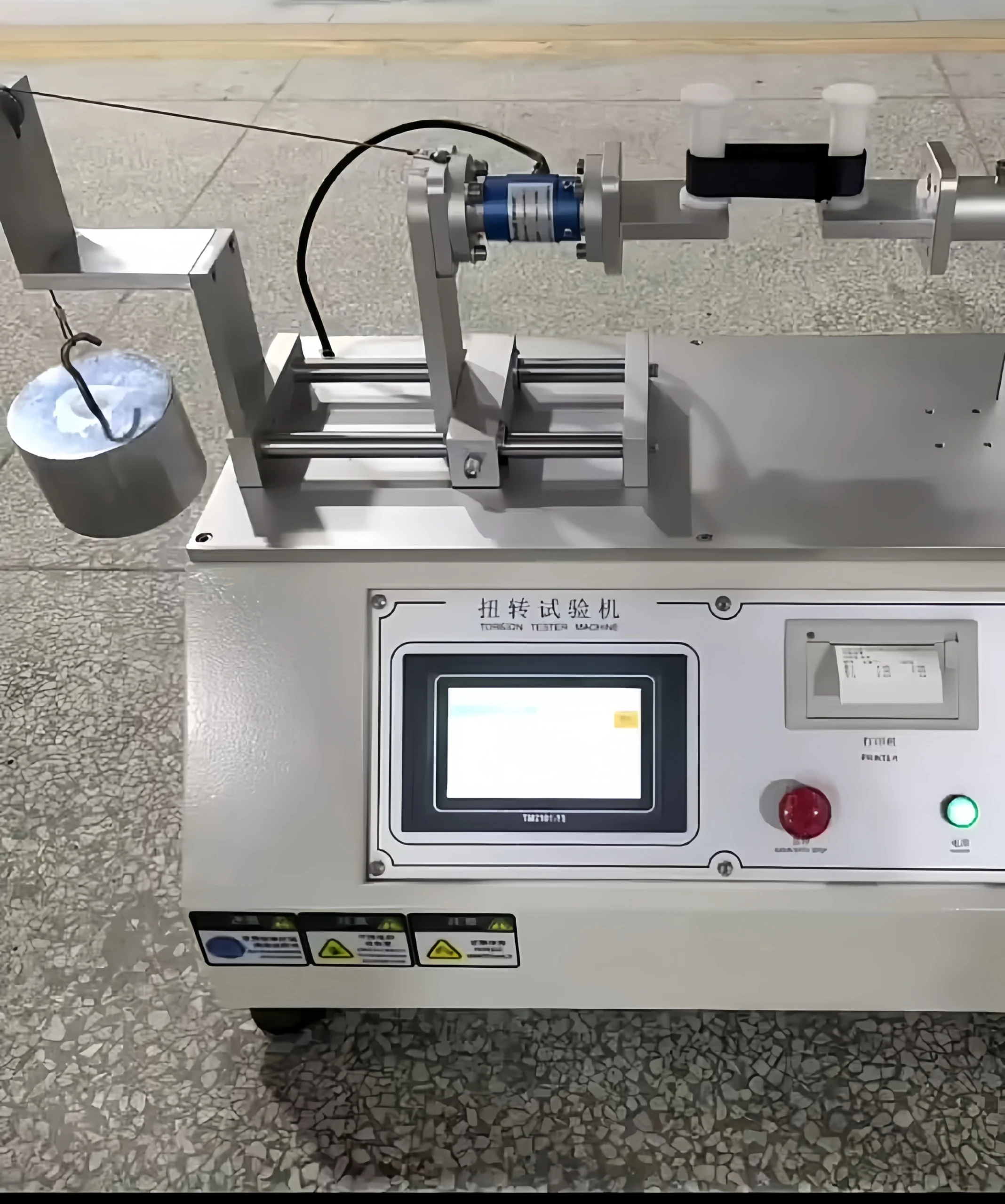
Different Definitions

Dynamic torque sensor:

A dynamic torque sensor is a precision instrument. It is used to measure the torque, speed, and mechanical power of rotating power equipment.

It is also called a torque sensor or a non-contact torque sensor.

Features:

  • It measures speed, torque, and angle simultaneously.
  • The signal output waveform can be selected from square or pulse waves.
  • It offers high detection accuracy, excellent stability, and strong anti-interference capabilities.
  • It can continuously measure forward and reverse torque without repeated zeroing.
  • It can measure both static and dynamic torque. This compact, lightweight sensor can be used independently from a secondary instrument.
  • Measurement range: 0-10,000 Nm standard, customizable for special ranges.
  • Simple structure and easy installation.

Static torque sensor:

A static torque sensor is a device specifically designed to measure the torque applied to an object when it is stationary or slowly rotating. It can capture subtle torque changes under stable operating conditions. Provide reliable data support for various scenarios requiring precise torque control.

Features:

  • Excellent measurement stability
  • High-precision static measurement
  • Simple structure and easy maintenance
  • Excellent anti-interference capabilities

Advantages and Disadvantages

Static Torque Sensor:

Advantages: High stability and cost-effectiveness. Suitable for applications with slowly changing torque.

Disadvantages: Slow response speed. Not suitable for testing in rotating conditions or with high-frequency fluctuations.

Dynamic Torque Sensor:

Advantages: Fast response speed and high measurement accuracy. Suitable for testing applications with rapidly fluctuating torque.

Disadvantages: Large size, poor performance at low speeds, and relatively high price.
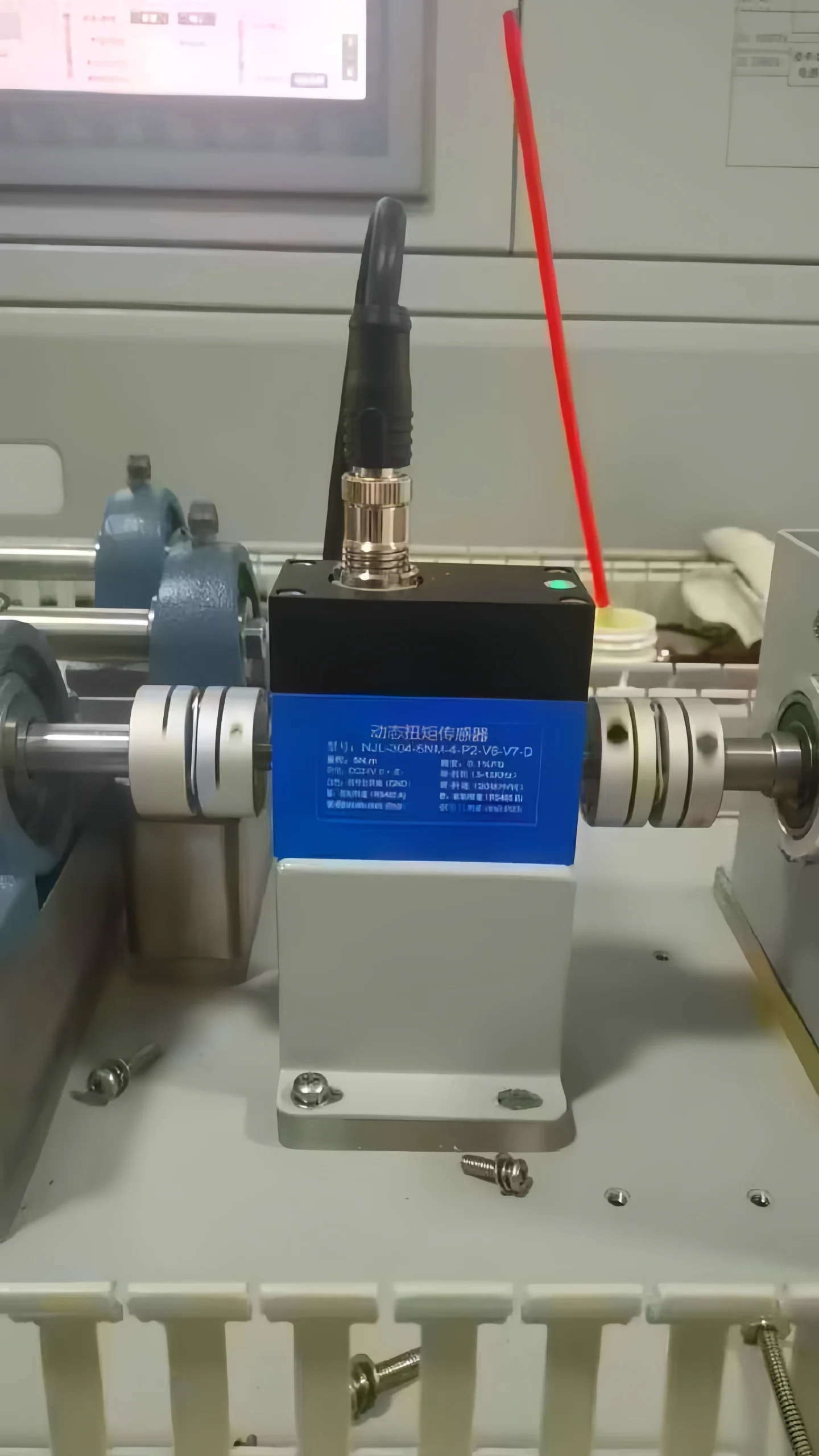
dynamic and static torque sensor

Different Structures

Dynamic torque sensors typically consist of the following components:

Elastic element: Detects deformation caused by torque. It is generally made of high-strength alloy steel.

Strain gauge: Attached to the elastic element. It converts deformation into a change in resistance.

Signal processing circuit: Amplifies, filters, and processes the strain gauge output signal.

Casing: Protects the sensor’s internal components. And it is typically made of aluminum alloy or stainless steel.

Static Torque Sensor:

The core components of a static torque sensor include the elastic element, strain gauge, and signal processing circuit. The deformation is converted into an electrical signal using a Wheatstone bridge circuit.
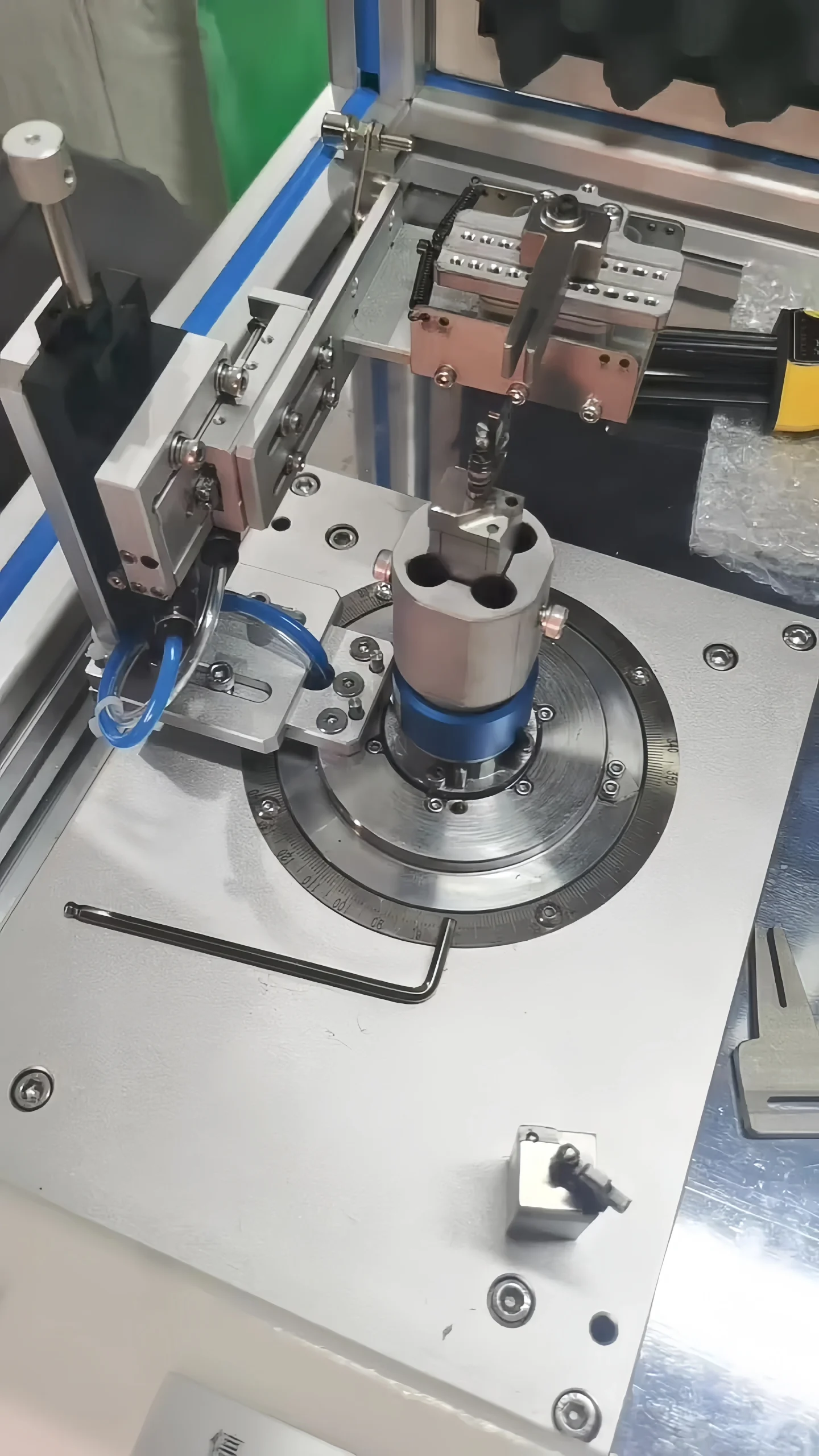
dynamic and static torque sensor

Different Working Principles

Dynamic torque sensors operate primarily based on the strain effect, electromagnetic induction, or photoelectric effect.

When a rotating shaft is subjected to torque, it undergoes slight deformation. The strain gauge within the sensor senses this deformation. And converts it into a change in resistance. By measuring this change in resistance, the torque can be calculated.

Static torque sensors operate based on the principle of resistance strain.

Torque is calculated by measuring the deformation of the strain gauge. When torque acts on the sensor, the strain gauge deforms, changing its resistance. By measuring and processing this resistance. The magnitude and direction of the torque can be calculated.
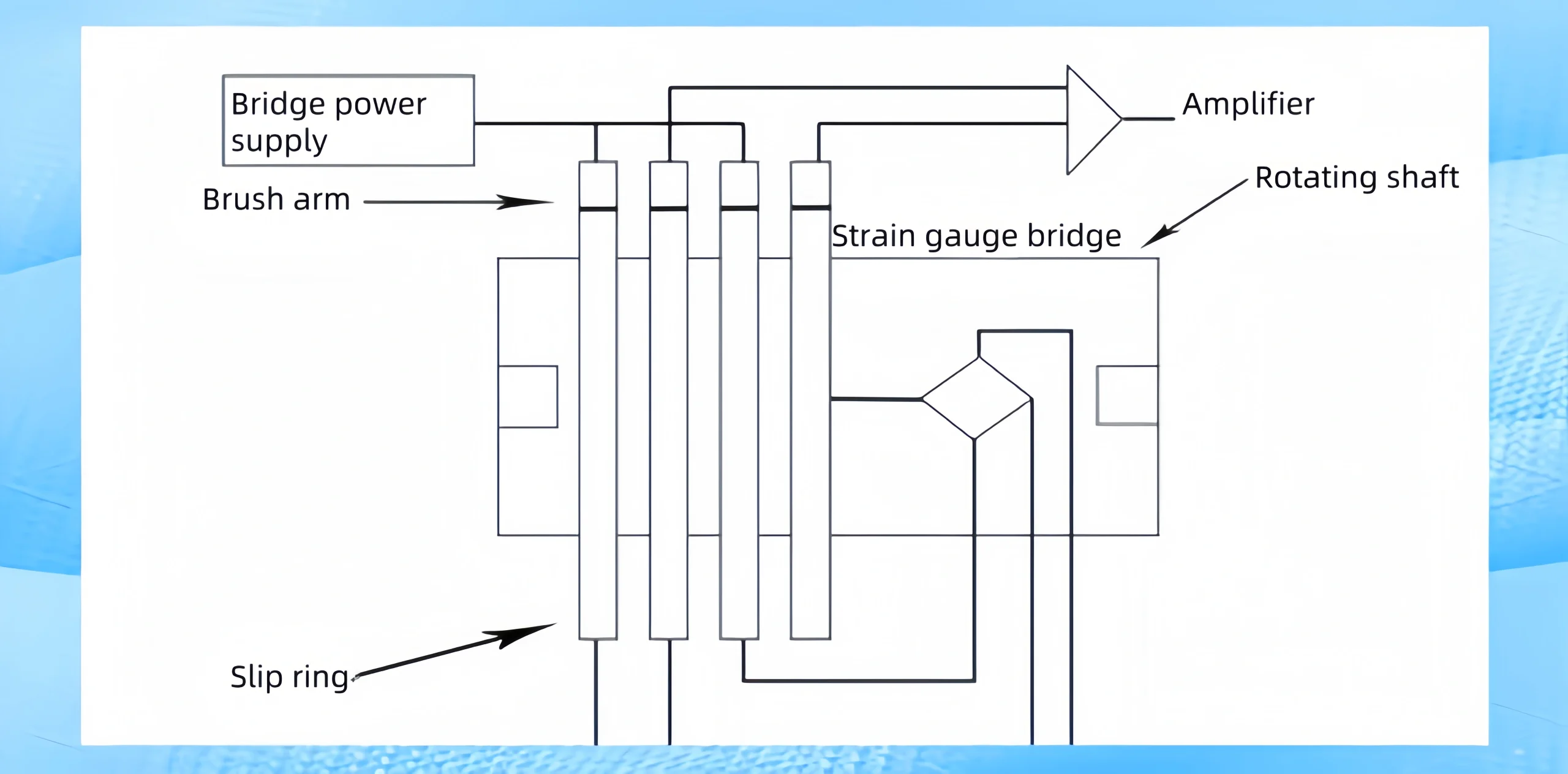
Torque Sensor Working Principle

Different Accuracy and Response Time

Dynamic torque sensors offer superior accuracy compared to static torque sensors.

Dynamic torque sensors utilize high-precision measurement circuits and advanced signal processing techniques. These effectively eliminate various interference factors, improving measurement accuracy.

To improve the accuracy of static torque sensors, it is required a series of compensation measures. Such as temperature compensation and vibration compensation,

Dynamic torque sensors also offer significant advantages in terms of response speed. Dynamic torque sensors can reach milliseconds, enabling rapid response to torque changes. They are suitable for applications such as real-time monitoring and control.

In contrast, static torque sensors have a relatively slow response speed, typically in the order of seconds. Measurement results require time to stabilize. Limit their application in real-time monitoring and control.

Differences in Measurement Range, Overload Capacity, and Shock Resistance

Static sensors focus on measuring steady-state, constant torque and have weak resistance to instantaneous shocks; momentary overloads can easily cause deformation and damage to the elastic element.

In contrast, dynamic sensors feature elastic elements optimized for dynamic shock resistance, enabling them to withstand instantaneous shock loads caused by starting, stopping, and speed changes. Some models support peak torque recording, making them suitable for equipment operating under frequently fluctuating conditions.

Ability to Simultaneously Measure Rotational Speed

The vast majority of static torque sensors lack a rotational speed detection module and output only a single torque value.

Dynamic torque sensors come standard with rotational speed acquisition capabilities, enabling simultaneous output of torque and rotational speed signals. This allows for the calculation of operational parameters such as power and efficiency, meeting the comprehensive testing requirements of power transmission systems.

Differences in Installation and Usage Restrictions

With static sensors, the test object does not need to rotate after installation; installation space is not restricted by rotational interference, and calibration is straightforward.

Dynamic sensors must be installed in series within a rotating shaft system, requiring consideration of coaxiality and dynamic balance. Under high-speed conditions, the requirements for installation concentricity are stringent, and improper installation can easily lead to vibration and measurement errors.

Differences in Service Life and Wear

Static sensors have no moving parts and experience virtually no wear during long-term use, resulting in extended maintenance intervals.

Slip-ring-type dynamic sensors suffer from brush friction wear and experience wear during prolonged high-speed operation. Although non-contact dynamic sensors do not experience wear, the manufacturing costs for their circuitry and magnetic coupling components are higher.

Different Applications

Dynamic torque sensors have a wide range of applications.

1. Torque measurement in tractors, automobiles, aircraft, various ships, and mining machinery.

2. Torque and power measurement in sewage treatment systems.

3. Widely used in industrial and process industries.

4. Detecting the output torque and power of various rotating power equipment. such as electric motors, engines, and internal combustion engines.

5. It can be used in the manufacture of viscometers.

Static torque sensors have a wide range of applications in the automotive, aerospace, energy, manufacturing, and medical sectors.

1. In industrial automation, static torque sensors are widely used in various mechanical devices. such as electric motors, reducers, and drive shafts. To measure and control the torque parameters of these devices.

2. In the automotive industry, static torque sensors are used to measure the torque output of components. such as engines and transmissions. Ensure vehicle performance and safety.

3. In the aerospace industry, static torque sensors are used to measure the torque of components. such as aircraft engines and propellers. To monitor and control the dynamic state during flight.

4. Used in the manufacture of viscometers, electric (pneumatic, hydraulic) torque wrenches, and other equipment. To improve production efficiency and product quality.

5. Used to measure static or steady-state torque. such as in bridges, buildings, and heavy machinery.

6. Used in testing systems such as testing machines and static torque measurement.

7. Valve and pipeline connection testing

8. Measuring instrument calibration

9. Industrial bolt preload testing

10. Material torsional performance testing
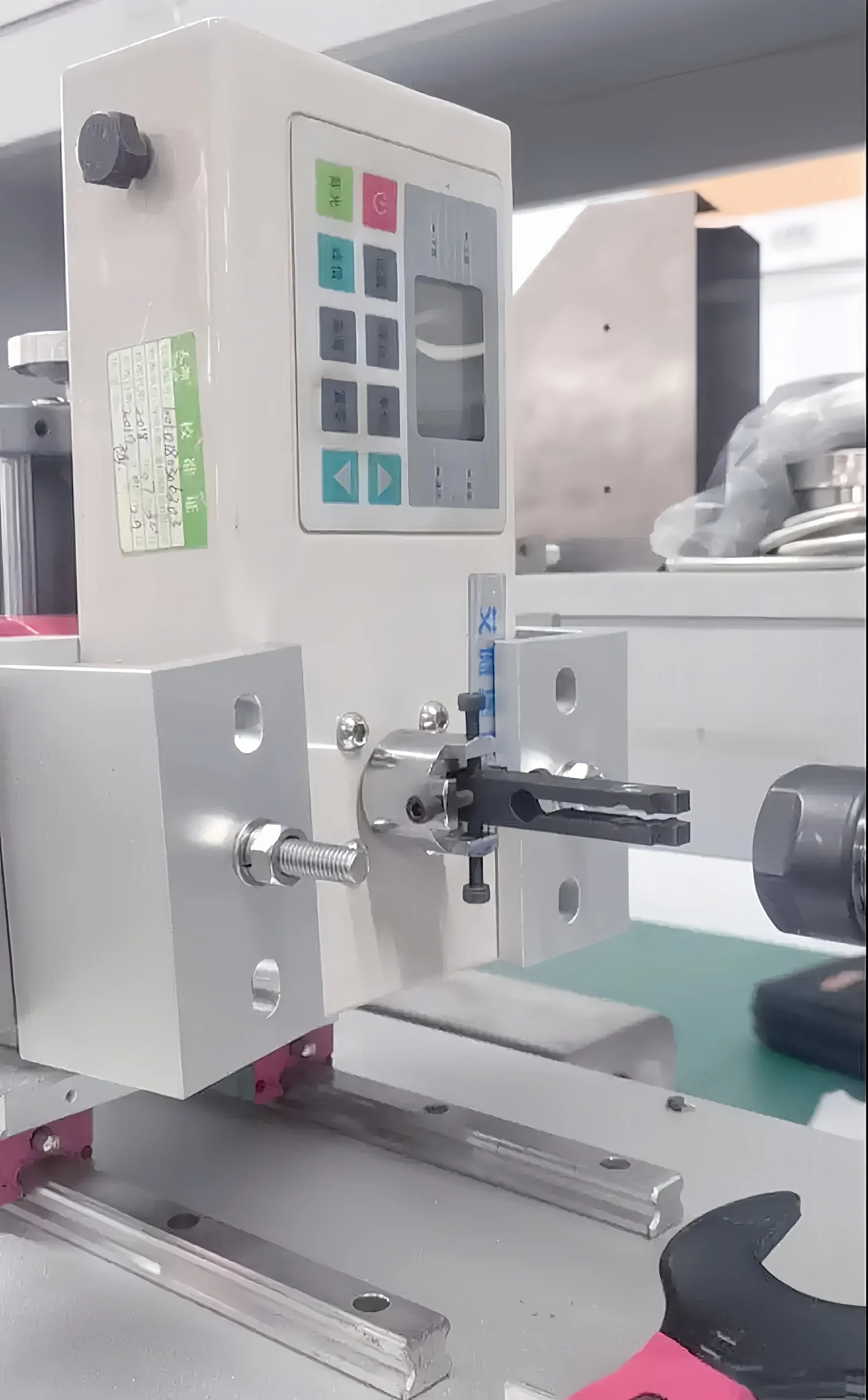
dynamic and static torque sensor

FAQ

How to measure static torque?

Static torque measurement is primarily used to evaluate the torque state of fasteners. (such as bolts and nuts.) After tightening, ensure the reliability and safety of the connection.

The most common methods for measuring static torque are static torque sensors and torque wrenches.

Static torque measurement uses a fixed sensor. To detect reaction force, it is often used in steady-state scenarios such as motor testing.

Dynamic torque measurement involves the rotation of an elastic body. Require solutions to signal transmission and mechanical connection issues at high speeds. Shaft-to-shaft couplings or flange structures are typically used.

Dynamic measurement technologies include slip ring, coupling, and radio frequency (RF) methods. It utilizes carbon brush contact, electromagnetic coupling, or RF signal transmission, respectively. Non-contact sensors can reduce physical wear and extend service life.

Dynamic torque of a motor refers to the rotational torque generated during operation. It is also an important parameter describing the motor’s output power.

It plays a key role in many applications. Include vehicles such as automobiles, ships, and aircraft, as well as various industrial equipment. such as machine tools, printing presses, and medical devices.

Strain gauge torque sensors:

The most widely used type, these sensors detect deformation by attaching strain gauges to an elastic shaft and converting the deformation into torque. They come in both contact slip-ring and non-contact wireless transmission models, are suitable for static and small-to-medium dynamic torque measurements, and are moderately priced.

Magnetoelectric Torque Sensors:

These calculate the torsional angle based on the phase difference of a magnetic grating. They are contactless and wear-free, with fast response times, making them suitable for high-speed rotating equipment. They are commonly used for long-term online monitoring of motors and drive shafts.

Capacitive Torque Sensors: 

These detect deformation by measuring changes in the distance between capacitive plates. They offer strong resistance to interference and a compact size, and are often used for torque detection in small precision instruments and micro-motors.

Fiber-Optic Torque Sensors:

These sensors transmit data via optical signals through fiber optics. They are insulated, explosion-proof, and resistant to electromagnetic interference, making them suitable for special operating conditions involving high voltage, strong electromagnetic fields, and flammable or explosive environments, while offering high measurement accuracy.

Piezoelectric Torque Sensors:

These sensors can capture instantaneous dynamic torque from impacts and feature an extremely fast response time. They are primarily used in testing scenarios involving short-duration impacts and instantaneous start-stop operations that generate high peak torque.

Distinguishing between dynamic torque sensors and static torque sensors is important.

Sino-Inst offers both dynamic and static torque sensors. Sino-Inst’s torque sensors are customizable. Our torque sensors offer a variety of mounting options. It includes a shaft torque sensor, a flange torque sensor and an in-line torque sensor, etc. If you have any technical questions, please feel free to contact us.

With over 20 years of experience in torque measurement, we can provide you with the most suitable measurement solution. Please contact us for a free quote!

Welcome To Share This Page:
Product Categories
Latest News
Get A Free Quote Now !
Contact Form Demo (#3)

Related Products

Related News

Torque sensors are crucial measuring components in modern industry. They play an irreplaceable role in power transmission, mechanical control, and

Torque is a key parameter characterising the load, efficiency and operating condition of rotating power systems; precise torque measurement underpins

Torque is a core mechanical parameter for rotating machinery, and its precise measurement is crucial for equipment monitoring, control and

Rotary torque sensors can measure the torque generated by rotating objects during operation. It provides key data for system control,

As a non-intrusive flow measurement technology, clamp-on ultrasonic flowmeters enable online monitoring of fluid flow by clamping transducers onto the

As key perception components in industrial measurement and control systems, pressure sensors are widely used in various working conditions. Types

Torque sensors are used in motor testing, steering systems, and electric bicycles. Understanding the working principles of torque sensors is

Reaction torque sensors are also called static torque sensors. Rotary torque sensors are also called dynamic torque sensors. Based on

Nowadays, guided wave radar level sensors have been widely used in the petroleum, chemical and other industries. It can measure

Scroll to Top

Get A Free Quote Now !

Contact Form Demo (#3)