High Temperature Pressure Transmitter Applications in1200°C

Table of Contents

Measuring the pressure of high-temperature media can be a challenging task. Sino-Inst offers high-temperature pressure transmitters with a maximum measurement temperature of 1200°C. They operate similarly to conventional pressure transmitters. They can dissipate heat through heat sinks and water circulation.

The post has an introduction to the technical aspects of high-temperature pressure transmitters.

What is a High-Temperature Pressure Transmitter?

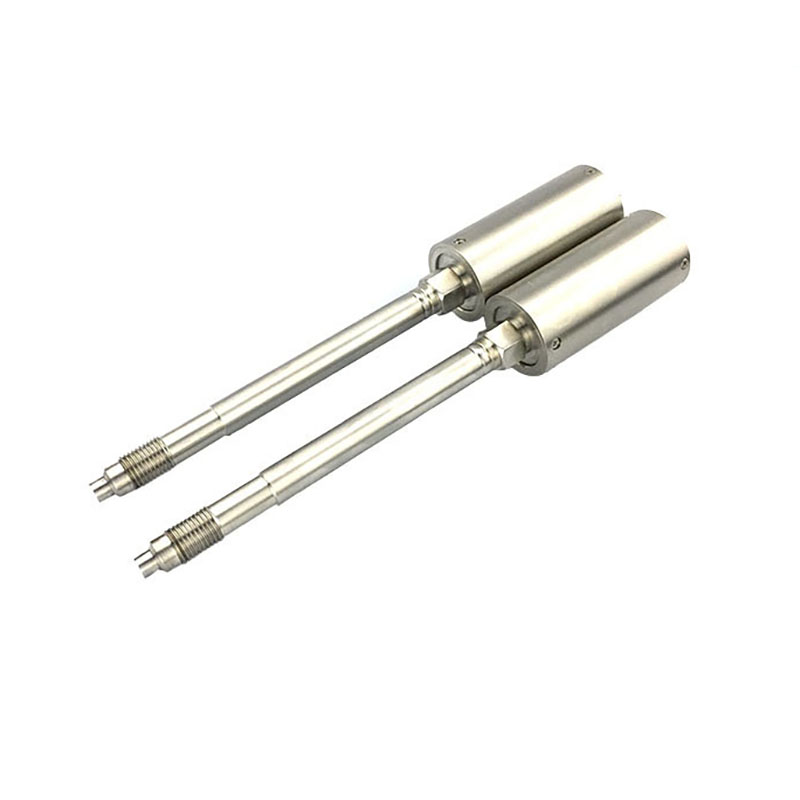
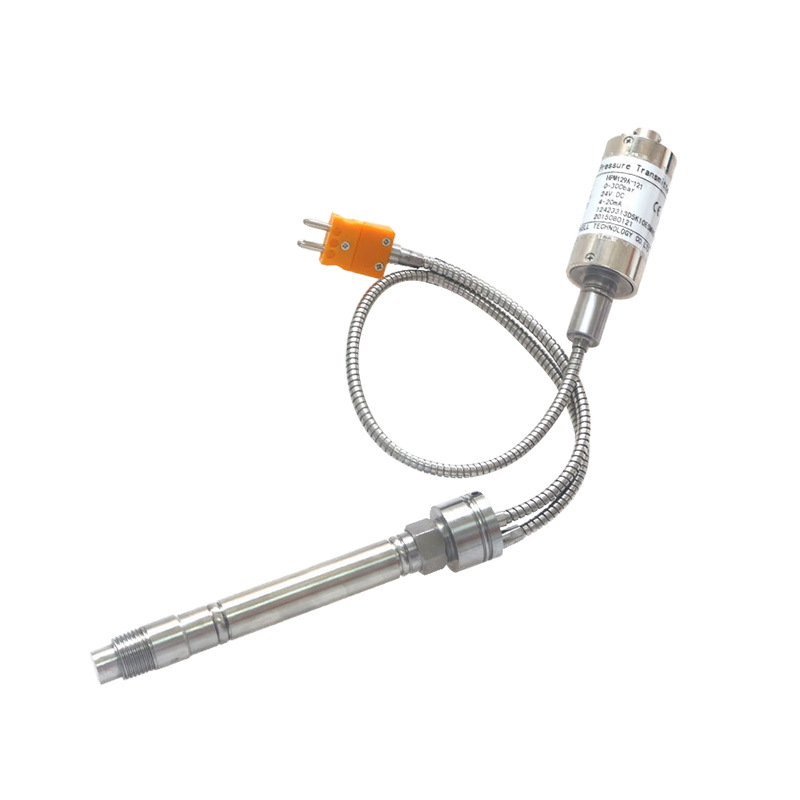
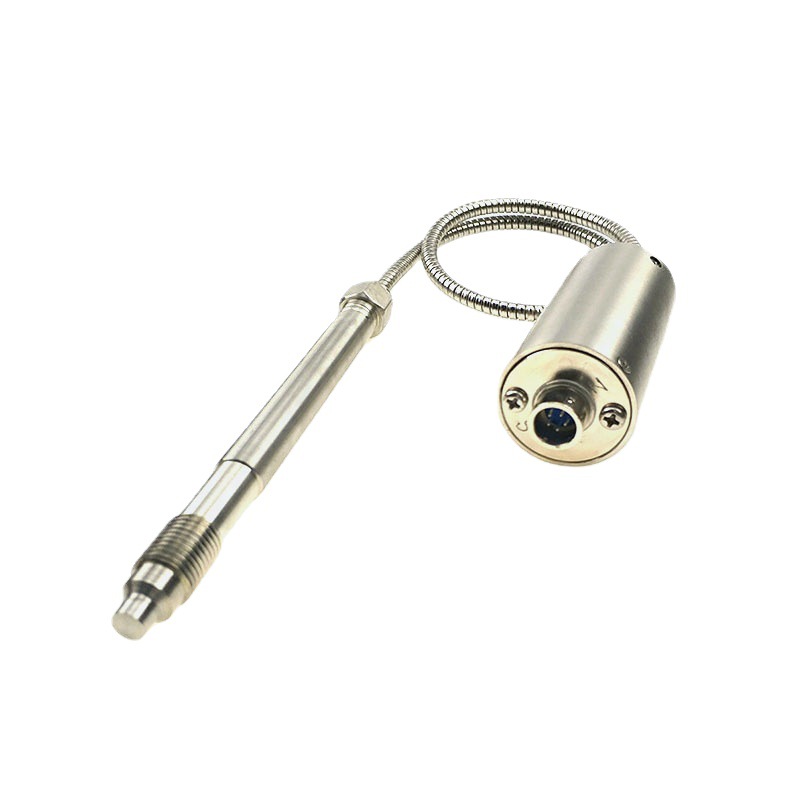
A high-temperature pressure transmitter is a pressure measurement device that combines a pressure transmitter with an integrated heat sink or a separate capillary diaphragm pressure guide. It can measure the pressure of high-temperature gases, liquids, steam, and oils.

Read More about: 7 Types of Pressure Sensors: Different Types, Working Principles, and Definitions

Advantages:

1. Excellent high-temperature resistance; equipped with a specialised high-temperature sensor element and filling oil, it is suitable for high-temperature media such as steam and heat transfer oil, and does not suffer from sensor element vapourisation or failure.

2. Features built-in wide-temperature compensation; in high-temperature environments, zero-point and span drift are minimal, ensuring stable measurement values without significant deviations or sudden changes.

3. Specialised high-temperature contact materials resist high-temperature oxidation and medium corrosion; the diaphragm is resistant to deformation and ageing, ensuring a longer service life for the equipment.

4. Built-in shielding circuitry protects against high-temperature thermal radiation and electromagnetic interference, ensuring distortion-free long-distance transmission of 4–20 mA and Modbus signals.

5. Can be used in conjunction with a heat-dissipating base and a condensation ring to isolate high-temperature conduction and protect electronic components; on-site installation and retrofitting are straightforward.

6. Low failure rate under high-temperature operating conditions, reducing the frequency of shutdowns for calibration and replacement, and significantly lowering labour and consumables costs for maintenance.

7. Supports intrinsically safe and flameproof explosion-proof certifications, ensuring safe use in high-temperature flammable and explosive environments, and complying with standards for the chemical and thermal power industries.

8. Wide measurement range, suitable for applications ranging from high-temperature low-pressure to high-pressure scenarios; a single unit can meet multi-point monitoring requirements.

Disadvantages:

1. Poor measurement stability; high temperatures can cause zero-point and span drift, and measurement errors persist even with temperature compensation, requiring frequent calibration.

2. Faster ageing and wear; high temperatures accelerate the ageing of seals, sensor diaphragms and filling oil, resulting in a short service life and frequent replacement.

3. The overall cost is relatively high; specialised high-temperature components and heat dissipation/isolation accessories command higher purchase prices, whilst the use of high-temperature-resistant cables also increases expenditure on consumables.

4. Installation and maintenance are inconvenient; the need to install heat dissipation structures results in a relatively large footprint; maintenance requires prolonged cooling periods, and the medium is prone to scaling, making cleaning operations cumbersome.

Read More about: High Pressure Sensors up to 1000Mpa

What is a Cooling Element?

High-temperature pressure transmitters can measure the pressure of high-temperature media primarily. Because they utilize a cooling element. Sino-Inst’s high-temperature pressure transmitters use a heat sink and water circulation.

The heat sink of a high-temperature pressure transmitter is typically made of a metal material with good thermal conductivity. It is attached to the outside of the pressure transmitter or integrated with the circuitry to quickly dissipate heat. The heat sink is located below the electronic components. When heat passes through the heat sink and reaches the electronic components, the temperature is lowered, thus protecting the components. This allows high-temperature pressure transmitters to measure high-temperature media.

Water-cooled high-temperature pressure transmitters primarily utilize a water-cooling structure for cooling. Because these products must meet various user requirements, they typically employ a split-body design. Water-cooling reduces the temperature of the electronic components through water circulation. Water circulation involves connecting two water channels to the pressure transmitter, with water flowing in one channel and out the other. The water’s flow removes some heat, achieving cooling. This structure can extend the service life of the pressure transmitter. And it ensures a more accurate pressure measurement.
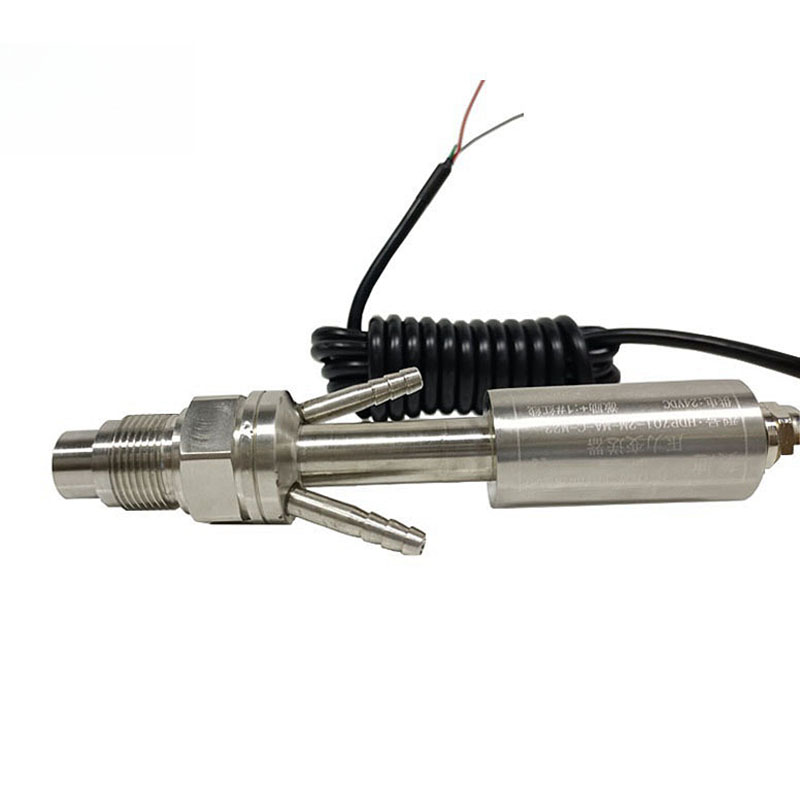
Ultra-High Temperature Pressure Transmitter - Water Cooled


High Temperature Pressure Transmitter Working Principle:

A high-temperature pressure transmitter is a commonly used industrial automation instrument. It is used to measure and convert pressure signals in high-temperature environments. Its operating principle is based on thermodynamic effects and electronic sensing technology. It converts pressure in high-temperature environments into an electrical signal. A high-temperature pressure transmitter consists of a sensor, a signal conditioning circuitry, and an output circuitry.

The sensor is responsible for sensing pressure signals in high-temperature environments. It is typically made of a high-temperature alloy with good thermal stability and mechanical strength. The sensor’s internal structure includes a diaphragm or spring. When subjected to pressure, the sensor slightly deforms, generating an electrical signal.

The electrical signal output by the sensor requires further processing and conditioning. Signal processing involves amplifying, filtering, and linearizing the sensor output signal. This process eliminates errors caused by the sensor’s inherent characteristics and environmental interference, while also ensuring signal stability.

After signal conditioning, the output circuit of a high-temperature pressure transmitter converts the electrical signal into a standard industrial signal. such as 4-20mA DC or 0-10V DC voltage. This standard industrial signal is easy to transmit and process. And it can be accepted and used by many automation equipment and control systems.
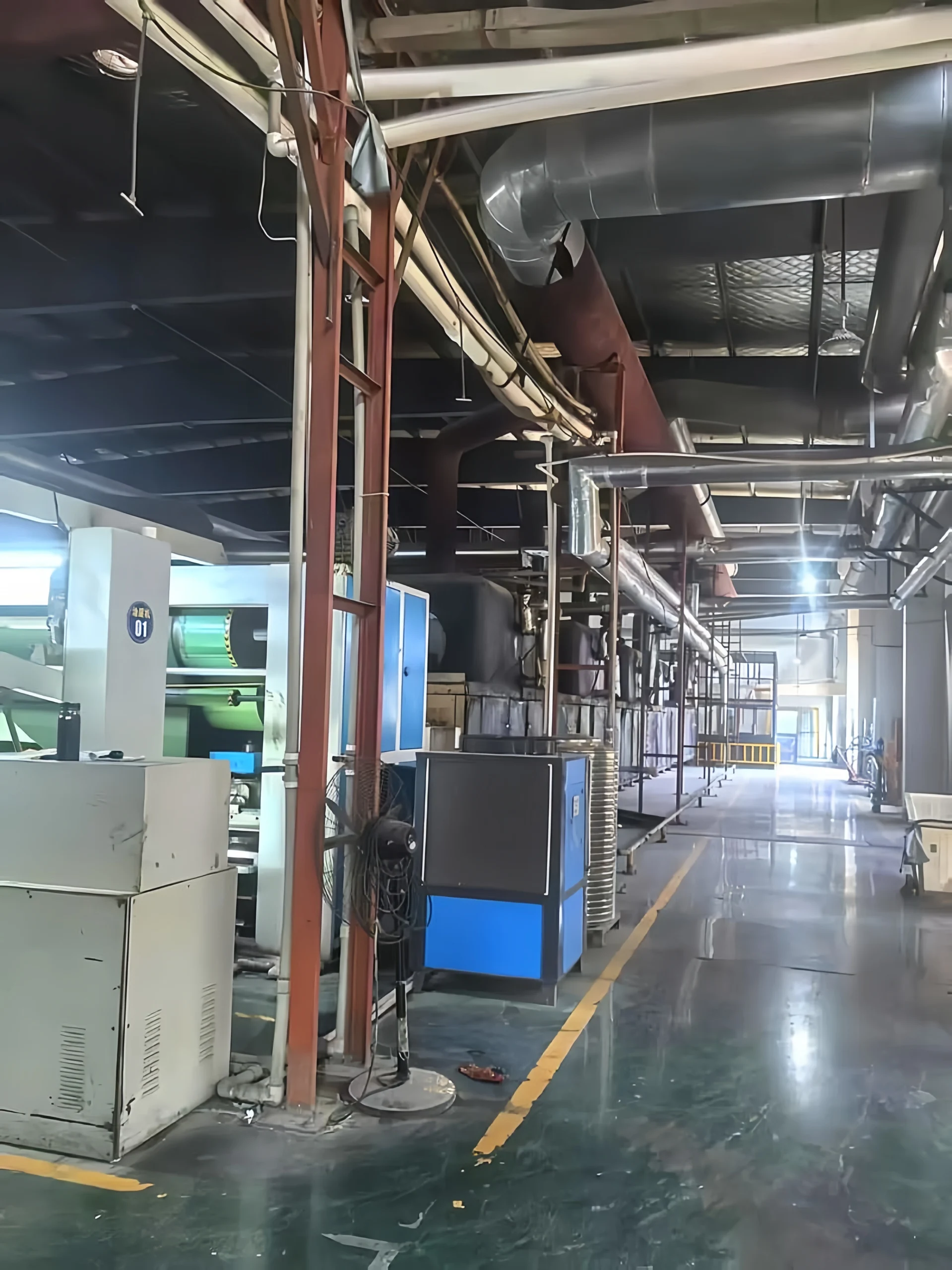
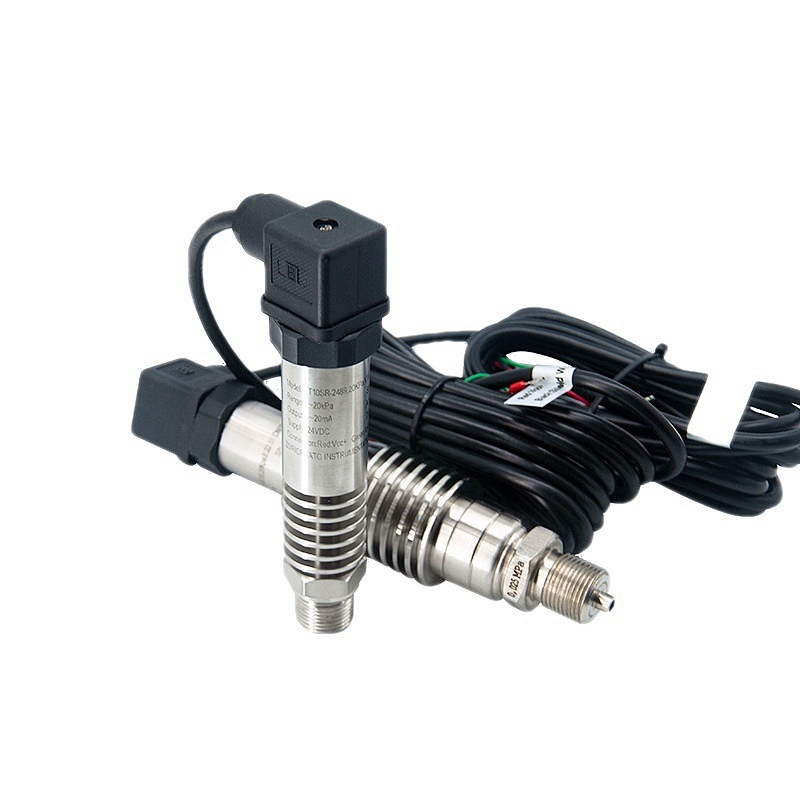
High temperature drying cylinder pressure transmitter

Sino-Inst Featured Product

SI-2088 Customizable High Temperature Pressure Transmitter
Ultra-High Temperature Pressure Transmitter - Water Cooled
PT111 Rigid Stem Melt Pressure Sensor
PT131 Melt Pressure and Temperature Transducer
PT123 Stem Flex Melt Pressure Transmitter
PT100 platinum thermal resistor
PT100 Platinum Resistance Thermometer

High Temperature Pressure Transmitter Precautions

There are some precautions you should take when using a high-temperature pressure transmitter:

1.  When measuring high-temperature media, a heat sink should be used. This allows the transmitter and pipeline to be connected. And the pressure on the pipeline is transmitted to the transformer.

2. During design and installation, the pressure tapping on the bottom of the tank should be positioned as low as possible to eliminate errors caused by temperature fluctuations. Temperature compensation should be implemented if necessary.

3. The pressure transmitter body must be kept at room temperature. Do not expose the pressure transmitter body to high temperatures. The maximum temperature it can withstand is 85°C.

4. Never apply a voltage higher than 36V to the pressure transmitter, as this may damage the transmitter. Do not touch the diaphragm with hard objects, as this may damage the isolating diaphragm.

High Temperature Pressure Transmitter Applications

Due to their unique structure, high-temperature pressure transmitters can measure the pressure of high-temperature liquids, gases, steam, and oils. They are primarily used in the following measurement industries:

1. Petroleum Refining and Chemical Processing: Used in high-temperature units such as distillation and hydrogenation plants to monitor pressure in furnace tubes and oil and gas pipelines, thereby preventing tower surges and overpressure leaks.

2. Thermal Power Generation: Measures high-temperature steam pressure in boilers and main steam pipelines to provide early warning of pipe bursts and ensure stable unit operation.

3. Coal Chemical Industry: Monitors pressure in gasifiers and high-temperature synthesis towers, withstanding high-temperature corrosive media to stabilise reaction conditions.

4. Metallurgy and Steel: Detects air pressure in blast furnace hot-blast stoves and thermal oil pipelines, regulates furnace pressure, and prevents thermal oil leaks and fires.

5. District Heating: Monitors pressure in high-temperature heating networks and waste heat boilers, balances the network, and improves the efficiency of waste heat power generation.

6. Food and Pharmaceuticals: Sanitary-grade models are suitable for sterilisation autoclaves and extraction equipment, controlling steam pressure to meet clean production requirements.

7. Aviation Testing: Specialised for engine test runs and high-temperature vessel inspections, collecting ultra-high-temperature pressure data for performance verification.

8. Cement and Building Materials: Measures flue gas pressure in rotary kilns and preheaters, regulating fans to stabilise calcination and reduce kiln failures.
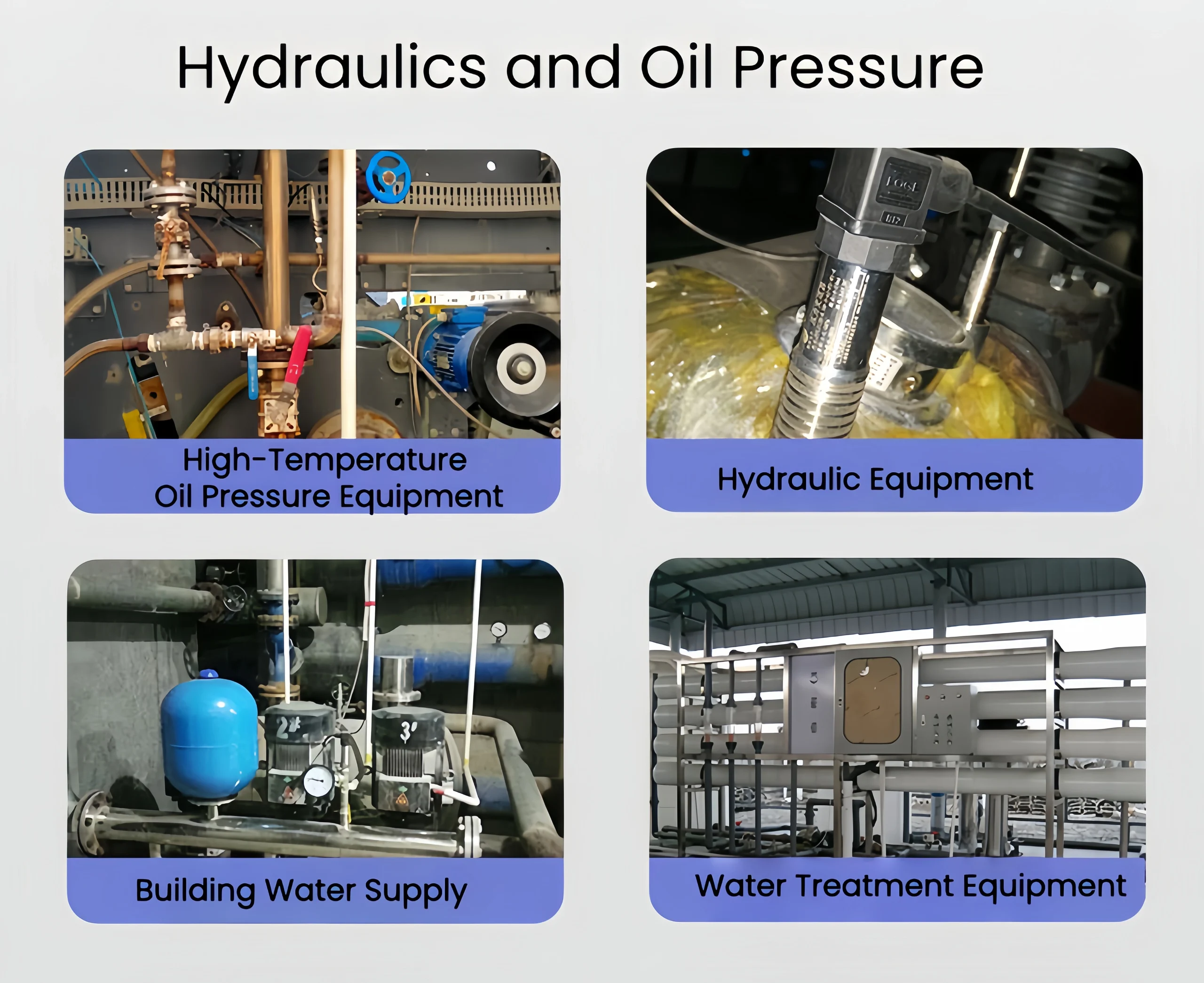

High Temperature Pressure Transmitter Applications

Integrated Pressure and Temperature Sensor

Many industries require simultaneous measurement of both temperature and pressure. For example, the petroleum, aerospace, and industrial automation sectors all face these challenges. However, purchasing a single pressure transmitter can increase the budget. Sino-Inst offers integrated pressure and temperature transmitters. They can measure both temperature and pressure simultaneously.

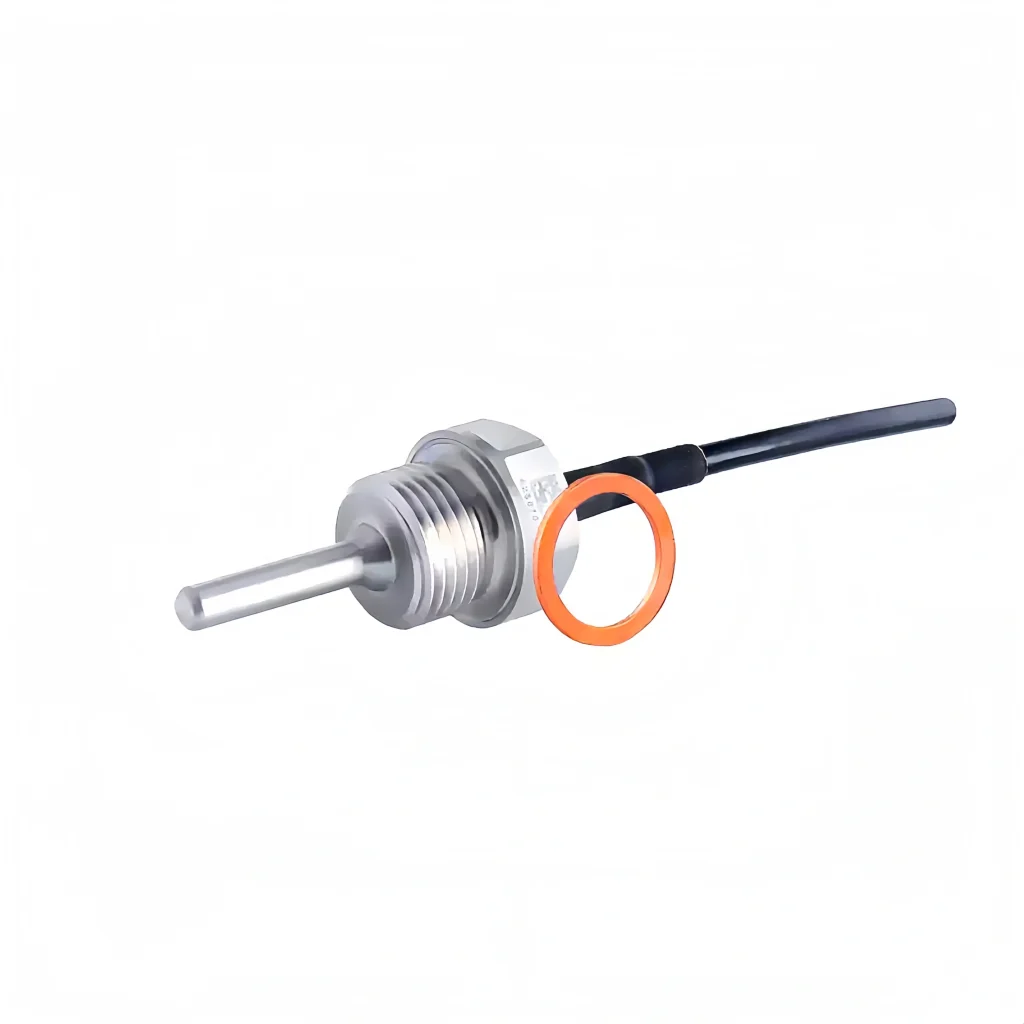
Integrated pressure and temperature transmitters combine the functions of both temperature and pressure sensors. Their design typically adds a temperature probe below the pressure sensor to achieve simultaneous measurement of both parameters.

Integrated pressure and temperature transmitters typically have four-wire outputs, with separate outputs for temperature and pressure signals. This design facilitates installation. Because installation in high-temperature and high-pressure environments requires many considerations,

Integrated temperature and pressure sensors can reduce costs. This makes integrated temperature and pressure transmitters significantly cheaper than the combined price of separate temperature and pressure sensors. Integrated temperature and pressure transmitters offer significant advantages, especially when measuring temperature and pressure at multiple locations along a pipeline. Using separate temperature and pressure sensors would result in the pipeline being cluttered with sensors, and the wiring would be complex.
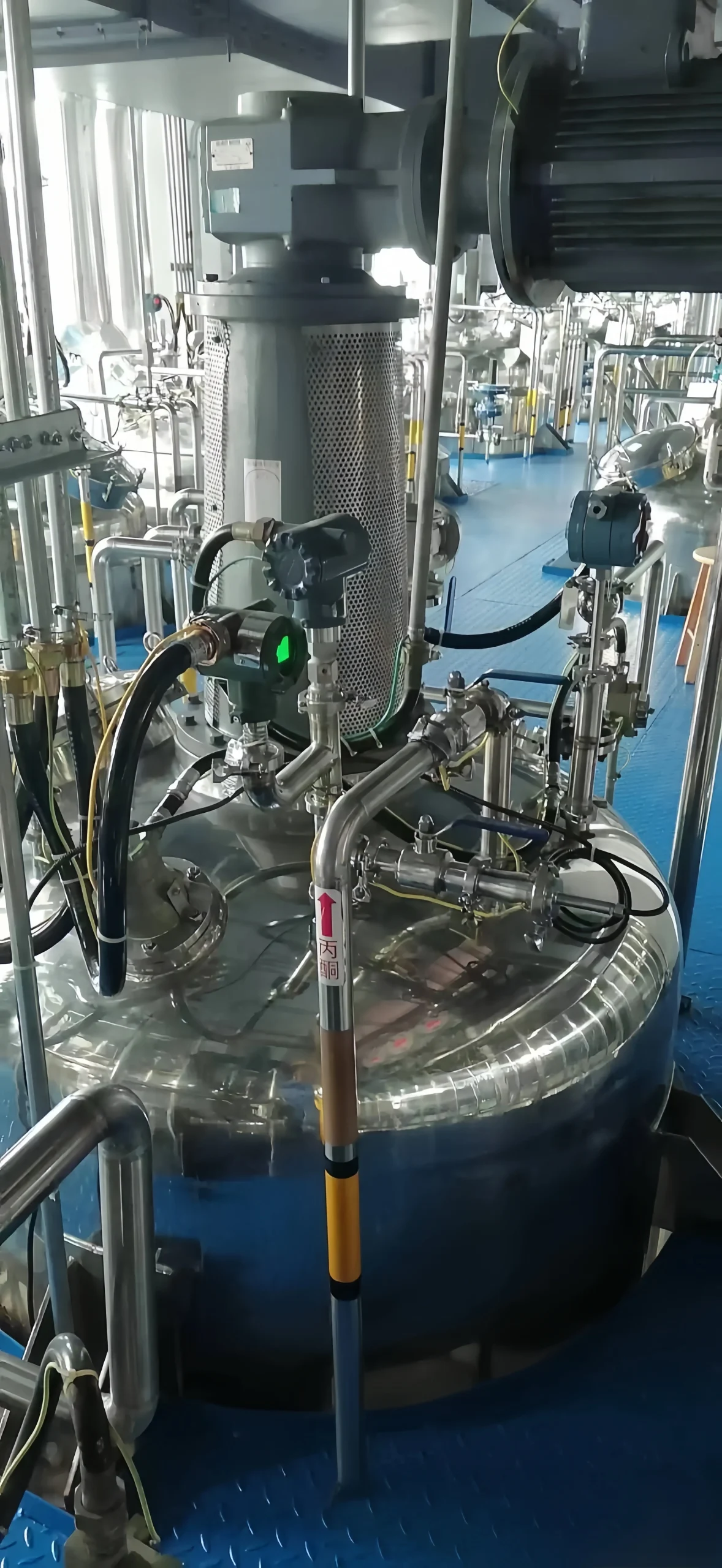
Sputtered Thin Film Pressure Transmitter

Sino-Inst Customized Integrated Pressure and Temperature Sensor

We can also customize high-temperature integrated temperature and pressure transmitters. It is capable of measuring pressures up to 650°C. The following are customer-specific parameters for steam measurement, which we can meet. For your reference:

  • Pressure Range: 35MPa
  • Temperature: 650°C
  • Steam Measurement
  • RS-485 Signal Output
  • Temperature Probe: PT100
  • Conventional Threaded Mounting

Sino-Inst Customized High Temperature Pressure Transmitter

A customer needed to measure the pressure of an extremely high-temperature medium. After consulting with numerous suppliers, they were unable to find a suitable supplier. However, we were able to provide a customized solution tailored to their needs. Please refer to this for more information.

1. Pressure Transmitter

  • Process Connection: 25DN Flange End, 150# RF
  • Wetted Parts (Wetted Materials): Hastelloy C-22
  • Ex ia IIC T6 Ga
  • Design Temperature: 0 to 750°C
  • Operating Temperature: 0 to 650°C
  • Pressure: -1 to 1 bar (G)
  • Application: Furnace Reactor
  • 24VDC Power Supply

2. Pressure Transmitter

  • Process Connection: 25DN Flange End, 150# RF
  • Wetted Parts (Wetted Materials): Hastelloy C-22
  • Ex ia IIC T6 Ga
  • Design Temperature: 0 to 450°C
  • Operating Temperature: 0 to 400°C
  • Pressure: -1 to 3 bar (G)
  • Application: Biochemical Tank
  • 24VDC Power Supply

3. Pressure Transmitter

  • Application: Furnace Reactor Jacket Pipeline
  • Process Connection: 1/4″ BSPT Male Connector
  • Wetted Parts (Wetted Materials): Hastelloy C-22
  • Ex ia IIC T6 Ga
  • Design Temperature: 0 to 750°C
  • Operating Temperature: 0 to 650°C
  • Design Pressure: -1 to 1 bar (G)
  • Operating Pressure: -1 to 1 bar (G)
  • 24VDC Power Supply

FAQ

How to measure pressure at high temperatures?

Under high temperature conditions, conventional pressure measurement methods are no longer effective. Therefore, Sino-Inst’s high-temperature pressure transmitters are designed specifically for measuring pressure in high-temperature media.

High-pressure temperature sensors are integrated detection devices capable of withstanding both high-pressure media and extreme temperature environments, combining a temperature-sensing element with a pressure-resistant housing.

Equipped with a high-temperature-resistant sensing core, a high-strength pressure-resistant casing and an isolating protective diaphragm, they can simultaneously collect medium temperature data within high-pressure sealed pipelines and reaction vessels in the oil and gas, chemical and boiler industries.

Unlike standard temperature sensors, their overall structure is designed to withstand high pressure, enabling them to resist high-pressure surges caused by liquids, gases and steam, and prevent pressure-induced leaks or component damage.

They are typically equipped with a transmitter circuit to output standard electrical signals, making them compatible with automated control systems. Widely used in industrial applications where high temperature and high pressure coexist, they enable real-time temperature monitoring and safety interlock protection for equipment.

The steam pressure transmitter is a pressure detection device specifically developed for steam media. Equipped with a heat dissipation structure and a high-temperature-resistant isolation diaphragm, it can withstand high-temperature saturated steam and superheated steam.

They can measure steam pressure in pipelines, boilers and autoclaves in real time, converting pressure readings into standard electrical signals for transmission to control systems.

Suitable for applications in heating, thermal power generation, and the food and pharmaceutical industries, they are resistant to high steam temperatures and water vapour corrosion.

By monitoring abnormal pressure levels, they prevent pipeline bursts due to overpressure and maintain the balance of process temperature and pressure, thereby ensuring the safe and stable operation of steam equipment.

Temperature can cause inaccurate pressure transmitter measurements. Generally, these effects manifest themselves in the following ways:

The housing and internal components of a pressure transmitter are typically made of metal or plastic. These materials expand or contract with temperature fluctuations, potentially causing mechanical stress and gap changes.

Temperature changes can affect the performance of electronic components. such as resistors, capacitors, and semiconductors. These changes can cause signal drift, gain variations, and increased noise. They affect measurement results.

For pressure transmitters measuring liquids or gases, the viscosity of the medium changes with temperature. This change in viscosity can affect the pressure sensor’s response time and measurement accuracy. The following temperature compensation techniques can be used to improve measurement precision.

A temperature sensor can be integrated into the pressure transmitter design. Hardware circuitry can be used to compensate for temperature changes. This approach adjusts the output signal offset the effects of temperature changes.

Compensating for temperature changes using a software algorithm is a common approach. This typically involves storing temperature-pressure calibration data in the pressure transmitter’s microcontroller. And it adjusts the output signal according to the real-time temperature.

In some cases, environmental isolation can be used to protect a pressure transmitter from temperature changes. For example, using thermal insulation or placing the transmitter in a temperature-controlled environment.

During use, regular calibration is required to maintain measurement accuracy.

Generally speaking, ordinary pressure transmitters can measure temperatures between -20°C and 85°C. However, Sino-Inst utilizes specialized materials to increase the measurement temperature. Customized temperature transmitters can reach temperatures up to 1200°C.

Sino-Inst’s high-temperature pressure transmitters have been successfully applied in a wide range of industries. Our products have helped many users solve their challenges in measuring the pressure of high-temperature media. If you have similar concerns, please contact us. Sino-Inst’s technical experts are always available to answer your questions.

Welcome To Share This Page:
Product Categories
Latest News
Get A Free Quote Now !
Contact Form Demo (#3)

Related Products

Related News

In the field of industrial process control, 4–20 mA pressure transmitters serve as core sensing devices. Thanks to their high

Scroll to Top

Get A Free Quote Now !

Contact Form Demo (#3)