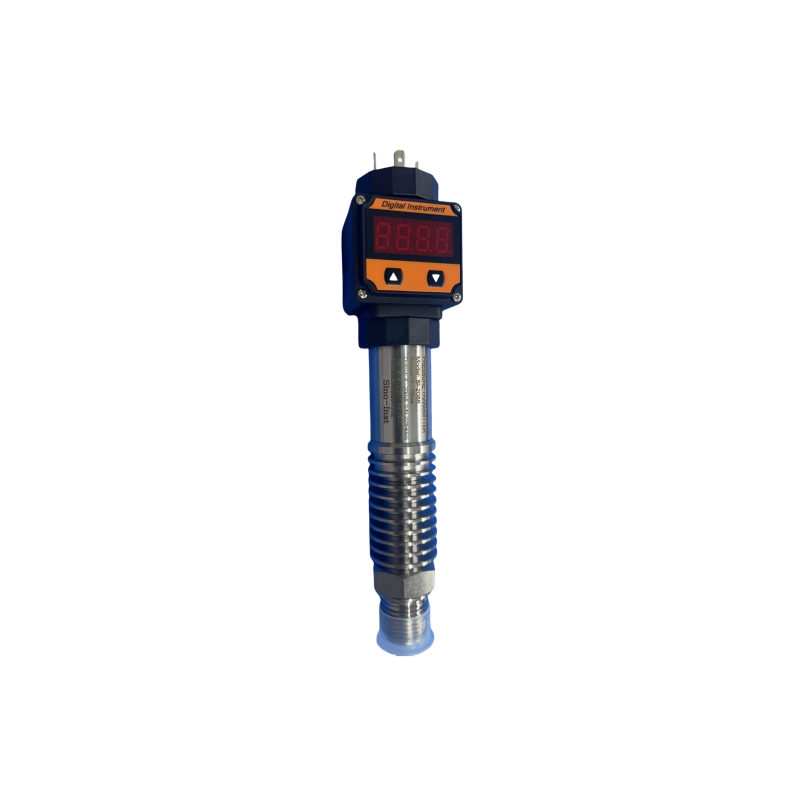
Digital Output Pressure Transducer for Smooth Pressure Management

Table of Contents

In industrial automation, pressure transducers are commonly used devices in pressure control. They are primarily used to measure the pressure of solids, liquids, and gases. They can convert the pressure value into a standard electrical signal output. In practical applications, correctly selecting the signal output of the pressure transducer is crucial. It can directly impact the reliability and accuracy of the control system. Pressure transducers primarily output analog and digital signals. Digital signals are superior to analog signals in many aspects.

The blog will provide a detailed introduction to digital signal pressure transducers. The aim is to make your pressure management more intelligent and accurate.

What is a Digital Output Pressure Transducer?

Digital signal output pressure sensors do not output continuous analogue quantities such as voltage or current upon detecting pressure changes; instead, they directly output digital encoded signals. The sensors integrate signal conditioning and analogue-to-digital conversion units internally, converting physical pressure values into digital data.

This eliminates the need for an external, standalone ADC chip and enables communication with digital devices such as microcontrollers and PLCs. Common interfaces include I²C, SPI and RS485, with signals transmitted in data packets. Compared to analogue signals, these are less susceptible to line resistance and electromagnetic interference, offering greater data stability.

They can also include temperature and calibration information, facilitating equipment calibration and fault diagnosis. However, data must be read in accordance with the communication protocol, making system debugging more complex than with analogue sensors. They are therefore primarily used in industrial detection and smart device applications where high precision and interference resistance are required.
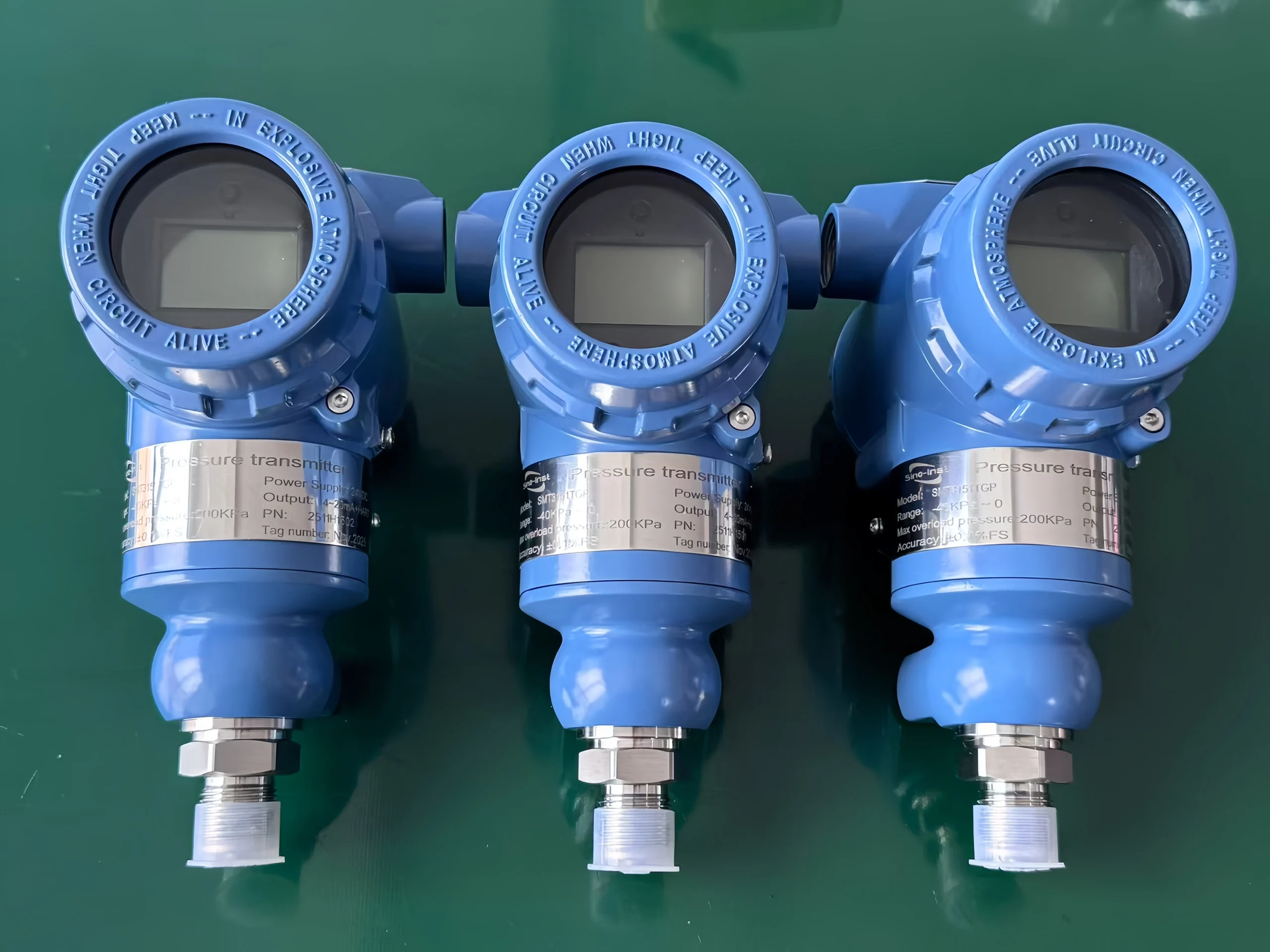
Digital pressure transmitter OEM

Advantages of Using Digital Pressure Transducers:

1. High resistance to interference: Digital signals are transmitted in the form of binary messages, making them less susceptible to interference from cable resistance and the electromagnetic environment. Signals are less prone to distortion during long-distance transmission, resulting in more stable measurement results.

2. Simplified external circuitry: As analogue-to-digital conversion is performed internally within the sensor, there is no need for an external ADC chip. The sensor can interface directly with digital devices such as microcontrollers and PLCs, reducing the number of peripheral components required.

3. Ability to carry additional information: In addition to pressure values, the output data packets can also include information such as temperature, sensor operating status and checksums, facilitating fault detection and data error correction within the system.

4. Higher measurement accuracy: Internal signal conditioning and digital processing reduce errors introduced during signal transmission, resulting in higher measurement accuracy, making them suitable for high-precision detection applications.

5. Greater flexibility in cabling and commissioning: A single communication bus can support multiple digital pressure sensors, reducing the amount of on-site cabling and facilitating the setup of multi-point pressure acquisition systems.
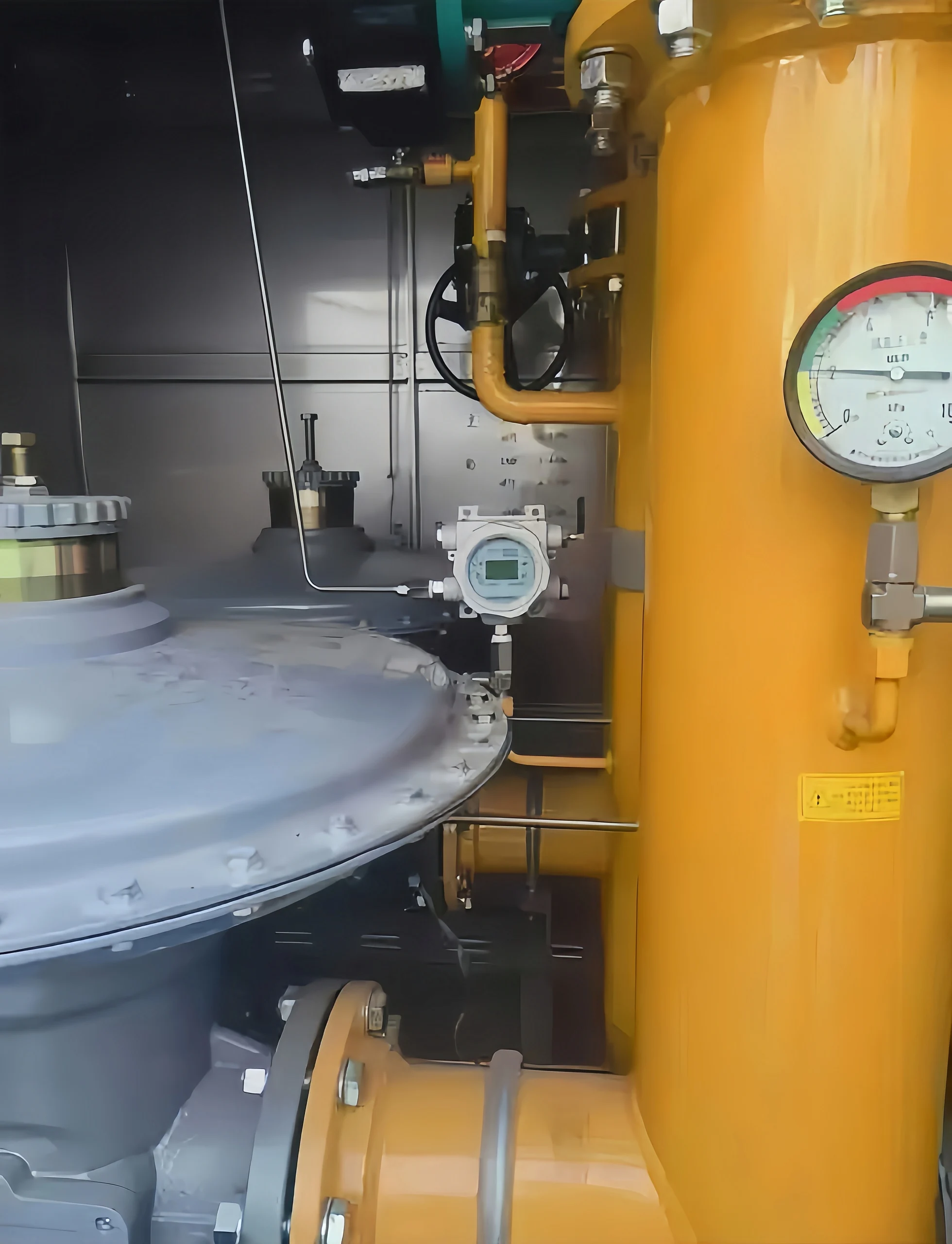
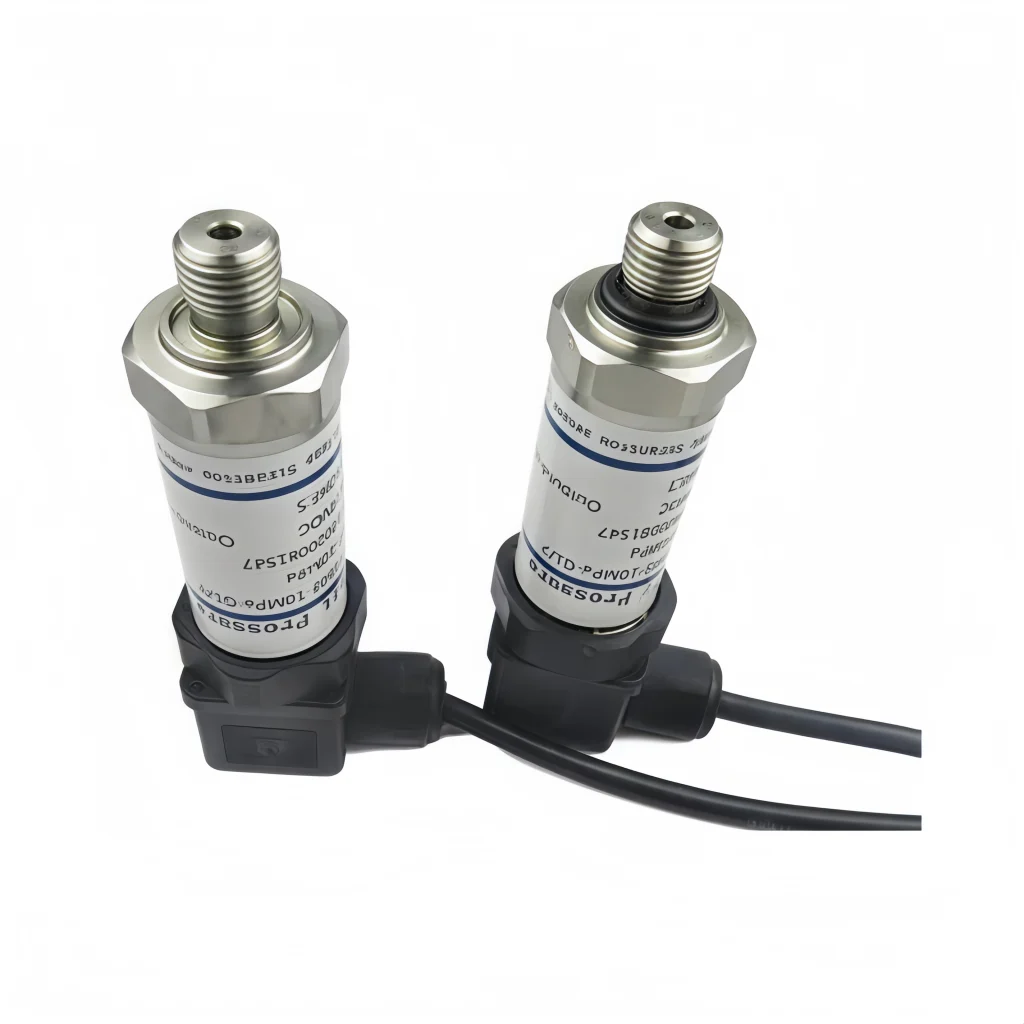
explosion proof pressure transducer

What is digital signal output?

Digital signal output refers to the process by which a device converts measured physical quantities into discrete binary codes comprising high and low voltage levels, and transmits the data externally.

Unlike analogue signal output, which transmits continuously varying voltages or currents, digital output represents measured values using 0 and 1 binary codes and transmits data via communication messages.

The receiving device parses the messages in accordance with the relevant communication protocol to obtain the measurement results. Digital signals are highly resistant to electromagnetic interference and suffer minimal signal attenuation or distortion during long-distance transmission.

They can also carry auxiliary data such as error-correcting codes and status information, facilitating data verification at the receiving end; however, the interfaces and protocols of both communicating parties must be compatible to ensure normal data exchange.

ipiscing elit. Ut elit tellus, luctus nec ullamcorper mattis, pulvinar dapibus leo.

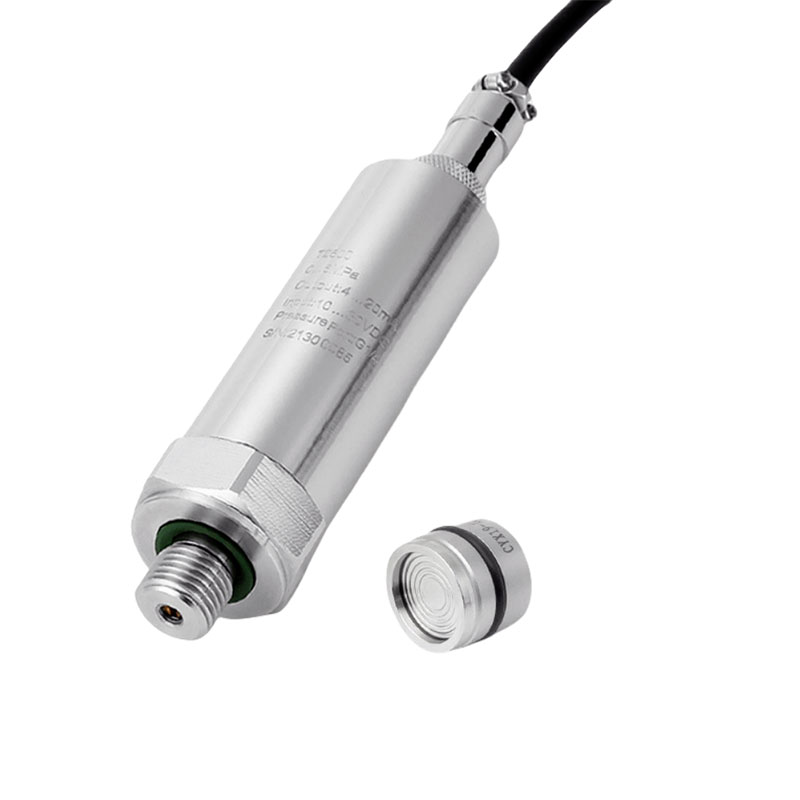
Sino-Inst Featured Digital Pressure Transducer

Intelligent Pressure Sensor
Intelligent Pressure Sensor RS485
Combined-Pressure-and-Temperature-Sensor
Combined Pressure and Temperature Sensor-Integrated Structure
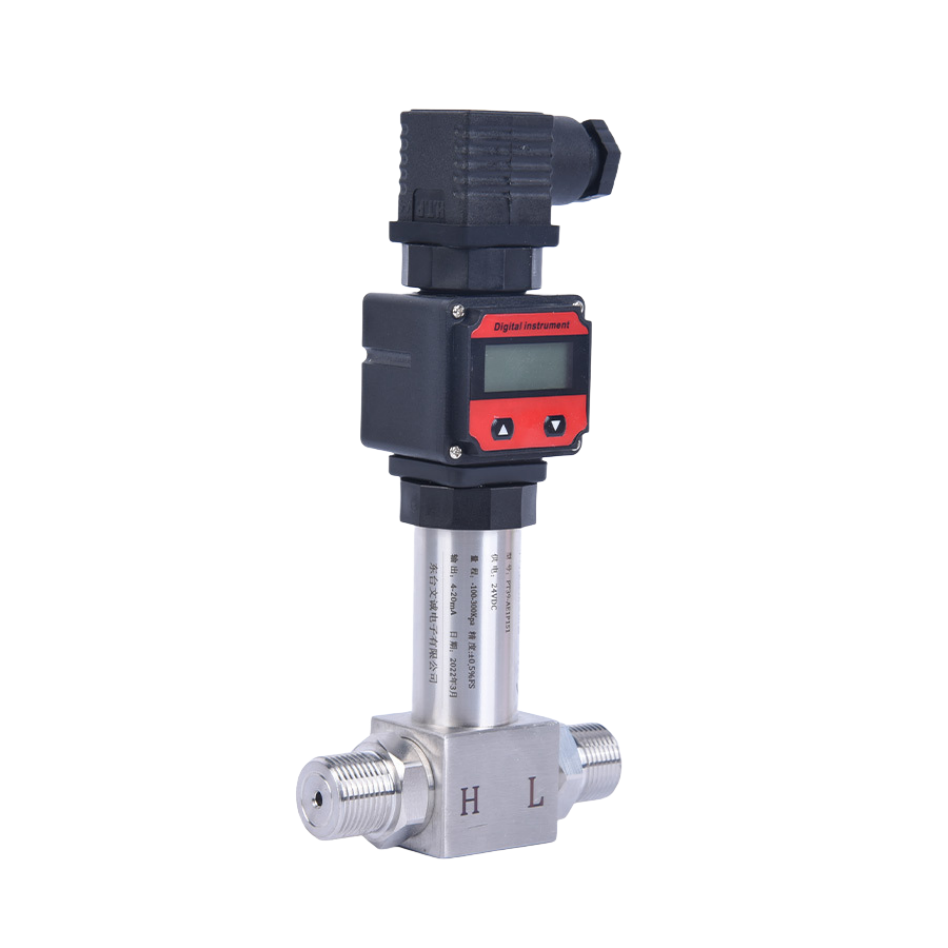
Compact Differential Pressure Transmitter with digital display
Compact Differential Pressure Transmitter
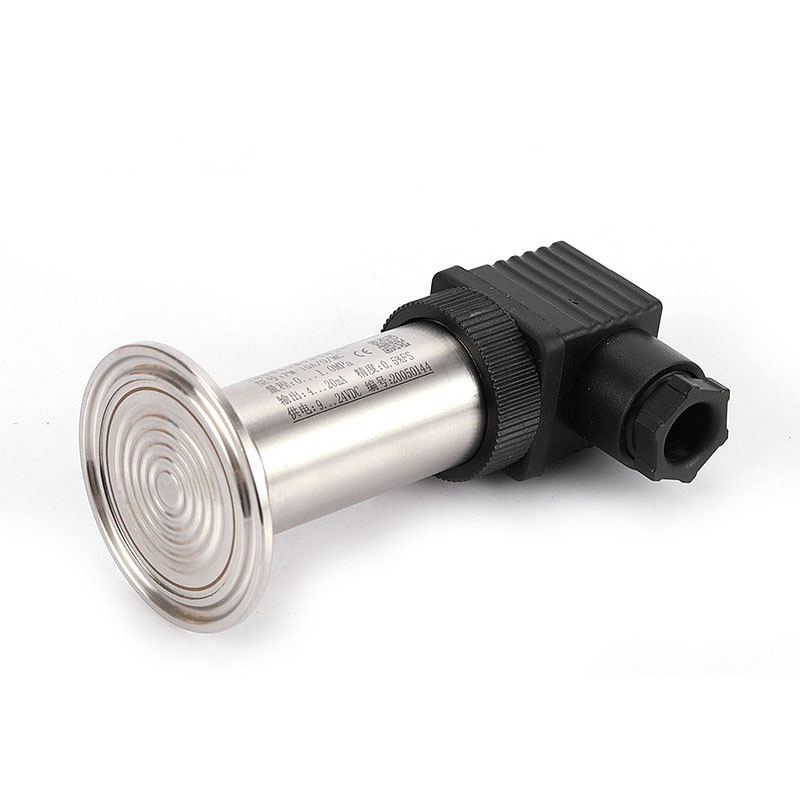
Industrial sanitary pressure transmitter flat film structure
Sanitary Pressure Transmitter/Transducer For Hygiene Industry
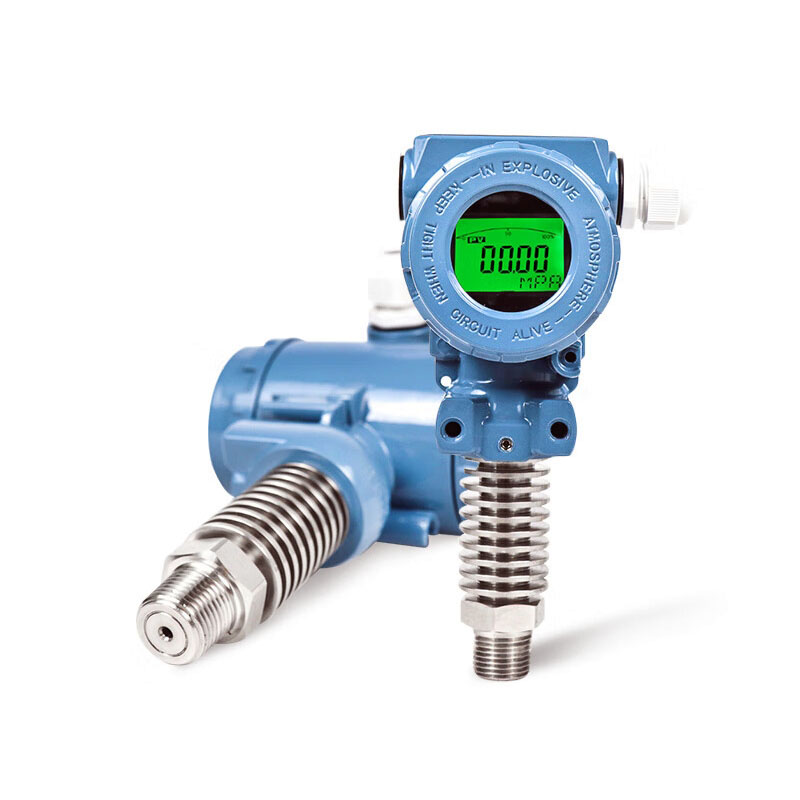
SI-2088 High Temperature Pressure Transmitter with display-4-20mA-HART
Cryogenic Pressure Sensor5
﹣200℃ Cryogenic Pressure Sensor

Pressure Transducer Digital Interface Type:

Commonly used interfaces include Serial interfaces (RS-232, RS-485), UART, IIC, SPI, CAN, LAN, and USB. Multiple digital interfaces make pressure management more convenient. But different interfaces have different functions. Therefore, you need to select the interface for your specific operations.

Read More about: Industrial Communication Protocols – Facilitating Data Management

Application scenarios

Industrial automation:

Digital pressure sensors transmit pressure data to PLCs and controllers via digital protocols, enabling closed-loop control for pressure monitoring in pipelines and reactors. They are resistant to on-site electromagnetic interference and are suitable for chemical, pharmaceutical and food production lines.

Building HVAC and Fire Protection: 

These sensors monitor water pressure in water supply networks, air-conditioning refrigerants and fire protection systems. With long transmission ranges, they integrate with building IoT platforms to enable anomaly alarms and variable-frequency control of water pumps, whilst reducing signal attenuation errors associated with analogue signals.

Hydraulic and Pneumatic Equipment:

Used in construction machinery, injection moulding machines and air compressors, these sensors collect pressure data from hydraulic and pneumatic circuits and transmit it to the main control unit, enabling overload protection, pressure feedback and facilitating equipment fault diagnosis.

Hydrological and Geological Monitoring:

Enables the measurement of seepage pressure in groundwater, river channels and reservoir dams; interfaces with remote data acquisition terminals to ensure stable, unattended data transmission in the field, supporting early warning systems for water resources and geological hazards.

New Energy Sector:

Used for pressure detection in lithium-ion battery manufacturing processes, hydrogen pipelines and photovoltaic cooling systems; facilitates multi-sensor networking, enables data logging and traceability, and meets the high reliability requirements of production lines.

Precision Laboratory Testing: 

Applied to test benches and calibration instruments to minimise analogue-to-digital conversion losses; interfaces with host computers to enable pressure data storage, graphing and analysis.

Railway On-board Applications:

Monitors pressure in train braking and on-board hydraulic systems; compatible with on-board bus systems; vibration-resistant; transmits status data in real time to ensure operational safety.

IoT Smart Devices: 

Paired with wireless modules for use in smart monitoring terminals; pressure data is uploaded to the cloud to enable remote monitoring and out-of-limit alerts.

Choosing the Right Digital Pressure Transducer:

When we measure the pressure, a digital pressure transducer is the core device for controlling pressure. We can choose a suitable pressure transmitter to keep the accuracy and stability of the pressure management system.

First, we should determine the measurement range of the pressure transducer. The transmitter’s measurement range should cover these pressure values. We also need to select the pressure transmitter based on measurement accuracy. Accuracy is a measure of the difference between the sensor output and the actual pressure value. Higher accuracy means more reliable measurement results.

We should first identify the pressure type of the operating condition. There are three pressure types, which are described below:

  • Absolute pressure refers to the pressure measurement value relative to a complete vacuum.
  • Gauge pressure refers to the pressure measurement value relative to atmospheric pressure.
  • Differential pressure refers to the pressure difference between two pressure points.

Read More about: 

TGP/TAP Gauge Pressure Transmitter-Absolute Pressure Transmitter

Pressure Transmitter vs. Differential Pressure Transmitter

Process Connections

  • Threaded connections are the most common type of process connection. It is suitable for various standard interfaces.
  • Flanged connections are suitable for high-pressure applications or applications requiring quick disassembly.
  • For the food and pharmaceutical industries, hygienic connections ensure cleanliness and sterility.

Environmental Conditions

  • Ensure the transducer can operate stably in the intended operating environment. It includes extreme temperatures.
  • For high humidity or corrosive environments, select a transducer with an appropriate protection rating and materials.
  • For environments with significant vibration or shock, select a transducer with vibration and shock resistance.

Signal Output

  • Analog outputs, 4-20mA, 0-10V, etc., are suitable for traditional control systems.
  • Digital outputs include HART, Profibus, and Modbus etc. These digital outputs are suitable for digital communication systems.
  • Wireless output is suitable for remote data transmission.

Pressure transmitters for the hydrogen industry

Materials and Compatibility

Select appropriate materials based on the chemical features of the measured medium. such as stainless steel, Hastelloy, etc.

The shell material should resist environmental corrosion and physical damage.

Ensure the transducer’s electrical parameters match the system’s power and signal requirements.

Safety and Certification

For potentially explosive environments, the transducer should have explosion-proof certification. such as CE, UL, FM, etc.

Maintenance and Calibration

Selecting a transducer that is easy to maintain and calibrate can reduce long-term operating costs. Choose an appropriate calibration cycle based on application requirements.

Fully consider the purchase cost of the transducer. The cost includes different hardware and software costs, energy consumption, maintenance, and calibration costs.

Choosing a reputable supplier that can provide well after-sales service and professional support, and solutions.

Through comprehensive selection, we can ensure that the transducer meets specific application requirements. It can improve system reliability and efficiency.

What is Pressure Transducer Digital Compensation?

During the measurement process, its output signal drifts with temperature changes. To reduce this phenomenon, we use certain algorithms to correct the output results. It can eliminate the influence of temperature changes on the component’s output signal within a certain range. This method is called electronic component temperature compensation.

The main function of the temperature sensor in a digital pressure transducer is to acquire temperature information. The aim is to compensate for and calibrate the temperature drift error of the pressure sensor.

Digital pressure transducers use a microprocessor for the compensation algorithms. They can compensate for temperature drift errors and nonlinear errors, etc.

Read More about: PT Compensation of Flow Measurement

Digital Output Pressure Transducers vs. Analog Signal Pressure Transducers

Digital and analog pressure sensors differ in many ways:

Different signal outputs:

Analog pressure transducers typically output 4-20mA current signals, 0-5V, and 0-10V voltage signals. These are continuous analog signals.

Digital pressure transducers output digital signals. Digital signals include RS-485, RS-232, HART protocol, or CAN bus. These signals provide more accurate information. They can identify faults and simplify pressure transducer debugging.

Accuracy and Stability:

An analog pressure transducer is limited by the limitations of analog circuitry. Their long-term stability and accuracy may not be as good as digital ones.

Digital pressure transducers generally offer higher accuracy. They have better long-term stability because digital signal processing reduces signal interference.

Interference immunity:

An analog pressure transducer is susceptible to electromagnetic interference. So, analog signals may attenuate over long distances. Digital signals have strong interference immunity. They can maintain signal integrity over longer distances.

Configuration and Calibration:

Analog Pressure Transducers: Configuration and calibration require physical contact with potentiometers on the transducer or external equipment.

Digital pressure transducers can be remotely configured and calibrated via a digital communication interface. It can eliminate the physical contact.
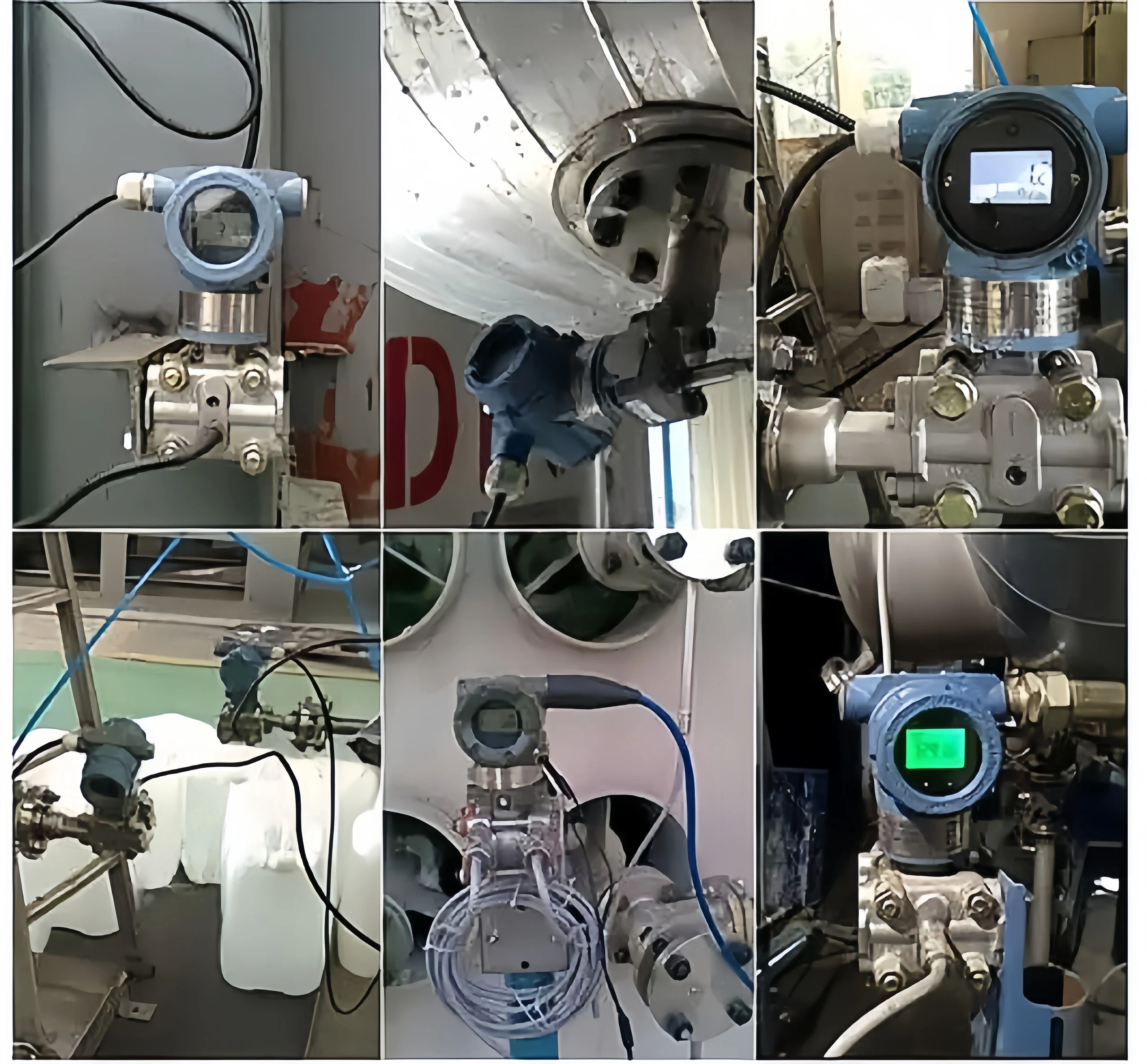
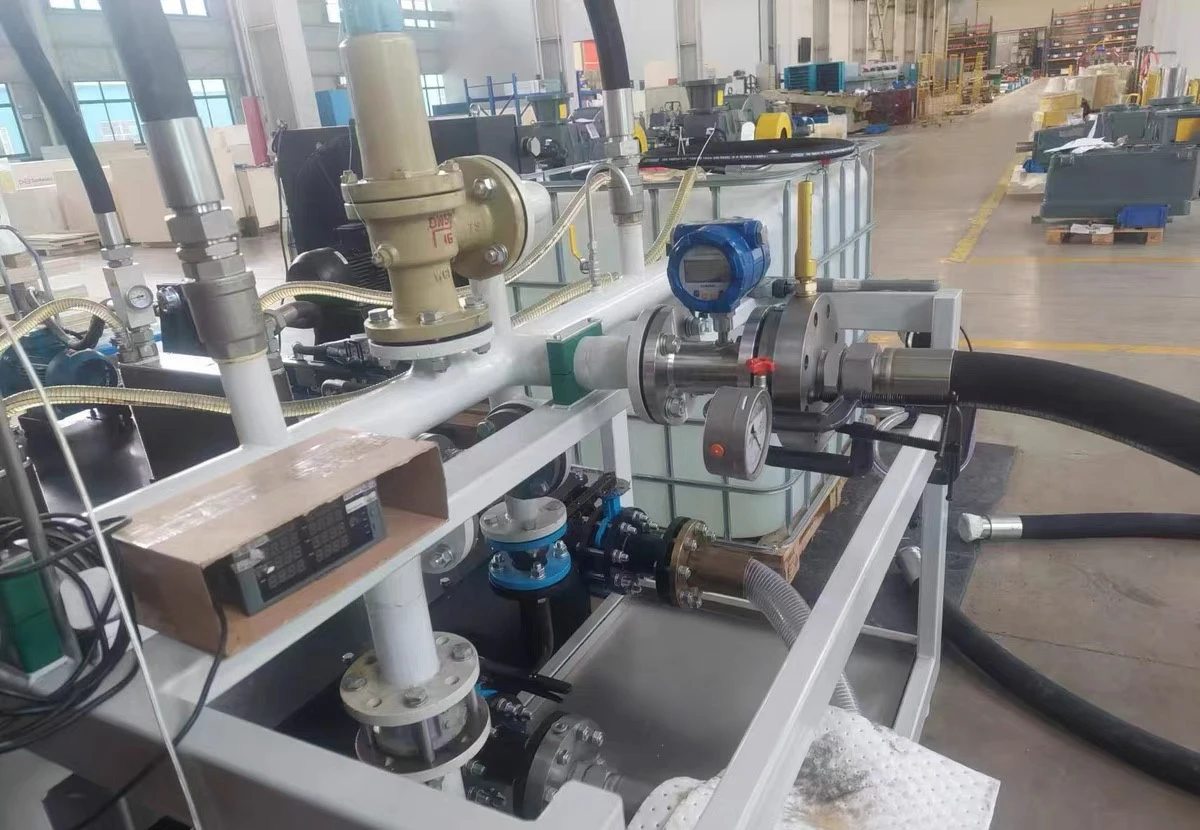
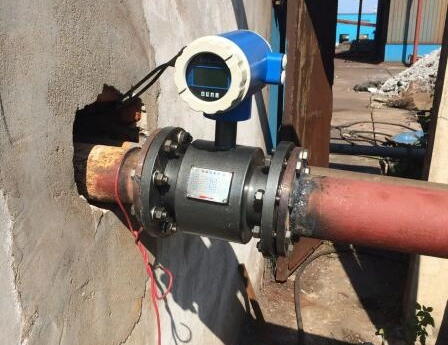
Pressure transmitter on-site installation diagram

Versatility:

An analog pressure transducer can only output a simple current signal.

Digital pressure transducer offers multiple functions. The function includes historical data logging, multi-parameter measurement, and self-diagnostics.

Cost:

An analog pressure transducer is less expensive. So they are suitable for cost-sensitive applications.

Due to technological complexity, digital pressure transducers are more expensive.

In conclusion, for high-precision measurement and remote monitoring, a digital pressure sensor might be a good option.
But for simpler applications or those on a budget, an analog pressure sensor may suffice.
Of course, if your budget allows, I recommend going straight for a digital pressure transducer.

FAQ

How does digital pressure transducer work?

Digital pressure transducers use a pressure sensor to convert the pressure signal of the pressurized medium into a standard signal. This signal is then processed and amplified by internal circuitry. Finally, the transducer outputs a digital signal proportional to the pressure of the media.

When the pressure of the pressurized medium changes, the pressure transducer generates a corresponding change in electrical signal. The digital pressure transducer converts this signal and outputs it. The output digital signal corresponds to the pressure signal.

The digital signal can be converted into a pressure value using data processing equipment such as a paperless recorder.

Read More about: 7 Types of Pressure Sensors: Different Types, Working Principles, and Definitions

Pressure transducers commonly output two types of signals: analog and digital. Analog signals use 4-20mA or 0-10V, while digital signals often use communication protocols. such as RS-485 and MODBUS. The choice of output signal depends on the specific application requirements and the control system requirements.

A pressure sensor is a sensor that measures force and weight. And they can accurately measure pressure. It can measure different types of pressure. It includes liquid pressure, gas pressure, static pressure, and dynamic pressure. A pressure sensor is typically made of metal or ceramic. It offers high accuracy and stability. And they are therefore widely used in industrial and scientific fields.

A pressure transducer is a device that converts mechanical pressure into an electrical signal output. It is usually made of piezoelectric materials. It is capable of converting pressure into a change in resistance. Pressure transducers are widely used in manufacturing, environmental protection, water treatment, and other fields. and they can measure various types of pressure.

Read More about: Pressure Sensor VS Pressure Transducer VS Pressure Transmitter

All in all, a comprehensive understanding of the signal output of a pressure transducer is crucial for pressure processes. Generally, both analog and digital signals can reflect pressure changes. However, digital signals are more accurate than analog signals. Digital signals also offer more functionality than analog signals.

Sino-Inst is a supplier of digital pressure transducers from China. Please feel free to contact us for a free quote. We can also provide you with free measurement solutions to make your pressure measurement process smoother.

Welcome To Share This Page:
Product Categories
Latest News
Get A Free Quote Now !
Contact Form Demo (#3)

Related Products

Related News

As a prime example of non-invasive flow measurement technology, portable ultrasonic flow meters have found increasingly widespread application in fields

Scroll to Top

Get A Free Quote Now !

Contact Form Demo (#3)