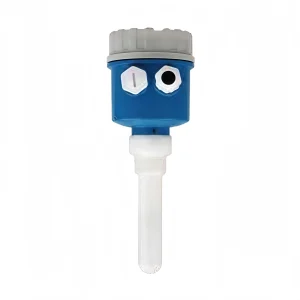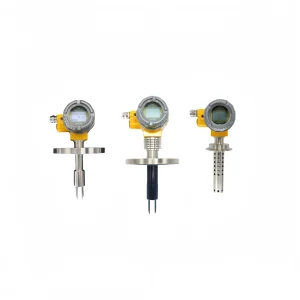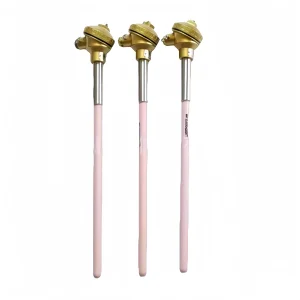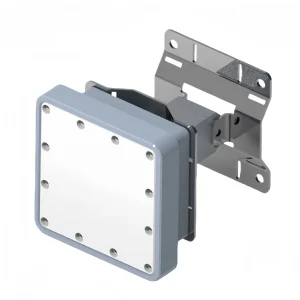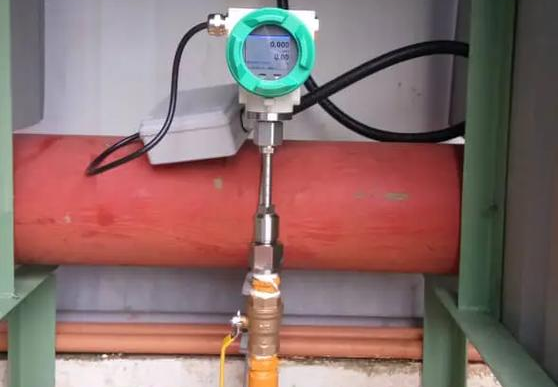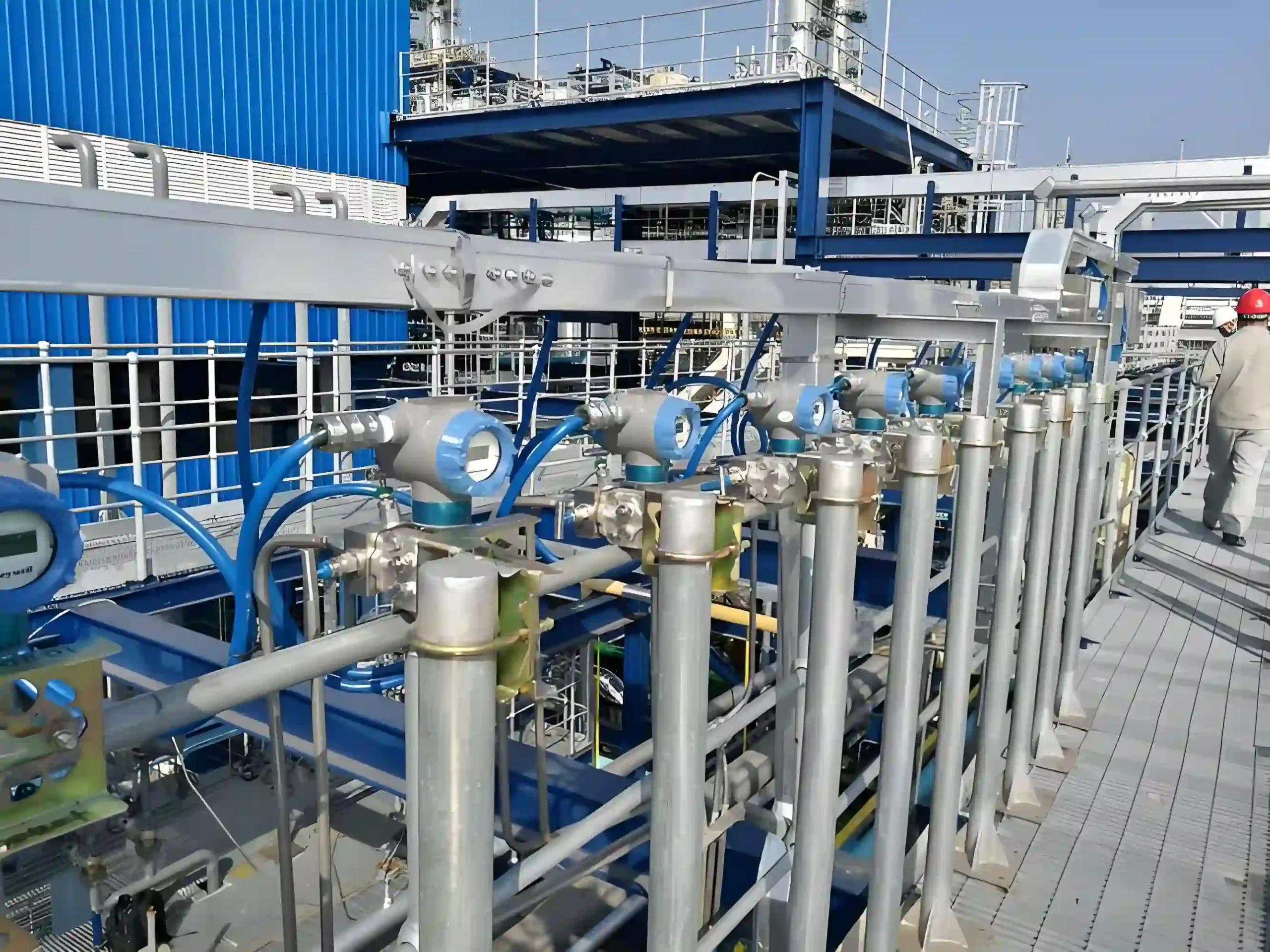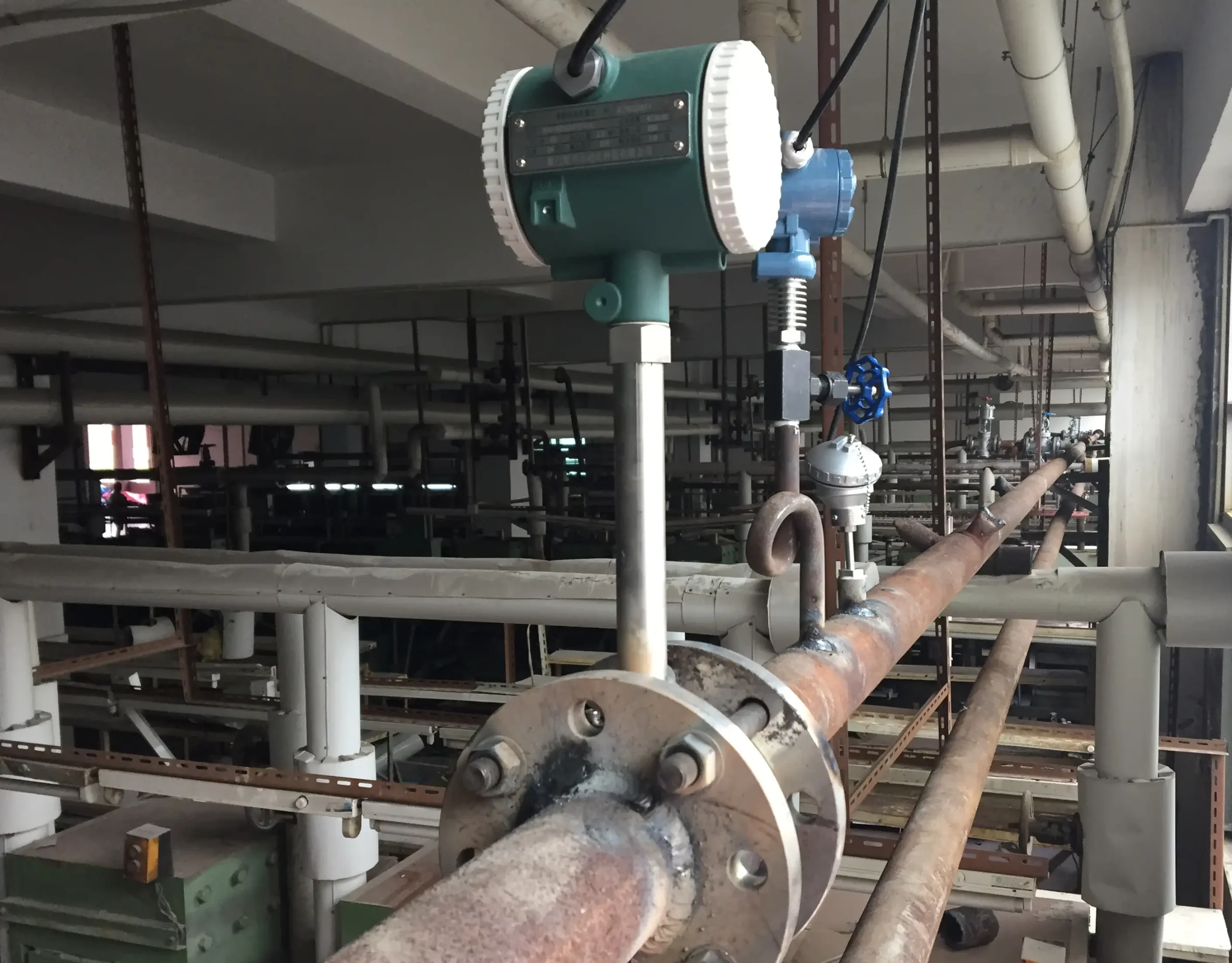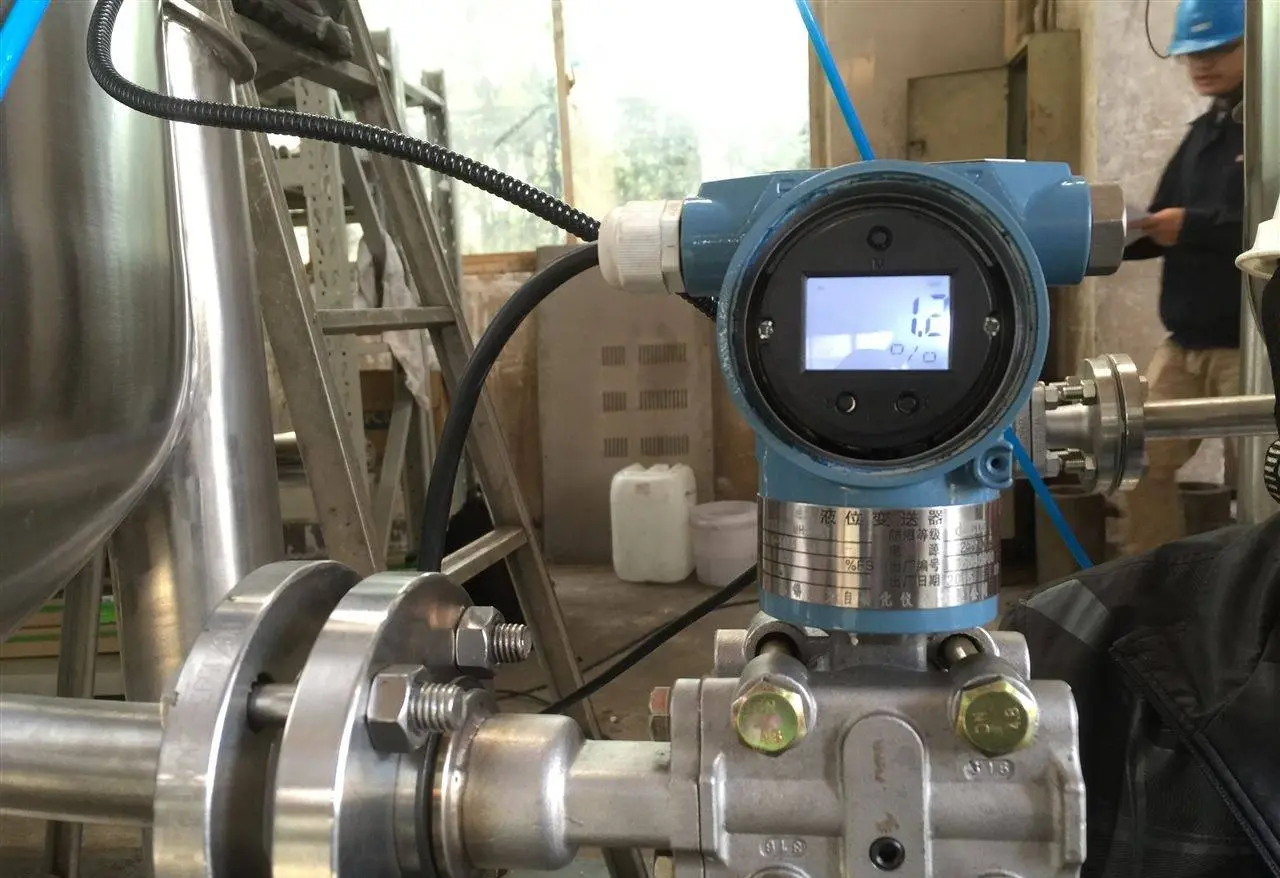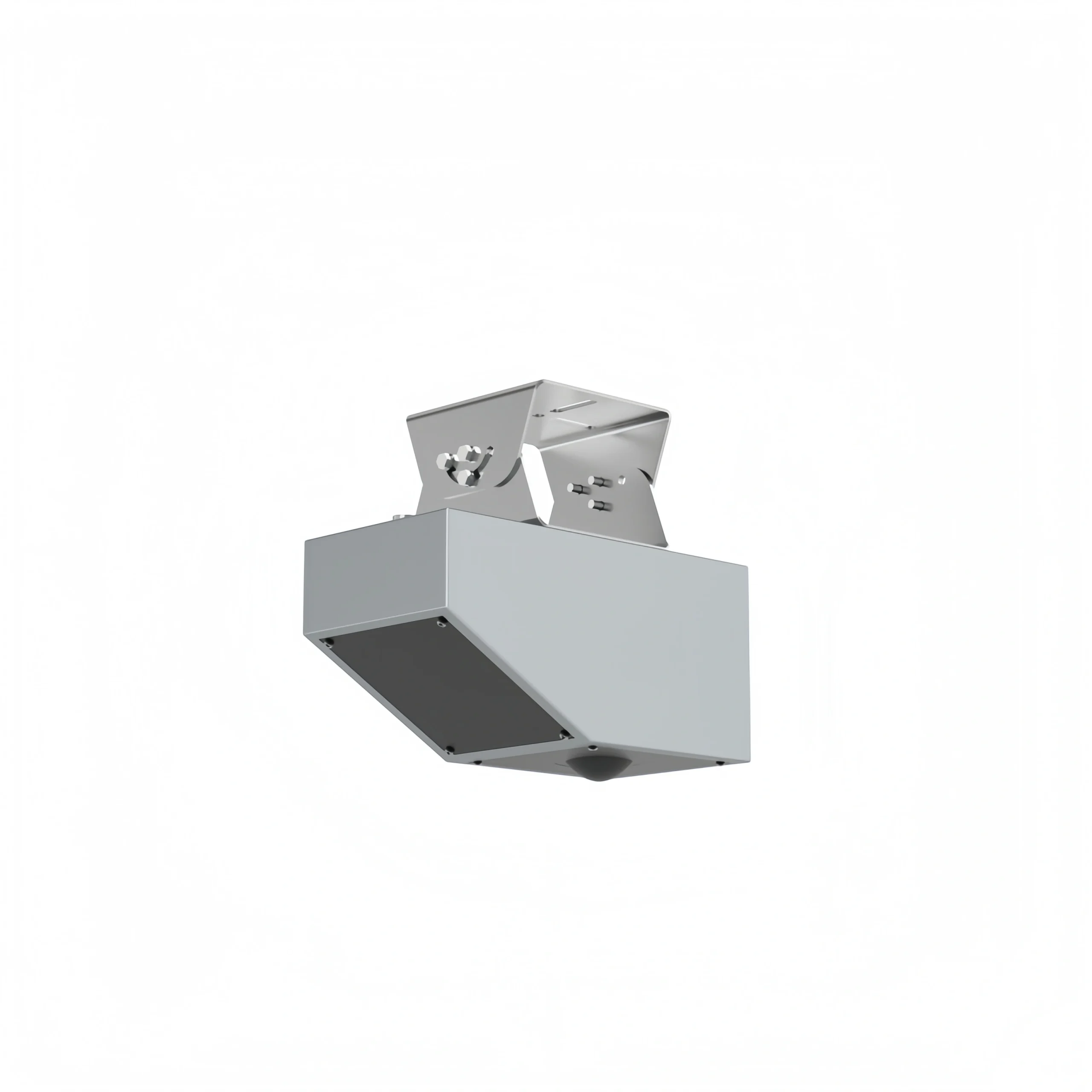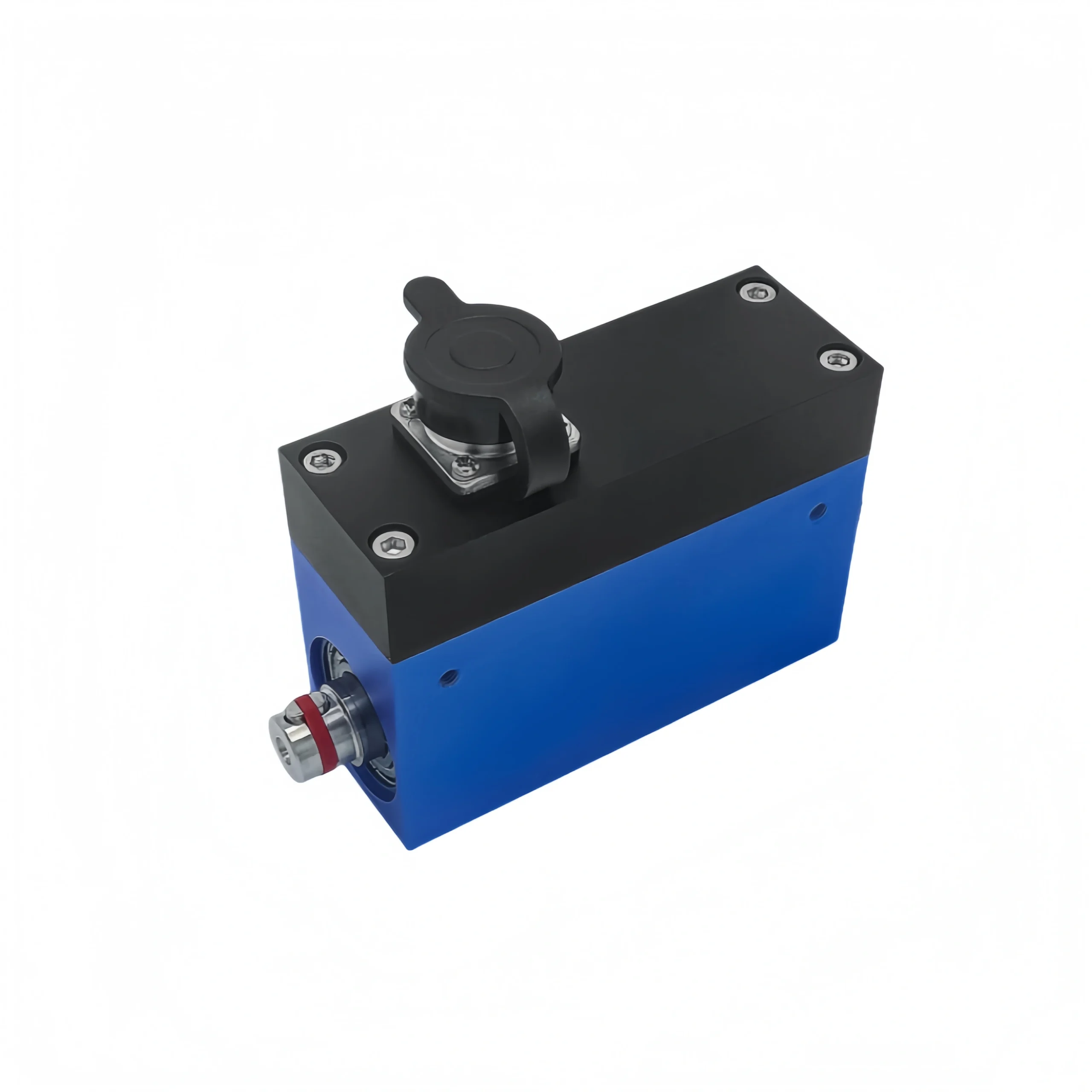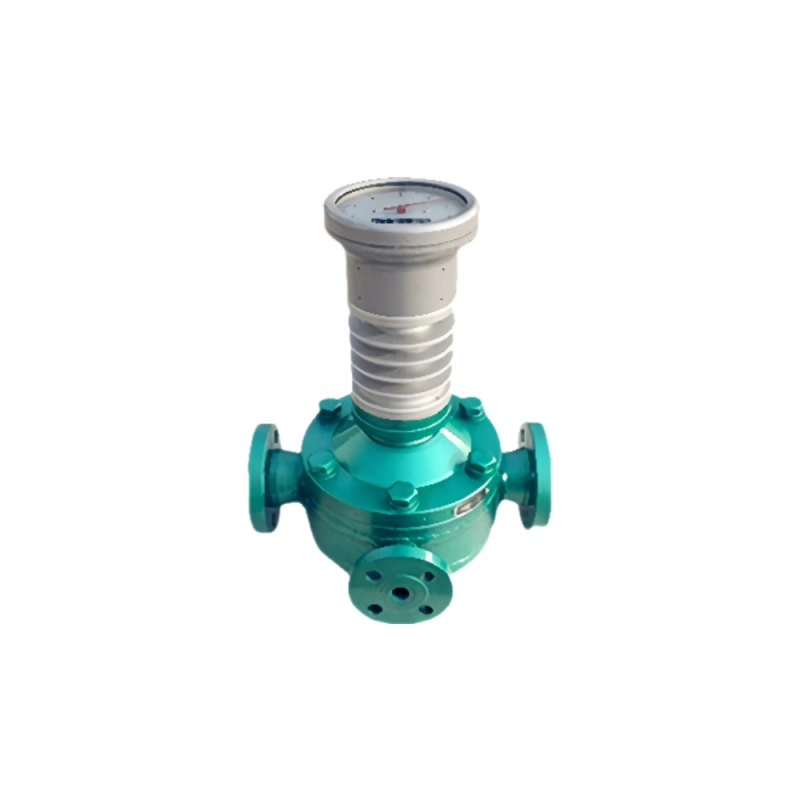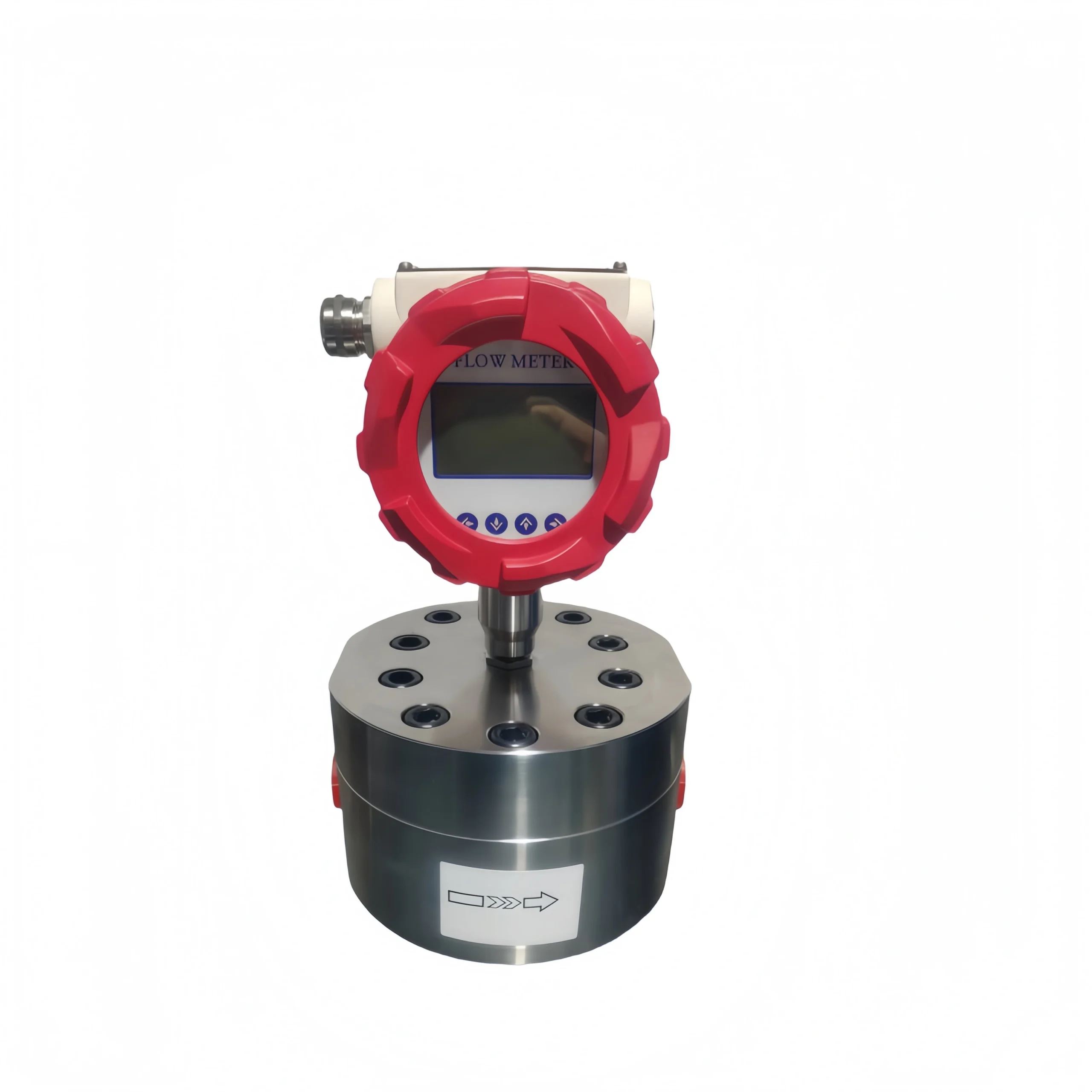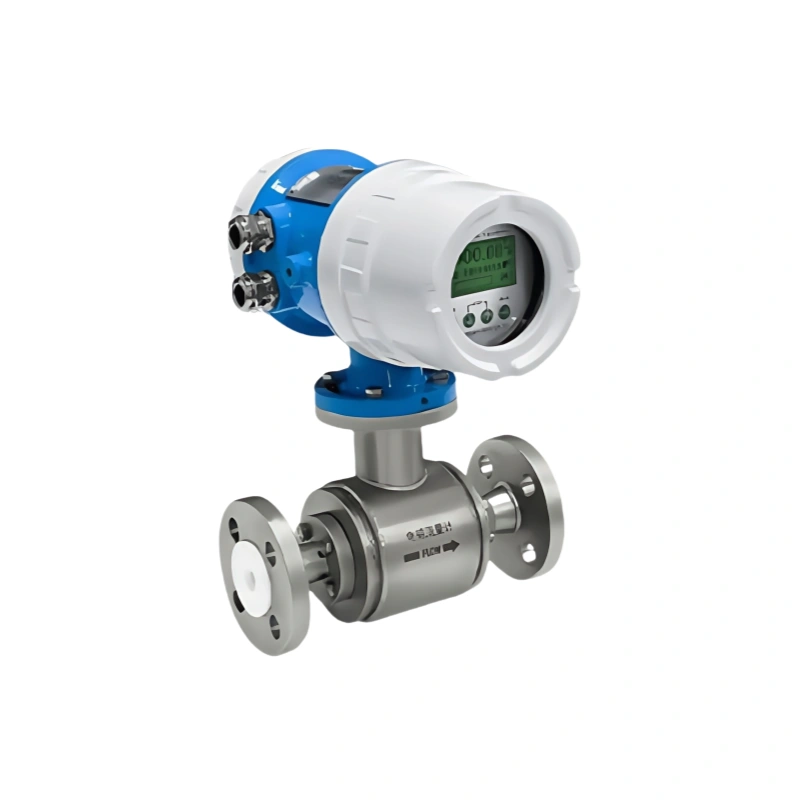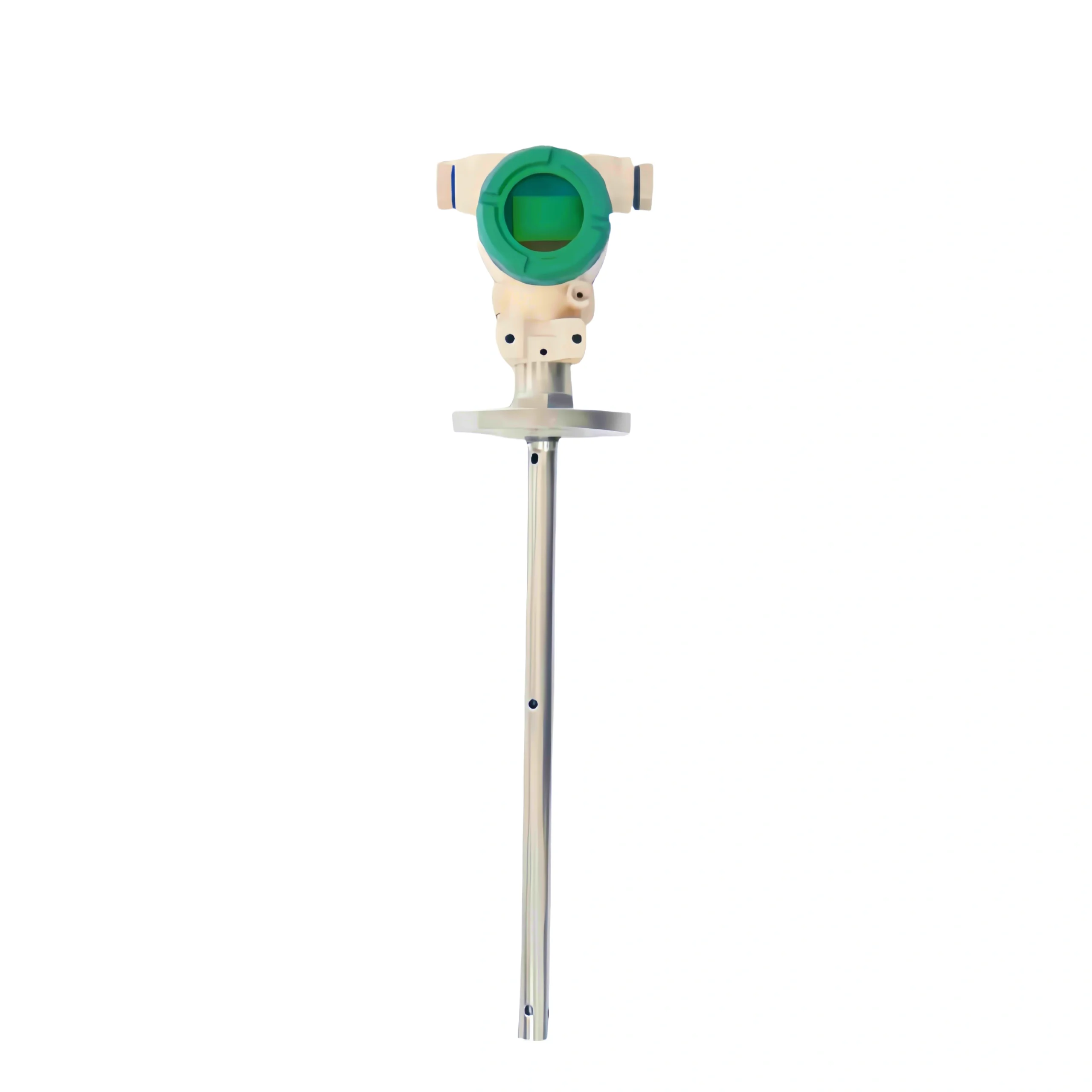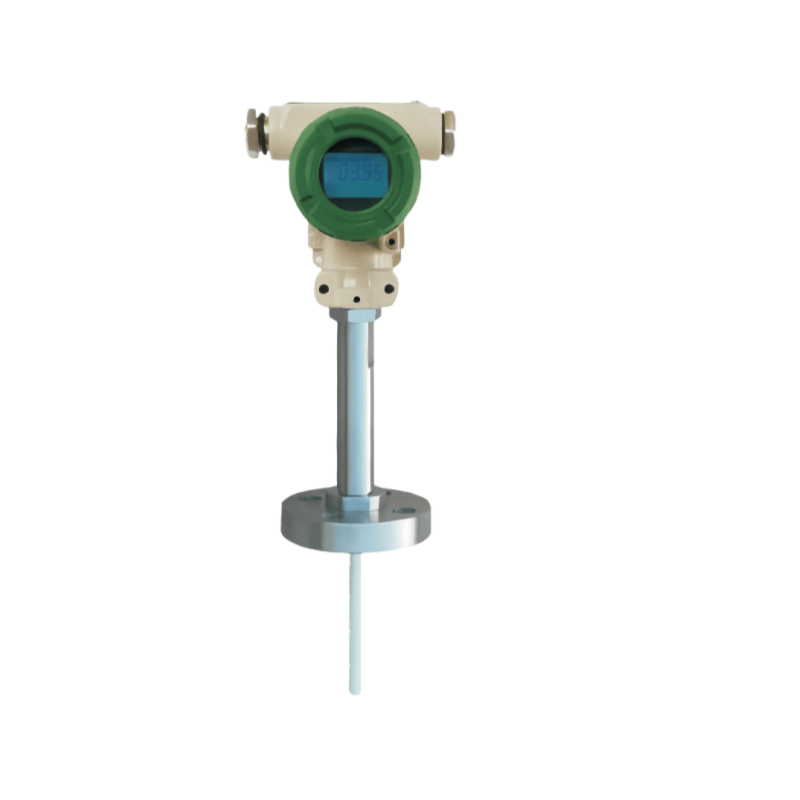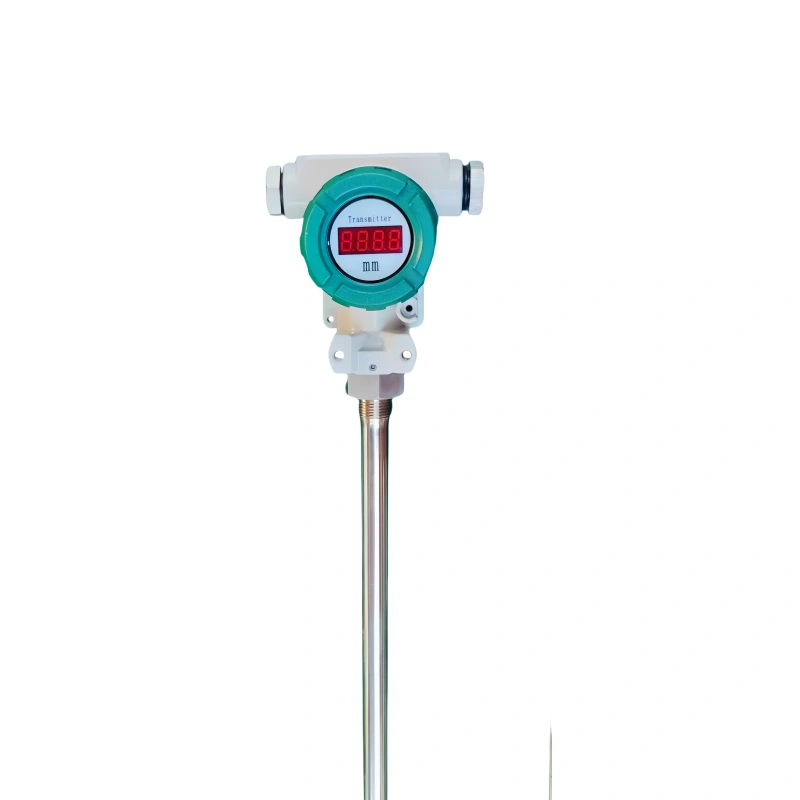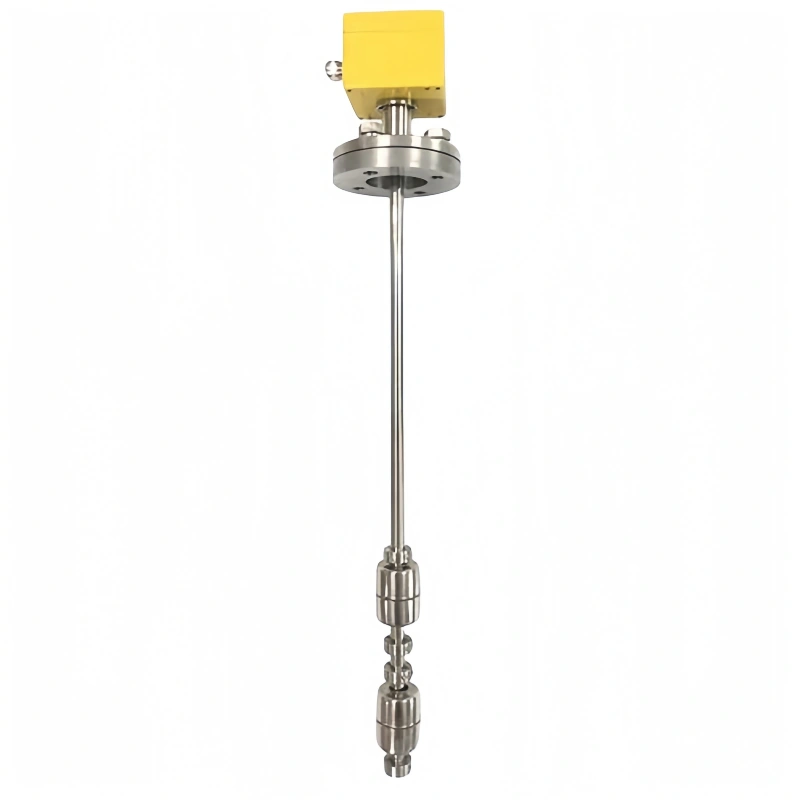
Ideally, we should be able to use liquid volume sensors to directly measure the volume of liquid in a container. Well, but in fact, there are no mature liquid volume sensor products on the market. Because liquid containers come in a variety of shapes. For example, cylinders, spheres, rectangles, cylinders, squares with hemispherical ends.
So why are we talking about liquid volume sensors here? Don’t worry, we don’t have mature liquid volume sensors. However, we have more than a dozen liquid level measurement methods, with different liquid level sensors. Combined with Sino-Inst’ s volume recorder. It can collect, display and convert the tank volume corresponding to various regular and irregular tank liquid levels in industrial sites. Suitable for monitoring, controlling and collecting various process parameters.
So how do we measure the volume of liquid in a container? Liquid level meter + volume recorder can achieve it.
Common Methods for Tank Volume Measurement
There are typically three methods for calculating storage tank volume: direct measurement, geometric calculation and level measurement.
Direct Measurement
This method involves filling or calibrating the storage tank with a liquid using standard measuring instruments to directly determine the actual volume. It is often used to check tanks, measure how much liquid there is in them, and to settle trade. The measurement results are always accurate and reliable, and can be used to calibrate other measurement methods.
Geometric Calculation Method
This method uses mathematical formulas based on the tank’s geometric shape and external dimensions to calculate the theoretical volume. It is suitable for tanks with regular shapes, such as cylinders, spheres and horizontal ellipsoids. All you need to do is measure the diameter, height and length to quickly calculate the total volume and the volume at different heights. This simple method can be used in many situations.
Liquid Level Measurement Method
This method first uses a level gauge to monitor the height of the liquid level within the tank in real time. This height is then converted into the current storage volume by combining it with the geometric parameters of the tank or a pre-calibrated volume table. This method enables continuous online monitoring; when combined with temperature and density compensation, it achieves higher accuracy and is the most commonly used method in industrial tank metrology.
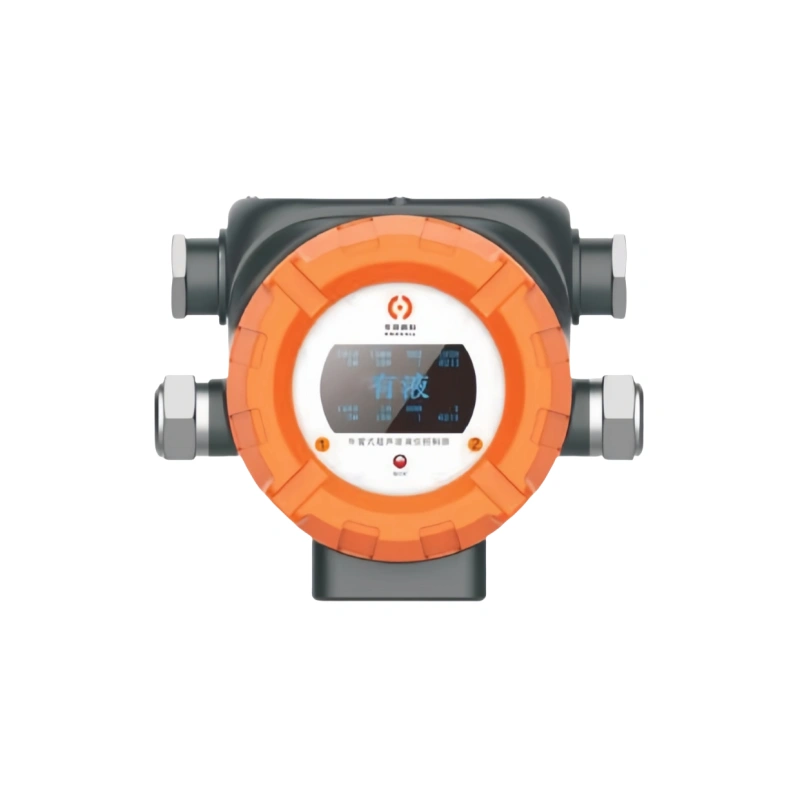
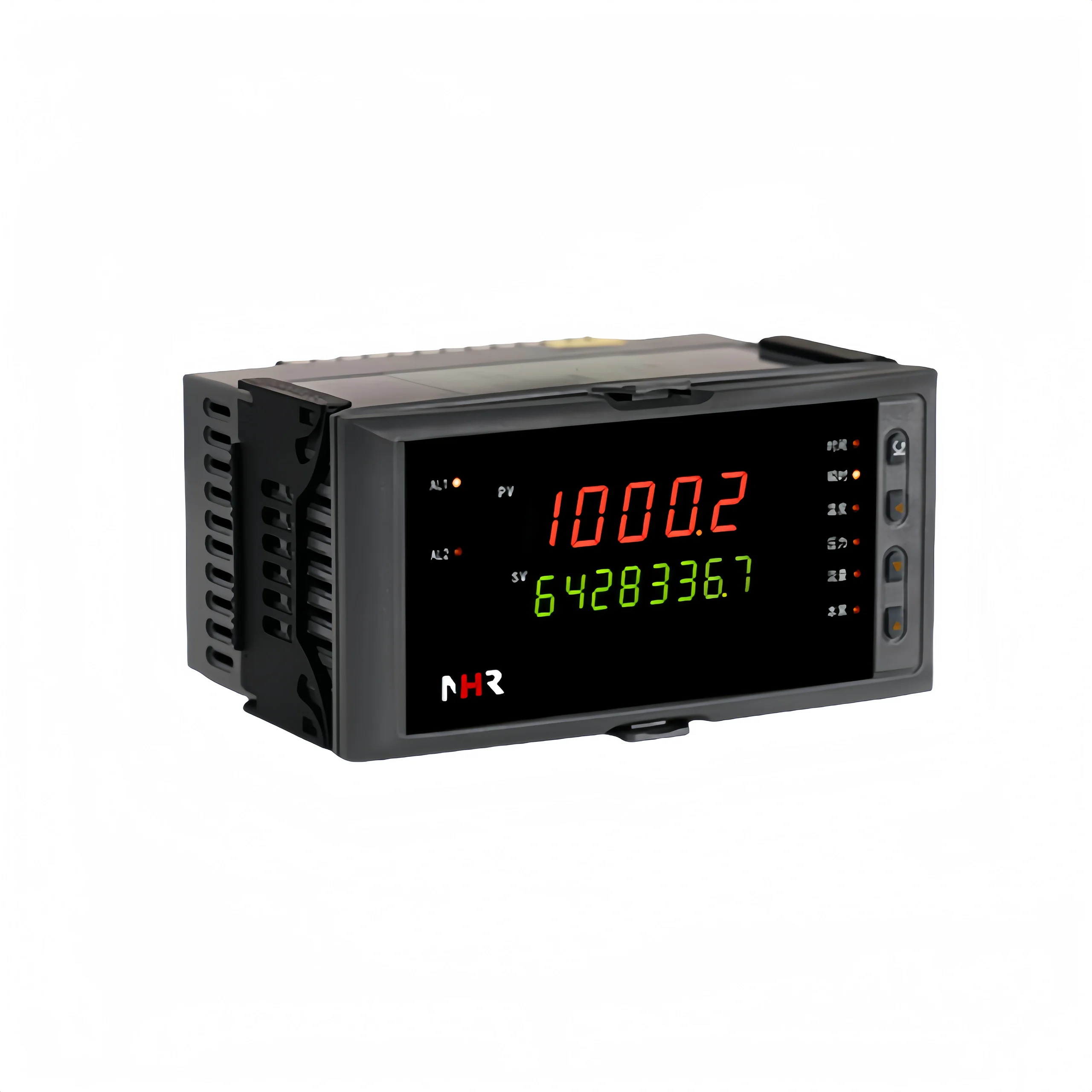
What is a volume display controller/recorder?
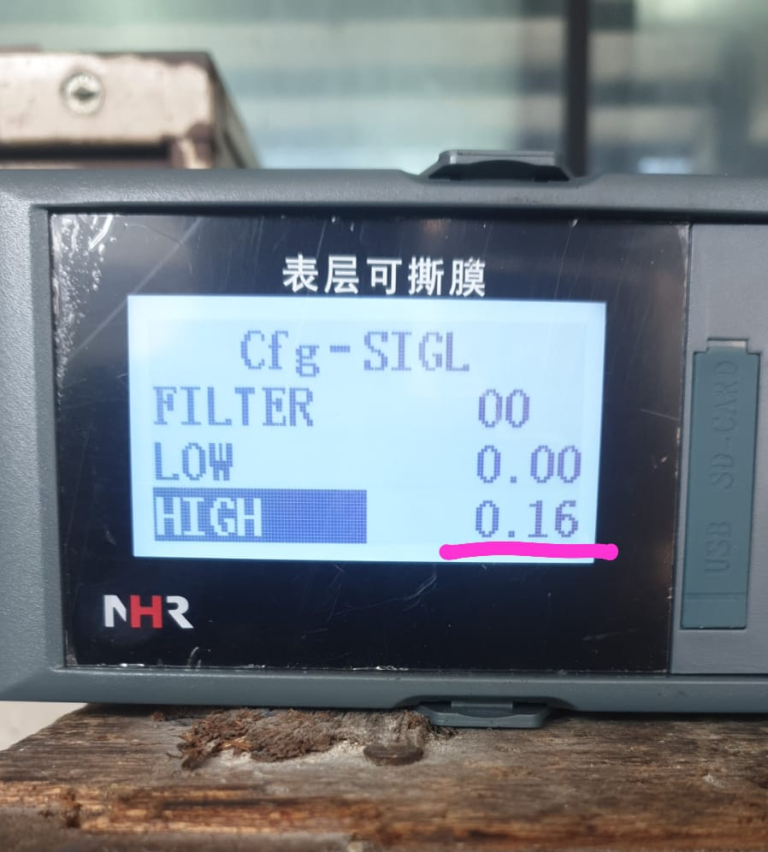
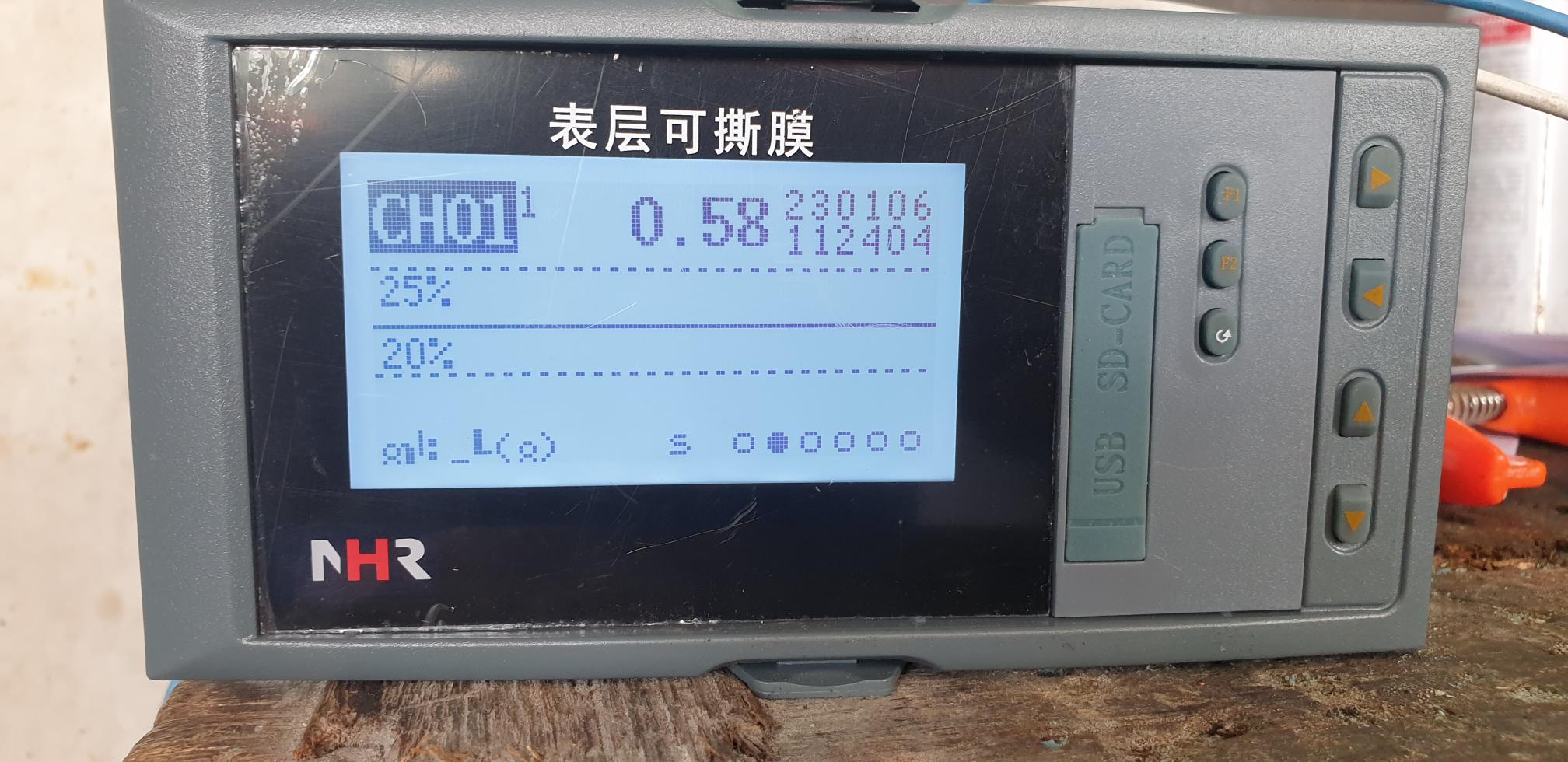
The volume display controller/recorder is a product designed to solve the conversion of regular and irregular tank liquid level, volume and mass in industrial sites.
It is based on a 32-bit ARM microprocessor and is equipped with a secondary instrument with high-speed AD and large-capacity memory. The instrument fully adopts surface mounting technology and adopts multiple protection and isolation design, with strong anti-interference ability and high reliability.
With USB data transfer function, the storage time can be up to 720 days; the historical curve of process quantity change or related historical data can be accessed at any time through the U disk and the upper computer analysis software. It can be used with a variety of liquid level sensors such as ultrasonic liquid level meters. The instrument also has good anti-theft and anti-destruction performance characteristics.
In actual operation, for tanks with complex or irregular shapes, it may be complicated to measure their volume. Therefore, it is necessary to combine the liquid level meter with the volume recorder to achieve the purpose of accuracy, speed and convenience. Volume display controller/recorder can be used for the conversion of liquid level, volume and mass of conventional and irregular tanks in industrial sites.
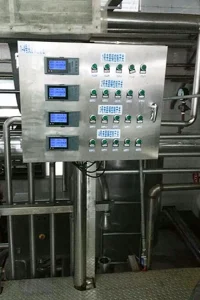
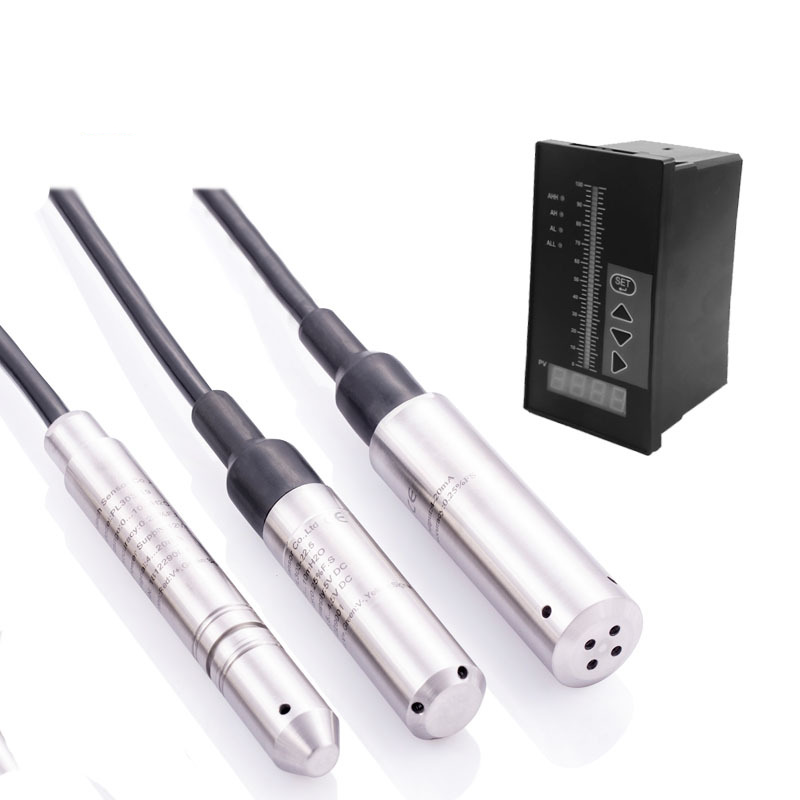
Types of Common Level Meters
There are many types of liquid level meters, the commonly used ones are as follows:
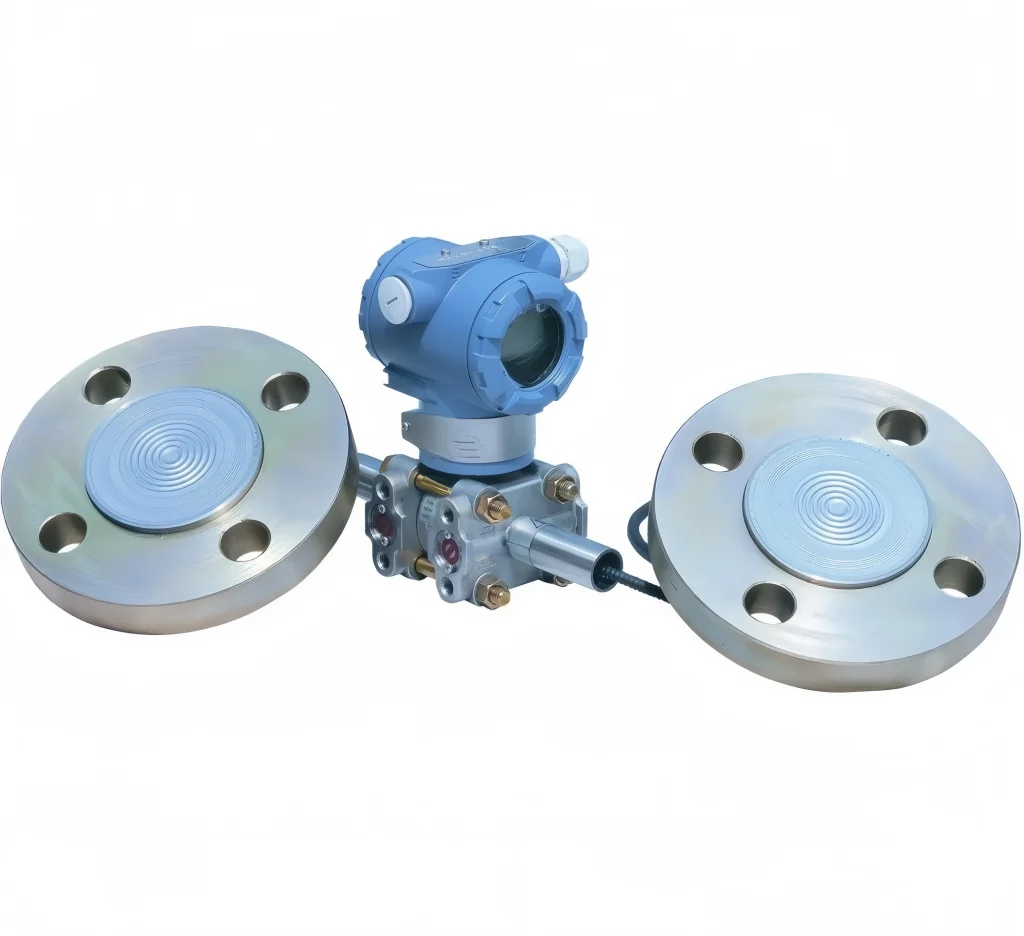
Hydrostatic Level Transmitter
It is a pressure sensor that measures liquid level, which indirectly reflects the amount of liquid in the measured container by measuring the static pressure of the liquid. The static pressure level gauge has the advantages of wide applicability, very convenient operation, customization on demand, and improved production efficiency.
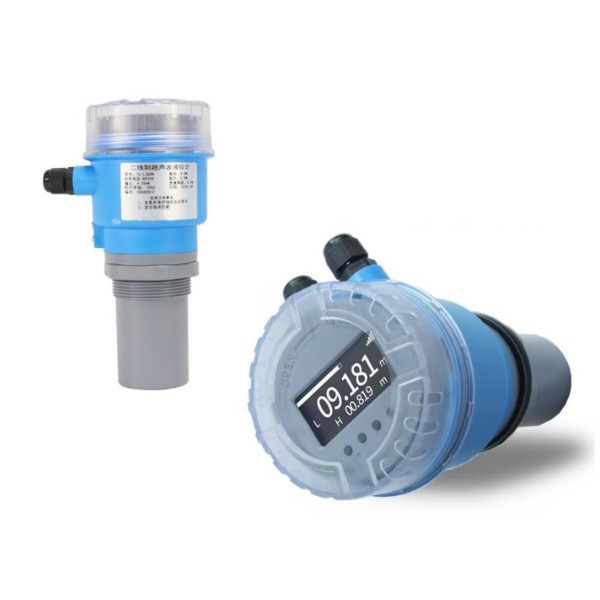
Ultrasonic Level Transmitter
Ultrasonic level transmitters are a popular class of non-contact, cost-effective, continuous level measurement instruments. Suitable for sealed tanks, open pools or other containers. Non-contact measurement, stable and reliable operation. Not easily affected by the viscosity and density of the liquid. High cost performance and low maintenance cost.
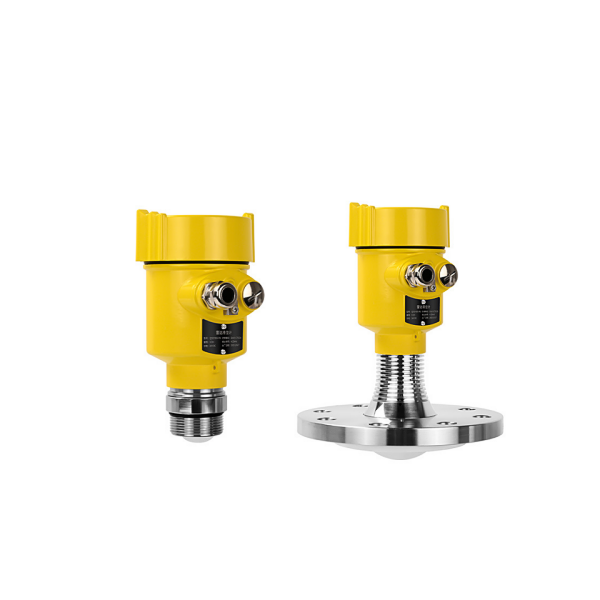
Radar Level Meter
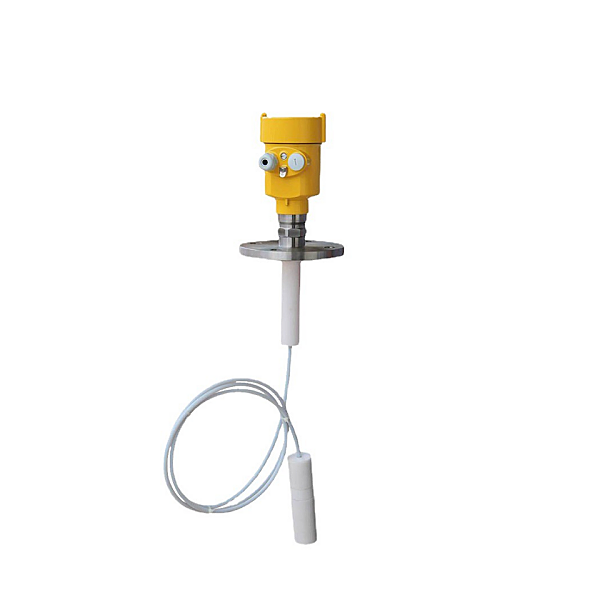
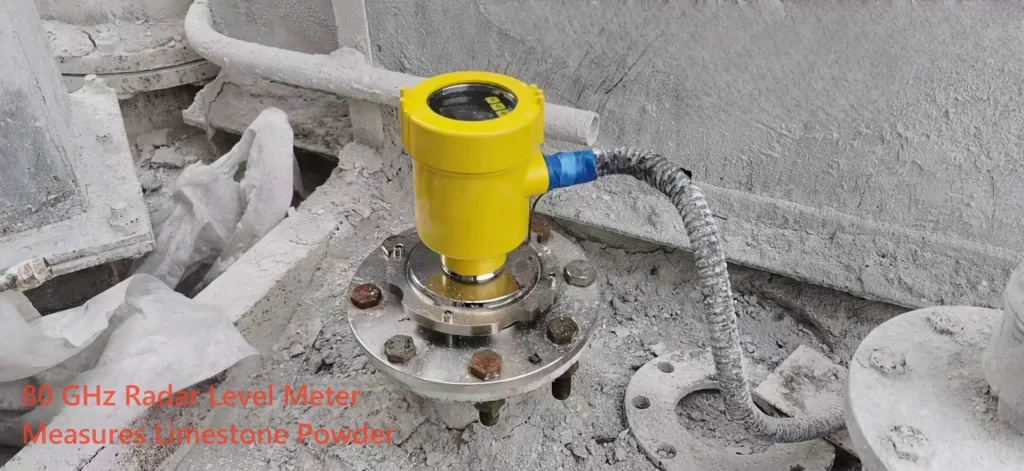
Radar Level Meter, also called radar level transmitter, is a type of efficient and accurate level measurement device. Various measuring ranges can be configured. Up to 150m;Measurement is not affected by temperature, pressure and dust; Different antenna types are available.
How to measure the volume of liquid tank?
Installation of liquid level meter
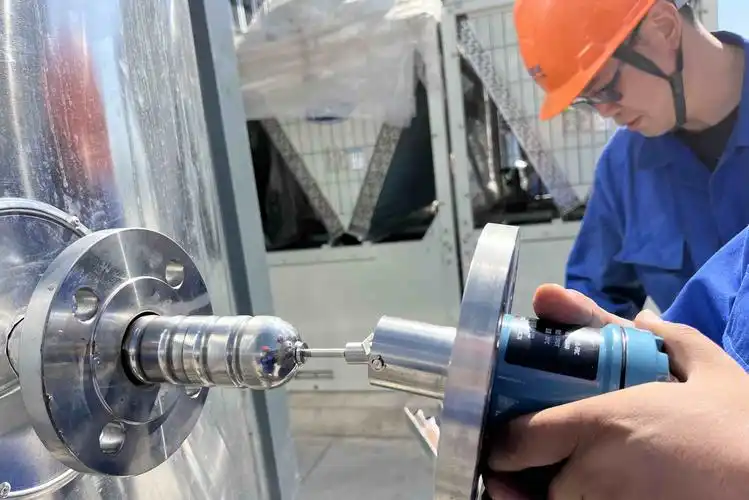
When we choose a level meter, we must pay attention to the installation method. Flange mounting and thread mounting are commonly used.
Flange mounting is a way to install the level meter on the top or side of the container through a flange connection. The connection between the level meter and the container is usually completed by gaskets and flange bolts.
This method is suitable for level meters of various sizes, and because the flange connections used must strictly comply with the design standards, attention to detail is required during installation. In addition, the flange connection needs to be regularly maintained to ensure its safety and reliability.
There are many ways to install threads, and manual assembly and mechanical assembly are the two most commonly used methods. When installing threads, you need to choose appropriate tools and equipment, and pay attention to safety and operating skills. If you encounter problems, you need to solve them in a timely manner to ensure the normal use of the threads.
Installation of volume recorder
The instrument should be installed as far away as possible from motors, transformers and other places with impact, vibration and electromagnetic interference. When installing the instrument, try to keep it horizontal and do not tilt it left or right. The ambient temperature of the installation location should be between 0 and 50°C, and the relative humidity should not exceed 85%RH. It is not easy to produce condensation, corrosive gas or flammable gas.
The selection of cables, installation of instruments and electrical connections must comply with VD0100 “Regulations on installation of circuits below 1000V” or local regulations.
★ Electrical connections must be made by professionals.
★ Fuses should be used in load circuits to protect relay contacts from automatically cutting off the circuit when short circuits or current exceeds the maximum capacity of the relay.
★ Input, output and power supply should be wired separately and avoid parallel connection.
★ Do not connect any other loads to the power supply terminals of the instrument.
★ Shielded twisted wires should be used for sensors and communication lines.
Wiring and Setup
After the level meter is installed, we need to connect the level meter and the volume recorder in the same way.
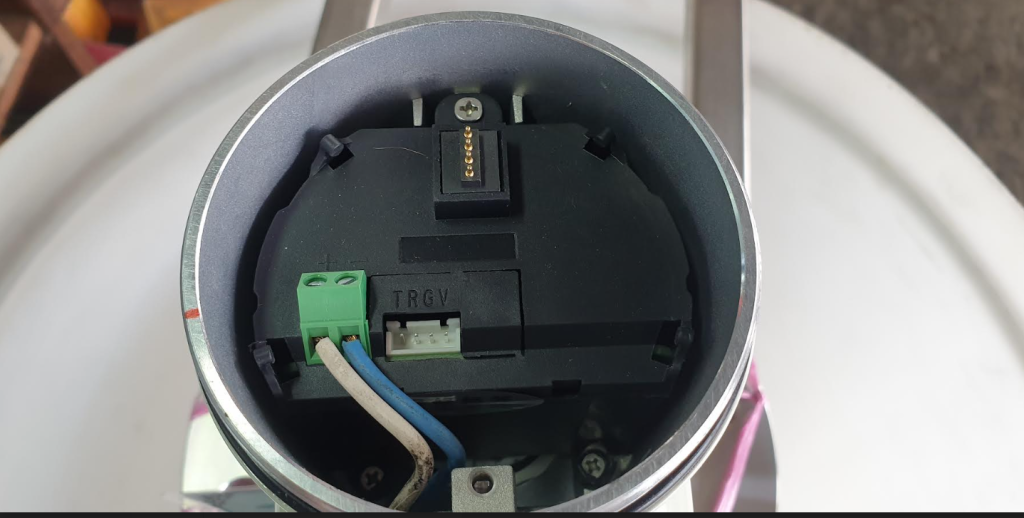
Generally, the level meter has a signal output. For example, the common 4-20mA. The level meter has a signal output terminal. There are also many terminals on the back of our volume recorder.
Then, we need to connect the terminals of the level meter and the terminals of the volume recorder accordingly.
Then, we set the parameters in the volume recorder according to the actual tank situation. In this way, you can successfully display the real-time level value, volume value, and even mass value on the volume recorder.
Can a level meter be used to measure volume? Of course.
A level gauge cannot measure volume directly. Its main job is to detect changes in the height of liquid in a container.
To calculate the volume of a liquid, you need to know its height above the container’s fixed geometric dimensions. This is the distance from the surface of the liquid to the fixed geometric dimensions of the container (e.g. the diameter and cross-sectional area of a tank).
For regular-shaped containers (such as cylindrical or rectangular tanks), there is a linear relationship between liquid level and volume; when paired with a calculation module, the volume can be accurately determined. For irregular-shaped containers, conversion must be performed using calibration curves or volume tables.
Some smart level transmitters have built-in volume conversion functions; after inputting the container parameters, they can display the volume directly, although this is essentially the result of the level signal being converted via an algorithm.
If the container is tilted, deformed, the medium density varies, or the tank is not fully filled, relying solely on the level transmitter will result in errors. To measure the volume more accurately, density compensation or volume calibration is required.
We, Sino-Inst, have been focusing on providing liquid level measurement solutions for users in various industries for many years. Our level meters are of various types and can meet the measurement of various regular or irregular tanks! If you need to measure the tank volume or liquid level, please contact our sales engineer for consultation!