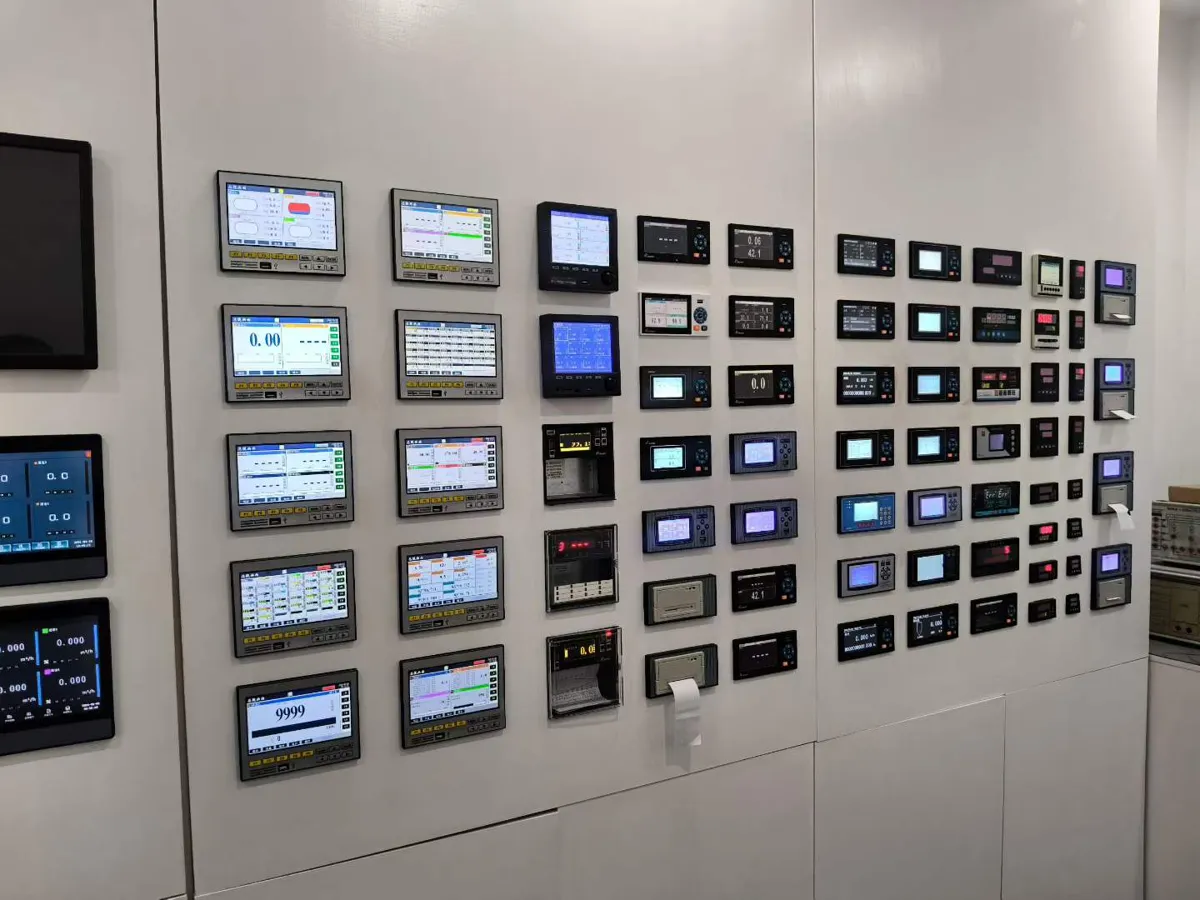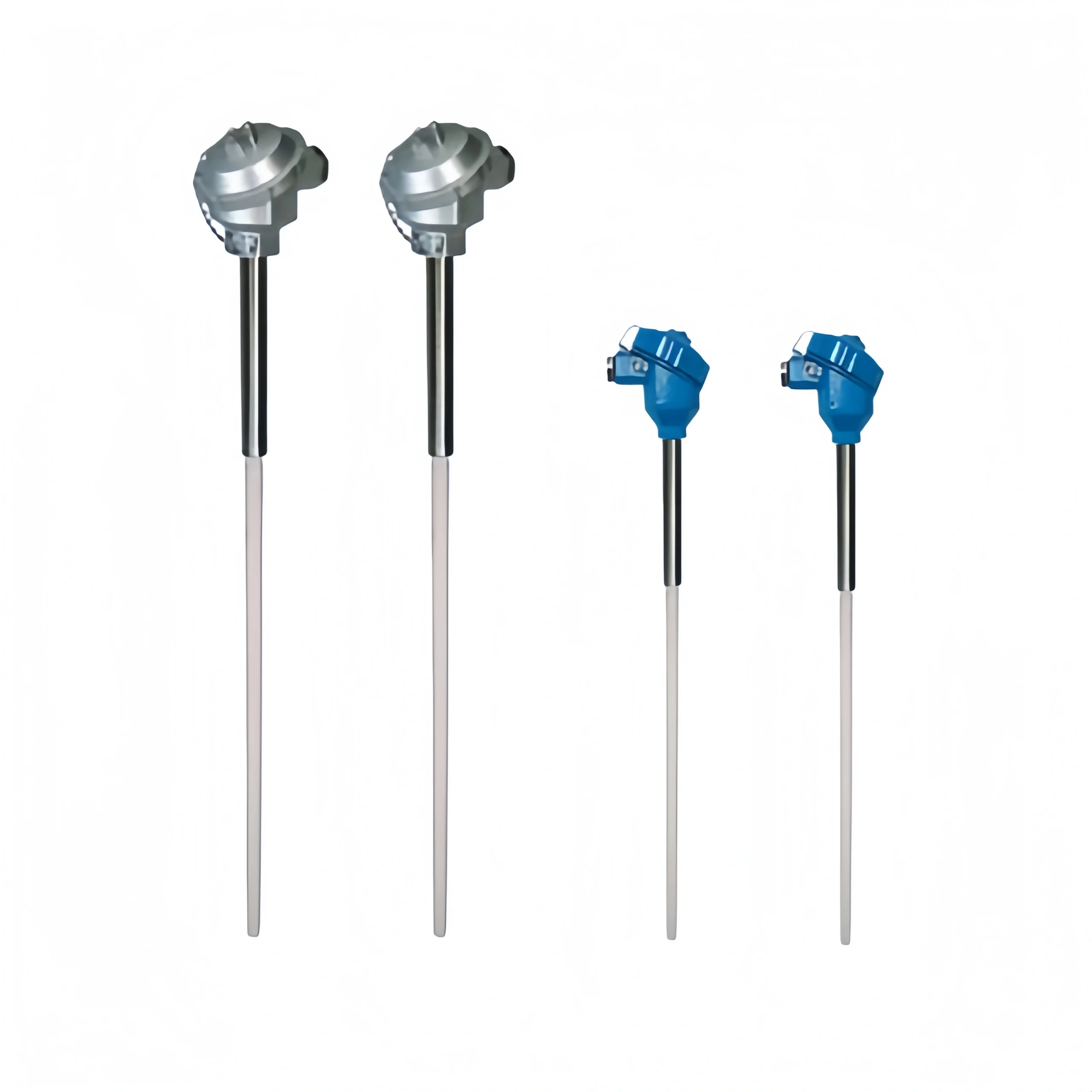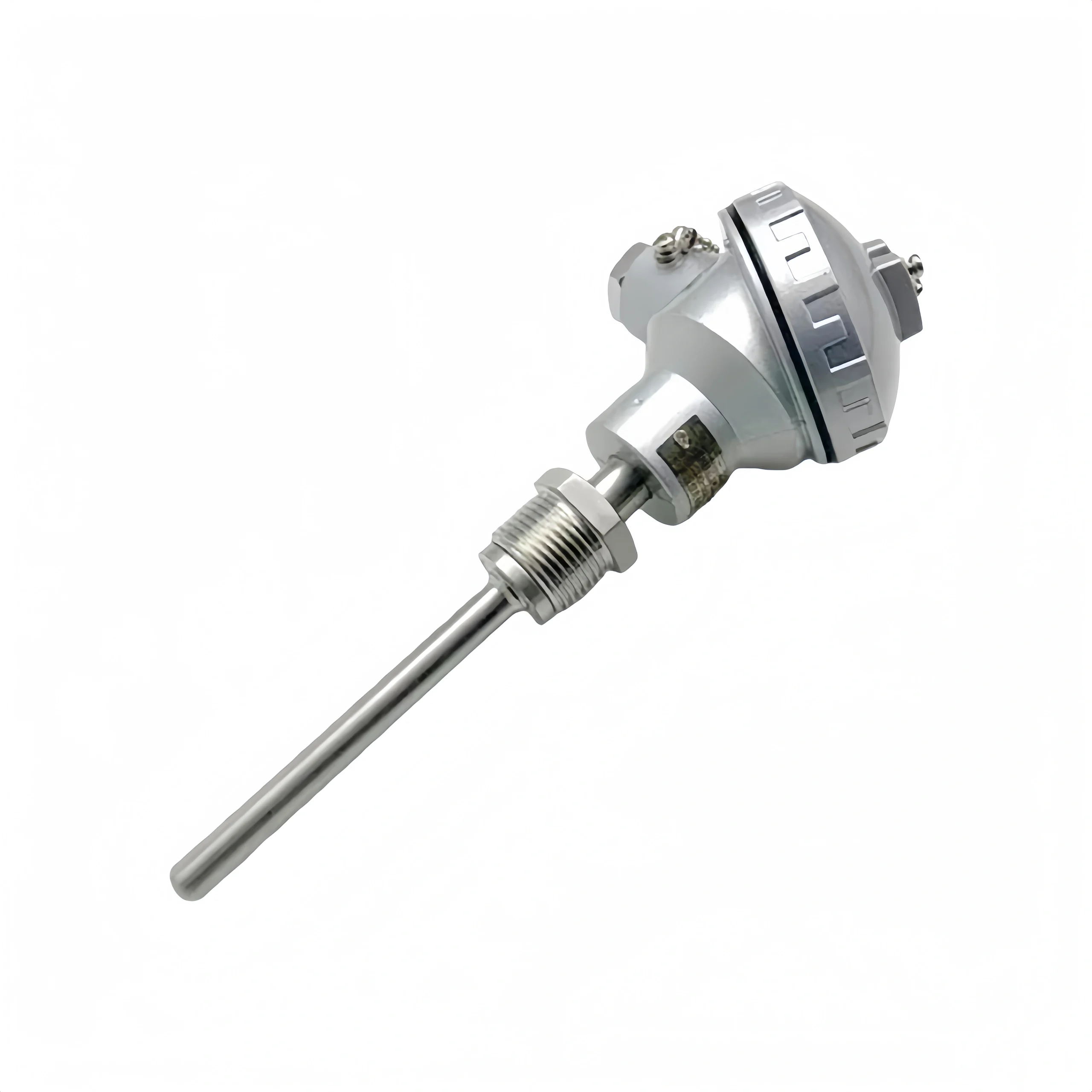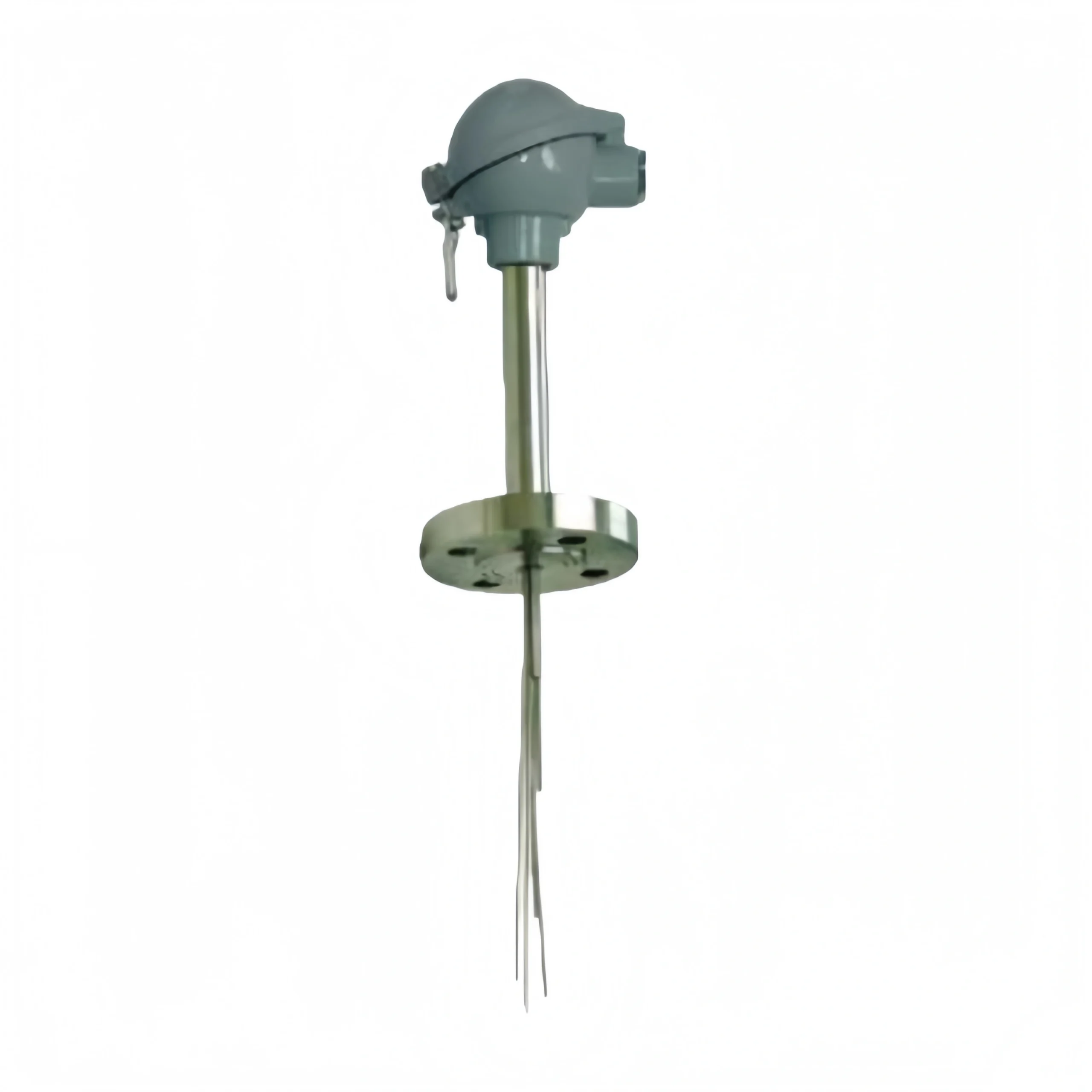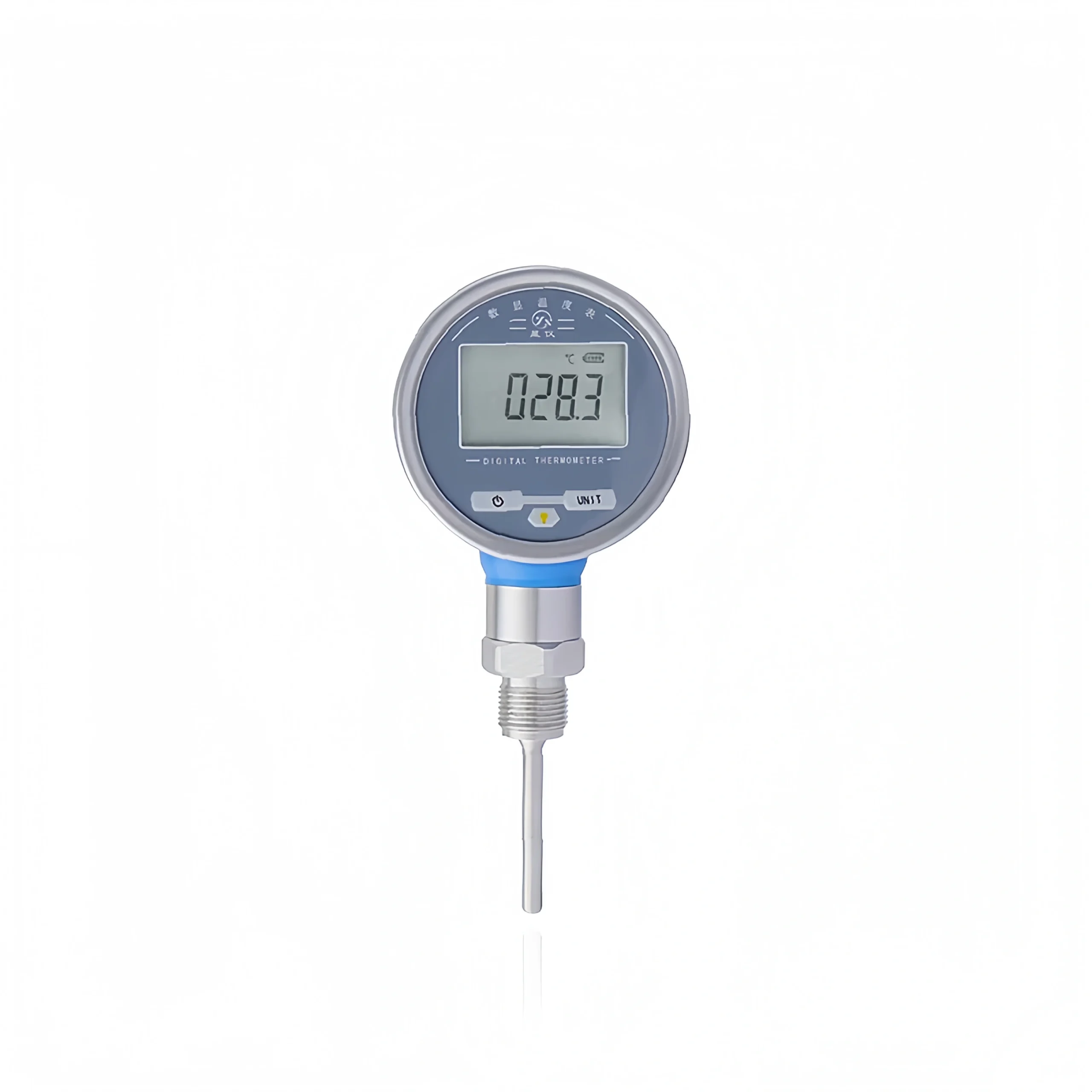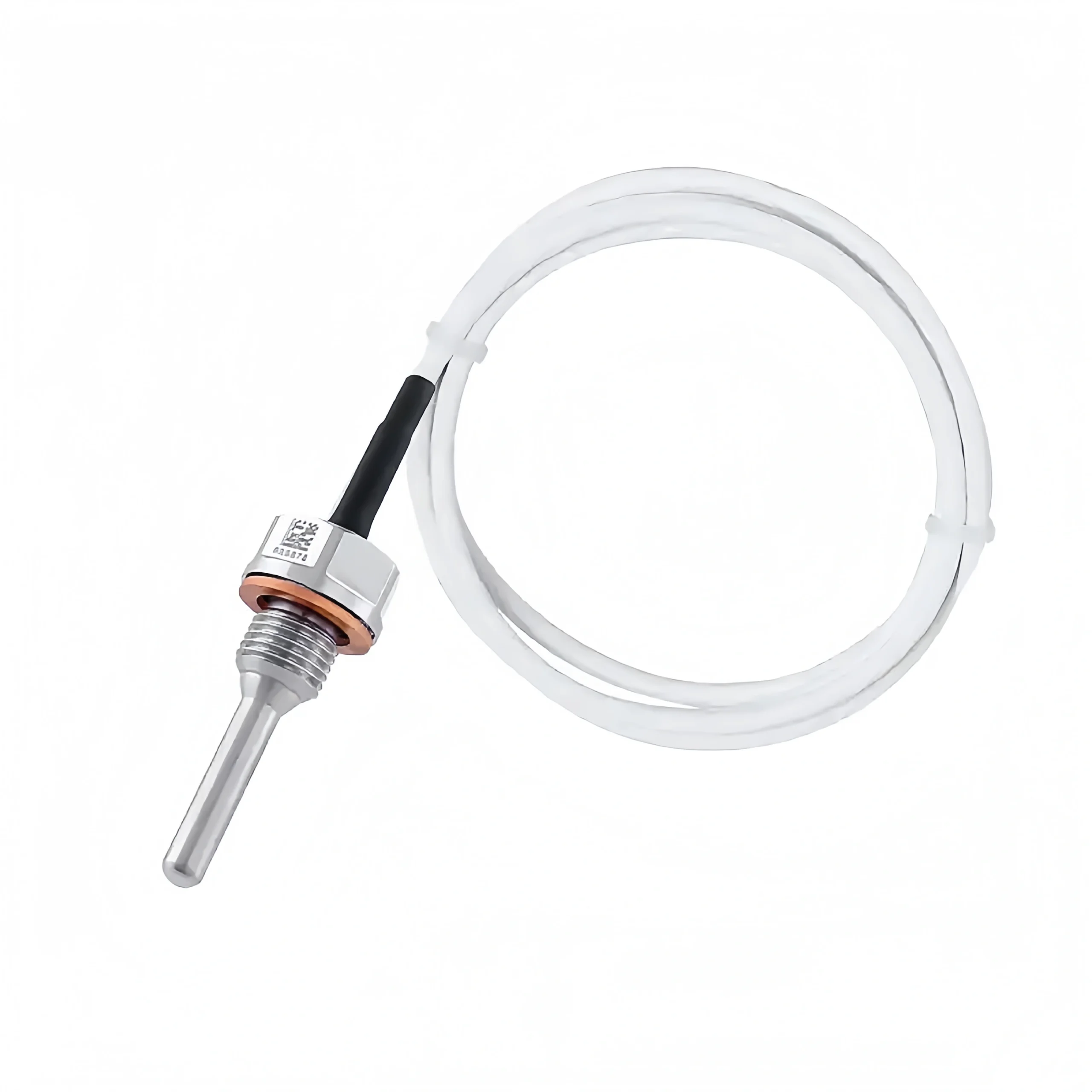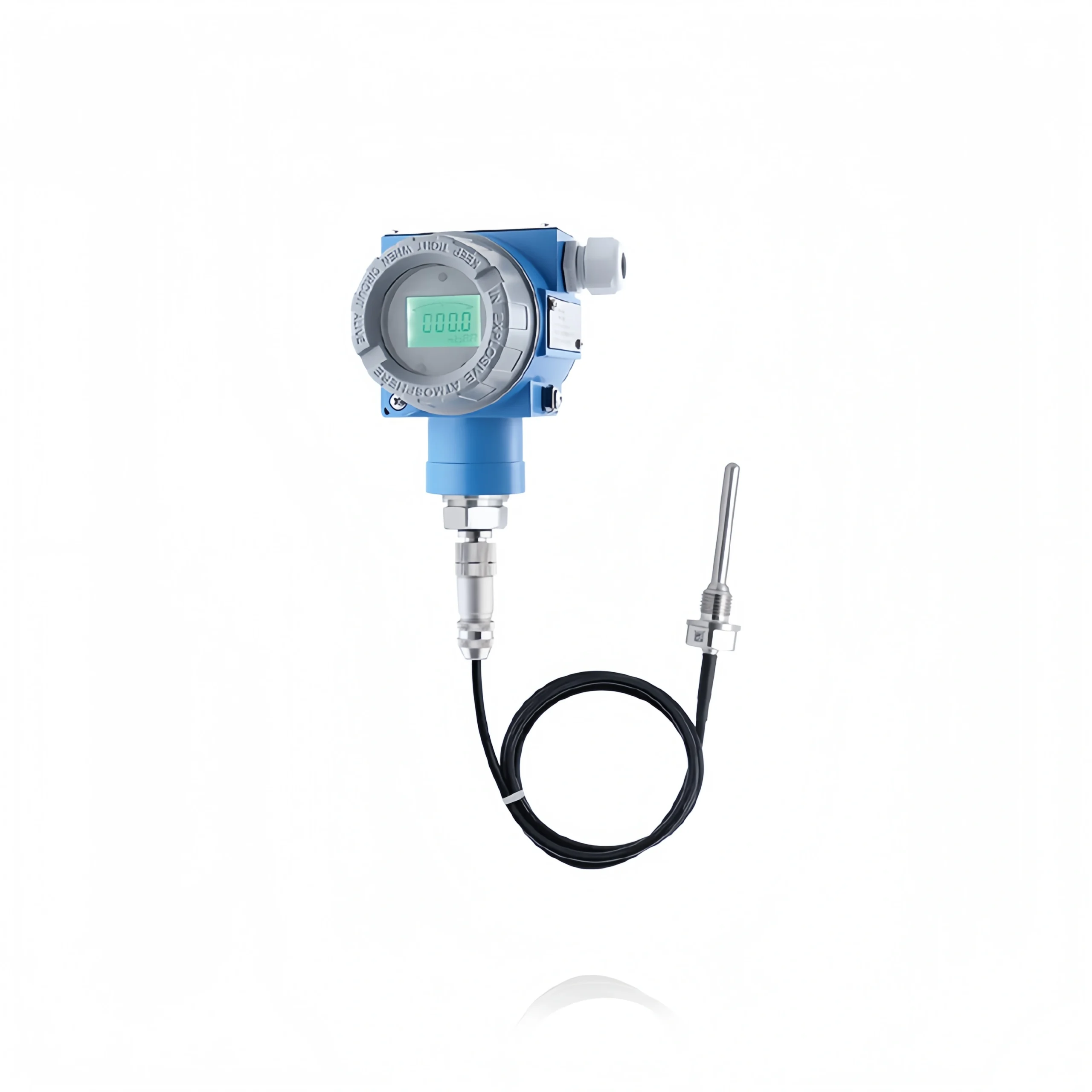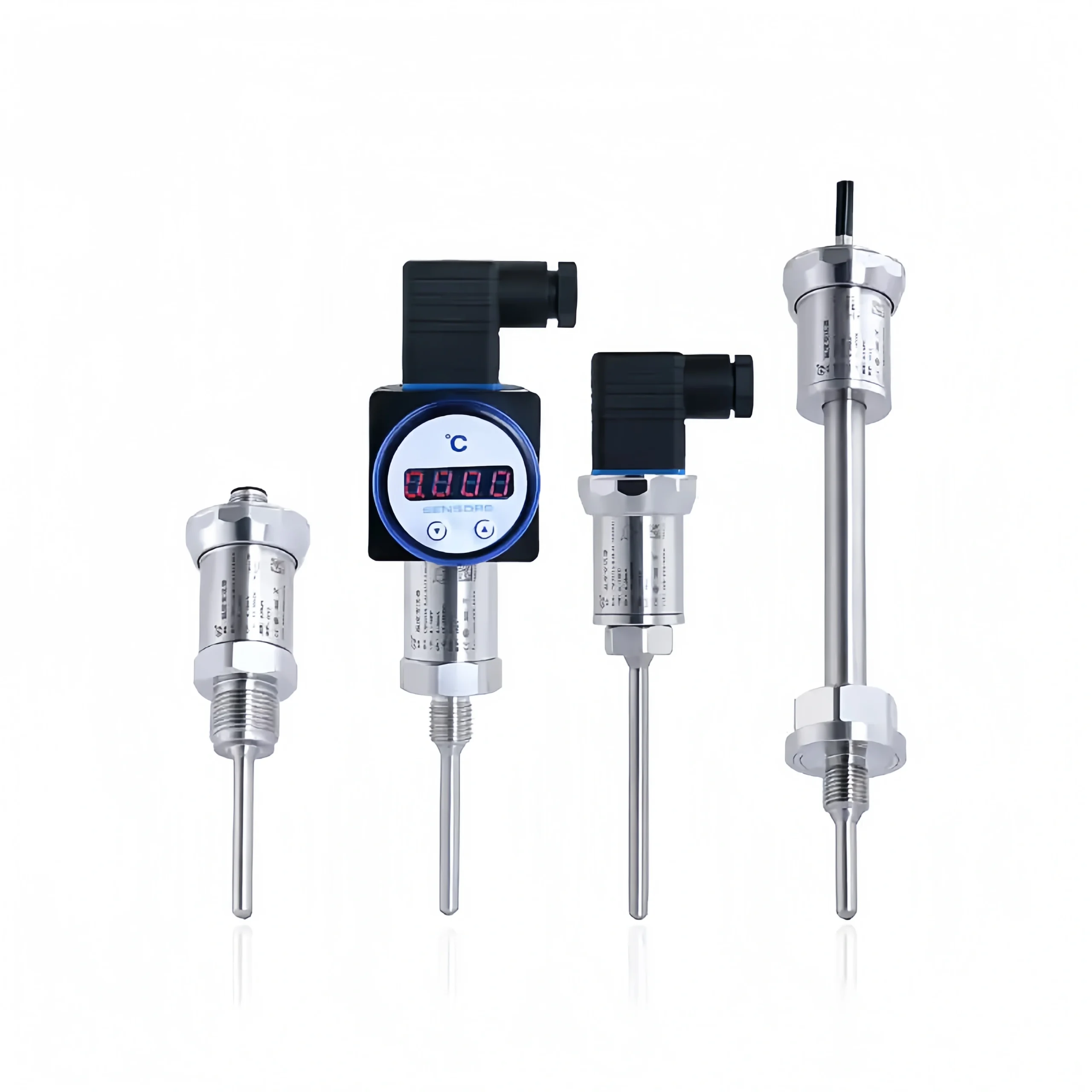
Resistance-based temperature measurement is the most commonly used solution in industrial process control. Although RTDs and thermistors both operate on the principle of resistance-based temperature measurement, they differ fundamentally in terms of linearity, temperature range, stability and sensitivity.
Incorrect selection often leads directly to measurement drift, increased calibration costs or closed-loop control errors. This article compares the core characteristics of the two, providing a clear basis for selecting temperature sensors for on-site applications.
What is an RTD?
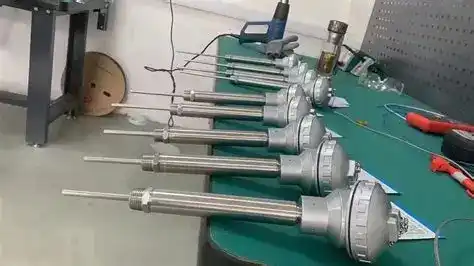
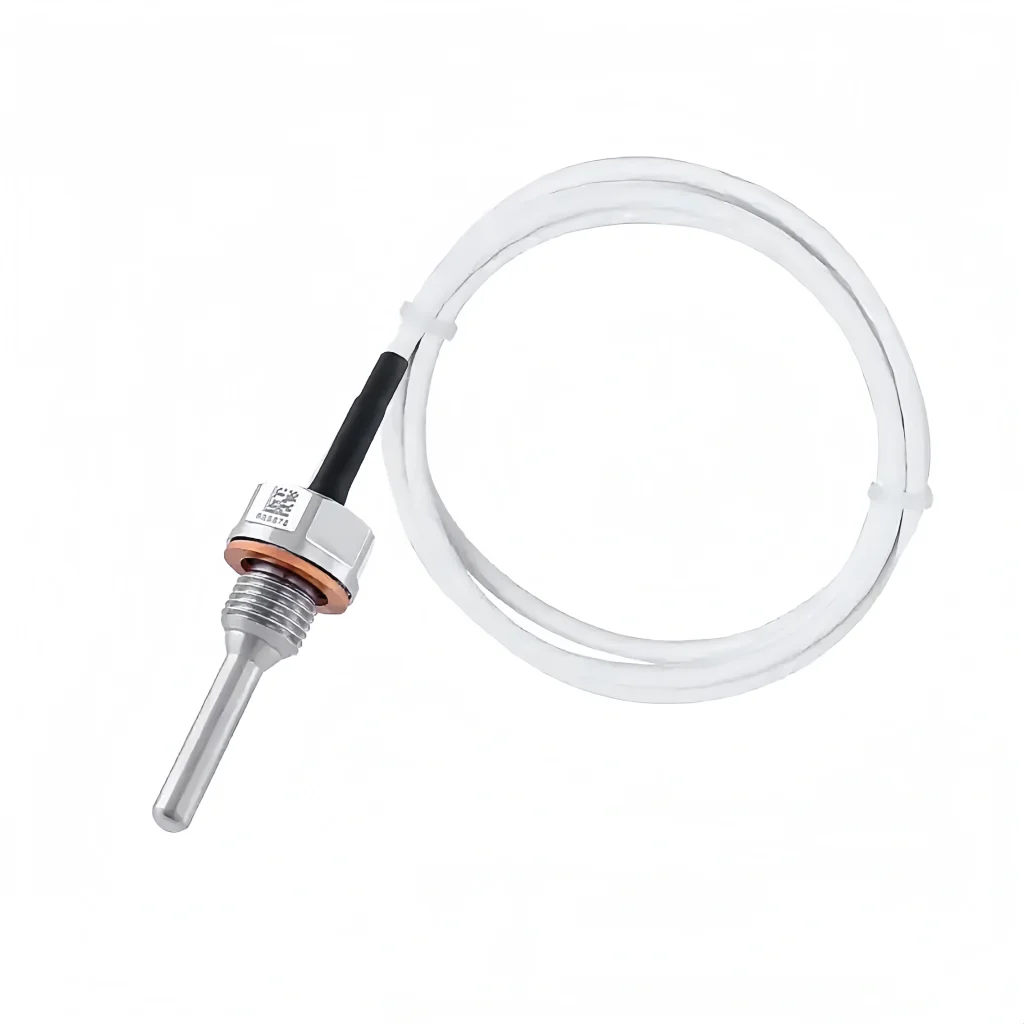
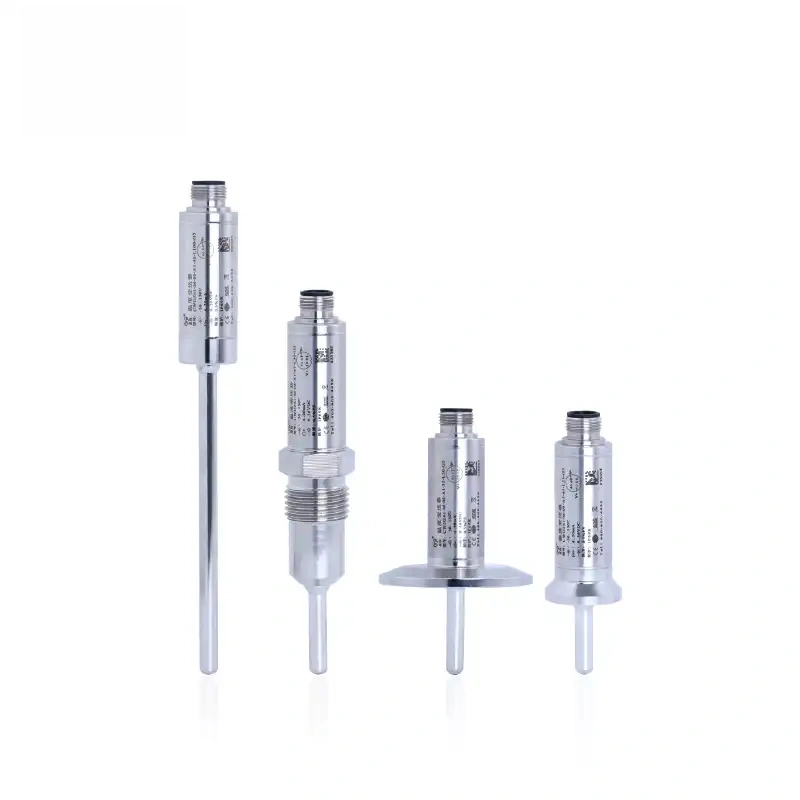
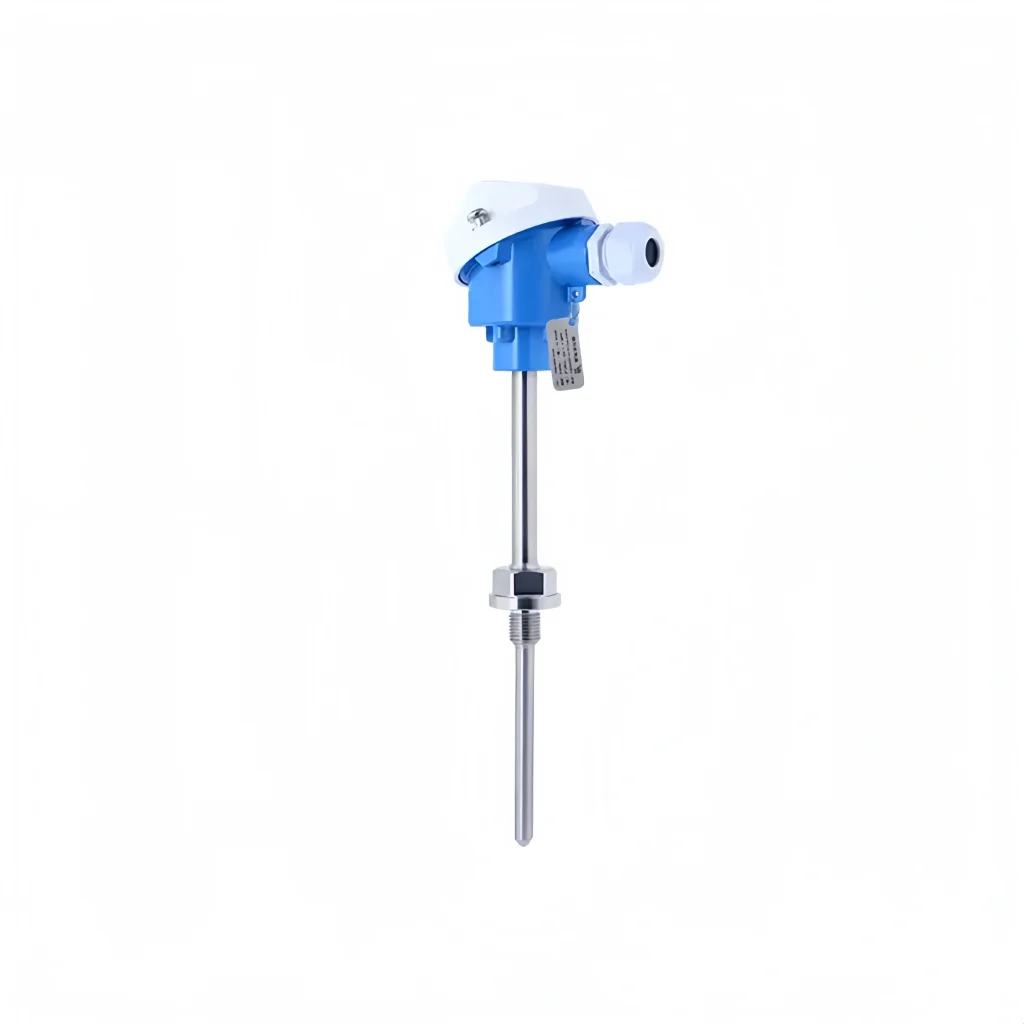
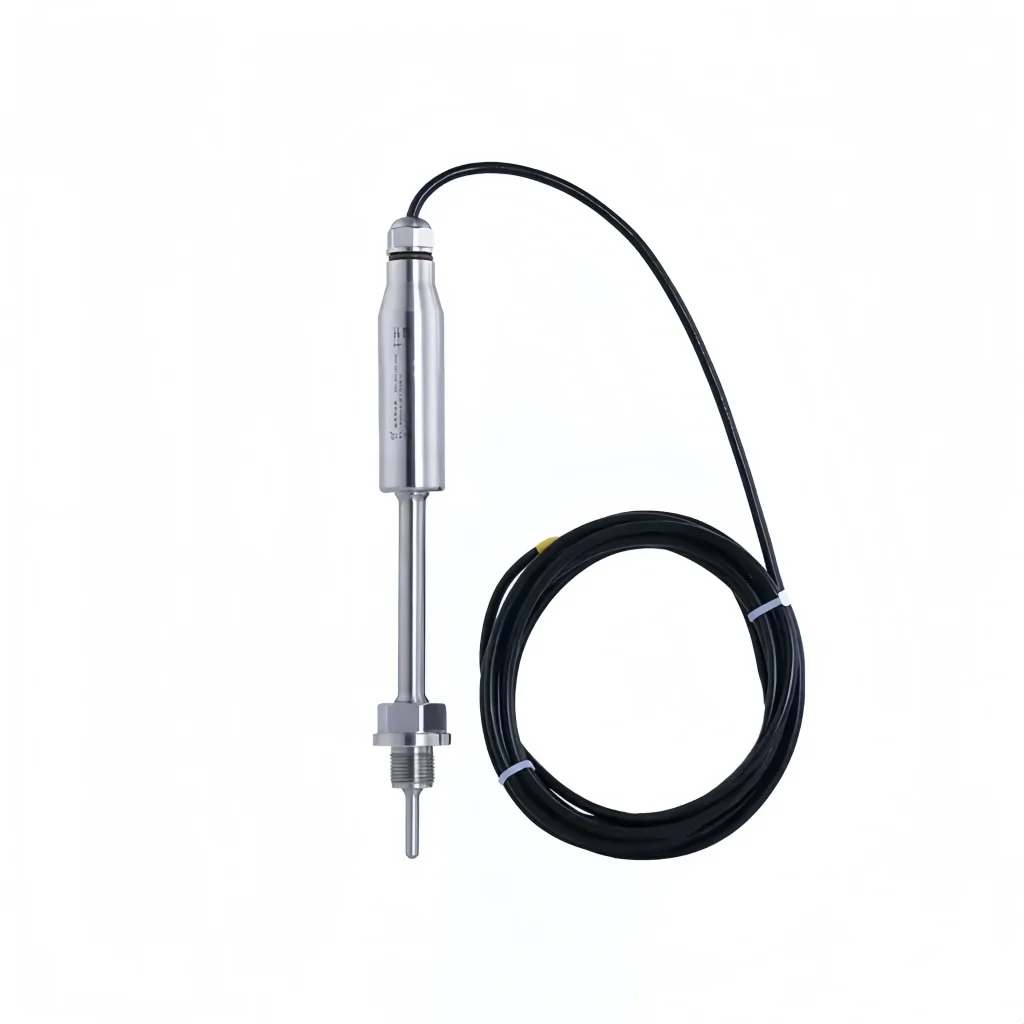
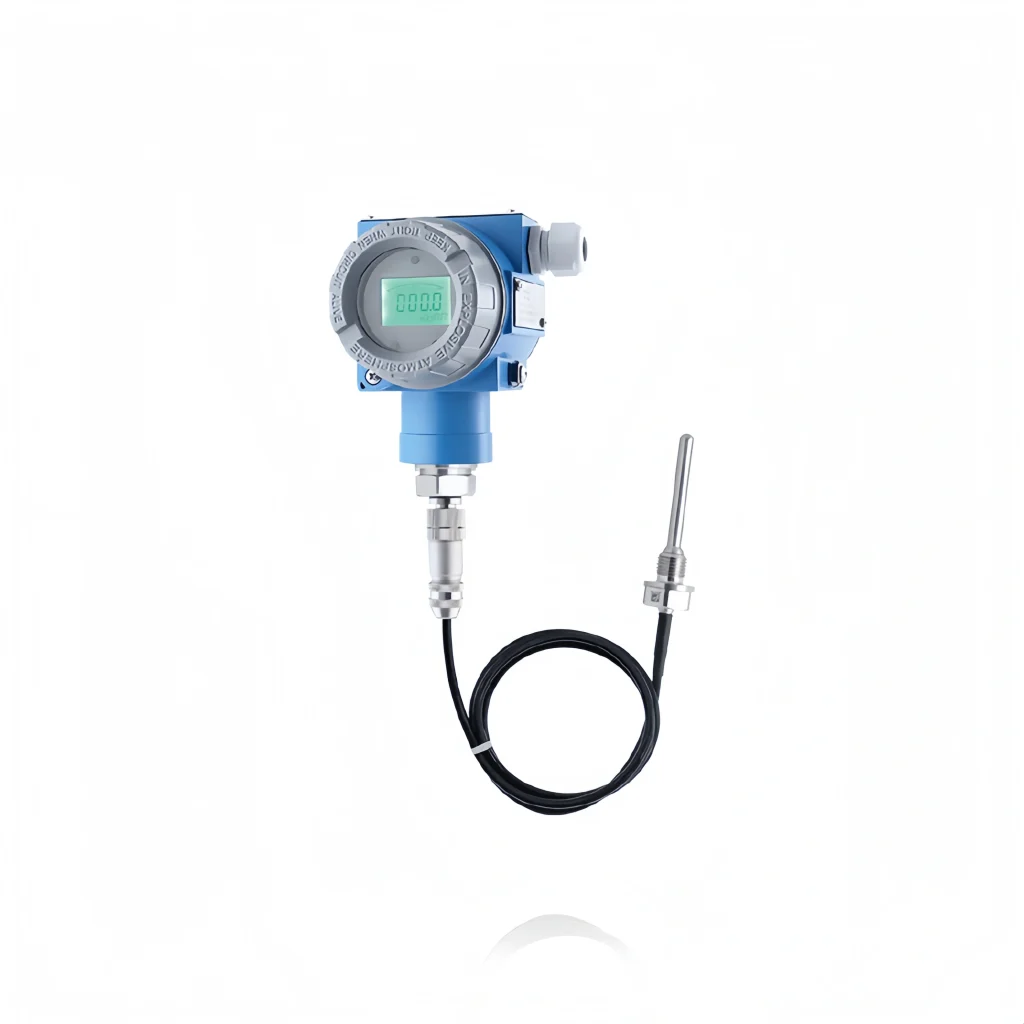
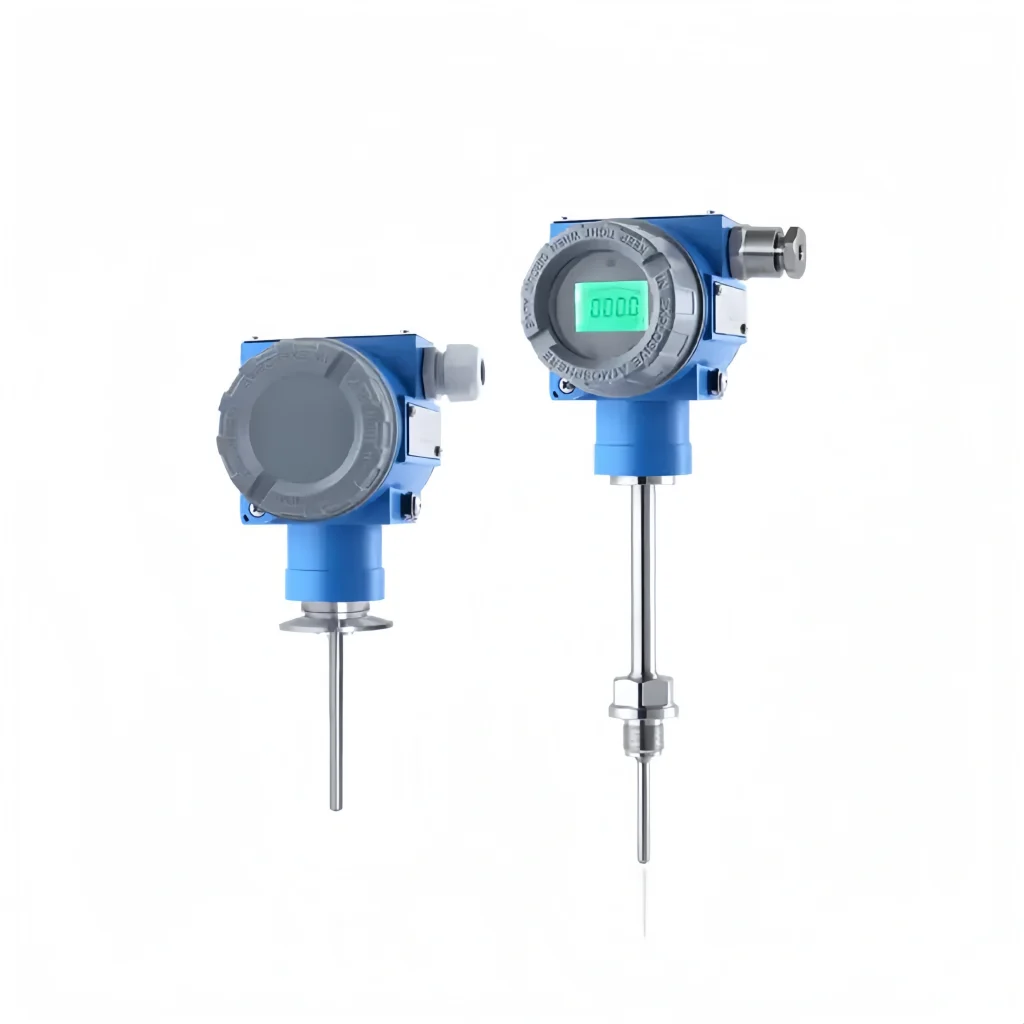
RTD stands for Resistance Temperature Detector; it is commonly abbreviated to ‘thermoresistor’ and is a high-precision contact-type temperature sensor widely used in industrial temperature measurement.
It utilises a pure metal as the temperature-sensing element, with platinum being the most commonly used material. The typical Pt100 model has a resistance of 100 Ω at 0 °C. Other RTDs include Pt1000, as well as those made from nickel and copper.
They are characterised by good stability, high repeatability and a standardised relationship between resistance and temperature, and are frequently used for precision temperature measurement in the medium-to-low temperature range.
Principle of Operation of an RTD
The principle of operation of an RTD is based on the positive temperature coefficient of resistance (PTC) characteristic of pure metal conductors. As the temperature increases the thermal vibrations of the atoms in the metal increase preventing the directed flow of free electrons.
Hence the resistivity of the conductor increases and the total resistance of the RTD increases. As the temperature falls the resistance falls.
In measuring, a small constant current is passed through the RTD and the voltage across the element is measured. Ohm’s Law is used to calculate the real time resistance value and then the resistance signal is converted into the corresponding temperature value using a standard resistance-temperature conversion formula.
In industrial applications, to compensate for measurement errors due to the resistance of the leads, usually a three-wire or a four-wire connection is used.
What is a Thermistor?
Thermistor is a temperature sensitive resistor made of semiconductor material. It is a contact type temperature sensor whose resistance varies significantly with temperature.
It is classified into 3 types: NTC (Negative Temperature Coefficient) thermistors, PTC (Positive Temperature Coefficient) thermistors and CTR (Critical Temperature) thermistors.
Working Principle of Thermistors
The carrier properties of semiconductors determine thermistors’ operation. NTC thermistors work because semiconductor charge carriers increase with temperature, increasing conductivity and decreasing resistance.
PTC thermistors have low resistance below the critical temperature, but the internal grain boundary structure changes above the critical point, increasing resistance sharply. The temperature measuring circuit detects thermistor resistance change and calculates temperature using the resistance-temperature curve.
Advantages of RTDs
1. High measurement accuracy: platinum RTDs can reach ±0.15 °C accuracy or even higher. Their accuracy in the low and medium temperature range is better than that of thermocouples. They are suitable for industrial applications with strict requirements for temperature measurement accuracy.
2. Good long-term stability and minimal drift: reading is not likely to drift under continuous operating conditions, thus no need for frequent calibration and suitable for long-term continuous surveillance.
3. Excellent repeatability: results from multiple measurements under identical temperature conditions show high consistency, ensuring reliable and stable data for process control.
4. Good linearity of the resistance-temperature curve: signal processing and calibration calculations are simpler, and the development of supporting data acquisition systems is less complex.
5. Wide temperature measurement range: platinum RTDs typically cover –200 °C to 850 °C, meeting the temperature measurement requirements of the vast majority of industries, including chemical, HVAC and pharmaceutical.
6. Good resistance to electromagnetic interference: Compared with thermocouples, they are less susceptible to interference in industrial environments with electrical noise, such as those involving motors and variable-frequency drives.
7. No cold-junction compensation required: Thermocouples are not used, hence cold-junction handling is not required. This simplifies the design of the measurement circuit.
8. Stable material properties and long service life: Platinum elements are chemically stable and resistant to oxidation and degradation, making them suitable for long-term online installation and use.
Advantages of Thermistors
1. High sensitivity:even minute changes in temperature result in a noticeable change in resistance, providing excellent detection of weak temperature signals.
2. Small size: they can be made in very small packages, which makes them suitable for temperature measurement in confined spaces and allows them to be located very close to the surface being measured; their fast response time.
3. Simple structure and low cost:they are very economical in large quantities, and are widely used in consumer electronics and small household appliances.
4. Low power consumption and low operating current:resulting in relatively minimal interference to temperature measurements caused by self-heating.
5. Wide range of resistance values:Depending on the requirements of the circuit design, you can select models with different nominal resistances that are suitable for a variety of circuit solutions such as voltage division, current limiting and overheat protection.
6. Good resistance to vibration and shock:as they contain no fragile sensitive components, they are suitable for use in vibrating environments.
Thermistor vs. RTD
Material and Principle: RTDs utilise high-purity metal, with their resistance increasing approximately linearly as the temperature rises; thermistors are metal-oxide semiconductors, with the resistance of mainstream NTC types decreasing exponentially as the temperature rises, whilst PTC types exhibit a steep increase in resistance near the Curie point.
Linearity: RTDs have good linearity, conforming to IEC 60751 standard curve, and have little correction. Thermistors are highly non-linear and high-precision measurements require fitting and compensation based on the Steinhart-Hart equation.
Measurement range: RTDs are typically rated from about –200 °C to 850 °C. RTDs are good for industrial applications because they have a wide temperature range. The commonly used NTCs usually have a limited range of −40 °C to 150 °C and they age and fail at elevated temperatures.
Sensitivity: NTCs are much more sensitive than RTDs, their resistance changing much more per degree Celsius, so it is easier to detect small temperature differences. RTDs change resistance gradually and give relatively small signal amplitudes. Three-wire or four-wire connections are often used for long-lead measurements to eliminate lead resistance errors.
Interchangeability and Standardisation: RTDs are covered by single international standards, so that probes of the same specification are directly interchangeable and do not need individual calibration. Thermistors do not have universal standards and calibration curves differ widely between manufacturers, so they are generally used in matched batches.
Accuracy and long term stability: RTDs have very low long term drift and very high stability; Grade A and Grade AA RTDs can reach very high accuracy over the full scale; thermistors can have very high accuracy but only over a very limited range and their long term stability is not as good as that of platinum resistors.
Cost: RTDs involve relatively high material and manufacturing costs; NTC thermistors have a simple structure and a low unit price, making them suitable for high-volume consumer devices.
Typical Applications : RTDs are mainly used for temperature measurement and metrological calibration in industrial processes such as chemical engineering, pharmaceuticals and HVAC ; NTC thermistors are widely used in household appliances, battery packs and medical probes ; PTC thermistors are mainly used for overtemperature protection and are less commonly used for precision temperature measurement.
Self-heating effects: Both require a excitation current and are subject to self-heating errors; as thermistors have higher resistance, self-heating issues are relatively easier to control at the same current, whilst the lower resistance of RTDs imposes stricter requirements on excitation current control.
Selection Guide
Selection based on temperature measurement range:
For temperatures below –40 °C or above 150 °C, or for continuous measurement across a wide temperature range, RTDs (Pt100/Pt1000) should be prioritised;
Conventional thermistors are typically suitable for the range -40°C to 125°C; operation outside this range may lead to ageing and drift. Positive temperature coefficient (PTC) thermistors are primarily used for over-temperature protection and are not intended for temperature measurement.
Choice of accuracy and stability:
RTD’s are for applications where long-term stability, traceability of calibration, and consistent accuracy over the range of measurement are required.
A thermistor can be used for high-sensitivity non-linear compensation measurements over a narrow temperature range. They are suitable for metrology and process control where high precision is required.
Linearity and choice of algorithm:
RTDs are preferred because they are easier to program and require less curve fitting, as their temperature-resistance characteristics are well linear and conform to standards, whereas thermistors require compensation for non-linearity, or errors will quickly increase with temperature.
Choice of Wiring and Transmission Distance:
For long lead lengths or complex site wiring consider three-wire or four-wire RTDs to compensate for lead resistance errors. Thermistors with voltage-divider signal acquisition are suitable for close-proximity temperature measurement on PCBs where lead resistance has negligible effect.
Interchangeability and O&M Choice:
If probe interchangeability is required and recalibration is not desired after replacement, use standard RTDs. Thermistors do not have a standard curve, and there are large differences between manufacturers and batches, and recalibration is generally required after replacement.
Cost and Volume Choice:
Use thermistors in large consumer products where cost is a major factor. RTDs are better for industrial applications that will be in service for years and where maintenance is not desired. While the unit cost is higher, the maintenance cost over the life of the product is lower.
Signal Circuit Selection:
Thermistors are suitable where the ADC resolution is moderate and large signal amplitude changes are required; RTD signals are weak and require a bridge circuit or high-precision signal conditioning circuit; in both cases, the excitation current must be controlled to avoid self-heating errors.
Operating conditions and applications selection:
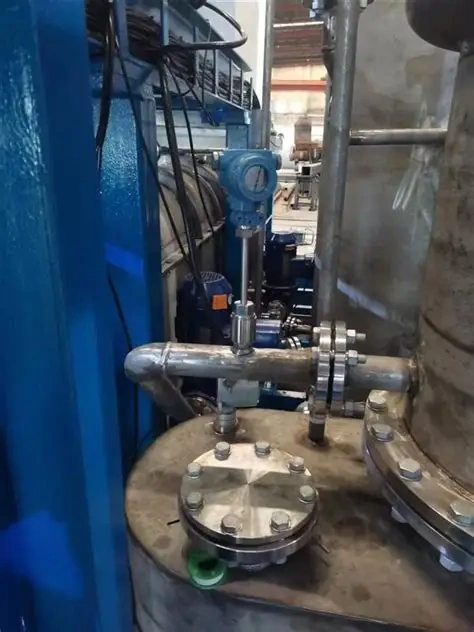
Encapsulated RTDs are better for severe industrial environments with humidity, corrosion, and high vibration than thermistors. Thermistors are used for temperature measurement in domestic appliances and batteries.
Positive temperature coefficient ( PTC ) thermistors are used to protect motors and heating circuits from overheating . RTDs are used in chemical, pharmaceutical, HVAC and calibration equipment.
FAQ
Thermocouples vs. Thermistors
Temperature Measurement Range: Thermocouples can measure temperatures from -200 °C to 2300 °C and are suitable for high temperatures. Thermistors are typically used in the range of -40 °C to 125 °C and are limited to medium and low temperatures.
Principle: Thermocouple: generates thermoelectric voltage via Seebeck effect Thermistor: detects temperature from the change of semiconductor resistance.
Compensation Requirements Thermocouples: need cold-junction compensation and calibration to temperature scales Thermistors: Very non-linear; must be fit to the Steinhart-Hart equation
Sensitivity and Interchangeability: Thermistors are more sensitive. Thermocouples have standard temperature scales and are better interchangeable than thermistors.
Typical Applications: Thermocouples are selected for high temperature furnaces, heat treatment. Thermistors are selected for ambient temperature measurements in batteries, domestic appliances.
RTD vs. Thermocouples
Temperature measuring range: RTD is used in the medium and low temperature range from –200 °C to 850 °C; thermocouples are used for thousands of degrees.
Accuracy and stability : RTD is characterized by good linearity, low drift and higher accuracy. Thermocouples are susceptible to interference and oxidation effects .
Signal and wiring: RTD produces a resistance signal, with three-wire or four-wire systems employed to eliminate lead error; thermocouples produce a millivolt potential, with compensation leads and cold-junction compensation required.
Application scenarios: RTD is used for precision temperature measurement in the manufacture process; thermocouple is used for metallurgy and high-temperature furnace.
Pt100 vs. Pt1000
Nominal resistance: At 0°C, Pt100 has a resistance of 100 Ω, whilst Pt1000 has a resistance of 1000 Ω.
Signal and lead wires: The Pt1000 produces a larger temperature signal, so the relative impact of lead wire resistance is smaller; for long cables, the four-wire system is preferred for Pt100.
Self-heating: At the same current, the self-heating error is more pronounced in Pt1000.
Applications: Pt100 is commonly used in industrial standard circuits and for long-distance measurements; Pt1000 is frequently used for on-board, short-distance temperature measurement and in compact transmitters.
Taking into account on-site conditions, accuracy requirements, cabling and budgetary constraints, Sion-Inst can match you with a suitable resistive temperature measurement solution and accompanying data acquisition components.
Should you have any requirements regarding probe specifications, packaging types, calibration or compatible instruments, please do not hesitate to contact us; we are here to help you achieve stable and reliable temperature measurement and process control.