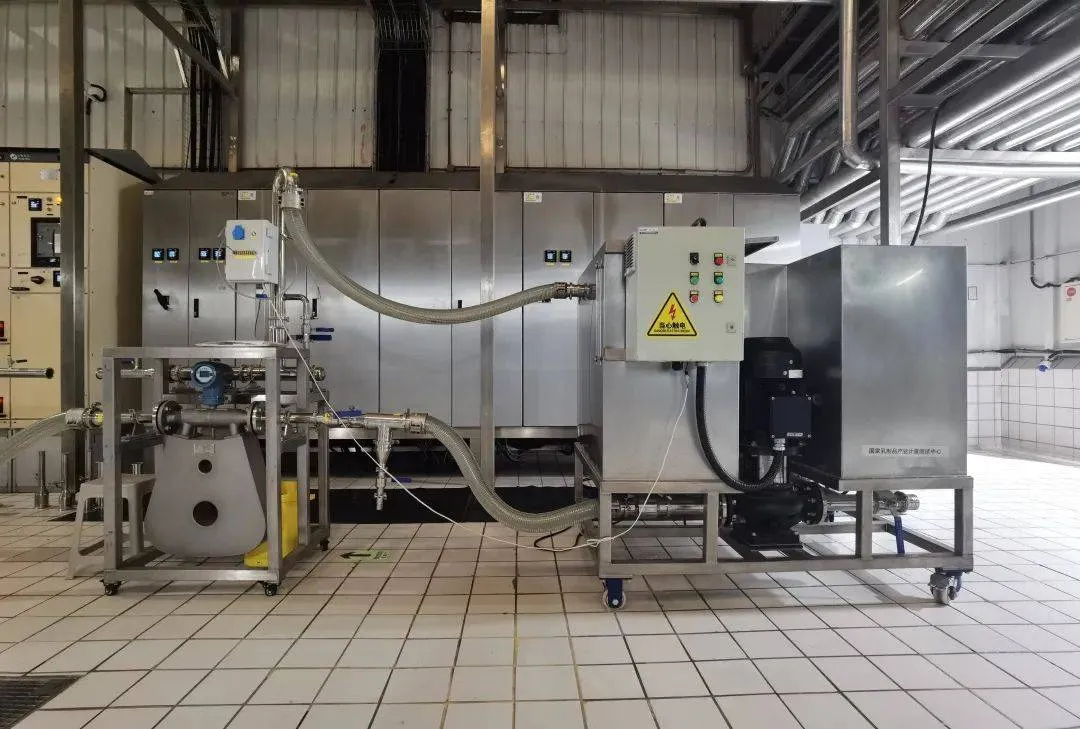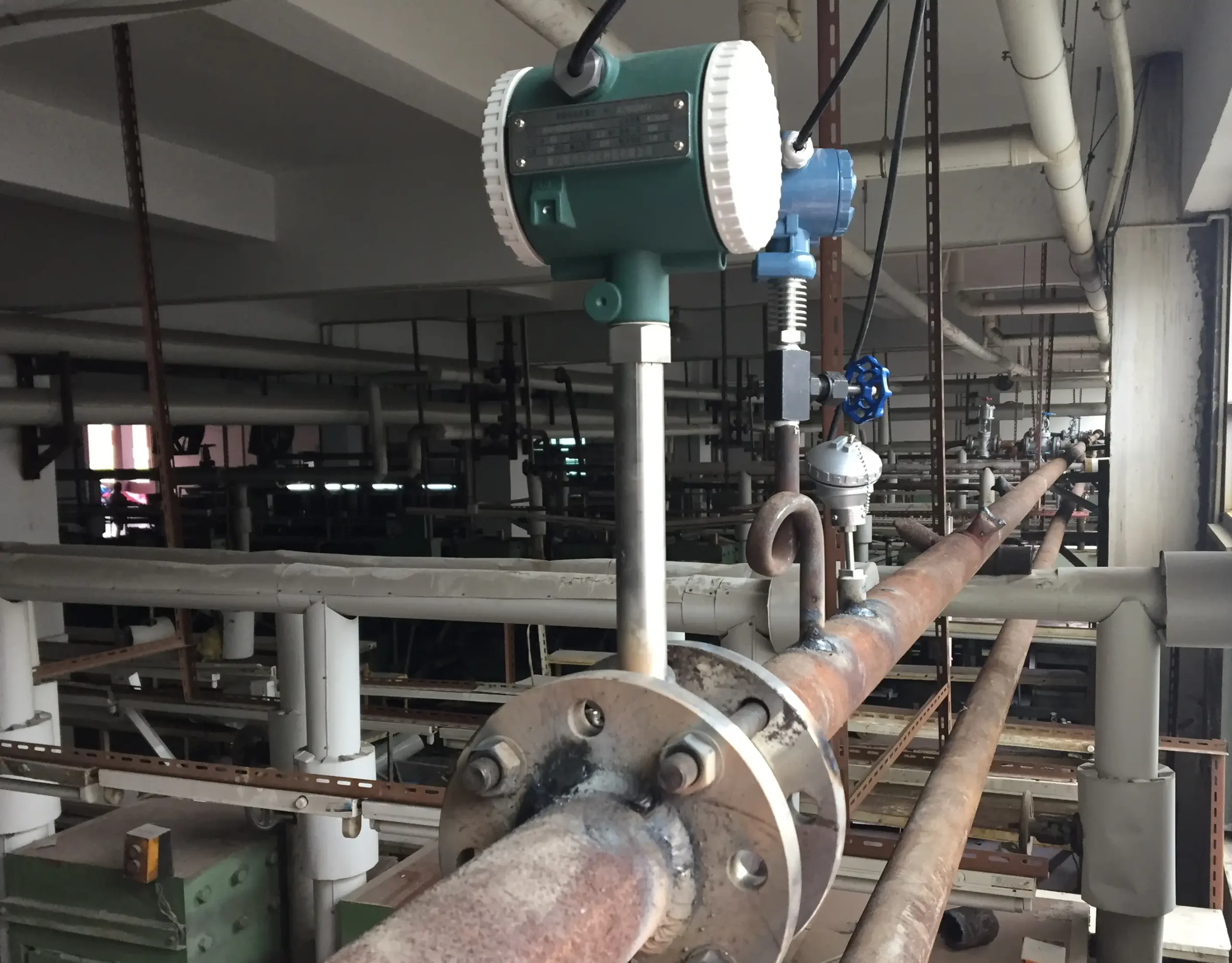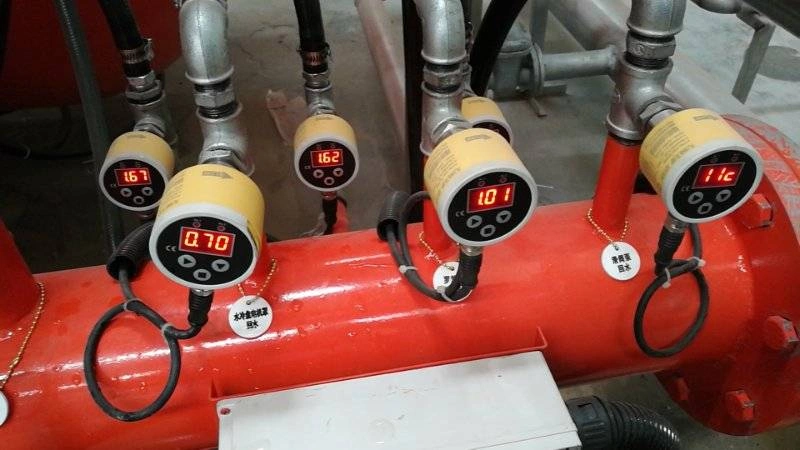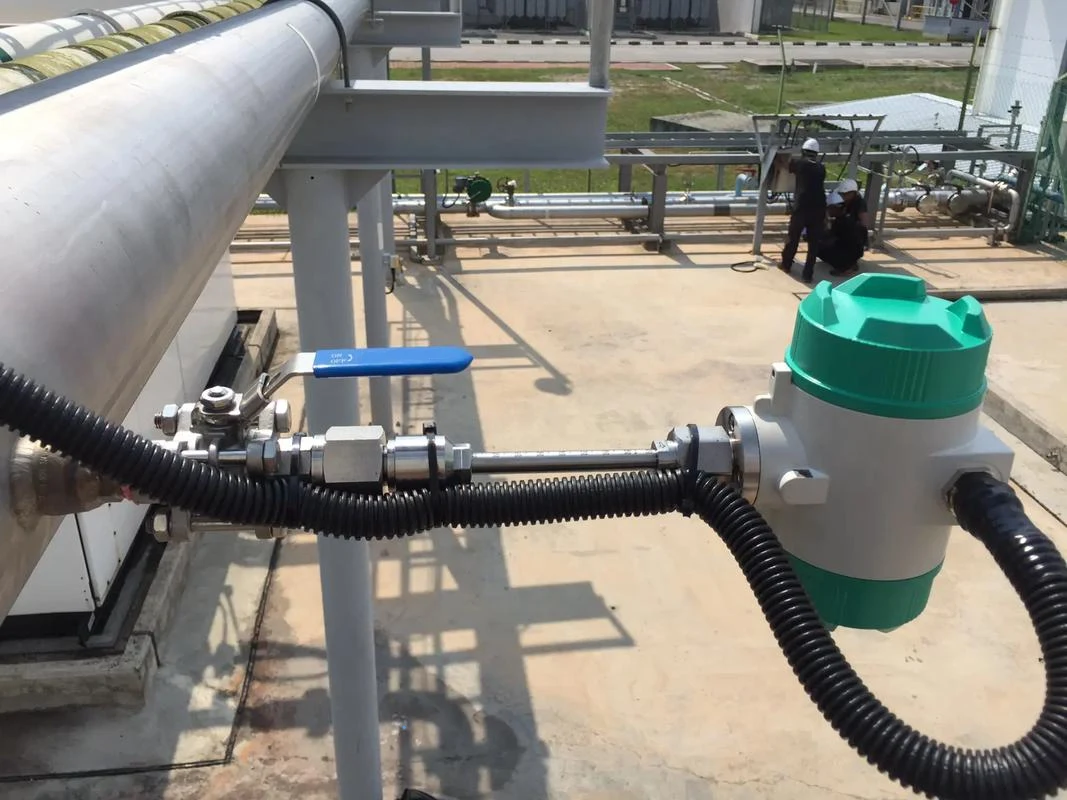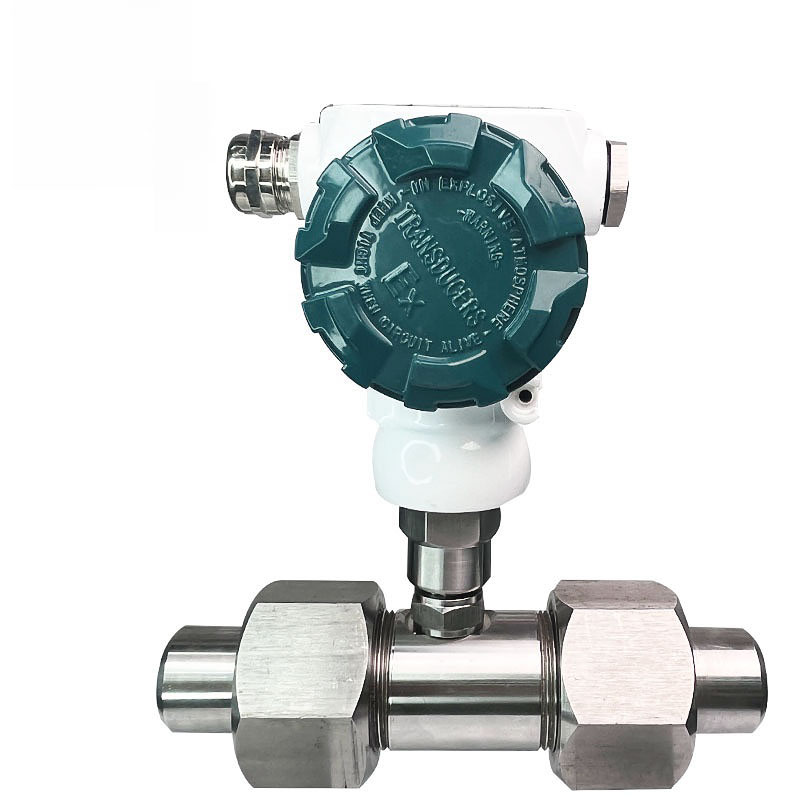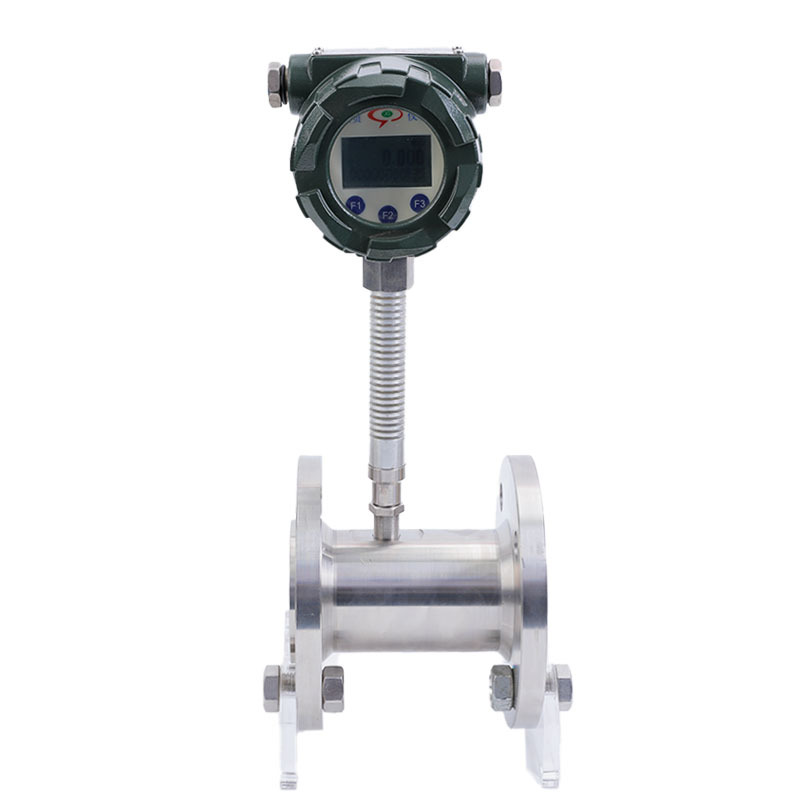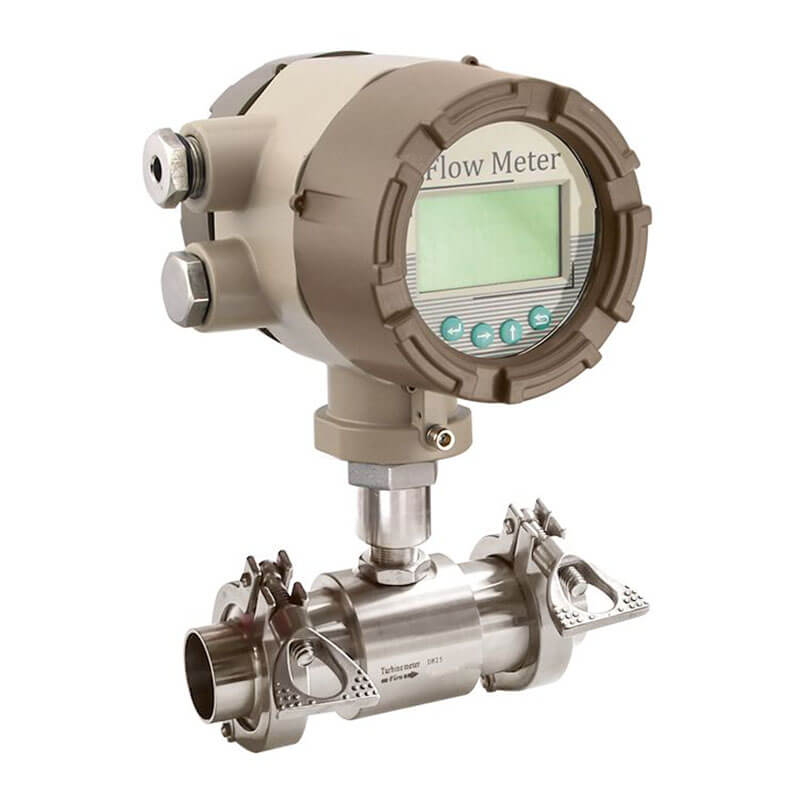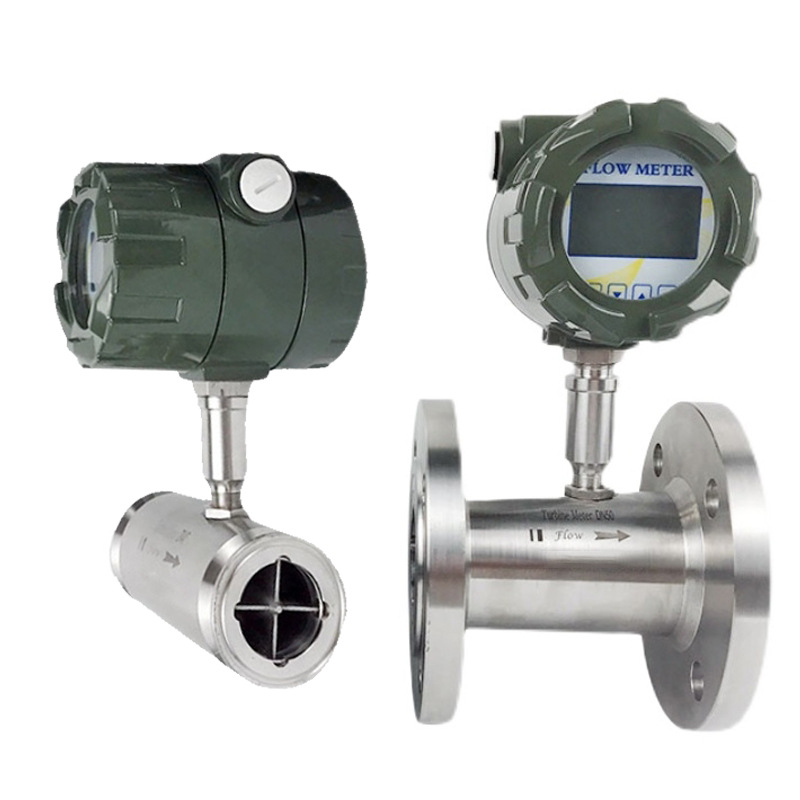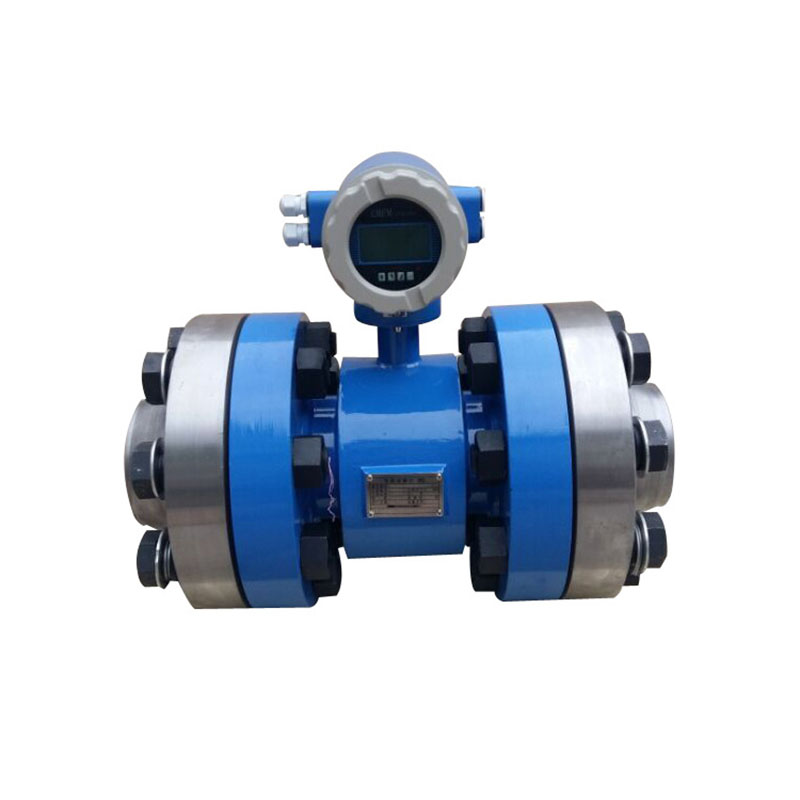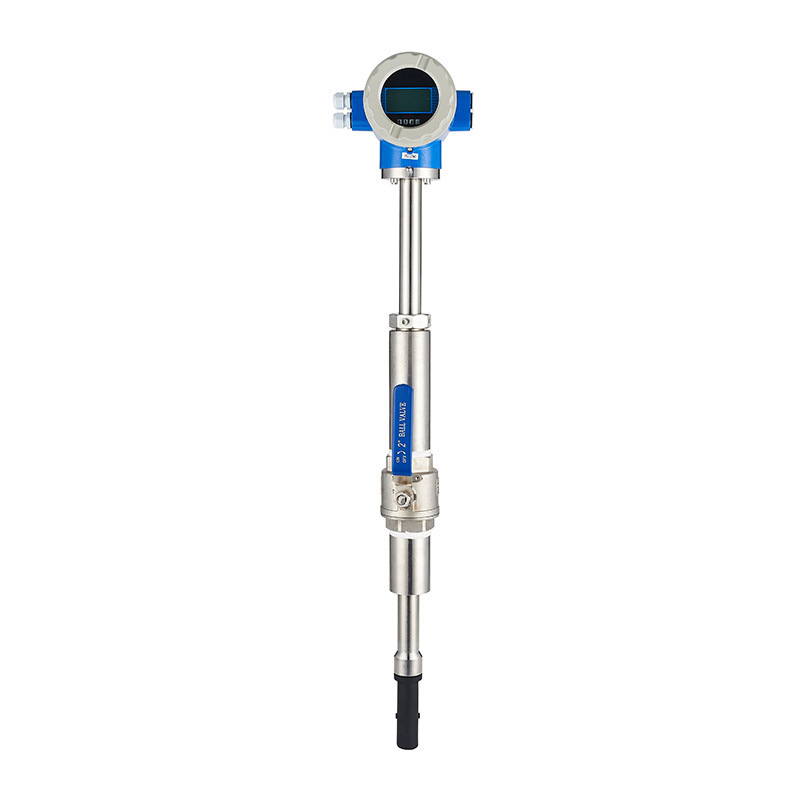
Dairy processing environments impose stringent requirements regarding hygiene and measurement stability; bubbles, fouling and CIP/SIP cycles can all interfere with measurements. Dairy flow meters must combine compliant hygienic design with precise measurement and control capabilities, and are essential instruments in the dosing, conveying and milk reception stages of dairy production lines.
Requirements for Dairy Flow Measurement
Hygienic design requirements: wetted parts must be free of dead spaces and easy to drain; sanitary clamp connections must be used to support CIP/SIP cleaning and sterilisation, and the equipment must withstand cleaning chemicals and high-temperature steam.
Material compliance requirements: the wetted body must be made of 304/316L stainless steel, whilst seals must be made of FDA-approved materials that do not leach or react with the dairy medium.
Measurement Accuracy and Stability Requirements: Accuracy in critical processes must be no lower than Class 0.5; the instruments must possess a wide measurement range to minimise measurement errors caused by air bubbles and milk fat deposits; degassing devices should be installed where necessary.
Medium Compatibility Requirements: Suitable for raw milk, light cream, fermented milk, whey and similar products; capable of handling viscous materials prone to adhering to pipe walls; electromagnetic flowmeters are suitable for conductive emulsions, whilst Coriolis flowmeters are used for mass measurement and density monitoring.
Installation requirements: ensure sufficient straight pipe sections upstream and downstream; avoid locations prone to negative pressure and air accumulation; when selecting equipment for aseptic pipelines, ensure the system’s aseptic barrier is not compromised.
Data compliance requirements: support standard signal and communication outputs to facilitate batching and production traceability; flowmeters used for trade settlement must be verified in accordance with regulations.
Maintenance and anti-fouling requirements: the internal design must contain no moving flow-restricting components to minimise protein and fat adhesion and scaling, thereby delaying performance degradation and controlling microbial risks.
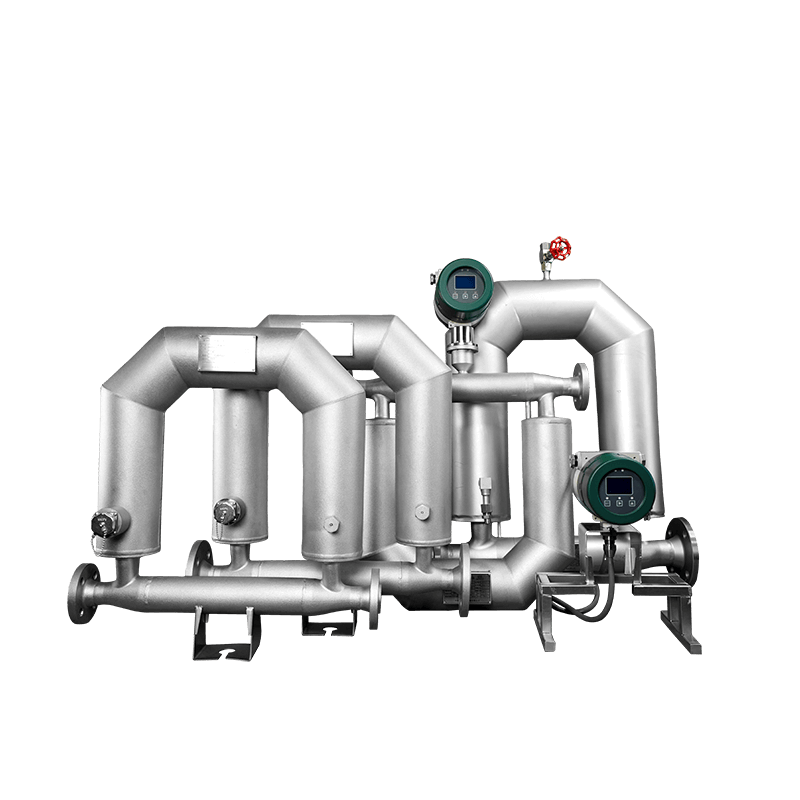
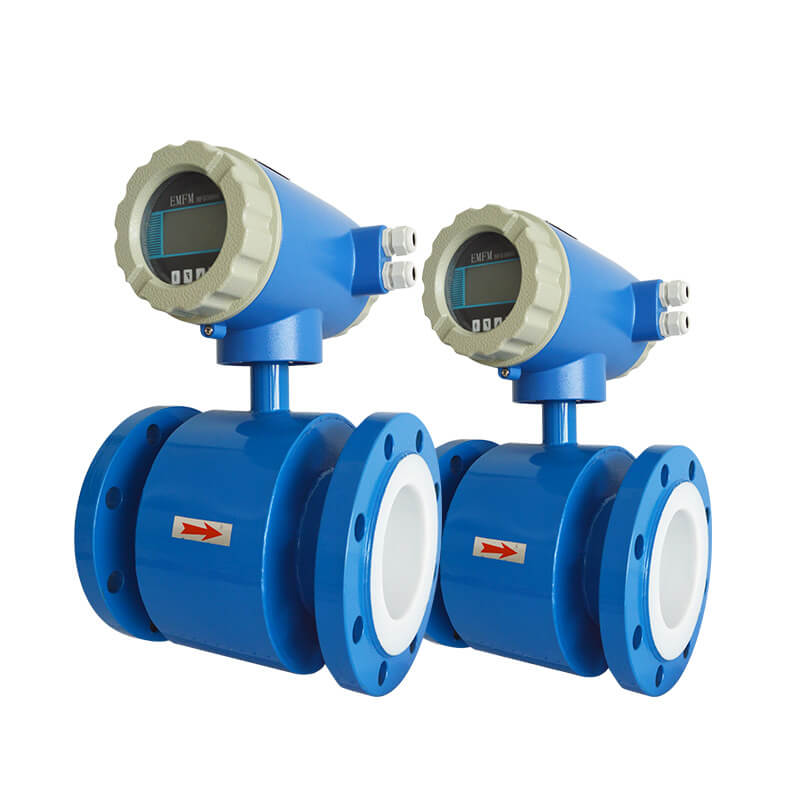
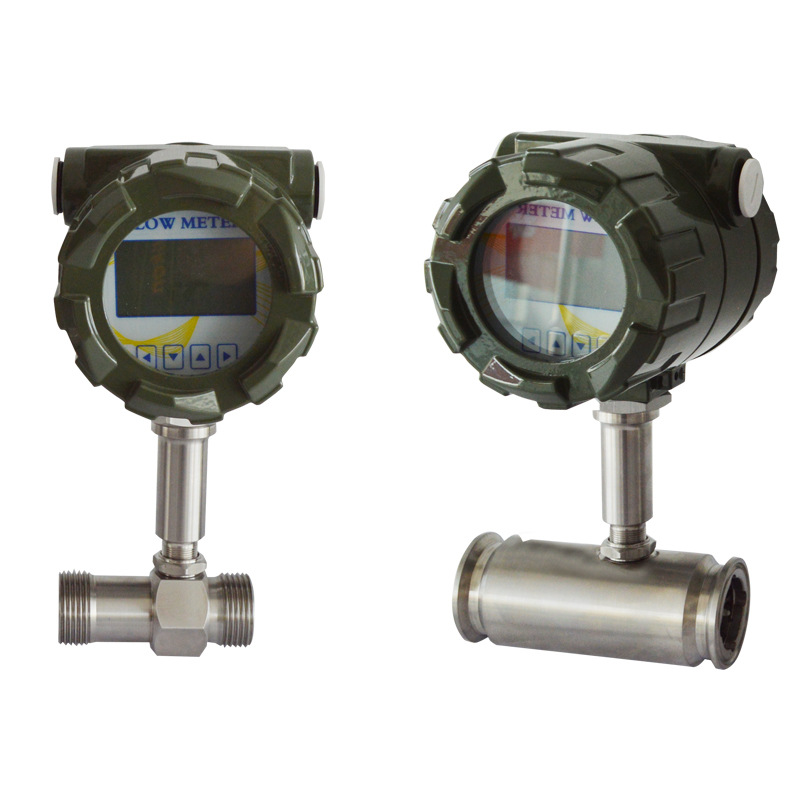
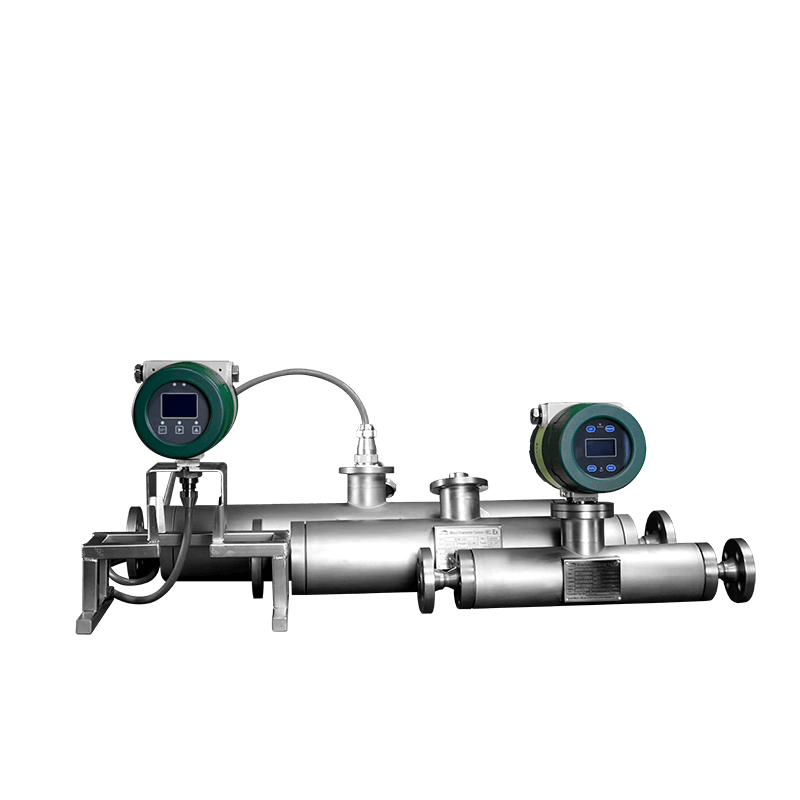
Dairy Flow Meters
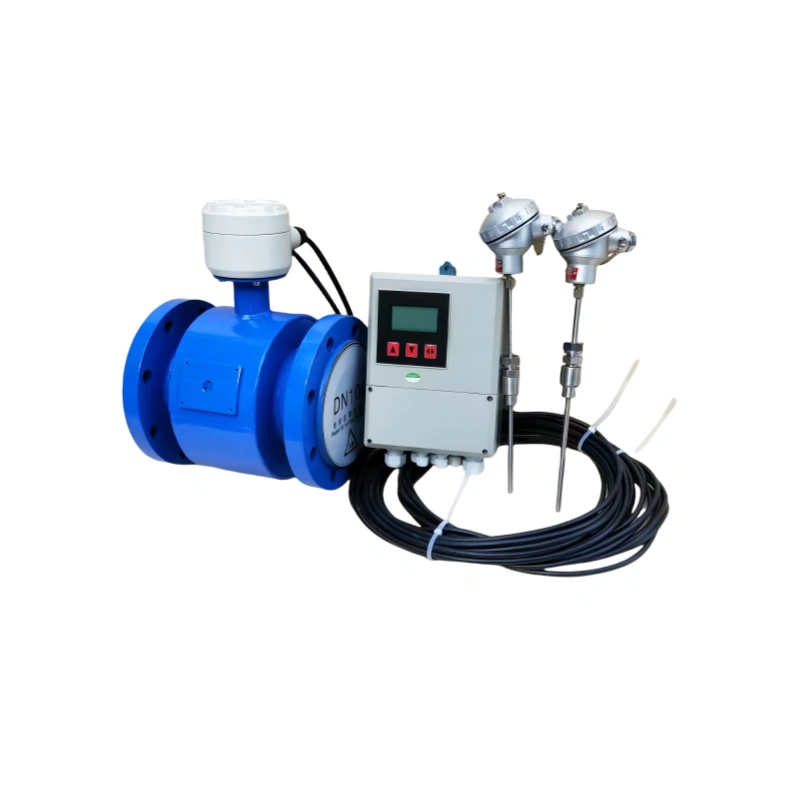
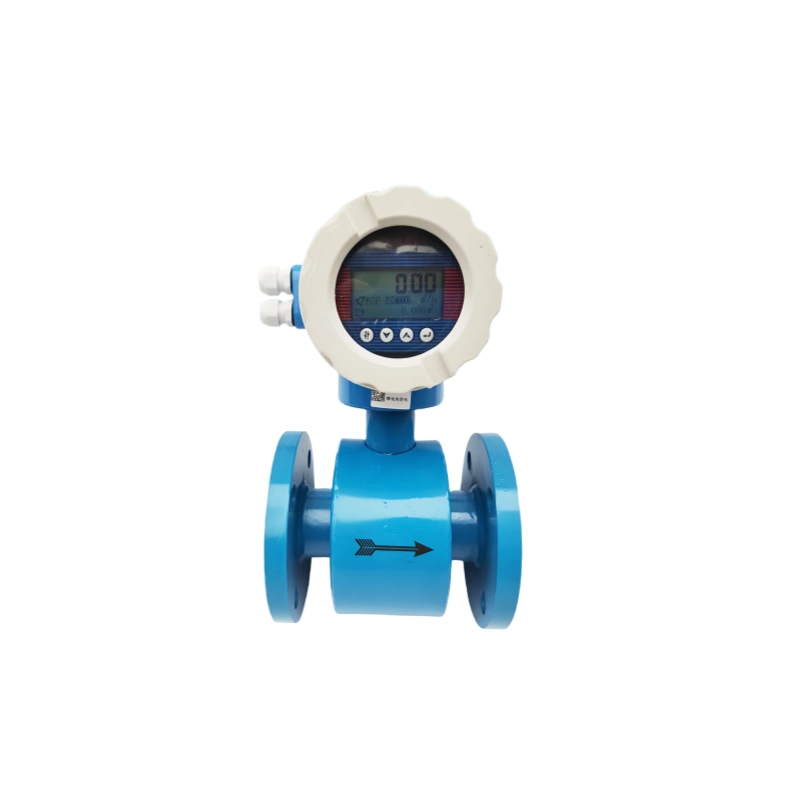
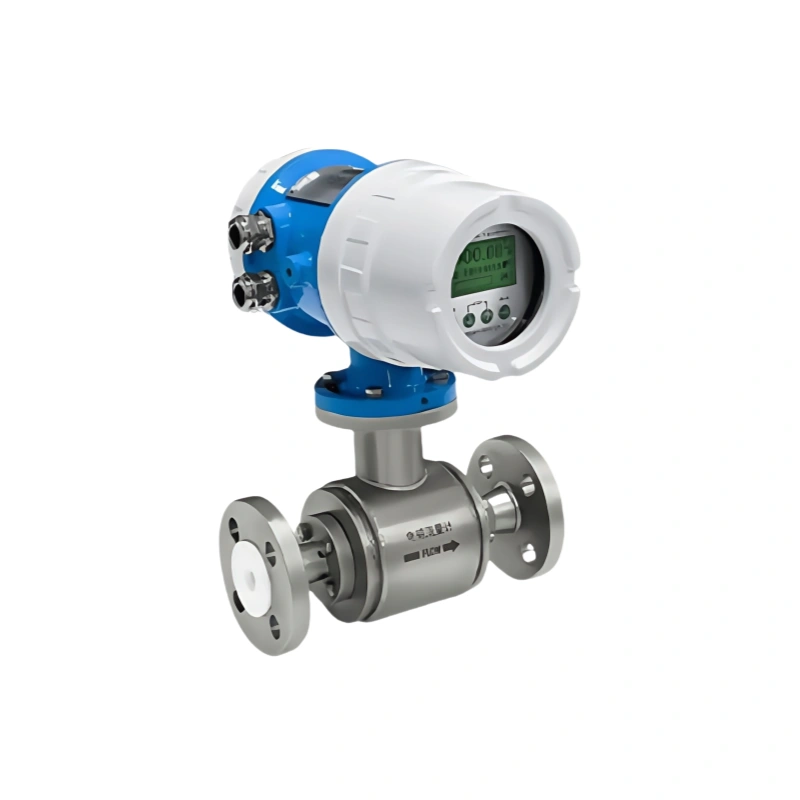
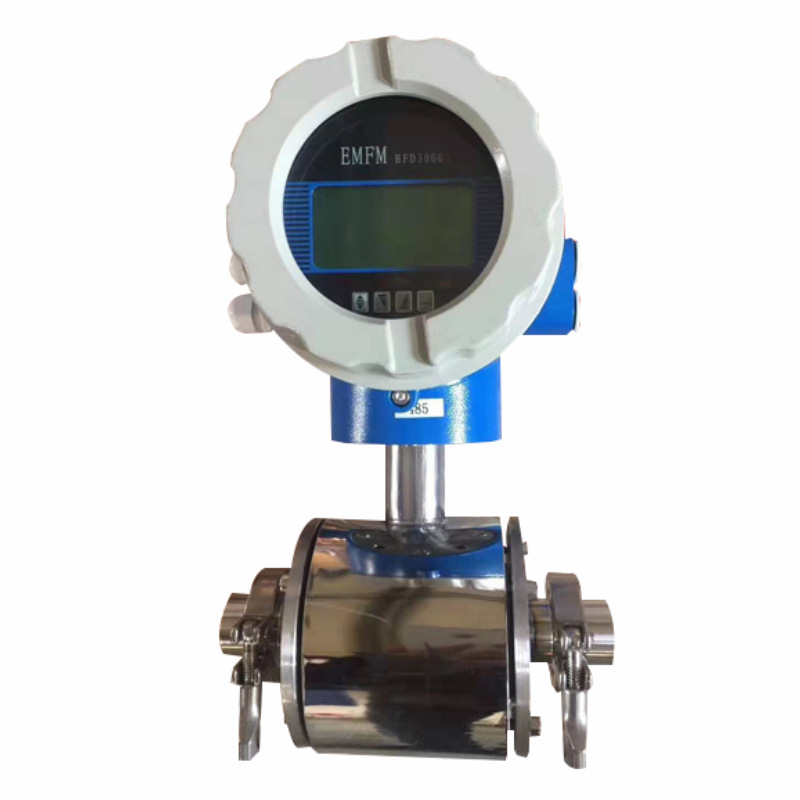
Sanitary Electromagnetic Flow Meters
Principle of Operation
Based on Faraday’s law of electromagnetic induction, when the conductive liquid (in this case, the dairy product being measured) flows through the sensor’s magnetic field, it cuts through the magnetic field lines, generating an induced electromotive force proportional to the average flow velocity of the fluid.
The signal is picked up by electrodes and converted by a transmitter to yield the volumetric flow rate. The hygienic design utilises 316L stainless steel and a food-grade lining, making it suitable for dairy CIP/SIP cleaning and sterilisation processes.
Advantages
- No obstructions or moving parts within the pipe, making it resistant to milk scale and protein deposits; excellent hygiene performance that meets dairy hygiene standards
- Full-bore design with extremely low pressure loss, placing no additional load on dairy transfer pumps
- Measurements are unaffected by minor fluctuations in medium viscosity, temperature or density; stable measurement of milk, whey and light cream
- Compatible with sanitary clamp connections; the lining material withstands acidic and alkaline cleaning solutions as well as high-temperature steam, making it suitable for repeated CIP/SIP cycles
- Wide measurement range, suitable for continuous monitoring of raw milk conveyance, blending and pasteurisation lines
Disadvantages
- Can only measure media with a certain level of electrical conductivity; cannot measure low-conductivity materials such as skimmed milk powder solutions or high-fat, non-conductive ingredients
- Measurement errors are significant when the liquid contains a large number of air bubbles; requires effective degassing
- Susceptible to strong electromagnetic interference on site; must be installed away from motors and variable frequency drives
- Measurement results are given as volumetric flow rate; additional density parameters are required to convert to mass
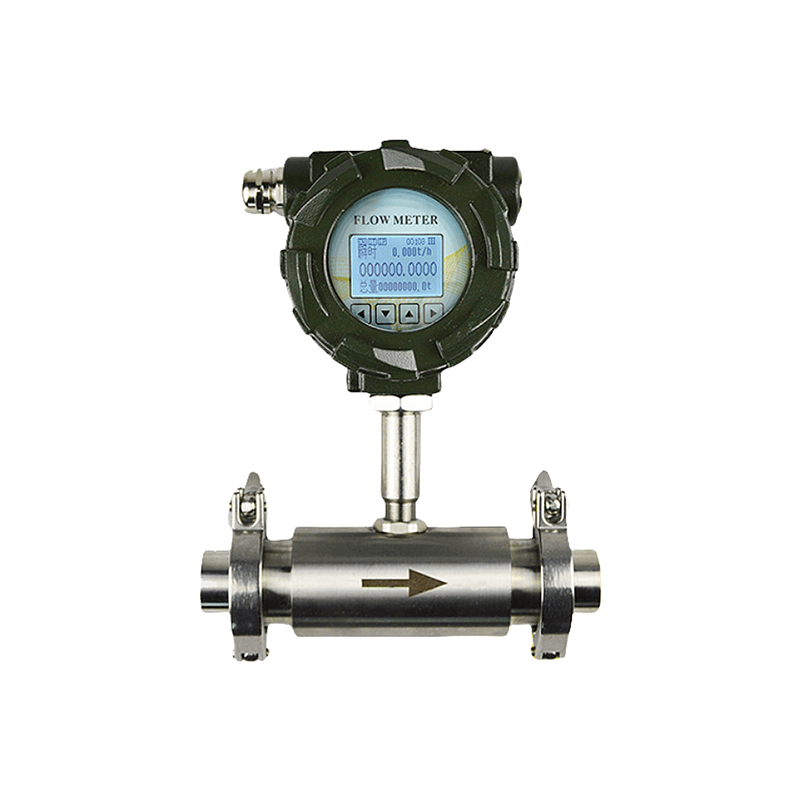
Sanitary Turbine Flow Meter
Principle of Operation
This is a velocity-type volumetric flow meter. The dairy fluid drives a lightweight turbine impeller within the pipe to rotate; the impeller’s rotational speed is linearly proportional to the fluid velocity.
A magneto-electric sensing assembly captures the rotational pulse signals, which are then converted and calculated to output instantaneous volumetric flow rate and cumulative flow.
The sanitary version features a mirror-polished finish and a quick-release clamp structure, facilitating disassembly for cleaning and inspection.
Advantages
- Good repeatability and fast response; sensitive control in low-flow dosing and blending applications
- Compact structure, small footprint and easy installation; lower procurement cost than Coriolis flowmeters
- Pulse signal output facilitates integration with PLCs and dosing control systems, offering strong digital compatibility
- The hygienic rotor features a lightweight design; when thoroughly cleaned, it is suitable for measuring clean fresh milk and standardised ingredient dosing
- Moderate turndown ratio, delivering stable performance in stable, clean, low-viscosity dairy pipelines
Disadvantages
- The internal impeller and bearings are moving parts; long-term accumulation of milk fat and proteins can lead to jamming and wear, requiring regular disassembly, inspection and maintenance
- High requirements for medium cleanliness; protein clumps and fine impurities in the milk can strike the blades, causing drift in the instrument coefficient
- Increased viscosity reduces measurement accuracy; not recommended for high-viscosity cream or fermented milk applications
- Air bubbles in the pipeline can impact the impeller, causing flow fluctuations; it is advisable to fit a degassing device upstream
- There is a certain degree of pressure drop; in high-flow, long-distance conveyance scenarios, this may increase the load on the pump
Coriolis Mass Flow Meter
Principle of Operation
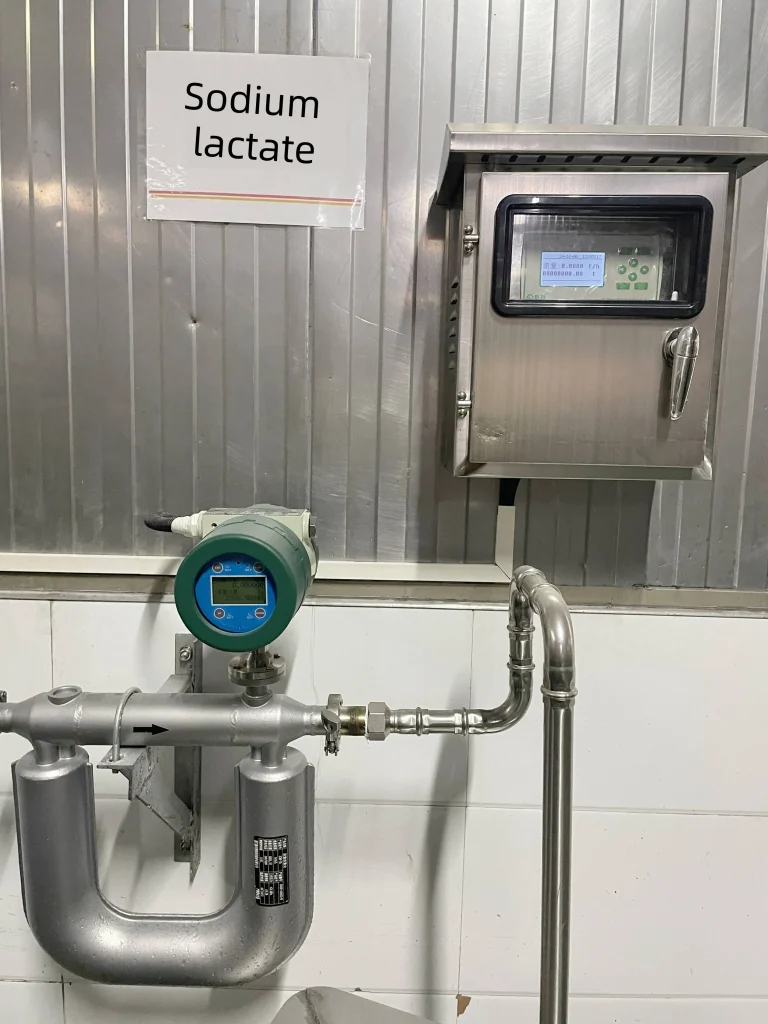
Utilising the Coriolis inertial force effect, the measuring tube is driven to vibrate continuously. As dairy products flow through the vibrating tube, a torsional phase difference is generated; this phase difference is directly proportional to the mass flow rate of the medium.
Simultaneously, by utilising the natural frequency of the vibrating tube, signals for medium density and temperature are acquired synchronously, enabling direct output of the mass flow rate without the need for temperature or pressure compensation.
The hygienic straight-tube or elbow-tube design is suitable for fresh milk collection and trade measurement in the dairy industry.
Advantages
- Direct measurement of mass flow, unaffected by changes in temperature, density or viscosity, making it the preferred choice for dairy collection and trade settlement
- Simultaneous output of density and temperature data enables online assessment of milk concentration and adulteration, making it suitable for standardised blending
- No internal moving parts, low risk of wear and high long-term operational stability
- Virtually no requirements for upstream and downstream straight pipe sections, making it easier to route pipelines where on-site installation space is limited
- High-end models designed for gas-carrying applications can tolerate small amounts of entrained air in raw milk, offering superior resistance to multiphase disturbances compared to electromagnetic and turbine flow meters
Disadvantages
- High equipment procurement costs, with a significant price increase for large-bore models
- The measuring tube features a bent flow path (elbow type), which requires strict management of dead zones; cleaning and validation are more challenging than with full-bore electromagnetic flowmetres
- Sensitive to external vibrations; must be installed away from vibration sources such as pumps and compressors, and the mounting base must be reinforced
- Pressure loss occurs; this is more pronounced in small-diameter pipes and high-viscosity cream applications
- Measurement inaccuracies may still occur when large amounts of free gas or large particulate clots enter the system continuously
Sion-Inst Case Study
Hygienic Electromagnetic Flow Meter for the Pasteurisation Circuit at a Dairy Plant in Ecuador
Project Location: Ecuador
Industry: Food and Beverage (Dairy)
Medium: Milk
Operating Conditions: Milk pasteurisation circuit; low-flow hygienic measurement
Flow Requirement: 1,500 L/h
Selection Process
The client initially selected a DN25 hygienic electromagnetic flowmeter. The DN25 range is 0.88–12 m³/h; as the client’s operating flow rate of 1,500 L/h was close to the lower limit of this range, measurement accuracy could not be guaranteed, rendering the solution unsuitable.
An alternative DN10 solution was ruled out due to high pressure drop, as the client was concerned about the load on the pump.
Ultimately, a DN20 hygienic electromagnetic flowmeter was recommended, with a measuring range of 0.56–8 m³/h, which perfectly matched the 1,500 L/h operating point whilst meeting both measurement accuracy and low pressure drop requirements.
Instrument Parameters
Connection Type: Tri-Clamp hygienic connection
Maximum Medium Temperature: 70 °C
Nominal pressure: 1.6 MPa
Measurement accuracy: 0.5%
Signal output: 4–20 mA active output
Lining: PTFE/PFA, FDA-certified
Electrodes: 316L stainless steel
Selection Guide
Confirm the metering application:
For high-precision mass measurement applications such as trade settlement, raw milk collection and finished product handover, prioritise Coriolis mass flowmeters;
For pipeline monitoring, pasteurisation feed and volume monitoring of diluted milk, select sanitary electromagnetic flowmeters;
For low-flow batching and additive dosing in clean, stable branch lines, sanitary turbine flowmeters may be selected.
Verify medium characteristics:
Conductive media such as fresh milk and whey are suitable for electromagnetic flowmeters; high-viscosity liquid cream and fermented milk are not recommended for turbine flowmeters; for raw milk containing a high proportion of bubbles or clumps, Coriolis flowmeters are preferred;
It is recommended to install a degassing device upstream of electromagnetic and turbine flowmeters; electromagnetic flowmeters cannot be used for the dosing of low-conductivity milk.
Assess hygiene and cleaning requirements:
For main pipelines subject to frequent CIP/SIP cleaning and requiring protection against scaling, full-bore electromagnetic flowmeters are preferred;
The cleaning effectiveness of elbow-type Coriolis flowmeters must be thoroughly verified;
Turbine flowmeters, which have impeller bearings, are suitable for branch lines that can be periodically dismantled and cleaned, but are not recommended for main pipelines that operate continuously and are difficult to shut down for maintenance.
Installation and site environment:
Electromagnetic flowmeters must be installed away from variable frequency drives and motors, and must be reliably earthed;
Avoid Coriolis flowmeters in locations subject to significant pump vibration; prioritise Coriolis flowmeters where installation space is limited or straight pipe runs are insufficient;
Turbine flowmeters require adequate upstream and downstream straight pipe runs to ensure measurement repeatability.
Maintenance and Budget Costs:
Select electromagnetic flowmeters where budgets are limited and the application involves process monitoring only;
Choose Coriolis flowmeters for high-precision metering requiring online density and temperature monitoring;
Where budgets are limited, the flow rate is low and the application is clean, and regular maintenance is supported, a turbine flowmeter may be selected.
Pressure Loss and Pump Matching:
For long-distance, high-flow-rate conveyance, prioritise electromagnetic flow metres with low pressure loss;
In small-bore, high-viscosity conditions, Coriolis and turbine flow metres exhibit relatively high pressure loss, so the pump head must be verified;
Turbine pressure loss varies significantly with flow velocity, so care must be taken in scenarios with fluctuating operating conditions.
Verify measurement range and flow rate fluctuations:
Electromagnetic flowmeters are suitable for main pipelines with wide variations in flow rate;
Turbine flowmeters are suitable for dosing circuits with stable flow rates;
For trade metering involving significant fluctuations in flow rate and density, Coriolis flowmeters provide more stable and reliable measurement results.
Practical Applications of Dairy Flow Meters
Raw milk reception and on-site metering: Coriolis mass flow metres are used to measure the mass of milk unloaded from tankers for settlement purposes. They simultaneously monitor density to assist in assessing the quality of fresh milk, and serve as the core metering equipment for the handover between dairy farms and dairies.
Feed Monitoring for Pasteurisation and UHT Sterilisation: Sanitary electromagnetic flowmeters are selected to monitor the volumetric flow rate of incoming fresh milk in real time, ensuring a stable load on the sterilisation units, guaranteeing controllable thermal processing parameters, and supporting continuous production and CIP cleaning.
Standardised Formulation and Blending Processes: Coriolis flowmeters are used for the precise blending of cream and skimmed milk, with concentration adjusted online based on mass flow and density signals; Turbine flowmeters are employed on clean, low-flow additive dosing branches to achieve rapid and stable micro-dosing.
Whey and by-product conveyance monitoring: Sanitary electromagnetic flowmeters are used to monitor flow in whey discharge and recovery pipelines; as whey has good electrical conductivity, the instruments operate stably over the long term and are utilised for production volume statistics and material balance calculations.
Transport and control of double cream and fermented milk: Coriolis flowmeters are the preferred choice for high-viscosity applications, rather than turbine flowmeters, to minimise errors caused by viscosity fluctuations and meet the process metering requirements for cream transport and fermentation tank feeding.
Flow Monitoring in Pipelines Prior to Finished Product Filling: Electromagnetic flowmeters are used on the main trunk lines for total volume accounting, whilst the selection of flowmeters for the filling branch lines is based on flow rate. In conjunction with the control system, this ensures accurate finished product output statistics and batch traceability.
CIP Cleaning Circuit Flow Monitoring: Electromagnetic flowmeters are widely used in pipelines carrying acid, alkali and hot water solutions to monitor cleaning flow rates, ensuring that cleaning velocities meet standards and satisfying clean validation requirements.
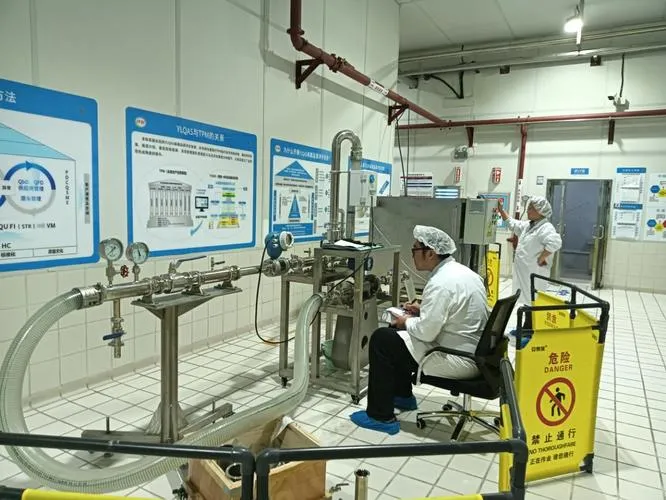
Precise dairy metering is key to the stable operation of production lines. In addition to dairy flowmeters, Sino-Inst also supplies hygienic pressure transducers, level gauges and other hygienic measurement and control instruments, covering the entire process from milk collection and formulation to sterilisation and CIP cleaning.
Drawing on our extensive experience in various operating conditions, we can provide comprehensive selection solutions and technical support to help dairy enterprises achieve compliant production, precise process control and simplified operation and maintenance