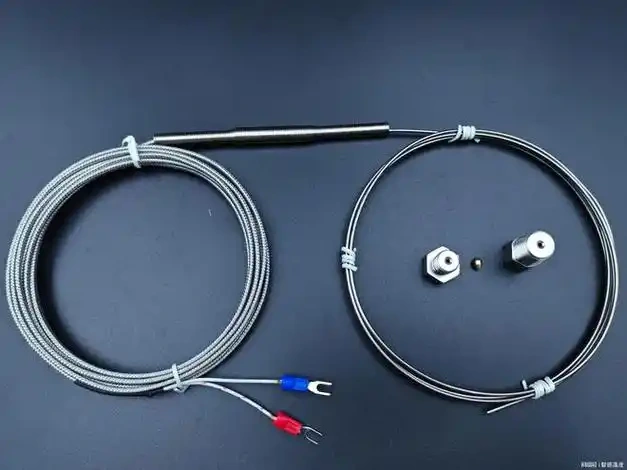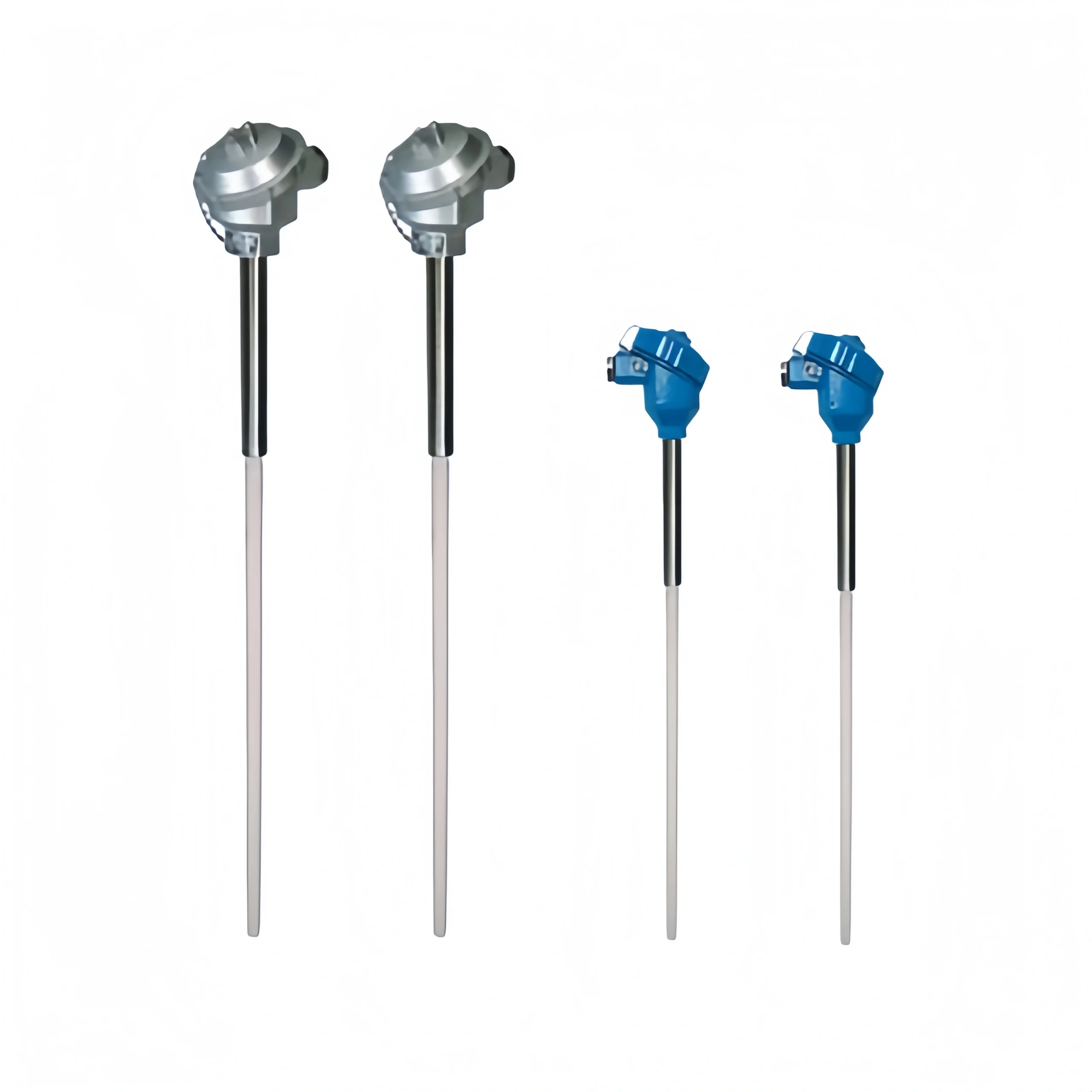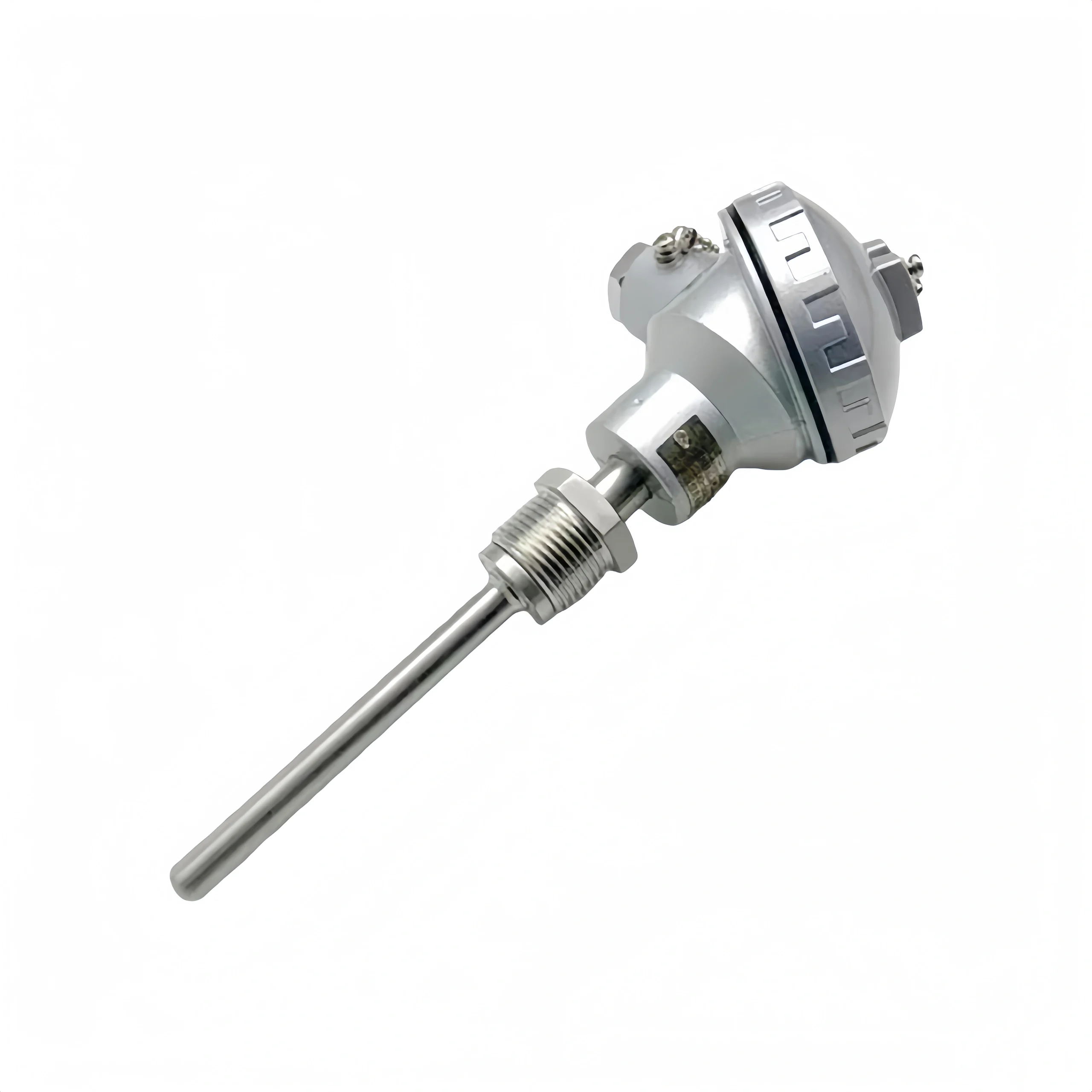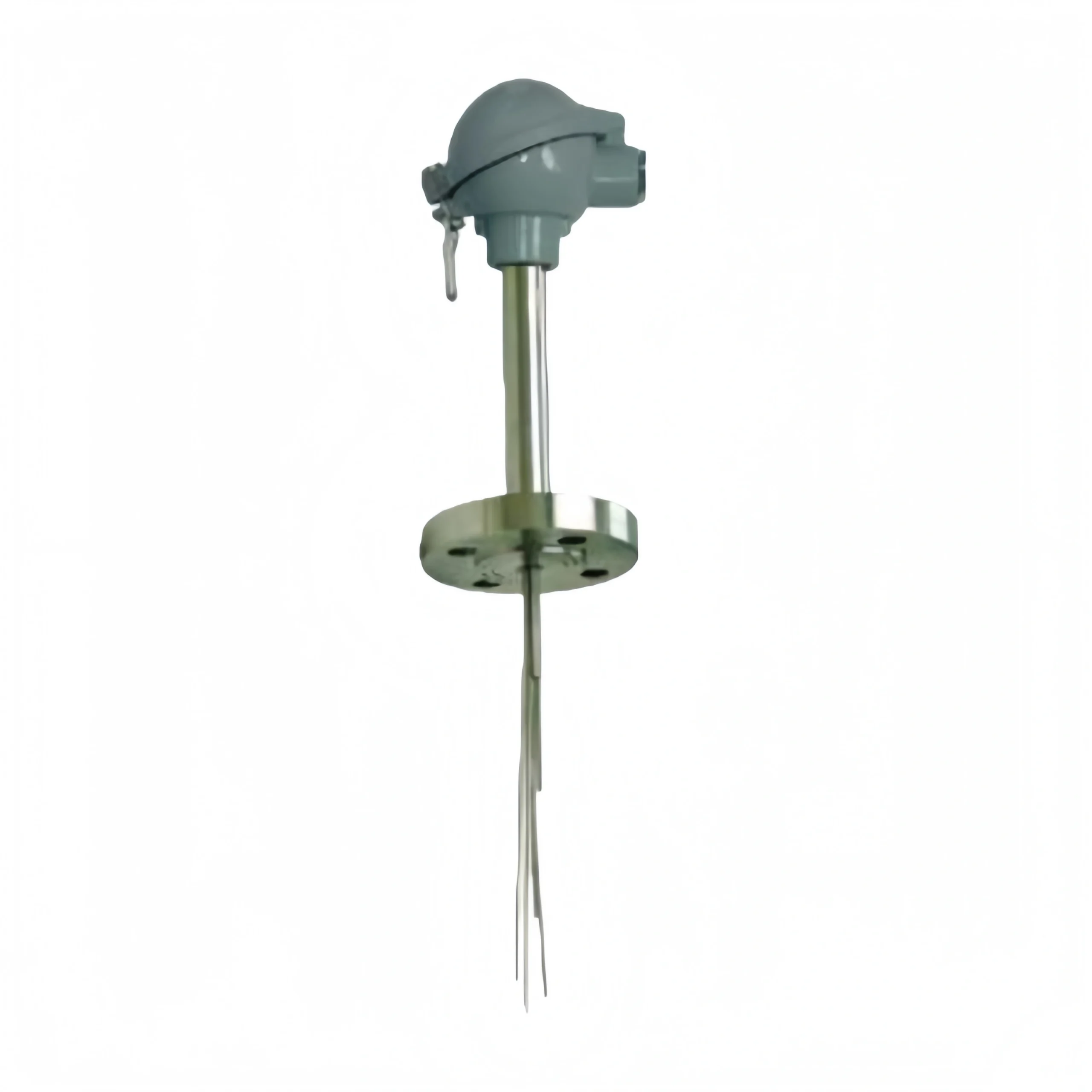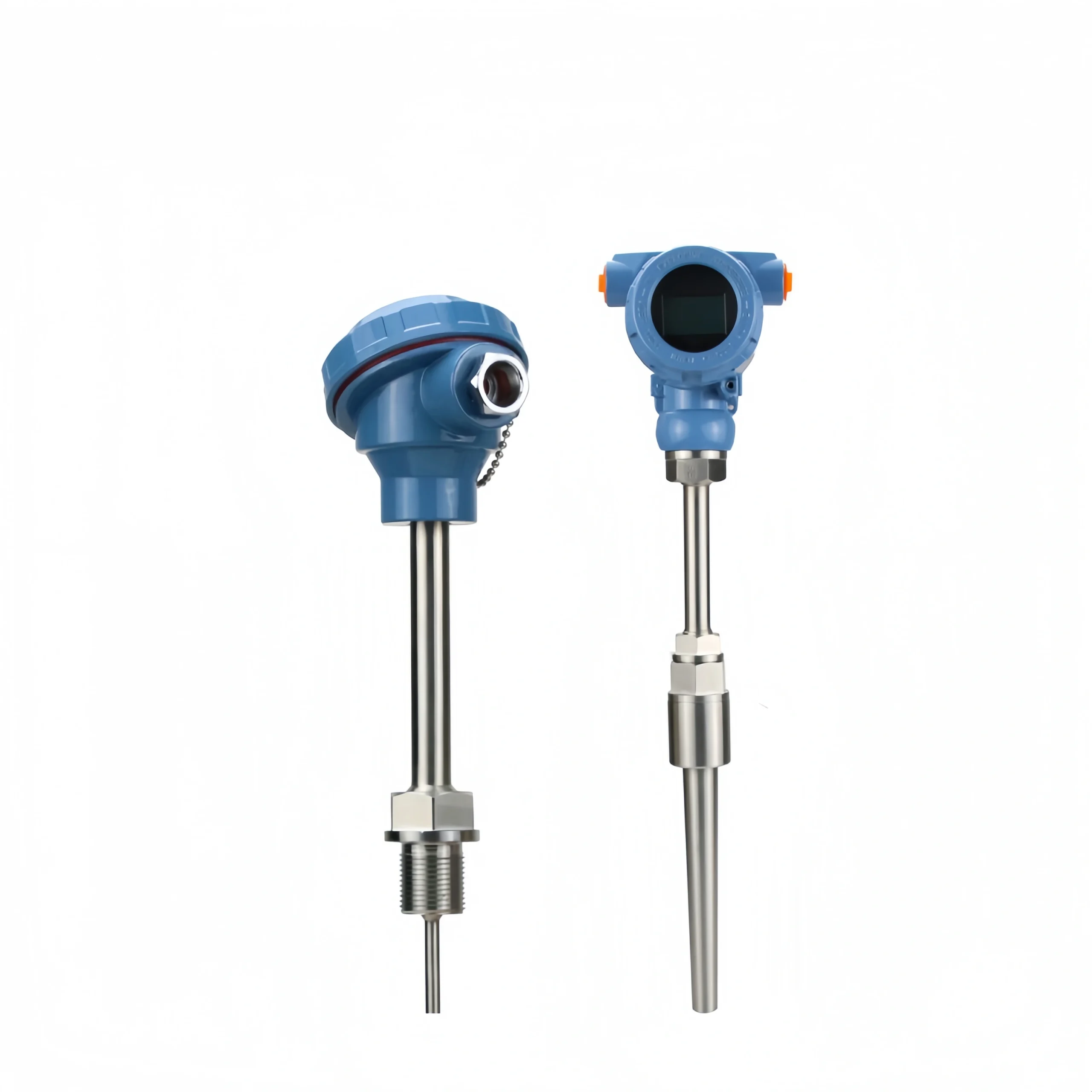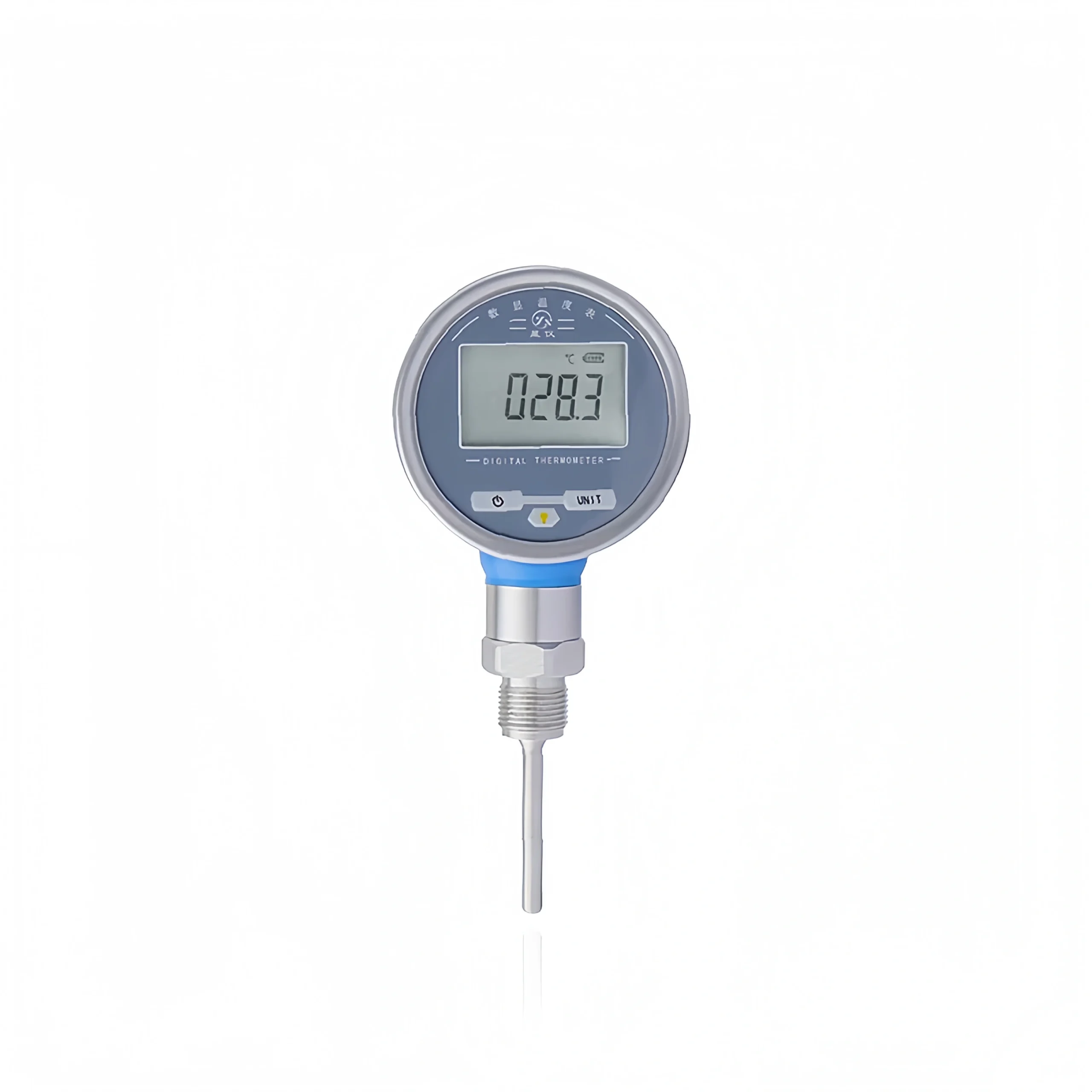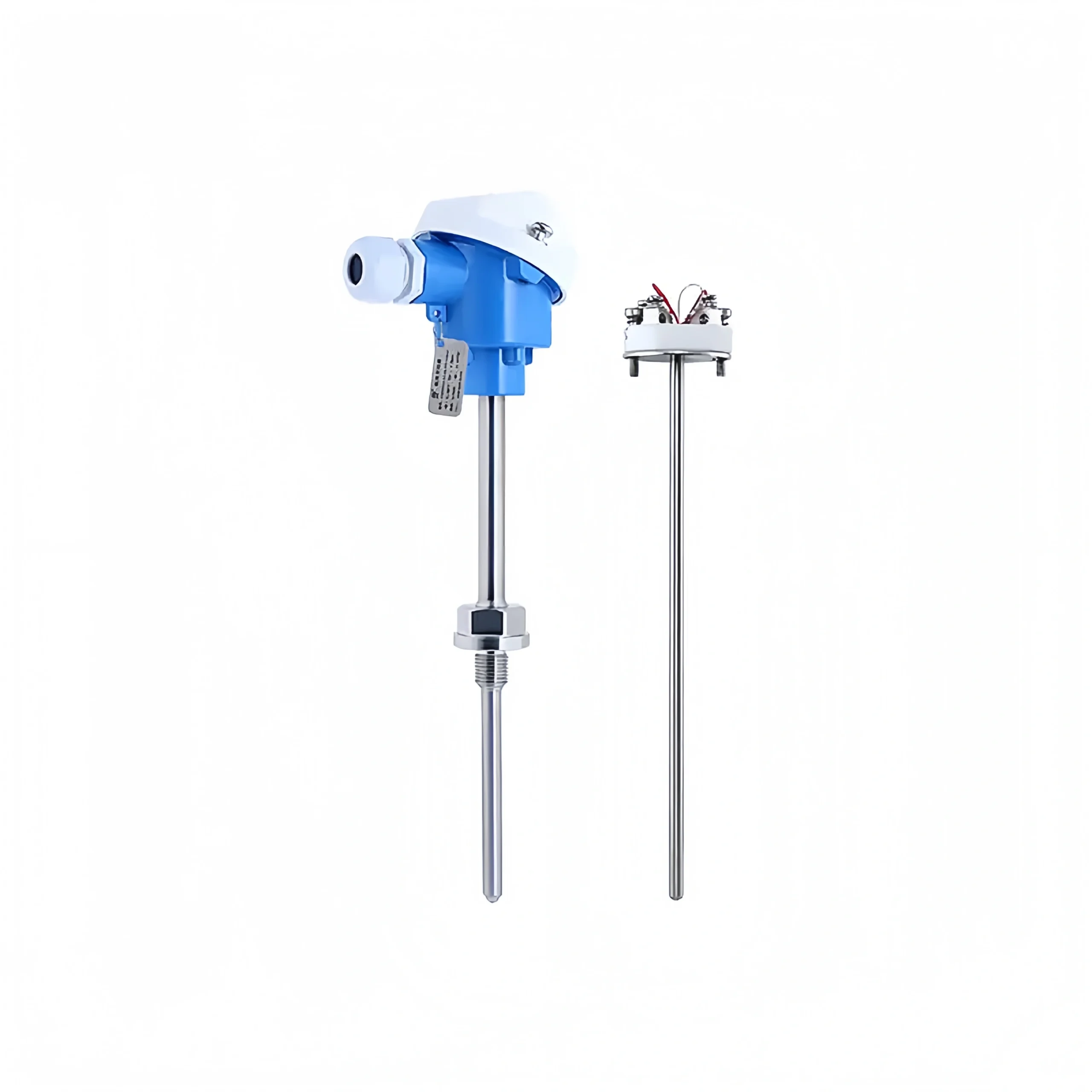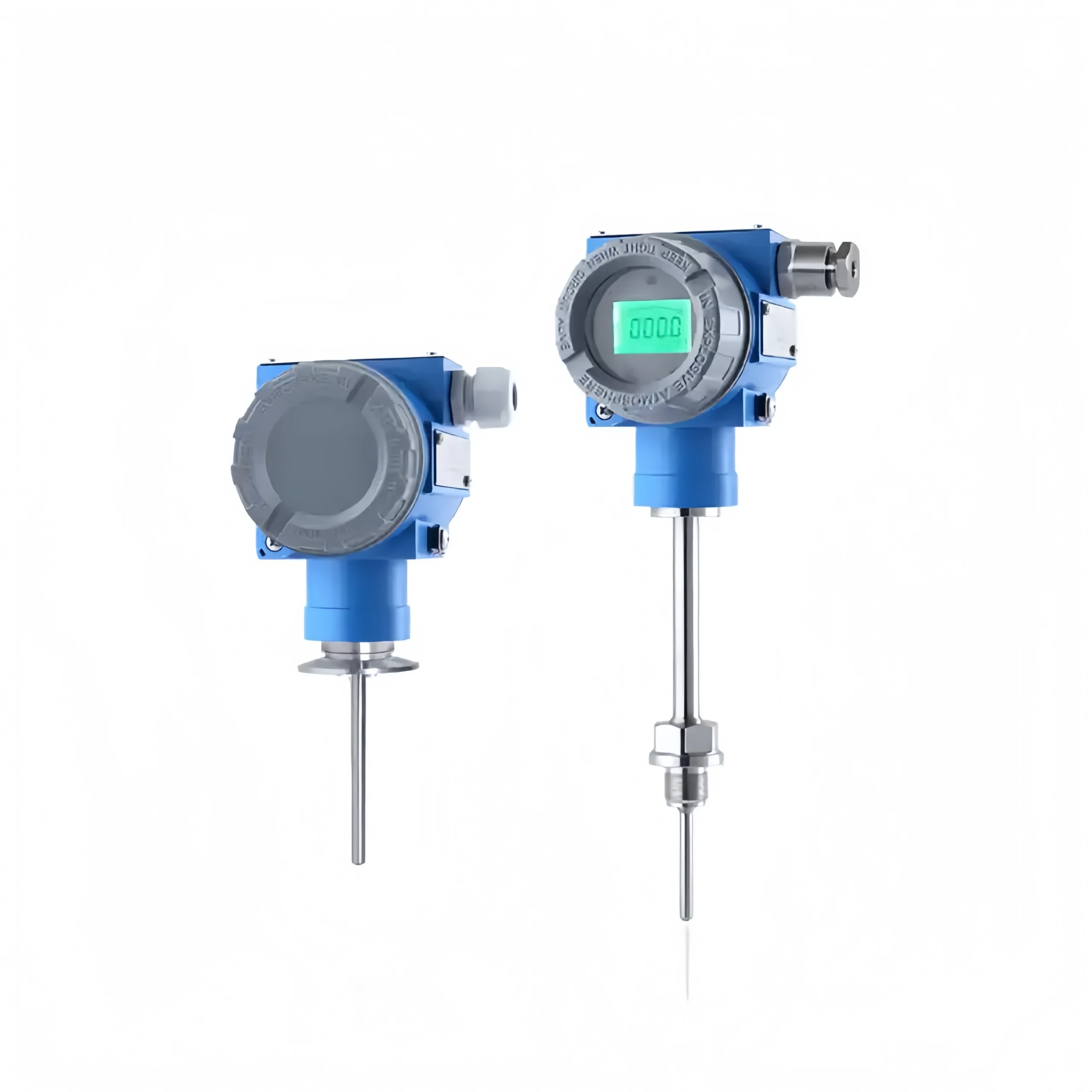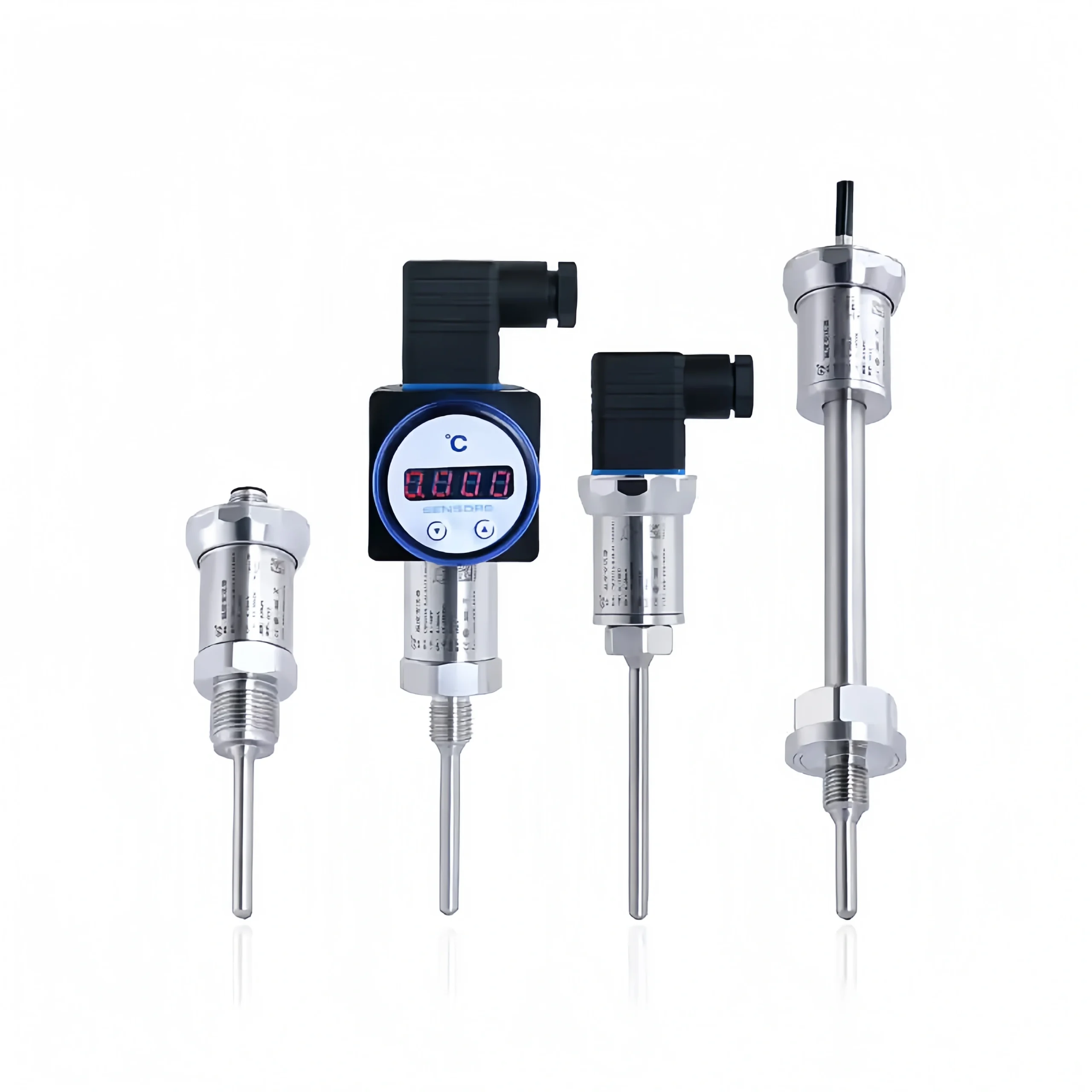
The Type J thermocouple is a base-metal temperature-sensing element widely used in industry. It is characterised by high thermoelectric sensitivity and good output linearity, making it suitable for temperature acquisition and closed-loop measurement and control in medium- and low-temperature operating conditions, where it performs fundamental temperature measurement tasks in a wide range of process scenarios.
What is a Type J Thermocouple?
The Type J thermocouple is a commonly used base-metal thermocouple, with an iron positive electrode and a constantan negative electrode; its typical operating temperature range is 0–750 °C.
It offers high sensitivity and low cost, making it suitable for vacuum, oxidising or neutral environments; however, in high-temperature, sulphur-containing or humid environments, the iron wire is prone to rust and is not resistant to strongly reducing or corrosive media.
Its thermoelectric characteristics exhibit good linearity, and compensation leads are readily available. It is frequently used for temperature measurement in drying ovens, injection moulding and standard furnaces, and must not be interchanged with Type K thermocouples.
Principle of Operation of the Type J Thermocouple
The Type J thermocouple is a temperature sensor composed of iron and a copper-nickel alloy; its principle of operation is based on the Seebeck effect. When the two conductors are connected to form a closed circuit, a thermoelectric potential is generated when the temperatures at the two junctions differ.
One end of the thermocouple, the measuring junction, is exposed to the temperature of interest, whilst the other, the reference junction, is held at a known, constant temperature.
The measured thermoelectric voltage, together with the reference-junction temperature, is then used with a calibration table to determine the temperature at the measuring junction.
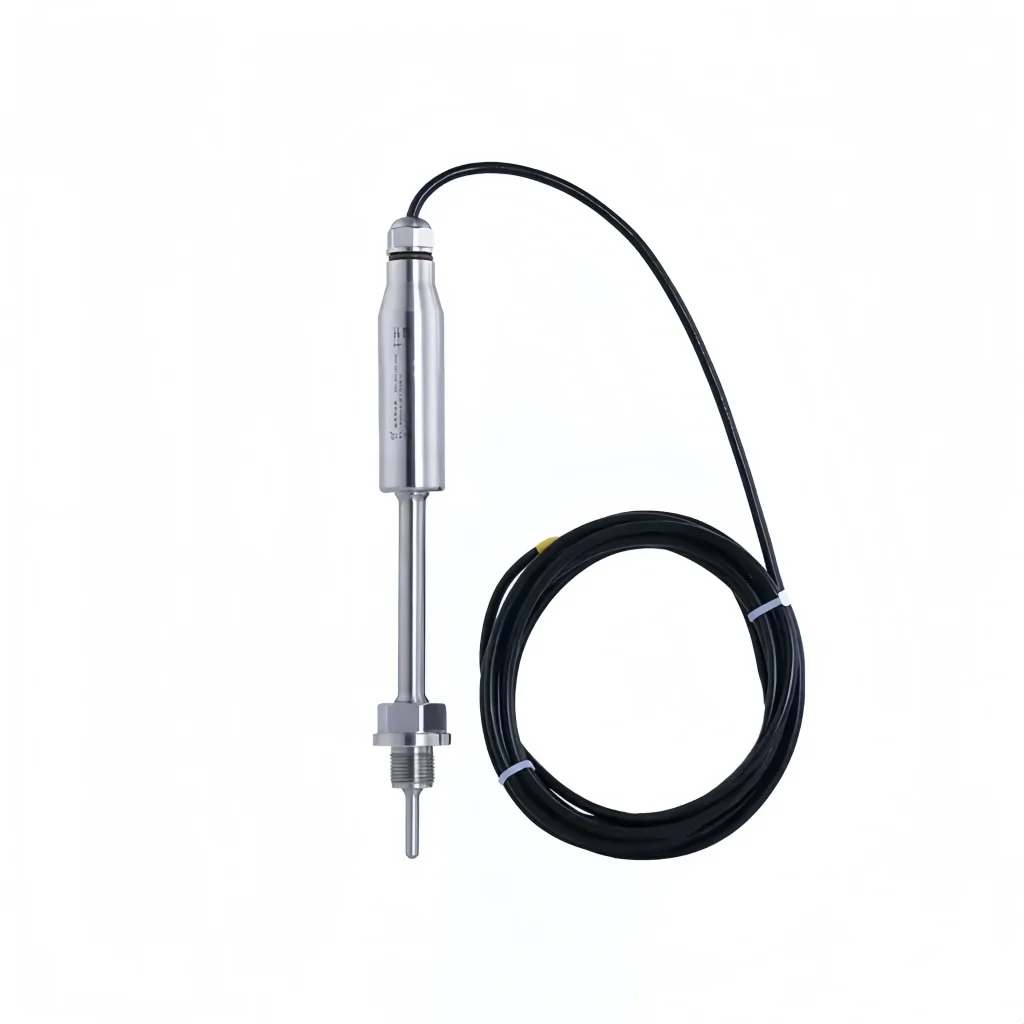
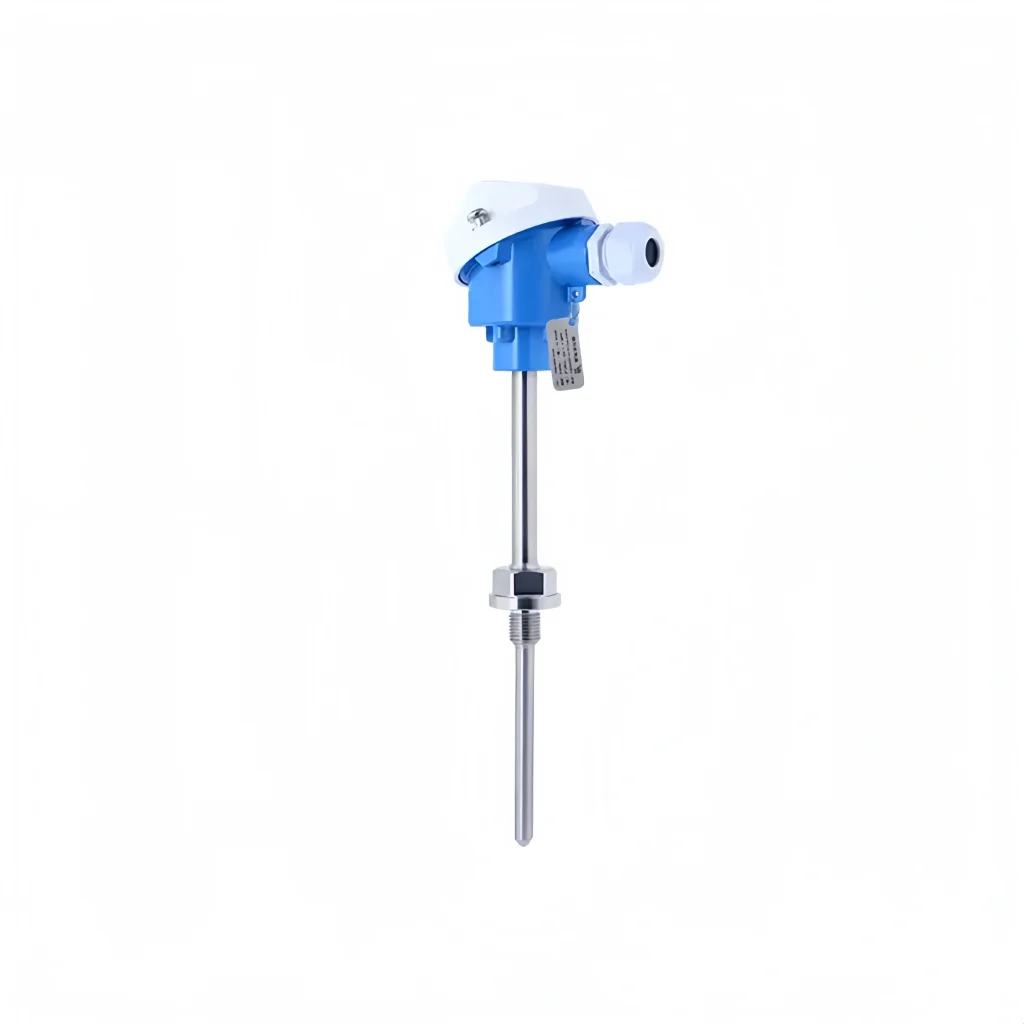
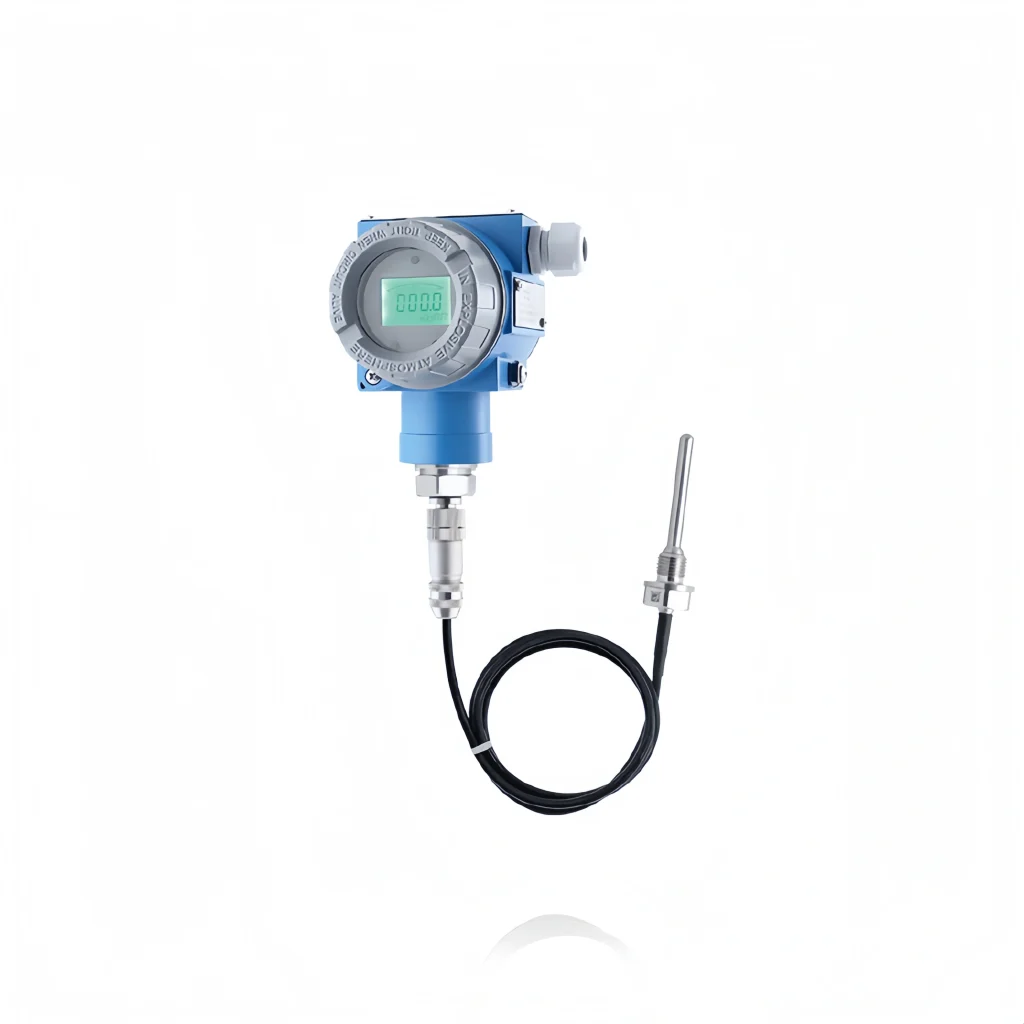
Advantages and Disadvantages of Type J Thermocouples
Advantages
1. It boasts strong sensitivity and generates a fairly substantial thermoelectric voltage. Given the same temperature shift, it puts out a bigger signal than a Type K thermocouple, which makes detection and measurement by subsequent instruments much simpler.
2. Its thermoelectric behaviour follows a fairly linear trend. Within the typical working temperature range, voltage changes in a predictable way alongside temperature, so translating the captured signal into a temperature value is straightforward.
3. Its constituent materials come at a comparatively low cost. As a base-metal thermocouple, it carries a lower purchase price than noble-metal alternatives and delivers decent cost performance.
4. It works across multiple ambient conditions, such as vacuum, reducing, inert and regular oxidising atmospheres. It also handles reducing environments with hydrogen, carbon monoxide and similar gases.
5. The thermocouple wire maintains consistent properties. This supports steady readings and dependable repeatability for low and medium temperature measurement tasks.
6. It is widely supported by industrial instruments. Equipment compatible with Type J calibration is readily available, as are replacement parts and other accessories.
Disadvantages
1. Its resistance to oxidation is relatively poor. Long-term exposure to high temperatures in strongly oxidising atmospheres can damage the wires and cause premature failure, considerably shortening their service life.
2. Its measuring range has a capped upper limit. It normally cannot work reliably past 750°C, as measurement drift will rise sharply beyond this point.
3. The iron positive leg corrodes easily, especially when exposed to media with sulphur, chlorine and other corrosive agents.
4. It shows noticeable hysteresis. At the same temperature, the thermoelectric voltage generated on heating differs from that on cooling, bringing extra measurement errors.
5. It cannot run continuously in hot oxidising surroundings or sulphur-laden atmospheres, which narrows down its available working conditions.
Practical Applications of Type J Thermocouples
1. The most common use of Type J thermocouples is in plastics processing.
They monitor temperatures in the barrels and nozzles of injection moulding machines, hot runner systems, and extruder barrels and die heads. Their high sensitivity helps maintain a stable melt temperature, reducing the risk of material overheating or decomposition and supporting consistent product quality.
2. Heat treatment and industrial furnace equipment.
Type J thermocouples are suitable for moderate-temperature applications in annealing, tempering, brazing and vacuum furnaces.
They provide reliable measurements in reducing and inert atmospheres, as well as under vacuum, and are often used to monitor the heat treatment of aluminium components and small carbon steel workpieces.
They can be used for continuous temperature measurement at temperatures up to 760°C.
3. Food and pharmaceutical industries.
Used in conjunction with sanitary protective sheaths, these probes are applied in sterilisation autoclaves, cooking equipment, ovens and hot-air circulation curing equipment.
They meet the temperature recording and process validation requirements for sterilisation and drying processes, whilst offering a lower cost compared to platinum resistance thermometers.
4. Chemical and fine chemical production.
used for temperature measurement in reactors for resins, coatings and adhesives, as well as in certain hydrogenation process equipment.
Suitable for reducing process atmospheres containing carbon monoxide and hydrogen, they are used to monitor exothermic reactions and ensure the synthesis process remains safe and controllable.
5. Packaging heat-sealing equipment.
Installed at the positions of heat-sealing blades and heat-pressing rollers, these sensors enable real-time control of sealing temperatures, resolving issues such as poor heat-seal integrity and scorching of packaging films. They are widely used in continuous packaging machines and bag-making machines.
6. Electronic and laboratory testing.
used in circuit board ageing ovens, composite material curing jigs and component thermal test benches, these sensors respond rapidly to temperature changes and, when used in conjunction with paperless recorders, enable temperature data acquisition and curve recording.
7. General HVAC and retrofitting of older industrial equipment.
many traditional steam heat exchange systems, hot-air drying lines and small coal-fired heating units are originally fitted with Type J thermocouples; these are convenient to replace and maintain, and offer high versatility.
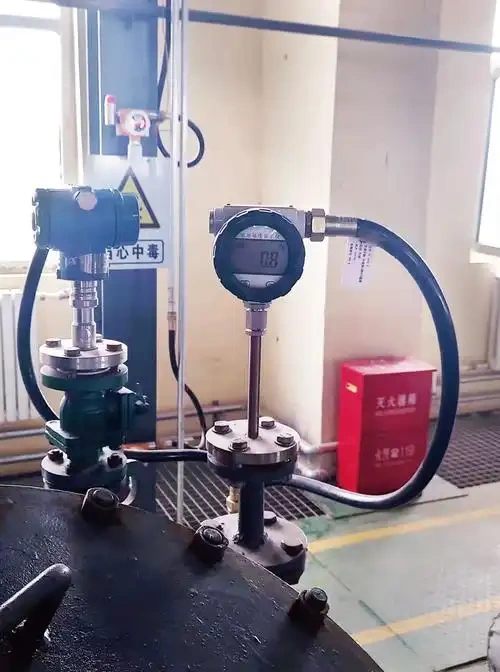
Type J Thermocouple vs Type K Thermocouple
Material composition:
Type J thermocouples consist of iron–constantan; the positive electrode is pure iron, whilst the negative electrode is a copper–nickel alloy.
Type K thermocouples consist of nickel–chromium–nickel–silicon; the positive electrode is a nickel–chromium alloy, whilst the negative electrode is a nickel–silicon alloy. As the electrode materials are entirely different, compensation leads must not be mixed.
Temperature Measurement Range:
The standard long-term operating range for Type J is –40 to 750 °C; the rate of oxidation of the iron electrode accelerates significantly once the temperature exceeds 500 °C.
Type K has a wider measurement range, from –200 to 1,200 °C, and can be used reliably in medium- to high-temperature conditions, with an upper limit far exceeding that of Type J.
Sensitivity characteristics:
Type J has a higher thermoelectric potential and greater sensitivity than Type K, producing a stronger output signal for the same temperature change;
Type K exhibits better linearity in thermoelectric potential, with a smoother output curve across a wide temperature range, making temperature control tuning more convenient.
Suitable atmospheres:
Type J works well in reducing conditions, vacuum setups and inert surroundings. It can stand exposure to hydrogen and carbon monoxide, yet its iron leg rusts easily and will degrade quickly in moist, hot, sulphur-laden environments.
Type K is mainly intended for oxidising and inert atmospheres, boasting good oxidation resistance, though bare Type K wire should not stay long in vacuum, sulphurous or fluctuating redox conditions.
Price and service life:
Type J thermocouple wire costs less, yet its lifespan is limited under high-temperature, oxygen-rich conditions.
Type K brings broader applicability and solid value for money. It is the industry’s most widely adopted general thermocouple, with abundant stock choices and supporting accessories on the market.
Typical Applications:
Type J sees common use in heat treatment furnaces, plastic processing machinery, legacy industrial control hardware and reduction processes.
Type K fits boilers, drying ovens, kilns and standard heating gear, and remains the go-to option for most routine temperature measurement tasks.
Low-Temperature Performance:
Type K can start measuring at lower temperatures and fits selected low-temperature scenarios.
Type J delivers only average performance below zero and is seldom picked for cryogenic measurement work.
Which wire is the positive terminal in a Type J thermocouple?
Material Definition: In a Type J thermocouple, the positive terminal is made of pure iron (Fe), whilst the negative terminal is made of constantan (a copper-nickel alloy, CuNi); the iron wire is the positive terminal, and the constantan wire is the negative terminal.
IEC International Standard: The wire with black insulation is the positive terminal, whilst the white one is the negative terminal; the outer sheath is generally black.
ANSI American Standard: The wire with white insulation is the positive terminal, whilst the red one is the negative terminal; the outer sheath is generally black.
Magnet test (the most reliable method, unaffected by colour standards): The wire that is attracted by a magnet is the positive terminal; iron is magnetic, whilst constantan is non-magnetic.
Types of Thermocouples
Type K thermocouple: nickel-chromium–nickel-silicon. A commonly used base-metal thermocouple in industry, with a temperature measurement range of –200 to 1300 °C. It offers good linearity and value for money, and is suitable for oxidising medium- to high-temperature environments.
Type N Thermocouple: Nickel-chromium-silicon–nickel-silicon; operating temperature range: –200 to 1,300 °C; offers superior high-temperature stability and oxidation resistance compared to Type K.
Type E Thermocouple: Nickel-chromium–copper-nickel; operating temperature range: –200 to 900 °C; high sensitivity; suitable for low-temperature applications.
Type J thermocouple: iron–copper-nickel; operating temperature range: –210 to 750 °C; fast response; suitable for reducing atmospheres.
Type T thermocouple: copper–copper-nickel; operating temperature range: –200 to 350 °C; stable accuracy at low temperatures; commonly used for low-temperature measurements.
Type S thermocouple: platinum-rhodium 10–platinum; a precious metal thermocouple with a temperature range of 0–1760 °C; offers good resistance to oxidation and is used for high-temperature precision measurements.
Type R thermocouple: platinum-rhodium 13–platinum; temperature range 0–1760 °C; performance similar to Type S, but with a slightly higher thermoelectric potential.
Type B thermocouple: Platinum-rhodium 30–platinum-rhodium 6; operating temperature range 0–1820°C; offers the highest temperature resistance; generally requires no cold-junction compensation within 100°C.
Differences between thermocouples and resistance temperature detectors (RTDs)
Different measurement principles: Thermocouples operate using the Seebeck effect, where two distinct conductors create thermoelectric voltage; RTDs make use of how a metal’s electrical resistance alters with temperature.
Different temperature measurement ranges: Thermocouples handle far higher maximum temperatures and can take readings up to about 1,800 °C; resistance thermometers suit low and medium temperature work and generally cap at 600 °C.
Different signal types: Thermocouples send out millivolt-level voltage signals; resistance thermometers produce resistance signals and need an external power supply.
Different material classifications: Thermocouples are split into base metal and noble metal grades; resistance thermometers typically employ platinum or copper sensing resistors.
Cold-junction treatment: Thermocouples call for cold-junction compensation to get reliable readings; resistance thermometers have no need for this compensation process.
Accuracy characteristics: Under identical operating conditions, resistance thermometers provide higher accuracy at low and medium temperatures; thermocouples are preferred for high-temperature measurement tasks.
Lead wire influence: Lead resistance on RTDs easily causes reading errors, so three-wire or four-wire wiring schemes are commonly used; lead wires have a relatively minor effect on thermocouple measurements.
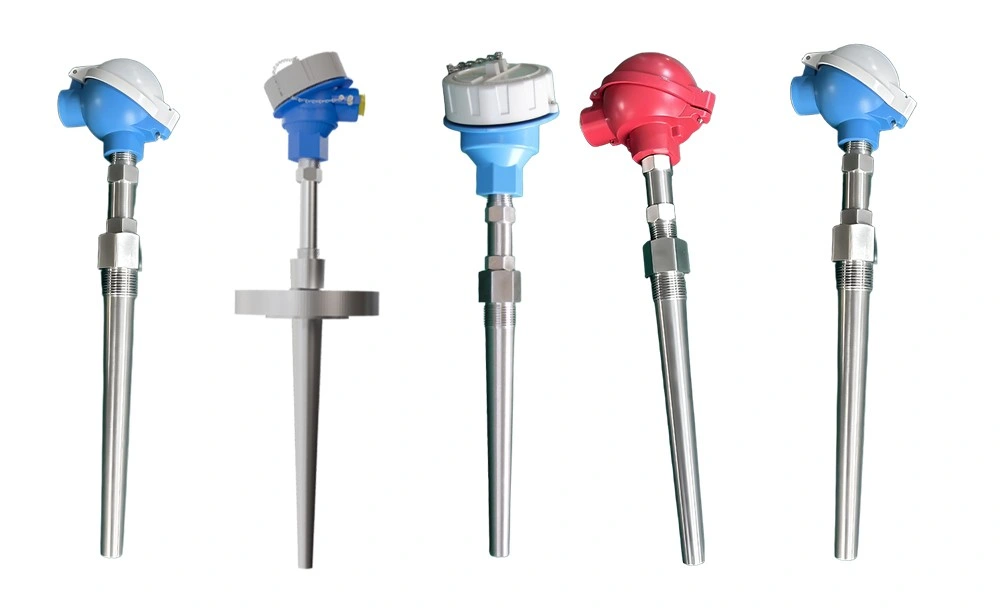
J type thermocouples deliver good sensitivity and solid cost performance, suited for low and medium temperature reducing atmospheres like plastic processing and heat treatment applications.
You can maintain steady temperature readings by picking a proper protective sheath to match your working conditions. Sino-Inst provides level gauges, flow meters and a full lineup of temperature instruments to back up your measurement and control systems reliably.