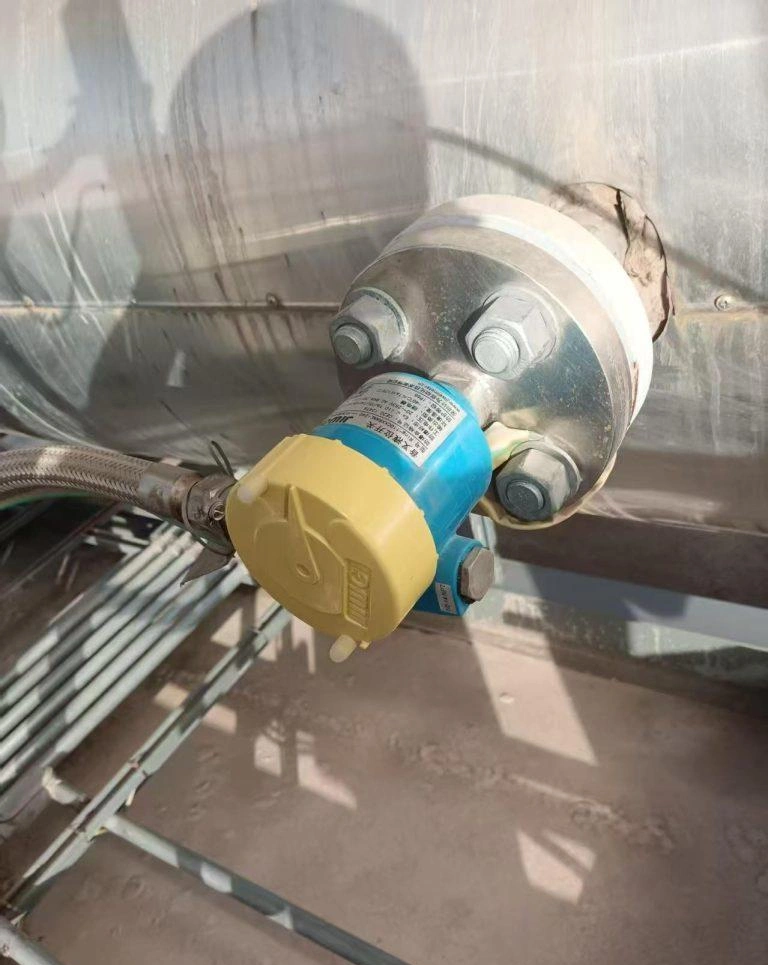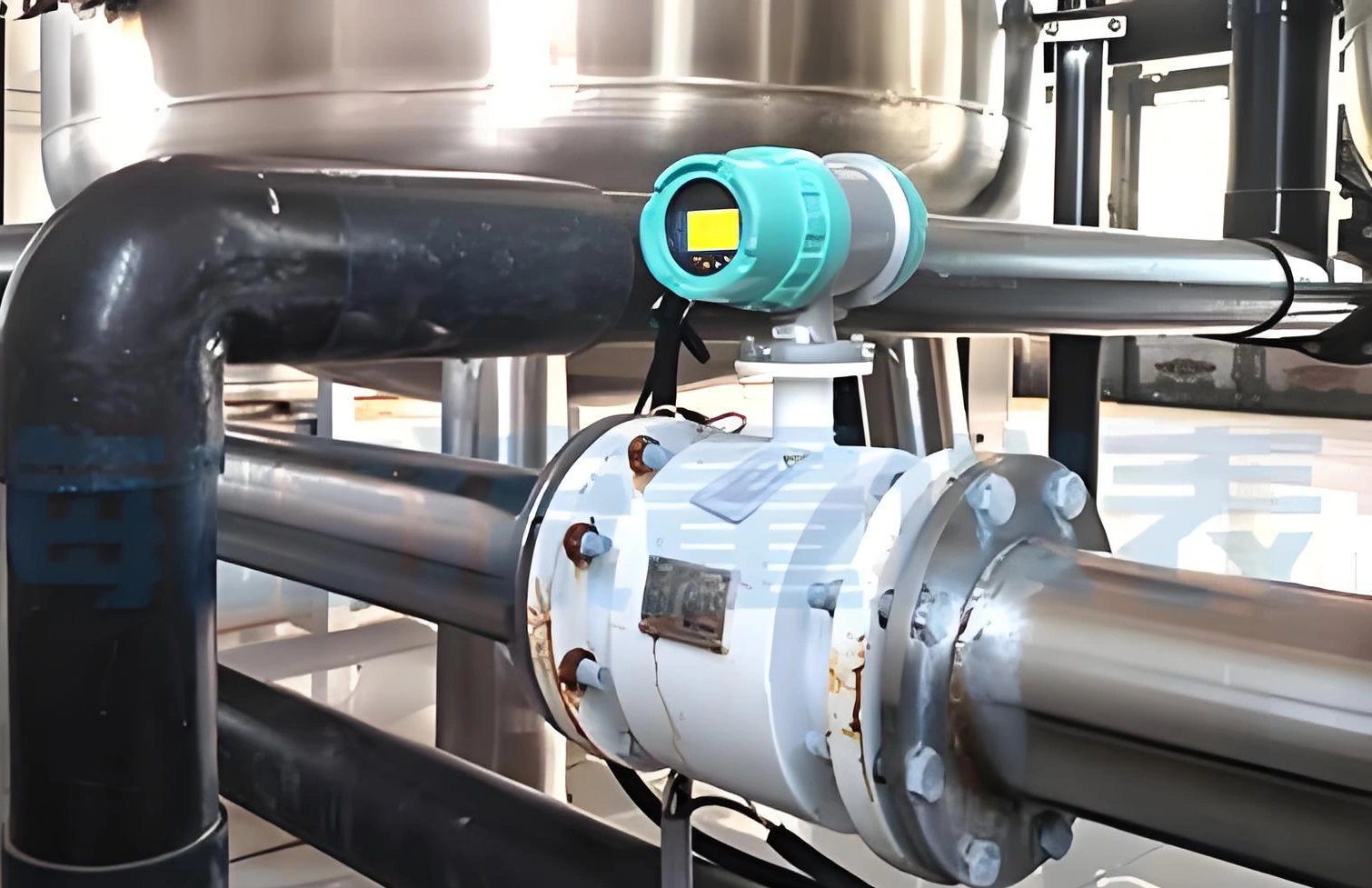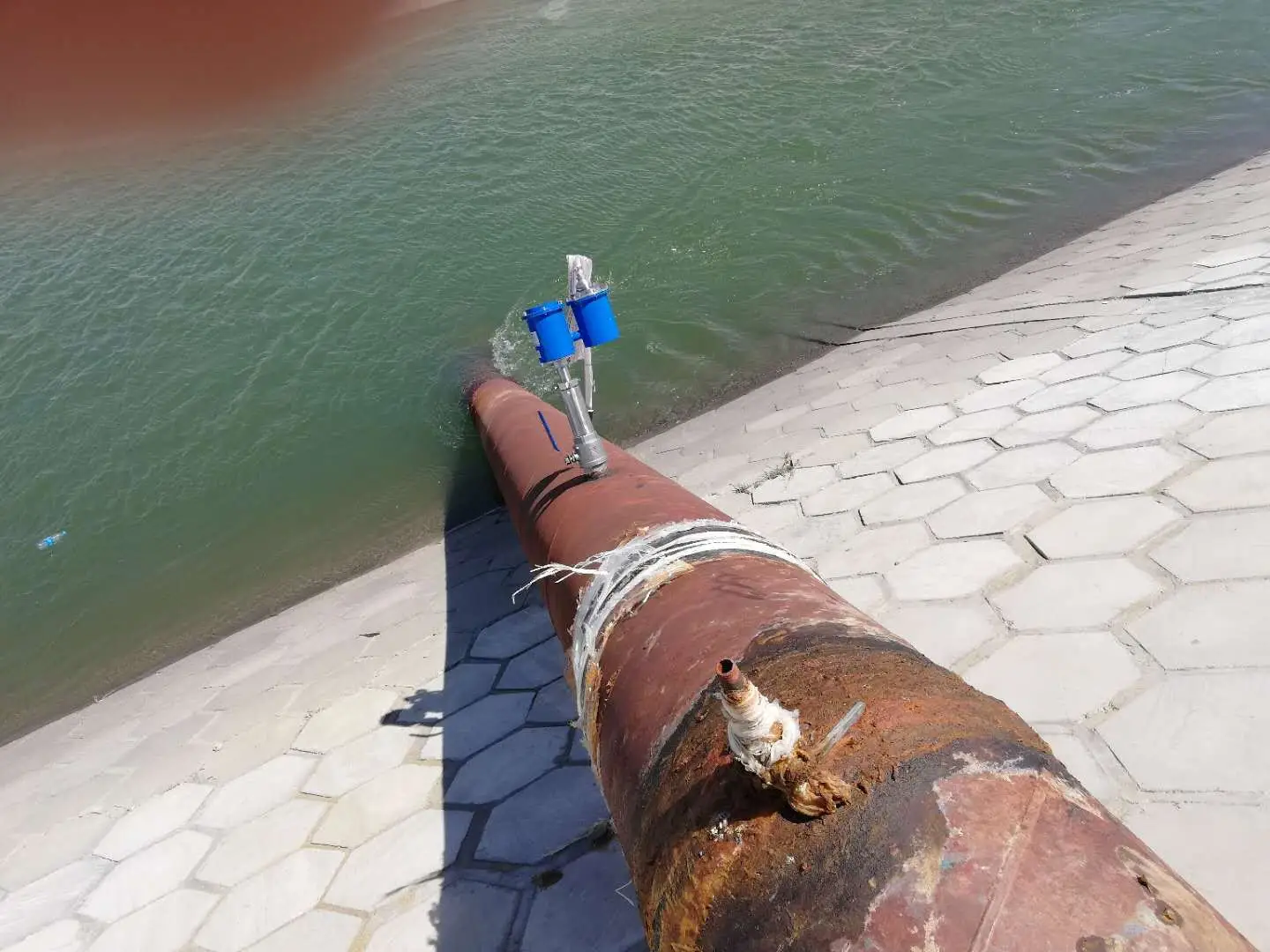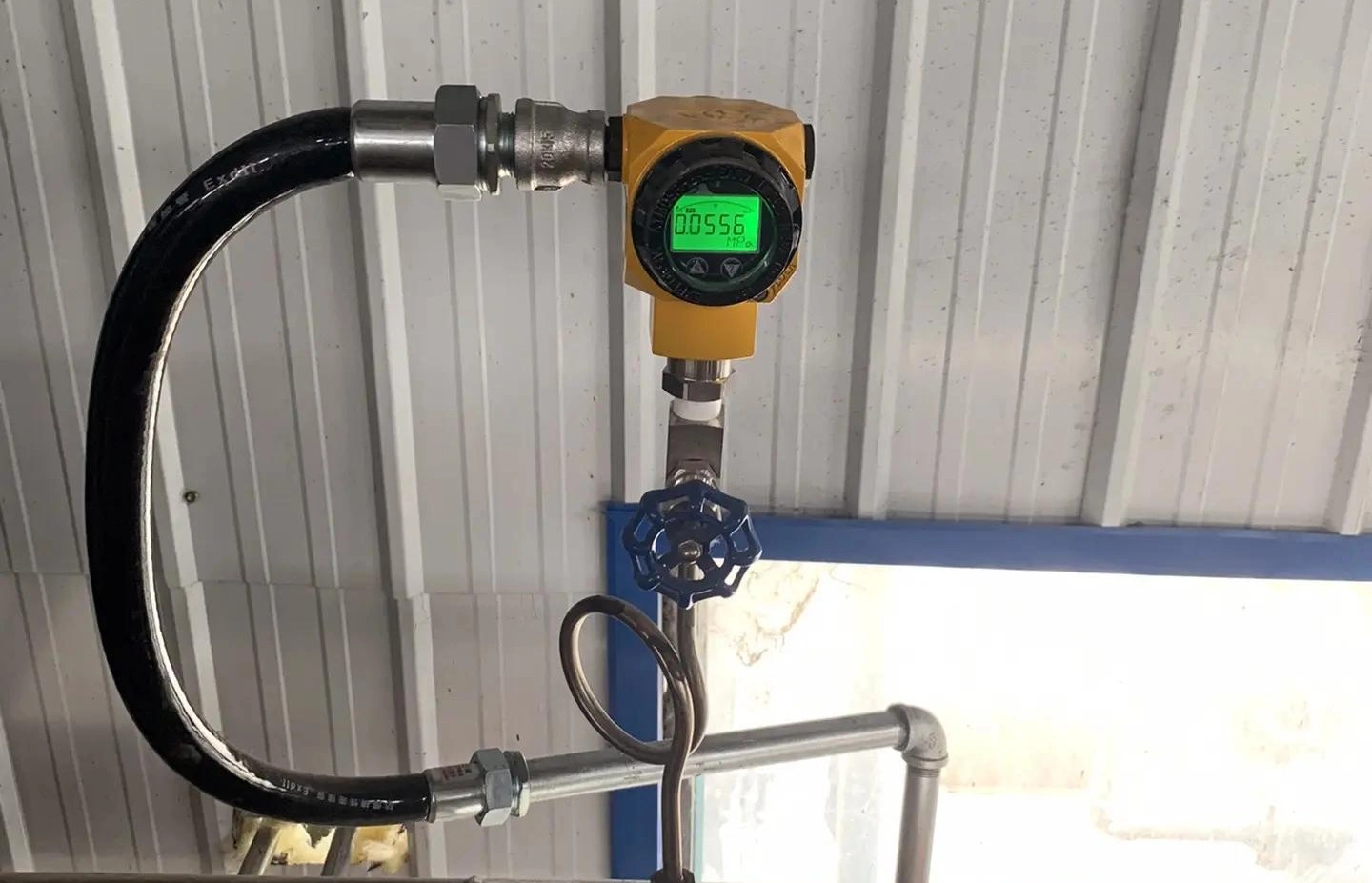
Accurate monitoring of material level interfaces is essential for keeping solid material storage and conveying systems running smoothly. Solid level switches are built for powders and granules, tracking changes in level boundaries in real time and delivering dependable switch signals for high/low-level interlocks and blockage warnings inside silos.
What Is a Level Switch?
A level switch is an on/off type instrument that checks whether the level of a liquid or solid inside a vessel has reached a set position. Once the material makes contact with, or moves away from, the sensing point, the device flips its internal contact and sends out a digital signal, which can then be used for high/low level alarms, pump start/stop control, and level interlocking.
It simply tells you whether the material has hit a predetermined point — it won’t give you a continuous readout of the exact liquid level. You’ll find it all over water treatment plants, chemical processing, grain handling and powder operations, and it works with pretty much anything: liquids, granules, powders.
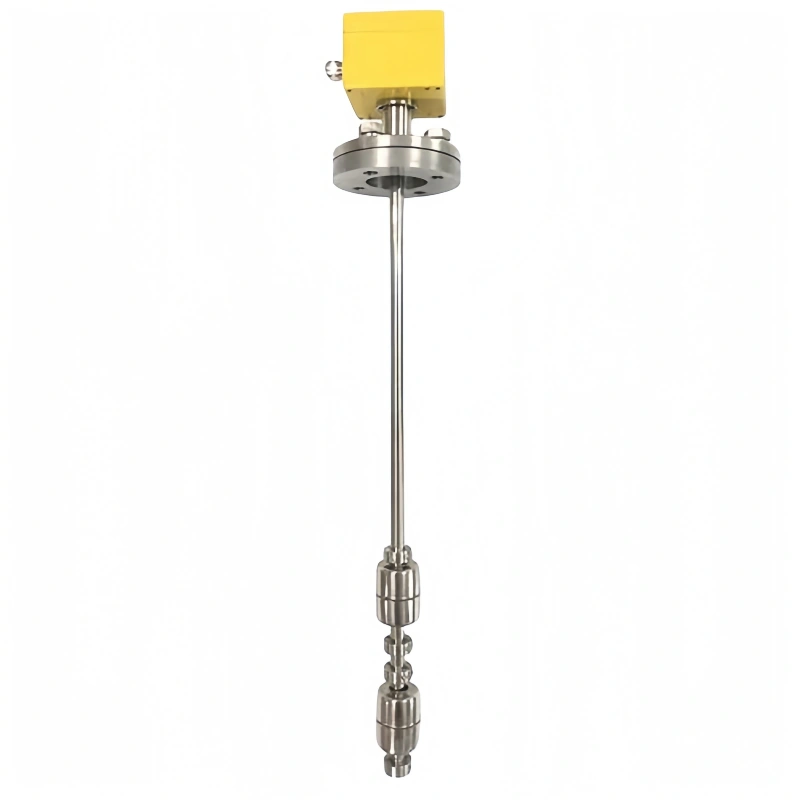
The usual designs include float, tuning fork, RF admittance and rotary paddle types.
Common Solid Materials
Granular materials: quartz sand, activated carbon, resin granules, plastic pellets — and everyday items like wheat, corn, rice, coffee beans, plus table salt and granulated sugar
Powdered materials: cement, fly ash, talc powder, calcium carbonate powder, flour, milk powder, starch, various pharmaceutical powders, lime powder
Lump or fragment materials: limestone, crushed ore, coke, wood chips, plastic fragments, coal lumps
Flake-type: mica flakes, metal flakes, plastic flakes
Challenges in Measuring Solid Materials
1. Uneven material surfaces. When solid particles and powders pile up, they naturally form slopes and angles of repose, so the surface ends up far from flat. Liquids level out on their own, but solids don’t — and that means one single measurement point often fails to reflect the true overall level.
2. Materials tend to adhere to the probe. Dusty or moist powders stick to the sensor’s detection end, which produces false level signals and sets off nuisance alarms. In practice, this means the probe has to be cleaned quite often.
3. Angle of repose, bridging and voids are common.During discharge, solids easily arch or bridge over, leaving voids inside the silo. The surface may look full while the bottom is actually empty, so the readings end up distorted.
4. Dusty conditions create serious interference. Feeding and discharging powders kicks up large amounts of dust, which blocks the signals of non-contact devices like ultrasonic and radar sensors, weakens signal strength and undermines detection stability.
5. Changing material properties throw off the measurement.Density, particle size and moisture content can differ from batch to batch. Meanwhile, shifts in static friction and dielectric constant lead to zero-point drift in RF admittance and capacitive level switches.
6. Impact wear can be severe. Large chunks dropping from above may hit the probe directly. Over time this wears it down,sometimes to the point of damage and shortens the instrument’s service life.
7. Material segregation is another headache.During feeding, mixed granular materials tend to separate into layers by particle size, so the composition isn’t consistent from one spot in the silo to another. That makes level determination even harder.
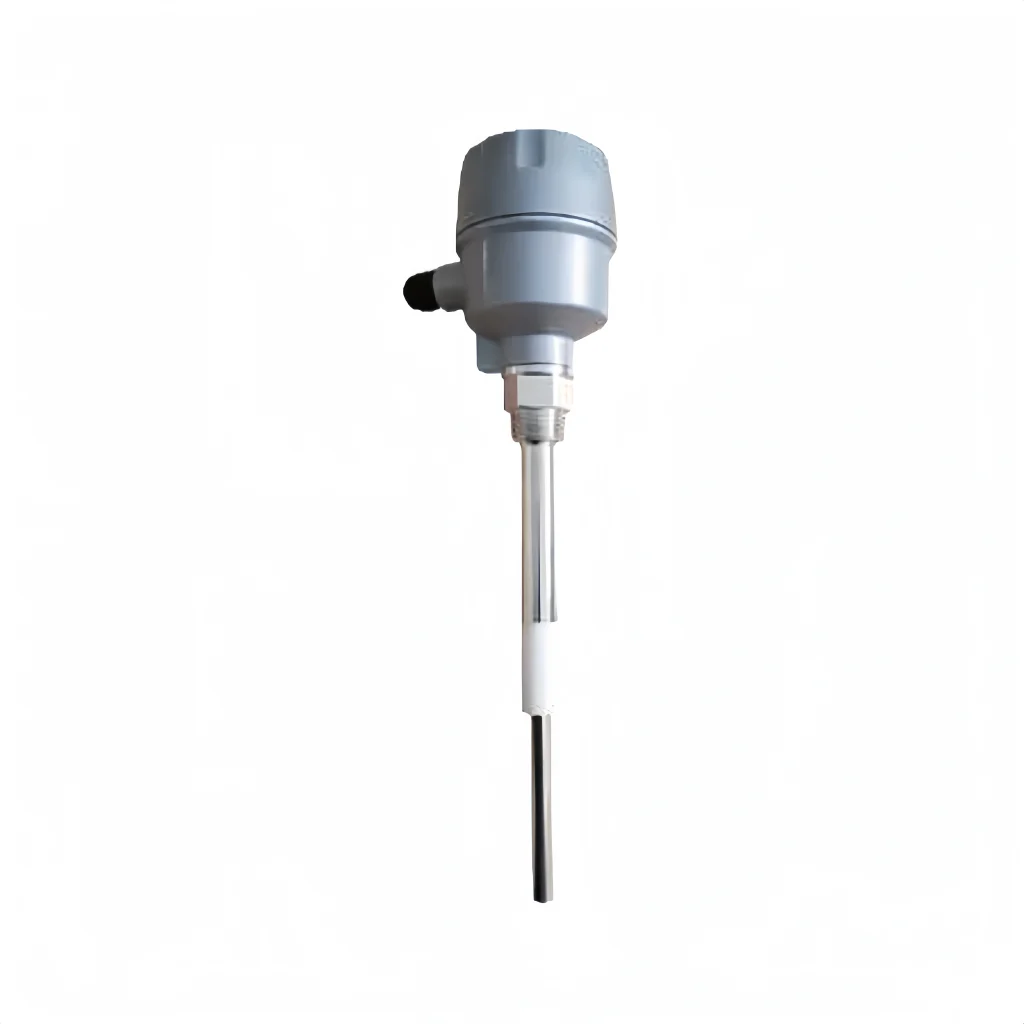
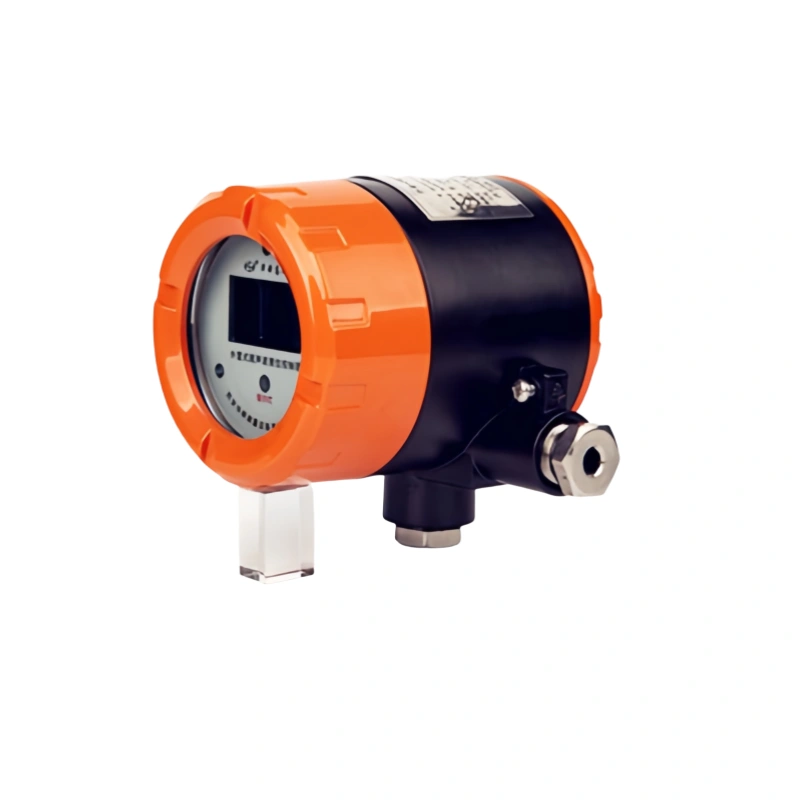
Solid Level Switch
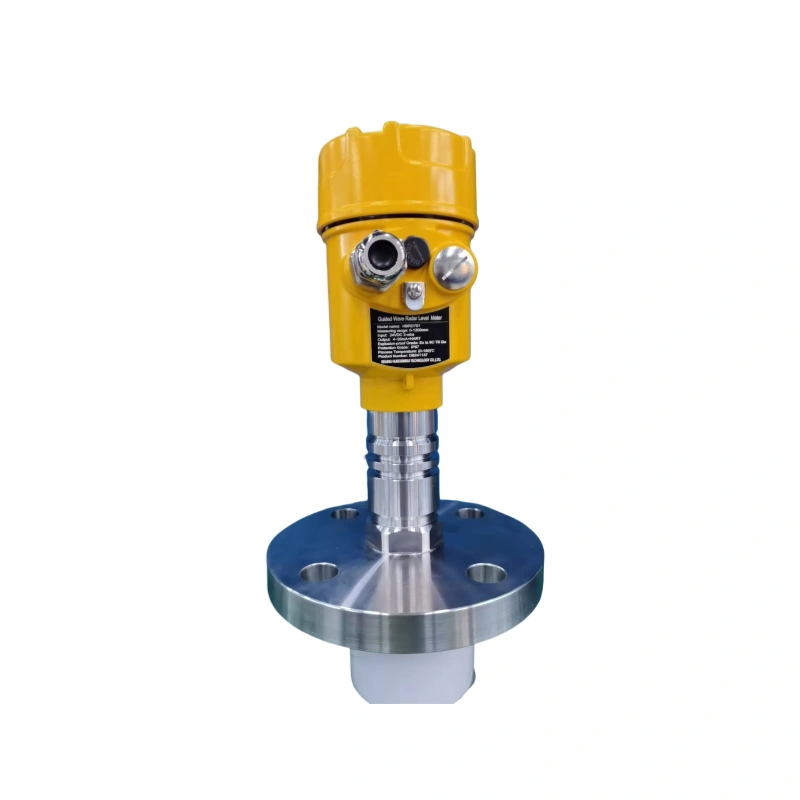
Radar Level Switch
Principle of Operation
The device emits a high-frequency microwave signal. When the microwave hits the surface of the solid material, it is reflected back to the antenna, and the instrument detects the intensity and time of the echo signal.
When the material rises to the preset detection level, the echo signal reaches the threshold, triggering the internal relay to output a level switch signal, thereby generating high-level or low-level alarms.
Advantages
- Non-contact measurement,the probe never touches the material itself, so there’s no risk of wear or jamming
- Works regardless of material color or dust (high-power versions are on offer for dusty conditions)
- Responds quickly and barely needs any upkeep
- Handles high-temperature and corrosive solid materials without a problem
Disadvantages
- Relatively high cost; prone to false triggering in silos with intense steam or significant material buildup
- Detection performance is reduced for materials with low dielectric constants (e.g., plastic powders, foam pellets)
- Obstacles inside the silo and material splatter can interfere with the signal, requiring precise installation positioning
- Not suitable for ultra-fine powders that are extremely low in dielectric constant, loose, and lightweight
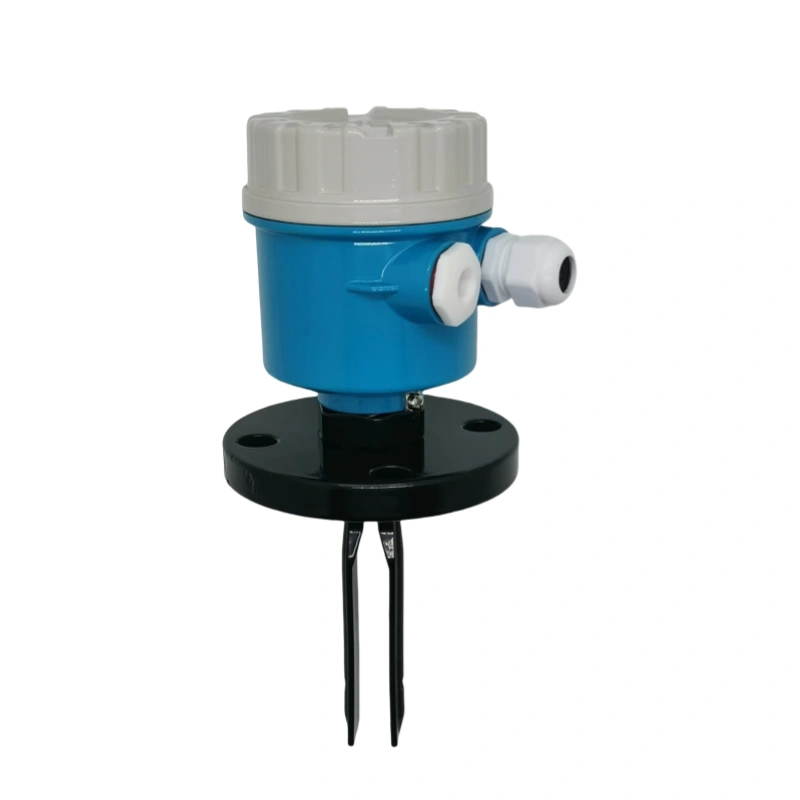
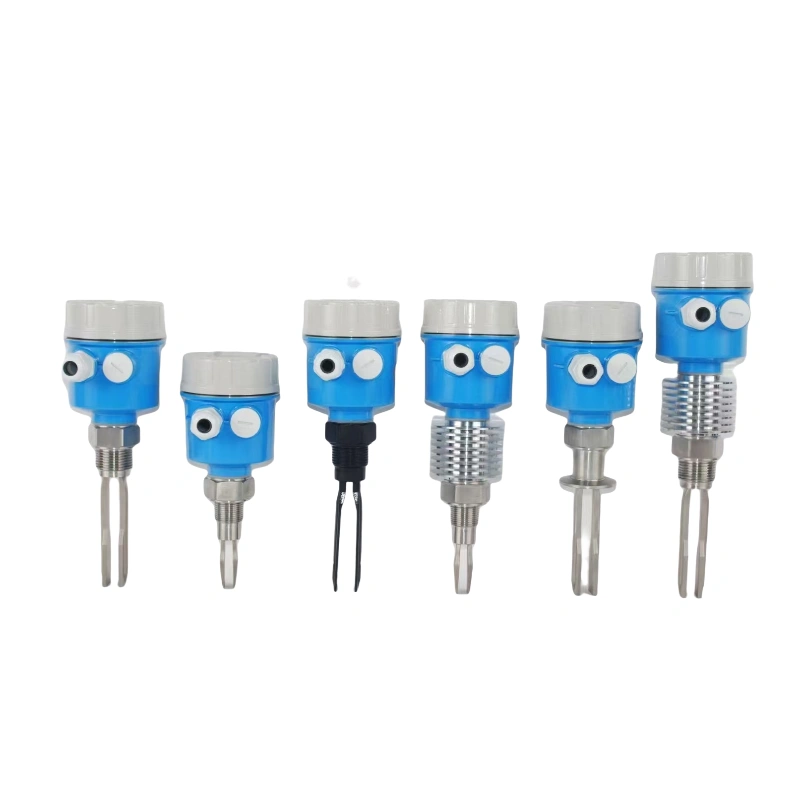
Tuning Fork Level Switch
Principle of Operation
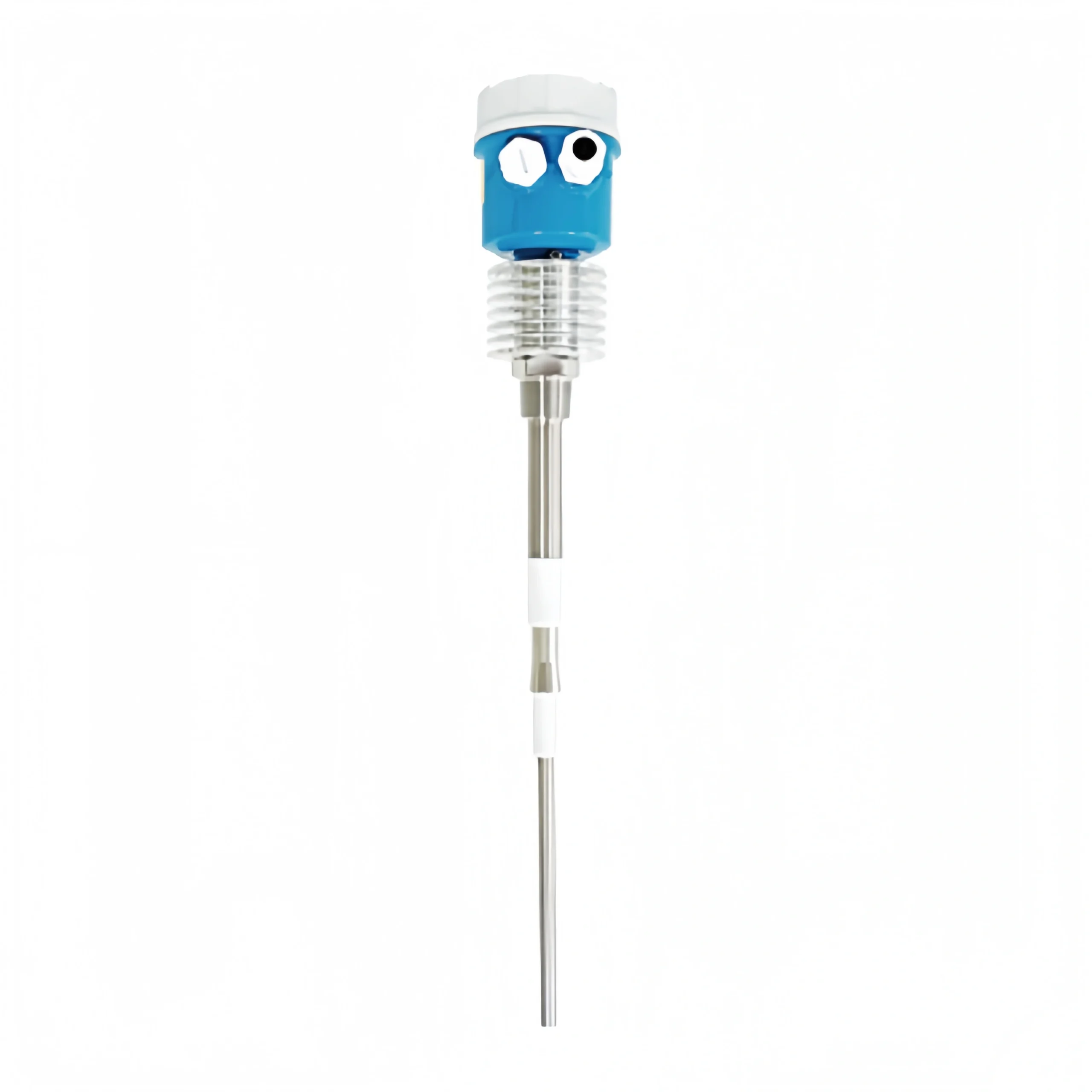
A piezoelectric element drives the tuning fork to vibrate at its natural frequency; when solid material buries the fork, the damping effect of the material causes the vibration frequency to change.
The circuit detects this frequency change, triggering the switch to output a signal, indicating that the material level has reached the detection point.
Advantages
- Simple structure, high reliability, maintenance-free
- Easy to install, compact size, supports side or top mounting
- Not affected by material static electricity or color
- Explosion-proof models available; suitable for powders and small-particle solids
Disadvantages
- Contact-type measurement; large, hard material impacts can easily break the fork
- Prone to material adhesion; thick layers of caked material can cause false alarms
- Not suitable for large-particle, high-impact, or highly adhesive materials
- Ultra-fine, lightweight dust can accumulate and encase the fork, affecting vibration
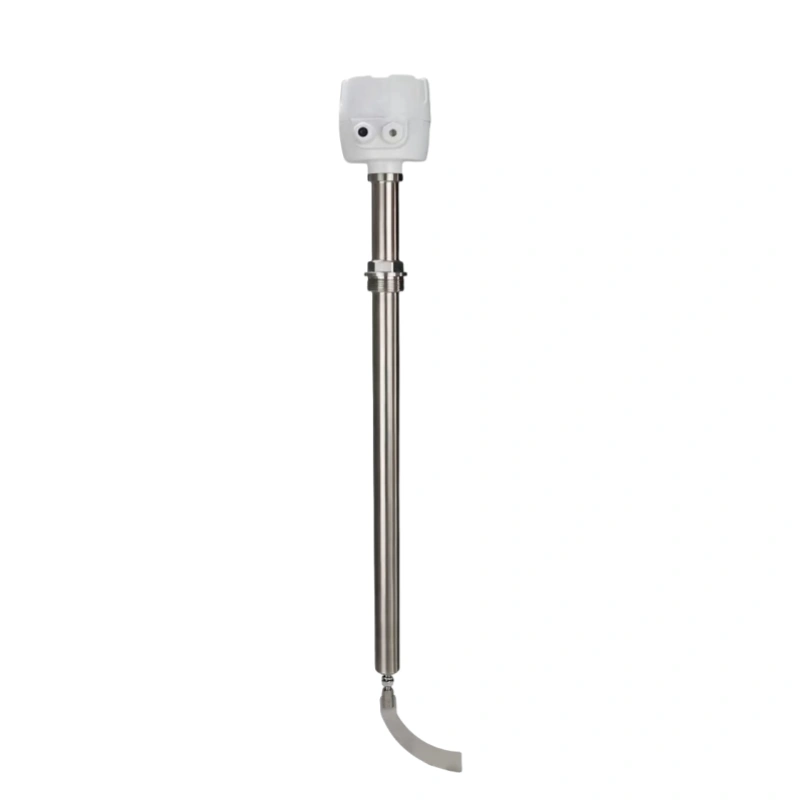
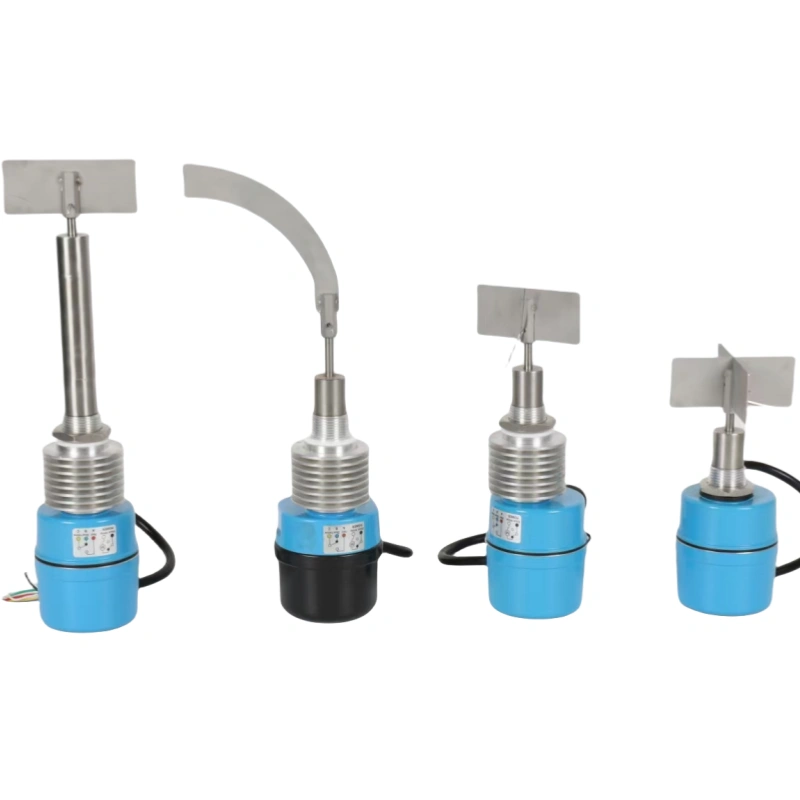
Rotary Paddle Level Switch
Principle of Operation
A motor drives the blades to rotate at low speed; when material rises and buries the blades, the material blocks their rotation, increasing the motor load.
The sensing mechanism detects the change in torque, cuts off the motor power, and outputs a switch signal; when the material descends and clears the blades, the resistance disappears, the blades resume rotation, and the signal resets.
Advantages
- Simple operating principle; low cost
- Suitable for granular, lumpy, and general powder materials; highly versatile
- Convenient on-site sensitivity adjustment; different blades are available as options
- Good dust resistance
Disadvantages
- Contact-type design — the blades can get damaged or jammed when hit by large chunks of material
- It has mechanical rotating parts, so the bearings wear out over time and need regular maintenance
- High-viscosity or caking-prone materials tend to coat the blades, which leads to false triggers
- Not suitable for extreme heat — it won’t hold up in silos with very high temperatures
- Lightweight, loose powders may not provide sufficient resistance, leading to detection failure
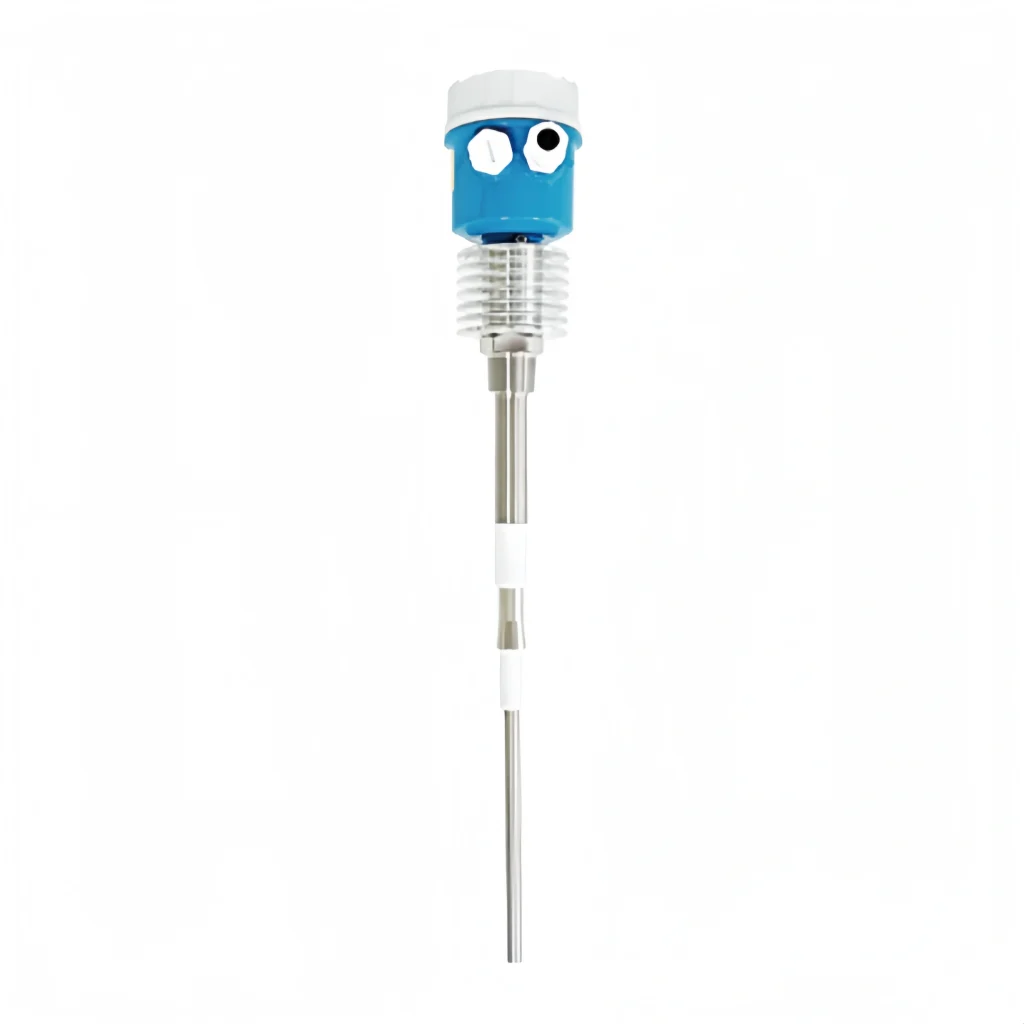
RF Admittance Level Switch
Working Principle
The probe and silo wall form a capacitive circuit. The instrument applies a high-frequency RF signal to the probe to measure the admittance between the probe and the silo wall.
When material contacts the probe, the material’s dielectric properties change the circuit’s admittance value; the circuit detects this change and outputs a switching signal. It can distinguish between material buildup on the probe and the actual material level, thereby offsetting the effects of adhesion.
Advantages
- Material buildup on the probe is effectively avoided, giving it much better
- anti-sticking performance than ordinary capacitive switches
- Handles solid powders and granules alike; explosion-proof versions cover the full range
- Nothing moves, so there’s no mechanical wear and it lasts a long time
- Installs flexibly; pick a rod or cable probe depending on how far you need to detect
Disadvantages
- Contact-type probe; hard, large chunks of material may strike or bend the probe
- Weak signals and prone to false readings when the material’s dielectric constant is extremely low
- Strong static electricity and electromagnetic fields inside silos can interfere with measurements
- Moist, conductive materials can significantly affect detection accuracy
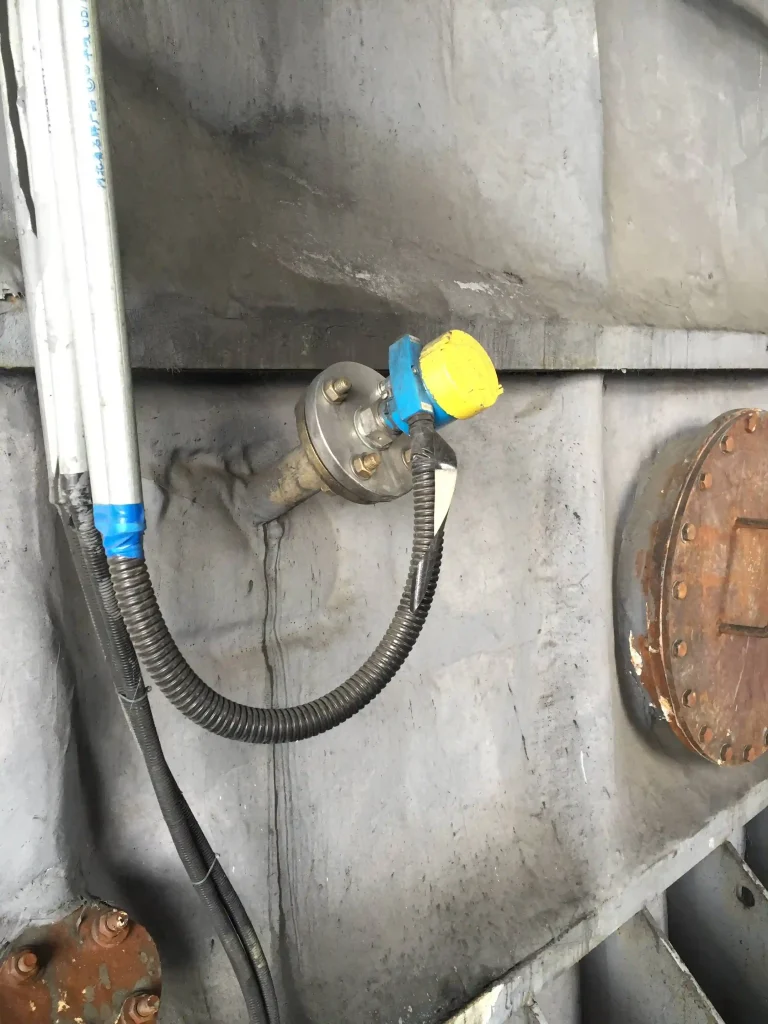
Practical Applications
1. Grain Storage Industry:
Grain silos holding wheat, corn or rice rely on it for level monitoring. When the bin gets too full, the high-level alarm kicks in; when it’s about to run empty, the low-level alert warns operators in time.
On top of that, it turns the feed and discharge conveyors on and off by itself, which keeps equipment from running idle and stops material from clogging up.
2. Cement and Building Materials Industry:
Whether it’s raw material, clinker, fly ash or sand and gravel aggregate silos, it has them covered.
Powder, sand and gravel levels are monitored continuously, and the device interlocks with elevators and discharge valves — bridging and overflow become far less frequent, and production lines enjoy a smooth, steady supply of material.
3. Plastics and Chemical Powders Industry:
Silos storing plastic pellets, PVC powder, calcium carbonate, activated carbon and the like are right in its wheelhouse.
It triggers high- and low-level alarms as needed and takes charge of packaging and feeding systems. Dusty conditions don’t bother it either, so powder leakage and under-feeding stay under control.
4. Mining and Metallurgy Industry:
Lumpy or powdered — either way, it handles mineral powder, crushed ore and slag in silos without a fuss.
Blockages inside the silo are detected early, levels are followed in real time, and by coordinating with feeders it shields crushing and conveying equipment from damage.
Operators also spend a lot less time climbing silos for manual checks.
5. Feed Processing Industry:
In silos for finished feed, corn meal and soybean meal, high- and low-level detection automatically controls the feeding into blending silos.
This steadies the blending process, prevents both overflow and shortages, and keeps the blending accurate.
6. Waste and Environmental Treatment Industry:
Waste-to-energy plants put it to work in fly ash and lime powder silos.
There it follows lime powder levels — the kind used for dust removal and fly ash solidification — and adjusts the feeding system as conditions change, so the chemicals needed for flue gas desulfurization and dust removal never run short.
7. Pharmaceutical and Food Powder Processing:
Sealed tanks of milk powder, starch, sugar granules or pharmaceutical powders call for sanitary level switches.
These keep a constant eye on powder levels, make it easier to comply with clean production standards, and prevent the production line from being caught off guard by a feeding interruption.
8. Boiler and Energy Industry:
Pulverized coal and biomass pellet silos that feed coal-fired boilers are another typical spot for it.
Fuel levels are watched around the clock, and refill reminders arrive before levels drop too low , meaning the boiler rarely faces fuel starvation or an unplanned shutdown, and the combustion system hums along without hiccups.
Selection Guide
1. Material Characteristics:
Make your choice according to particle size, density, abrasiveness, adhesion and electrical conductivity.
For dry, light granular powders, a rotary paddle sensor is usually the go-to option; small-to-medium particulate dust works better with a tuning fork type.
If you’re dealing with moist powders that tend to stick to tank walls, go with a compensated RF admittance sensor, while large, highly abrasive or otherwise harsh materials call for a radar type.
And whenever dust, static electricity or flammable/explosive hazards are present, explosion-proof equipment is a must.
2. Measurement Locations and Installation Conditions:
First figure out where the high- and low-level alarms are needed, and pick installation points away from feed impact and vortex zones, otherwise you’ll get false alarms. Whether to mount on top or on the side depends on the silo structure.
Also take into account what’s happening inside the silo, high temperatures, negative pressure, humidity and double-check that the device’s temperature and pressure ratings are up to the job before settling on a model.
3. Operating Principles and Applicable Scenarios:
The propeller-type sensor relies on mechanical detection and gives you good value for money. It handles ordinary dry granular powders well, but ultra-fine, lightweight powders and sticky materials are beyond it.
Tuning-fork sensors respond quickly and have no wear to worry about; they suit small-to-medium particles and dust, though they don’t stand up to impact and can be thrown off by material buildup.
Radio-frequency admittance sensors resist material buildup and offer high versatility; they are suitable for moist and sticky materials;
Radar sensors provide non-contact measurement and are suitable for harsh operating conditions such as high temperatures.
High dust levels, and large-sized materials; they are not suitable only for materials with extremely low dielectric constants.
4. Operating Environment and Protection Rating:
When dust is a concern, go for equipment rated IP65 or better.
High-temperature applications need probes that can take the heat, and in corrosive settings, 316L stainless steel or corrosion-resistant probes are the way to go.
For hazardous areas, the explosion-proof rating has to match the site exactly, and the certification should be double-checked.
Anything installed outdoors also needs to stand up to rain and resist aging over time.
5. Maintenance Costs:
Keep in mind that rotary paddle sensors have moving parts, so they wear out and need regular upkeep.
Tuning fork and RF admittance sensors, having no mechanical structure, barely need any maintenance and stay very stable.
Radar sensors are the most reliable and won’t wear, but they cost more.
For large silos that run for years on end, it’s worth favoring models without mechanical parts.
And where material caking is common, make sure there’s enough room to access the device for servicing — that way downtime stays minimal.
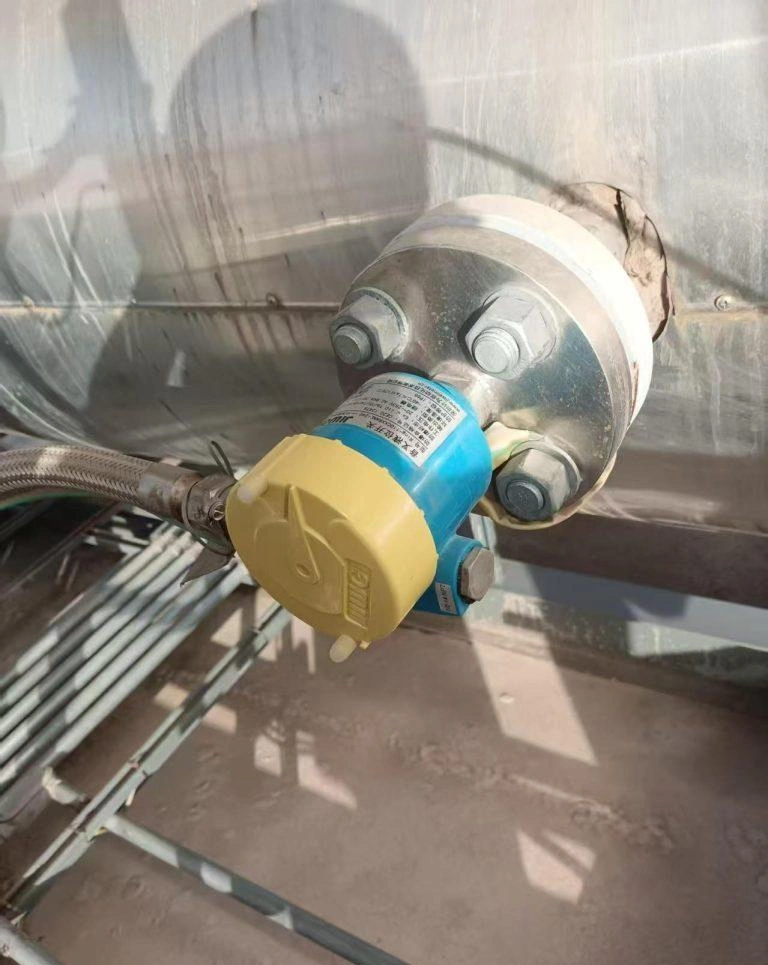
With a full range of level switch products to draw from, Sino-Inst tailors level measurement and control solutions to the demanding conditions found in powder, granule and lumpy material handling.
Our experienced team can guide you through instrument selection, installation and commissioning, helping your storage and conveying systems run reliably, cutting the risk of blockages and overflows, and moving your production line management toward full automation and efficiency. Get in touch with us for technical solutions.