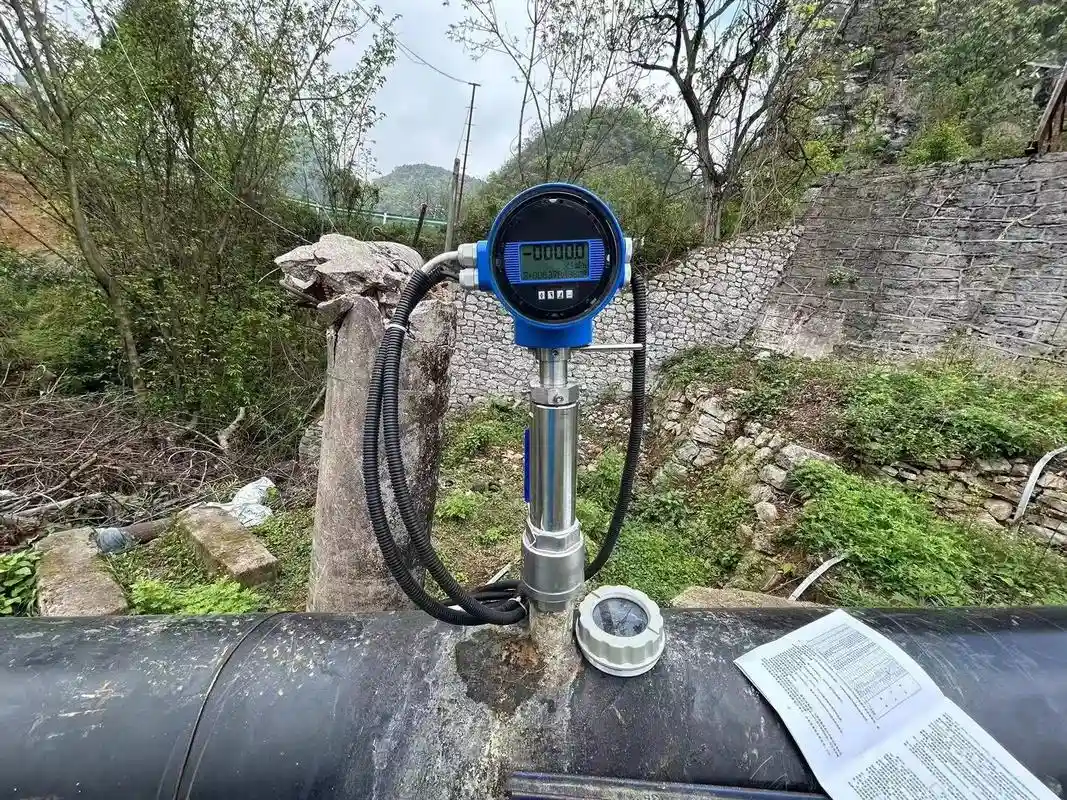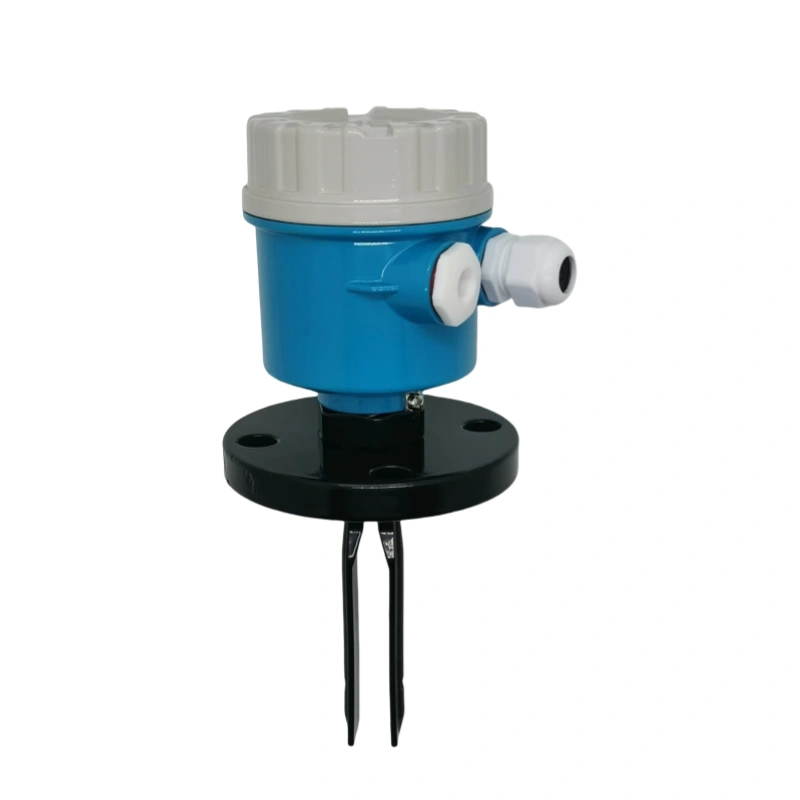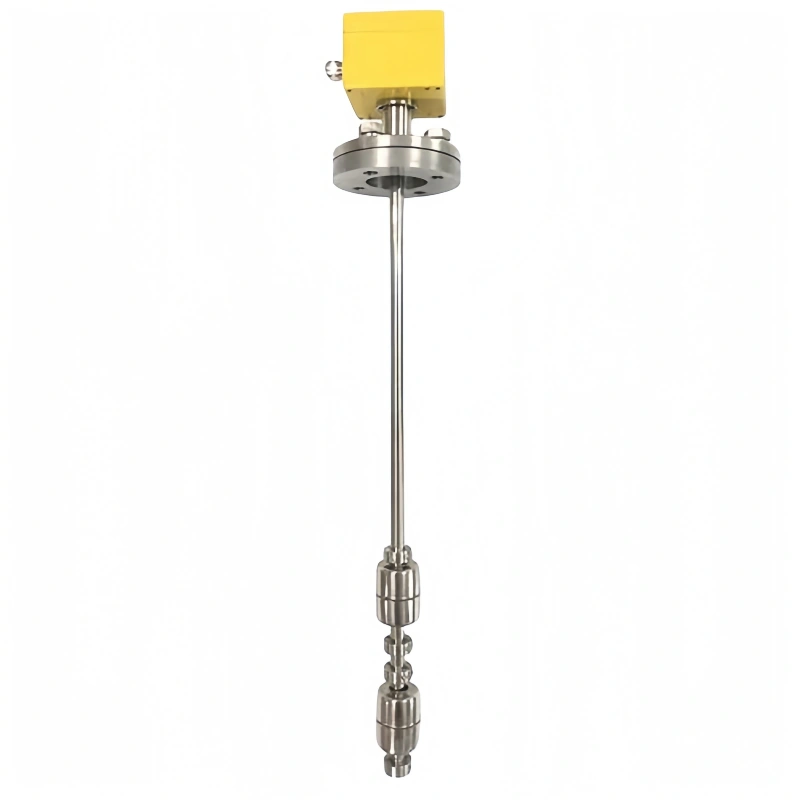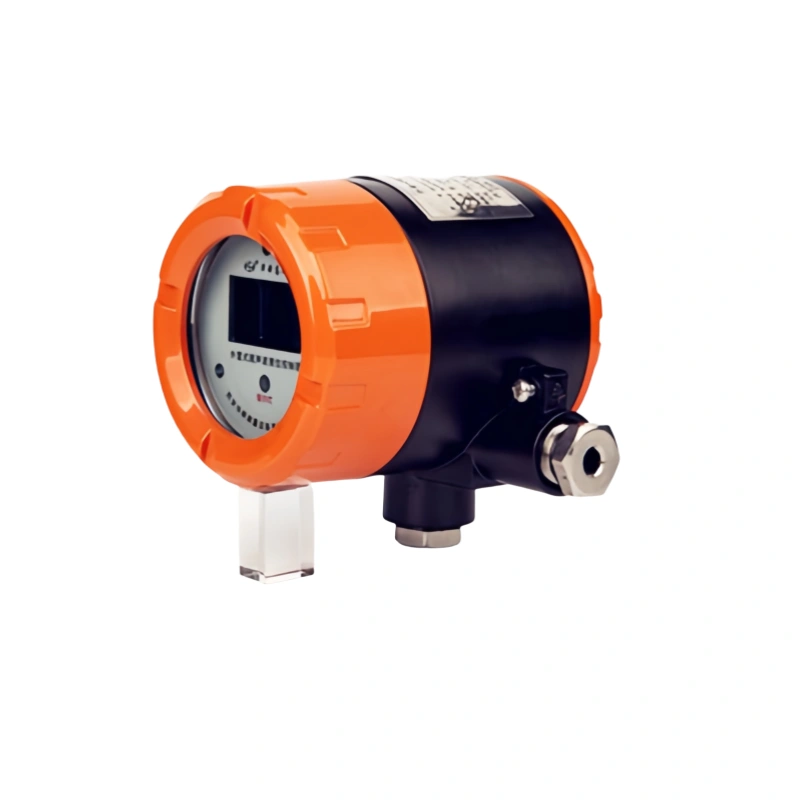
Industrial-level position monitoring ties directly to production safety; traditional contact switches struggle with corrosion and material buildup in the field. Radar level switches use non-contact detection, making them a better fit for complex conditions — they deliver reliable level control in storage tanks and reaction vessels.
Working Principle of Radar Level Switches
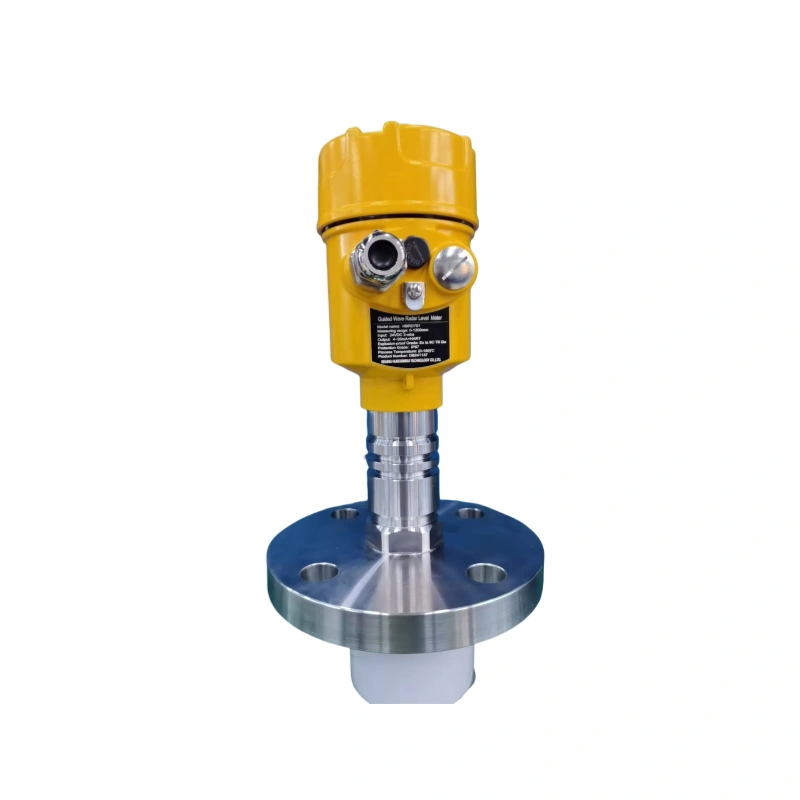
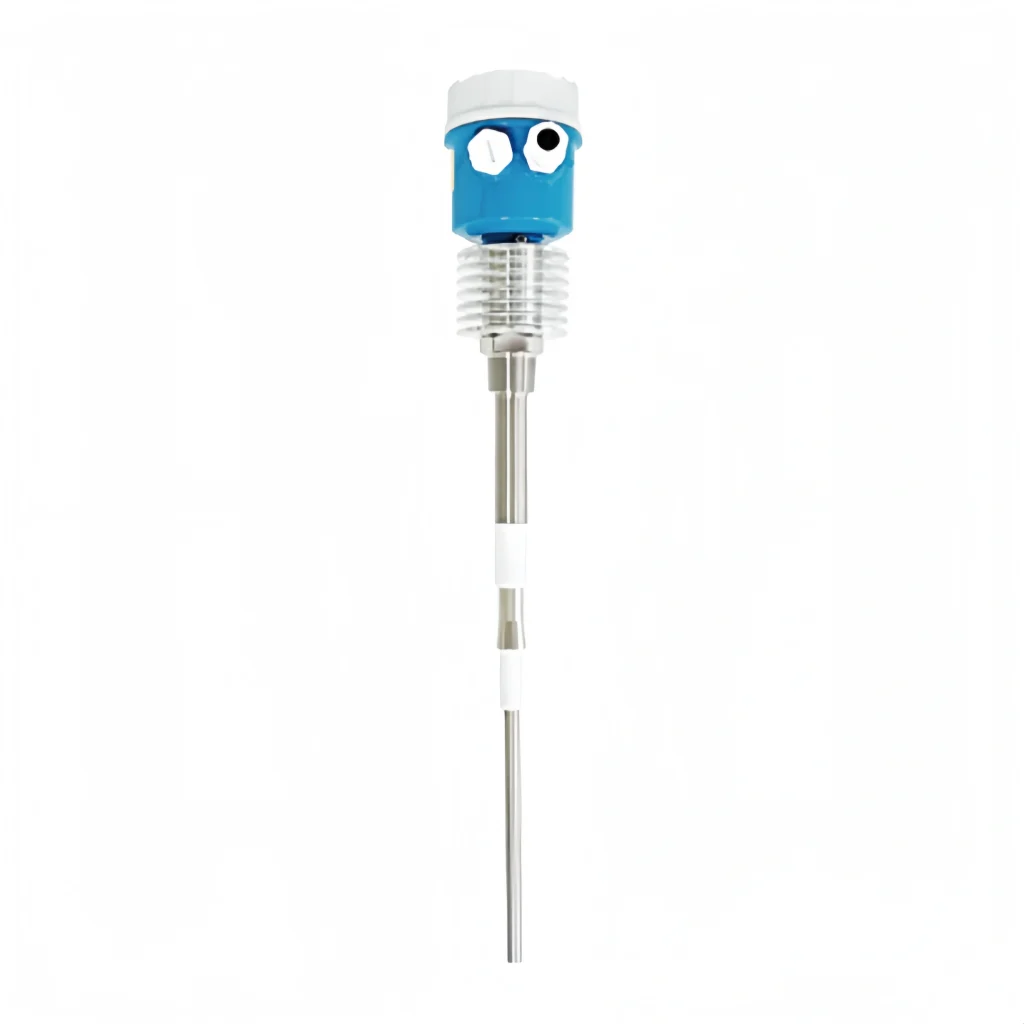
Radar level switches track liquid levels by firing out high-frequency microwave pulses. When those waves hit the medium surface, they just bounce back.
The unit clocks how long the signal takes to travel out and return, giving it the exact gap between the probe and the liquid surface, then checks that against a preset threshold.
Once the level climbs or drops to the set point, the switch sends out a digital on/off signal to handle jobs like triggering level alarms or starting and stopping equipment.
As this is a non-contact detection method, it is unaffected by medium temperature, pressure, foam or viscosity, making it suitable for fixed-point liquid level monitoring in a wide range of complex operating conditions.
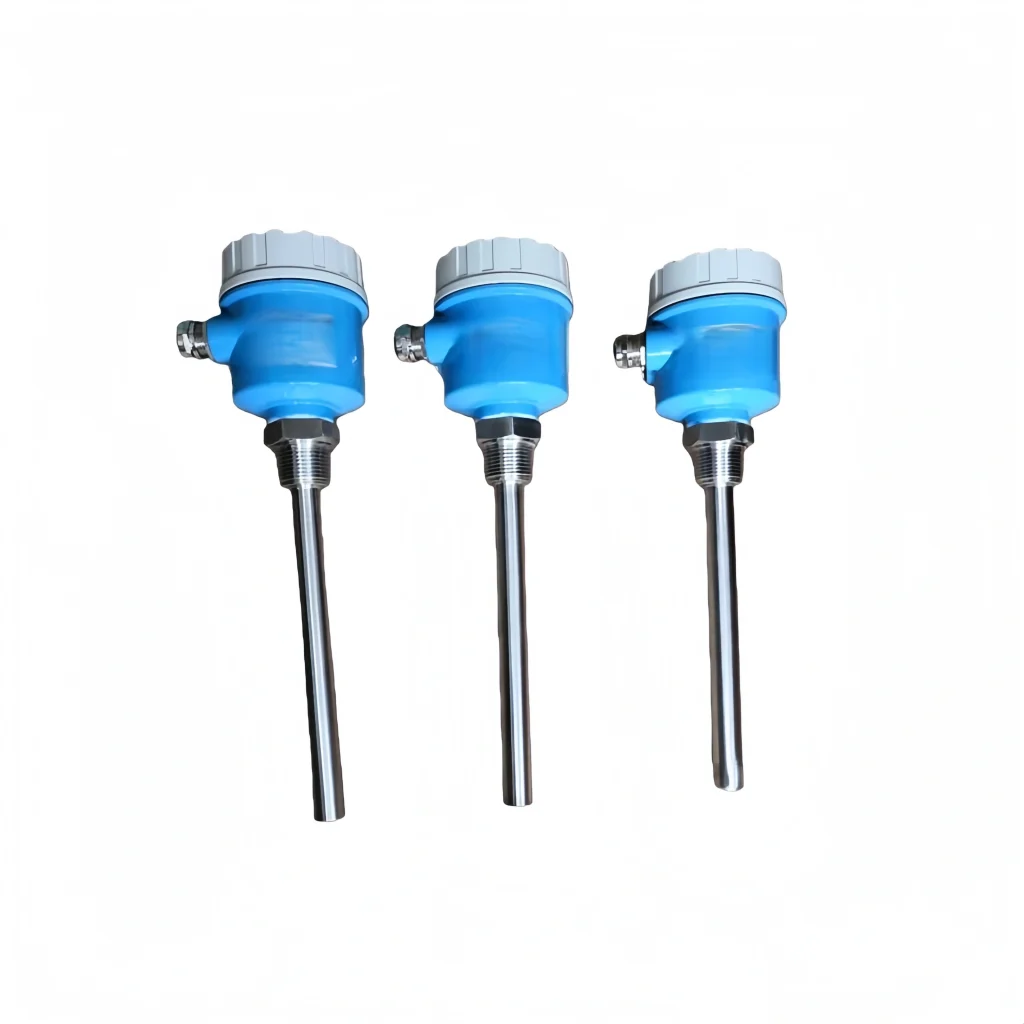
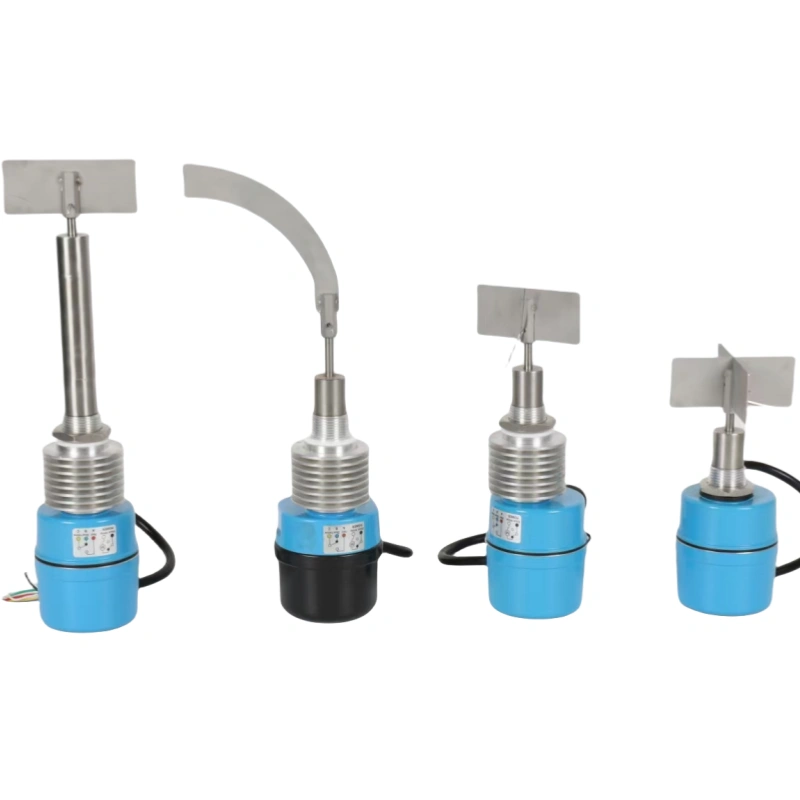
Advantages of Radar Level Switches
1. Non-contact measurement: the probe does not come into direct contact with the medium and is therefore unaffected by medium viscosity, turbidity or sediment; neither lake-bed silt nor floating debris will damage the sensor body.
2. It is unaffected by changes in medium temperature or pressure, adapts to temperature fluctuations in underwater environments, and can reliably monitor liquid and sediment levels at the lake bed.
3. It handles water foam and wave action well — surface chop and foam from wind usually won’t trip a false signal.
4. The reading doesn’t depend on how conductive the water is. It works fine in both clear water and murky lake water loaded with silt and sand — no need for the medium to carry any current.
5. There’s barely any maintenance to worry about. No moving parts means nothing to jam or wear out, and running underwater for long stretches doesn’t call for constant cleaning or servicing.
6. It puts out a digital switch signal with an adjustable threshold you can set where you need it. You can use it to watch water levels or track how much silt has piled up on the lake bed, and it’ll throw a switch alarm as soon as it hits your set point.
7. You have options for mounting it — bolt it to a shore bracket or drop it down a protective conduit. It doesn’t have to sit right on the lake bed, so you don’t have to worry about it getting swallowed up by silt.
8. It holds up well against corrosion. Fit it with the right housing and it’ll take the salt in lake water and microbial attack without issue, so it can stay out there in the lake environment for the long haul.
Disadvantages of radar level switches
1. Radar level switches have specific requirements regarding the dielectric constant of the medium being monitored. For materials with an excessively low dielectric constant, the radar echo signal is weak, making signal loss likely, which can lead to misjudgements or detection failure, preventing stable switch triggering.
2. The equipment is susceptible to interference from vapour, dust and foam within the vessel; vapour and dust attenuate the radar electromagnetic waves, whilst foam reflects false echoes, which can easily generate false level signals and cause the switch to malfunction.
3. In installation environments characterised by high corrosion or high temperatures, it is necessary to select special, expensive antenna materials; standard antennas are prone to corrosion and damage, resulting in high overall procurement and maintenance costs for the equipment.
4. When obstacles such as agitators, pipes or crossbeams are present inside the vessel, they generate interfering echoes, requiring complex echo suppression settings and making commissioning difficult; if commissioning is not carried out properly, frequent false triggering of the switch may occur.
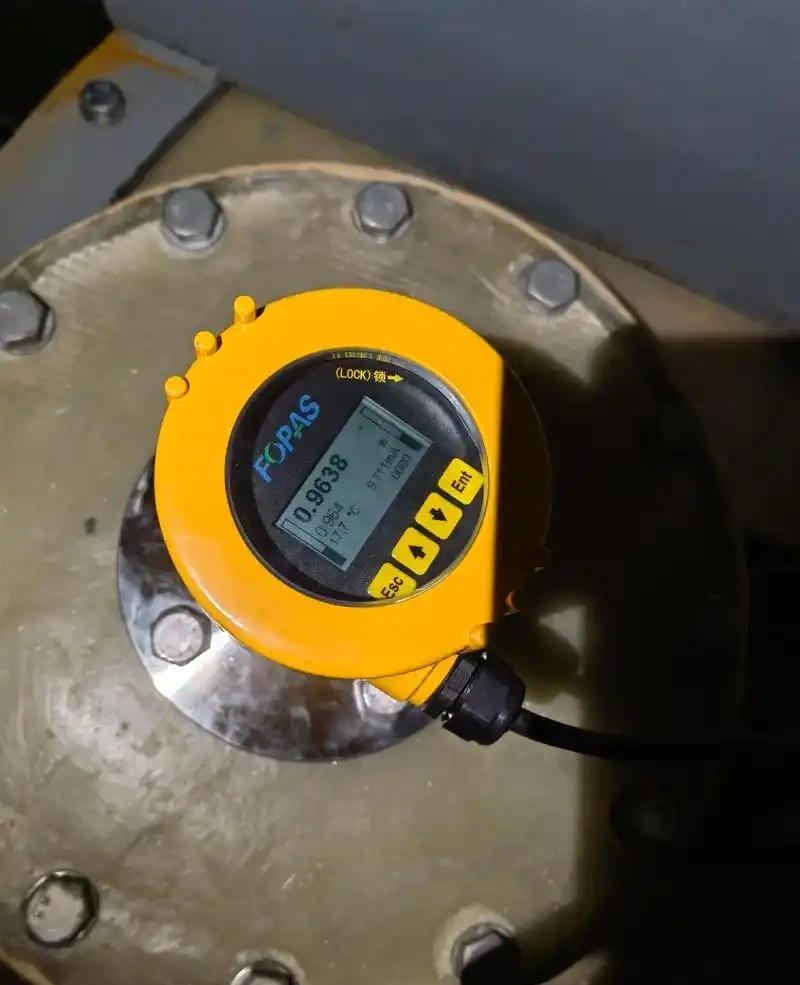
What is the dielectric constant?
The dielectric constant, also known as the permittivity, is, simply put, a physical parameter that characterises a substance’s ability to store an electric field. It is used to measure a medium’s capacity to reflect and absorb electromagnetic waves.
Radar-based instruments operate by relying on the reflection of electromagnetic waves; when the dielectric constant of the material being measured is high, most of the electromagnetic waves are reflected back from the surface of the medium, allowing the instrument to receive a sufficient echo signal, resulting in stable and reliable detection.
If the dielectric constant of the medium is very low, most of the electromagnetic waves will penetrate the medium, with only a very small amount of signal reflected back. The echo will be weak, making it prone to inaccurate detection and failure to identify the liquid level.
The dielectric constant of gases is close to 1, whilst that of polar liquids such as water is very high; in contrast, oils, certain plastics and powdered materials have relatively low dielectric constants.
Practical Applications of Radar Level Switches
Chemical Storage Tanks: Monitors corrosive media such as strong acids, strong alkalis and organic solvents; provides high and low level alarms to prevent tank overflows and empty tanks; resists interference from foam and vapour; suitable for explosion-proof storage tanks containing flammable and explosive substances.
Petroleum Storage: Provides high-level overflow interlocks for crude oil and refined oil tanks, and low-level protection against pump dry-running; suitable for environments with oil and gas vapours; unaffected by changes in oil viscosity.
Sewage and Water Treatment: Used in equalisation tanks, sedimentation tanks and chemical dosing tanks; outputs switch signals to control pumps and valves; provides stable detection resistant to interference from floating scum and water vapour.
Powder Silos: Used in grain silos, cement silos and fly ash silos; provides full and empty level alarms; resolves issues of material build-up and jamming associated with float switches; suitable for high-dust environments.
Food and Beverage: Syrups, fruit juices, fermentation tanks; non-contact detection prevents contamination of the product; suitable for environments with water mist and condensation inside tanks; enables interlocks for material inlet and outlet.
Power Industry: Power station ash silos, acid and alkali tanks, demineralised water tanks; provides limit alarms for liquid and material levels; suitable for interlock control in high-temperature, high-dust environments.
Mining and Construction Materials: In mineral powder and mixing plant silos, it keeps tabs on material levels to stop blockages and dry runs. Unlike rotary paddle switches, you won’t get false alarms from material build-up.
Containment Dams and Liquid Collection Pits: Around tank containment dams and waste liquid collection pits, it watches leakage levels and trips an alarm once the warning threshold is hit, catching tank leaks before they turn into bigger problems.
High-Temperature and High-Pressure Vessels: Inside sealed high-pressure vessels like reactors, the non-contact limit detection stays accurate even when temperature or pressure swings around.
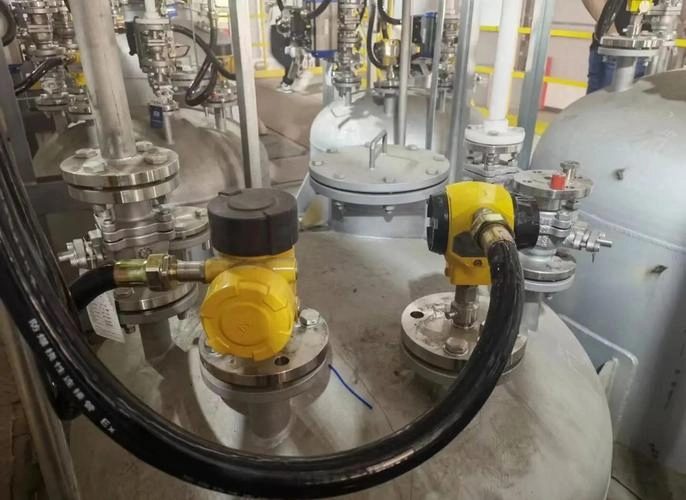
Differences Between Radar Level Switches and Float Level Switches
1. Different Operating Principles
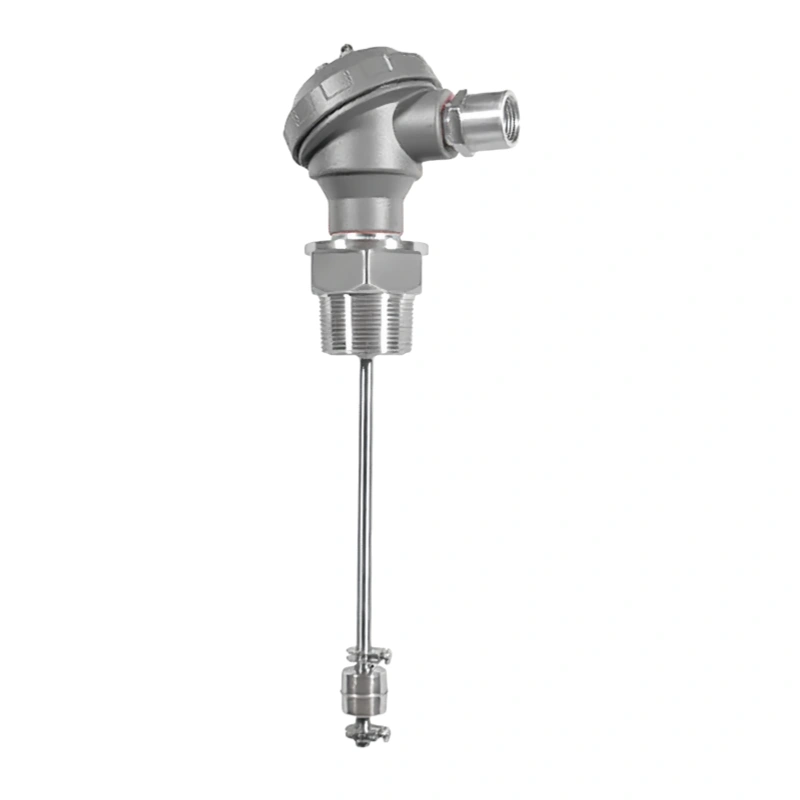
A float switch works mechanically — the float rides up and down with the liquid, and when buoyancy hits the right point, it trips an internal reed switch to give you an on/off signal at set levels.
Radar switches take a different approach. They fire out microwaves that bounce off the liquid surface, and the unit picks up the echo to decide if the level has hit your set point. No moving parts, no physical contact — just electronics doing the detection.
2. Different Media Compatibility
Float level switches require the float to be directly immersed in the medium being measured; they are suitable for clean, low-viscosity liquids that are not highly corrosive; where the medium is prone to scaling, is viscous, or contains solid particles, the float is susceptible to jamming or material build-up, leading to switch failure.
Radar level switches do not come into contact with the medium and can be used for high-viscosity, crystallising, foaming or highly corrosive media; they are also suitable for certain dust-laden level measurement applications and are unaffected by contamination or immersion in the medium.
3. Differences in Installation and Operating Conditions
Float-type level switches are typically installed by insertion into the tank; when there is agitation, eddy currents or significant liquid fluctuation within the tank, the float is prone to swaying and false triggering; internal baffles or obstacles in the tank may also interfere with the float’s movement.
Radar level switches are generally mounted on the top of the tank and do not need to be inserted into it; they are less affected by agitation or liquid fluctuation within the tank, requiring only that internal components be avoided to prevent obstruction of the microwave signal.
4. Differences in Maintenance and Service Life
Float switches have moving parts inside, and after running for a while, seals wear out and age. The float itself needs a periodic scrub to clear off deposits and keep it from jamming up, and mechanical failure is always a possibility.
Radar switches don’t have any moving parts, so mechanical wear is basically a non-issue and day-to-day maintenance stays light. That said, heavy dust in the environment or too much foam inside the tank can throw off the microwave signal, so you’ll want to dial in the parameters carefully during setup.
5. Differences in Output and Functional Features
Most float-type level switches provide only a digital signal and are limited to high/low level alarms and point-level control; they are not suitable for continuous level measurement.
Radar level switches can provide point-level alarm signals, and most models also support a 4–20 mA continuous level signal output, allowing the actual level height to be read.
6. Cost and Suitable Applications
Float-type level switches have a simple structure and low procurement costs; they are commonly used for level alarms in straightforward applications such as clear water and oils.
Radar level switches have a higher equipment cost and are suitable for harsh operating conditions, corrosive media, situations where the instrument must not come into contact with the process medium, or where both alarm and continuous level monitoring are required.
7. Pressure and Temperature Adaptability
Due to limitations imposed by the material of the float body and the sealing structure, the selection of float-type level switches is restricted in high-temperature and high-pressure operating conditions.
Radar level switches, with their non-contact design, can accommodate higher temperatures and high-pressure tank conditions, offering a wider range of options.
Differences between Radar Level Switches and Ultrasonic Level Switches
1. Different Measurement Principles
Radar level switches fire out microwave pulses that bounce back when they strike the medium surface; the unit reads the echo to tell if the liquid level has reached the set point.
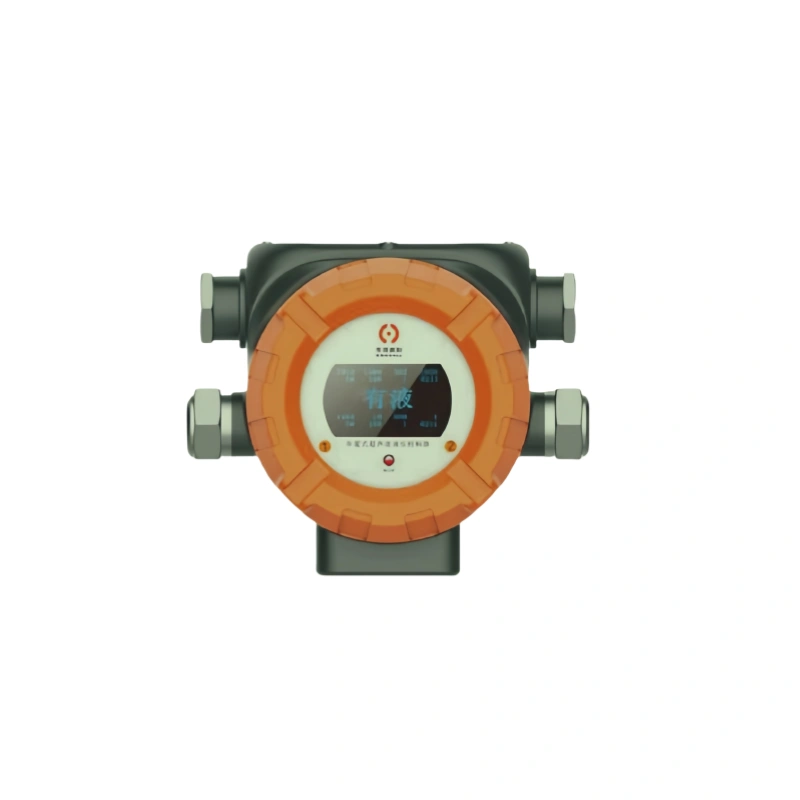
Ultrasonic level switches emit sound waves that travel through the air; these waves reflect off the liquid surface to detect the level. Microwaves aren’t bothered by atmospheric conditions, whereas sound waves are mechanical waves and get knocked around significantly by atmospheric changes.
2. Differences in Medium Compatibility
Radar level switches can measure in environments with high levels of dust, heavy steam or mist, and excessive foam; they are better suited to high-temperature and high-pressure conditions and can detect the levels of liquids and certain solids;
Ultrasonic level switches, when encountering environments with large amounts of foam, thick mist or heavy dust, suffer from sound wave absorption and scattering, which can easily lead to signal loss; they are therefore unsuitable for highly dusty or heavily foaming conditions and are better suited to clean, foam-free liquids.
3. Temperature and Pressure Range
Radar level switches are suitable for high-temperature, high-pressure tanks; certain models can withstand higher medium temperatures and internal tank pressures, and are unaffected by changes in propagation speed caused by temperature fluctuations;
Ultrasonic level switches are significantly affected by ambient temperature; temperature changes alter the speed of sound, requiring temperature compensation. Most are only suitable for atmospheric pressure and low-to-medium temperature environments, and are generally unsuitable for high-pressure conditions.
4. Installation and Environmental Restrictions
Radar level switches can perform non-contact detection through the walls of non-metallic containers such as plastic and ceramic, and perform well even in the presence of agitation or eddy currents within the tank;
Ultrasonic level switches cannot penetrate container walls and must maintain an air gap between the sensor and the measured medium; mist generated by agitation and surface disturbances within the tank can interfere with detection, whilst reflections from obstacles inside the tank must also be avoided.
5. Requirements for the Dielectric Constant of the Medium
Radar level switches have specific requirements regarding the dielectric constant of the medium being measured; for media with an excessively low dielectric constant, the echo is weak, making detection failure likely;
Ultrasonic level switches are not affected by the dielectric constant of the medium; they only require that the medium’s surface can reflect sound waves, and can therefore detect both conductive and non-conductive media.
6. Measurement Dead Zones
Radar level switches have a relatively smaller dead zone and are suitable for use in confined tank spaces;
Ultrasonic level switches have a larger near-range dead zone and cannot detect levels correctly when the liquid surface is too close to the probe.
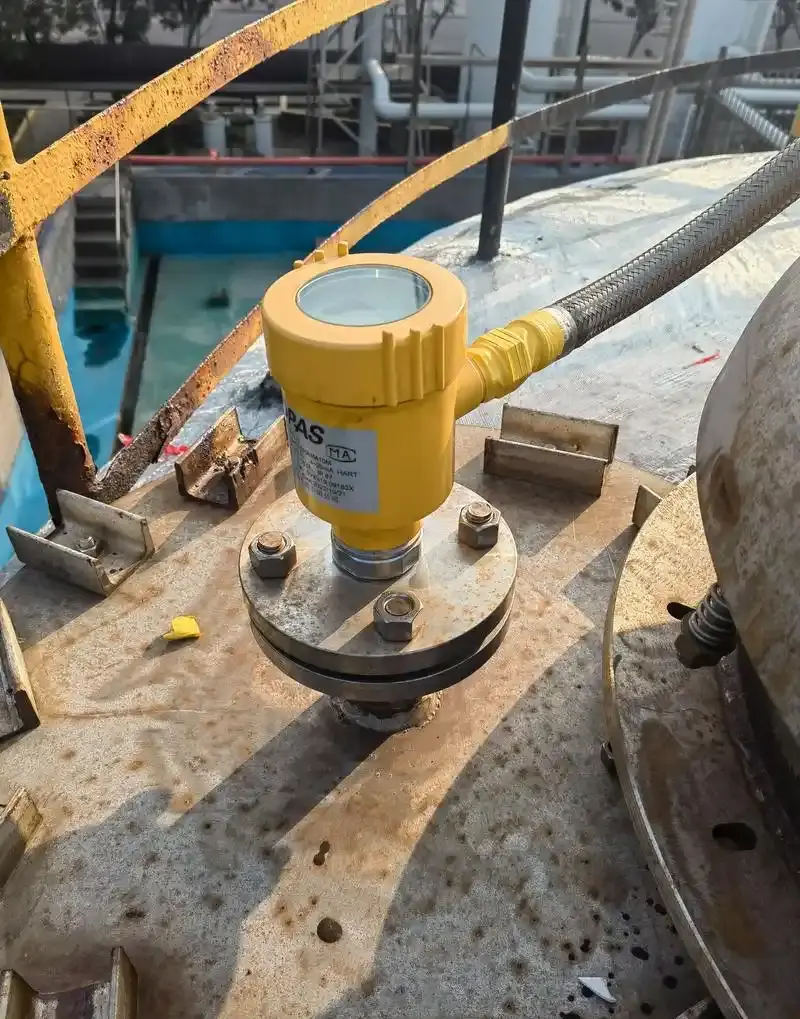
Radar level switches can be precisely adapted to harsh operating conditions such as corrosion, dust, foam, and high or low temperatures and pressures, comprehensively ensuring the accuracy and stability of industrial level control whilst mitigating production safety risks.
Sion-Inst specialises in the field of industrial fluid measurement and control. In addition to a full range of high-quality level switches, we also supply a comprehensive suite of industrial measurement and control equipment, including various high-precision level gauges and flowmeters.
We offer a one-stop solution to meet equipment selection requirements across multiple industries, such as chemicals, water supply, mining and power generation, thereby safeguarding enterprises’ intelligent and precision-oriented production processes.