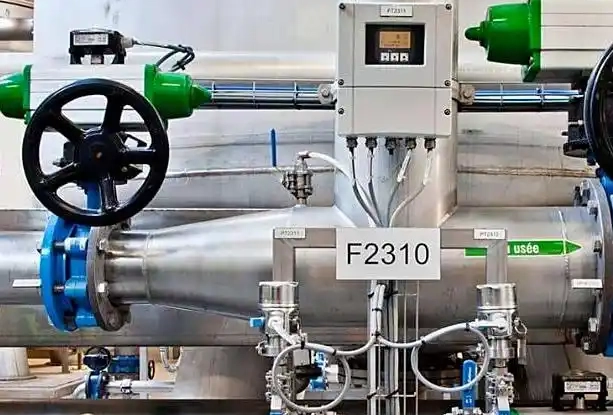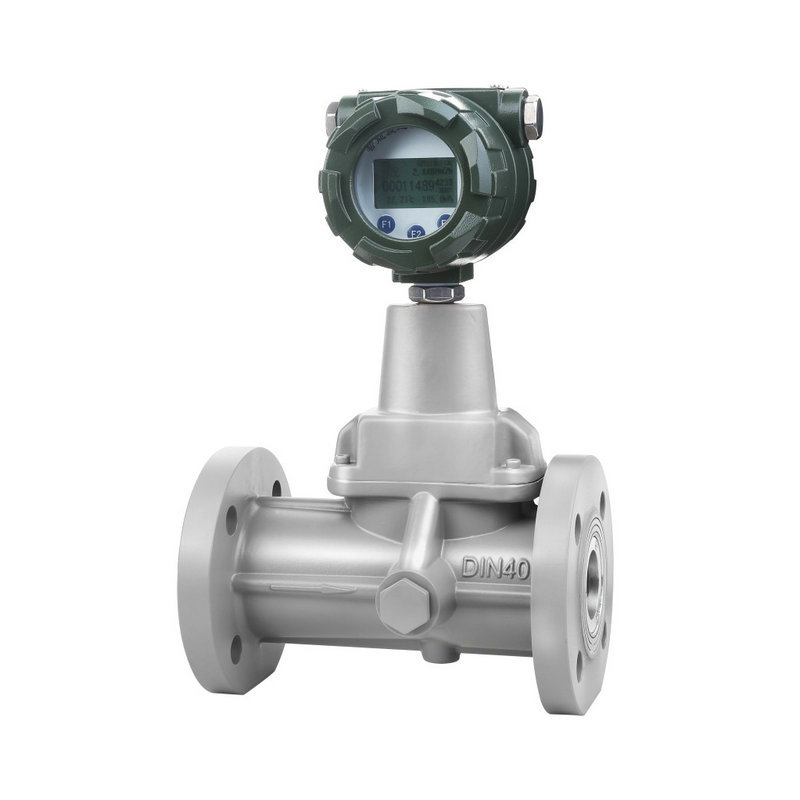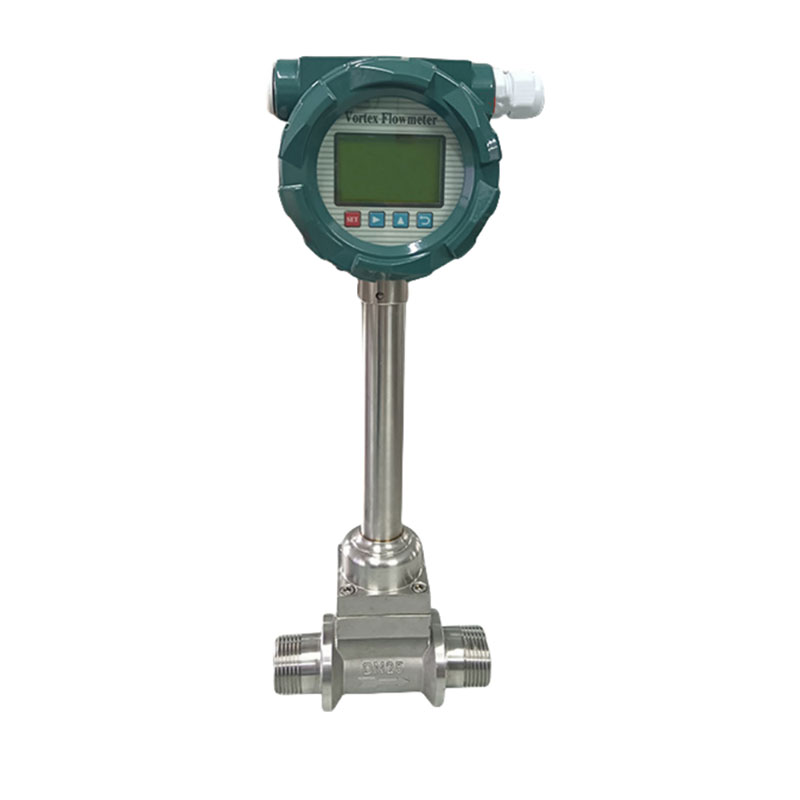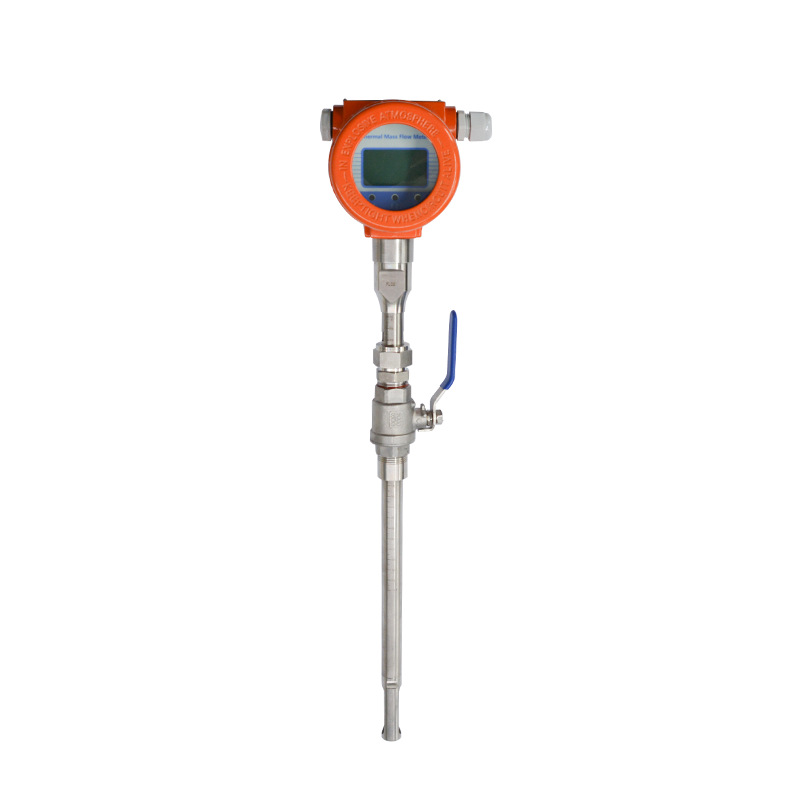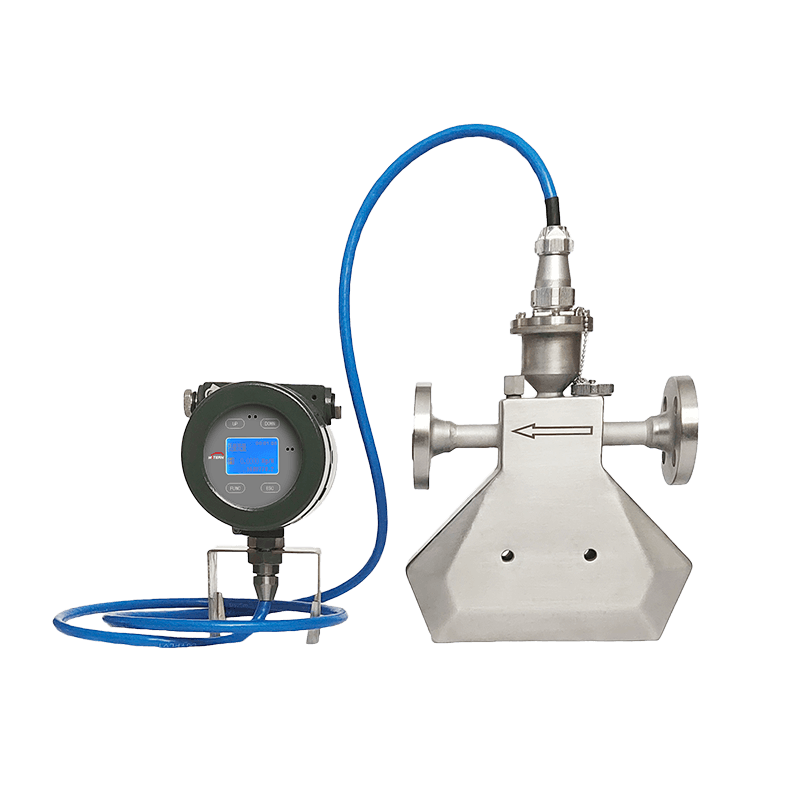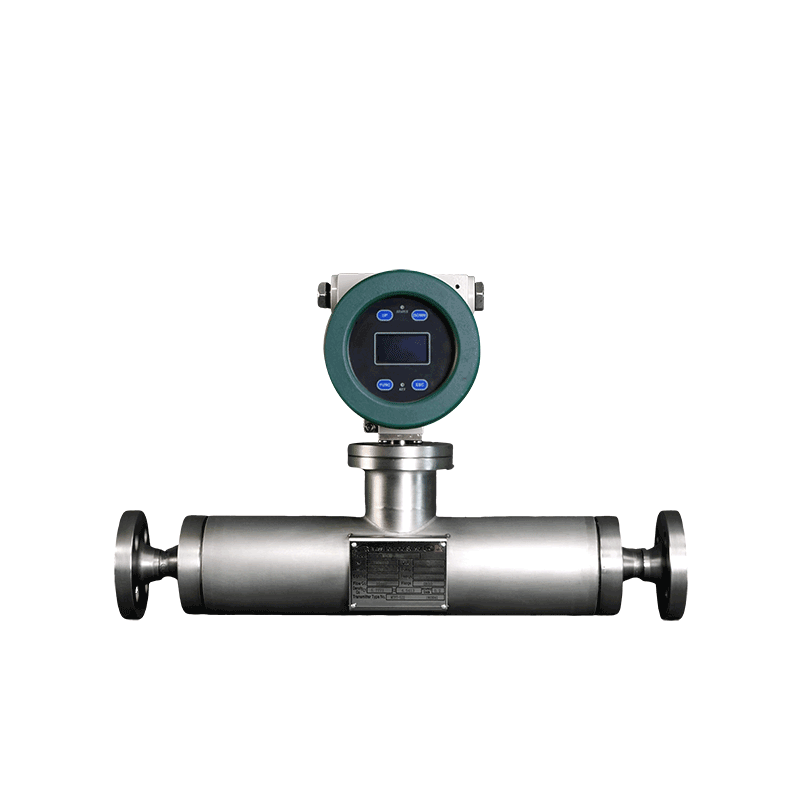
Mass flow meters and vortex flow meters are both workhorse flow measurement devices in the process industry — the former relies on the Coriolis effect, while the latter hinges on the Karman vortex street principle.
Digging into their performance differences gives you a solid footing for picking the right instrument when operating conditions get complicated.
Mass Flow Meters
Mass flow meters measure mass flow directly, and they don’t get thrown off by swings in temperature, pressure, density, or viscosity. That makes them both accurate and rock-solid stable.
You’ll find them all over petrochemical plants, food and pharma lines, and energy and natural gas operations. They pump out real-time mass flow readings, keep running totals, and track density and temperature at the same time — which is why they’re go-to instruments when processes demand tight measurement control.
Working Principle of Mass Flow Meters
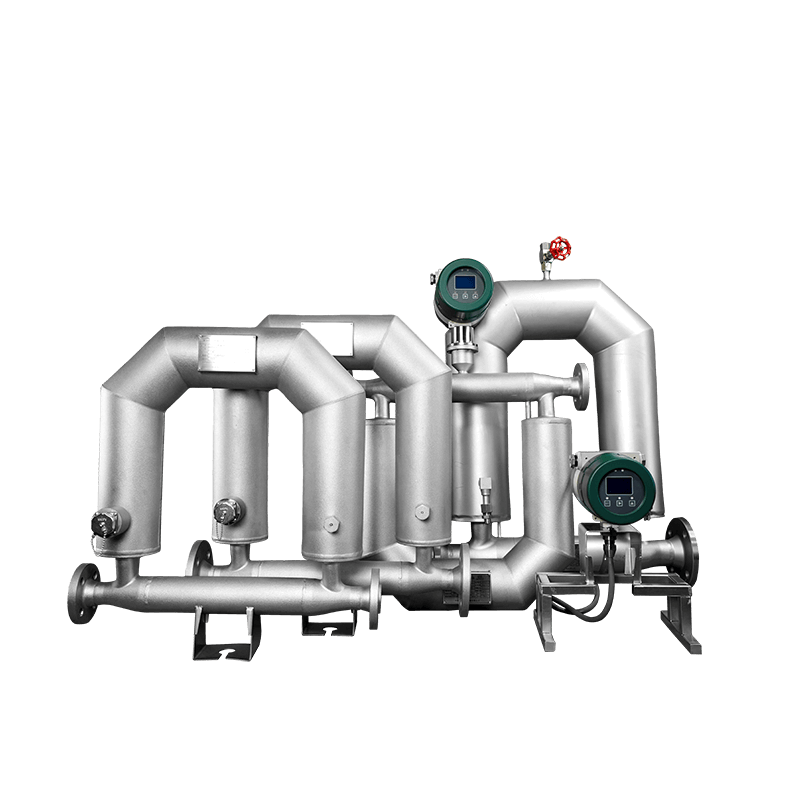
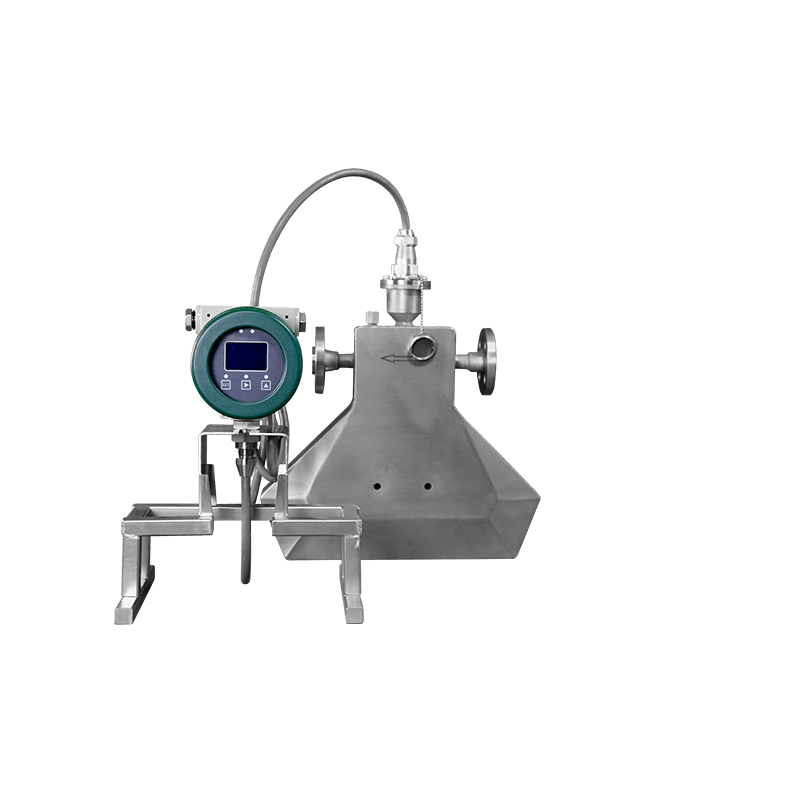
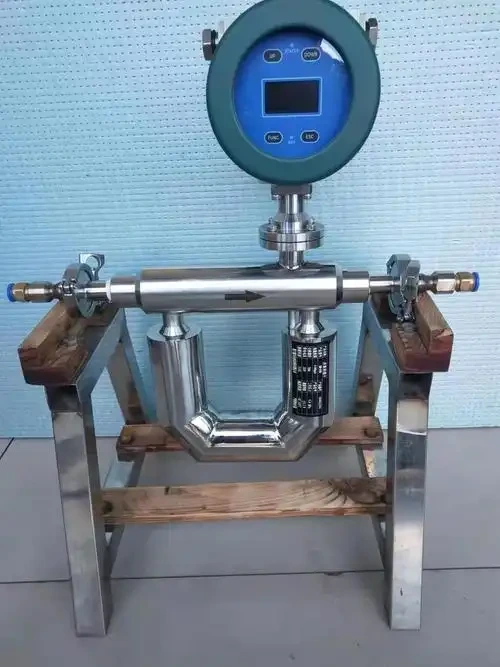
The Coriolis type is the dominant design out there. Here’s how it works: fluid runs through a vibrating tube, and as it moves forward, the tube’s motion imparts a Coriolis force on it.
That force shows up as a phase shift between the inlet and outlet sides of the tube, and that shift scales linearly with the actual mass flow rate. Sensors pick up the vibration signals and hand them off to the transmitter, which crunches the numbers and spits out the mass flow reading directly.
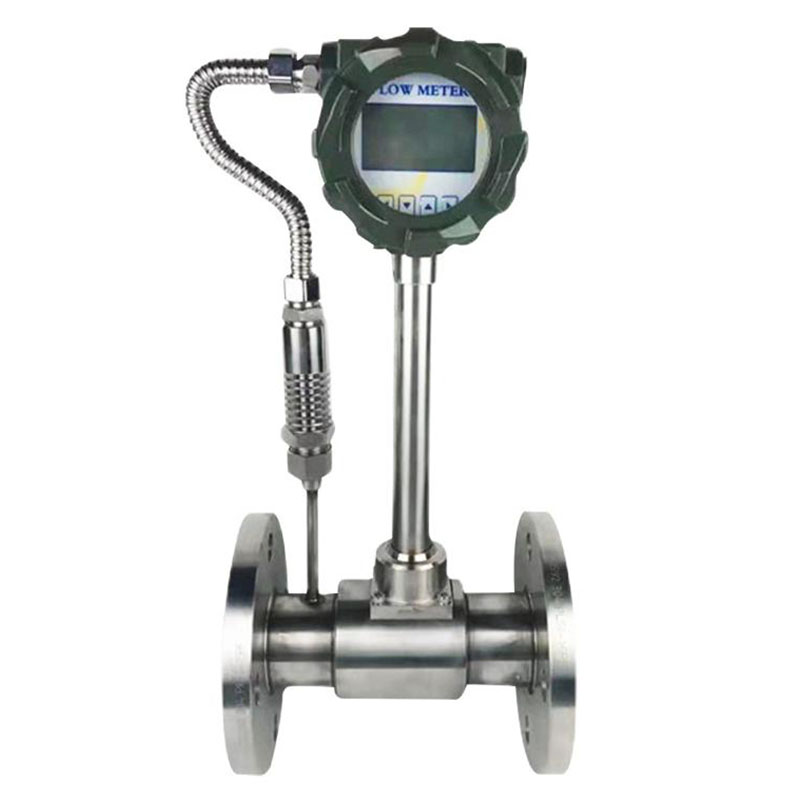
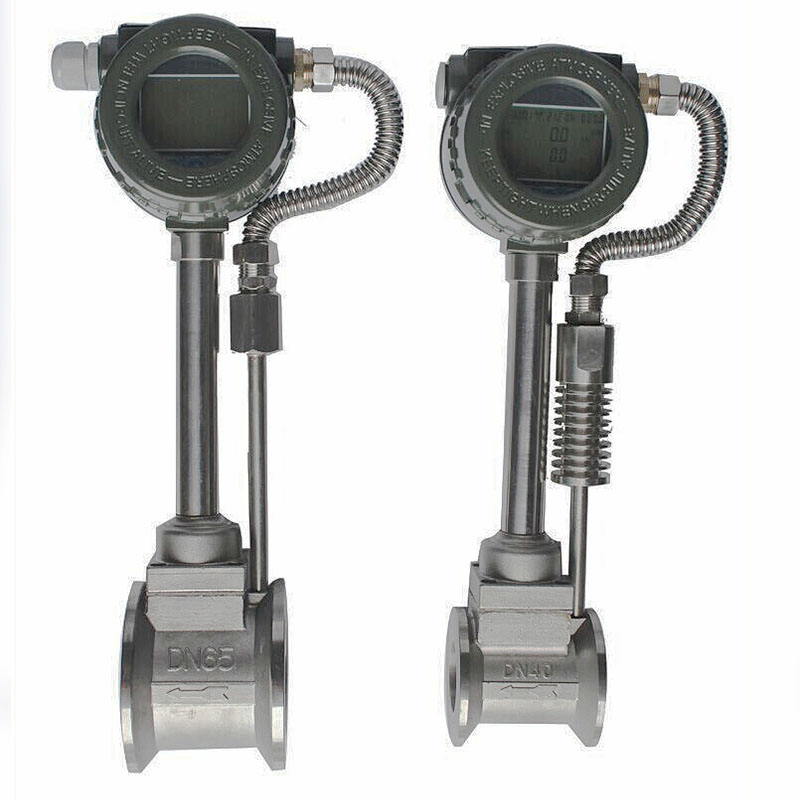
Vortex Flow Meter
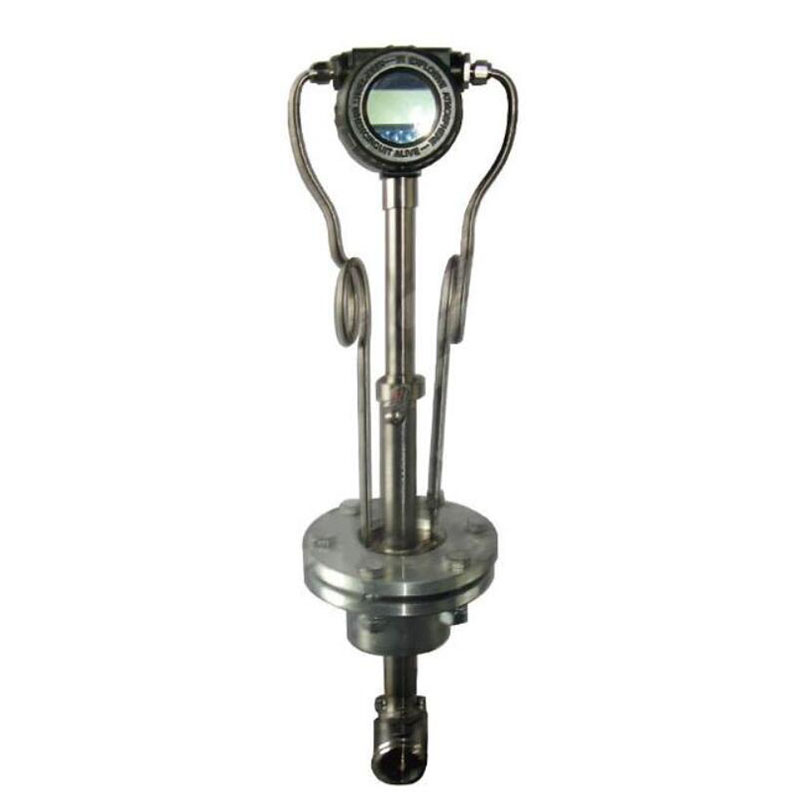
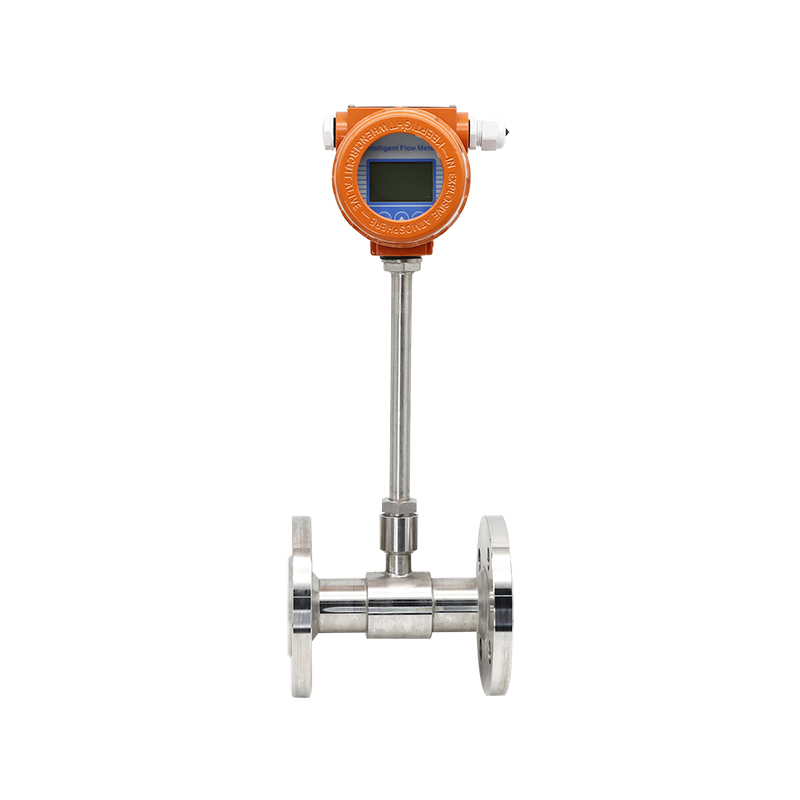
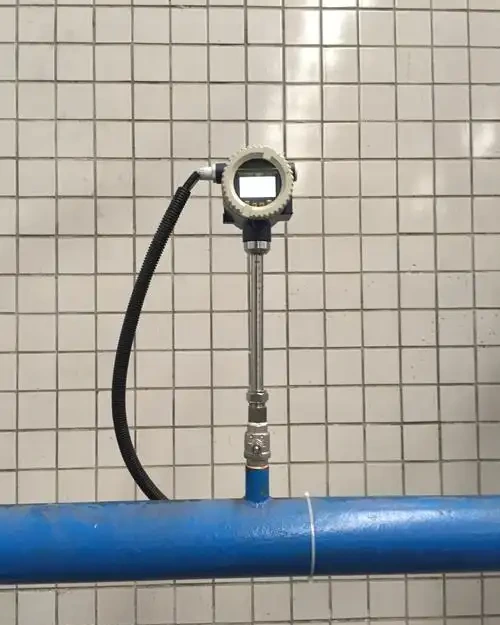
Vortex flow meters sit in the velocity-type class and get pressed into service for gases, liquids, and steam alike. Their construction is simple — no moving parts — which translates to a long service life, minimal pressure loss, and a fairly wide measurement range.
They also hold their accuracy when density shifts around due to temperature or pressure changes. In practice, you’ll find them handling duties in heating networks, chemical plants, water treatment works, and HVAC systems.
When combined with temperature and pressure compensation, it can achieve continuous measurement of both volumetric flow rate and standard volumetric flow rate.
Working Principle of the Vortex Flow Meter
When a fluid flows past a vortex generator inside a pipe, regular vortices are alternately generated on both sides downstream of the generator—a phenomenon known as the Karman vortex street.
The vortex separation frequency has a stable linear relationship with the fluid velocity. The sensing element captures the oscillation signals generated by the vortices, and the transmitter processes and converts these signals to determine the fluid velocity.
Combined with the pipe’s cross-sectional area, this ultimately calculates the fluid’s volumetric flow rate.
Mass Flow Meter vs. Vortex Flow Meter
1. Different Measurement Objectives
Mass flow meters give you mass flow directly, reading out in units like kg/h or t/h.
Vortex meters, being velocity-type devices, measure how fast the fluid is moving and give you volumetric flow in m³/h — they won’t output mass on their own. If you need mass flow from a vortex meter, you have to feed in separate temperature and pressure data to convert the reading.
2. Differences in Measurement Principles
Mass flow meters run on the Coriolis principle: the fluid’s movement through a vibrating tube creates a Coriolis force that the sensor picks up.
Vortex meters work by placing a bluff body in the flow path to generate alternating vortices; the transmitter calculates velocity from the vortex frequency. The underlying principle and hardware are both simpler.
3. Different Adaptability to Medium Conditions
Coriolis meters handle liquids, viscous fluids, and even liquids with a bit of entrained air or bubbles.
Standard vortex meters are pickier about what passes through them — solid particles or heavy aeration will throw off the reading badly. They work best on clean gases, liquids, and steam.
4. Different Requirements for Temperature and Pressure Compensation
Mass flow meters don’t care about swings in temperature, pressure, or density, so they need no compensation at all.
Vortex meters read volumetric flow at actual line conditions; when you’re measuring gas or steam, you need temperature and pressure transmitters hooked up for compensation if you want the reading converted to standard volumetric flow.
5. Differences in Measurement Accuracy Levels
Mass flow meters are generally more accurate overall, usually in the ±0.1% to ±0.5% range, which is why you see them in custody transfer and precision batching.
Vortex meters typically run ±0.5% to ±1.5% and are mainly used for process monitoring — they fall short when you need tight metering accuracy.
6. Differences in Installation Requirements
Mass flow meters aren’t picky about straight pipe runs — you can mount them in tight spots without worrying too much about upstream and downstream piping.
Vortex meters are a different story: they need plenty of straight pipe both upstream and downstream to settle the flow. Elbows, valves, and reducers upstream will mess up the flow profile, and cutting corners on pipe length will cost you accuracy.
7. Comparison of Equipment Cost and Size
For the same pipe size, a mass flow meter will set you back considerably more than a vortex meter.
Vortex meters are compact, light, and cheap, so the initial outlay is much lower. When you get into large-diameter lines, the price gap between the two gets even wider.
8. Differences in Measurement Range Characteristics
Mass flow meters cover a broad turndown ratio and still read accurately down at low flow rates. Vortex meters have a floor — the fluid has to be moving fast enough to shed stable vortices.
Drop below that threshold and the meter loses the signal entirely, so they struggle in low-flow situations. They’re not a good fit if your process swings wildly or runs at low flow for long stretches.
9. Recommended Applications
Mass flow meters are the preferred choice for: petroleum products, trade metering of chemical liquids, high-precision batching, applications where medium density frequently changes, and situations where it is inconvenient to install temperature and pressure compensation.
Vortex flow meters are the preferred choice for: media such as clean steam, compressed air, and clean water; industrial pipelines requiring only process monitoring, with limited budgets, and where medium operating parameters are relatively stable.
Advantages of Mass Flow Meters
1. They measure mass flow straight out of the box — no need to bolt on temperature or pressure compensation — which keeps the accuracy high.
2. Shifts in temperature, pressure, density, or viscosity barely throw them off, so they work across gases, liquids, and even slurries.
3. Most designs don’t choke the flow, so pressure loss stays low and you don’t burn extra pumping energy.
4. They’re built as all-in-one units — one meter can spit out mass flow, density, and temperature all at the same time.
5. Their turndown is wide, and accuracy holds steady even when the flow rate bounces around.
6. They handle flow in both directions, which is useful whenever backflow or bidirectional transfer occurs in the line.
7. Accuracy is high enough for custody transfer and batching, so you’ll find them widely used in oil and gas, chemical, and pharmaceutical facilities.
8. With no moving parts to wear down, they keep running steadily and maintenance costs stay low.
Advantages of Vortex Flow Meters
1. It handles pretty much any fluid—liquid, gas, or steam—so one meter type covers most industrial metering jobs without swapping hardware.
2. Because it senses velocity directly and has nothing inside that moves, you avoid the wear and jamming problems that mechanical meters run into. The result is years of steady operation with very little upkeep.
3. Output is linear with flow velocity and turndown is wide, so the meter takes large flow swings in stride.
4. Pressure drop stays reasonable—certainly lower than most positive-displacement alternatives—so you save on pumping energy and cut operating costs over the long haul.
5. Shifts in temperature, pressure, density, or viscosity don’t throw off the reading, which means the numbers stay trustworthy even when process conditions wander.
6. The hardware is straightforward and goes in easily. Standard pipe-mounted designs fit existing line sizes, so it works equally well for greenfield projects or retrofitting old lines.
7. You get pulse and 4–20 mA outputs at the same time, and many versions add digital comms options, so dropping it into a PLC or DCS network is usually plug-and-play.
8. There are plenty of high-temp, high-pressure variants on the market. Saturated or superheated steam, this is the go-to meter that most plants reach for first.
9. The zero doesn’t drift, so you aren’t constantly sending someone out to recalibrate it. Accuracy holds up for the long run.
Selection Guide
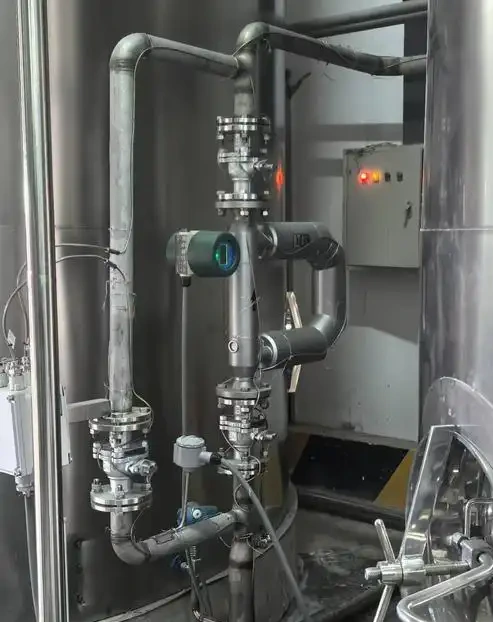
1. Identify Basic Medium Parameters
Start by getting the fluid type straight—liquid, gas, steam, or a mixture. Then check the practical stuff: density, viscosity, conductivity, how corrosive it is, whether it carries solids, if it tends to build up scale, and whether it’s likely to vaporize.
2. Collect Operating Conditions
Pull together the operating temperature and pressure. Then map out the normal flow range along with the max and minimum rates so you can work out the turndown ratio. Also clarify whether you need instantaneous readings, cumulative totals, or both.
3. Define Measurement and Application Requirements
Confirm the measurement accuracy class and signal output method (e.g., 4–20 mA, pulse, Modbus); determine whether additional requirements such as local display, explosion-proof design, sanitary-grade construction, corrosion resistance, or bidirectional measurement are needed.
4. Confirm Pipeline Installation Conditions
Jot down the pipe size, material, and which way it’s mounted, then make sure there’s enough straight pipe both upstream and downstream. Check the surroundings for vibration or heavy electromagnetic interference, and verify that valves, elbows, reducers, and other fittings nearby won’t crowd the meter.
5. Preliminary Flowmeter Selection
Cross off the types that don’t fit the fluid and operating conditions. Electromagnetic meters are a solid pick for conductive liquids; vortex meters work fine for clean gases and steam; gear meters are usually the answer for thick, viscous fluids; and when flow rates are tiny, thermal mass units might be your only option.
6. Check the Limits of Each Candidate
Go through each model you’re considering and check its range, top temperature and pressure ratings, and whether the wetted materials hold up to your fluid. Think about wear and contamination too—accuracy can drift badly if the meter is stuck running at the low end most of the time.
7. Evaluate Overall Cost and Maintenance
Add up the purchase price, installation costs, how often you’ll need to recalibrate later on, and whether spare parts are easy to get. Give preference to meters that are simple to service on-site and will keep running reliably for years.
8. Lock In Model and Specifications
Settle on details such as meter diameter, liner material, electrode and sensor construction, communication protocol, and ingress-protection or explosion-proof rating, then compile a complete selection sheet. Run operating-condition simulations or sample tests if the application warrants it.
Is a vortex flowmeter a mass flowmeter?
A vortex flowmeter isn’t a mass flowmeter—it’s a volumetric device. It figures out flow by detecting vortex frequency, which means your readings move around with temperature, pressure, and the density of the medium.
If what you need is mass flow, you’ll have to strap on external temperature and pressure compensation to convert the data. Actual mass flowmeters, like Coriolis or thermal models, measure mass flow straight out of the box with no compensation needed; the working principles are entirely different.
Sion-Inst operates in industrial automation measurement. Backed by proven technology and rigorous quality control, we provide complete measurement solutions for process conditions across multiple industries.
Along with our flow meters, we carry pressure, temperature, and level sensors. That covers your flow, pressure, temperature, and level monitoring without having to source from multiple vendors.
Our equipment is built for rough industrial environments, priced competitively, and straightforward to operate and maintain. It gives companies a practical way to handle automation, precise metering, and plant management from one place.