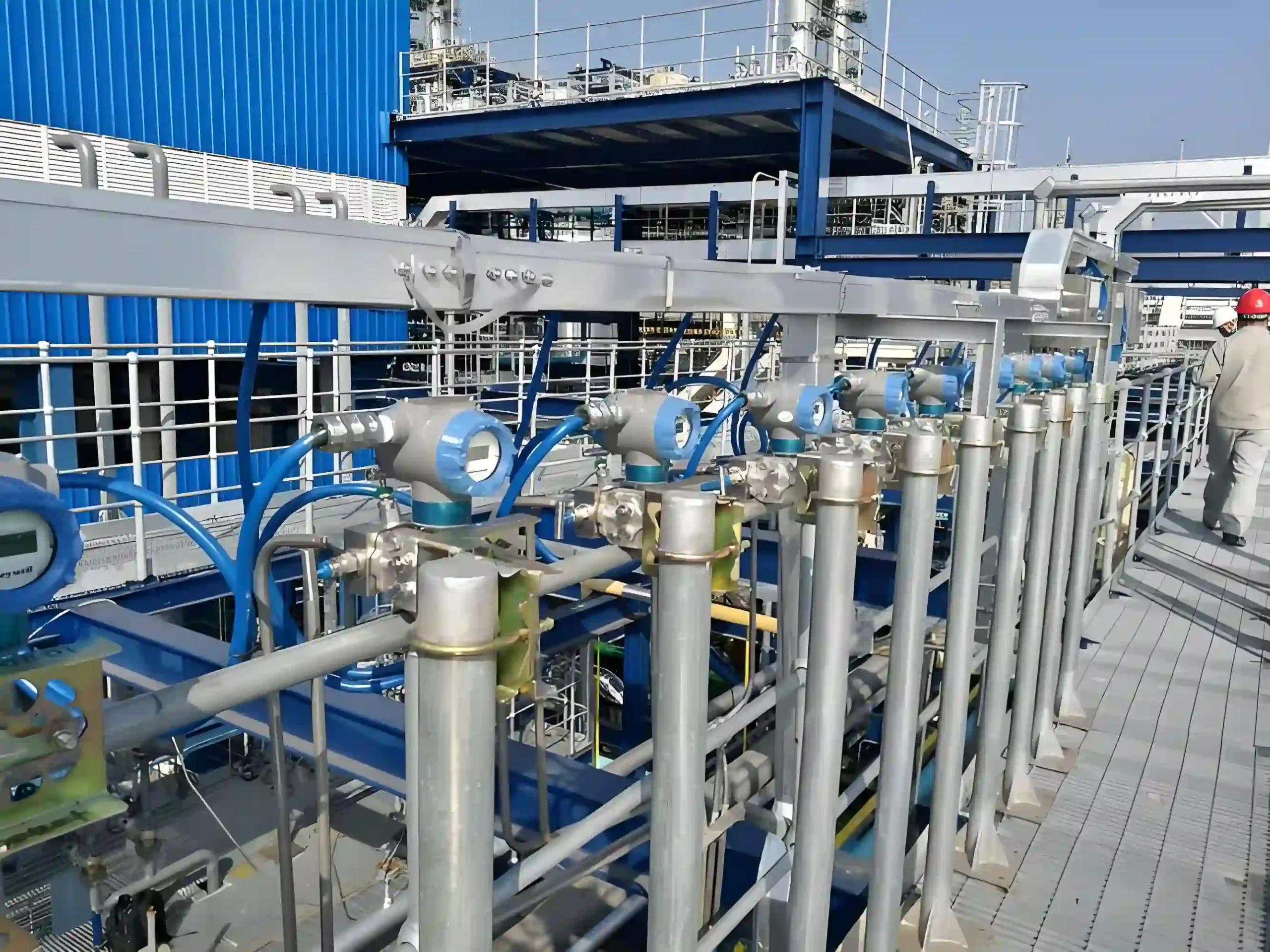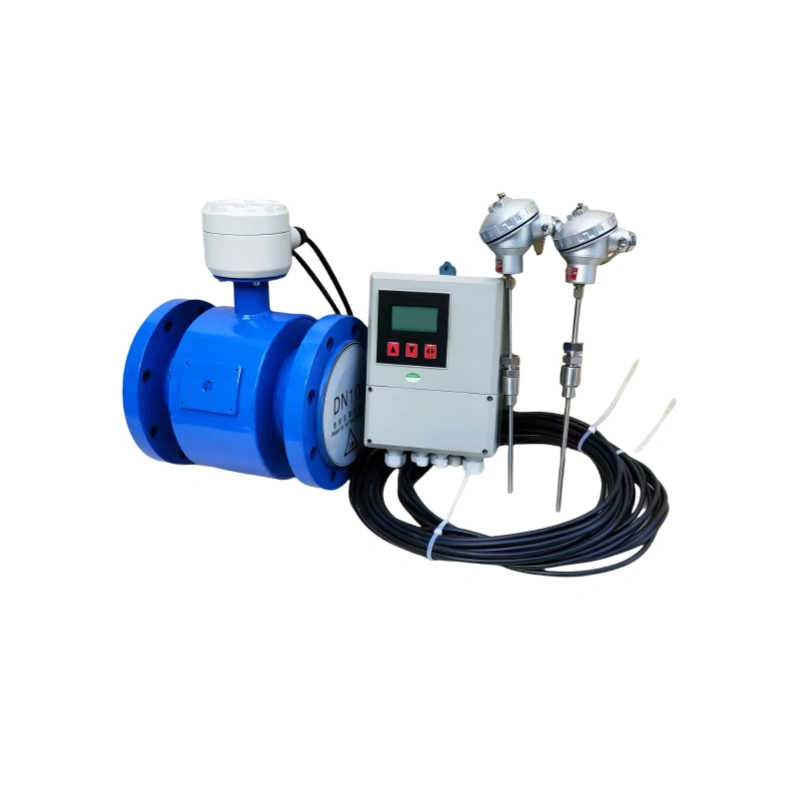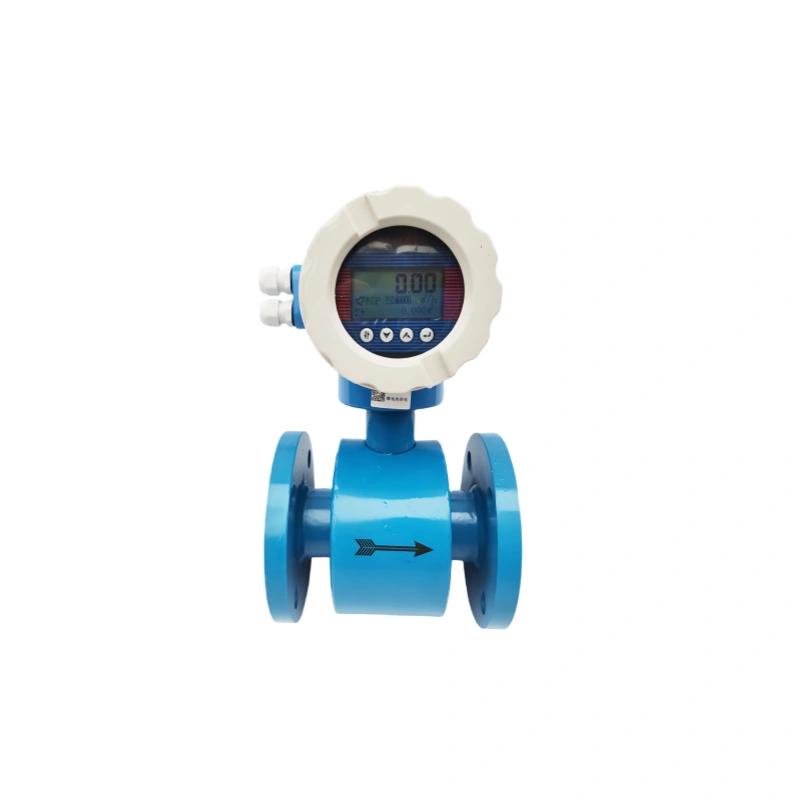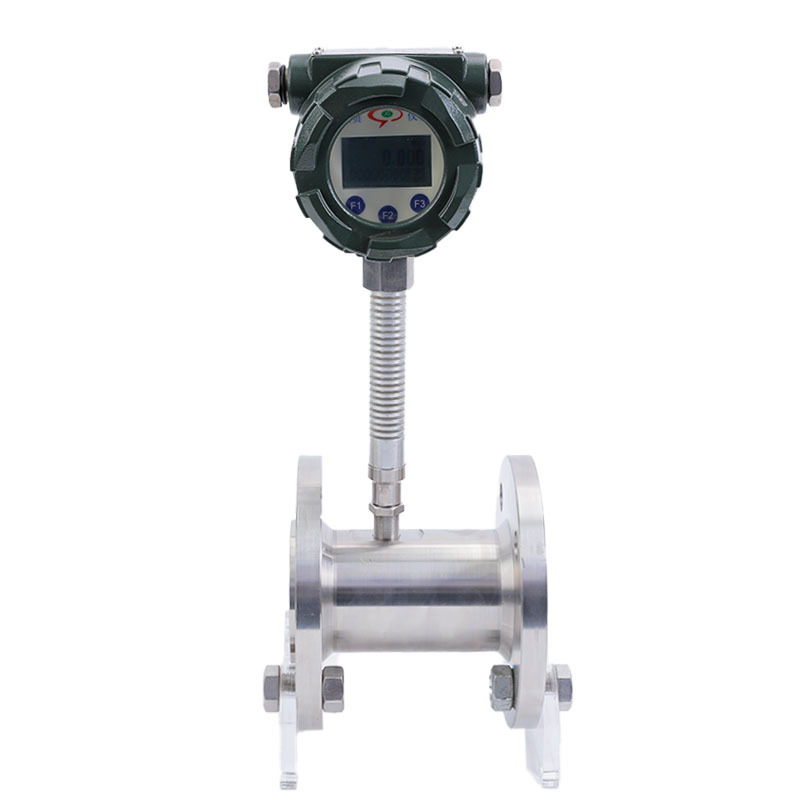
Processes involving the transfer and blending of organic solvents are commonplace in the chemical, fine pharmaceutical and coatings industries. Given the significant variations in the viscosity and corrosiveness of these media, flow control directly determines the quality of the finished product.
Solvent flow meters provide continuous measurement tailored to the characteristics of the fluid, striking a balance between process accuracy and on-site adaptability; they are essential measurement and control devices for optimising feed ratios, reducing raw material wastage and ensuring safe production.
What is a Solvent?
A solvent is a medium capable of dissolving other substances to form a homogeneous mixture (solution), and typically constitutes the major component by volume or mass in a solution system.
Solvents can be liquid, gaseous or solid; the most common in everyday life and chemical experiments are liquid solvents, such as water, ethanol and acetone. As a polar solvent, water can dissolve polar solutes such as table salt and white sugar, and is therefore also known as a universal solvent; non-polar solvents such as petrol and benzene are better suited to dissolving non-polar substances such as fats, oils and rubber.
There are marked differences in the solubility, volatility and corrosiveness of different solvents; they are selected based on the characteristics of the solute and the application scenario. Industries such as chemicals, pharmaceuticals, cleaning and coatings make extensive use of various solvents to formulate their products.
Faced with a wide variety of solvent media, Sino-Inst can customise instrument configurations for corrosion resistance, pressure resistance and explosion protection as required, to suit the metering of both polar and non-polar solvents in piping systems.
Precautions for measuring solvent flow
1. The physical properties of solvents vary greatly, making selection difficult. Organic solvents are generally non-conductive, which rules out electromagnetic flowmeters; viscosity varies widely across different solvents, and highly corrosive ones will eat through standard linings and probes unless you spec corrosion-resistant materials.
2. Solvents evaporate easily and tend to form bubbles, throwing off measurement accuracy. Temperature and pressure swings can knock dissolved gas out of solution; once you have a gas-liquid mixture, readings start bouncing around, and the problem gets worse at low flow rates.
3. Temperature and pressure shifts introduce volumetric errors. Solvents expand and contract with changing conditions, so if your volumetric meter does not compensate for both, the mass flow conversion keeps drifting. Some solvents also solidify when it gets cold enough, which can jam the meter.
4. Contaminants in the stream wear parts out and cause blockages. Colloids and solids stick to impellers and restriction elements, driving up resistance and accumulating error over time; hard particles grind down components and push up maintenance frequency.
5. Explosion-proofing and sealing are non-negotiable.Most organic solvents are flammable, so the instrument has to meet explosion-proof standards; they also permeate seals easily, causing swelling and raising the risk of leaks and ignition.
6. Measurement accuracy is poor for trace-level dosing.In fine chemical applications involving millilitre-scale low flow rates, conventional instruments lack sufficient resolution, and residue adhering to the vessel walls can easily lead to inaccurate dosing and delayed readings.
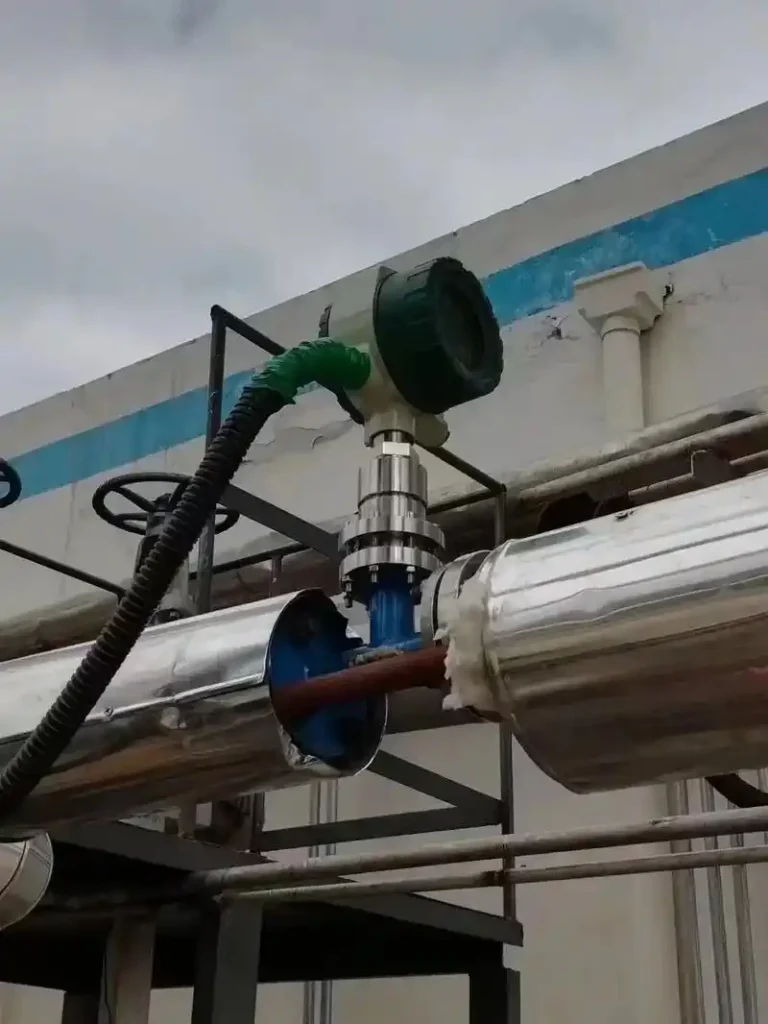
Types of Solvents
1. Alcohol-based solvents:methanol, ethanol, isopropanol and ethylene glycol — these turn up regularly in coating transport, pharmaceutical processing and chemical synthesis lines.
2. Ester-based solvents:ethyl acetate and butyl acetate — the ink and paint industries lean on these for flow monitoring.
3. Ketone-based solvents: acetone and butanone — widely used for cleaning and dosing checks during resin production.
4. Aromatic solvents: toluene, xylene — chemical dilution and extraction processes rely on these for flow control.
5. Halogenated hydrocarbon solvents: dichloromethane, trichloroform — found in pharmaceutical extraction setups and cleaning-agent pipelines where flow measurement is needed.
6. Alkane solvents: n-hexane, petroleum ether — used for flow monitoring in oil and fat extraction, as well as reagent preparation.
7. Ether solvents:tetrahydrofuran, diethyl ether — called on for precise dosing in organic synthesis reactions.
8. Other industrial solvents: DMF, DMSO, acetone-water mixtures; used for flow metering in the production of new materials and lithium-ion batteries.
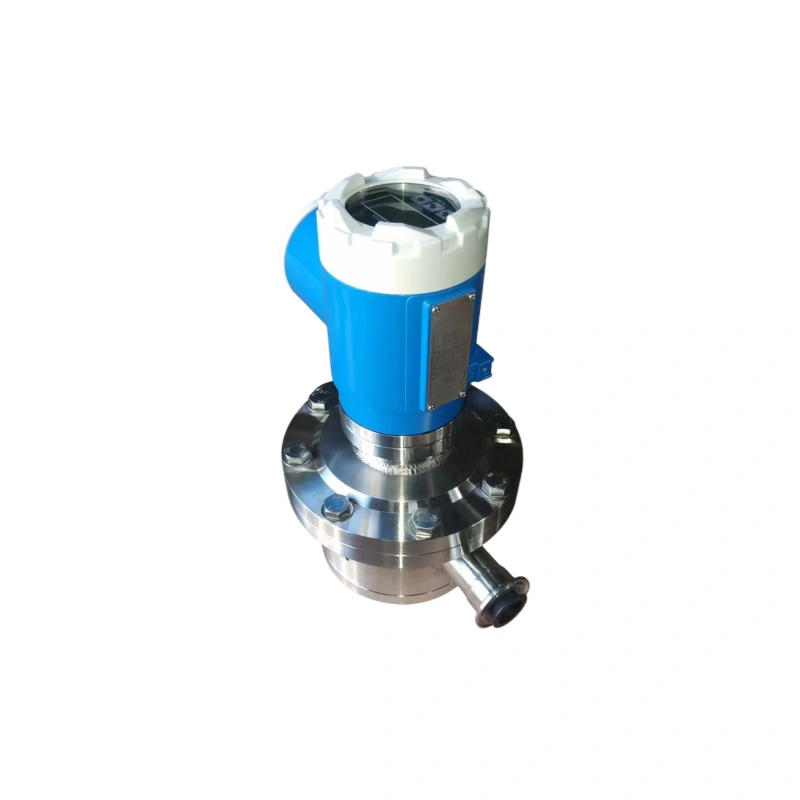
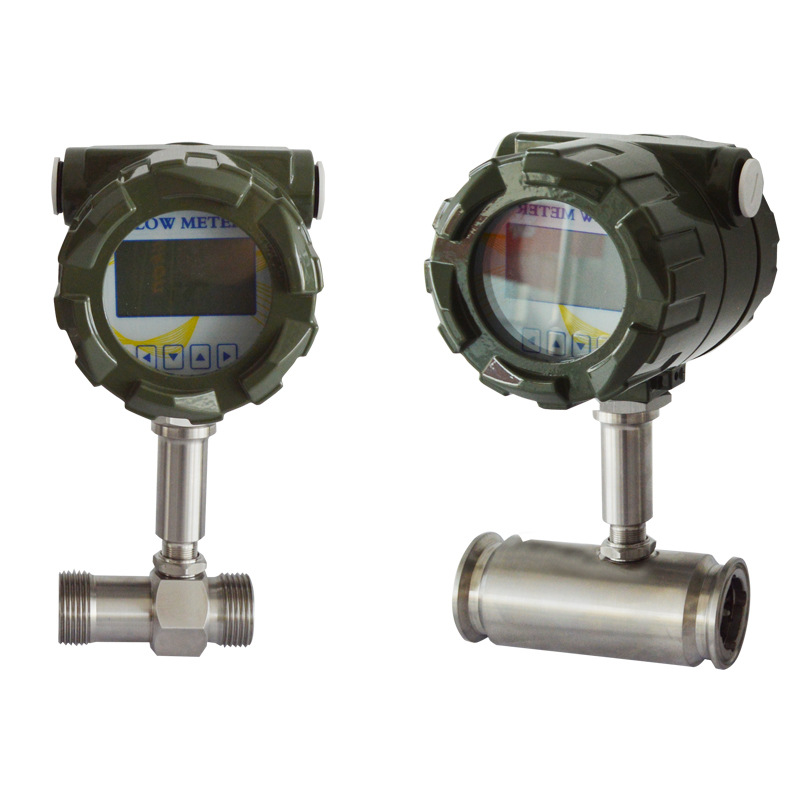
Solvent Flow Meter
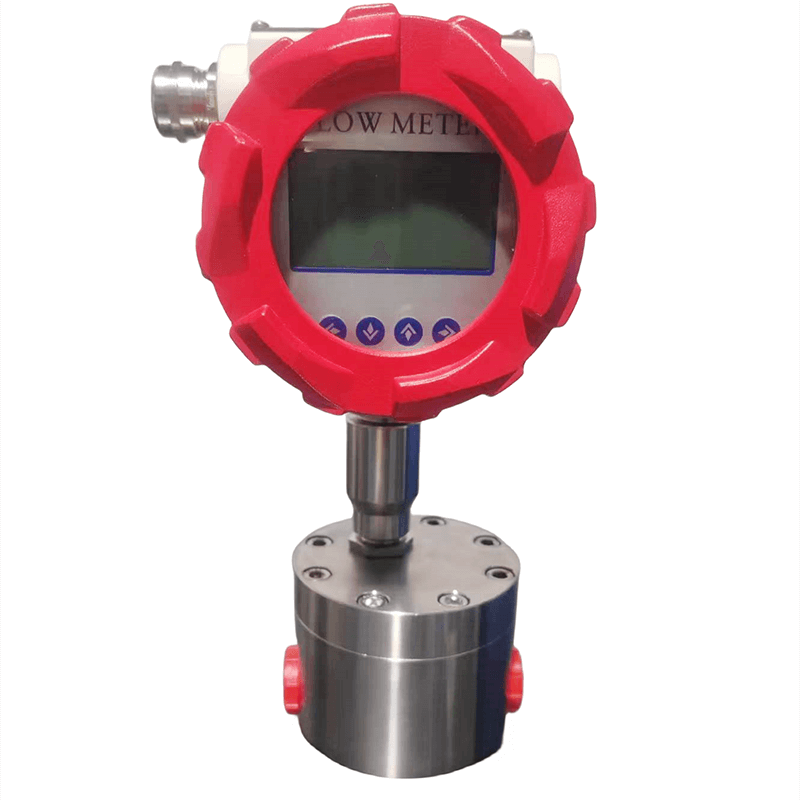
Gear-Type Flow Meter
Principle of Operation
When the medium flows into the metering chamber, it drives a pair of high-precision meshing gears to rotate in synchronisation. With each revolution of the gears, a fixed volume of fluid is discharged.
Sensors on the outer side of the chamber capture the pulse signals generated by the rotation of the gears; by counting the number of pulses, the instantaneous flow rate and cumulative volumetric flow rate of the medium are calculated;
The clearance between the measuring chamber and the gears is extremely small; a sealing layer formed by the medium itself ensures precise positive displacement measurement.
Advantages
1. High measurement accuracy and excellent stability when measuring low-flow solvents
2. Wide turndown ratio; stable flow signal acquisition even at low flow rates, with no minimum flow rate restriction
3. Simple and compact design; no internal throttling components, minimising pressure loss
4. Suitable for high-viscosity organic solvents; outperforms turbine and electromagnetic flowmeters when measuring viscous media
5. Measurement accuracy remains virtually unaffected by minor fluctuations in medium temperature and pressure
Suitable Solvents
Suitable for all types of medium- to high-viscosity pure organic solvents and mixed solvents, including epoxy resin thinners, ink solvents, high-viscosity alcohol solutions, resin monomers, oil-based solvents, highly viscous xylene mixtures, and viscous propylene glycol methyl ether solutions;
It can also measure low-viscosity solvents free from solid particles and strong corrosiveness; it is not suitable for solvents containing impurities, crystalline particles, or those that are highly conductive and corrosive.
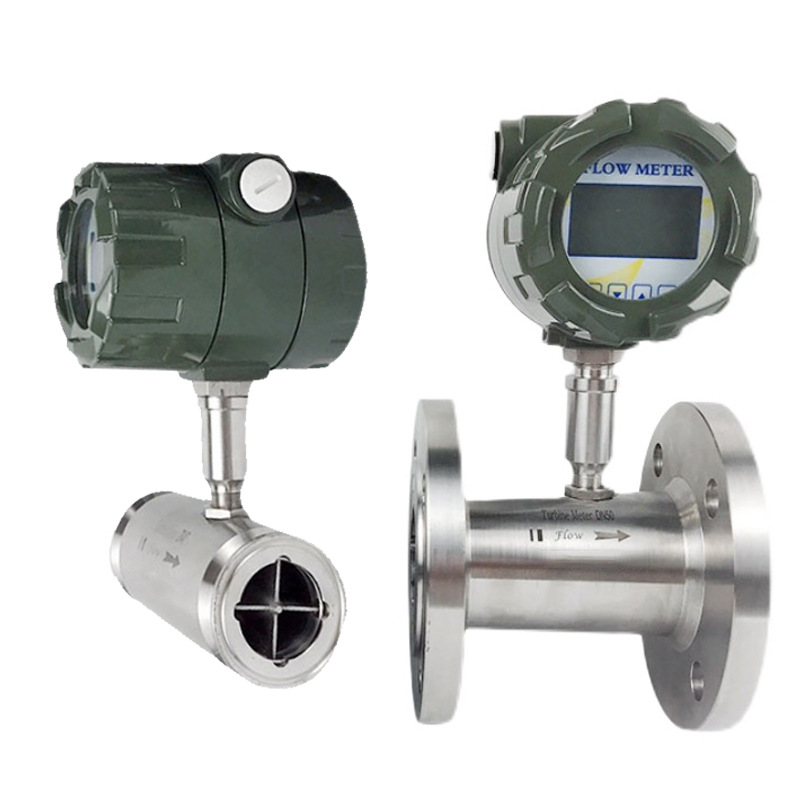
Turbine Flow Meters
Principle of Operation
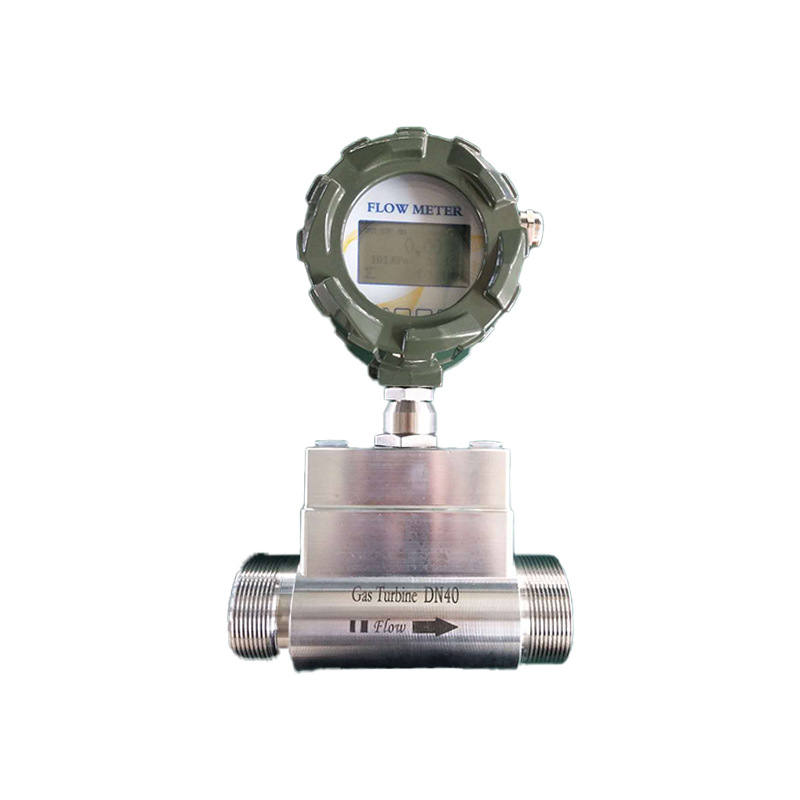
The medium flows through the pipeline and impacts the turbine blades within the impact chamber; the kinetic energy of the fluid drives the turbine to rotate at a constant speed, with the turbine speed being linearly proportional to the medium’s flow velocity;
As the blades cut through the magnetic field of the magnetoelectric sensor, they generate a frequency pulse signal; the secondary instrument acquires the pulse frequency to calculate the instantaneous flow rate, and the total volume of the medium is determined by the cumulative pulse count.
Advantages
1. Fast response time, capable of capturing instantaneous flow rate changes in real time, suitable for applications with fluctuating flow conditions
2. Compact size and easy installation; moderate pressure loss in the pipeline; high flow efficiency in large-diameter pipes
3. Relatively low cost; numerous standardised, universal models; simple maintenance and disassembly
4. Outputs standard pulse and 4–20 mA signals, facilitating easy integration with PLCs and industrial control data acquisition systems
5. Excellent linearity and outstanding measurement repeatability for clean, low-viscosity media
Suitable solvents for measurement
Suitable only for low-viscosity, clean, particle-free organic solvents, such as methanol, ethanol, acetone, ethyl acetate, toluene, xylene, n-hexane and isopropyl alcohol—i.e. dilute, single-phase solvents; not suitable for high-viscosity resin solvents, solvents containing suspended solids, crystallising substances, or solvents prone to coking and impeller blockage.
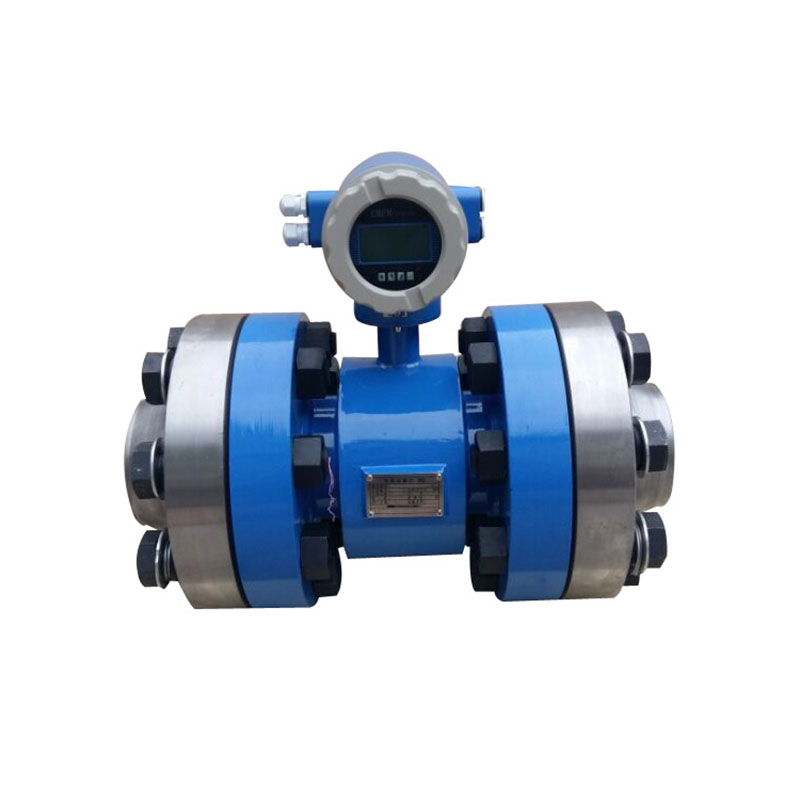
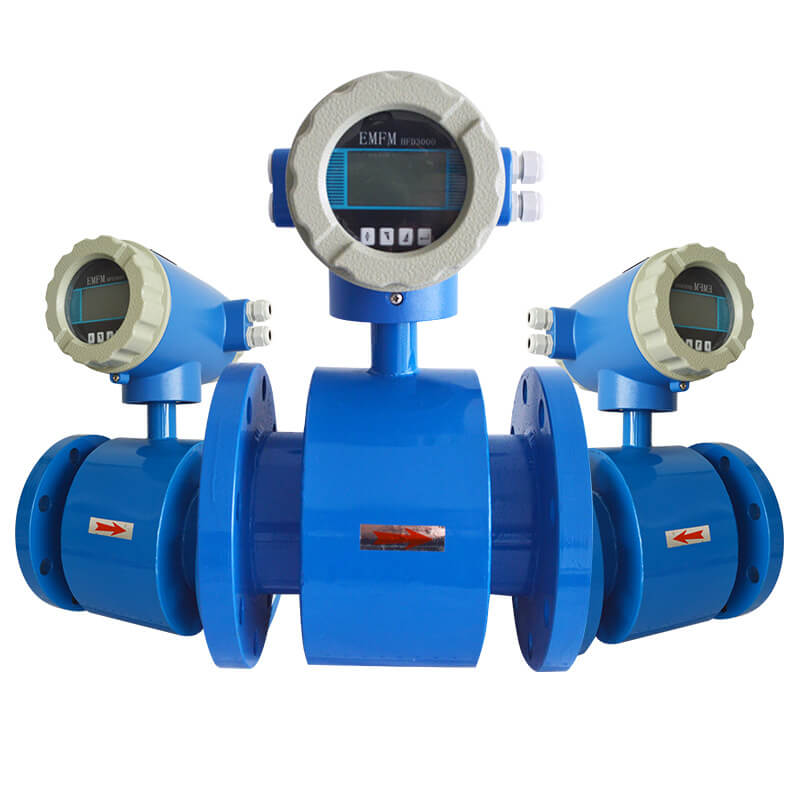
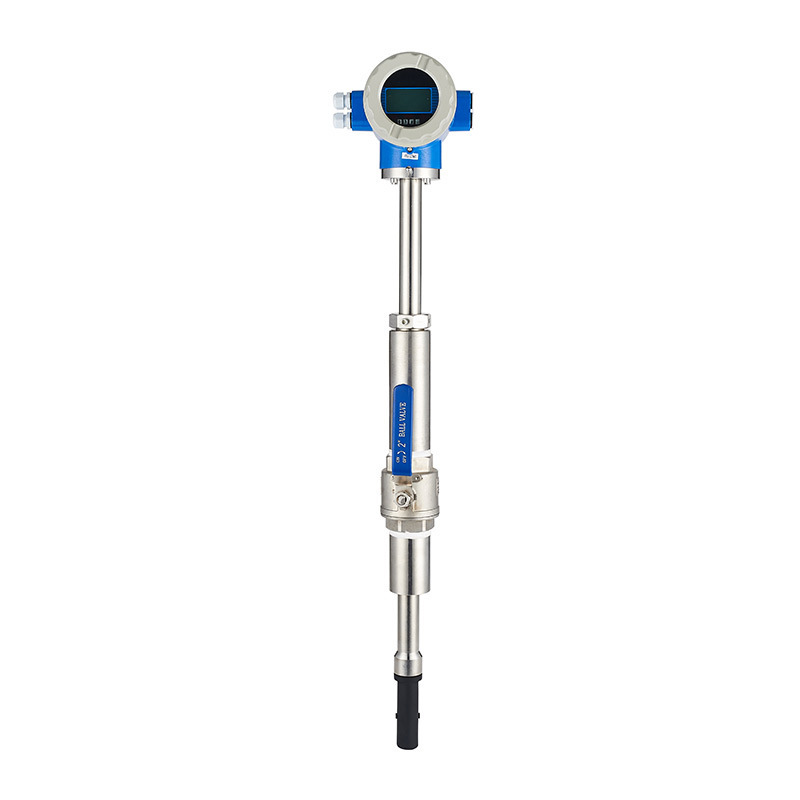
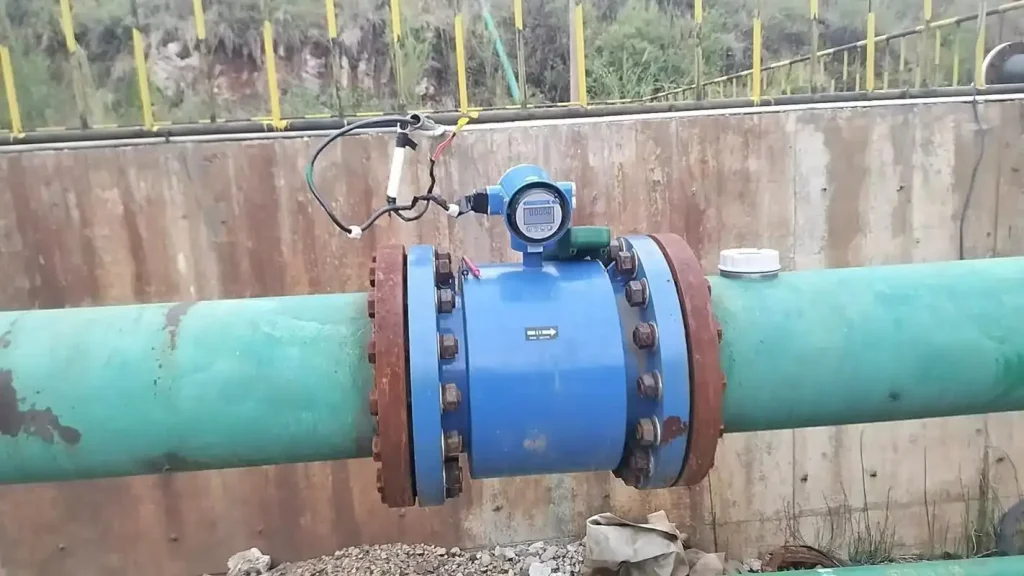
Electromagnetic Flowmeter
Principle of Operation
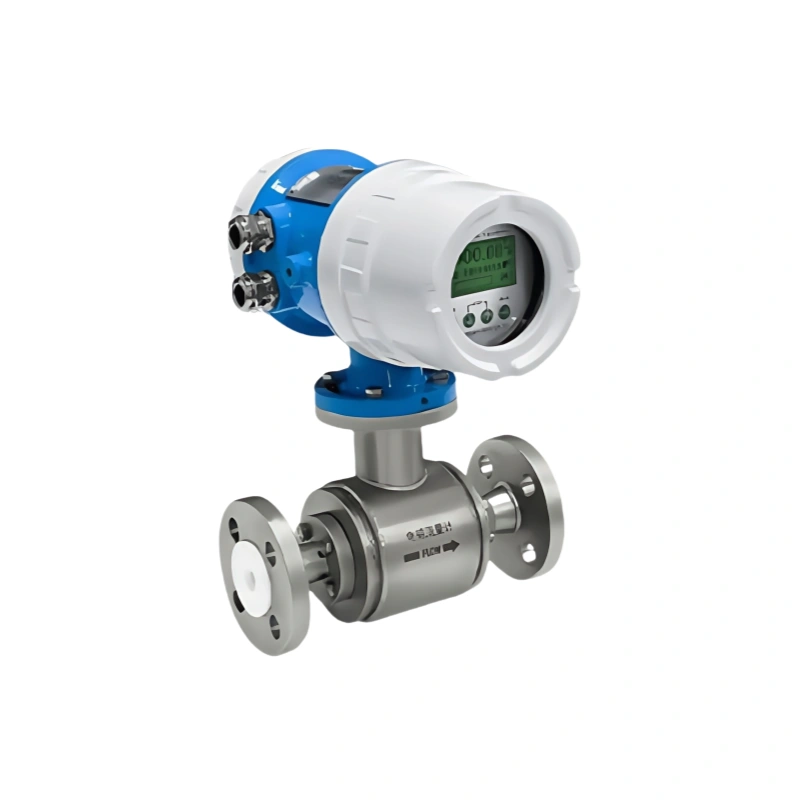
Based on Faraday’s law of electromagnetic induction, the conductive medium cuts perpendicularly through the excited magnetic field within the pipe.
An induced electromotive force is generated at both ends of the medium, which acts as an equivalent conductor, and the electrodes collect the potential signal; the magnitude of the electromotive force is proportional to the average flow velocity of the medium, the internal diameter of the pipe and the magnetic field strength. After amplification and processing, a flow rate value is output.
Advantages
1. No obstructing components inside the pipe, resulting in no pressure loss and energy savings during high-flow conveyance
2. Capable of measuring mixtures containing small amounts of fine conductive suspended solids and emulsified solvents
3. Corrosion-resistant linings available in PTFE or rubber, suitable for acidic and alkaline conductive solvents
4. Measurements are unaffected by minor variations in medium temperature, pressure or viscosity
5. Bidirectional measurement capability, supporting the metering of solvents flowing in both forward and reverse directions
Suitable Solvents for Measurement
Measurement is limited to conductive aqueous solvent solutions and ionic mixed solvents, such as water-alcohol mixtures, aqueous cleaning solvents, conductive alcohol-amine solvents and conductive electroplating diluents; insulating organic solvents such as pure hydrocarbons, esters and ketones are non-conductive and cannot be measured by electromagnetic flowmeters.
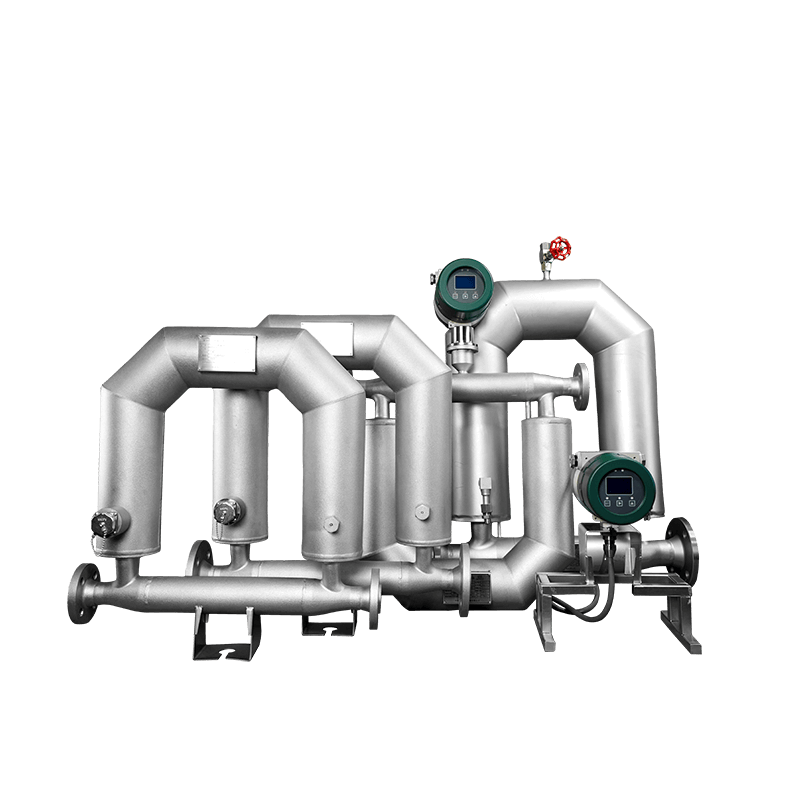
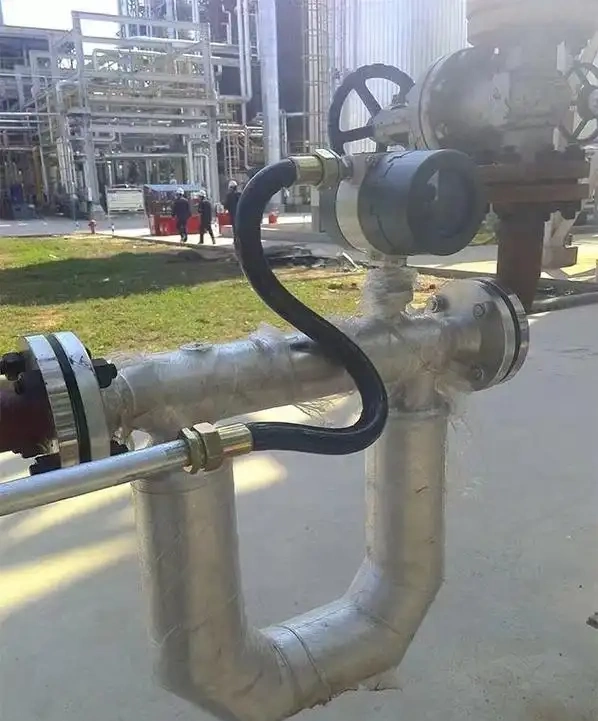
Coriolis Mass Flow Meter
Principle of Operation
The measuring tube vibrates continuously at a high frequency under electromagnetic excitation.
When the medium flows through the vibrating tube, the Coriolis force is generated, causing a phase shift between the inlet and outlet pipelines; the phase difference is directly proportional to the mass flow rate of the medium.
Built-in sensors capture the vibration phase signal and directly output data on the medium’s mass flow rate, density and temperature, without the need for temperature or pressure compensation calculations.
Advantages
1. Direct measurement of mass flow, unaffected by changes in solvent density, temperature or viscosity; industry-leading measurement accuracy
2. Simultaneous output of density parameters, enabling online monitoring of solvent concentration and blending purity
3. Stable measurement of both high- and low-viscosity solvents; extremely wide turndown ratio
4. No straight pipe section installation requirements; highly adaptable to confined pipeline spaces
5. Capable of measuring two-phase solvent systems containing trace bubbles, with strong resistance to operating condition fluctuations
Suitable solvents
Covers the vast majority of liquid organic solvents, including low-viscosity acetone and toluene, medium-viscosity alcohol-ether solvents, and high-viscosity resins, curing agents and polyol solvents; also suitable for blended solvents, highly volatile solvents and solvents used in high- and low-temperature operating conditions; not suitable only for solvent systems containing hard, large particles or highly abrasive solid impurities.
Selection Guide
1. Conductivity of the medium
For insulating organic solvents such as pure toluene, acetone and ethyl acetate, electromagnetic flowmeters should be ruled out; for alcohol-based solutions containing water and conductive mixed solvents, electromagnetic flowmeters should be the preferred choice. Conductivity is the primary selection criterion.
2. Viscosity Matching
For low-viscosity, clean solvents, select a turbine flowmeter, which offers low cost and fast response; for medium- to high-viscosity resins and curing agents, give priority to gear-type positive displacement flowmeters; for applications requiring precise mass measurement across a wide viscosity range, select a Coriolis mass flowmeter.
3. Measurement Requirements
If only approximate volumetric measurement is required, a turbine or gear flowmeter will suffice; where precise batching and online monitoring of concentration and density are required, a Coriolis mass flow meter must be selected, as it directly outputs mass data without the need for temperature or pressure compensation.
4. Corrosiveness and Cleanliness
For media containing corrosive acids or alkalis, ensure the instrument is made of PTFE or 316L stainless steel; where media contain crystalline or hard particles, gear and turbine flow meters must not be used; instead, select electromagnetic or Coriolis flow meters with no moving parts.
5. Flow Range and Measurement Span
Select gear flowmeters for minute flows and small-dose dispensing; choose electromagnetic or turbine flowmeters for continuous conveyance in large pipelines; for blending processes with significant flow fluctuations and a wide measurement span, the Coriolis flowmeter’s range ratio offers a distinct advantage.
6. Temperature, Pressure and Volatility
For high-temperature, high-pressure, highly volatile solvents, prioritise Coriolis or gear flowmeters; for low-pressure, ambient-temperature applications involving ordinary dilute solvents, turbine flowmeters are sufficient; in high-temperature conditions, verify the resistance of seals to solvent swelling.
7. Installation Space and Straight Pipe Sections
In confined spaces where no straight pipe sections can be provided, select Coriolis flowmeters, as they have virtually no straight pipe section requirements; turbine and electromagnetic flowmeters require standard straight pipe sections; gear flowmeters are compact and well-suited to small pipe diameters.
8. Accuracy and Budget
For general-purpose flow measurement with a limited budget, select a turbine flowmeter; for high-precision filling, select a gear flowmeter; for high-end batching and simultaneous multi-variable data acquisition, select a Coriolis flowmeter; for highly conductive, corrosive, high-flow aqueous solutions, select an electromagnetic flowmeter.
9. Signal Output and Integration with Automation Systems
All four types are available for applications requiring only local display. For integration with PLC or DCS systems, turbine, gear and electromagnetic flowmeters can output 4–20 mA or pulse signals; Coriolis flowmeters can simultaneously transmit multiple sets of digital signals for flow rate, density and temperature, making them suitable for highly automated production lines.
For on-site conditions where solvent media have complex physical properties, are highly volatile, subject to significant temperature and pressure fluctuations, and prone to wear caused by impurities, selecting the appropriate specialised flowmeter model can completely eliminate industry pain points such as measurement errors, bubble interference and equipment wear.
This ensures precise and stable feed ratios, reduces raw material wastage, whilst fully complying with industrial explosion-proof and corrosion-resistant safety standards.
Sion-Inst provides tailored solvent flow measurement solutions based on a company’s actual operating conditions, flow range, automation requirements and budgetary constraints, helping to standardise production processes and refine control measures to achieve improved quality, reduced costs, and safe, efficient production.