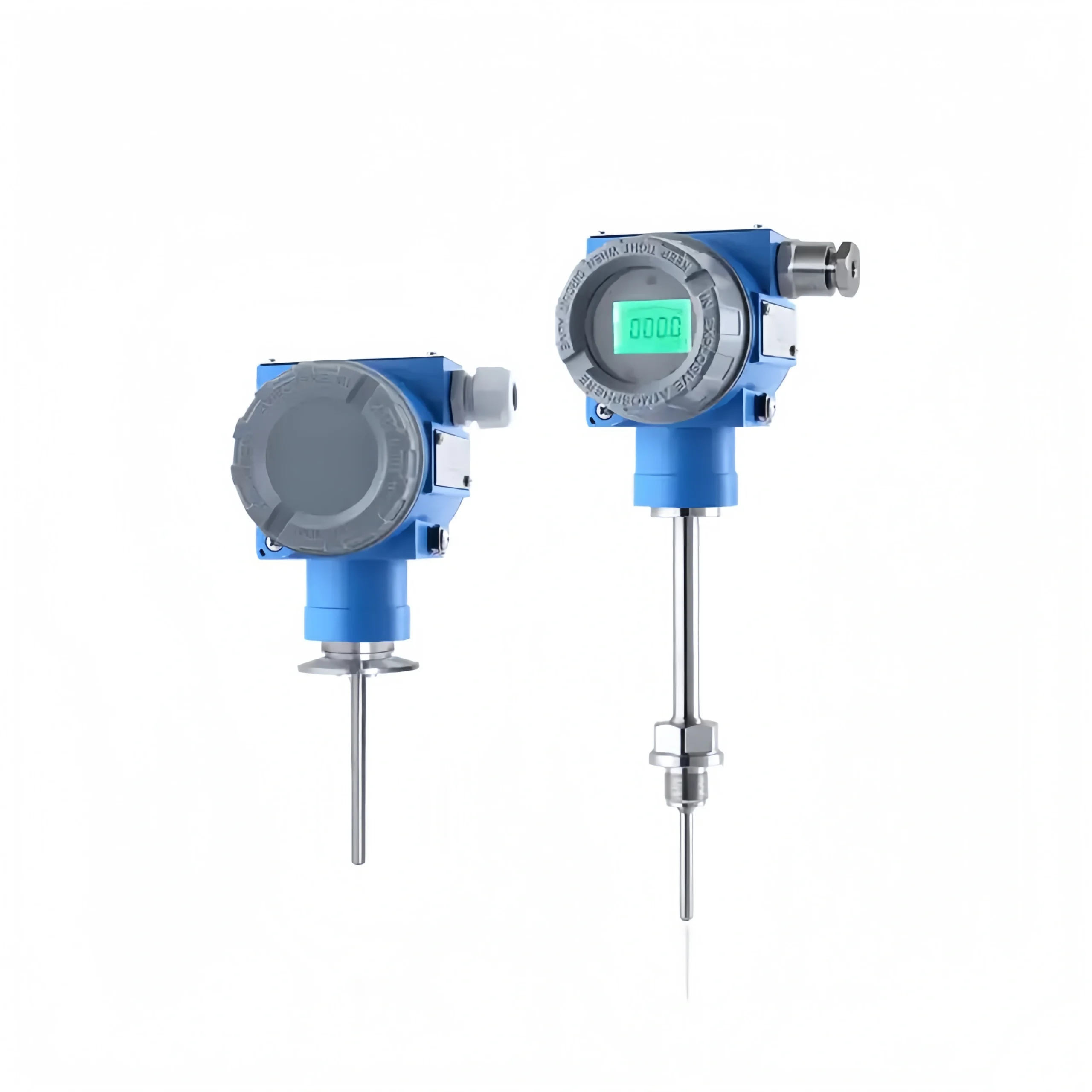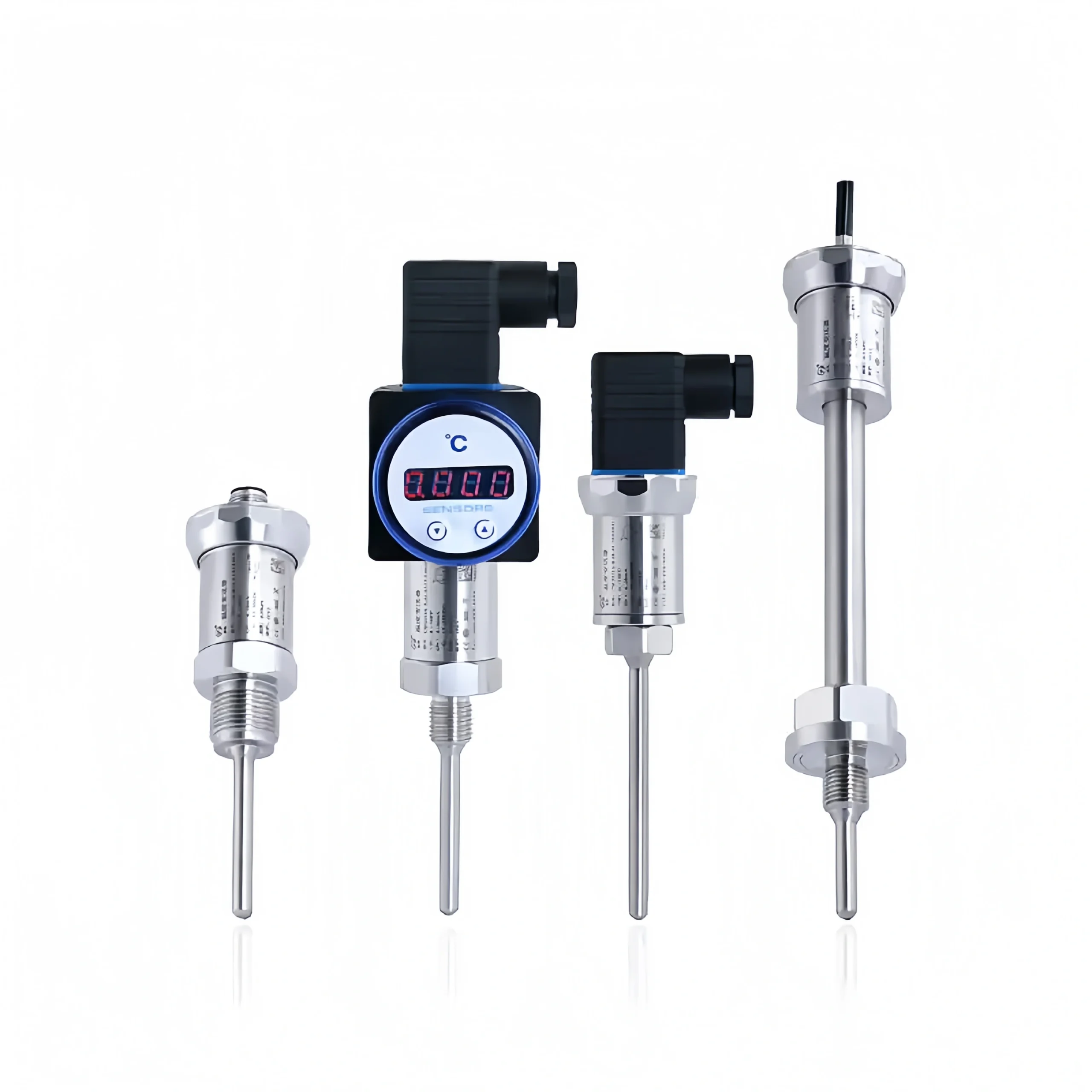
As a core physical parameter in industrial production, scientific research and high-end manufacturing, the accuracy of temperature measurement directly determines the stability of system operation, the reliability of experimental data and the controllability of product quality.
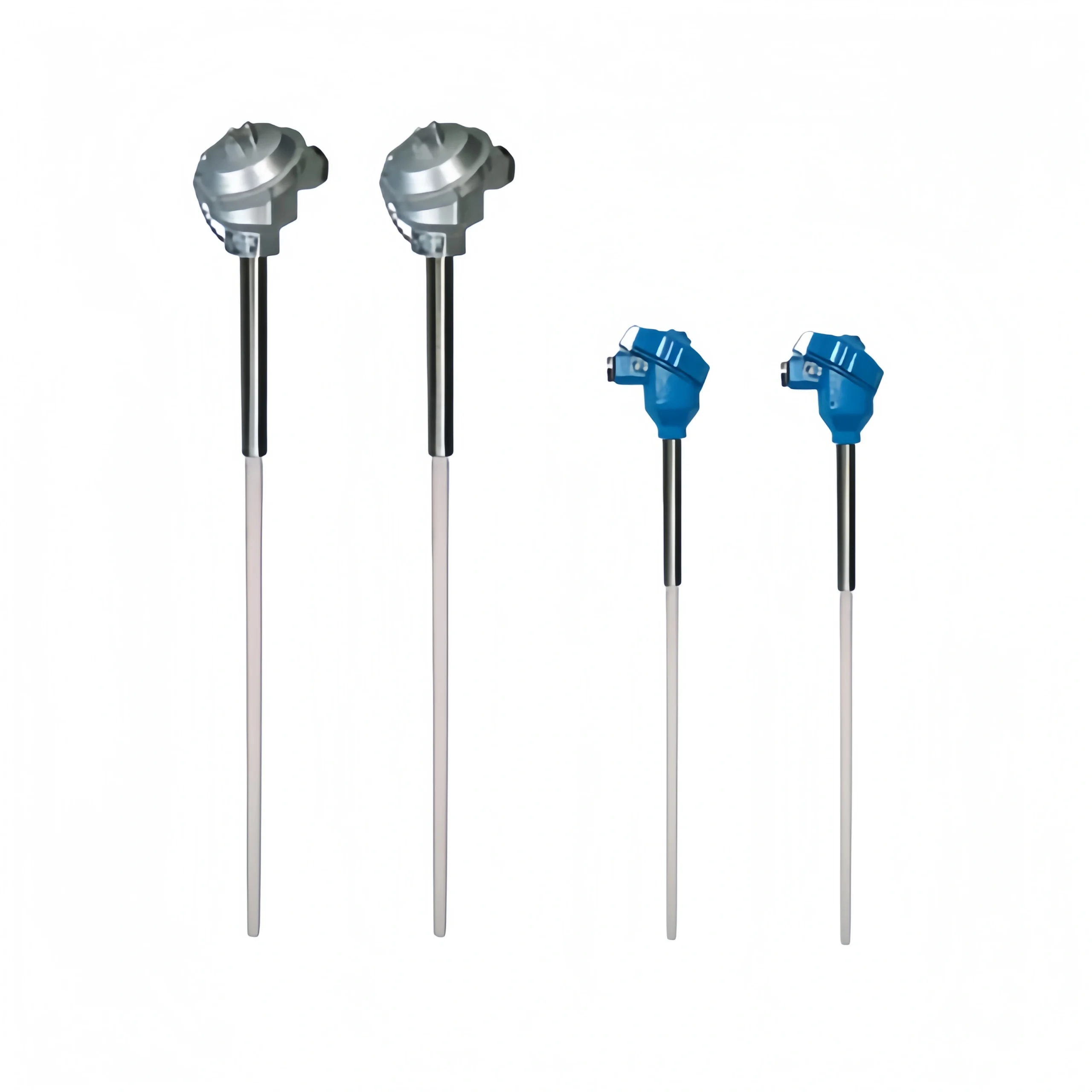
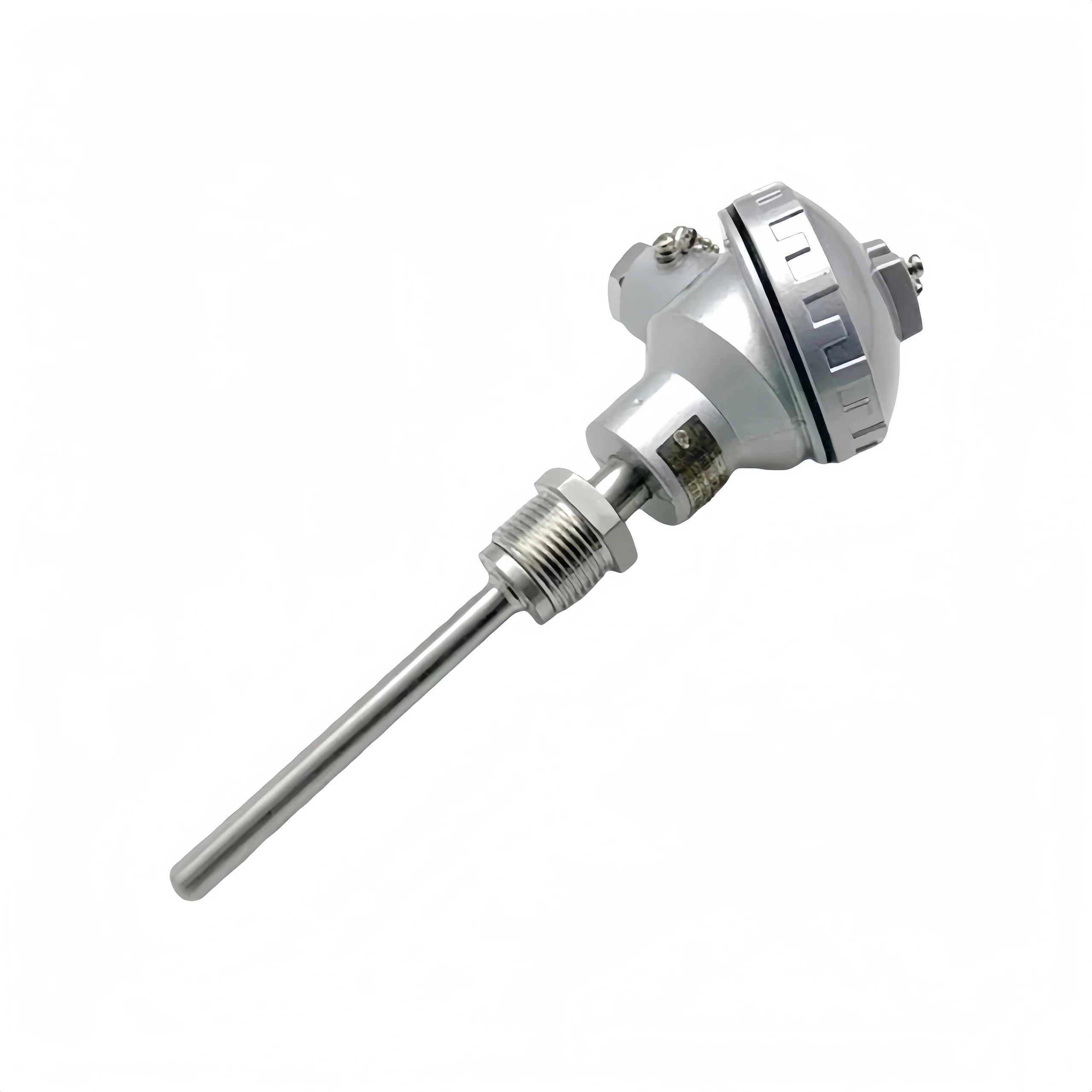
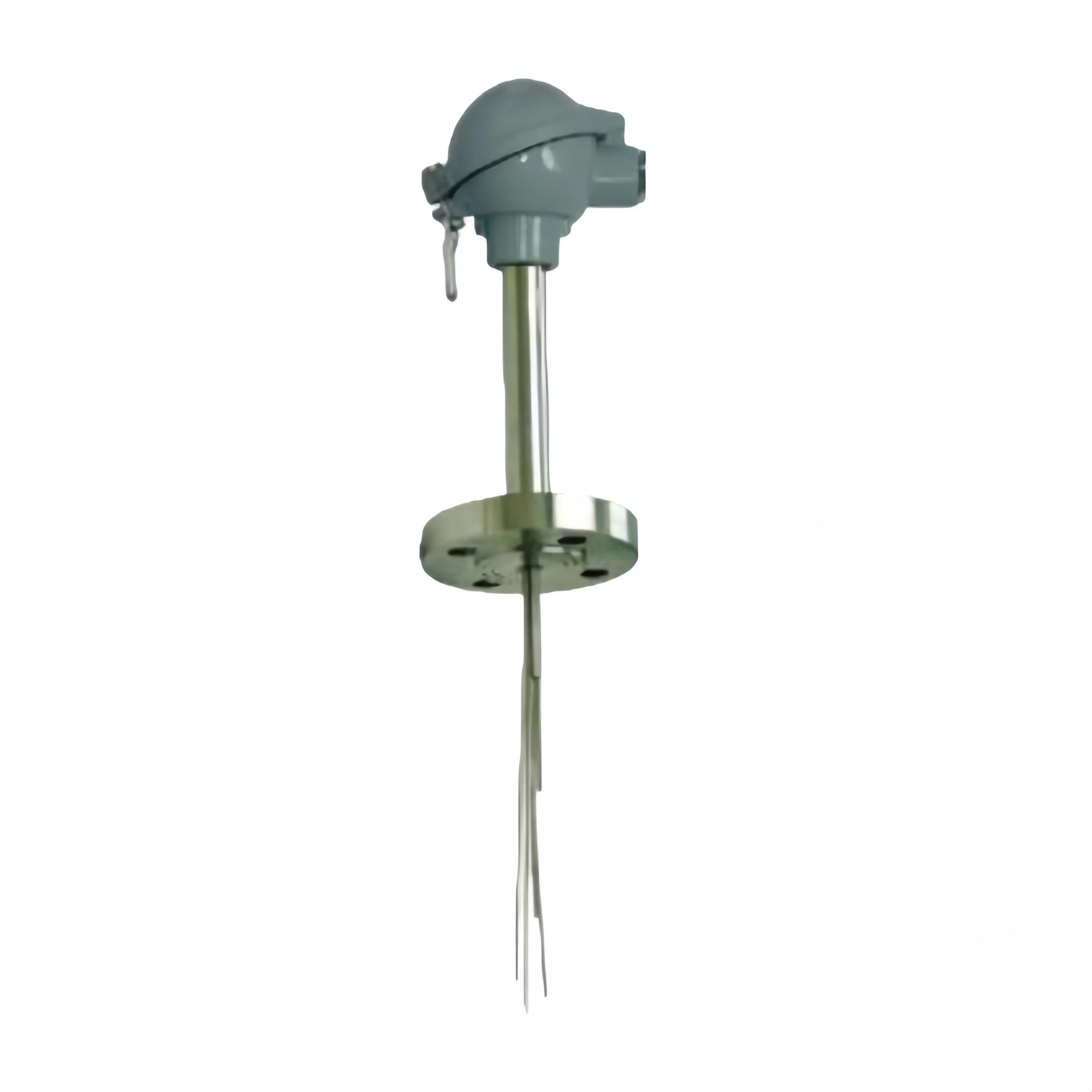
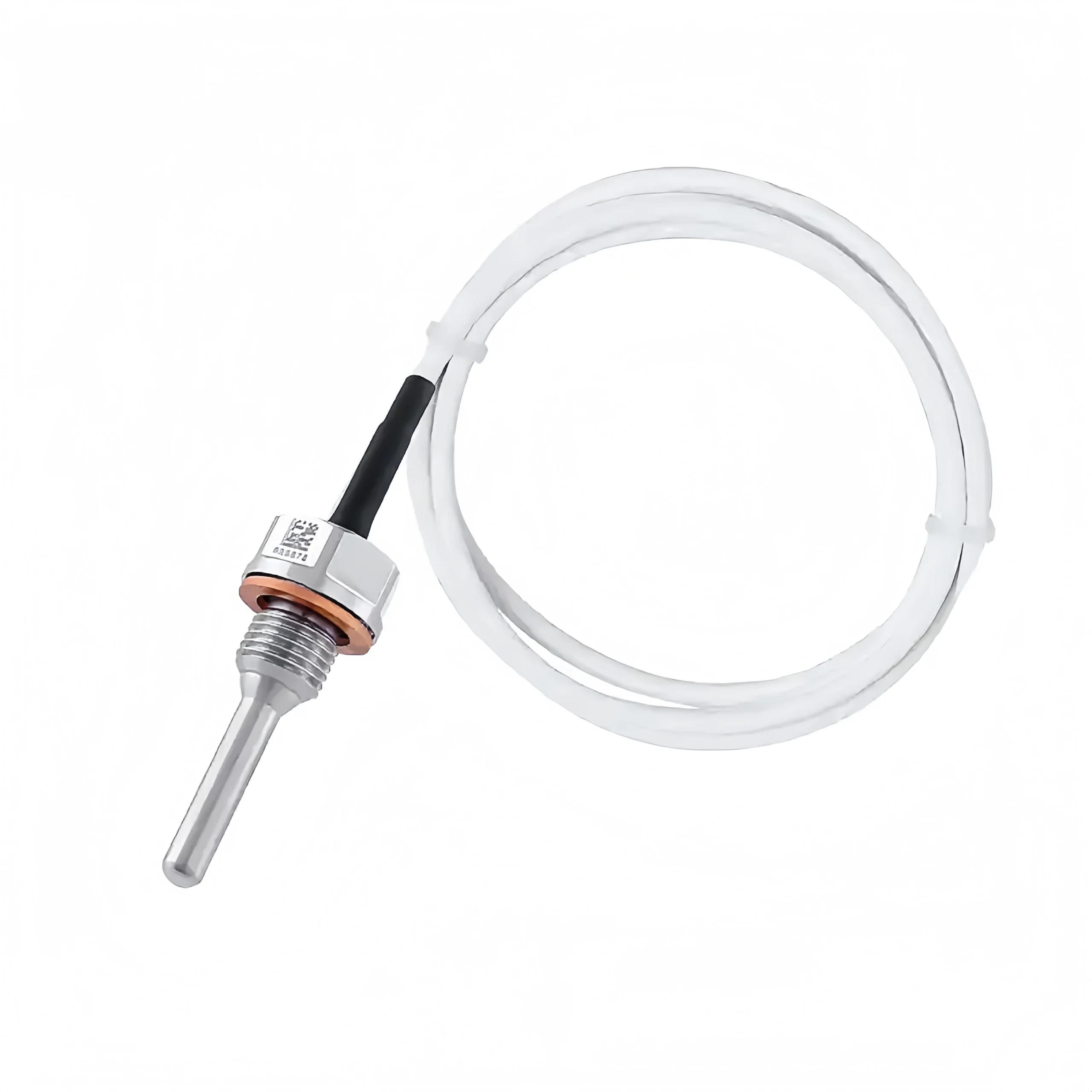
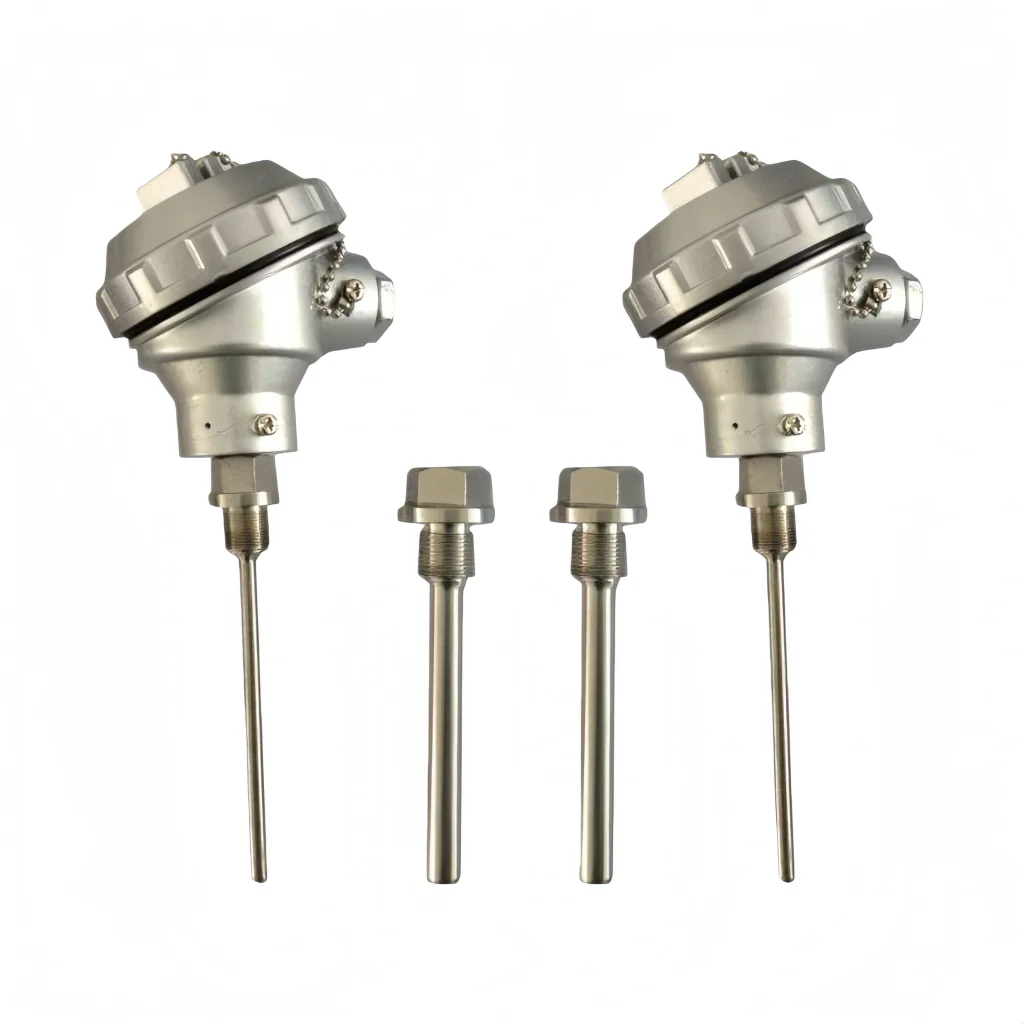
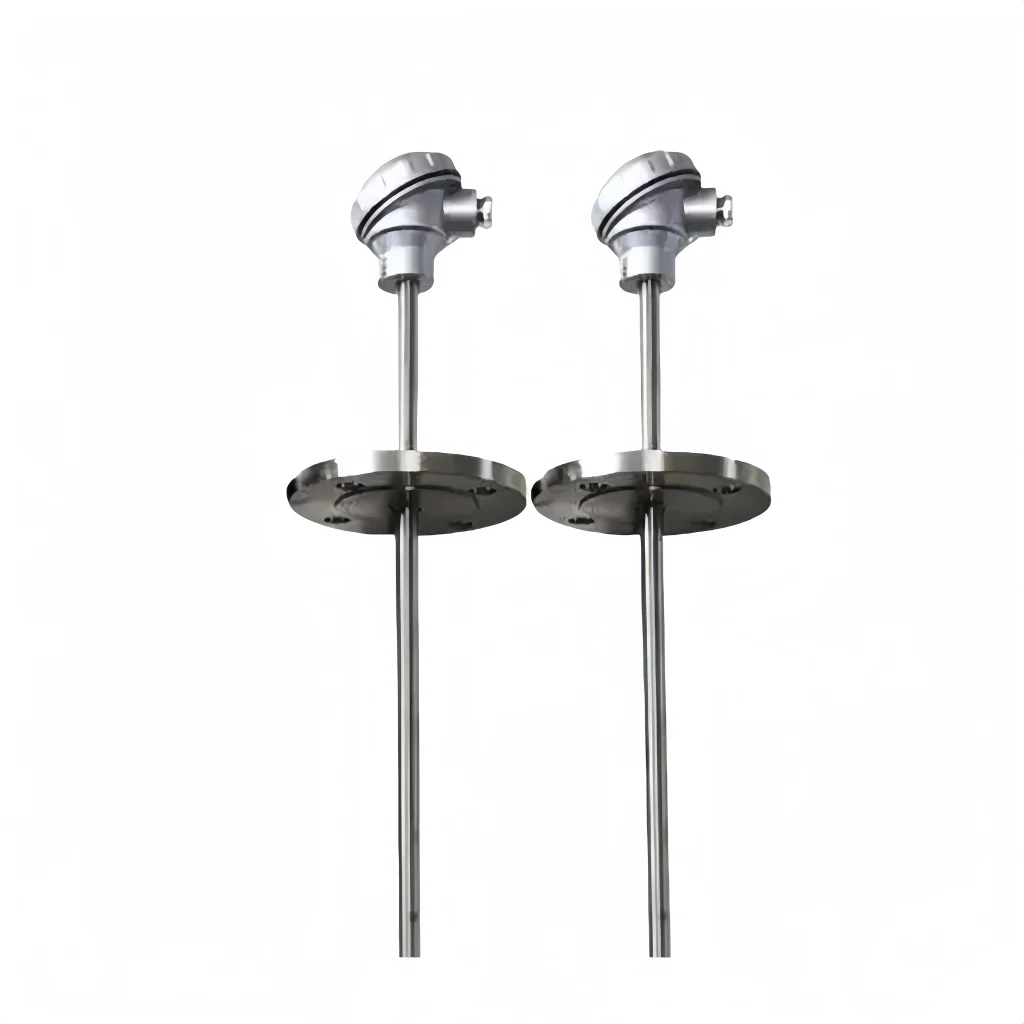
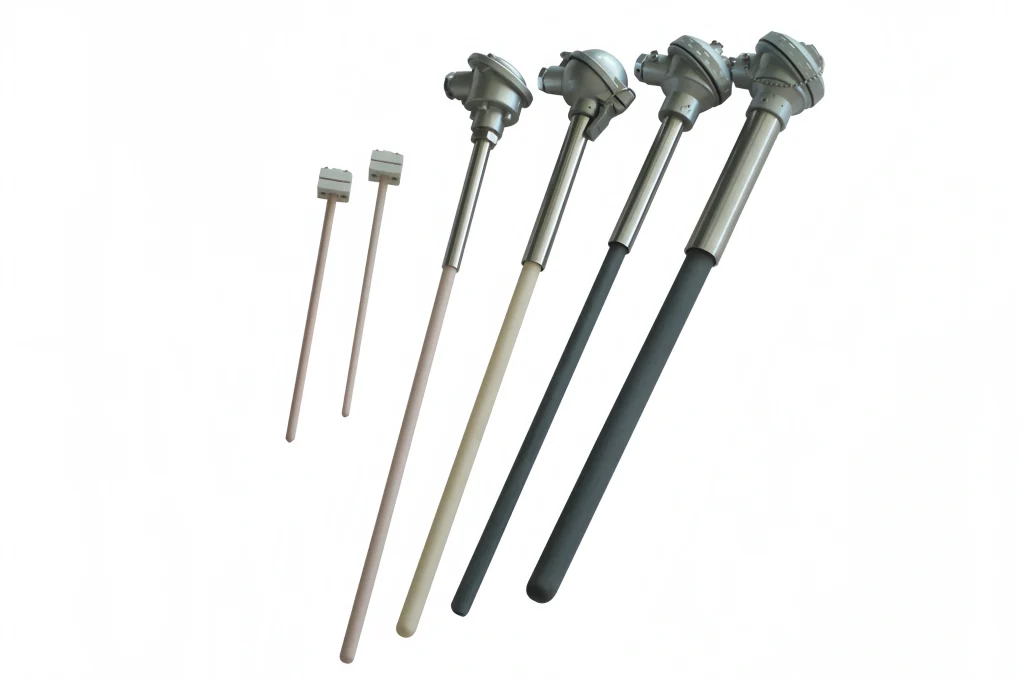
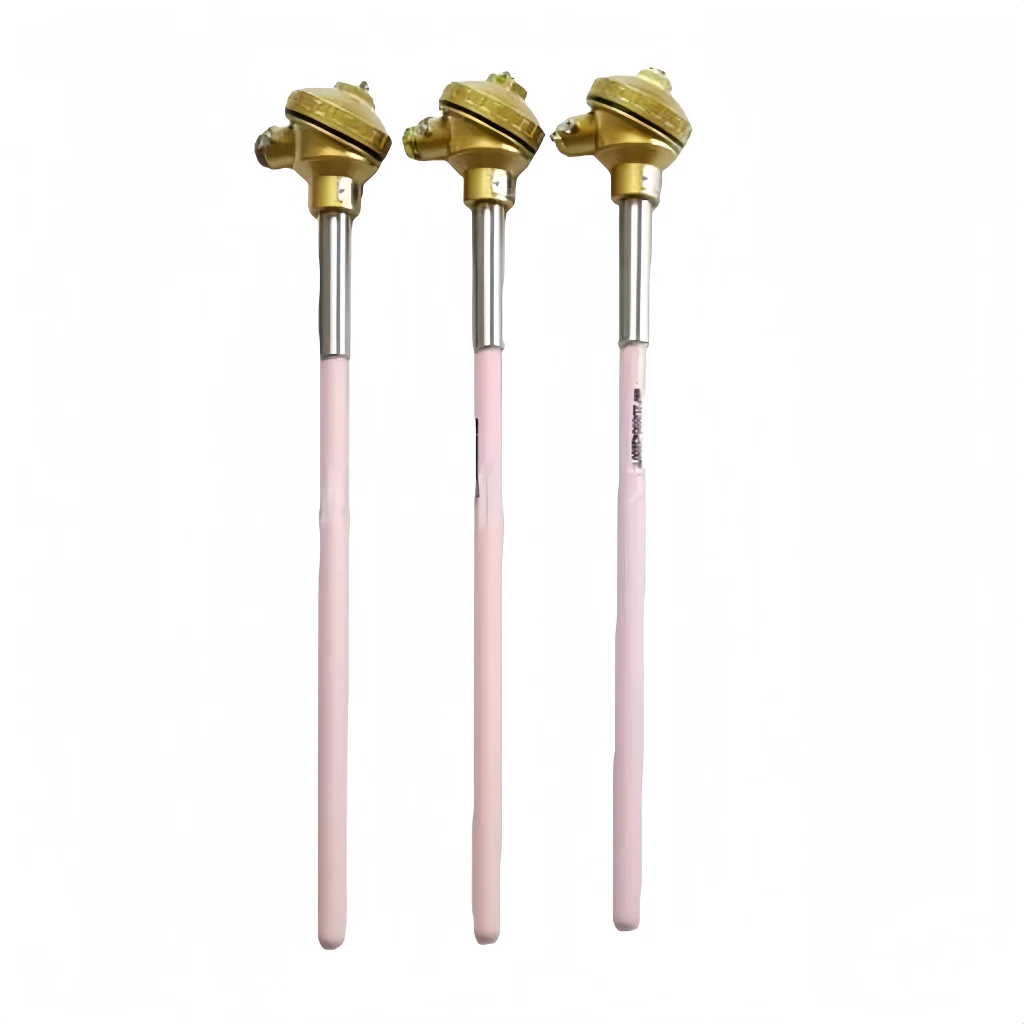
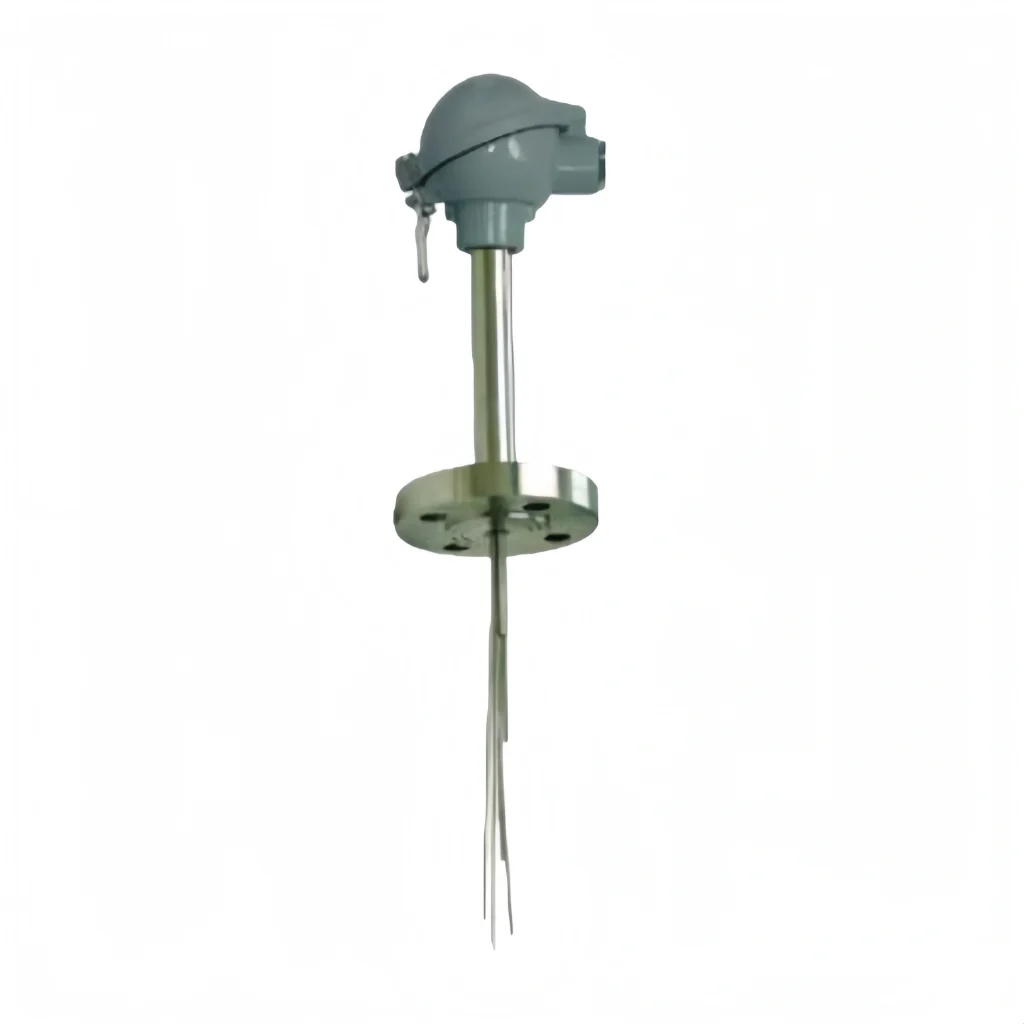
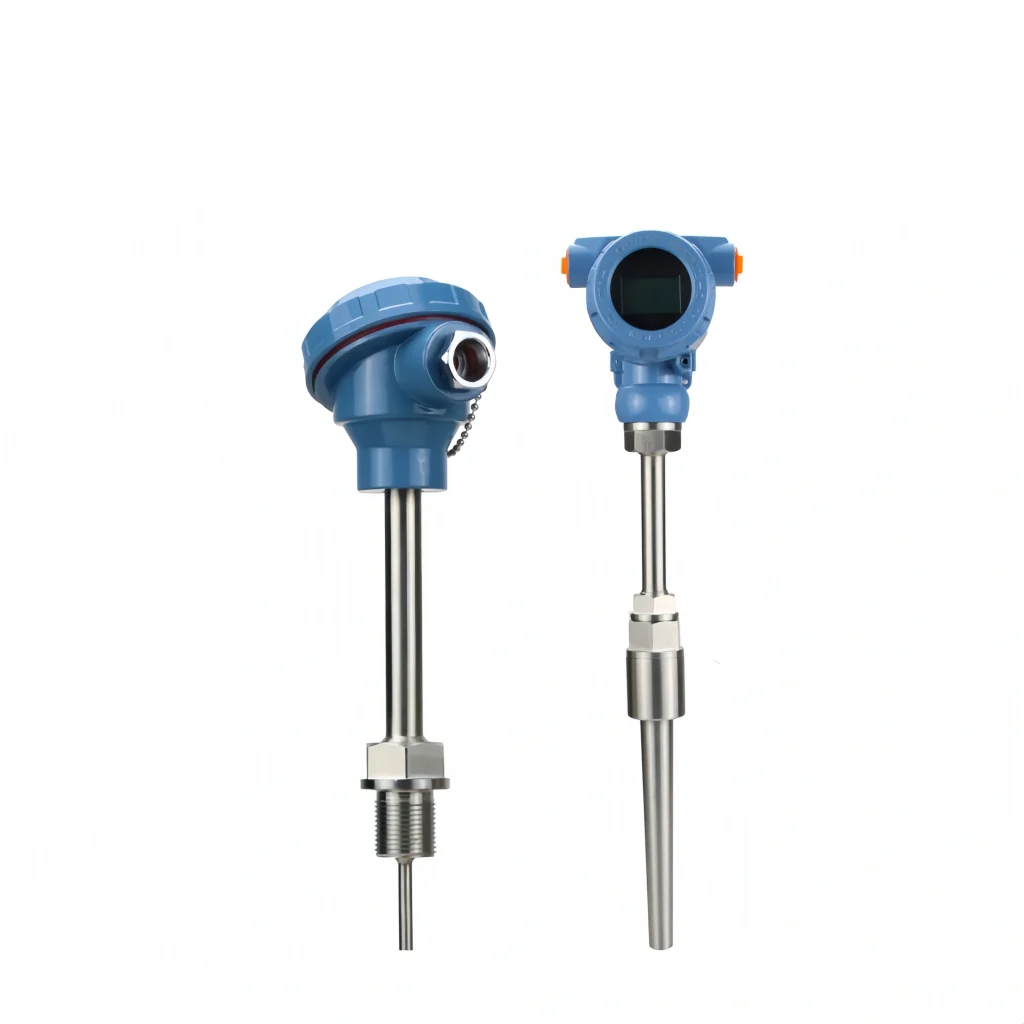
The T type thermocouple is a type of thermocouple sensor commonly used for temperature measurement. It consists of two wires made of different materials—copper and nickel alloy—which generate a minute voltage signal via the thermoelectric effect to measure temperature.
What is a T Type thermocouple?
A T type thermocouple is a sensor used to measure temperature. It is called a ‘T’ type because its leads resemble the letter ‘T’. It consists of two wires: one made of copper and the other made of a nickel alloy. These two wires meet at a junction where they form a cold junction, also known as a thermocouple junction.
When the junction of a T type thermocouple is exposed to the environment being measured, the temperature difference causes a thermoelectric effect, generating a minute voltage signal. The strength of this signal can be used to calculate the temperature of the environment. T Type thermocouples are usually great for measuring temperatures between -250°C and 350°C.
Principle of the T Type Thermocouple
The T Type thermocouple works on the thermoelectric effect. The thermoelectric effect occurs when two different metals or alloys are connected in a closed circuit. If the connection points are at different temperatures, a potential difference is generated. This potential difference is known as the thermoelectric potential.
In a T-type thermocouple, the two wires are made of copper and a nickel alloy, respectively. These two materials respond differently to changes in temperature. When the junction is exposed to different temperatures, a different electrical potential is generated between the copper wire and the nickel alloy wire, producing a small voltage signal.
By measuring and converting this voltage signal, we can work out the ambient temperature. The T Type thermocouple works on the basic idea of the thermoelectric effect, which is how it converts temperature into an electrical signal to measure temperature.
Advantages and Disadvantages
Advantages
Extremely high measurement accuracy and excellent stability at low temperatures: T Type thermocouples are internationally recognised as high-precision temperature-sensing elements for low-temperature applications. Within the typical operating range of –200°C to +350°C, they exhibit excellent linearity in their thermoelectric characteristics, with minimal temperature drift and good repeatability. They’re perfect for when you need to measure things really accurately, like in labs, for deep-freeze cold chains and refrigeration units.
High resistance to oxidation and durability under standard operating conditions: The combination of pure copper for the positive electrode and constantan for the negative electrode ensures resistance to oxidation and degradation in air, dry inert gases, and ambient pressure oxidising environments. Thermal performance degrades slowly during long-term continuous use, ensuring a stable service life under routine conditions without the need for frequent replacement or calibration.
Wide range of cryogenic compatibility: Capable of precise temperature measurement in cryogenic and liquid nitrogen environments, it is the preferred choice for low-temperature energy storage, cold chain warehousing, low-temperature chemical experiments, and aerospace cryogenic piping systems, with stable signal output that does not fail at low temperatures.
Excellent flexibility and versatile installation: The electrode wires are soft, easily bendable and simple to thread, making them suitable for confined equipment cavities, the inner walls of narrow pipes, complex wiring spaces and curved installations. On-site installation and routing are convenient, and they are suitable for a wide range of compact temperature measurement points.
Outstanding value for money and low operating costs: As a base metal thermocouple, the raw materials contain no precious metals, resulting in an affordable purchase price; Compatible with standard compensation leads and temperature controllers, offering high versatility; low overall costs for subsequent maintenance, replacement and calibration, making it suitable for large-scale industrial deployment.
Good signal consistency and simple commissioning: Standardised calibration scales ensure compatibility with commercially available temperature controllers and data acquisition modules; on-site commissioning, data calibration and signal connection are straightforward, with far greater versatility than some thermocouples made from special materials.
Disadvantages
High-temperature resistance is severely limited: The temperature shouldn’t go above 350°C, and short-term peak temperatures shouldn’t be too high. Pure copper electrodes are very sensitive to oxidation and ablation in high-temperature environments, which can cause rapid shifts in thermoelectric potential and result in measurement inaccuracies. Consequently, they are completely unsuitable for applications such as medium- and high-temperature industrial furnace chambers and high-temperature heating equipment.
Poor resistance to specific corrosive atmospheres: It is not resistant to reducing gases such as hydrogen, carbon monoxide, carbides and sulphides, nor to moist acidic flue gases; prolonged contact with such media can lead to electrode corrosion, crystallisation and wire breakage, resulting in measurement failures or even direct damage to the probe.
Weak mechanical strength and poor resistance to vibration and compression: The pure copper anode material is relatively soft; under conditions of strong vibration, frequent impact, and high-pressure compression, wire deformation, internal fractures, and solder joint detachment are likely to occur, resulting in a high failure rate during long-term use in vibrating equipment and rotating machinery.
Unsuitable for harsh corrosive environments: The probe must not come into direct contact with strong acids, strong alkalis, molten metals or high-salt-fog media. Without a dedicated corrosion-resistant sheath, the probe will rapidly corrode through, rendering it incapable of temperature measurement.
Irreparable after prolonged over-temperature operation: If you keep it going at temperatures that are higher than the recommended limit, it can cause permanent changes to the electrodes. This can lead to the thermoelectric characteristics moving in a way that can’t be reversed. Even recalibration can’t restore the original accuracy, so the probe has to be replaced completely.
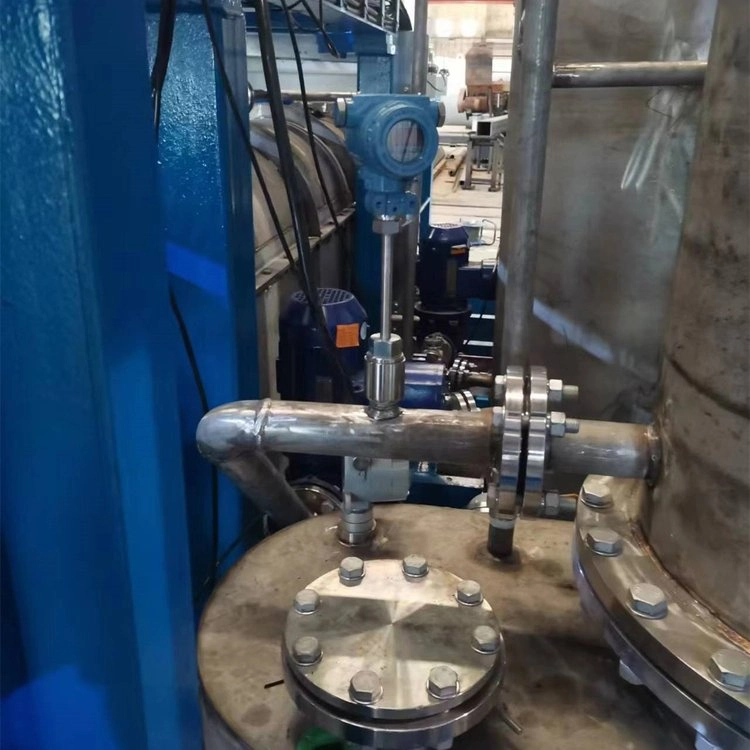
Practical Applications of T Type Thermocouple Temperature Sensors
Refrigeration and HVAC: This is for measuring temperature in cold stores, refrigerated lorries, air conditioning refrigerant lines and refrigeration units. It lets you keep an eye on low-temperature heat exchange and refrigeration conditions, so you know what’s going on.
Precision Temperature Measurement in Laboratories: Temperature baths, liquid nitrogen systems and temperature calibration experiments, utilising high precision and repeatability to achieve low-temperature data acquisition.
Food and Pharmaceutical Industries: We’ve got quick-freezing processes, vaccine cold stores and biological reagent refrigerators that meet temperature measurement requirements for low-temperature storage and quality traceability.
Chemical Cryogenic Processes: Temperature monitoring of low-temperature media in natural gas liquefaction, cryogenic reactors, refrigerant storage tanks, and cryogenic separation equipment.
New energy sector: Low-temperature testing chambers for batteries, hydrogen storage and transport tanks, and low-temperature temperature measurement and safety monitoring for energy storage heat dissipation pipelines.
Precision electronic equipment: We can test how well chips cool down, how long products last, and how well small refrigeration modules work. These modules can be used to measure temperatures very accurately in small spaces with complicated wiring.
General light industry applications: This can be used to ferment drinks and purify water at low temperatures, as well as to treat exhaust gases. This makes it easy to monitor temperatures at normal and low levels without breaking the bank.
Differences between T Type and K Type Thermocouple
I. Differences in Temperature Measurement Range
T Type thermocouple wire: It is designed to measure temperatures very accurately, even when they are very low or very high, and it can be used for a long time at temperatures ranging from -200°C to +350°C. Do not expose it to temperatures higher than 400°C for more than a short time. It is highly suitable for cryogenic, liquid nitrogen, cold chain and refrigeration applications, but is completely unsuitable for high-temperature environments.
K Type Thermocouple Wires: These are general-purpose wires that can be used at medium to high temperatures. They can usually be used from -200°C to +1200°C. They can resist high temperatures, which is why they are used a lot in places like furnaces, boilers, kilns and high-temperature pipelines. They’re fine for low-temperature stuff, but they’re not as accurate as T Type wires.
II. Differences in Measurement Accuracy and Stability
T Type thermocouple wire: It’s great for low temperatures, super stable, pretty accurate and you can rely on it. It’s a popular choice for measuring temperature in labs and for low-temperature metrology and calibration. It’s way more accurate than regular K Type thermocouples at room and low temps.
K Type thermocouple wires: They’re pretty stable at medium to high temps, but accuracy at low and ambient temps is usually an issue. Using them for a long time at high temperatures can cause thermoelectric drift and magnetic interference, which means they’re not precise enough for metrological-grade applications that need to measure low temperatures.
III. Materials and Resistance to Oxidation and Atmospheric Conditions
T Type thermocouple wire: With a pure copper positive electrode and a constantan negative electrode, it offers good resistance to oxidation and is suitable for conventional oxidising environments such as air and inert gases; however, it is not resistant to reducing gases, sulphides or acidic media, and the material is susceptible to corrosion and damage. It also lacks resistance to high-temperature oxidation.
K Type thermocouple wire: It is made of nickel-chromium and nickel-silicon alloys, which help it to resist oxidation at high temperatures and withstanding dry heating and high-temperature flue gases. However, it is prone to corrosion and embrittlement in sulphur-containing, hydrogen-rich, or vacuum-reducing atmospheres, and must be used with a protective sheath.
IV. Mechanical Properties and Installation Characteristics
T Type thermocouple wire: The wire is soft and bendable, and can be threaded and routed easily. This makes it perfect for use in small spaces and for taking exact measurements. It is also great for running wires inside precision equipment. However, the pure copper positive lead is relatively soft and does not do well when vibrated or compressed. It can also break or deform if it vibrates too much.
K Type Thermocouple Wires: The alloy wires are harder and have good mechanical strength, as well as resistance to vibration and tension. They are ideal for use in complex industrial environments and with vibrating equipment and fixed installations in high-temperature, rigid piping systems. However, excessive bending can induce stress and reduce service life.
V. Cost and Versatility
T Type Thermocouple Wires: Made from base metals, they are low in unit cost, with simple compatibility for compensation leads and instrumentation. They offer high cost-effectiveness for specialised low-temperature applications, but their suitability is limited to narrow operating conditions, restricting their versatility.
K Type Thermocouple Wires: These are the most widely used thermocouple wires in the world. They work perfectly with temperature control instruments, data acquisition modules and protective accessories available on the market. They are easy to get hold of and simple to replace, making them perfect for use in large industrial settings where high temperatures are the norm.
VI. Summary of Suitable Applications
T Type is the preferred choice for: cold chain storage, refrigeration units, liquid nitrogen cryogenic applications, low-temperature laboratory experiments, temperature measurement in the pharmaceutical and food industries, and precision room-temperature metrology—all scenarios requiring low temperatures and high precision.
K Type is the preferred choice for: industrial furnaces and kilns, heat treatment equipment, boiler flue gas, high-temperature drying, plastic injection moulding, and routine temperature measurement in metallurgy—all general-purpose industrial scenarios involving medium to high temperatures.
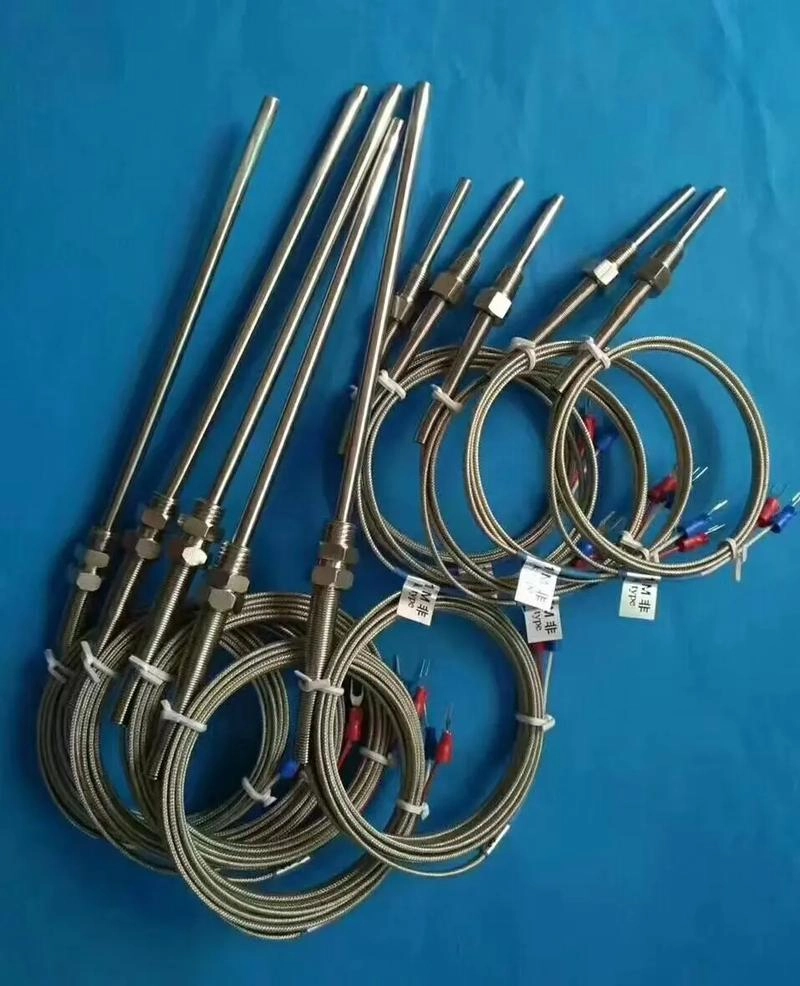
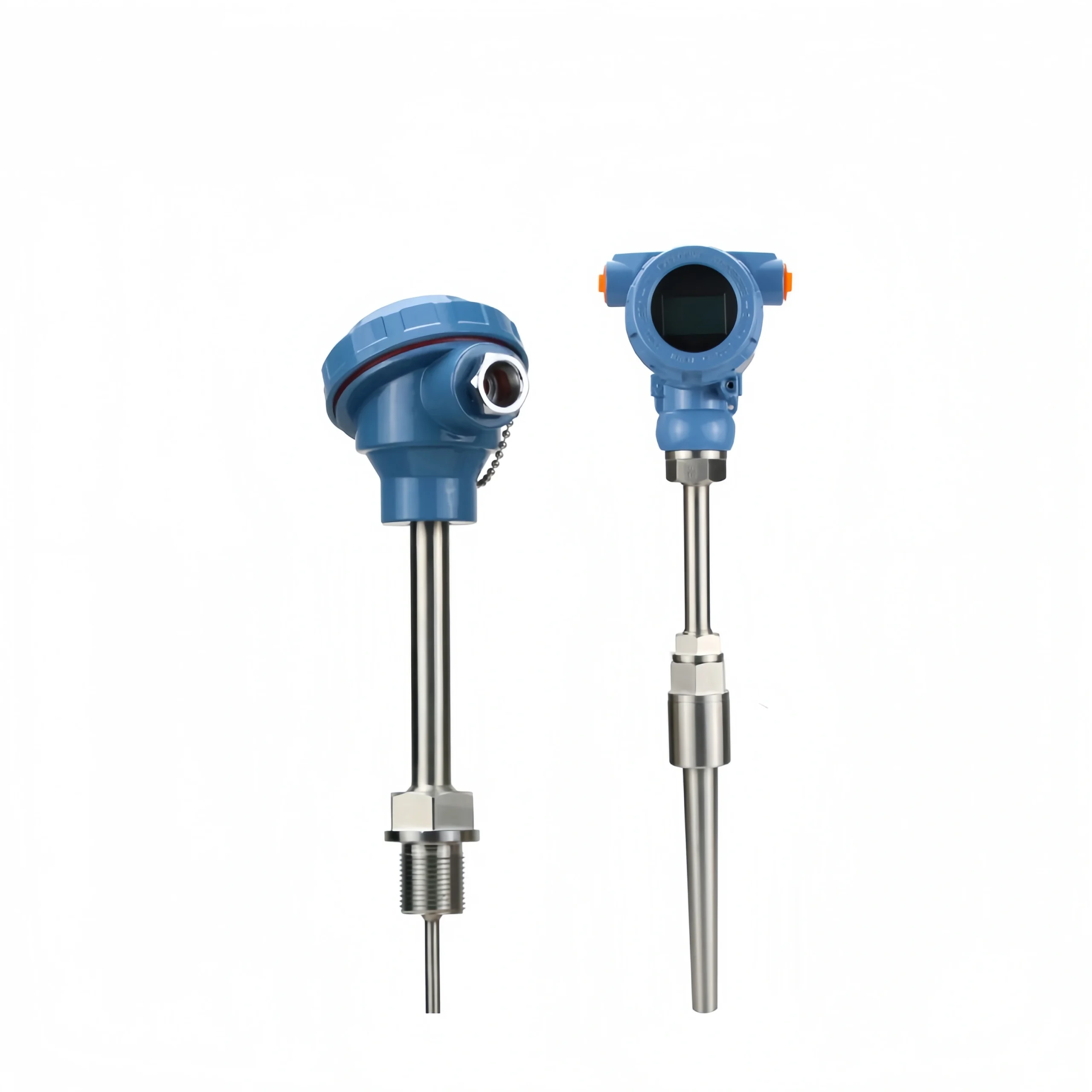
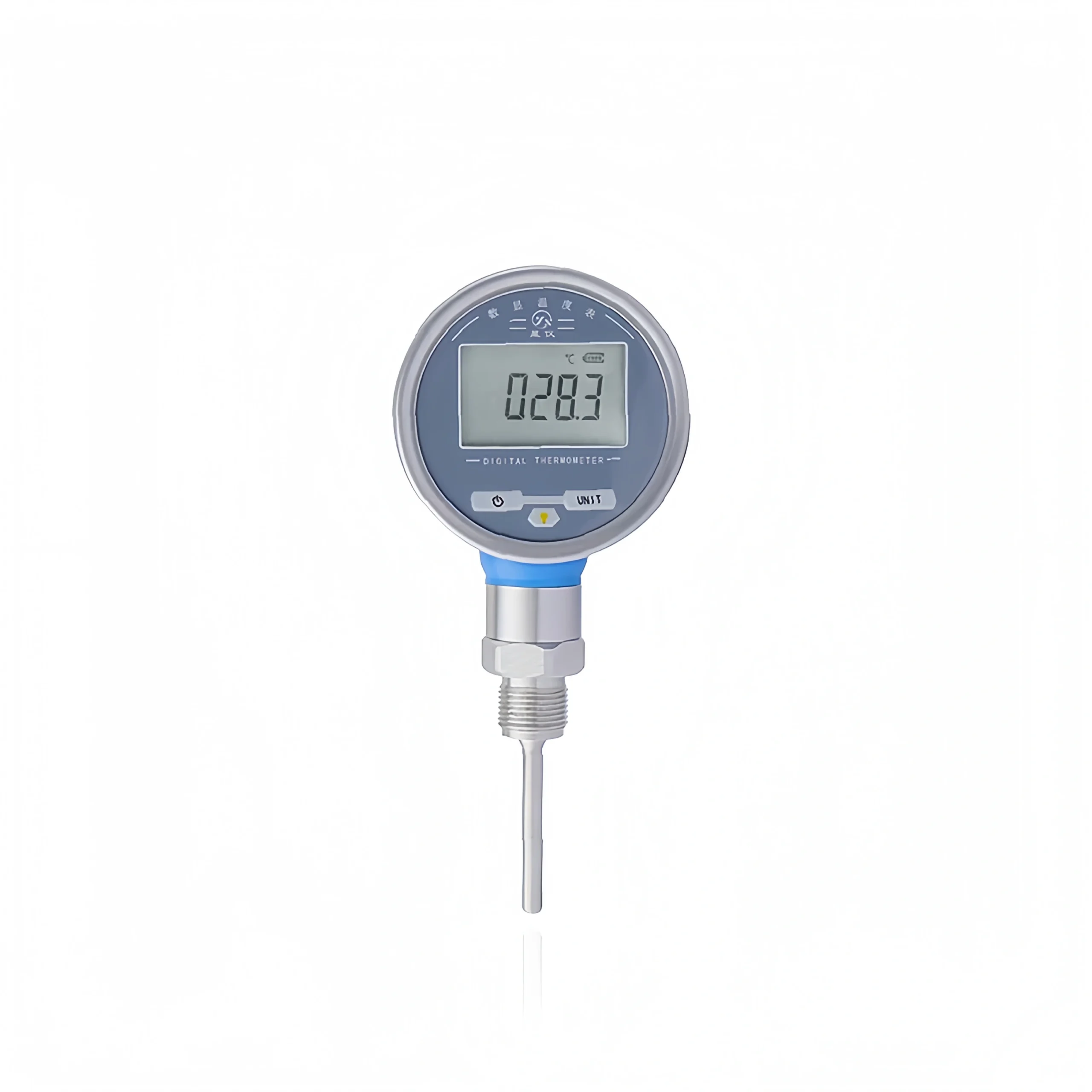
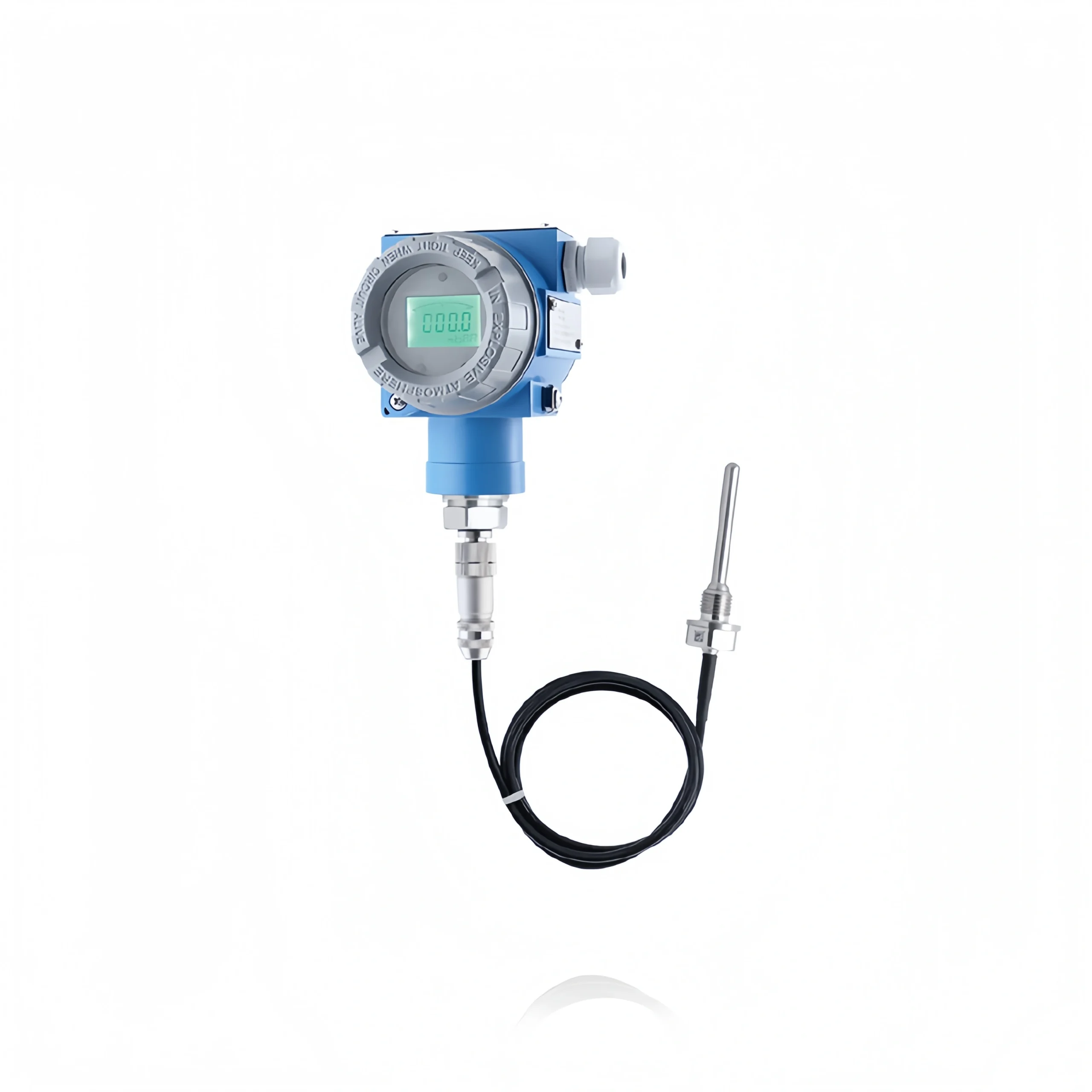
Thanks to their core advantages of high precision, high stability and excellent value for money at low temperatures, T Type thermocouples have become the preferred solution for low-temperature measurement applications. Drawing on years of technical expertise in the field of temperature measurement, Sino-Inst not only offers a comprehensive range of reliable T Type thermocouple temperature sensors, but also provides matching S Type and K Type temperature transmitters, as well as resistance temperature transmitters.
This covers the whole temperature measurement chain, from low to medium and high temperatures, and from sensors to transmitters, providing a one-stop solution to temperature monitoring challenges in various industrial, research and precision manufacturing applications. We help our customers get precise temperature measurements and make sure their equipment runs smoothly with our professional products and services.