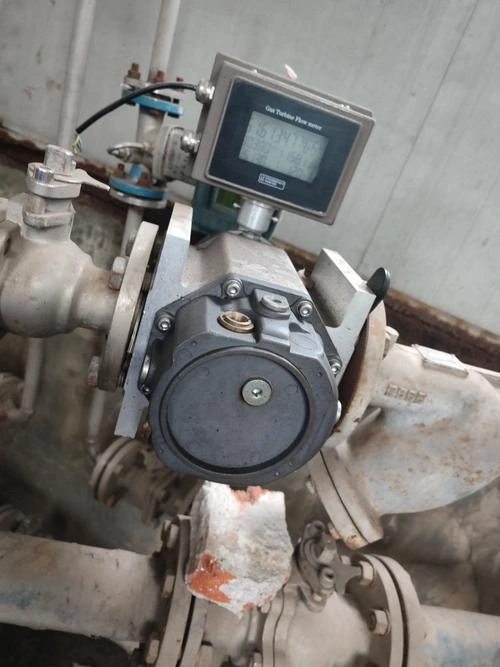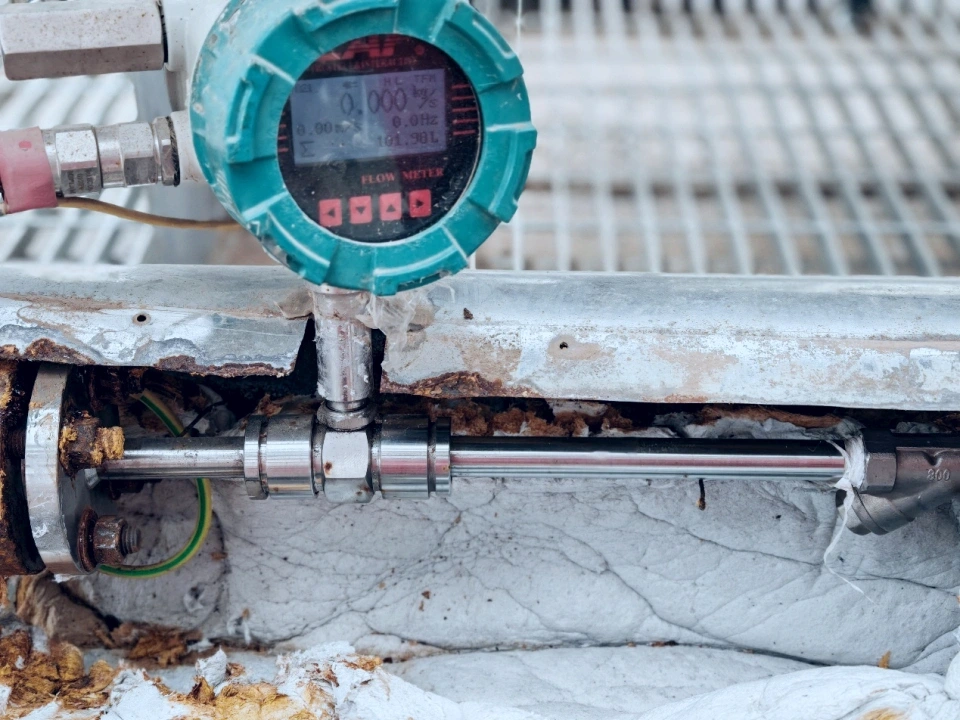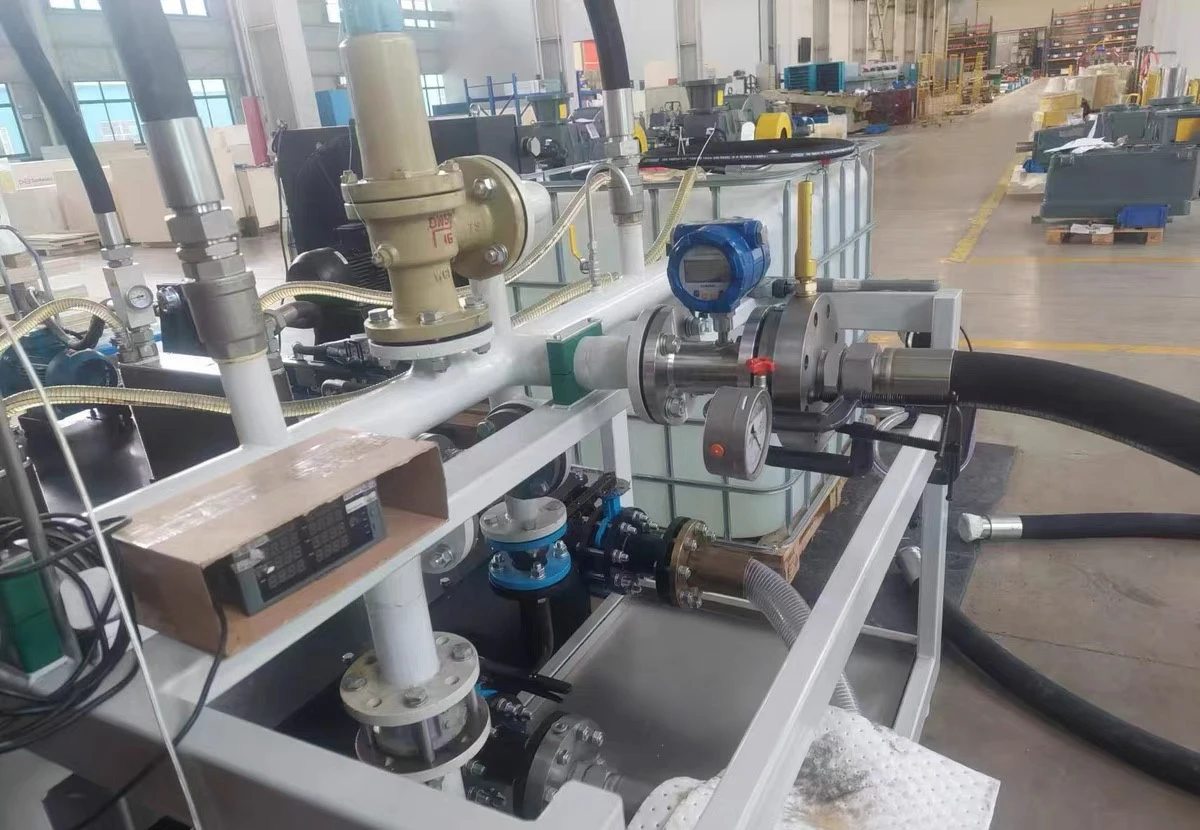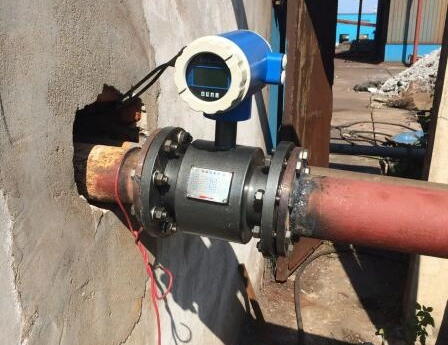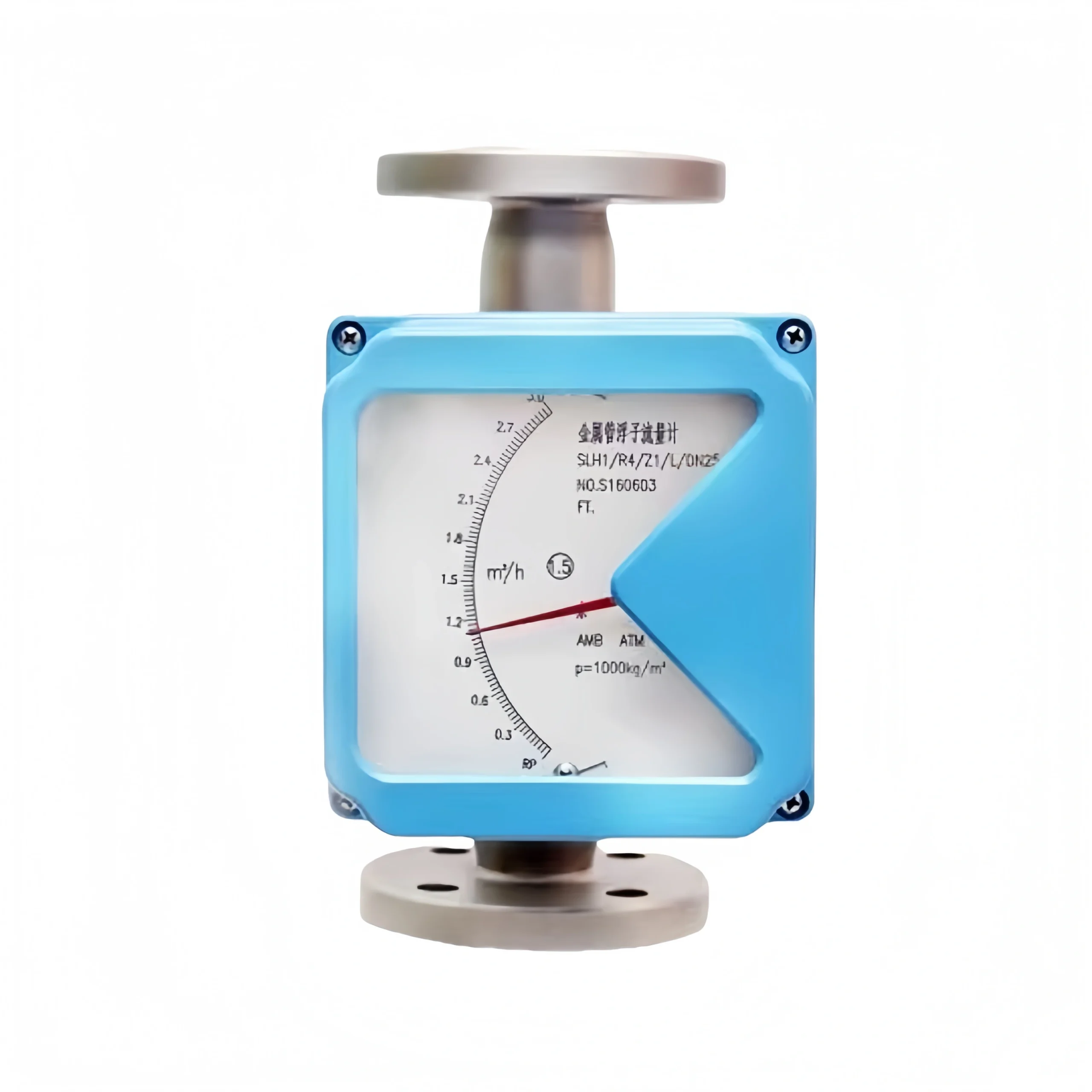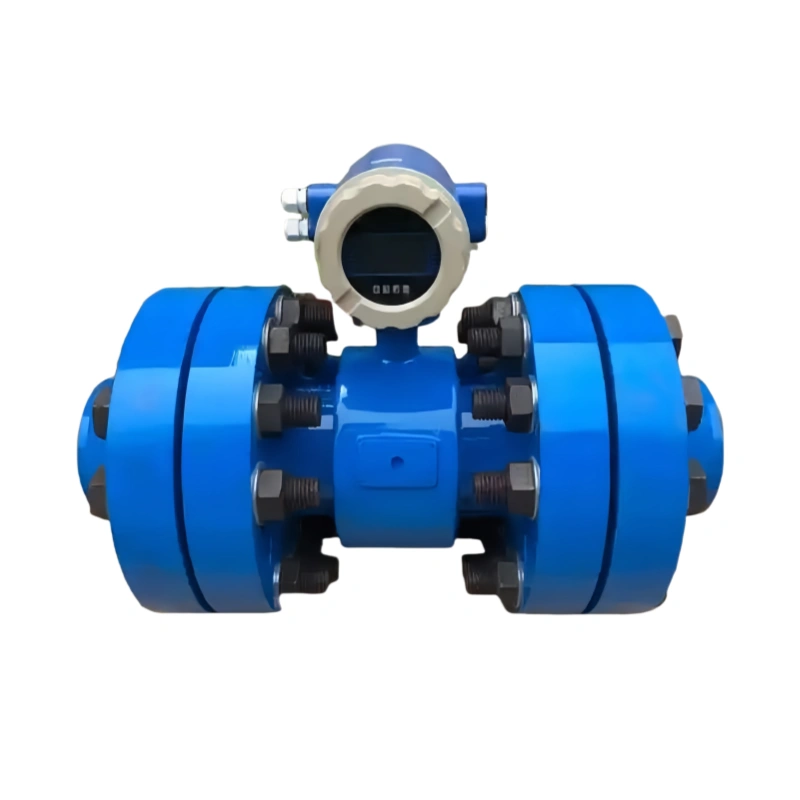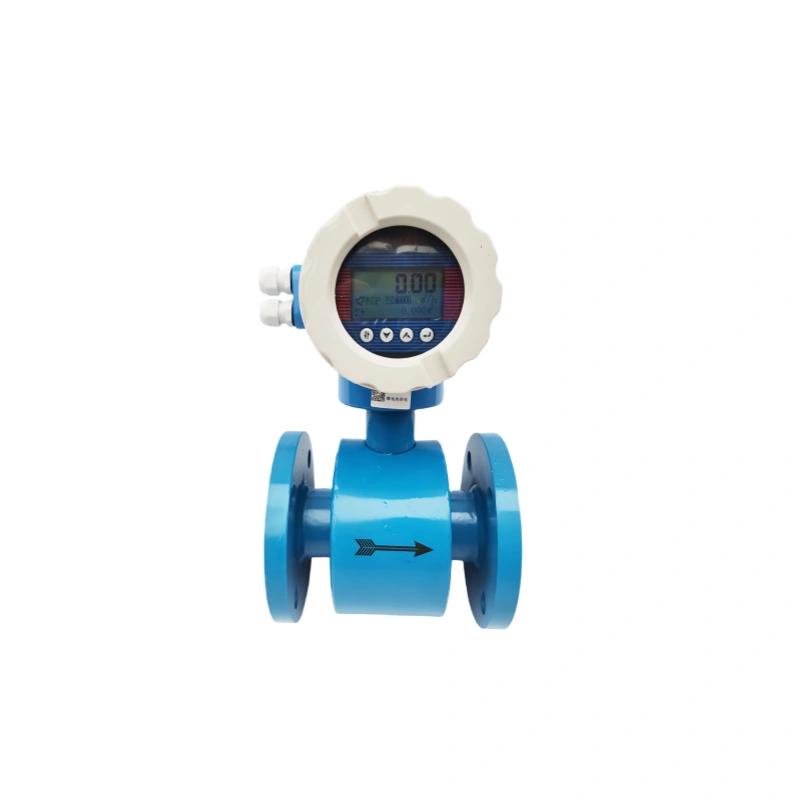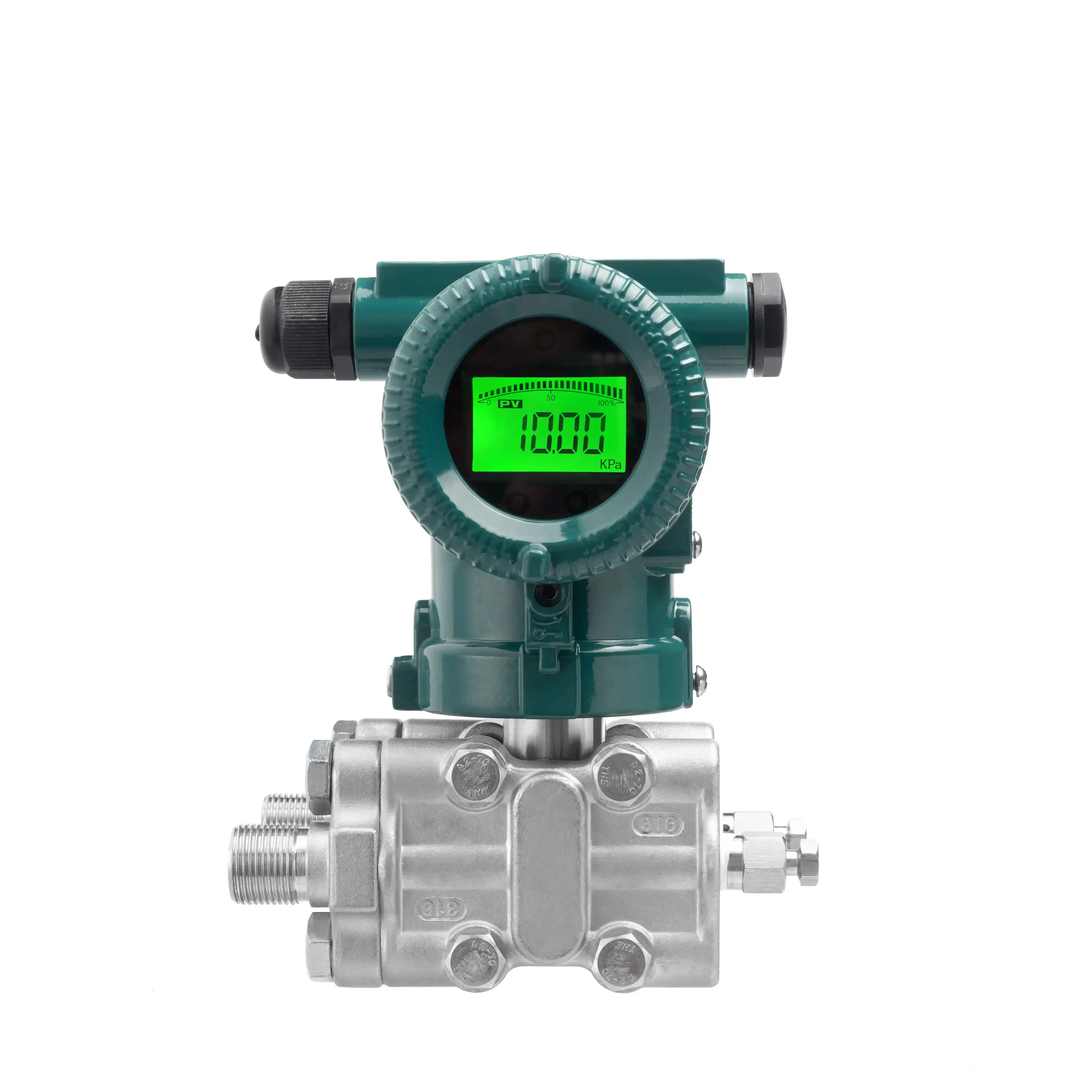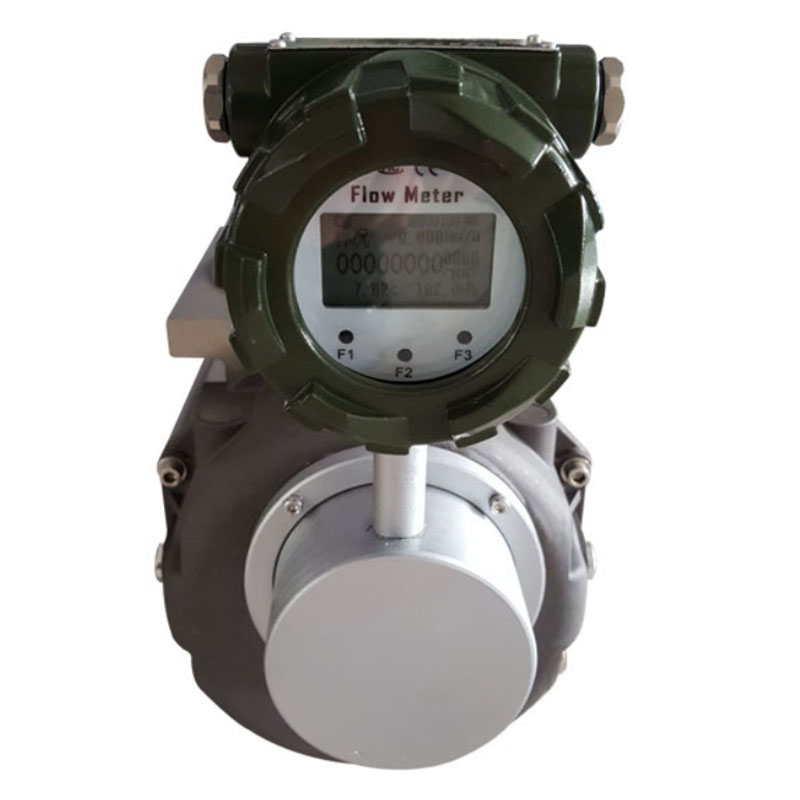
Water flow meters are essential devices for measuring water flow in various applications. They measure and help control the flow of water in pipes and hoses, providing continuous and accurate data. This helps in monitoring and managing water consumption. Therefore, understanding the different types of water flow meters is crucial for choosing the right one for your needs.
What is a water flow meter?
A water flow meter is an industrial instrument used to measure the instantaneous and cumulative flow rates of water, enabling the collection of flow data from pipes or open channels.
It is suitable for various water types, including tap water, recirculating water and wastewater, and is available in both contact and non-contact variants. It is commonly used in water supply and drainage, wastewater treatment, agricultural irrigation and industrial recirculating water systems.
Based on the collected flow data, they facilitate water consumption accounting, process monitoring and water conservation management; certain models support signal output, enabling integration with systems for remote monitoring.
Common types of water
Tap water: Clean, with few impurities and low corrosiveness; at standard temperature and pressure; used for metering in piped networks.
Domestic sewage: Contains suspended solids, organic matter and small amounts of oil; mildly corrosive; prone to scaling and fouling.
Industrial wastewater: Complex composition; may contain acids, alkalis and solid particles; varying degrees of corrosiveness; prone to sedimentation; significant temperature fluctuations.
Seawater: High chloride ion content, highly corrosive, carries silt and sand, and is prone to salt deposition and corrosion of metal components.
Circulating cooling water: Treated with water treatment chemicals, prone to scaling and algal growth, contains a small amount of suspended solids, and has a relatively high temperature.
Softened water: Low in calcium and magnesium ions, not prone to scaling; corrosiveness depends on pH; clean water quality.
Pure water/deionised water: Contains very few impurity ions and has low conductivity; exhibits mild corrosion on certain metals.
Condensate: Relatively high in temperature and relatively clean, but contains rust; prone to bubble formation and cavitation.
Drilling mud: Contains a high concentration of solid particles and is highly abrasive; prone to clogging instruments; the solid-to-liquid ratio varies significantly.
Salt solutions: Corrosive; viscosity varies with salinity; prone to crystallisation and precipitation.
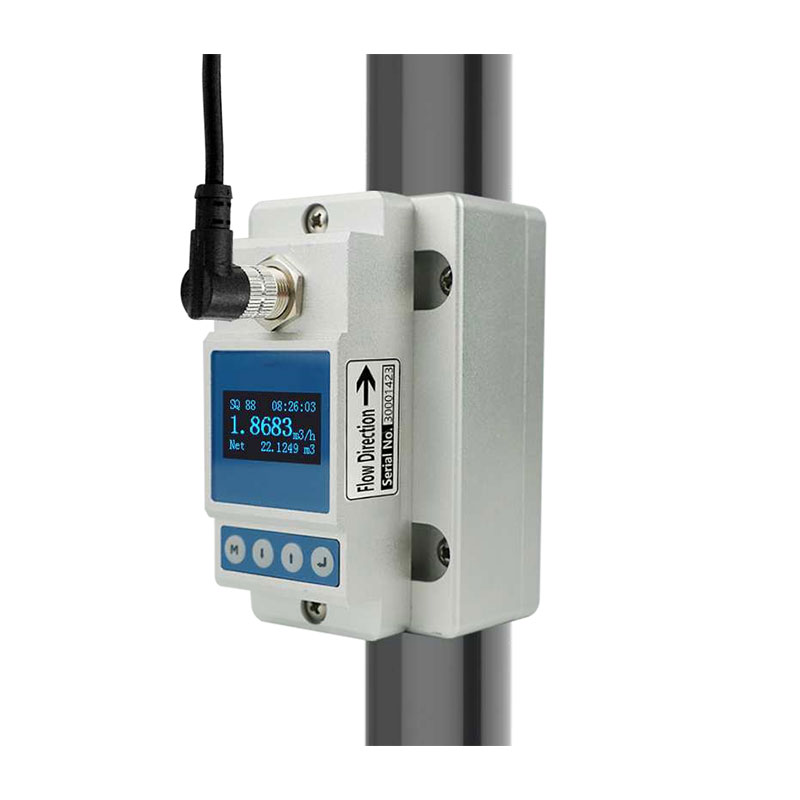
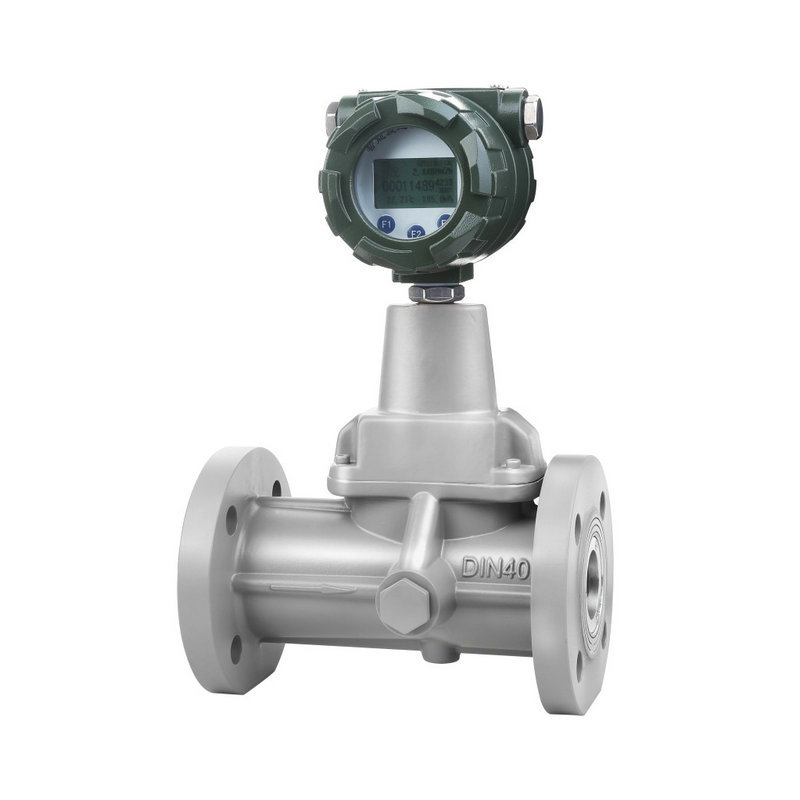
Water Flow Meter Types and Applications
There are many types of water flow meters. Below are some common types of water flow meters.
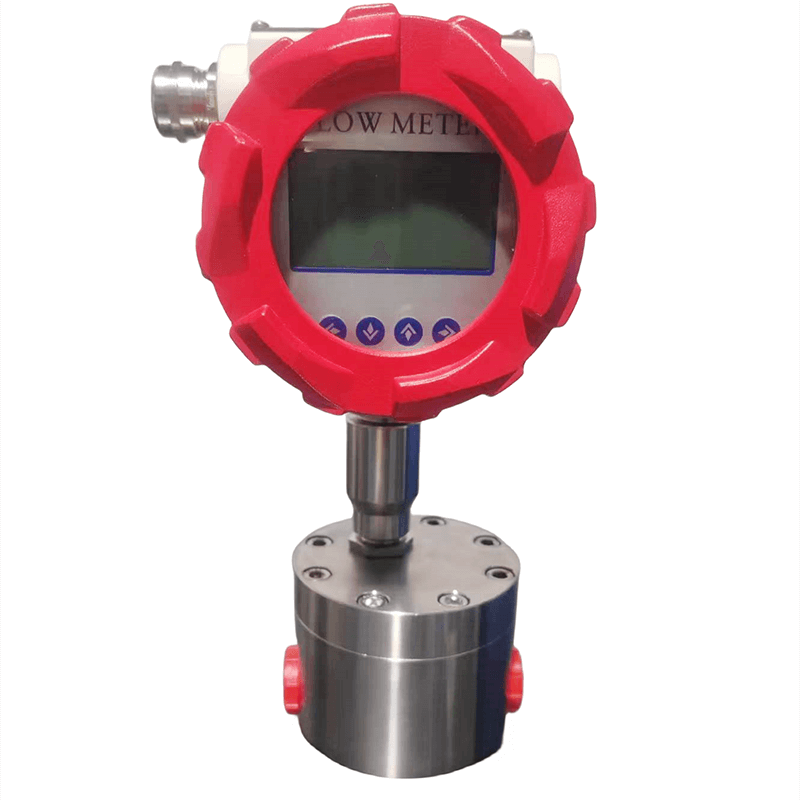
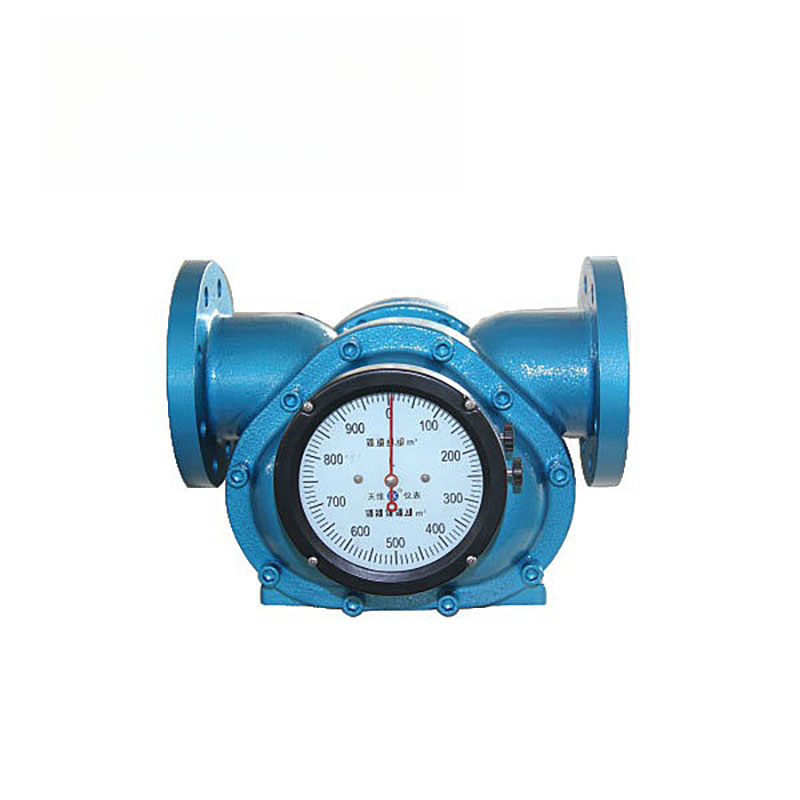
1.Positive Displacement Flow Meters
Principle of Operation
Positive displacement flow meters are direct-measurement instruments that rely on the pressure difference in the water to drive internal precision moving parts, such as rotors and gears, thereby dividing the continuous water flow into fluid units of a fixed volume.
By counting the cumulative number of fluid units and applying the calibrated volume, the instrument accurately calculates both the instantaneous and cumulative flow rates of the water in the pipeline, thereby ensuring stable and precise measurement.
Advantages
1. Extremely high measurement accuracy with minimal measurement error, suitable for high-precision measurement scenarios such as trade settlement.
2. Unaffected by flow patterns; no upstream or downstream straight pipe sections are required, offering excellent installation flexibility.
3. Suitable for clean water with high viscosity and trace impurities, offering excellent operational stability.
4. Features a built-in mechanical direct-reading function; requires no external power supply and retains cumulative flow data in the event of a power cut.
5. Excellent low-flow measurement performance, with virtually no issues of under-recording at low flow rates.
Disadvantages
1. The internal structure is complex and contains numerous moving parts, resulting in high manufacturing costs and an expensive unit price.
2. It imposes high demands on water purity; water containing large particles or fibrous impurities can easily cause components to jam or wear out.
3. Mechanical wear occurs during operation; accuracy will decline with long-term use, requiring regular maintenance and calibration.
4. Significant fluid pressure loss increases energy consumption for water conveyance and makes it unsuitable for low-pressure water supply pipelines.
5. It has poor resistance to water flow surges; severe fluctuations in water pressure can easily damage internal precision components.
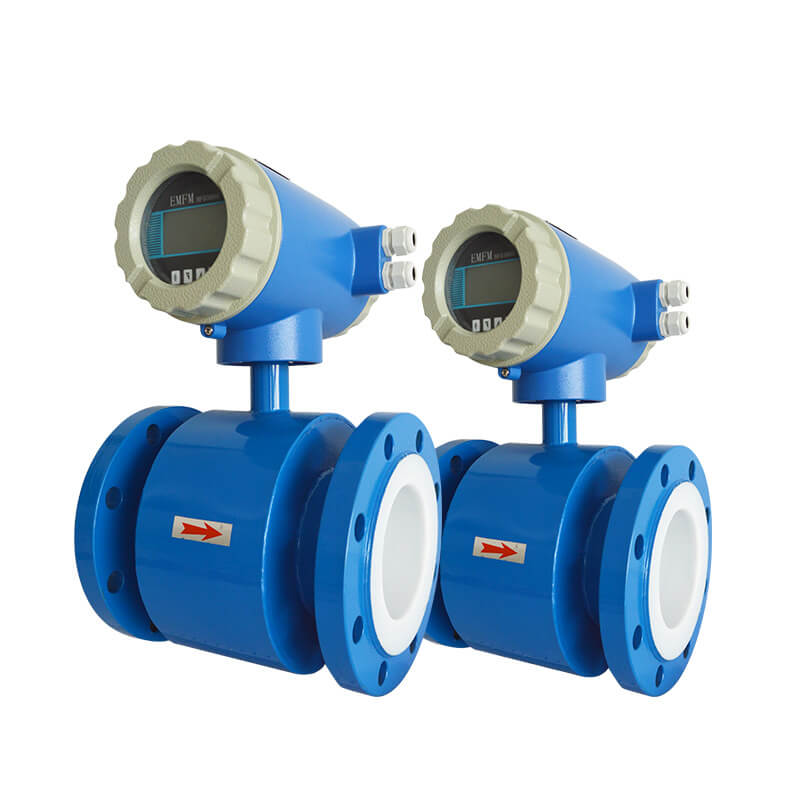
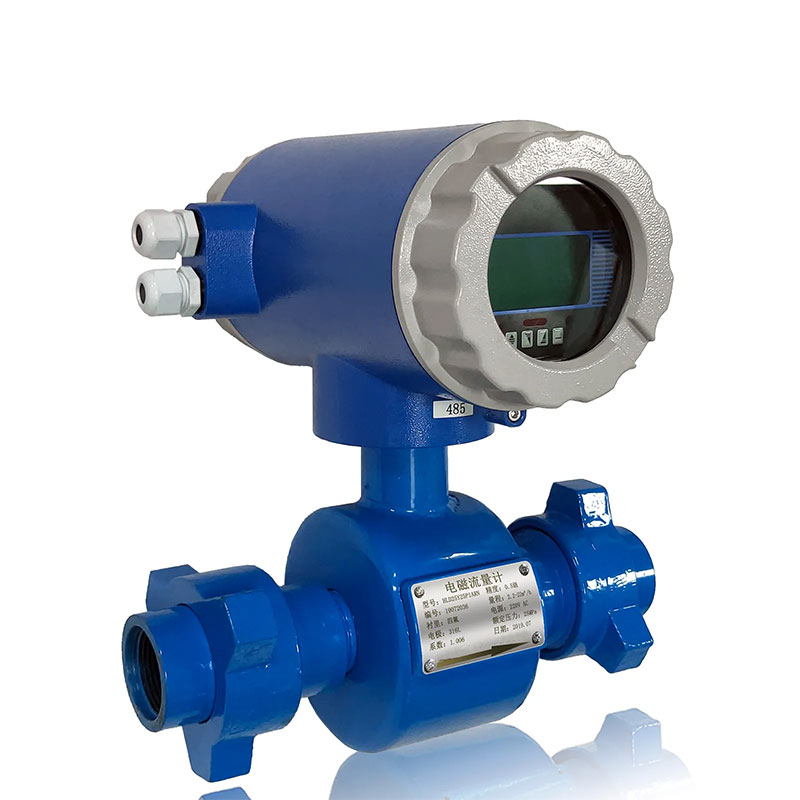
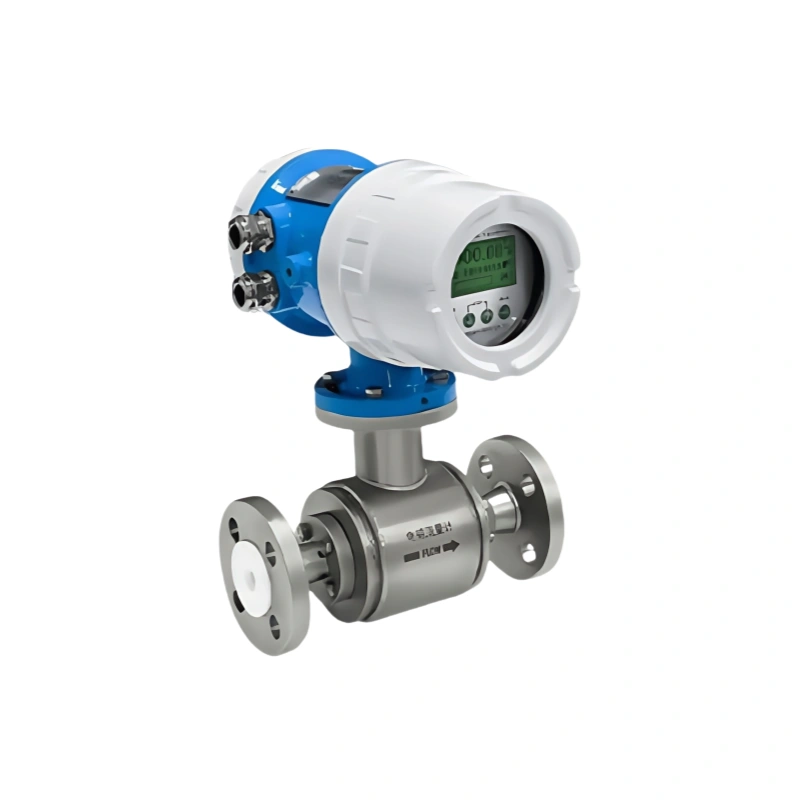
II. Electromagnetic Flowmeters
Principle of Operation
Electromagnetic flowmeters operate in accordance with Faraday’s law of electromagnetic induction.
The excitation coil generates a uniform magnetic field; when conductive water flows through the pipe and cuts across the magnetic field lines, an induced electromotive force proportional to the flow velocity is generated.
The instrument collects and processes the electrical signal and, in conjunction with pipe parameters, calculates the instantaneous and cumulative flow rates of the water.
Advantages
1. There are no moving or obstructing parts inside the pipe, resulting in no pressure loss and no increase in water conveyance energy consumption; it is suitable for all types of water supply and drainage pipes.
2. Measurement accuracy is stable, with minimal degradation over long-term operation, and the equipment offers high reliability.
3. It has broad applicability and can measure clean water, wastewater and conductive fluids containing trace amounts of suspended particles.
4. It has a wide measurement range, capable of measuring both high and low flow velocities, with no measurement dead zones at low flow rates.
5. Fast response time, enabling real-time monitoring of flow fluctuations, and supporting remote signal transmission and intelligent monitoring.
Disadvantages
1. Can only measure conductive media; cannot measure non-conductive fluids such as pure water or oils, thus limiting its applicability.
2. Relies on an external power supply; cannot measure flow during power cuts and has no mechanical memory function.
3. Susceptible to interference from strong magnetic fields and vibrations, requiring strict installation environment conditions.
4. Requires upstream and downstream straight pipe sections; insufficient installation space will reduce measurement accuracy.
5. Water containing a large number of bubbles or high concentrations of gas may cause fluctuations in measurement data.
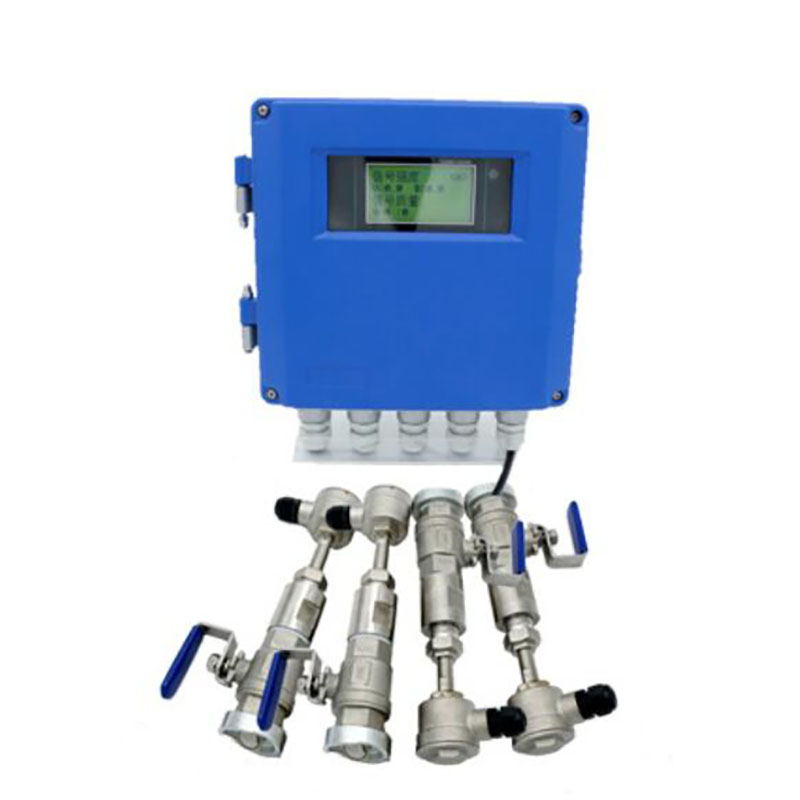
III. Ultrasonic Flow Meters
Working Principle
Ultrasonic flow meters utilise the time-of-flight method for measurement, with pairs of transducers alternately transmitting and receiving ultrasonic signals. Ultrasonic waves travel faster and take less time to propagate with the flow of water, whilst they travel more slowly and take longer against the flow.
The instrument accurately calculates the flow rate of the water in the pipe by detecting the time difference between forward and reverse propagation, combined with pipe parameters and built-in algorithms.
Advantages
1. The clamp-on type requires no pipe cutting; it is installed by attaching directly to the outer wall of the pipe, making installation convenient and suitable for retrofitting older pipes.
2. Non-contact measurement inside the pipe results in zero pressure loss and does not alter the pipe’s water conveyance conditions.
3. It is compatible with a wide range of pipe materials, including metal and plastic, and covers an extremely broad range of pipe diameters.
4. It does not require the medium to be conductive and can measure both clean water and lightly contaminated wastewater, thereby addressing the shortcomings of electromagnetic flowmeters.
5. With no mechanical wear parts, it operates stably and has extremely low long-term maintenance costs.
Disadvantages
1. When the water contains impurities such as air bubbles or silt, these can interfere with ultrasonic propagation and increase measurement errors.
2. Accuracy is poor at low flow rates, and there are measurement blind spots; it is not suitable for metering very small water flows.
3. Installation requires a high level of precision; any deviation in transducer alignment will directly affect measurement accuracy.
4. Scale build-up and corrosion in the pipeline, as well as sudden changes in ambient temperature, can interfere with the signal and reduce measurement stability.
5. Overall measurement accuracy is lower than that of positive displacement and turbine flowmeters; it is not suitable for high-precision billing applications.
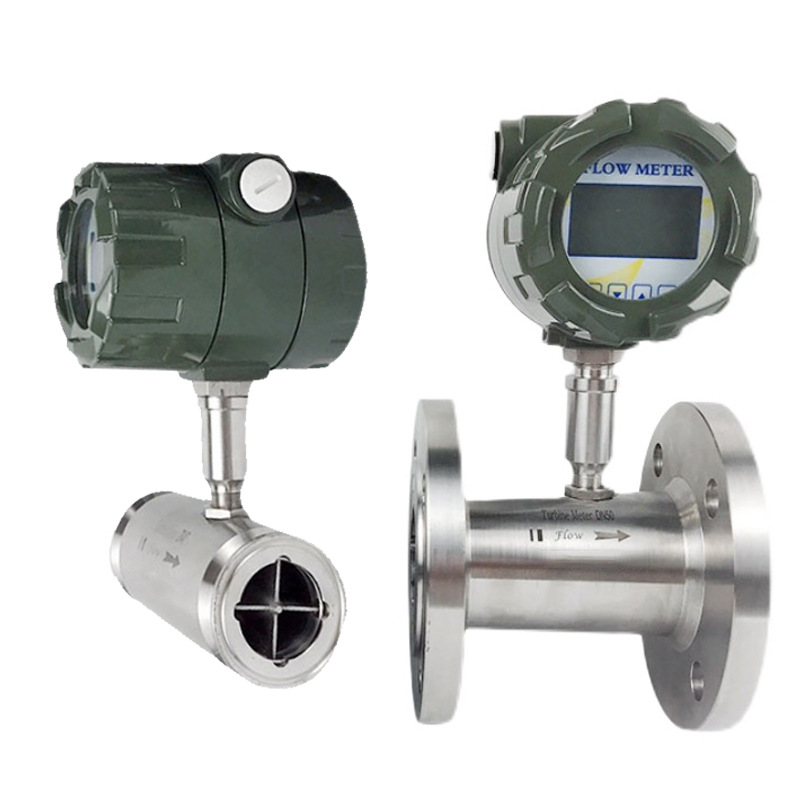
IV. Turbine Flow Meter
Principle of Operation
A lightweight turbine impeller is installed inside the pipeline of a turbine flow meter; as water flows past, it drives the impeller to rotate. Under rated operating conditions, the impeller’s rotational speed is linearly proportional to the water flow velocity.
As the impeller cuts through a magnetic field, it generates a pulsed electrical signal of a corresponding frequency; after the device processes this signal, it calculates the instantaneous and cumulative flow rates of the water.
Advantages
1. Compact and lightweight in design, with simple installation and removal; suitable for a wide range of small to medium-diameter water supply pipelines.
2. High measurement accuracy, good repeatability and fast response; suitable for metering clean water at medium to high flow rates.
3. Outputs a digital pulse signal with strong resistance to interference, facilitating remote data transmission and integration with automated systems.
4. Low pressure loss, minimal impact on the energy consumption of the water supply system, and high operational efficiency.
5. Excellent value for money, with low procurement and maintenance costs, making it suitable for routine industrial flow monitoring applications.
Disadvantages
1. The impeller and bearings are moving parts; prolonged exposure to water flow can cause wear and tear, requiring regular maintenance and replacement of components.
2. High demands on water quality; water containing silt, sand or fibrous impurities can cause the impeller to jam and accelerate wear.
3. Insufficient driving force at low flow rates results in unstable impeller operation and a noticeable low-flow blind zone.
4. High-speed impeller rotation during out-of-range operation can cause damage, and the device has poor resistance to overloads and impacts.
5. Requires upstream and downstream straight pipe sections; installation near bends or valves can disrupt the water flow and reduce measurement accuracy.
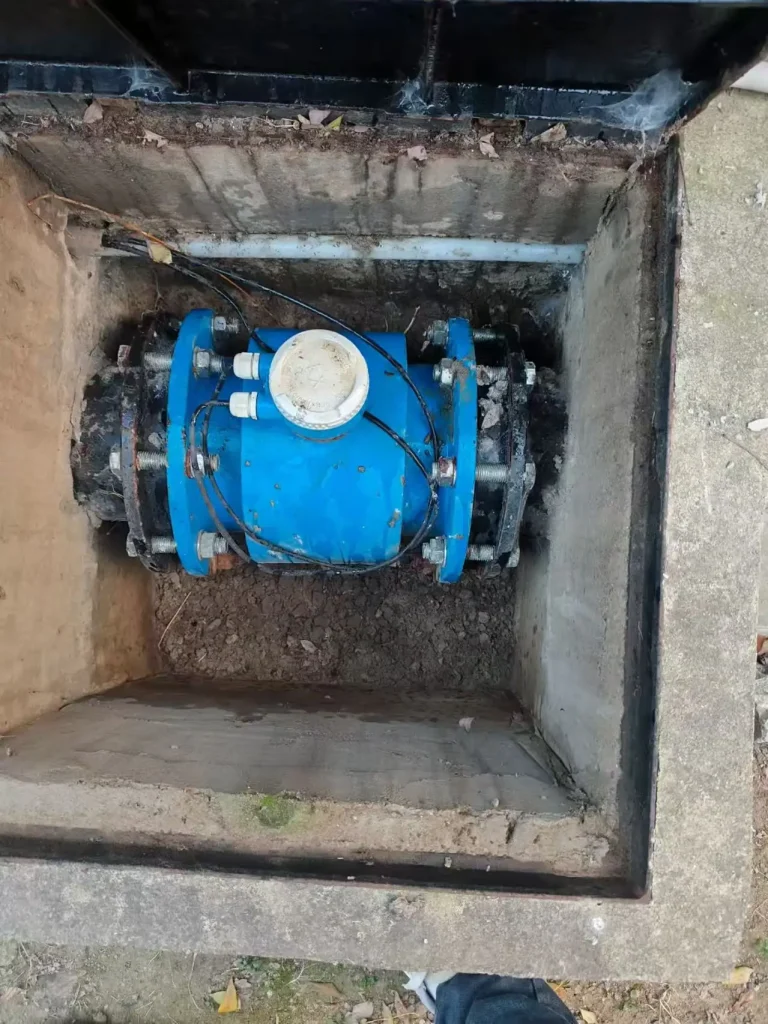
The difference between a water meter and a water flow meter.
Main differences | water meter | Water flow meter |
Measurement focus | Total volume | Flow rate (speed) |
Typical applications | Water meters are primarily used for billing and tracking water consumption. | Water flow meters are primarily used for real-time monitoring and measurement of various fluids and gases. |
Scope of application | Water meters primarily measure water. | Water flow meters are suitable for a wider range of liquids and gases. |
type | Water meters mainly include volumetric flow meters, velocity flow meters, and turbine flow meters. | Water flow meters mainly include mechanical flow meters, electromagnetic flow meters, and ultrasonic flow meters. |
Choosing the right water flow meter for your application.
Factors to consider | |
Basic Requirements | What basic functions does the flow meter need to provide? |
Application Requirements | Consider the pressure and temperature conditions of the water flow. Determine the minimum and maximum flow rates you need to measure. How accurate does the measurement need to be? |
When dealing with water, consider whether it is clean water, wastewater, or contains particles or other materials. | |
Fluid Type | Determine if your system has any limitations on pressure drop. |
Pressure Drop | Consider whether the flow meter will be installed indoors or outdoors? Will the installation be vertical or horizontal? |
Installation | Consider long-term maintenance requirements and the availability of spare parts. |
Maintenance | Consider the total cost of the flow meter over its lifespan. |
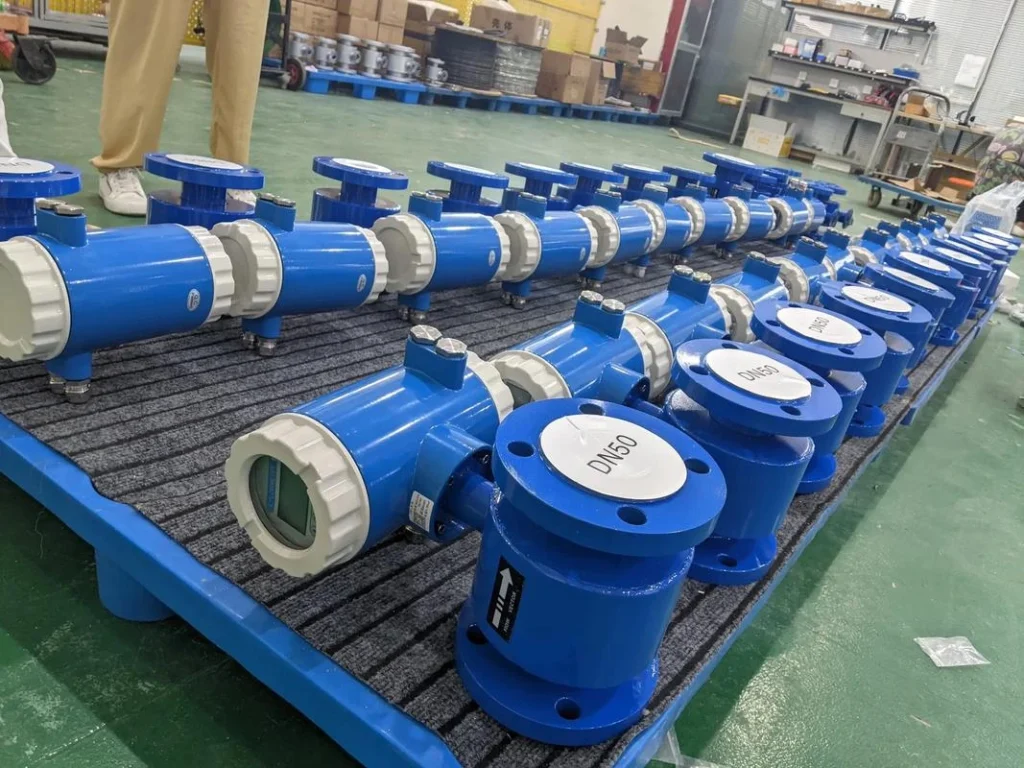
A water flow meter is a device used to measure the volume or flow rate of water passing through a pipe. It is crucial for accurately measuring and managing water usage because it provides precise flow data. This helps optimize resource allocation and ensures efficient operations.
Therefore, understanding the different types of water flow meters is essential for various water applications. You can choose the appropriate flow meter based on your specific application.
Our Sino-Inst flow meters are widely used in production and process flows across various industries. We can customize them according to customer needs. If you need to purchase a flow meter or have any questions, please feel free to contact us.