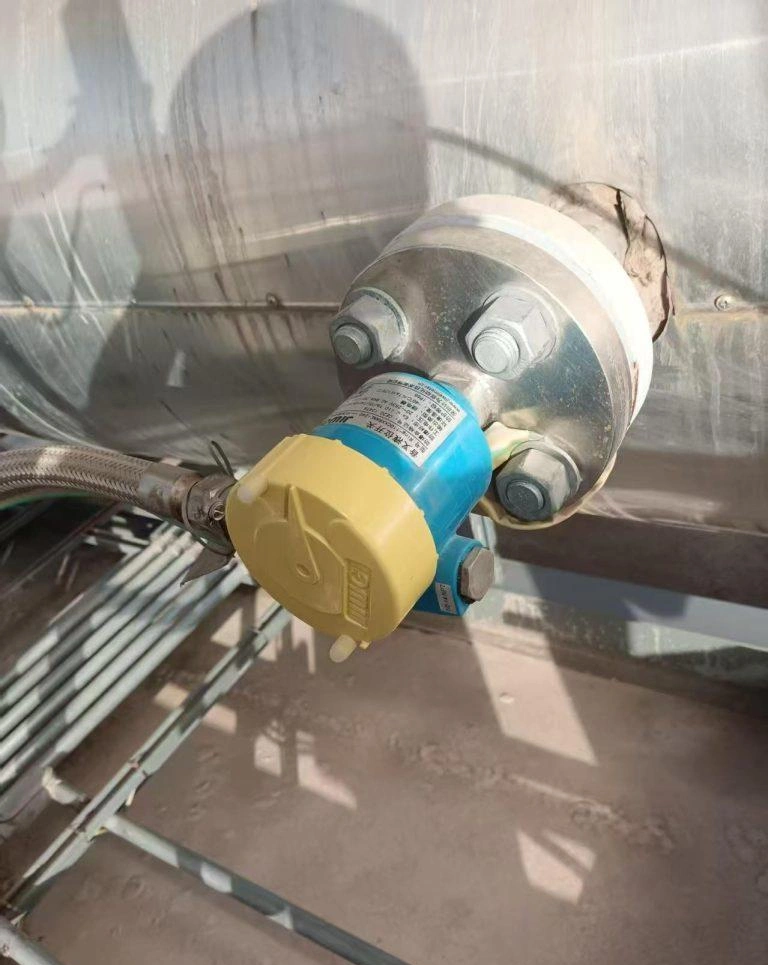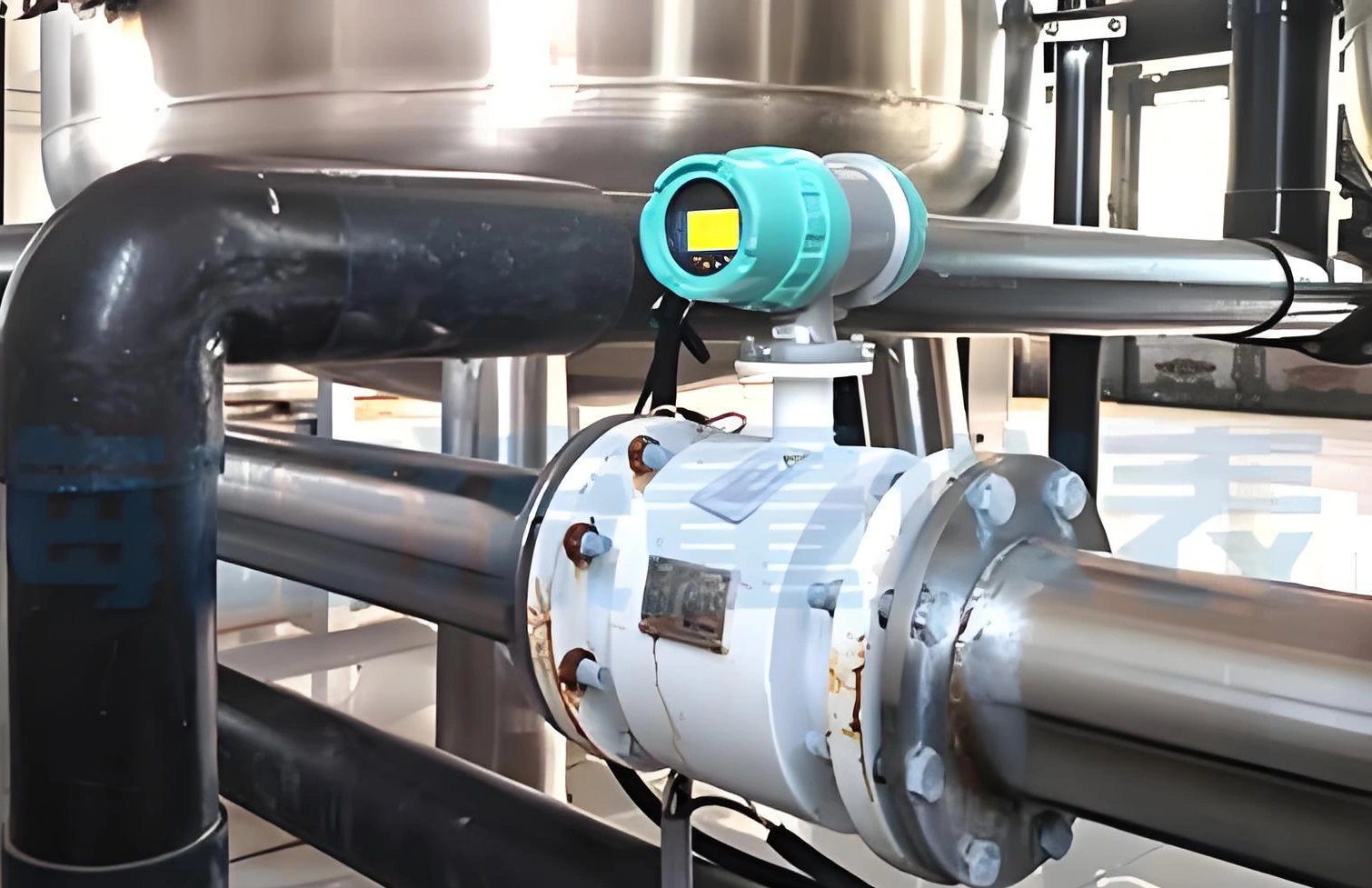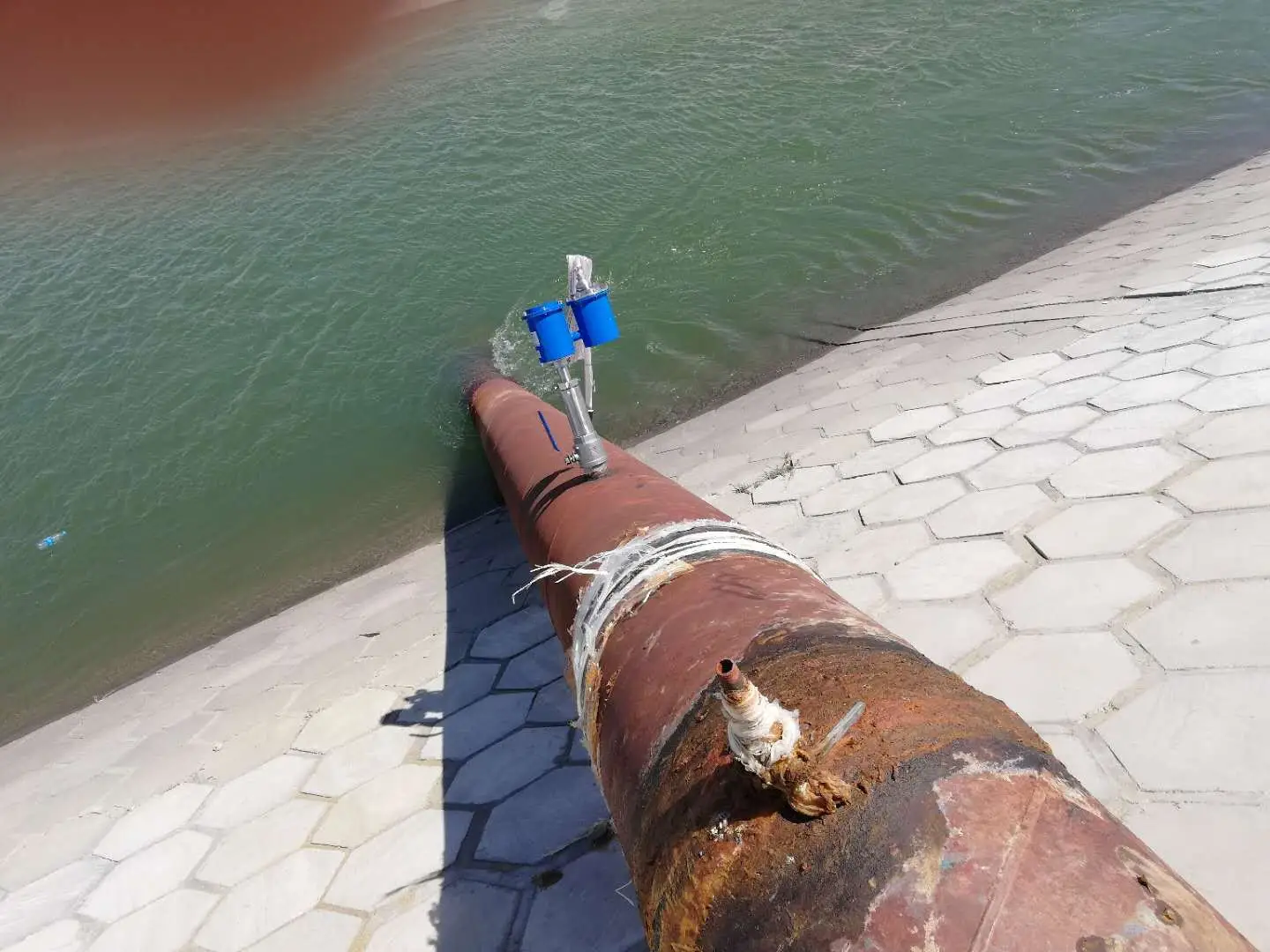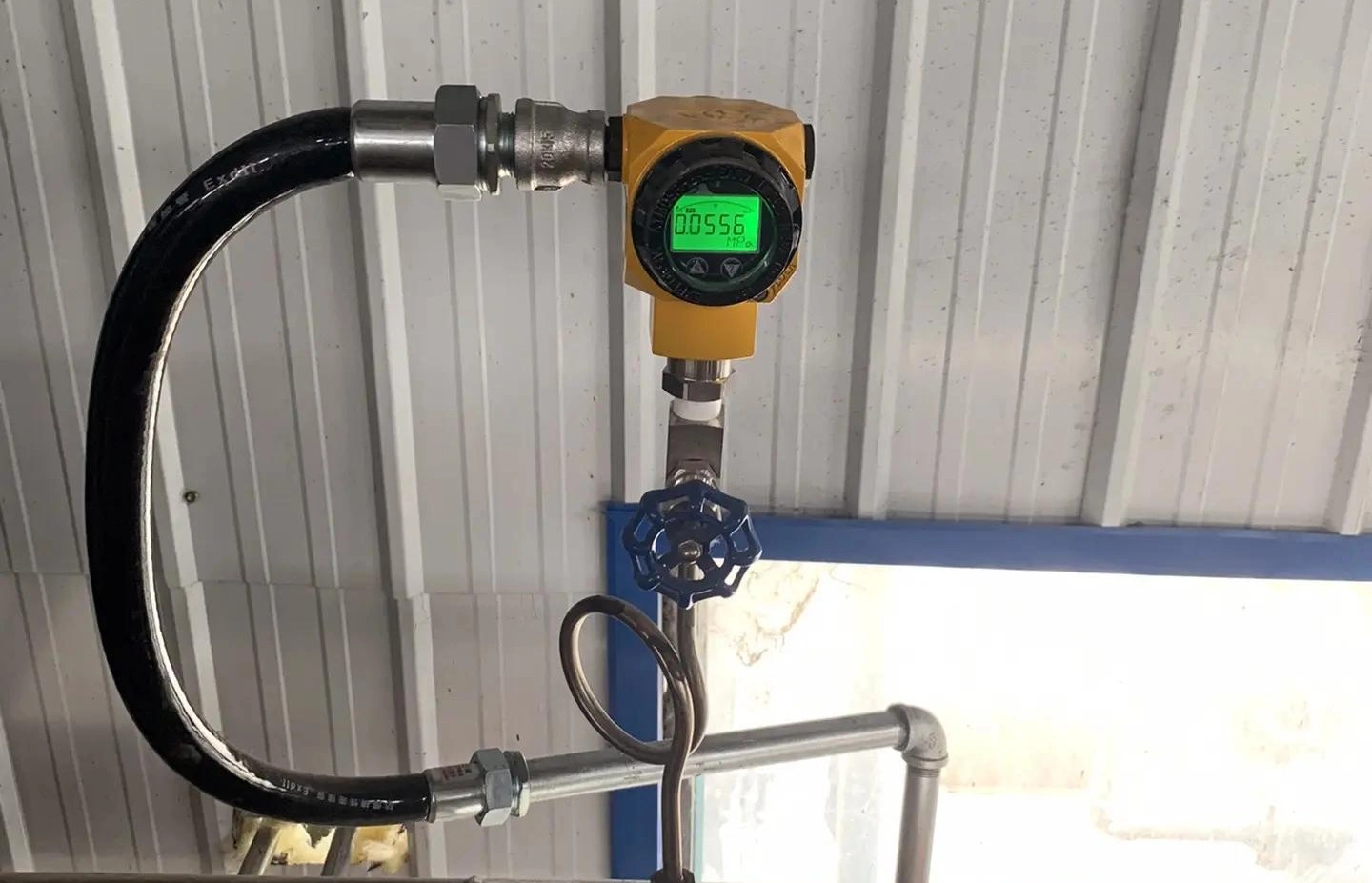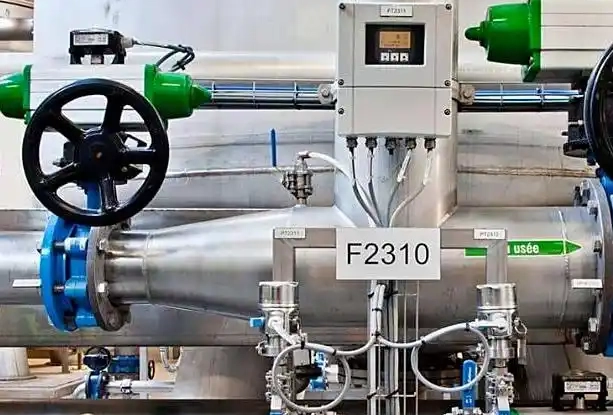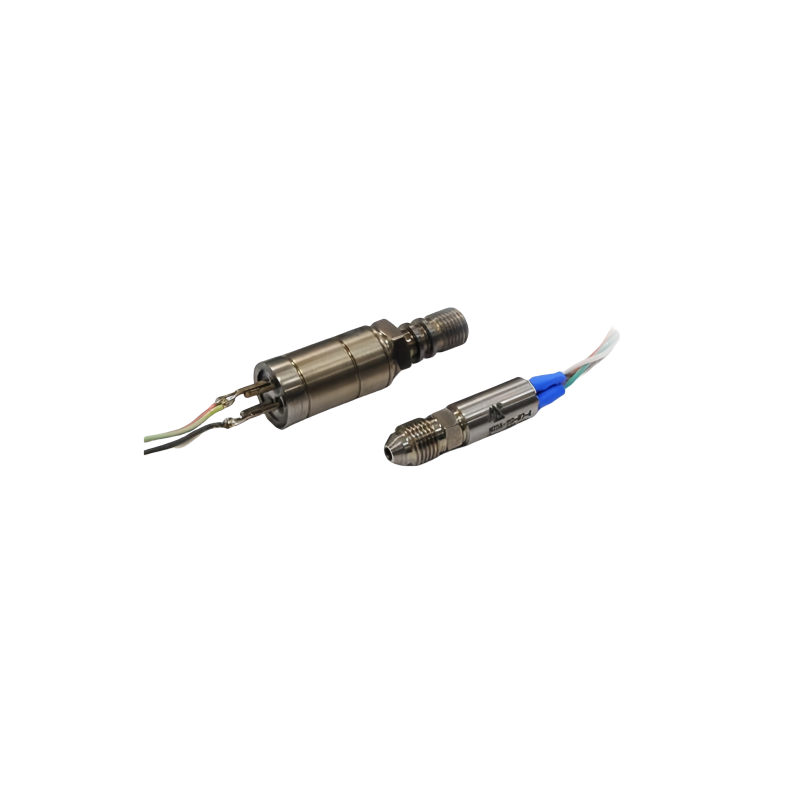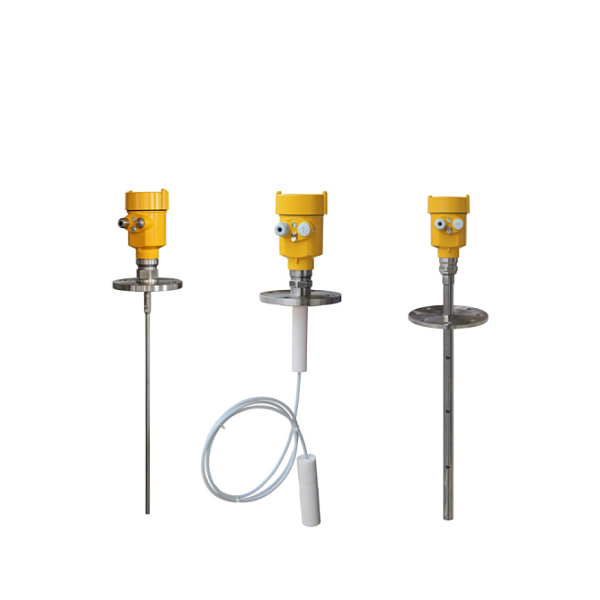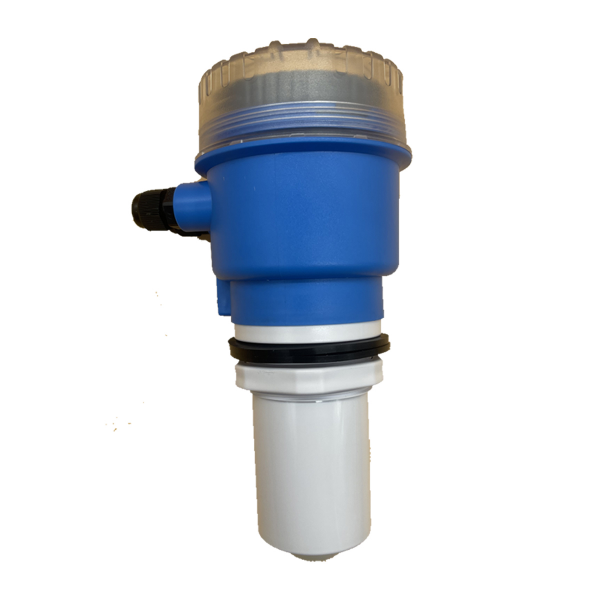
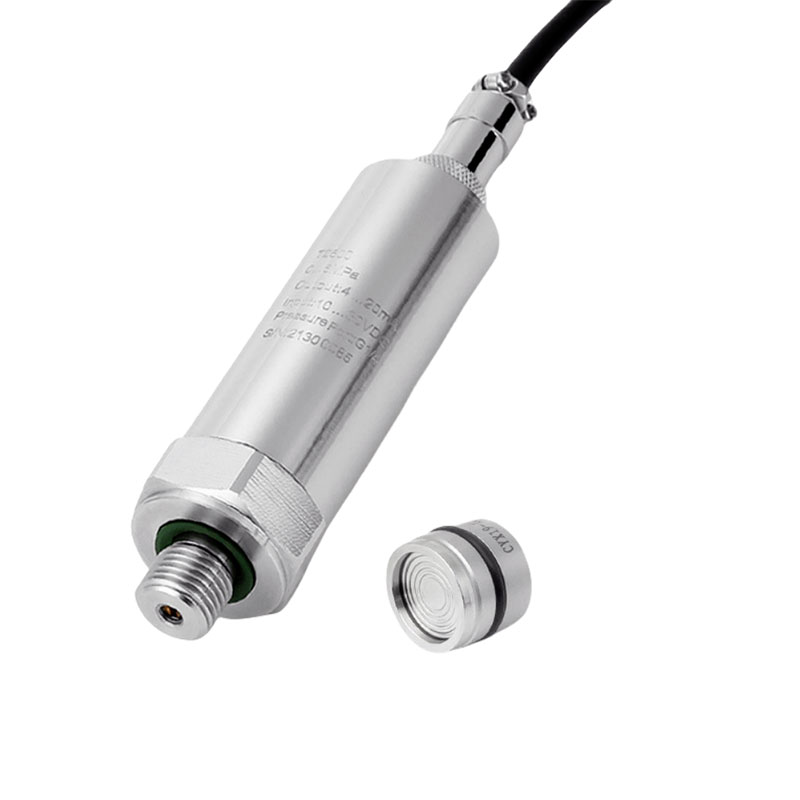
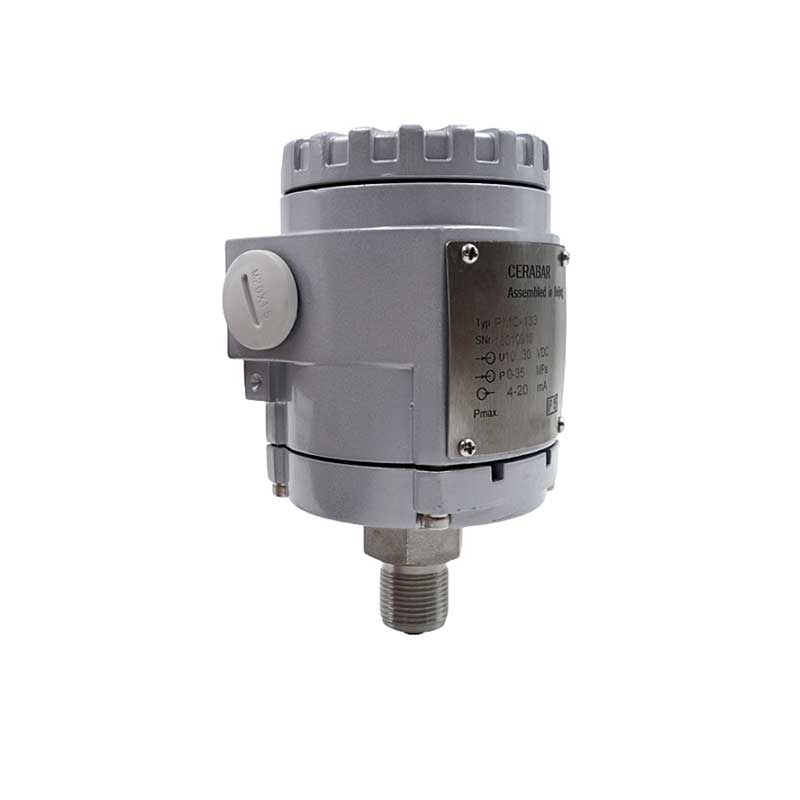
Pressure Transmitter Installation can greatly affect the accuracy of pressure measurements. Pressure transmitter is an instrument used to measure the pressure of various media. Convert pressure signal to 4-20mA, 0-5V, 0-10V and other signals. Can be installed on pipes and tanks. It can also be installed remotely through the isolation diaphragm. The accuracy of pressure measurement depends to a large extent on the correct installation of the transmitter, measuring tube and pressure sensing components.
First consideration: Measuring medium
First select the installation location according to the measurement medium. The conditions of the measuring medium have a primary influence on the selection of the installation location of the pressure transmitter. Pressure transmitters are commonly used to measure the pressure of liquids, gases or steam. Next let’s take a look at their differences.
pressure transmitter installation for Liquid service
When measuring liquid in a pipe, the pressure sensor should be installed below the process so that any air bubbles can escape and return to the process.
In addition, it must be ensured that the process media is sufficiently cooled at high temperatures. In this case, the bypass line will also be considered the cooling section.
pressure transmitter installation for Gas service
For gas measurement on pipelines, the pressure transmitter should be installed above the process whenever possible.
This way, any condensation that may accumulate can flow back into the process without affecting the measurements.
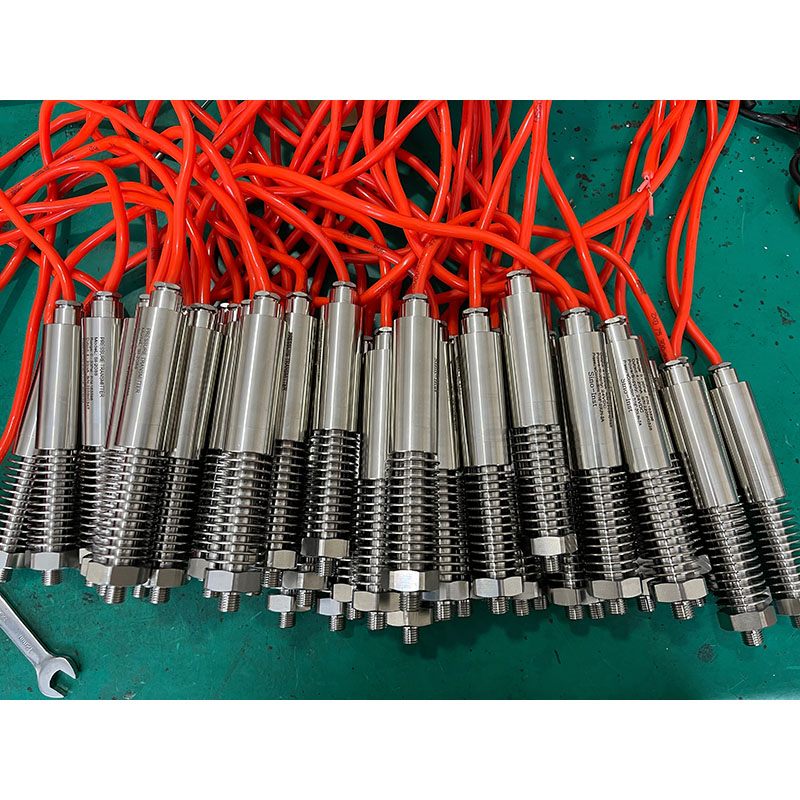
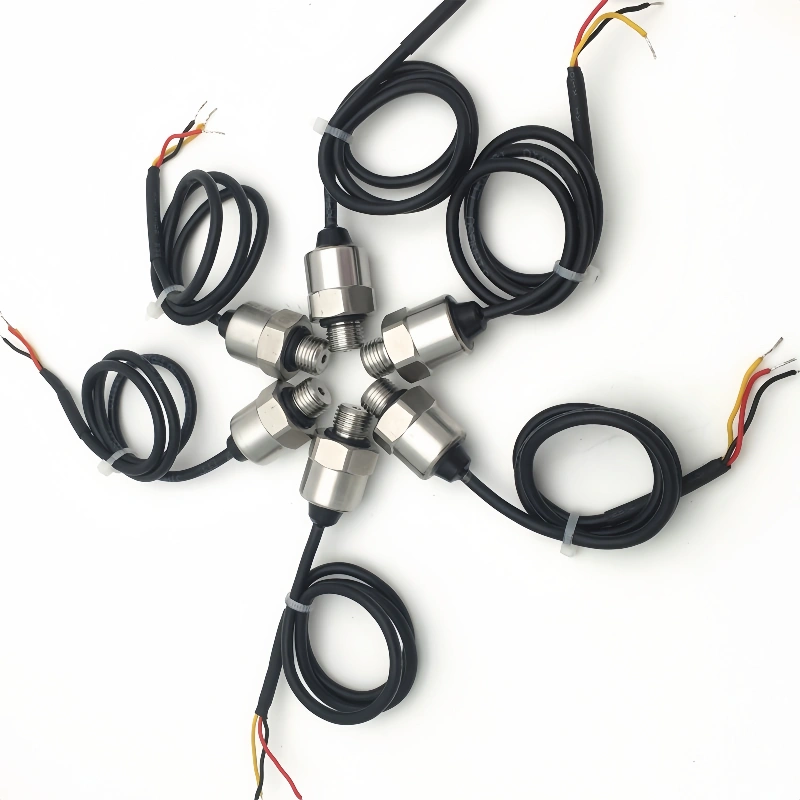
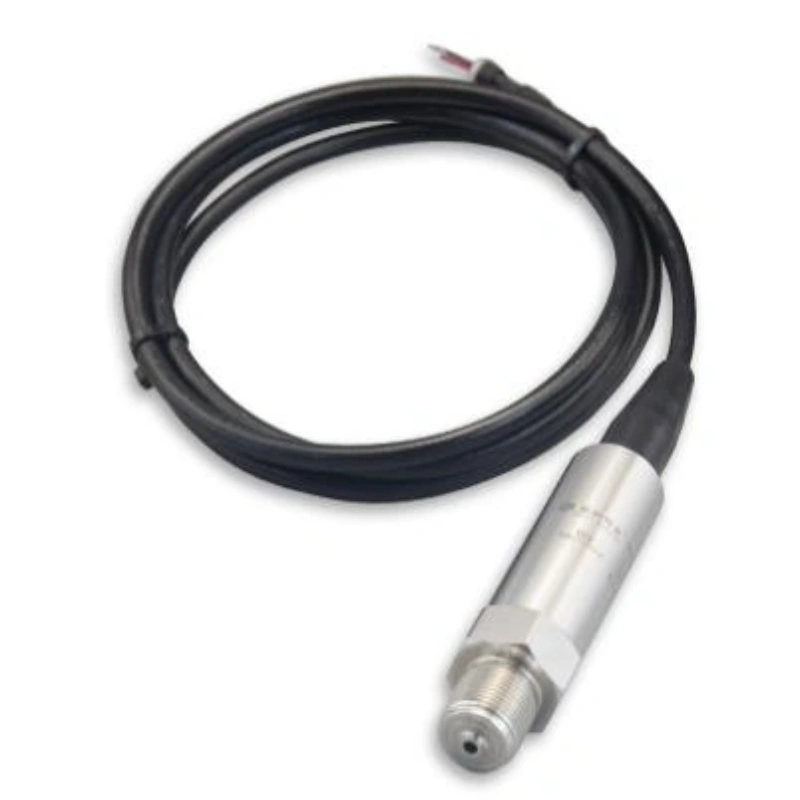
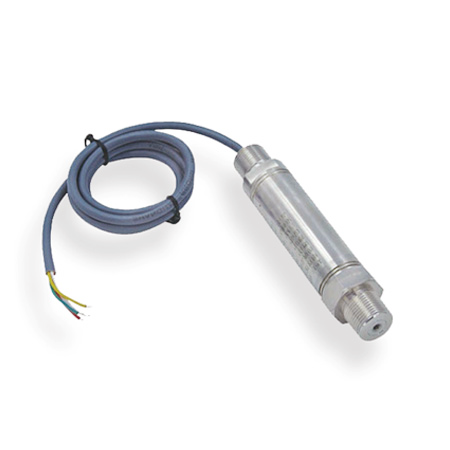
pressure transmitter installation for Steam service
Steam measurement is slightly more complicated due to high temperatures and the formation of condensation. These two aspects are complementary to each other.
If the steam cools on its way to the pressure transmitter, condensation will form. If condensation accumulates in the measuring instrument, it will affect the measurement results.
When measuring steam, care must be taken to ensure that the medium temperature is appropriately lowered and that the generated condensed water does not enter the pressure transmitter.
Therefore, the height at which condensation water can be collected must be determined in advance. This is then taken into account in the measurement range design.
In absolute and relative pressure measurements, the bypass line is bent into an “S” shape for this purpose. It extends steeply up from the steam delivery line and then down again. The condensate will be collected in the first elbow and flow back into the process.
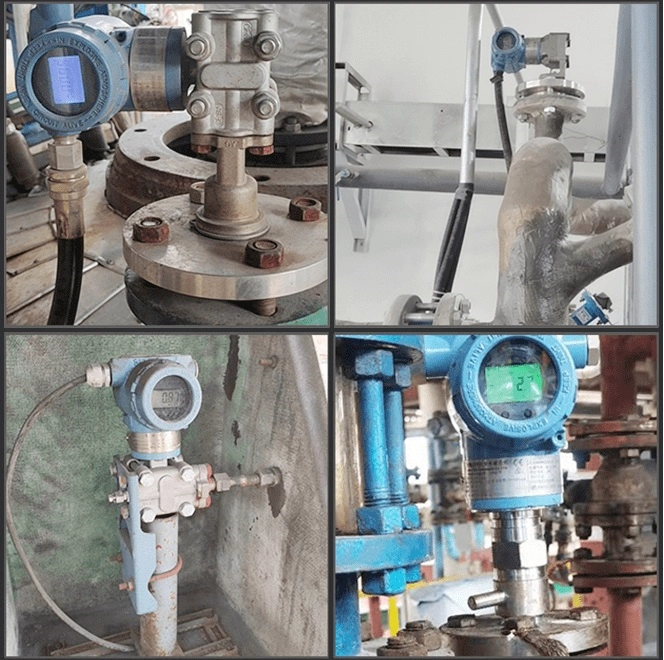
Choose the Appropriate Pressure Port and Installation Location
When selecting the pressure tap and installation location of a pressure transmitter, several factors need to be considered to ensure measurement accuracy and reliability. In addition to the properties of the measurement medium we mentioned above. There are some other factors to consider:
1. Measuring medium: Select the appropriate pressure port and installation location according to the medium (gas, liquid or steam) that needs to be measured. As mentioned above.
2. Flow stability: Choose to install the pressure port and pressure transmitter in the pipe section where the process medium flow is stable. to reduce measurement errors.
3. Temperature and pressure conditions: Consider the effects of temperature and pressure on the measurement results. If the temperature and pressure changes greatly. A pressure transmitter with temperature and pressure compensation should be selected. And choose an appropriate installation location to reduce the impact of temperature and pressure gradients on the measurement.
4. Pipe material and inner wall roughness: Consider the impact of pipe material and inner wall roughness on the measurement results. When selecting the pressure port and installation location, the influence of the inner wall roughness of the pipeline on the measurement results should be minimized.
5. Installation location: Select the appropriate installation location according to actual needs to ensure that the transmitter can accurately measure the required parameters. In some cases, it may be necessary to install the transmitter in an inaccessible location. At this time, the convenience of installation and maintenance should be considered.
6. Shockproof and shockproof: In some industrial environments, vibrations and shocks may occur. This may affect the measurement results of the pressure transmitter. Therefore, when selecting the installation location, the impact of vibration and impact on the measurement results should be minimized.
7. Dust-proof and waterproof: Choose the appropriate pressure port and installation location according to the working environment to prevent dust and water from entering the transmitter.
Pressure Transmitter Installation on Pipe
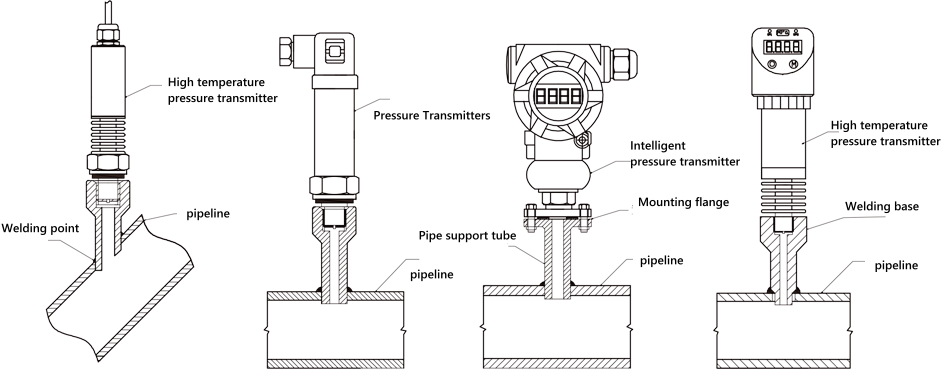
Pressure transmitters are often used to measure the pressure of pipeline media. Universal pressure transmitter, which can be installed directly on the measurement interface or on the support pipe through a mounting bracket. Regardless of the installation method, the zero point and full scale of the transmitter are not affected.
Installation options include: threaded installation, welding installation, flange installation, clamp installation, etc.
It is recommended that users use industrial shielded cables as leads, and the transmitter housing can be grounded or ungrounded. The load resistance, transmission line length and resistivity should meet the requirements of the load characteristics of the transmitter. Cables cannot share conduits or wiring ducts with other strong electrical signals. It should also be avoided to pass through the accessories of other high-power equipment, and the shielded wire of the transmitter should be reliably grounded.
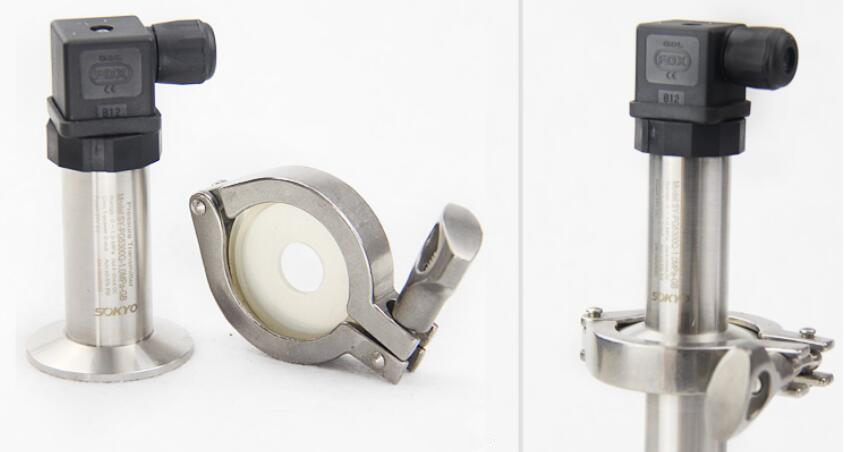
To sum up, many factors need to be considered when installing a pressure transmitter. The primary factor is the nature of the medium being measured. Then consider the flow stability, temperature and pressure conditions, pipe material and inner wall roughness, installation location, shock and impact resistance, dust and water resistance, etc.
The pressure transmitter may need to be installed on the tank or on the pipe. In actual applications, comprehensive considerations should be made based on specific conditions to select the most appropriate pressure port and installation location.
FAQ
Types of Pressure Transmitters
There are a few different types of pressure transmitters, and they’re all based on how they measure things. Each one has its own unique design and way of working.
Piezoresistive transmitters work by using pressure to deform a diaphragm. A thick-film resistor on the other side forms a Wheatstone bridge, which, because of the piezoresistive effect, outputs a voltage signal proportional to the pressure. They feature a simple structure and a relatively fast response.
Piezoelectric transmitters are based on the piezoelectric effect, whereby pressure polarises the electrolyte and generates a charge on the surface; once the external force is removed, the material returns to a neutral state. They are suitable for dynamic pressure measurement.
Strain gauge transmitters use strain gauges to detect any changes in the body’s shape, which changes the resistance. Then a bridge circuit and amplification circuit convert this weak signal into a usable electrical signal, offering high measurement accuracy.
Capacitive transmitters detect the pressure difference between the high- and low-pressure chambers, causing the measuring diaphragm to move and altering the capacitance values on either side. Once they’ve had their signal conditioning, they’ll output standard current, voltage or digital signals. They’re really stable and there are two types: electric and pneumatic.
Can pressure transmitters measure liquid levels?
Pressure transmitters can be used to measure liquid levels and are one of the most common methods of level measurement in industry. They primarily utilise the static pressure generated by the liquid’s own weight to calculate the liquid level height; the pressure is directly proportional to the liquid density and the level height.
Once the transmitter has measured the pressure, the actual liquid level can be calculated using a formula. Generally, when measuring the level in open-top vessels, a gauge pressure transmitter can be used directly, installed at the bottom or lower side wall of the vessel; when measuring closed vessels, a differential pressure transmitter is required to eliminate errors caused by vapour pressure and ensure measurement accuracy.
This method is simple to install, highly reliable and has a wide range of applications; it is very commonly used in scenarios such as storage tanks, reactors and water tanks in industries including water treatment, chemicals and petroleum.
What is a differential pressure transmitter?
A differential pressure transmitter is an industrial instrument used to measure the difference between two pressure points. It connects simultaneously to both the high-pressure and low-pressure sides, utilising an internal sensitive sensing element to convert the pressure difference into a standard electrical or pneumatic signal for output.
Its core operating principle is that when the pressures on either side are unequal, the sensing diaphragm undergoes a corresponding displacement or deformation; this is then processed by a conversion circuit to output a 4–20 mA current, voltage or digital signal, facilitating data acquisition and display by the control system.
Differential pressure transmitters not only measure pressure differentials directly but can also indirectly calculate process parameters such as liquid level, flow rate and density. Widely used in the petroleum, chemical, power and water treatment industries, they are characterised by high measurement accuracy, excellent stability and adaptability to a variety of complex operating conditions, making them a key detection device commonly used in industrial automation control.
How to Install a Differential Pressure Transmitter
1. Install the transmitter away from vibration, high temperature and strong electromagnetic interference, in an easy-to-operate, maintain and calibrate position, with ambient conditions within the instrument’s rated range.
2. For liquid service, mount the transmitter below the pressure taps to keep impulse lines full; for gas service, mount it above to avoid condensate accumulation.
3. Keep impulse tubing short, straight and slightly sloped for venting or draining. Run high and low pressure lines together to reduce temperature-related errors.
4. Confirm correct positive and negative pressure connections before installation. Operate three-valve or five-valve manifolds in proper order to avoid damaging the diaphragm.
5. Securely install the transmitter with properly sealed flanges or threads. Wire according to the diagram with effective shielding and grounding for stable signals.
6. For corrosive, viscous, crystallizing or solidifying media, use isolation chambers, condensate pots or heat tracing with suitable sealing fluid to protect the sensor.
The difference between pressure transmitters and pressure sensors
The key distinction between pressure sensors and pressure transmitters lies in their functions and output signals: a pressure sensor is a sensitive element that directly detects pressure and converts it into a weak raw electrical signal; its output signal is small and has poor interference resistance, generally requiring subsequent processing;
In contrast, a pressure transmitter uses the sensor as its core and integrates amplification, compensation and conversion circuits. It can output standard analogue signals (such as 4–20 mA) or digital signals.
With a strong signal, long transmission distance and the ability to connect directly to control systems, it is better suited for long-term, stable use in industrial environments.
Sino-Inst supplies a full range of industrial pressure transmitters. Including measuring gas, liquid, steam, viscous media, etc. We support customization of installation dimensions, pressure range, temperature range, wetted materials, etc. If you need to purchase a pressure transmitter, or have any questions about pressure transmitter installation. Please contact our engineers!