Flow meters play a central role in beverage filling lines, where they track liquid movement with a high degree of precision. Manufacturers in this space hold blending accuracy and sanitation to exceptionally high standards, and measurement errors tend to show up directly in product quality.
When the liquid in question is something like fruit juice or a carbonated soft drink, choosing an appropriate model comes down to weighing operational stability against how well the device meshes with the production process.
What is a Flow Meter?
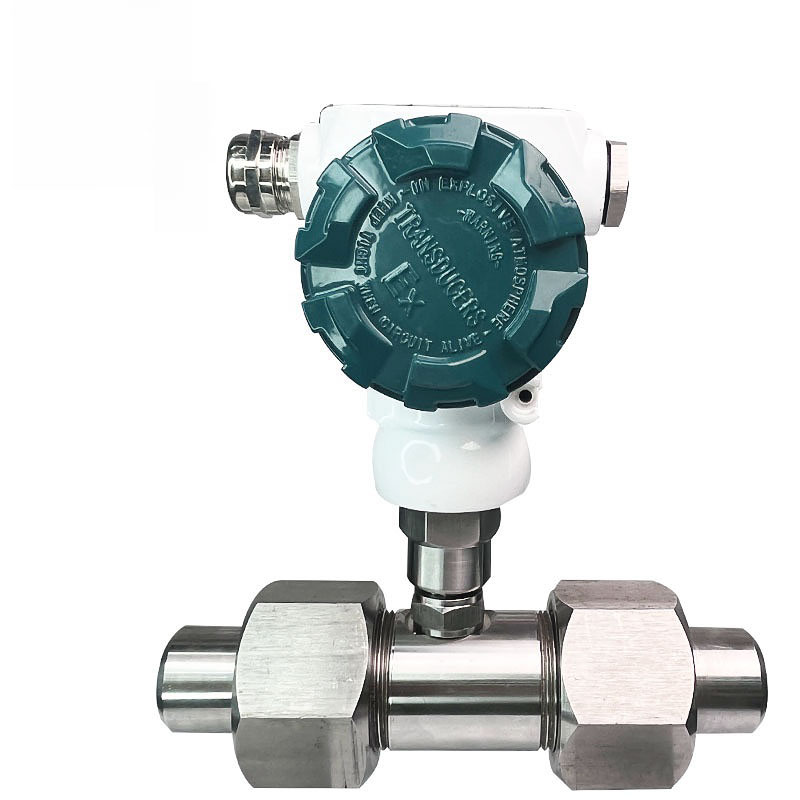
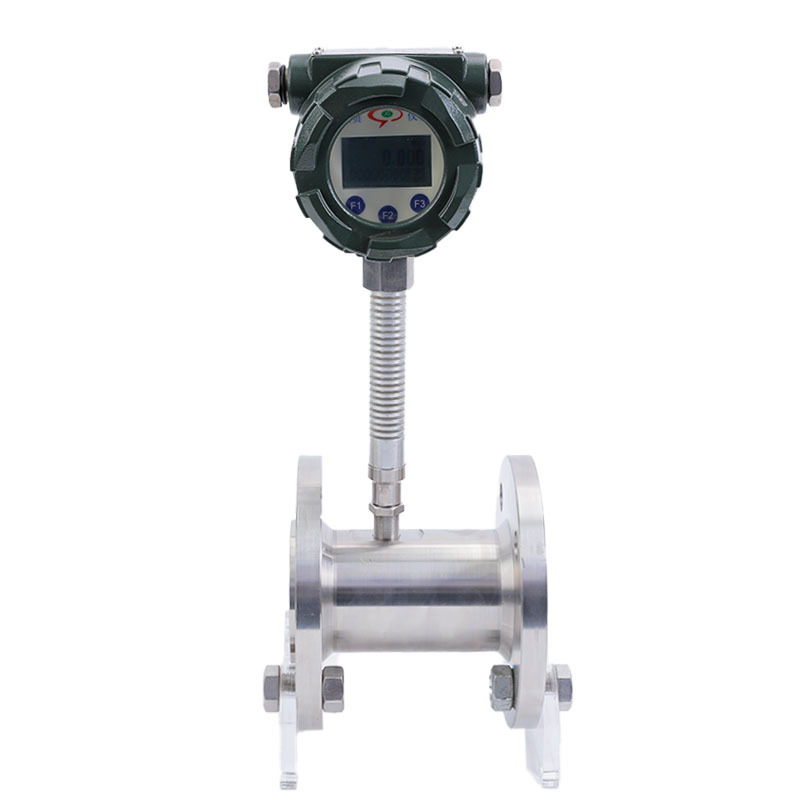
A flow meter is an industrial instrument used to measure the flow rate of fluids. It primarily measures the volume or mass of media—such as liquids, gases or steam—passing through pipes or channels per unit of time, and can also accumulate the total volume or mass of media passing through over a given period.
It is widely used in numerous industries, including chemicals, water supply, energy and food processing, and assists in production by enabling material metering, process control, energy consumption accounting and trade settlement.
Flow meters based on different operating principles are suited to different operating conditions and can accommodate variations in medium viscosity, temperature, pressure, corrosiveness and cleanliness.
Common Beverages
Water, purified water: The medium is clean, has low viscosity, is non-corrosive, contains no solid particles, is usually at ambient temperature and is prone to bubbling.
Carbonated drinks (soft drinks, cola-type beverages): Contain a large number of carbon dioxide bubbles, forming a gas-liquid mixture; the liquid itself has low viscosity and is slightly acidic.
Fruit juice drinks: Divided into clear juices and cloudy juices with pulp; clear juices have medium viscosity; juices with pulp contain fruit fibres and fine solid particles, which are prone to adhesion, and some are slightly acidic.
Tea drinks: Mostly clear liquids with low viscosity; they contain tea extracts and are prone to forming slight sediment. They are slightly acidic and exhibit minimal temperature variation.
Dairy drinks and milk: These carry a fair amount of protein, sit at a medium thickness, and cling to surfaces more than water-based liquids, so proteins can build up on container walls over time. They also go through high-temperature pasteurisation on the line.
Concentrated syrup-based drinks: Packed with sugar, these are thick and don’t flow easily; some even have small bits of fruit pulp mixed in. They’re naturally viscous and tend to stick to whatever surface they touch.
Beer: Holds plenty of dissolved CO₂, so you’re working with a gas-liquid mix. The liquid itself is thin and slightly acidic, and hygiene standards need to stay high throughout both production and transport.
Key Considerations for Measuring Beverage Flow
1. Prone to blockages and adhesion:
Beverages containing fruit particles, suspended solids, or syrup are thick by nature, so they tend to gum up pipes and flowmeters, which throws off the sensor signal. Viscosity also shifts with concentration and temperature, meaning measurement accuracy keeps drifting.
2. Bubble interference:
Carbonated drinks release carbon dioxide, and air gets drawn in easily during conveyance; bubbles disrupt the sensor signal, causing erratic flow readings and pushing the numbers higher than they should be. This is one of the most common headaches operators face.
3. Stringent hygiene requirements:
Beverage lines need in-line cleaning and high-temperature sterilisation, so the environment has to stay sterile with no leftover residue. Conventional flowmeters have dead zones where material builds up and bacteria can take hold, and finding food-grade instruments that actually meet compliance standards is harder than it looks.
4. Errors caused by scaling and corrosion:
Sugar, fruit acids and proteins readily adhere to the instrument; fruit acids cause mild corrosion of metal components. Over time, measurement errors gradually increase, leading to reduced measurement stability.
5. Flow rates swing wildly:
Lines start and stop all the time, with flow running anywhere from a trickle to full blast and pipes not always staying completely full. Most meters lose accuracy when the flow drops low, so getting reliable readings across every stage of production is tough.
6. Temperature and pressure swings throw things off:
Switching between hot and cold steps changes how the liquid itself behaves, while the meter expands and contracts with the heat, shifting its dimensions just enough to skew readings and make the data bounce around.
7. Particles wear down the equipment:
Bits of fruit pulp flying through at high speed chew up the internal components, causing wear, throwing calibration off, producing bad readings, killing the equipment sooner than it should last, and driving up maintenance bills.
Beverage Flow Meters
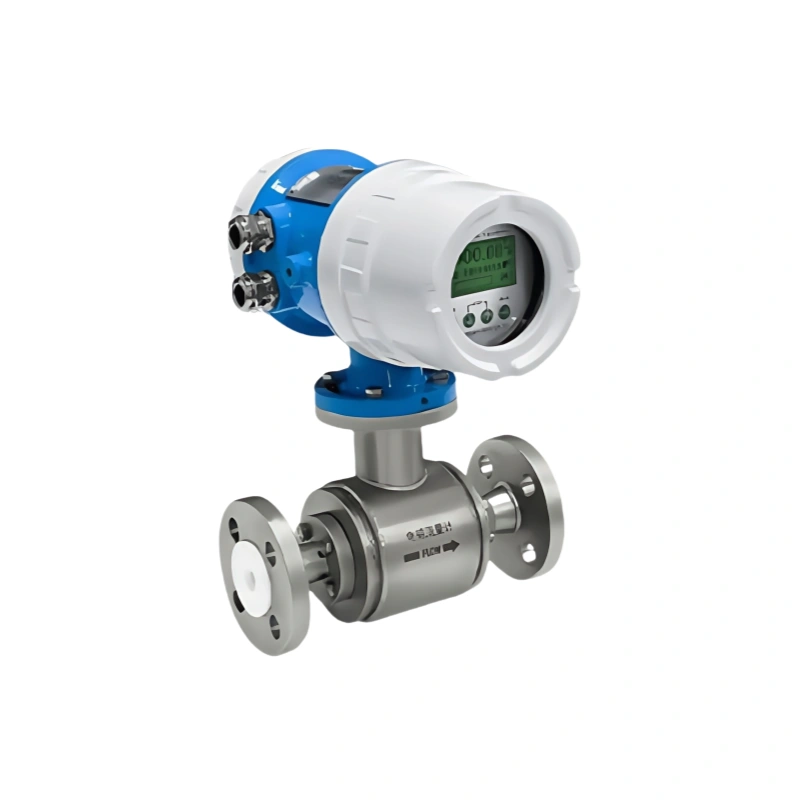
Electromagnetic Flow Meters
Principle of Operation
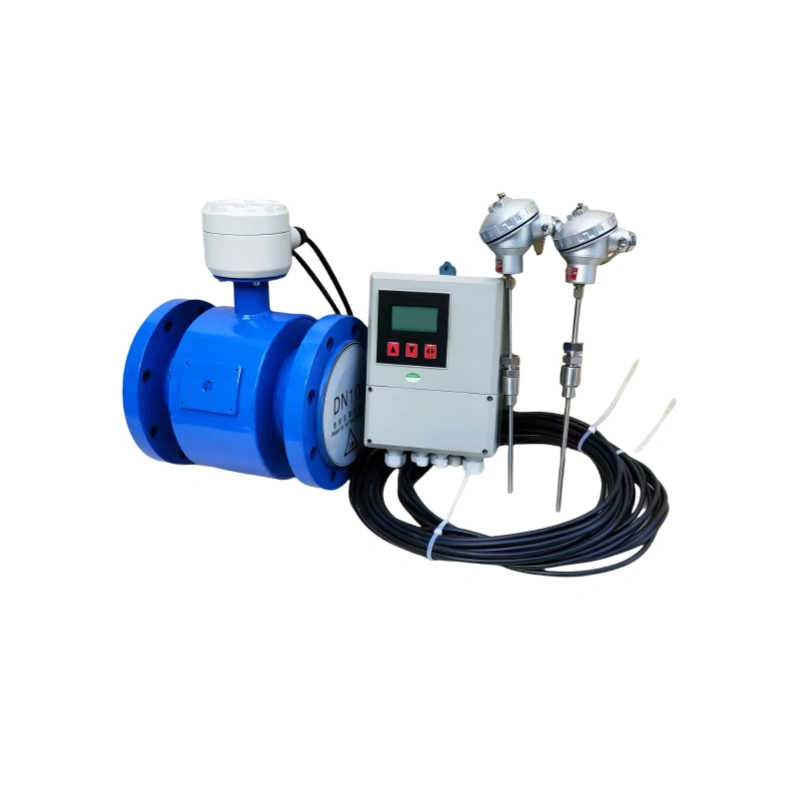
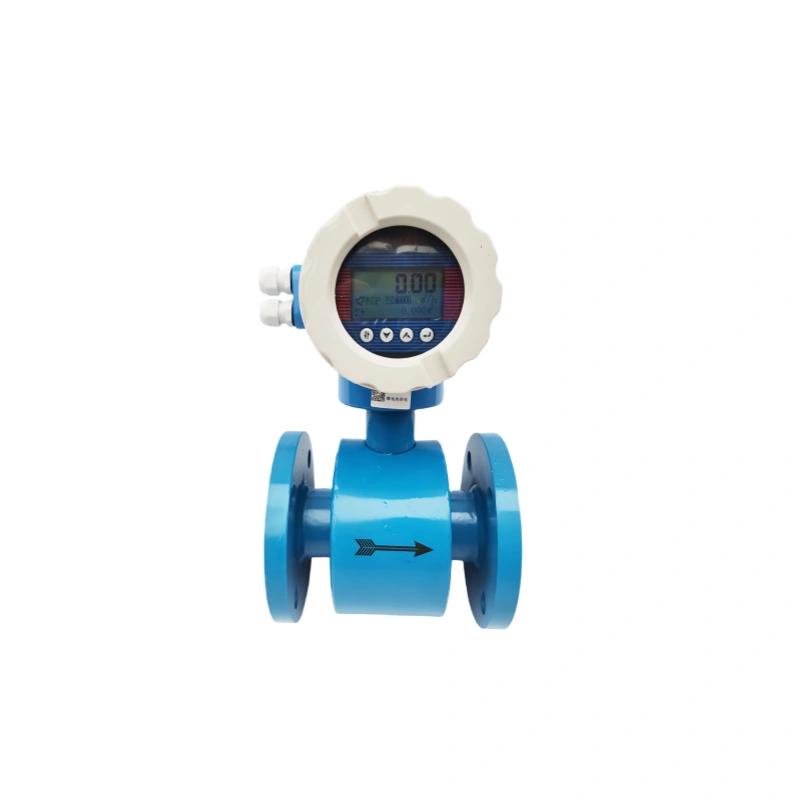
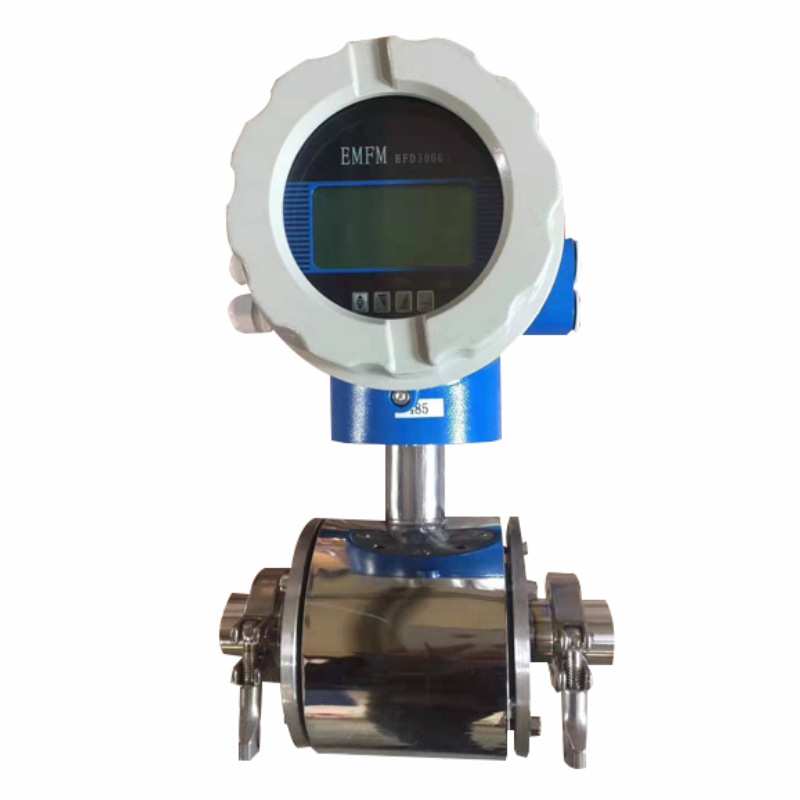
Sanitary electromagnetic flow meters rely on Faraday’s law of electromagnetic induction. A magnetic field is established inside the measuring tube; as the conductive beverage moves through the pipe, it slices through the field lines, producing an induced voltage at the electrodes that tracks directly with the fluid’s velocity.
The meter picks up this electrical signal, factors in the pipe diameter, and calculates the volumetric flow rate from there. The measurement process involves no mechanical contact throughout, ensuring stable operation.
Advantages
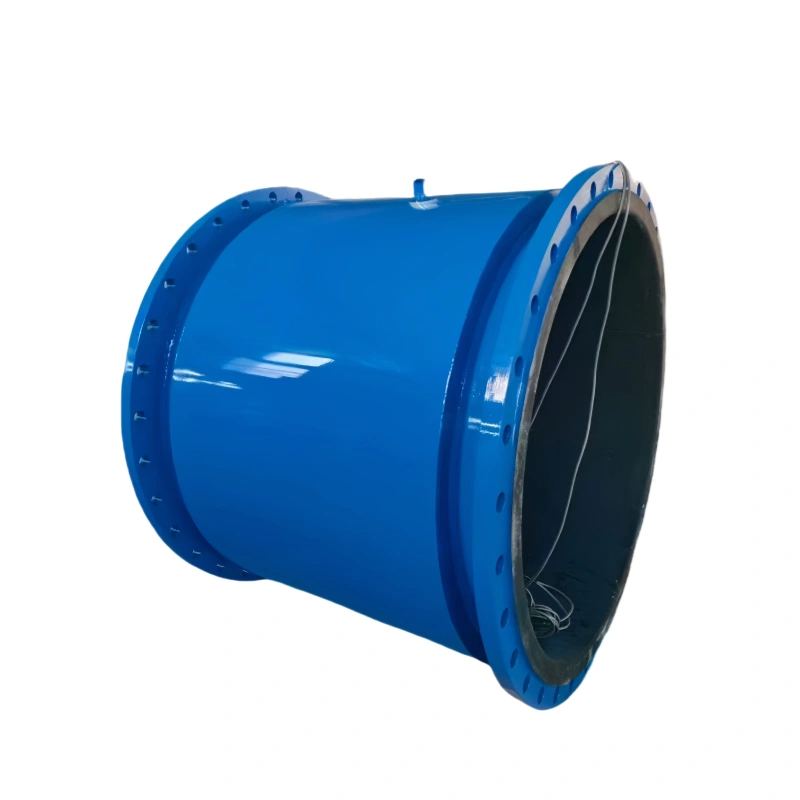
High hygiene standards: The measuring tube has no protrusions, dead corners or moving parts; the smooth inner surface of the food-grade stainless steel prevents material build-up; it supports CIP and SIP cleaning and sterilisation, and complies with food and beverage hygiene regulations.
High measurement stability: Requires only minimal electrical conductivity from the medium; is unaffected by temperature, pressure, viscosity or density; offers excellent measurement linearity; exhibits no zero-point drift during long-term operation; and is suitable for continuous production lines.
No Pressure Loss: The straight-through, non-restrictive design ensures there is no additional resistance to the fluid flow and does not alter the pipeline delivery pressure, making it suitable for high-flow-rate and long-distance conveyance.
Practical Applications
Suitable for all types of conductive beverages, including carbonated drinks, fruit juices, tea-based drinks, dairy products, mineral water and functional beverages; it is a commonly used metering device on beverage production lines.
It is primarily used for raw material blending, pipeline flow monitoring, quantitative filling of finished products and CIP cleaning solution metering. It is suitable for turbid beverages containing fine fruit pulp or protein, offering stable operation without the risk of blockages.
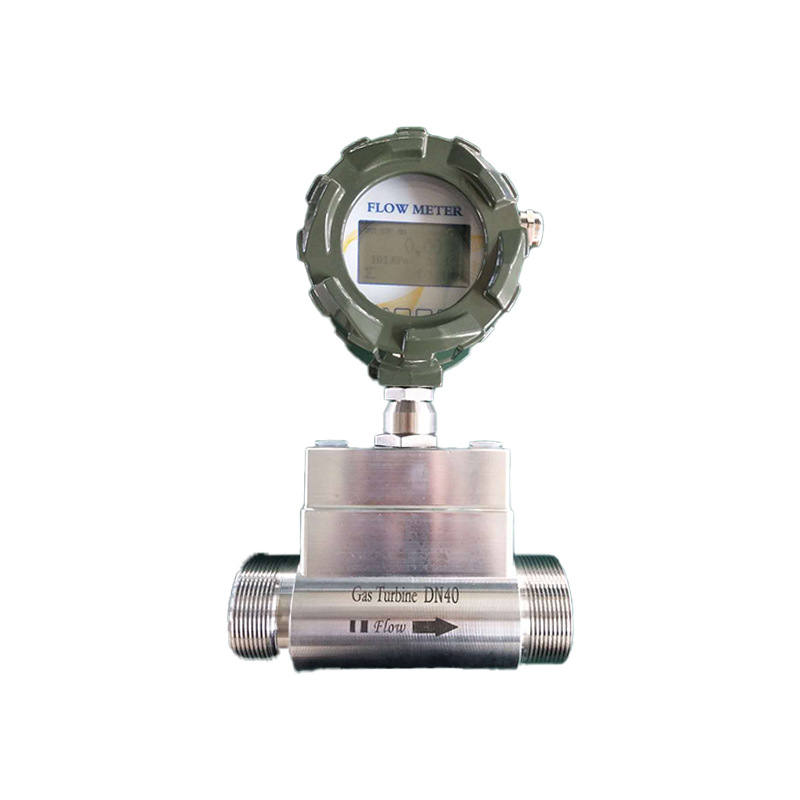
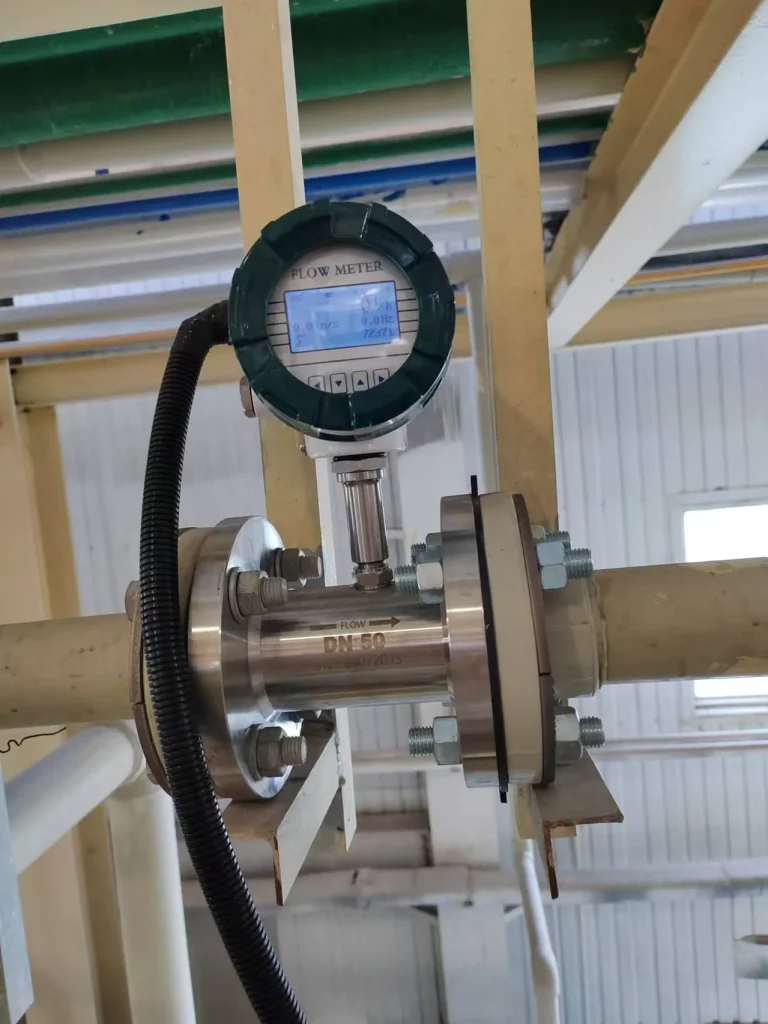
Sanitary Turbine Flow Meter
Principle of Operation
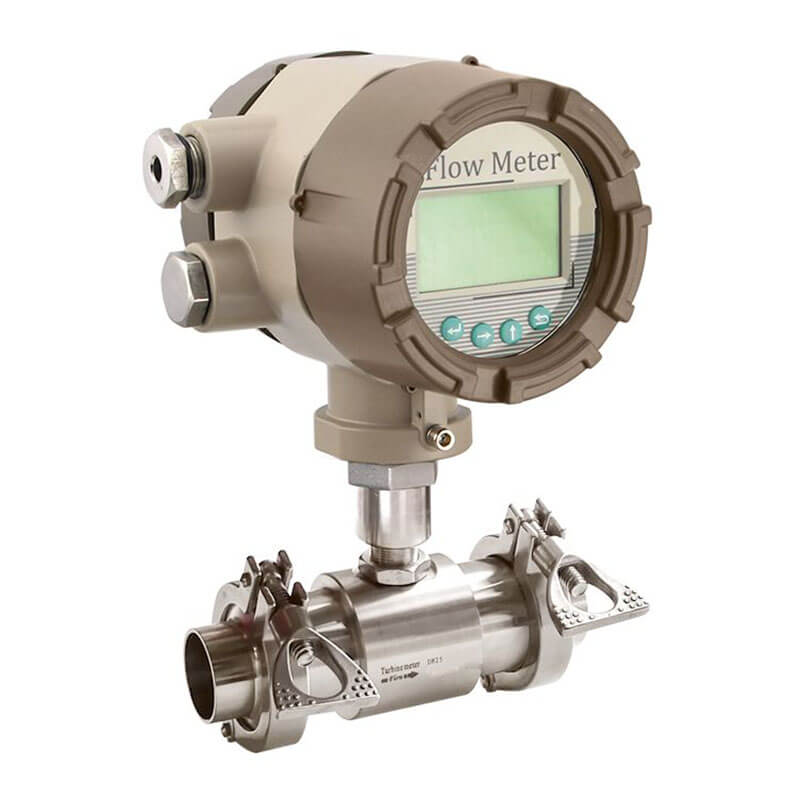
The sanitary turbine flow meter utilises a food-grade turbine impeller as its core sensing component. As the beverage flows through the pipeline, it impinges upon the impeller, causing it to rotate at a constant speed; the impeller’s rotational speed is linearly proportional to the fluid flow rate.
An external sensor captures the impeller’s pulse signals and converts them into electrical signals, which are then processed by a transmitter to accurately output both instantaneous and cumulative flow data.
Advantages
Extremely high measurement accuracy: Accuracy sits at ±0.5 % or better, with tight repeatability and next-to-no quantification error. That level of precision covers exact blending ratios and fill volumes without issue.
Fast response: The impeller reacts almost instantly to flow changes, so it handles stop-start filling and low-flow conditions without missing a beat. Dynamic measurement is where this design really shines.
Compact and hygienic design: Clamp-style quick-connect fittings come apart easily for cleaning. Inside, the layout is straightforward, and the food-grade materials won’t leach anything into the product, so it holds up to strict food-safety requirements.
Excellent value for money: Compact in size and easy to install, with a low failure rate and minimal maintenance costs; no frequent calibration is required, making it suitable for long-term operation on beverage production lines of all scales.
Practical Applications
Suitable for clean, low-viscosity, transparent beverages such as purified water, pure fruit juices, sugar-free tea drinks, clear alcoholic beverages and food additives.
Commonly used in applications such as precise ingredient blending, high-precision volumetric filling and laboratory micro-measurement; not suitable for cloudy beverages containing pulp, fibres or sediment, to prevent impeller jamming and failure.
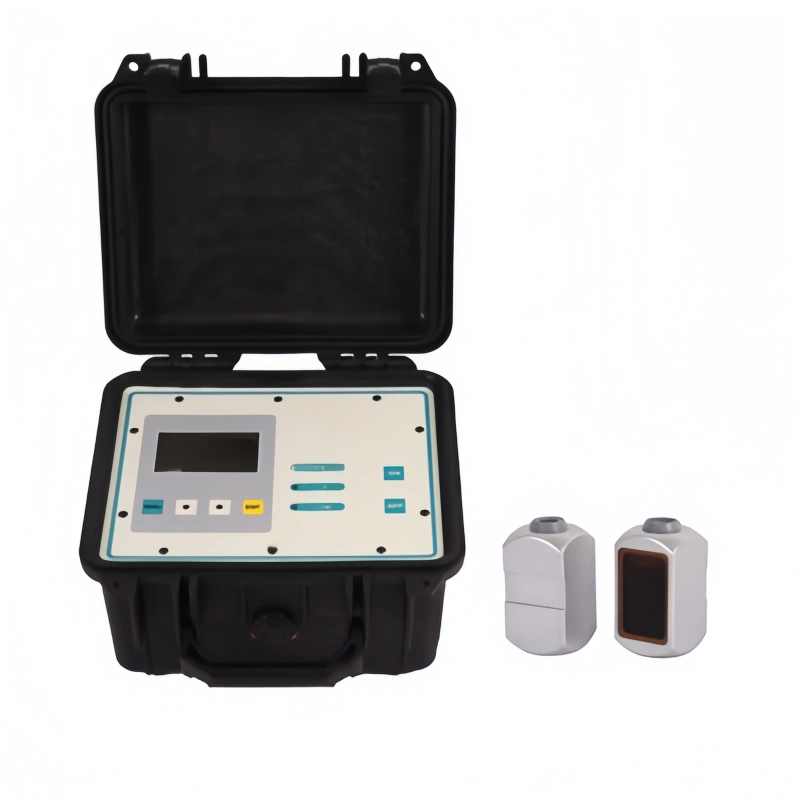
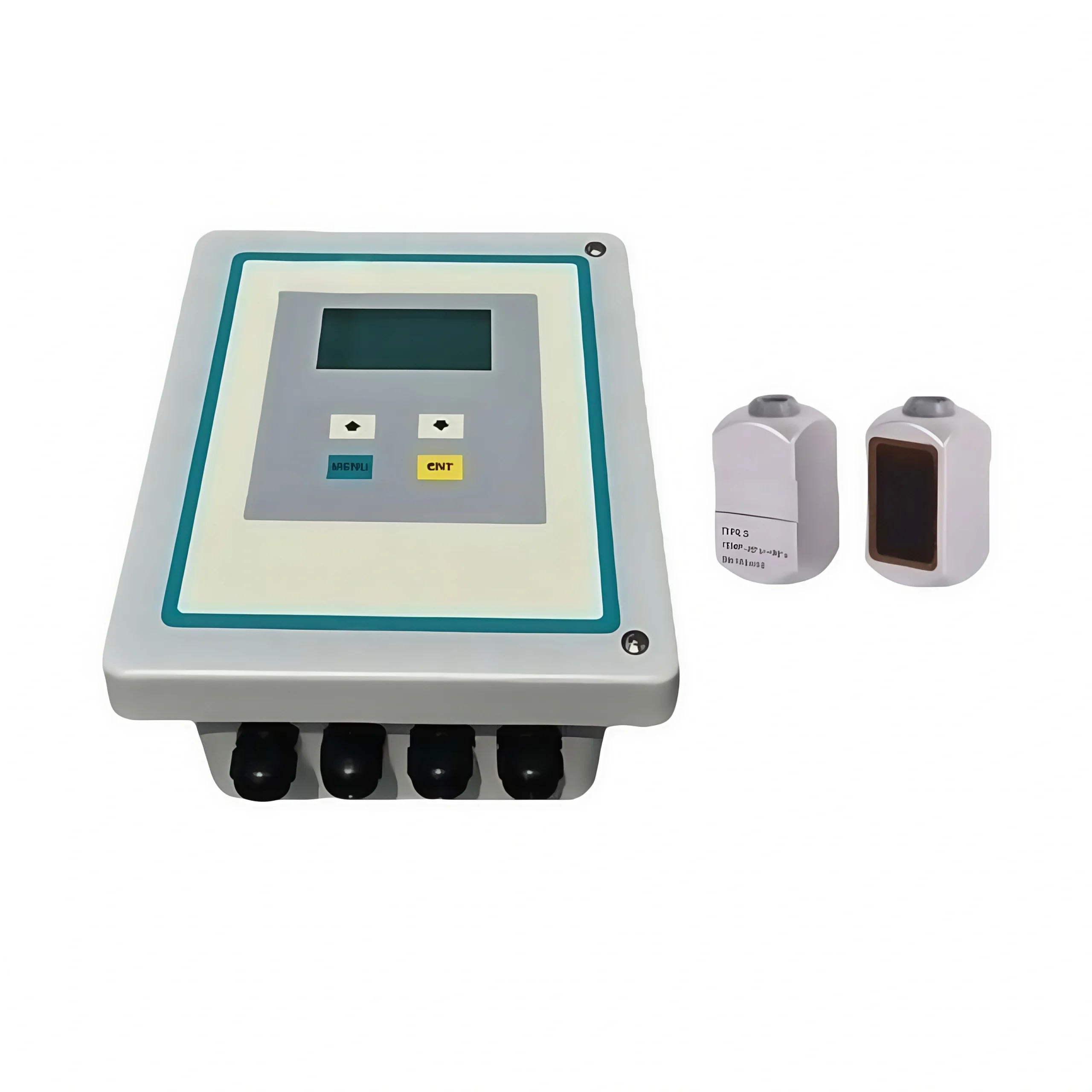
Ultrasonic Flow Meter
Principle of Operation
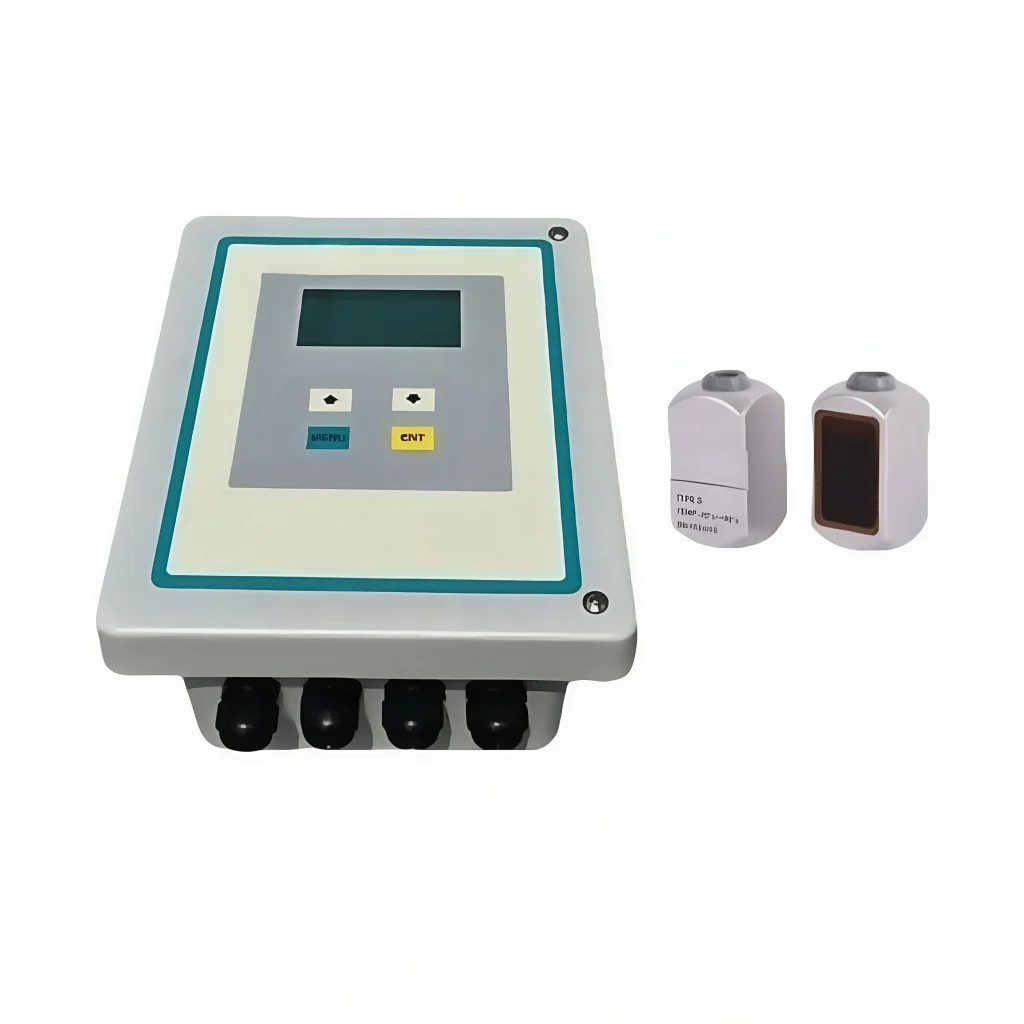
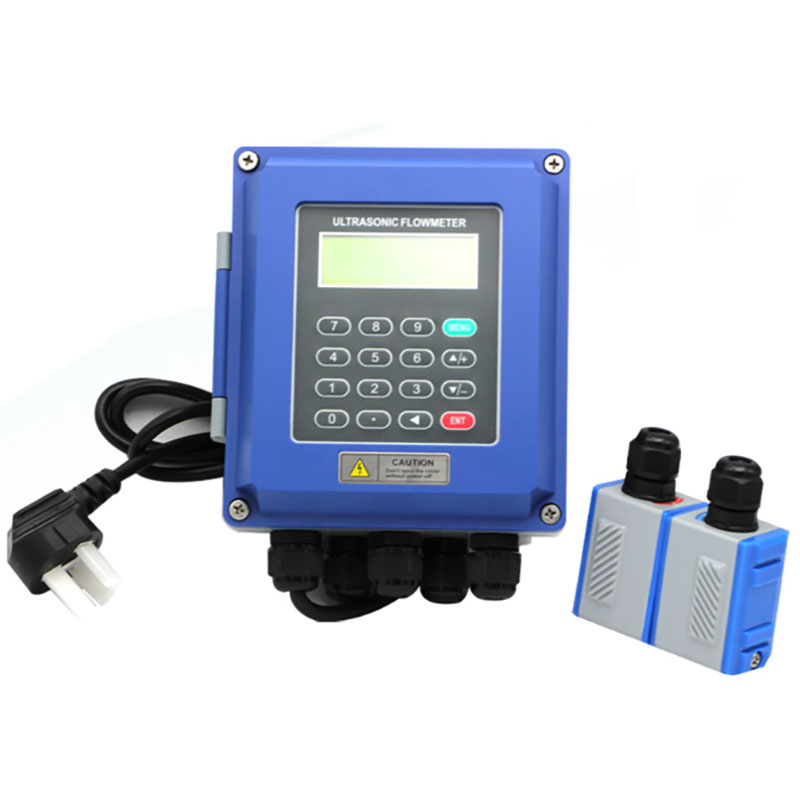
Hygienic ultrasonic flow meters run on a time-of-flight principle. Pairs of sensors sit on the outside of the pipe and fire high-frequency signals back and forth in turn. As liquid moves through the line, the sound waves travel faster with the flow than against it, producing a small time gap.
The meter uses that gap together with the pipe diameter to work out both flow speed and total volume. Nothing inside the unit ever touches the beverage, so the entire measurement stays completely non-contact.
Advantages
Non-contact measurement: The sensors clamp onto the outside of the pipe and never breach the wall, so nothing inside the meter ever touches the beverage. That means zero risk of contamination or residue buildup, which is exactly what aseptic production lines need.
No pressure loss or blockages: With no throttling plates, rotors, or any other internals sticking into the flow, the liquid moves through freely. This works well for high-purity, high-speed applications where you might have a few stray air bubbles in the mix.
Wide range of compatible media: Conductivity does not matter here—the meter handles both conductive and non-conductive liquids, from ultrapure water to concentrated flavourings, without skipping a beat.
Practical Applications
Suitable for both conductive and non-conductive clean beverages, including purified water, flavourings, food-grade ethanol, sparkling water and clear sugar-free drinks, it overcomes the measurement limitations of electromagnetic flowmeters.
Primarily used in aseptic cold filling, purified water pre-treatment and the precise delivery of additives, it is suitable for media containing trace bubbles but is not suitable for highly turbid or impurity-laden beverages.
Mass Flow Meter
Principle of Operation
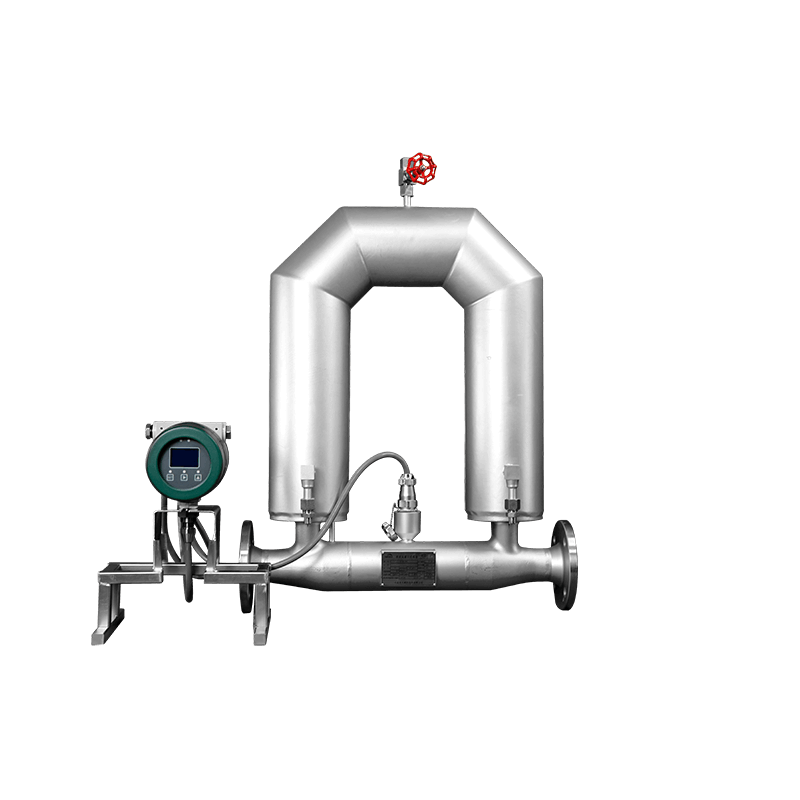
The hygienic Coriolis mass flow meter operates based on the Coriolis force principle. The device incorporates a food-grade measuring tube that vibrates at a high frequency; as the beverage flows through the tube, a phase difference and Coriolis force are generated, causing the tube to undergo minute deformations.
The sensor captures the phase signal from these deformations, enabling direct calculation of the medium’s true mass flow rate, whilst simultaneously measuring parameters such as density and temperature.
Advantages
Direct measurement of mass flow rate: Unaffected by fluctuations in temperature, pressure, viscosity or density; no compensation required; high measurement accuracy, meeting the demands of high-precision beverage formulation.
Multifunctional integration: Simultaneously outputs mass flow rate, volumetric flow rate, density and temperature; enables real-time monitoring of beverage concentration and formulation ratios; compatible with intelligent production control systems.
Excellent hygienic characteristics: Fully sealed with no dead corners; supports CIP cleaning and high-temperature sterilisation; leaves no residue and prevents bacterial growth; suitable for aseptic, high-cleanliness beverage production.
Practical Applications
Used in the precision production of premium beverages, suitable for media such as dairy products, concentrated fruit juices, high-sugar drinks, functional beverages and alcoholic spirits.
It primarily handles core processes including high-precision batching, metered delivery of concentrated slurries, precise filling, raw material metering and concentration monitoring, and can effectively mitigate metering errors caused by fluctuations in temperature, pressure and concentration.
Positive Displacement Flow Meter
Principle of Operation
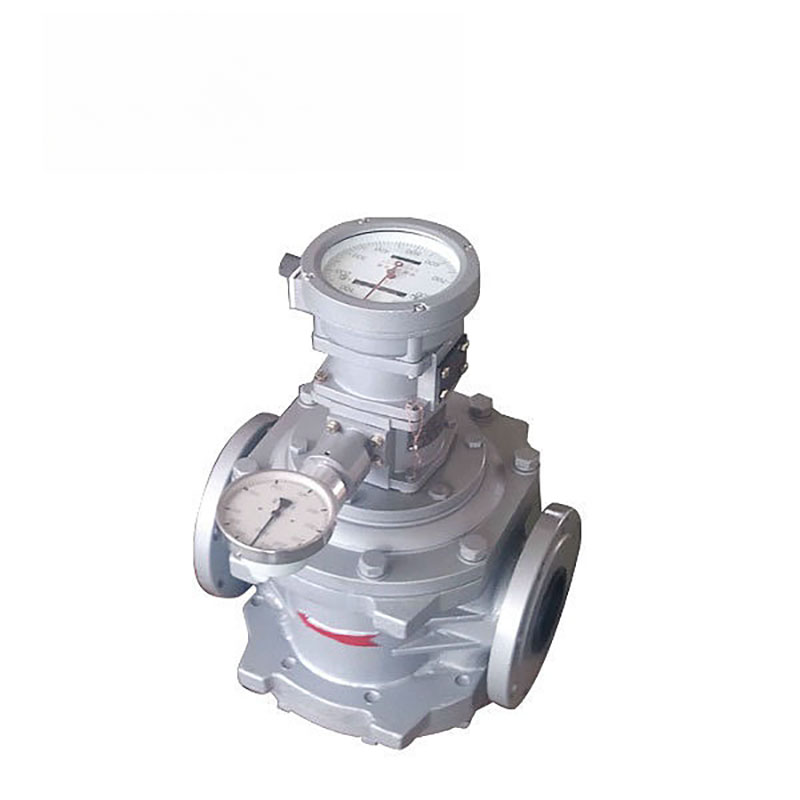
A sanitary-grade positive displacement flow meter utilises a precision metering chamber and meshing rotors to form a volumetric metering space. The pressure of the beverage medium itself drives the rotors to rotate, dividing the fluid into fixed volumetric units.
The device calculates the cumulative volume by counting the number of rotor revolutions and converts this to instantaneous flow rate based on rotational speed, thereby achieving precise and direct volumetric measurement through its mechanical structure.
Advantages
Excellent low-flow performance: Low start-up flow rate, accurate measurement of low-flow beverages, no low-speed dead zone, suitable for micro-dosing and small-batch filling.
Stable measurement accuracy: Unaffected by viscosity or pressure fluctuations; the mechanical structure is reliable, with minimal long-term accuracy drift, eliminating the need for frequent calibration.
Hygienic and easy to clean: Food-grade stainless steel chamber; quick-release design for easy assembly and disassembly; no dead corners in the internal chamber, making it easy to clean and sterilise; complies with food production requirements.
Flexible application: Some models support passive metering, requiring no external power supply, making them suitable for monitoring in confined workshop spaces without power points.
Practical Applications
This flow meter is suitable for medium- to high-viscosity beverage media—such as syrups, concentrated fruit juices, dairy-based drinks and concentrated additives—that contain no large particulate impurities.
It is commonly used for low-flow additive dosing, the conveyance of viscous materials, micro-dosing and small-scale filling operations. Its use with media containing large fruit pulp particles or fibres is strictly prohibited to prevent rotor jamming and equipment wear.
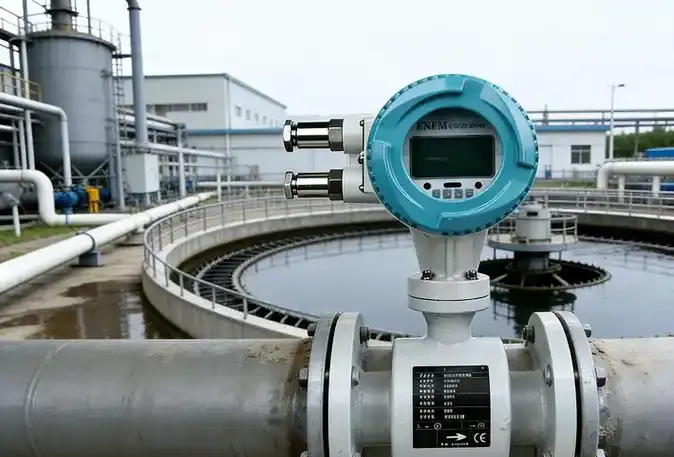
The Sion-Inst beverage-specific flow meter is suitable for media such as purified water, carbonated drinks, fruit juices, dairy drinks, syrups and beer, resolving production issues such as bubble interference, scaling and blockages, and metering inaccuracies.
Built from food-grade materials, it handles CIP cleaning and high-temperature sterilisation without issue, covering the full span from formulation and filling through to aseptic production. We offer end-to-end service: custom selection, commissioning, and ongoing maintenance, to help you tighten up operations, reduce waste, and protect your margins. Beverage companies are welcome to get in touch for a practical solution and a quote.