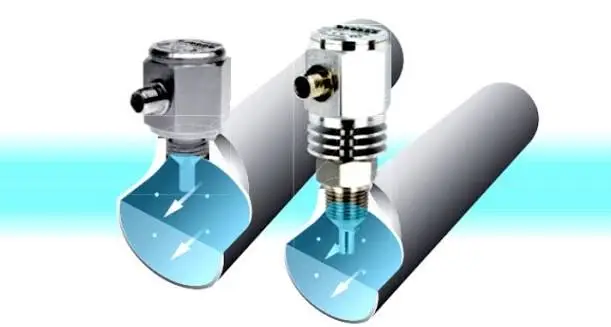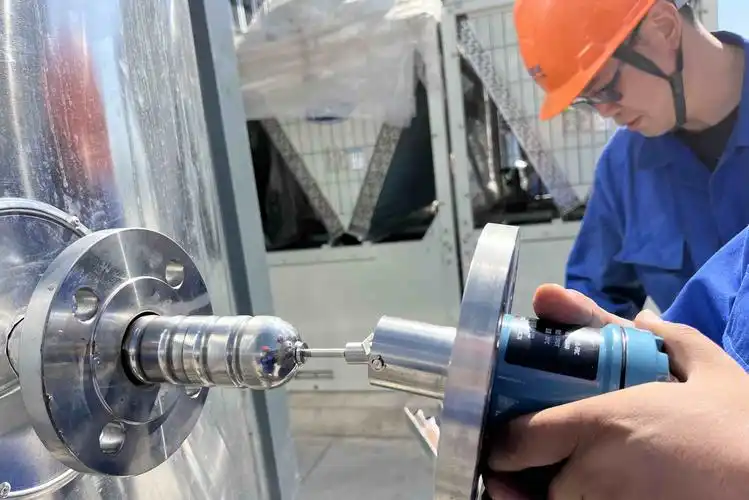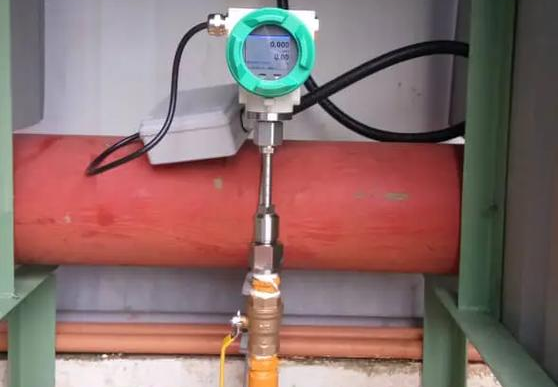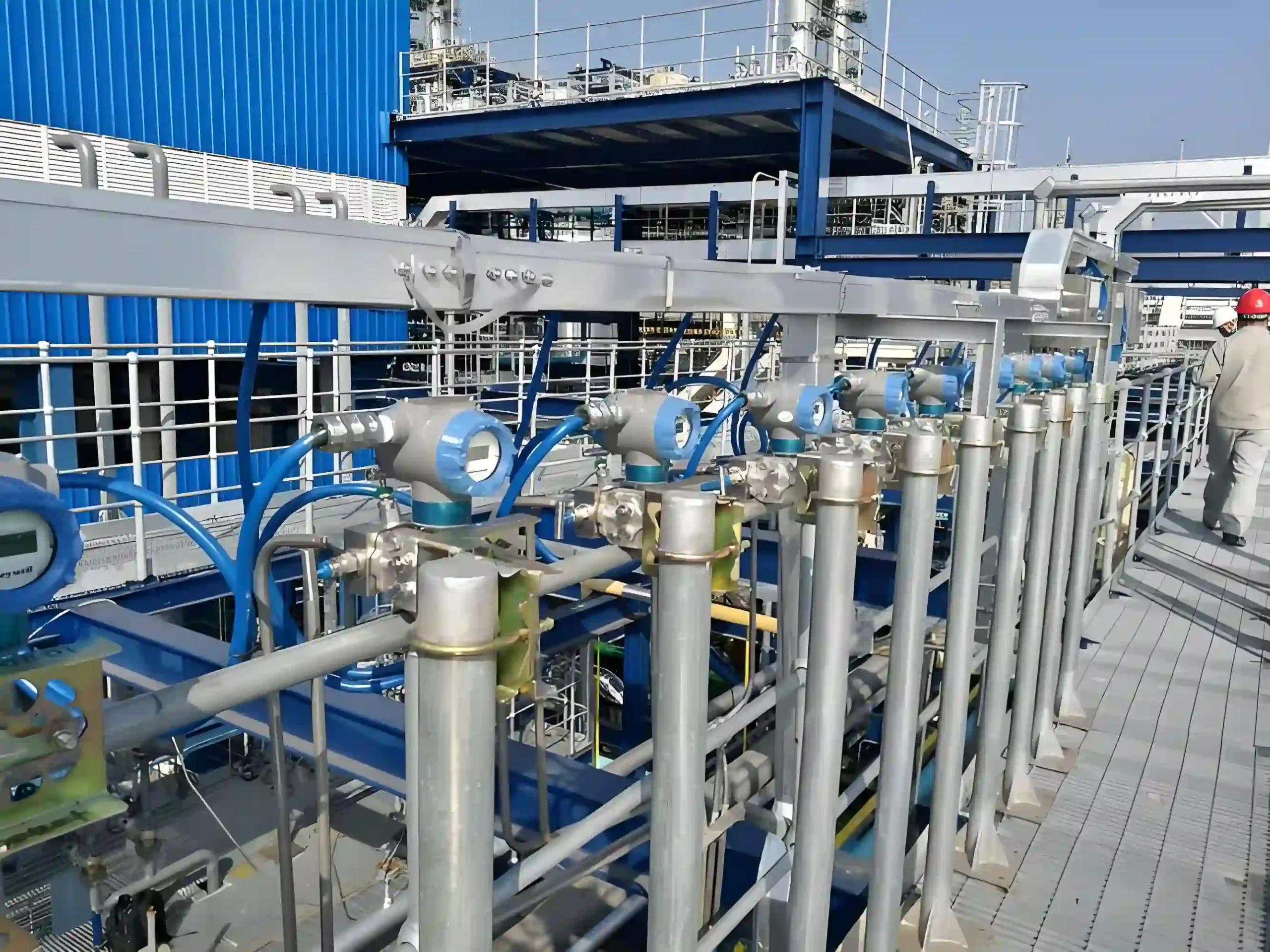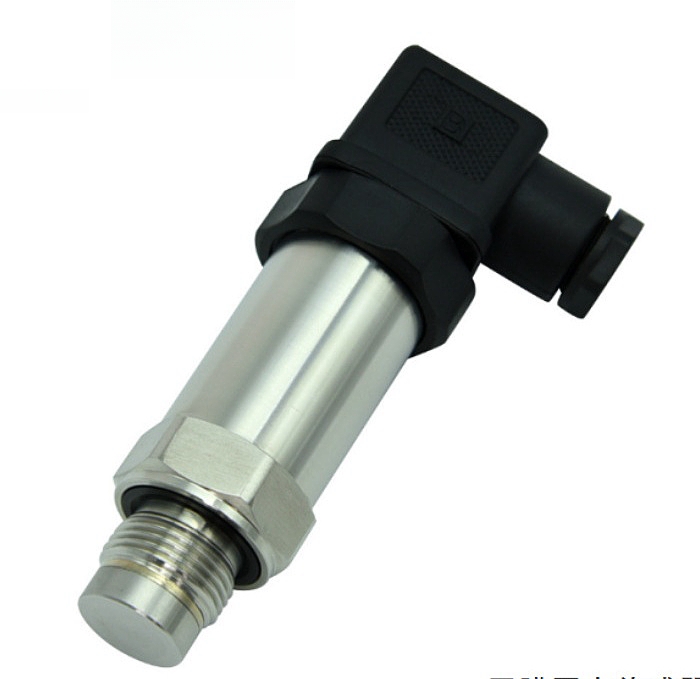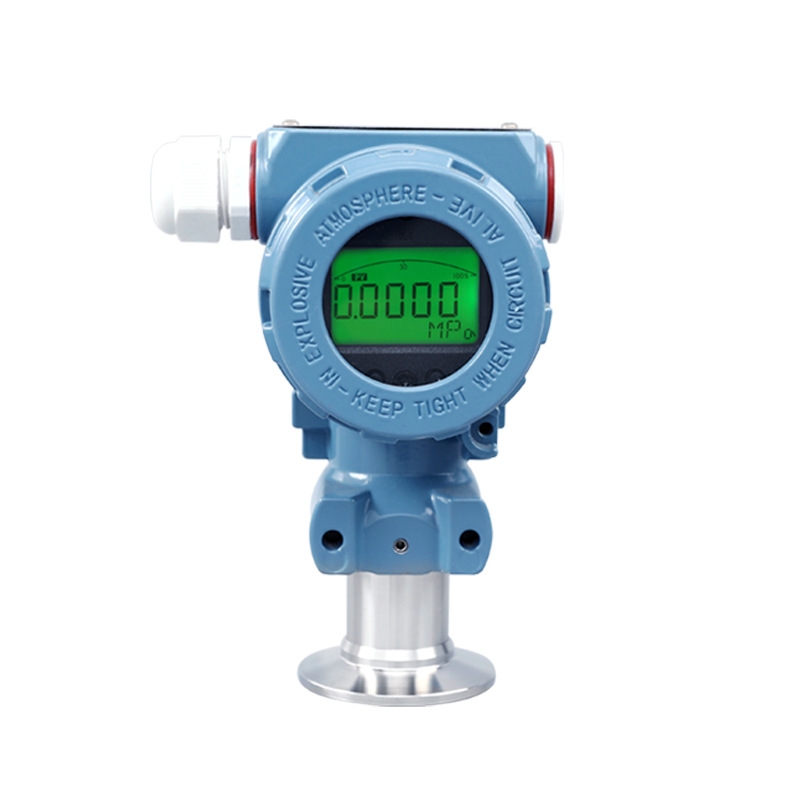
Capacitive and piezoresistive pressure sensors are the mainstream solutions for industrial pressure measurement; however, their performance differs significantly when faced with operating conditions such as temperature fluctuations, low pressure and strong interference. This article compares the performance differences between these two types of sensors to provide guidance for selection.
What is a capacitive pressure sensor?
A capacitive pressure sensor picks up pressure by tracking changes in capacitance, so it falls under the variable-capacitance sensor umbrella. It converts external pressure into an electrical signal via capacitance shifts, and it’s widely used for measuring gas and liquid pressure.
These devices handle standard operating conditions just fine, plus they can survive certain high-temperature and corrosive environments—industrial pressure transmitters and differential pressure detection equipment are where you’ll usually see them.
Working Principle of Capacitive Pressure Sensors
The core of a capacitive pressure sensor is a movable sensitive diaphragm and fixed electrodes forming two plates, with a capacitive gap between them. When pressure is applied to the diaphragm, it deforms and the gap between the plates changes; the sensor’s capacitance changes in turn.
The circuit detects these capacitance changes; after signal conversion and conditioning, these are converted into a standard electrical signal proportional to the pressure, thereby enabling pressure detection.
When measuring differential pressure, high and low pressures are applied to either side of the diaphragm respectively; the pressure difference drives the diaphragm to deform, thereby enabling differential pressure measurement.
What is a piezoresistive pressure sensor?
A piezoresistive pressure sensor is a type of pressure detection device developed based on the piezoresistive effect of semiconductors. It primarily consists of a silicon sensing chip, an elastic substrate and a signal processing circuit. It is capable of directly converting changes in the pressure of the medium being measured into an electrical signal that can be detected.
It is widely used in industrial process measurement and control, hydraulic and pneumatic pressure detection, and pressure monitoring of complete equipment, and is characterised by its compact size, fast response time and high measurement accuracy.
Working Principle of a Piezoresistive Pressure Sensor
Its core operation relies on the piezoresistive effect of semiconductor materials. When external pressure acts on the silicon chip, the elastic silicon diaphragm deforms mechanically.
This deformation strains the piezoresistive elements built into the diaphragm, and their resistance shifts in proportion to how much the diaphragm bends. Usually, four of these piezoresistive elements are arranged in a Wheatstone bridge.
With no pressure present, the bridge sits in equilibrium and its output is essentially zero. Once pressure is applied, the resistances go out of balance, and the bridge produces a voltage signal that scales with the pressure level. After amplification and compensation, this signal is translated into the actual pressure reading.
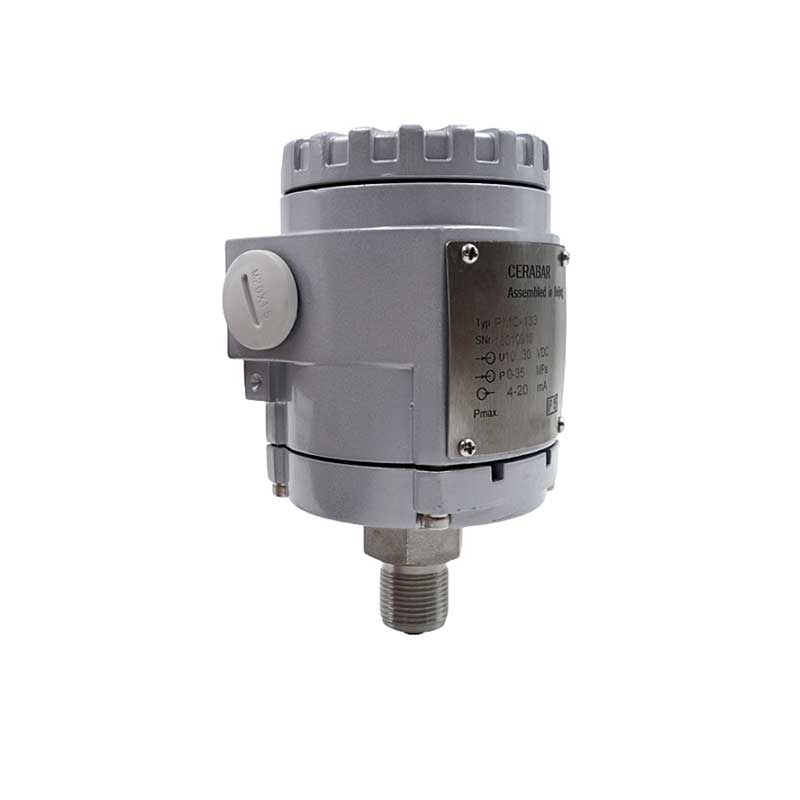
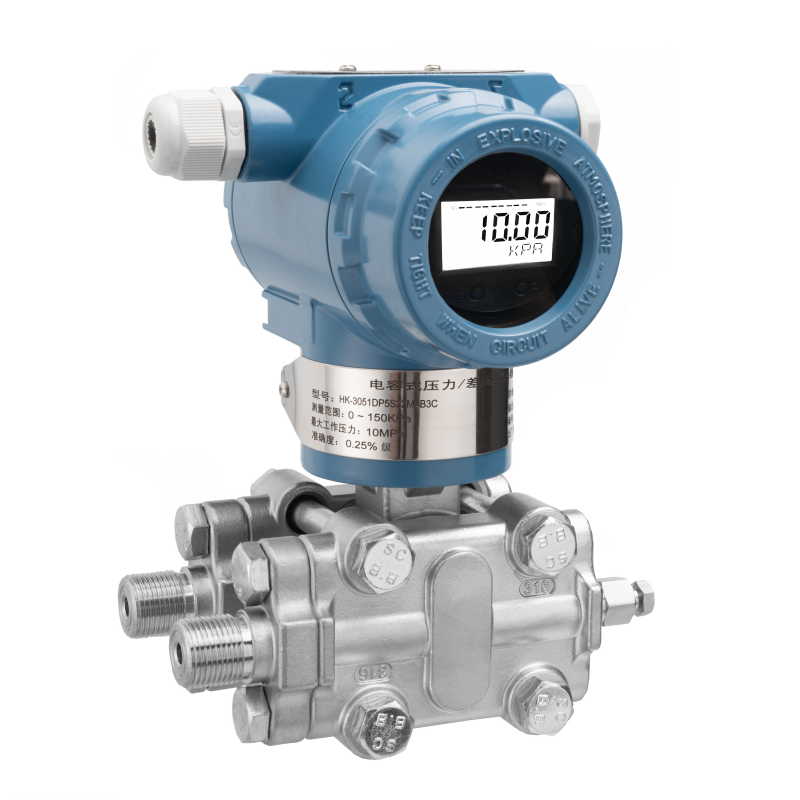
Advantages of Capacitive Pressure Sensors
1. High measurement accuracy; capacitance shifts clearly with pressure, so even tiny variations register and the readings stay repeatable.
2. Good temperature tolerance; it remains stable across a wide range, handling hot and cold industrial conditions without trouble.
3. Low power draw; the capacitive element uses virtually no static current, making it well suited to battery-powered and wireless measurement setups.
4. Strong overload capability; the diaphragm withstands heavy overload shocks and resists damage from sudden pressure spikes.
5. Stable signal output; viscosity and impurities in the medium have limited effect, so the sensor works fine with gases and many liquids.
6. Compact and small; the overall size is tight, making it easy to fit into miniature transmitters and embedded equipment.
7. Minimal long-term drift; zero and span shift slowly during continuous operation, cutting down on the need for frequent recalibration and routine upkeep.
Advantages of Piezoresistive Pressure Sensors
1. High sensitivity; the piezoresistive chip catches minute pressure changes and responds fast, so it handles dynamic measurement well at medium and low ranges.
2. Compact, space-saving design; it drops into transmitters and compact equipment easily, and fits in cramped industrial spaces.
3. Solid accuracy, with linearity and repeatability that stay stable; it meets the demands of routine industrial pressure monitoring under normal conditions.
4. Standard electrical signal output means direct wiring to PLCs and data acquisition modules, plus compatibility with Modbus and HART protocols.
5. Good value; mass production keeps the price down, so bulk purchase for engineering projects is practical.
6. Handles short-term overload well; select the right model and it weathers pressure fluctuations and holds up in demanding industrial environments.
7. Wide range of compatible media; with the appropriate isolation diaphragm selected, they can measure gases, clean water and certain corrosive fluids.
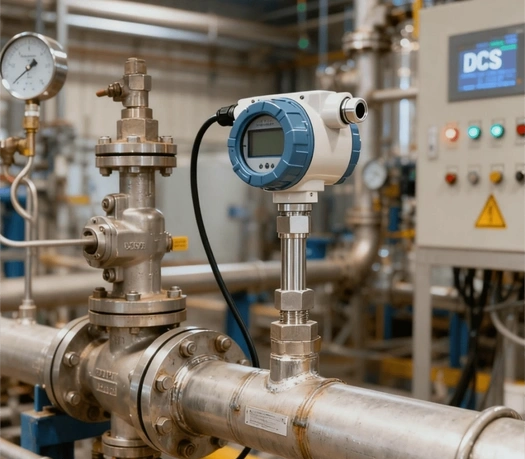
Capacitive vs. Piezoresistive Pressure Sensors
Accuracy and Temperature Stability
Capacitive pressure sensors: Zero drift stays very low, and these units remain stable over long runs with little aging or temperature-related drift; you get high accuracy without elaborate compensation. That said, the capacitive signal itself is weak, so the sensor can pick up stray capacitance and EMI; if shielding is inadequate, accuracy will drop.
Piezoresistive pressure sensors: Linearity is good and static accuracy is high, while the output signal is large with a strong signal-to-noise ratio.However, silicon is highly temperature-sensitive, and zero-point and span drifts are likely to occur in high- and low-temperature environments; they therefore require dedicated temperature compensation circuits and algorithms. Once calibrated, they can meet industrial-grade high-accuracy standards and satisfy routine testing requirements.
Pressure Measurement Range
Capacitive pressure sensors: They shine in micro- and low-pressure work, resolving the tiniest pressure changes with ease, and they manage medium pressure fine. The catch is the diaphragm itself—under high pressure it can warp, crack, or throw off the reading, so these sensors are not built for high-pressure service and their upper range is limited.
Piezoresistive pressure sensors: The range coverage is complete and the product lines are mature. You can use them for anything from barely-there micro-pressure up to ultra-high pressure, in settings as different as atmospheric monitoring, industrial hydraulics, or heavy high-pressure gear. They are simply far more versatile than capacitive types.
Dynamic Response Speed
Capacitive pressure sensors: The diaphragm takes time to flex, and the capacitance demodulation circuit has to crunch through some fairly involved math; as a result, these sensors tend to respond at a moderate pace at best. They work fine for static or slowly varying steady-state pressure readings, but high-frequency pulsations or sudden impacts are beyond them.
Piezoresistive pressure sensors: Built around stiff silicon chips that deform almost instantly, they show very little mechanical lag. Match that with fast signal-conditioning electronics and you get excellent dynamic performance—sharp enough to track rapid fluctuations and catch instantaneous pressure spikes. They are a solid fit for high-frequency dynamic pressure work.
Media Compatibility and Structural Reliability
Capacitive pressure sensors: Their flexible structural design allows for the incorporation of isolation diaphragm configurations, making them suitable for applications involving gases, viscous fluids and mildly corrosive media. However, the diaphragm is thin and has poor resistance to overload and impact; sudden overpressure can easily cause irreversible deformation and damage.
Piezoresistive pressure sensors: Whilst the native silicon chip is not corrosion-resistant, when paired with stainless steel or PTFE isolation diaphragms, they can accommodate the vast majority of industrial media. The overall structure is more rigid, offering better resistance to overload, impact and instantaneous overpressure, and higher reliability under harsh operating conditions.
Power Consumption and Signal Processing Complexity
Capacitive pressure sensors: As the capacitive detection signal is weak, specialised demodulation chips and shielding circuits are required. The circuit architecture is complex, and overall power consumption is relatively high, making them unsuitable for battery-powered, ultra-low-power devices.
Piezoresistive pressure sensors: Resistive detection technology is mature and the circuitry is streamlined; no specialised chips are required. Signal calibration is straightforward and overall power consumption is lower, making them suitable for low-power devices such as portable equipment and IoT terminals.
Cost and Core Application Scenarios
Capacitive pressure sensors: The core chip and demodulation circuitry do not come cheap, which drives up the overall device cost. Their main use is high-precision micro-pressure and differential pressure detection. You will find them in industrial liquid level monitoring, differential pressure checks in precision instruments, laboratory pressure calibration, and micro-pressure detection in HVAC systems.
Piezoresistive pressure sensors: The chip mass production process is mature and inexpensive, so these sensors offer excellent value for money. They are widely used in general industrial and consumer applications, such as industrial pressure transmitters, construction machinery, hydraulic and pneumatic systems, automotive testing, and pressure monitoring in domestic appliances.
Selection Guide
Types of Pressure Measurement
Distinguish between gauge pressure, absolute pressure and differential pressure. Gauge pressure is based on local atmospheric pressure and is commonly used for general industrial pipeline pressure monitoring. Absolute pressure is used in vacuum and air pressure-related measurement scenarios.
Differential pressure is used to determine the pressure difference between two points; it is commonly found in flow and liquid level conversion applications. Select the appropriate pressure type according to actual process requirements.
Measurement Range
It is recommended that the operating pressure remain within 30%–70% of the sensor’s full scale range. Avoid prolonged full-scale operation, and do not use a wide-range sensor to measure very low pressures.
Consider instantaneous pressure surges; these must not exceed the sensor’s permissible overload value to prevent damage to the device.
Properties of the medium being measured
The materials of the diaphragm and housing that come into contact with the medium must be compatible with the medium. For ordinary water and air, stainless steel may be selected; for strong acids, strong alkalis and corrosive fluids, corrosion-resistant materials such as PTFE or Hastelloy should be used.
If the medium is a high-viscosity or crystallising substance, a flush diaphragm design should be prioritised to prevent blockage of the pressure-taking orifices.
Operating Temperature Conditions
These include both the medium temperature and the ambient operating temperature. Exceeding the sensor’s temperature range may result in accuracy drift or even hardware damage.
For high-temperature applications, select high-temperature pressure sensors; for low-temperature environments, verify the product’s low-temperature operating parameters; and where temperature fluctuations are significant, consider the temperature compensation performance.
Output Signal Formats
For short-distance cabling in industrial environments, the 4–20 mA current signal offers strong resistance to interference and is widely used. For short-distance equipment interfacing, 0–5 V or 0–10 V voltage outputs may be selected.
Where data communication with a PLC or industrial control system is required, RS485-Modbus or HART digital signal outputs may be chosen; Sion-Inst supports customised signal outputs, ensuring seamless compatibility with all types of industrial control systems, both new and legacy.
Protection Rating and Explosion-Proof Requirements
In damp, dusty or outdoor wet environments, select a model based on the IP protection rating. In hazardous areas where flammable or explosive gases or dust are present, intrinsically safe or flameproof pressure sensors with the appropriate explosion-proof certification must be selected; standard models must not be used in explosion-hazardous areas.
Accuracy and Response Speed
Select high-accuracy products for metrological testing applications; for general process monitoring, there is no need to pursue excessively high accuracy, thereby helping to control procurement costs.
For operating conditions with rapid pressure fluctuations, choose sensors with short response times; for slowly changing pressures, response speed requirements can be relaxed.
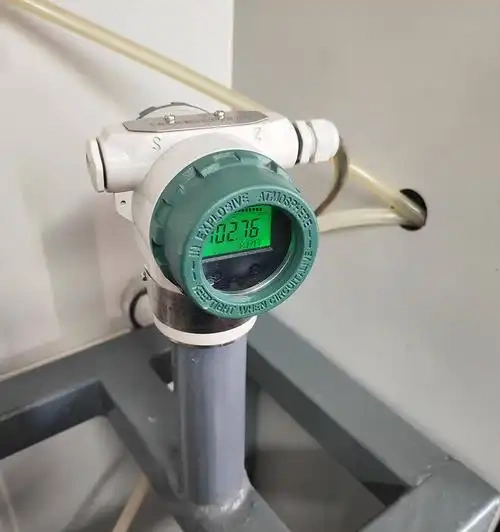
Sion-Inst works in industrial pressure sensing, with a broad product line and years of practical experience in difficult operating conditions. We handle custom orders and cover the full scope of operation and maintenance services.
By taking into account on-site temperature, measurement range, medium, interference and communication requirements, we provide precise, one-to-one selection solutions that are fully adapted to all types of industrial measurement and control scenarios, helping enterprises achieve accurate, stable, cost-effective and compliant intelligent pressure monitoring.