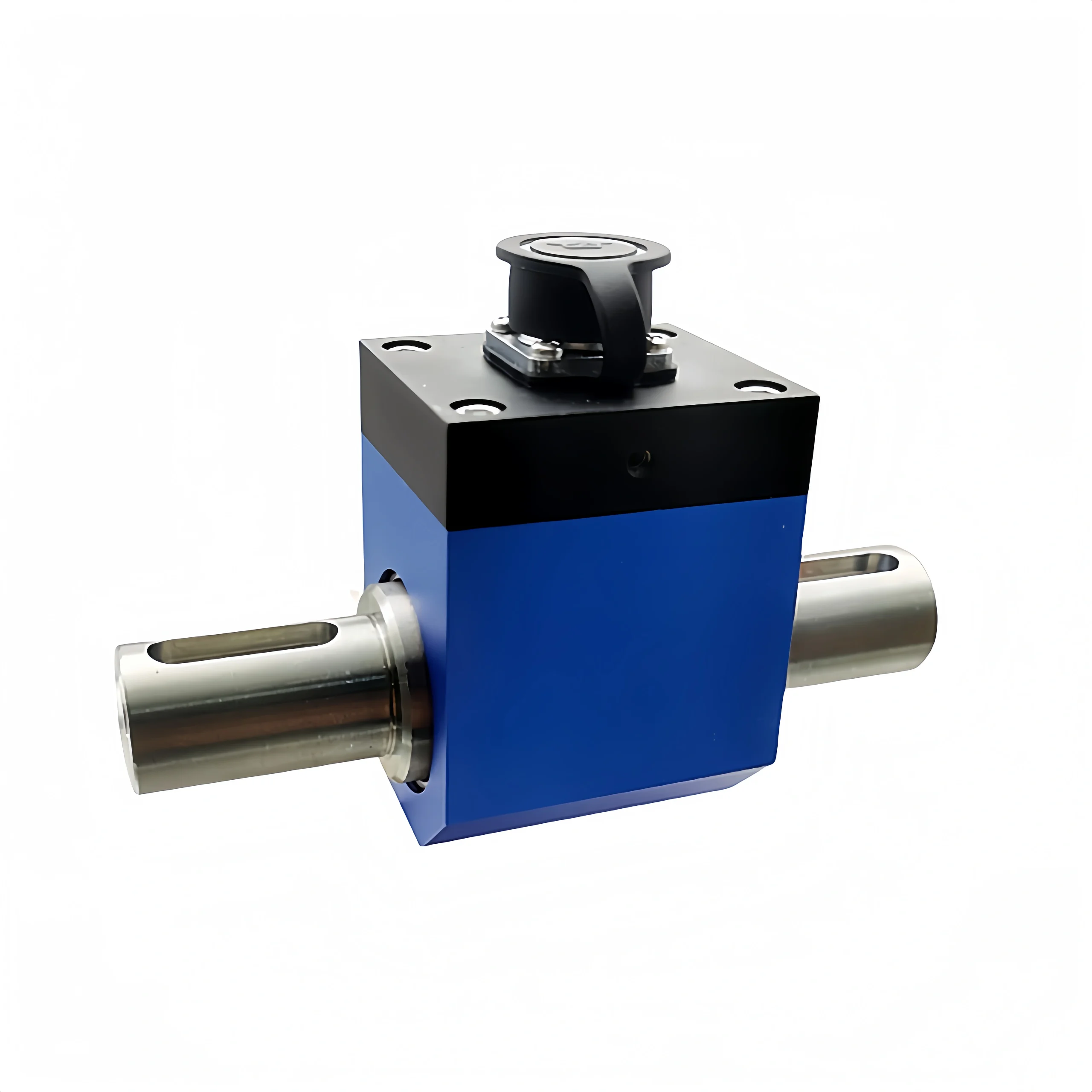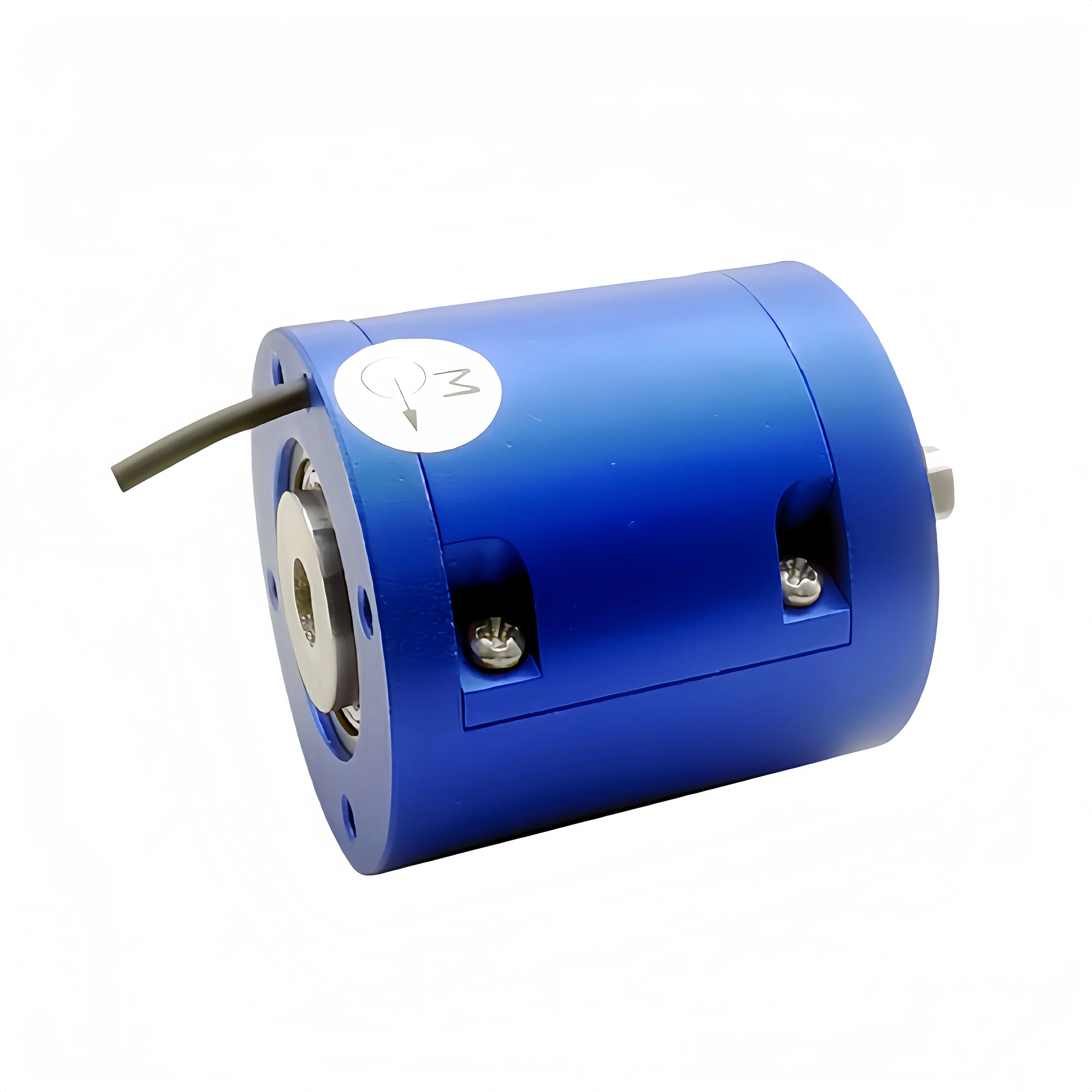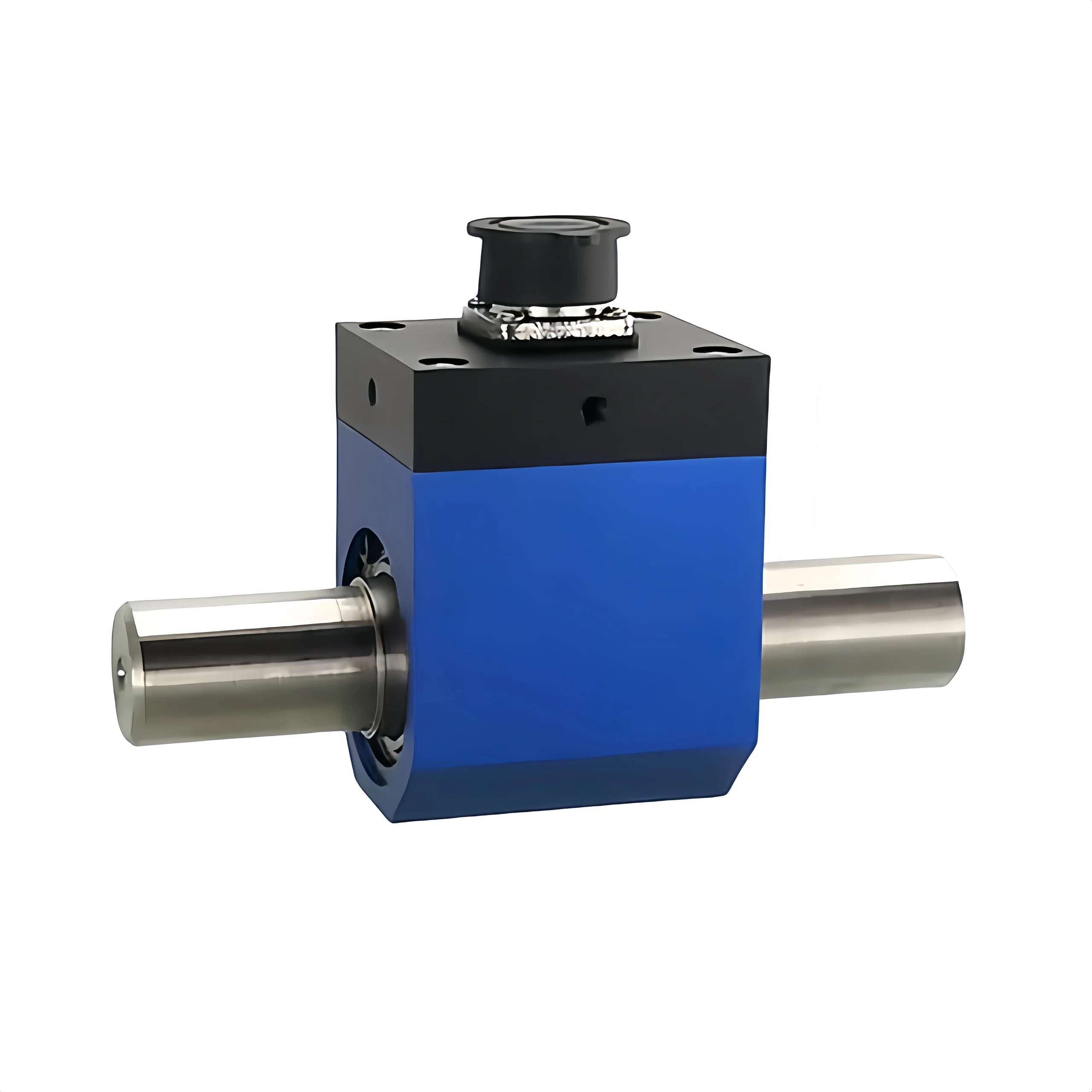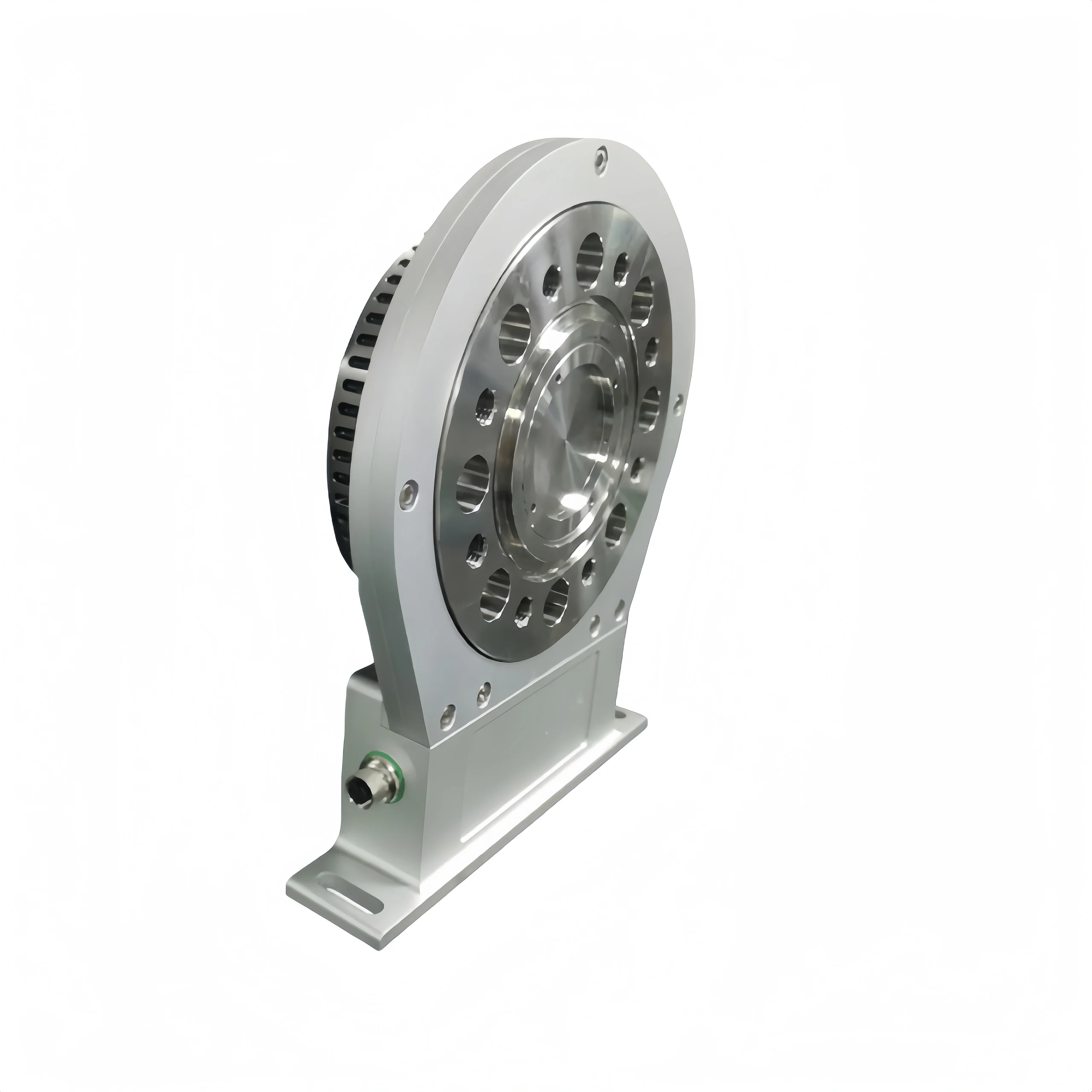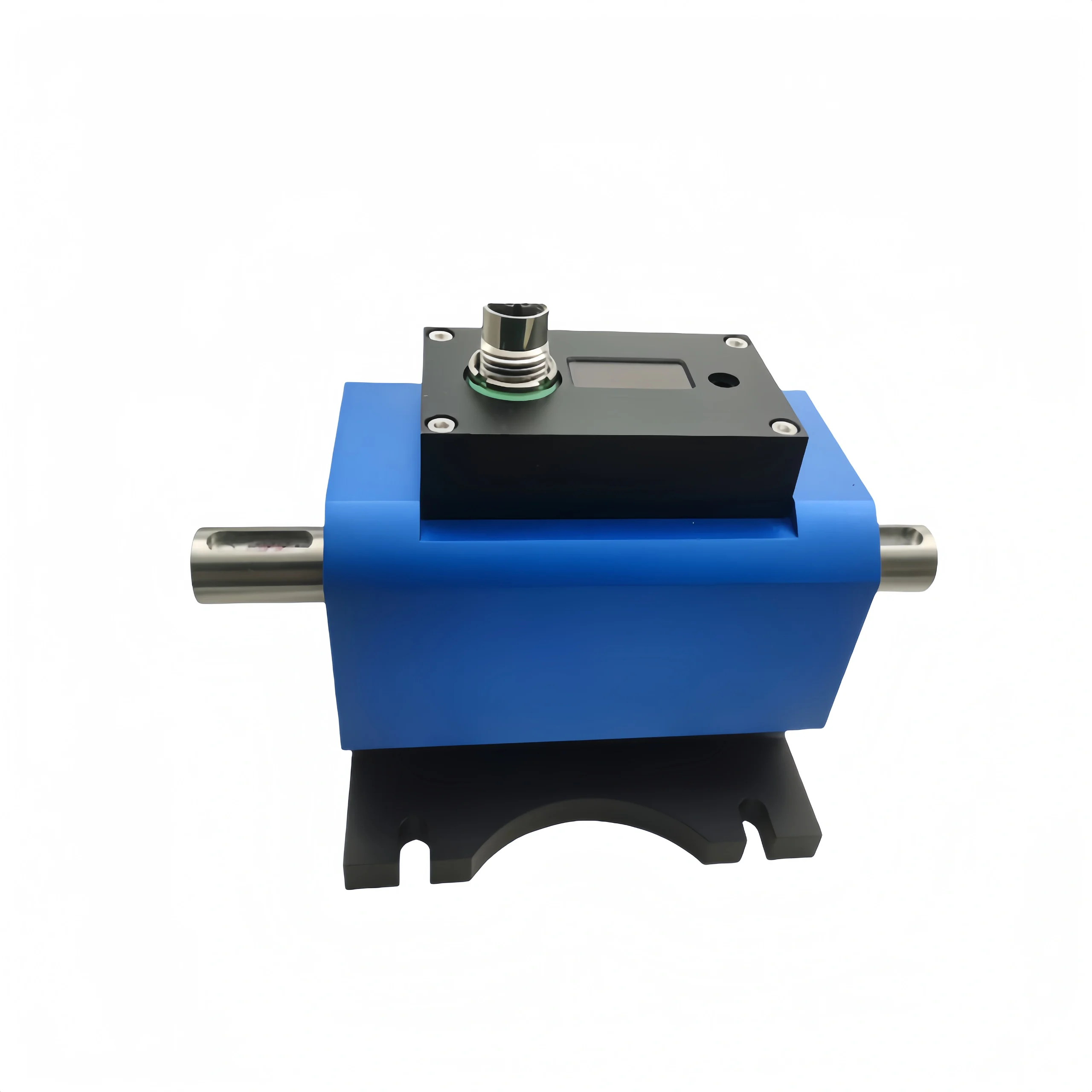

0.1–5 N·m · max 15,000 rpm

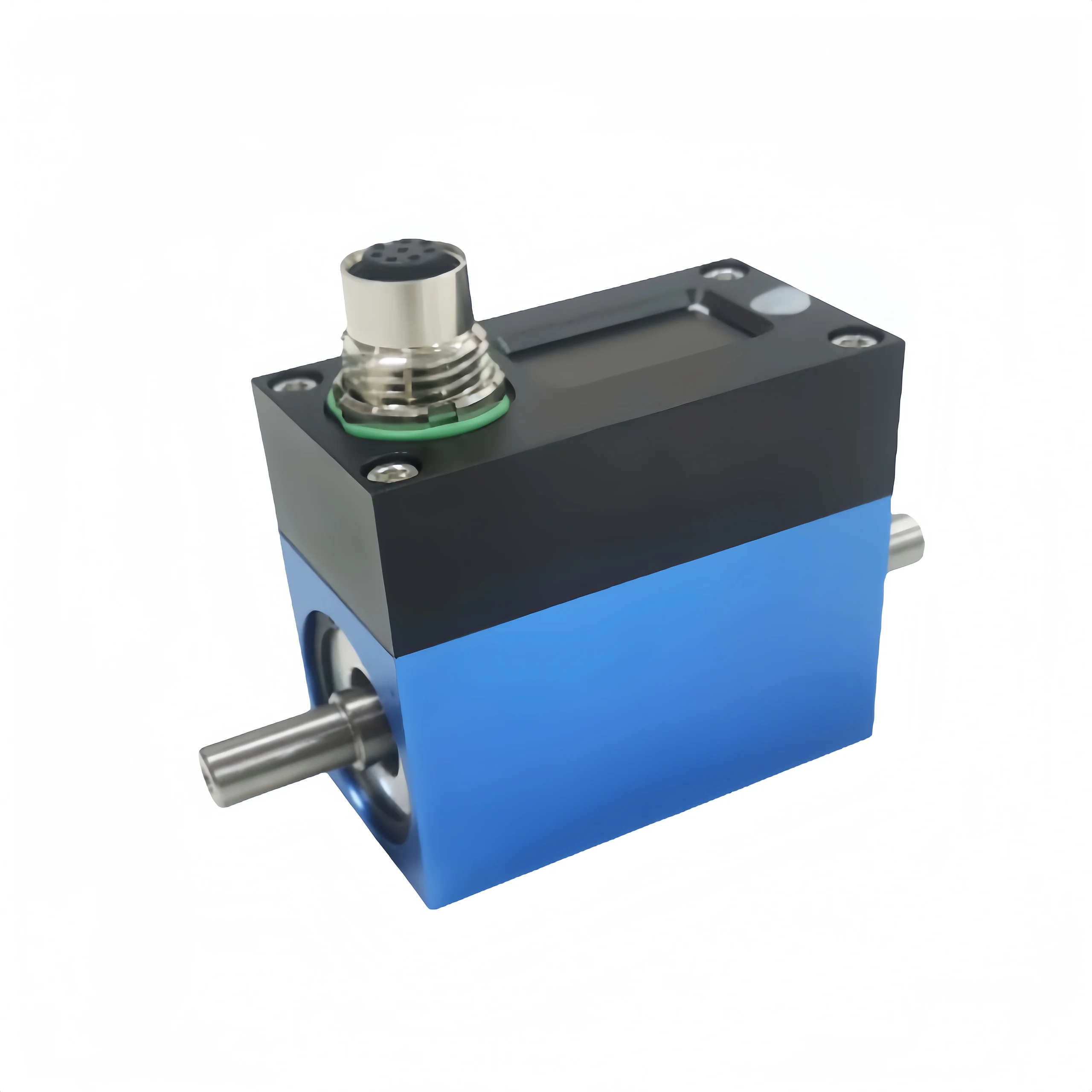
0.1–5 N·m · max 16,000 rpm
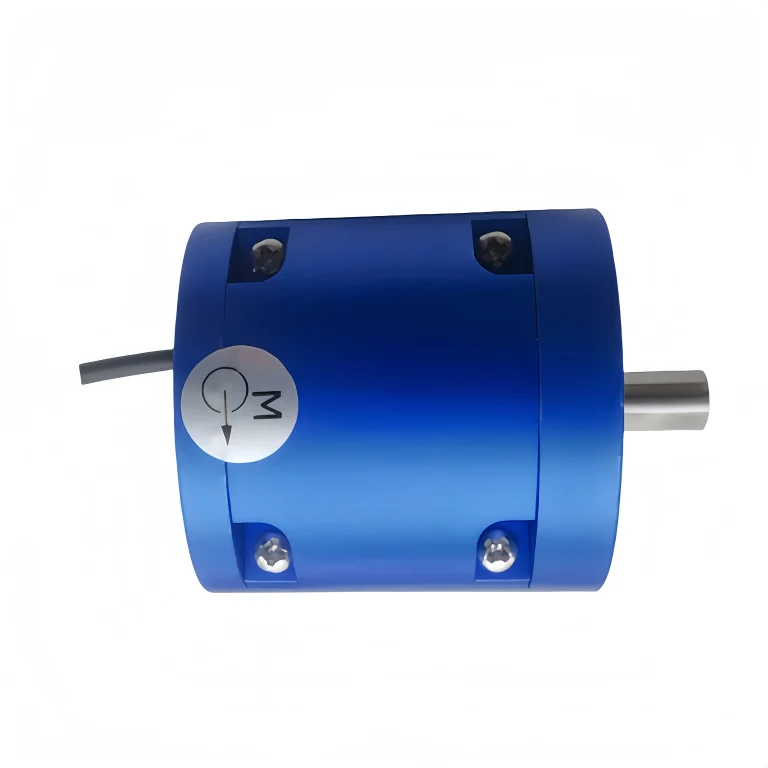
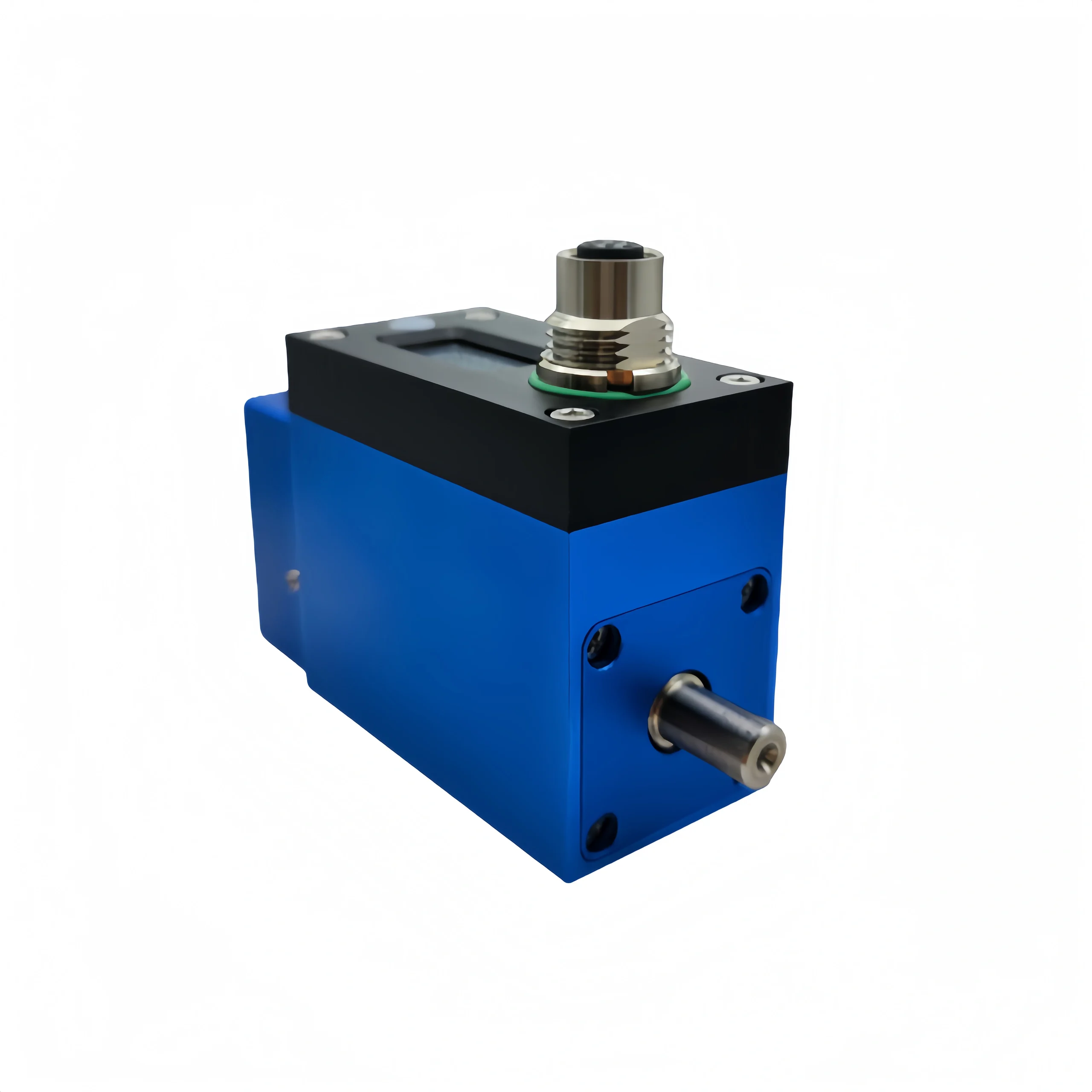
0.5–10 N·m · max 1,800 rpm

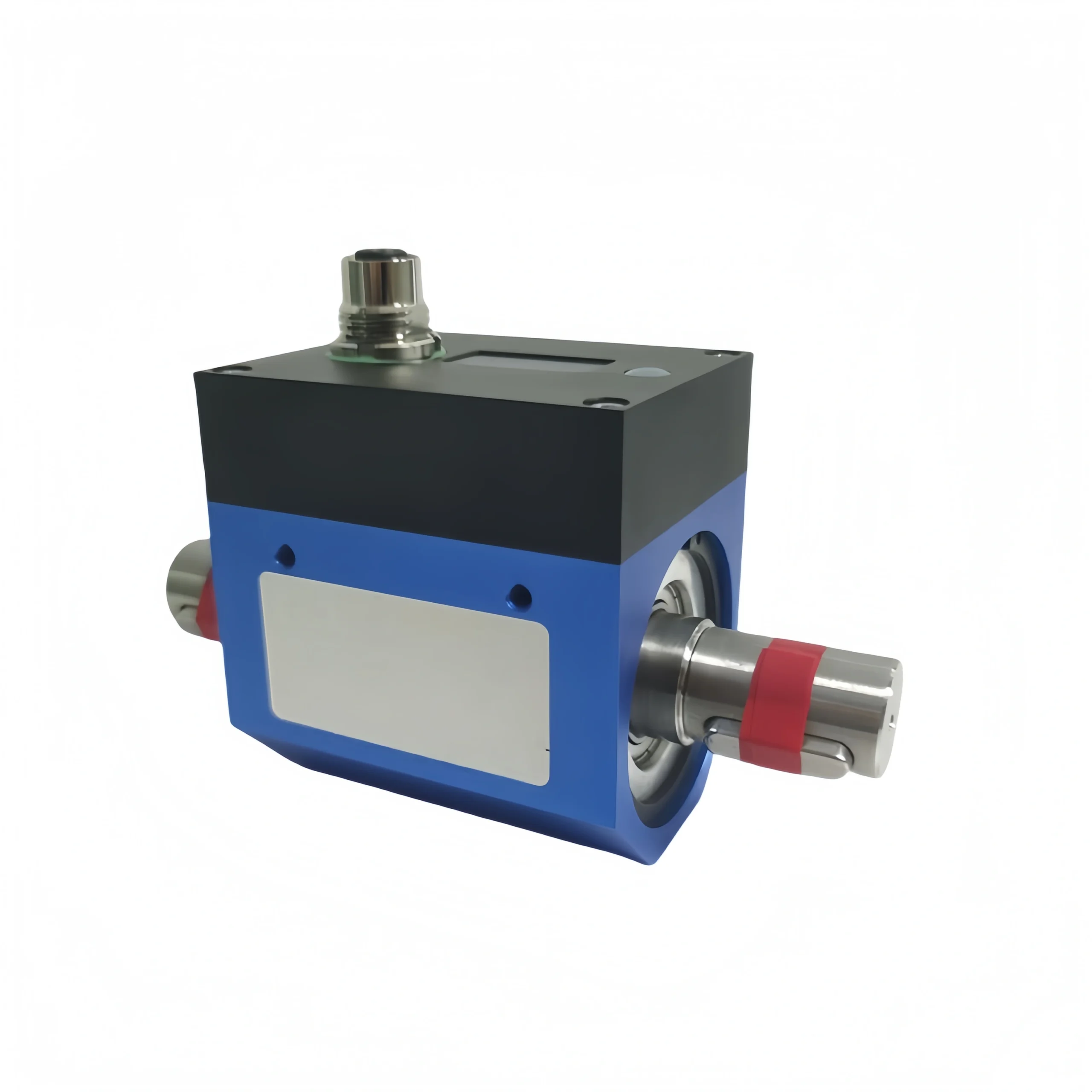
5–500 N·m · max 15,000 rpm

5–2,000 N·m · max 1,800 rpm (≤500 N·m)

50 N·m–10 kN·m · max 30,000 rpm
A motor converts electrical energy into mechanical energy. According to the law of electromagnetic induction, the force exerted by an electric current in a magnetic field causes the motor’s rotor to rotate. A motor typically consists of a stationary part and a rotating part. Energy conversion is achieved through the interaction between the flow of current in the coils and the magnetic field.
Motors are an essential component of modern industrial production and daily life. They are widely used in various fields. They provide powerful energy for human production and daily life.
Motor Type Differences:
DC motor: torque is proportional to armature current, so it gives full torque at low speed and at standstill. The limit is the drive’s current limit and motor heating.
AC induction motor: started direct-on-line, it usually gives more than rated torque but draws about 5–8 times rated current. A soft starter cuts the current and also cuts starting torque. A VFD with vector control can give rated torque down to low speed.
Common Motor Torque Ranges
Rated torque follows from the nameplate power and speed: T = 9550 × P / n. Typical values for 4-pole motors on 50 Hz:
| Motor rating | Rated speed (50 Hz, 4-pole) | Rated torque |
|---|---|---|
| 0.75 kW | ~1,400 rpm | ~5.1 N·m |
| 3 kW | ~1,440 rpm | ~19.9 N·m |
| 5.5 kW | ~1,440 rpm | ~36.5 N·m |
| 30 kW | ~1,470 rpm | ~195 N·m |
| 110 kW | ~1,480 rpm | ~710 N·m |
A 2-pole motor of the same power runs about twice as fast and gives about half the torque. Use the nameplate speed, not the synchronous speed.
Generally speaking, low-power motors have lower torque, while high-power motors have higher torque. When purchasing a motor, it is important to select a motor that suits your specific needs and actual circumstances.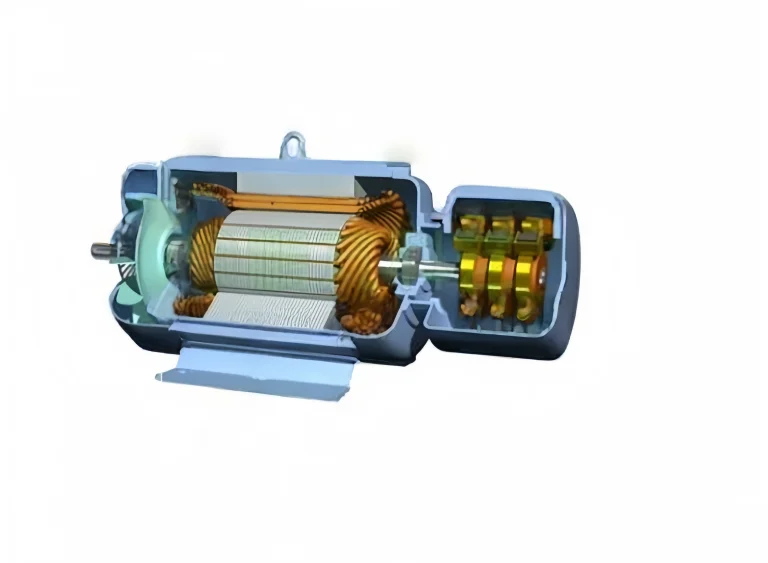
Motor speed refers to the speed at which a motor rotates. And it is an important indicator of its performance and operating status. Motor speed directly affects its output power and operating efficiency. Accurately controlling and regulating motor speed is crucial to achieving desired functionality in various applications.
Factors Affecting Motor Speed
Motor speed is affected by multiple factors, including power frequency, motor load, motor structure, and motor control method.
Power frequency is one of the most significant factors. For an AC motor, synchronous speed is n = 120 × f / p (f in Hz, p = number of poles). A 4-pole motor runs at 1,500 rpm on 50 Hz and 1,800 rpm on 60 Hz. An induction motor runs a few percent slower because of slip. DC motor speed is set mainly by armature voltage. Motor load also affects motor speed; heavier loads result in lower speeds. Furthermore, motor structure and control methods also affect motor speed.
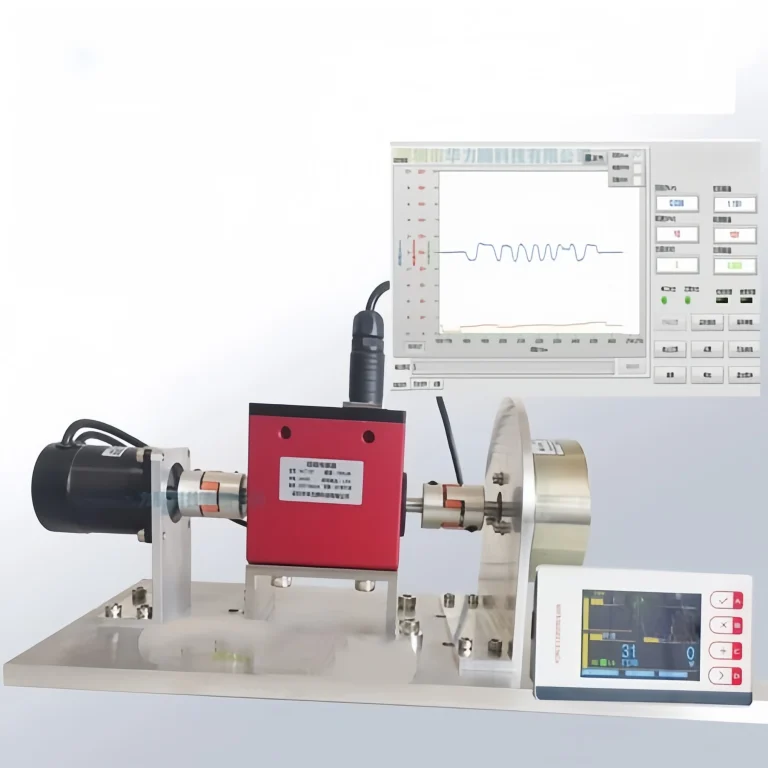
Motor torque refers to the rotational torque generated by a motor during operation. It is closely related to the motor’s output power and speed. At steady speed, the shaft torque equals the load torque. The motor’s design sets how much torque it can give; the load decides how much it actually gives.
Its units are newton-metres (N·m) or pound-feet (lb·ft).
The formula for motor torque is: T = P / ω
Where:
T is the torque in N·m.
P is the output power in W.
ω is the angular speed in rad/s (ω = 2πn/60, n in rpm).
Inside the motor, torque comes from current and magnetic flux. For a DC or permanent-magnet motor, T = kT × I, where kT is the torque constant on the datasheet.
The above formula shows that a motor’s torque is directly proportional to its output power and inversely proportional to its speed.
In practical applications, we can influence the motor’s torque by changing its output power, speed, or structural parameters.

Speed (n), power (P), and torque (T) are the core characteristics of motor operation. These three are related through physical formulas.
The following is a detailed explanation:
Basic Relationship
In the International System of Units (SI), the relationship between the three is:
P = T x ω
Where:
P: Power (unit: Watts, W);
T: Torque (unit: Newton-meters, N·m);
ω: Angular velocity (unit: radians per second, rad/s).
Since motor speed is typically expressed in revolutions per minute (rpm), it is necessary to convert speed to angular velocity:
ω = 2πn/60
Therefore, the commonly used formula for power, torque, and speed is:
P = T x n/9550
(Note: The constant 9550 is derived from unit conversion and applies when power P is expressed in kilowatts (kW), speed n is expressed in rpm, and torque T is expressed in N·m.)
Typical scenario analysis of the relationship
(1) Motor selection
If high starting torque is required (such as cranes, electric vehicles), you need to choose: A high-torque motor (such as a permanent magnet synchronous motor). Or reduce the speed and amplify the torque through a gearbox.
(2) Frequency conversion speed regulation
When the frequency converter adjusts the motor speed: Constant torque range (low speed range): power increases linearly with increasing speed; Constant power range (high speed range): torque decreases with increasing speed (power remains unchanged).
(3) Efficiency impact
In practice, the motor has mechanical loss, copper loss, etc. The highest efficiency point usually appears in the range of 70% to 100% of the rated load.
Unit conversion table
| Quantity | SI unit | Other common units | Conversion |
|---|---|---|---|
| Power | W, kW | hp | 1 hp = 0.746 kW |
| Torque | N·m | lb·ft, lb·in, kgf·m | 1 lb·ft = 1.356 N·m; 1 lb·in = 0.113 N·m; 1 kgf·m = 9.807 N·m |
| Speed | rad/s | rpm | ω = 2π × n / 60; 1 rpm = 0.1047 rad/s |
Example calculation
Problem: A motor has a rated power of 5.5 kW and a speed of 1440 rpm. What is its rated torque?
T = 9550 × 5.5 / 1440 ≈ 36.5 N·m. At full load, a torque sensor on the shaft should read close to this. A much lower reading usually means the motor is not at rated load; a much higher one means it is overloaded.
Key Conclusion
When power is constant, torque is inversely proportional to speed. For example, torque increases at low motor speeds and decreases at high speeds. When torque is constant, power is proportional to speed. Higher speeds produce greater output power. When speed is constant, power is proportional to torque. As load torque increases, more power is required to maintain speed.
Field examples: sizing a torque sensor from power and speed
Fire pump test stand (User Case). The pump motor is rated up to 250 hp and runs at 2,600–3,550 rpm. The question was: “For 250HP and 3570 rpm, please recommend a suitable range.” 250 hp is about 186.4 kW, so T = 9550 × 186.4 / 3,570 ≈ 499 N·m. We proposed a 1,000 N·m dynamic torque sensor with 4–20 mA output. At rated load it runs near half of full scale, which leaves room for start-up peaks and off-design test points.
Engine dynamometer, Netherlands (application example). The sensor sits in the shaft line between the engine and the dyno: 500 N·m, up to 3,000 rpm, with CANopen output. At those figures the shaft carries up to about 157 kW. We offered the CL1-106 disc flange torque sensor with built-in CANopen. It has no bearings and a short installed length, so it fits into an existing dyno shaft line.
Low-voltage motor test rig, Eastern Europe (User Case). A ≤60 V motor, 50 N·m and 6,000 rpm, with torque and speed both on CAN. The first candidate, CL1-206, had the torque range but tops out at 1,000 rpm, so it was ruled out in favour of a higher-speed dynamic sensor. 50 N·m at 6,000 rpm is 31.4 kW. If the motor never reaches peak torque and top speed at the same time, check the torque range at low speed and the speed rating at the top end, separately.