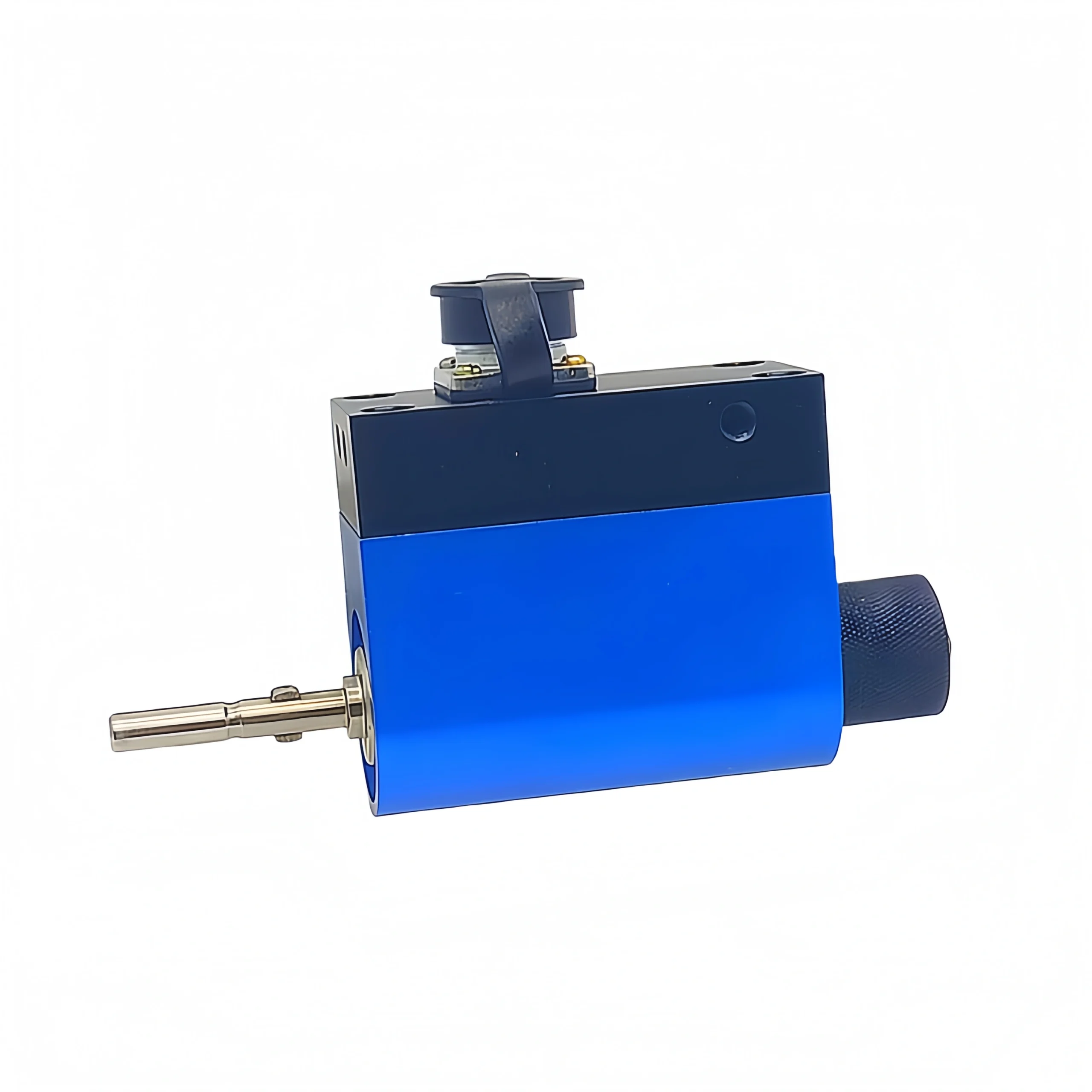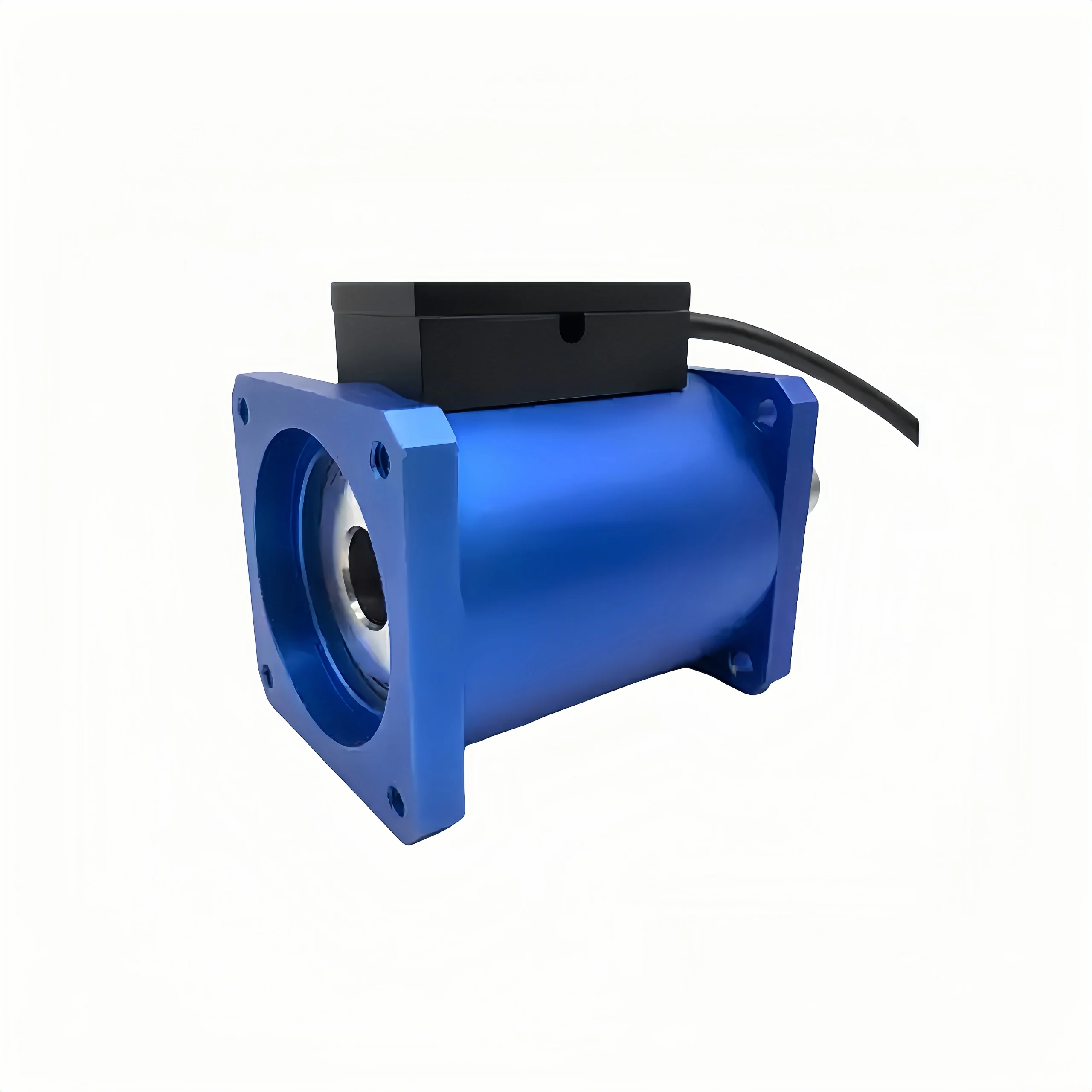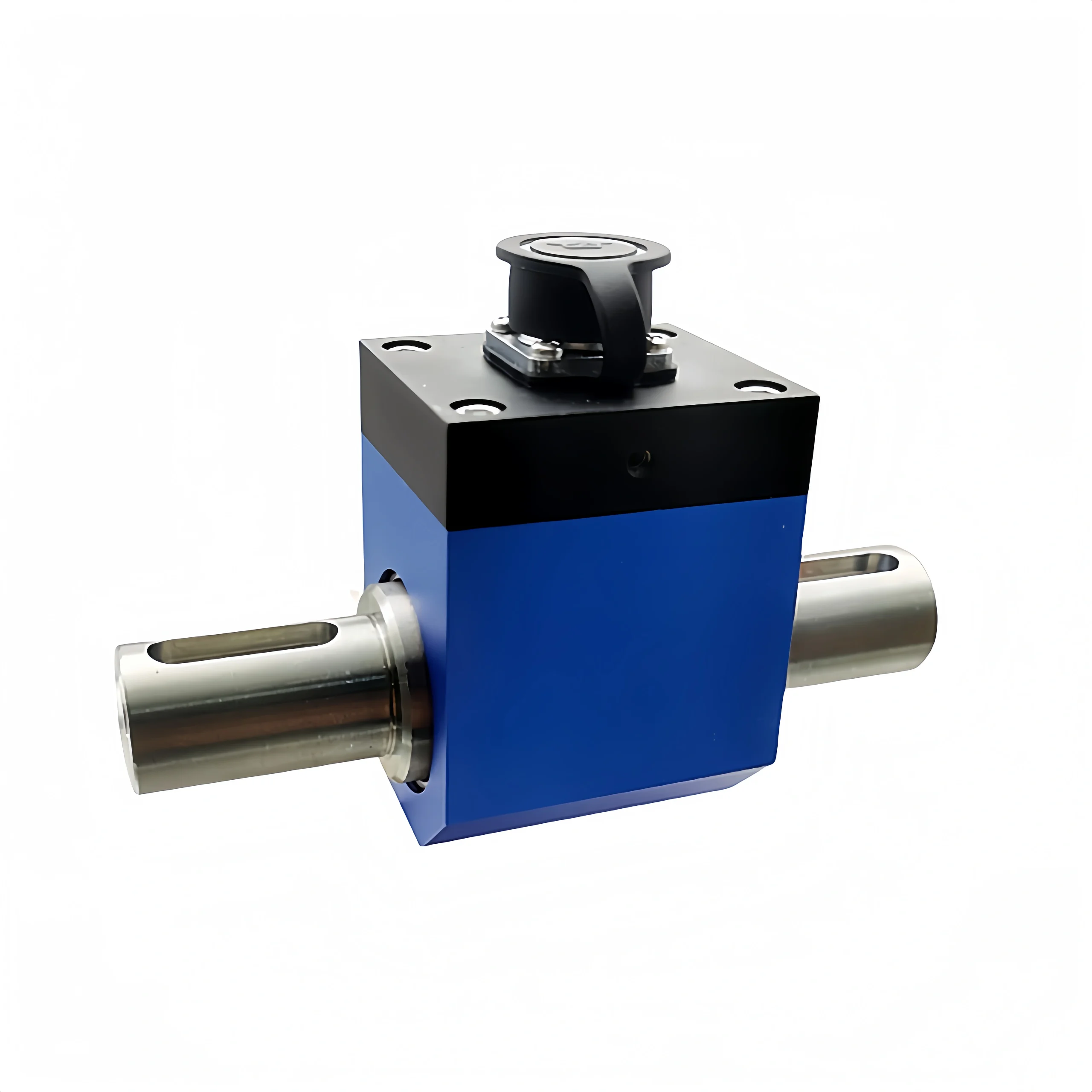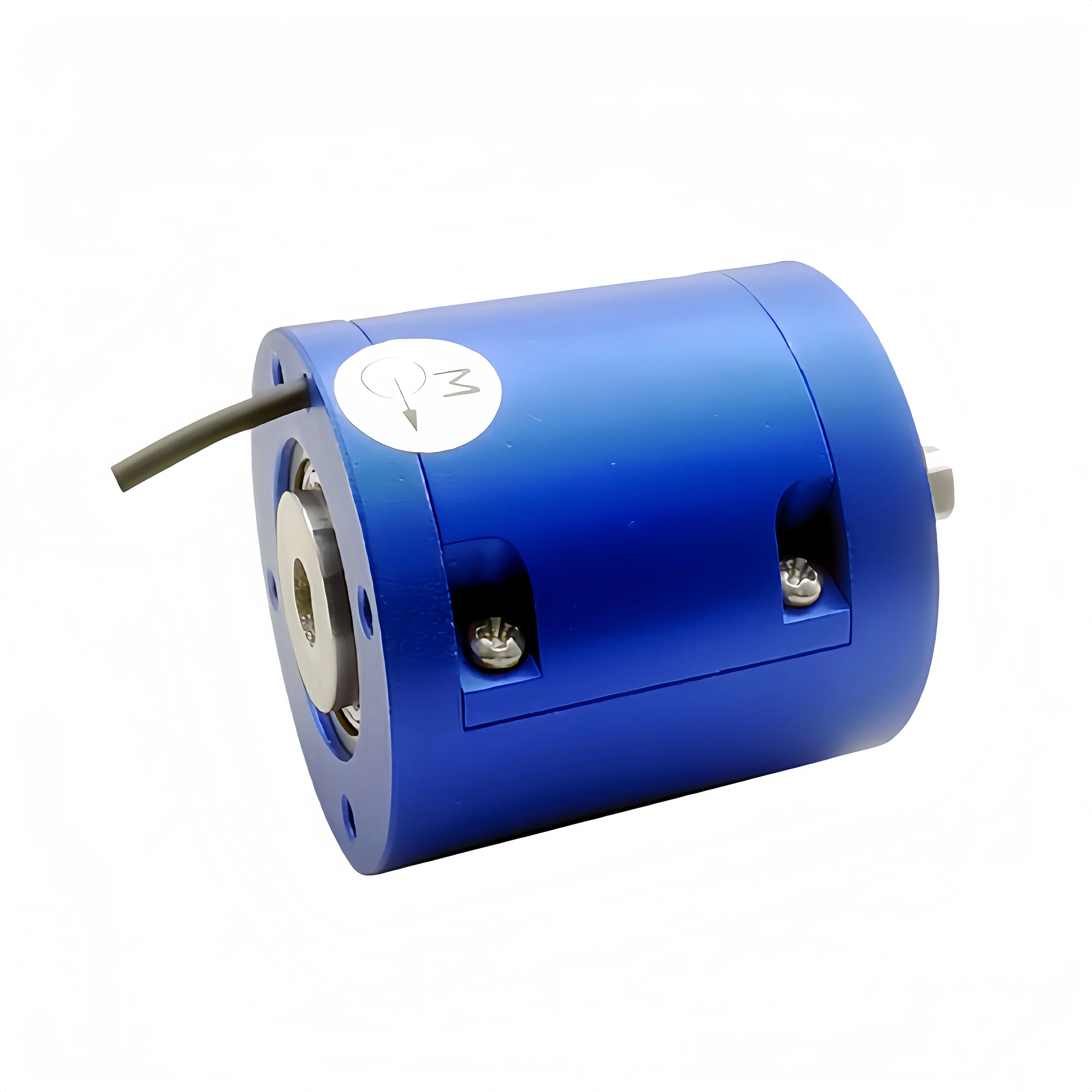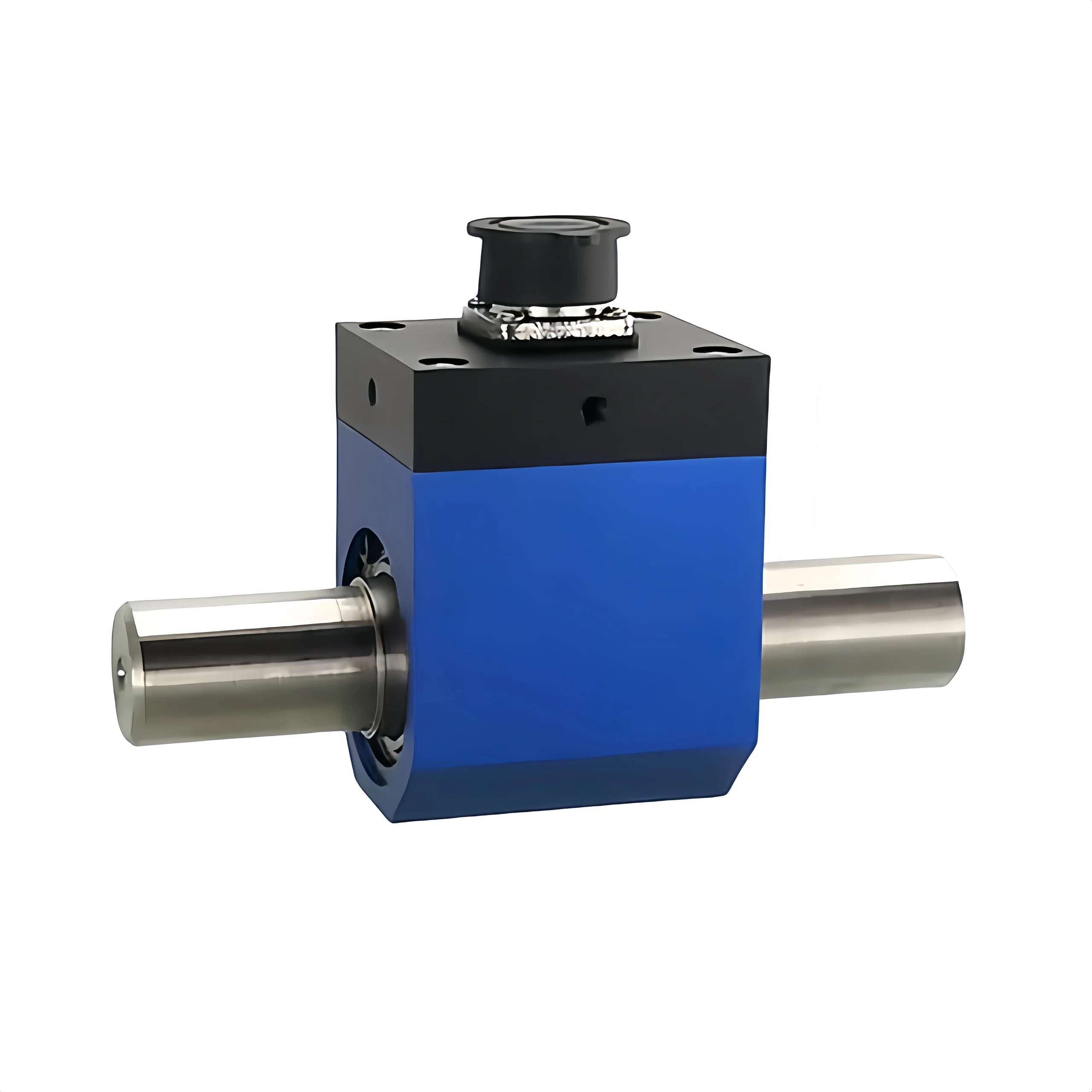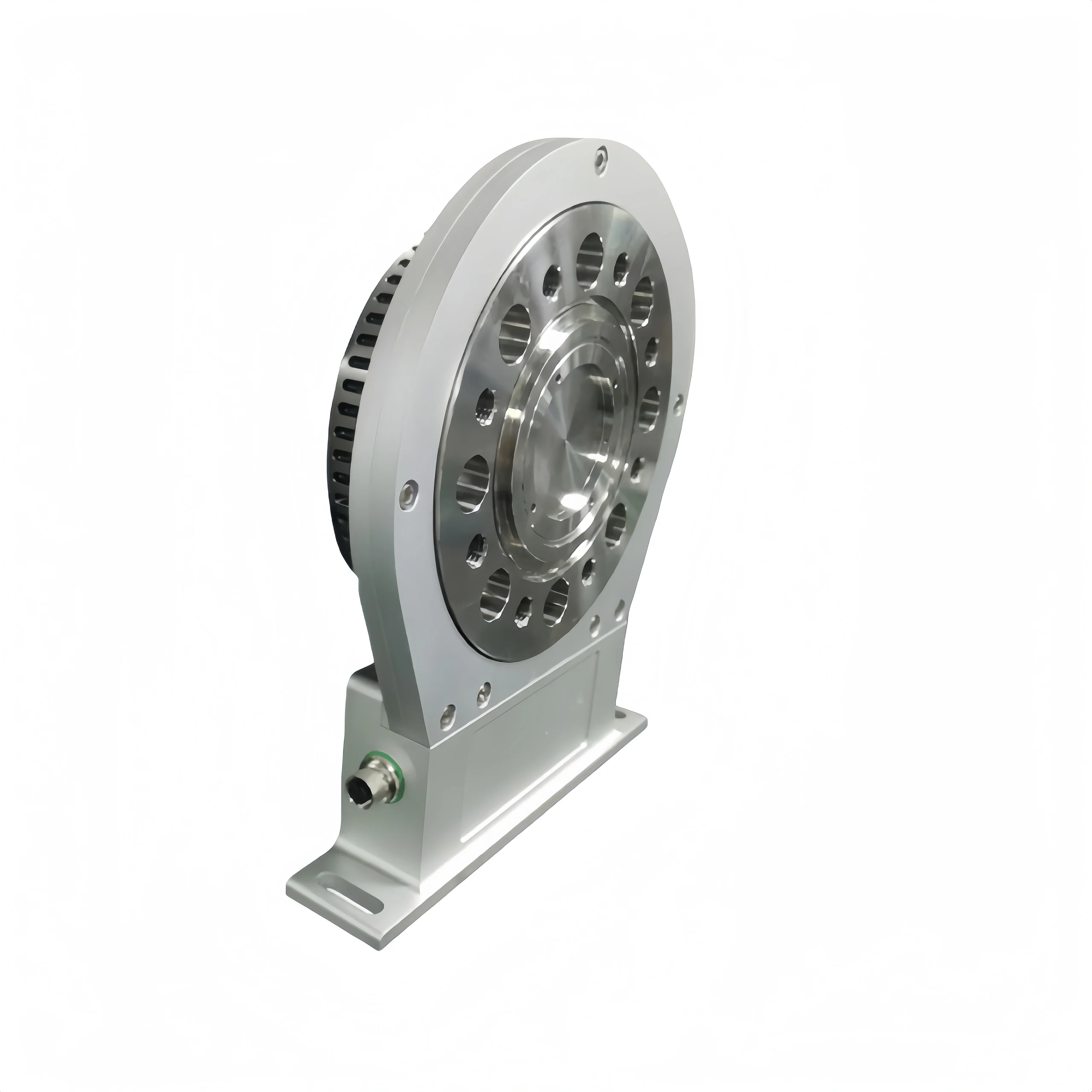
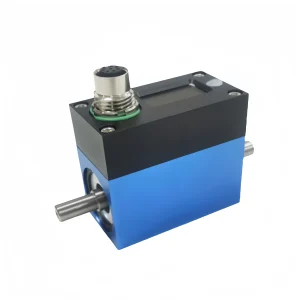
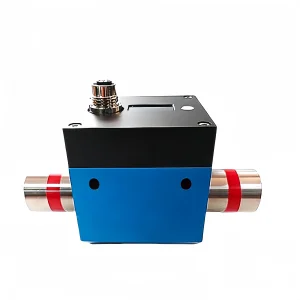

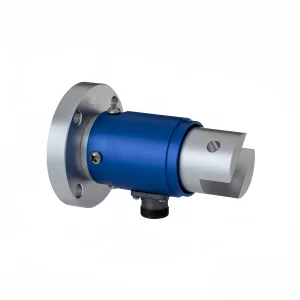
Torque sensors, also known as torque transducers and torque meters. They are grouped as dynamic torque sensors and static torque sensors. They can also be categorized as reaction torque sensors and rotational torque sensors.
Torque sensors detect the torsional torque. It is applied to various rotating or non-rotating mechanical components. They convert the physical changes in torque into precise electrical signals.
Features:
1. Strong anti-interference capabilities.
2. High accuracy and excellent stability.
3. Small size, light weight, and easy installation.
4. Can be installed in any position and orientation.
5. Continuously transmits forward and reverse torque signals without repeated zeroing.
6. Non-contact rotary models have no slip rings or brushes, so they can run at high speed for long periods.
7. Torque measurement capabilities and contactless transmission of energy and signals. Output signal digitization function.
8. Can transmit static torque signals, rotating torque signals, and dynamic torque signals.
9. Signal transmission is independent of rotation, speed, or direction. It can withstand long-term, high-speed operation.
For more information on the definition of a torque sensor, please refer to: Torque Sensor Detailed Introduction.

A torque sensor typically consists of a measuring element and a signal processing circuit. The measuring element senses torque, while the signal processing circuit converts the output signal of the measuring element into readable data. Depending on the measurement principle, torque sensors can be divided into various types. such as strain gauge, photoelectric, and inductive.
Strain Electrical Measurement Technology
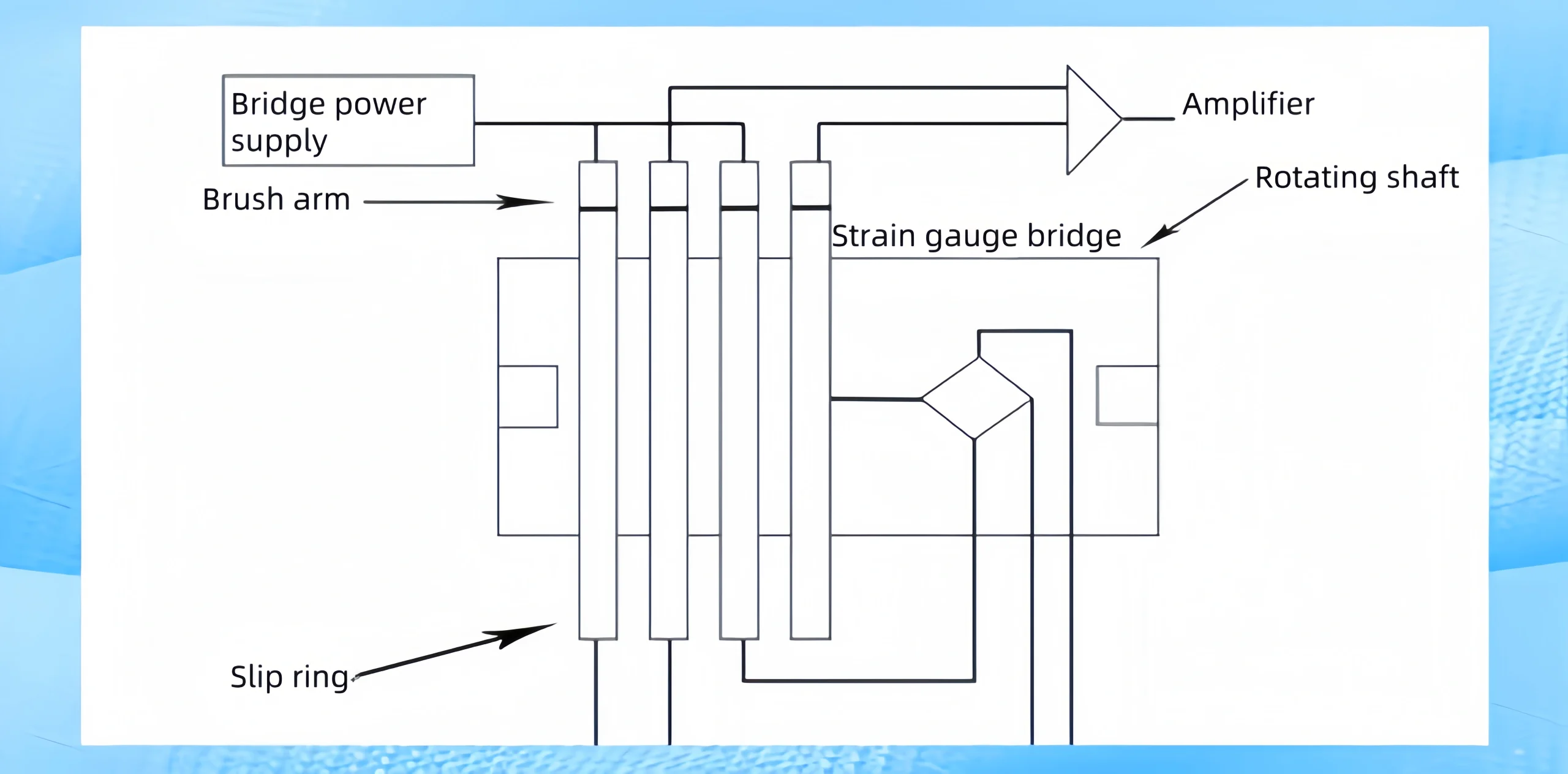
Torque sensors are based on the electrical measurement conversion principle of strain gauges. They convert torque into an electrical signal. When an object is subjected to an external force, strain is generated, causing its size and shape to change. By measuring this strain, the magnitude of the external force can be determined. In a torque sensor, a strain gauge is attached to an elastic element. The elastic element deforms when subjected to torque. Four gauges form a Wheatstone bridge. Torque unbalances the bridge, and the output in mV/V is proportional to torque.
As a resistance strain gauge, the strain gauge’s resistance changes with deformation. This resistance change is converted into an electrical signal by the measurement circuit. The final output is an electrical signal reflecting the magnitude of the torque.
Magnetoelectric Effect
Inductive Torque Sensor:
Most “inductive” torque sensors still measure with strain gauges. Two pairs of coils — one on the shaft, one in the housing — work as a rotary transformer. One pair carries excitation power onto the shaft; the other carries the measured signal back. Nothing touches, so there is no brush wear.
Photoelectric Effect
Photoelectric Torque Sensor:
This sensor uses the photoelectric effect to measure torque. Two slotted discs sit at the two ends of a torsion shaft, each read by an optical sensor. Torque twists the shaft, and the two pulse trains shift in phase. The phase shift is proportional to torque.
Fiber Optic Effect
Fiber optic torque sensor:
This sensor uses optical fiber as a sensing element and detects torque by measuring changes in parameters. such as the intensity and phase of the optical signal in the fiber.
Piezoelectric Effect
Piezoelectric torque sensor:
Piezoelectric elements (usually quartz) produce a charge proportional to the load. Torque is detected by measuring voltage or charge. The charge slowly leaks away, so piezoelectric sensors suit fast, dynamic torque, not long static holds.
Hall Effect
Hall Effect Torque Sensor:
Uses the Hall Effect principle to measure changes in magnetic field strength. To obtain torque values. This sensor features non-contact, high precision, and high speed. A magnet ring sits on the shaft and Hall sensors sit in the housing. This layout, with a torsion bar, is common in automotive electric power steering.
1. Dynamic and Static Torque Sensors:
Dynamic torque sensors measure torque changes during rotation. and they are often used for real-time monitoring (e.g., engine output torque). They require high-frequency response and interference resistance.
Static torque sensors measure torque when stationary or rotating slowly. They are used for calibration or laboratory testing.
2. Non-Contact and Contact Torque Sensors:
Non-contact torque sensors offer long life, high reliability, interference resistance, and easy installation. Typical examples: strain-gauge sensors with inductive signal transfer (the most common), magnetoelastic and optical types.
Contact torque sensors pass power and signal through slip rings and brushes. They are prone to wear, but the technology is mature and the cost is low.
3. Other Types:
Torsion Angle Phase Difference Torque Sensors calculate torque by measuring the phase difference between two sets of gear sensors.
Strain Gauge Torque Sensors use resistance strain gauges to detect deformation of an elastic shaft.
Magnetostrictive Torque Sensors use the fact that stress changes the magnetic permeability of a steel shaft. Fixed coils pick up the change.
Fiber optic Torque Sensors measure torque by measuring the phase change of an optical signal. High-performance wireless torque sensors combine sensors with wireless communication technology to achieve wireless data transmission. After processing and encoding, the torque signal is transmitted by the transmitter module. The receiver module receives and decodes the signal, then transmits it to the microcontroller, where the torque value is shown on a display or sent to a PLC.
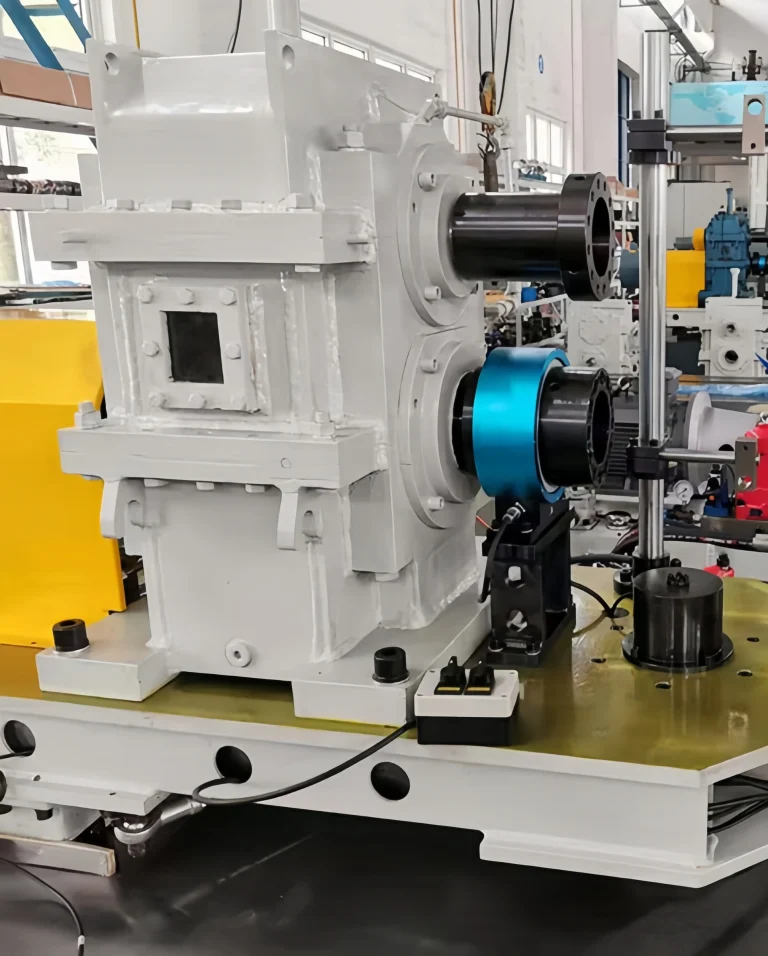
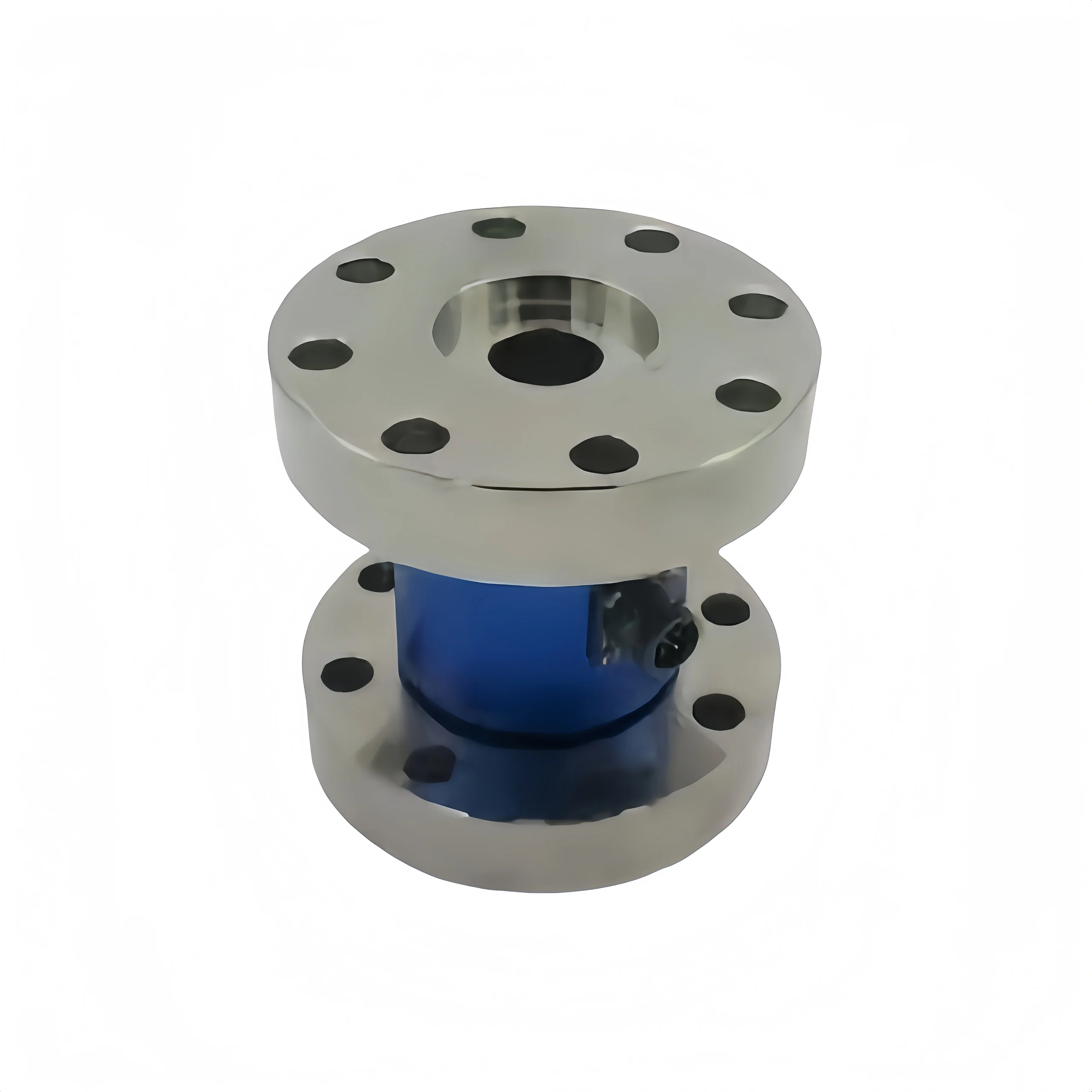
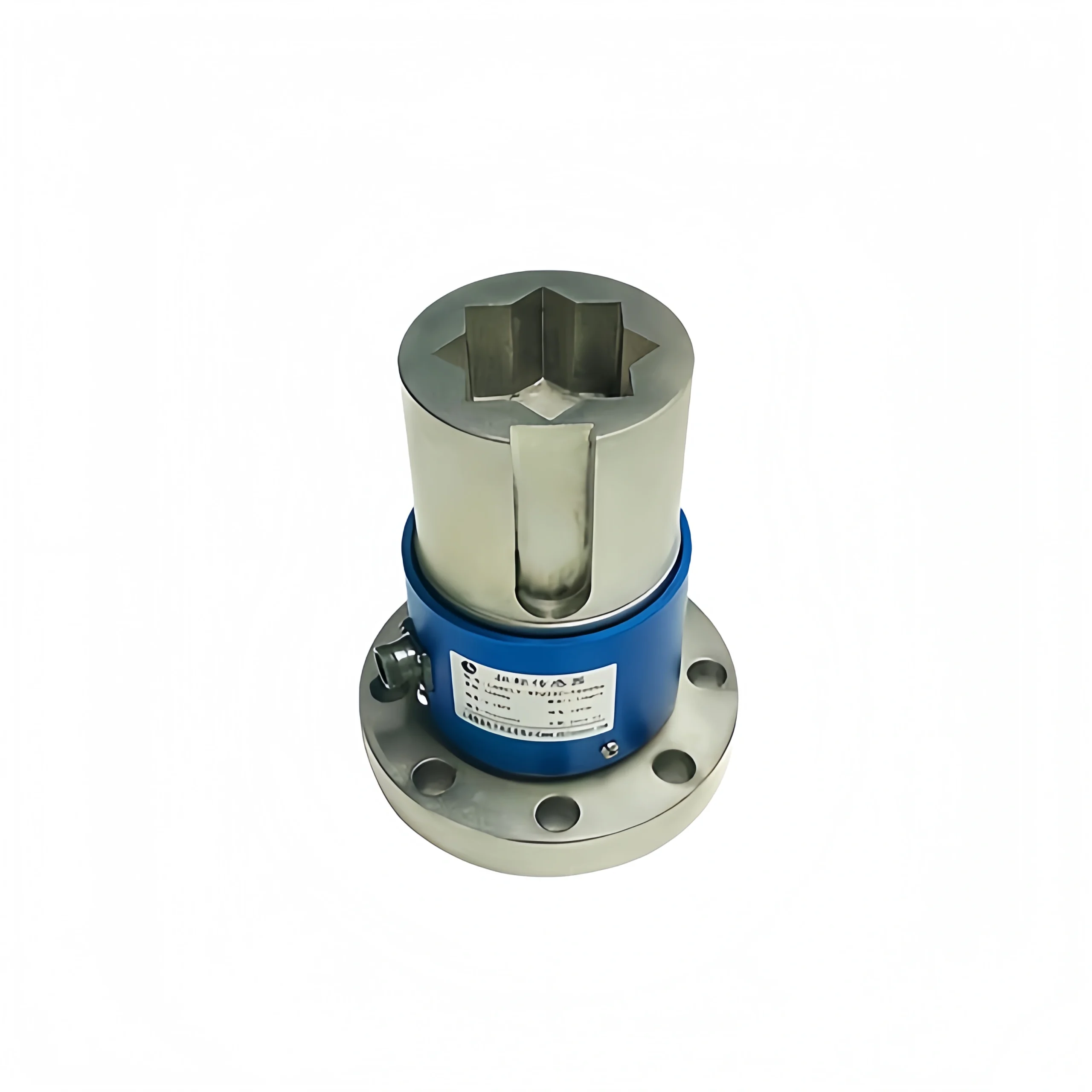
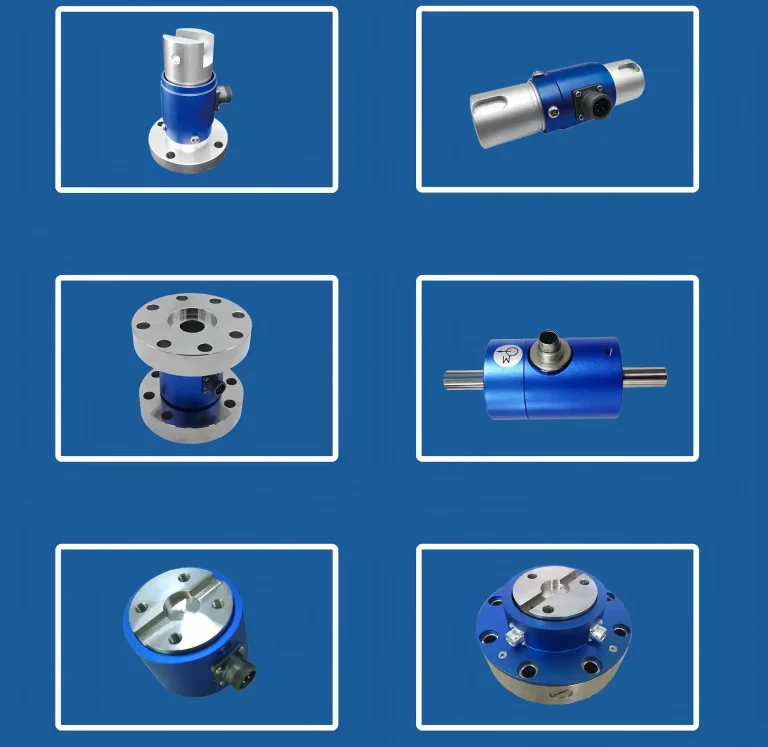
Based on the mounting method, these sensors can be categorized as either shaft-mounted or flange-mounted.
Shaft-mounted torque sensors are compact torque measurement devices. Shaft types sit between two couplings and cover small ranges well. Due to their design, shaft-mounted torque sensors can measure very low torques – 0.5 Nm or less. Flange types bolt straight to the drive line; they are shorter and stiffer, which suits high-speed and dynamic tests.
Torque sensors play a key role in various industries. They are used in the following areas:
1. Detecting the output torque and power of rotating power equipment such as generators, motors, and internal combustion engines.
2. Detecting the load torque and input power of equipment such as reducers, fans, pumps, mixers, winches, propellers, and drilling equipment.
3. Detecting the torque during the operation of various machining centers and automatic machine tools.
4. Torque and efficiency transmitted by various rotating power equipment systems;
5. Detects torque while also detecting speed and axial force.
6. Can be used to manufacture viscometers and electric (pneumatic, hydraulic) torque wrenches.
7. AC (DC) motors, servo motors, and stepper motors;
8. Control and monitoring of automotive engines, diesel engines, steering gears, integral rigidity and torsion of vehicle bodies, and other component processing;
9. Electric (manual) actuators and automatic opening and closing controls for various valves;
10. Control and monitoring of oil extraction and refining processes, monitoring of thermal (hydro) power generation equipment, ore screening control, and monitoring of wind power generation equipment;
11. Torque life testing of various materials;
12. Process control of railway machinery and equipment.