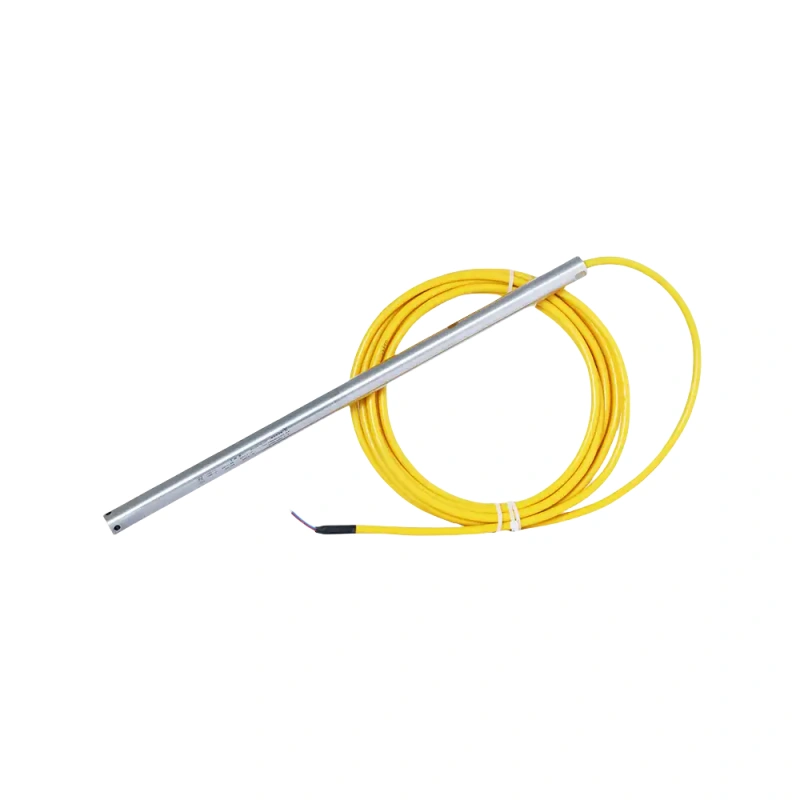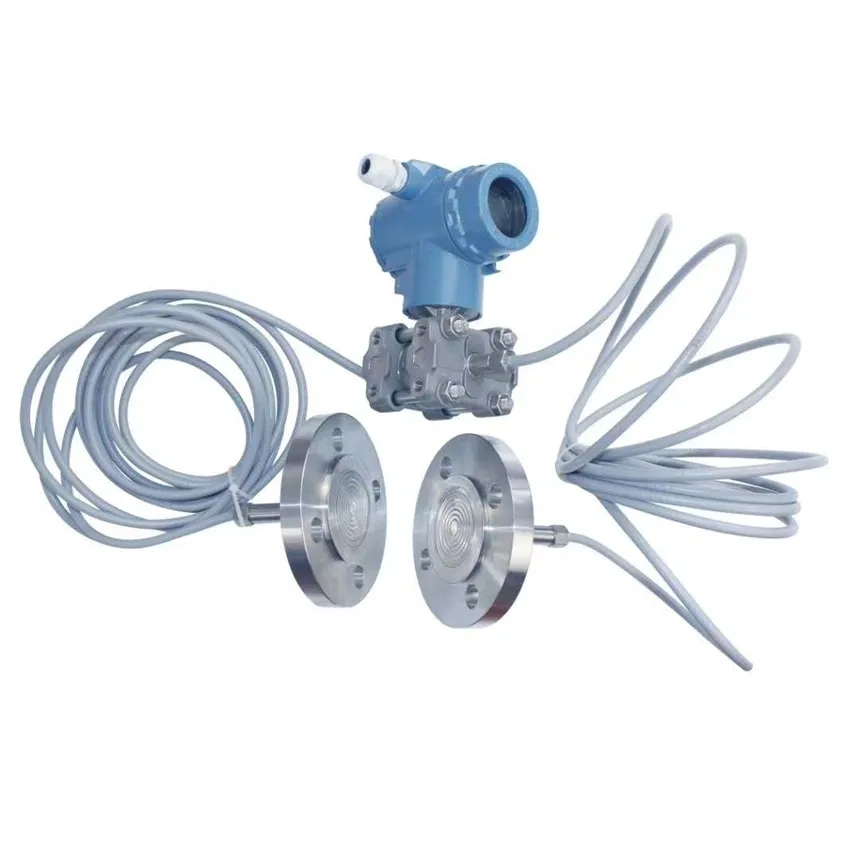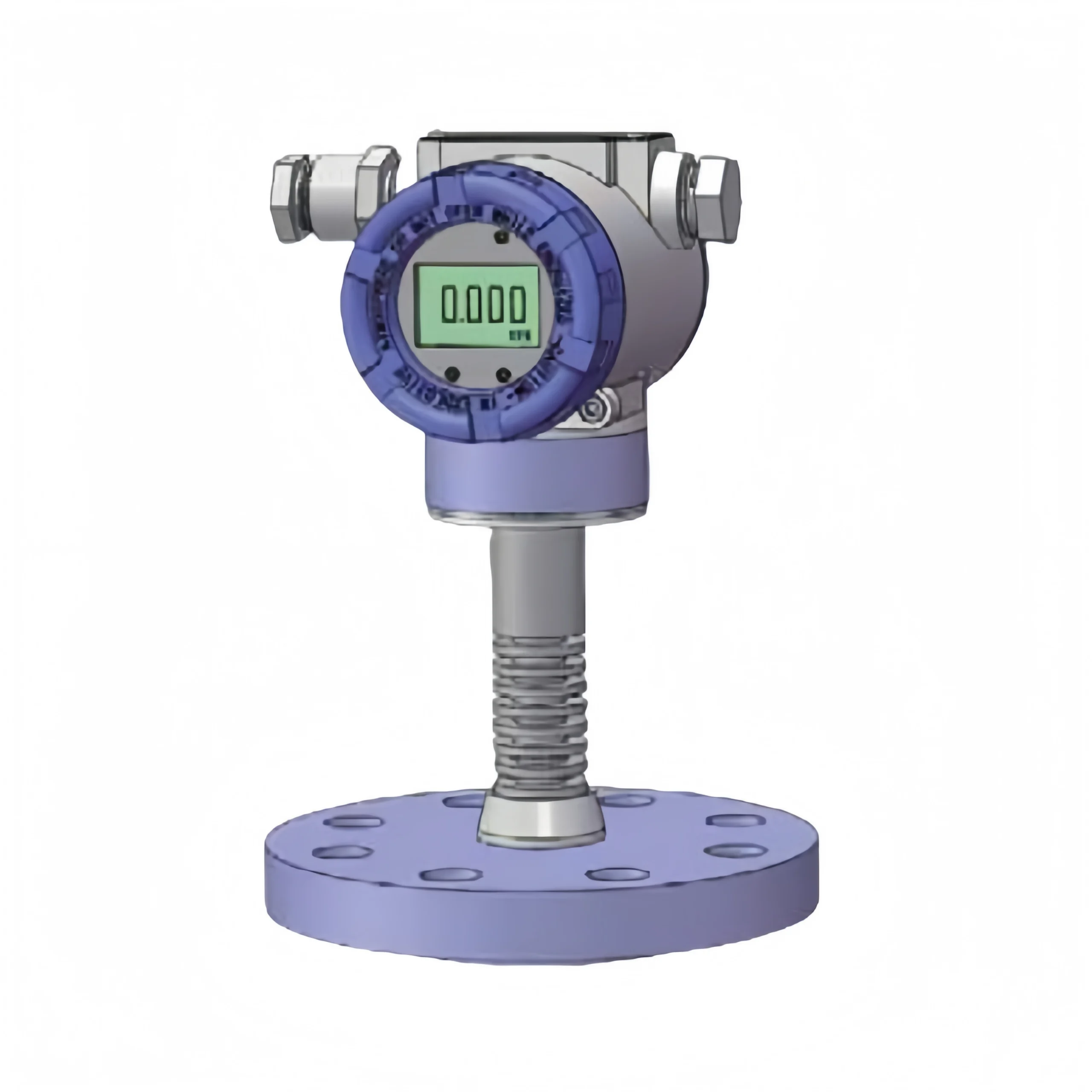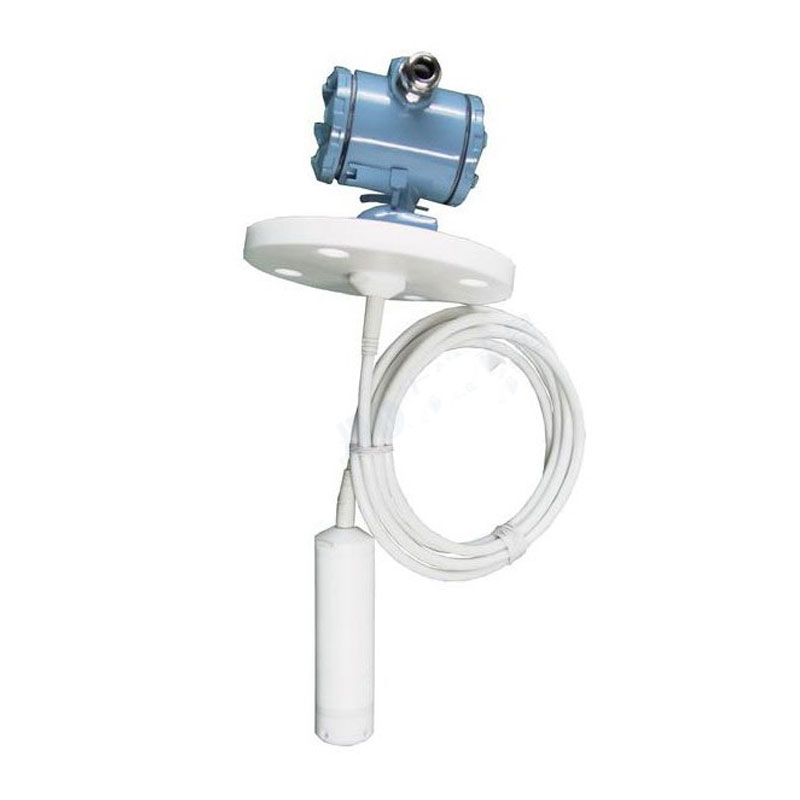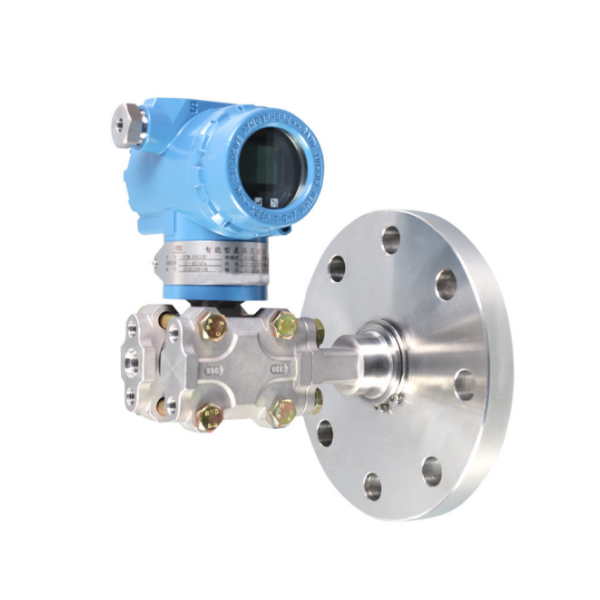
Level switches are core instruments for industrial level detection, used for high and low level alarms and pump and valve interlocks. Level switches based on different operating principles are suited to markedly different media and operating conditions. This article provides an overview of various types of level switches to help engineers quickly identify the right solution during the selection process.
What is a Level Switch?
A level switch is a device used to monitor the liquid level inside a vessel and produce a switching signal. Once the liquid surface rises or falls to a preset point, it opens or closes the circuit, giving an indication that the level limit has been reached.
Since it does not measure the liquid height on a continuous basis, it is mainly applied to high and low level alarms as well as pump start/stop control. Typical types include float, tuning fork and capacitive switches, and they find wide application in industries such as water treatment and chemical processing.
Practical Applications of Level Switches
Water Tank Supply Control: Level switches are fitted in water storage tanks so that when the water runs low, the pump starts automatically to refill the tank; once the water climbs to the preset high point, the pump switches off. This keeps the tank from overflowing or being pumped dry.
Sewage Tank Protection: In sewage tanks, these devices keep an eye on the liquid level. If the level climbs too high, an alarm sounds and the sewage pump kicks in, stopping any overflow that could lead to environmental contamination.
Chemical Storage Tank Protection: In tanks holding various chemical raw materials, a high-level alarm keeps the material from spilling over, while a low-level warning tells operators it is time to refill. Together they help keep production running safely.
Equipment Dry-Run Protection: Used in conjunction with boilers, cleaning equipment and similar systems; when the liquid level falls below a safety threshold, the equipment is shut down to prevent damage caused by dry running.
Food and Pharmaceutical Tanks: Monitors liquid levels in beverage and pharmaceutical solution storage tanks to enable feed control, meeting the requirements for liquid level limit monitoring under cleanroom conditions.
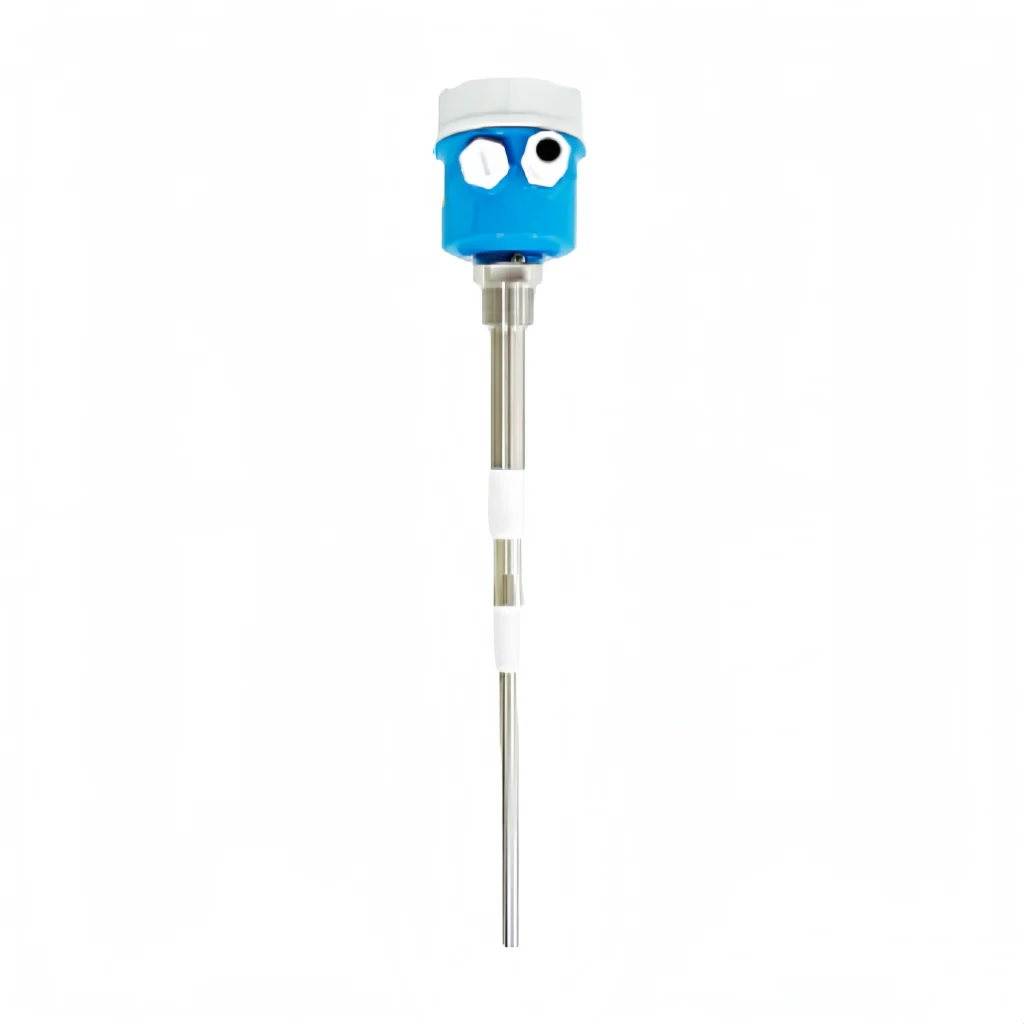
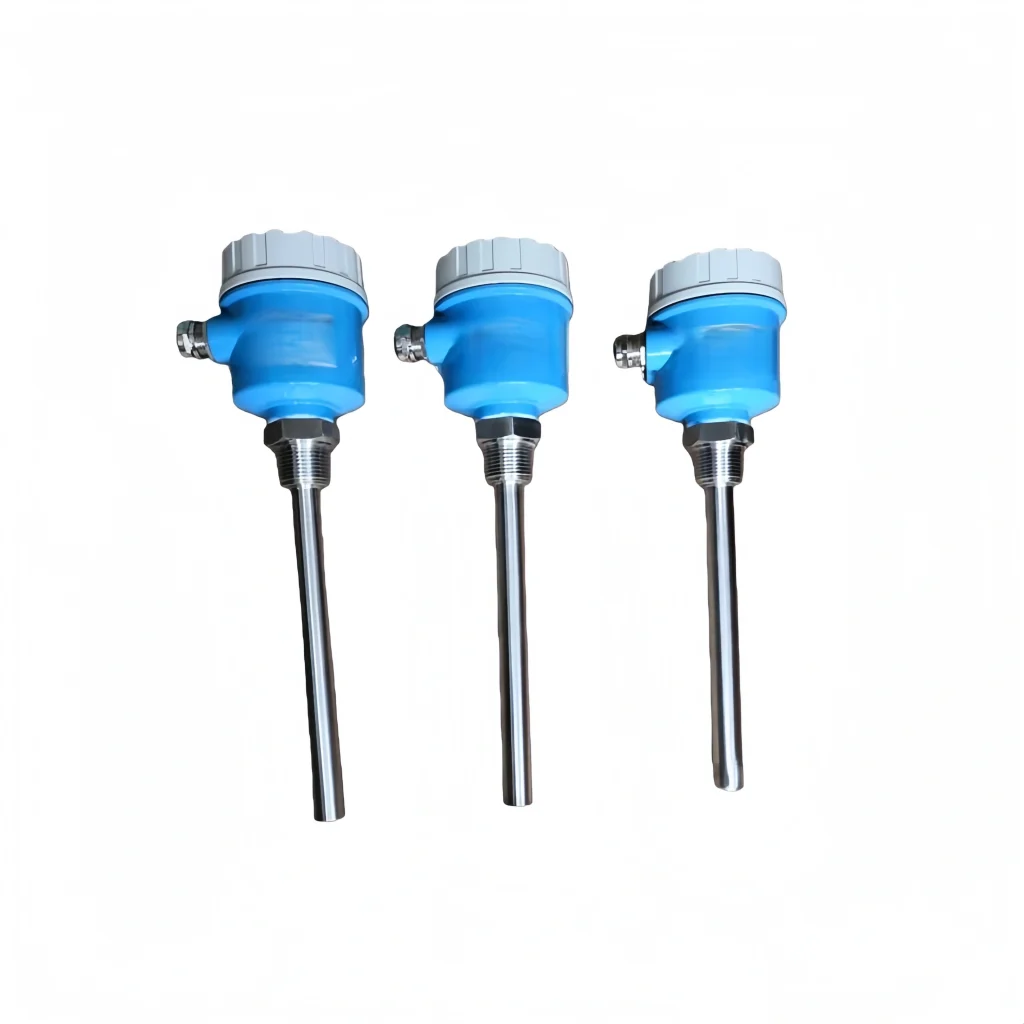
Level Switches Types
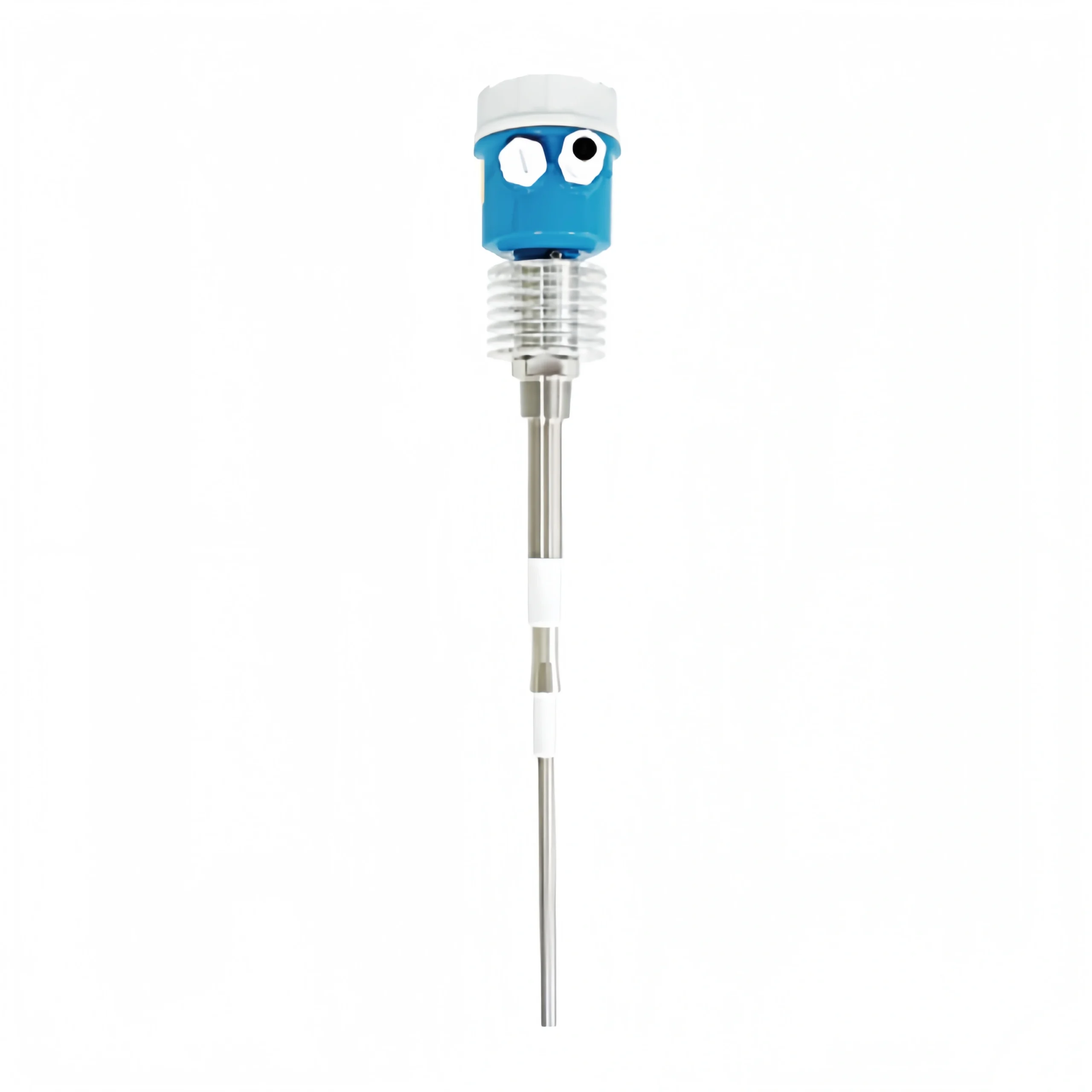
RF Admittance Level Switch
Principle of Operation:
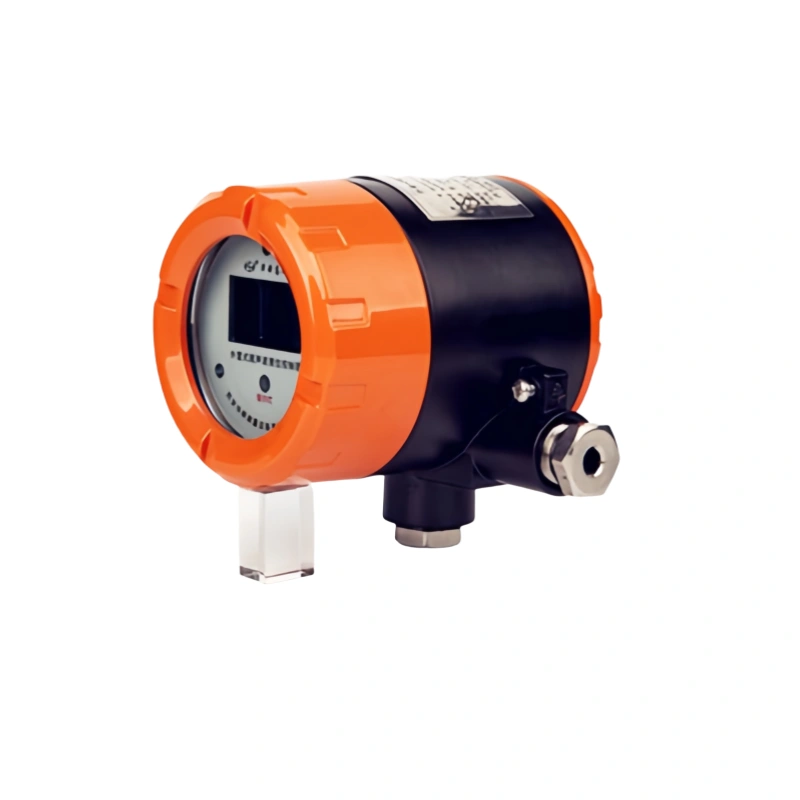
The RF admittance level switch utilises high-frequency radio signals to measure the admittance between the probe and the vessel wall; this admittance is composed of both capacitive and resistive components.
When the material comes into contact with the probe, the medium’s conductive and dielectric properties alter the circuit admittance. The circuit detects this change in admittance and outputs a digital signal, identifying when the liquid level has reached the set position; it can effectively distinguish between the actual liquid level and false signals caused by material build-up on the probe.
Advantages:
- Resistant to the effects of material build-up on the probe surface; less prone to false triggering caused by adhering media.
- No moving mechanical parts; robust construction and long service life.
- Suitable for conductive and non-conductive liquids, powders and granular materials.
- Resistant to high temperatures and pressures; suitable for certain corrosive environments.
Disadvantages:
- Detection sensitivity decreases when the dielectric constant of the medium is too low.
- The probe length is fixed; adjusting the actuation point requires changing the installation position.
- False alarms may still occur in conditions involving vigorous foaming, intense agitation or splashing.
Suitable applications:
Suitable for high and low level alarms for liquids, slurries, powders and granular materials in storage tanks; suitable for conditions involving media adhesion to tank walls, as well as medium-to-high temperature and medium-to-high pressure environments; not suitable for light oils with extremely low dielectric constants or scenarios where the liquid surface is extensively covered by foam.
Capacitive Level Switch
Principle of Operation:
The capacitive level switch utilises the probe and the tank wall as the two plates of a capacitor; air and the medium being measured have different permittivities.
When the liquid level rises and comes into contact with the probe, the medium between the plates is replaced by the material, causing a change in capacitance.
The conversion circuit monitors this change in capacitance and, once a threshold is reached, outputs a switch signal, indicating that the liquid level has reached the detection point.
Advantages:
- With no moving mechanical parts, it offers high reliability and responds quickly.
- Its small size makes it easy to install in tight spaces, and the price is quite reasonable.
- It works well for detecting solid powders, granules and liquids alike.
Disadvantages:
- If material builds up on the probe, the capacitance shifts and false alarms may occur.
- Detection depends on the dielectric constant of the medium — the lower it is, the harder it gets to detect.
- Large swings in temperature can undermine measurement stability.
Suitable operating conditions:
It works well for point-level monitoring in tanks that hold clean liquids, dry powders or granular materials, especially when the medium does not easily stick to the probe and the temperature stays fairly steady. However, it is a poor fit for viscous slurries that tend to cling to the walls, or for media that foam heavily.
Radar Level Switch
Principle of operation:
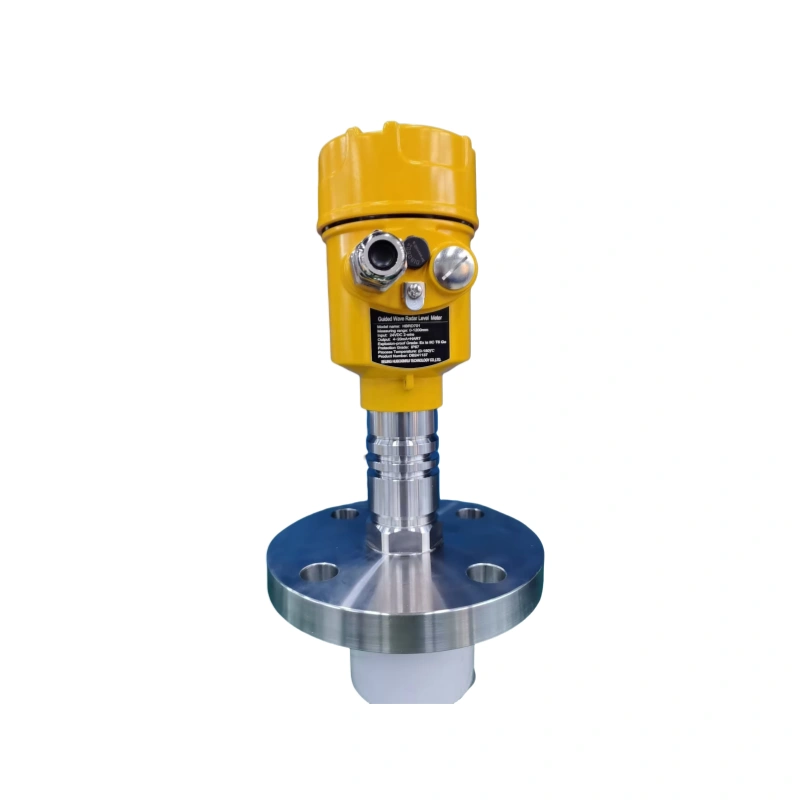
The radar level switch emits high-frequency microwave pulse signals; after travelling to the liquid surface, the signals are reflected back to the sensor, and the instrument calculates the distance based on the round-trip time of the signal.
When the liquid surface reaches the preset point distance, the internal circuitry triggers a digital output, enabling fixed-point high and low level alarms; this constitutes a non-contact point-level measurement.
Advantages:
- Non-contact measurement: the probe does not come into contact with the medium, resulting in no wear and no material build-up.
- Unaffected by medium temperature or pressure, with a wide range of applications.
- Unaffected by medium colour or turbidity; suitable for corrosive media.
Disadvantages:
- Large amounts of foam, vapour and dust inside the tank can attenuate the radar signal, leading to false readings.
- Relatively high cost; blind spots may occur in small containers.
- Obstacles inside the tank, such as supports and pipework, can cause false echoes and interference.
Suitable applications:
Suitable for fixed-point level alarms in large storage tanks, corrosive liquids and high-temperature, high-pressure media; also suitable for viscous liquids and media prone to crystallisation; Not suitable for sealed tanks containing large amounts of dust, thick foam or heavy vapour, nor for containers with limited space.
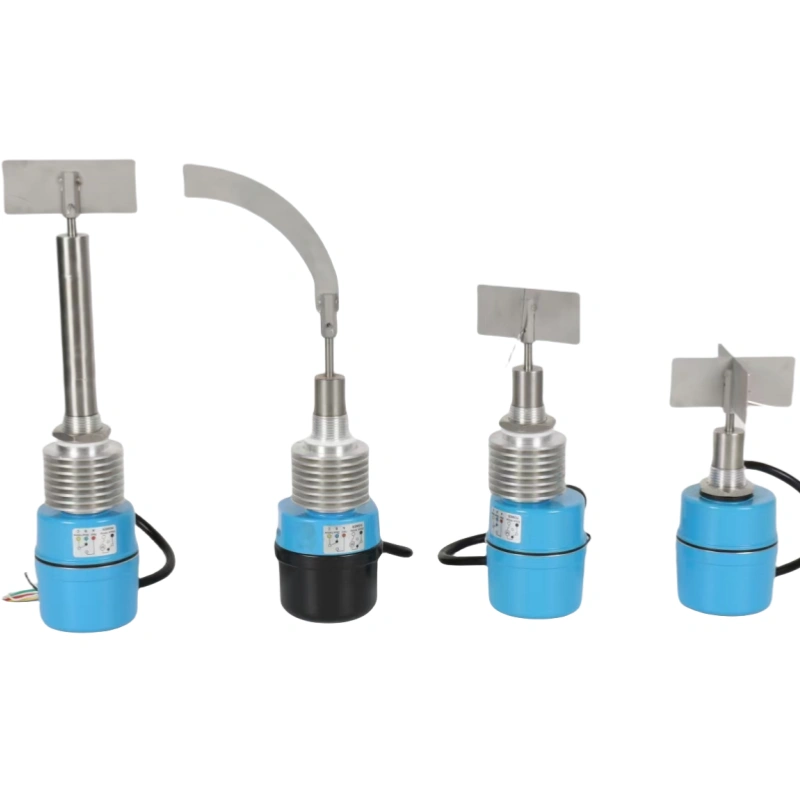
Rotating Paddle Level Switch
Principle of Operation:
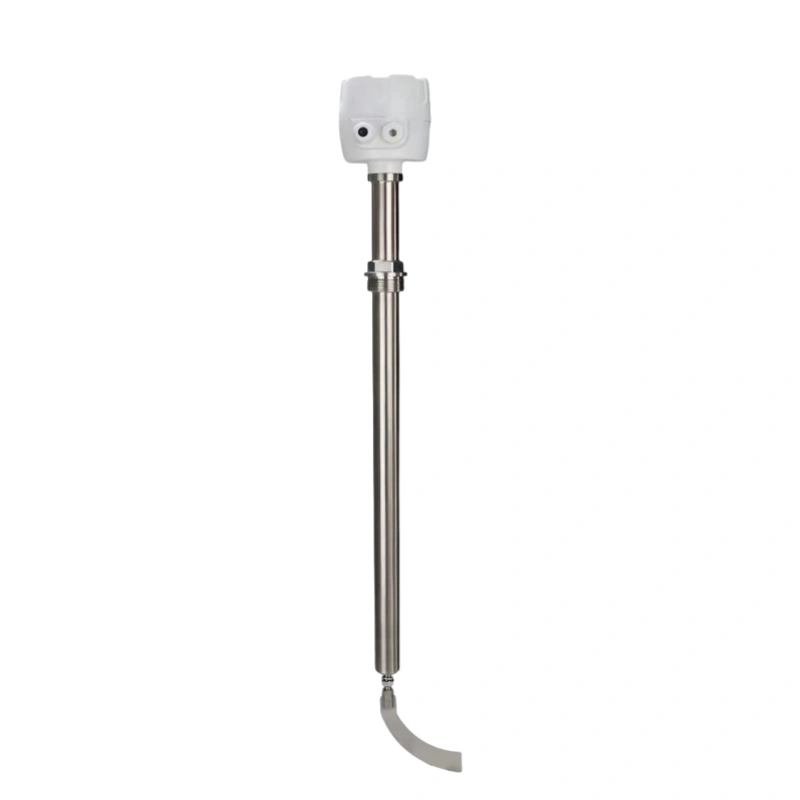
A motor drives the paddle to rotate continuously at a low speed.When the material rises enough to cover the paddle, it creates enough resistance to stop the paddle from turning. The motor then senses the rising torque, which trips an internal microswitch and sends out an alarm signal.
Later, as the level falls and the material moves away from the paddle, the resistance disappears — the paddle starts turning again, and the switch returns to its normal state.
Advantages:
- The design is simple and easy to understand, so on-site inspection and maintenance are straightforward.
- It comes at a low price and works well for detecting solid granules and powdered materials.
- Different paddles can be chosen to handle either light or heavy materials.
Disadvantages:
- Because it has rotating mechanical parts, wear and jamming may develop over time.
- It cannot be used for liquids — it is meant only for solid materials.
- Lightweight powders tend to bridge, which can produce false level readings.
Suitable applications:
This switch is made specifically for high and low level alarms in silos that hold solid powders and granules, such as plastic pellets, grain and cement powder. It cannot be used with liquids and is not a good match for ultra-fine, lightweight materials that bridge easily, or for materials subject to heavy impact.
Tuning Fork Level Switch
Principle of Operation:
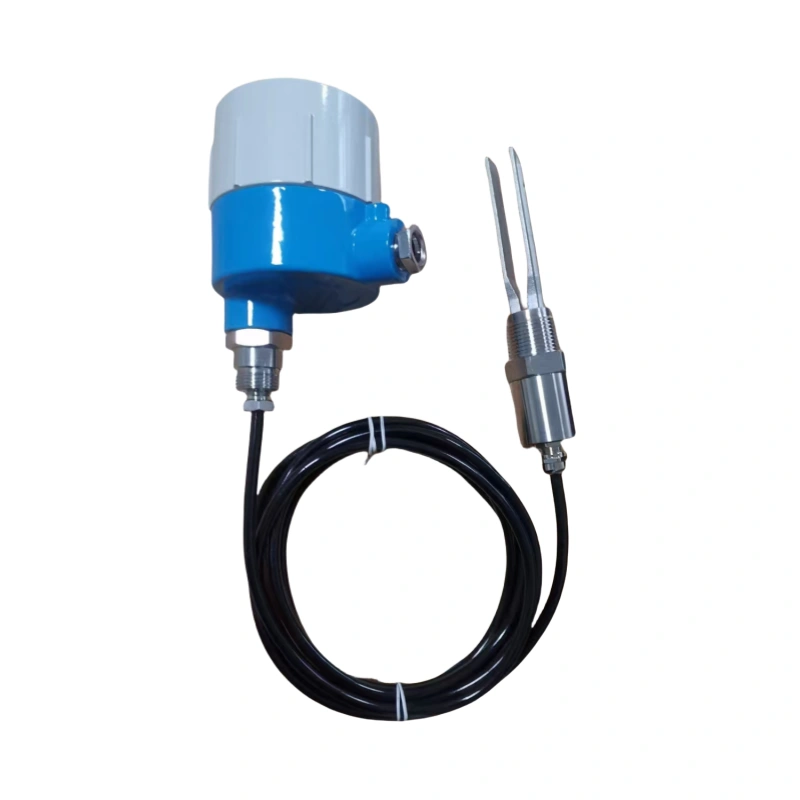
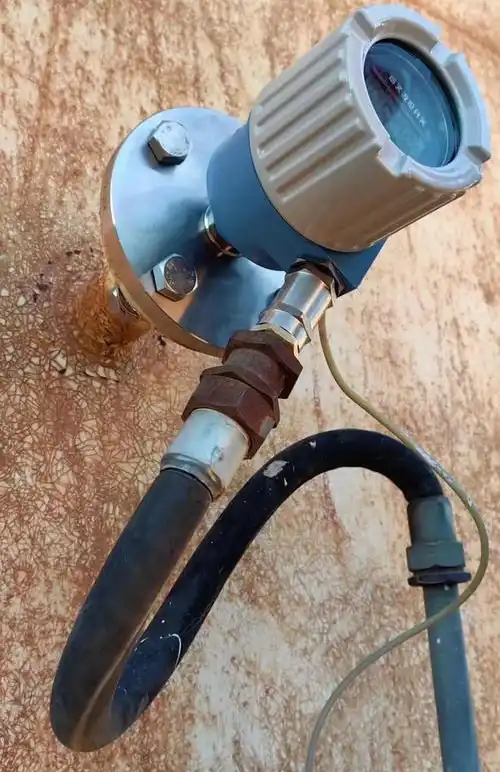
A piezoelectric element drives the fork to vibrate at its natural frequency. When the liquid level rises and submerges the fork, the medium’s damping alters the fork’s vibration frequency; the detection circuit recognises this frequency change and outputs a switch signal.
Once the medium is no longer in contact with the fork, the vibration returns to its original frequency and the switch automatically resets.
Advantages:
No mechanical moving parts; high reliability and virtually maintenance-free
Compact size, easy installation and fast response time
Can measure liquids and low-viscosity slurries; some models can measure fine powders
Not significantly affected by foam or small amounts of air bubbles
Disadvantages:
High-viscosity media are prone to adhering to the fork body, causing false triggers
Impact from large solid particles can easily damage the fork body
Insufficient sensitivity when the medium density is extremely low
Suitable operating conditions:
Suitable for high and low level alarms in various clean liquids and low-viscosity slurries; can be used in corrosive media, narrow pipes and small storage tanks; not suitable for highly viscous media, large hard solid particles, or conditions involving severe impact or scouring.
Float Level Switch
Principle of Operation:
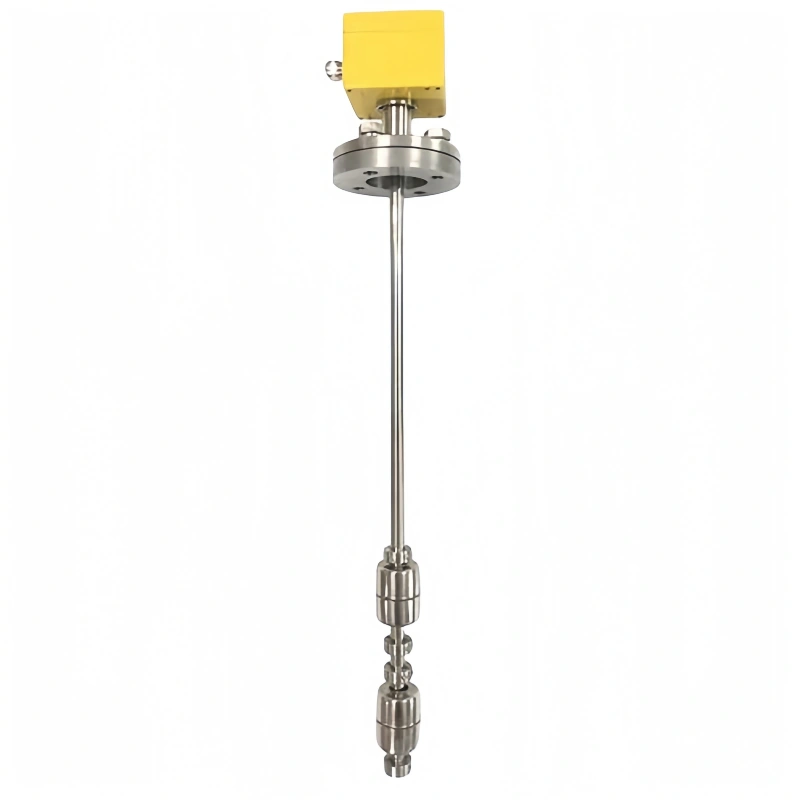
Operates by utilising the buoyancy generated as the float rises and falls with the liquid level. The float contains a built-in magnet; when the float moves to the set position in line with the liquid level, the magnetic force causes the reed switch inside the guide tube to close or open, thereby outputting a switch signal to indicate that the liquid level has reached the alarm point.
Advantages:
- The working principle is straightforward and easy to grasp, and getting it up and running takes little effort.
- It is inexpensive, delivers a stable output signal, and works with a broad range of liquids.
- Multi-point alarms can be set up to monitor levels at several positions at once.
Disadvantages:
- With moving mechanical parts inside, it tends to jam and wear out over time, so its service life is limited.
- Viscous or crystallising media can easily cause the float to get stuck.
- High flow velocities and heavy surface turbulence may set the float vibrating frequently.
Suitable operating conditions:
This switch suits point-level control and alarm duty in storage tanks and reservoirs holding clean liquids such as water and oils, especially where the flow is slow and there are no significant solid impurities.
It is not a good choice for viscous or crystallising media, conditions with strong turbulence, or liquids carrying large amounts of solid particles.
Ultrasonic Level Switch
Principle of Operation:
The sensor sends out ultrasonic pulses that travel through the air to the liquid surface and bounce back to the probe. By measuring how long the sound waves take to make the round trip, the instrument works out the distance to the liquid surface. Once that distance hits a preset threshold, a switch signal is generated. This is a non-contact method of point detection.
Advantages:
- Since it measures without touching the medium, there is no risk of corrosion or wear.
- Installation and upkeep are straightforward, and it handles sewage and corrosive liquids well.
- It costs less than radar-based instruments.
Disadvantages:
- Vapour, mist or foam inside the tank can absorb the sound waves and trigger false alarms.
- Changes in temperature alter the speed of sound, which may introduce measurement errors.
- Heavy dust in the surrounding air can weaken the ultrasonic signal.
Suitable operating conditions:
This switch works well for fixed-point level alarms in open tanks, sewage tanks and ordinary storage tanks holding clean liquids, particularly under normal temperature and pressure with little vapour or thick foam. It is not recommended for sealed tanks that run hot, or for conditions with heavy dust or strong vapour.
Selection Guide
1. Start by identifying the medium: for liquids, float, tuning fork, RF admittance, capacitive, radar and ultrasonic sensors are all viable options; for powders and granules, propeller and RF admittance sensors are usually the way to go, whereas float and ultrasonic sensors are rarely used on solids.
2. look at the properties of the medium:steer away from standard capacitive sensors when dealing with viscous or fouling-prone media, and tuning fork sensors will not perform well with highly viscous materials. If the medium tends to crystallise, non-contact instruments such as radar or ultrasonic sensors should be given priority.
3. Take the dielectric constant into account:capacitive or standard RF admittance sensors should be used with care on light oils with low dielectric constants — radar is the better recommendation here. For strongly corrosive, conductive liquids, tuning fork, RF admittance and radar sensors all work well.
4. Verify temperature and pressure conditions: for high-temperature, high-pressure tanks, select radio-frequency admittance or radar sensors; for open tanks at standard temperature and pressure, float-type or ultrasonic sensors may be selected; propeller-type and standard float-type sensors are not suitable for severe temperature and pressure conditions.
5. Investigate on-site interference: exercise caution when using ultrasonic sensors in environments with foam or vapour; for thick foam, consider radio-frequency admittance or tuning fork sensors; radar and ultrasonic sensors are not recommended in dusty environments; avoid float-type sensors where the liquid surface is subject to severe turbulence.
6. Confirm installation conditions: select tuning forks for point-level detection in narrow pipes or small vessels; radar may be used for fixed-point alarms in large storage tanks, whilst taking care to note the blind spots of both radar and ultrasonic sensors during selection.
7. Balance cost and maintenance:float switches offer good value for money in clear water at ambient temperatures; prioritise tuning forks and RF admittance sensors where maintenance-free operation and long service life are required; select propeller-type sensors for low-cost point-level alarms in solid silos, and prioritise non-contact radar for corrosive media.
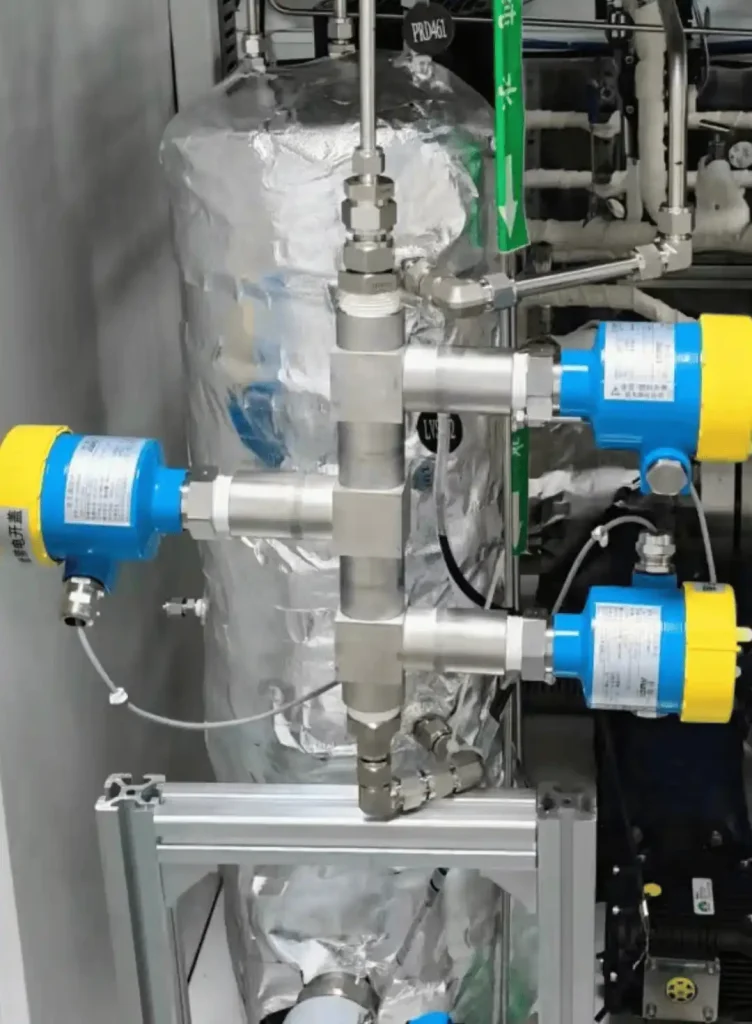
Sino-Inst specialises in the field of industrial measurement and control. In addition to a full range of level switches, we offer a comprehensive portfolio of measurement and control instruments, including level transmitters, flowmeters and pressure sensors.
Drawing on years of hands-on experience across many different operating conditions, we offer tailored selection advice and dependable products for industries such as water treatment, chemicals and pharmaceuticals, helping to keep on-site level, flow and pressure monitoring systems running smoothly. If you would like to know more, please get in touch — we would be glad to discuss your requirements.