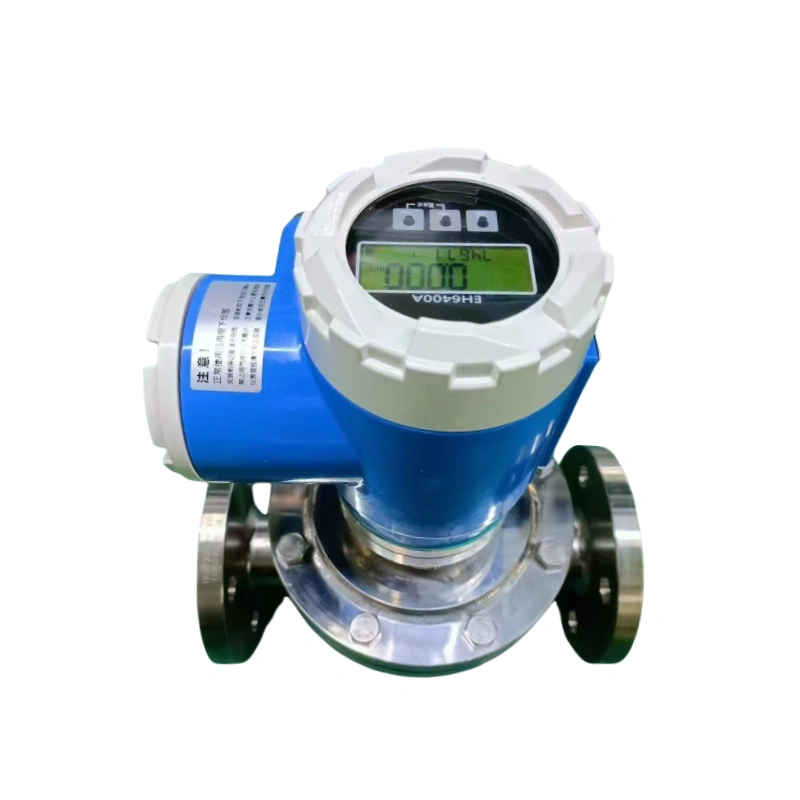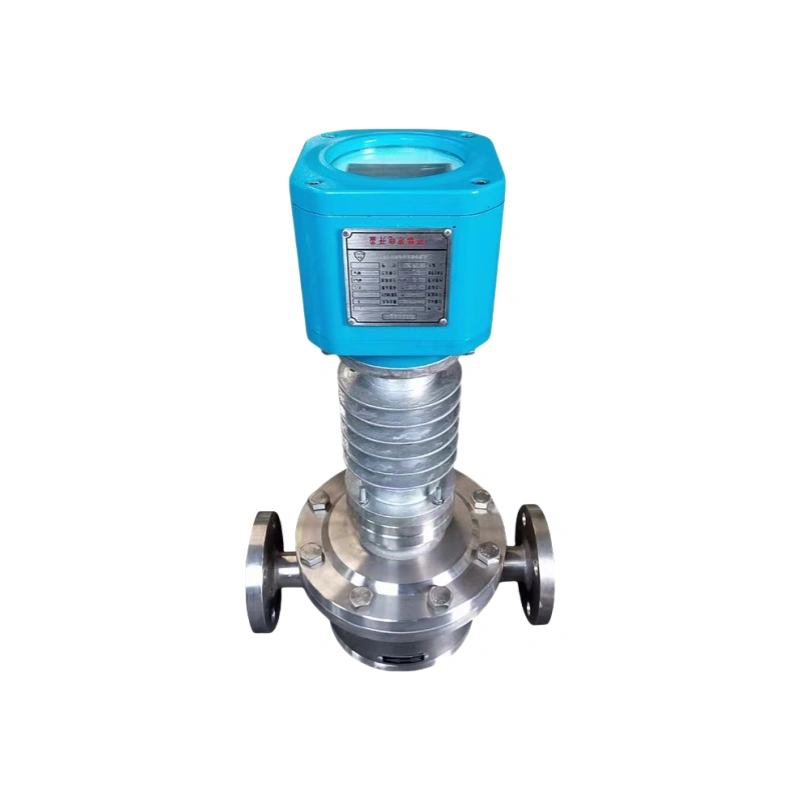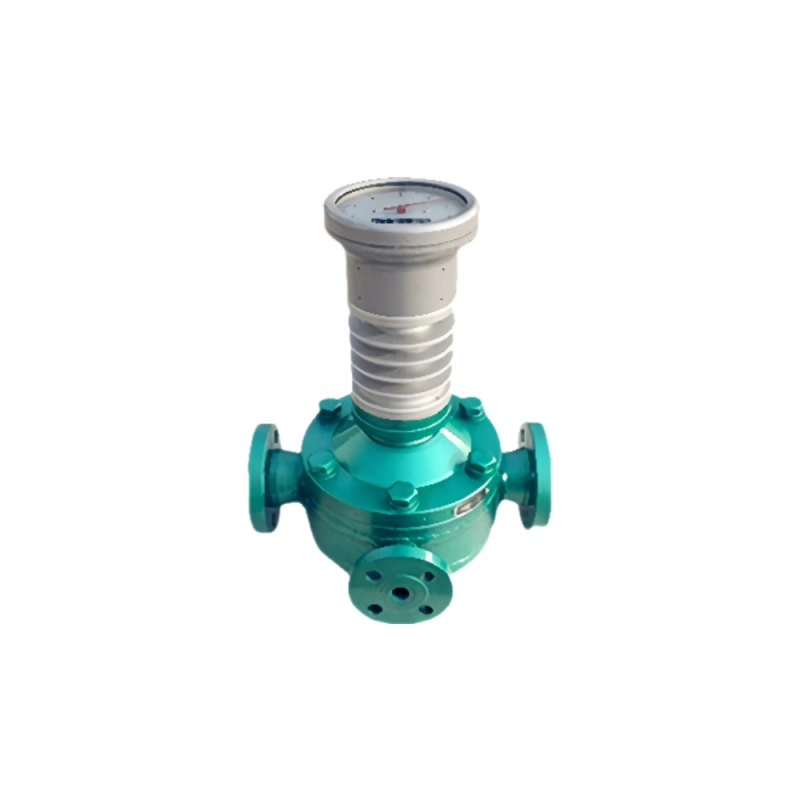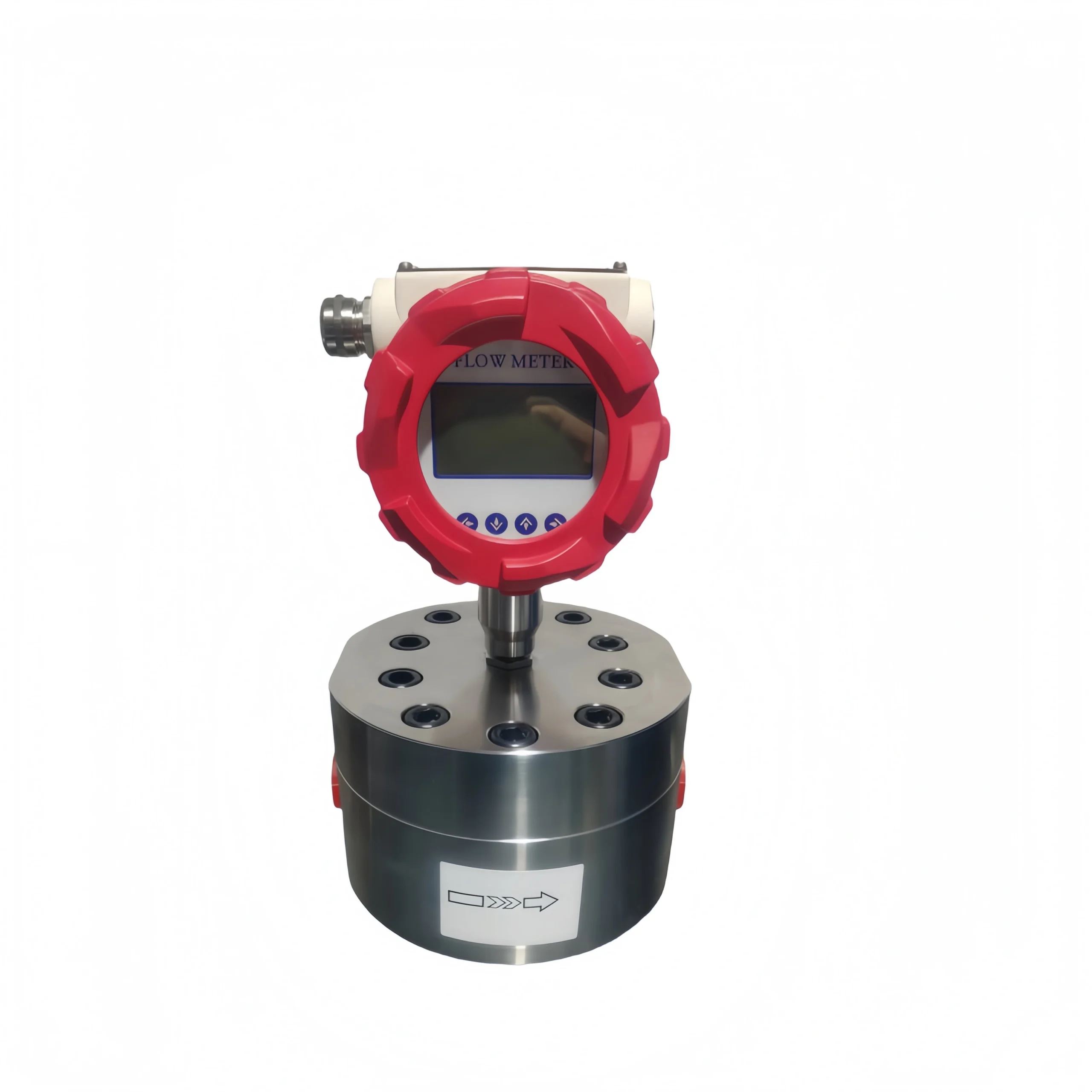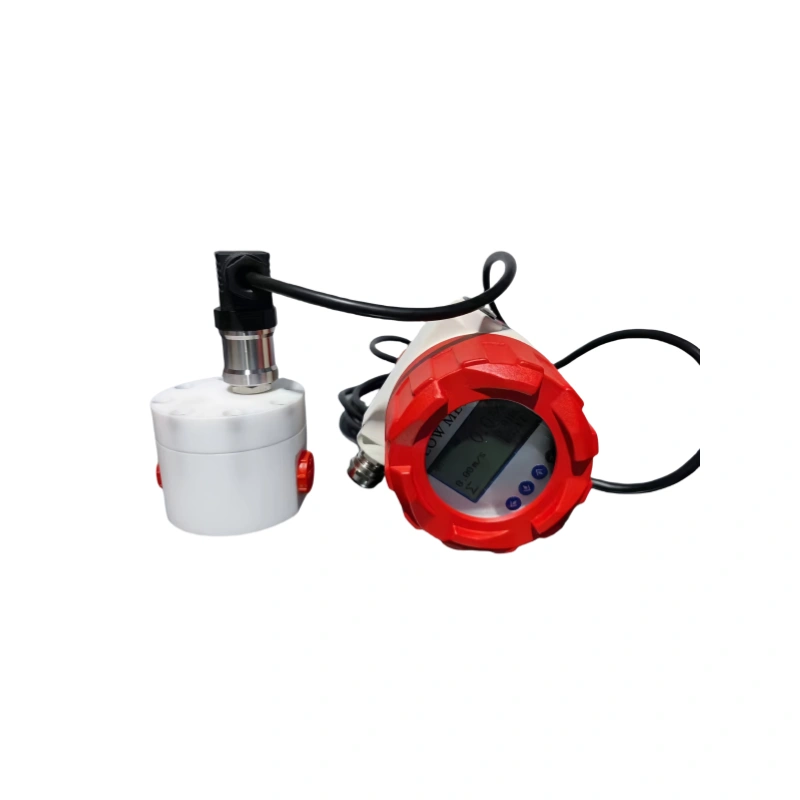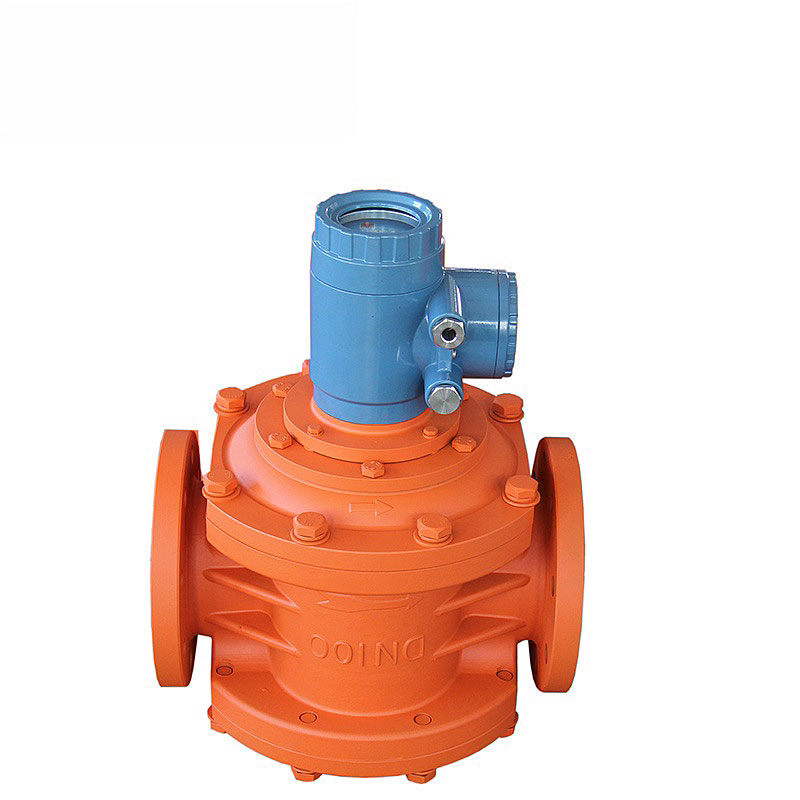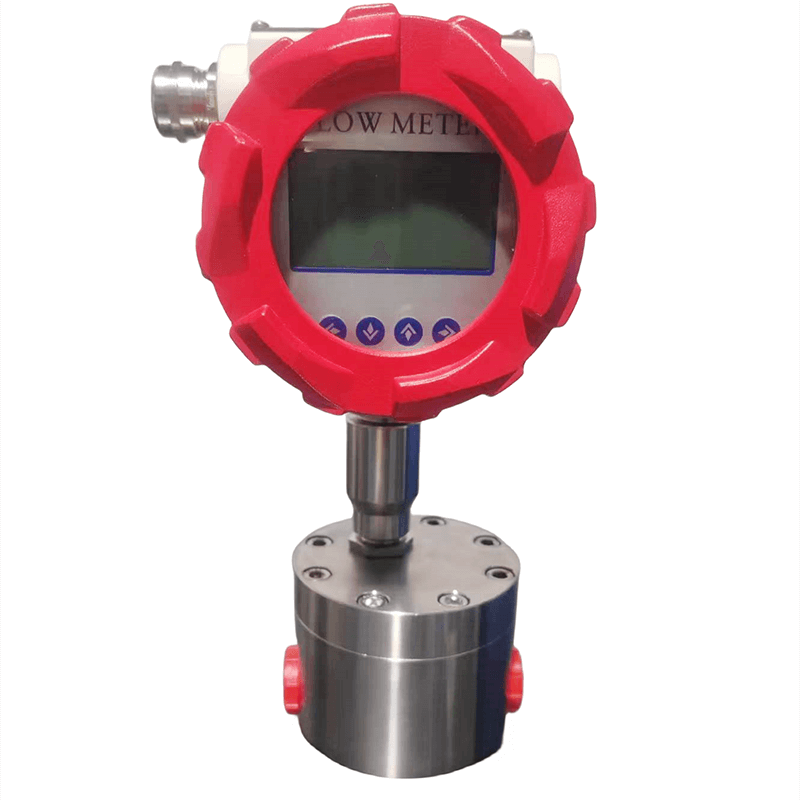
Roots flow meters fall into the positive-displacement category and are known for a wide turndown ratio plus steady measuring accuracy. They see a lot of use in gas metering and chemical fluid measurement. Drawing on real field experience, this article walks through what to consider when selecting these meters, what to watch during operation, and what influences their measurement accuracy.
What Is a Roots Flow Meter?
A Roots flow meter is a high-precision positive-displacement meter built to measure the volumetric flow of gases and liquids accurately. Natural gas, petroleum products, and various industrial fluids are typical applications. It stands out for its high accuracy, solid stability, and the fact that medium viscosity has little effect on it.
Working Principle
A pair of symmetrical Roots rotors sits inside the meter chamber. As the medium enters, the pressure difference between inlet and outlet drives the rotors to turn at a steady speed. Each full turn of the rotors discharges a fixed volume of medium.
Sensors pick up how fast the rotors spin and how many turns they make, and from these readings the instantaneous flow rate and the cumulative total are worked out—this is how the fluid measurement gets done.
Basic Structure
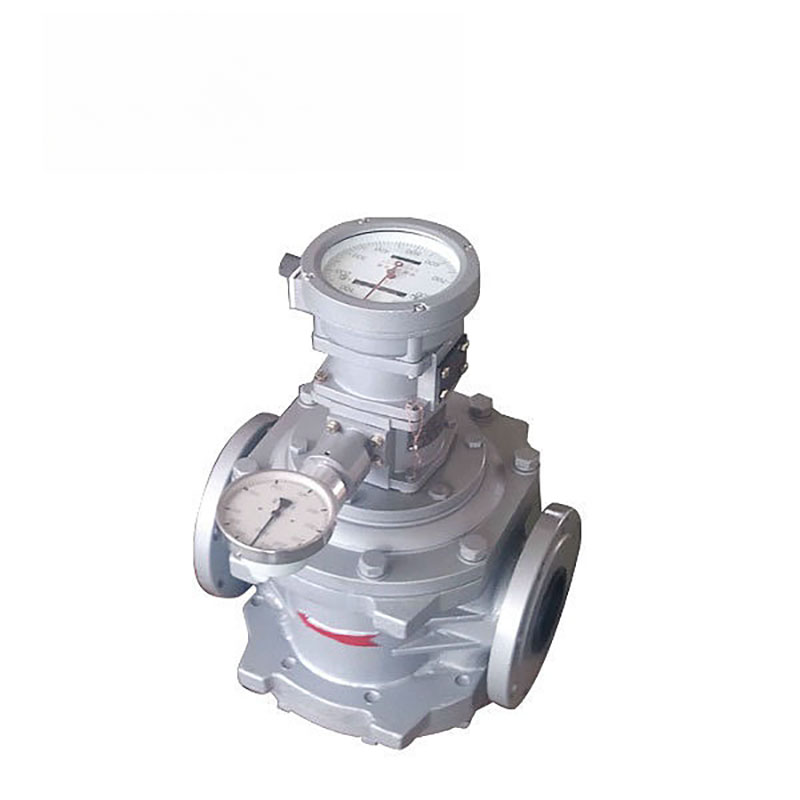
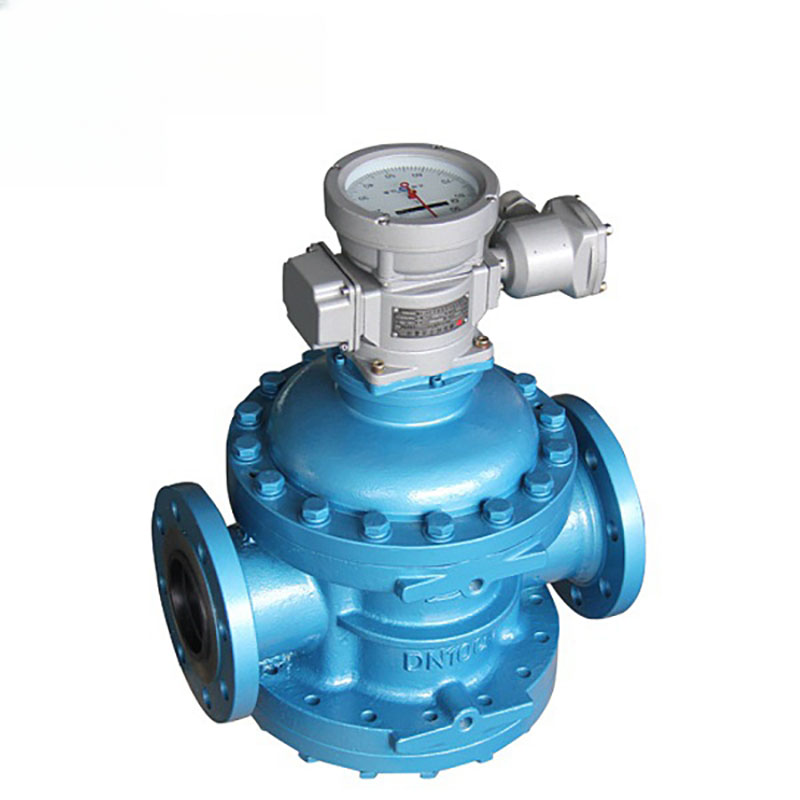
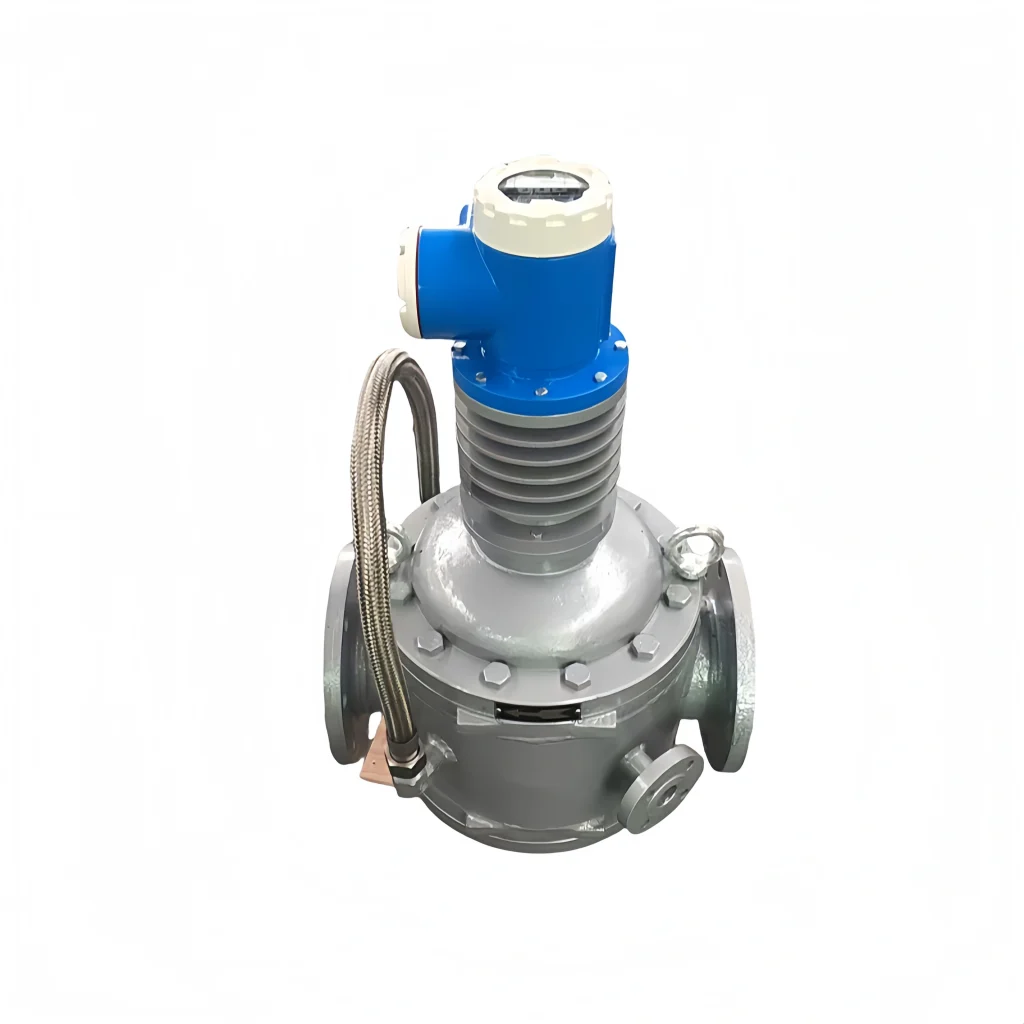
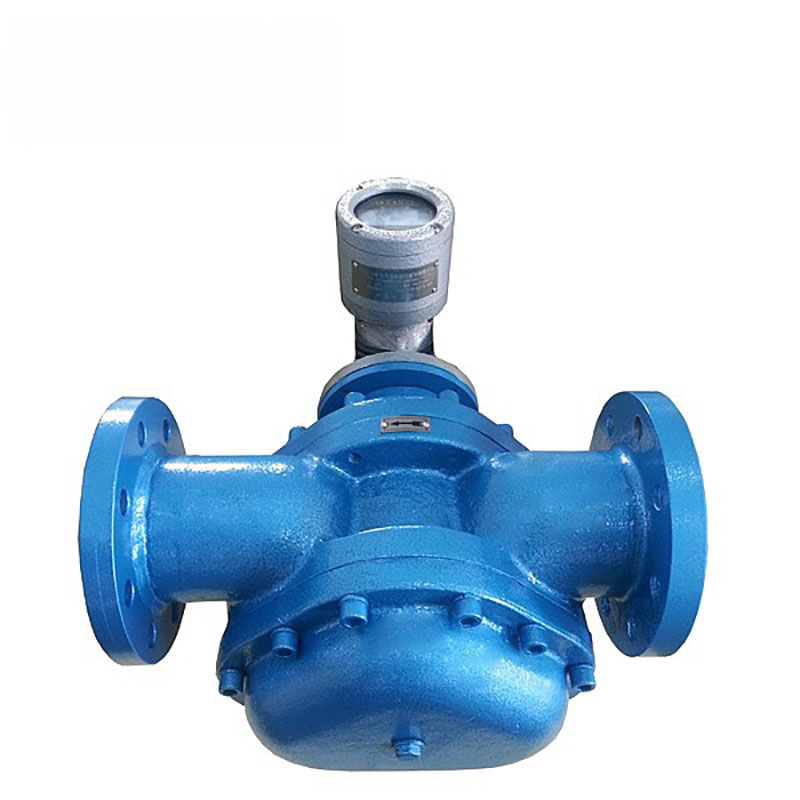
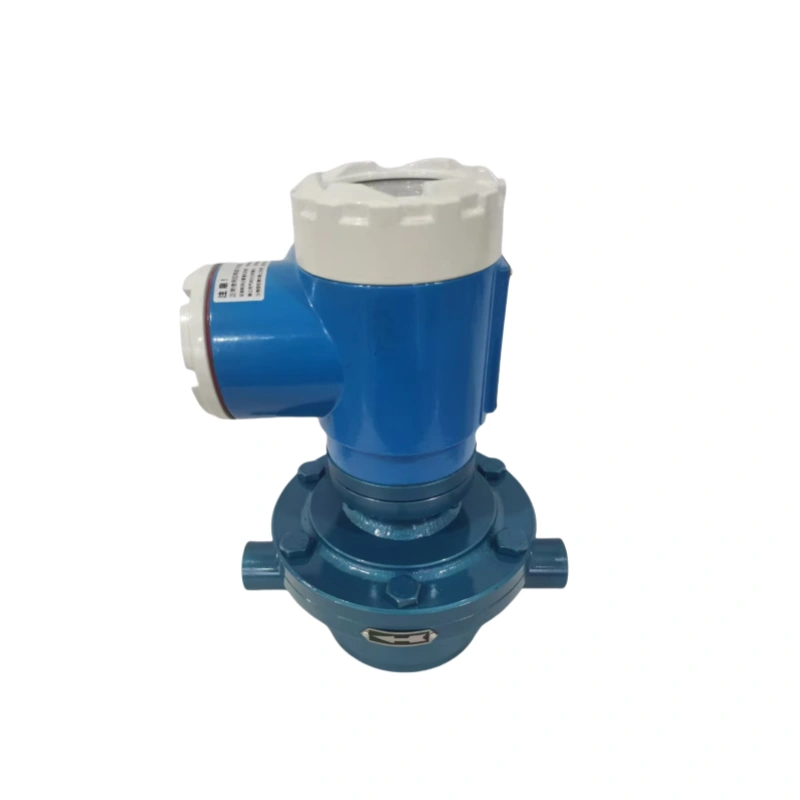
Measuring Housing: A pressure-resistant outer shell fitted with connecting flanges; its interior forms the measuring chamber where all the internal parts sit.
Roots Rotor: The heart of the measurement system—a pair of figure-8-shaped rotors that turn under the medium’s pressure difference to carry out volumetric measurement.
Synchronizing Gears: Sitting at the ends of the drive shaft, they keep the two waist wheels rotating in opposite directions in perfect step, preserve the proper clearance, and prevent the wheels from touching one another.
Bearing Assembly: It carries the drive shaft, absorbs both radial and axial loads, and keeps friction during rotation to a minimum.
Sealed Drive Components: Whether a magnetic coupling or a mechanical seal is used, the job is the same—keep the medium from leaking out while the rotation signal gets transmitted.
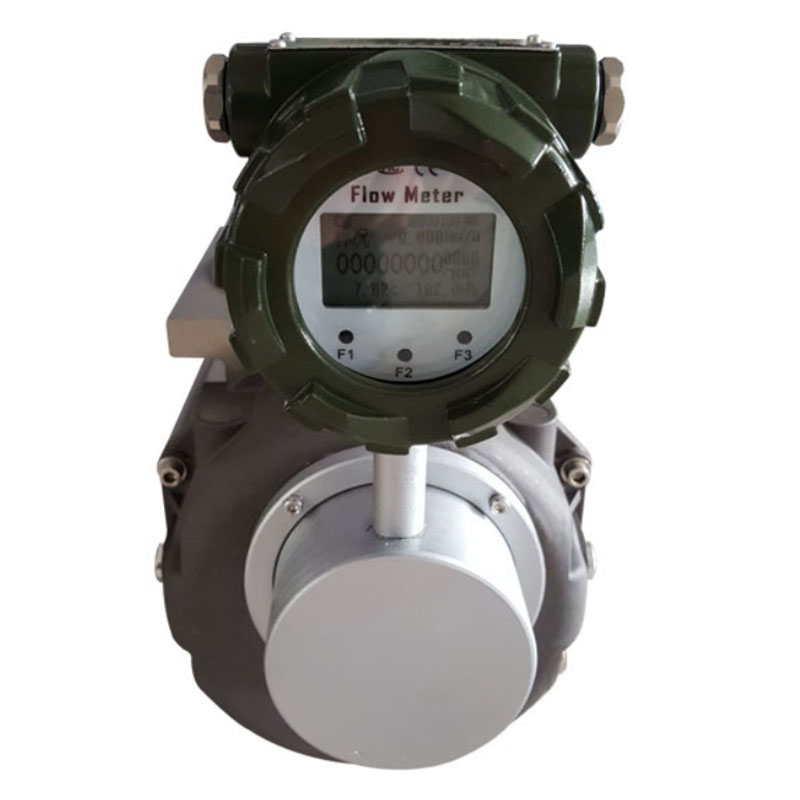
Speed Reduction and Display Mechanism: The gear reducer links to a counter head so the cumulative flow can be read right on site; if remote transmission is needed, pulse output, temperature and pressure compensation modules can be added.
Advantages and Disadvantages of Roots Flow Meters
Advantages
- The meter measures with high accuracy and good repeatability, so it fits well where precise metering is demanded and where trade settlement is involved.
- A broad turndown ratio means it keeps measuring steadily no matter how much the flow rate swings.
- Since it relies on positive displacement, the medium’s viscosity and flow pattern barely matter—exactly why high-viscosity liquids suit it so well.
- Installation is simple—no long straight pipe runs are needed before or after the meter—so it works particularly well where space on site is limited.
- The output signal is steady, and a pulse output can be fitted, which makes it easy to connect with secondary instruments and control systems for flow totalizing and remote monitoring.
- The build is solid and dependable; with normal maintenance, it runs stably and lasts a long time.
- It handles many kinds of liquid media. By changing the chamber and seals to different materials, it can meet various working requirements, such as corrosion resistance or hygiene standards.
Disadvantages
- It has requirements for medium cleanliness; fluids containing solid impurities can cause wear on the rotors, so a filter is generally required upstream.
- Medium viscosity affects it quite a bit—viscosity on the low side leads to more internal leakage, while on the high side the pressure loss climbs.
- With moving parts inside, wear builds up over years of running, so periodic maintenance and calibration are a must.
- When the medium carries a good many air bubbles, metering errors can creep in; gas-liquid two-phase service is not something it is cut out for.
Practical Applications of Roots Flow Meters
1. Petroleum Industry:
Crude oil, diesel, and lubricating oil all fall within this meter’s typical range of duties. It turns up in oil transmission pipelines, receiving and dispensing operations at terminals, and trade settlement at gas stations.
High-viscosity media don’t faze it, which explains why it has become standard equipment for petroleum product handover metering.
2. Chemical Industry:
Where these meters earn their keep is flow monitoring and feed ratio control for various non-corrosive or mildly corrosive liquids—ethylene glycol, solvent oil, and resins among them.
Quantitative material control during production and shipment metering once products leave the plant both fall to them.
3. Gas Industry:
City gas, liquefied petroleum gas (LPG), and coal gas are among the gases these meters measure on a regular basis.
They sit at gas regulating stations and at supply metering points for commercial and industrial users, where they support gas trade settlement and deliver a steady measurement of volumetric flow for gaseous media.
4. Food and Pharmaceutical Industries:
Sanitary roots flow meters take on edible oils, syrups, and pharmaceutical solutions without difficulty. To satisfy hygiene requirements, the wetted parts are usually made from 316L stainless steel. The meters serve for quantitative delivery during blending and for measuring finished products.
5. Water Treatment and Heating Industries:
At heat exchange stations in district heating networks, and in heat transfer oil furnace circuits as well, these meters measure hot water and heat transfer oil. They track thermal medium consumption and help with the calculation of heating energy usage.
6. Storage, Transportation, and Loading/Unloading Applications:
Tank farm transfers and tanker truck loading and unloading both benefit from roots flow meters: they perform quantitative loading and cut the flow automatically the moment the preset quantity is reached. Fewer manual measurement errors, faster loading and unloading.
7. Maritime Industry:
Marine fuel bunkering relies on these meters as the handover instrument, carrying out trade metering of marine diesel and fuel oil in accordance with maritime metering requirements.
Selection Guide
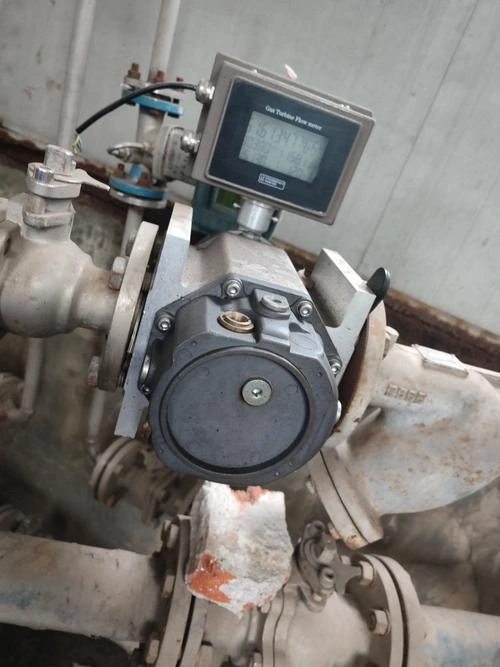
1. Collect process parameters:First, get clear on the type, viscosity, corrosiveness, and impurity content of the medium you plan to measure. Then pull together the operating data—temperature, pressure, and the minimum, normal, and maximum flow rates. From there, judge whether a filter is necessary given the medium’s characteristics.
2. Select the nominal diameter: Base the model choice on the operating flow rate, and try to keep the normal flow within 30% to 80% of full scale—that band is where the meter performs at its best. Then match the DN size to the dimensions of the pipes on site.
3. Determine instrument material:Cast iron serves well for non-corrosive oils; 304 stainless steel fits standard operating conditions; and when food, pharmaceuticals, or severe corrosion are part of the picture, 316L stainless steel is the way to go.
4. Match pressure and temperature ratings:The meter’s rated pressure and its temperature ceiling should both clear the site’s maximum operating pressure and the medium’s highest temperature, with extra room to spare so that operating fluctuations don’t push it past the limit.
5. Select the accuracy class: For trade settlement, Class 0.2 high accuracy is the choice; for in-plant process measurement, Class 0.5 is usually enough—balance the measurement requirements against equipment cost.
6. Determine the output method:A mechanical display is fine if readings are taken on site. Where remote transmission is needed, go with pulse or 4–20 mA output, and add a totalizer if required.
7. Adapt to the on-site environment:If the meter will sit in a hazardous area, pick the appropriate explosion-proof rating; if it goes outdoors where dust or moisture is present, opt for a high IP protection class. It also pays to confirm what kind of power supply the site offers.
8. Confirm connection method: Large-diameter pipes call for flanged connections, while small-diameter lines are better served by threaded ones. Whichever you choose, the connection specs and pressure ratings need to agree with the piping already in place.
Roots Flow Meter vs. Oval Gear Flow Meter
Operating Structure and Principle:
A roots flow meter uses an external synchronous gear to turn a pair of waist-shaped rotors that never touch each other. An oval gear flow meter works differently—a pair of oval gears mesh directly inside the chamber, and the pressure difference of the medium drives the rotors to complete the volumetric measurement.
Suitable Media:
Roots flow meters work with liquids and gases alike, and a small amount of fine impurities won’t bother them. Elliptical-gear flow meters, on the other hand, are limited to clean liquids—they can’t measure gas, and any solid particles getting in will likely jam the gears or grind them down.
Nominal Diameter and Flow Range:
You’ll generally find roots flow meters in medium to large sizes, built for high-flow jobs. Elliptical-gear flow meters are mostly small in diameter and shine when it comes to low-flow, high-viscosity liquids.
Wear and Service Life:
The waist-shaped rotors have no internal friction—wear shows up mainly on the external synchronizing gears, so accuracy holds up better over the long run. Elliptical gears, by contrast, keep meshing and rubbing at the tooth surfaces, which makes them wear more easily and drift in accuracy.
Pressure Drop and Operating Characteristics:
Roots meters put up less resistance to flow, although at higher flow rates they tend to run louder and shake more. Elliptical gear meters create a somewhat larger pressure drop, but their flow pulsation stays minimal and they hold up well in steady measurement at low flow rates.
Suitable Applications:
Roots meters are typically found in high-flow trade metering of refined oil products, natural gas, crude oil, and similar media. Elliptical gear meters are mainly used for batching and filling high-viscosity clean liquids such as lubricating oils and greases.
Maintenance Considerations:
For roots meters, the main job is checking the external gears and bearings, and making sure filters are installed in the pipelines. Elliptical gear meters demand finer filtration, and if particles do get inside, the repair bill tends to be steeper.
Viscosity Characteristics:
Both are positive-displacement meters; the higher the viscosity, the lower the leakage and the better the accuracy. Elliptical gear meters are better suited for ultra-high-viscosity, low-flow applications, while roots gear meters are better suited for medium-viscosity, high-flow applications.
FAQ
Installation of Roots Flow Meters
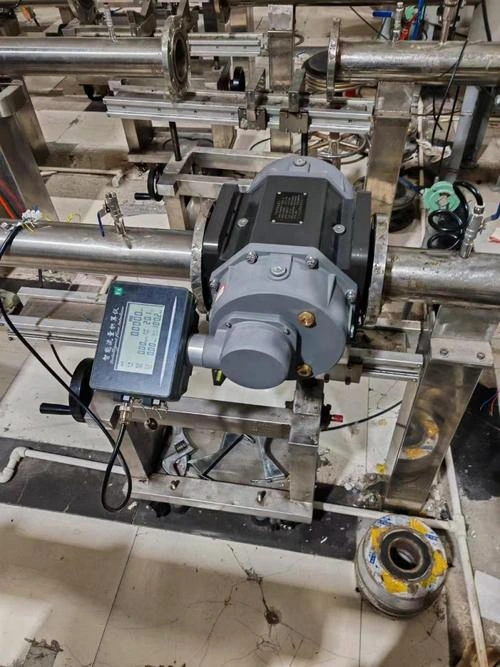
Before installing a roots flow meter, verify the parameters. Install it horizontally with the nameplate facing upward and the flow direction matching the arrow on the housing. Install a bypass valve in the pipeline; fit a filter upstream; and install a degasser for media containing gas.
Keep the meter away from vibration sources; ensure pipeline loads do not act on the meter body; and maintain sufficient straight pipe runs. Remove the flow meter during welding; the purging medium must not pass through the meter.
Before commissioning, check for leaks and increase pressure gradually. Run signal wires separately and ground them reliably to avoid signal interference.
Roots Flow Meter vs. Turbine Flow Meter
Principle: The roots flow meter counts on the positive-displacement principle, with each rotation pushing a fixed volume through the chamber. The turbine flow meter, being velocity-based, has the fluid spin its impeller, and the resulting rotation speed gets turned into the flow rate.
Media Compatibility: Roots flow meters handle clean media with higher viscosity quite well. Turbine flow meters, on the other hand, only suit clean, low-viscosity media, and a shift in viscosity can noticeably throw off their accuracy.
Installation: Roots flow meters ask for little in the way of straight pipe runs. Turbine flow meters need fairly long straight sections upstream and downstream, since disturbed flow can introduce measurement errors.
Performance: Roots meters offer a wide turndown ratio and start metering at very low flow rates. Turbine meters react fast, but their bearings wear out easily, and long-term accuracy tends to slip as a result.
Applications: Trade settlement and high-precision measurement of petroleum products are where roots meters most often appear. Turbine flow meters, meanwhile, find their main role in process flow monitoring of fluids such as clean water and light oils.
Types of Positive Displacement Flow Meters
Rotary Piston Flow Meter: A pair of rotary pistons measures fluid volume continuously as it passes through a chamber of fixed volume. Trade metering of petroleum products is a typical job for it.
Oval Gear Flow Meter: Two oval gears mesh and turn together, releasing a fixed volume of medium every revolution. High-viscosity liquids are its strong suit.
Scraper Flow Meters: Driven by a rotor, scrapers form the metering chamber. These meters take on crude oil and heavy oil without much complaint and put up with impurities reasonably well.
Piston Flow Meters: Here, volume is measured by the reciprocating motion of a piston. Low-flow liquid metering that demands high precision is the kind of job where these meters typically come into play.
Rotary Piston Flow Meters: Inside the housing, a piston spins as the fluid passes. Measuring water and oil in small- to medium-diameter pipes is a common use for this design.
Dual-Rotor Flow Meter: Its two sets of rotors interlock and turn together, which extends the measurement range considerably and allows it to take on media of medium to high viscosity.
Sino-Inst supplies a complete line of roots flow meters for gases, oils, chemical fluids, and more, with customization and temperature/pressure compensation available. Share your on-site parameters with us, and we can pick out the right instrument quickly—plus we offer installation guidance and post-sales calibration.
If you are looking for roots flowmeters, level transmitters, or a complete flow measurement solution, reach out to us for a quote and technical support.