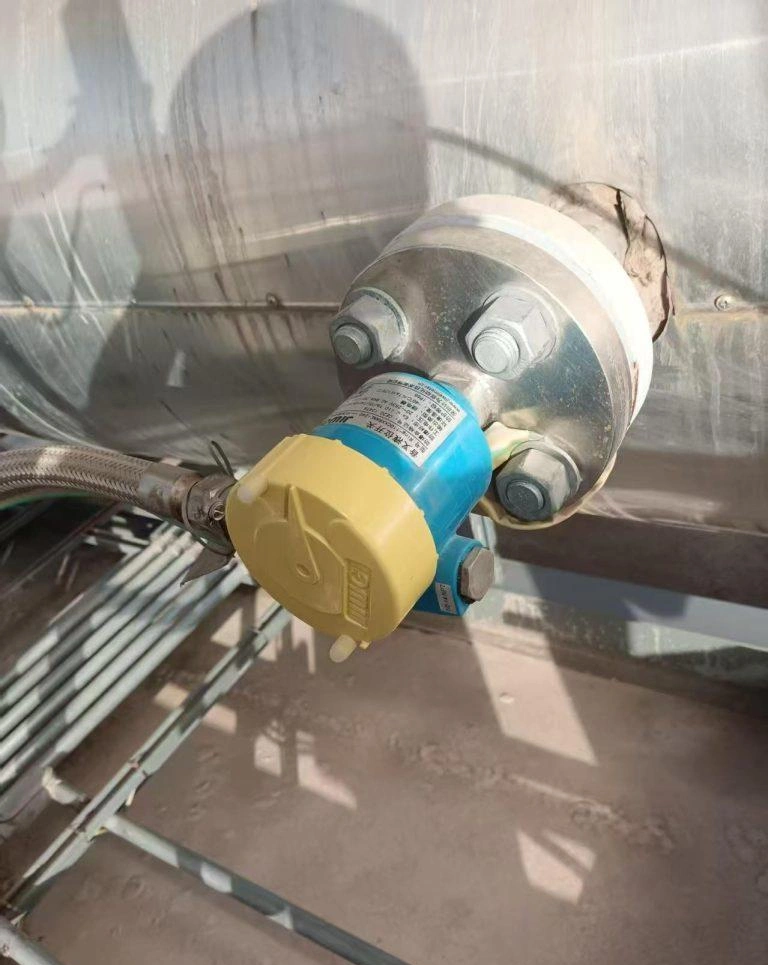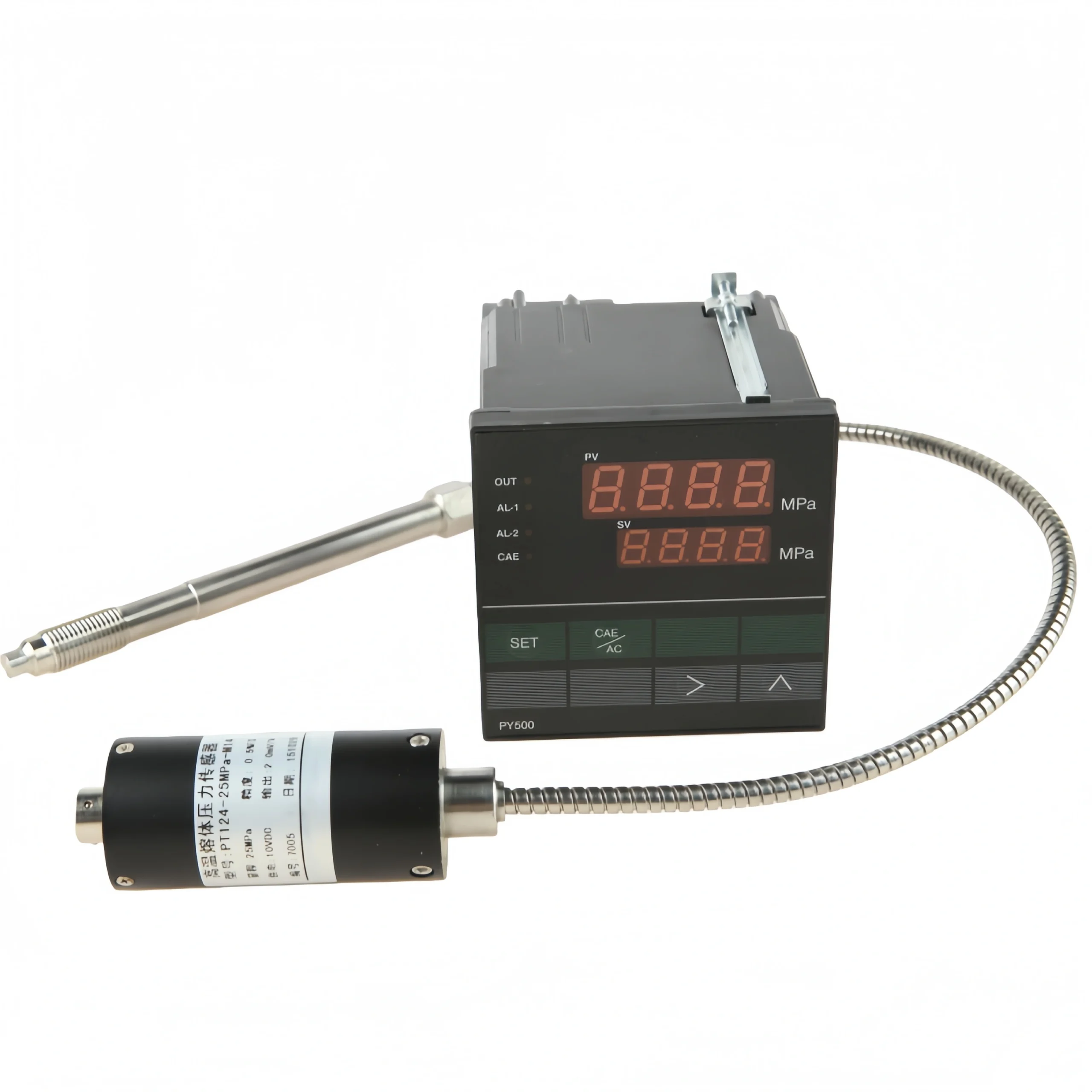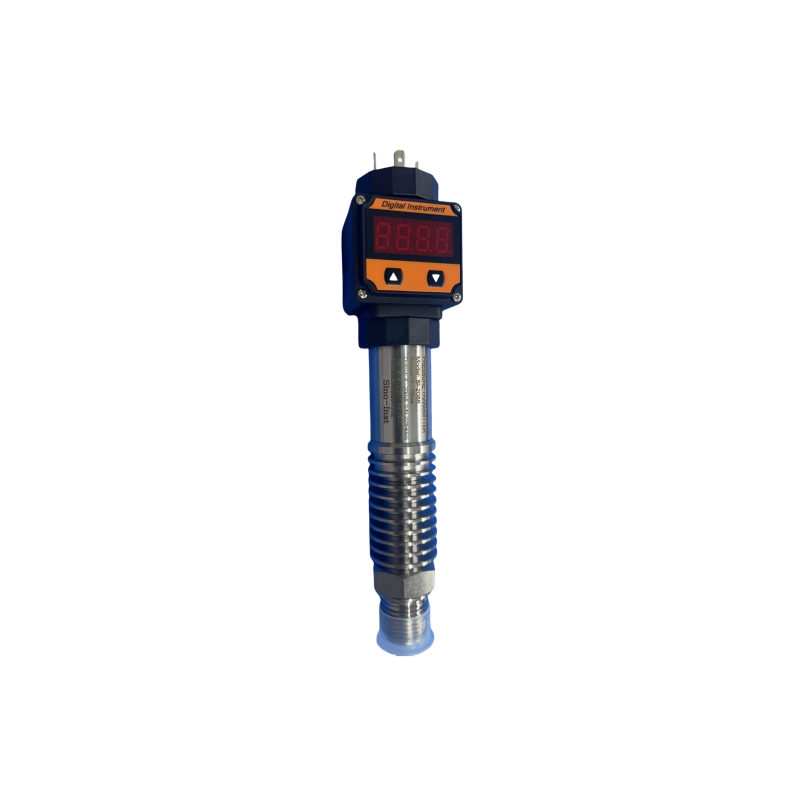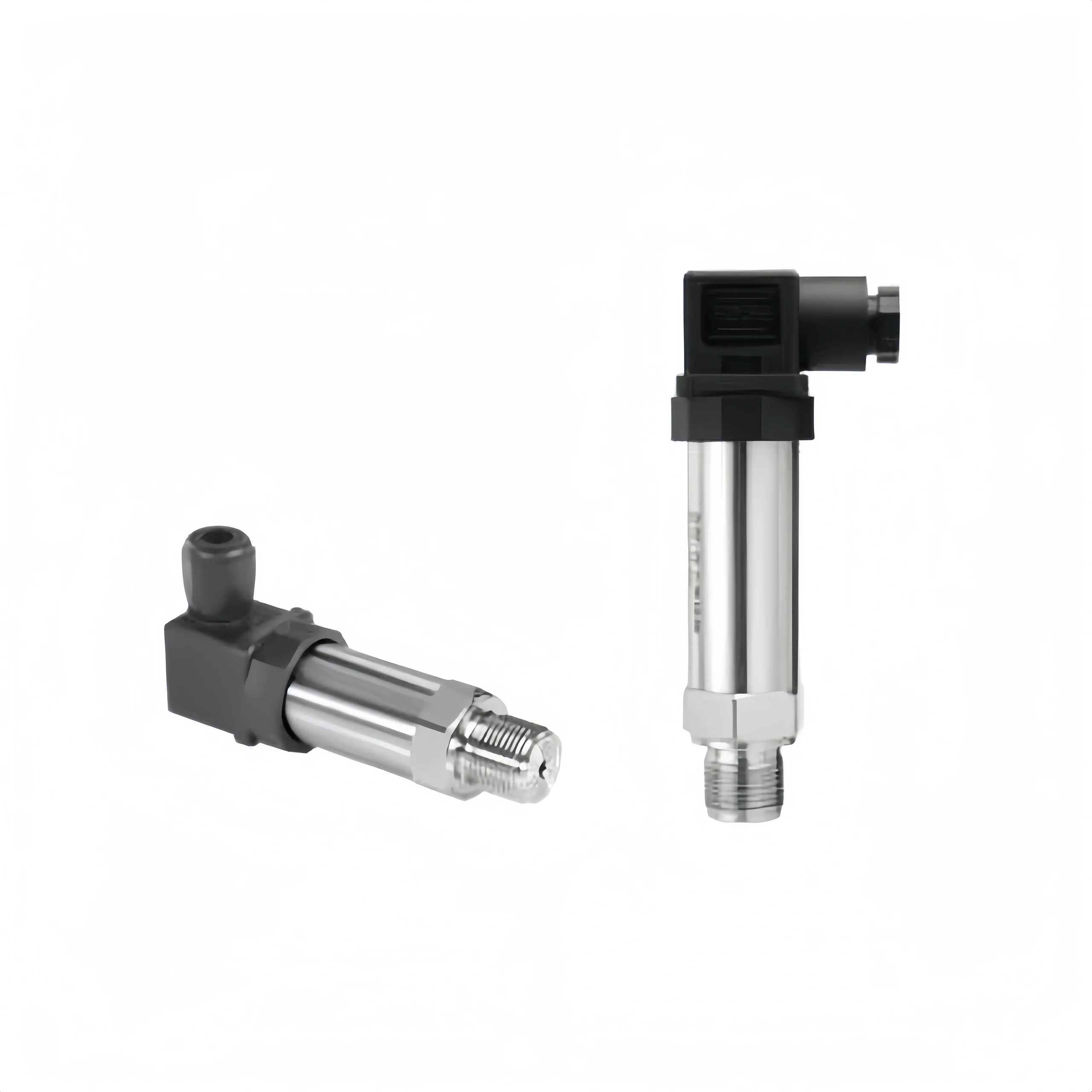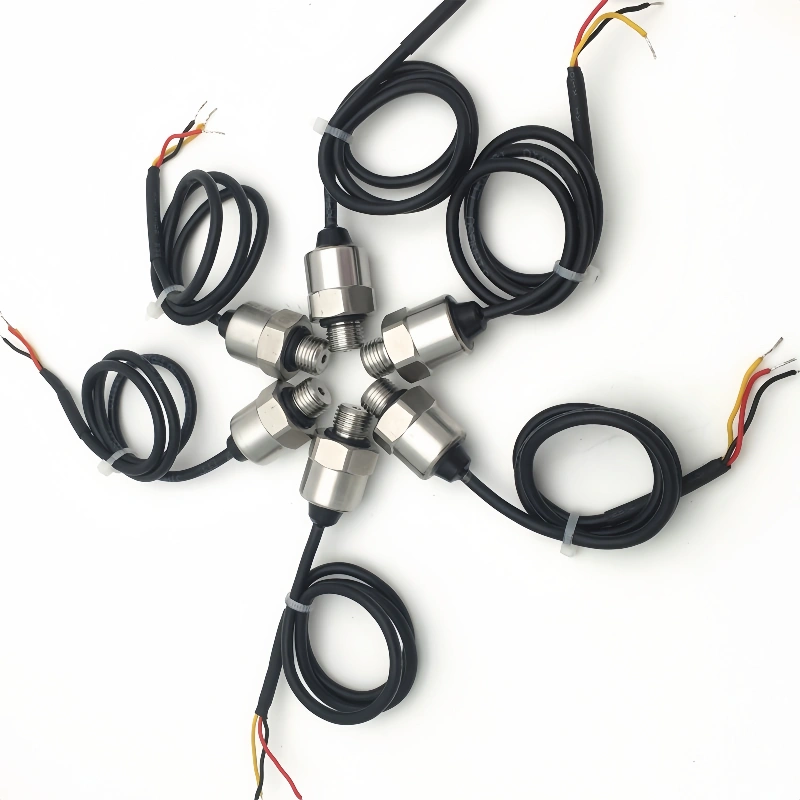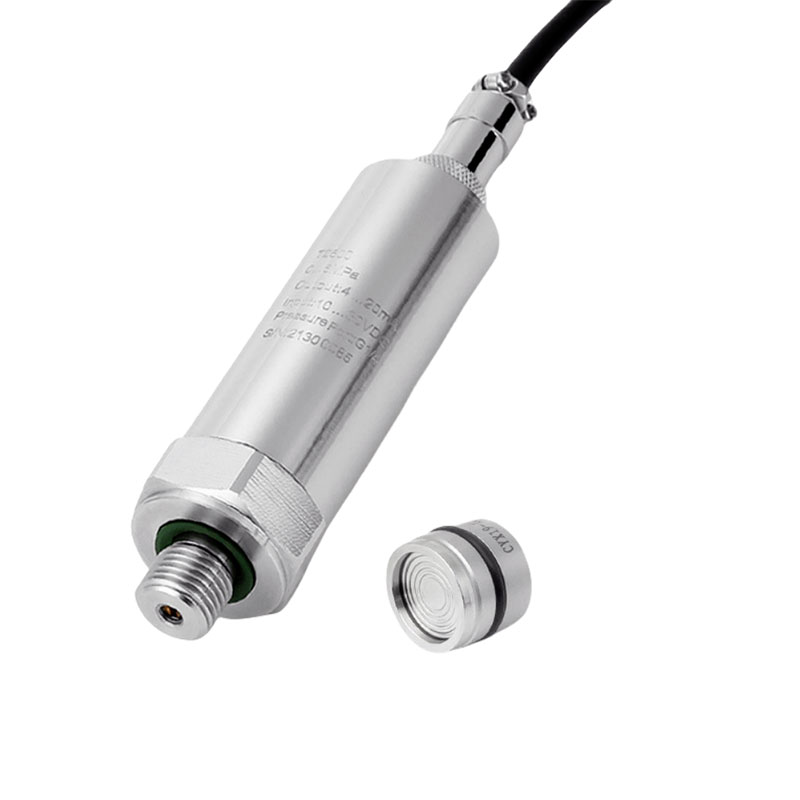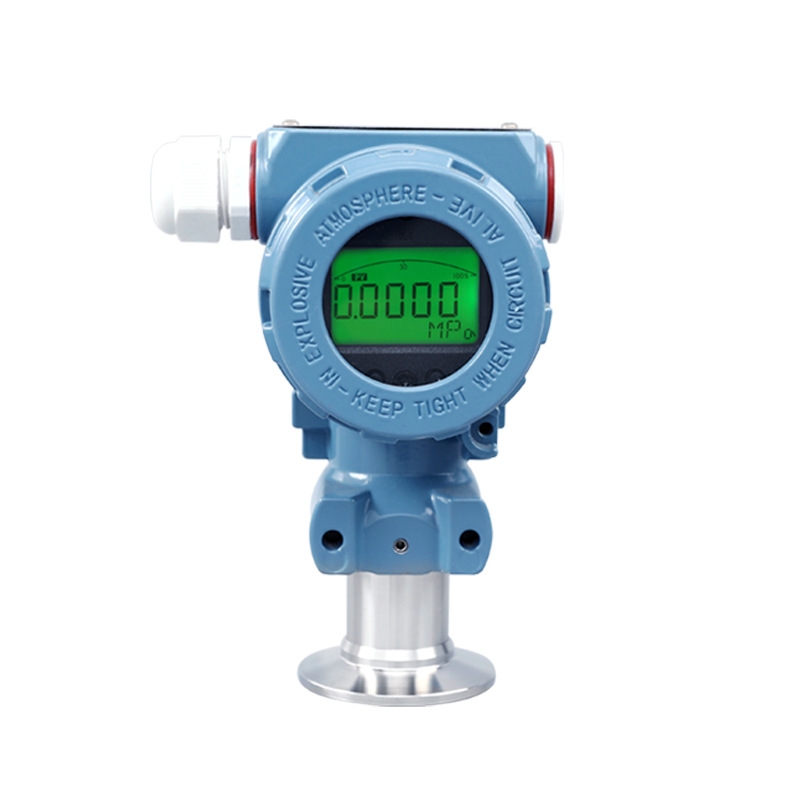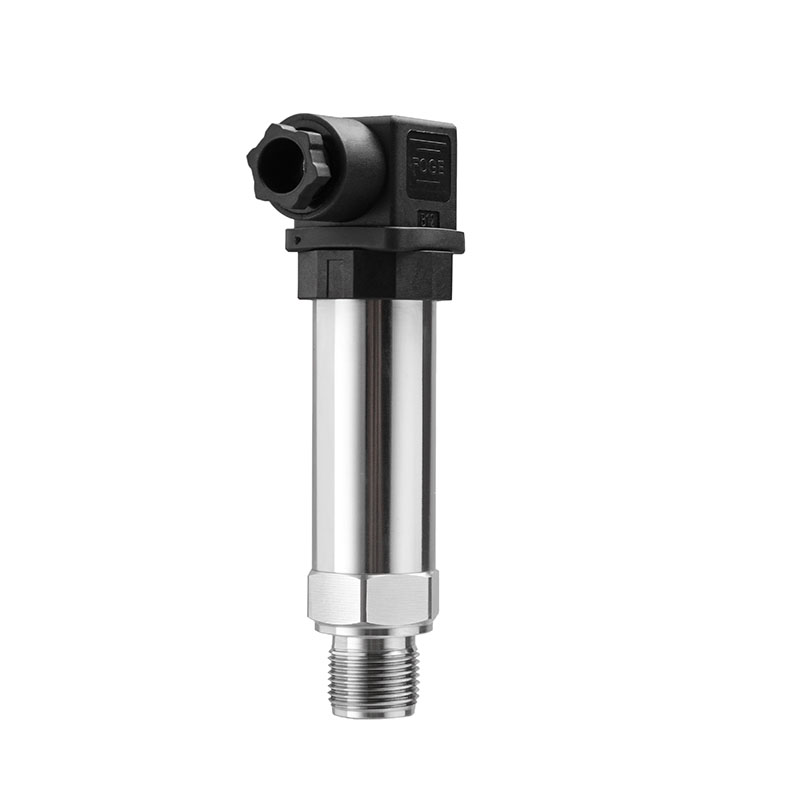
As the core sensing element in industrial negative pressure monitoring, the negative pressure transducer takes local atmospheric pressure as its reference, picking up pressure signals below atmospheric level and turning them into standard electrical outputs.
You’ll find them throughout vacuum systems, dust collection ducts and negative pressure chambers, where they supply dependable data for keeping processes stable and for safety interlocks.
What Is Negative Pressure
Negative pressure describes any pressure that falls below the local atmospheric pressure, and it’s often called vacuum pressure as well.
Taking atmospheric pressure as the baseline, the moment the air pressure inside the measured space drops below the pressure outside, the gap between the two gives you the negative pressure value—the lower the internal pressure climbs down, the larger that negative value becomes.
This pressure difference acts on both faces of the transducer diaphragm, so the outside atmosphere presses the diaphragm inward and makes it bend toward the low-pressure side; the negative pressure transducer simply works off this deformation to pick up the signal and convert it.
What Is a Negative Pressure Transducer
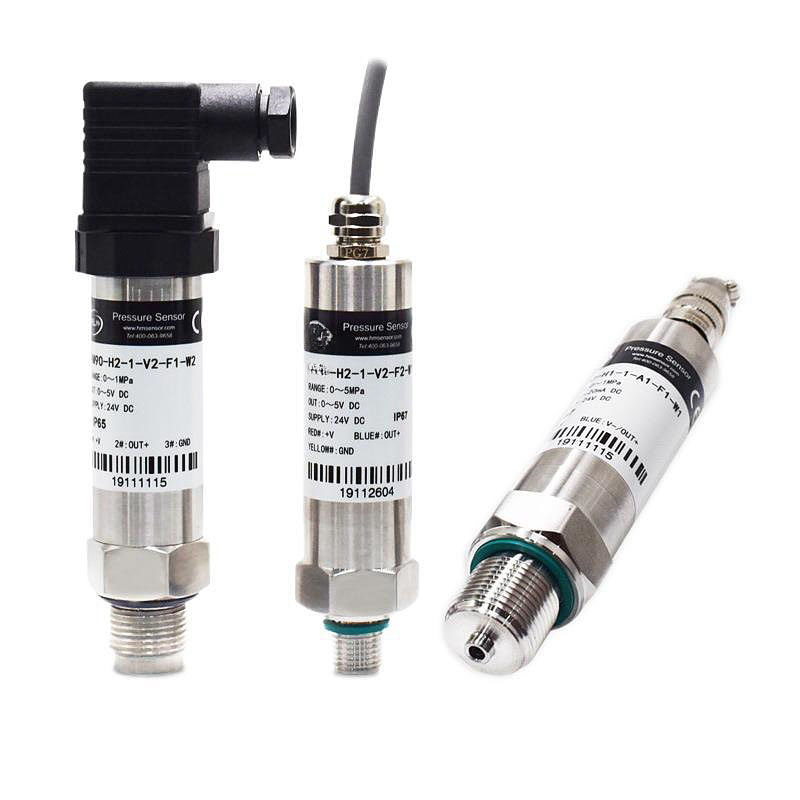
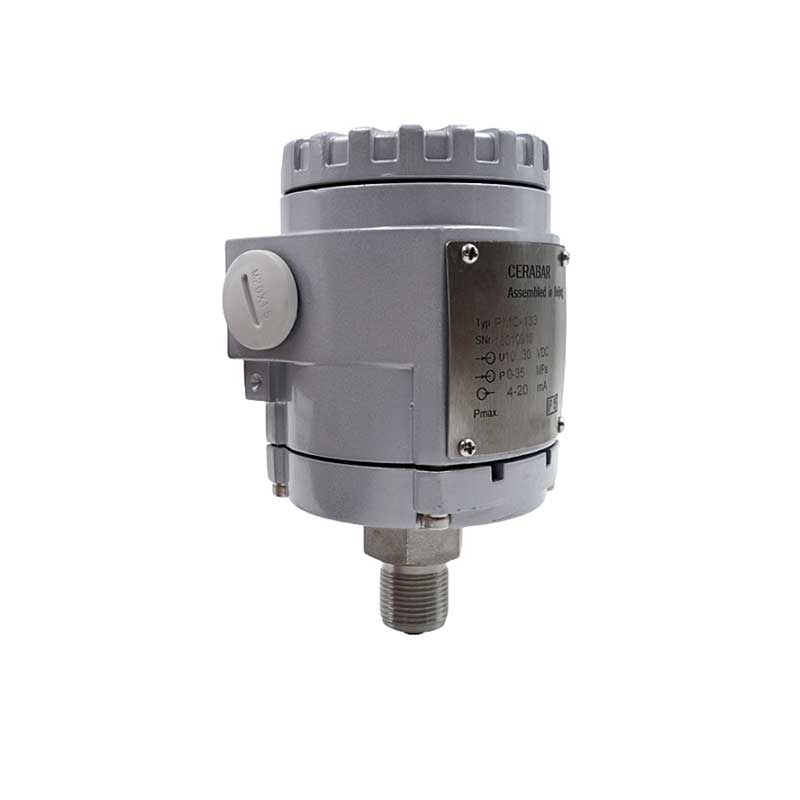
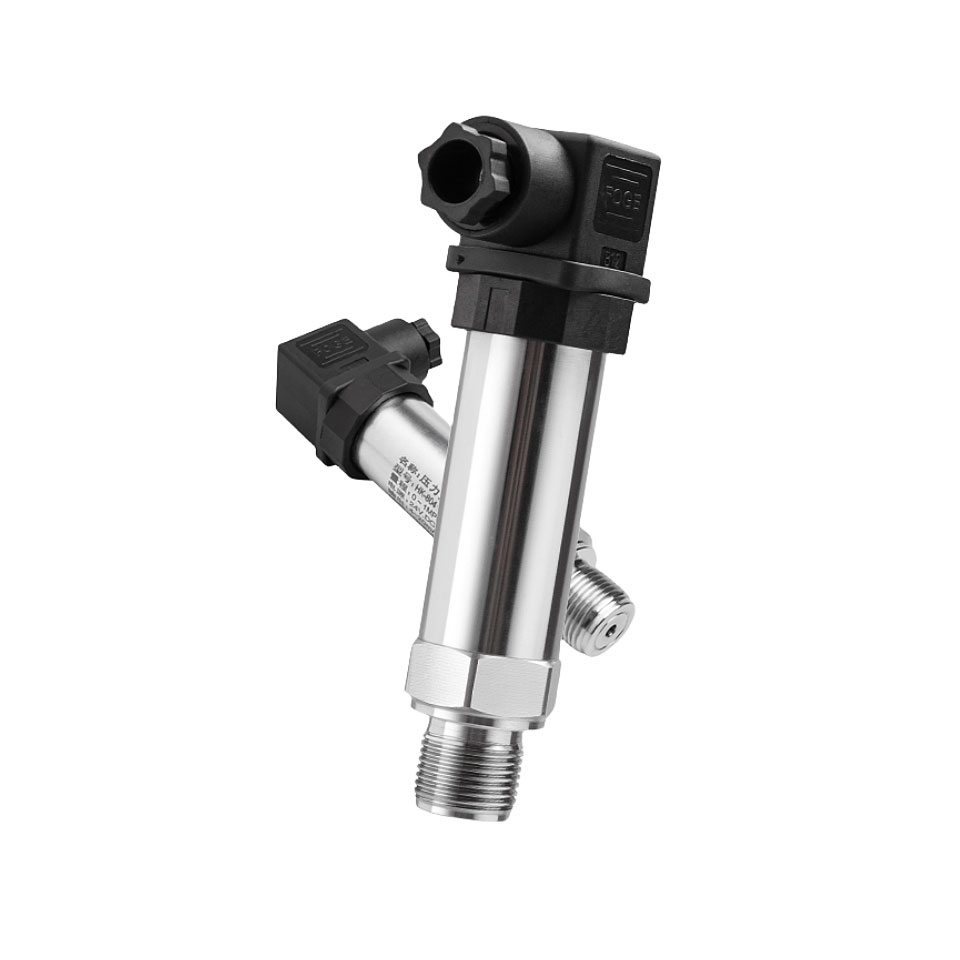
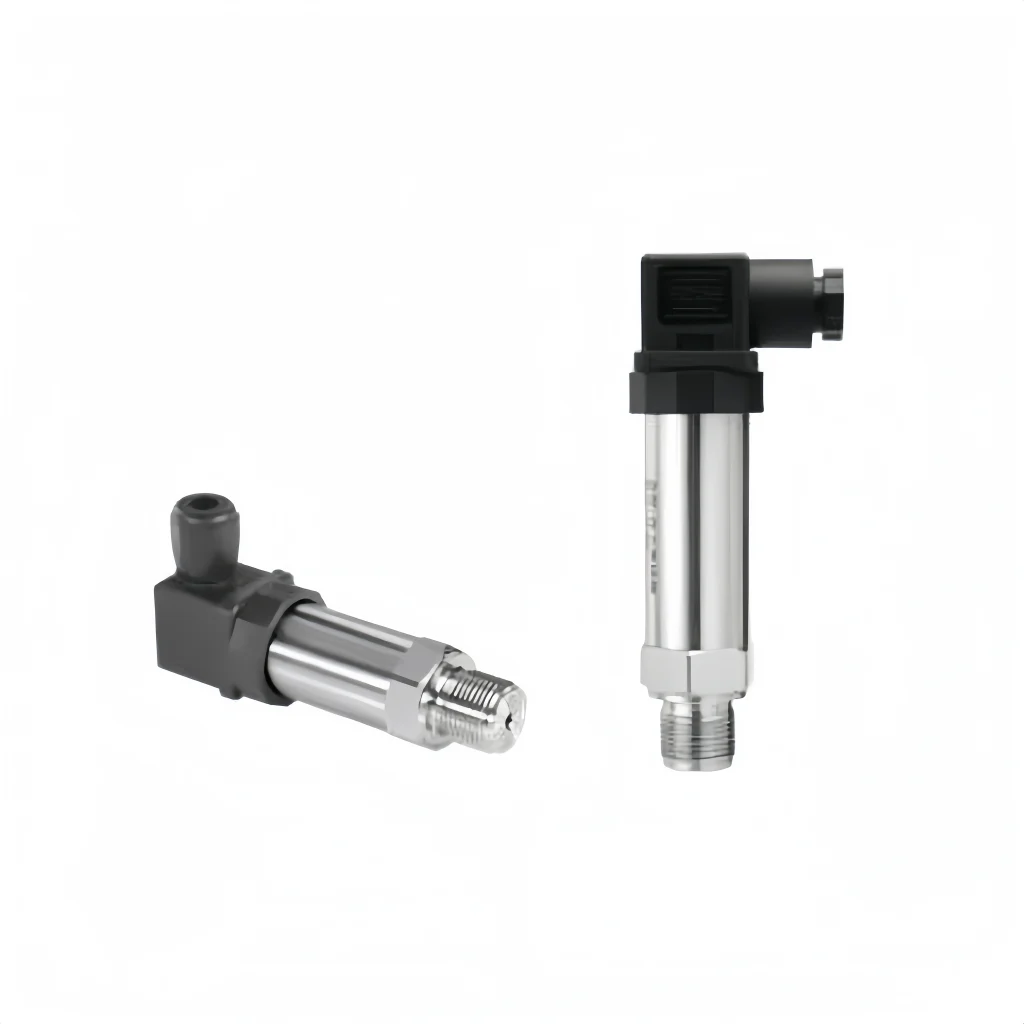
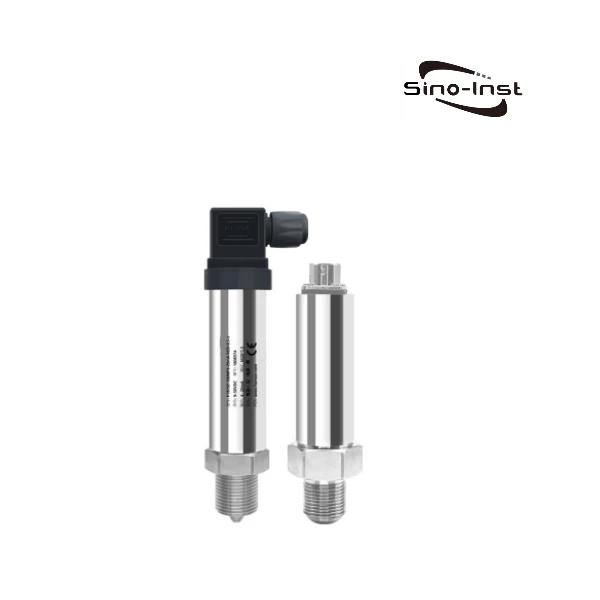
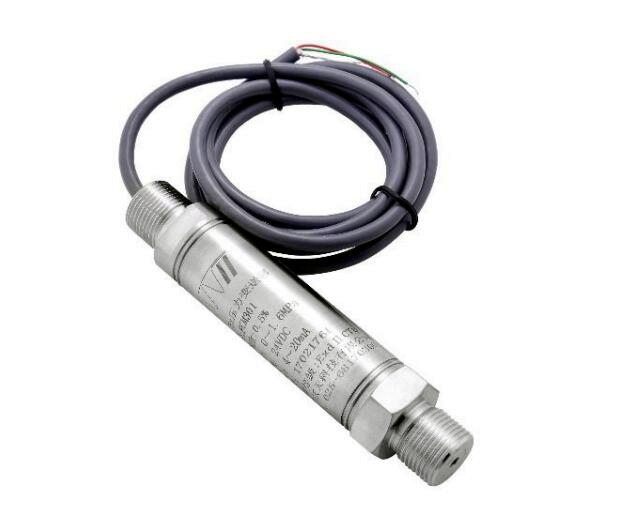
A negative pressure transducer, often referred to as a vacuum pressure transducer, is built to measure pressures that sit below atmospheric pressure. Its sensitive element picks up the negative pressure and turns the pressure signal into an electrical one, which an instrument then acquires and displays.
In practice it mostly monitors gases or non-corrosive liquids. You’ll see it a lot in vacuum pumps, medical negative pressure systems, dust collection ducts, vacuum packaging, and similar setups. As for types, these transducers mainly come in piezoresistive and capacitive versions.
When choosing a model, keep an eye on the measurement range, the properties of the medium, and any explosion-proof requirements—this helps avoid damage from overload.
Working Principle of Negative Pressure Transducers
At its core, a negative pressure transducer works through a sensitive diaphragm inside that reacts to negative pressure differences and deforms accordingly. The stronger the negative pressure gets, the more the diaphragm bends.
Internal circuitry then picks up the physical changes brought about by this deformation and turns them into a standard electrical signal. Since the signal value maps one-to-one onto the negative pressure, a downstream instrument can convert it and keep an eye on the vacuum pressure in real time.
There are three types commonly used in industrial applications:
Piezoresistive (diffused silicon): When the silicon diaphragm deforms, it changes the resistance of the substrate, and a Wheatstone bridge picks this up to produce an electrical signal. This type is compact, responds quickly, and offers good value for money, though you do need to deal with temperature drift through compensation. It shows up widely in industrial transmitters, ventilators, and HVAC negative pressure setups.
Capacitive: Here the negative pressure changes the gap between the diaphragm and a fixed electrode, which shifts the capacitance and that’s what gets measured. These transducers hold up well against temperature drift, stay stable over the long haul, and deliver high accuracy, so they fit precision vacuum work like semiconductor coating. The trade-off is a steeper price.
Strain Gauge: The diaphragm’s deformation changes the resistance of metal strain gauges bonded to it, and that resistance change is what captures the signal. This kind delivers excellent accuracy and stability, and it’s mainly found on large-scale industrial equipment where high precision matters.
Practical Applications of Negative Pressure Transducers
1. Clean environments.
You’ll find them in negative-pressure hospital wards, biological labs, and cleanrooms, where they keep tabs on indoor negative pressure to stop contaminants from escaping; they also watch the negative pressure inside air ducts so ventilation airflow can be adjusted automatically.
2. Medical equipment.
Mounted on ventilators and negative-pressure suction units, they pick up negative pressure in real time, regulate suction strength, and keep patients safe from tissue damage when the negative pressure runs too high.
3. Vacuum industry.
Equipment like vacuum packaging machines, coaters, and powder conveying systems lean on these transducers to keep track of negative pressure inside chambers and pipelines. That monitoring makes automatic process control a reality and goes a long way toward preventing pipeline blockages.
4. Automotive sector.
In vehicles, they pick up negative pressure from the engine intake manifold and the brake vacuum booster, then hand those signals over to the ECU. The result is finer control of fuel injection and ignition timing, plus a brake assist system that keeps working the way it should.
5. Dust collection and powder storage.
Dust collectors use negative pressure differentials to spot filter bag blockages and kick off cleaning cycles automatically; powder silos monitor internal negative pressure so the silo body doesn’t collapse under it.
6. Food, pharmaceutical, and fluid piping systems.
In freeze-dryers and vacuum drying equipment, they keep an eye on chamber negative pressure to keep production running steadily; in negative-pressure sewage networks and sealed air storage tanks, they provide real-time pressure readings that help prevent hazardous gas leaks and reduce explosion risks.
Advantages of Negative Pressure Transducers
1. These transducers are designed specifically for negative pressure and vacuum work. They read pressures below atmospheric level accurately, pick up on the smallest negative pressure changes, and hold up even in chambers where the vacuum runs very deep.
2. Temperature compensation is built right in, so you get accurate, repeatable readings with hardly any drift, the data stays stable over long stretches, and calibration doesn’t have to happen nearly as often.
3. They respond quickly. Pressure changes turn into standard electrical signals almost as fast as they happen, which is exactly what real-time closed-loop control of negative pressure systems needs.
4. The units themselves are small and easy to put in place. The stainless steel housing is hermetically sealed, so vibration and moisture don’t bother it; if you’re dealing with corrosive or explosive environments, there are special versions for that too.
5. You can choose from several signal outputs—4–20 mA, RS-485, HART—so connecting them to PLCs and industrial control systems, and setting up remote monitoring, is pretty painless.
6. These things tolerate overload well and can take pressure surges without complaining, which means they keep working for years and you spend less on replacements and maintenance.
7. Electromagnetic interference doesn’t faze them much, so negative pressure data keeps flowing reliably even in industrial sites where electrical noise is a real problem.
Negative Pressure transducers vs. Standard Pressure transducers
1. Different Measurement Ranges
Standard pressure transducers are built for positive pressure—anything above atmospheric level—with the range typically starting at 0 and topping out wherever the model is rated.
Negative pressure transducers (also called vacuum pressure transducers) work the other end of the scale, covering pressure below atmospheric level, usually running from 0 down into negative values; a few models, though, can actually measure both sides of the line.
2. Different Reference Standards
Most standard pressure transducers are gauge-pressure types, taking the ambient atmospheric pressure at the installation site as their baseline.
Vacuum pressure transducers likewise come in gauge-vacuum versions; a few absolute-vacuum types, however, reference absolute vacuum and are purpose-built for vacuum environments, which makes them a good fit for high-vacuum work.
3. Internal Structure and Sealing Requirements
Vacuum pressure transducers demand tighter chamber sealing, since any outside air sneaking in will throw off the vacuum readings.
Standard pressure transducers are built to hold up under positive pressure from the medium, with sealing designed mainly to stop leaks out of the sensor; but under negative pressure, air tends to get drawn in, and that leads to inaccurate measurements.
4. Applicable Operating Scenarios
Standard pressure transducers serve positive-pressure monitoring situations—pipeline pressurization, hydraulic systems, and pneumatic systems being typical examples.
Negative pressure transducers go wherever vacuum level monitoring is needed: vacuum pumps, suction systems, vacuum packaging, negative pressure chambers, and negative pressure pipelines.
5. Limitations on Medium Compatibility
Liquids tend to vaporize much more readily under negative pressure, so vaporization is a real issue to weigh up when you’re choosing a negative pressure transducer.
With standard pressure transducers, vaporization risk rarely comes into play—what actually matters there is corrosion resistance and the pressure rating under positive pressure.
6. Differences in Measurement Characteristics
As the pressure gets closer to the vacuum range, negative pressure transducers need higher sensitivity and tighter nonlinearity specs.
Standard pressure transducers are spec’d mainly for the positive pressure range; when pressure drops toward the lower end near atmospheric level, their measurement error grows noticeably, so they’re not cut out for long-term negative pressure monitoring.
Selection Considerations
1. Range Selection
Start by pinning down the actual negative pressure conditions and make sure you know whether you need gauge pressure or absolute pressure. Then set the maximum vacuum level sensibly—go too wide and accuracy suffers, go too narrow and you risk damaging the unit. For high-vacuum work, absolute pressure transducers should be your first choice.
2. Media Compatibility
Pick the diaphragm and housing materials according to the gas being measured. Plain dry air? 304 stainless steel does the job. Corrosive gases or anything carrying moisture? Go with 316L or Hastelloy. And if things get humid, think about adding condensation protection.
3. Accuracy and Output
Class 0.5 is fine for everyday monitoring; if you need real precision, step up to Class 0.2 or better. For long cable runs, 4–20 mA is the way to go. If the data acquisition point is nearby, RS485 or HART makes parameter adjustment a lot easier.
4. Temperature and Environment
Keep medium temperature and ambient temperature separate in your mind—if the medium runs hotter than the transducer’s limit, put in an isolation device. Humid or dusty site? Match the right protection rating; for anything outdoors, IP65 or higher is what you’d want.
5. Explosion-Proof Certification
In flammable or explosive atmospheres, the transducer has to carry the proper explosion-proof rating and certification. In ordinary environments, just stick with standard models—no point paying for features you don’t need.
6. Installation Interfaces
Check the thread specs carefully and confirm they match the pressure tapping fittings on site. Watch out for liquid pooling and getting into the transducer through the ports. If the installation spot vibrates, pick a vibration-resistant design and add shock absorbers where needed.
7. Stability
Negative pressure measurement tends to drift at the zero point, so favor products with solid temperature compensation. For long-term monitoring jobs, pay close attention to the temperature drift specs—it’ll save you from constant recalibration.
8. Response Speed
For steady negative pressure monitoring, standard models are perfectly fine. But if the pressure swings quickly or you need dynamic vacuum control, you’ll want a transducer with a fast response.
9. Power Supply Requirements
Most industrial setups run on 24 V DC, so check that the circuit can handle the load. With digital communication models, double-check the bus power requirements too, or you’ll end up with signal glitches.
FAQ
What are gauge pressure and absolute pressure?
Absolute pressure:
This is pressure measured against a perfect vacuum as the zero point. It’s always zero or higher, and it tells you the true pressure of the medium itself.
Take a vacuum tank with an absolute pressure of 0 kPa—that would be a theoretically perfect vacuum.
Gauge Pressure:
This one uses the local atmospheric pressure as its zero point, meaning it’s simply the difference between what you’re measuring and the atmosphere around it. Most of the numbers you see on pressure gauges are gauge pressure.
When the measured pressure drops below atmospheric pressure, the gauge shows a negative reading—and that negative value is what we call negative pressure.
Conversion Relationship: Absolute Pressure = Gauge Pressure + Local Atmospheric Pressure
What precautions should be taken when installing a negative pressure transducer?
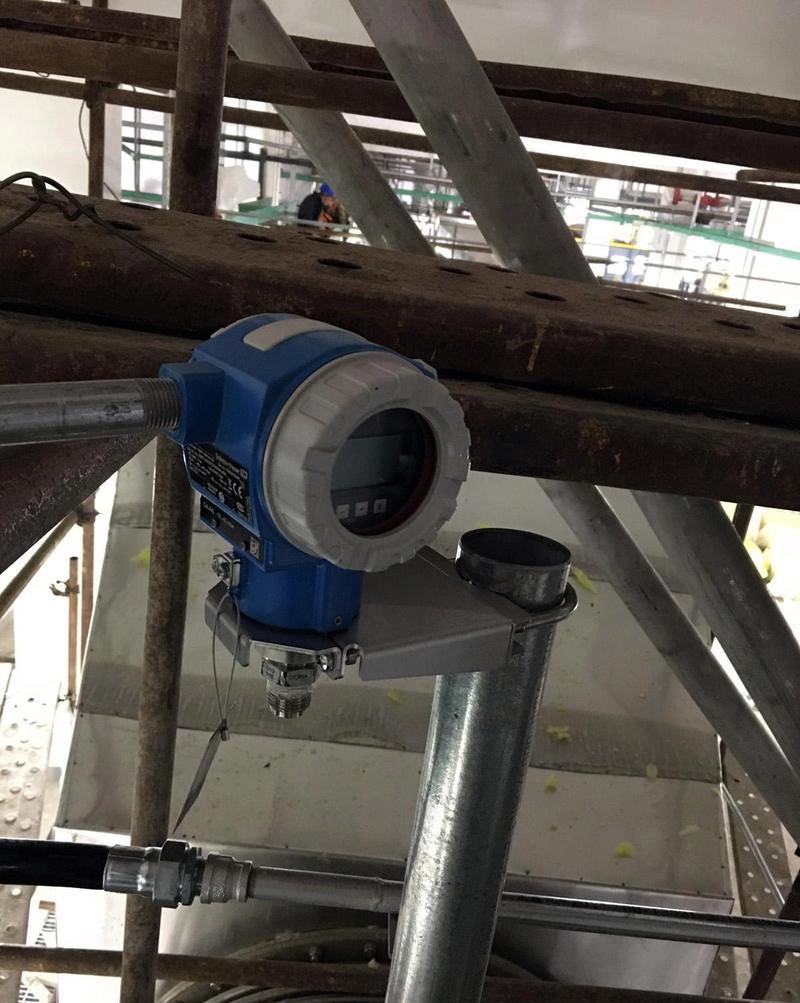
The pressure tapping port belongs at the top of the pipeline, and the tubing between the tap and the transducer should be kept as short as possible with as few bends as you can manage—this keeps liquid from pooling and causing blockages.
Don’t mount the transducer with its diaphragm facing down, and fit a drain valve at the lowest point of the piping so condensate can be flushed out promptly.
Make sure every pipe joint is properly sealed. Under negative pressure, even a small air leak goes straight into the measurement and ruins its accuracy.
Never let the unit get overloaded—applying positive pressure beyond its range will damage the sensing element.
Once everything’s in place, run a leak test first, then evacuate the system slowly so you don’t subject the transducer to sudden pressure surges. Calibrate the zero point afterward if the situation calls for it.
What is the difference between a negative pressure transducer and a differential pressure transducer?
Measuring principle: A negative pressure transducer picks up the pressure at just one point and compares it with the surrounding atmosphere; a differential pressure transducer works differently—it captures the gap in pressure between two distinct measurement points.
Pressure Connections: You’ll find a single pressure port on a negative pressure transducer, with the reference side vented straight to the atmosphere. A differential pressure transducer instead gives you two ports, labeled high and low.
Range Characteristics: The range of a negative pressure transducer stays pretty much inside negative pressure territory. Differential pressure transducers aren’t limited that way—they cover both positive and negative differences, so you end up with a much wider usable range.
Applications: When it comes to watching vacuum at a single spot—say a vacuum tank or a negative pressure duct—the negative pressure transducer does the job. For flow measurement, level measurement, or checking filter differential pressure, people usually reach for a differential pressure transducer.
Pressure Reference: Negative pressure is always worked out against the local atmosphere. Differential pressure pays no attention to atmospheric pressure at all; it’s measured purely against the pressure at the other point.
At Sino-Inst, we’ve put together a full selection of measurement and control instruments—negative pressure transducers, differential pressure transmitters, level gauges, flow meters, you name it—so whatever industry you’re in, whether it’s vacuum systems, dust removal, or pharmaceuticals, we’ve got your negative pressure monitoring covered.
Tell us your operating conditions, and we’ll walk you through the selection with professional advice or put together a customized solution for you. Our products support multiple signal outputs and hold up well in tough environments, including explosion-proof and corrosion-resistant applications.
Got a technical question, want to test a sample, or need a project quote? Just reach out—we’re ready to help you get stable, reliable pressure measurement and control in your plant.