Volumetric Flow Meter – Guide

Table of Contents

A positive displacement flow meter is the most accurate flow meter. It is also called a fixed displacement flowmeter or PD flowmeter. It uses mechanical measuring elements to continuously divide the fluid into single known volume parts, and measures the total volume of the fluid according to the number of times the measuring chamber is repeatedly filled and discharged with the volume part of the fluid. It is widely used in various industries. The following is an introduction to a positive displacement flow meter.
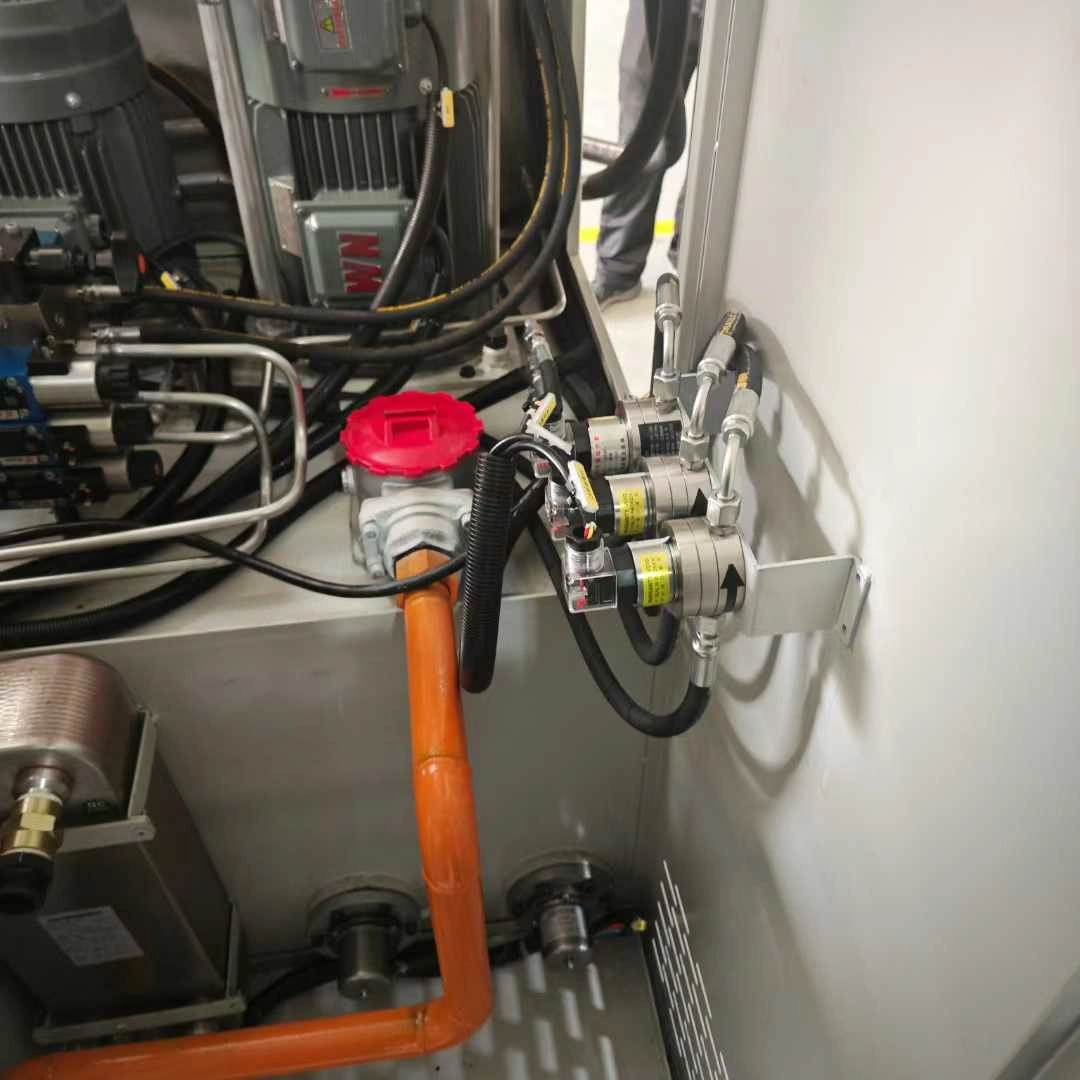
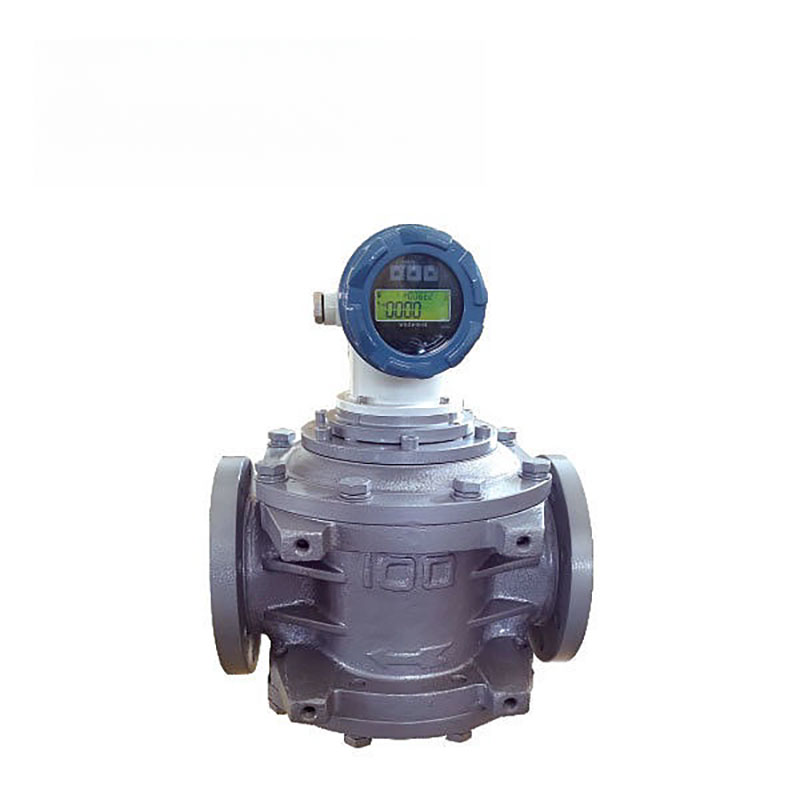
Volume Flow Meter

What is a Volume Flow Meter?

Volume Flow

Volume flow rate is the volume of fluid passing through a given cross-section per unit time, denoted by Q or qv. Common units include m³/s, L/h, and other volume/time combinations.
It applies to both liquids and gases. For gases, the distinction between actual and standard conditions is essential, as gas volume varies with temperature and pressure—expanding when heated and compressing under pressure. Therefore, temperature and pressure must be accounted for when measuring gas volume flow.

Volume Flow Meter

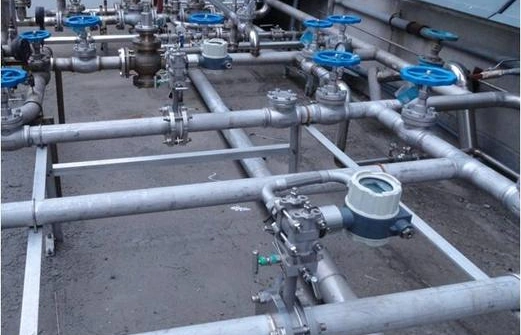
A volumetric flow meter directly measures fluid volume passing through a pipe or system over time, rather than inferring flow from velocity or pressure. It offers high accuracy across a wide flow range, suits diverse fluids and applications, and requires minimal maintenance.
Widely used in water treatment, oil and gas, food and beverage, and pharmaceuticals, these meters enable precise monitoring, process control, and billing. Sino-Inst designs its volumetric flow meters to deliver accuracy, reliability, and superior performance.

How does a Volume Flow Meter Work?

Volumetric flow meters measure the volume of fluid flowing past a specific point per unit of time. They do this by either directly counting the volume of fluid flowing through a chamber or by measuring the fluid velocity and then calculating the volumetric flow rate.

Volumetric flow meters work by filling and emptying a chamber of known volume. As fluid flows into the chamber, it is pushed out, and the number of times this cycle repeats is counted. By knowing the volume of the chamber and the number of cycles, the total volumetric flow rate can be determined.

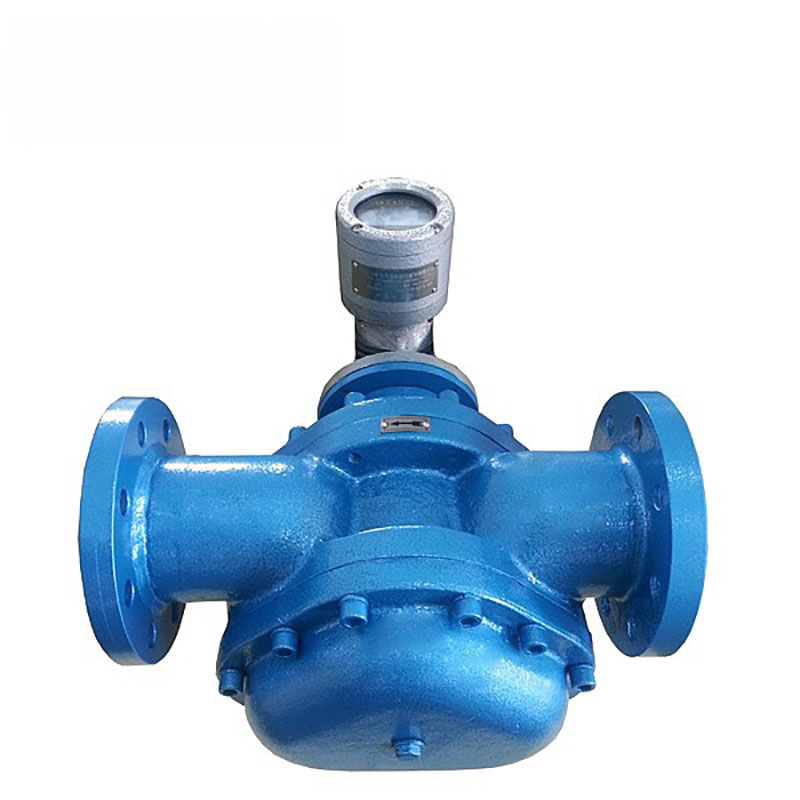
LL-Series-Roots-Wheel-PD-Flow-Meter-for-Liquids-Cast-Steel-Material
Roots Wheel PD Flow Meter for Liquids
TWS Series Rotary Flow Meter with Three-Axis Scraper Electronic Display
Rotary Flow Meter with Three-Axis Scraper
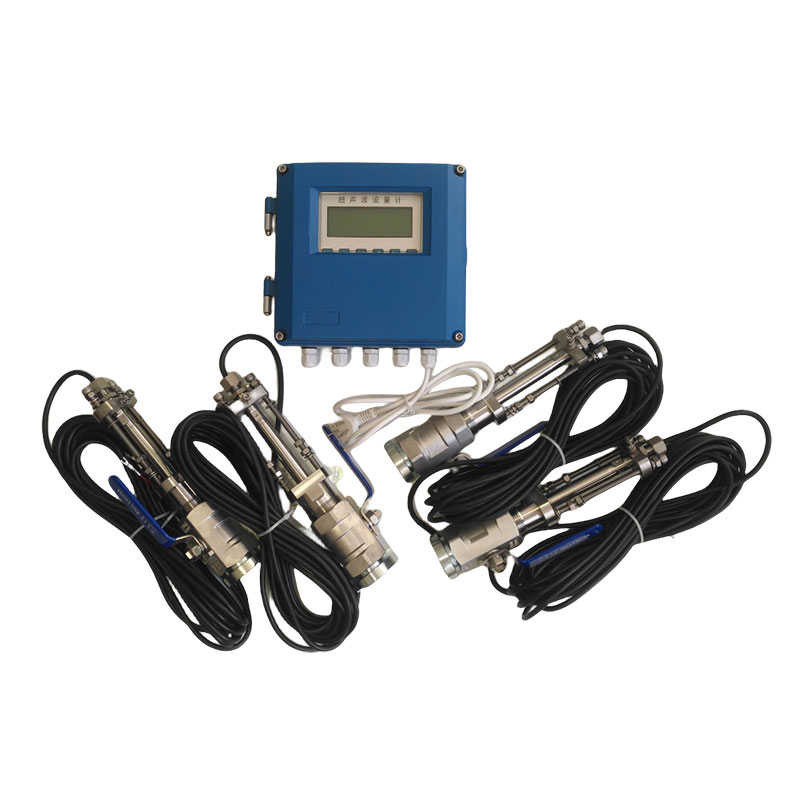
Insertion-type-two-channel-ultrasonic-flow-meter-with-high-sensitivity-probe
Dual/Multi Channel Ultrasonic Flow Meter – More Stable
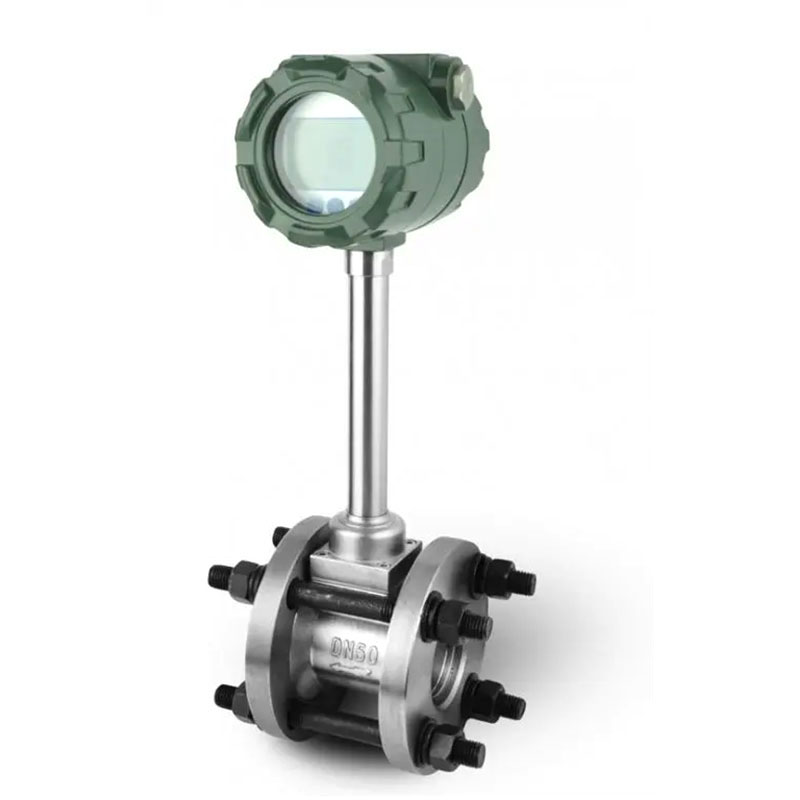
Wafer-Vortex-Shedding-Flow-Meter-No-Compensation
Wafer Vortex Shedding Flow Meter – Low Installation Cost
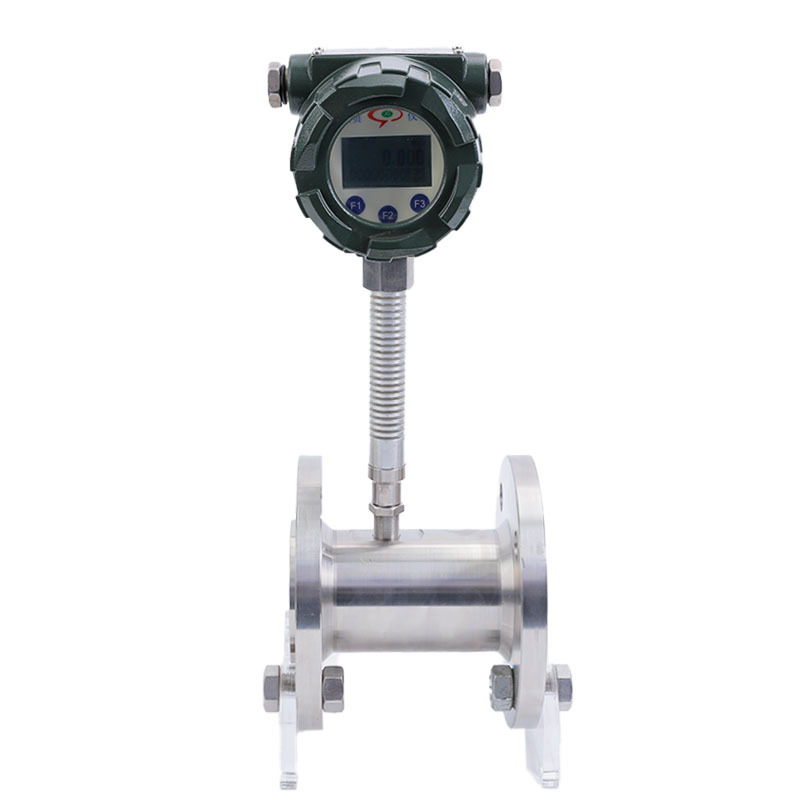
Cryogenic Turbine Flow Meter for Low Temperature Fluid
Compact Inline Electromagnetic Flow Meters
Inline Electromagnetic Flow Meter | Compact & Split Type

Advantages and Disadvantages of Volume Flow Meters

Advantages

  • High accuracy and reliability. They can measure fluid volumes very accurately.
  • They can be used to measure a wide range of fluid types. Including liquids, gases, and steam.
  • Wide operating range. They can operate over a wide range of temperatures and pressures.
  • Low maintenance. Some types of flow meters, such as ultrasonic flow meters, require very low maintenance because they have no moving parts.

Disadvantages

  • Sensitivity to fluid properties. May be affected by changes in fluid viscosity, density, and temperature
  • Poor measurement of complex solid-liquid mixtures.
  • Requires frequent calibration checks and may be sensitive to vibration.
  • Initial installation costs may be high. Especially for ultrasonic and electromagnetic flow meters.

Applications of Volume Flow Meters

Water and Wastewater Treatment:

Measure raw water, clean water and wastewater flows. Ensure efficient treatment processes and comply with regulations.

Oil and Gas:

Monitor crude oil, oil and gas flows to ensure accuracy in delivery and storage.

Chemical Industry:

Measure chemicals and solvents to control flows during chemical reactions.

Food and Beverage:

Used in processes as diverse as beverage production and sugar beet processing. Accurately proportion ingredients and manage sanitary wastewater.

Pharmaceuticals:

Precise dosing and batch control to ensure precision in pharmaceutical production.

HVAC Systems:

Measure air and water flows to optimize system performance and energy savings. Ensure efficient operation of HVAC systems.

Volumetric Flow Meter

Types of Volume Flow Meters

Positive Displacement Flow Meter

These high-precision volumetric meters measure volume directly by utilising a mechanical chamber to periodically partition and discharge a fixed volume of fluid.

Positive displacement flow meters use mechanical means to systematically fill and empty a chamber (such as a piston or gear) to directly measure volume.

Circular Gear Flow Meter

This meter measures fluid flow based on the principle of positive displacement, with a pressure differential driving the rotation of gears to displace a fixed volume of medium. It supports multiple signal outputs.

Its accuracy is unaffected by viscosity, and it requires no straight pipe sections, making it suitable for high-viscosity liquids such as oils and syrups. It is commonly used for trade metering in small to medium-sized pipe diameters.

Rotary Piston (Roots) Flow Meter

A positive displacement instrument in which the rotor rotates to deliver a metered volume of fluid; temperature and pressure compensation are available as options.

It offers a wide measurement range and large bore sizes, with accuracy unaffected by flow patterns, making it suitable for natural gas and refined petroleum products; it is frequently used in high-flow industrial and commercial applications.

Scraper Flow Meter

Employs a positive displacement structure for flow measurement, with wear-resistant scrapers forming a sealed chamber.

It can withstand trace solid particles in the medium and offers excellent resistance to fouling, making it suitable for high-viscosity, complex fluids containing impurities, such as crude oil and heavy oil.

Rotary Piston Flow Meter

It achieves quantitative measurement through the reciprocating motion of an eccentric piston.

Compact, cost-effective, with low pressure drop and simple maintenance, it is suitable only for clean liquids and is commonly used in civil water supply, fuel oil, and small-scale lubricating oil applications involving medium to low flow rates.
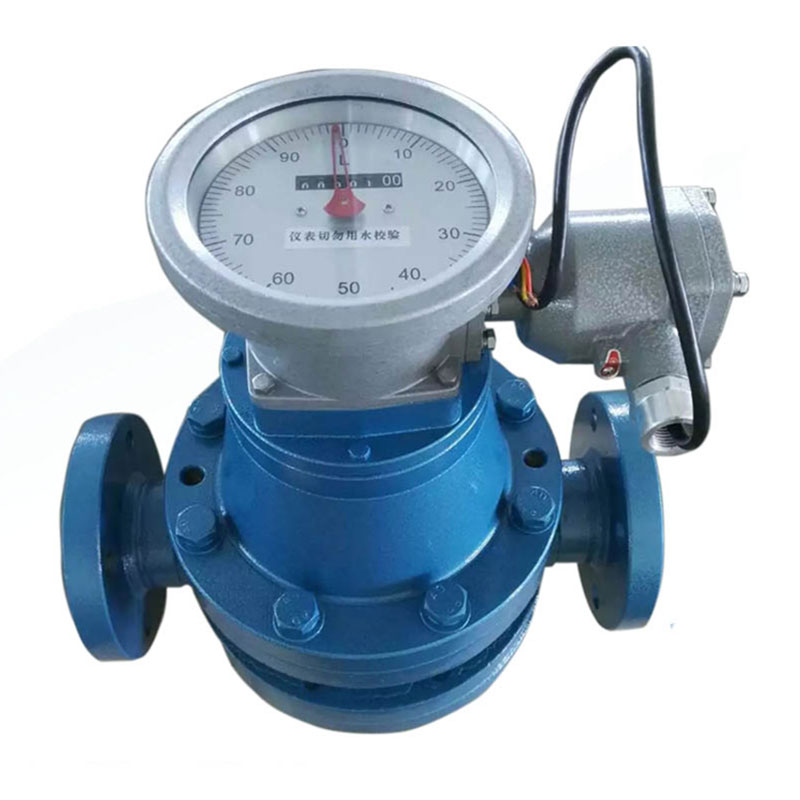
Positive-Displacement-Oval-Gear-Fuel-Flow-Meter

Velocity flowmeter

They first detect the fluid velocity and then calculate the volumetric flow rate based on the cross-sectional area of the pipe; this type offers the widest range of models and is the most widely used.

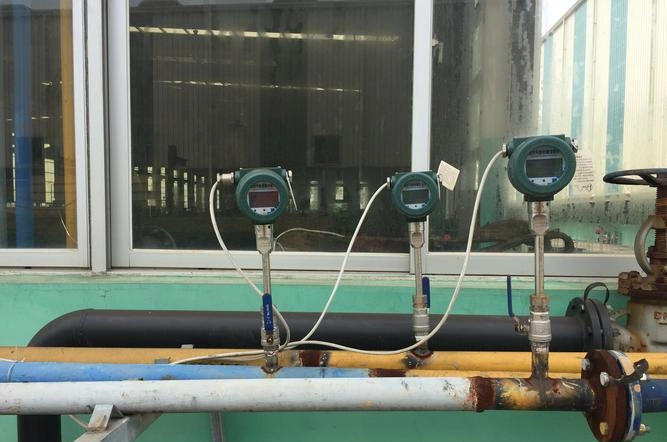
Vortex Flow Meter

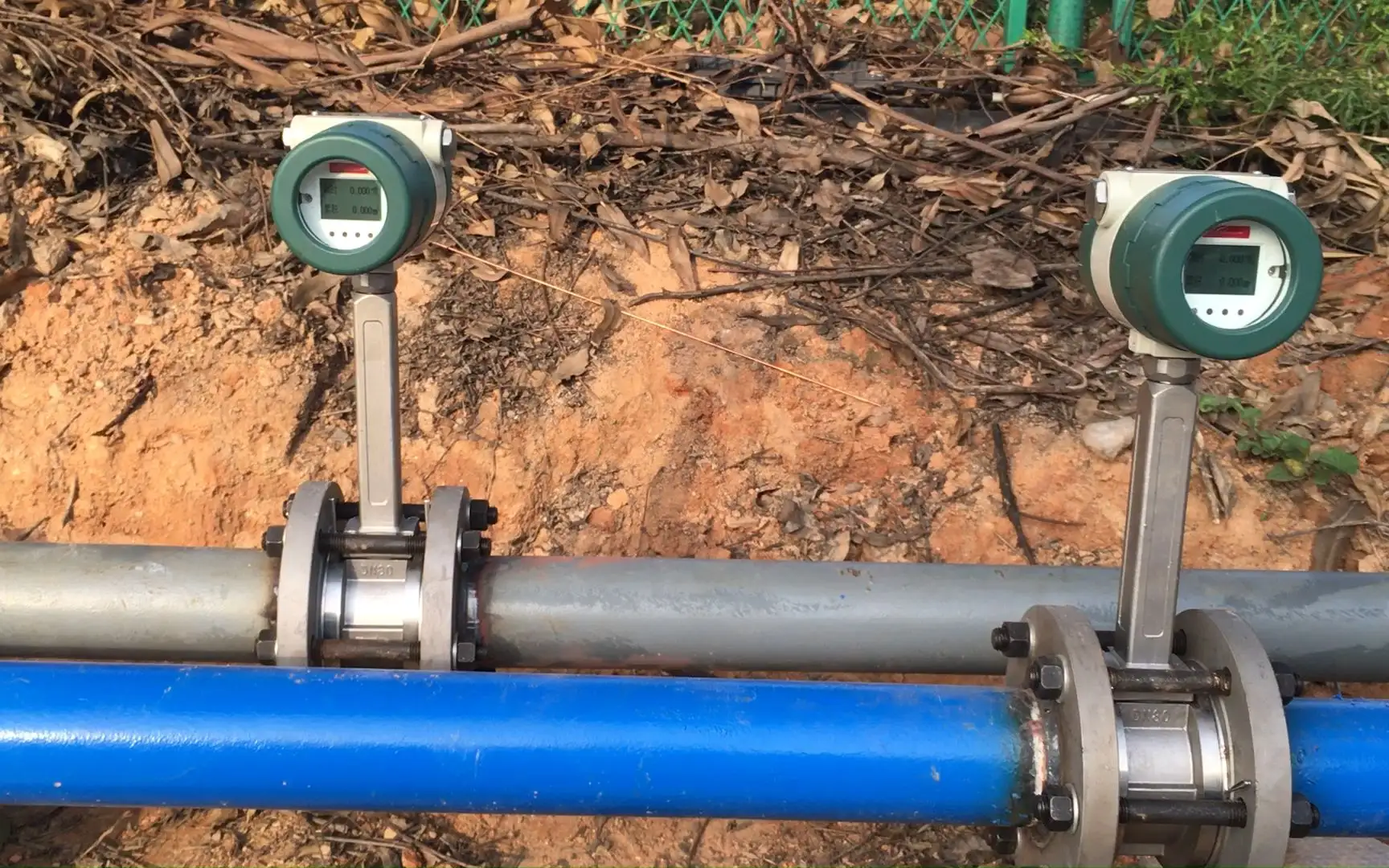
The vortex flow meter uses the von Karman effect to measure the volume flow of gas, steam or liquid. When the fluid flows through the dust collecting bar of the vortex flow meter, vortices are formed. The frequency of vortex shedding is proportional to the fluid velocity. Temperature and pressure compensation can be configured.

The volume flow of the vortex flow meter is not affected by thermal parameters such as temperature, pressure, density or viscosity of the measured fluid. Usually ,no separate calibration is required. It can measure the flow of liquids, gases or steam.
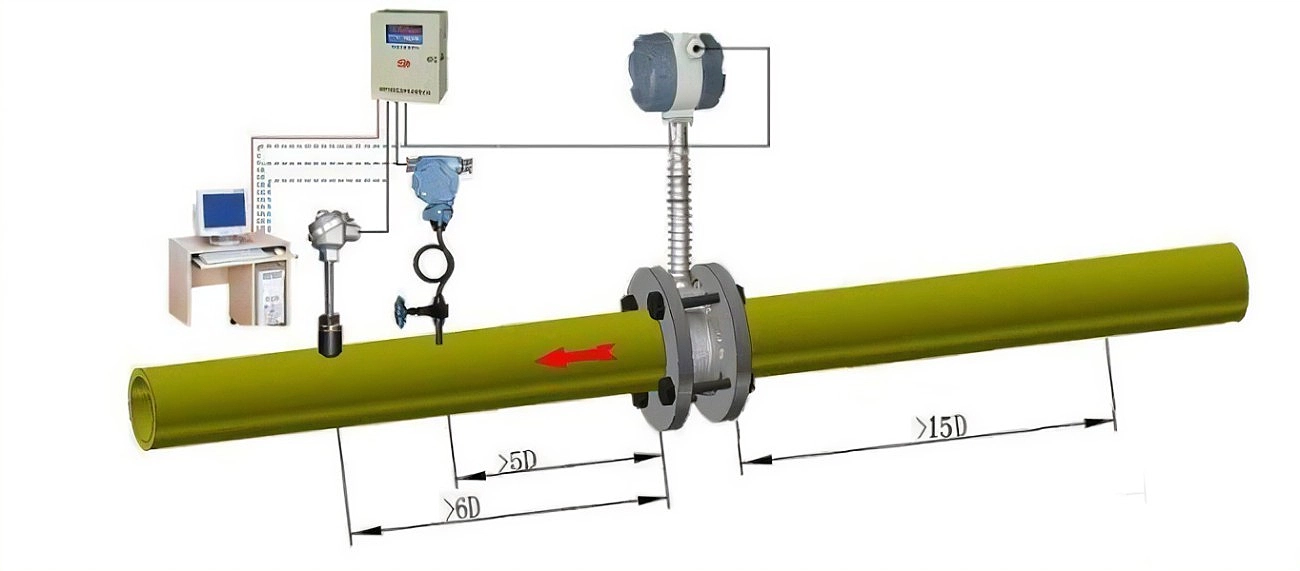
Guide: LUGB Series Vortex Flow Meter Installation

Turbine Flow Meter

Turbine flow meters use a rotating turbine to measure velocity. These flow meters utilize turbine blades that rotate as the fluid flows. The speed of the turbine is proportional to the flow rate. This allows for accurate volumetric measurement. They have a wide flow range and high accuracy. They are ideal for oil, gas, and petrochemical applications.
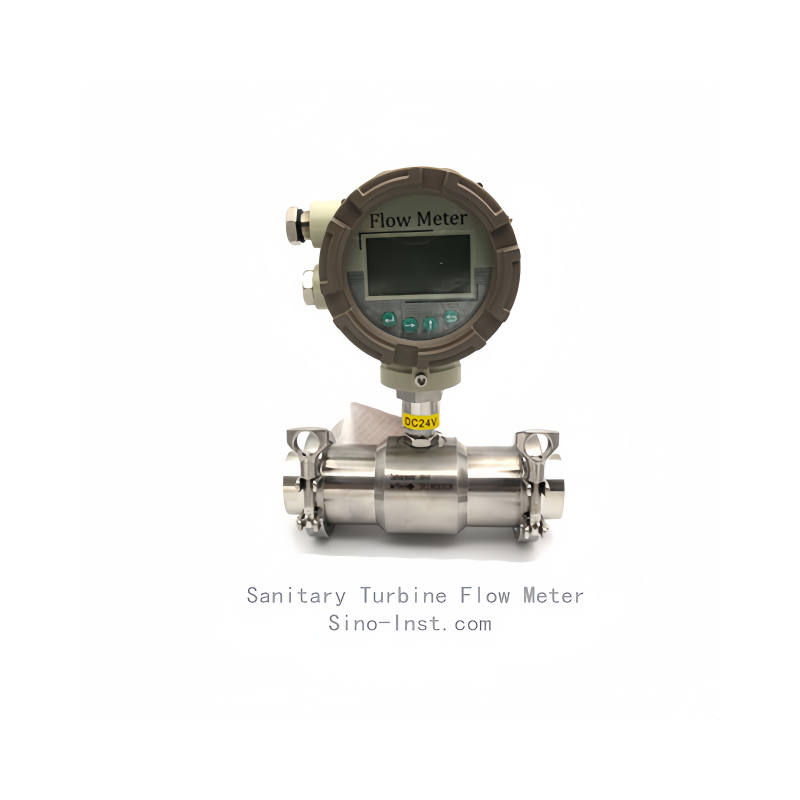
Turbine Flow Meter

Rotameter

A rotameter is a device that measures the flow of liquids and gases by using a tapered tube and a float that moves with the fluid. A rotameter consists of a tapered tube and a float.

The height of the float corresponds to the flow rate of the fluid. This makes these flow meters useful in a variety of industries. Including healthcare and chemical processing.

Metal Rotameter

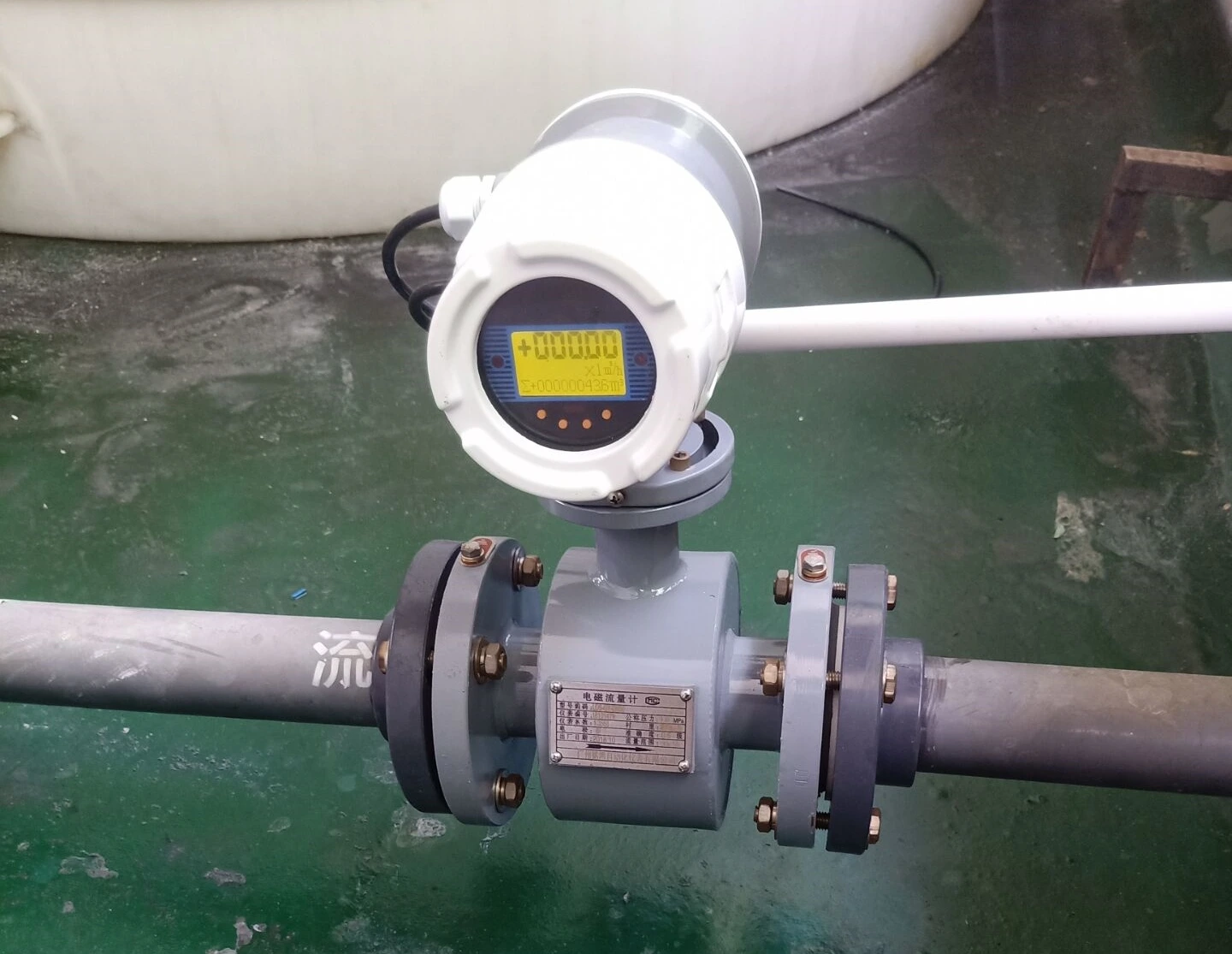
Electromagnetic Flow Meter

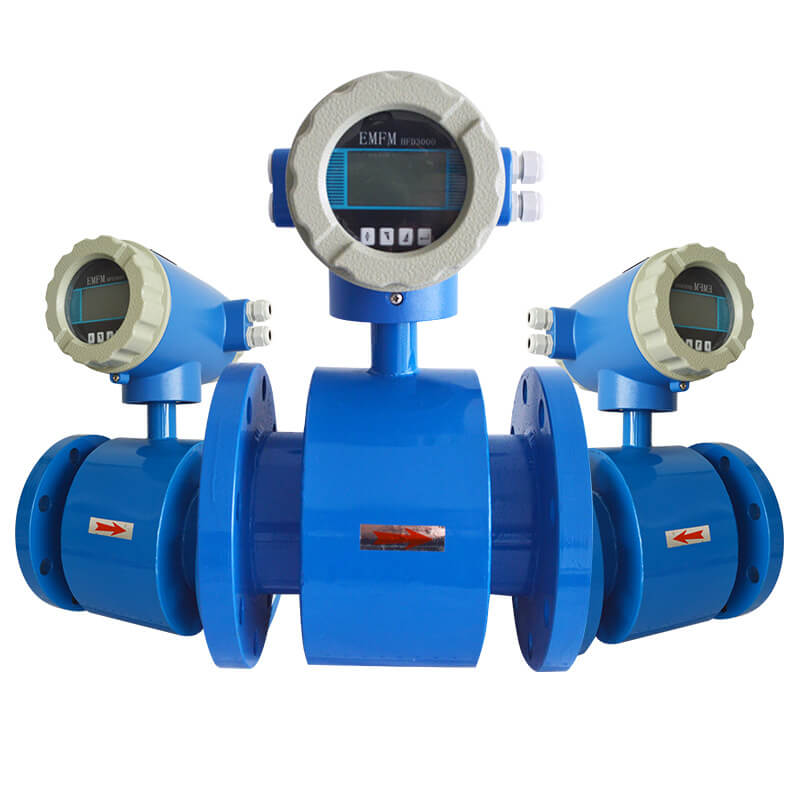
Electromagnetic flow meters measure the flow of conductive liquids using Faraday’s law of electromagnetic induction. The magnetic field induces a voltage proportional to the liquid flow rate, thus measuring the flow rate. They are commonly used in wastewater treatment, mining, and food and beverage industries.
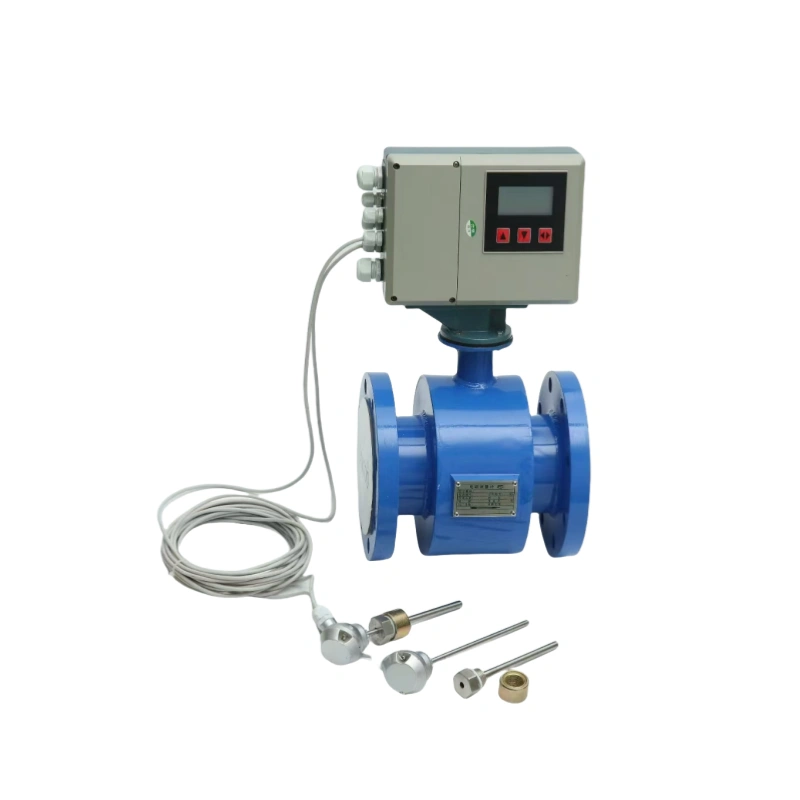
electromagnetic thermal energy meter

Ultrasonic Flow Meter

Ultrasonic flow meters use sound waves (ultrasound) to measure the flow rate of a fluid. They send ultrasonic pulses through the fluid and measure the time it takes for the pulse to travel up and down. They are used in a wide variety of applications, including liquids, gases, and steam.
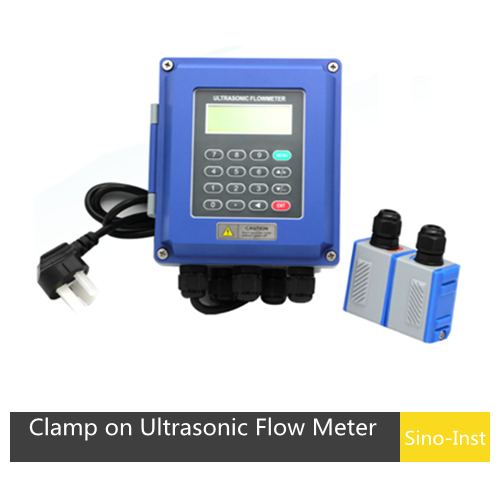
SI-3128 Wall Mounted clamp on Ultrasonic Flow Meter

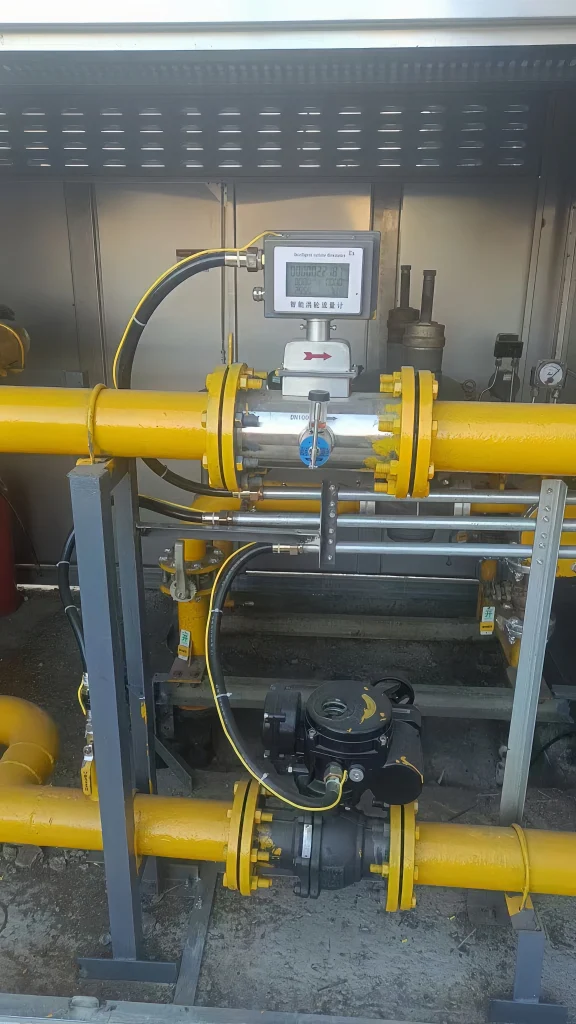
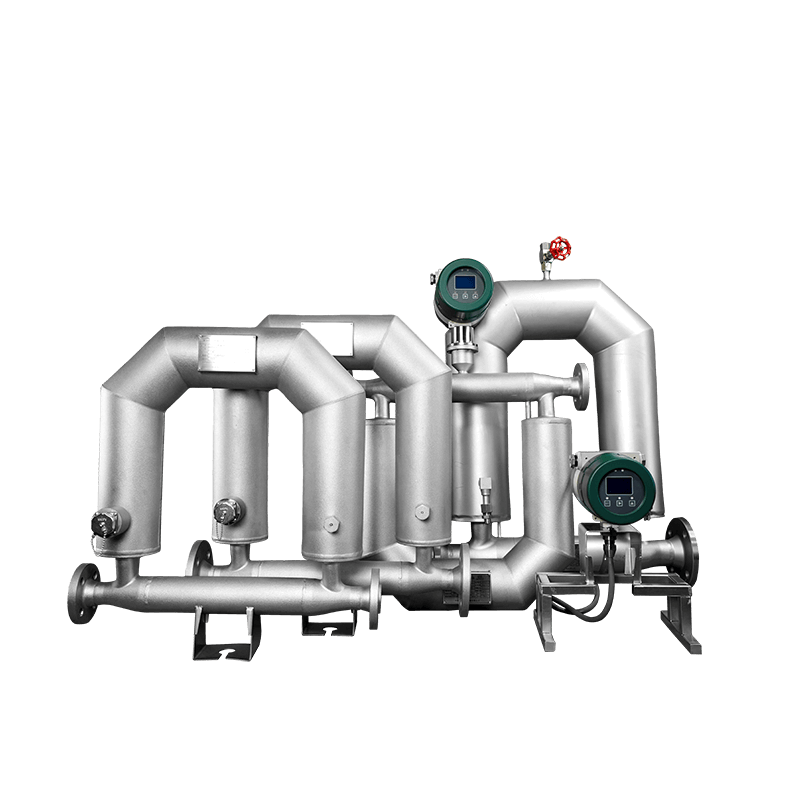
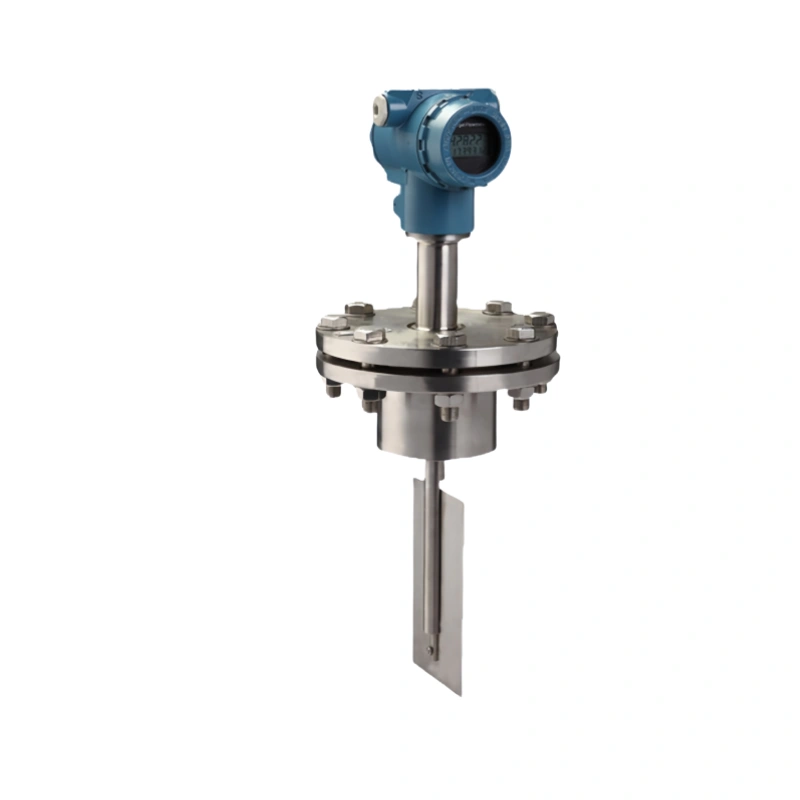
You have learned about the relevant knowledge of the positive displacement flowmeter. You can choose the positive displacement flowmeter that suits you. If you need a mass flowmeter, you can also choose a mass flowmeter. The following is a detailed introduction.Insertion gas target flow meter
Criteria for Selecting a Volume Flow Meter

When selecting a volume flow meter, the following factors should be considered.

  1. Connection size and type: Pipe diameter, connection port size and type (clamp, flange or thread) to ensure proper installation.
  2. Flow rate: Determine the maximum and minimum flow rates expected in the system.
  3. Consider the purpose of the measurement: Is it measuring instantaneous flow or total volume?
  4. Output signal: Determine the type of signal required (e.g., analog, digital) and its compatibility with the control system.
  5. Operating parameters: Make sure the flow meter can operate within the required temperature and pressure range.
  6. Cost: Consider the initial purchase price as well as the cost of installation, maintenance and potential repairs.
  7. Environment: Consider ambient temperature, humidity and any potential electrical interference.
  8. Industry requirements and certifications: Check for any specific certifications or approvals required for the application.

What is Mass Flow and Volumetric Flow?

Mass flow and volume flow are two important concepts in fluid dynamics, and they differ in many aspects.

Definition and Representation Method

Volume flow: refers to the volume of fluid flowing through a certain section in unit time, usually represented by the symbol “V” or “Q”, and the unit is cubic meters per second (m³/s), liters per second (L/s), etc.

Mass flow: refers to the mass of fluid flowing through a certain section in unit time, usually represented by the symbol “m”, and the unit is kilograms per second (kg/s), kilograms per hour (kg/h), etc.

Focus and Influencing Factors

Volume flow: focuses on the volume change of the fluid, which is affected by factors such as fluid density, temperature, and pressure. In particular, the volume of gas will change significantly with changes in temperature and pressure.

Mass flow: focuses on the mass change of the fluid, which is mainly affected by the density of the fluid. When the density is constant, the mass flow is proportional to the volume flow.

Application Scenarios and Significance

Volume flow: widely used in chemical, petroleum, water treatment and other fields, which helps to understand the flow state of the fluid and the pipeline transportation capacity.

Mass flow: It is particularly important in situations where the quality of fluids needs to be accurately measured, such as hydrocarbon gas mass flow measurement in the petrochemical industry, dairy products and wine mass flow measurement in the food industry, etc. It is of key significance to ensure product quality and optimize production processes.

Measurement Methods and Instruments

Volume flow: The measurement methods include throttling device method, velocity area method, volumetric method, etc., and commonly used instruments include electromagnetic flow meter, vortex flow meter, etc.

Mass flow: The measurement methods include direct measurement method and indirect measurement method, and commonly used instruments include Coriolis mass flow meter, thermal mass flow meter, etc.

Measurement Principle

Volume flow meter: The flow is measured by measuring the volume of fluid flowing through the pipeline per unit time, usually using the physical effects (such as rotation, displacement, etc.) generated when the fluid passes through the measuring element for measurement.

Mass flow meter: Directly measure the mass flow of the fluid based on the physical effects (such as Coriolis force, heat conduction effect, pressure difference, etc.) generated when the fluid flows in the pipeline, without the need to indirectly calculate by measuring the volume flow and density.

Measurement Object

Volume flow meter: mainly used to measure the volume flow of fluids, including liquids and gases. It cannot directly give the mass flow of the fluid and needs to be converted by measuring density.

Mass flow meter: can be used to measure the mass flow of various fluids, including gas, liquid, etc., and can directly give the mass flow data of the fluid.

Accuracy and Price

Volume flow meter: parameters such as density need to be converted during the measurement process, there may be certain errors, and the price is relatively cheap23.

Mass flow meter: can directly measure the mass flow of the fluid, is not affected by factors such as fluid density, pressure, temperature, etc., and has relatively high measurement accuracy, but the price is also relatively high.

In summary, the volume flow meter is an important tool for measuring fluid flow and plays a vital role in various industries. It can accurately measure fluid flow to optimize operations and improve efficiency. Depending on the application requirements and fluid characteristics, you can choose the right type of flow meter.
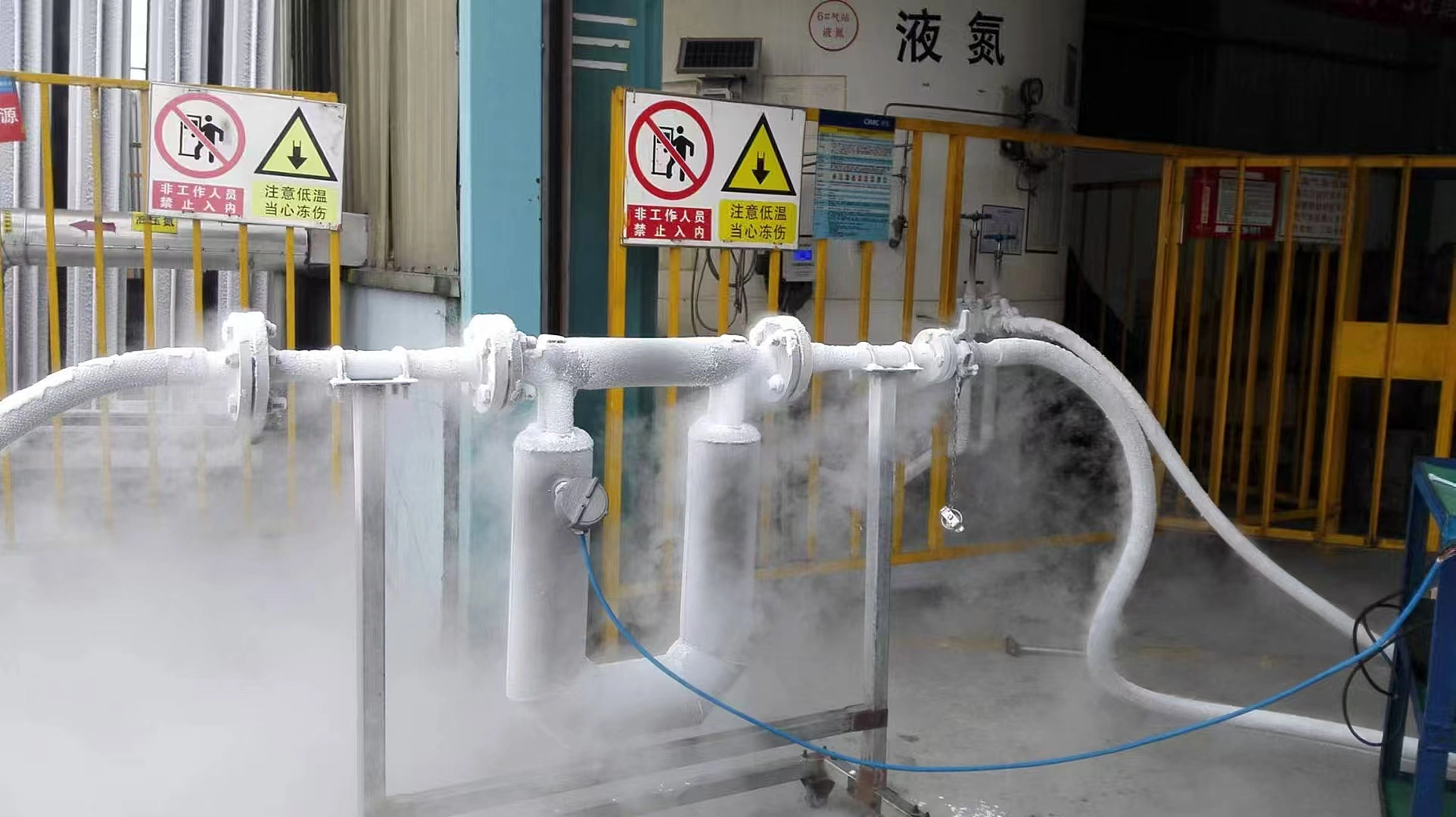
volume flow meter

We at Sino-Inst have extensive experience and expertise. We offer various types of high-quality, reliable volume flow meters to meet the needs of a wide range of industrial applications. Our commitment to quality and innovation ensures that we provide products that not only meet your expectations but also exceed them.

The team at Sino-Inst is here to help you. If you need more information, please contact us.

Welcome To Share This Page:
Product Categories
Latest News
Get A Free Quote Now !
Contact Form Demo (#3)

Related Products

Related News

As a prime example of non-invasive flow measurement technology, portable ultrasonic flow meters have found increasingly widespread application in fields

Scroll to Top

Get A Free Quote Now !

Contact Form Demo (#3)