Flow measurement is a critical aspect of industrial production and energy consumption monitoring; the selection of equipment directly affects measurement accuracy and operational reliability.
Currently, flow meters commonly used in industry are primarily divided into two categories: mechanical and digital. There are significant differences between the two in terms of operating principles, structure and suitable applications.
This article provides a scientific reference for the selection and application of industrial flow meters by comparing the performance characteristics of these two types of flow meters across multiple dimensions, whilst taking into account specific operational requirements.
What Are Mechanical Flow Meters?
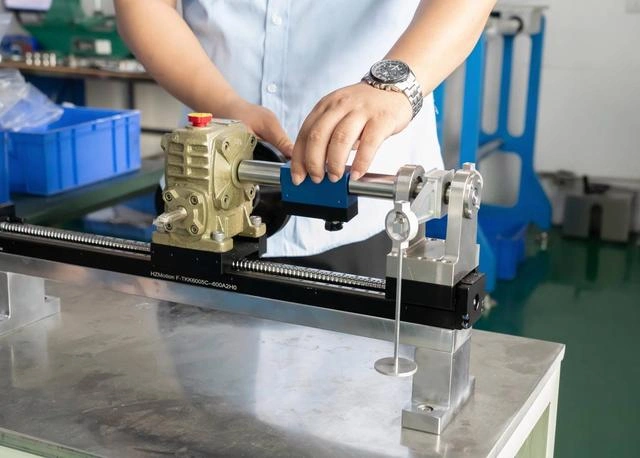
Mechanical flow meters rely on the fluid to drive internal mechanical components—such as gears, impellers or pistons—to produce displacement or rotation. They measure flow by accumulating the volume of fluid through a mechanical transmission mechanism.
The entire process utilises a mechanical structure as the core sensing unit; most do not require an external power supply, as they are driven by the fluid’s own kinetic energy. With their simple structure and strong resistance to electromagnetic interference, they are commonly used in conventional single-phase fluid measurement applications, such as in the oil and water sectors.
What is a digital flow meter?
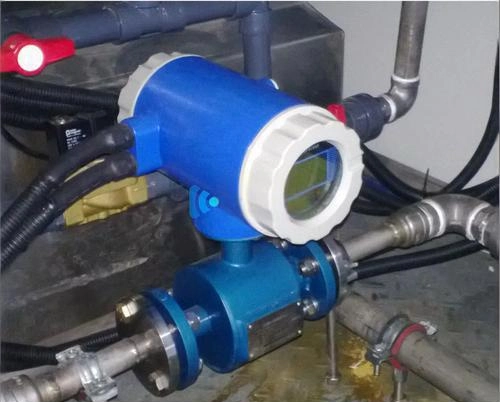
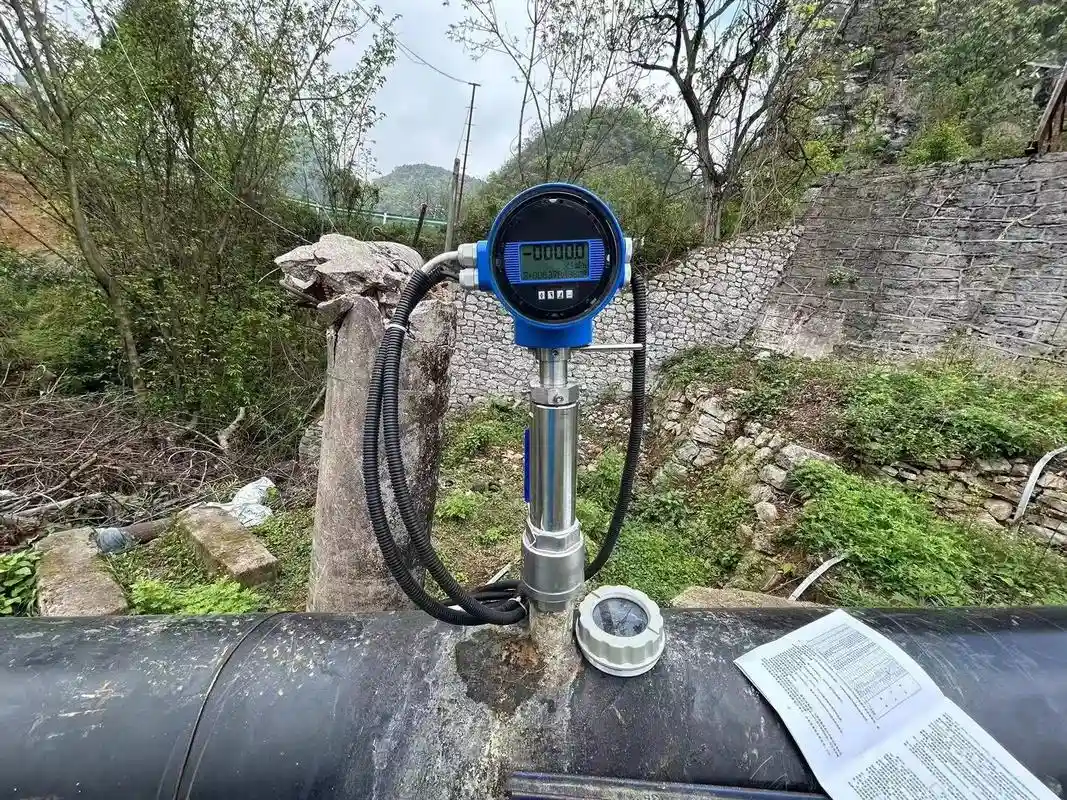
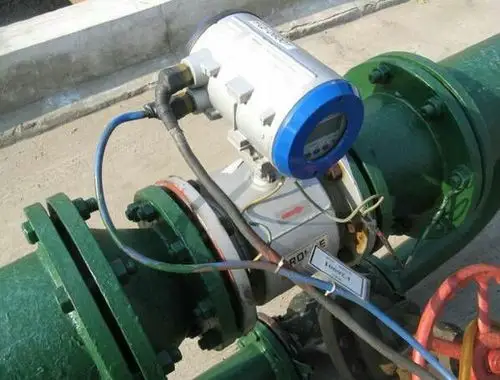
A digital flow meter is a flow measurement device that uses electronic sensing components to capture fluid flow signals; these signals are then converted from analogue to digital and processed by a built-in chip before outputting digital measurement data.
It dispenses with mechanical counting mechanisms, utilising detection methods such as electromagnetic, ultrasonic and capacitive sensing to capture fluid parameters. It can output digital signals directly and supports data storage, remote transmission and intelligent calibration.
Offering high measurement accuracy and free from mechanical wear, it is well-suited to automated and intelligent industrial measurement and control applications.
Differences in Operating Principles
1. Differences in core measurement methods:
Mechanical flowmeters work through purely physical and mechanical means, using the kinetic energy of the fluid to physically spin moving parts like impellers, gears, or vane wheels. These components then transfer motion through a mechanical linkage that turns the dial pointer for counting, with no electronics taking part in the actual measurement.
Digital flowmeters, on the other hand, ditch the mechanical counting setup entirely; they use sensors to pick up on fluid flow traits such as eddy currents, electromagnetic fields, sound waves, and pressure differentials, and finish the job through electrical signal detection.
2. Differences in signal transmission principles:
Mechanical flowmeters run entirely on mechanical force transfer, going like this: fluid pushes the moving parts, which drive the gears, which move the scale needle—no electrical signal conversion happens anywhere along the way.
Digital flowmeters depend on electrical signal transmission and processing, working through a chain like: fluid’s physical properties get picked up by sensors, converted into electrical signals, processed by a chip, and then displayed as digital readouts.
3. Differences in structure and operating logic:
Mechanical flowmeters need moving parts that physically touch the fluid, using the actual displacement of these parts as the basis for figuring out flow; wear and tear or parts getting stuck can throw off the readings pretty directly.
Digital flowmeters usually don’t have any moving mechanical parts at all, and they come in either contact or non-contact varieties; they work out flow rate by picking up on changes in the fluid’s physical field, which tends to make them more stable in the long run.
4. Differences in data processing capabilities:
Mechanical flowmeters can only display instantaneous and cumulative flow rates on-site via mechanical scales; they lack data storage, calculation and remote transmission functions.
Digital flowmeters rely on built-in chips to automatically convert and compensate for flow data, whilst also supporting data storage, remote signal transmission and real-time monitoring.
Other differences
Measurement accuracy and stability
Mechanical flowmeters offer moderate accuracy. After prolonged use, internal bearings and gears wear out, leading to sticking and measurement errors; wear accelerates when the medium contains impurities, causing accuracy to decline year on year.
Digital flowmeters offer a wider range of accuracy levels, with high-precision models achieving Class 0.2 or Class 0.5 accuracy; ultrasonic and electromagnetic models, which lack mechanical impellers, are free from mechanical wear and offer greater long-term measurement stability; performance is only slightly affected by the ageing of electronic components.
Compatibility with Fluids
Mechanical flow meters have high requirements for clean fluids; liquids containing silt, fibres or particulate impurities can easily jam rotating parts, whilst viscous fluids increase the resistance to impeller rotation, making them unsuitable for high-viscosity or highly contaminated fluids.
Digital flowmeters have a wider range of compatibility; ultrasonic and electromagnetic models can measure wastewater and slurry containing small amounts of impurities, whilst thermal and vortex digital models can measure gases. Some models are suitable for high- and low-temperature, viscous media and are less prone to blockages or jamming.
Power Supply Requirements
Purely mechanical flowmeters require no external power supply, as they rely on the fluid’s own kinetic energy to drive the mechanical structure; they can operate normally even in the event of a power cut or in environments without a power source.
Digital flow meters require a continuous power supply and are available in two types: those with an external 24V DC power supply and those with a built-in lithium battery. Models with lithium batteries incur maintenance costs associated with periodic battery replacement and are unable to collect real-time flow data following a power cut.
Maintenance and Service Life
Maintenance of mechanical flow meters focuses on the mechanical components; it is necessary to periodically dismantle and clean the impeller and replace the bearing lubricant. In environments with high levels of impurities, maintenance is required more frequently; core rotating components wear out quickly, resulting in a relatively short overall service life.
Digital flow meters with no moving parts require virtually no dismantling for cleaning; only periodic calibration of the sensor is necessary. Digital models with impellers require only simple maintenance of the impeller, whilst the electronic components have a longer service life under normal operating conditions.
Running Costs
Mechanical flow meters have a low purchase price and incur no electricity or battery costs, resulting in low initial investment; however, maintenance and replacement costs due to wear and tear will increase year on year.
Digital flow meters have a higher unit purchase price and incur costs for power supply and battery replacement; however, they reduce labour costs associated with manual meter reading and frequent disassembly for maintenance, resulting in lower overall costs in long-term automated applications.
Suitable Applications
Mechanical flow meters are suitable for small-scale, simple on-site installations; environments without power supply; applications with low accuracy requirements; and short-term measurement of clean water or light oils, such as small-scale domestic water supply and simple diesel refuelling.
Digital flow meters are suitable for industrial automation production lines, smart water management, gas pipeline networks, chemical fluid measurement and remote monitoring projects. They are the preferred choice for applications requiring high accuracy, data traceability and automated control.
Common Mechanical Flow Meters
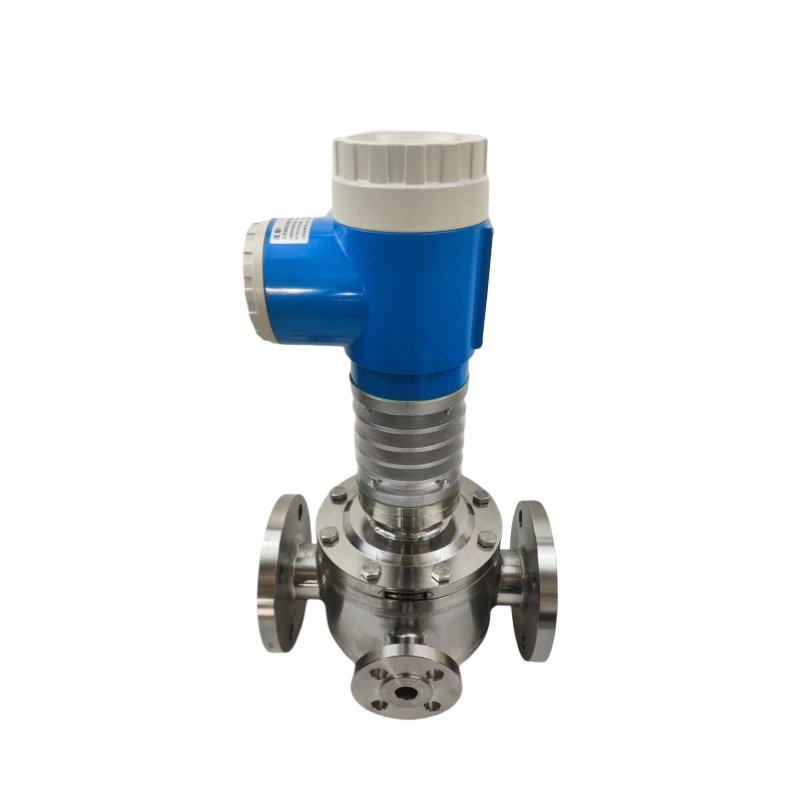
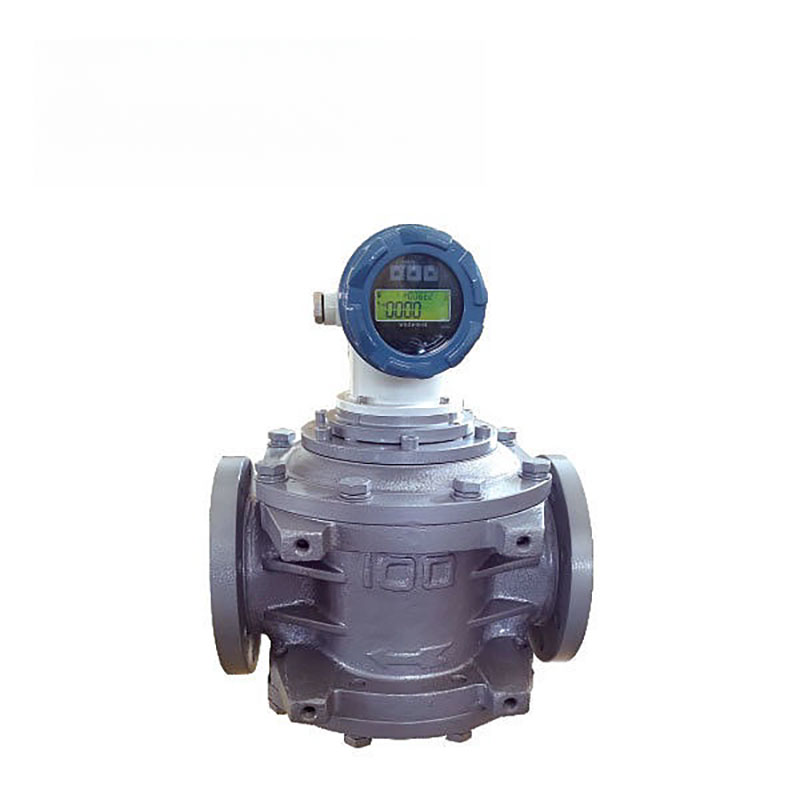
Oval Gear Flow Meter
Principle of Operation
Driven by the pressure differential between the inlet and outlet of the pipeline, the medium causes a pair of meshing oval gears within the chamber to rotate. With each revolution of the gears, a fixed volume of fluid is discharged.
A mechanical transmission mechanism connects the gears to a counting device, which accumulates the total fluid flow based on the number of revolutions.
Advantages
High measurement accuracy and good stability; minimally affected by fluid viscosity; suitable for high-viscosity, clean liquids such as oils and resins; wide turndown ratio; excellent performance at low flow rates; purely mechanical structure requiring no power supply; convenient on-site reading.
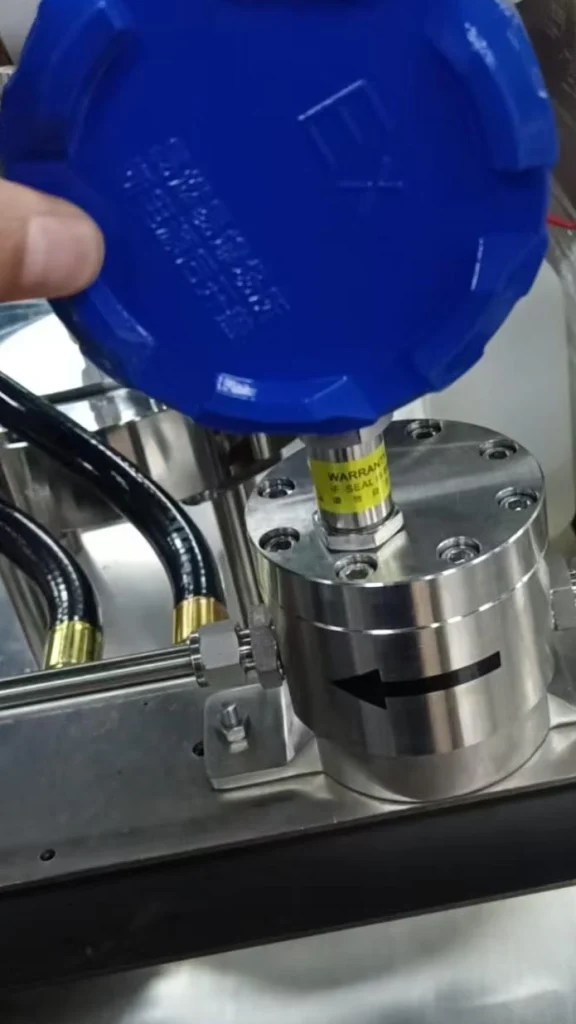
Rotary Piston (Roots) Flow Meter
Principle of Operation
Driven by the fluid pressure differential, two sets of figure-of-eight-shaped rotary pistons rotate in opposite directions within the housing.
The rotary pistons are linked via external synchronous gears, forming a sealed metering chamber with the housing to continuously deliver a fixed volume of medium. A drive shaft then drives a mechanical counter to tally the flow rate.
Advantages
This flowmeter features low pressure loss and minimal flow resistance. As the rotors do not come into direct contact, wear is minimal, resulting in a longer service life.
It is suitable for both liquid and gas measurement, offers good measurement repeatability, and is ideal for medium- to high-flow trade metering applications such as natural gas and crude oil.
Rotary Piston Flowmeter
Principle of Operation
Upon entering the eccentric chamber, the fluid drives the piston to rotate eccentrically. The piston divides the chamber into independent volumetric chambers, delivering the medium in measured quantities; the flow is accumulated via a mechanical roller driven by the main shaft.
Advantages
It features a simple structure, compact size and low cost; it operates without the need for a power supply, has a low failure rate and is easy to maintain; it offers high sensitivity for low-flow media and is commonly used for small-volume, routine metering of tap water and light, clean liquids.
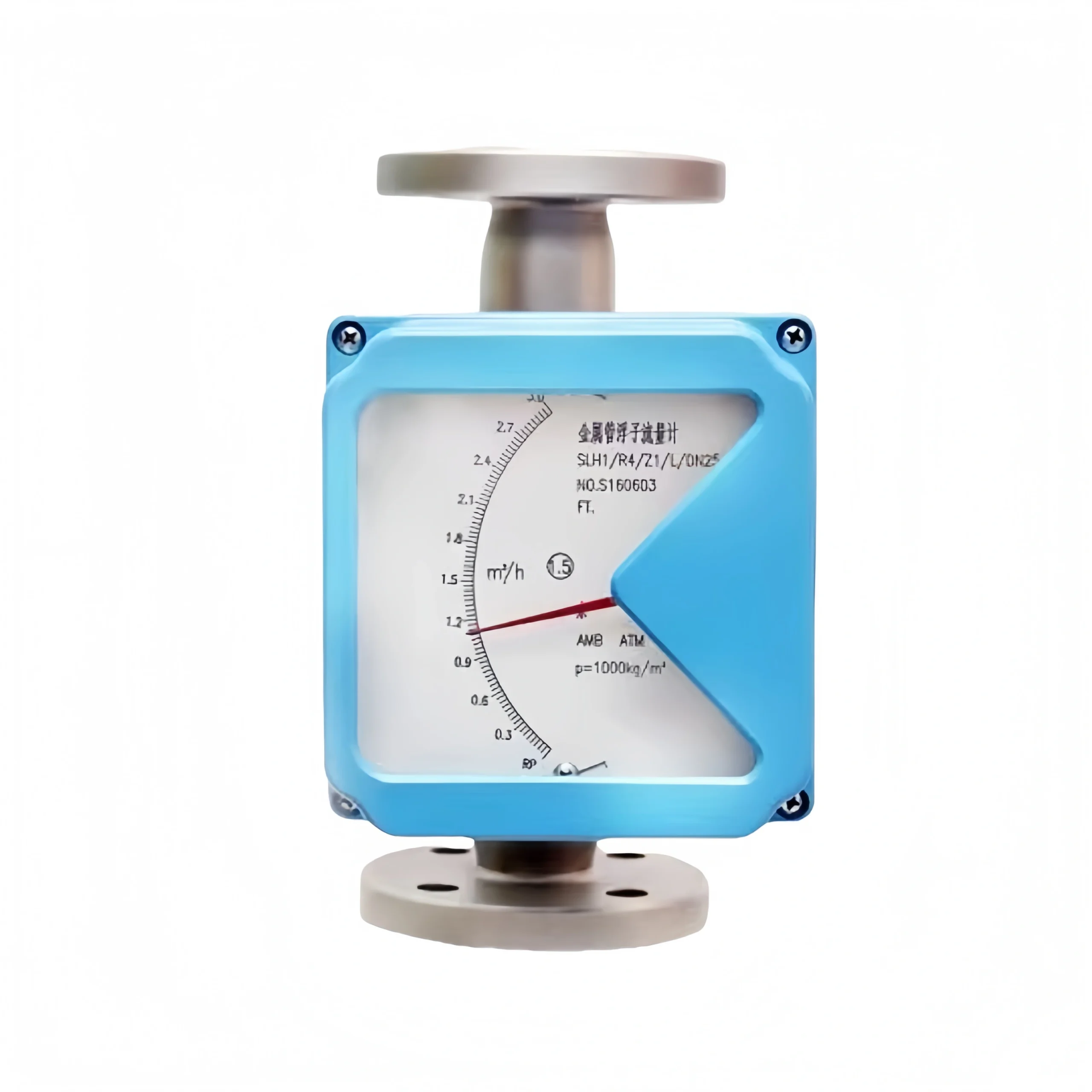
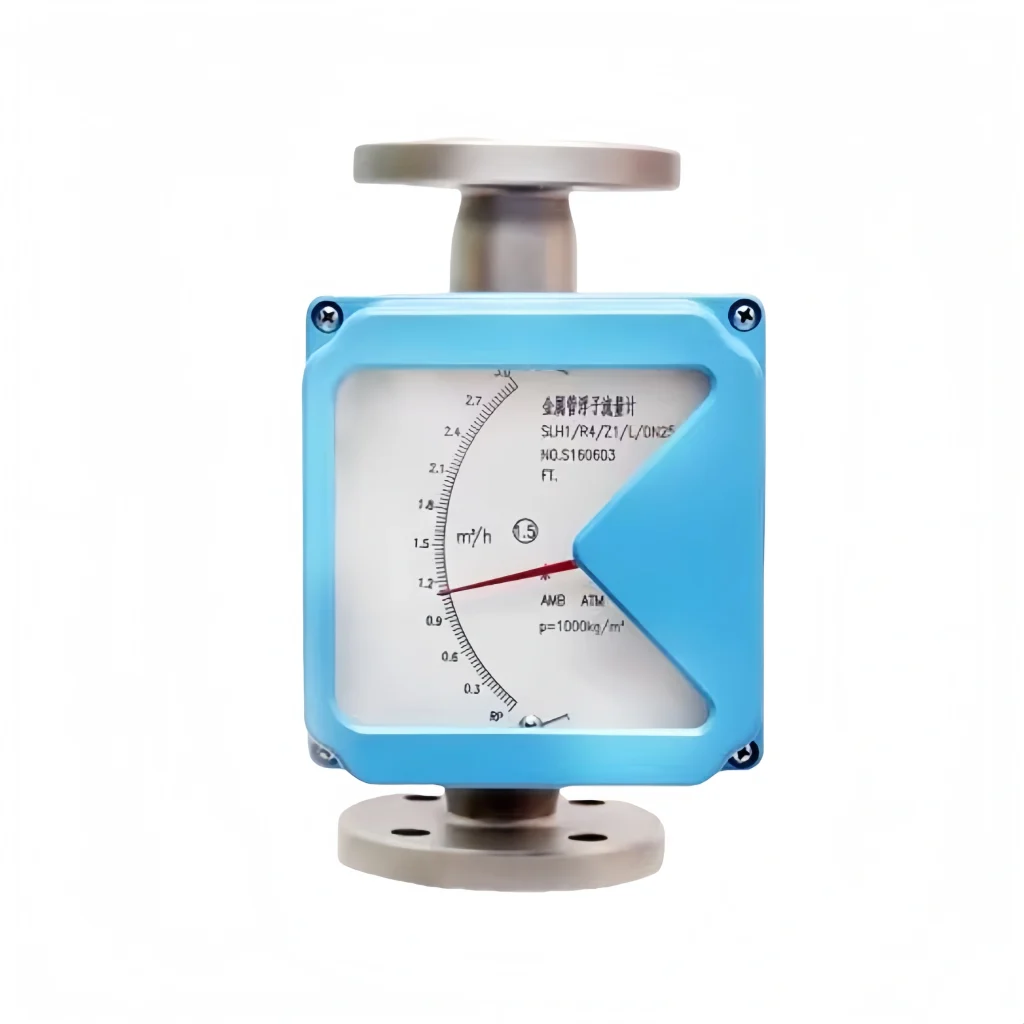
Rotor (Float) Flow Meter
Principle of Operation
The fluid flows from bottom to top through a conical tube, lifting the float by means of buoyancy and impact force. The height of the float, once in equilibrium, corresponds to the instantaneous flow rate, which can be read directly from the scale on the tube wall.
Advantages
Extremely simple in structure and easy to install; the flow state of the medium can be observed directly; suitable for a variety of media, including liquids and gases; stable pressure loss; requires no power supply and offers excellent value for money; commonly used for on-site monitoring of small flow rates.
Mechanical Turbine Flow Meter
Principle of Operation
The fluid impacts the turbine blades inside the pipe, causing them to rotate. The rotational speed varies with the fluid velocity; this speed is converted into a flow rate value via a mechanical gear train and the flow is cumulatively measured.
Advantages
This flow meter features a fast response time and is highly sensitive to instantaneous flow rate changes. It is available in a comprehensive range of specifications and offers excellent adaptability.
It delivers outstanding measurement accuracy in low-viscosity, clean liquid applications. Its purely mechanical structure requires no power supply, making it suitable for on-site metering of media such as industrial circulating water and diesel.
Common Digital Flow Meters
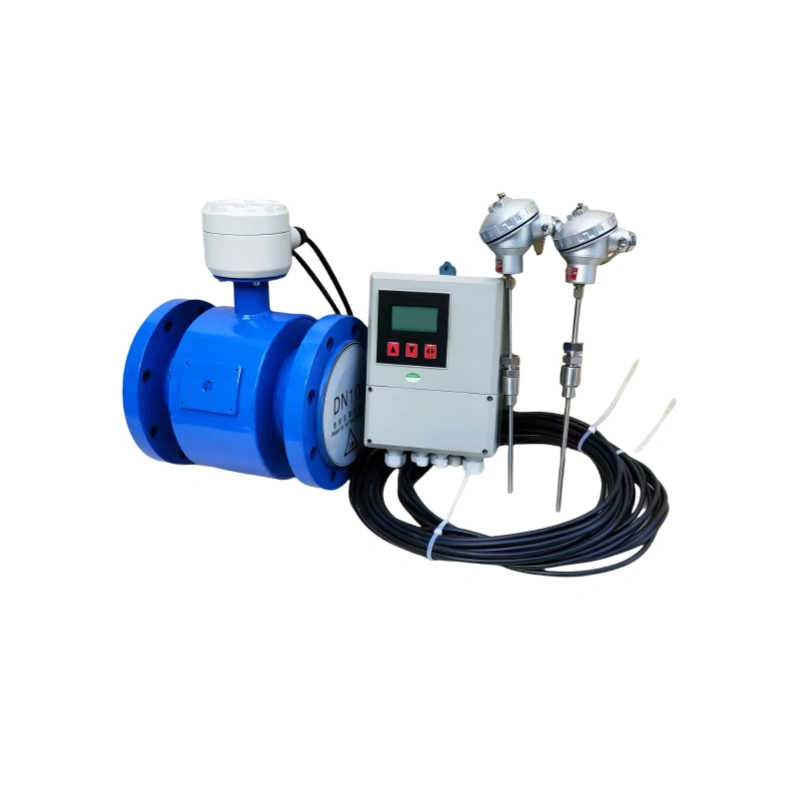
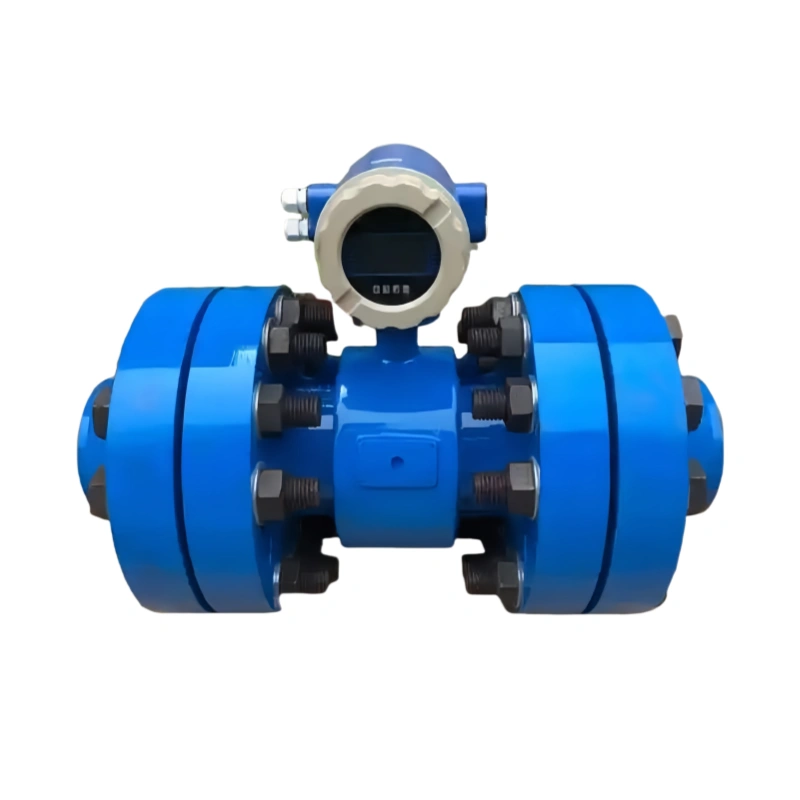
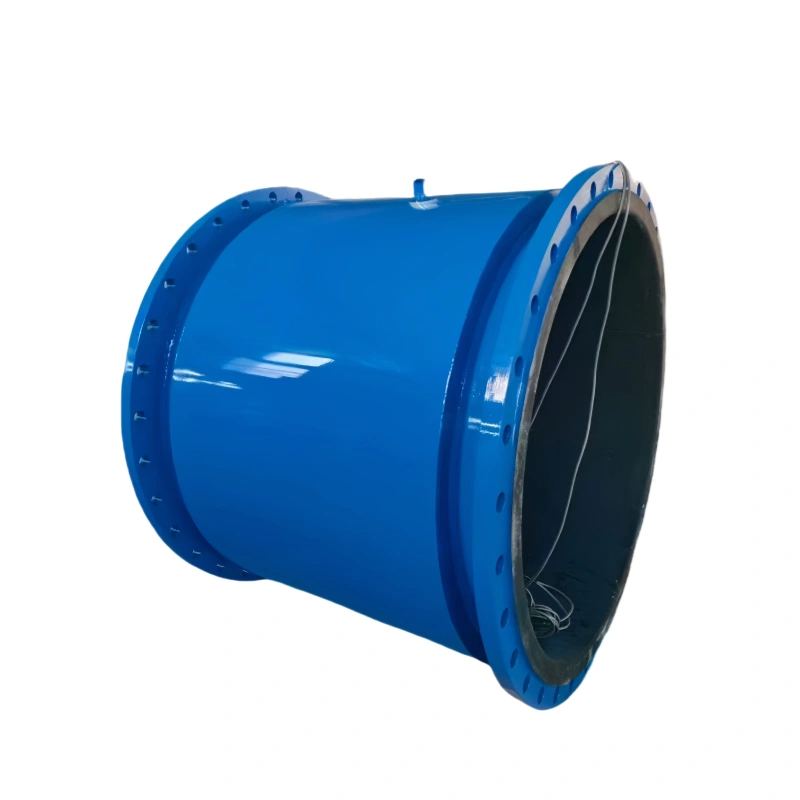
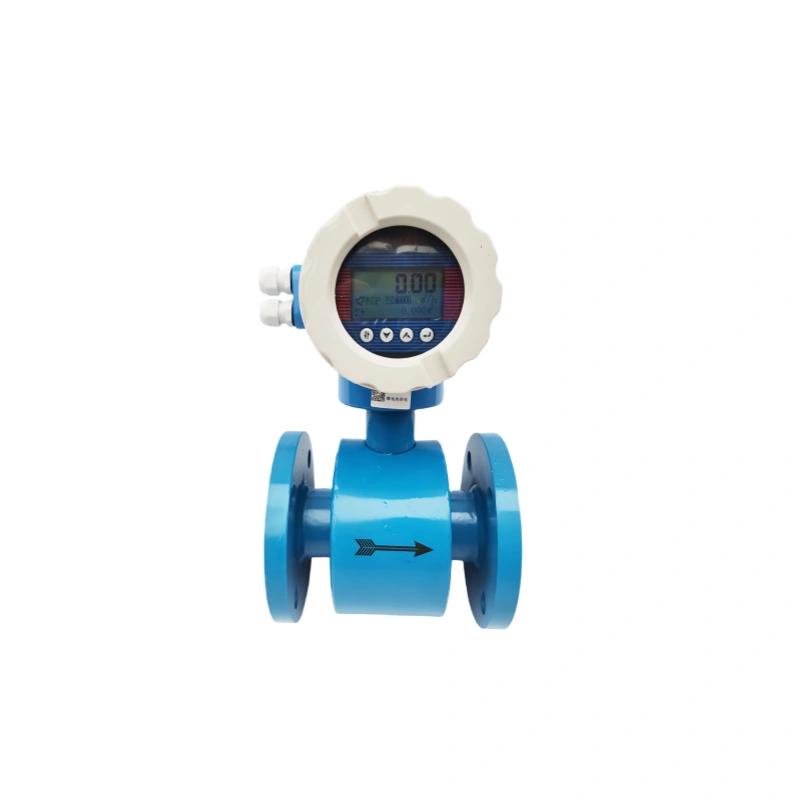
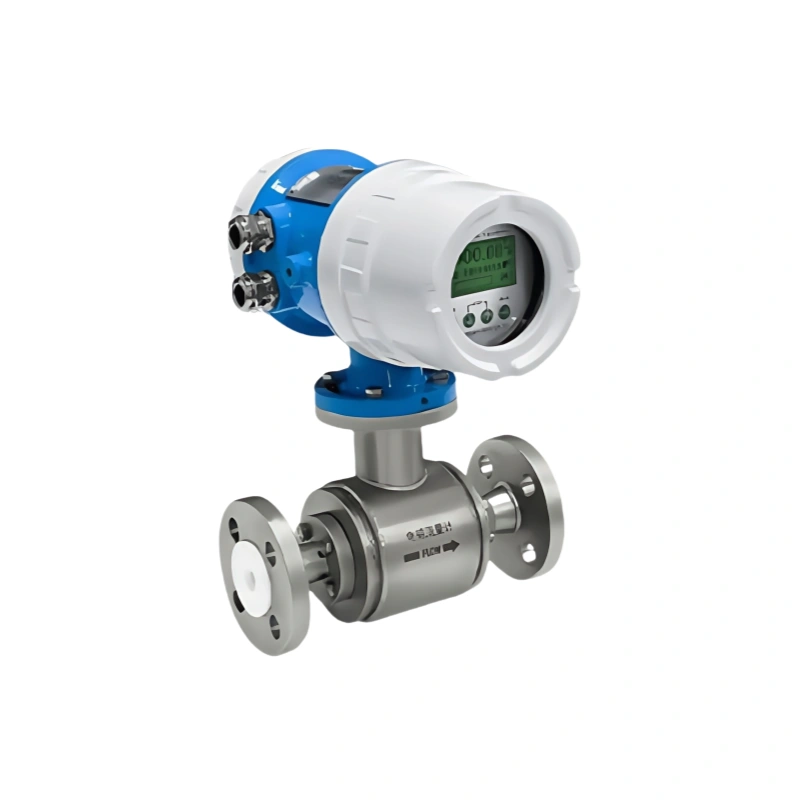
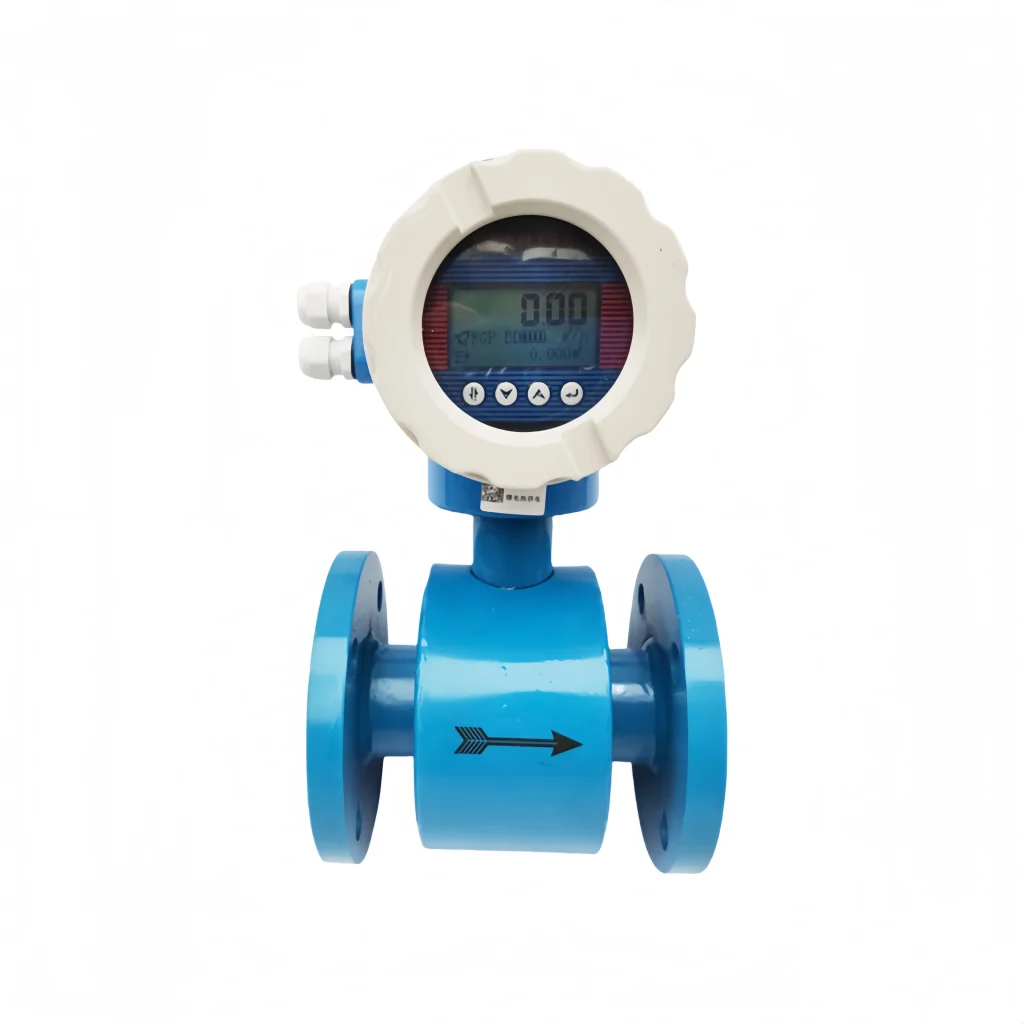
Electromagnetic Flow Meter
Principle of Operation
Based on Faraday’s law of electromagnetic induction, a conductive liquid cutting through a uniform magnetic field within the pipe generates an induced electromotive force proportional to the flow velocity.
The device captures and amplifies this electrical signal; a microchip then calculates the instantaneous and cumulative flow rates, which are displayed digitally.
Advantages
With no moving mechanical parts, it suffers from zero wear and is resistant to blockages, making it suitable for conductive fluids containing impurities, such as sewage and slurry;
High measurement accuracy and stable operation; unaffected by medium temperature, viscosity or density; supports remote signal transmission; widely used in industrial applications such as water treatment and chemical pipeline networks.
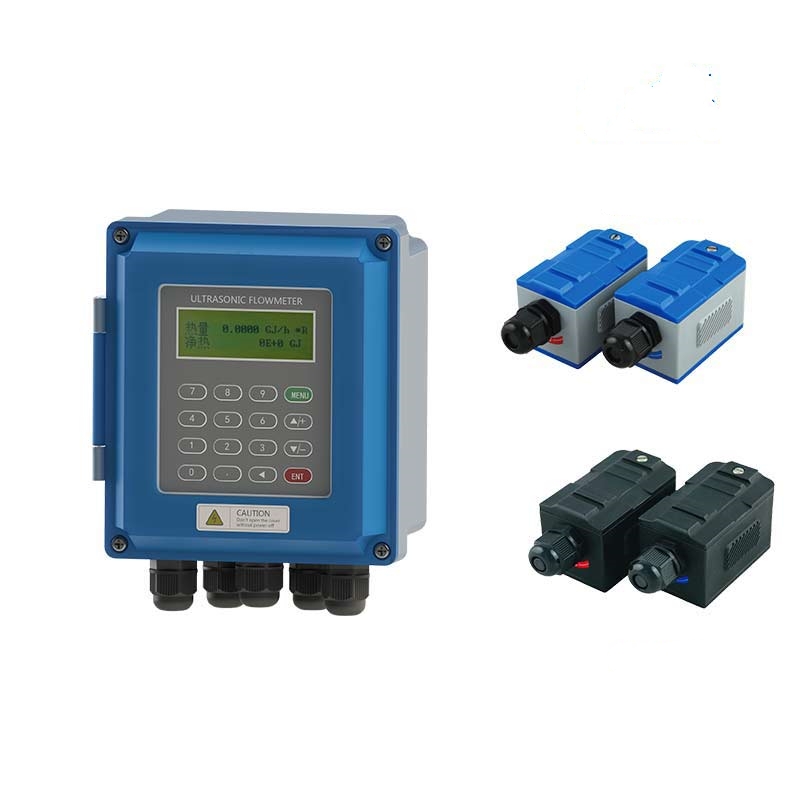
Ultrasonic Flow Meters
Principle of Operation
Relying on transducers upstream and downstream of the pipeline to transmit and receive ultrasonic waves, these meters detect fluid velocity using the time-of-flight difference or the Doppler effect. An internal algorithm precisely calculates the flow rate, utilising a fully non-contact electronic sensing measurement process.
Advantages
Highly adaptable, capable of measuring both liquid and gaseous media; supports installation without shutdown or pipe cutting; suitable for large-diameter pipelines; features no pressure loss, excellent corrosion resistance and high temperature tolerance, with a long service life; commonly used for intelligent monitoring in municipal water supply, district heating, and long-distance oil and gas transmission pipelines.
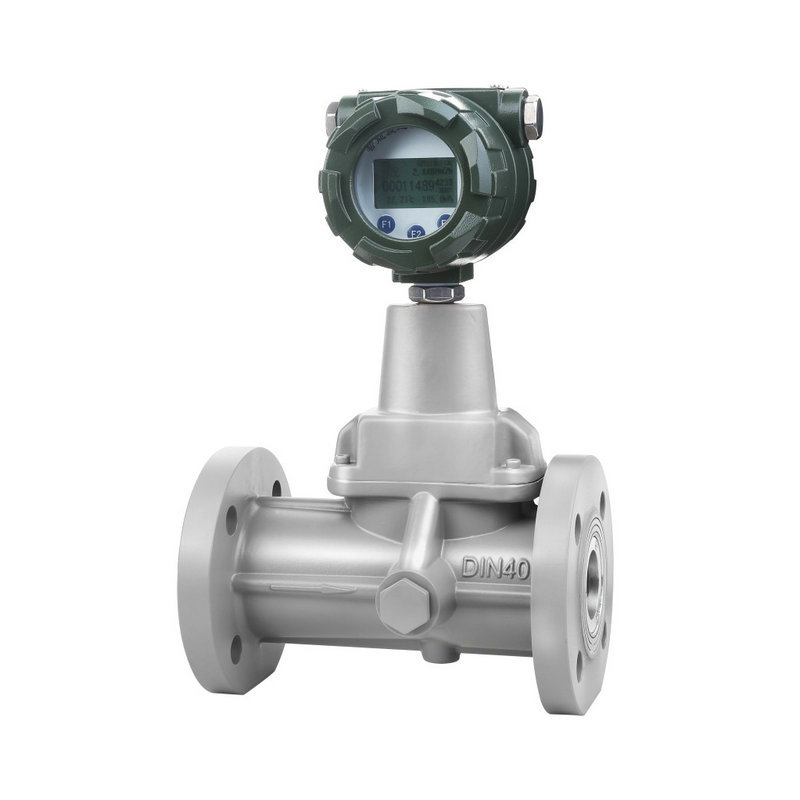
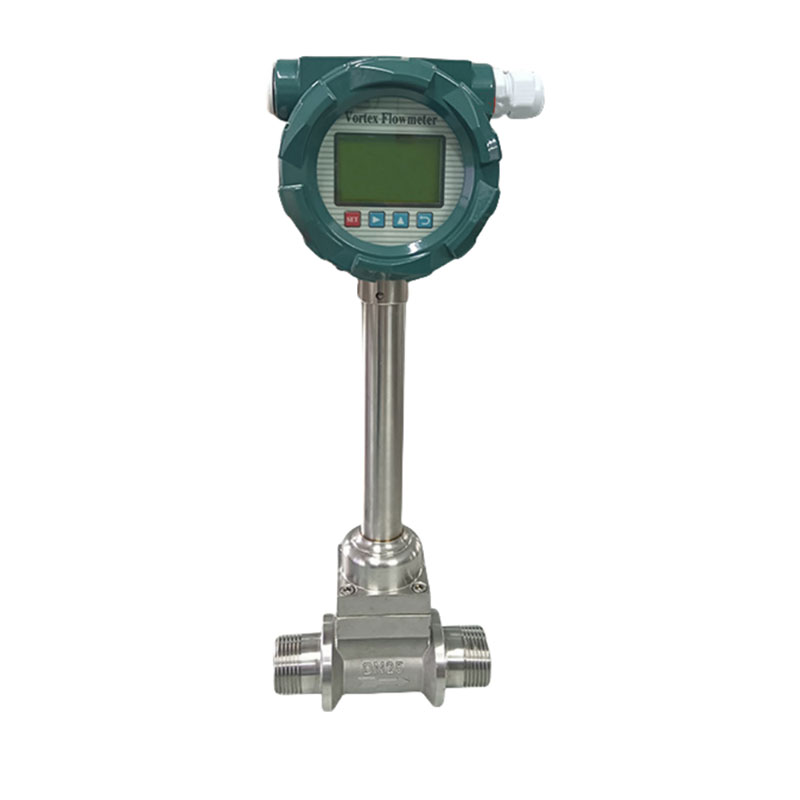
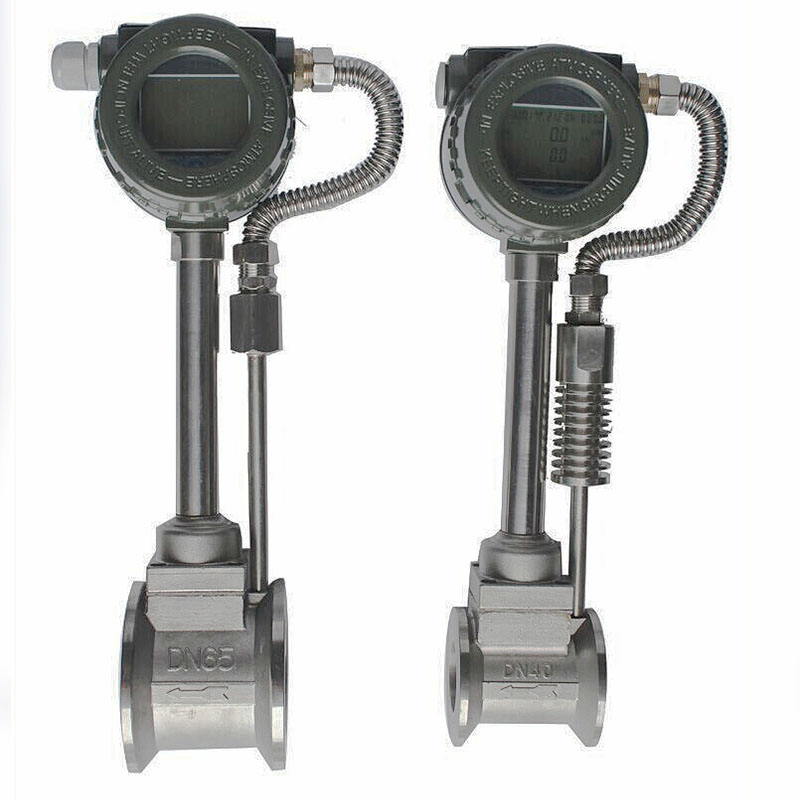
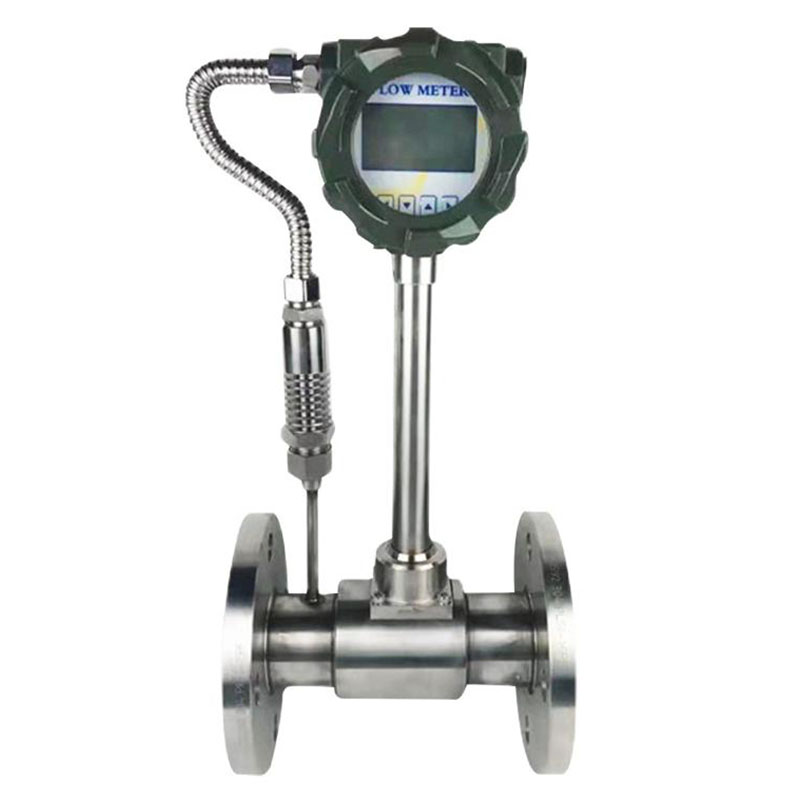
Vortex Digital Flow Meter
Principle of Operation
As the fluid flows past the vortex generator, it produces regular Karman vortices; the vortex frequency is directly proportional to the flow velocity. The sensor captures the vibration signal and converts it into an electrical signal, which is then processed and output as digital flow data.
Advantages
Simple structure and high versatility; capable of measuring three types of media: liquids, gases and steam; stable accuracy and wide turndown ratio; No mechanical wear; resistant to high temperatures and pressures; long service life; suitable for automated metering applications involving industrial fluids, compressed air and boiler steam.
Thermal Gas Mass Flow Meter
Principle of Operation
Based on the principle of heat conduction in gases, the sensor detects temperature differences and heat loss in the medium to directly and accurately calculate the gas mass flow rate, without the need for temperature or pressure compensation.
Advantages
Built specifically for gas measurement, it picks up on tiny flow rates with high sensitivity and covers a broad measurement range, handling low-pressure, low-flow gases without breaking a sweat. There’s no pressure drop to worry about, and it stays stable over time, making it a solid fit for keeping tabs on industrial gases like natural gas, nitrogen, and compressed air.
Add Your Heading Text Here
1. Think about power supply and the actual site conditions:
If you’re out in the field with no power source, or just need something quick and temporary for basic metering, go with a mechanical flowmeter. It runs without electricity and you can read it right there on the spot. For industrial pipelines that have power and need continuous online monitoring over the long haul, a digital flow meter makes more sense.
2. Look at what you need from the data:
If all you need is someone walking up to the meter and jotting down the reading by hand, with no record-keeping involved, a mechanical flow meter will do the job. But if you’re after automated setups—remote data transmission, automatic logging, hooking into industrial control systems, and being able to trace data back when needed—then a digital flow meter is pretty much a must-have.
3. Factor in the medium itself:
For clean stuff like potable water or light oils, a mechanical flow meter can work fine. When you’re dealing with dirty fluids, though—stuff with impurities, silt, sewage, slurry—or when things get hot, high-pressure, or corrosive, digital flowmeters are the better call. They’ve got no moving parts to get gummed up or worn down.
4. Weigh up how accurate you really need to be:
For everyday, rough-and-ready measurements where close enough is good enough, a mechanical flowmeter gets you decent accuracy without breaking the bank. But when money’s on the line—trade settlement, precise batching, or tight measurement and control—you’ll want a digital flowmeter for its higher accuracy and steadier performance.
5. Crunch the numbers on cost and upkeep:
If the budget’s tight, you’ve only got a handful of measurement points, or it’s a short-term gig, mechanical flowmeters are the cheaper way in. Just keep in mind they wear out and need regular attention.
For operations running non-stop over the long term, or when you’ve got loads of measurement points scattered around, digital flowmeters are worth the higher upfront cost. They barely need maintenance and save you from paying people to go around reading meters.
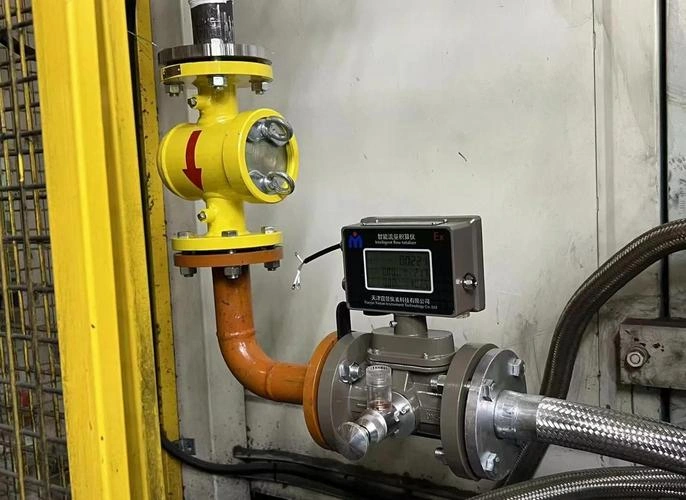
Our company offers a comprehensive range of mechanical and digital flowmetres covered in this article, including various mechanical types such as oval gear, wafer-type and turbine flowmetres, as well as intelligent digital flowmetres such as electromagnetic, ultrasonic, vortex and thermal mass flowmetres.
We provide a complete product range with a comprehensive specification system. Based on the on-site medium conditions, accuracy standards, automation requirements and budget of our clients, we provide personalised, precise product selection, customised solutions and comprehensive after-sales operation and maintenance services.
We balance initial project investment costs with long-term operational stability to fully meet flow measurement requirements across multiple sectors, including water supply, chemicals, oil and gas, municipal services and smart manufacturing, providing reliable equipment and technical support for enterprises’ lean production, energy consumption management and smart upgrades.