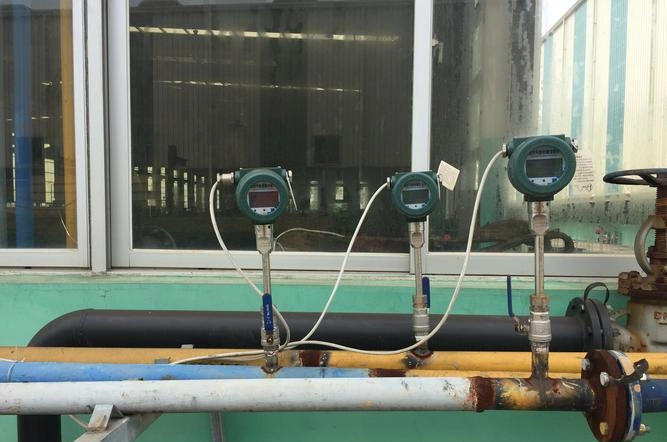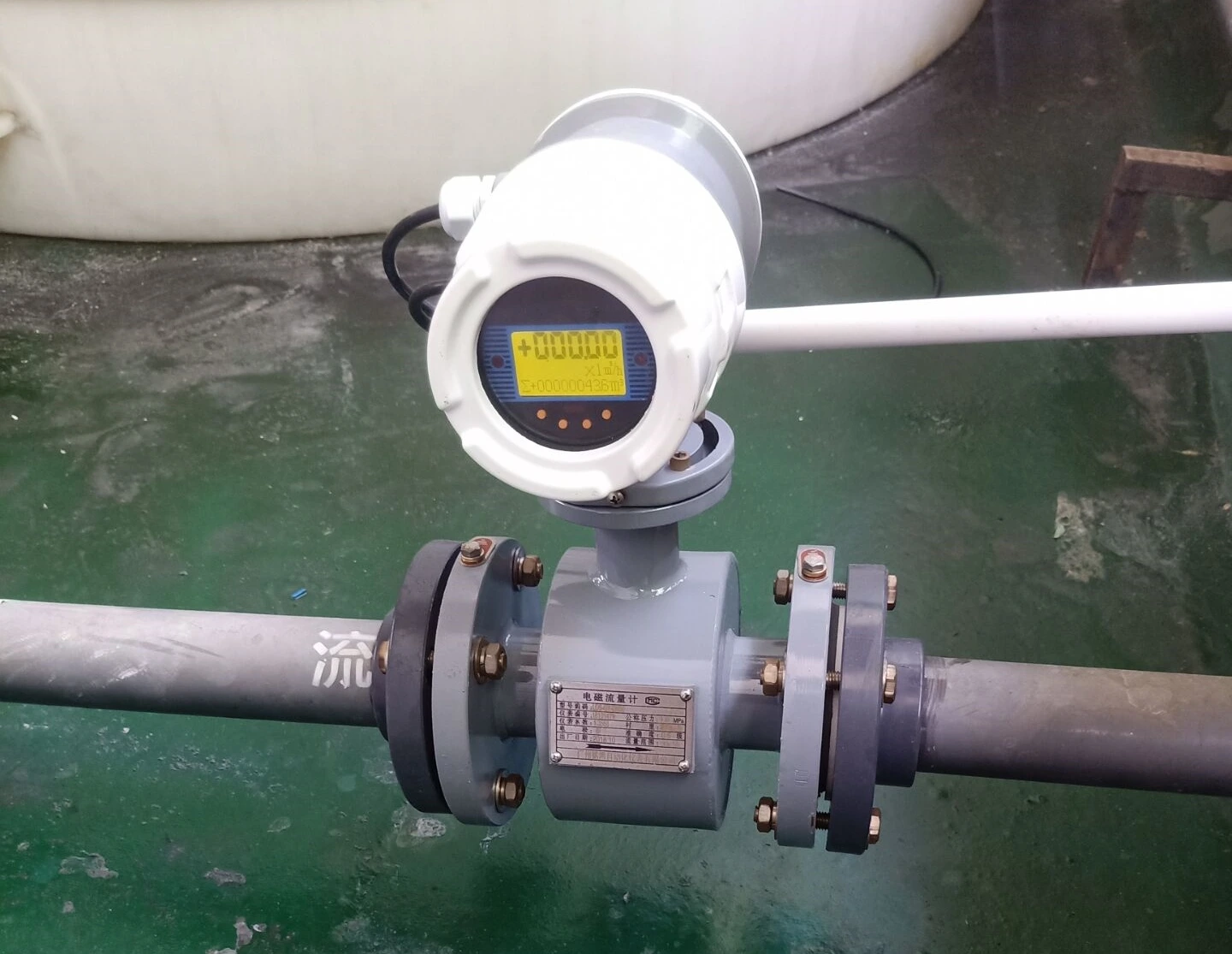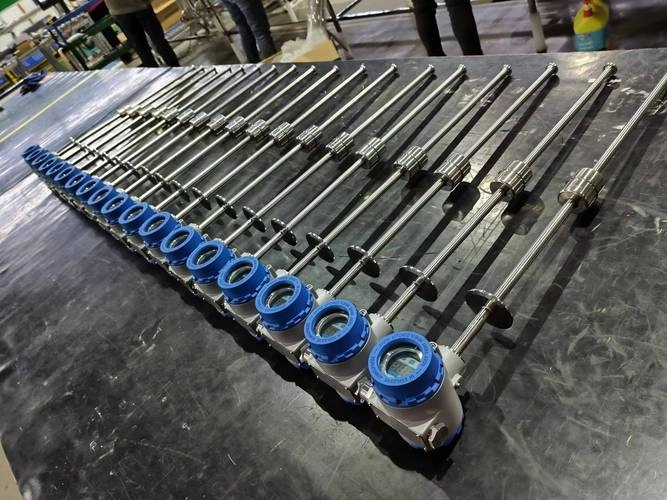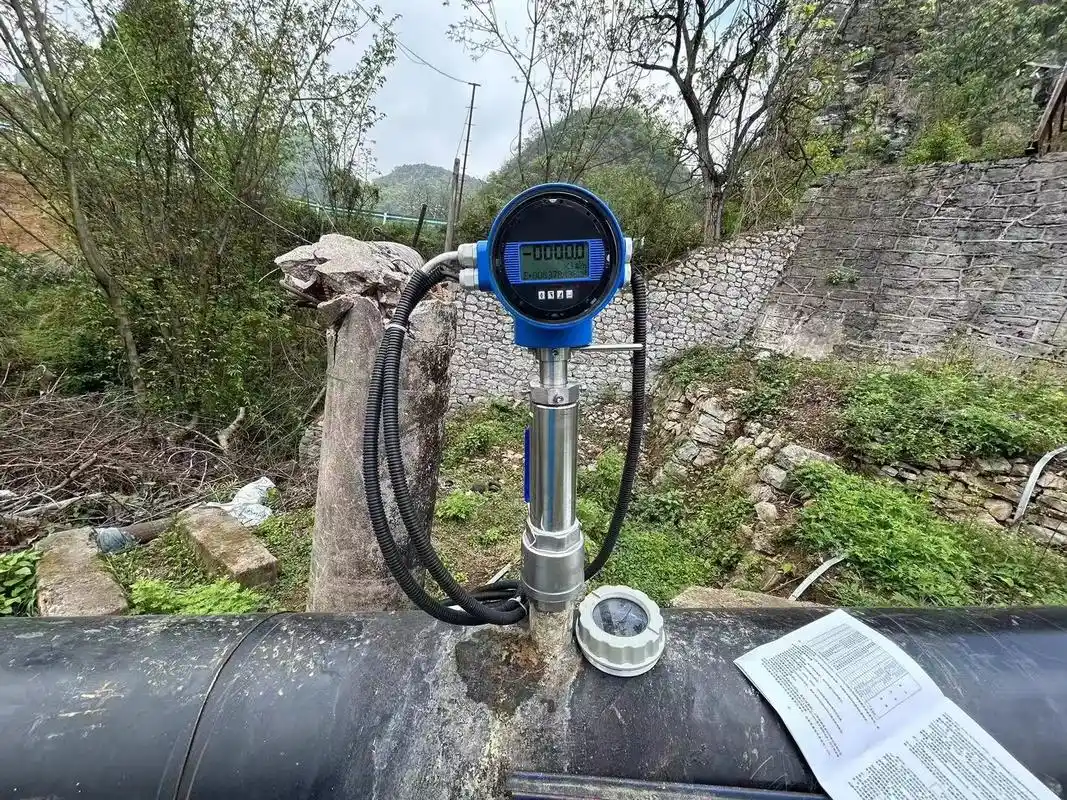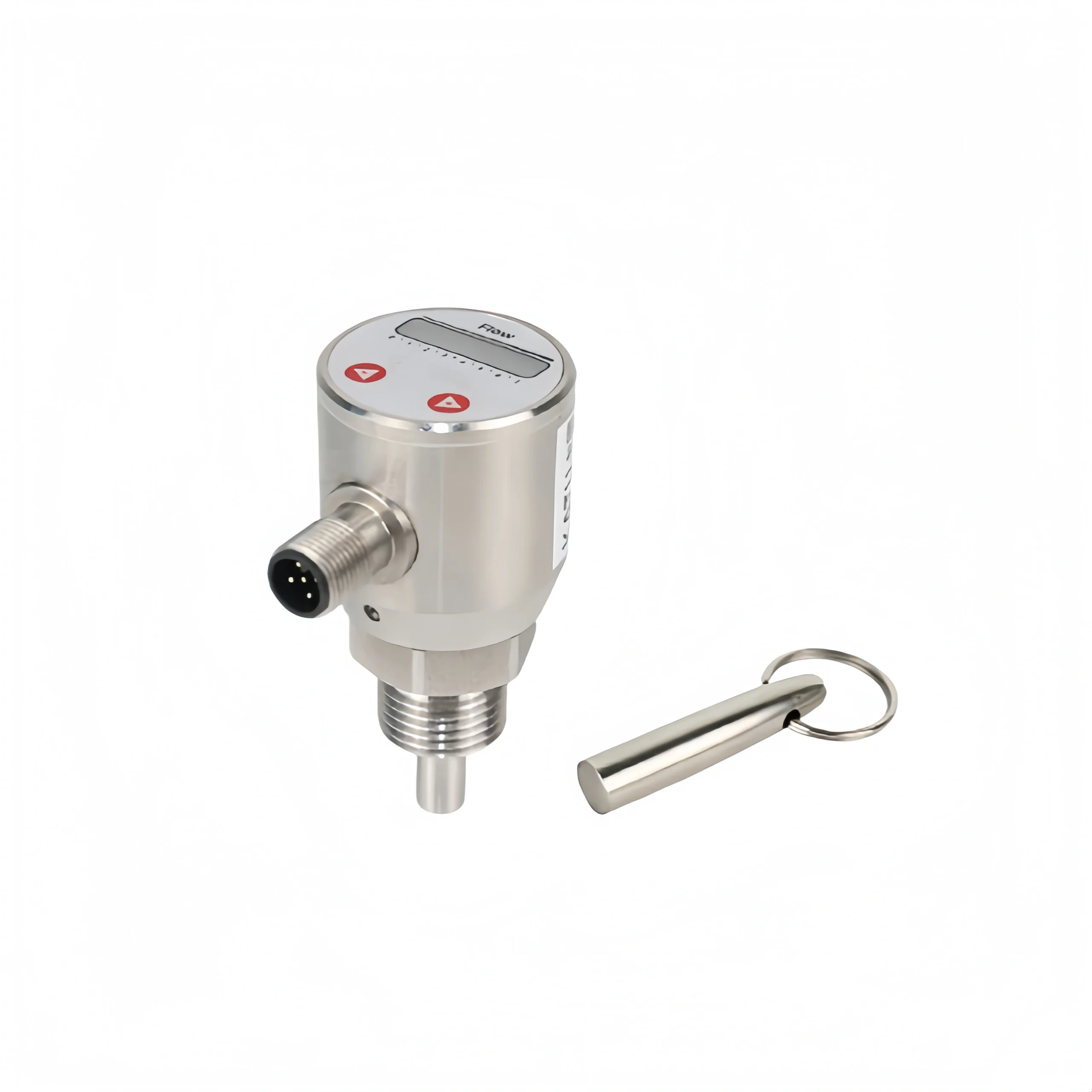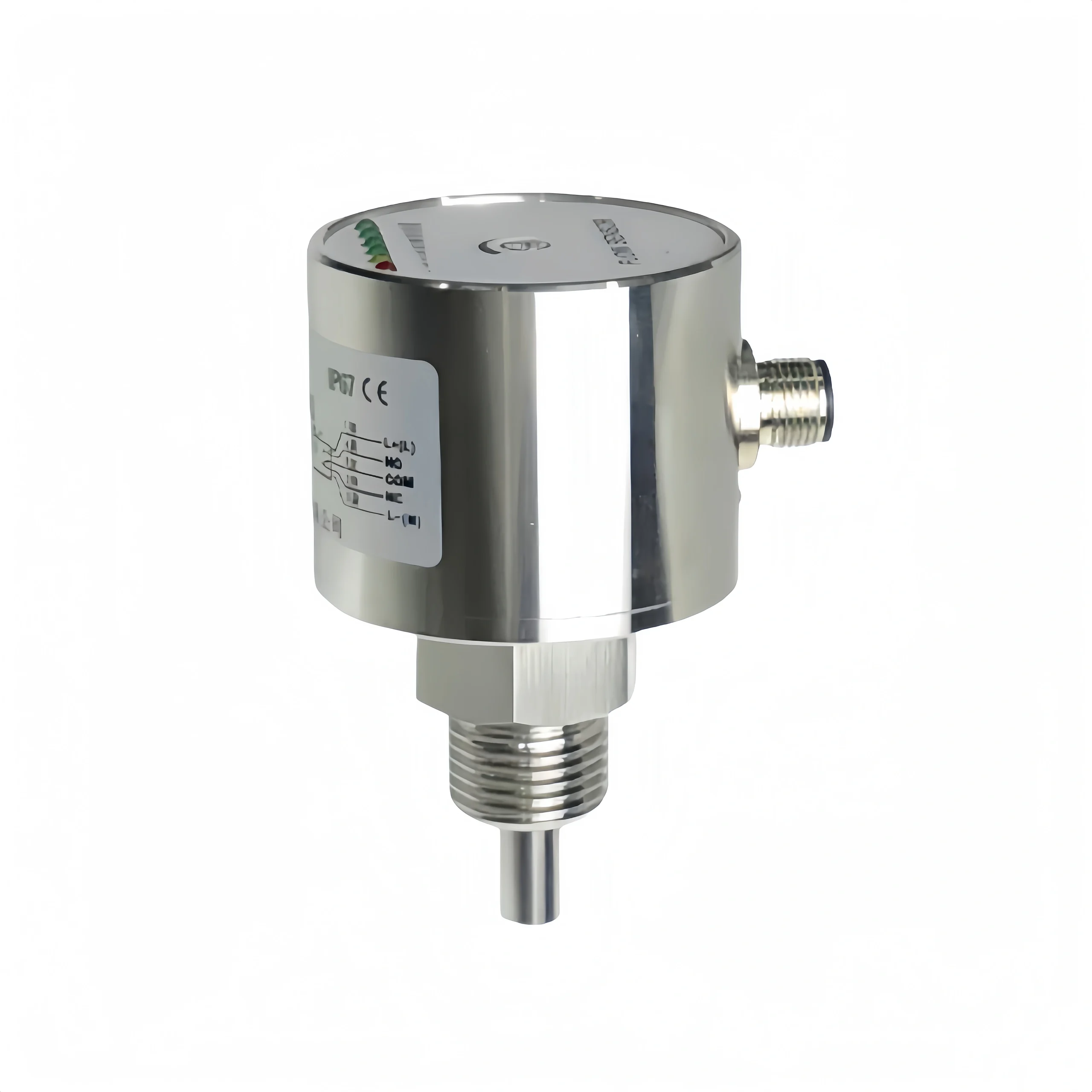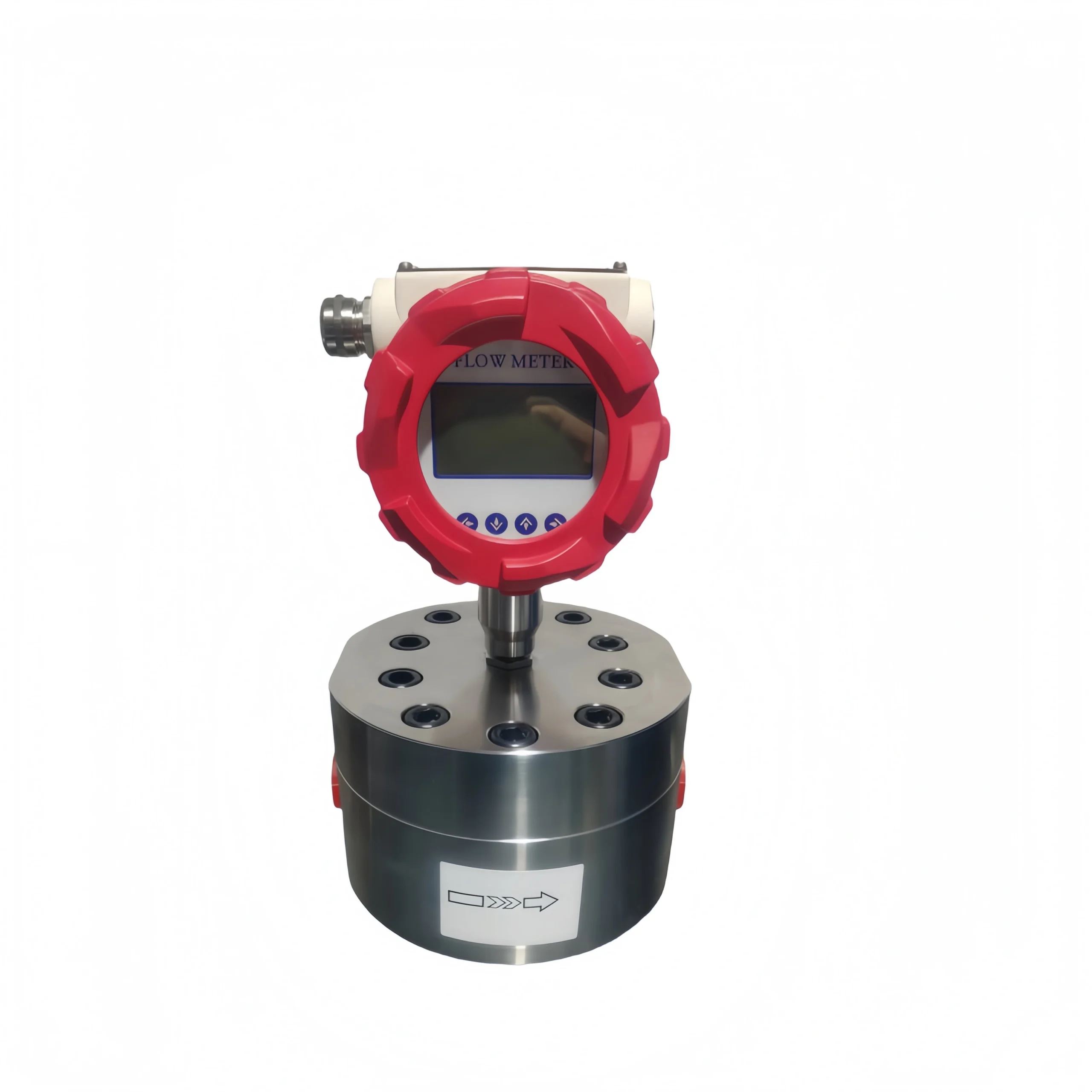
As oil and gas extraction extends into extreme environments such as deep formations and the deep sea, pressure—as a core monitoring parameter—has become crucial to production safety and efficiency improvements. Oil and gas pressure sensors, which utilise principles such as piezoresistive and piezoelectric technology to detect and convert pressure signals, are the core sensing devices in intelligent oil and gas production.
What Is an Oil and Gas Pressure Sensor?
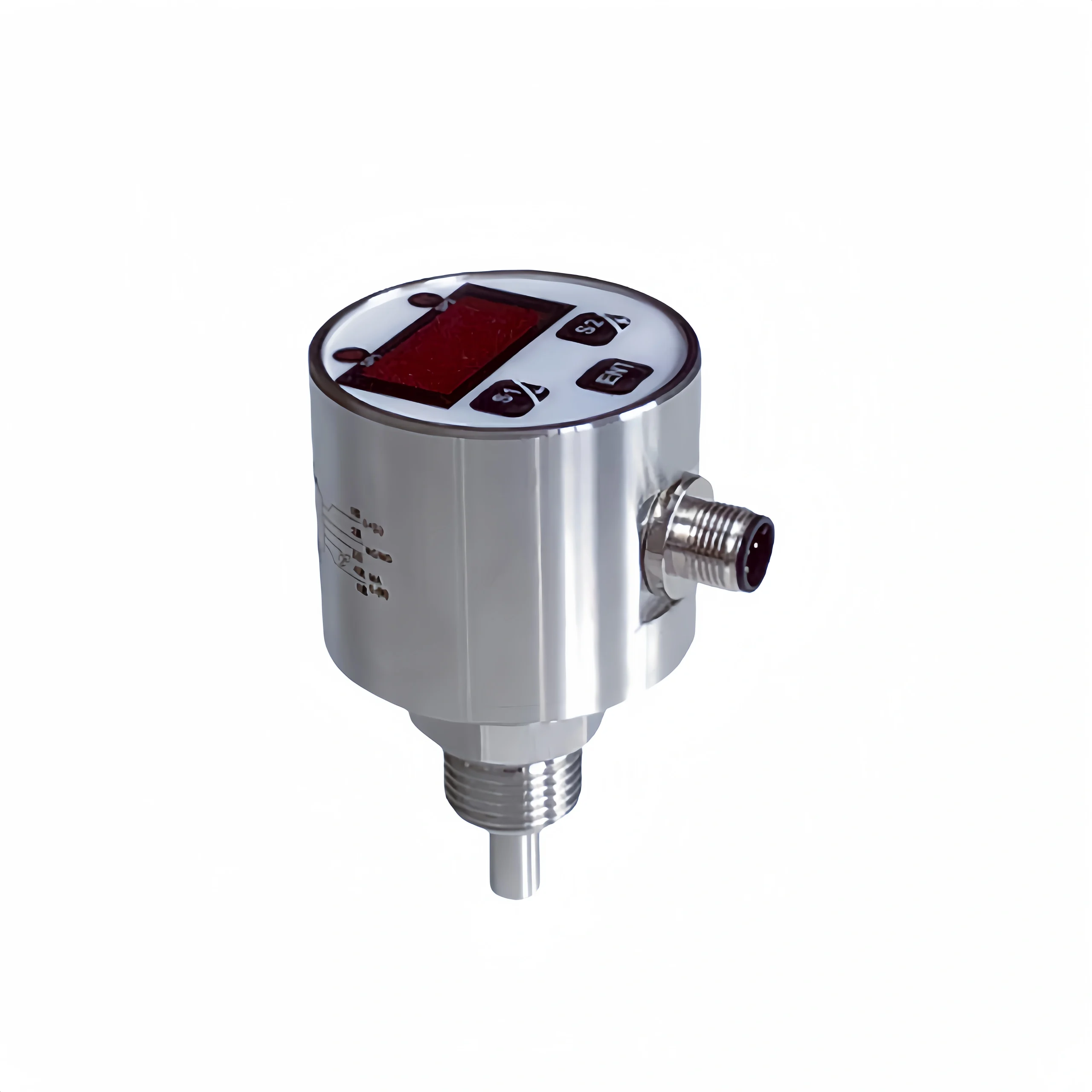
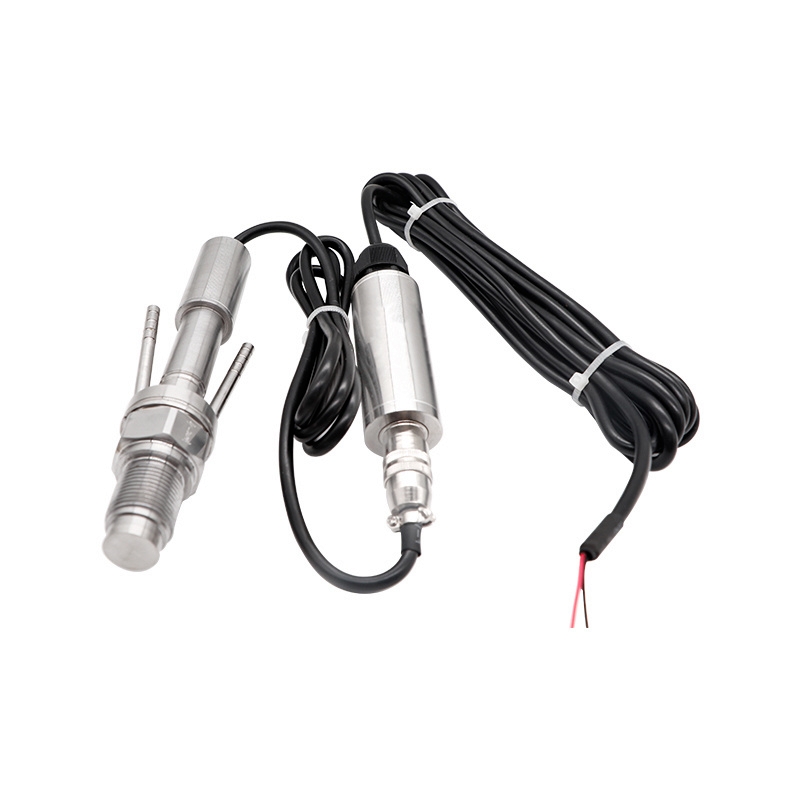
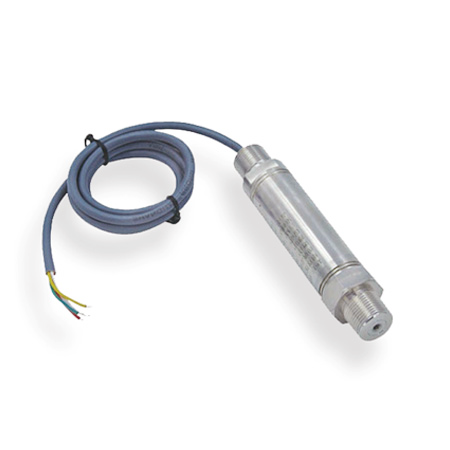
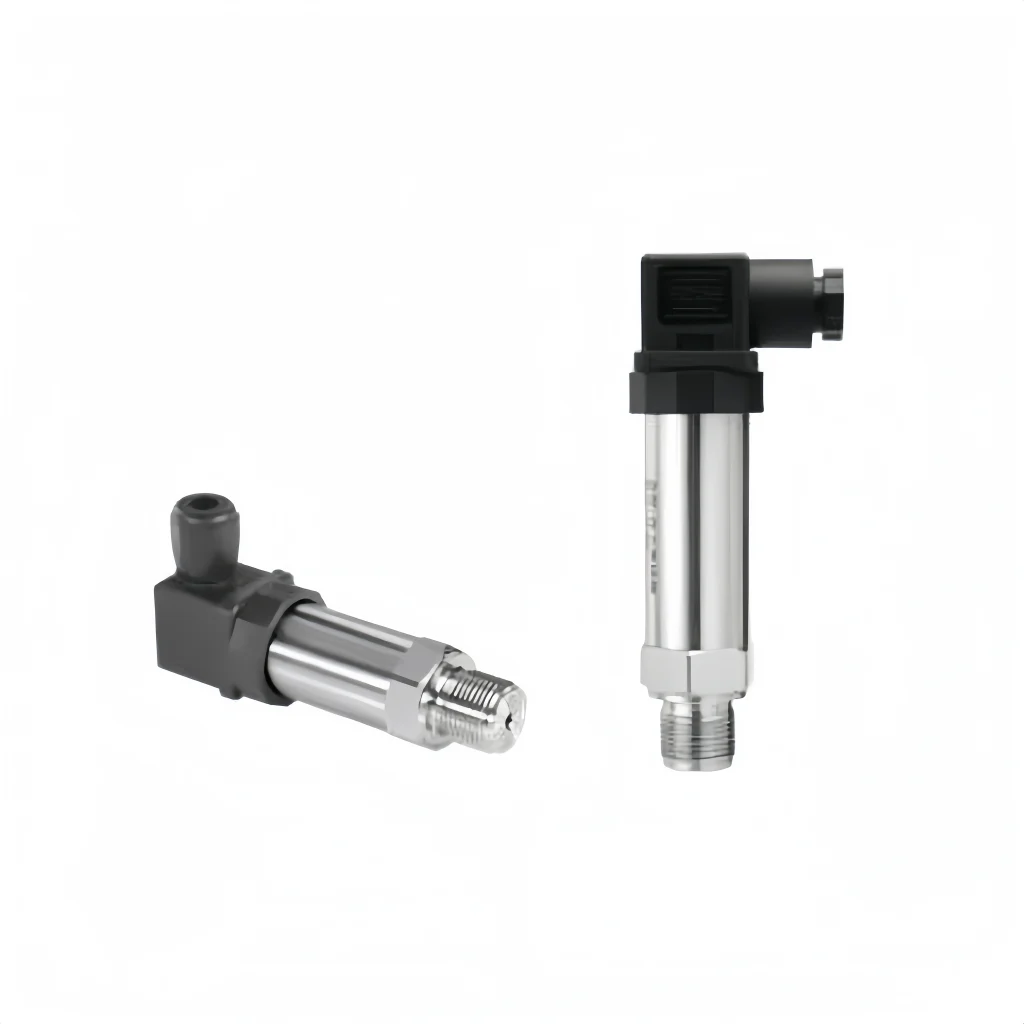
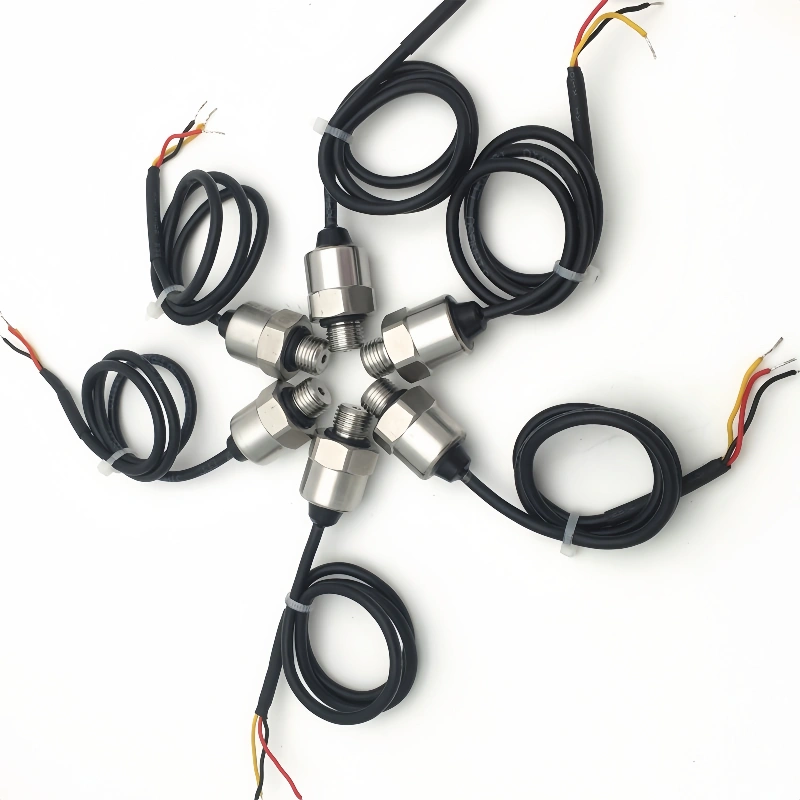
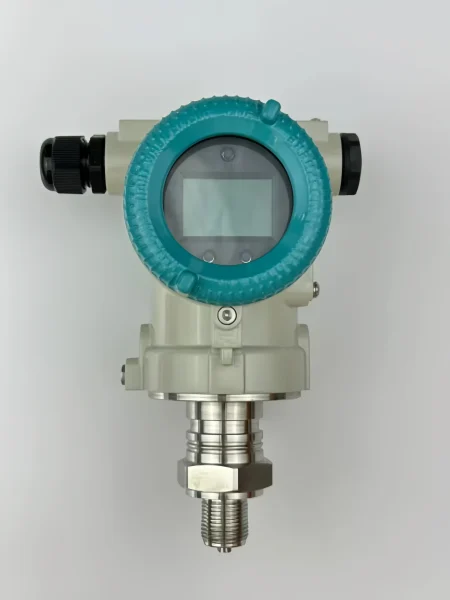
Oil and gas pressure sensors are devices used by the oil and gas industry to measure the pressure of oil or gas in pipelines, wells, or other systems. They provide critical data for fluid flow monitoring and control during extraction, transportation, and processing.
Oil and gas pressure sensors are used to monitor pressure levels and identify potential problems, such as leaks or pressure surges. Oil and gas pressure sensors convert pressure into an electrical signal that can be read and analyzed.
Main features of oil and gas pressure sensor:
High Precision:
Precise pressure measurement is essential for accurate data analysis and informed decision making. Accuracy can reach 0.5%, 0.2%, 0.1%.
Wide Pressure Range:
Capable of measuring a wide range of pressures depending on the application, from low pressure in gas wells to high pressure in pipelines. High pressure can be customized to 700MPa, 1000Mpa.
Harsh Environment Compatibility:
Designed to withstand extreme temperatures, vibrations, and corrosive liquids common in oil and gas operations.
Signal Output Function:
Pressure sensors can convert pressure values into output signals. For example, 4-20mA, 0-10V, 0-5V, etc. RS485, HART communication protocols are optional.
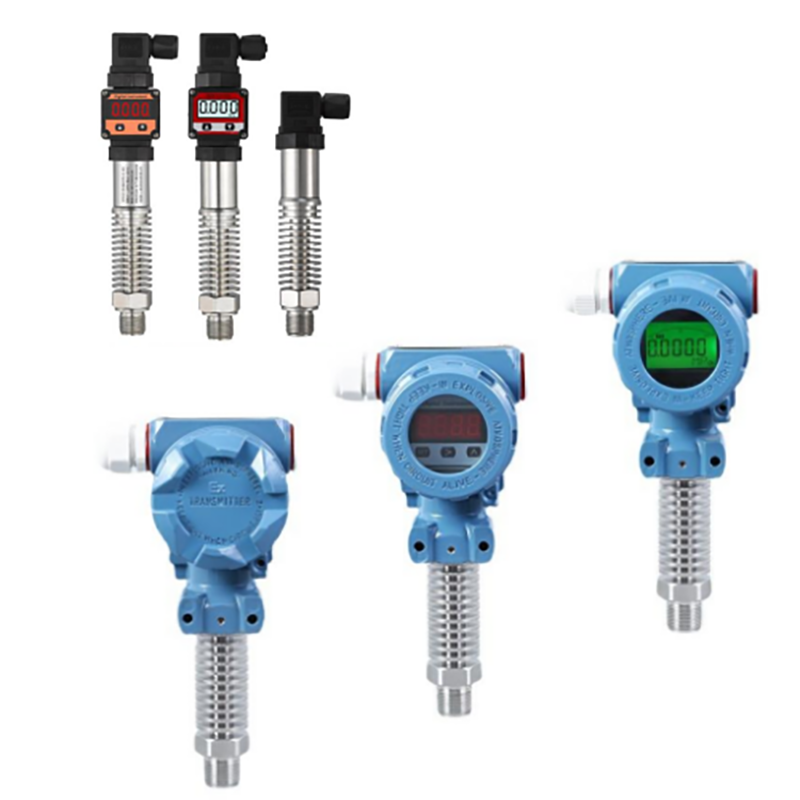
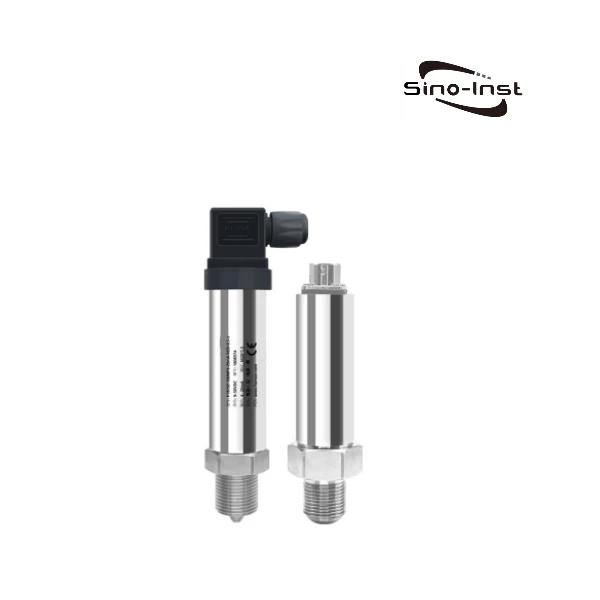
Working principle of oil and gas pressure sensor
Oil and gas pressure sensors incorporate a sensitive elastic structure and a dedicated sensing chip, which utilises either a piezoresistive or capacitive sensing principle. The pressure of the oil and gas medium acts on the sensor’s isolation diaphragm, causing the internal elastic element to undergo minute deformation, which in turn induces corresponding changes in the electrical parameters of the sensing chip.
The physical deformation is transformed into a linear standard voltage or current output signal by the built-in signal conditioning circuit, so as to realise real-time and accurate pressure monitoring of oil and gas pipelines and equipment.
Key points about the working principle of oil and gas pressure sensors:
Diaphragm deflection:
When pressure is applied, it bends, causing changes in the internal components of the sensor.
Strain gauge principle:
The deformation of the diaphragm causes a change in resistance within the strain gauge, which is then measured as an electrical signal proportional to the pressure.
Capacitive sensing:
Where the diaphragm acts as one plate of a capacitor, the change in distance between the plates due to pressure produces a measurable change in capacitance.
Signal conditioning:
The raw electrical signal needs to be processed and calibrated to convert the change in resistance or capacitance into a readable pressure value.
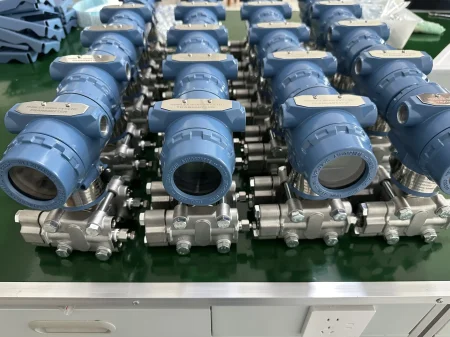
Advantages of oil and gas pressure sensor
Oil and gas pressure sensors offer significant advantages, allowing real-time monitoring of pressure levels in pipelines, wells, storage tanks and processing equipment.
This allows for early detection of potential problems such as leaks, blockages, overpressure, etc., optimizing production efficiency and reducing environmental impact.
Oil and gas pressure sensors have the following advantages:
High measurement accuracy and fast response speed.
Able to measure small fluctuations in pressure of medium in oil and gas pipelines in real time while maintaining errors to industry norms. It responds very quickly to abnormal situations like as overpressure or depressurisation, providing accurate and timely data support for early warning of problems such as leaks and blockages, to avoid safety mishaps caused by monitoring delay.
High environmental adaptability, suitable for complex operating conditions.
Designed for the special operating environments of oil and gas pipelines—including underground, subsea, high-temperature, high-pressure and highly corrosive conditions—it possesses excellent resistance to high temperatures, high pressure and corrosion. It operates stably in harsh environments and is not easily affected by factors such as oil and gas media, external temperature and humidity, or soil corrosion, ensuring a long service life.
Highly intelligent, enabling integrated control and management.
It includes real-time data collecting, transmission and analysis and interfaces easily with pipeline monitoring systems for remote pressure monitoring, retrieval of previous data and anomaly warnings. It saves the manual on site supervision and reduces the operation and maintenance cost, and realises the intelligent upgrading of pipeline operation and maintenance.
Reliable stability and low operational costs.
The structural design is modified for the realistic requirements of oil and gas pipelines, with a low failure rate. Easy to calibrate and maintain later. No need to replace equipment frequently. This can lower the operating workload, equipment investment and maintenance expenses, and ensure the long-term stable functioning of the pipeline.
Wide adaptability and diverse application scenarios.
Models can be flexibly selected to suit oil and gas pipelines of varying diameters and pressure ratings (including long-distance pipelines, gathering and transportation pipelines, and station pipelines). The system can monitor both the pressure of the medium within the pipeline and assist in monitoring pipeline seal integrity, meeting pressure monitoring requirements throughout the entire oil and gas extraction, transportation and storage process.
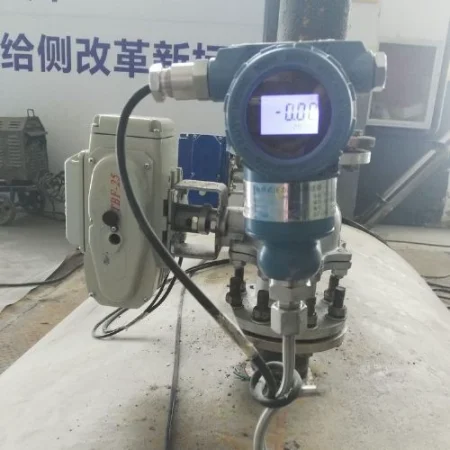
Application of oil and gas pressure sensor
Oil and gas pressure sensors have a wide range of applications in the oil and gas industry, mainly including:
1. Oil and gas exploration and production:Pressure monitoring in wellhead pipelines and downhole oil and gas reservoirs provides information for steady production control and production capacity evaluation, which improves production operations.
2. Oil and gas gathering and transportation:Long-distance pipelines and station-based pipeline networks should monitor pressure to detect abnormal changes, predict issues such as leaks and blockages, and ensure safe transit.
3. Drilling operations:controls drilling conditions and averts safety problems like blowouts and wellbore leaks by keeping an eye on drilling mud and annular wellbore pressures.
4. Refining and petrochemicals: Controls parameters in reactors and pipelines to guarantee process compliance and stable equipment operation, monitoring process pressures in refining and petrochemical units.
5. Storage and transportation: By monitoring the internal pressures of storage tanks and pressure vessels and activating overpressure alerts, tank safety risks are mitigated.
6. Road Transport: Installed on oil and gas transport vehicles to prevent pressure-related incidents during transit by monitoring pressure within cylinders and conduits.
7. Offshore Oil and Gas Platforms: Developed to ensure the continued operation of offshore operations by monitoring pressure in subsea conduits and platform apparatus in harsh environments.
8. Fuel and Gas Stations:Monitors pressure in gas storage wells and oil/gas transmission pipes. Provides stable dispensing pressure and improves safety of operations at stations.
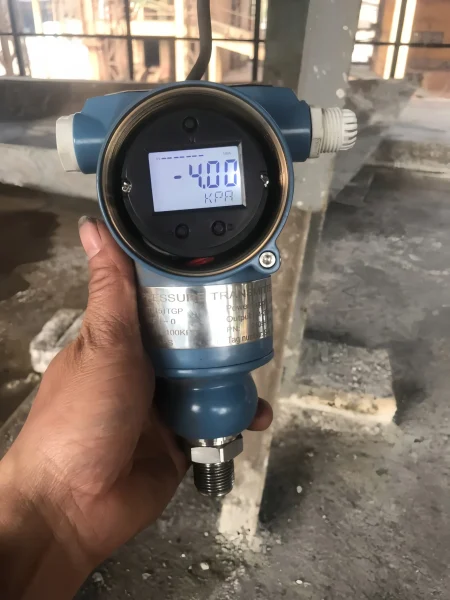
Importance of monitoring pressure in the oil and gas industry
Yes, pressure monitoring is extremely important in the oil and gas industry.These sensors are capable of real-time monitoring of critical parameters such as natural gas components (methane, ethane, liquefied petroleum gas), petroleum volatile hydrocarbons, flammable gas concentrations, ambient temperature and humidity, and pipeline pressure.
They have rapid reaction speeds and remarkable detection accuracy. They resist oil contamination, corrosion and electromagnetic interference and can withstand extreme temperatures in outdoor areas. They can quickly detect safety hazards such as leakage in pipelines, problems in equipment seals and significant releases of oil and gas vapours.
There are several reasons why pressure monitoring is critical in oil and gas, including:
Production optimization:
By monitoring wellhead pressure, operators can maximize the recovery of oil and gas from reservoirs.
Equipment protection:
Maintaining proper pressure levels within pipelines and processing facilities helps prevent equipment damage due to excessive pressure.
Regulatory compliance:
Most regions have strict regulations for pressure monitoring in the oil and gas industry to ensure safe operations.
Cost savings:
Pressure monitoring helps reduce operating costs by identifying leaks or inefficiencies that could lead to wasted resources or downtime.
Environmental protection:
Pressure monitoring is necessary to detect potential leaks and prevent environmental damage.
The oil and gas industry plays a vital role in the oil and gas industry, and with constant innovation, it will continue to increase productivity within the market. In order to meet these challenges, reliable measurement and monitoring technology is essential.
Sino-Inst is a company that provides high-quality instrumentation solutions for the oil and gas industry. We have a rich product line that can meet a variety of measurement and control needs. If you would like to learn more about our oil and gas pressure sensor products, please contact Sino-Inst today.