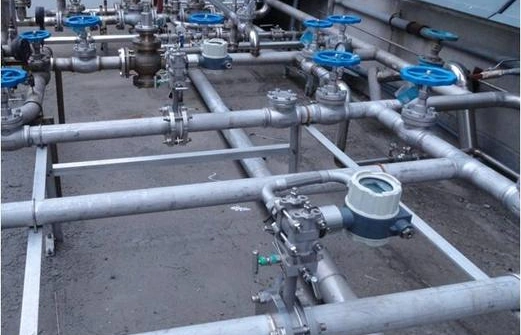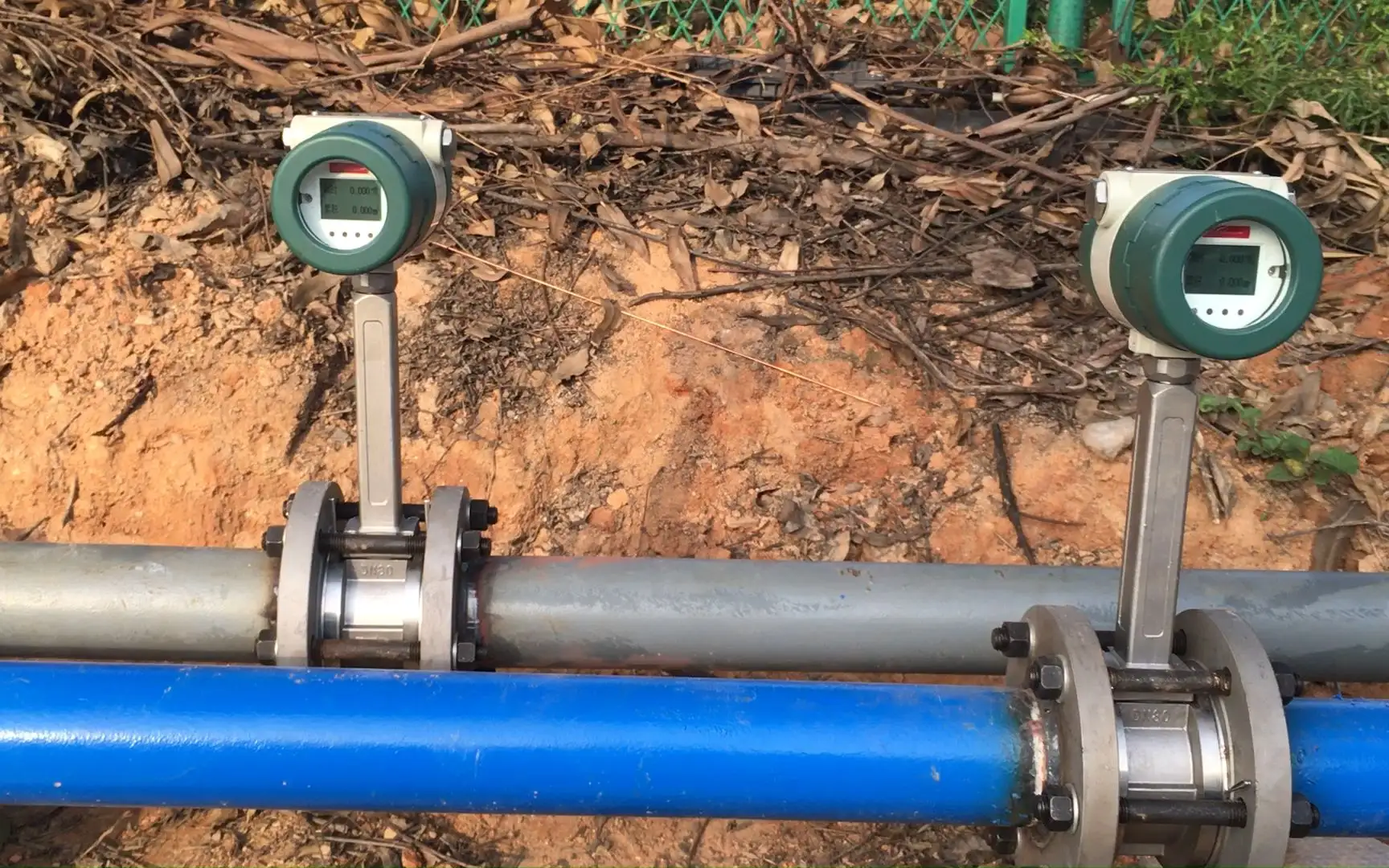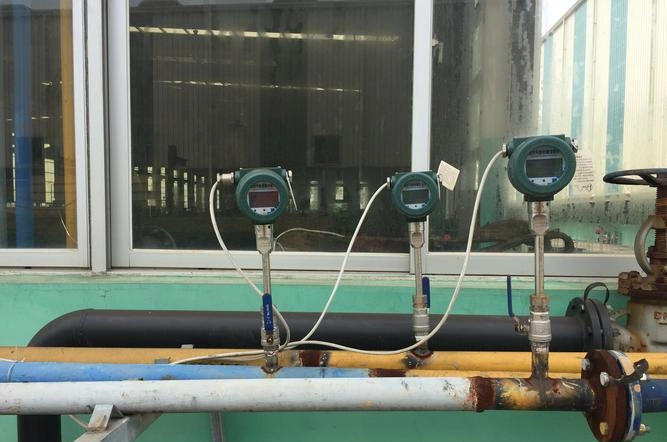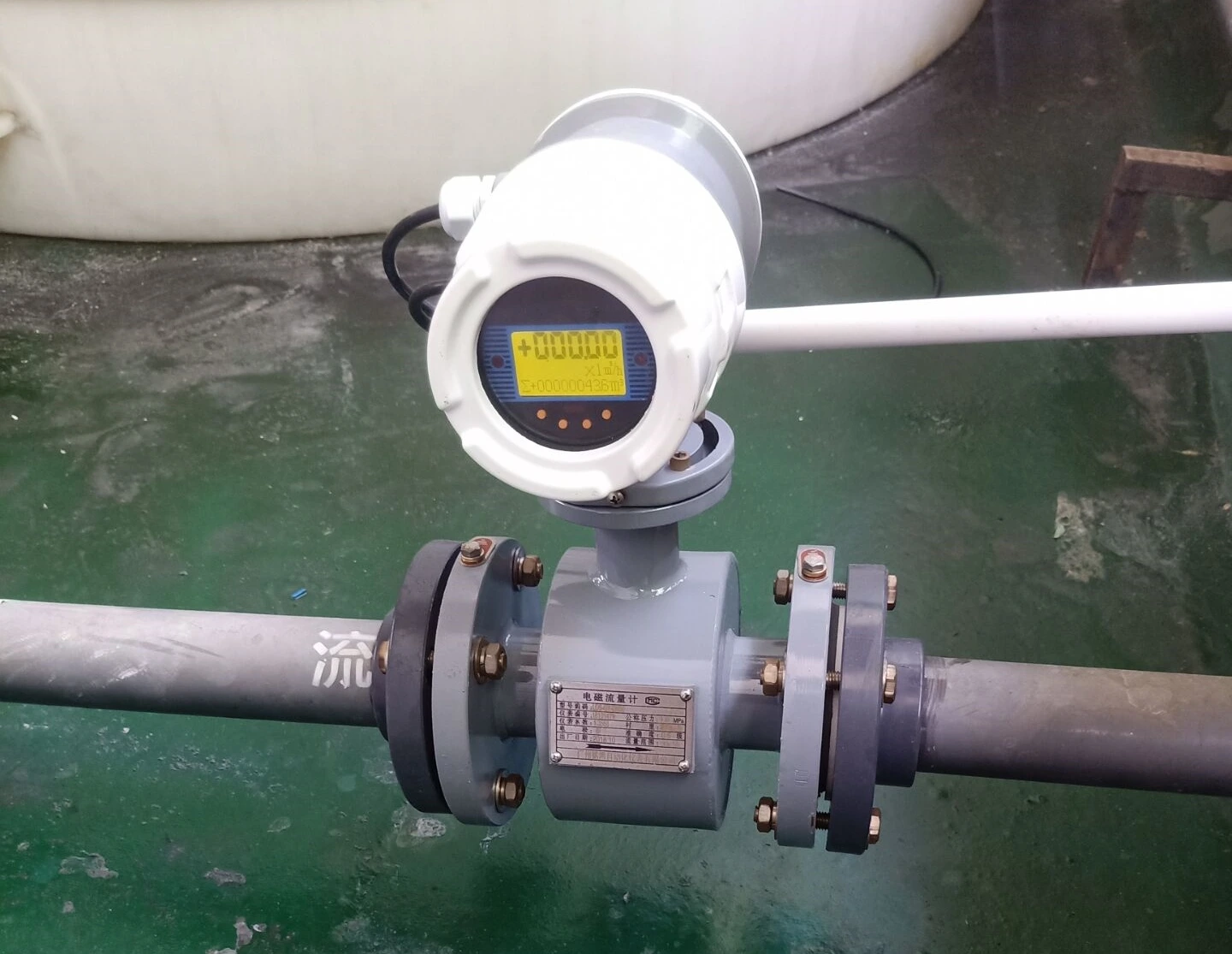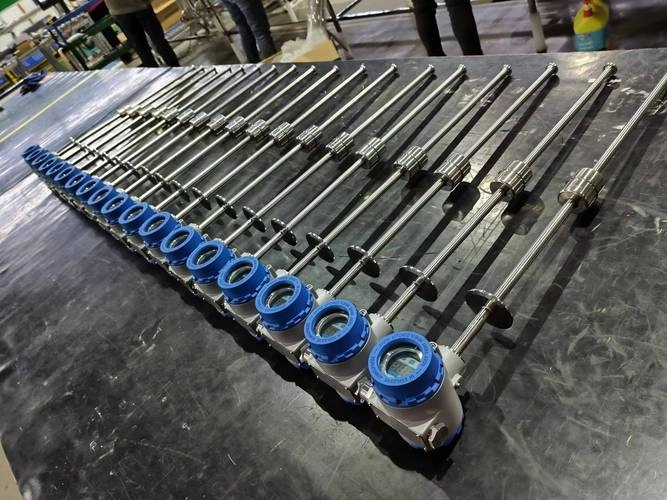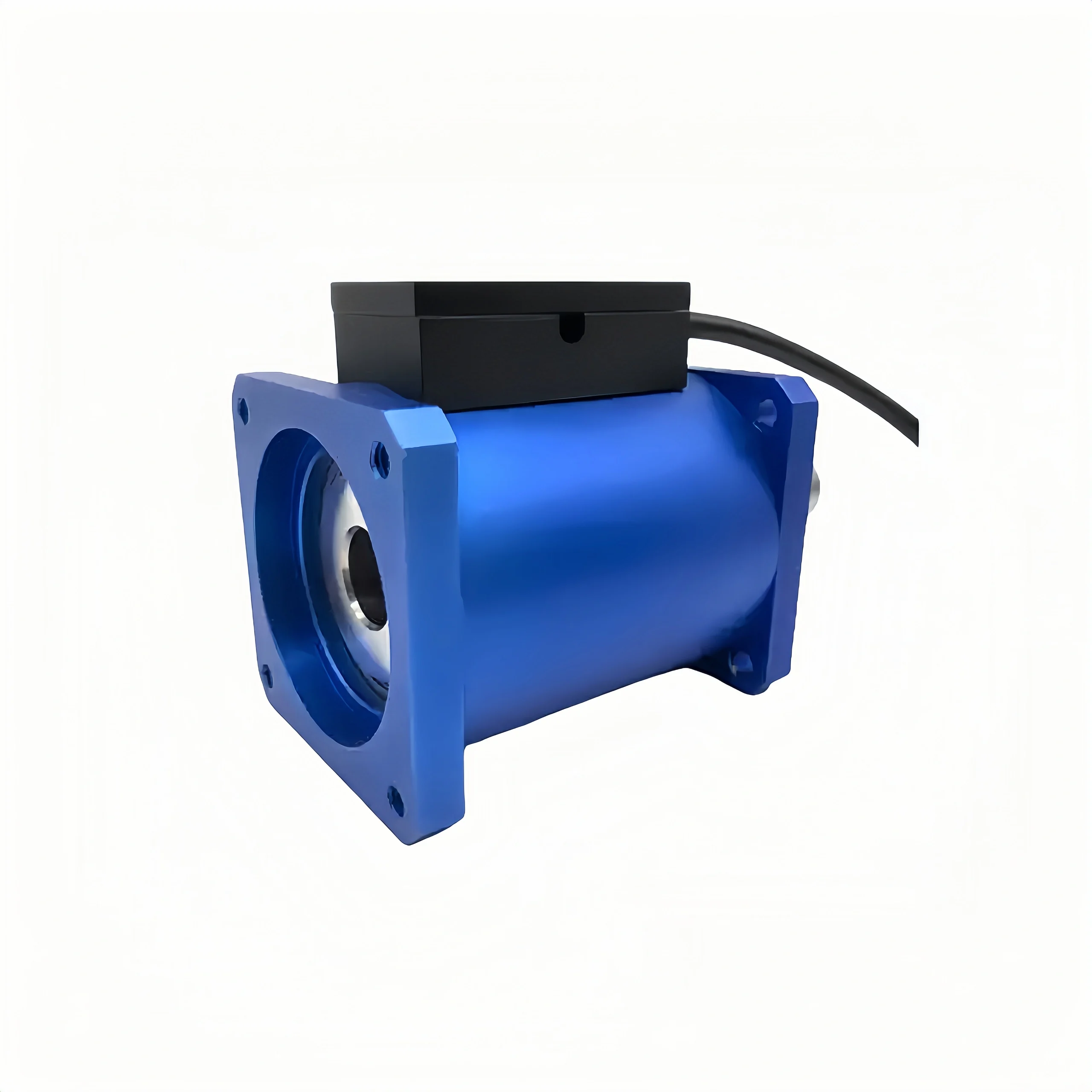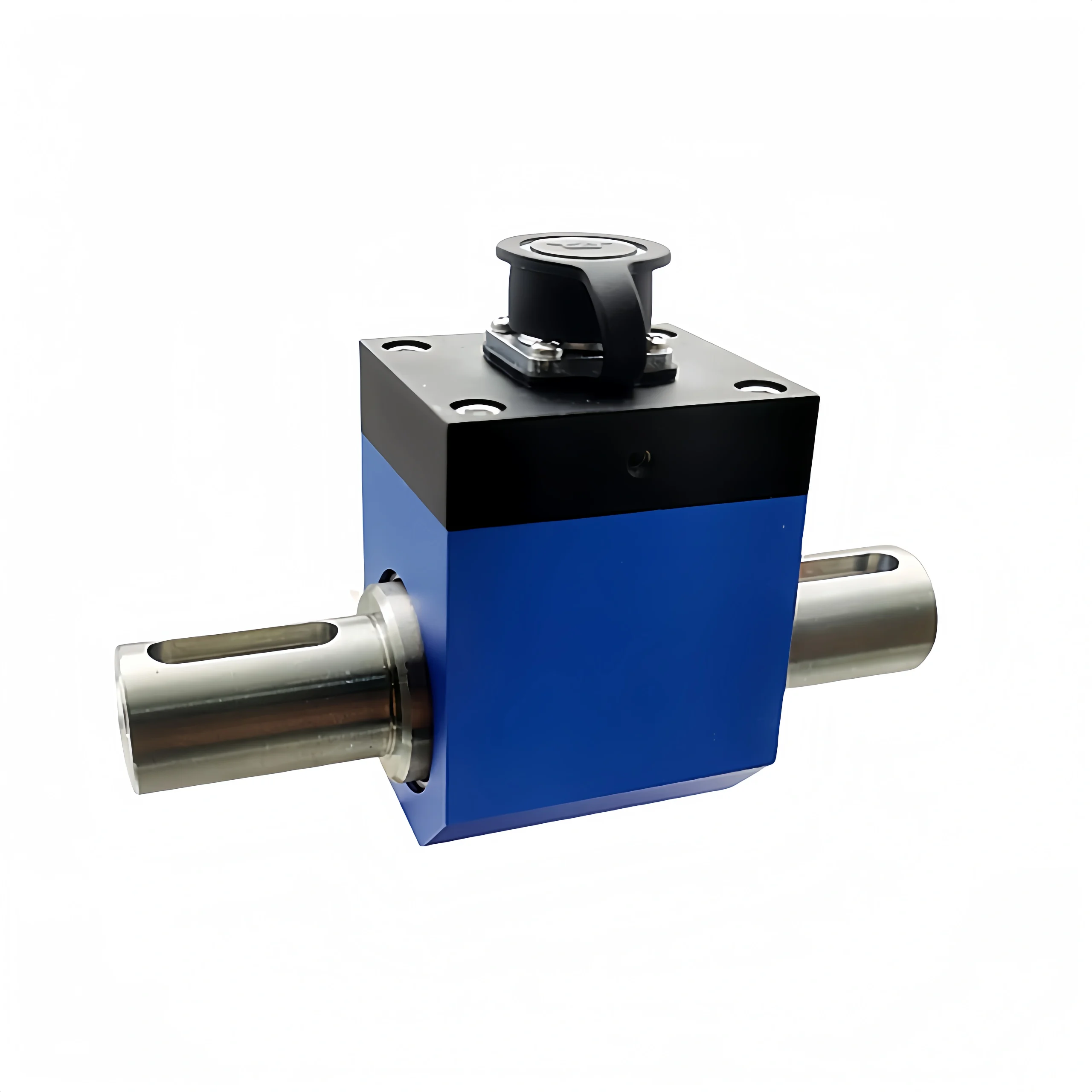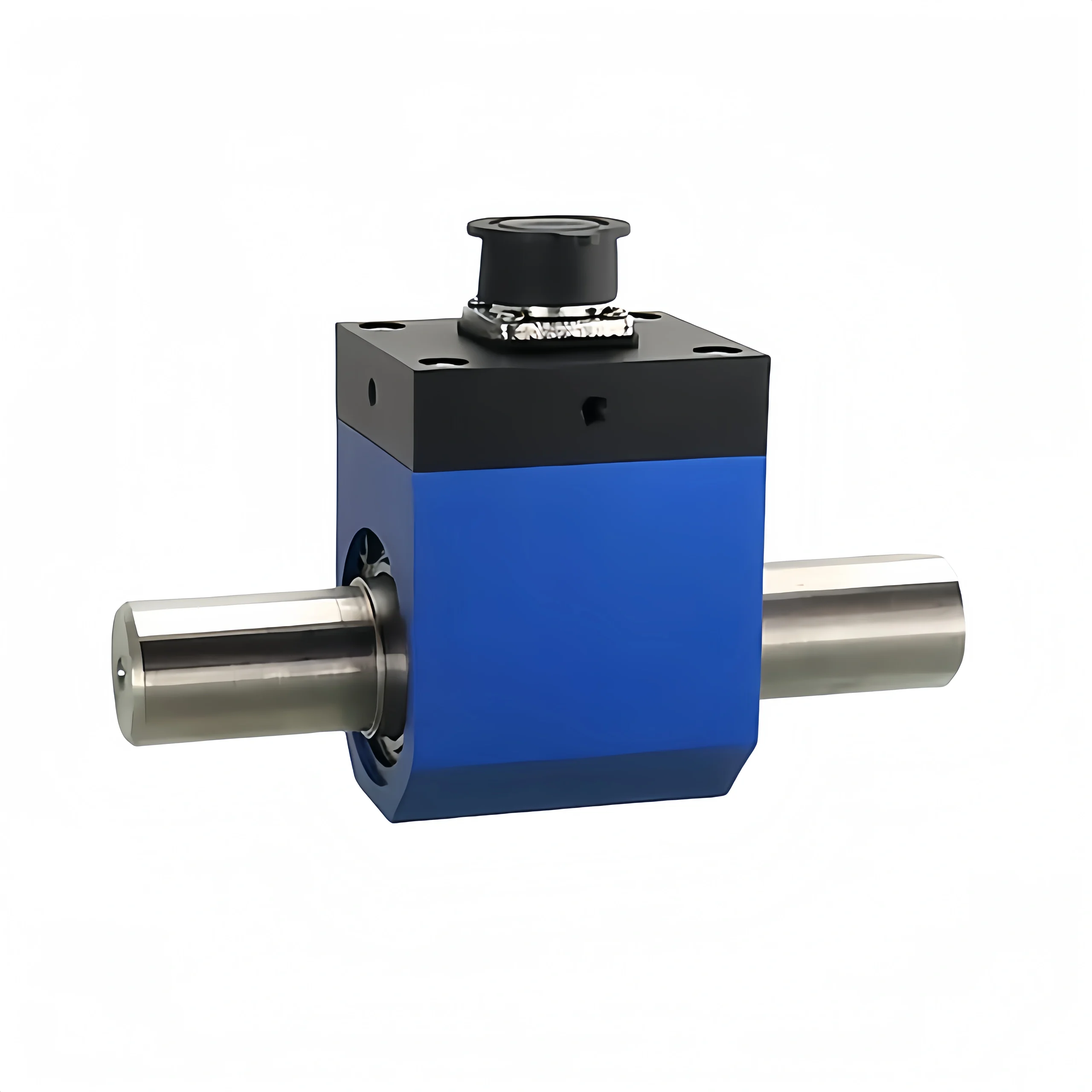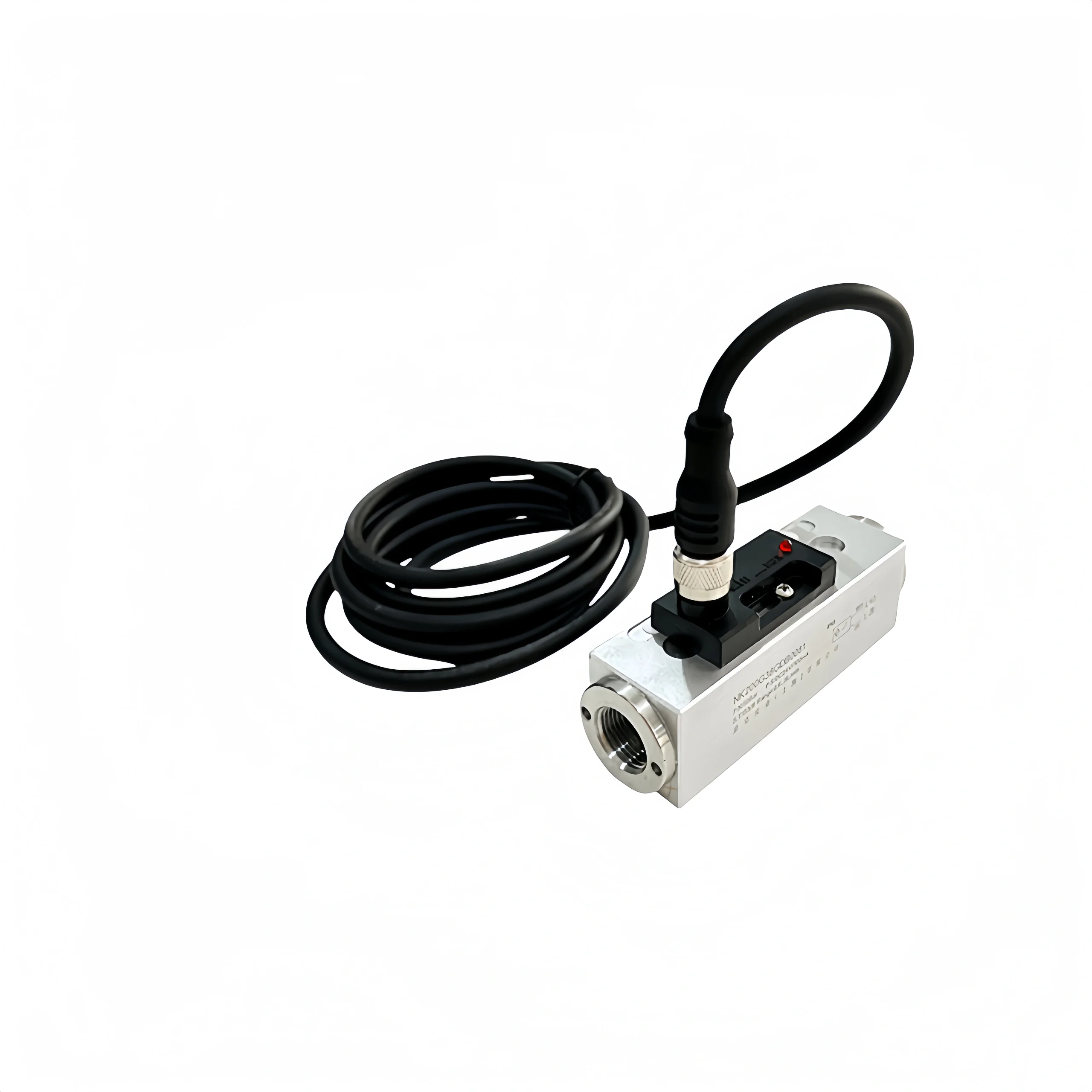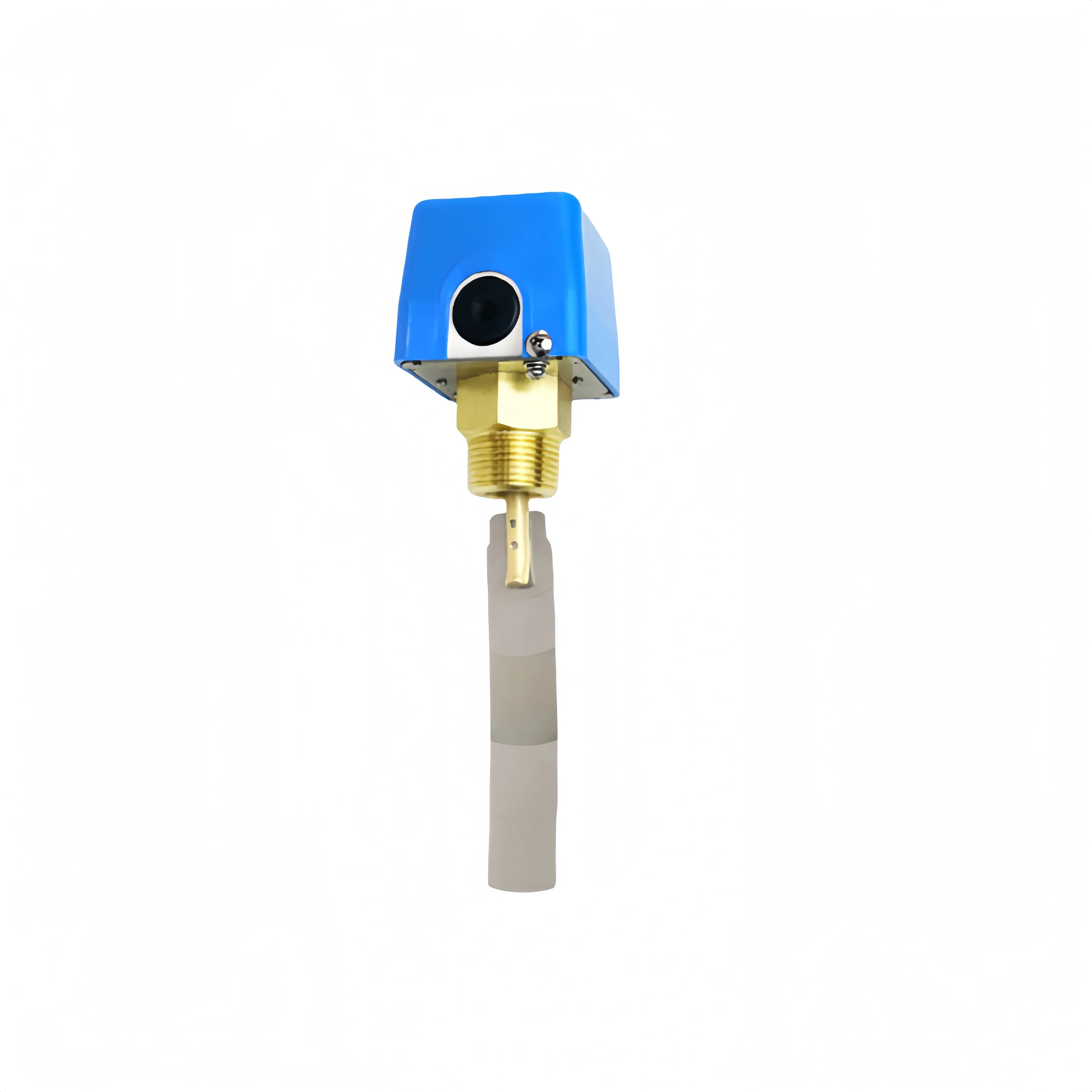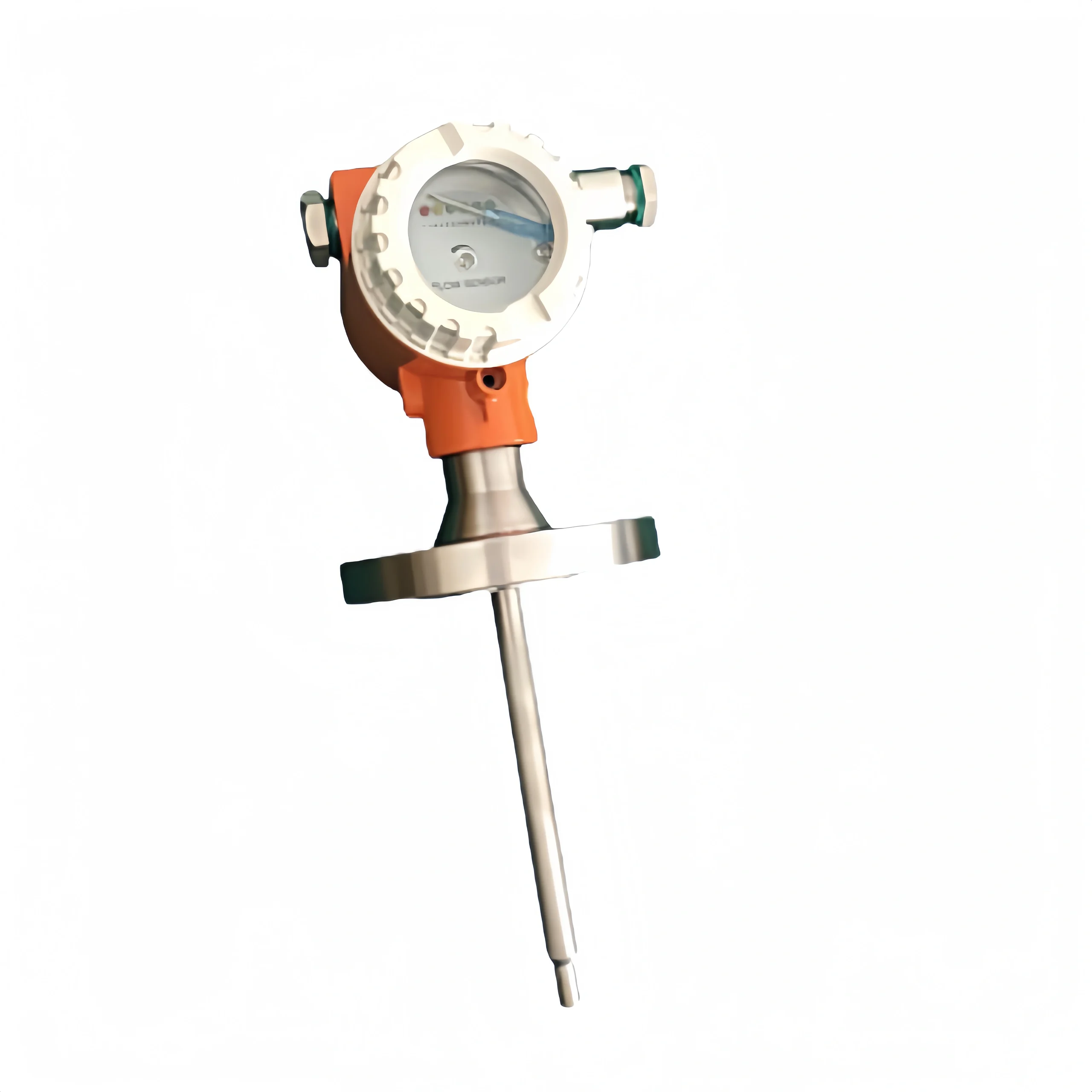
Industrial Gas Flow Meters are instruments used to measure the flow rate, volume or mass of gas in pipelines. There are many kinds of gases that need to be measured in industry, such as nitrogen, oxygen, helium, argon, natural gas, etc. And, gas flow measurement is important!
Then, understanding the types of Industrial Gas Flow Meters can help us choose the appropriate gas flow rate.
Common gases in industrial production
Compressed air
Compressed air is the most commonly used general-purpose gas source in industry, utilised for pneumatic drives, equipment purging, instrumentation, and other applications.
Operating conditions typically involve ambient temperatures and medium pressures; it often contains water and oil, which can contaminate instruments, and its flow rate fluctuates significantly. Vortex or thermal mass flow meters are generally employed for measurement.
Nitrogen
As an inert protective gas, nitrogen is widely used for process protection, tank inerting, sealing, welding and purging in the electronics industry. The medium is pure and non-corrosive; however, the density of nitrogen varies significantly at high or low pressures, requiring temperature and pressure compensation. Thermal mass flow meters and vortex flow meters are commonly used for measurement.
Natural gas
Natural gas is primarily used for boiler combustion, heating furnaces, gas-fired power generation and as a chemical feedstock. As an energy settlement medium, it demands high measurement accuracy.
Composed mainly of methane, it may contain water and sulphur, operates across a wide pressure range and is prone to pulsating flow; turbine, ultrasonic and vortex flowmeters are commonly used.
Hydrogen
Hydrogen has low density and is highly flammable and explosive. It is used in hydrogenation reactions, ammonia synthesis, heat treatment, and generator cooling. It is typically employed under high-pressure, high-purity conditions with a high risk of leakage, necessitating strict requirements for explosion protection and sealing. Thermal mass flow meters and Coriolis flow meters are commonly used.
Ammonia
Ammonia is toxic, corrosive and prone to liquefaction, and is commonly used in denitrification, chemical synthesis and refrigeration. It is prone to condensation and crystallisation, and may form a gas-liquid two-phase mixture; this necessitates corrosion-resistant materials for the instruments. Corrosion-resistant vortex, differential pressure and thermal flowmeters are typically selected.
Argon
Argon is a high-purity inert gas used in welding protection, metallurgical refining, semiconductor production, and similar applications. The medium is stable and non-corrosive, though the cost is relatively high. It is used in both high- and low-flow applications, and its density changes significantly under high pressure; thermal mass flow meters and vortex flow meters are commonly used.
Helium
Helium is extremely light and expensive, and is used in leak detection, cryogenic refrigeration, aerospace and other applications. It is typically encountered in high-purity, low-flow, high-pressure or cryogenic conditions. It is prone to leakage and demands high instrument sensitivity; high-precision thermal mass flow meters and Coriolis flow meters are commonly used.
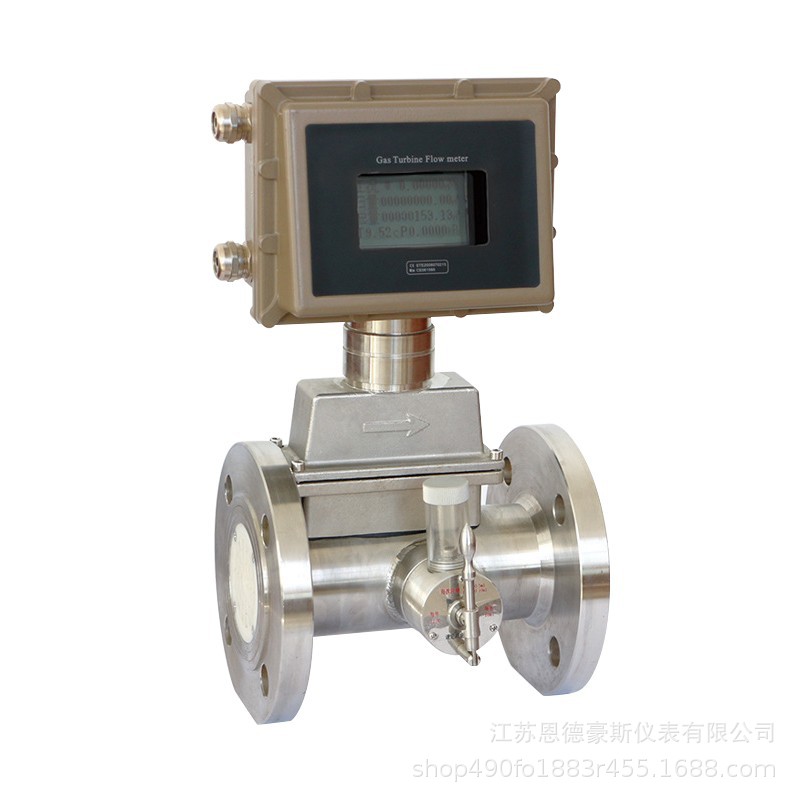

Gas Flow Meter:7 Types
According to the different working principles and application ranges of flow meters, we can classify gas flow meters.
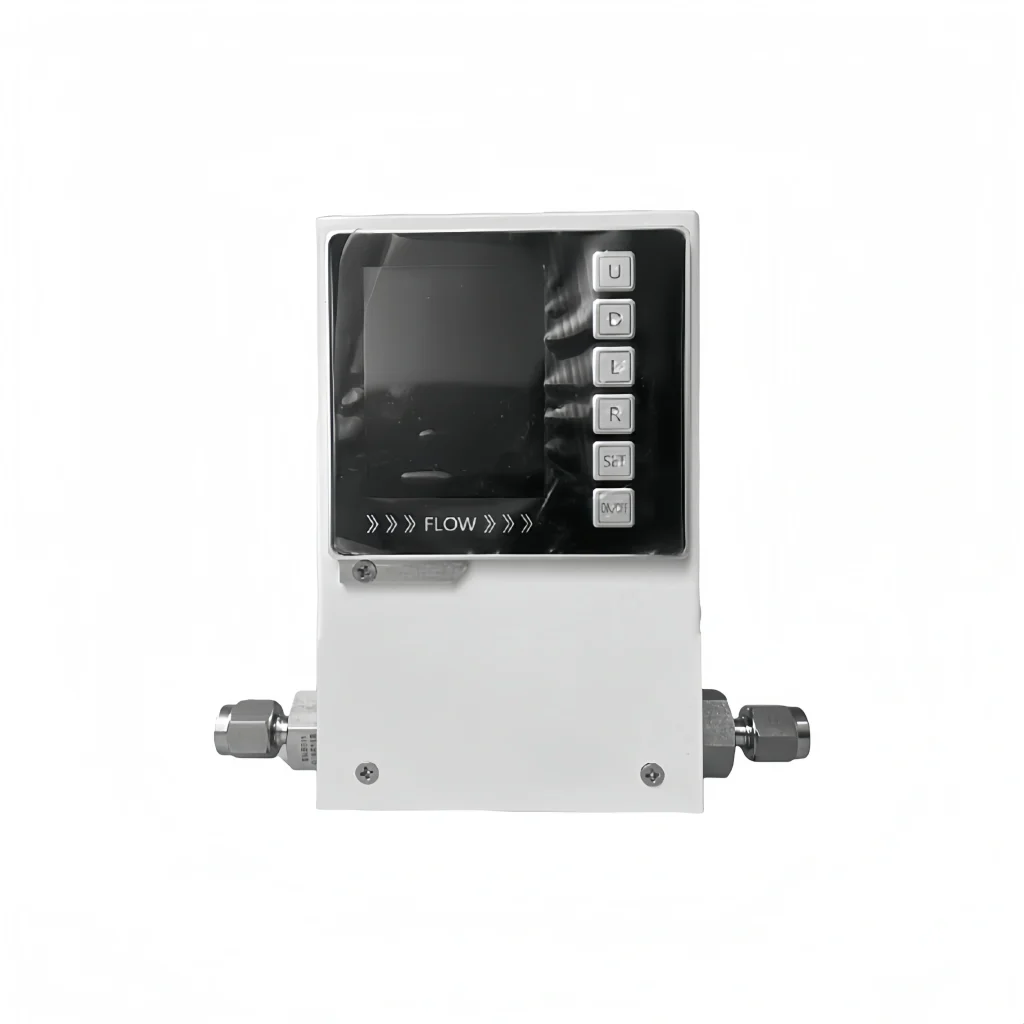
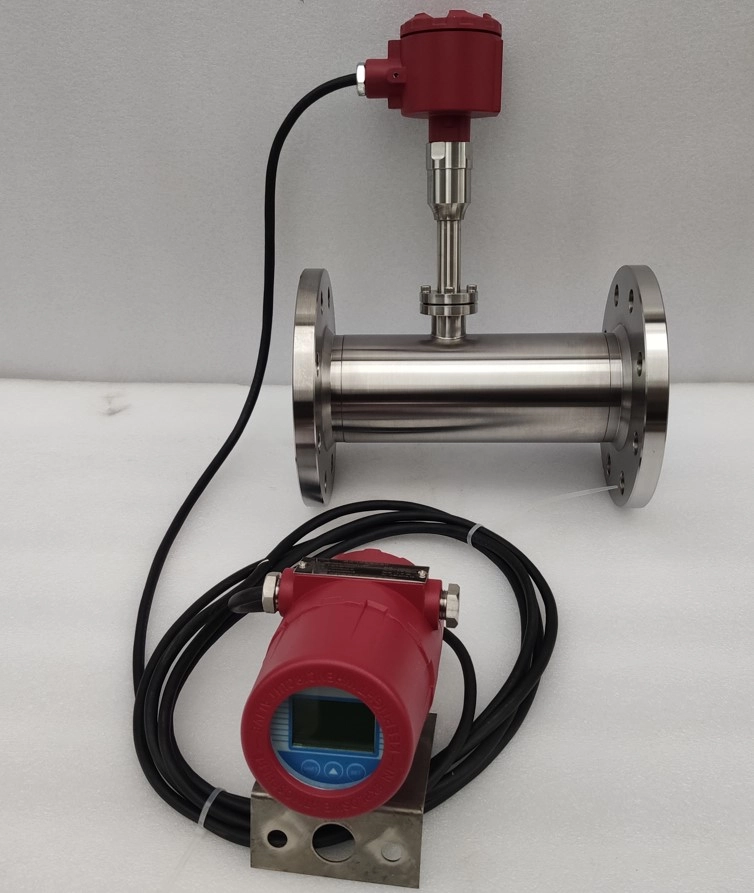
Thermal gas mass flow meter
A thermal gas flow meter is an instrument that measures gas flow by measuring the heat generated when the gas passes through a sensor. As gas flows through the sensor, the sensor is heated. The temperature change of the measuring sensor can reflect the flow rate of the gas.
Thermal gas flow meters are suitable for industrial applications that require high-precision measurements, such as semiconductor manufacturing and medical oxygen supply. Since it needs to heat the sensor, you need to pay attention to the protection of the sensor when using it.
Typical applications of thermal flow meters:
- Compressed air flow and distribution;
- Natural gas consumption, e.g. for burner and boiler feedwater control;
- Monitoring and control of stack or flue gases (known composition);
- Landfill gas recovery;
- Flare gas measurement;
- airflow mixing and blending;
- Gas leak testing and detection;
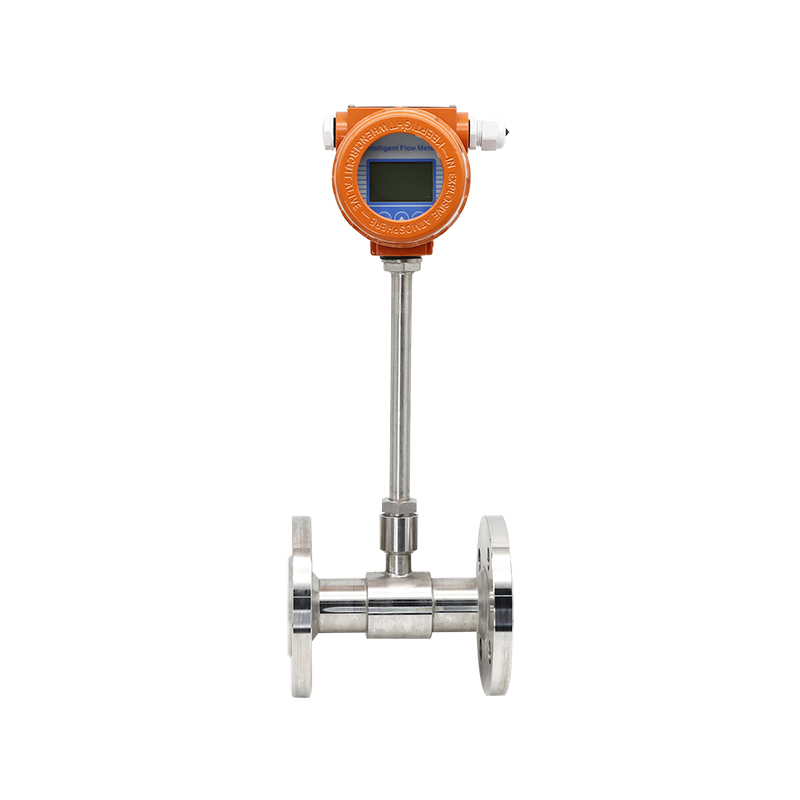
Vortex Flowmeter
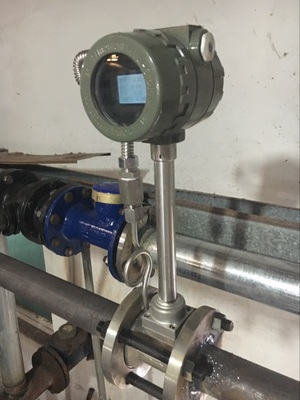
The working principle of the vortex flowmeter is based on the principle of the Karman vortex. The fluid is used to form a vortex under specific conditions, and the flow rate is measured based on the proportional relationship between the vortex shedding frequency and the fluid flow rate.
Vortex flow meters have the advantages of high measurement accuracy, good stability, and long service life, and are suitable for media such as gas, liquid, and steam.
Typical applications of vortex flowmeters are measuring gases and steam.
Temperature and pressure compensation type built-in or external sensor automatically performs temperature and pressure correction. Convert operating flow rate directly into mass flow rate or volume flow rate under standard conditions. More simple and precise.
Gas turbine flow meter
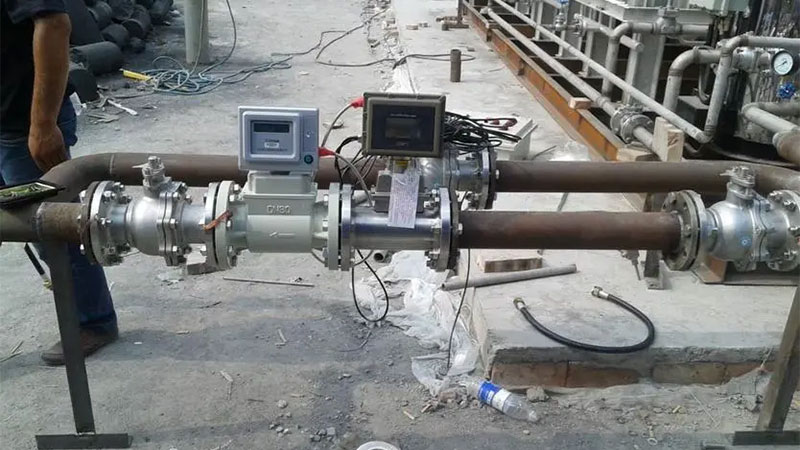
The gas turbine flow meter is a velocity flow meter. Its working principle is based on the relationship between turbine rotation speed and gas flow rate.
As the gas passes through the turbine, the gas flow rate causes the turbine to rotate. The rotation speed of the turbine is proportional to the flow rate. By measuring the rotational speed of the turbine, the flow rate of the gas can be deduced.
The temperature and pressure compensated gas turbine flowmeter can integrate flow, temperature and pressure detection functions. And can automatically compensate for temperature, pressure and compression factor.
Gas turbine flowmeter is an ideal gas flow detection instrument for industrial boilers and other industries to measure the volume flow and total amount of low-viscosity gas in closed pipelines of urban natural gas and gas pressure regulating stations, as well as gas heat measurement.
Rotameter
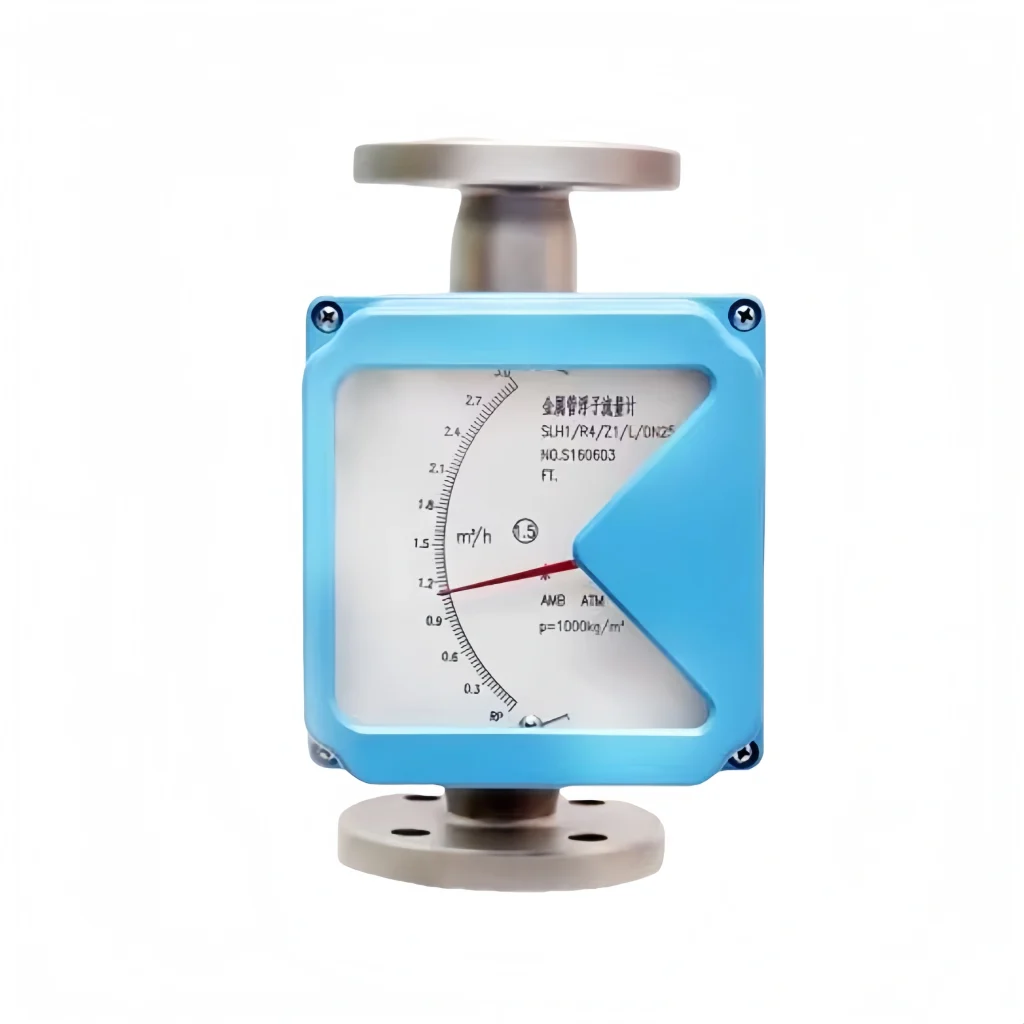
Rotameter measurement is also called a float flow meter. The classic rotameter is composed of three units: the float flow sensor part, the displacement-angle conversion mechanism part, and the information conversion processing part.
Rotameter (also known as float flowmeter) is a traditional variable area flow measurement device. When the flow rate changes, the float moves up and down in the vertical tapered tube. The annular flow area formed between the conical tube and the float changes. It is a volumetric flow meter that implements flow measurement based on this principle.
Rotameters are suitable for low-flow gas measurements, such as oxygen flow measurements in medical equipment. Due to its low measurement accuracy, it is not suitable for industrial applications that require high-precision measurement.
Differential pressure flow meter
A differential pressure type (also called a throttling type) flowmeter is based on the throttling principle of fluid flow and uses the pressure difference generated when the fluid flows through the throttling device to achieve flow measurement.
When the fluid flows through the throttling device in the pipeline, a local contraction is formed at the throttling member, causing the flow rate to increase. The static pressure decreases, thus forming a pressure drop, that is, a pressure difference.
The greater the flow rate of the medium, the greater the pressure difference generated before and after the throttling member. Therefore, the differential pressure flowmeter can measure the fluid flow rate by measuring the pressure difference.
The differential pressure flowmeter consists of a primary device (detection component) and a secondary device (differential pressure converter and flow display instrument). Differential pressure flowmeters are usually classified in the form of test pieces. Such as orifice flowmeter, Venturi flowmeter, velocity averaging tube flowmeter, Annubar flowmeter, etc.
Differential pressure flow meters are the most customizable of all flow meters. Parameters, including caliber, high temperature, high pressure, etc. can be customized.
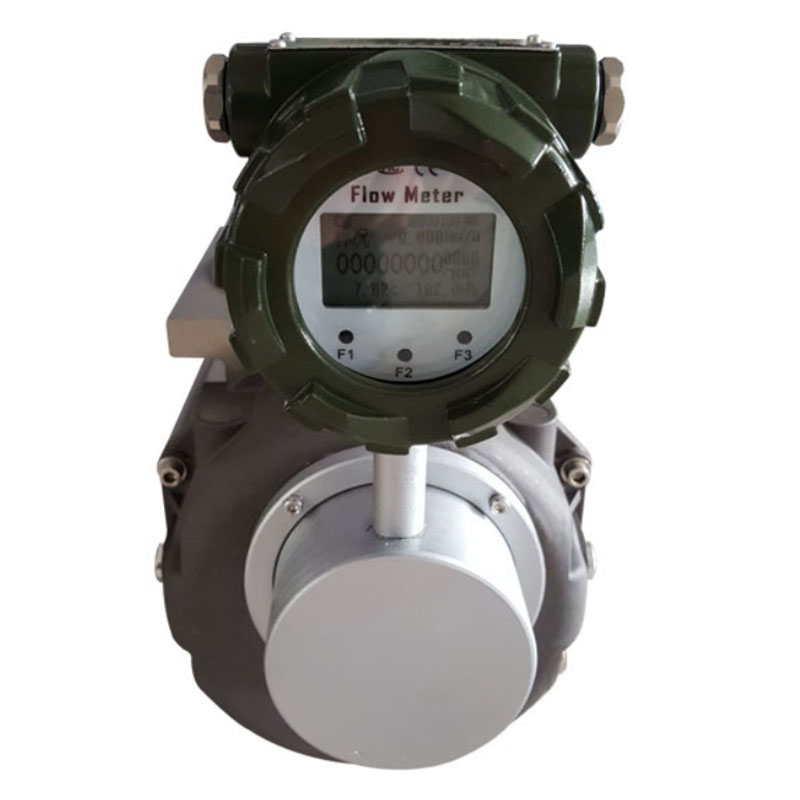
Roots flowmeter (Positive displacement flowmeter)
Roots flowmeter is a fixed-displacement gas flowmeter. There is a fixed, large space inside and a set of rotating bodies that divide the space into several small spaces of known volume.
The rotating body continuously rotates under the action of fluid pressure difference, constantly discharging fluid from a small space of known volume. Based on the number of rotations of the rotating body within a certain period of time, the volume of fluid flow can be calculated.
Roots flowmeter is a type of gas flowmeter with a long history. It has the characteristics of high precision, good reliability, light weight, long life, low operating noise, and easy installation and use.
Widely used in flow measurement of natural gas, coal gas, inert gas, air and other gases. Also used for gas trade measurement.
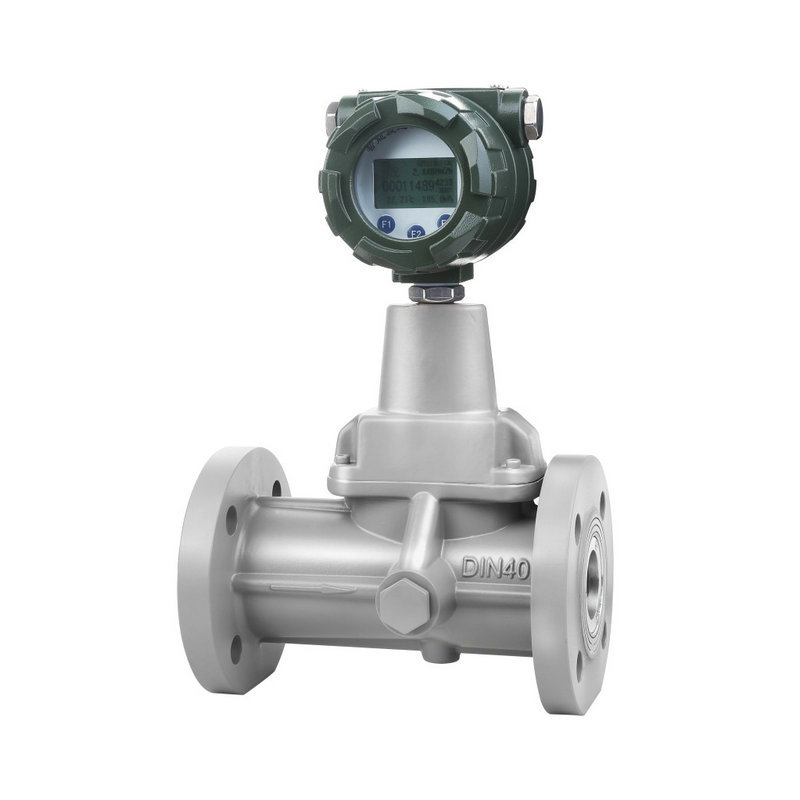
Precession vortex flowmeter
The precession vortex flow meter is a new type of gas flow meter. It combines the advantages ofthe venturi tube, vortex flowmeter and turbine flowmeter. It has the advantages of strong function, wide flow range, simple operation and maintenance, and convenient installation and use.
In addition to its structural advantages in flow measurement, the precession vortex flowmeter also has a pressure sensor and a temperature sensor. Therefore, when measuring gas, although the gas density is greatly affected by temperature and pressure. However, the precession vortex flowmeter can track and detect the temperature and pressure of the medium in real time. The standard volume is calculated based on the gas equation, and the compression factor is automatically corrected.
The precession vortex flowmeter can also support customized high-pressure styles. Widely used in flow measurement of nitrogen, natural gas, etc. It is currently the preferred product for measurement and trade measurement of natural gas transmission and distribution in oil fields and cities.
How to select the best Industrial gas flow meter for your application
When selecting a gas flow meter, the following factors should be considered:
1. Measurement object: Choose a suitable gas flow meter according to the properties of the gas being measured (such as pressure, temperature, humidity, corrosiveness, etc.).
2. Measuring range: Select an appropriate gas flow meter based on the flow range of the gas being measured.
3. Accuracy requirements: Select a gas flow meter with an appropriate accuracy level and good stability according to the measurement requirements.
4. Environmental conditions: Consider the impact of the installation environment of the gas flow meter (such as temperature, humidity, vibration, etc.) on the measurement accuracy.
5. Installation conditions: Consider factors such as the installation location, space dimensions, and pipe connection methods of the flow meter to ensure the correct installation and stable operation of the gas flow meter.
6. Operating costs: Select an economical and practical gas flow meter by comprehensively considering factors such as the purchase cost, operating costs, and maintenance costs of the gas flow meter.
7. Other factors: Consider other special requirements, such as explosion-proof grade, flange interface, etc.
FAQ
What is the best flowmeter for natural gas?
A natural gas flow meter is an instrument used to measure the flow of natural gas. It is widely used in urban gas, industrial gas, trade measurement, oil field gas wells and other fields.
Many types of flow meters can measure natural gas flow. There is no single best natural gas flow meter. The most suitable one needs to be selected based on the actual measurement parameters.
Based on our many years of experience, comprehensive installation conditions, procurement costs, etc. Sino-Inst recommends that you choose: gas turbine flowmeter, thermal mass flowmeter, or precession vortex flowmeter.
The Difference Between Flow Meters and Flow Controllers
Differences in Coe Functions
Flow meters are primarily used to monitor, display and record flow values. The onus is on them to ensure measurement is carried out correctly and they are not involved in the regulation process. Flow controllers, in addition to measurement, have the capacity to automatically control and stabilise flow, thereby achieving closed-loop control of set values.
Differences in Control Capabilities
Unlike flow controllers, which are equipped with regulating valves or actuators that can automatically adjust the opening according to set values to maintain a constant flow rate, flow meters do not have regulating actuators and cannot alter the flow rate of the medium.
Differences in System Structure
A flow meter is a tool that can be used to measure flow. A flow controller is a tool that can be used to control the flow of a liquid or gas. It usually consists of a sensor, a controller and an actuator valve. These three parts work together to regulate the flow of the liquid or gas.
Differences in Purpose
Flow meters are commonly used for metering, statistics, energy consumption monitoring and data acquisition; flow controllers are used for precise control of process parameters, ratio adjustment and ensuring constant flow, thereby guaranteeing the stability of the production process.
Different Emphases on Accuracy
Flow meters are important for measuring accuracy, so you get correct readings. Flow controllers are more about control accuracy and how fast they respond. This makes sure the actual flow rate quickly follows the setpoint.
Different Application Scenarios
Flow meters are widely used in monitoring scenarios such as pipeline networks, energy consumption and trade settlement; flow controllers are predominantly used in laboratories, precision gas distribution, semiconductor manufacturing and chemical reactions—applications requiring precise flow control.
What are standard condition flow rate and operating condition flow rate?
Standard condition flow rate
Standard condition flow rate refers to the volumetric flow rate of a gas converted to standard conditions, typically defined as 0°C and 101.325 kPa, although some industries use 20°C as the reference. It is a theoretical calculated value that is unaffected by variations in on-site temperature and pressure, and is primarily used for standardised measurement, comparison and trade settlement.
Operating Flow Rate
Operating flow rate is the actual volumetric flow rate of a gas under the actual on-site temperature and pressure conditions, directly reflecting the current volume of flow within the pipeline. It varies significantly with rising temperatures and pressure fluctuations and represents the raw data directly measured by the flow meter.
In the field of industrial gas measurement and process control, accurate, stable and reliable instruments are key to ensuring production efficiency, energy consumption management and safe operation. As a manufacturer with many years of experience, Sino-Inst leverages its mature product portfolio to not only provide specialised flowmeters suitable for a wide range of gases, but also to offer a full range of automated instruments, including flow controllers, pressure sensors and level gauges.
We provide one-stop fluid measurement and control solutions for industries such as chemicals, energy, metallurgy, electronics and environmental protection. We remain committed to a technology-centric, application-oriented approach, continuously enhancing measurement accuracy, optimising control performance and reducing operating costs for our users. We look forward to collaborating with partners across various industries to jointly create efficient and stable industrial automation applications.