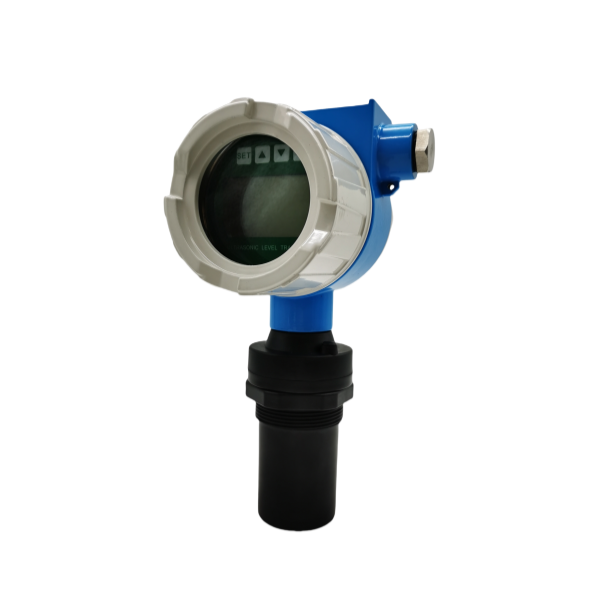
In cleanroom production processes, the hygienic suitability of liquid level monitoring equipment directly determines production compliance. Sanitary level sensors are designed for high-temperature sterilisation conditions, balancing measurement accuracy with sterile production standards. The following section provides an overview based on specific application scenarios.
Sanitary Level Sensors
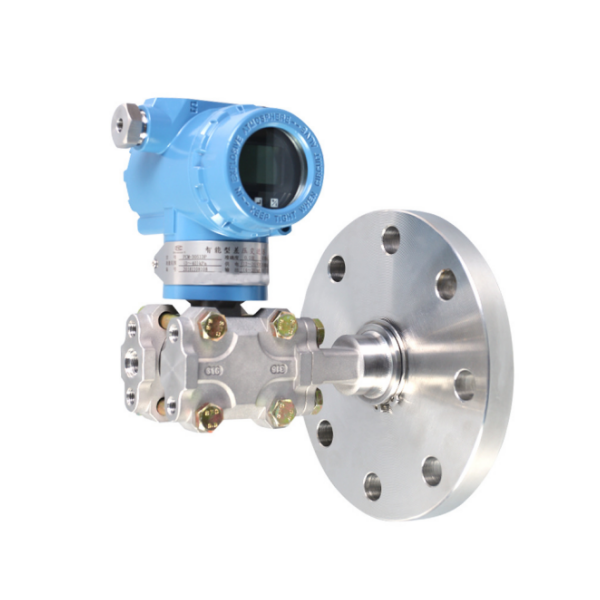
Sanitary level sensors are specifically designed for cleanroom industries such as food, pharmaceuticals and dairy, and comply with hygienic production standards.
The parts in contact with the product are made of mirror-polished 316L stainless steel, ensuring there are no hygiene dead zones and making them suitable for CIP cleaning and SIP high-temperature sterilisation.
Featuring quick-fit clamp sterile connections, they can withstand acid and alkali cleaning as well as steam sterilisation. A variety of measurement principles—including radar, hydrostatic and capacitive—are available, making them suitable for various pharmaceutical solutions, sauces and beverages.
They output standard control signals, comply with GMP and 3A hygiene standards, and prevent the medium from being contaminated by the equipment.
CIP and SIP
CIP
CIP, or Clean-in-Place, refers to the internal cleaning of equipment without dismantling it, by circulating cleaning solutions whilst the equipment remains in its original installed position. It is commonly used for sealed tanks, pipework and filling equipment in the pharmaceutical, food and biotechnology industries.
By circulating alkaline solutions, acidic solutions and purified water, it removes organic residues such as material residues, fats and proteins. It achieves only cleaning and decontamination and cannot eliminate microorganisms.
Upon completion of cleaning, visual inspection, conductivity and residue limits serve as the criteria for determining compliance; it is a preliminary process for eliminating the base of contaminants.
SIP
SIP stands for Sterilisation-in-Place. Without dismantling the equipment, saturated pure steam at 121°C is introduced in situ, utilising high temperature and pressure to kill all living microorganisms, including bacteria, spores and fungi, thereby meeting GMP standards for aseptic production.
CIP cleaning has to be done before SIP, because leftover material can create an insulating layer that stops sterilisation from hitting the required standards. Condensate needs to be drained continuously throughout the sterilisation process, and the equipment has to be dried afterwards.
Sterilisation effectiveness is checked using Bacillus thermophilus biological indicators. This process is typically used for aseptic contact equipment like aseptic formulation pipelines and aseptic filling machines.
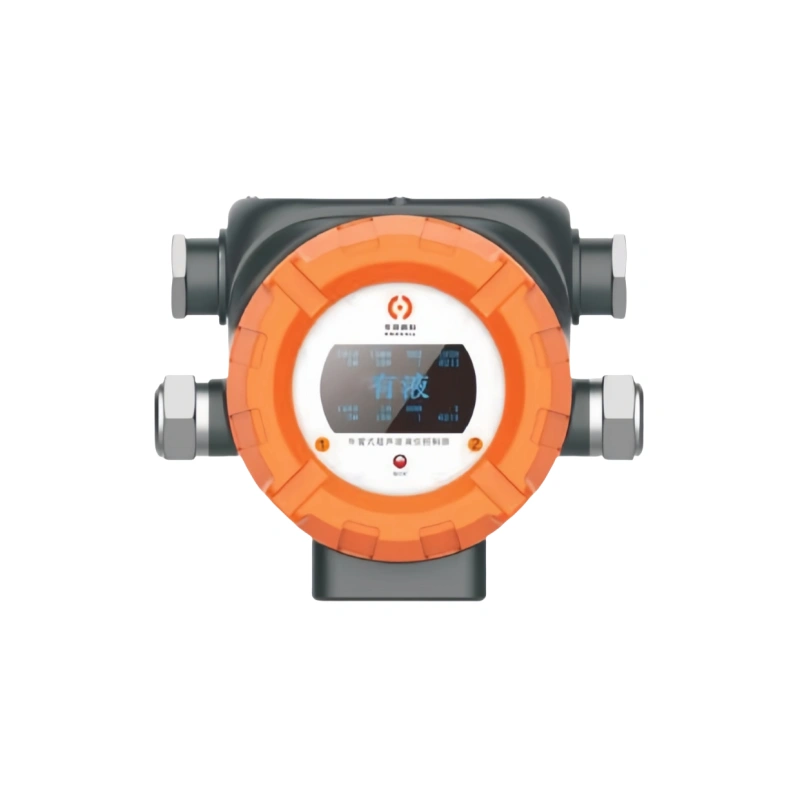
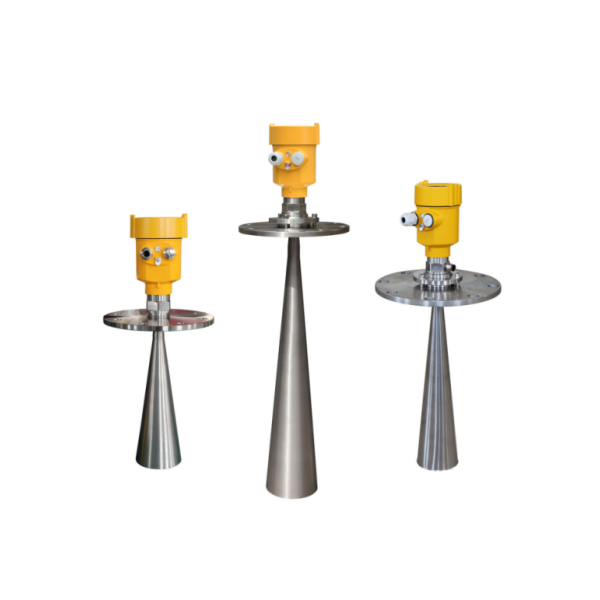
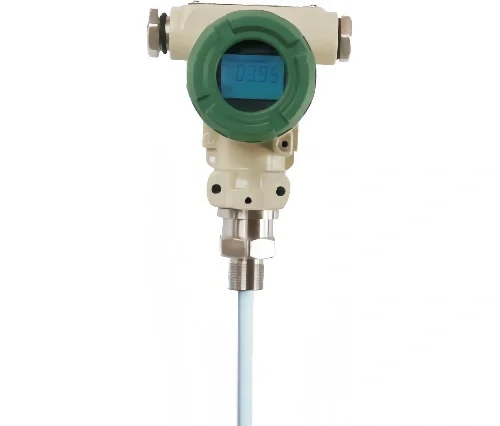
Practical Applications of Sanitary Level Sensors
1. Dairy industry:Level monitoring in raw milk tanks and fermentation tanks, works with CIP/SIP cleaning to stop contamination from protein residues.
2. Beverage and brewing industry: Level measurement in juice tanks, beer mashing tanks and ingredient tanks; stops fruit pulp and syrup from sticking to the sensor, keeping production stable.
3. Pharmaceutical and biotechnology industries:Used in solution preparation tanks and purified water tanks; holds up to high-temperature steam sterilisation and meets GMP aseptic standards.
4. Sauce, grain and oil processing: Level detection in storage tanks for honey, edible oils and jams; polished probes rinse off easily and handle viscous materials well.
5. Pure water cleanrooms:Liquid level control for sterile pure water storage tanks, prevents secondary contamination and allows automatic start/stop of water production equipment.
6. Personal care and skincare production lines: Monitoring of lotion and disinfectant mixing tanks; stands up to acid and alkali cleaning to keep filling hygienic.
7. Meat product processing: Liquid level monitoring for brine and marinade storage tanks, cuts down on bacterial contamination from having to open lids for inspection.
8. Aseptic filling lines:Constant liquid level control in buffer tanks, linked to a PLC to stabilise filling flow rates and reduce metering errors.
Common hygienic level sensors
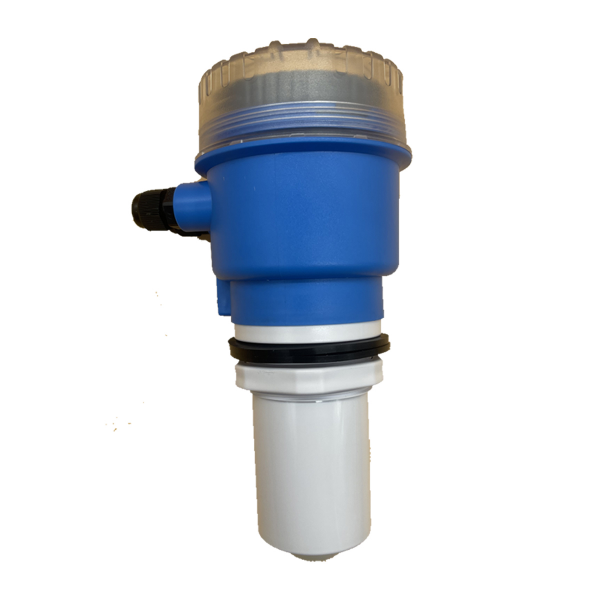
Non-intrusive ultrasonic level sensors
Principle of operation
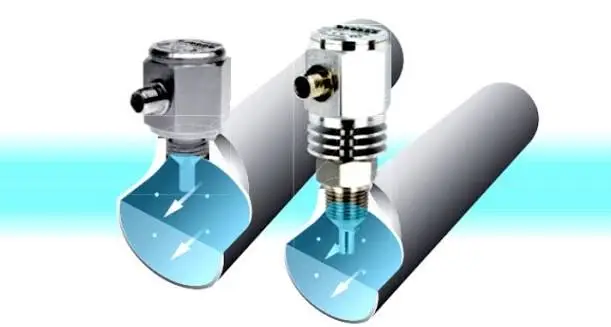
Non-intrusive ultrasonic level sensors are mounted on the bottom of the tank’s outer wall, without coming into contact with the medium inside the tank.
The probe emits high-frequency ultrasonic pulses; the sound waves penetrate the metal or plastic walls of the tank to reach the liquid surface, where they are reflected as an echo, which the probe receives simultaneously.
The device’s internal circuitry records the time difference between the emission of the sound wave and the reception of the echo; using the speed of sound parameter, it calculates the vertical distance from the probe to the liquid surface, and then, by applying the tank’s height parameter, determines the real-time liquid level. Throughout this process, there is no direct contact with the product.
Basic Structure
Comprises a stainless steel probe, a transmission cable and a transmitter unit. The probe is designed to conform to the curved surface of the tank, whilst the transmitter unit incorporates built-in temperature compensation, signal processing and standard output modules.
The entire unit features a mirror-polished finish with no blind spots and supports high-pressure spray cleaning.
Advantages
1. No need to open the tank or come into contact with the medium, completely avoiding cross-contamination; suitable for sterile food and pharmaceutical applications
2. With no diaphragm or moving parts, it is unaffected by viscous, particulate-laden or sticky materials
3. Maintenance and replacement do not require the tank to be drained, reducing production line downtime and associated losses
4. Withstands high-temperature CIP/SIP sterilisation and complies with 3A and EHEDG hygiene standards
5. No risk of medium leakage; suitable for volatile and corrosive hygienic raw materials
Non-contact Radar Level Sensor
Principle of Operation
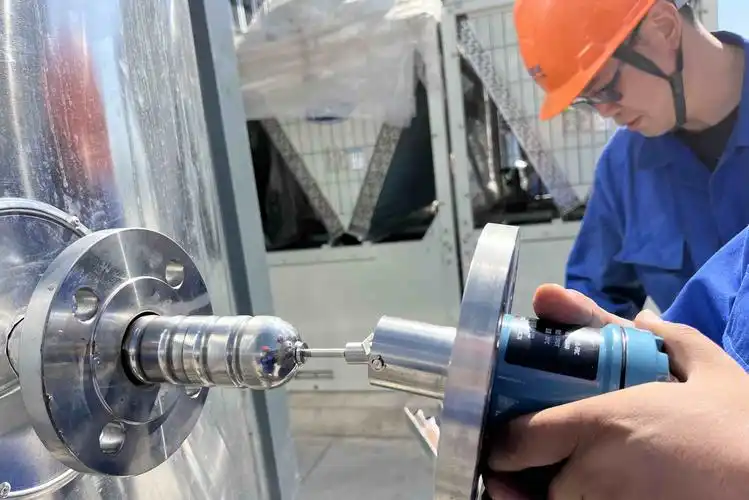
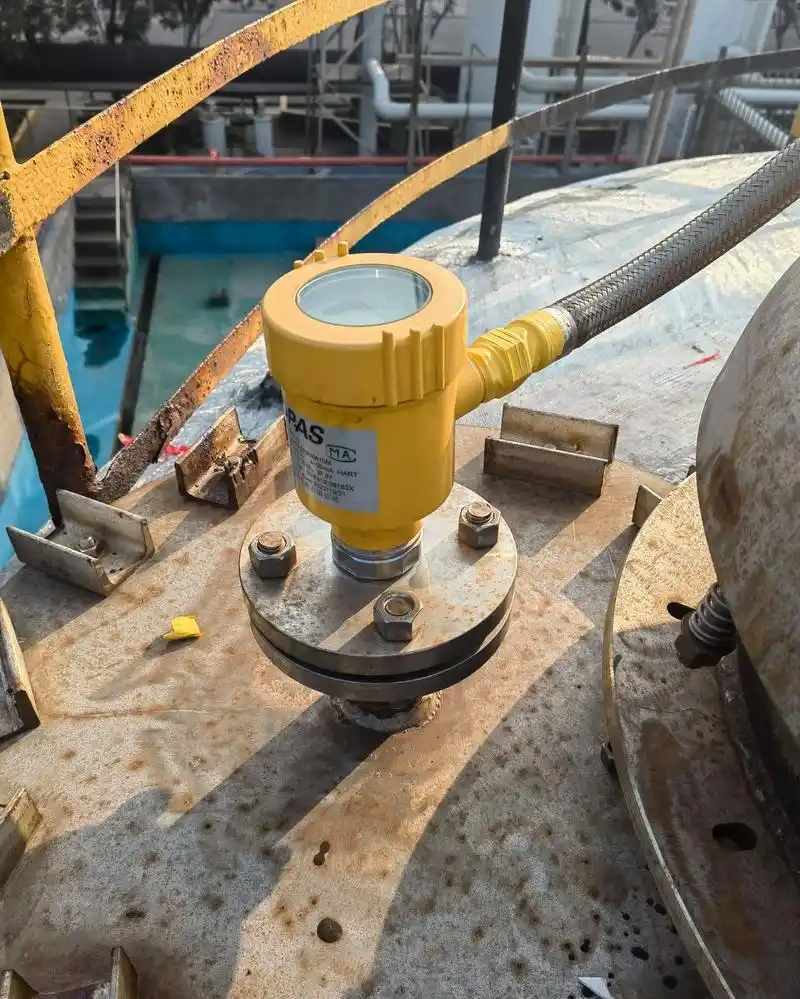
The non-contact radar level sensor is installed on the flange at the top of the storage tank, with the probe suspended in the vapour space inside the tank, without coming into contact with the liquid material.
The sensor emits high-frequency microwave radar waves that propagate vertically downwards; these are reflected upon encountering the liquid surface, and the probe receives the reflected echoes.
The system precisely measures the round-trip propagation time of the microwaves and, utilising the constant speed of light, calculates the distance from the probe to the liquid surface.
After deducting the fixed height of the tank, it outputs an accurate liquid level reading. The microwave signal is only slightly affected by the colour or turbidity of the medium.
Basic Structure
Comprises a curved, dead-angle-free stainless steel radar probe, an integrated transmitter housing, and quick-fit clamps/flanges.
The internal circuitry integrates microwave transmission, reception and signal processing; food-grade sealing gaskets are available, and the entire unit is removable for cleaning.
Advantages
1. Non-contact measurement of the liquid phase; material is unlikely to adhere, making cleaning and maintenance straightforward
2. Resistant to foam and vapour interference, ensuring stable measurements in fermentation and sauce storage tanks
3. High accuracy and wide measurement range, suitable for both large and small aseptic storage tanks
4. The entire unit supports high-temperature steam sterilisation and complies with cleanroom standards
5. No mechanical wear parts; low failure rate during long-term continuous operation
Capacitive Level Sensor
Principle of Operation
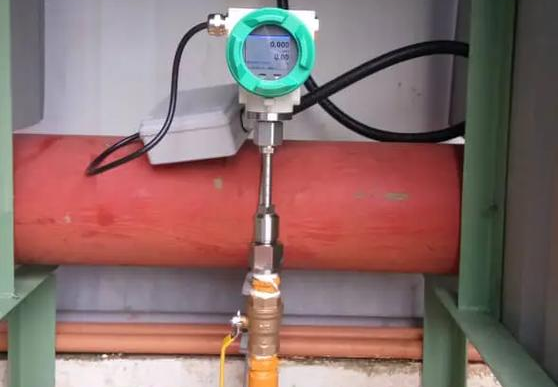
Capacitive level sensors typically feature an insertable hygienic probe design. The internal electrodes of the probe and the tank wall form a pair of capacitive plates, with the intervening medium comprising two dielectric materials: gaseous air and liquid material.
Air has a low dielectric constant, whilst liquid materials have a higher one; as the liquid level rises, the length of the probe immersed in the liquid increases, causing the overall capacitance to increase linearly in tandem.
The built-in circuitry continuously monitors changes in capacitance in real time and converts these into corresponding liquid levels via a calibration curve, thereby enabling continuous level monitoring.
Basic Structure
Comprises a mirror-polished PFA-coated hygienic probe, an isolated and sealed transmitter, and a sterile quick-connect fitting.
The probe has no burrs or gaps; the transmitter unit integrates the data acquisition and conversion circuitry; and the seals are made of food-grade silicone, facilitating sterilisation and rinsing.
Advantages
1. Smooth, easy-to-clean surface; compatible with CIP/SIP; suitable for syrups, pharmaceutical solutions and fruit juices
2. Sensitive response; rapidly detects minute liquid level fluctuations; suitable for precision batching vessels
3. Capable of measuring both conductive and non-conductive liquids; suitable for a wide range of media
4. Outputs a standard 4–20 mA signal for direct integration with PLC control systems
5. High and low liquid level switch points can be configured to enable overflow prevention and feed-in interlock control
Differential Pressure Level Sensor
Principle of Operation
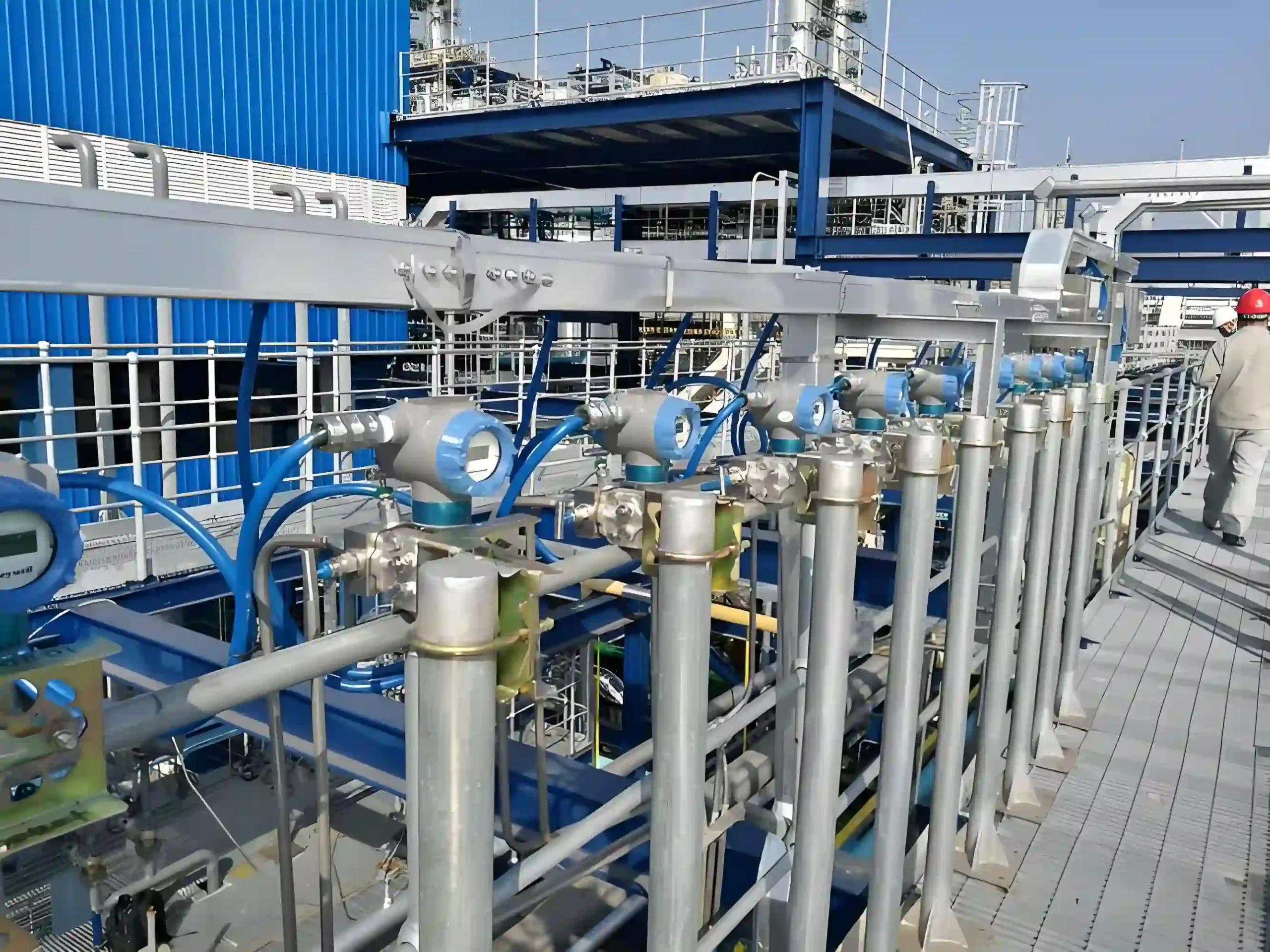
The hygienic differential pressure level sensor is equipped with upper and lower pressure-sensing diaphragms; the upper diaphragm senses the vapour pressure at the top of the tank, whilst the lower diaphragm, in contact with the liquid, senses the static pressure of the liquid column; The pressure generated by the liquid column is directly proportional to the liquid level height and the density of the medium.
The sensor’s internal sensing element calculates the pressure difference between the two pressure ports and, in conjunction with pre-programmed material density parameters, automatically converts this to the real-time liquid level height within the tank. Homogeneous liquids with stable density can be measured accurately and continuously.
Basic Structure
Comprises a flush-mounted, polished sanitary diaphragm chamber, a food-grade silicone oil capillary tube, a stainless steel transmitter housing and a sterile pressure-taking flange.
The diaphragm has no recessed areas where dirt can accumulate, and the transmitter incorporates built-in temperature compensation and signal output modules.
Advantages
1. Unaffected by foam, vapour or light transmission; provides stable measurements in large-capacity storage tanks
2. The diaphragm is flush with the tank wall, leaving no residue; it withstands high-temperature sterilisation and is suitable for brewing and biopharmaceutical applications
3. Adjustable measurement range, suitable for both small reactors and large storage tanks
4. Resistant to vibration and pressure fluctuation interference, suitable for continuous production lines
5. Comprehensive range of analogue and digital signals, supporting remote level measurement and automated interlocks
Selection Guide
1. Identify the operating conditions, process medium and hygiene grade
Pick the model based on what the medium is like. Tell apart materials such as clean water, beverages, pharmaceutical solutions and viscous sauces.
For viscous or particulate-containing media, go for designs with no dead corners or gaps so material doesn’t build up and bacteria can’t grow.The food industry has to meet the relevant certifications, whilst the pharmaceutical industry needs to stick to GMP cleanliness standards.
Also, make sure the setup works with the medium’s temperature, humidity and pH level. For high-temperature sterilisation and acid-alkali cleaning operations, pick materials that can take the heat and resist corrosion, so rust doesn’t get into the medium.
2. Select the appropriate installation method
Clamp-on quick-connect fittings work across the board for both the food and pharmaceutical industries; they’re straightforward to put in and take out, easy to clean, and fit most storage tanks and pipework.
Threaded fittings suit small tanks and need to be paired with food-grade sealing gaskets. Flanged fittings are for large, high-pressure fermentation and storage equipment.
Submersible fittings work for open-top storage tanks and require food-grade sheathed cables. Side-mounted bypass fittings are for sterile, sealed equipment, making sure there are no dead corners where liquid can pool.
3. Selecting the Measurement Principle According to Requirements
Static-pressure submersible transmitters offer good value for money and are suitable for atmospheric-pressure clean water and beverage storage tanks;
Non-contact radar level transmitters are suitable for high-temperature, high-viscosity and foamy materials, can withstand in-line sterilisation, and offer the highest level of cleanliness;
Capacitive transmitters feature a flat, dead-zone-free design, making them suitable for the continuous measurement of sauces and pharmaceutical solutions;
Ultrasonic transmitters are only suitable for room-temperature, non-foaming liquids, as they are prone to significant errors in steam and foamy environments.
4. Adaptation to Cleaning and Sterilisation Conditions
Equipment suitable for CIP (Clean-in-Place) must have mirror-polished contact surfaces with no grooves where material could accumulate; equipment suitable for SIP (Steam-in-Place) sterilisation must withstand temperatures above 135°C and be fitted with high-temperature-resistant PTFE or platinum-cured silicone seals.
For applications involving frequent acid and alkali rinsing, 316L stainless steel or Hastelloy diaphragms are preferred to enhance corrosion resistance.
5. Signal Selection and Special Operating Conditions
Conventional production lines should use 4–20 mA analogue signals; intelligent centralised monitoring systems should utilise RS485 digital signals; and simple start-stop control should employ digital signals.
For vacuum applications or confined tank spaces, priority should be given to miniature capacitive or pressure-resistant radar sensors.
6. Operation, Maintenance and Cost Considerations
For scenarios involving frequent disassembly and cleaning, quick-fit structures are preferred to reduce operational and maintenance complexity;
For standard atmospheric-pressure storage tanks, economical hydrostatic sensors may be selected; in high-purity, long-term continuous production environments, radar level transmitters that are maintenance-free and require minimal upkeep are preferred, offering better overall value for money.
Sion-Inst has specialised in industrial level measurement for many years. Relying on mature, in-house structural designs and fully standardised, compliant manufacturing processes, our entire range of level measurement and control equipment has obtained multiple authoritative industry certifications and complies with various sector-specific standards;
The products can be integrated with mainstream automation systems to provide a one-stop solution for high-precision closed-loop level control of storage tanks, ensuring stable production line operation and meeting standardised production requirements.
Our professional technical team provides bespoke selection solutions tailored to the specific medium, operating conditions and O&M plans, enabling the establishment of standardised, intelligent and safe operational systems for pharmaceutical and food clean production lines, whilst providing reliable support for enterprises’ ongoing upgrades.