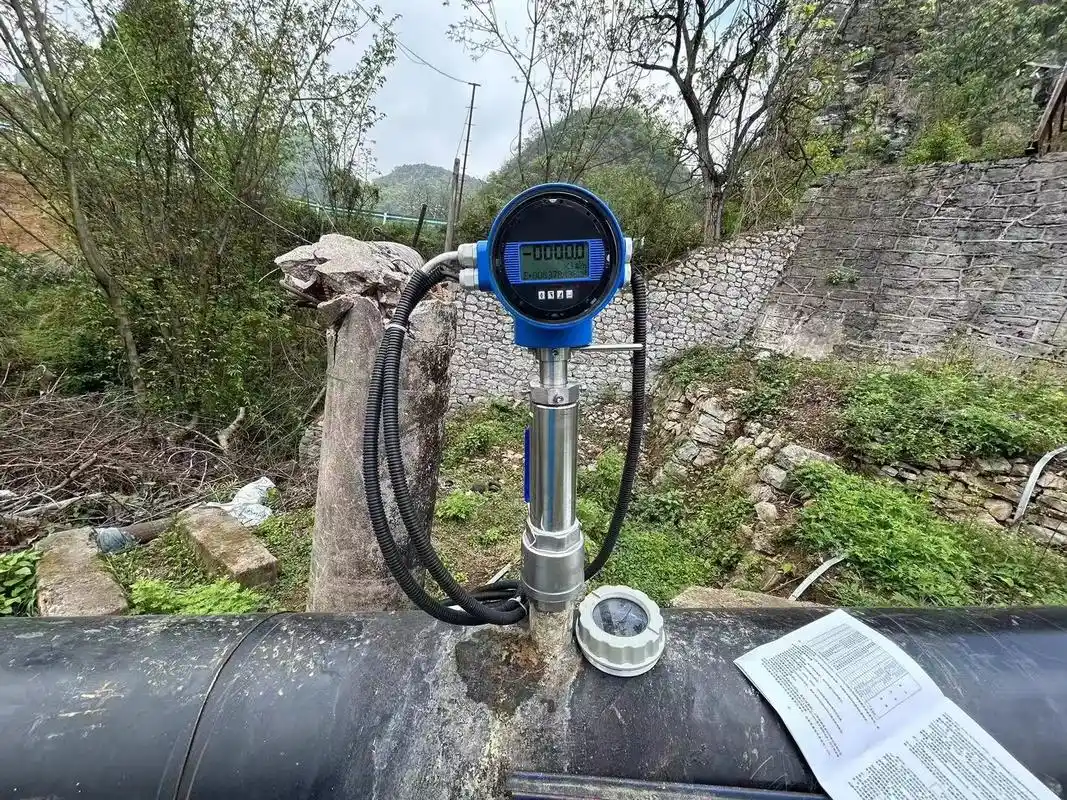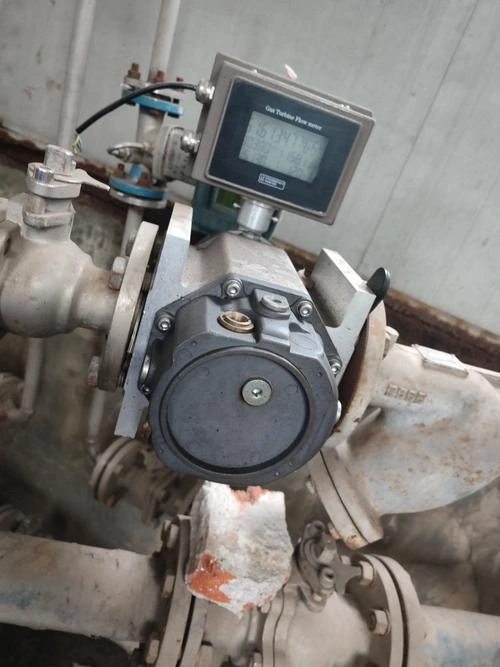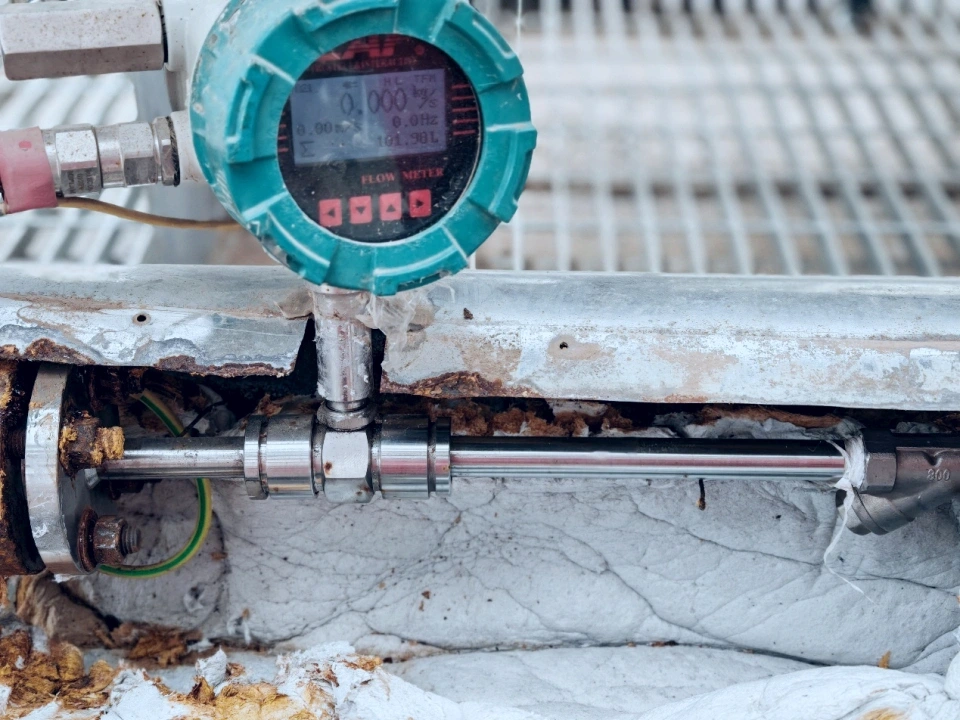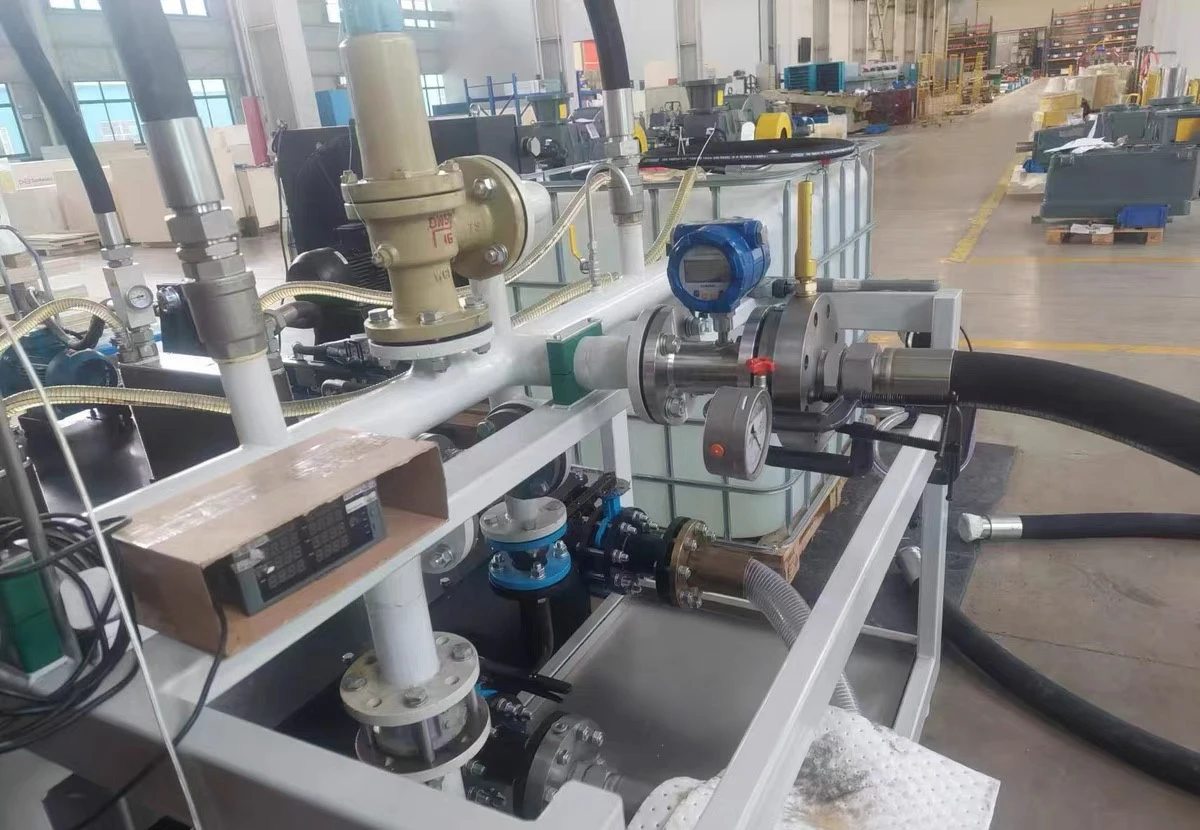
Natural gas transmission, distribution and trade settlement impose stringent requirements on measurement accuracy; traditional volumetric measurement is susceptible to interference from fluctuations in temperature, pressure and composition.
Natural gas mass flow meters can directly measure mass flow, thereby avoiding errors arising from indirect conversions, and are therefore essential equipment for high-precision measurement. This article provides a systematic analysis of their technical characteristics, suitability for operating conditions and application performance.
What Is a Mass Flow Meter?
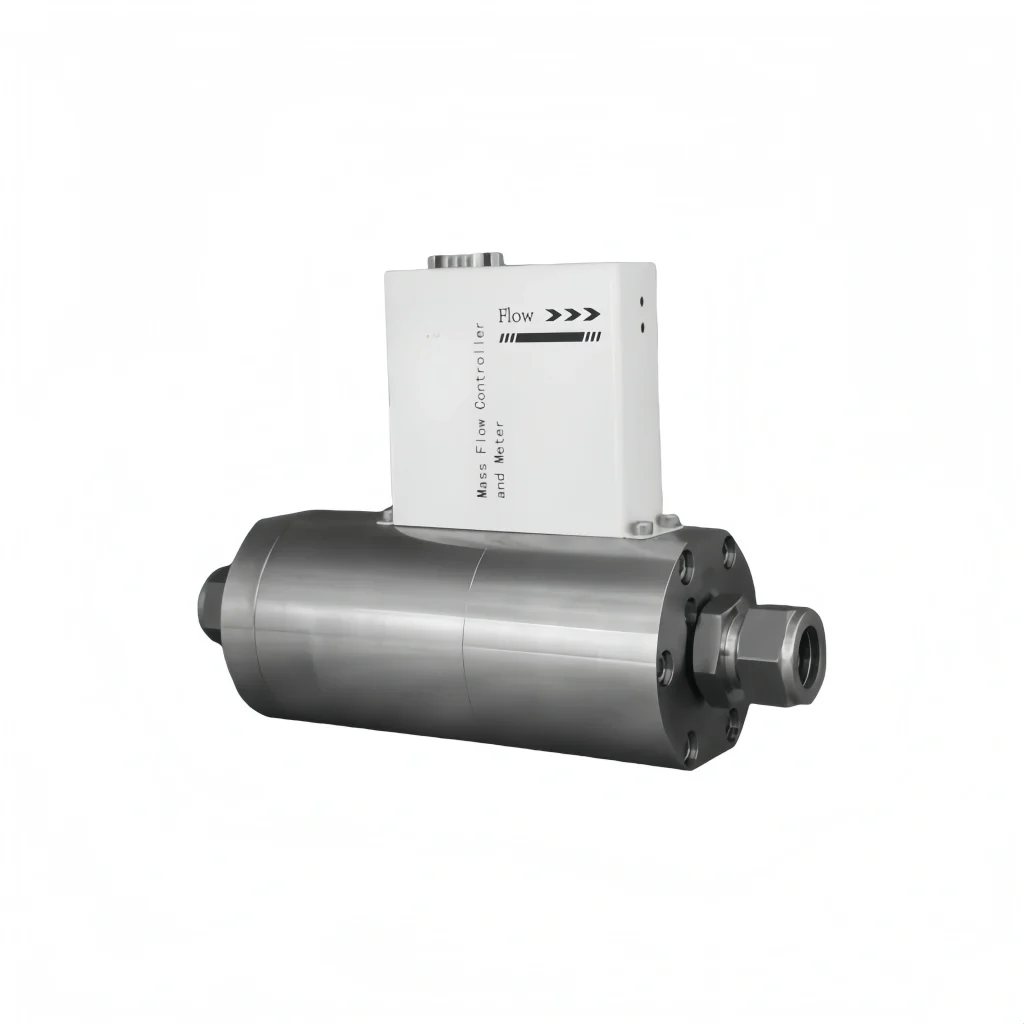
A mass flow meter is a high-precision industrial metering instrument that directly measures the mass flow rate of a fluid. Its key distinction from volumetric flow meters—such as turbine and vortex meters—is that it does not require secondary conversion based on temperature, pressure or density parameters; instead, it directly outputs the mass flow rate of the fluid passing through the pipeline per unit of time.
The most notable feature of this instrument is that the measurement results are virtually unaffected by operating conditions such as fluctuations in medium temperature, pressure, viscosity and density.
It offers high measurement accuracy and excellent stability, and as it contains no moving mechanical parts or throttling components, it features low pressure drop, a low failure rate and simple maintenance.
Natural Gas
Natural gas is a flammable gaseous fossil fuel composed primarily of methane. It usually sits in the pores and cracks of underground rock, either mixed in with oil or pooled on its own in separate gas fields.
Once it’s pulled out of the ground, it gets cleaned up, pressure-adjusted, and piped out to keep factories running, heat homes and cook meals, and generate electricity. It also doubles as a raw material for making things like ammonia, methanol, and plastics, and it plays a pretty key role as a cleaner stopgap fuel in today’s energy mix.
Properties of Natural Gas
1. Compressibility
Natural gas is a compressible gaseous medium, and its volume changes significantly with temperature and pressure—that’s precisely why settlement can’t rely on the volume measured under actual operating conditions.
When pipeline pressure goes up, the gas gets compressed and takes up less space; drop the pressure or raise the temperature, and it expands quickly, causing noticeable swings in volume. This is exactly why temperature and pressure compensation matters so much in gas metering.
2. Sensitivity to Operating Parameters
The density, flow velocity, and volume of natural gas all shift considerably with changes in pressure, temperature, and gas composition. Even small variations in the methane-to-impurities ratio from different sources, or slight on-site temperature and pressure fluctuations, can change the gas’s density and flow behavior—and that directly throws off metering consistency.
3. Low viscosity, high fluidity and high medium purity
Commercial and domestic purified natural gas has low viscosity, low transmission resistance and stable flow velocity. The medium is free from solid impurities such as dust and oil, making it less prone to sedimentation and scaling. Consequently, it causes minimal wear to metering equipment and operates under clean conditions.
4. Low-density characteristics
Natural gas is a lot less dense than liquids, and it doesn’t have much inertia either. When the flow rate and velocity are both low, the signal from the gas flow is pretty faint, so meters often struggle to pick it up accurately. That can result in readings that are off or even missed entirely, which means the meter needs to be pretty sensitive to do the job right.
5. Flammable and explosive
Natural gas is mostly methane, and it falls into the Class A flammable and explosive category. Its explosive range runs from 5% to 15%. In the event of a leak, it readily forms an explosive mixture; exposure to static electricity or open flames can easily trigger accidents, and safety risks are even higher in pressurised transmission scenarios.
6. Non-corrosive
Conventional natural gas is not corrosive in terms of acidity or alkalinity and does not corrode common instrument materials such as carbon steel or stainless steel. Standard flow meter materials are sufficient to meet operational requirements, ensuring good equipment compatibility.
Key Measurement Considerations
1. Significant interference from temperature, pressure and compressibility. Natural gas is a compressible fluid; on-site gas supply loads fluctuate frequently, and real-time changes in temperature and pressure are pronounced. If temperature and pressure compensation is delayed or parameter acquisition is inaccurate, errors in converting operating flow to standard flow will accumulate continuously, presenting a core challenge for trade metering.
2. Fluctuations in gas composition are difficult to correct.Natural gas has a pretty mixed makeup; with blended gas streams and seasonal shifts, the compression factor and density keep bouncing around. Fixed correction factors can’t keep up with what’s actually happening in the line, so systematic metering errors tend to creep in.
3. Flow patterns at the site are prone to distortion. Industrial pipelines are often squeezed for space, so flowmeters don’t always get the straight runs they need. Off-center flow and swirls kicked up by fittings throw the gas flow out of whack; even if you put in flow straighteners, the accuracy of most meters still takes a hit.
4. Significant interference from impurities in the medium. Natural gas usually carries some condensate, moisture, and dust, which can grind down instrument parts and clog pressure taps. The probe can foul up and the zero point can drift, and before long the readings are way off.
5. Poor accuracy at low flow rates and under extreme operating conditions.During periods of low gas consumption, the flow rate falls to the lower limit of the instrument’s measuring range, and the weak signal is prone to being overlooked; transient conditions such as high pressure, negative pressure and gas flow pulsations can lead to sudden changes in flow rate and reduced measurement stability.
6. Numerous hidden errors and sources of interference. Minor internal pipeline leaks, electromagnetic interference from equipment and transmission line faults can cause hidden measurement deviations; furthermore, all types of flowmeters have their limitations and are difficult to adapt perfectly to complex operating conditions.
Natural Gas Mass Flow Meters
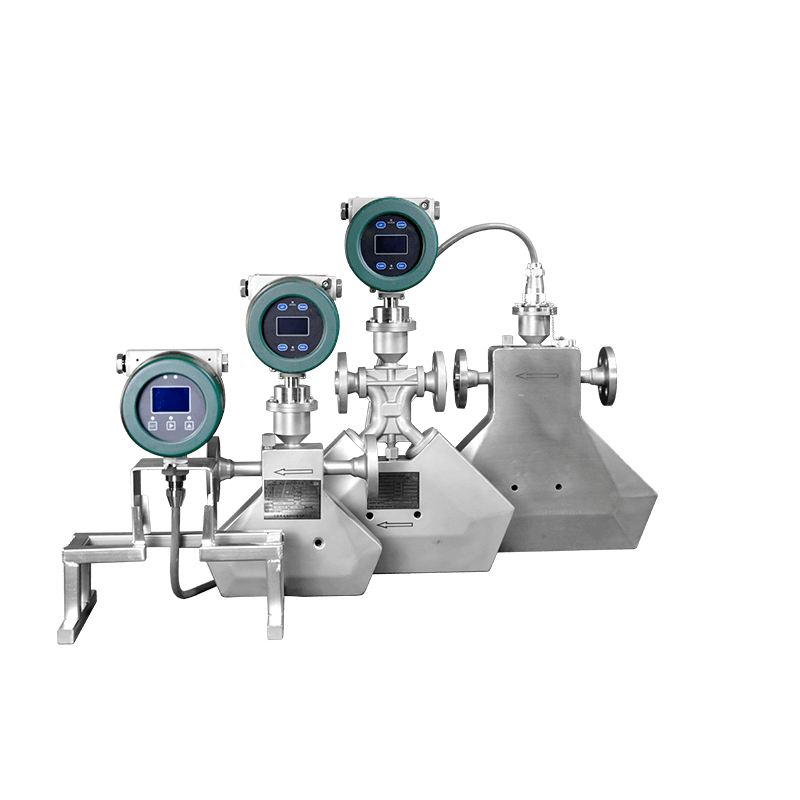
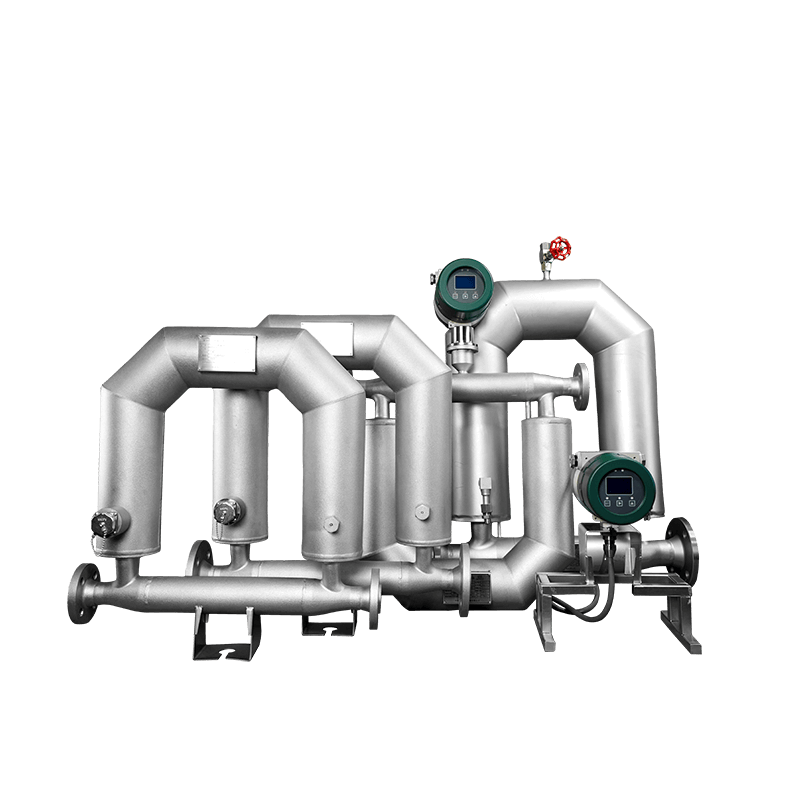
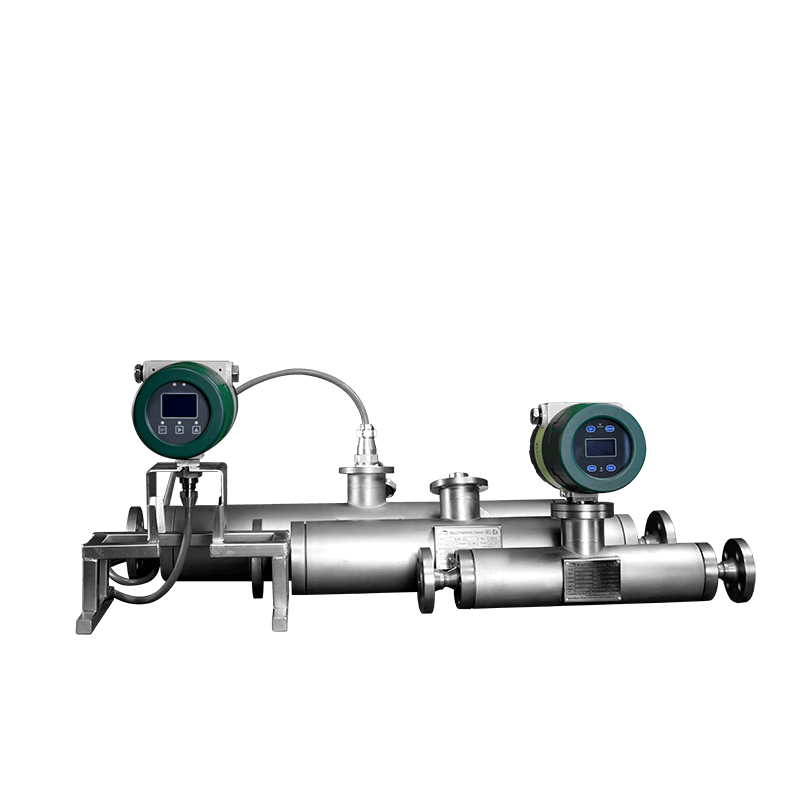
Coriolis Mass Flow Meters
Principle of Operation
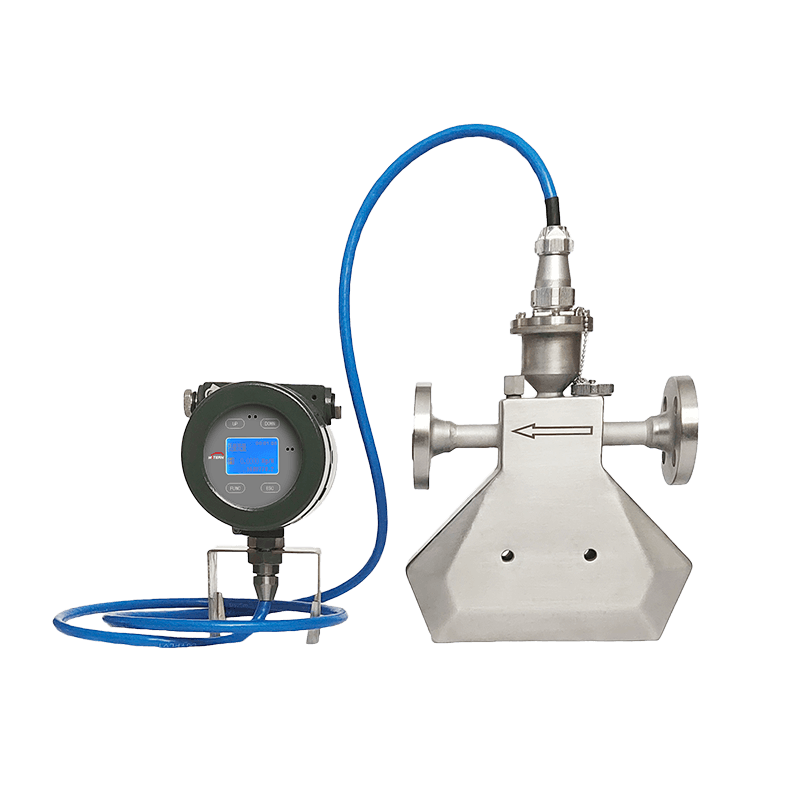
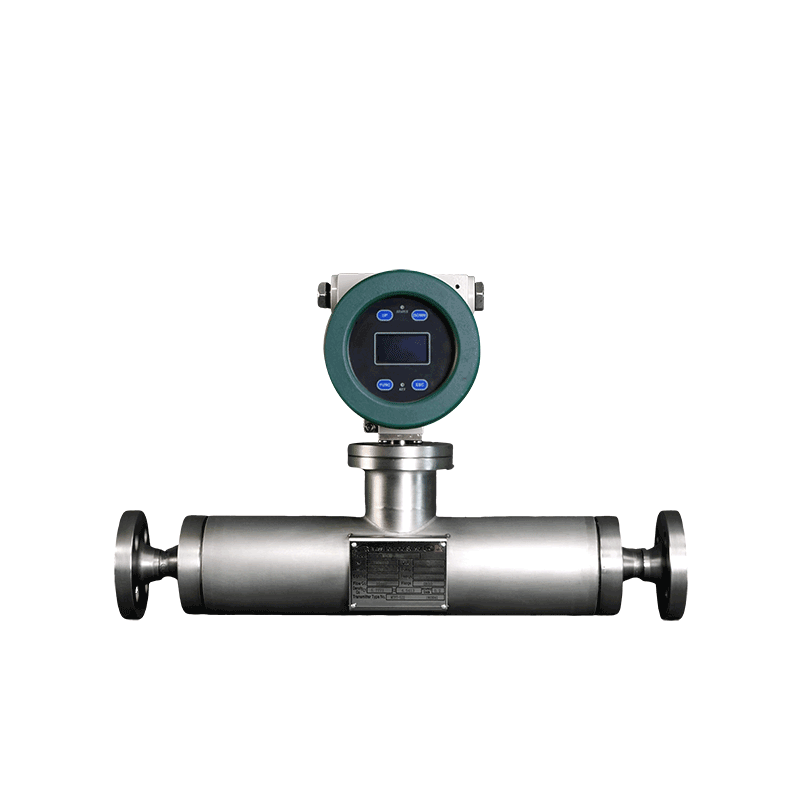
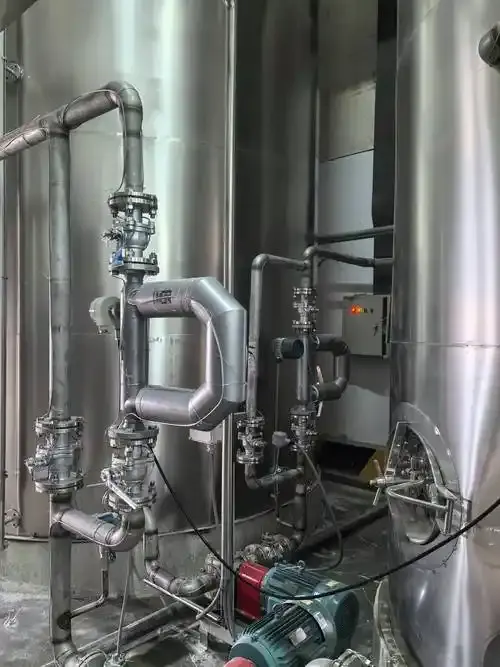
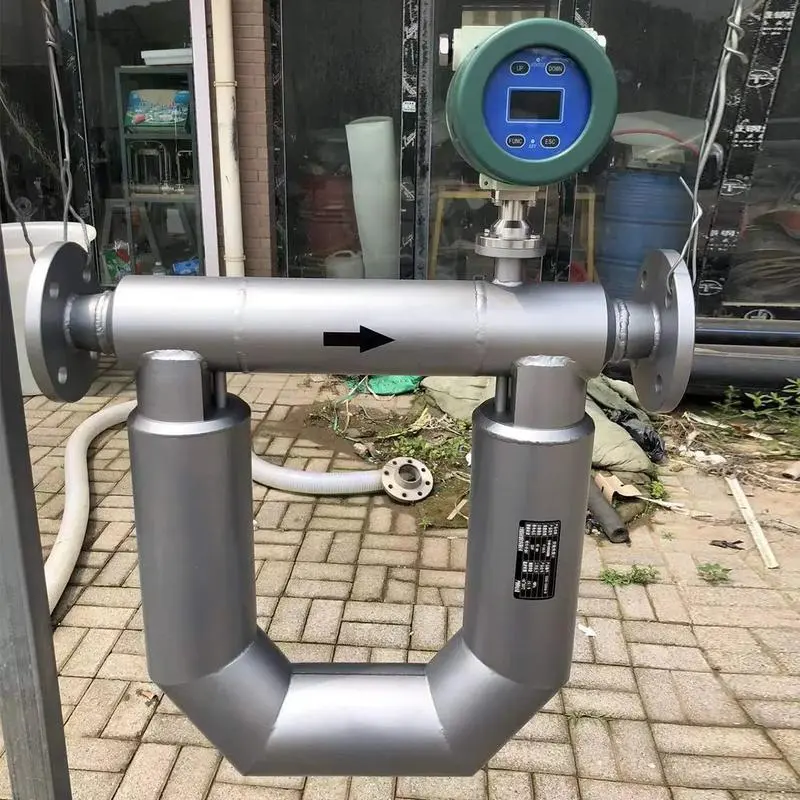
Coriolis mass flow meters utilise the Coriolis force effect to directly measure the mass flow rate of natural gas. At the heart of the device is a vibrating measuring tube; during operation, the measuring tube maintains a fixed state of vibration.
As natural gas flows through the vibrating tube, the fluid’s inertia generates a Coriolis force, resulting in a phase difference between the inlet and outlet of the tube.
This phase difference is linearly proportional to the mass flow rate of the medium. By acquiring and processing the phase signal, the instrument can directly output data such as the natural gas mass flow rate and cumulative flow rate, without the need for temperature or pressure compensation conversions.
Advantages of Natural Gas Measurement
1. Direct measurement, high accuracy:It measures mass flow directly, so you sidestep the errors that pile up with indirect conversions. Accuracy sits between 0.1% and 0.5%, which is more than enough for natural gas trade settlement and other jobs where precision really counts.
2. Strong adaptability to operating conditions: Small swings in pressure, temperature, density, or even a slight shift in gas composition don’t throw it off. It just keeps reading steadily, even when conditions get messy.
3. High parameter integration:Flow rate, density, temperature—it picks all of them up at once. That means no extra instruments to buy, less hardware to install, and more room left in the panel.
4. Stable operation and low O&M:No moving parts to wear out, so vibration and electrical noise don’t bother it much. It rarely breaks down, and you won’t be sending it back for calibration every other month.
5. Wide measurement range:Linearity holds up well at both ends of the scale. Whether you’re starting up with barely any flow or running flat out at full load, it keeps tracking accurately—no dead zones where the meter simply gives up.
Application Scenarios
This flowmeter is primarily used in natural gas metering applications requiring high precision and reliability, including municipal gas gate stations, trade settlement metering for long-distance pipelines, and precise monitoring of natural gas at oil and gas wellheads and in refining and petrochemical processes.
It is also suitable for applications such as gas-fired power generation, industrial boiler gas supply, gas storage facility charging and venting, and precise flow control at pressure regulating
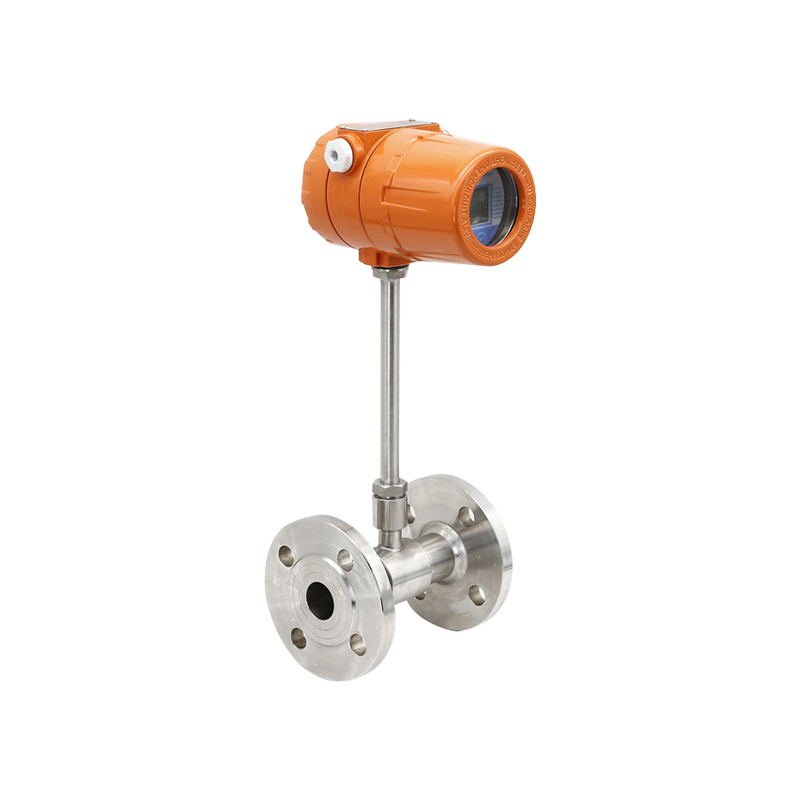
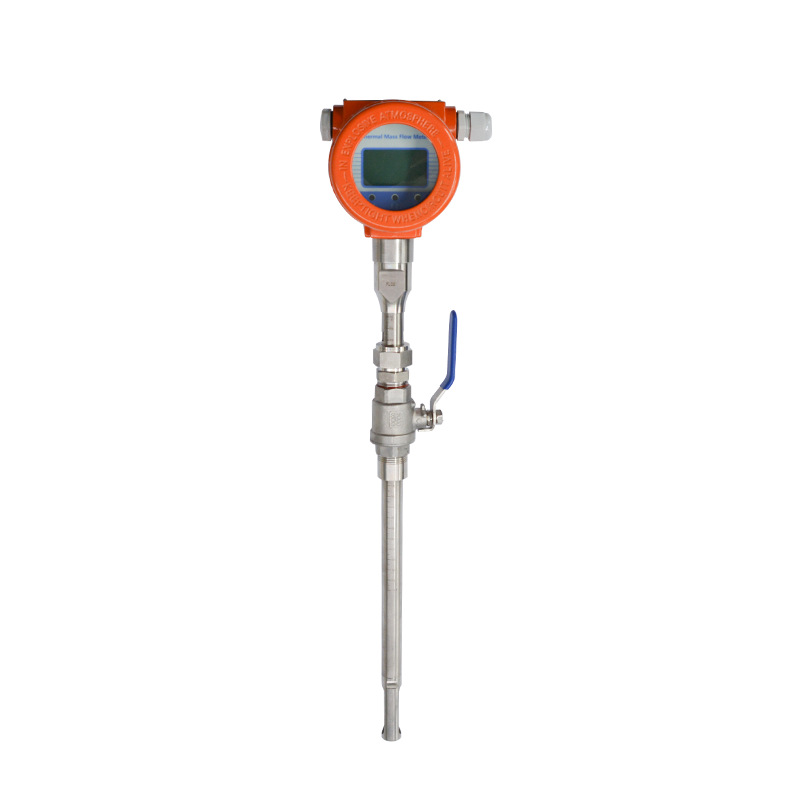
Thermal Mass Flow Meter
Principle of Operation
The thermal mass flow meter works on the principle of thermal diffusion. It has a heating sensor and a temperature sensor, which keep a fixed temperature difference under normal running conditions.
When natural gas flows through, it takes heat away from the heating sensor; the device then automatically adjusts its power use to keep that temperature difference steady.
The mass flow rate of the gas is directly proportional to the heat dissipation power; by tracking how the power changes, the meter can work out the real-time mass flow rate of the natural gas.
Advantages for Natural Gas Measurement
1. Low pressure drop and low energy consumption: There are no throttling or blocking parts inside, so the gas barely loses any pressure as it goes through. This makes it a good fit for low-pressure, high-flow natural gas pipelines.
2. Excellent performance at low flow rates: It picks up on very small flows quite well, so it can accurately detect slow-moving gas and tiny leaks. This comes in handy for start-stop operations at low flow and for keeping an eye on trace gas supply.
3. High resistance to contamination: The sensors are built to avoid getting clogged or caked with dust, and they don’t mind a bit of moisture or particulates in the gas. That means they work fine for associated gas and raw industrial or mining gas that hasn’t been cleaned up.
4. Convenient installation and maintenance: The plug-in design means you can install it while the line is still under pressure, and you can carry out maintenance without having to shut anything down. That way, gas supply and production just keep going as normal.
5. Excellent value for money: The equipment is cheap to buy and cheap to run, and it handles most everyday industrial metering jobs just fine. It works well for large-scale, general-purpose monitoring setups where you don’t want to spend a fortune.
Application Scenarios
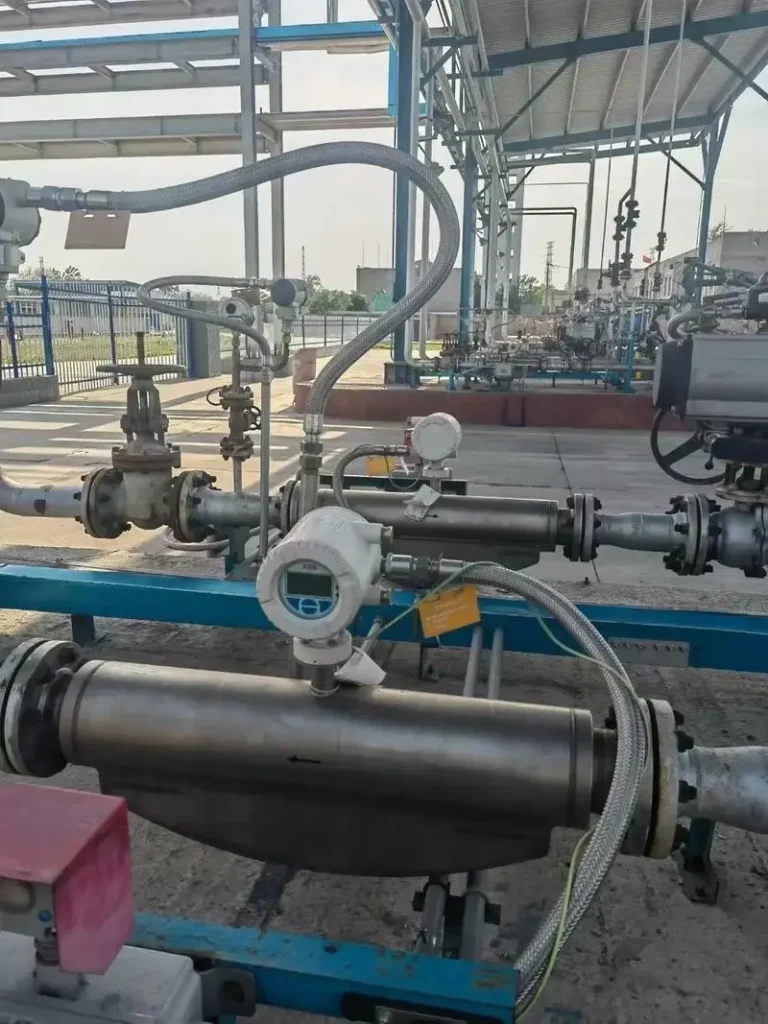
Thermal mass flowmeters are primarily used in general-purpose industrial natural gas monitoring scenarios.
They are widely applied in gas supply monitoring and ratio control for gas-fired equipment such as boilers and kilns; in the metering of associated gas from oilfields and coal mines; and in branch flow monitoring within plant pipeline networks.
They are also suitable for scenarios such as monitoring low-pressure urban gas networks, leak detection and tracing, and ratio adjustment in gas combustion systems.
Add Your Heading Text Here
1. Selection based on accuracy requirements:For high-precision applications such as trade settlement and precise metering at stations, Coriolis mass flowmeters should be selected, as they offer high measurement accuracy and are free from conversion errors; for general process monitoring and pipeline network monitoring, thermal mass flowmeters are recommended as they offer better value for money.
2. Selection based on flow conditions:Coriolis flowmeters are suitable for conditions with significant flow fluctuations and frequent switching between high and low flow rates; for low-pressure, high-flow applications and stable gas supply conditions requiring monitoring of trace leaks, thermal mass flow metres should be the preferred choice.
3. Select based on medium purity: Coriolis mass flow metres are suitable for pure standard natural gas, ensuring long-term high accuracy; for associated gas or unpurified natural gas containing trace amounts of dust or water vapour, select thermal mass flow metres that are resistant to blockages and contamination.
4. Selection based on pressure and installation:For medium- and high-pressure pipelines, select Coriolis flowmeters with stable pressure-bearing capacity; for low-pressure scenarios where pressure loss must be strictly controlled and installation and maintenance require operation under pressure without shutdown, thermal flowmeters are suitable.
5. Selection based on cost considerations:Coriolis flowmeters should be used at core trading nodes; for non-core locations such as branch pipeline networks within plant areas and auxiliary monitoring points, economical thermal flowmeters should be selected.
Volumetric Flow Meters for Natural Gas
Volumetric flow meters
These meters measure the working volume directly by periodically filling and emptying a fixed, sealed chamber with a fixed quantity of natural gas, offering good measurement stability.
They include diaphragm gas meters, rotary vane (Roots) flow meters, oval gear flow meters, scraper flow meters and wet-type gas flow meters, and are commonly used for gas metering in domestic, small and medium-sized industrial and commercial applications.
Vortex Flow Meters
These are velocity-type volumetric instruments that utilise the gas flow to generate alternating vortices as it passes over a vortex generator. By detecting the vortex frequency, the volumetric flow rate of the gas is calculated.
They feature moderate pressure loss, a design with no moving parts, and are simple to maintain. They are suitable for medium- and high-pressure industrial natural gas pipelines and are well-suited to clean gas applications.
Turbine flowmeters
A typical velocity-type volumetric flowmeter, in which the gas flow impinges upon an impeller causing it to rotate at a constant speed; the impeller’s rotational speed is directly proportional to the gas volumetric flow rate.
They offer a wide measuring range and rapid response, and are frequently used in industrial facilities and gas transmission pipelines, often in conjunction with temperature and pressure compensation to calculate standard volumetric flow rate.
Differential Pressure Flow Meters
These convert volume flow rate by utilising the pressure differential generated by a throttling element. They include orifice plate flow meters, nozzle flow meters and Venturi tube flow meters.
The technology is well-established and suitable for large-diameter, long-distance natural gas pipelines. They require temperature and pressure compensation and are suitable for high-flow industrial gas metering.
Vortex Flow Meters
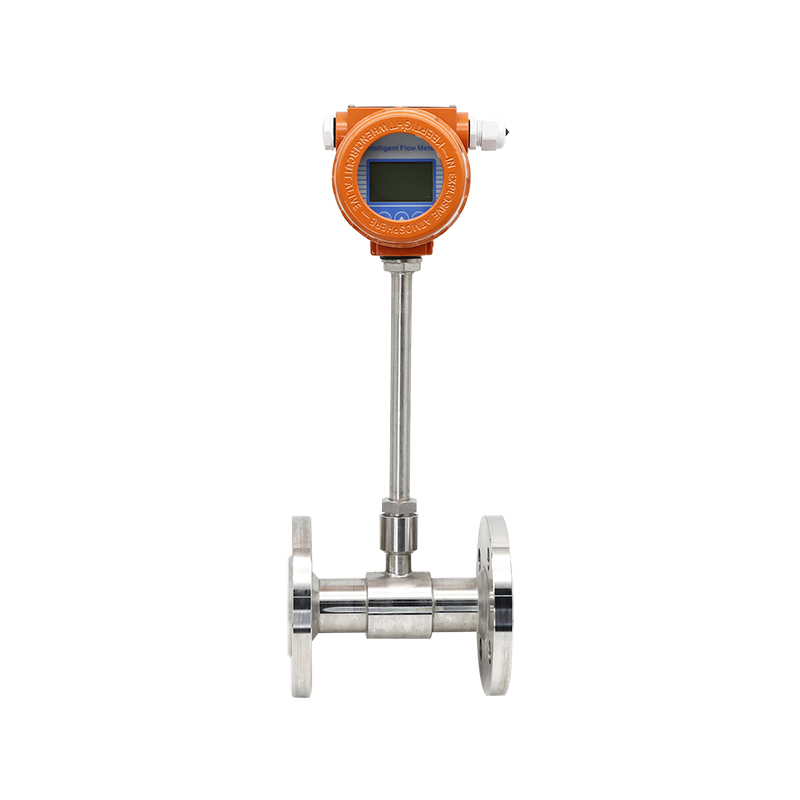
As the gas flow enters the instrument, it generates vortices; the volumetric flow rate is determined by detecting the oscillation frequency of these vortices. Featuring an integrated structure with built-in temperature and pressure compensation, they are easy to install and are commonly used for metering natural gas in small and medium-sized industrial and commercial applications, as well as in boiler gas pipelines.
Based on the two core technologies of Coriolis and thermal measurement, models can be flexibly selected according to accuracy requirements, pipeline network pressure, medium conditions and cost considerations, balancing measurement precision, operational stability and cost-effective maintenance.
Sion-Inst, through reliable product performance and professional technical services, comprehensively empowers clients in the gas industry to achieve compliant operations, precise control and cost reduction whilst enhancing efficiency. We are committed to providing high-quality, highly adaptable metering equipment and one-stop support services to major government and corporate clients.