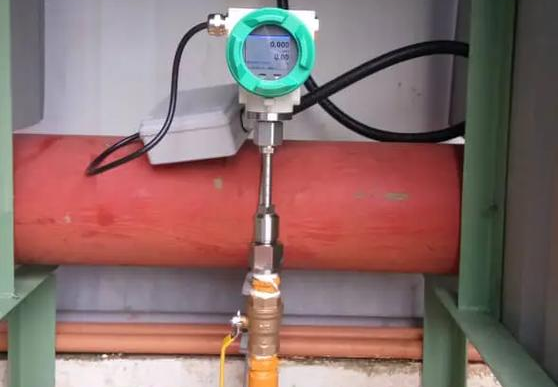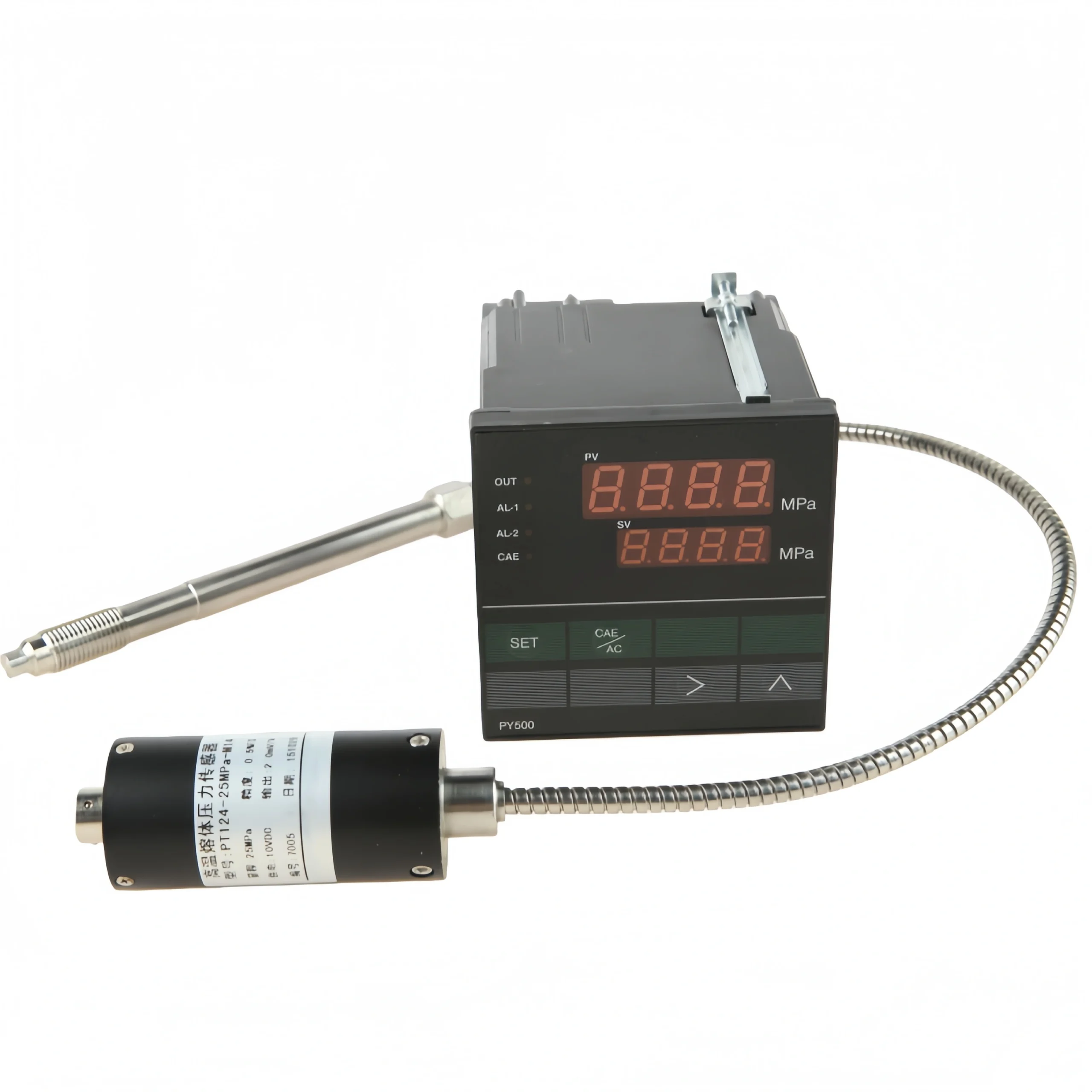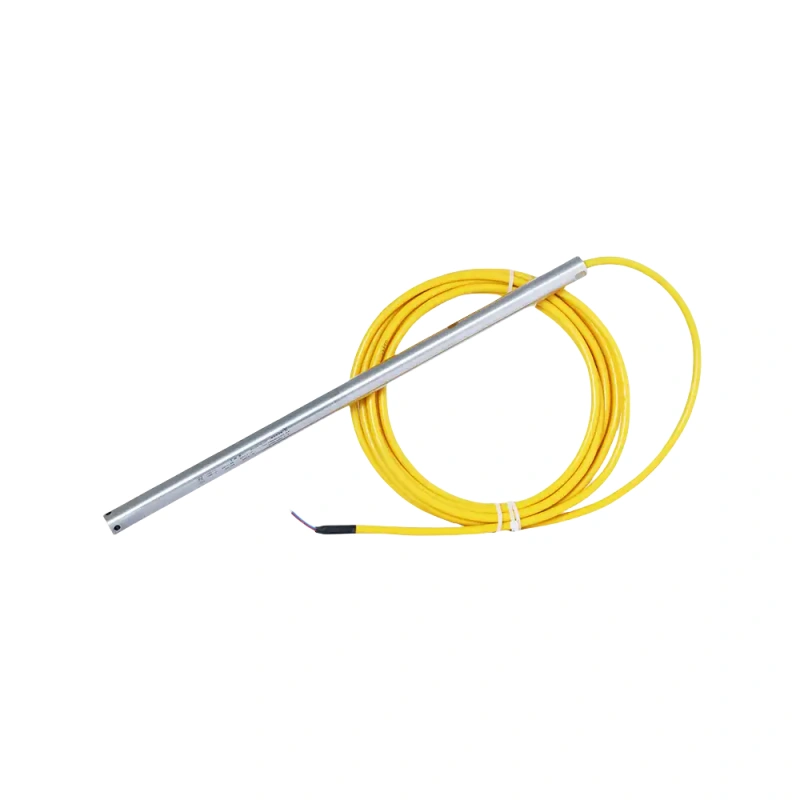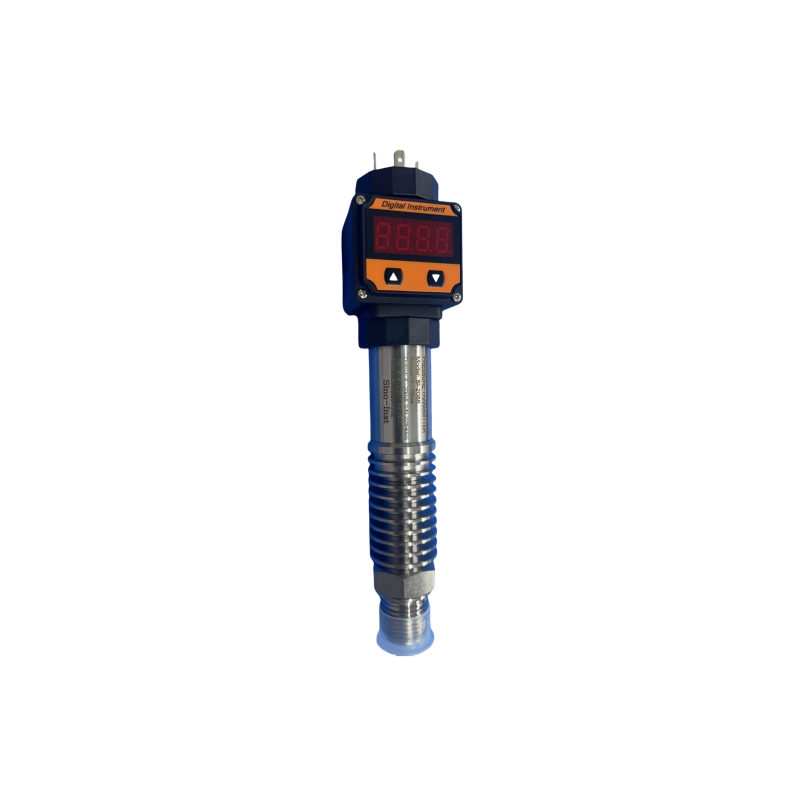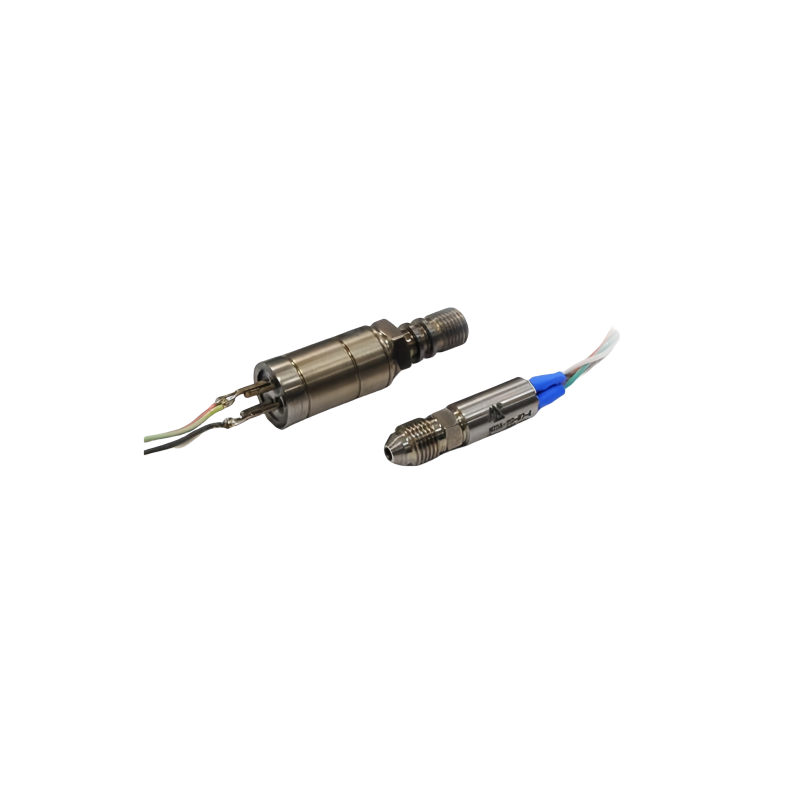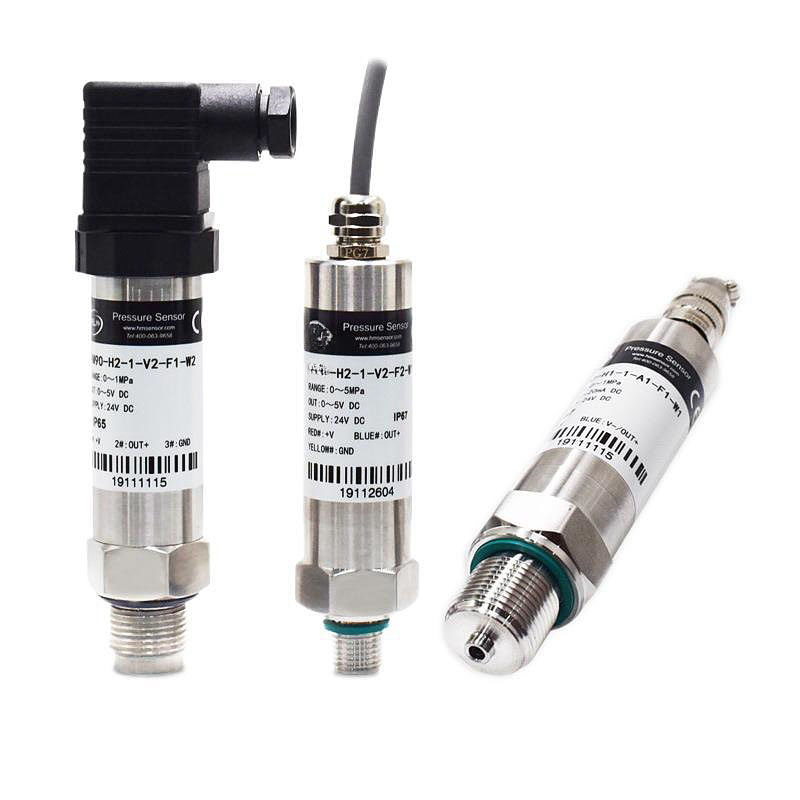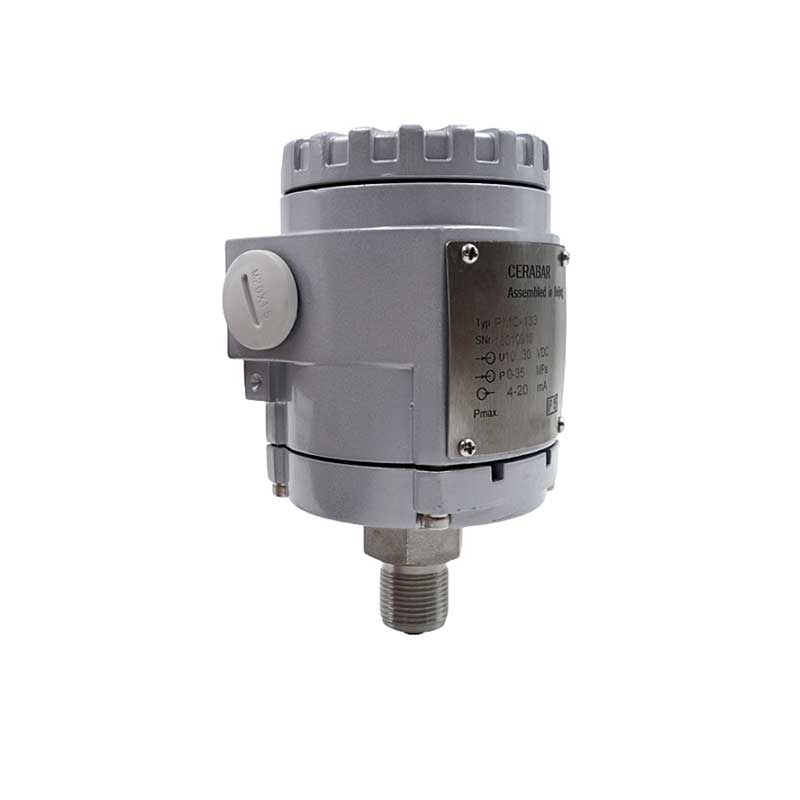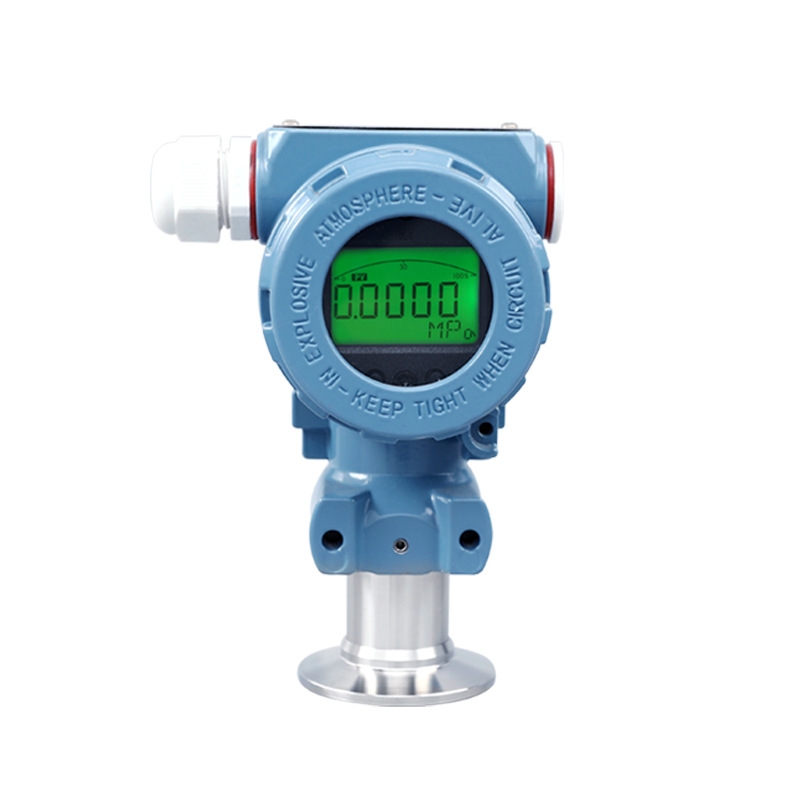
In chemical, pharmaceutical and slurry processing applications, media deposits can easily cause pressure measurement failures.
Flush diaphragm pressure transducers eliminate measurement dead zones by utilising a flush-mounted pressure-sensing diaphragm, making them suitable for highly viscous and crystallising media; they are core sensing components in the field of process measurement and control.
What Is a Flush Diaphragm Pressure Transducer?
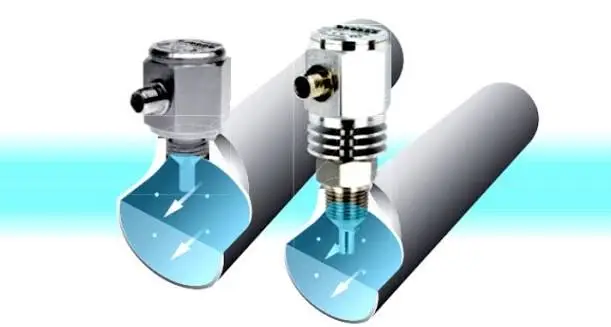
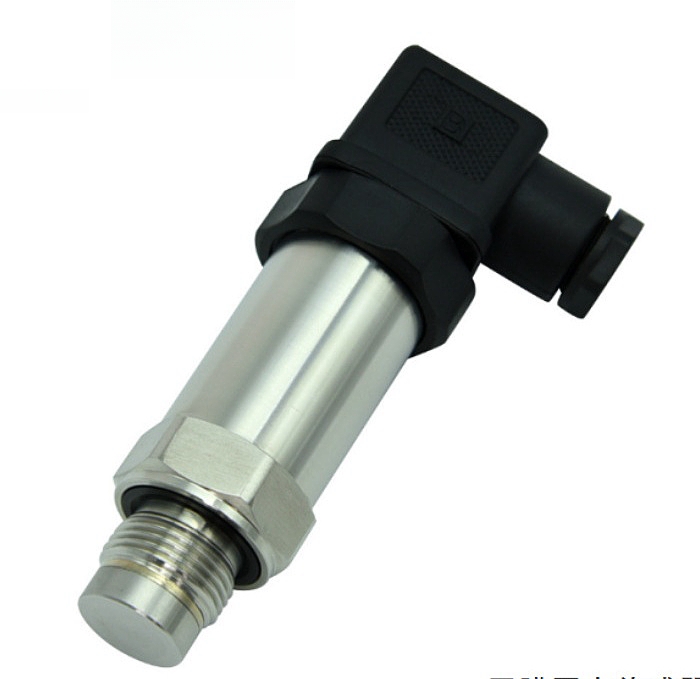
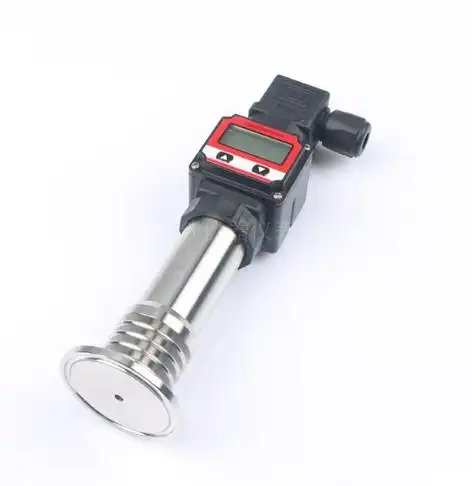
Also known as a flush-mounted diaphragm pressure transducer, this device features a flat sensing surface without any recesses, allowing the diaphragm to sit flush with the inner walls of pipes and vessels.
The pressure of the medium acts directly on the diaphragm, causing it to undergo minute deformation; the internal sensing element converts this deformation into an electrical signal, which is then conditioned by the circuitry to output standard signals such as 4–20 mA or 0–10 V.
The diaphragm is typically made from corrosion-resistant materials such as 316L stainless steel or Hastelloy; there are no dead zones in the pressure transmission, making it resistant to blockage by viscous, particulate or crystallising media, and easy to clean.
It is widely used for pressure measurement in applications such as the food and pharmaceutical industries, chemical processing, sewage treatment and slurry handling.
Working Principle of the Flat-Diaphragm Pressure Transducer
A flat-diaphragm pressure transducer relies on the pressure of the measured medium acting on the sensing diaphragm. When the medium — gas or liquid — presses against the diaphragm, the diaphragm deflects by a tiny amount that is proportional to the pressure.
That tiny deflection changes the sensor’s resistance and produces an electrical signal related to the pressure. Once the electronics detect and convert this signal, the transducer outputs a standard signal that represents the measured pressure.
A flat-diaphragm pressure sensor is built around a thin diaphragm, a base, electrodes and lead wires. The diaphragm is the part that actually senses pressure: under load it bends only slightly, and that small deformation changes the resistance of the film.
The electrodes pick up this resistance change, and the lead wires carry it to the measuring instrument or control system.
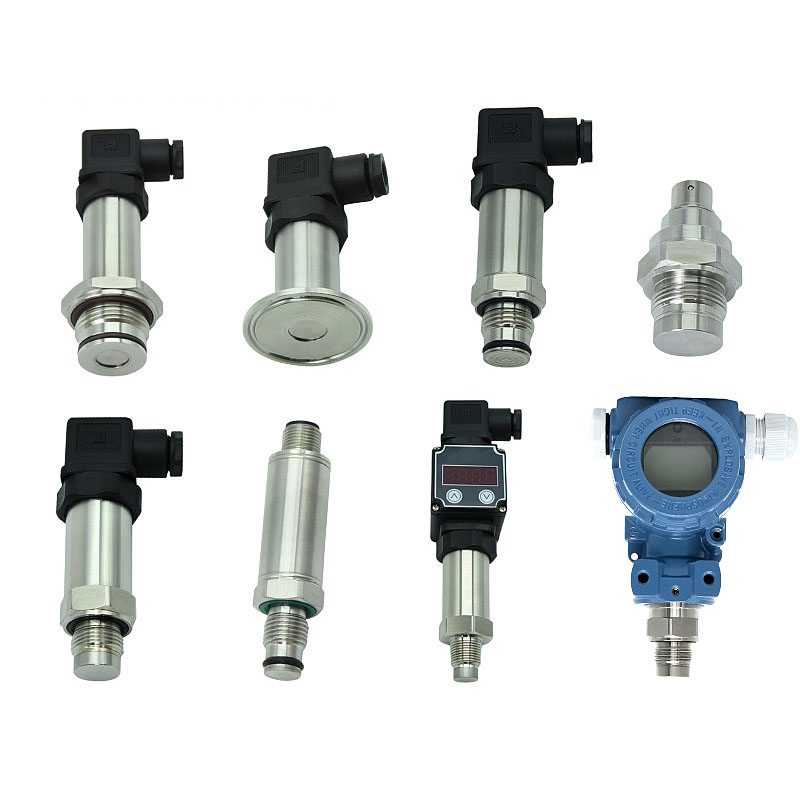
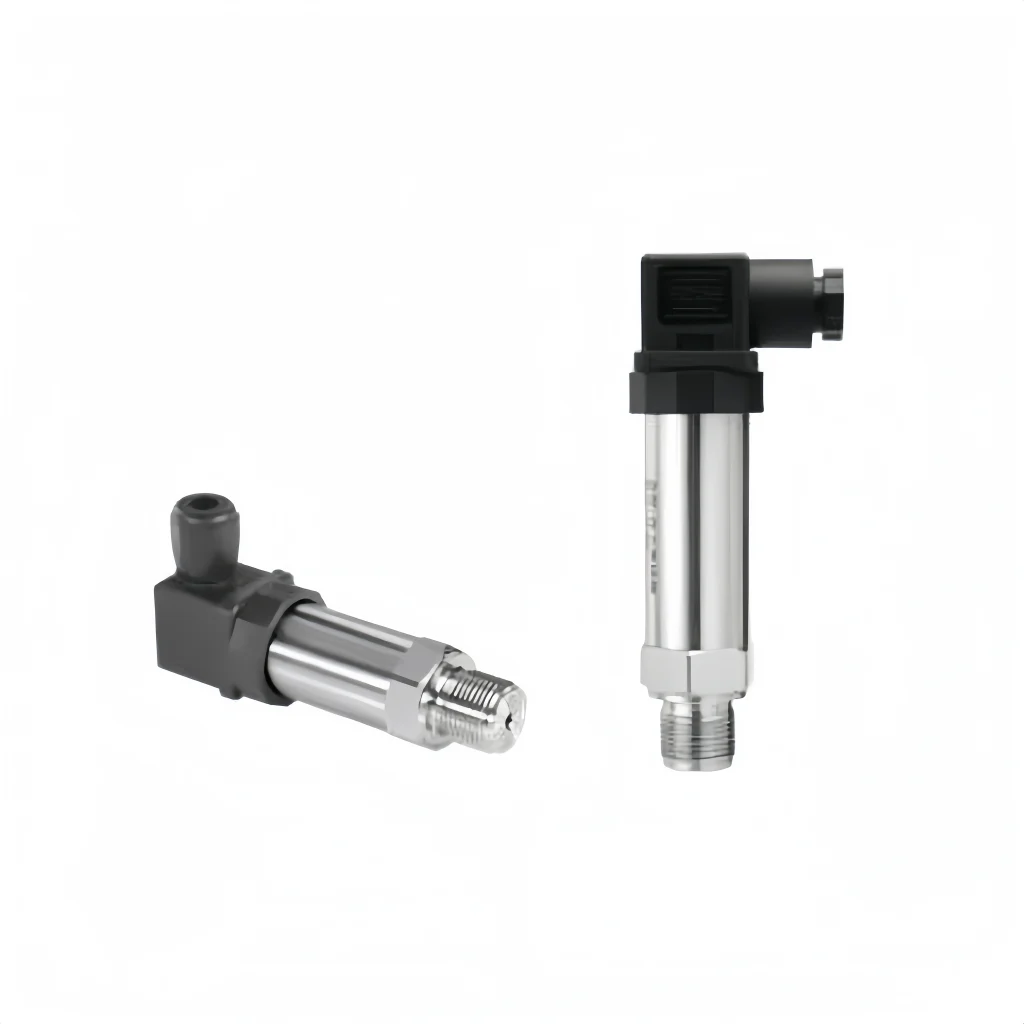
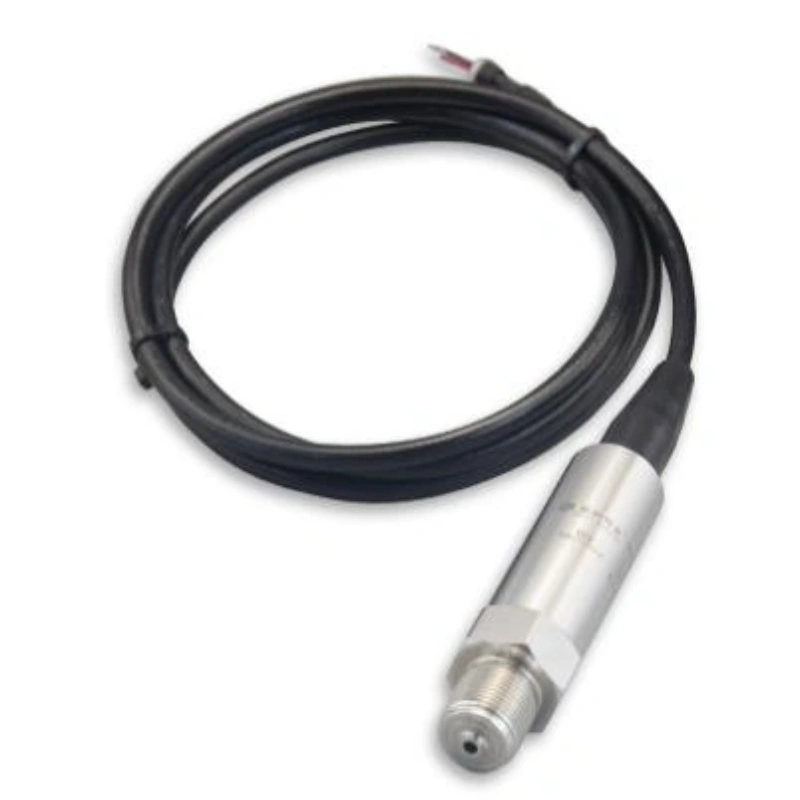
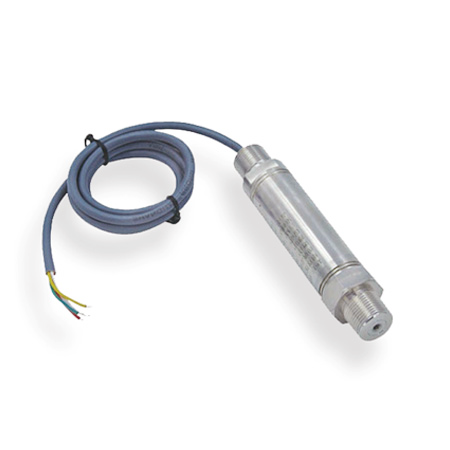
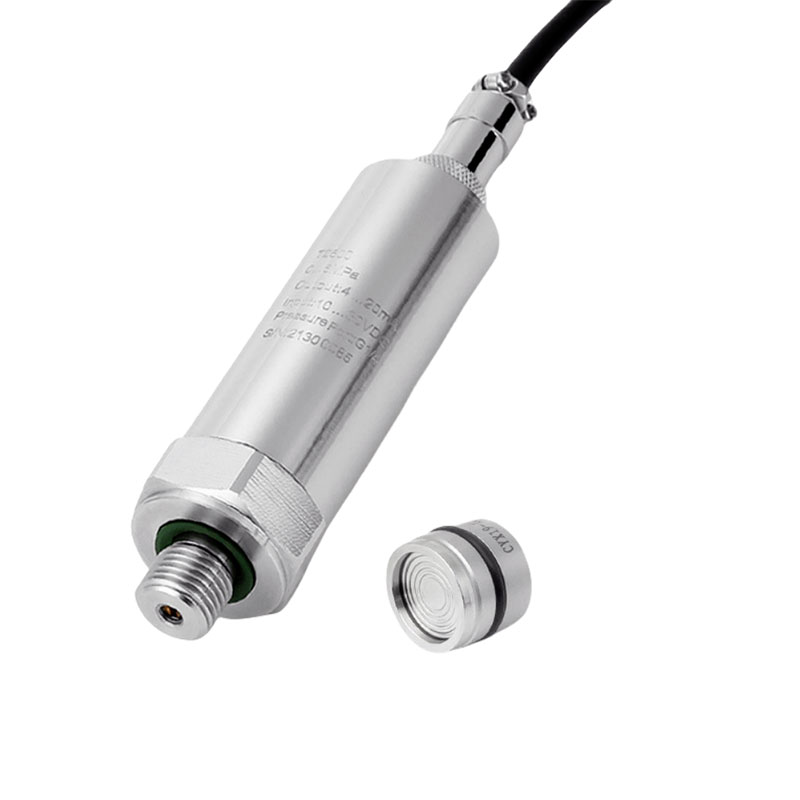
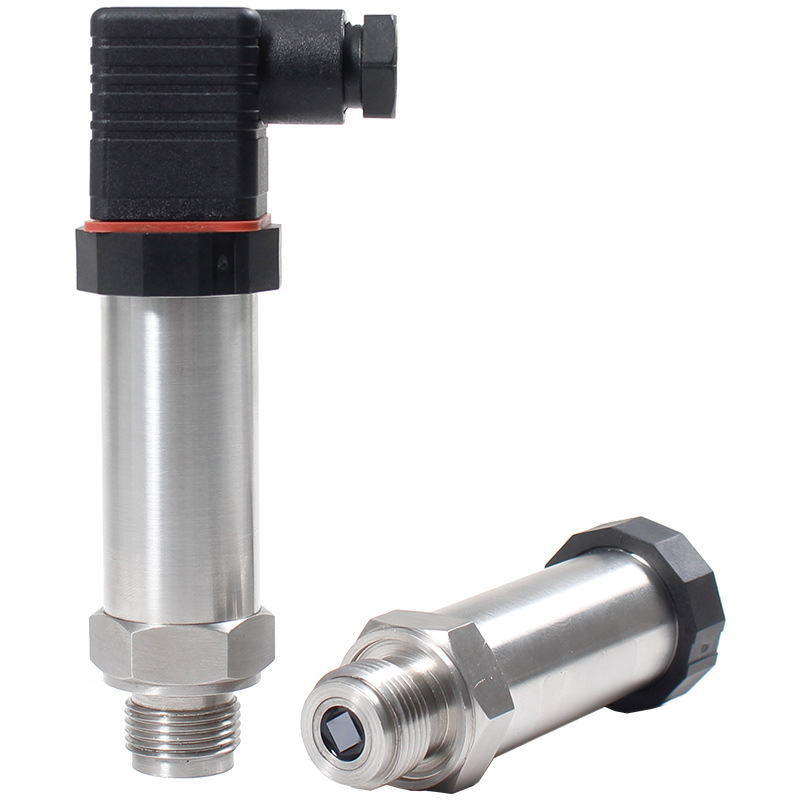
Advantages of Flat Diaphragm Pressure Sensors
1. No dead zones or pressure-transmitting orifices, preventing blockages. The diaphragm’s end face is flush and smooth, with no cavities where the medium can accumulate, making it suitable for viscous, slurry-like, particulate-laden or crystallising media, and eliminating the risk of pressure-transmitting orifice blockages.
2. Hygienic and easy to clean. The flush contact face is suitable for CIP/SIP, and the polished diaphragm is less prone to product build-up, so it meets food and pharmaceutical hygiene requirements.
3. Simple construction, with less chance of leaks. With no fill fluid or capillaries, there is no risk of the fill fluid contaminating the process, and fewer places for failure.
4. Quick pressure response. Pressure reaches the diaphragm directly, without the lag of a fill fluid, so changes are followed closely in real time.
5. High accuracy and good long-term stability. With fewer mechanical transfer stages, temperature drift and hysteresis from an intermediate medium are reduced, giving good repeatability and little long-term drift.
6. Good vacuum capability. Unlike oil-filled sensors, they are less prone to diaphragm concavity or degassing under vacuum, so they can be used for vacuum duty.
7. Material choice and corrosion resistance. Wetted diaphragms can be 316L, Hastelloy, titanium, etc., covering media from mildly to highly corrosive.
8. Easy to install. Clamp, threaded and flanged connections are available, so the sensor can be fitted into pipelines and tanks and removed for maintenance without much trouble.
Applications of Flat-Diaphragm Pressure Sensors
1. Food and pharmaceutical production: monitoring pressure in fruit juice, dairy, pharmaceutical solutions and fermentation tanks, plus static-pressure level measurement. With no dead spots, the flat diaphragm tolerates CIP/SIP, resists residue and satisfies hygiene requirements.
2. Environmental and water treatment:pressure and level measurement in sewage, sludge and wastewater lines and settling tanks where suspended solids are present. Since there are no pressure ports, solid impurities are far less likely to clog the sensor.
3. Chemical and new materials: pressure monitoring in lines carrying viscous slurries, polymers, crude oil and battery anode/cathode slurries, and in reactors. Corrosion-resistant diaphragm materials can be chosen to limit build-up and deposition.
4. Pulp and paper: pressure measurement in pulp lines. The smooth diaphragm surface limits fibre adhesion, so pulp pressure can be monitored steadily with less frequent maintenance.
5. Grouting and solid-liquid engineering: real-time pressure measurement and control in cement slurry and mortar grouting. The flat diaphragm resists clogging from solid particles, making it suitable for foundation grouting and similar work.
6. Construction machinery hydraulics:pressure measurement for hydraulic power packs and cylinders. The sensor tolerates sudden pressure spikes and gives dependable feedback even in viscous hydraulic oil.
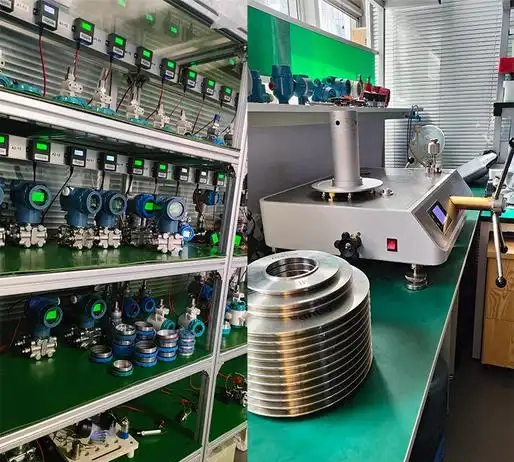
Flat diaphragm pressure transducers vs diaphragm pressure transducers
The main differences come down to three things: the diaphragm structure, the media each type suits, and how pressure is transmitted.
In flat-diaphragm pressure transducers, the measuring diaphragm is directly exposed to the medium being measured on one side; the diaphragm surface is flat with no isolating structure, and the medium comes into direct contact with the diaphragm.
Whilst this design is simple and offers a fast response, it is only suitable for clean, low-viscosity fluids free from solid particles. If the medium contains impurities, the diaphragm is susceptible to scratching and damage.
Diaphragm pressure sensors incorporate an isolation diaphragm at the pressure port, filled with a pressure-transmitting medium such as silicone oil. The measured pressure first acts on the isolation diaphragm and is then transmitted via the filling fluid to the internal measuring diaphragm.
As the measured medium does not come into contact with the core sensing element, these sensors can withstand viscous, particulate-laden and highly corrosive media; however, the filling fluid introduces a certain degree of pressure lag, resulting in a slower response time compared to the flat-diaphragm type.
When selecting a model, flat-diaphragm pressure transducers are the preferred choice for clean operating conditions, as they are lower in cost and offer better dynamic performance; for applications involving solid particles, corrosive media or high-temperature media, diaphragm pressure transducers are more suitable, as their isolation structure protects the sensor body and extends its service life.
Types of Diaphragm Pressure Transducers
1. Flat-diaphragm transducers
The diaphragm features a flat structure, with a smooth overall profile and no protrusions.
The structure is simple and compact, making installation convenient, and the contact surface between the diaphragm and the medium is flat. Suitable for applications where the medium is clean, the pressure is stable and the flow rate is gentle; they can be mounted directly onto the equipment chamber.
The disadvantage is that when the medium contains solid particles, these are prone to accumulating and forming deposits on the diaphragm surface; prolonged scouring can also damage the diaphragm surface. They are generally not suitable for media with high abrasion or high solid content.
2. Convex Diaphragm Sensors
The diaphragm protrudes outwards, forming a curved convex surface. This convex structure reduces the deposition of solid material; as the medium flows past, material is less likely to remain trapped on the diaphragm surface, resulting in better erosion resistance than flat diaphragms. Suitable for fluids containing fine particles that are prone to sedimentation and scaling, such as slurries and pulps.
However, the pressure rating of a convex diaphragm is limited by its protruding structure; care must be taken during installation to ensure sufficient clearance is provided to prevent the diaphragm from being damaged by external compression.
3. Remote-Transmission Capillary Diaphragm-Sealed Transmitter
This consists of three parts: a front-end diaphragm sealing assembly, an oil-filled capillary tube and the pressure sensing body. The pressure of the measured medium acts on the front-end isolation diaphragm, and the pressure signal is transmitted to the transmitter via the isolation fluid filled within the capillary tube.
This design physically separates the measuring diaphragm from the transmitter body, allowing for remote installation. It is suitable for high-temperature media, highly corrosive media, or scenarios where the transmitter needs to be located away from the process site.
Care must be taken to ensure the capillary tube is not kinked or crushed; environmental temperature differences may introduce some measurement error, and the overall cost is higher than that of flat-diaphragm or domed-diaphragm sensors.
Selection Guide
1. Select the diaphragm according to the medium conditions
Where the medium is clean and stable and contains no solid particles, a flat-diaphragm sensor is usually the better option — it is simple and easy to fit.
If the medium carries solids, or tends to scale or erode, a convex-diaphragm sensor makes more sense, as deposition on the diaphragm is less of a problem.
For high-temperature or highly corrosive duty, or when the transmitter has to sit well away from the process line, go with a remote capillary diaphragm-sealed sensor so the measuring end is separated from the transmitter body.
2. Matching Diaphragm Materials
Select the diaphragm material according to the chemical properties of the medium. For mildly corrosive media, use 316L stainless steel; for highly corrosive conditions such as acids and alkalis, use Hastelloy or tantalum diaphragms; for strongly oxidising media, PTFE-coated diaphragms may be used.
Incorrect material selection may result in corrosion and perforation of the diaphragm, leading to leaks and measurement failure.
3. Confirming Temperature and Pressure Ranges
The sensor’s measurement range should cover the actual operating pressure, which is recommended to be maintained between 30% and 70% of the full scale. Consider both the medium and ambient temperatures.
For remote capillary-type sensors, be mindful of zero-point drift caused by ambient temperature; in high-temperature conditions, a remote diaphragm seal must be used.
4. Installation Conditions
Flat-diaphragm and convex-diaphragm sensors are designed for direct mounting, taking up minimal space, and can be installed via flange or threaded connections; convex-diaphragm installations require sufficient clearance to prevent the diaphragm from being compressed.
For remote capillary-type sensors, a dedicated routing channel must be provided; the capillary must not be bent or compressed, and should not be excessively long to avoid increasing measurement lag.
5. Accuracy and Response Speed
Inline flat-diaphragm and convex-diaphragm transmitters offer fast response times and are suitable for applications with significant pressure fluctuations.
Remote-transmission capillary transmitters suffer from pressure transmission lag and are therefore better suited to applications with gradual pressure changes. For high-precision measurement applications, the isolation fluid must be selected appropriately to minimise measurement errors caused by temperature variations.
6. Cost and Maintenance
Flat-diaphragm structures are simple, with the lowest procurement and maintenance costs; convex-diaphragm structures are slightly more expensive.
Remote-transmission capillary assemblies are structurally complex, costly to manufacture and difficult to maintain; leakage of the isolating fluid will result in immediate failure, and they should only be selected when a direct-mount diaphragm cannot meet the operating conditions.
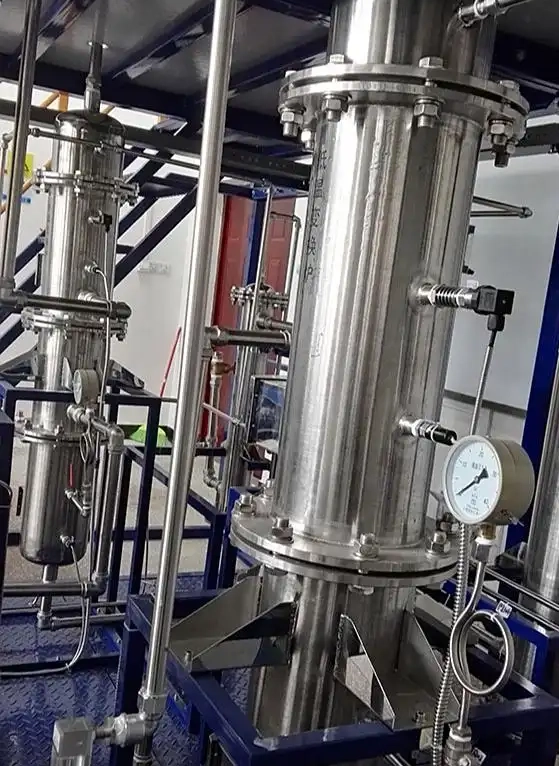
The entire Sion-Inst range of flat-diaphragm pressure transmitters is suitable for a wide variety of complex operating conditions, offering core advantages such as high accuracy, clog-resistance and ease of cleaning, making them fully adaptable to applications in the chemical, pharmaceutical and slurry processing sectors.
In addition to pressure measurement products, we also provide a full range of process measurement and control equipment, including level gauges and flowmeters, offering a one-stop solution for industrial fluid measurement and control requirements.
With consistent product quality and straightforward operation and maintenance, we can provide customised solutions tailored to your requirements, helping businesses achieve precise measurement and control whilst reducing costs and improving efficiency.