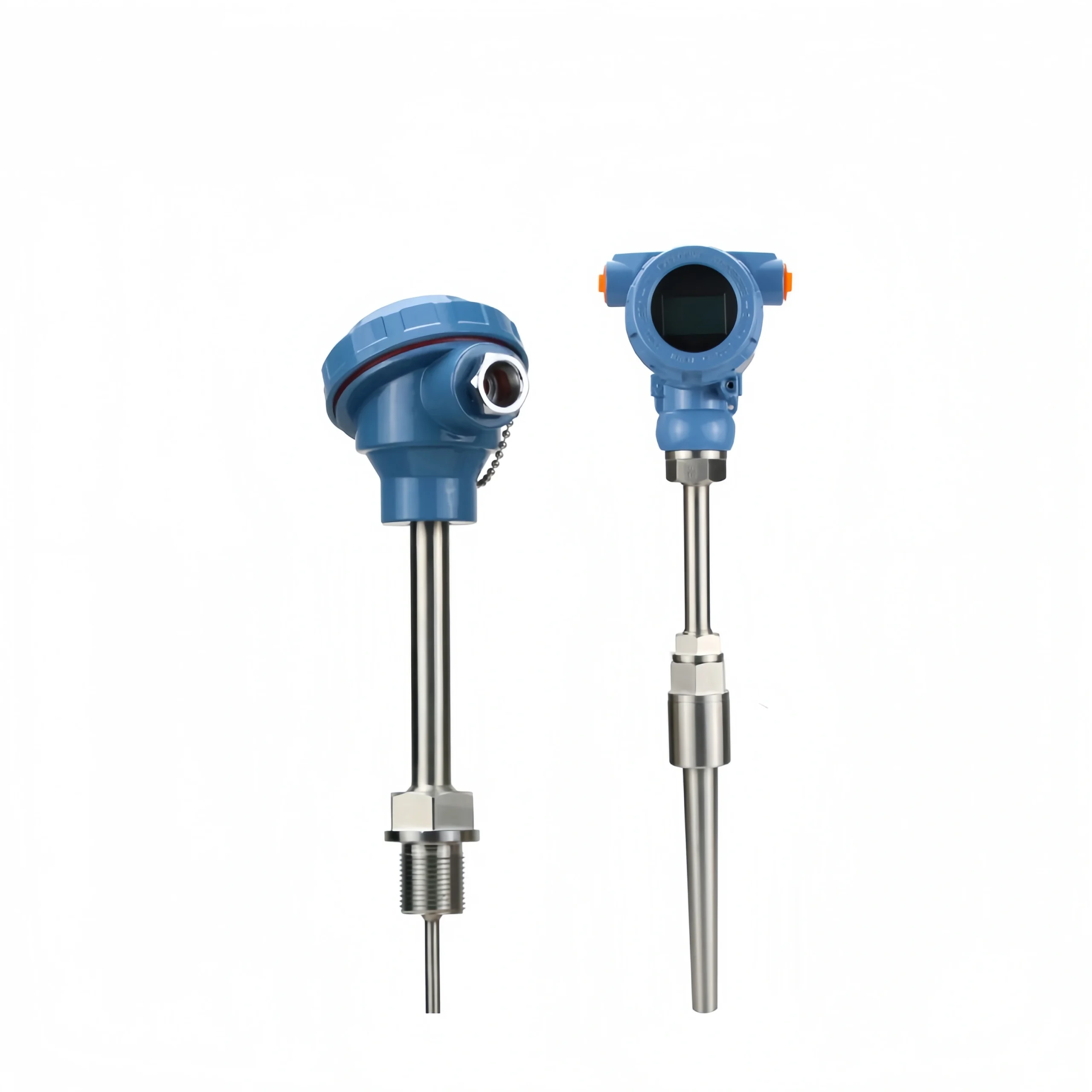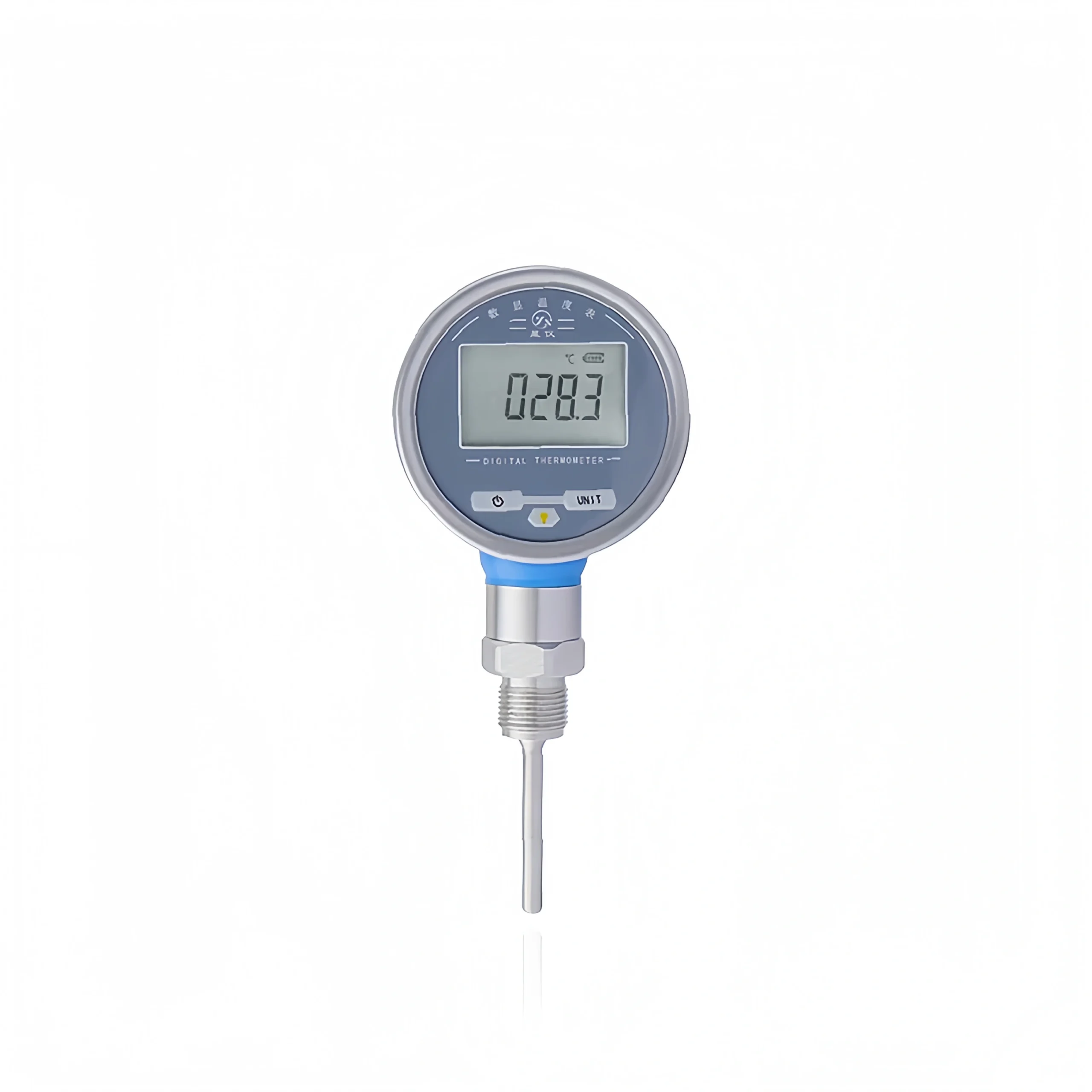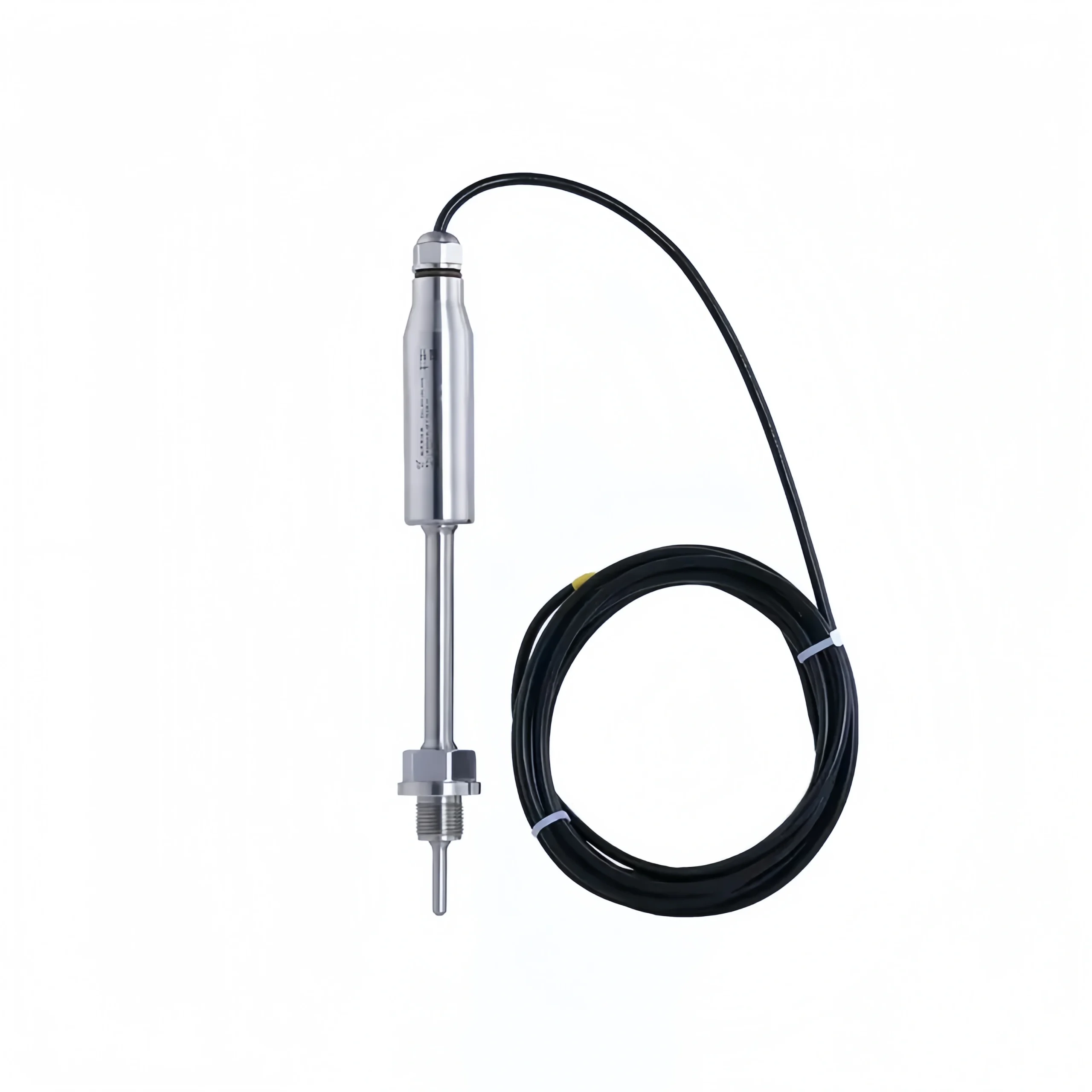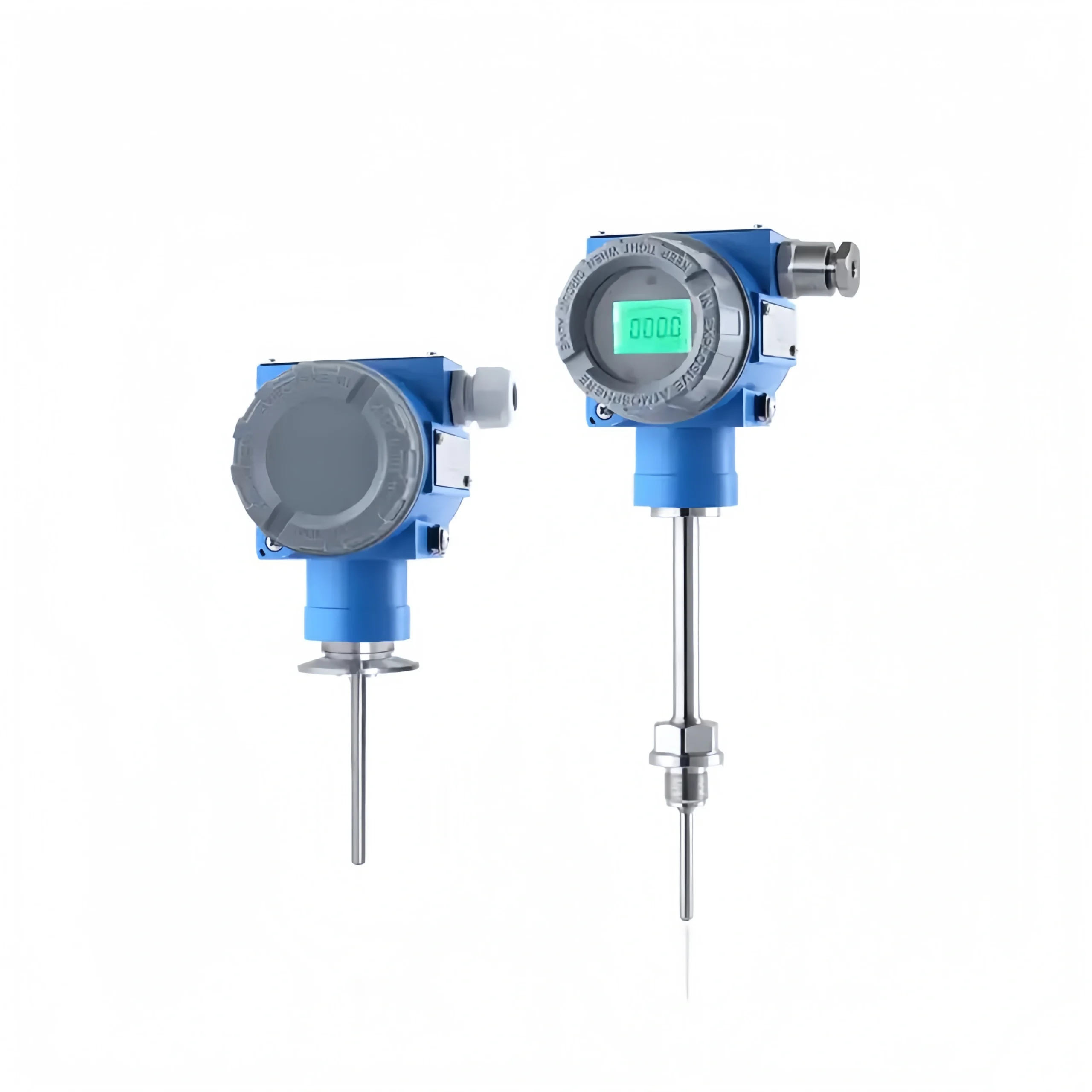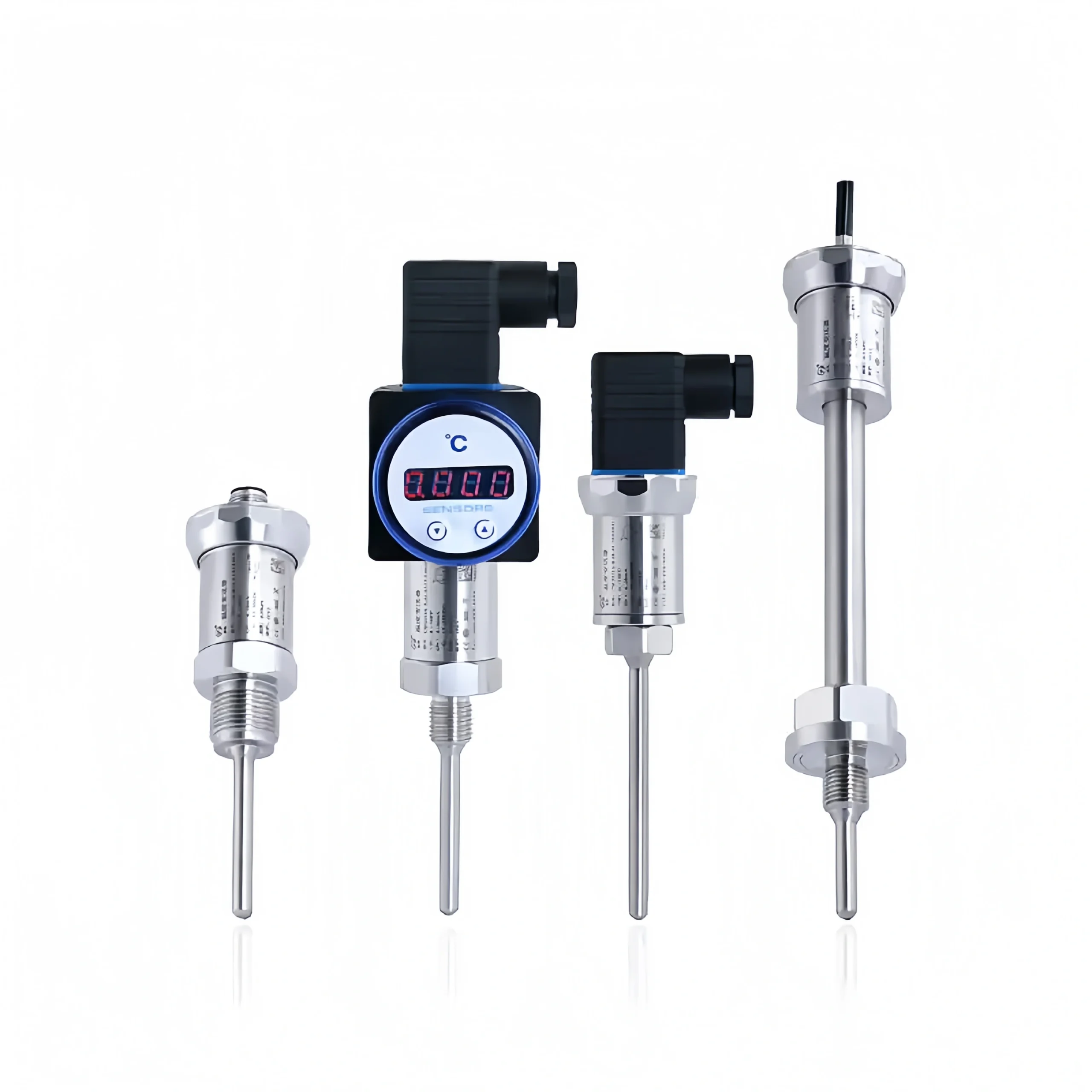
When it comes to industrial temperature measurement and control systems, RTDs and temperature transmitters are two of the most important types of equipment. But there are some key differences between how they work and how they do their thing.
In fact, RTDs and temperature transmitters have a clear division of labour and a collaborative relationship, undertaking the core functions of temperature sensing and signal conversion respectively. Clarifying the differences between them and understanding how they work together is a key prerequisite for ensuring the accuracy, stability and reliability of industrial temperature measurement systems.
Core Definitions and Fundamental Distinctions
Resistance Temperature Detectors (RTDs)
are a key type of temperature-sensitive element in the field of industrial temperature measurement and are classified as primary sensors; their core operating principle is based on the resistance-temperature effect of metallic conductors. Specifically, the temperature-sensing core of an RTD is made from a metallic material with a stable temperature coefficient of resistance.
Common standard types include platinum RTDs (such as Pt100 and Pt1000) and copper RTDs (such as Cu50 and Cu100). Platinum RTDs, owing to their excellent temperature stability, linearity and wide measurement range, are widely used in high-precision temperature measurement applications, whilst copper RTDs, due to their cost-effectiveness, are suitable for routine measurement applications at medium and low temperatures.
When a resistance temperature detector is in operation, its sensing element comes into direct contact with the medium being measured. By detecting changes in the medium’s temperature, its own resistance value undergoes a corresponding linear or approximately linear change, thereby directly converting temperature—a non-electrical physical quantity—into a measurable and collectable electrical resistance signal, laying the foundation for subsequent processing and transmission of the temperature signal.
Temperature Transmitter
A temperature transmitter is an indispensable signal conversion and transmission device in industrial automation control systems. Its core function lies in standardising temperature sensor signals, providing interference immunity and enabling long-distance transmission; it does not possess direct temperature measurement capability itself.
The input of this device is compatible with the raw signals output by primary temperature sensing elements such as RTDs or thermocouples, where the input signal for RTDs is a resistance value signal and that for thermocouples is a millivolt-level thermoelectric potential signal.
Temperature transmitters incorporate signal conditioning modules, linearisation processing units, cold-junction compensation modules and V/I conversion circuits. During operation, they first filter and amplify the weak raw input signals to eliminate errors caused by external electromagnetic interference and signal attenuation。
It then employs linearisation algorithms to correct the inherent non-linear characteristics of the RTD (or thermocouple), thereby enhancing the accuracy of the signal conversion; simultaneously, it performs real-time compensation for measurement deviations caused by changes in ambient temperature.
Finally, the processed signal is converted into a standard 4–20 mA DC industrial signal, which is output to PLCs, DCS systems or dedicated display instruments, providing reliable, standardised signal support for temperature monitoring, closed-loop control and data traceability in industrial production processes.
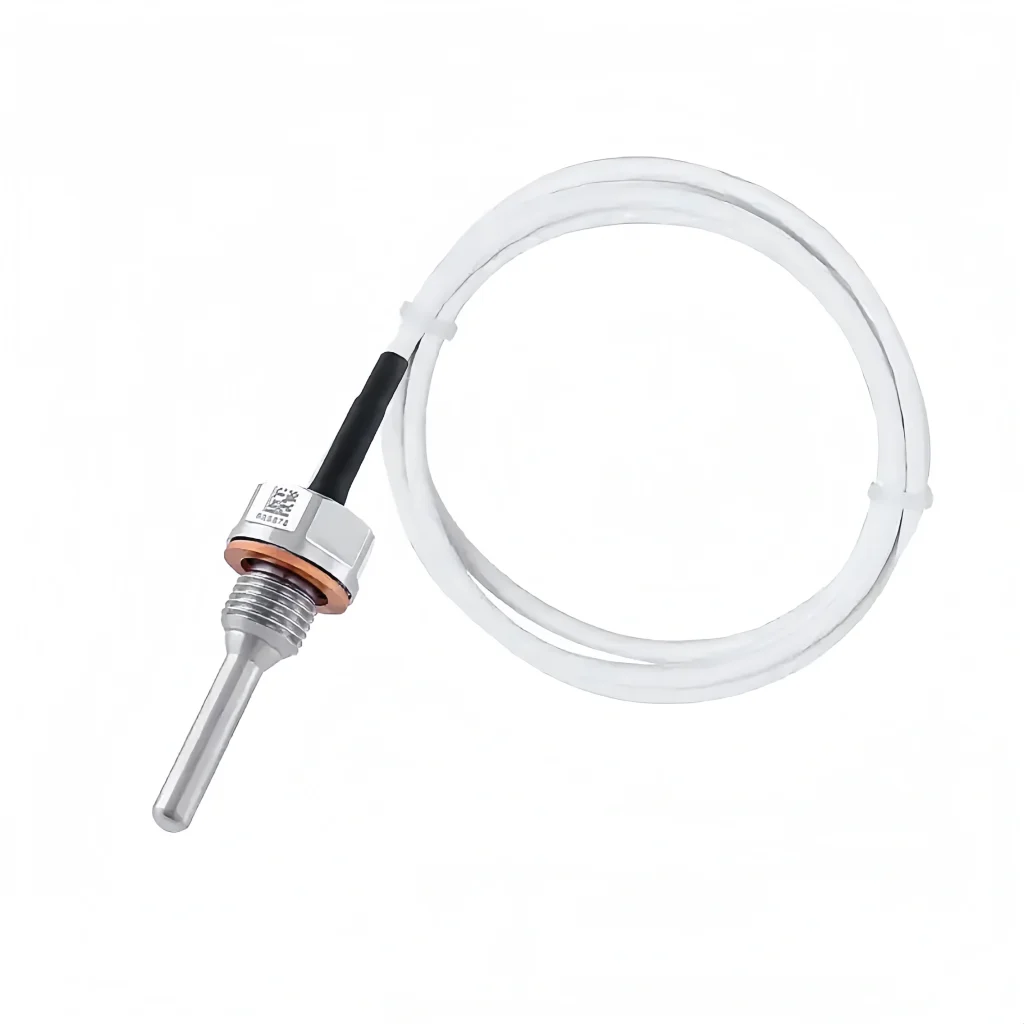
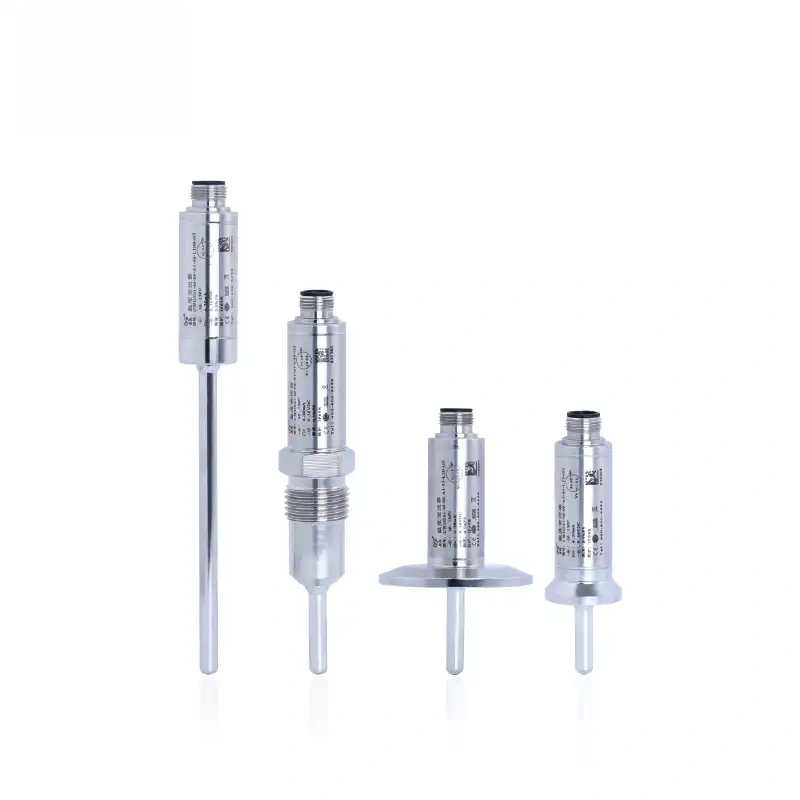
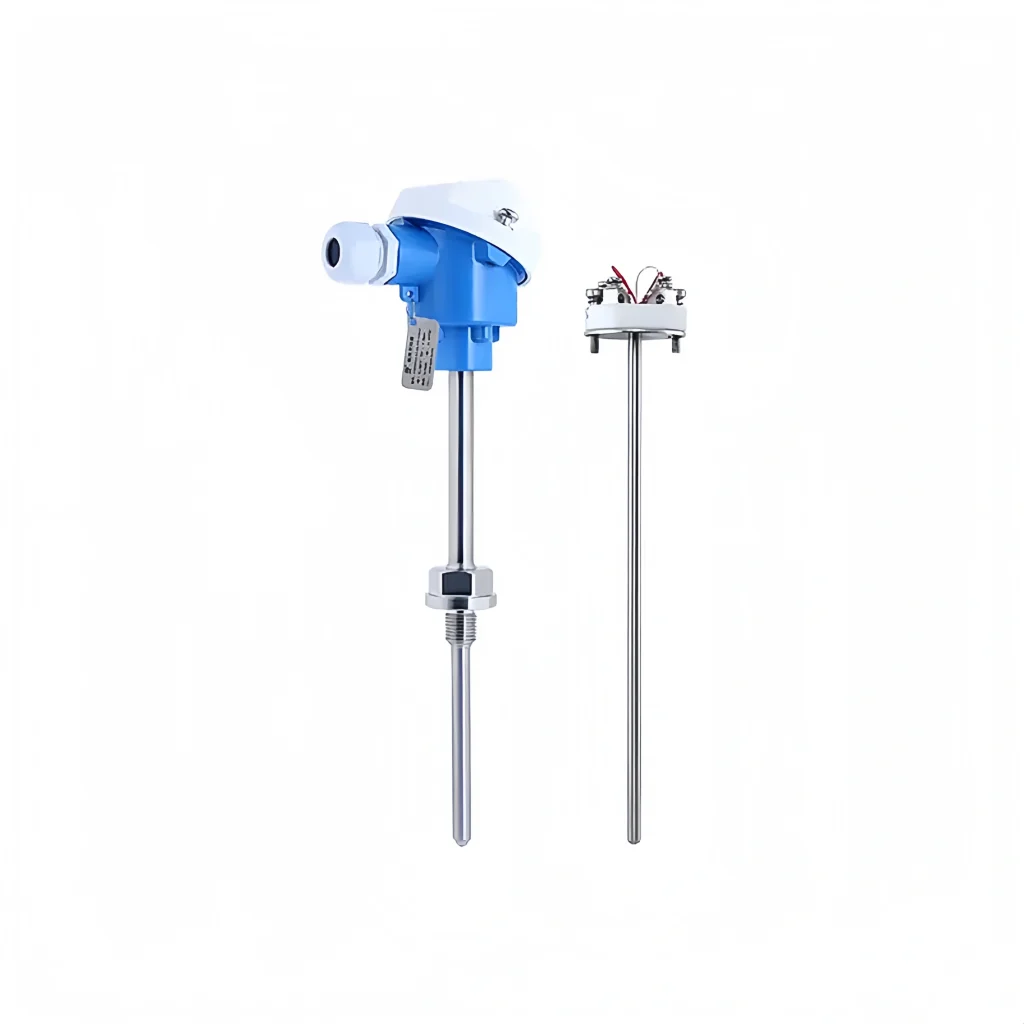
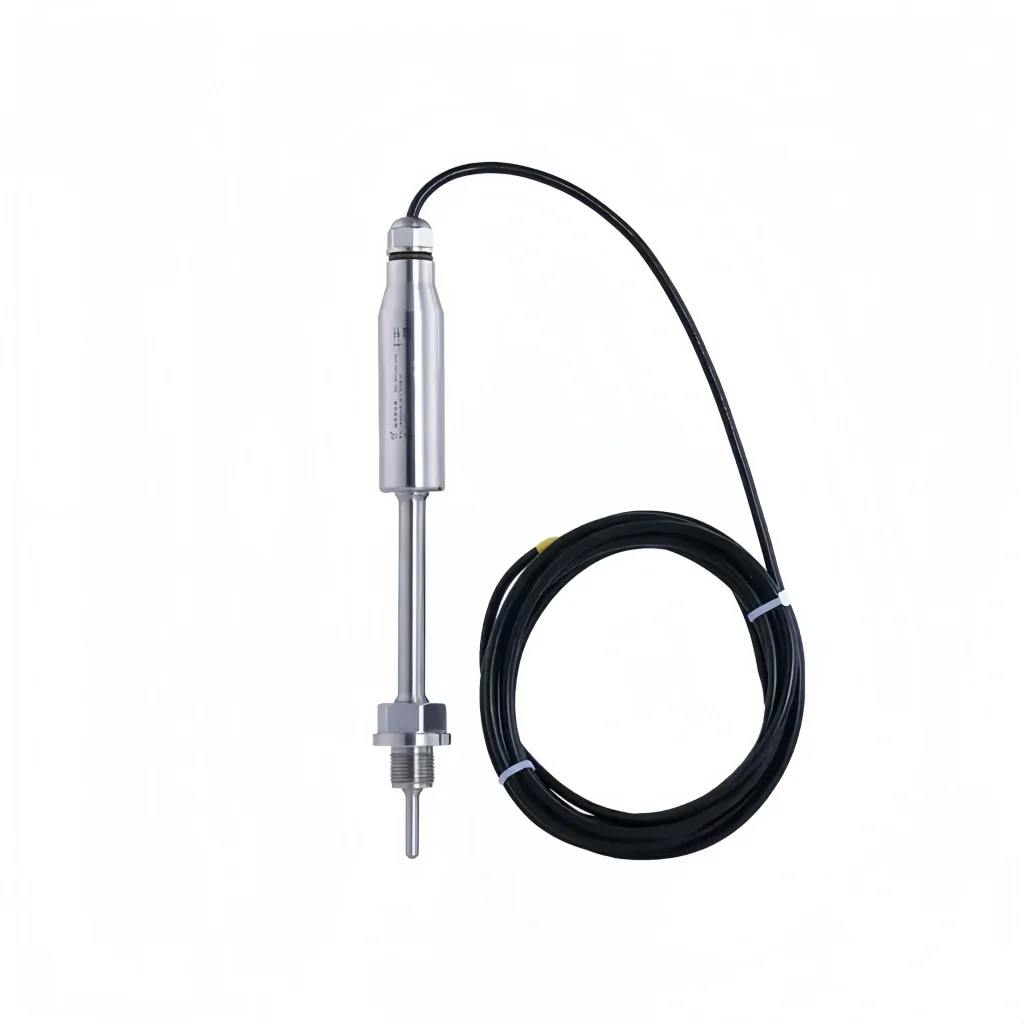
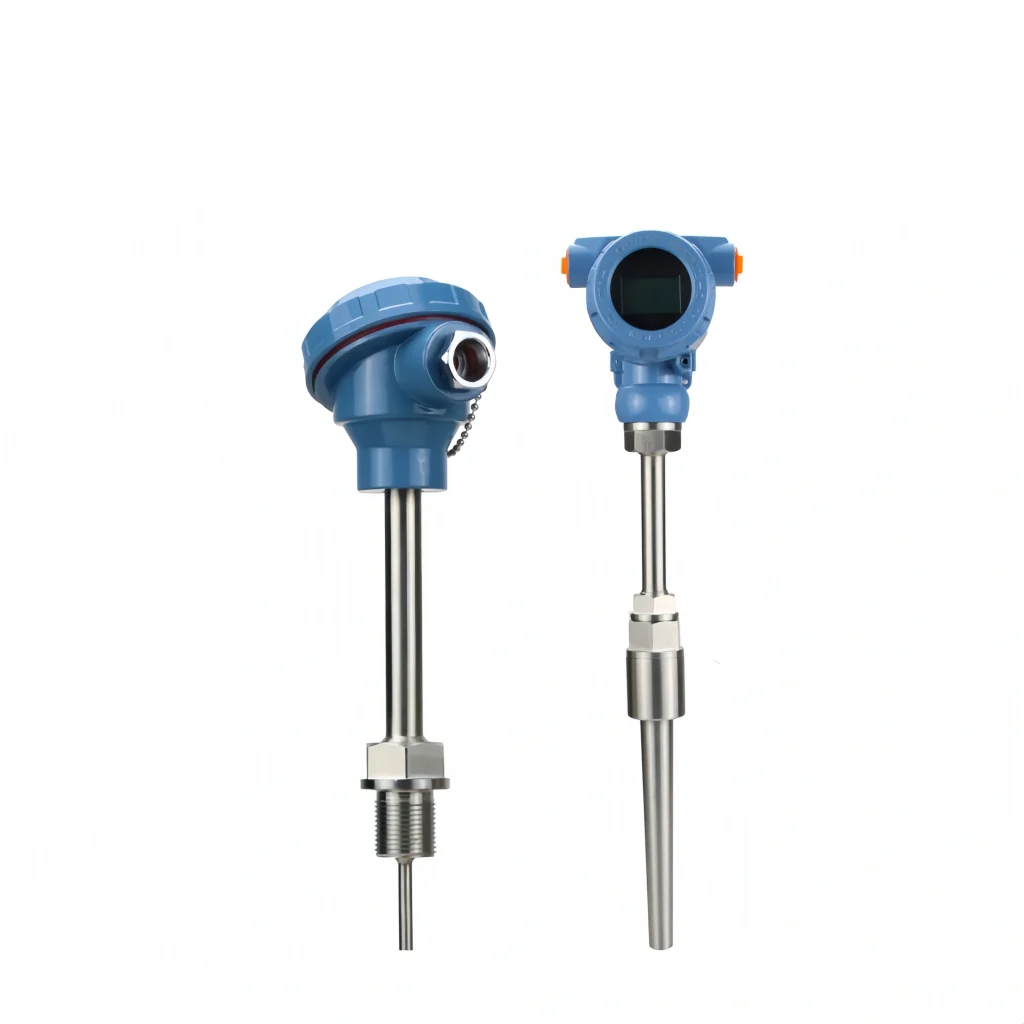
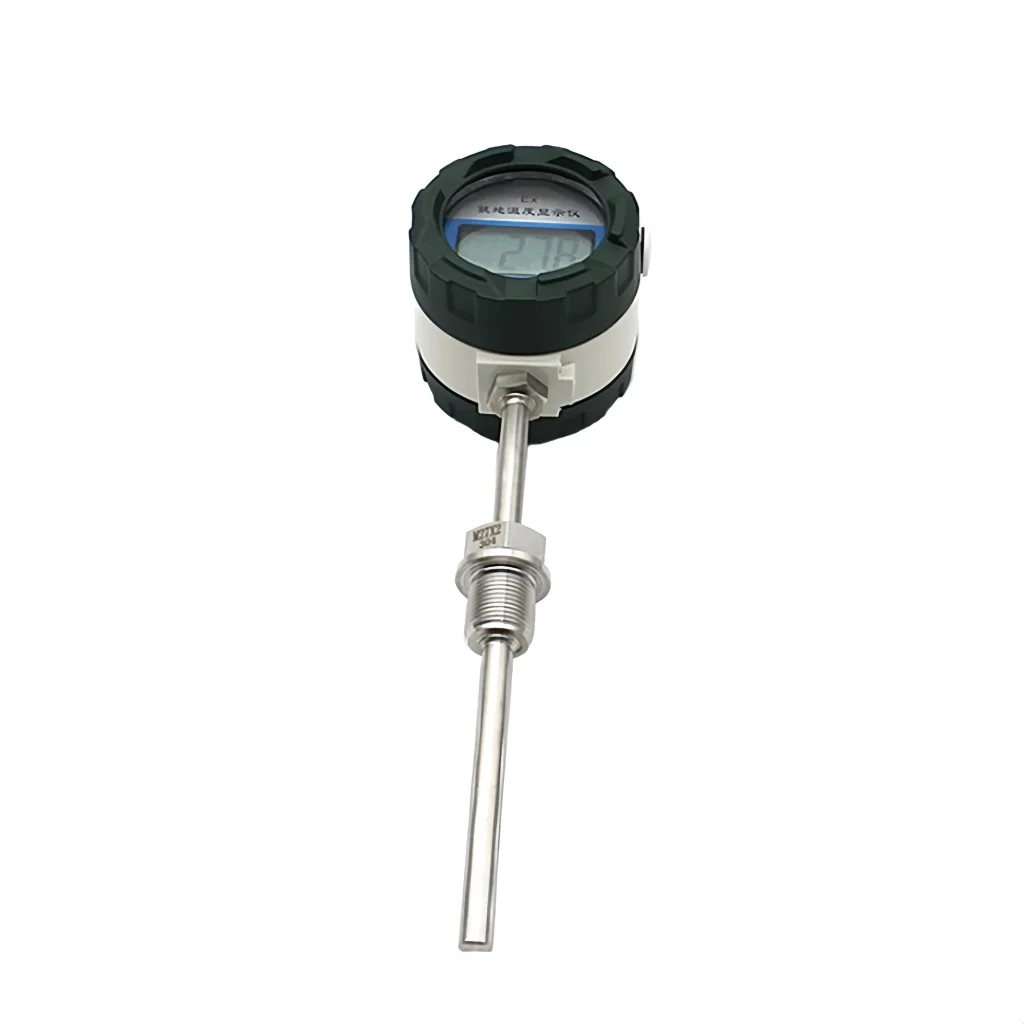
Comparison of Key Parameters
I. Differences in Signal Output Formats
As a passive temperature-sensing element, a resistance temperature detector (RTD) outputs a resistance value signal that varies linearly with temperature. It has no amplification or drive capability of its own; the signal amplitude is weak and susceptible to on-site electromagnetic interference and line resistance.
Signal attenuation and distortion are significant during long-distance transmission, so RTDs generally only support direct connection to instruments over short distances; Temperature transmitters, on the other hand, utilise internal conditioning circuits to convert the resistance changes of the RTD into a standard 4–20 mA analogue current signal or digital signals such as RS485.
Current signals possess constant-current characteristics, offering strong resistance to interference and minimal susceptibility to line voltage drops. This makes sure that the signal can be sent over distances ranging from hundreds of metres to kilometres, which is perfect for the complex cabling environments you find in industrial sites.
II. Differences in Structure and Operating Principles
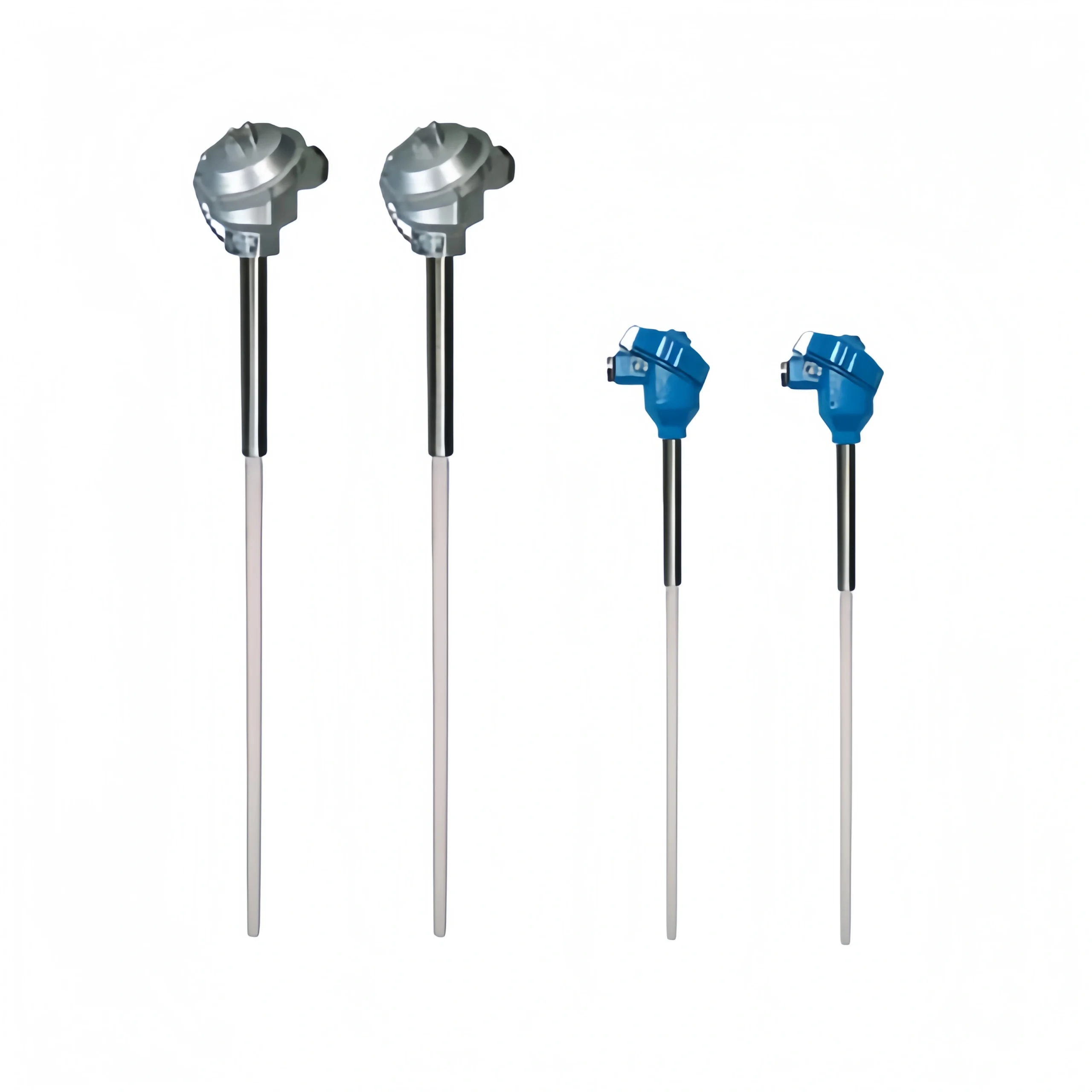
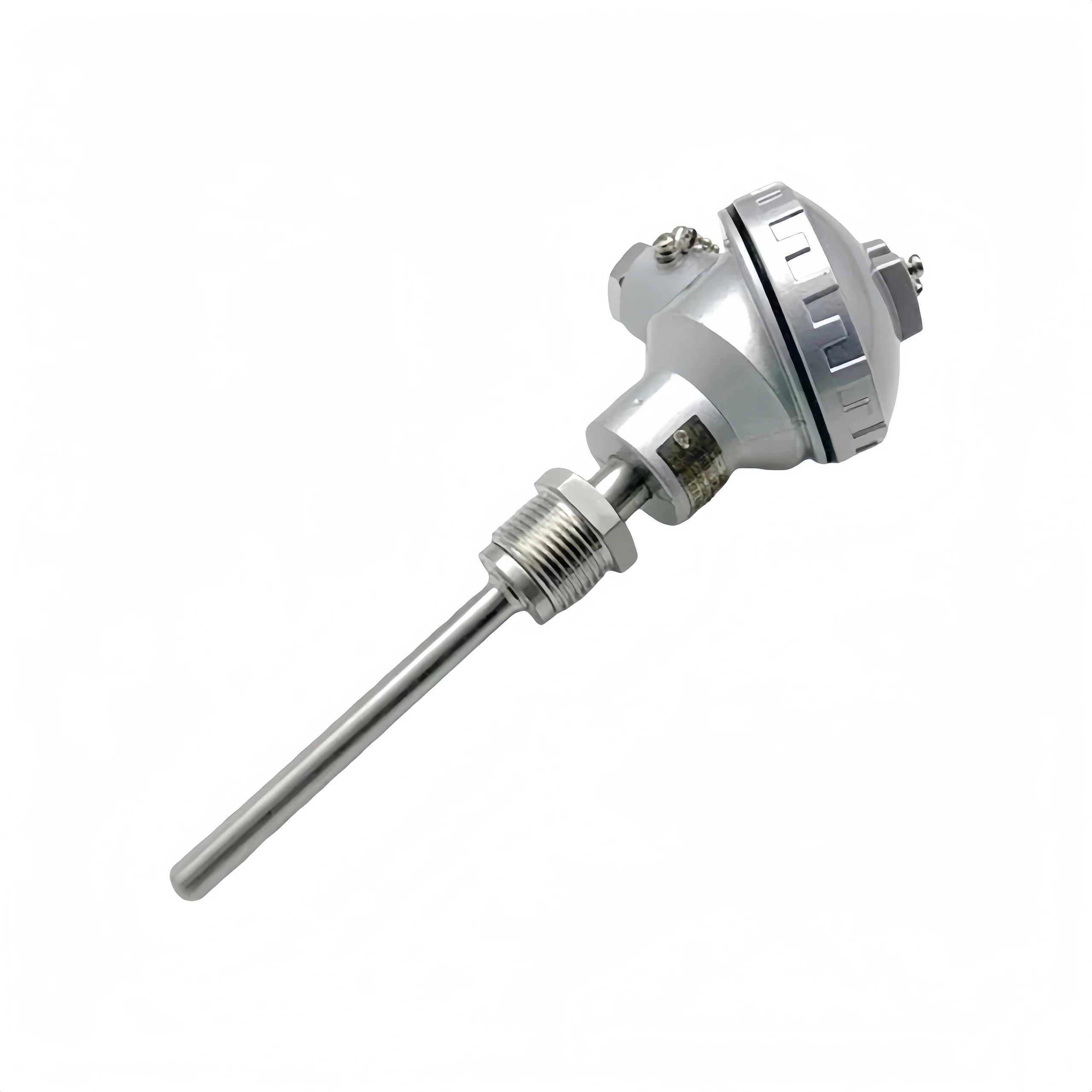
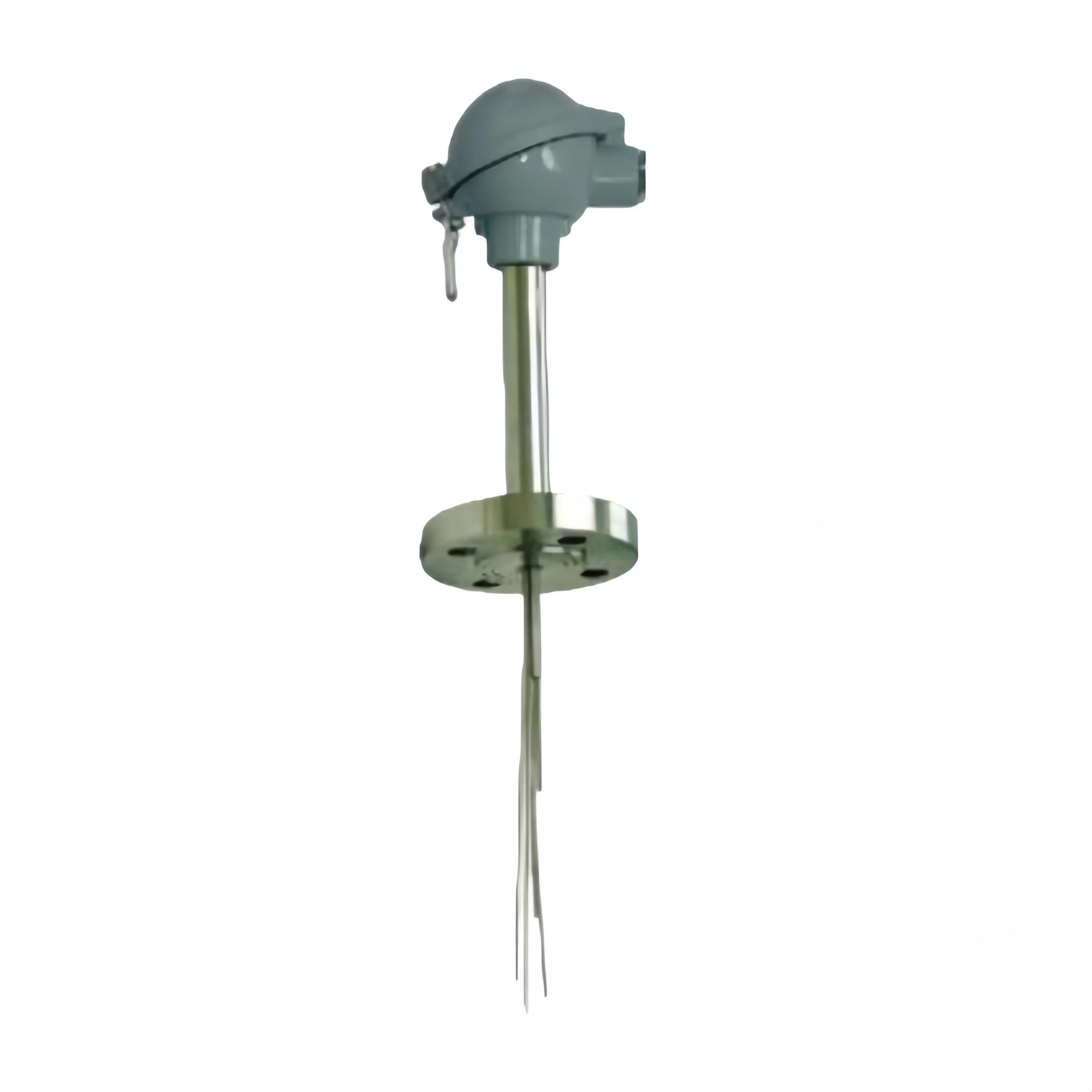
The structure of a resistance temperature detector (RTD) is relatively simple, consisting primarily of a metal sensing element (such as platinum or copper), an insulated core, a protective sheath and lead wires.
Its operating principle is based on the thermal resistance effect, whereby the resistance of a metal conductor increases with rising temperature; it merely performs the physical conversion from temperature to resistance;
Temperature transmitters are electronic signal conditioning devices comprising units such as signal acquisition, amplification circuits, A/D conversion, microprocessors, linearisation correction, isolation drivers and terminal blocks. Through circuitry, they amplify, filter, linearise and electrically isolate weak resistance signals, converting non-standard physical signals into standardised signals compliant with industrial standards.
III. Differences in Application Scenarios and Integration
Thermoresistors serve as front-end temperature sensing components and cannot be directly connected to control systems such as DCS or PLCs. They typically require use in conjunction with local display instruments or temperature transmitters, and are commonly employed for on-site temperature measurement, laboratory testing and short-distance signal acquisition;
Temperature transmitters are frequently paired with RTDs to form integrated temperature measurement systems. Acting as signal conversion and transmission interface units, they can be directly connected to automated control systems, control instruments and data acquisition modules, and are widely used in industrial automation scenarios such as continuous production processes, remote monitoring and centralised control.
IV. Differences in Accuracy and Compensation Capabilities
RTDs possess only basic temperature measurement characteristics and do not inherently include lead resistance compensation, non-linearity correction or anti-interference processing functions; lead resistance and environmental interference will directly introduce measurement errors;
Temperature transmitters incorporate built-in lead resistance compensation, linearisation correction, temperature drift compensation and digital filtering algorithms. These effectively eliminate the influence of lead resistance and correct non-linear errors in the sensing element.
They also have electrical isolation and anti-interference design, which makes the temperature measurement system more accurate, stable and reliable.
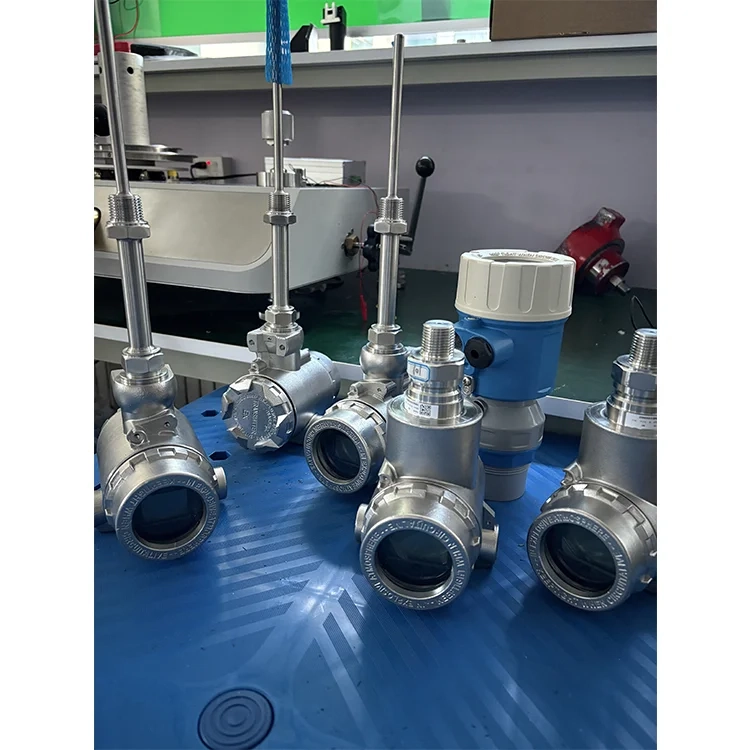
The Relationship Between Resistance Temperature Detectors and Temperature Transmitters
Resistance temperature detectors (RTDs) are the core sensing elements in temperature measurement. They primarily detect temperature by utilising the characteristic that their resistance value changes with temperature, and they output a weak resistance signal that cannot be transmitted over long distances or recognised directly by control systems.
The temperature transmitter acts as a signal conversion and processing unit, specifically designed to receive the resistance signal output by the RTD. After undergoing amplification, linearisation, isolation and other processing steps, this signal is converted into standard industrial electrical signals such as 4–20 mA or 0–10 V.
The two are designed to be used in conjunction: the RTD handles on-site temperature acquisition, whilst the temperature transmitter handles signal standardisation and remote transmission. Together, they ensure the stable transmission and application of temperature signals from the field to the control system.
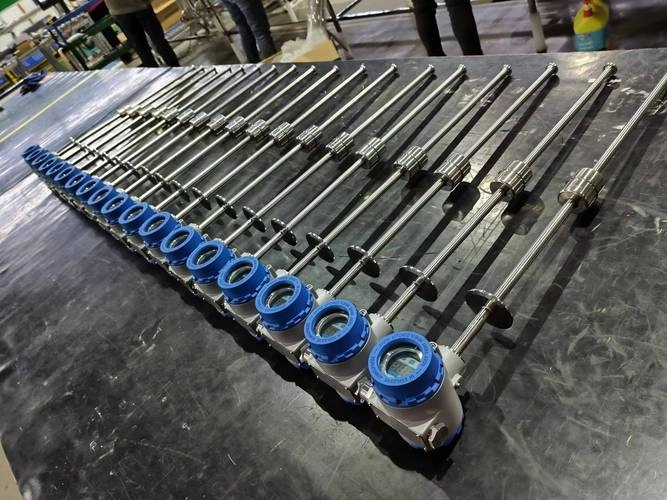
In integrated designs, the temperature transmitter can be directly incorporated into the RTD junction box, simplifying installation and wiring whilst enhancing immunity to interference and measurement stability.
Types of Resistance Thermometers
Platinum Resistance Thermometers
Platinum resistance thermometers utilise high-purity platinum as the temperature-sensitive element. Owing to platinum’s excellent physical and chemical stability, oxidation resistance, and precise temperature-resistance relationship, they are the most accurate and reliable temperature-sensing elements in the industrial temperature measurement sector.
Their resistance values exhibit a good linear relationship with temperature, offering excellent measurement reproducibility and minimal long-term drift, thereby meeting the demands of high-precision temperature measurement. Common specifications include Pt100 and Pt1000, with a standard temperature measurement range covering -200°C to 850°C; certain specialised designs can be extended to higher temperatures.
Due to their measurement accuracy, strong resistance to interference and wide range of applicable operating conditions, they are extensively used in automation control systems with stringent temperature monitoring requirements, such as those in the chemical, petroleum, power, metallurgical, pharmaceutical and HVAC industries. They are also the most widely used temperature sensing elements in conjunction with temperature transmitters.
Copper Resistance Thermometers
Copper resistance thermometers utilise high-purity electrolytic copper as the sensing material. They’ve got a steady temperature coefficient of resistance and are really linear at low temps. Plus, the raw material costs are pretty low, making them great for all sorts of general-purpose stuff where you don’t need top-notch accuracy. But copper can’t handle high temperatures, it’s pretty reactive, and its temperature range is a bit limited.
The most common models are the Cu50 and Cu100. They’re not the best for stable signals or temperature resistance, so they’re mostly used for basic temperature monitoring in stuff like standard fans, water pumps, air con units and low-voltage switchboards at home or in small factories. They’re not usually suitable for very corrosive, high-temperature or high-precision control applications.
Nickel Resistance Thermometers
Nickel resistance thermometers use metallic nickel for sensing. They’ve got a high temperature coefficient of resistance, which makes them more temperature-sensitive than platinum and copper resistance thermometers. This means that even small changes in temperature can cause noticeable changes in resistance signals. However, their main drawbacks include a pronounced non-linearity in the temperature-resistance characteristic, a tendency to drift at high temperatures, and insufficient long-term stability; their typical operating range is -60°C to 180°C.
Types of Temperature Transmitters
Common types of temperature transmitters include thermocouple temperature transmitters, resistance temperature transmitters and integrated temperature sensor transmitters. Thermocouple temperature transmitters are based on the Seebeck effect, wherein two dissimilar conductors form a closed circuit; when a temperature difference exists between the two ends, a thermoelectric potential is generated. The transmitter converts this potential into a standard signal for output. Thermocouple temperature transmitters are suitable for high-temperature measurement, have a wide temperature measurement range, and can operate in harsh environments.
Resistance temperature transmitters utilise the property of metal or semiconductor materials where resistance varies with temperature; they determine the temperature value by measuring this resistance change and convert it for output. Resistance temperature transmitters offer high measurement accuracy and good linearity, and are commonly used for medium and low-temperature measurements.
Integrated temperature sensor transmitters combine the sensing element with the signal processing circuitry to directly output a standard signal. These transmitters are compact, small in size and feature fast response times, making them suitable for applications where space is at a premium.
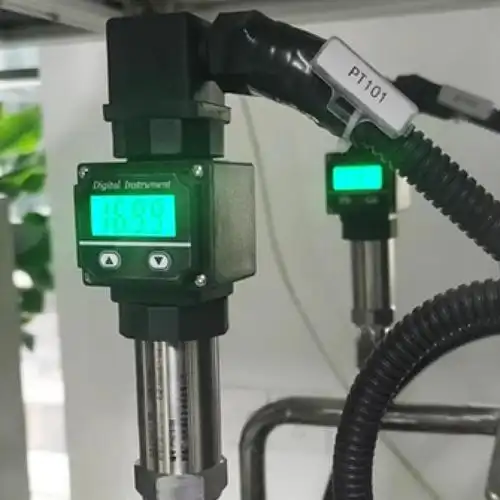
In summary, as core supporting equipment for industrial temperature measurement and control, the precise coordination of resistance temperature detectors and temperature transmitters is a vital foundation for ensuring the stable and efficient operation of production processes. Sino-Inst specialises in the field of industrial automation sensing and measurement.
We not only provide a full range of high-quality temperature transmitter products—covering high-precision, general-purpose and explosion-proof models—that can be precisely adapted to various industrial scenarios such as chemical, petroleum, power and metallurgy, but have also established a comprehensive industrial measurement product portfolio, simultaneously supplying core equipment such as flow meters, level gauges and pressure sensors.