In industrial process control and fluid metering, precise measurement of flow parameters is essential to ensure stable production processes, improve product quality and optimise energy usage. The accuracy and adaptability of these measurements directly impact the performance of industrial systems and their economic efficiency.
Coriolis and vortex flow meters are two of the most widely used types of flow measurement instrument. They operate according to different fluid dynamics principles, meaning they have different measurement characteristics and suitable application scenarios.
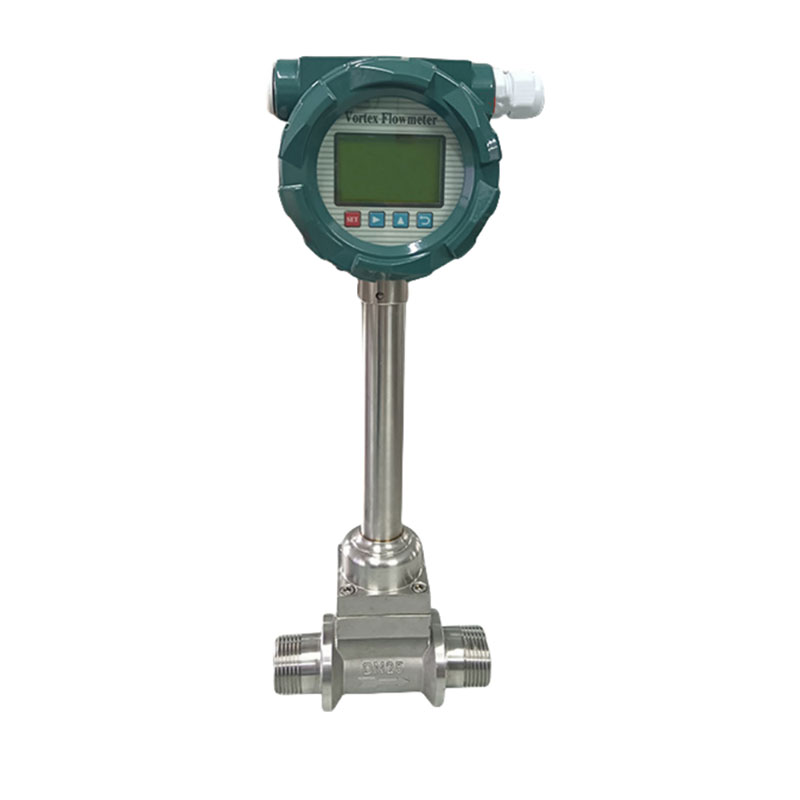
Vortex Flow Meter
Working Principle
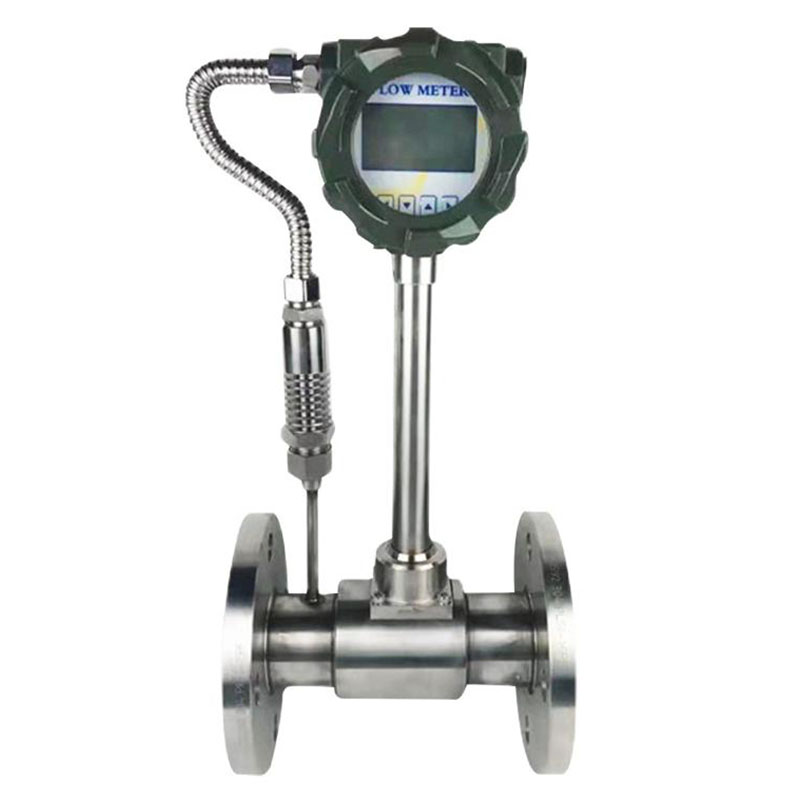
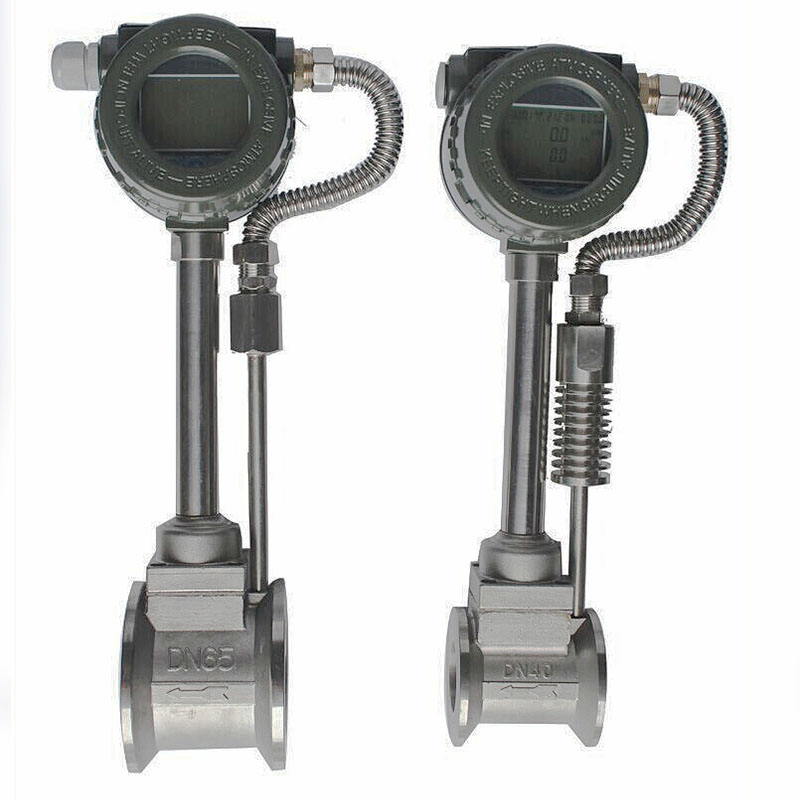
The vortex flow meter works on the idea of the Karman vortex street, which is a thing that the Hungarian-American scientist von Karman discovered and studied a lot in 1911. When a fluid (like gas or liquid) flows past a non-streamlined object, pairs of counter-rotating vortices form on both sides of the object’s wake. These vortices are arranged at a specific frequency, and together they create what’s known as a Karman vortex street.
According to Strouhal’s research, the frequency of vortex generation is directly proportional to the fluid velocity and inversely proportional to the diameter of the cylinder (vortex generator), expressed by the equation Sr = fd/V. Here, Sr denotes the Strouhal constant, f represents the vortex frequency, d is the cylinder diameter, and V is the flow velocity. Vortex flow meters calculate fluid velocity or flow rate by measuring the shedding frequency of these vortices.
Advantages
1. Wide measurement range: Vortex flow meters are great for measuring all sorts of fluids, including liquids and gases, and they’re especially good for things where the flow rate is medium to low.
2. High accuracy:Vortex flow meters are more accurate than the other types, with measurements typically within ±1 %.
3. No Moving Parts:The way it works doesn’t involve moving parts, which makes maintenance a breeze and reduces wear and tear.
4. High Reliability:They’ve got a simple, durable structure, so they’re really stable and reliable even when they’re used for a long time.
5. Strong Adaptability: It can function across a wide range of temperatures and pressures, making it suitable for a variety of harsh environments.
Disadvantages:
1. Sensitivity to fluid viscosity: These meters are sensitive to changes in fluid viscosity; high or fluctuating viscosities may cause measurement errors.
2. Pressure loss: They can cause some pressure loss when you’re measuring it, which might not be great for situations where you need to move fluids around really smoothly.
3. Inadequate for low flow rates:If there’s not much water flowing through it, there might not be enough vortex generation, which could mess up the reading.
4. Installation requirements:The locati0n of installation is crucial, and ensuring sufficient straight pipe lengths on both sides is essential to maintain fluid flow.
5. Susceptibility to interference:Please note that strong vibrations, bubbles or solid particles may affect the accuracy of the measurement results.
Coriolis Flow Meter
Working Principle
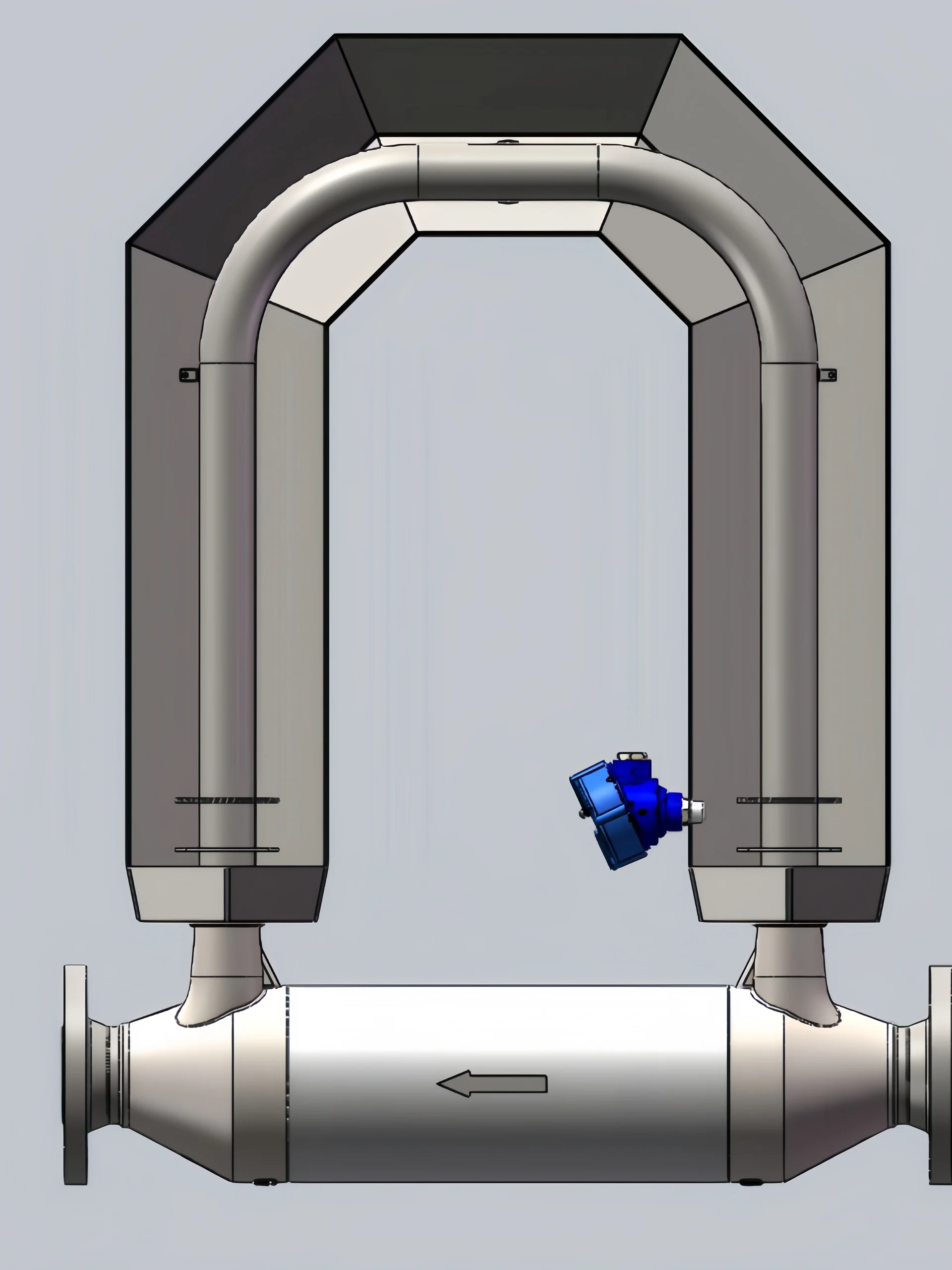
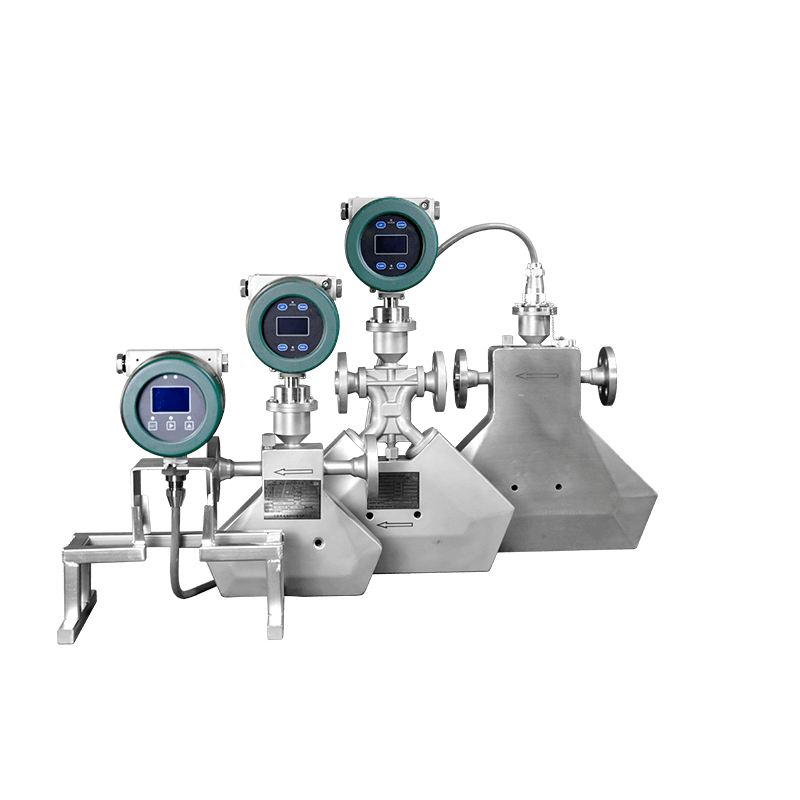
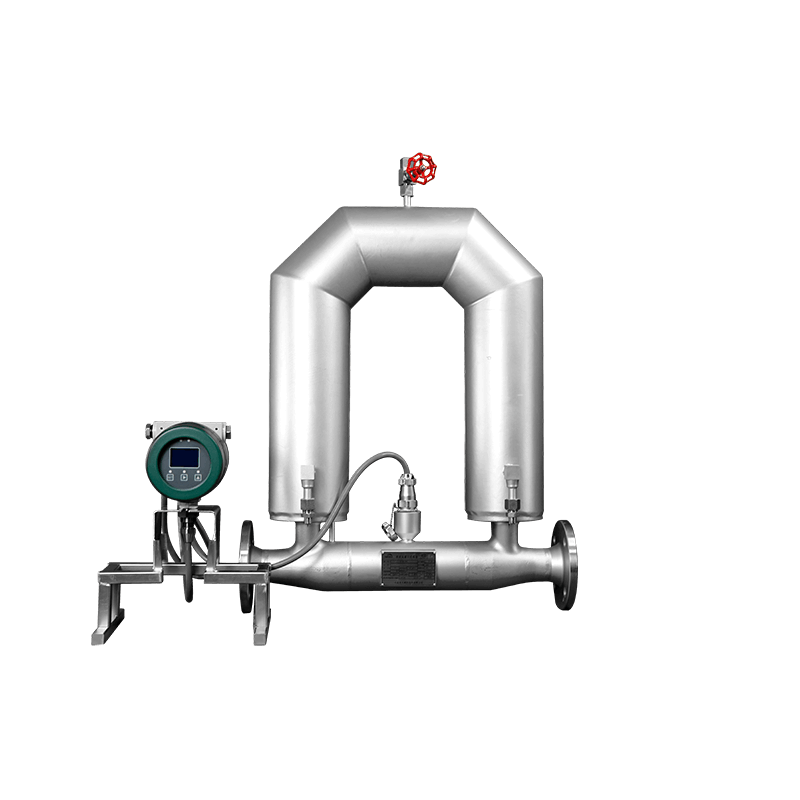
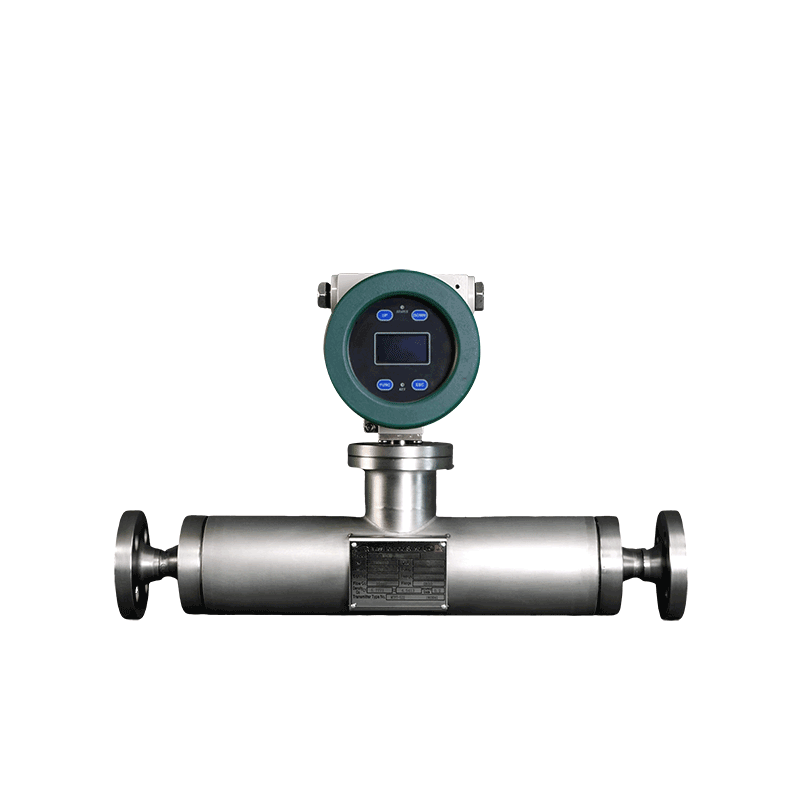
The Coriolis flow meter operates based on the Coriolis effect. Its measuring tube is maintained in high-frequency vibration by a drive mechanism. When no fluid is present, the inlet and outlet of the measuring tube vibrate in phase. When fluid flows through the vibrating measuring tube, inertia generates a Coriolis force proportional to the mass flow rate, causing minute torsional deformation of the measuring tube. This induces a phase difference between the inlet and outlet vibrations.
The magnitude of this phase difference directly correlates with the mass flow rate. At the same time, the vibration frequency of the measurement tube can be used to calculate the fluid density. This means you can measure multiple things at the same time, like mass flow rate, density, and temperature. It constitutes a high-precision instrument capable of directly and accurately measuring mass flow rate, unaffected by fluctuations in the medium’s temperature, pressure, or viscosity.
Advantages
1. Wide measurement range:Coriolis flow meters can measure all kinds of fluids, from liquids to gases, thick stuff like slurries and even gases. This makes them pretty versatile.
2. High accuracy: Compared to other types of flow meter, Coriolis flow meters are more accurate at measuring flow and can measure mass flow directly.
3. No Moving Parts: Coriolis flowmeters don’t have moving parts, so they’re easier to maintain and less likely to wear out or fail.
4. High reliability:Coriolis flowmeters are made to last, so you can trust them. They’re pretty resistant to external interference and they’re stable and reliable.
5. Multi-parameter measurement: It can measure lots of different things at the same time, like how much is flowing, how much is in a given space and how thick or thin something is, as well as the temperature. This means you don’t need any extra instruments.
6. Flexible installation: You don’t need straight pipe runs, so it’s really versatile and you can set it up however you need to on site.
7. Resistance to Parameter Fluctuations:It is very reliable, so it will not change even if the fluids are different temperatures, pressures or viscosities.
Disadvantages
1. Higher Cost:Coriolis flow meters cost a lot more than regular positive displacement, vortex, or electromagnetic ones, so you’ll have to spend more up front.
2. Sensitivity to Gas-Liquid Two-Phase Fluids: Measurement errors increase markedly when handling fluids containing substantial gas bubbles or gas-liquid mixtures, compromising accuracy.
3. Susceptibility to Vibration Interference:The measuring tube is prone to external vibration interference, which compromises measurement precision; operation in high-vibration environments must be avoided.
4. Medium Cleanliness Requirements: Some Coriolis flow meter designs require the liquid being measured to be very clean. If the liquid contains contaminants, the meter can become blocked or worn out.
5. Large Diameter Models Present Handling Challenges:Coriolis flow meters with large diameters are bulky and heavy, which makes installing and transporting them a bit of a pain.
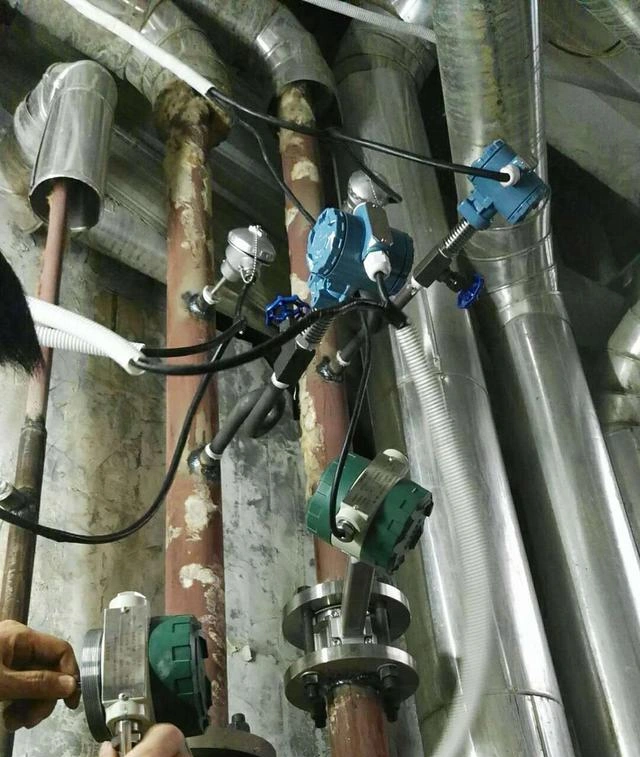
6 key differences
1. Measurement Accuracy and Long-Term Stability
Vortex Flow Meters:
Reference accuracy typically ranges between ±0.5% and ±1.0% of reading (RD). As volumetric flow meters, their accuracy is significantly influenced by fluid conditions, performing optimally at the best operating point (generally 30%–70% of the measurement range).
Long-term stability is favourable, with no mechanical moving parts prone to wear. However, zero-point drift may be affected by temperature variations, necessitating periodic calibration.
Coriolis Flow Meter:
The accuracy of the readings is very high, usually between ±0.1% and ±0.2% of the reading (RD), but some of the best models can achieve ±0.05%. It can measure the mass flow straight away and will not be affected by changes in fluid properties.
It’s really accurate, and it doesn’t drift much over time. It’s also really stable when it comes to process changes.
2. Turndown Ratio
Vortex Flow Meters:
Moderate, typically 10:1 to 20:1. Beyond this range, signal-to-noise ratio degrades at low frequencies, significantly reducing measurement accuracy.
Coriolis Flow Meter:
It’s really wide, normally ranging from 20:1 to 100:1 or higher. This means you can measure both low and high flows really accurately, and it’s super versatile.
3. Interference Resistance and Installation Requirements
Vortex Flow Meter:
Interference Resistance: It’s sensitive to pipeline vibrations. Make sure you install it away from things like pumps and valves that make vibrations, and use strong supports for the pipes to stop vibrations from messing up the signals. There are restrictions on the gas content in the fluid, because too many bubbles mess up the vortex.
Installation: Requires straight pipe sections upstream and downstream. Strict control of installation levelness and concentricity is essential.
Coriolis Flow Meter:
Interference Resistance: High. Its measurement principle relies on the natural vibration frequency of the measuring tube, rendering it insensitive to external mechanical vibrations. Suitable for installation in vibrating environments such as pump outlets. Does not require strict straight pipe runs, offering high installation flexibility.
Installation: Critical focus is on stress elimination. The measuring tube must operate in a stress-free state. Forced alignment during installation is strictly prohibited, as it may cause tube deformation and instrument damage.
4. Applicable Medium Types
Vortex Flow Meters:
Medium Range: Primarily suitable for single, clean, single-phase liquids, gases, or vapours. Measurement errors increase significantly for high-viscosity, impurity-laden, or multiphase media; use is not recommended.
Coriolis Flow Meter:
Medium Range: Extremely broad. Hailed as the ‘universal’ flow meter, it is suitable for virtually all fluids, including high-viscosity media, slurries containing minute particles, gas-liquid two-phase flows, and highly corrosive, toxic, or expensive specialised media.
5. Mass Flow Measurement Capability
Vortex Flow Meters:
Cannot directly measure mass flow. They only measure volumetric flow; to obtain mass flow, it must be calculated using the fluid’s density or through temperature and pressure compensation formulas. When fluid density changes, the error in the calculated mass flow increases accordingly.
Coriolis Flow Meters:
Capable of direct, real-time mass flow measurement. They output multiple parameters, including mass flow, volumetric flow, density and temperature, simultaneously and without the need for additional compensation. The measurement results are unaffected by variations in fluid temperature, pressure or viscosity.
6. Practical Applications
Coriolis Flow Meters:
Widely employed across petroleum and natural gas, chemical, pharmaceutical, and food and beverage industries. They are particularly suited for applications demanding high precision, multifunctionality, and where fluid properties may fluctuate. Specific applications include trade measurement, batch processing, and monitoring of high-value gases.
Vortex Flow Meters:
Commonly employed in natural gas metering, steam measurement, and HVAC systems. They suit applications prioritising cost-effectiveness and low maintenance. Renowned for handling large pipe diameters, vortex flow meters are ideal for gas flow monitoring in large-scale operations.
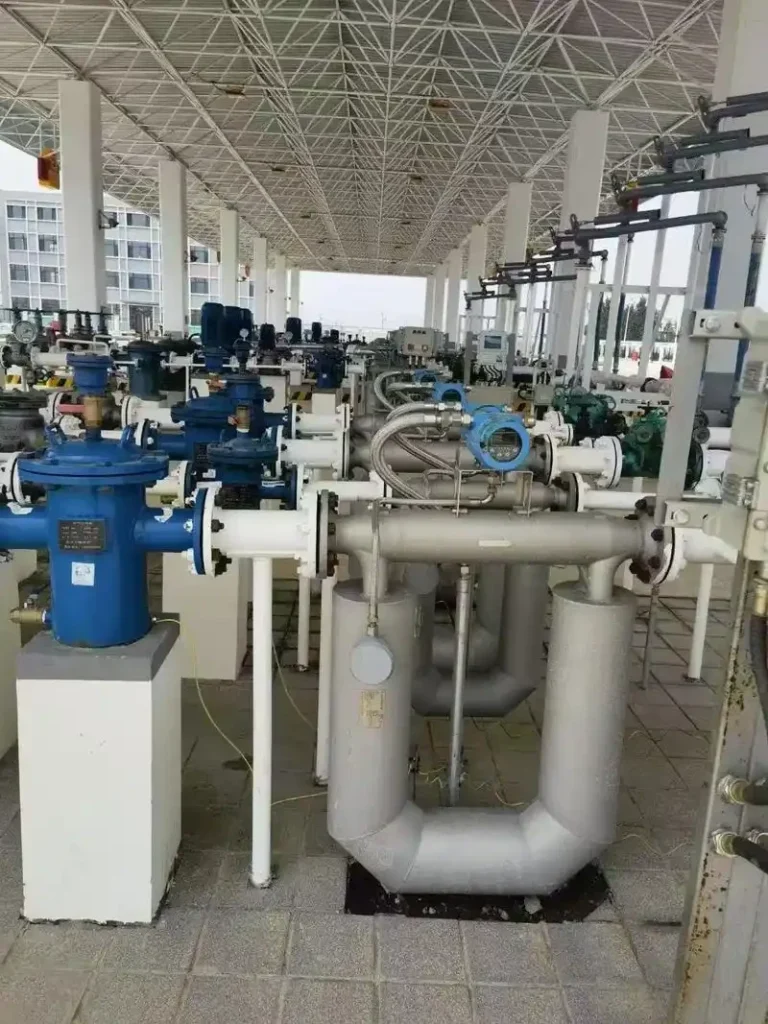
So, to sum up, Coriolis and vortex flow meters each have their own pros and cons when it comes to measuring gas flow. Coriolis flow meters are accurate and you can use them for lots of different things, but they do cost more. On the other hand, vortex flow meters are a cost-effective solution that’s just as precise, making them better suited for certain applications. At the end of the day, the choice of technology depends on the specific requirements, the budget, and how accurate you need to be for measuring gas flow.
Picking the right flow measurement instrument is a key step in getting precise industrial process control, boosting energy efficiency and making sure product quality stays consistent. Sion-Inst suggests that you choose your flow measurement equipment based on your particular production conditions, medium characteristics, measurement accuracy needs and budget.
This means the equipment can deliver maximum value, empowering your enterprise for efficient, stable and sustainable development. If you need more details on selecting a flow meter, case studies on how they’re used, or technical specs, our specialist technical team is here to help.