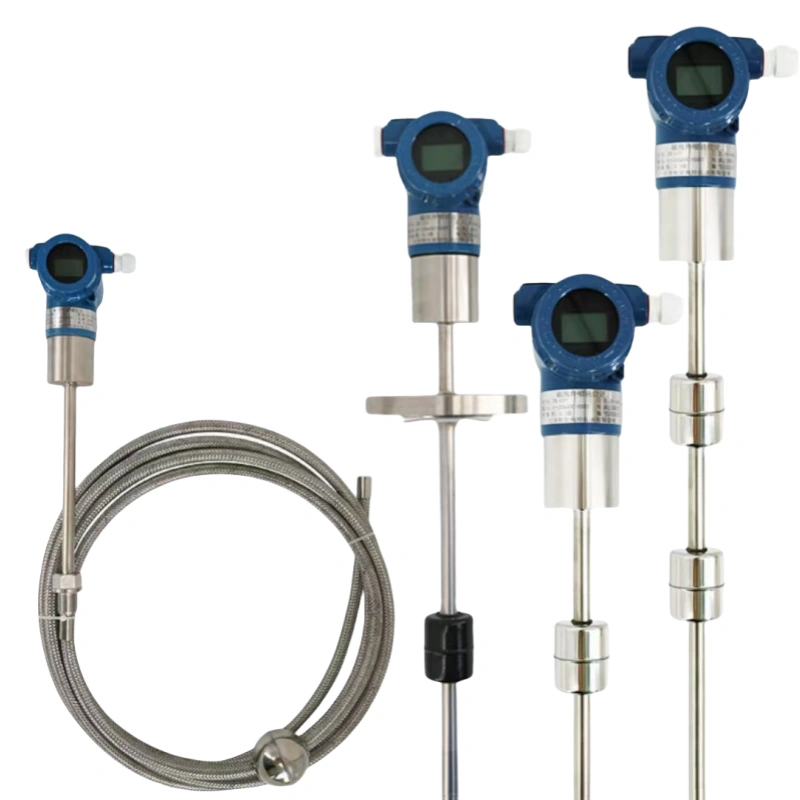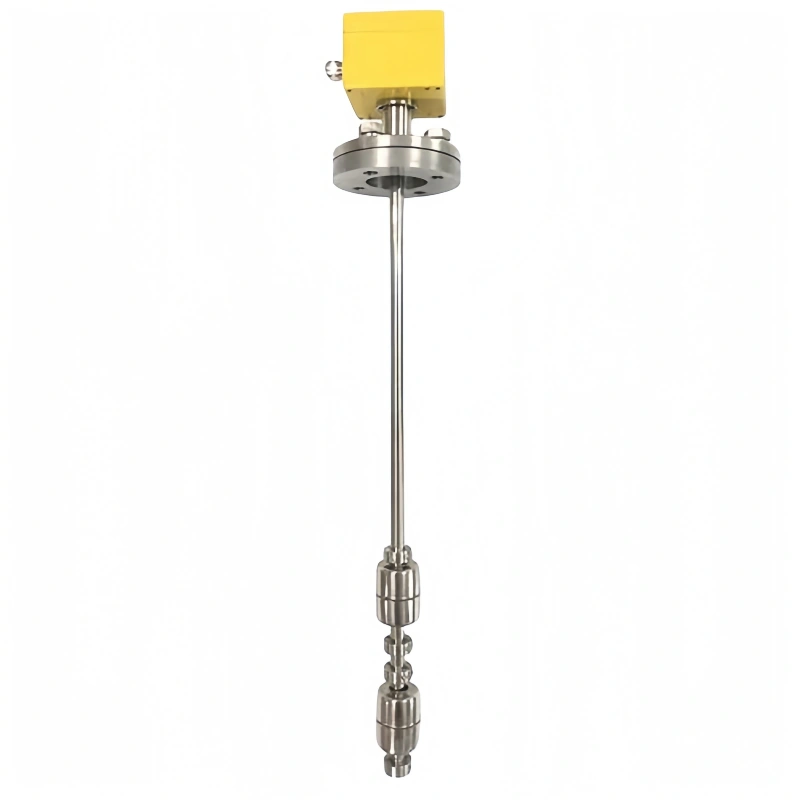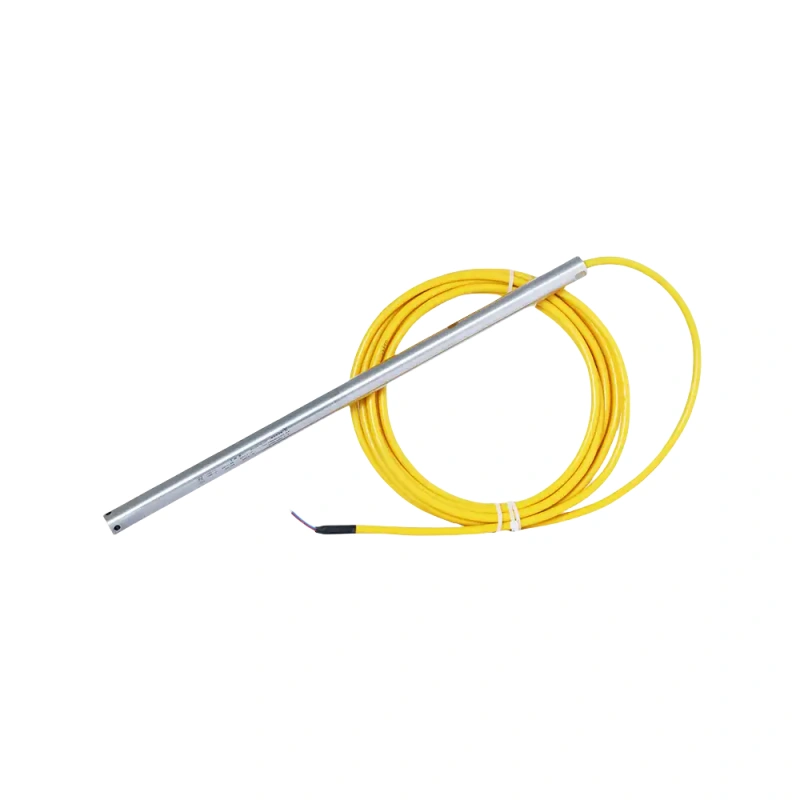
Steam is widely used in industrial sectors such as power generation, chemical processing, and heating, ventilation and air conditioning (HVAC). Due to the influence of high temperatures, condensation and fluctuating loads, the operating environment for steam pressure detection is complex, placing extremely high demands on the temperature resistance, measurement accuracy and operational reliability of sensing equipment.
Steam pressure sensors enable the real-time acquisition and standard signal transmission of steam pressure in industrial settings, providing accurate data for process control, equipment operation and maintenance, and safe production.
About Steam
What is steam?
Steam is the gaseous state of water that is heated to the boiling point, also known as “water vapor”. Depending on the pressure and temperature, steam can be divided into saturated steam and superheated steam.
Classification of steam
1. Saturated steam: It is composed of liquid water and gaseous water. It is heated quickly and evenly using latent heat. The pressure and temperature can be precisely controlled.
2. Superheated steam: It is obtained by further heating saturated steam. It has a higher temperature and is mainly used in power equipment.
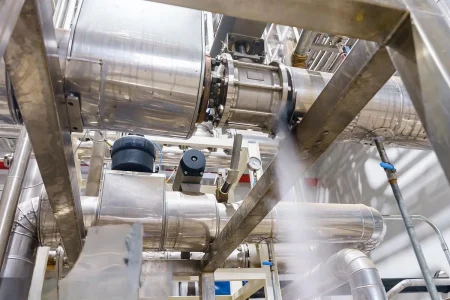
Steam temperature
The temperature of steam depends mainly on its pressure.
1. Maximum temperature under standard atmospheric pressure: Under standard atmospheric pressure, the maximum temperature of steam is 100 degrees Celsius, which is the boiling point of water. Because water boils and turns into steam when heated to 100 degrees Celsius under standard atmospheric pressure.
2. Steam temperature under different pressures: Steam temperature changes with pressure. When the air pressure is between 0.1 and 5MPa, the temperature of steam is roughly between 100-250℃. The higher the air pressure, the higher the boiling point, and the temperature of steam also increases; on the contrary, when the air pressure is lower than 1 atmosphere, the temperature of steam will be lower than 100℃.
3. Steam temperature in industrial applications: Steam is widely used in various industrial equipment and processes. For example, it is often used for heating and humidification in equipment such as heat exchangers and steam boxes.
4. The lowest temperature of steam is the freezing point of water, which is 0 degrees Celsius. When water’s temperature drops to 0 degrees Celsius, it changes from liquid to solid, and this temperature is called the freezing point of water.
Does the steam temperature always remain the same?
No, the temperature of steam does not always remain constant. It depends on the pressure it is at – at constant pressure, the temperature of the steam will remain consistent. As pressure increases, the boiling point of water increases, so the temperature of saturated steam increases.
When water boils at a given pressure, it produces saturated steam, which will maintain a constant temperature at that pressure. If additional heat is added to saturated steam above its boiling point at a given pressure, superheated steam is produced, and its temperature can be increased further.
Under standard atmospheric conditions, water turns into a gas and produces steam at a temperature of 100 degrees Celsius / 212 degrees Fahrenheit, but this boiling point temperature depends on the pressure.
What is a steam pressure sensor?
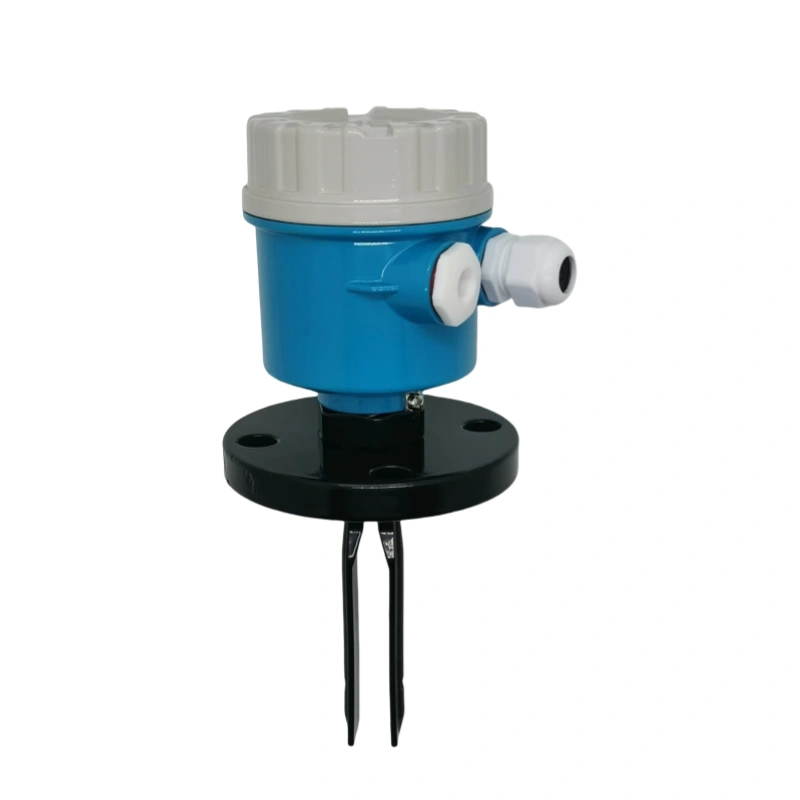
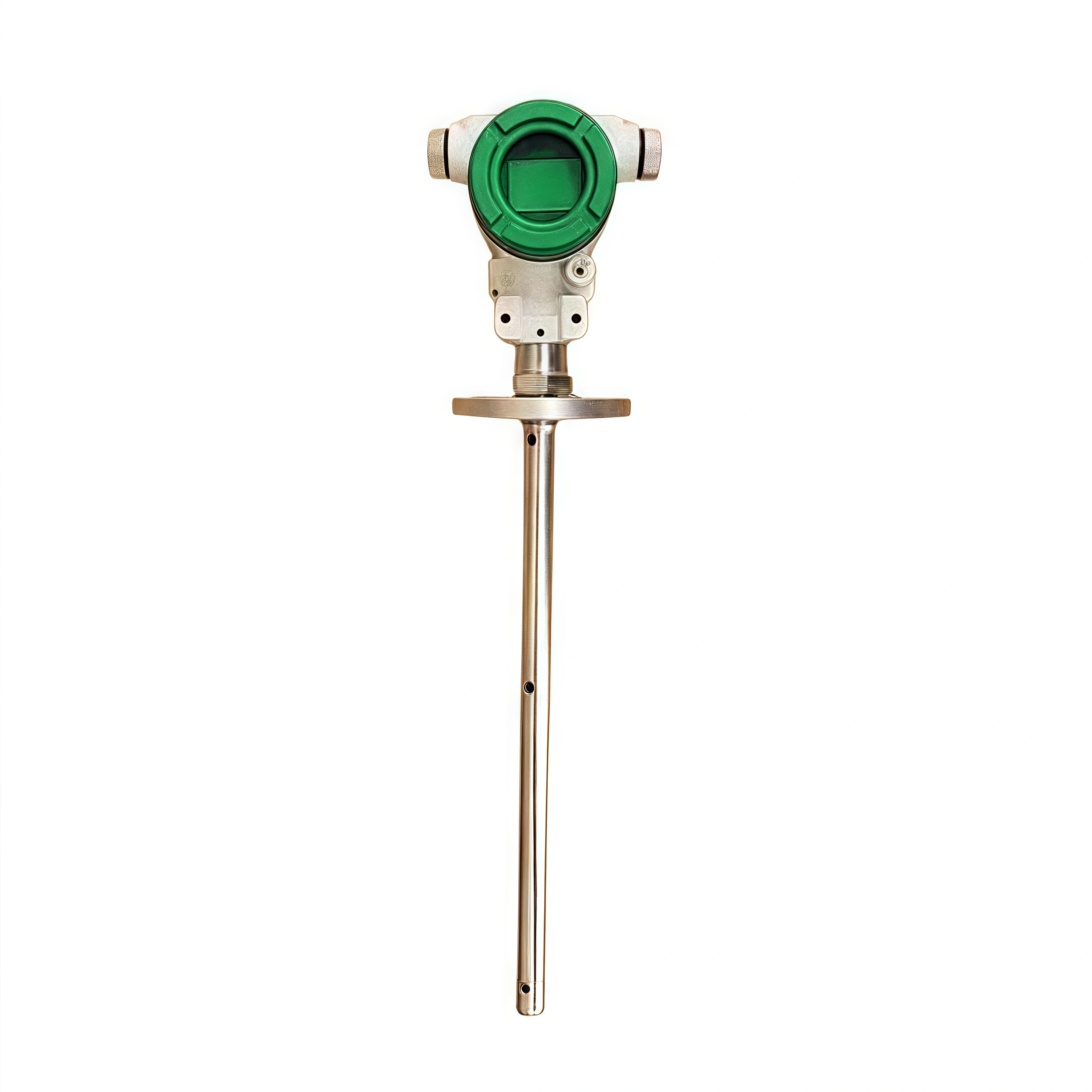
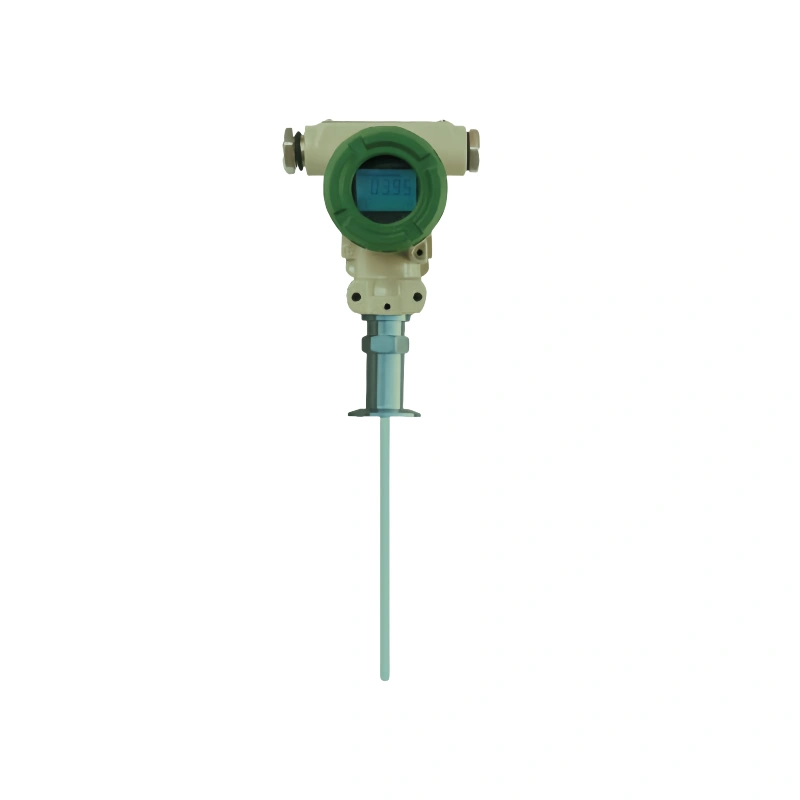
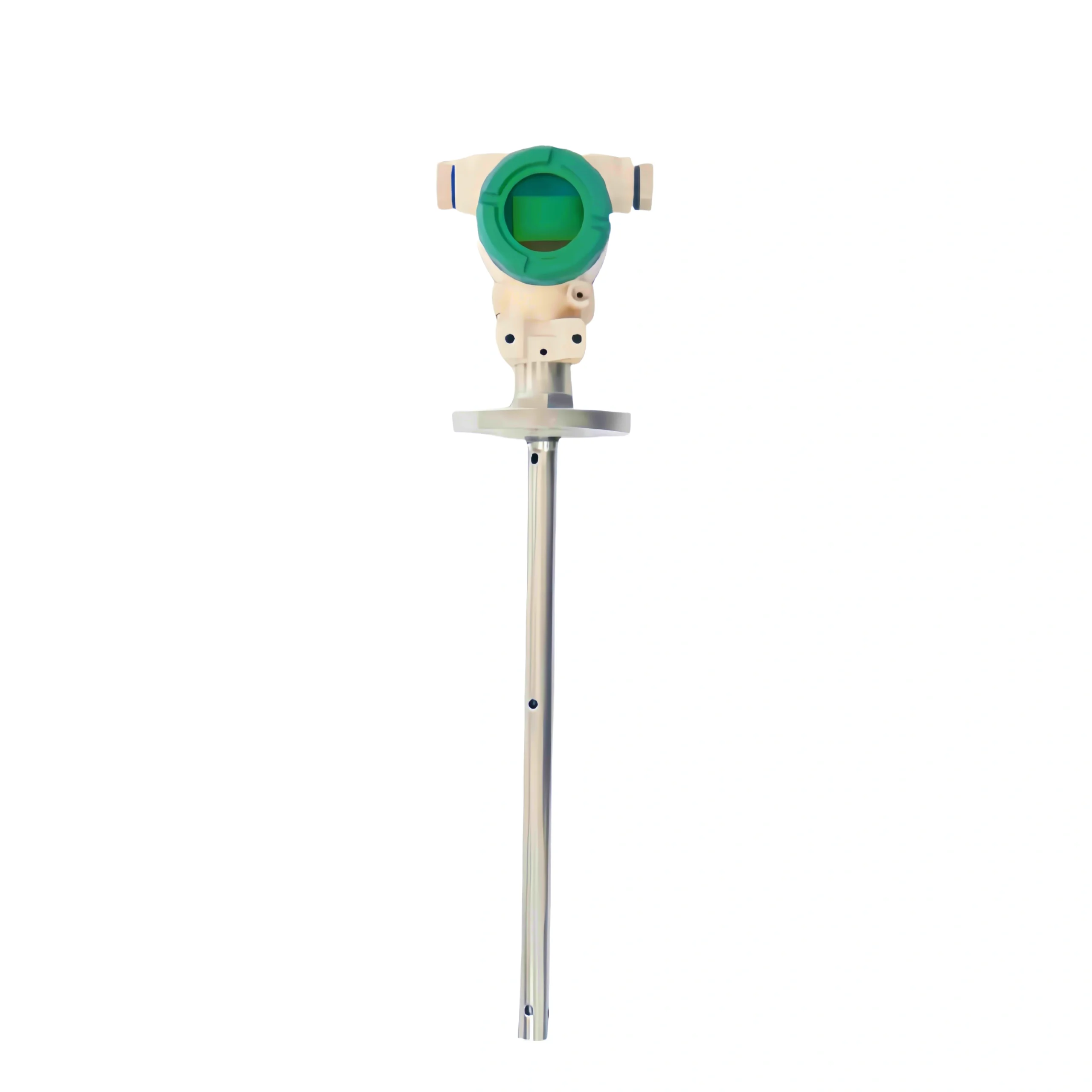
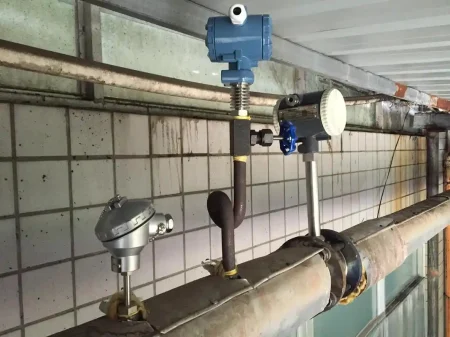
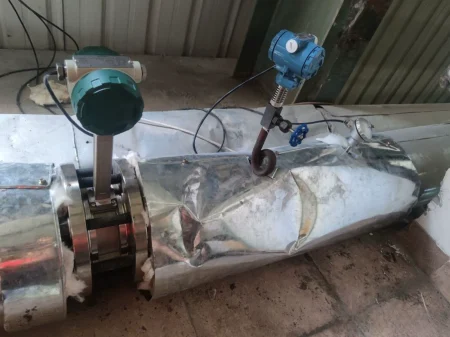
A steam pressure sensor is a device used to measure steam pressure in industrial applications. It is commonly used in steam boilers and heating systems and is able to withstand the high temperatures and moisture content of steam.
Essentially, it is a specialized pressure sensor designed specifically to monitor steam pressure. From industrial boilers to steam heating systems. It can withstand the high temperatures and moisture content of steam to ensure accurate readings.
A steam pressure sensor detects the force exerted by steam on a sensing element, converting it into a measurable electrical signal representing the pressure level. It can be used to monitor steam pressure in industrial processes such as power generation, food processing, sterilization, and heating systems.
Working Principle of Steam Pressure Sensor
Steam pressure sensors utilise the diffused silicon piezoresistive measurement principle at their core, which is also the most commonly used structural design for industrial steam applications.
The sensor incorporates a high-precision diffused silicon sensing element, with a resistive strain Wheatstone bridge formed by diffusion on the surface of the element. When high-temperature steam pressure within the pipeline is transmitted to the surface of the silicon chip via an isolation diaphragm filled with silicone oil, the silicon diaphragm undergoes minute elastic deformation under pressure, causing a corresponding change in the resistance value of the strain resistors.
The Wheatstone bridge linearly converts these resistance changes into a faint voltage signal, which is then amplified, temperature-compensated and linearly corrected by the internal signal conditioning circuit. Finally, a standard industrial electrical signal, such as 4–20 mA or 0–10 V, is output, enabling real-time, continuous and accurate online detection and remote transmission of steam pressure.
Types of Pressure Sensors
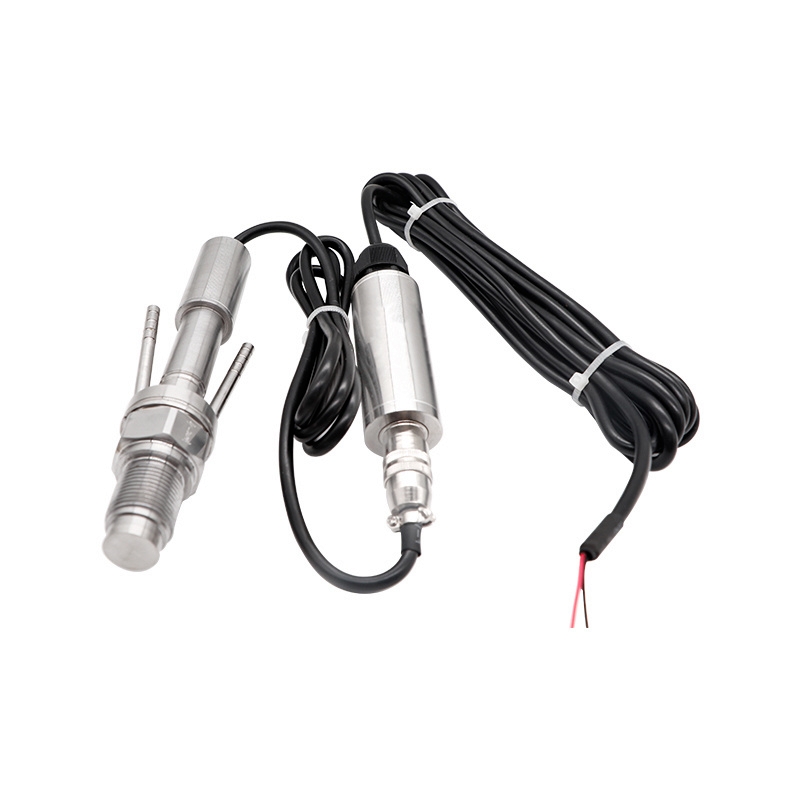
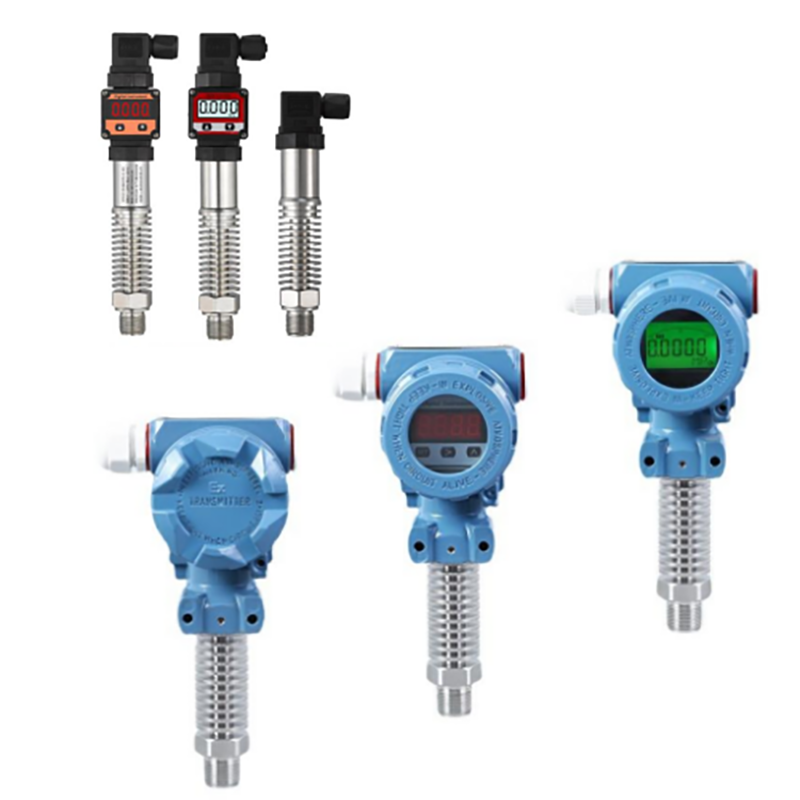
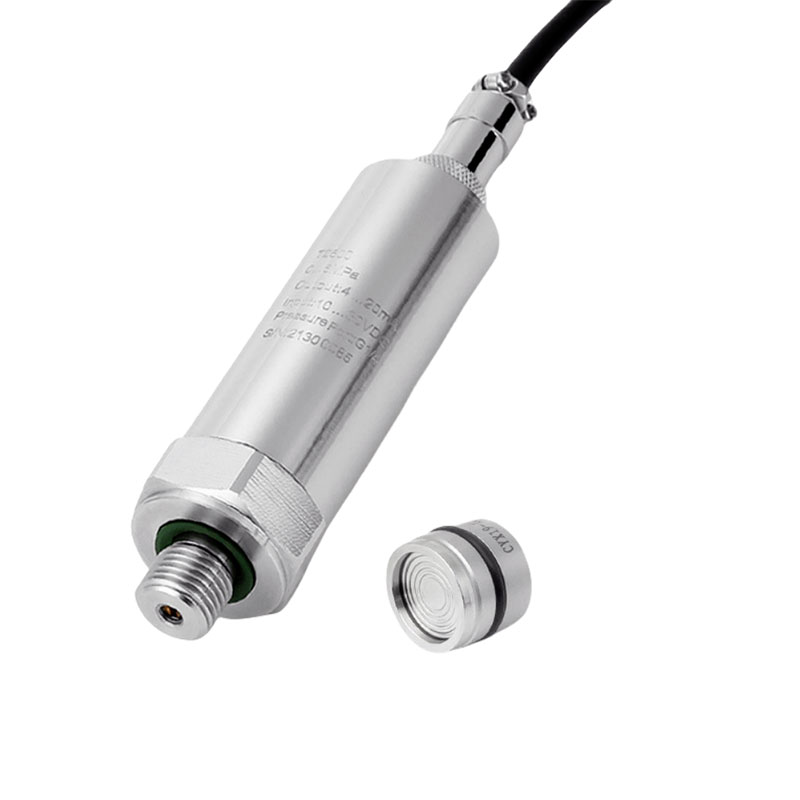
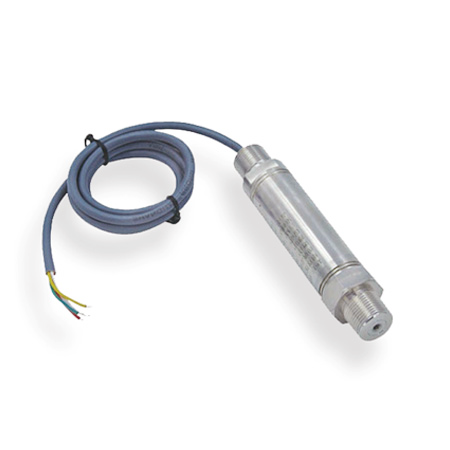
There are several types of pressure sensors, but three are common:
Piezoresistive: These sensors use a sensing element (usually a diaphragm) whose resistance changes when pressure is applied. The change in resistance is then converted into an electrical signal.
Capacitive: Changes in pressure cause changes in the capacitance of the device (its ability to store energy). These changes can be measured and correlated to pressure.
Piezoelectric: In these sensors, a crystal generates a voltage when pressure is applied. This voltage is then used to infer the actual pressure applied.
What is the maximum operating temperature of the steam pressure sensor?
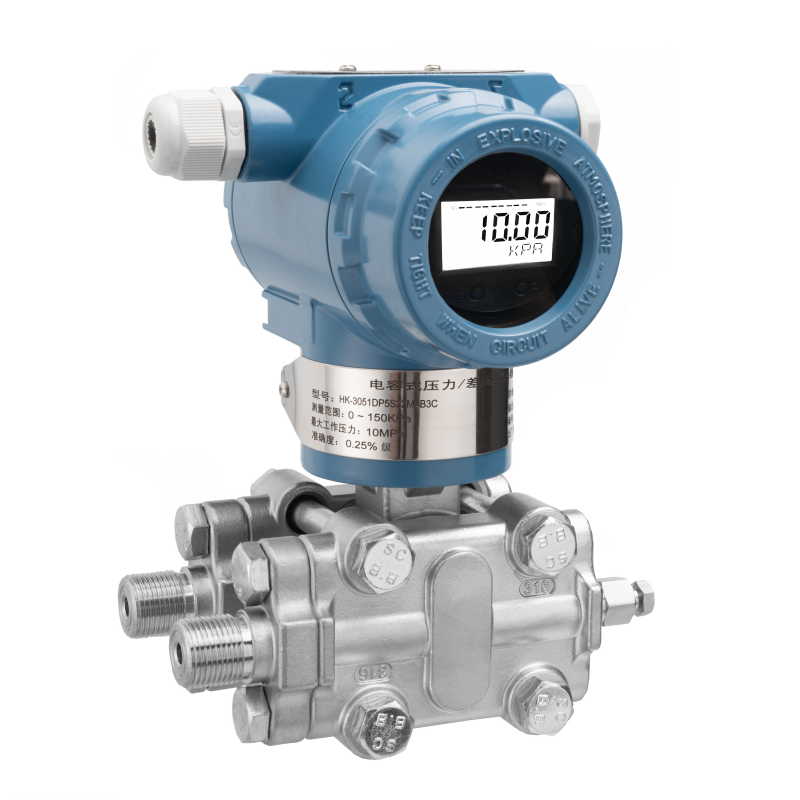
For example, the typical operating temperature range of standard pressure transmitters is -20° to +80°. What we would like to recommend is a steam pressure transmitter suitable for high temperatures. Customized temperatures up to 850°C are accepted. For example, the following parameters:
1. Pressure transmitter
- For superheated steam applications,
- 0~100bar,
- 500°C
- 24VDC,
- 4-20mA output,
- Process connection – 1/2″ MNPT thread
- With explosion-proof housing and local display
- With stainless steel two-valve group
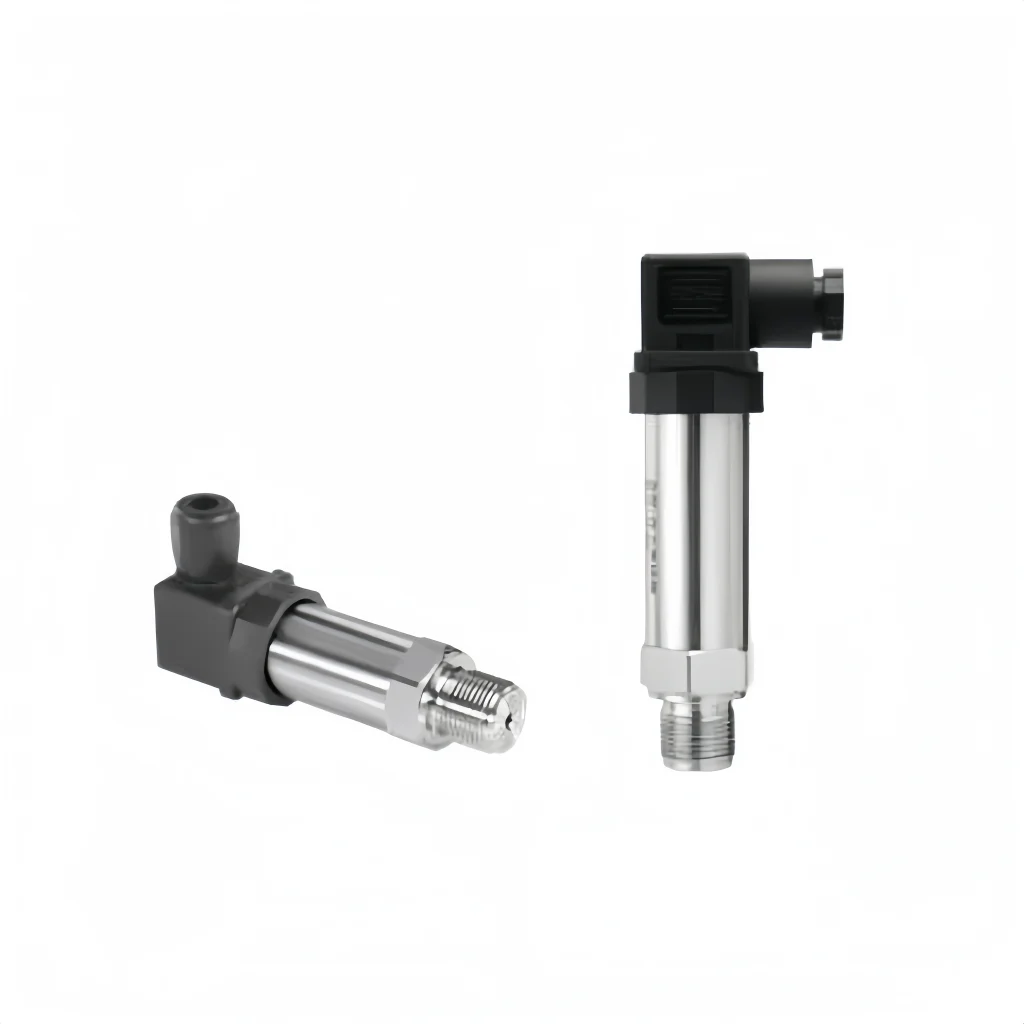
2. High-temperature pressure transmitter
- Model: SI-2088
- Measure steam
- Pressure range: 0.1-1bar
- Temperature: 800°C
- Mounting thread 3/4 inch
- 4-20mA signal output
- With display
How to protect the pressure sensor from high temperature steam?
What is a heat sink (cooling element)
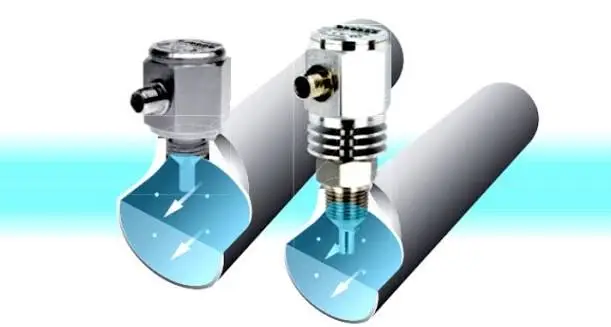
A heat sink (cooling element) is a thin, extended surface added to a component to increase its surface area, thereby more effectively transferring heat to the surrounding environment (usually through convection), thereby aiding cooling.
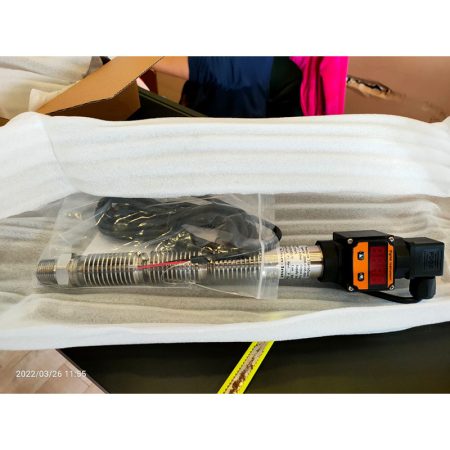
Essentially, they are small metal plates or protrusions that protrude from the surface to maximize heat dissipation by increasing the area exposed to air or coolant flow. When hot steam comes into contact with the sensor, these heat sinks dissipate the heat, cooling the device and preventing damage.
What is thermal isolation technology
Isolation technology protects pressure sensors from high temperature steam by using a barrier. This barrier separates the hot steam from the sensor itself, allowing pressure to be transmitted to the sensor through a cooler fluid or longer heat-dissipating capillary while keeping it at a significantly lower temperature, effectively isolating it from the direct heat of the steam.
Typically a barrier fluid or diaphragm is used. Hot steam heats this barrier, which then transmits the pressure to the sensor – safely and without direct contact.
Steam Pressure Sensor Selection
This checklist can help you choose the right steam pressure sensor.
1. Pressure range. What are the minimum and maximum pressures that the sensor needs to measure?
2. Voltage output type. Do you need 4-20mA, 0-5V, 0-10V, or another type of output?
3. Accuracy. What accuracy error can you accept? Is a 1% margin of error acceptable, or do you need a tighter standard?
4. Electrical connection. Do you need a simple plug, a specific connector, or a wire connection?
5. Media type. Steam
6. Maximum media temperature. Steam can get very hot. What is the highest temperature your sensor needs to withstand?
7. Maximum ambient temperature. It’s not just the steam, the surrounding environment that affects the sensor. What is the maximum ambient temperature where the equipment is located?
8. Process connection. How will the sensor connect to the steam system? Threaded connection, flange, or other method?
Pressure sensors are widely used in a variety of industrial, commercial, and laboratory applications and are essential tools for measuring and monitoring pressure. Sino-Inst offers a wide range of pressure sensors, from compact, cost-effective sensors to heavy-duty, high-precision sensors.
Sino-Inst’s pressure sensors are designed to meet the highest standards of quality and accuracy and are backed by excellent customer support. If you need to purchase steam pressure sensors, please feel free to contact our sales engineers!