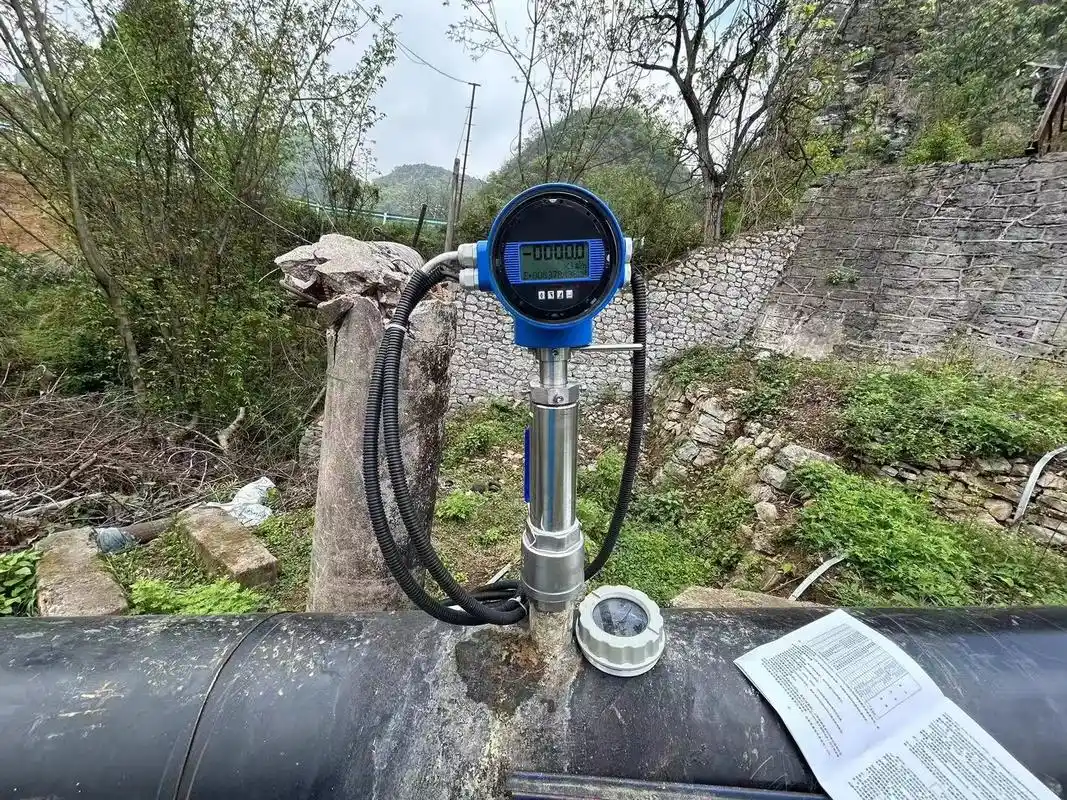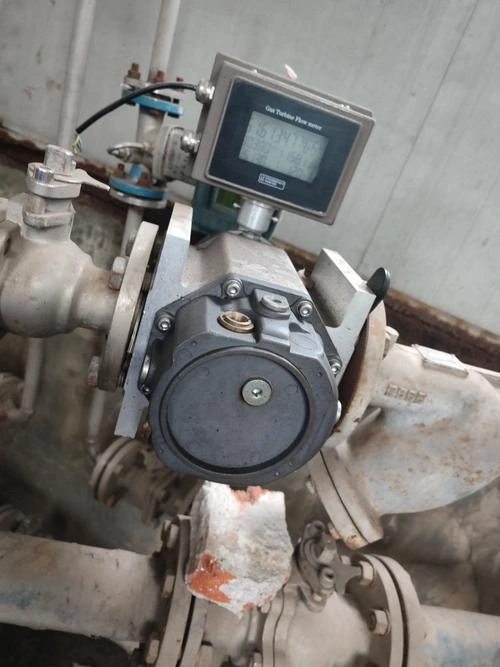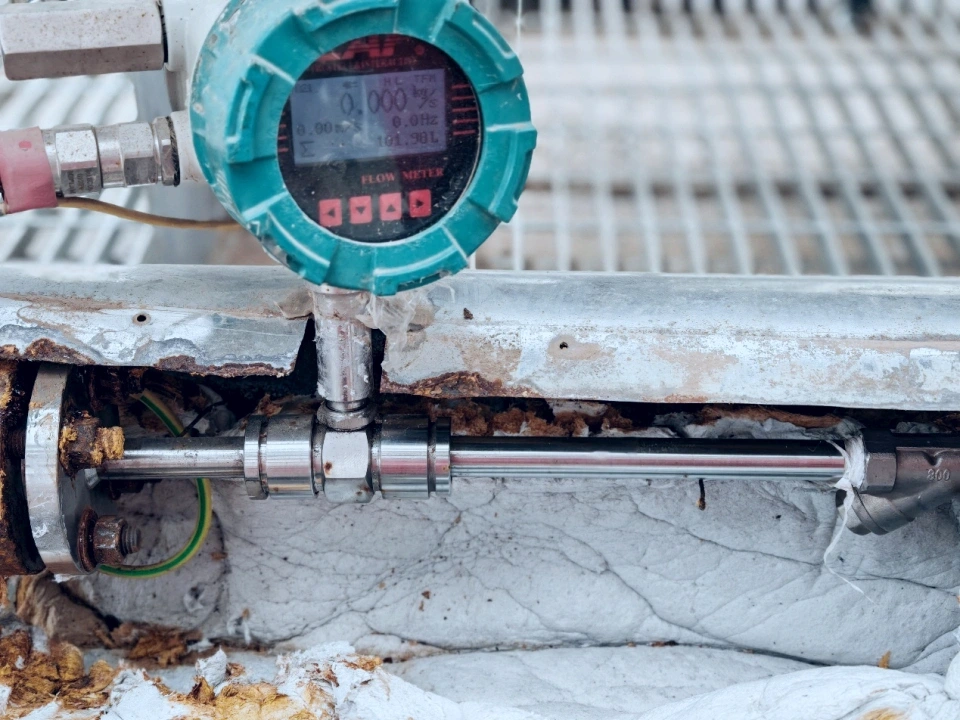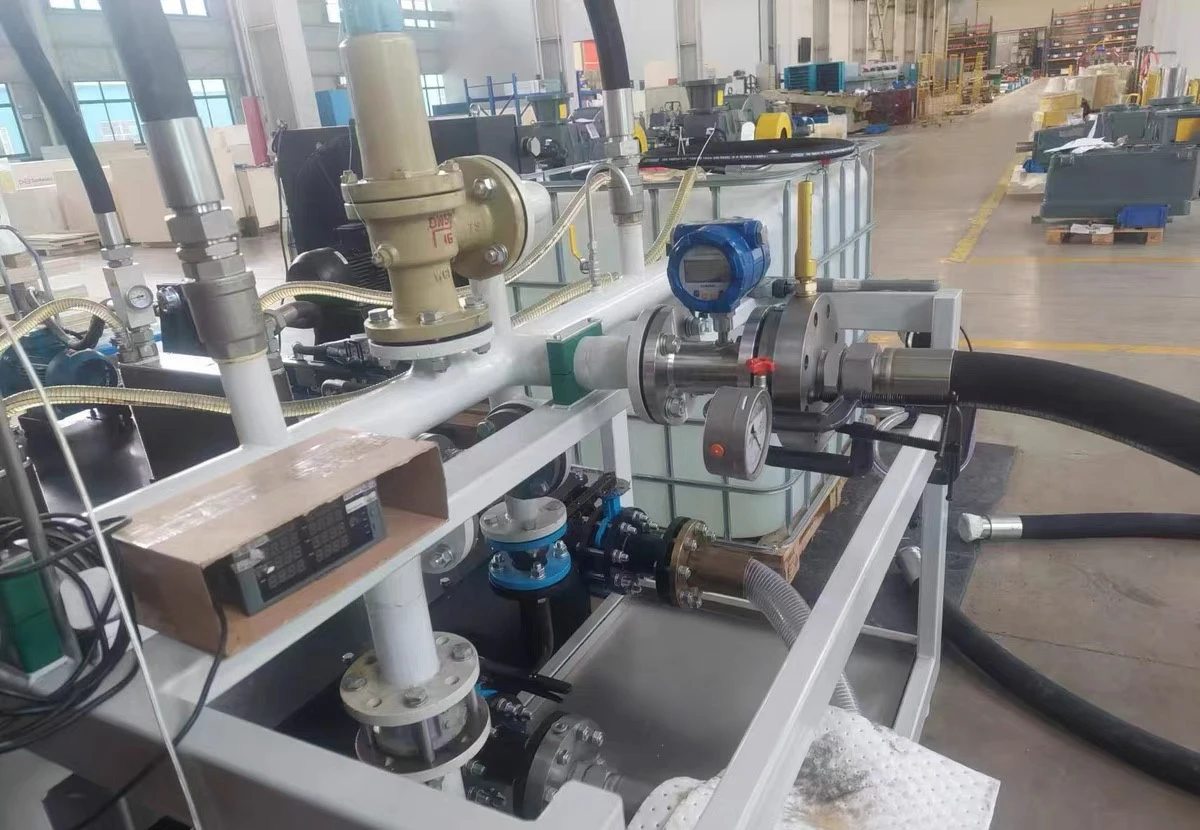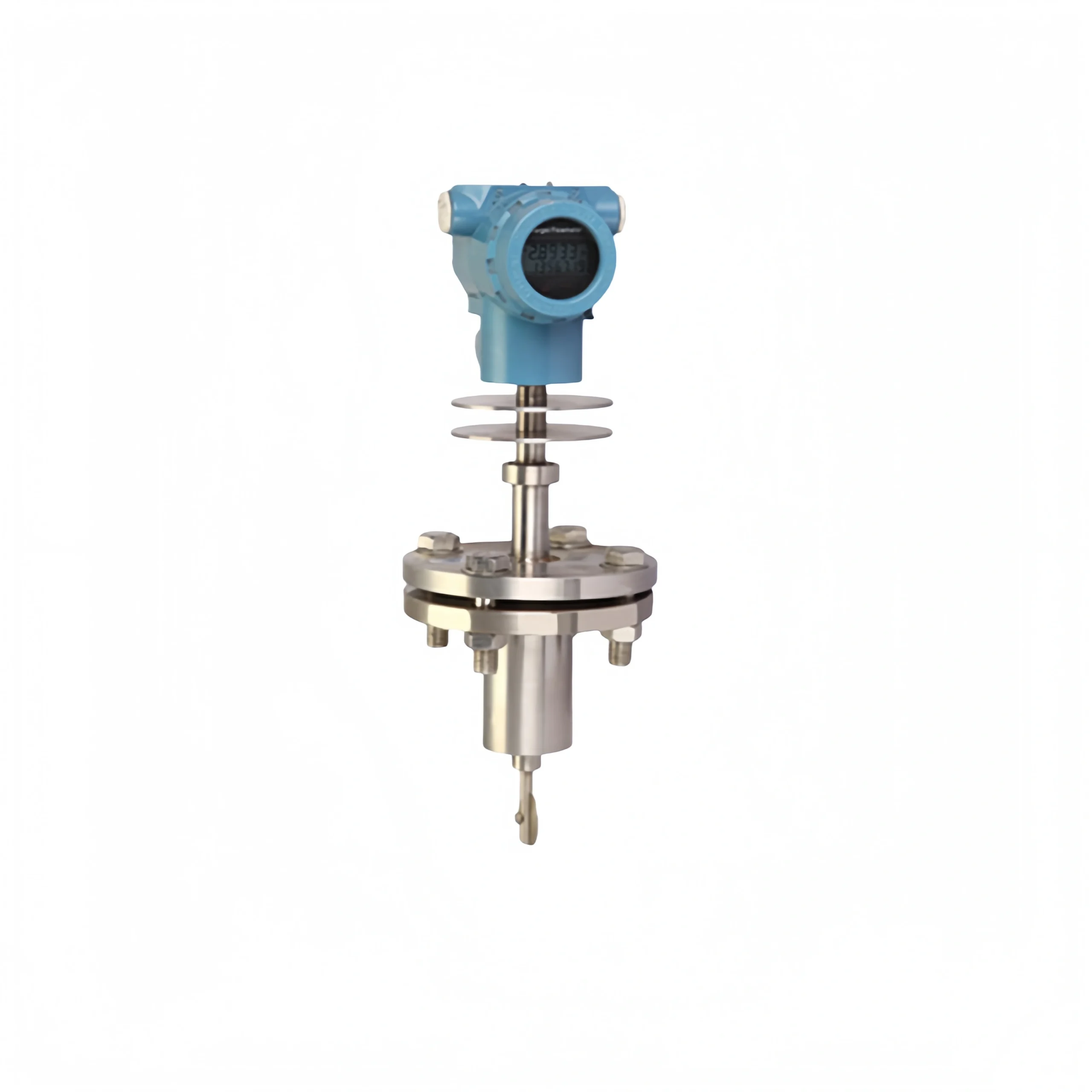
Steam metering is a core component of energy consumption management and thermal settlement in industrial facilities. Differential pressure steam flow meters indirectly measure steam mass flow using the differential pressure signal generated by a throttling element. Due to their simple structure, high reliability, and wide turndown ratio, they continue to play a dominant role in energy metering and the process industry.
What Is Steam?
Steam is water that’s been heated past its boiling point and turned into gas. It comes in two forms: saturated steam and superheated steam. At normal atmospheric pressure, water hits 100 degrees Celsius and keeps boiling off into steam.
What you actually see as white mist isn’t the steam itself—it’s what happens when that hot vapor runs into cooler air and condenses into fine droplets. The actual water vapor is completely colorless and invisible.
Steam packs a lot of heat and moves it around very efficiently. That’s why you’ll find it all over the place—in industrial heating setups, power plants running steam turbines, commercial food steamers, and building heating systems.
High-pressure steam can also do mechanical work, so it sees heavy use across manufacturing sectors like chemicals, power generation, and textiles.
What Is a Differential Pressure Flow Meter
A differential pressure flowmeter works on the idea that when you choke a fluid’s path, its behavior becomes predictable. Inside the pipe, a throttling device suddenly pinches down the flow area. The fluid speeds up through that restriction, and its static pressure drops at the same time.
This sets up a steady pressure gap between the upstream and downstream sides of the element. That pressure difference and the actual flow rate are locked together by a fixed mathematical relationship. A differential pressure transmitter hooked up to both sides picks up that pressure signal and works out the instantaneous and cumulative flow from there.
Common throttling devices include orifice plates, nozzles, and Venturi tubes, among others. They handle just about any medium you throw at them—liquids, gases, and steam—and hold up fine under tough industrial conditions like high temperatures and high pressures.
The overall design is straightforward and built to last, and the price tag is reasonable. These have been around the longest and remain the most widely used flow measurement tools in industry, usually teamed up with secondary display instruments to make reading data and sending it remotely a lot easier.
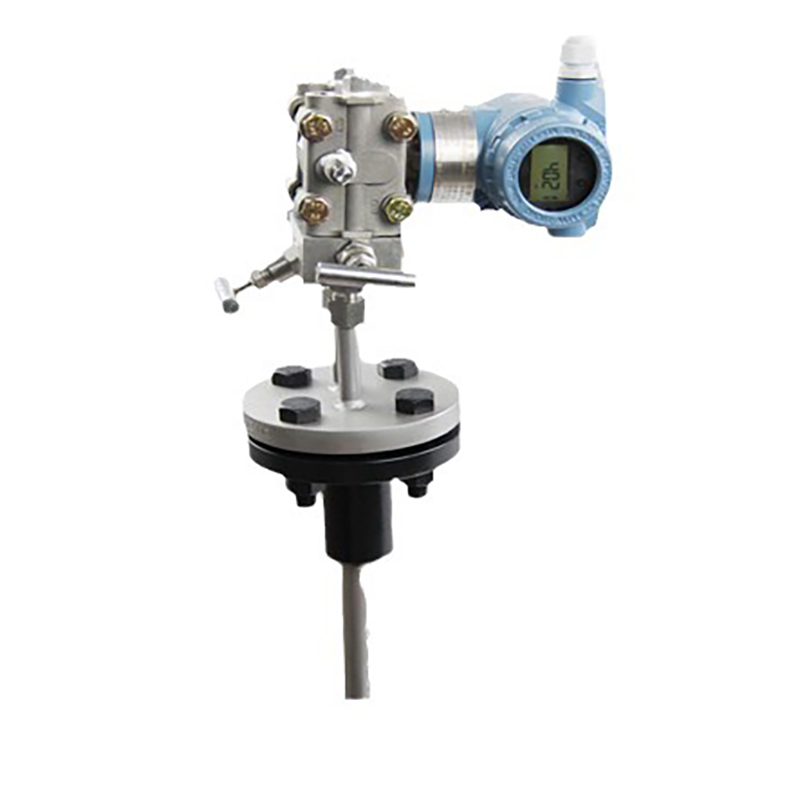
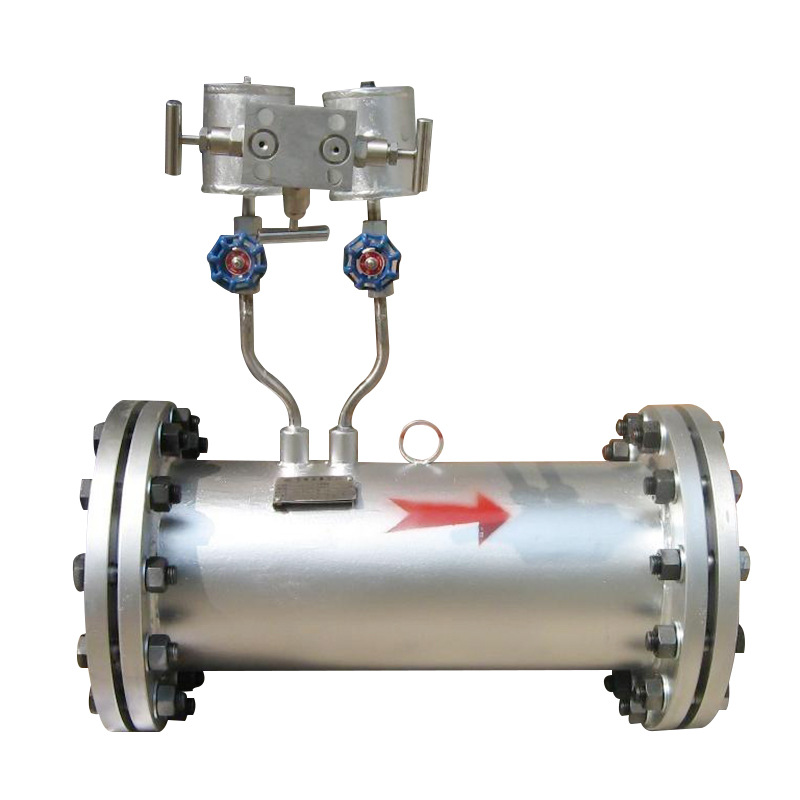
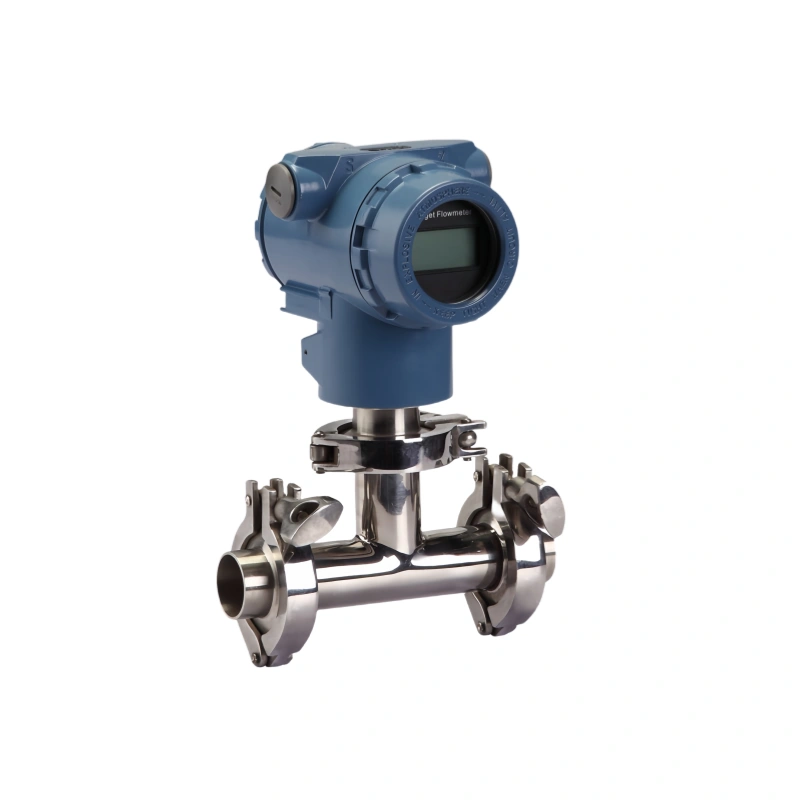
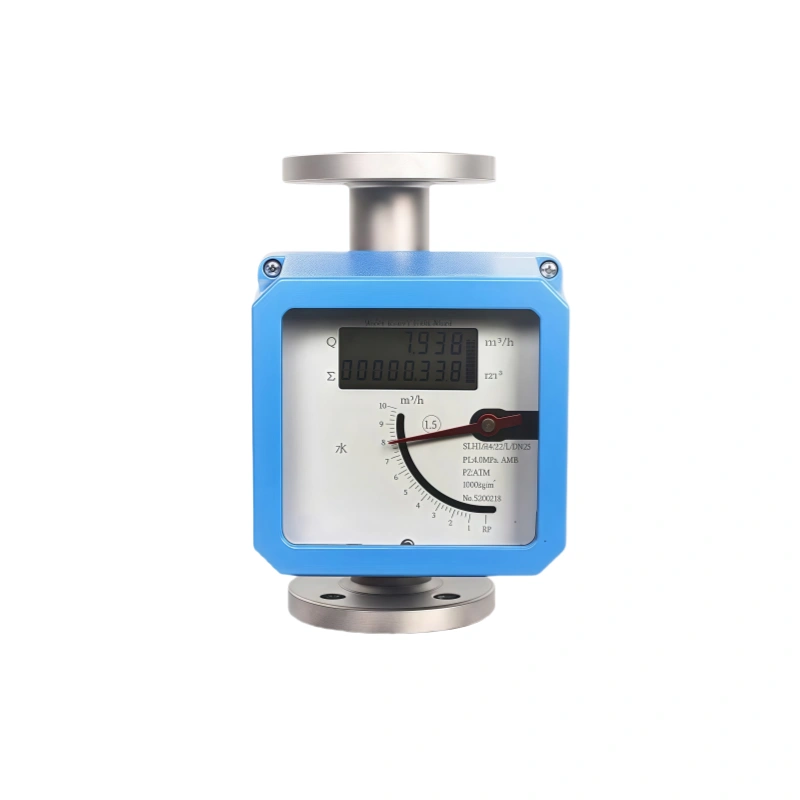
Differential Pressure Flowmeters for Steam Measurement
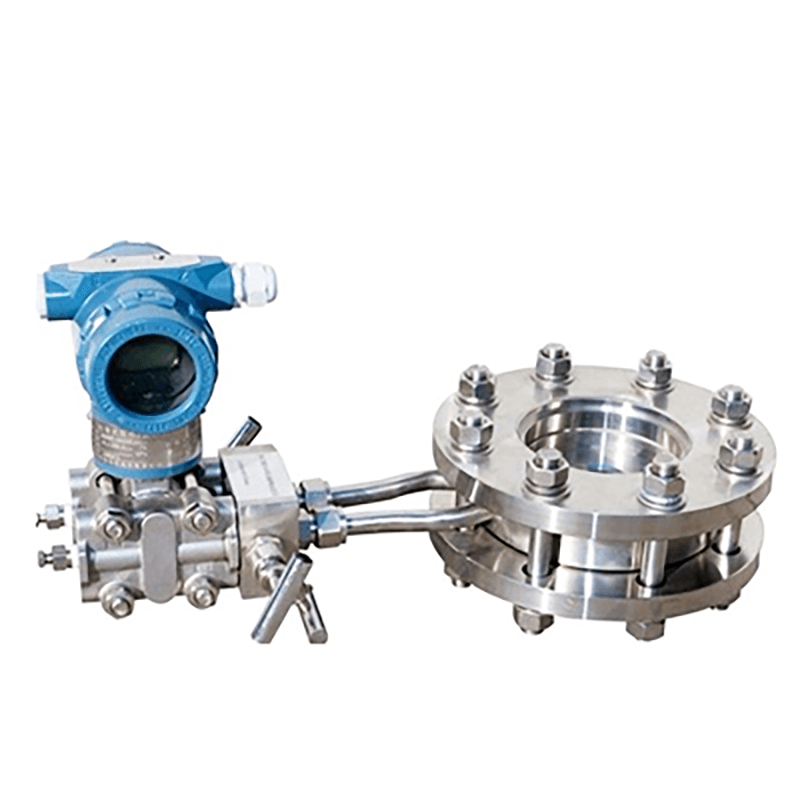
Orifice Plate Differential Pressure Flowmeter for Steam Measurement
Measurement Principle:
When steam flows through the orifice plate inside the pipe, the flow cross-section suddenly constricts, causing the flow velocity to increase and the static pressure to decrease.
A stable differential pressure is formed across the orifice plate, and this differential pressure value is proportional to the square of the steam flow rate. A paired differential pressure transmitter acquires the pressure difference and, combined with temperature and pressure compensation, calculates the steam mass flow rate.
Components: Throttling orifice plate, pressure tapping chamber, pressure-taking lines, differential pressure transmitter, temperature and pressure compensation assembly, flow totalizer.
Applicable Conditions: Suitable for both saturated and superheated steam; compatible with medium- and low-pressure steam pipelines; low procurement and installation costs; convenient for on-site disassembly, assembly, and maintenance.
Key Advantages: The design is straightforward, components are highly standardized and interchangeable, it fits small-diameter pipes well, and the upfront cost runs lower than Venturi meters.
Major Drawbacks: You lose a lot of pressure across the throttling element, which drives up boiler energy use over the long haul; the orifice plate’s sharp edges take a beating from steam erosion and impurities, so accuracy drifts noticeably as time goes on; and you need plenty of straight pipe both upstream and downstream to smooth out flow disturbances.
Key Considerations for Steam Applications: Pressure lines have to be fitted with a condensate trap so high-temperature steam doesn’t hit the transmitter diaphragm directly and wreck it; in hot conditions, you’ll also need insulation and trace heating to keep condensate from freezing in the lines or causing fluctuations when water starts vaporizing.
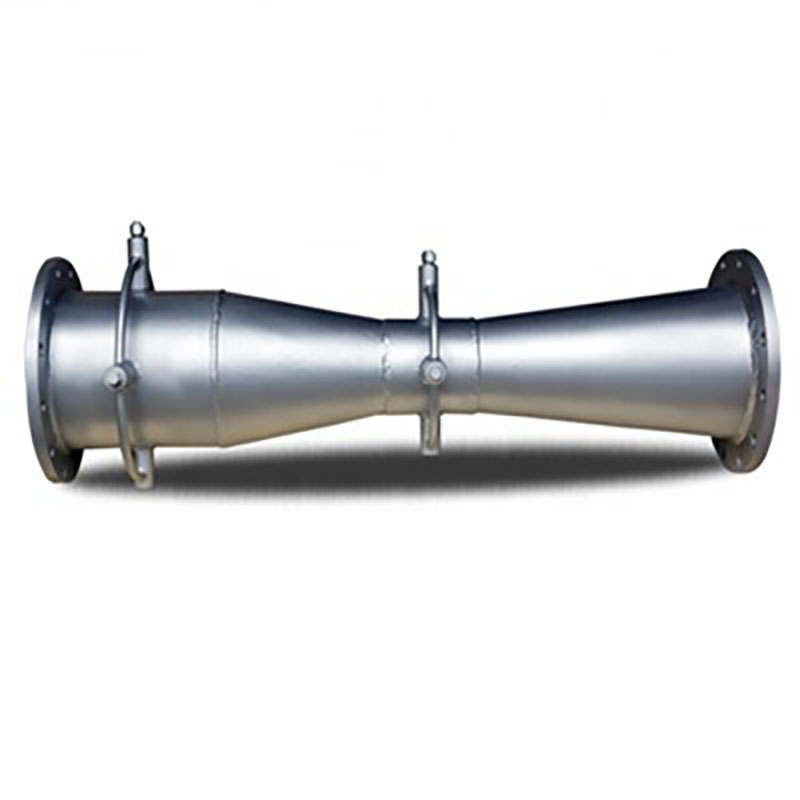
Venturi Differential Pressure Flowmeter for Steam Measurement
Measurement Principle: Steam accelerates as it enters the contraction section; static pressure is lowest at the throat; pressure gradually recovers in the expansion section; a stable differential pressure is generated between the throat and the inlet. Flow rate is calculated based on this differential pressure. The fluid flow field is smooth, and vortex losses are significantly lower than those of an orifice plate.
Structural Components: Integral Venturi tube, flanged pressure taps, condensation device, differential pressure transmitter unit, and temperature-pressure compensation system.
Applicable Conditions: Large-diameter, high-flow, high-temperature steam pipelines; suitable for main thermal pipelines requiring long-term continuous operation; and applications involving saturated steam containing a small amount of impurities.
Key Advantages: Pressure drop is almost negligible, so you save on energy costs over the long run; the smooth pipe walls have no sharp edges to speak of, which holds up well against steam erosion and wear; accuracy stays steady and the unit lasts a good while; and you don’t need much straight pipe, so it squeezes into tight rack spaces just fine.
Major Drawbacks: The casting and machining are tricky, so the price tag runs way higher than orifice plates; the thing is big and heavy, which makes hoisting, installing, and pulling apart large-diameter models a real headache; and it simply doesn’t make financial sense on small-diameter lines.
Key Considerations for Steam Applications: You still need a condensate trap to keep high-temperature steam away from the transmitter; because the Venturi has such a large surface area, the outer shell needs full insulation when handling hot steam—otherwise you’ll bleed off too much heat and start seeing temperature-related drift in your readings.
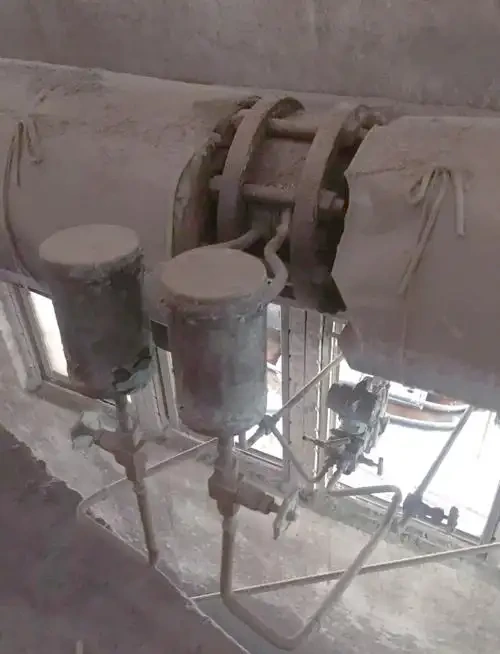
Advantages of Differential Pressure Flow Meters in Steam Measurement
1. Strong Adaptability to Operating Conditions
These meters hold up well under high-temperature, medium- and high-pressure steam. They work with saturated, superheated, and wet steam alike, and see heavy use in power generation, chemical processing, and heating systems. Compared with conventional flow meters, they simply handle a wider range of conditions.
2. Stable Operation and Strong Interference Resistance
The device has no moving parts—it measures flow through differential pressure from throttling. Small amounts of condensate, impurities, or pulsating airflow do not throw it off. It keeps output steady even when flow and pressure swing, with no data jumps or drift, so it can run continuously for long stretches without trouble.
3. Reliable Construction and Long Service Life
The core throttling parts are built from materials that resist heat and wear. The static design leaves out fragile precision components, so erosion and aging take longer to set in and failures stay rare. It is built to keep running in industrial settings without interruption.
4. Cost-Effective and Simple to Operate and Maintain
The upfront cost is low and parts are interchangeable. There is almost no routine upkeep beyond an annual calibration. With a service life exceeding ten years, it saves money over the long haul.
5. Accurate Measurement and Wide Compatibility
The measurement method itself is well-established. Pair it with temperature and pressure compensation, and it can iron out errors that crop up when operating conditions shift. The accuracy is good enough for billing and keeping track of energy use. It fits steam pipelines of any diameter, can be installed in several different ways, and works for both brand-new builds and retrofits of existing plants.
6. Facilitates Smart Monitoring and Control
It puts out standard communication signals, so it can tie straight into PLCs, DCS systems, and energy management platforms. That makes real-time steam flow monitoring, data logging, and energy tracking straightforward, which is exactly what smart factory setups need.
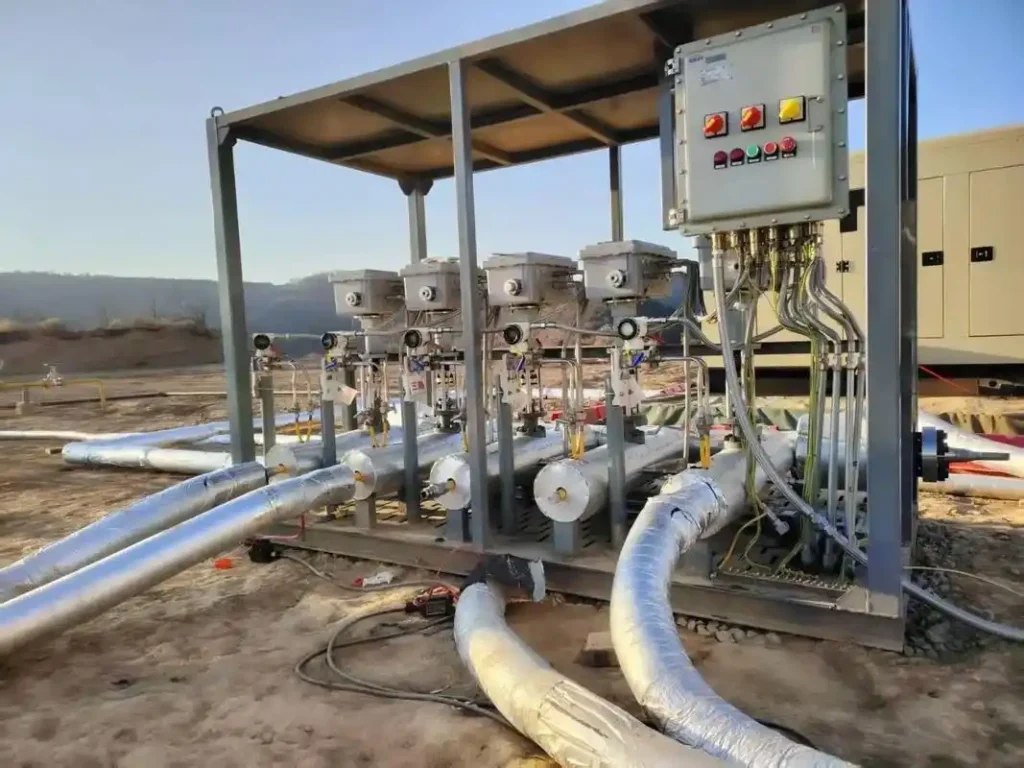
Comparison with Other Steam Flow Meters
Suitable Steam Operating Conditions
Differential Pressure Flow Meter: Works well with saturated and superheated steam; holds up under high pressure and high temperature. It can stay in service for the long term even when the pipeline carries some condensate, minor impurities, or occasional light water hammer. Among the options, it puts up with the roughest conditions best. It is not the right choice, however, for very low flow rates.
Vortex Flow Meters: Best for clean, saturated, and superheated steam. They do their job on pipeline networks running at moderate pressure with low moisture and little to no dust or contaminants. If the line sees heavy water or repeated severe water hammer for extended periods, the sensor probes can wear out or get damaged, which shortens their life.
Thermal Flow Meters: Suitable only for dry, clean, low-pressure steam; media containing water, oil, or dust will adhere to the temperature sensors, directly causing measurement inaccuracies. Use in wet steam or pipelines containing condensate is strictly prohibited.
Turndown Ratio and Low-Flow Performance
Differential Pressure Flow Meters: Rangeability is only 3:1 to 10:1. During low-load and start-stop phases, the differential pressure signal is weak at low flow rates, leading to under-readings or no display; they have the poorest low-flow measurement capability.
Vortex Flow Meters: Rangeability is 15:1 to 25:1. They can stably capture signals across both high and low flow ranges, with low-flow performance far superior to that of differential pressure meters.
Thermal Flow Meters: With a turndown ratio of 50:1 or higher, they offer the highest measurement accuracy for low flow rates among the three types and can accurately measure even trace amounts of steam under extremely low load conditions.
Pipeline Pressure Loss
Differential Pressure Flow Meters: The orifice obstructs the flow path, resulting in significant permanent pressure loss. Long-term operation increases boiler energy consumption, and energy costs are even higher in large-diameter pipelines operating continuously.
Vortex Flow Meters: Only a small probe extends into the pipe, causing minimal flow obstruction and slight pressure loss, with negligible impact on pipeline network energy consumption.
Thermal Flow Meters: The probe is compact and causes virtually no obstruction to the flow path, resulting in the lowest pressure loss; they are suitable for pipelines with strict pressure drop limitations.
Measurement Accuracy and Stability
Differential Pressure Flow Meters: Accuracy under standard conditions is ±1.0% to ±1.5%; Susceptible to interference from liquid accumulation or blockages in the pressure-taking lines, as well as transmitter zero-point drift; long-term measurement fluctuations are significant.
Vortex Flow Meter: Accuracy of ±0.5% to ±1.0% with clean, stable steam; the frequency signal exhibits no zero-point drift, but measurement interference may occur in environments with severe vibration; long-term stability is good when the medium is clean.
Thermal Flow Meter: Accuracy can reach ±0.5% with dry, clean steam; However, accuracy deteriorates rapidly once the medium becomes fouled or contaminated with water, and stability depends entirely on the cleanliness of the medium.
Installation Requirements
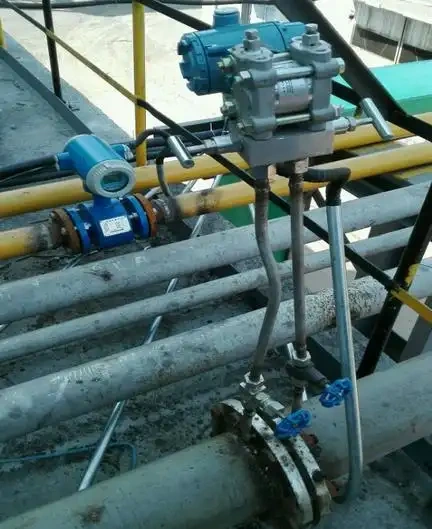
Differential Pressure Flow Meters: Require numerous accessories, including a condensate trap, a three-valve manifold, and pressure-taking lines; long straight pipe sections are required—at least 30 pipe diameters upstream and 5 pipe diameters downstream—making installation complex and wiring cumbersome.
Vortex flow meters: These are all-in-one units that do not need any pressure-tapping hardware. They call for a moderate straight run—10 pipe diameters upstream and 5 downstream—so getting them in place on site is fairly straightforward.
Thermal flow meters: Come in either integrated or insertion styles. They need the shortest straight pipe runs of the lot, take up hardly any room, and are easy to get installed in the field.
Daily Maintenance Workload
Differential pressure flow meters: Need the most attention over time. You have to drain condensate from the impulse lines on a regular schedule, clear out the piping, and check the transmitter zero. The piping tends to clog, which drives up long-term operating and maintenance costs.
Vortex flow meters: Day-to-day upkeep is light. Just inspect the probes now and then for wear and surface buildup. There is no piping to drain.
Thermal flow meters: Under clean, dry steam they are practically maintenance-free. But if the steam carries impurities or moisture, the probes have to be pulled and cleaned often, which turns into a real chore.
Lorem ipsum dolor sit amet, consectetur adipiscing elit. Ut elit tellus, luctus nec ullamcorper mattis, pulvinar dapibus leo.
In summary, differential pressure steam flow meters rest on well-proven technology, handle a broad mix of operating conditions, run steadily, and are straightforward to operate and maintain. That is why they remain the go-to, dependable choice for steam energy metering and heat billing in industry.
Sion-Inst does not just carry the full differential pressure steam flow meter line; we also stock the complete range of industrial flow meters—electromagnetic, turbine, vortex, and more. So whether the medium is liquid, gas, or steam, we can cover the measurement need in one place.
We size and select the right unit based on actual field conditions, pipeline specs, and billing or metering requirements, then deliver a turnkey package with installation guidance and ongoing after-sales support baked in. The goal is to keep the equipment running accurately and reliably for the long haul, giving plants solid hardware backing for tighter energy management and compliant heat billing.