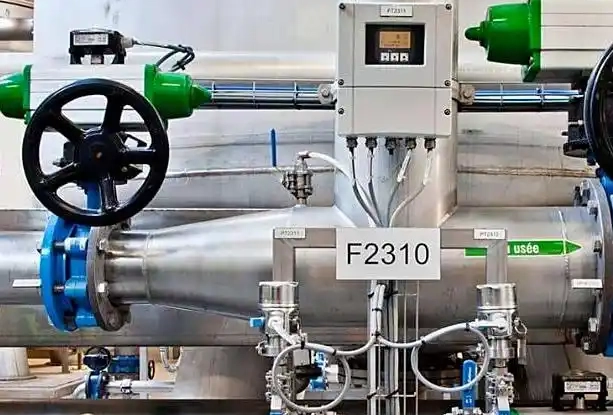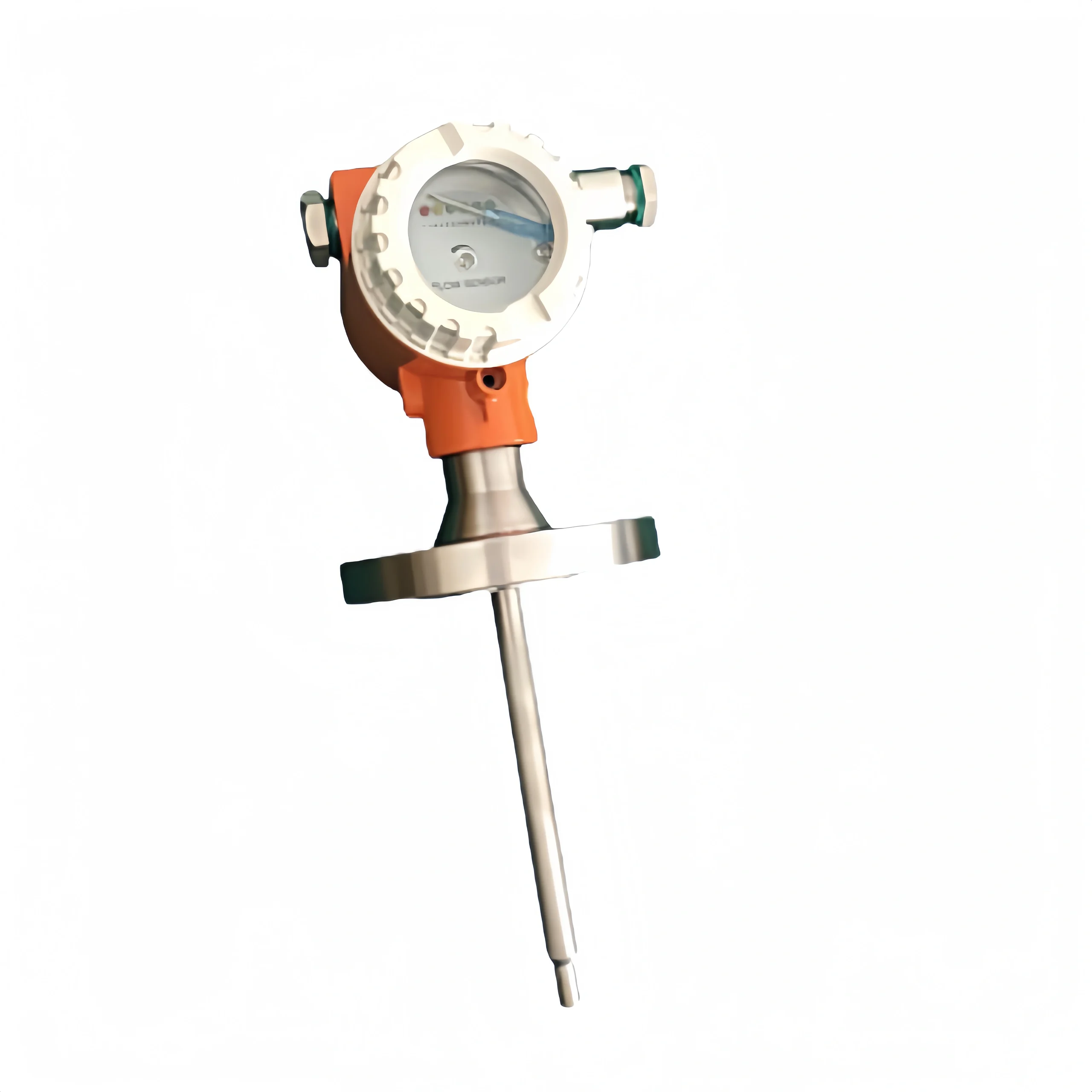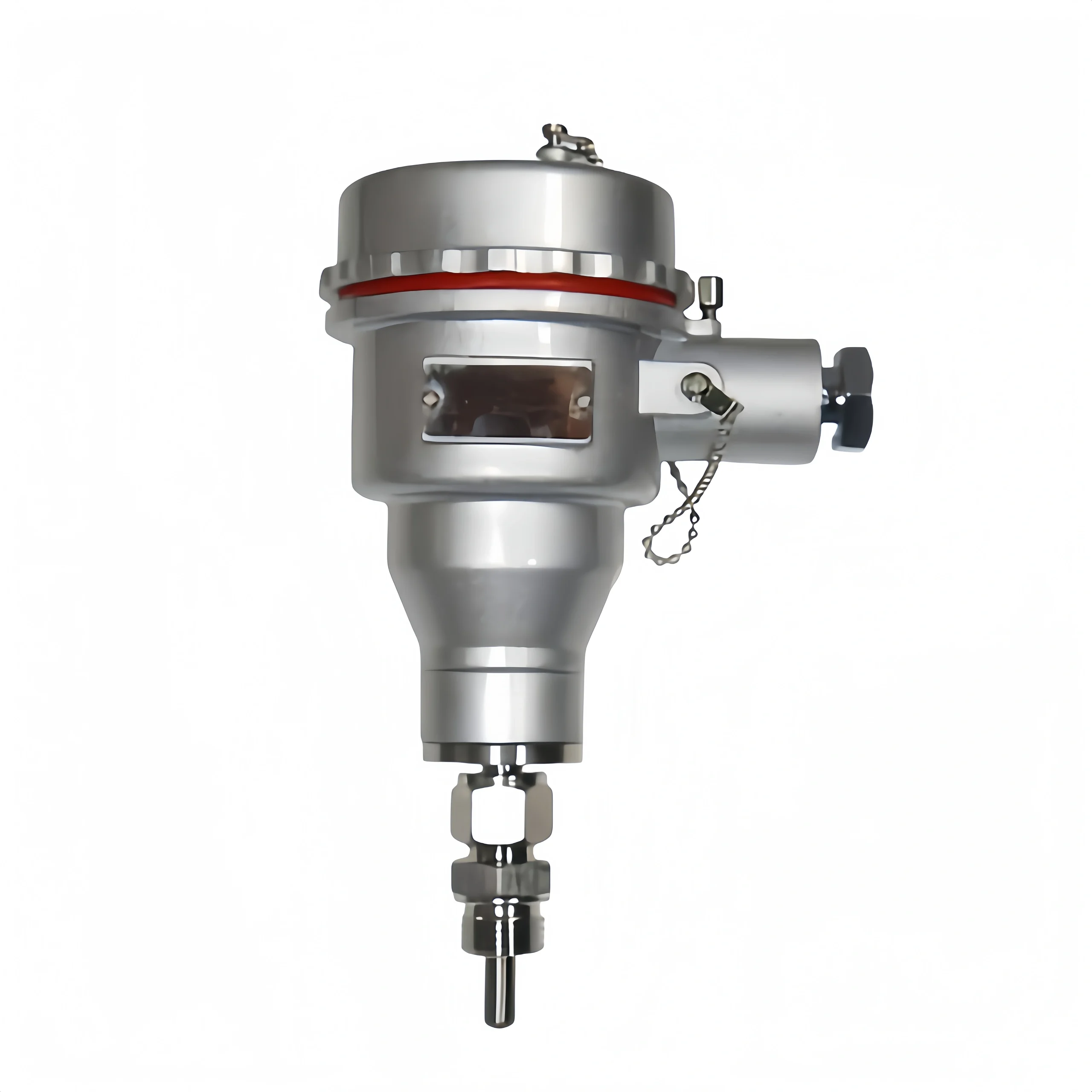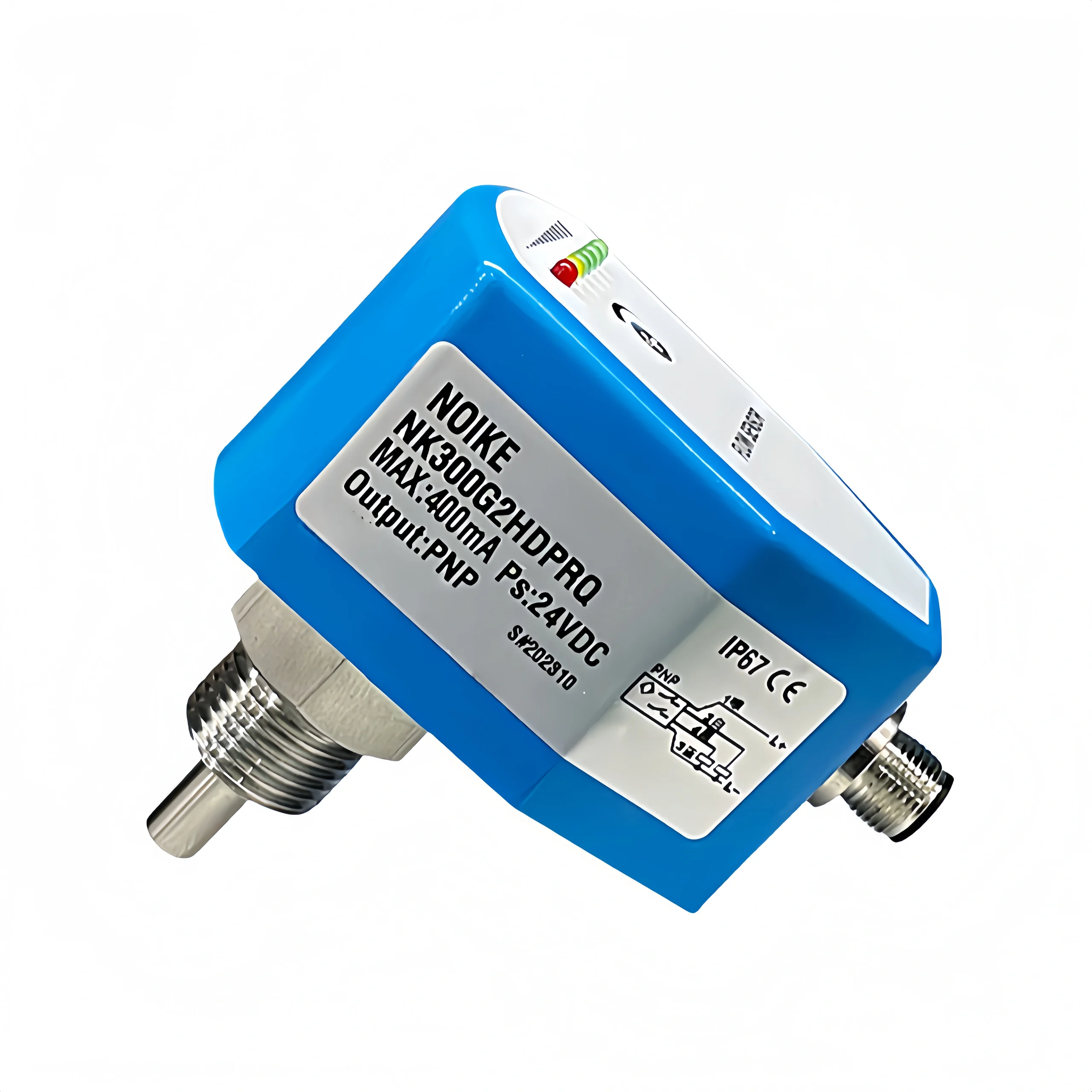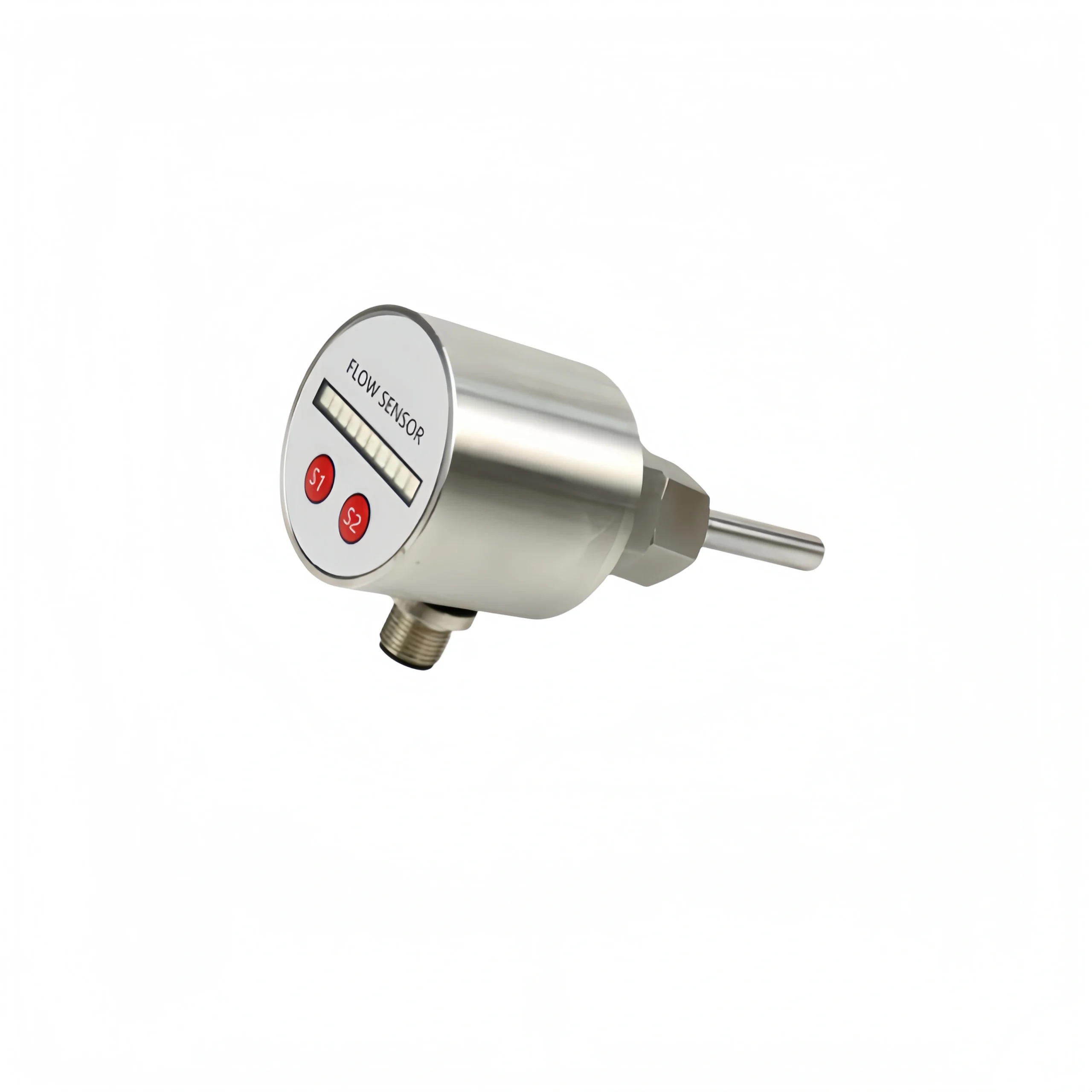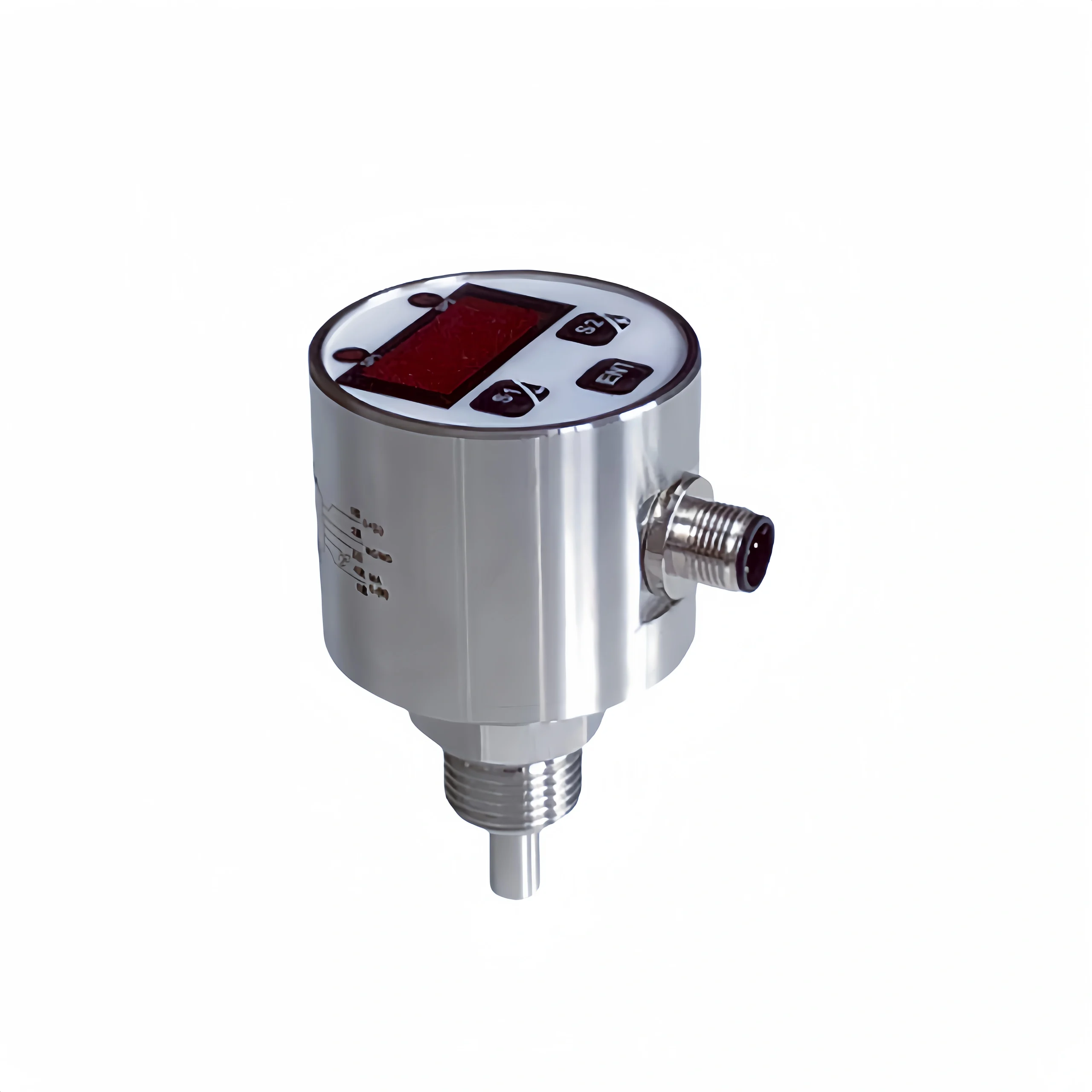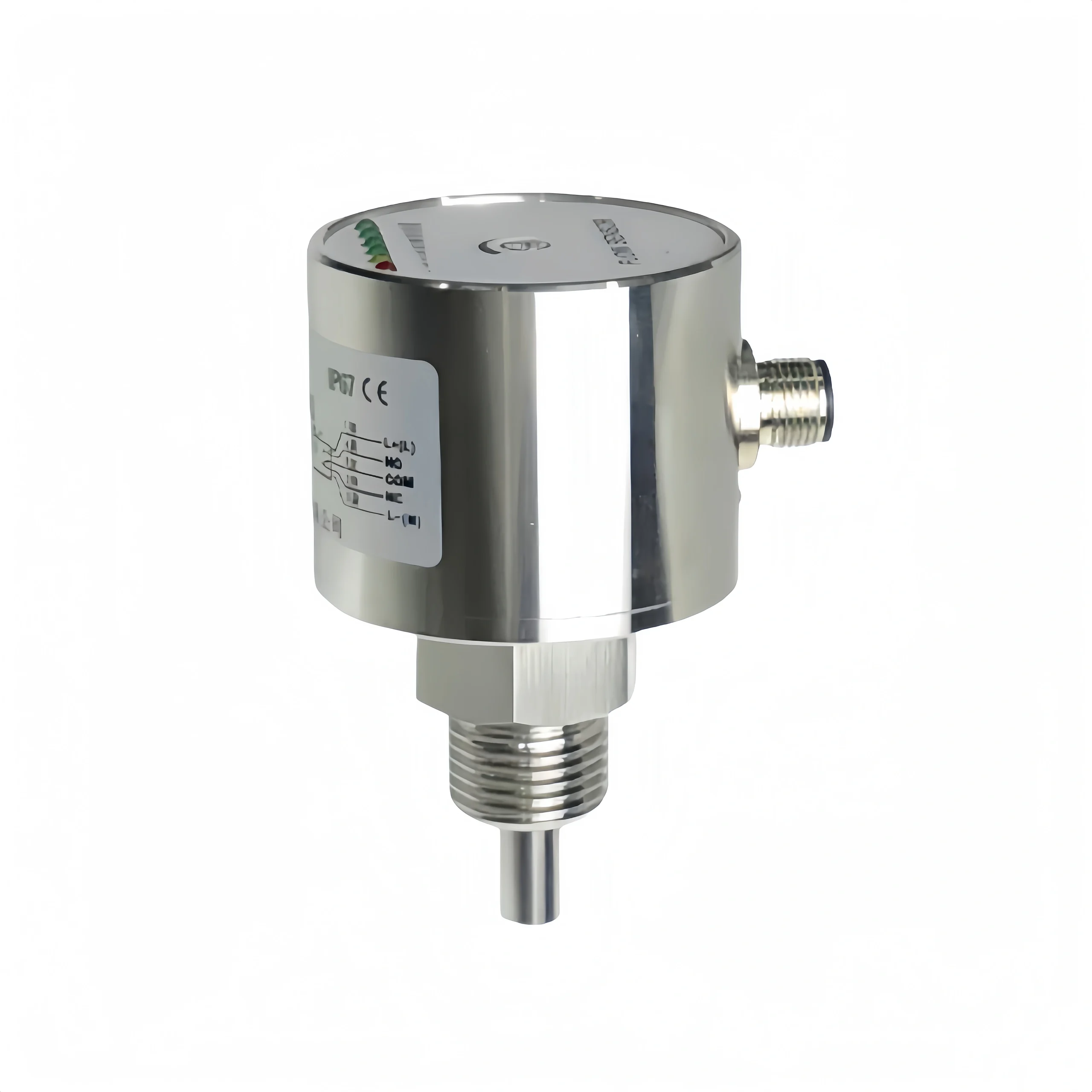
Flow monitoring and interlock control are key to ensuring the stable operation of industrial fluid systems, and are directly linked to equipment safety and process accuracy.
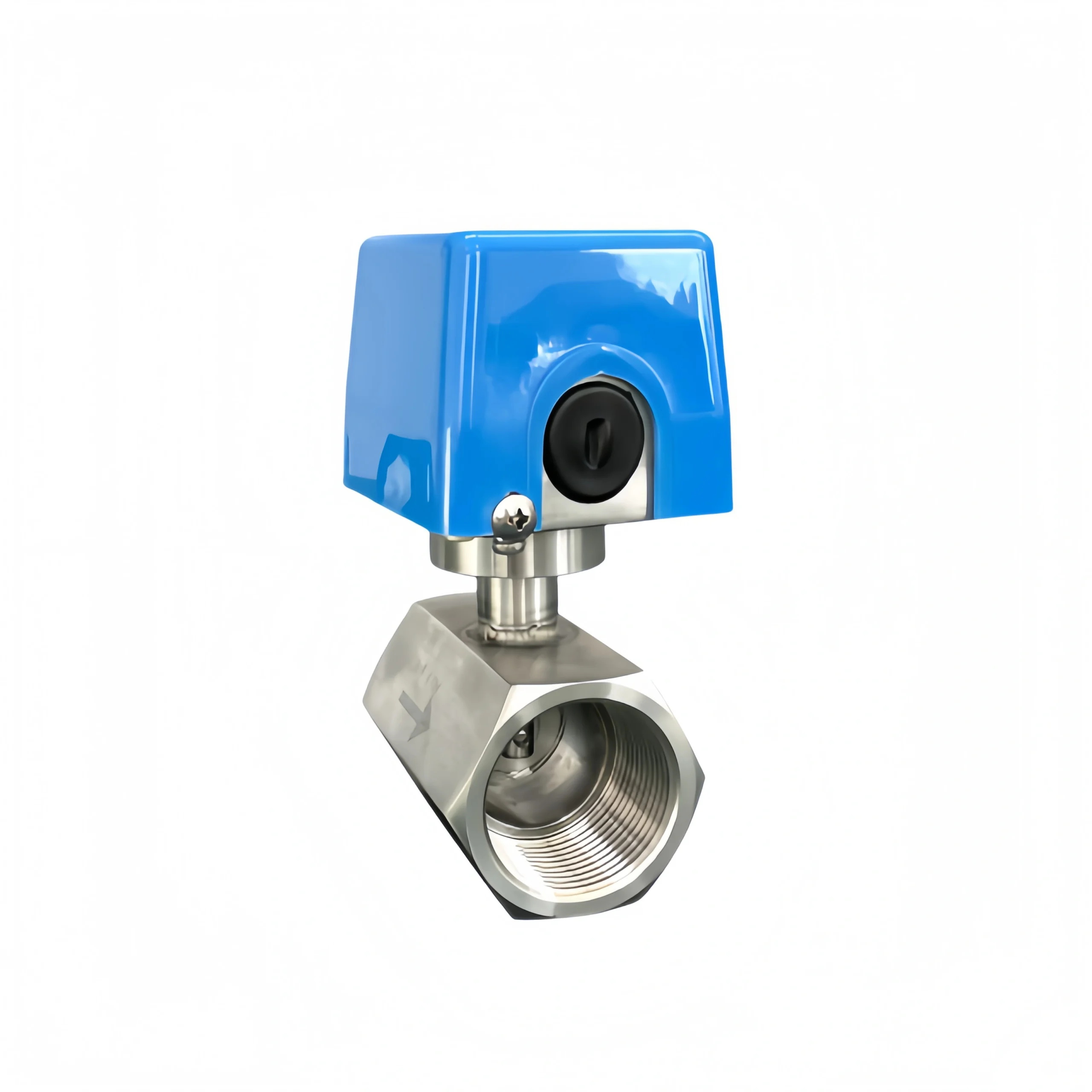
Piston flow switches are mechanical flow protection components commonly used in the industrial sector; thanks to their reliable adaptability to operating conditions and stable triggering performance, they are widely used in various low-to-medium flow pipeline monitoring scenarios, such as HVAC, water treatment and precision fluid equipment.
Working Principle of Piston Flow Switches
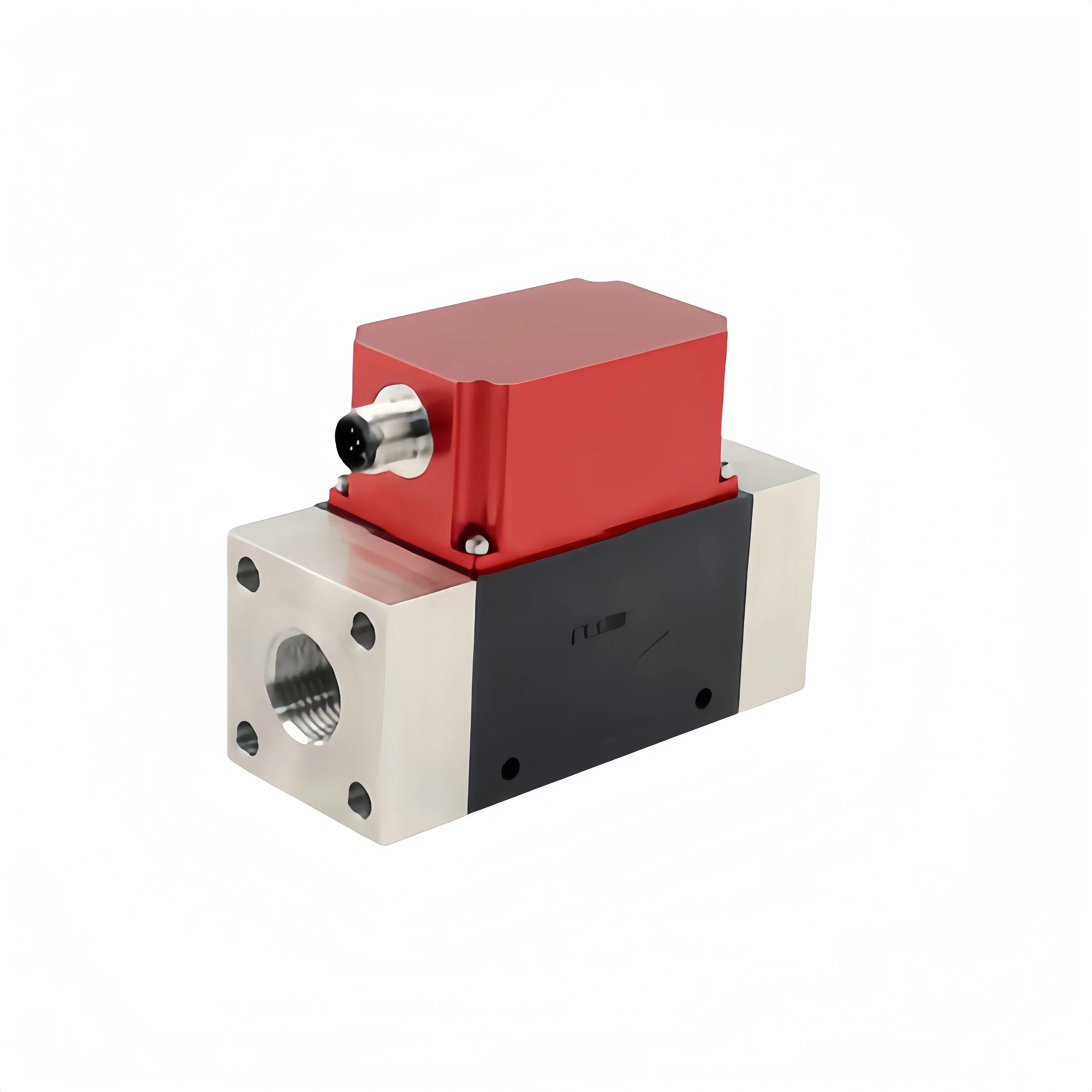
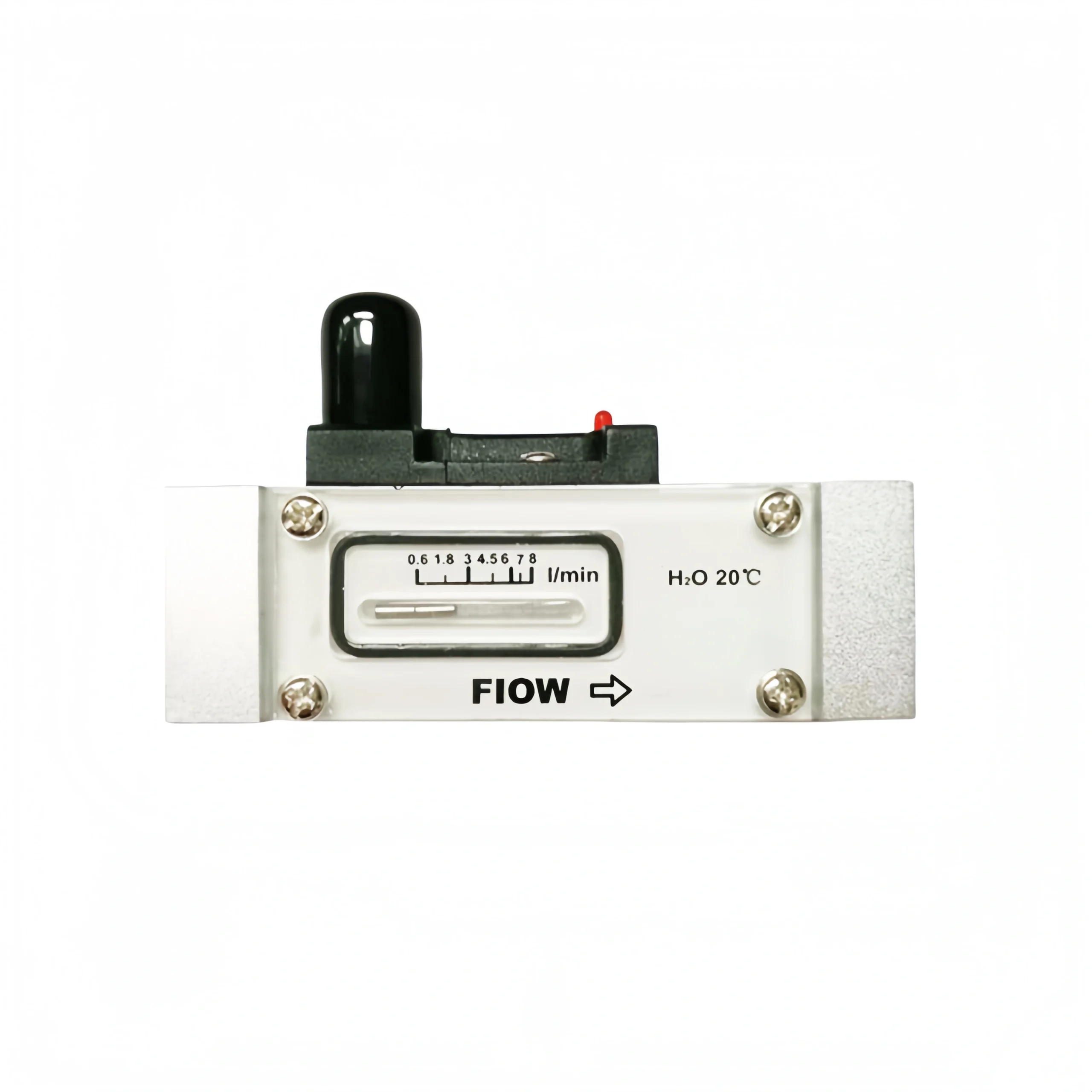
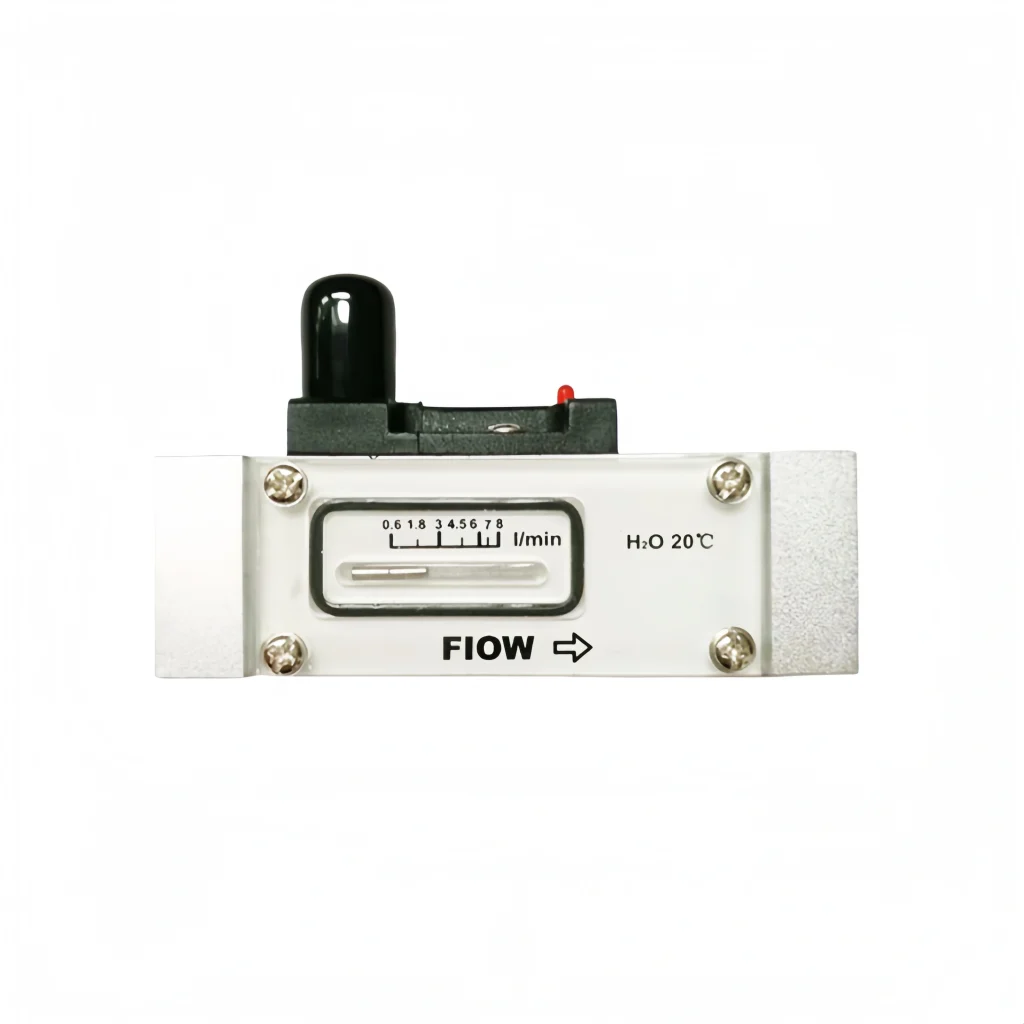
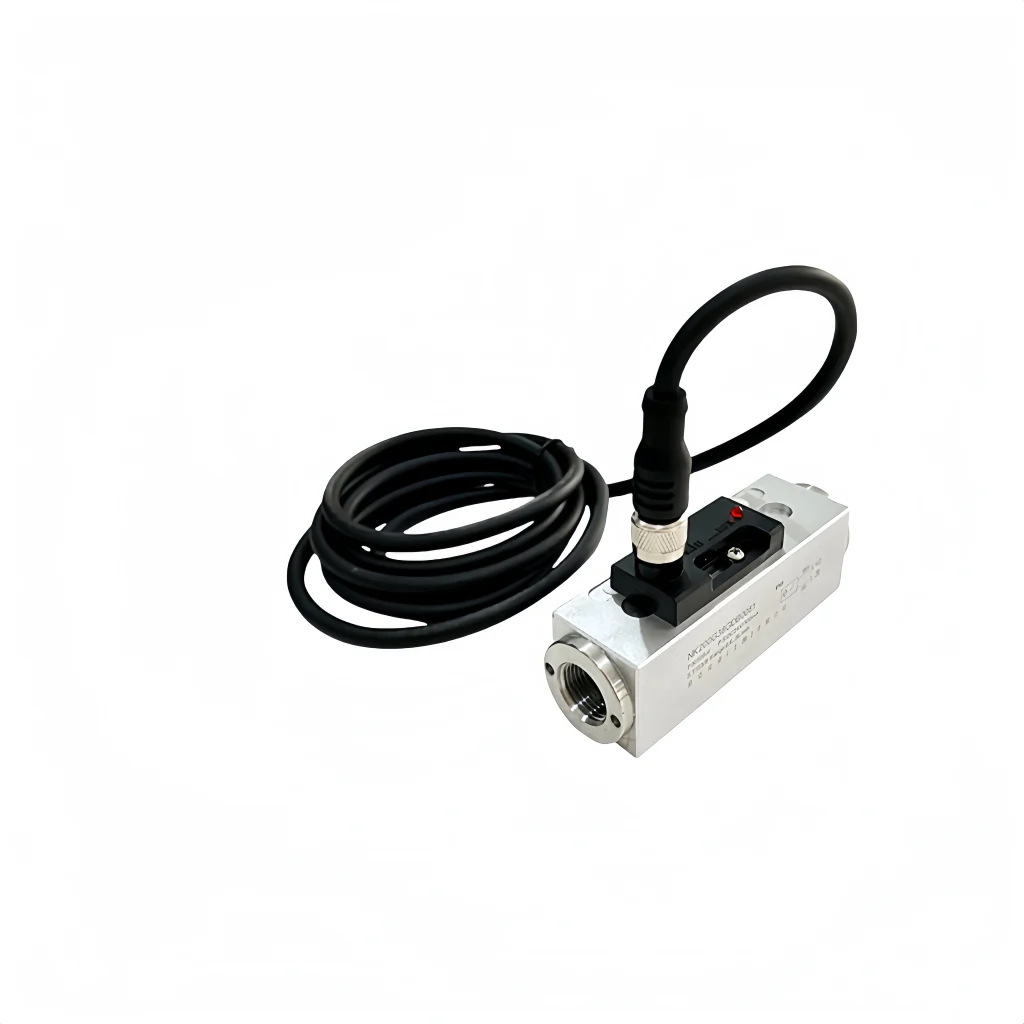
A piston containing a permanent magnet is mounted within the fluid passage inside the flow switch housing. When the piston is pushed by the pressure differential caused by the fluid flow, the magnetic piston drives the internal magnetic seal to perform a switching action.
The diameter of the piston determines the activation flow rate. When the fluid flow decreases, a stainless steel spring pushes the piston back to its original position. Once the reed switch is activated, it can trigger a remote alarm or indicator. Suitable for liquid or gaseous media. Robust plastic, aluminium or stainless steel housings are available.
Basic Structure
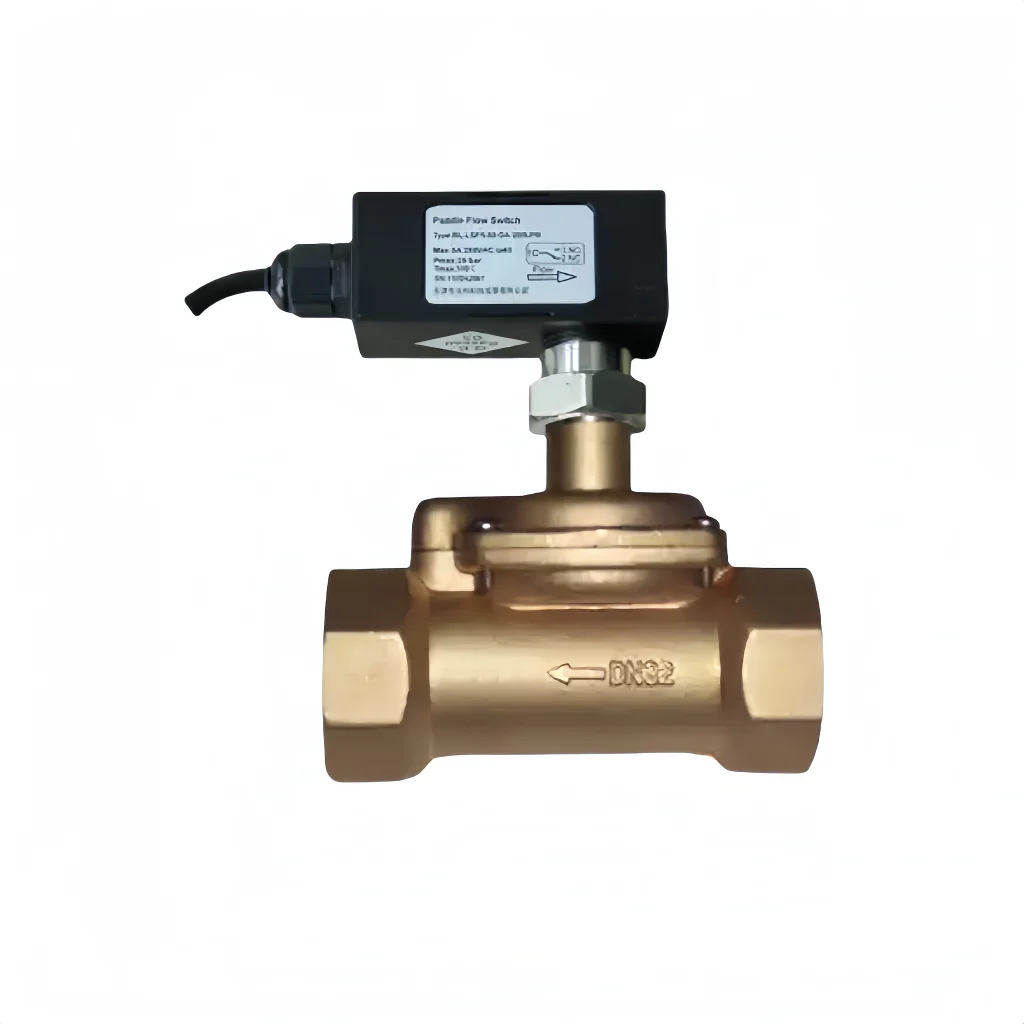
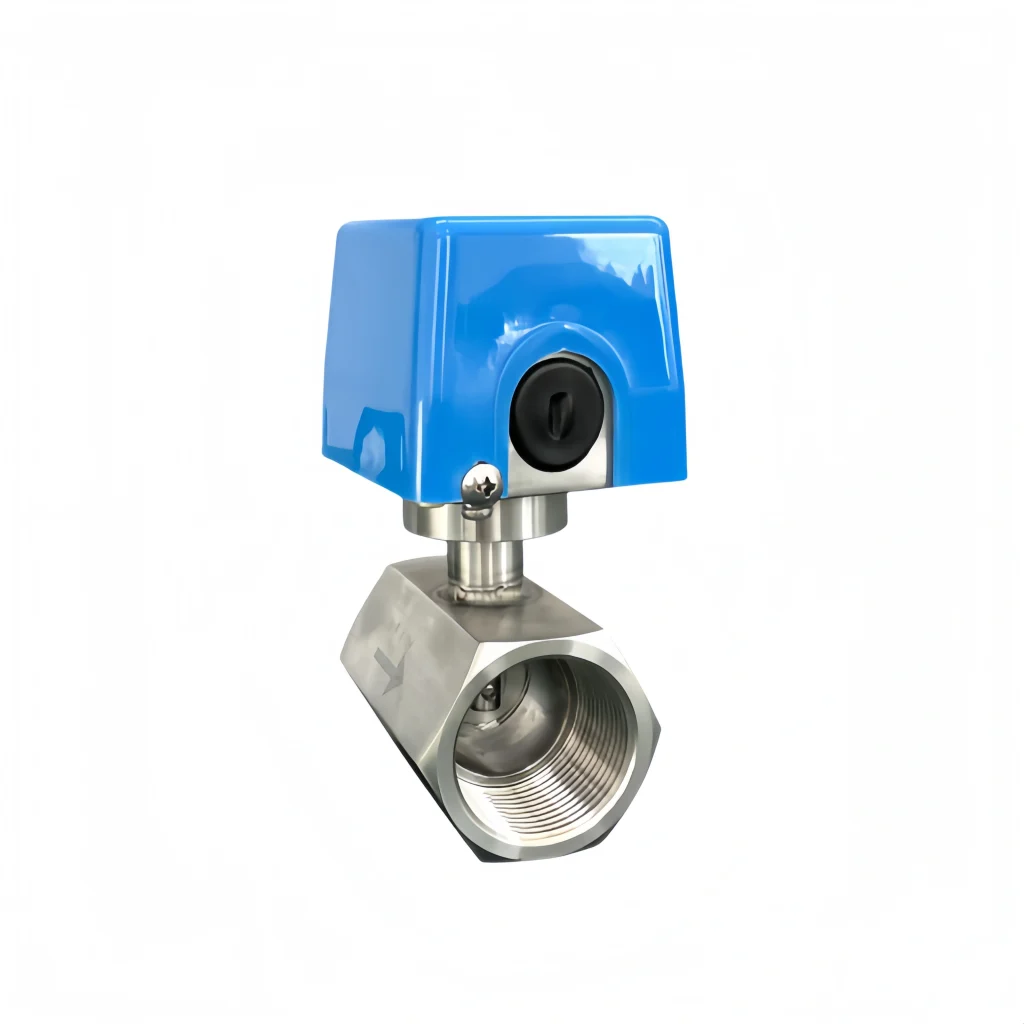
Valve Body and Flow Path: The main body is usually a metal or plastic housing, with a straight-through or angle-type flow path running through it. Fluid moves axially along this path, which also guides the piston as it travels.
Piston Assembly: Serving as the core sensing component, this cylindrical piston is equipped with a magnetic ring and installed directly within the fluid flow channel. When medium flows through the pipeline, it generates thrust to push the piston against the return spring. The piston’s displacement distance increases proportionally as the fluid flow rate rises.
Return Spring: Installed on either the front or back side of the piston component, this spring acts to reset the piston to its original resting position once fluid flow weakens or ceases entirely. The spring’s tensile strength and rigidity define the minimum flow threshold required to activate the device’s response function.
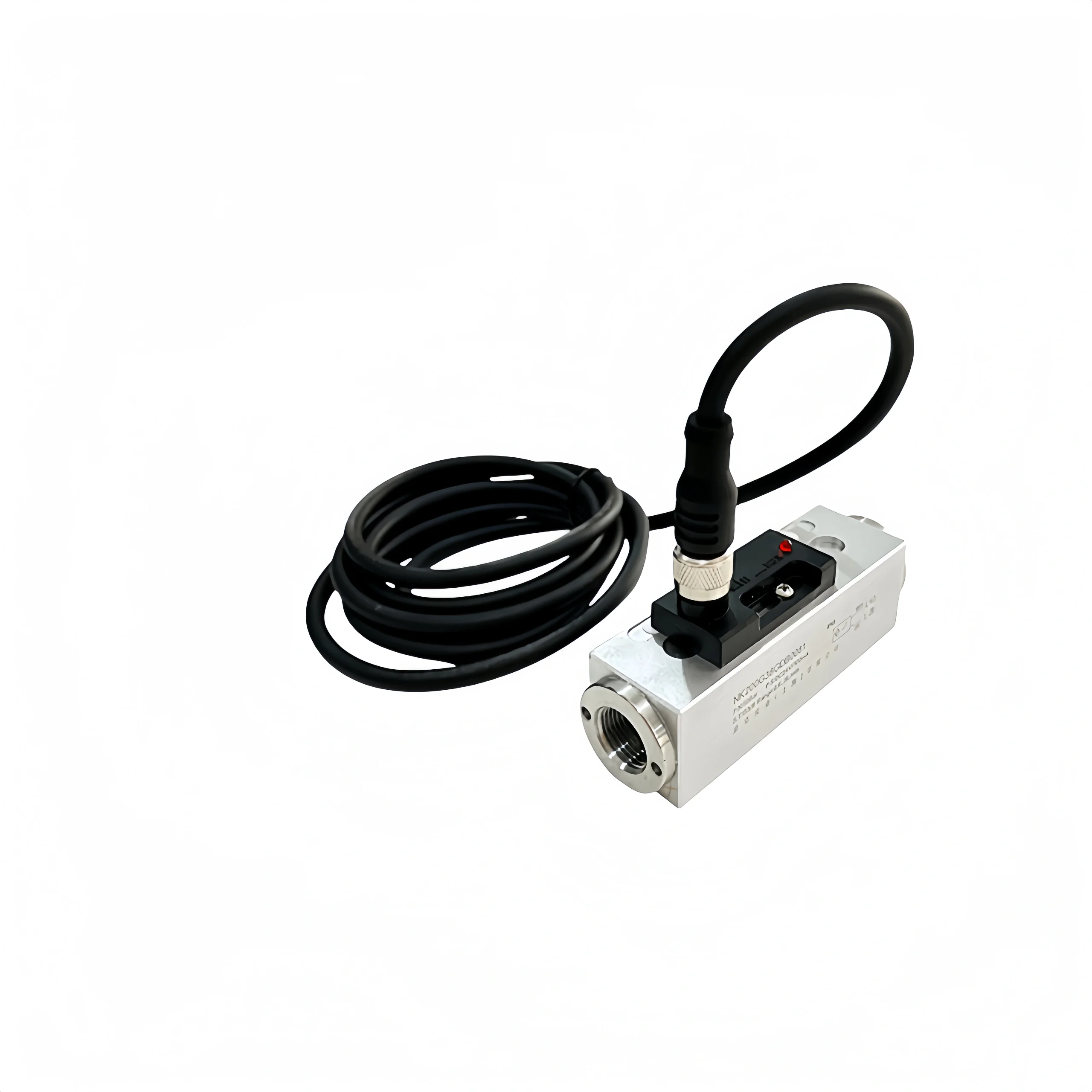
Magnetic Switch: A reed switch or Hall effect sensor is securely mounted on the outer surface of the valve body, precisely aligned with the magnetic ring on the piston. When the piston travels to the preset displacement position, the magnetic field triggers the sensor switch, which in turn outputs a corresponding electrical signal.
Adjustment Mechanism: Most configurable models feature an adjusting screw design or support spring replacement. This allows field technicians to calibrate the switch’s actuation threshold on-site, adapting the device to different pipe diameters and various working media conditions.
Sealing and Connections: O-rings or Gleason sealing rings are adopted to seal the clearance between the piston and valve body, preventing fluid leakage. The inlet and outlet ports are fitted with threaded or flanged connectors, which deliver reliable pressure resistance and strong compatibility with diverse process media.
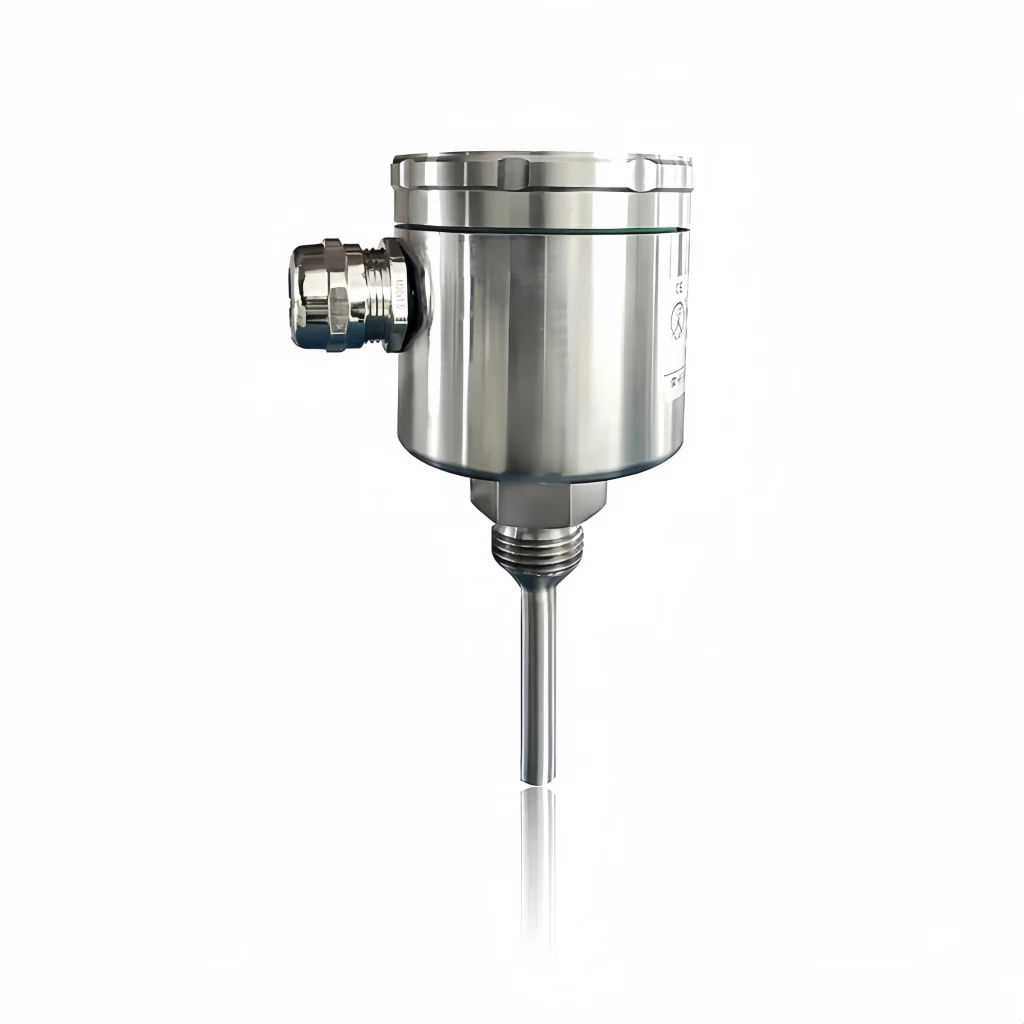
Features of piston flow switches
1. Simple and reliable structure: the whole thing runs on a pretty straightforward idea—the piston picks up on the medium’s thrust to flip the switch on or off. There aren’t many parts inside, so not much tends to break, and you won’t be spending much time on upkeep.
2. Handles all sorts of media: works fine with water, oil, coolant, and the like. Some tweaked versions can also take low-viscosity clean fluids, though you do need the stuff to be reasonably clean.
3. Flexible mounting: you can install it horizontally, vertically, or whatever orientation suits your setup. No need to worry about getting the angle exactly right, which comes in handy when the piping on site is a bit of a mess.
4. Easy to tweak the flow point: comes with an adjustable spring assembly built in. Swap out the spring for a stronger or weaker one, and you can set the actuation threshold to match whatever flow monitoring job you’ve got.
5. Decent protection: the housing is usually metal or tough plastic, and standard models hold up against water and dust well enough for typical indoor industrial environments.
6. Holds up under pressure: the piston is built to take it, so medium and low-pressure lines won’t be a problem. Normal pressure bumps in the medium won’t throw it off and cause false alarms.
7. Clean signal output: most units just give you a passive contact switch output, so no extra conversion modules needed. Wire it straight into a relay, controller, or alarm—simple as that.
8. Doesn’t eat up space: it’s a compact unit that won’t get in the way inside the pipework, so it slots easily into small units, hydraulic gear, cooling loops, and other tight setups.
Limitations of Piston Flow Switches
1. Strict requirements regarding medium purity; if the fluid contains impurities such as silt, fibres or welding slag, the piston is prone to jamming, leading to false alarms or complete failure. Consequently, these switches are unsuitable for complex media such as sewage or highly contaminated slurries.
2. High pressure drop: as the fluid pushes the piston, it creates throttling resistance; in low-flow, low-pressure water supply pipelines, this significantly reduces the pressure at the outlet, disrupting the operation of downstream equipment.
3. Narrow viscosity range: high-viscosity oils and viscous chemical slurries tend to adhere to the chamber and piston, increasing frictional resistance, shifting the trigger flow rate, and significantly reducing operational accuracy.
4. Poor resistance to temperature and pressure shocks; high temperatures accelerate the ageing of internal seals; water hammer and sudden pressure changes can easily cause erroneous piston triggering, and media leakage may occur once the seals are damaged.
5. Prone to failure under low-temperature conditions; the reduced flowability of low-temperature media and the solidification of lubricating grease can cause the piston to seize; without a heat tracing system, the valve is highly prone to failure in opening and closing operations during winter.
6. Poor performance in detecting trace flows; the piston fails to actuate when the flow rate falls below the rated minimum, making it difficult to monitor trace leaks and low-velocity circulation pipelines.
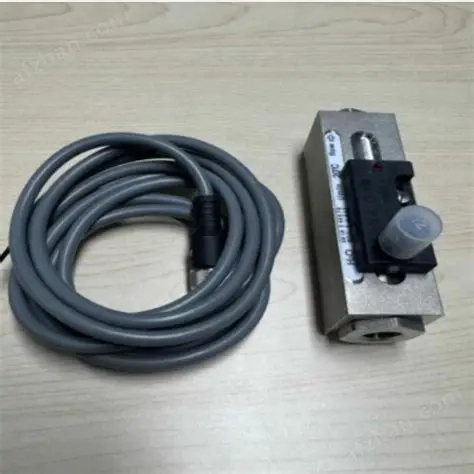
Typical Applications
Industrial cooling water systems:
Commonly used to monitor flow conditions in cooling water pipelines; when the water flow falls below a set value, an alarm is triggered or a shutdown protection is activated to prevent equipment damage due to overheating caused by insufficient cooling. Widely used in the cooling circuits of injection moulding machines, welding equipment and large electric motors.
Central air-conditioning and HVAC systems:
Installed on chilled water, cooling water or hot water circulation pipes to verify the operating status of pumps and the normality of the system’s water circulation, thereby providing interlock protection for compressors or boilers and preventing dry running in the absence of water.
Water Treatment and Environmental Protection Equipment:
These switches see a lot of use in RO systems, ultrafiltration setups, and wastewater treatment gear. They keep tabs on the flow of product water or concentrate, making sure the membrane modules don’t stray outside their safe operating range. If the flow cuts out, they step in before the membrane elements take a hit.
Lubricating Oil Systems
These devices track oil movement inside lubrication loops fitted to compressors, steam turbines and heavy-duty gear assemblies. If oil pressure or flow rate drops beneath the required operating threshold, the units send out an instant alert signal. This quick response prevents excessive mechanical abrasion and stops bearings from locking up due to insufficient lubricant supply.
Chemical and Pharmaceutical Processes
The units monitor fluid flow across a full range of production media, including solvents, blended reaction compounds and process cleaning liquids. After wiring into the site’s control framework, they enable automatic startup and shutdown cycles. They also guard against low feedstock levels, supporting steady, risk-free operation of the entire production line.
Fire Sprinkler and Water Supply Systems:
These switches keep an eye on water flow through fire sprinkler networks or at the discharge side of booster pumps. When a sprinkler head pops open and the flow rate shifts, the switch picks up on it and can either kick the fire pump into action or send out an alarm.
Solar Water Heating and Heat Pump Systems:
They pick up flow in the collector circulation lines or on the water side of heat pumps, making sure normal circulation is actually happening. This helps prevent freezing and keeps the system running at decent efficiency.
Food and Beverage Filling Lines:
Used to keep an eye on flow rates in CIP rinse water, process water, or product lines, ensuring cleaning and filling stick to the set parameters. This covers the monitoring needed to keep operations up to hygienic standards.
Types of Piston Flow Switches
Piston flow switches are mainly classified according to housing material and output functions to suit different industrial environments and control requirements.
Classification by Material
The material determines the switch’s pressure resistance and compatibility with the medium:
Plastic: Suitable for low-cost, non-corrosive media and low-pressure applications, such as water treatment and standard HVAC systems.
Aluminium alloy: Offers good mechanical strength and pressure resistance, suitable for oils or general industrial fluids.
Stainless steel: Offers the highest pressure resistance and good compatibility with corrosive media.
Classification by Function and Output
Single-channel switch output: The most common type, providing a single switch point for high-limit or low-limit alarms. The output is typically a reed switch, rated for example at 24 VDC / 250 VAC, 100 mA.
Dual-channel switch output: Gives you two separate switch points, so you can watch both high and low flow limits at the same time. That makes for more flexible control overall.
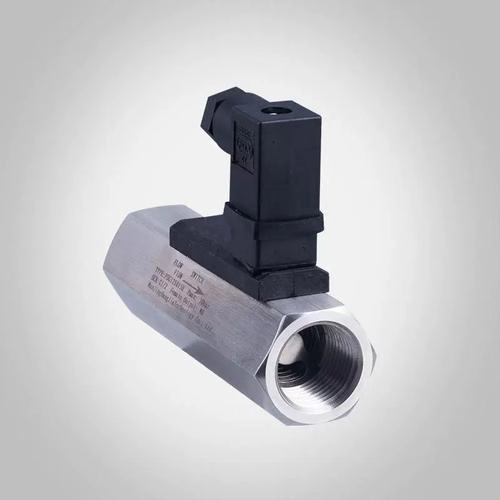
Add Your Heading Text Here
Principle of Operation
Piston-type: The pressure difference in the fluid pushes a magnetised piston against spring resistance, making it slide along. The magnet on the piston trips an external reed switch, so it’s really picking up on the pressure differential to detect flow.
Target-type: The fluid hits a target plate sitting right in the pipe. The plate deflects, and that movement gets passed through a lever to flip a microswitch. It’s working off the direct impact force of the fluid.
Suitable Pipe Diameters and Flow Rates
Piston-type: Built for smaller pipes, roughly DN8 up to DN50. Can handle pretty low flow rates, with a lower minimum operating point than most.
Target-type: Geared toward medium to large pipes, DN25 and up. Only really works for medium to high flow rates—forget about picking up really low velocities.
Pressure Drop
Piston-type: The flow goes straight through, so resistance stays low and the pressure drop is minimal. Hardly affects the pipeline flow at all.
Target-type: The target plate obstructs the flow path, resulting in high fluid resistance and a significant pressure drop in the pipeline; this can easily affect circulation in low-flow pipelines.
Media Compatibility and Anti-clogging
Piston-type: The chamber clearances are narrow; fibres and large particulate impurities can easily become lodged in the piston, so the medium must be of high purity.
Target-type: The target plate is a thin-sheet structure; small particles are unlikely to cause jamming, but long, stringy debris can easily become entangled with the target plate, leading to failure.
Installation Requirements
Piston-type: Requires short straight pipe sections upstream and downstream; can be installed in both horizontal and vertical pipework; suitable for compact piping systems.
Target-type: The target plate is susceptible to turbulence; longer straight pipe sections must be provided upstream and downstream, and false triggering is likely near bends or valves.
How to Select a Suitable Piston Flow Switch
Confirming Medium Parameters
Determine whether the medium is a liquid or a gas; verify the medium’s corrosive properties (acidic or alkaline). For corrosive conditions, select a stainless steel housing and sealing components; for non-corrosive clean water, copper internals may be selected.
Pipework Pressure Specifications
Match the pressure rating; neither the static nor the surge pressure in the pipework must exceed the switch’s rated pressure. For high-pressure pipework, select a piston structure with a thickened housing; the rated pressure must exceed the maximum on-site pressure.
Flow Range Matching
Determine the minimum and maximum operating flow rates on site; refer to the product specifications table and select a model whose rated range fully covers the actual flow fluctuations.
Alarm Point Requirements
For a single-point flow alarm, select a model with a single switch output; For monitoring of both high and low flow limits, select a model with dual switch outputs.
Power Supply and On-Site Display
Confirm whether the on-site power supply is DC or AC; DC models can be fitted with optional LED status indicators for intuitive on-site monitoring of the on/off status.
External Operating Environment
Assess the on-site conditions regarding water and dust resistance, as well as high and low temperatures; for outdoor environments with high dust levels or water splashes, select a model with a minimum protection rating of IP65.
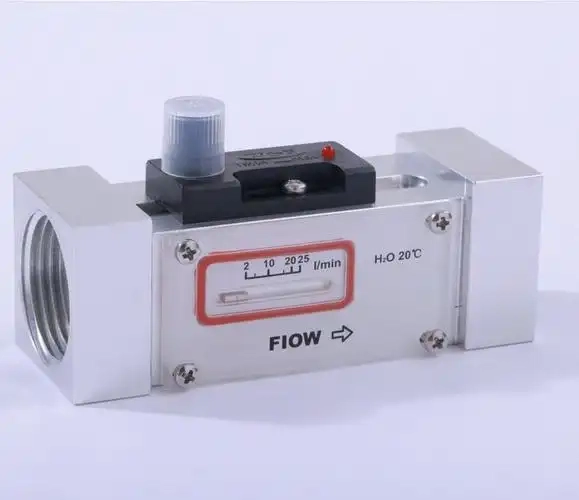
Sion-Inst offers customised solutions based on your on-site pipe diameter, medium characteristics, pressure and temperature conditions, and interlock control requirements, featuring housings in plastic, aluminium alloy and 316 stainless steel, as well as single or dual-channel contact output options, accompanied by comprehensive installation guidance and technical support for flow threshold calibration.
We have a dedicated technical team specialising in operating condition selection, capable of providing one-to-one selection solutions based on on-site pipe diameter, medium viscosity, pressure and temperature, and impurity conditions. We also support customisation of various connection types, including threaded and flanged interfaces, along with accompanying installation guidance.
All products undergo comprehensive testing for pressure and flow trigger accuracy prior to leaving the factory, effectively reducing the risk of on-site malfunctions such as false triggering, sticking or leakage.